Florida's real estate landscape could be approaching one of its most significant property tax changes in years.
On November 3, 2026, Florida voters will decide the fate of Amendment 3, a proposed constitutional amendment that could substantially reduce property taxes for qualifying homeowners while introducing new protections for investment and second-home properties.
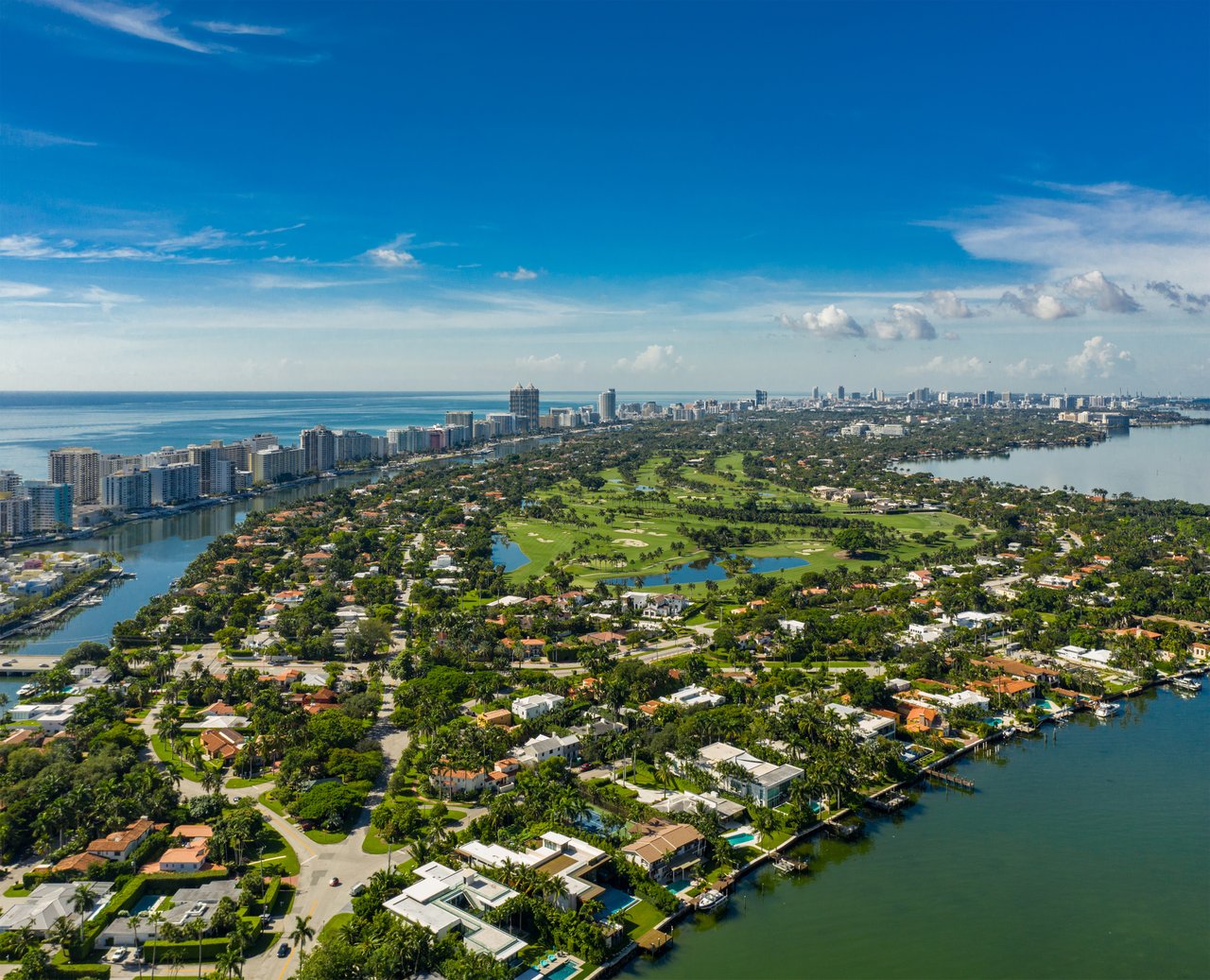
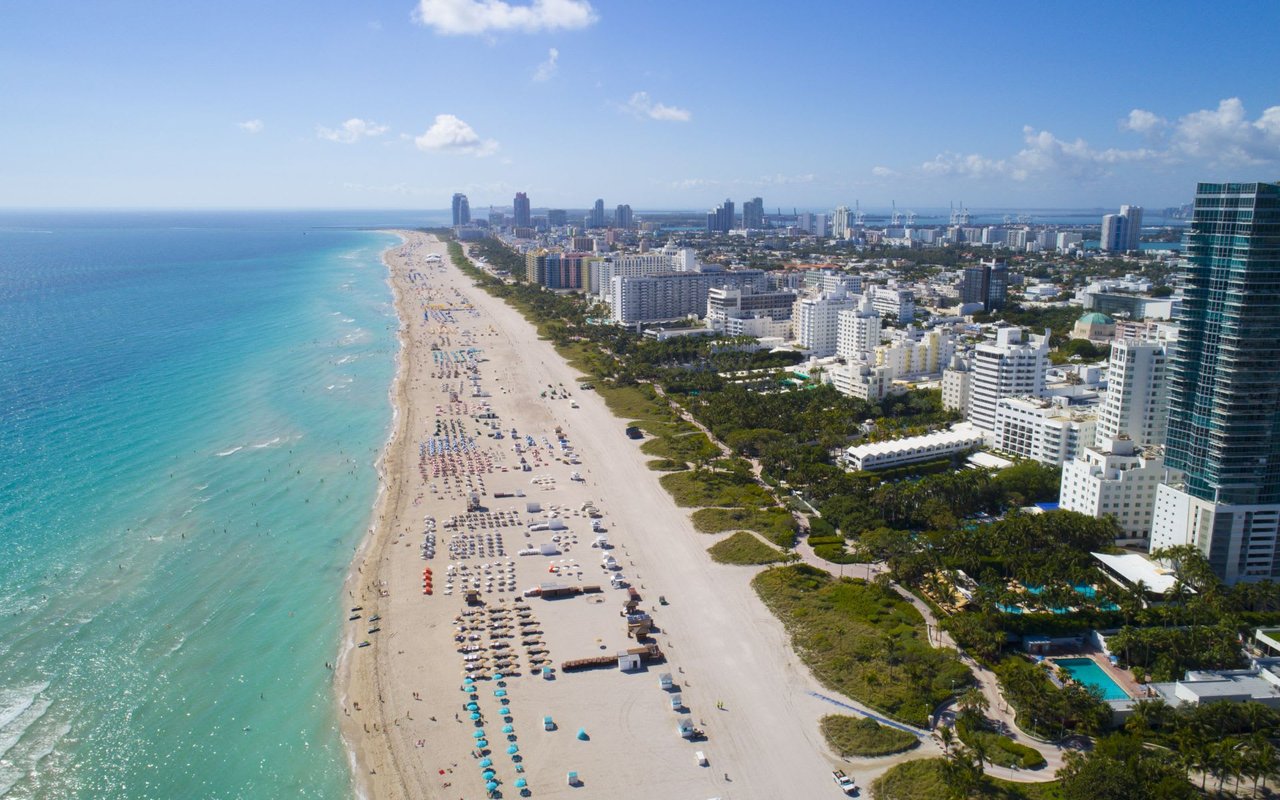
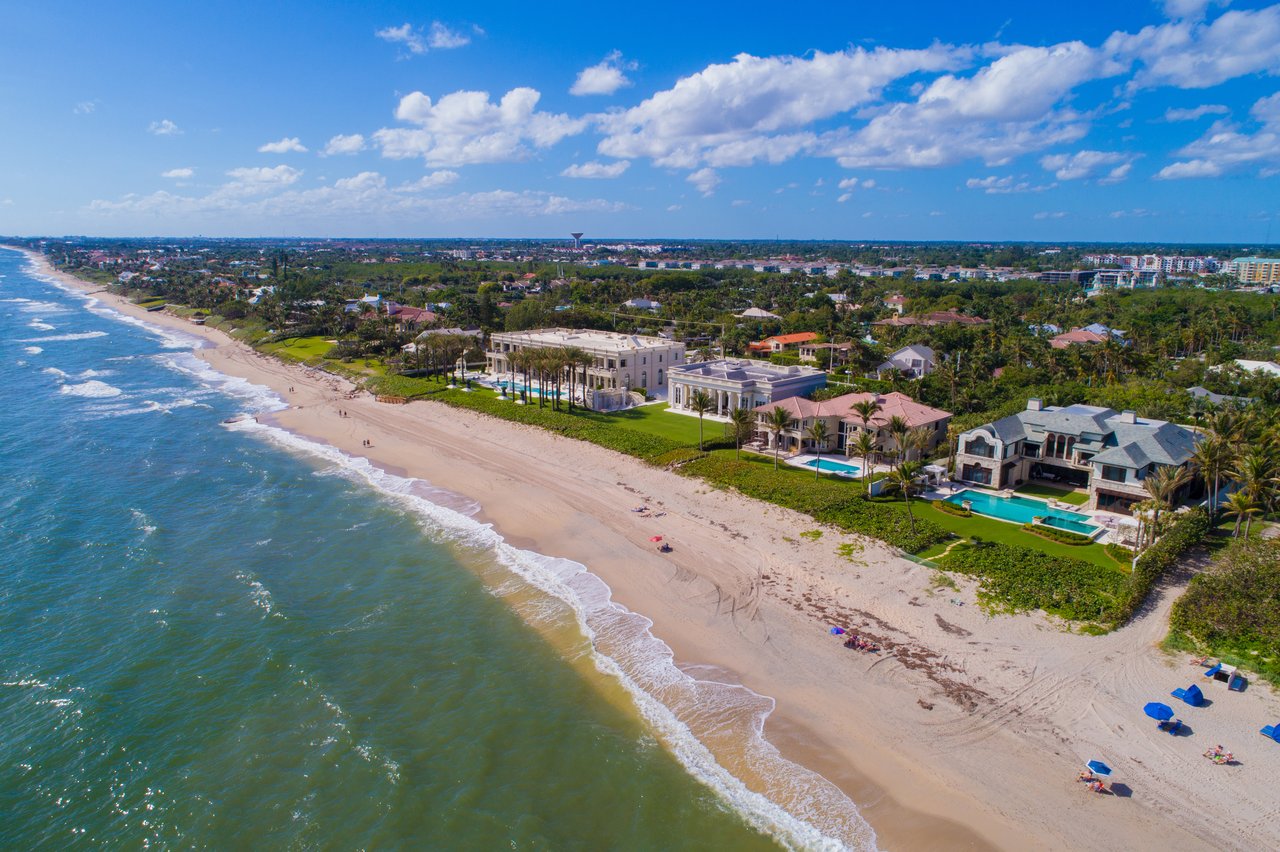
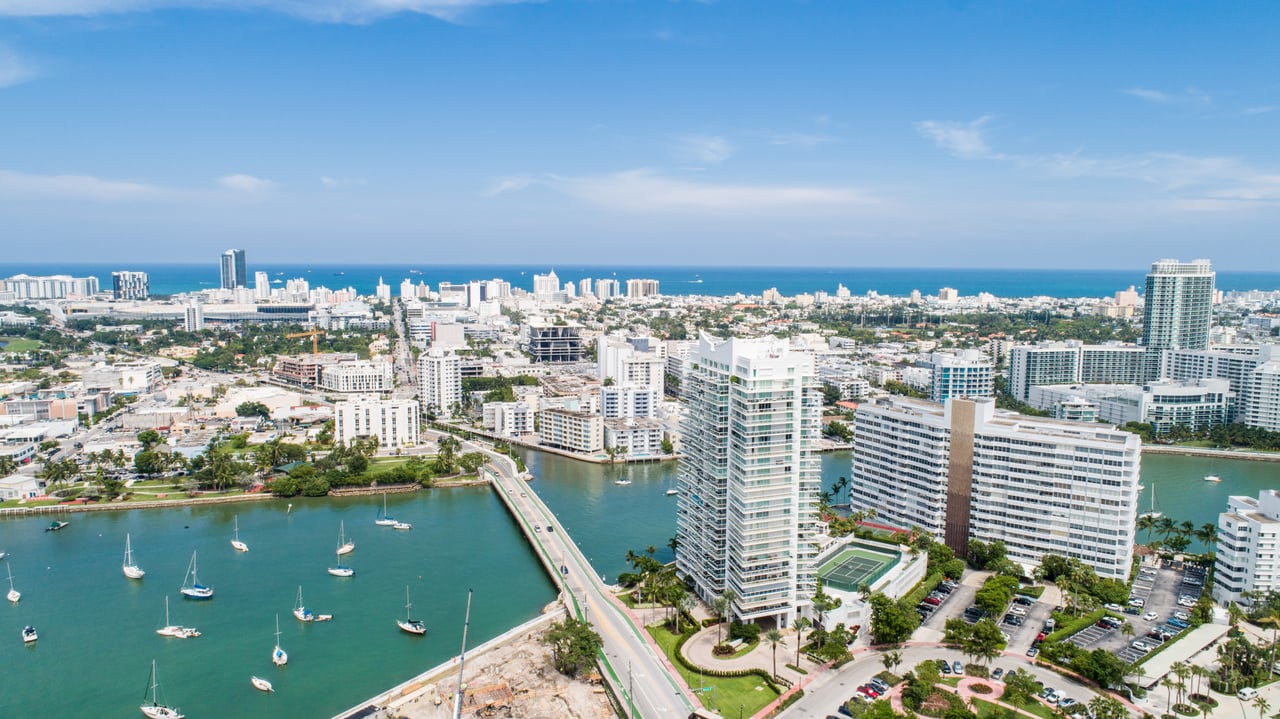
For South Florida's luxury real estate market, the implications extend beyond annual tax savings. From waterfront estates in Miami Beach and Bal Harbour to investment condominiums in Sunny Isles Beach and Brickell, the proposal could influence long-term ownership costs, relocation decisions, and real estate investment strategies.
But what exactly would change, and who stands to benefit?
A Major Expansion of Florida's Homestead Exemption
At the center of Amendment 3 is a significant increase in Florida's homestead exemption, which reduces the taxable assessed value of a qualifying primary residence.
Currently, eligible homeowners can receive up to $51,411 in homestead exemptions for non-school property taxes in 2026.
If approved, Amendment 3 would increase the exemption for non-school taxes to:
- $150,000 beginning January 1, 2027
- $250,000 beginning January 1, 2028
- Annual inflation adjustments beginning in 2029
The proposal would leave school district property taxes unchanged.
For eligible homeowners, this could mean meaningful annual savings. However, the actual financial benefit would depend on the property's assessed value, local tax rates, and applicable exemptions.
Importantly, the higher exemption would apply to qualifying primary residences, not automatically to vacation homes or investment properties.
Why This Matters for South Florida's Luxury Market
In communities such as Bal Harbour, Surfside, Miami Beach, Aventura, and Sunny Isles Beach, property taxes represent an important component of the overall cost of luxury homeownership.
For buyers considering a multimillion-dollar residence, the purchase price is only one piece of the financial picture. Property taxes, insurance, condominium fees, and long-term maintenance costs all influence the ownership experience.
A larger homestead exemption could create additional savings for qualifying permanent residents, potentially making long-term ownership in Florida more financially attractive.
However, an important distinction remains: the exemption is tied to a property's taxable assessed value, not its market price. A more expensive home does not automatically receive a larger exemption.
For luxury buyers, understanding how the proposed rules apply to a particular property would remain essential.
New Florida Residents: Timing Could Make a Difference
One of the most consequential provisions for buyers relocating to Florida involves residency.
Under the proposed amendment, individuals who are not Florida residents as of December 31, 2026, would generally receive the existing homestead exemption when they first qualify. The increased exemption would begin in their fifth year of homestead eligibility, to the extent permitted by the U.S. Constitution.
This provision could become an important consideration for buyers planning a move from states such as New York, California, or New Jersey.
For purchasers establishing a permanent residence in South Florida, understanding eligibility requirements and the timing of a relocation could be particularly important.
The residency provision also raises legal questions, meaning its ultimate implementation would warrant careful attention.
What About Second Homes and Investment Properties?
Amendment 3 is not limited to primary residences.
The proposal would also reduce the annual cap on increases in assessed value for non-homestead properties from 10% to 5% for non-school tax purposes.
This could be especially relevant to owners of:
- Luxury vacation residences and second homes
- Investment condominiums
- Rental properties
- Commercial real estate
For investors holding property over multiple years, a lower assessment-growth cap could help moderate future increases in taxable assessed value.
It is important to distinguish this protection from an actual reduction in property taxes. The proposed cap would limit certain assessment increases, not property tax rates or total annual tax bills.
School district assessments would remain outside this non-homestead cap.
Could Property Taxes Eventually Be Eliminated?
Another significant component of Amendment 3 would create a pathway for additional local homestead tax relief.
The proposal would require the Florida Legislature to establish a uniform procedure allowing counties and municipalities to increase the homestead exemption up to a property's full assessed value for their respective taxes.
Special districts could pursue similar increases with voter approval through a referendum.
This would not automatically eliminate property taxes across Florida. Additional implementation and local decisions would be necessary, and school property taxes would remain unaffected.
Existing Save Our Homes portability provisions, which can allow qualifying homeowners to transfer accumulated assessment benefits when moving between Florida homesteads, would remain in place.
The Bigger Picture: Property Tax Relief and Local Services
While Amendment 3 could reduce costs for eligible property owners, it would also affect the revenue collected by local governments.
Property taxes help fund services that contribute to South Florida's quality of life, including public safety, infrastructure, parks, and community operations.
Supporters of the proposal emphasize the potential for homeowner savings and more predictable ownership costs. Critics raise concerns about reduced local revenue and the possibility of higher fees, adjustments to tax rates, or changes in public services.
The amendment also addresses how counties and municipalities may use property tax revenue, prioritizing specified public purposes while allowing certain additional expenditures to be approved by local authorities.
How communities respond to these changes could become an important part of the longer-term discussion.
What Should South Florida Buyers and Homeowners Do Now?
With the November election approaching, Amendment 3 is worth following closely, particularly for anyone considering a property purchase, relocation, or long-term real estate investment.
Buyers should review the property's current assessed value, potential reassessment following a sale, homestead eligibility, and the distinction between primary and non-primary residences.
Homeowners considering relocation within Florida should also understand how existing Save Our Homes benefits and portability may affect their future tax obligations.
Above all, Amendment 3 remains a proposal until approved by at least 60% of Florida voters.
Looking Ahead: An Important Moment for Florida Real Estate
South Florida continues to attract buyers seeking exceptional residences, waterfront living, and the lifestyle advantages of one of the country's most internationally connected real estate markets.
Property tax policy is another factor that can influence the decision to establish a primary residence, acquire a second home, or build a long-term property portfolio.
Whether Amendment 3 passes or not, understanding the evolving financial landscape remains an essential part of making informed real estate decisions.
At The Joelle Team | ONE Sotheby's International Realty, we believe that informed decisions are the foundation of successful real estate investments.
Whether you're considering a luxury waterfront residence, relocating to South Florida, or evaluating your real estate portfolio, our team is here to provide local market expertise and personalized guidance.
Discover the possibilities of South Florida real estate with The Joelle Team.
This article is provided for general informational purposes and reflects the proposed amendment as of October 16, 2026. It is not legal or tax advice. Buyers and homeowners should consult qualified tax and legal professionals regarding individual circumstances.