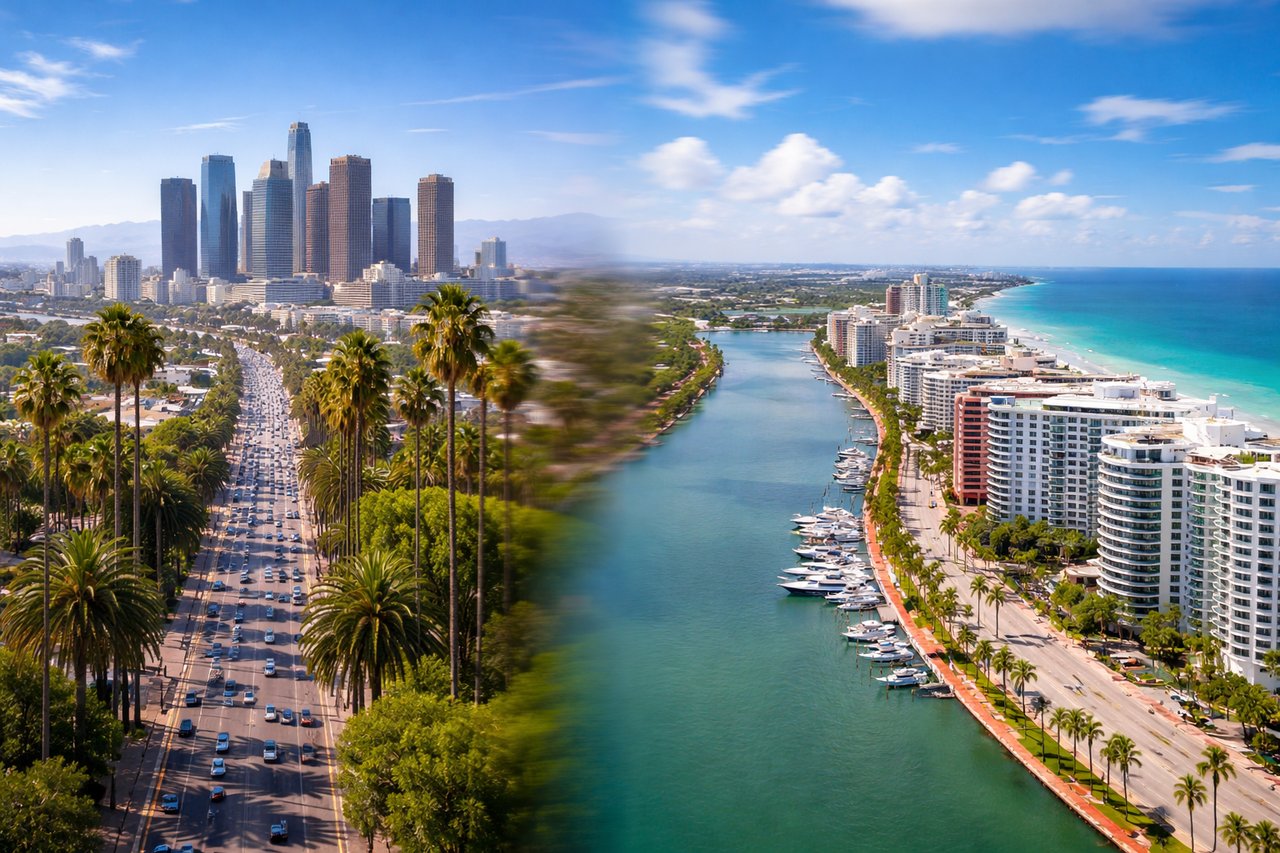
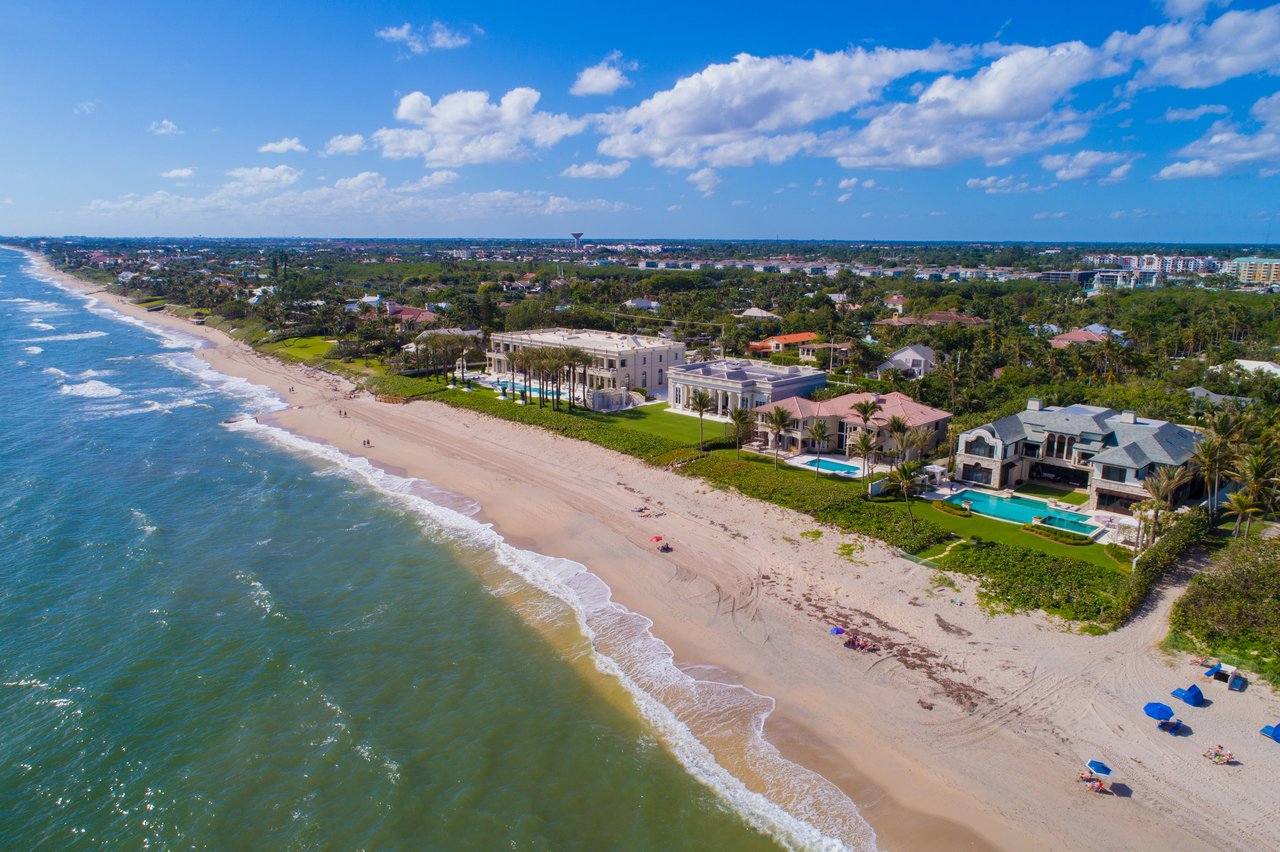
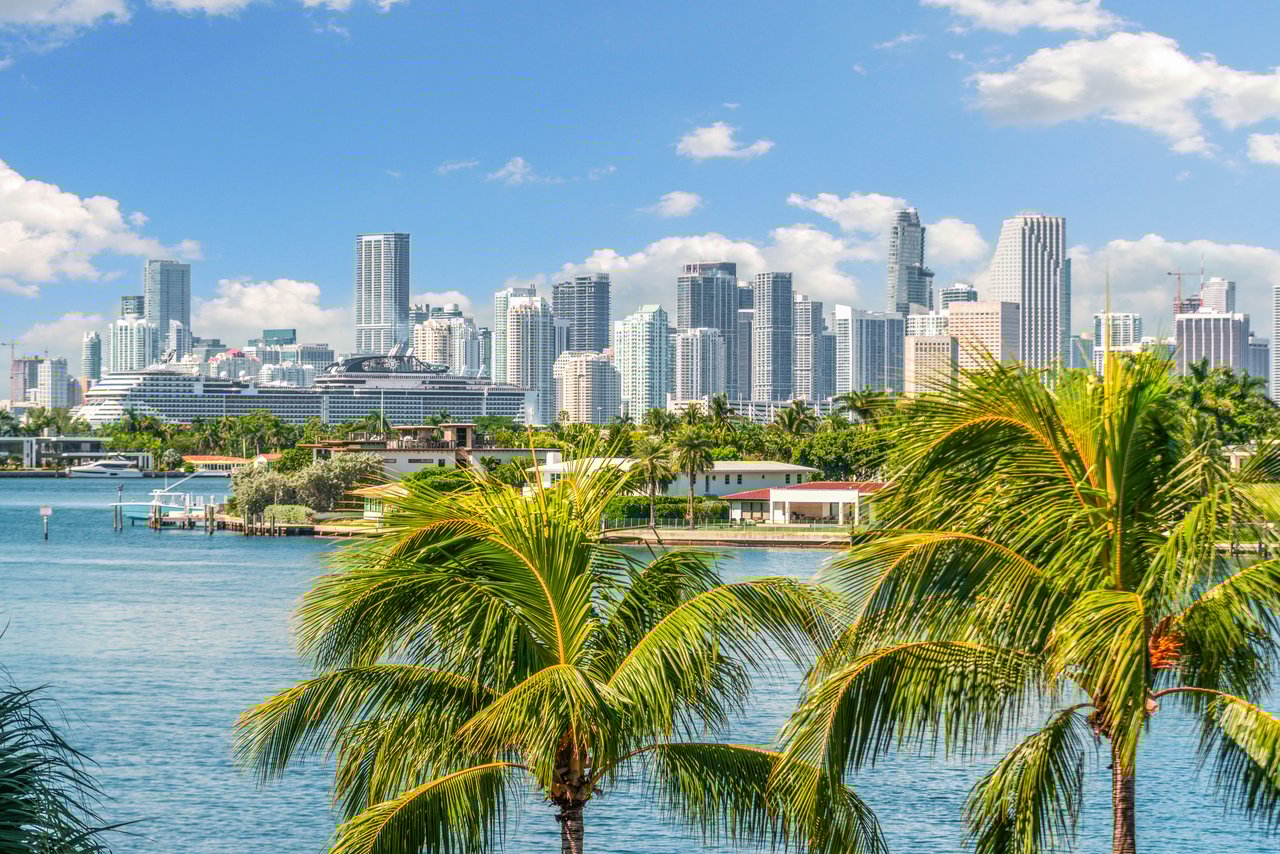
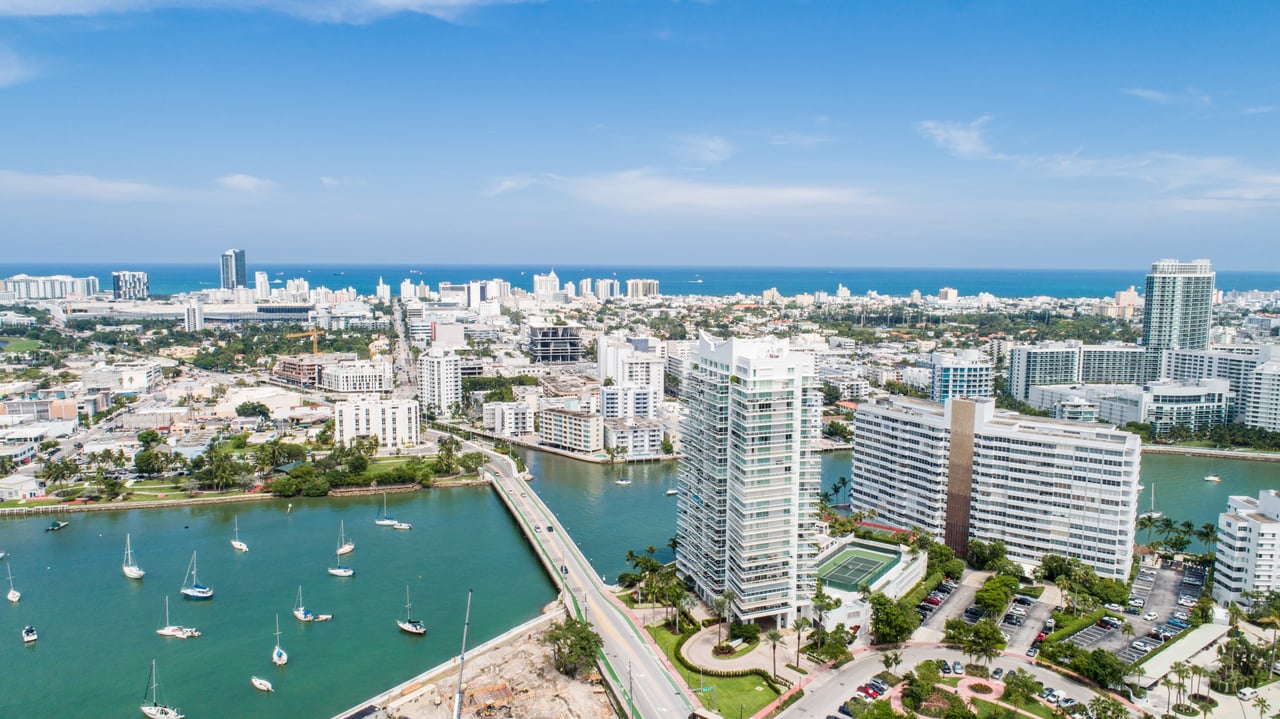
Miami-Dade commands a 20-30% price premium over Broward for comparable properties, but Broward delivers larger lots, shorter commutes to downtown Fort Lauderdale, and genuinely quieter suburban neighborhoods-making it the practical choice for families and commuters willing to trade Miami's cultural intensity for everyday livability when considering Miami vs. Broward County living.
What You'll Learn
-
The real cost difference between Miami-Dade and Broward County across condos, townhouses, and single-family homes
-
Which county offers better value for families seeking space, good schools, and suburban privacy
-
How commute times, public transit, and daily logistics compare between the two counties
-
Where your investment dollar is likely to appreciate more over the next 5-10 years
-
The lifestyle trade-offs-nightlife, culture, dining-that determine which county fits your priorities
The Miami vs. Broward County living decision represents the most common dilemma among South Florida home buyers, yet Broward often gets overlooked by out-of-state buyers fixated on "Miami." The two counties share a border, but daily life feels distinctly different. Privacy and space still exist in South Florida-you just need to know where to look and what premium you'll pay for Miami-Dade addresses.
For buyers focused specifically on Miami-Dade, our Miami neighborhood guide breaks down every community from Brickell to Pinecrest. This article helps you decide whether Miami-Dade is right at all-or whether Broward County deserves closer examination when evaluating Miami or Broward County for your home purchase.
Is It Better to Live in Miami or Broward County?
Lifestyle priorities, budget constraints, and life stage determine the right answer when comparing Broward vs. Miami-Dade. Miami-Dade County's 2.7 million residents skew toward international professionals, urban density enthusiasts, and buyers willing to pay premium pricing for cultural access and career proximity. Broward County's 1.9 million residents favor suburban sprawl, family-oriented communities, and value-conscious purchasing decisions.
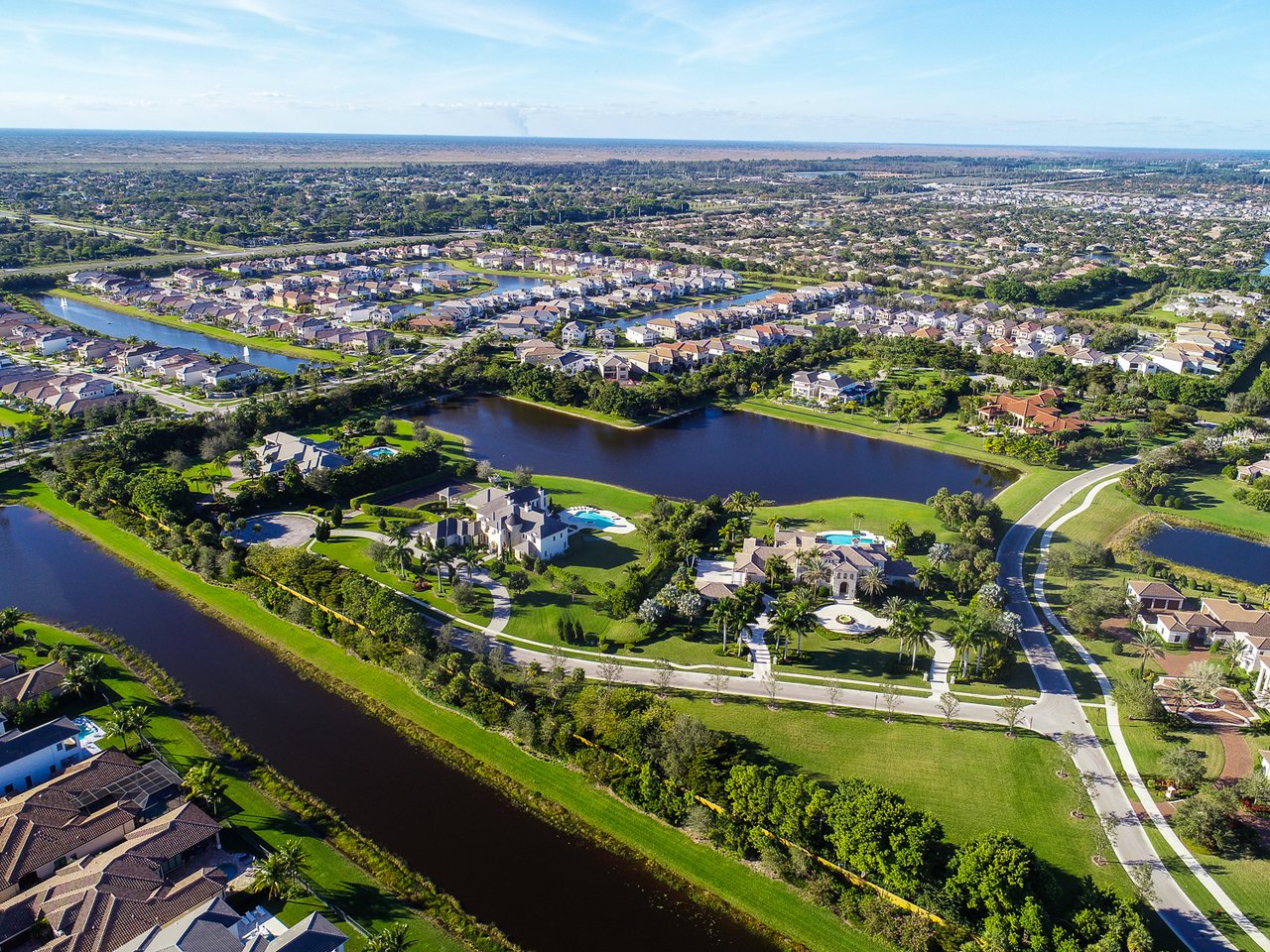
Geographic location matters when evaluating living options in Miami vs. Broward County. Broward sits between Miami-Dade and Palm Beach County, offering middle-ground location with access to both urban Miami and upscale Palm Beach amenities. The county stretches from Fort Lauderdale's beaches westward to Everglades edge, creating diverse neighborhood options from coastal high-rises to estate-style ranch properties.
Neither county is objectively superior-the optimal choice depends on whether you prioritize Miami's international energy or Broward's practical suburban living.
Is Broward County More Affordable Than Miami?
Affordability represents Broward's most compelling advantage in the South Florida counties comparison. Across every property type-condos, townhouses, single-family homes, waterfront estates-Broward delivers 17-33% savings versus comparable Miami-Dade properties.
Where Is Real Estate Cheaper: Miami or Broward?
|
Property Type |
Miami-Dade Median |
Broward County Median |
Savings in Broward |
|
Single-Family Home |
$580K |
$480K |
17% |
|
Townhouse |
$420K |
$340K |
19% |
|
Condo (2BR) |
$450K |
$320K |
29% |
|
Waterfront Home |
$1.8M+ |
$1.2M+ |
33% |
|
Luxury ($2M+) |
Premium inventory |
Growing inventory |
Varies |
Broward's discount reaches maximum impact in the condo segment, where two-bedroom units cost 29% less than Miami-Dade equivalents. Single-family home gaps narrow in highly desirable areas like Parkland and Weston, though Broward maintains consistent savings. Waterfront properties show the most dramatic differential-33% lower pricing creates accessibility for buyers priced out of Coral Gables or Coconut Grove waterfront markets.
Fort Lauderdale beach condos approach Miami Beach pricing in premium buildings, but inland Broward areas maintain substantial affordability advantages. National Association of Realtors Florida market data confirms these patterns persist across market cycles.
What Is the Cost of Living Difference Between Miami and Broward?
Housing drives the primary cost differential, though secondary expenses also favor Broward moderately when comparing Miami vs. Broward County living expenses.
|
Expense Category |
Miami-Dade |
Broward County |
Difference |
|
Mortgage (on median SFH) |
$3,200/mo |
$2,650/mo |
-$550/mo |
|
Property Tax |
$550/mo |
$480/mo |
-$70/mo |
|
Homeowners Insurance |
$650/mo |
$580/mo |
-$70/mo |
|
Groceries |
$1,200/mo |
$1,150/mo |
-$50/mo |
|
Utilities |
$280/mo |
$260/mo |
-$20/mo |
|
Total Monthly |
$5,880 |
$5,120 |
-$760/mo |
The $760 monthly difference ($9,120 annually) compounds significantly over homeownership duration. This savings funds college accounts, accelerates mortgage payoff, or supports higher quality-of-life spending. Insurance costs remain similar-both counties face coastal hurricane exposure-though specific neighborhoods show variation based on elevation and flood zones.
Property taxes favor Broward marginally in some municipalities, though the larger factor remains assessed value. Broward's lower home prices mean lower absolute tax bills even when percentage rates align closely.
Ready to explore Broward options? Browse current Fort Lauderdale area listings.
Where Can I Get More Square Footage for My Budget: Miami or Broward County?
Space-per-dollar calculations decisively favor Broward. Buyers receive 30-50% more living area at comparable price points, with lot sizes averaging 50-100% larger in suburban Broward developments.
|
Budget |
In Miami-Dade |
In Broward County |
|
$400K |
2BR condo in Edgewater (900 sq ft) |
3BR townhouse in Pembroke Pines (1,400 sq ft) |
|
$600K |
3BR older home in Kendall (1,600 sq ft) |
4BR newer home in Miramar (2,200 sq ft) |
|
$800K |
3BR in Coral Gables (1,800 sq ft) |
4BR in Parkland (2,800 sq ft) |
|
$1.2M |
4BR in Pinecrest (2,400 sq ft) |
5BR waterfront in Weston (3,500 sq ft) |
Average lot sizes amplify the space advantage. Broward suburbs deliver 7,500-12,000 square-foot lots as standard, while Miami-Dade suburban lots typically measure 5,000-8,000 square feet. The differential matters for families seeking pools, outdoor play areas, and privacy buffers from neighbors.
Newer construction concentrates in Broward's western communities-Parkland, Coral Springs, Weston-where master-planned developments from the 1990s-2010s provide modern homes with open floor plans. Miami-Dade's limited available land constrains new development, creating older housing stock on average.
Is It Cheaper to Buy a Single-Family Home in Miami or Broward County for a Growing Family?
Family-focused buyers find Broward delivers superior value across the metrics that matter most: school quality, safety, space requirements, and total carrying costs. The question isn't whether Broward costs less-it does-but whether the savings justify lifestyle trade-offs when deciding between Miami and Broward County living for growing families.
Which Area Has Better School Districts for Families: Miami or Broward?
Both counties operate large, well-regarded public school systems with strong magnet programs, charter schools, and A-rated neighborhood schools. The key difference: Broward offers comparable educational quality at 30-40% lower home prices.
|
County |
Top Family Neighborhoods |
Avg. School Grade |
Median Home Price |
Lot Size |
|
Broward |
Parkland |
A |
$750K |
10,000+ sq ft |
|
Broward |
Weston |
A |
$650K |
8,000+ sq ft |
|
Broward |
Coral Springs (west) |
A/B |
$550K |
7,000+ sq ft |
|
Miami-Dade |
Pinecrest |
A |
$1.1M |
10,000+ sq ft |
|
Miami-Dade |
Coral Gables |
A |
$1.0M |
7,500+ sq ft |
|
Miami-Dade |
Palmetto Bay |
A |
$750K |
8,000+ sq ft |
Parkland and Weston rank among Florida's top school districts, with elementary, middle, and high schools consistently earning A grades from Florida Department of Education. These communities deliver educational outcomes matching Pinecrest and Coral Gables at substantially lower entry costs.
Miami-Dade's advantage lies in sheer quantity-more A-rated schools by raw count due to larger district size. Families gain flexibility choosing between multiple highly-rated options. Broward's smaller district size means fewer total A-rated schools but concentrated excellence in specific master-planned communities.
Private school costs remain comparable ($25,000-$45,000 annually at top tier) in both counties, with strong options including Pine Crest School in Broward and Ransom Everglades in Miami-Dade.
Which Is Safer for Families: Miami or Broward County?
County-level crime statistics show similar overall rates, though neighborhood-specific analysis reveals important distinctions. Broward's planned suburban communities-particularly gated developments in Parkland, Weston, and Cooper City-maintain exceptionally low property crime rates comparable to the safest Miami-Dade neighborhoods.
Miami-Dade's urban density contributes to higher property crime in tourist-heavy areas like Miami Beach and South Beach, though family suburbs like Pinecrest and Key Biscayne match Broward's safest areas. FBI Crime Data Explorer provides detailed statistics by municipality.
Gated community prevalence favors Broward, where master-planned developments routinely include guard gates, roving security, and controlled access points. This infrastructure appeals to families prioritizing physical security and controlled environments for children.
Is Miami or Broward County Better for Buyers Who Want a Home in a Quieter Suburban Neighborhood?
Broward excels decisively for buyers prioritizing quiet suburban living. Master-planned communities, newer infrastructure, wider streets, and higher parks-per-capita ratios create genuinely tranquil residential environments that define the practical advantages of living in Miami vs. Broward County for families seeking peace.
Best quiet suburban options in Broward:
Parkland represents Broward's most family-focused suburb with estate-style lots, A-rated schools, extensive parks, and equestrian-friendly zoning. The city maintains strict anti-commercial development policies preserving residential character. Single-family homes start around $650,000, with many properties exceeding 10,000 square feet of land.
Weston delivers master-planned perfection with multiple gated communities, championship golf courses, and comprehensive recreational facilities. The entire city functions as coordinated development with architectural consistency and abundant green space. Homes range $550,000-$2 million depending on location and water access.
Southwest Ranches offers estate-style lots ranging 1-5 acres-rare in South Florida outside agricultural zones. The community appeals to horse owners, privacy seekers, and families wanting genuine space. Properties start around $700,000 for smaller lots, extending beyond $3 million for premier estates.
Cooper City and Davie (western sections) provide more affordable quiet suburban options with excellent schools and established neighborhoods. Entry-level homes start around $450,000.
Miami-Dade suburban options exist-Pinecrest, Palmetto Bay, Cutler Bay-but command 30-50% premiums for equivalent quiet and space. Privacy seekers face fundamental choice: pay significantly more for Miami-Dade addresses or accept Broward location for better value.
Looking for quiet suburban homes? Contact our team to explore Broward communities.
Should I Buy a Townhouse in Miami or Broward County for Lower Maintenance Living?
Townhouse inventory favors Broward substantially due to suburban development patterns emphasizing this property type. Buyers seeking maintenance-free living find more options and better value in Broward's established townhouse communities.
Broward townhouse communities concentrate in Pembroke Pines, Miramar, Coral Springs, and Plantation, offering two and three-bedroom units starting around $280,000-$380,000. HOA fees typically range $200-$400 monthly, covering exterior maintenance, landscaping, roof repairs, and community amenities including pools and fitness centers.
Miami-Dade townhouses cluster in Doral, Kendall, and Cutler Bay with less inventory overall. Pricing starts higher-$350,000-$450,000 for comparable units-with HOA fees ranging $300-$600 monthly. The limited supply relative to demand keeps prices elevated.
Townhouses appeal to young families seeking space and affordability without yard maintenance obligations, plus downsizers transitioning from larger single-family homes who want to maintain South Florida living without property upkeep burden.
Is Miami or Broward County Better for Purchasing a Condo as an Investment Property?
The investment strategy determines the optimal county when considering Miami vs. Broward County as an investment. Miami delivers higher rental demand and appreciation potential in urban core locations; Broward offers lower entry costs and better cash flow from superior price-to-rent ratios.
Miami advantages:
-
Higher rental demand driven by tourism and international business travel
-
Stronger short-term rental market in areas allowing it (check building bylaws)
-
Superior appreciation potential in Brickell, Edgewater, and Miami Beach
-
International buyer base supporting price stability
Broward advantages:
-
Lower purchase prices create better initial yields
-
Workforce housing demand from professionals commuting to Miami
-
Less competition from institutional investors
-
Fort Lauderdale beach properties generate strong vacation rental income
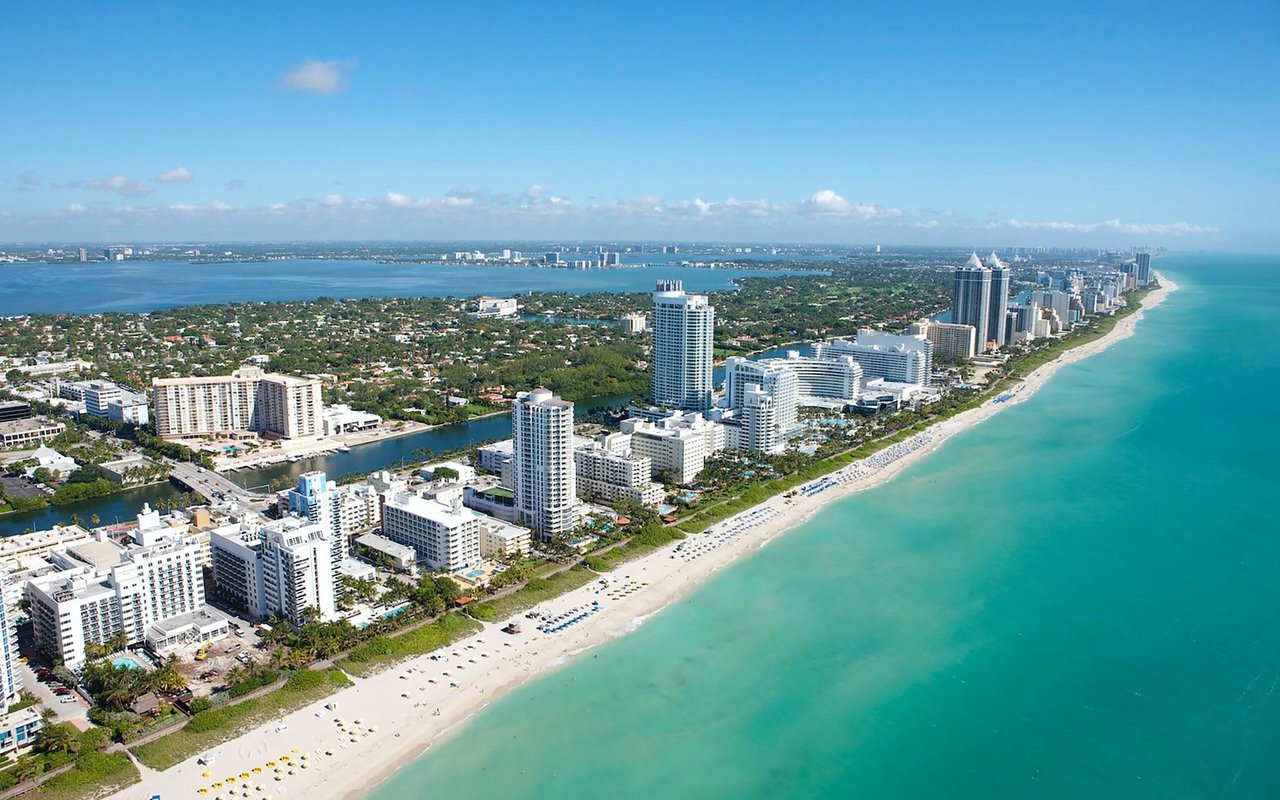
Fort Lauderdale beach condos can produce comparable short-term rental income to Miami Beach properties while costing 20-30% less to acquire. However, building-specific regulations vary dramatically-many prohibit rentals under 6-12 months regardless of city rules.
Inland Broward condos in Sunrise, Plantation, and Pembroke Pines serve steady long-term rental demand from working professionals seeking affordability near employment centers. These properties rarely appreciate dramatically but generate reliable 6-8% gross yields.
Exploring investment properties? Browse current Miami Beach listings to compare options.
Which Is Better for Commuters Who Want to Buy a Home: Miami or Broward County?
Commute patterns determine whether Broward's lower housing costs justify longer drives for Miami employment. Remote work prevalence has shifted this calculation dramatically since 2020, making Broward increasingly attractive for hybrid workers.
What Is the Commute Like From Broward to Miami?
Interstate 95 and Florida's Turnpike connect the counties, though traffic congestion creates significant time variability:
-
Broward to Downtown Miami: 45-90 minutes depending on departure point and traffic
-
Broward to Brickell: 40-75 minutes
-
Within Broward to Fort Lauderdale: 15-35 minutes from most suburbs
-
Brightline high-speed rail: Fort Lauderdale to Miami in 30 minutes (premium option)
Northern Broward suburbs (Parkland, Coral Springs, Coconut Creek) face longest commutes to Miami-often exceeding 60 minutes in morning rush hour. Southern Broward communities (Pembroke Pines, Miramar, Hollywood) reduce commute to 35-50 minutes under typical conditions.
Brightline rail service represents game-changer for specific commuters. The premium train connects Fort Lauderdale, Aventura, and Miami's Brightline station near downtown, offering 30-minute travel time with Wi-Fi and comfortable seating. The limitation: stations serve limited areas, requiring coordination with local transit or ride-sharing for first/last mile.
Remote work considerations: Hybrid workers tolerating 2-day weekly commutes find Broward's value proposition compelling when weighing Miami vs. Broward County living arrangements. The $9,000+ annual housing savings funds the inconvenience of longer commute days, while 3+ days working from home provide daily quality-of-life benefits from larger homes and quieter neighborhoods.
Does Broward Have Better Public Transportation Than Miami?
Neither county offers excellent public transit by major metropolitan standards. Miami maintains marginal advantage for urban core residents, while both counties require car ownership for practical suburban living.
Miami-Dade: Metrorail (elevated train with limited routes), Metromover (free downtown circulator), Metrobus system with extensive but slow coverage. Brickell and Downtown Miami residents can function without cars if working locally.
Broward: BCT (Broward County Transit) bus system with minimal coverage and infrequent service. Very car-dependent outside limited corridors.
Tri-Rail: Commuter rail connecting Palm Beach, Broward, and Miami-Dade along limited coastal corridor. Useful for specific commutes but not comprehensive local transit solution.
Reality: Plan on car ownership in either county. Miami's urban core offers walkable lifestyle exceptions; Broward requires vehicles virtually everywhere.
How Do Property Taxes Compare When Buying a Home in Miami Versus Broward County?
Property tax rates align closely between counties at approximately 0.85-1.1% of assessed value, with municipal-level variations creating minor differences. The more significant factor: Broward's lower home prices generate lower absolute tax bills even when percentage rates match.
Both counties apply Florida's homestead exemption reducing assessed value by up to $50,000 for primary residences, creating immediate annual savings around $500-$1,100. Some Broward municipalities maintain slightly lower millage rates than Miami-Dade equivalents, though differences typically amount to $200-$400 annually on median-priced homes.
Example comparison on $600,000 home:
-
Miami-Dade: ~$5,400 annually after homestead exemption
-
Broward County: ~$5,100 annually after homestead exemption
-
Difference: ~$300 annually (marginal)
The tax savings pale compared to purchase price differentials. Buyers save far more through Broward's lower acquisition costs than through modest ongoing tax advantages.
Which Market Offers Better Long-Term Value for Home Buyers: Miami or Broward County?
Historical appreciation favors Miami-Dade by 6 percentage points over five years, though Broward's faster population growth and lower entry prices suggest strong future potential for buyers carefully analyzing Miami vs. Broward County living as a long-term investment.
|
Metric |
Miami-Dade |
Broward County |
|
5-Year Home Price Appreciation |
~58% |
~52% |
|
5-Year Condo Appreciation |
~45% |
~40% |
|
New Construction Pipeline |
Moderate |
High |
|
Population Growth (5-year) |
+3.2% |
+4.1% |
|
Inventory Levels (2025) |
Tight |
Moderate |
Miami-Dade's constrained geography limits new supply, supporting price appreciation as demand continues. Brickell, Edgewater, and Wynwood led appreciation with 60-75% gains reflecting urban core transformation and international buyer demand.
Broward's faster population growth (+4.1% versus +3.2%) signals sustained demand despite higher new construction activity. Western Broward development adds inventory but absorption rates remain strong as families discover value proposition. U.S. Census Bureau Florida population data confirms migration patterns favoring both counties.
Value projection: Miami offers higher appreciation upside in prime urban locations with corresponding volatility and entry cost. Broward provides steadier appreciation at more accessible price points, appealing to value-conscious buyers and families prioritizing stability over maximum gains.
How Does Nightlife Compare Between Miami and Broward?
Miami dominates nightlife decisively-this comparison isn't close. Buyers prioritizing world-class clubs, late-night dining, and celebrity scene should choose Miami-Dade regardless of other factors.
Miami maintains internationally recognized nightclub scene including LIV at Fontainebleau, E11EVEN (24-hour venue), Club Space, and dozens of venues hosting major DJs weekly. South Beach, Wynwood, and Brickell concentrate bars, lounges, and clubs operating until 4-5 AM. Late-night dining thrives with Cuban cafeterias, upscale restaurants, and food trucks serving past midnight.
Fort Lauderdale offers Las Olas Boulevard restaurants and bars, Himmarshee Village entertainment district, and casual beach bars. The scene closes earlier (11 PM-midnight typical) and skews less flashy than Miami's celebrity-studded clubs. Quality exists but at fundamentally different intensity level.
Assessment: Nightlife as top-three priority means Miami is the only answer. Buyers comfortable with dinner-and-drinks social scene versus club culture can thrive in Broward while enjoying significant housing savings.
What Are the Pros and Cons of Living in Broward vs Miami?
Broward Pros:
-
20-30% lower home prices across all property types
-
Larger lots (7,500-12,000 sq ft typical versus 5,000-8,000 sq ft in Miami-Dade)
-
Shorter commutes within county (to Fort Lauderdale employment)
-
Quieter suburban neighborhoods with less density
-
Strong A-rated schools at significantly lower home prices (Parkland, Weston)
-
More privacy and space per dollar spent
-
Newer housing stock in western communities
Broward Cons:
-
Less cultural intensity and international flavor
-
Weaker nightlife scene (closes earlier, fewer options)
-
Fewer international dining options
-
Less prestige/"Miami cachet" for social status
-
Some areas feel generic/suburban without distinct character
-
Longer commutes if working in Miami-Dade
Miami Pros:
-
World-class culture, dining, and nightlife
-
International energy and genuine linguistic/cultural diversity
-
Higher appreciation potential in urban core locations
-
Better walkability in Brickell, Coral Gables, Coconut Grove
-
More career opportunities in finance, international business, hospitality
-
Stronger brand recognition and social prestige
-
Beach proximity in coastal neighborhoods
Miami Cons:
-
Higher prices for comparable space (20-30% premium)
-
More traffic congestion county-wide
-
Smaller lots and less privacy in most price ranges
-
Higher insurance costs in coastal areas
-
Tourist crowds in desirable areas (South Beach, Wynwood)
-
Older housing stock on average
-
More competitive real estate market
Where Privacy Still Exists in Miami-Dade
Buyers committed to Miami-Dade despite Broward's value proposition can find privacy-at substantial premium. The locations offering genuine seclusion, large lots, and gated security command 40-60% more than Broward equivalents.
Gated waterfront communities: Cocoplum ($3 million-$20 million+), Gables Estates ($8 million-$40 million+), Deering Bay ($1.5 million-$8 million), and Old Cutler Bay ($2 million-$10 million) provide estate-style living with marina access and guard-gated security. These represent Miami-Dade's pinnacle of privacy but require significant wealth.
Estate neighborhoods: Pinecrest's larger properties (10,000-20,000+ square foot lots) and Southwest Coral Gables estates offer substantial land and privacy buffers. Entry starts around $1.1 million, extending well beyond $3 million for premium locations.
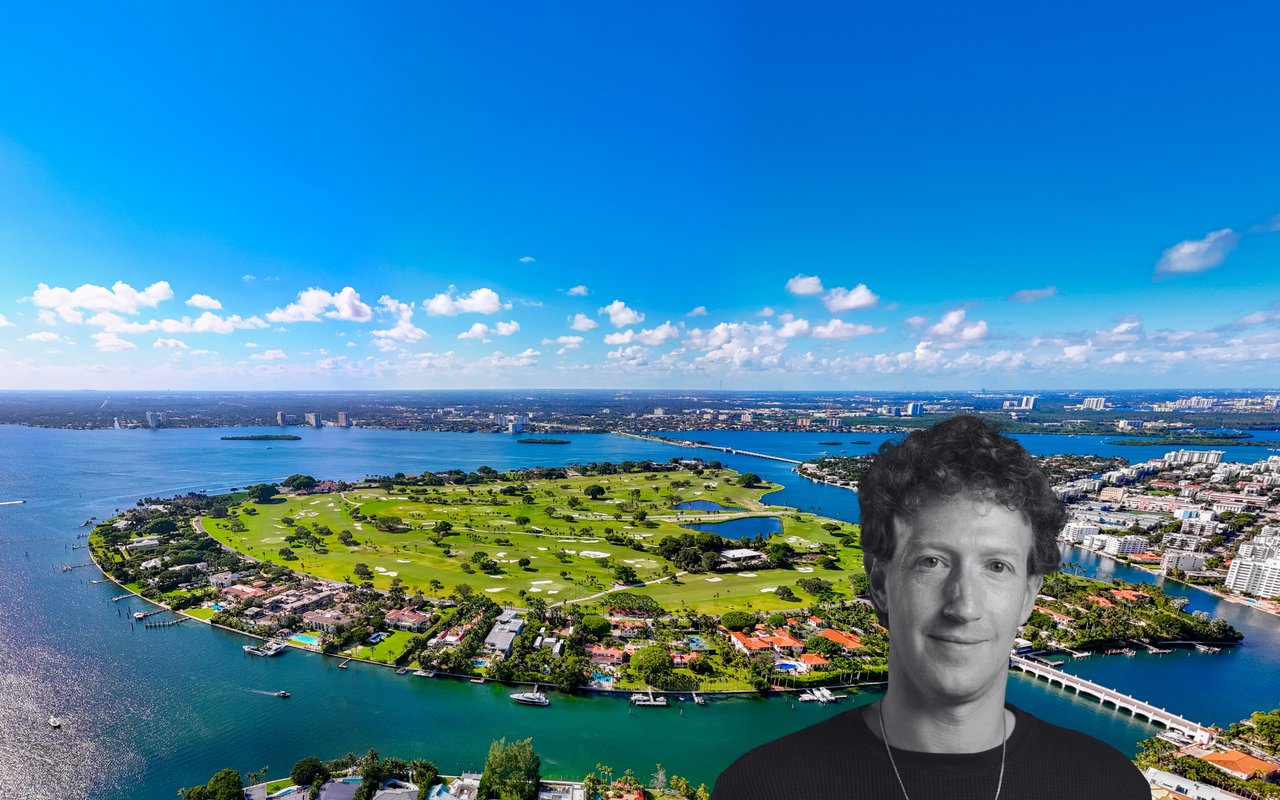
Private islands: Fisher Island and Indian Creek represent ultra-exclusive addresses with ferry or causeway access controlling entry. Properties start $3 million and exceed $30 million for oceanfront estates. The ultimate privacy costs accordingly.
Agricultural areas: Redland and Homestead provide rural character with properties on 1-5+ acres. Privacy exists at more accessible $500,000-$1.5 million price points, though commutes to urban Miami exceed 45-60 minutes.
Key insight: Privacy in Miami-Dade costs 40-60% more than equivalent privacy in Broward. Buyers evaluating where to find space and seclusion in the Miami vs. Broward County living comparison can access similar lot sizes, gated security, and suburban quiet in Parkland or Southwest Ranches for substantially less than Pinecrest or Coral Gables command.
The decision between Miami vs. Broward County living ultimately depends on your priorities and what you're willing to sacrifice for them. Neither county is universally superior-optimal choice varies by life stage, career requirements, and lifestyle preferences.
-
Choose Broward if: You prioritize space, value, family-friendly suburbs, shorter local commutes, top schools at accessible prices, and genuine quiet. You accept trading Miami's cultural intensity for everyday livability and $9,000+ annual housing savings.
-
Choose Miami-Dade if: You want urban energy, cultural diversity, walkable neighborhoods, career proximity in finance or international business, world-class nightlife, and you're willing to pay 20-30% premiums for less space and privacy.
-
Privacy seekers: Both counties offer options, but Broward delivers substantially more privacy per dollar. The choice becomes whether Miami-Dade's urban proximity and prestige justify 40-60% premiums for comparable seclusion.
Not ready to buy? Explore Miami rental options to test neighborhoods before committing to purchase.
Ready to explore your options? Browse current Miami and Broward listings or contact our team to discuss which county matches your priorities.
Frequently Asked Questions
Is it better to live in Miami or Broward County?
Miami suits buyers seeking urban energy and cultural intensity; Broward works better for families prioritizing space, value, and suburban quiet. The choice depends on whether you value Miami's international character and nightlife over Broward's practical affordability and family-focused communities.
What is the cost of living difference between Miami and Broward?
Broward is approximately 15-20% cheaper overall, with the largest savings in housing costs (20-30% lower median prices). The monthly difference of $760 for a typical family translates to $9,120 annually in savings that can fund college accounts, travel, or accelerated mortgage payoff.
Which area has better schools: Miami or Broward?
Both have strong A-rated options, but Broward offers comparable school quality at significantly lower home prices in areas like Parkland and Weston. Miami-Dade operates 180 A-rated schools versus Broward's 120, providing more total options, though Broward's concentrated excellence in master-planned communities delivers quality at 30-40% lower cost.
Is Broward County more affordable than Miami?
Yes-median home prices are 17-29% lower in Broward depending on property type, with the largest gap in condos and waterfront homes. The affordability extends beyond purchase price to lower property taxes, insurance, and daily expenses, creating comprehensive cost-of-living advantage.
What is the commute like from Broward to Miami?
Expect 45-90 minutes by car depending on traffic and starting location; Brightline offers a 30-minute train connection between Fort Lauderdale and Downtown Miami. Northern Broward suburbs face longest commutes (60+ minutes), while southern Broward communities reduce travel to 35-50 minutes under typical conditions.
Where is real estate cheaper: Miami or Broward?
Broward is consistently cheaper across all property types, offering 30-50% more square footage at comparable price points. A $600,000 budget buys a 4-bedroom newer home with 2,200 square feet in Broward versus a 3-bedroom older home with 1,600 square feet in Miami-Dade.
Which is safer for families: Miami or Broward County?
Overall, crime rates are similar, but Broward's planned suburban communities (Parkland, Weston, Cooper City) have particularly low crime rates. Both counties contain very safe neighborhoods and areas requiring more caution, with specific community research mattering more than county-level statistics.
Does Broward have better public transportation than Miami?
No-Miami has Metrorail and Metromover in the urban core; Broward is more car-dependent with limited bus service. Neither county offers excellent transit, but Miami provides marginally better options for urban core residents, while both require vehicle ownership for suburban living.
What are the pros and cons of living in Broward vs Miami?
Broward offers more space and value but less cultural intensity; Miami provides urban energy and nightlife at premium prices with less privacy. Broward suits families prioritizing schools, space, and value, while Miami appeals to urban professionals valuing career proximity, cultural diversity, and walkable neighborhoods.
How does nightlife compare between the two areas?
Miami's nightlife is world-class with 24-hour venues and international DJs; Fort Lauderdale offers casual bars and restaurants that close earlier. Miami hosts celebrity scene and late-night clubs operating until 4-5 AM, while Fort Lauderdale's Las Olas and beach bars typically close by midnight with more relaxed atmosphere.
Which market offers better long-term value for home buyers?
Miami has historically appreciated faster (58% vs 52% over 5 years), but Broward's lower entry prices and faster population growth suggest strong future potential. Miami offers higher appreciation upside in urban core with volatility risk, while Broward provides steadier gains at more accessible entry points.