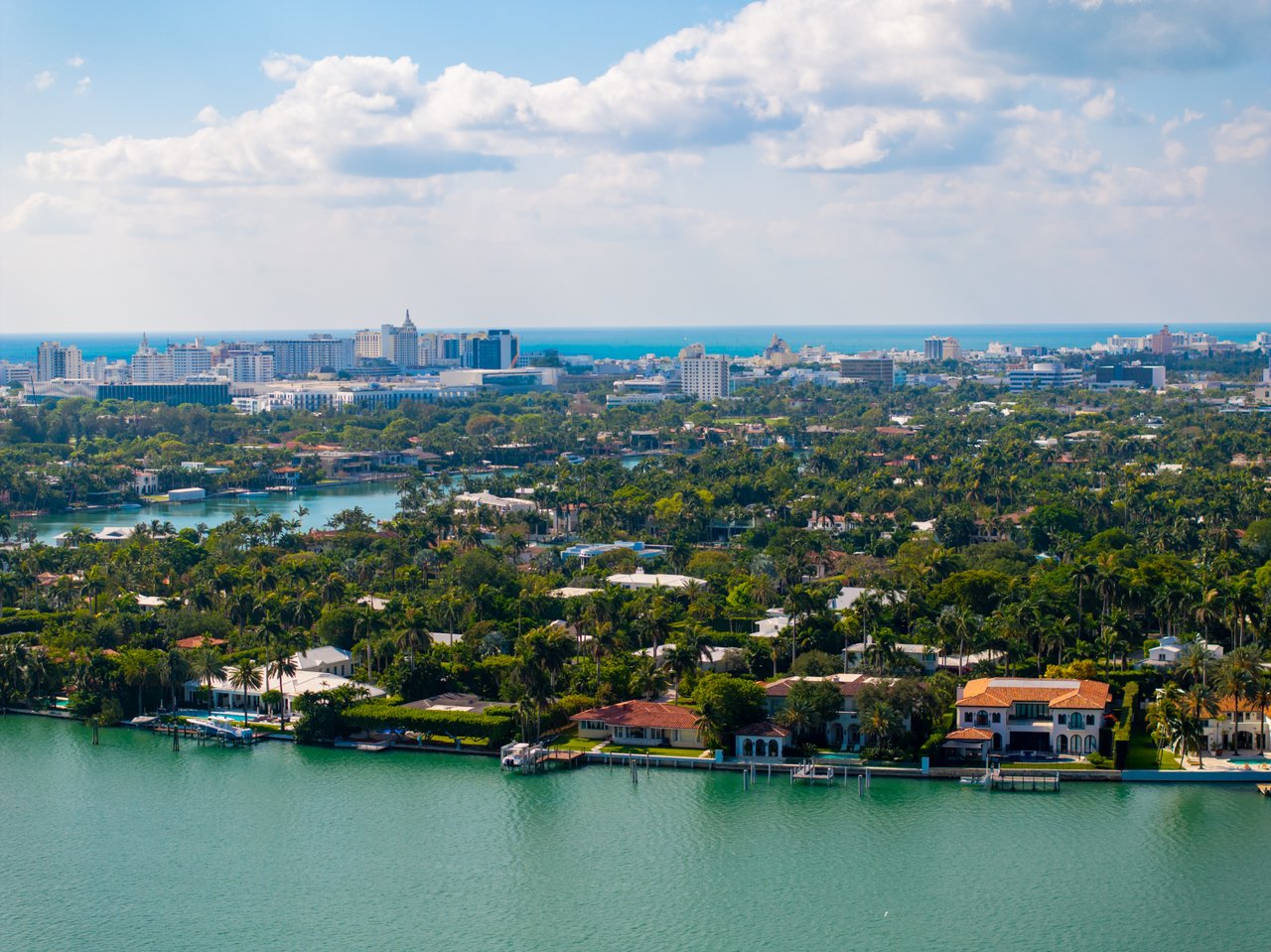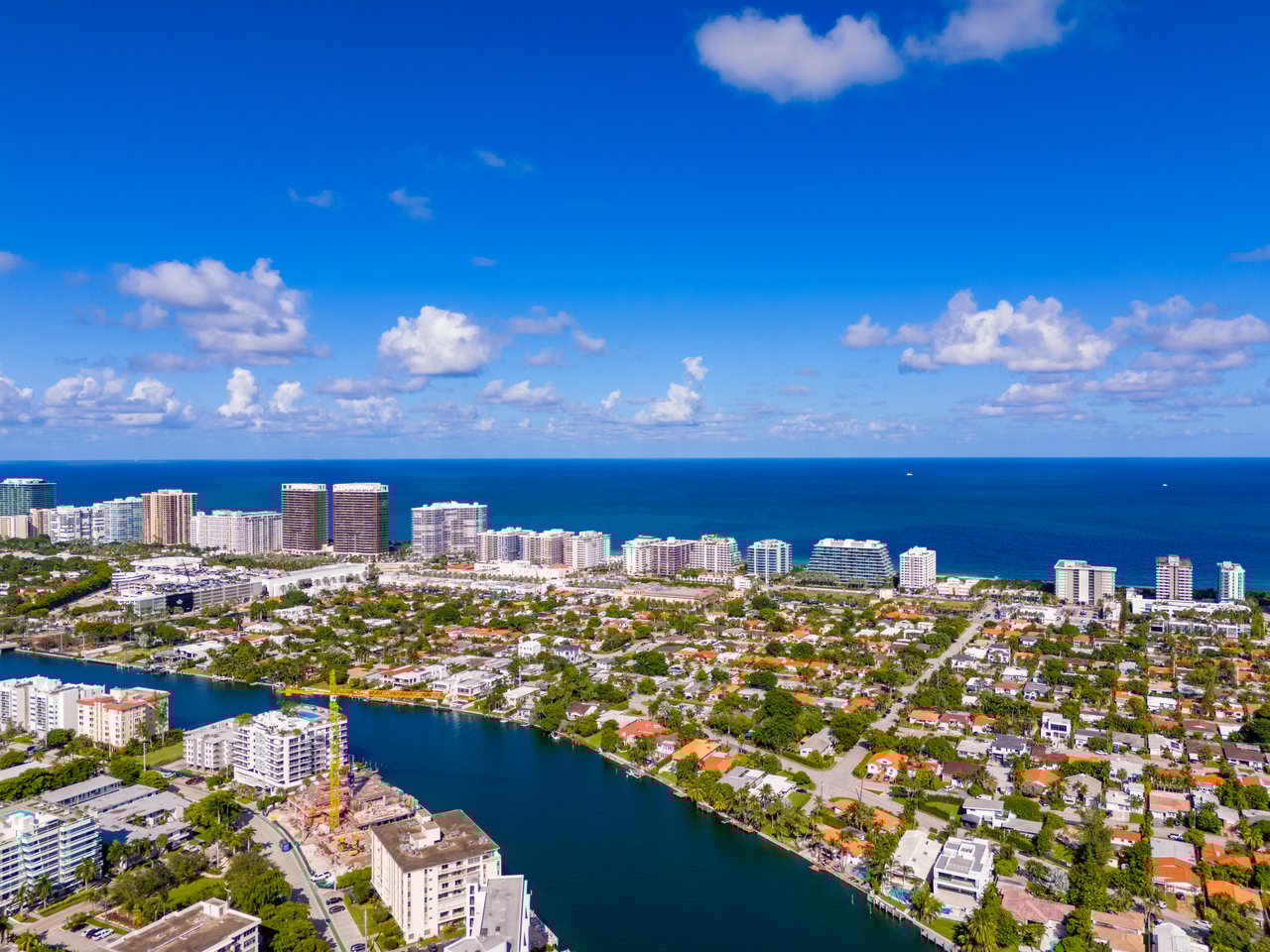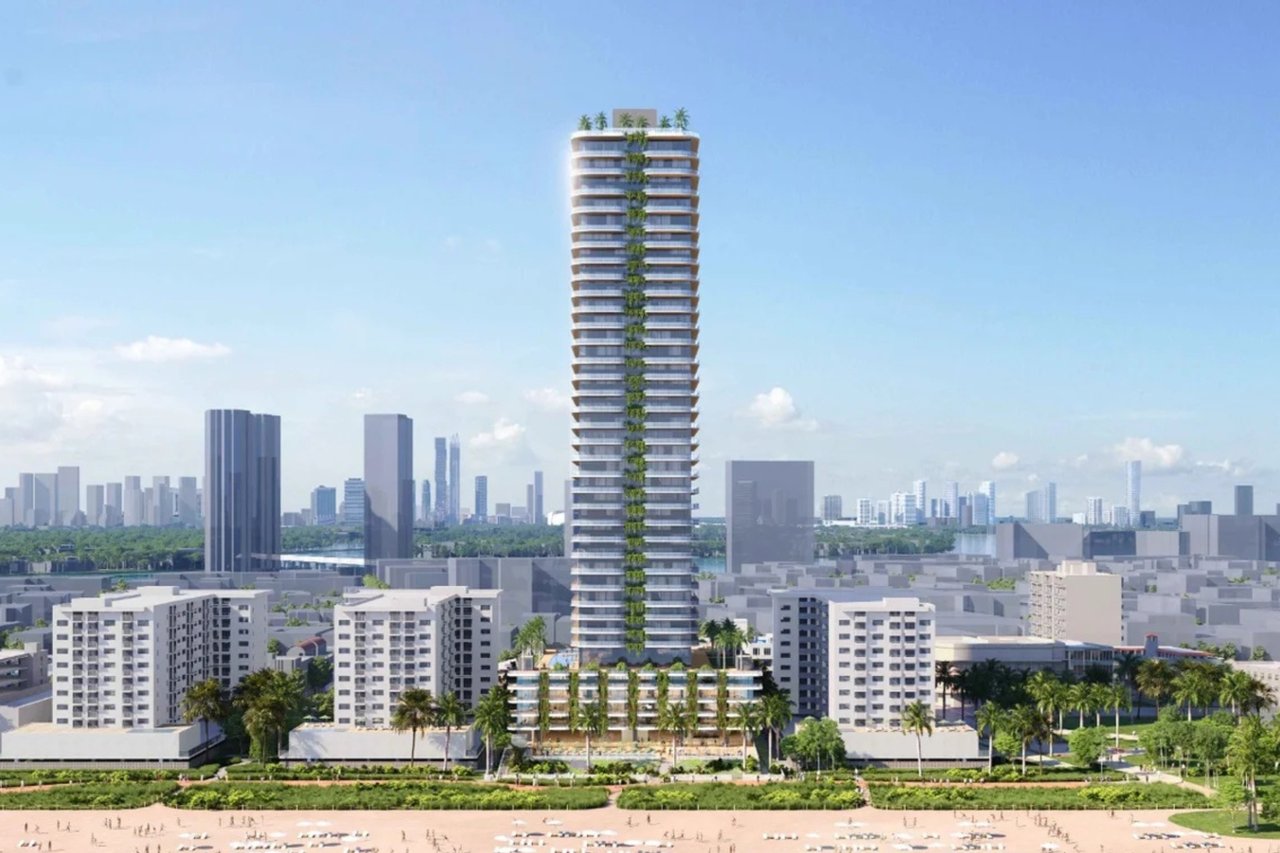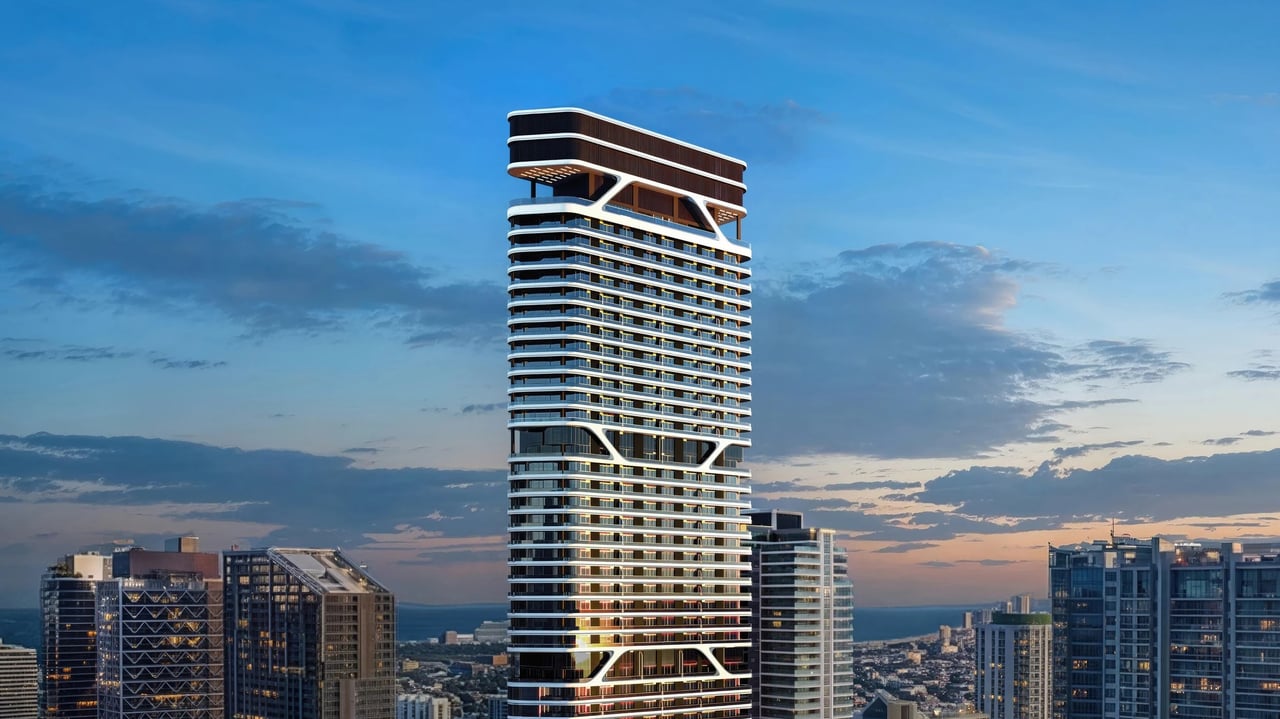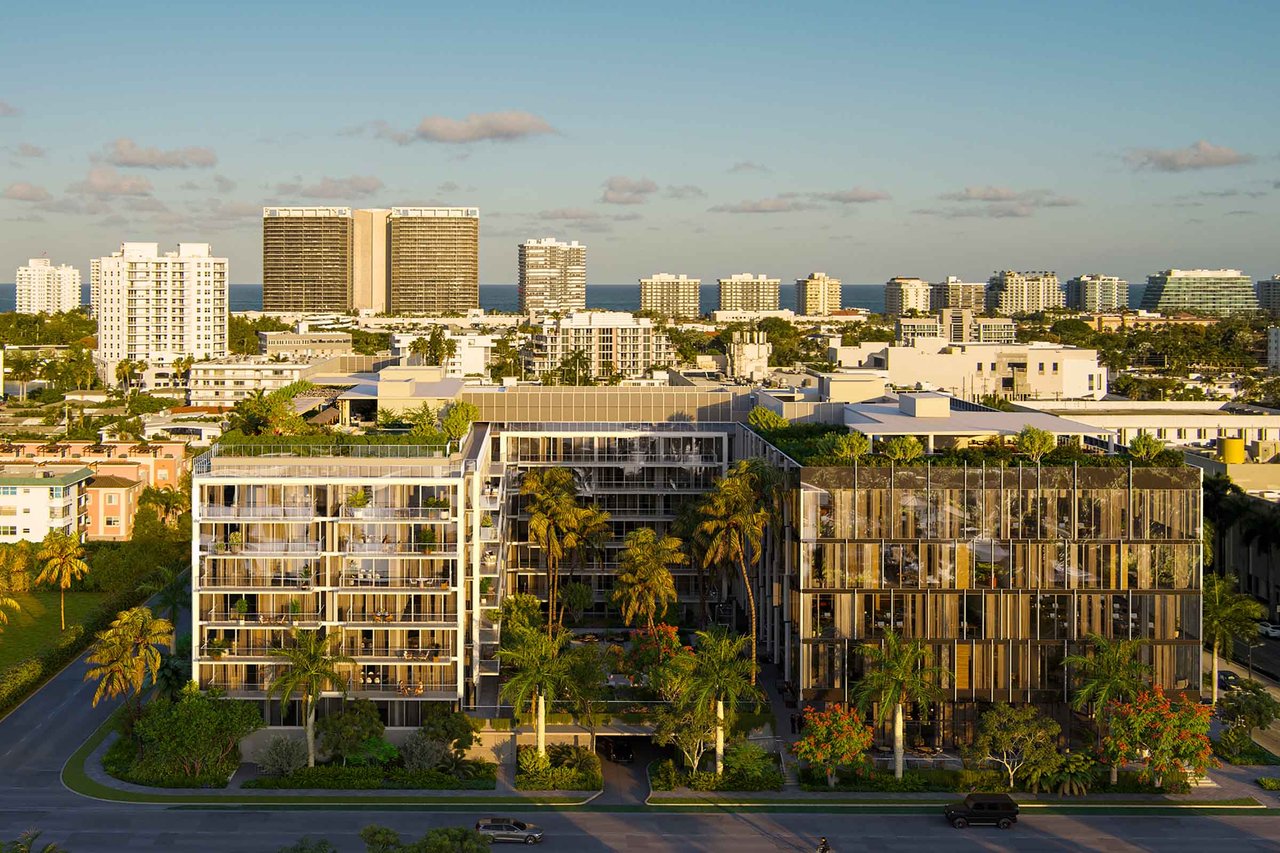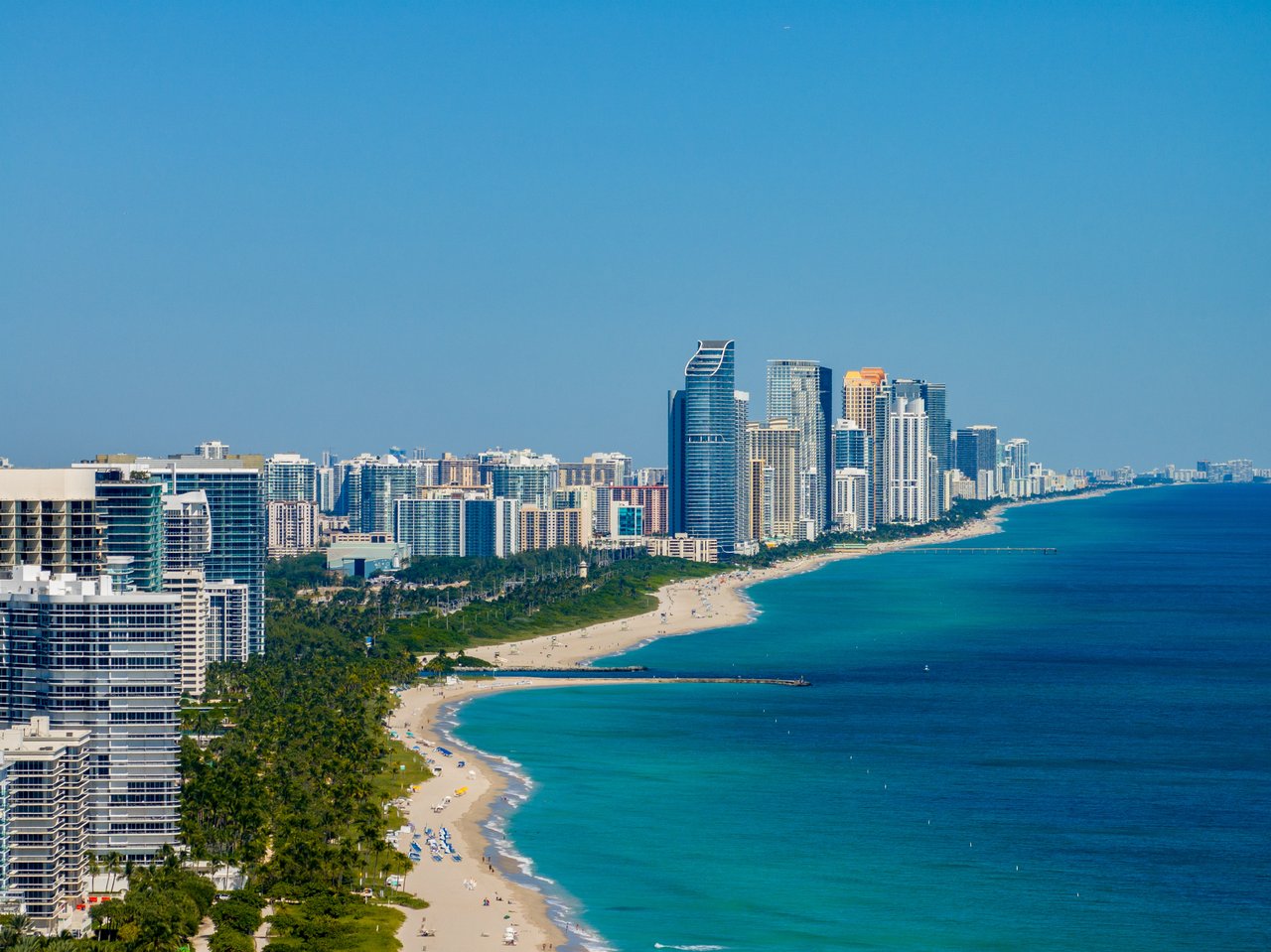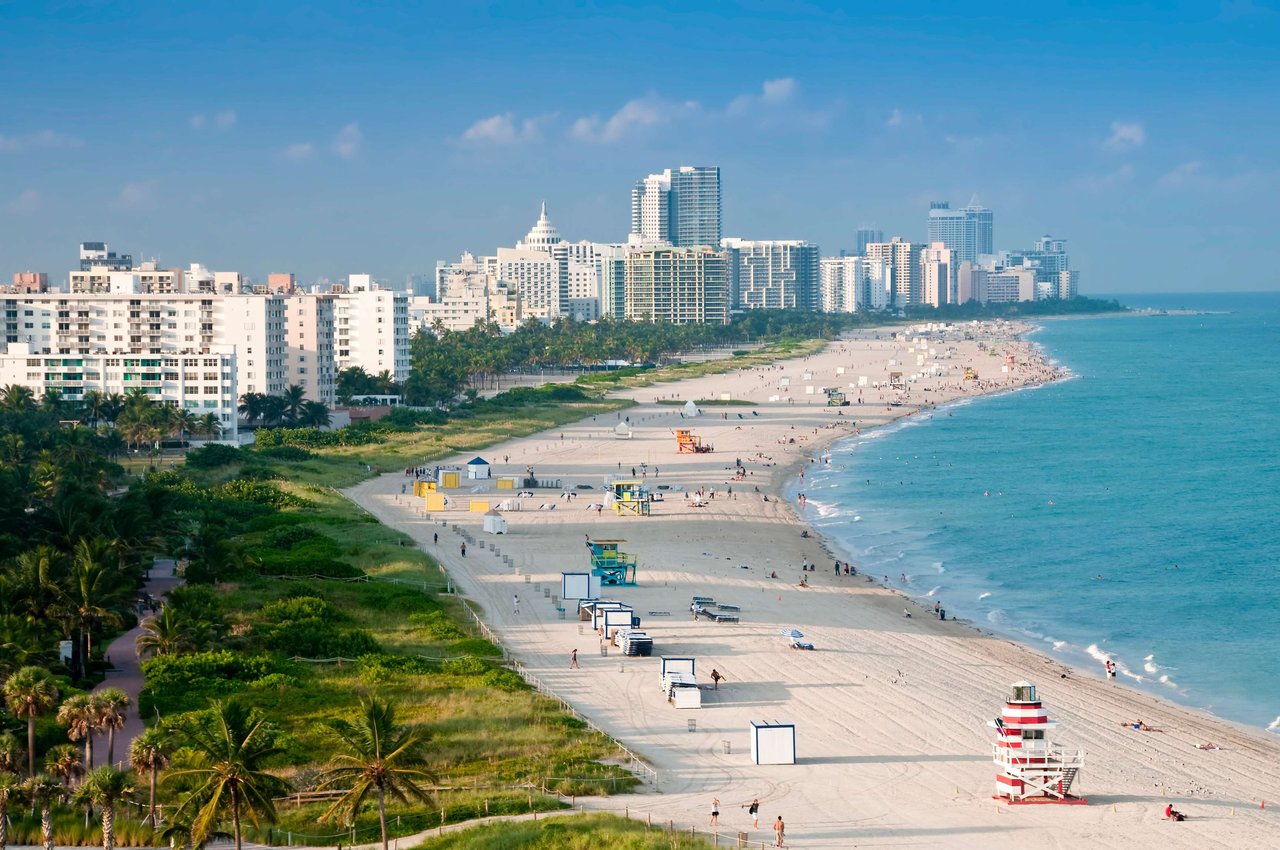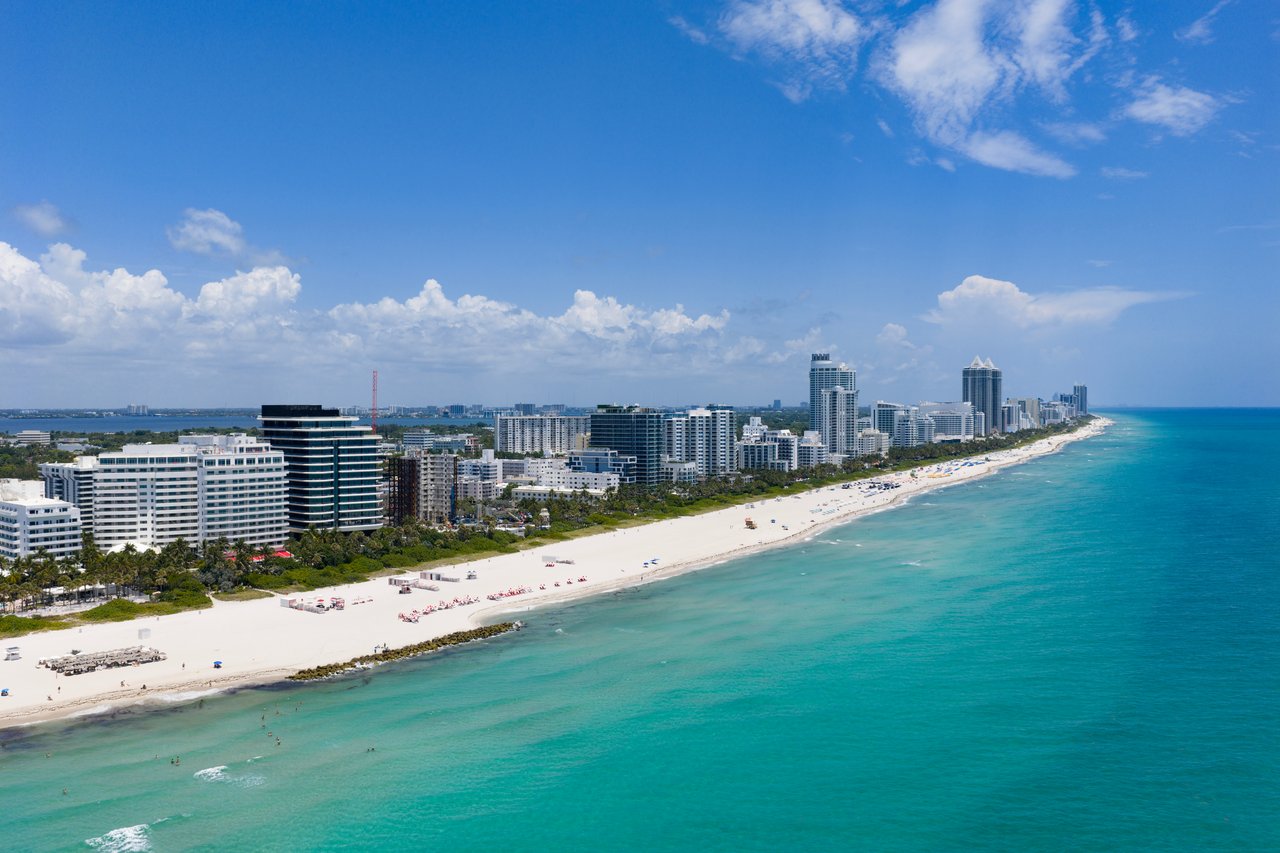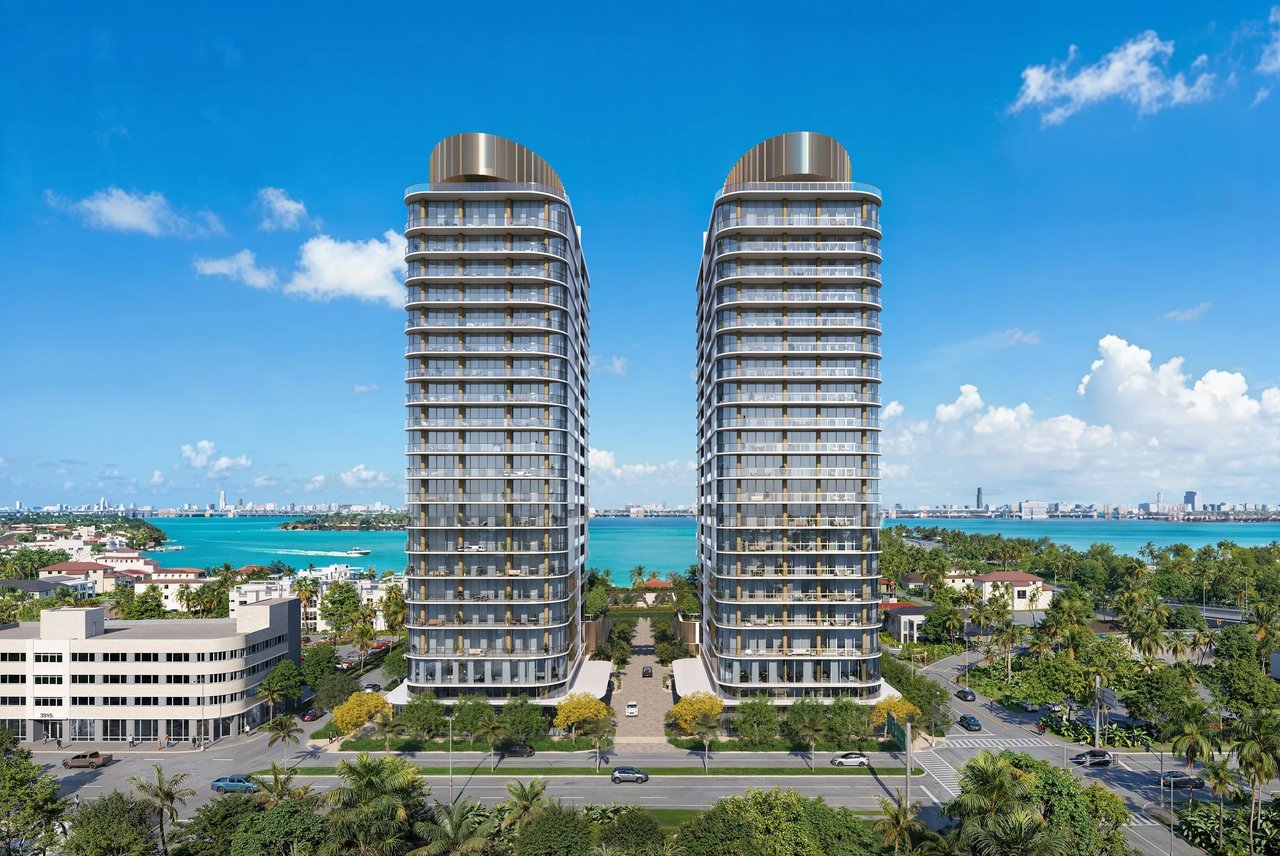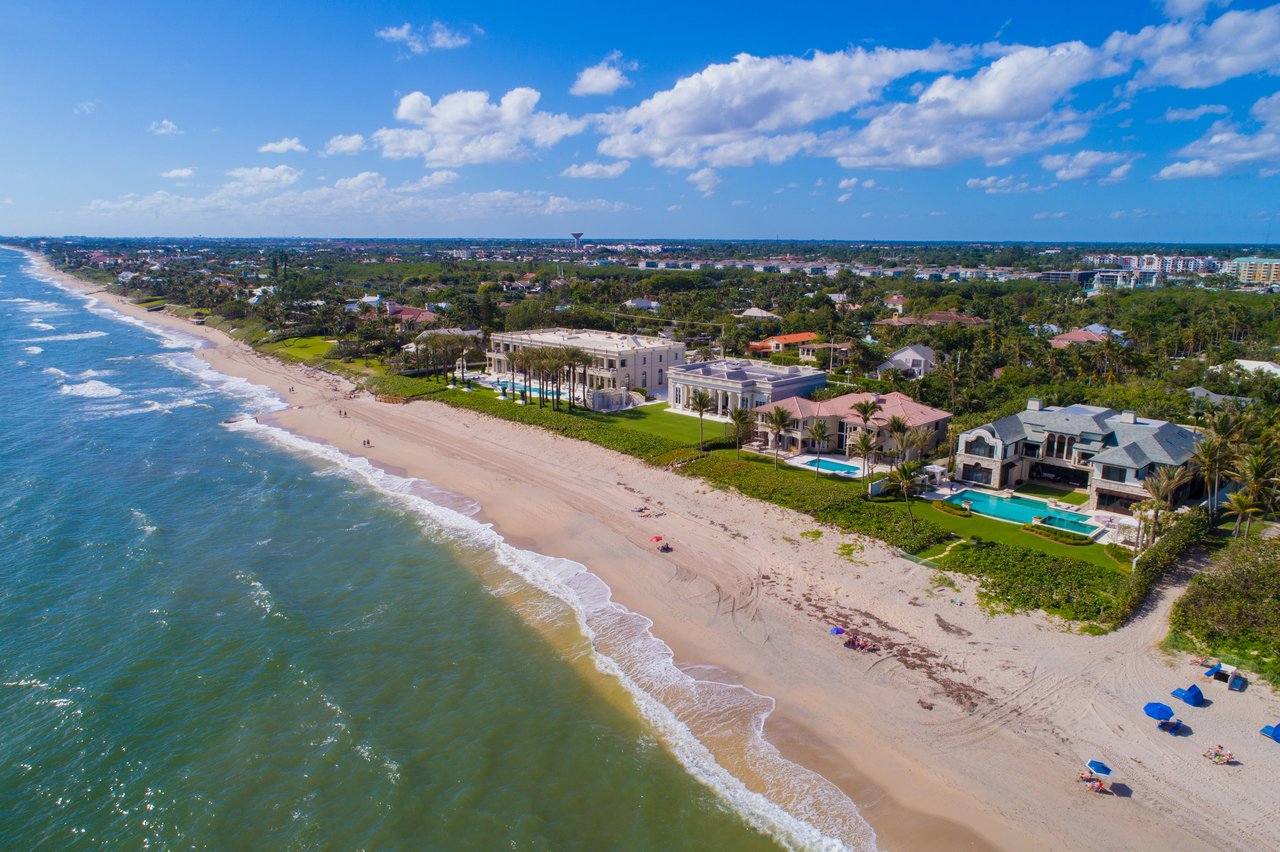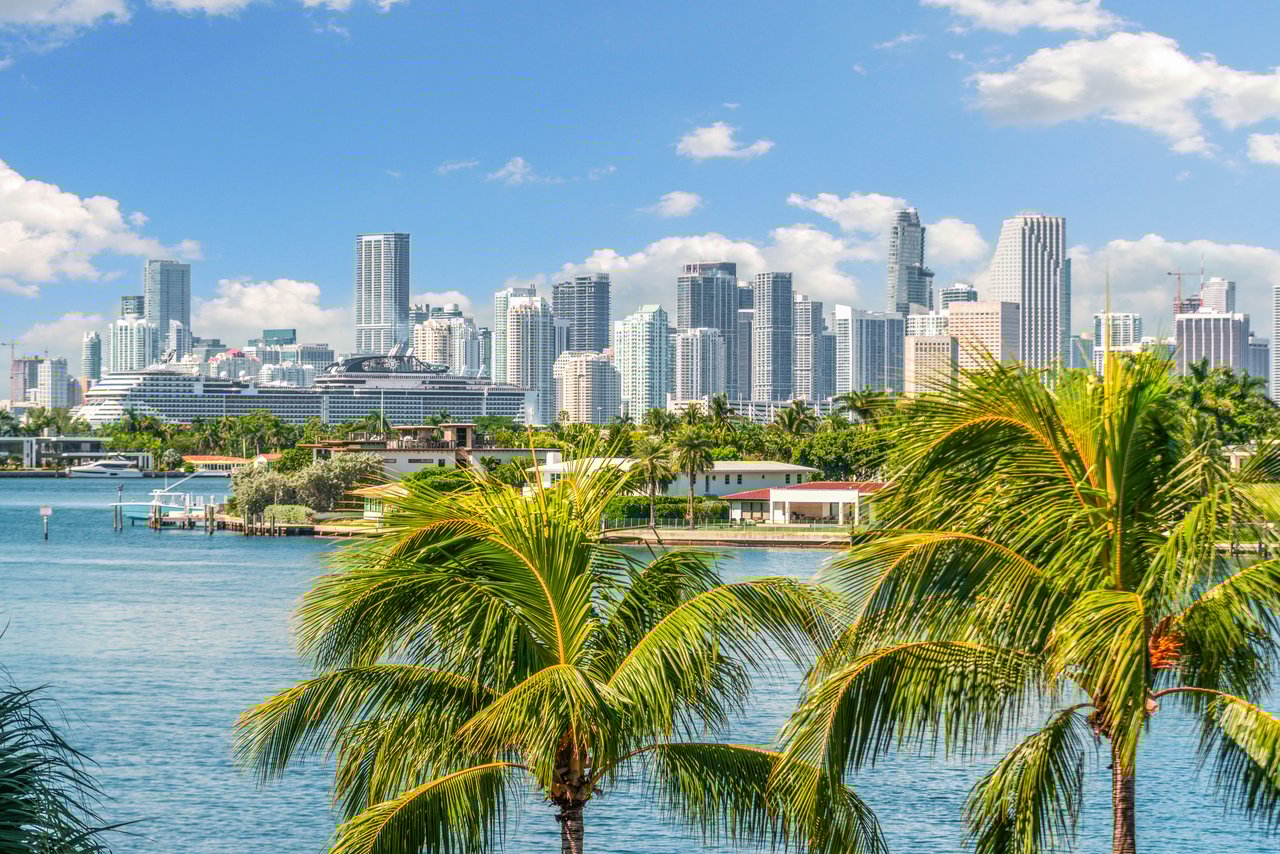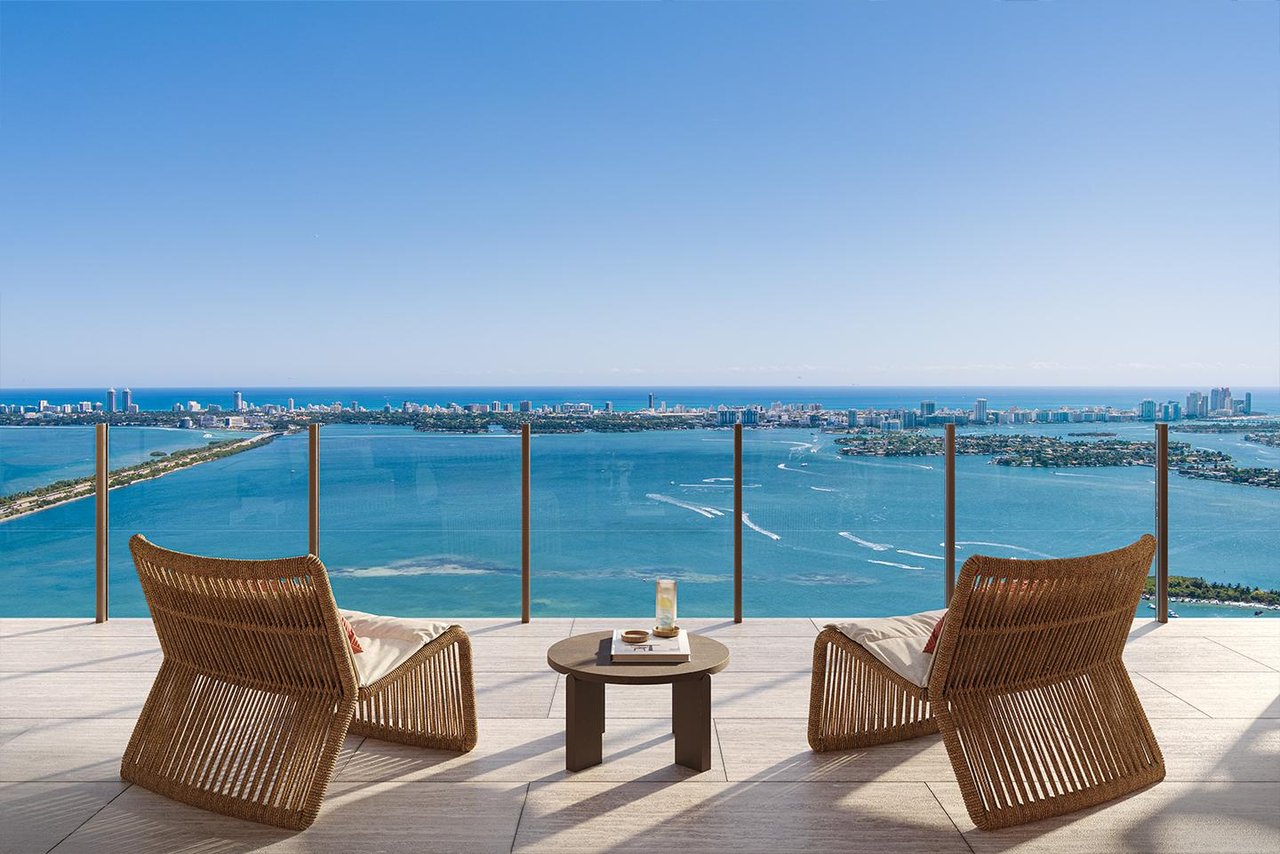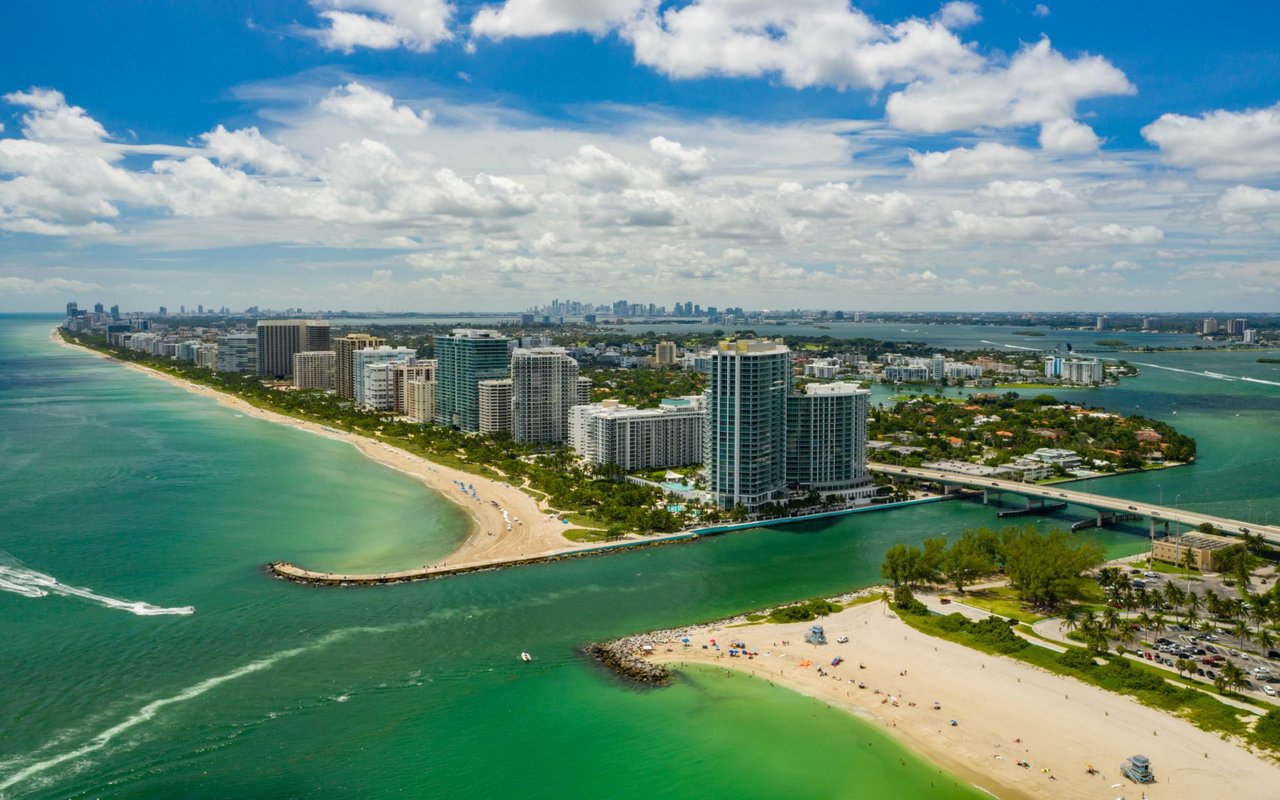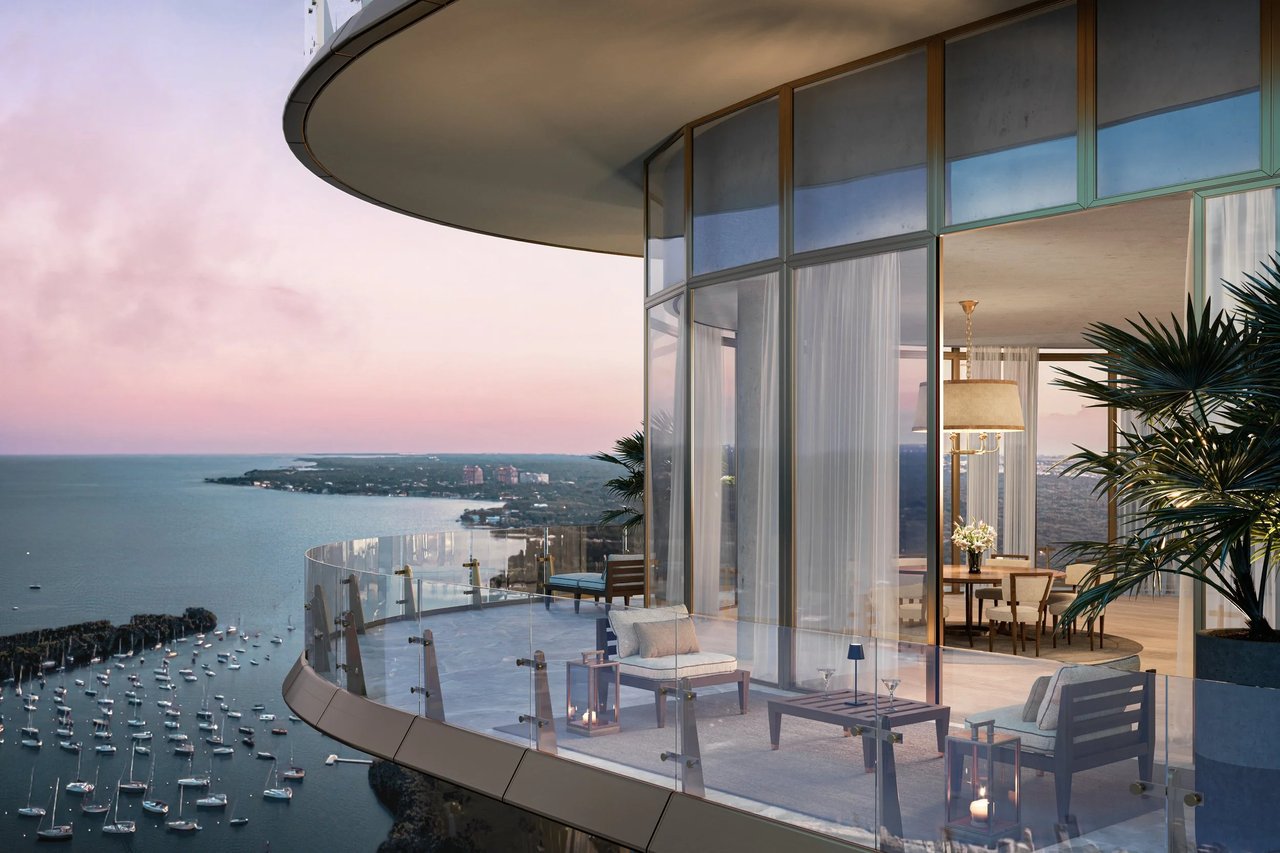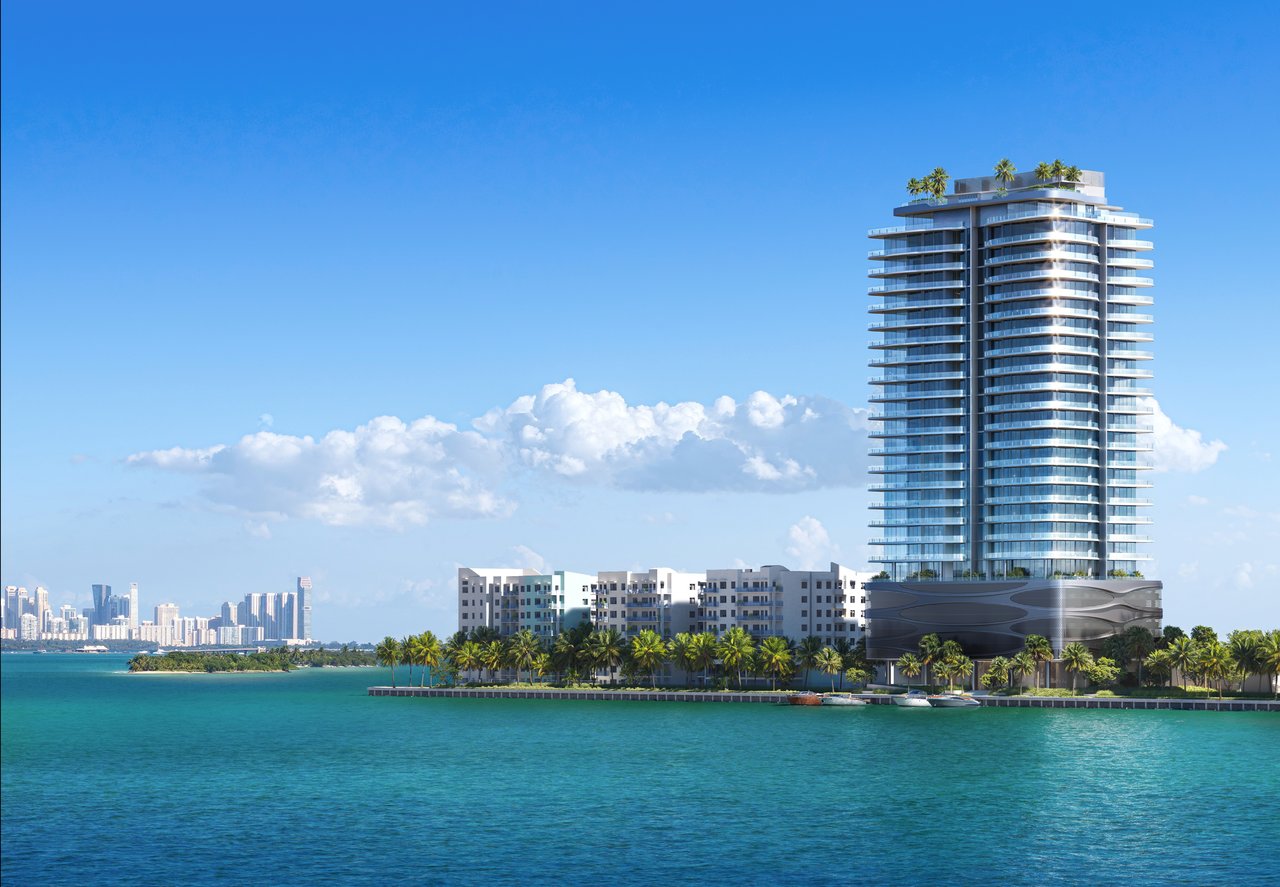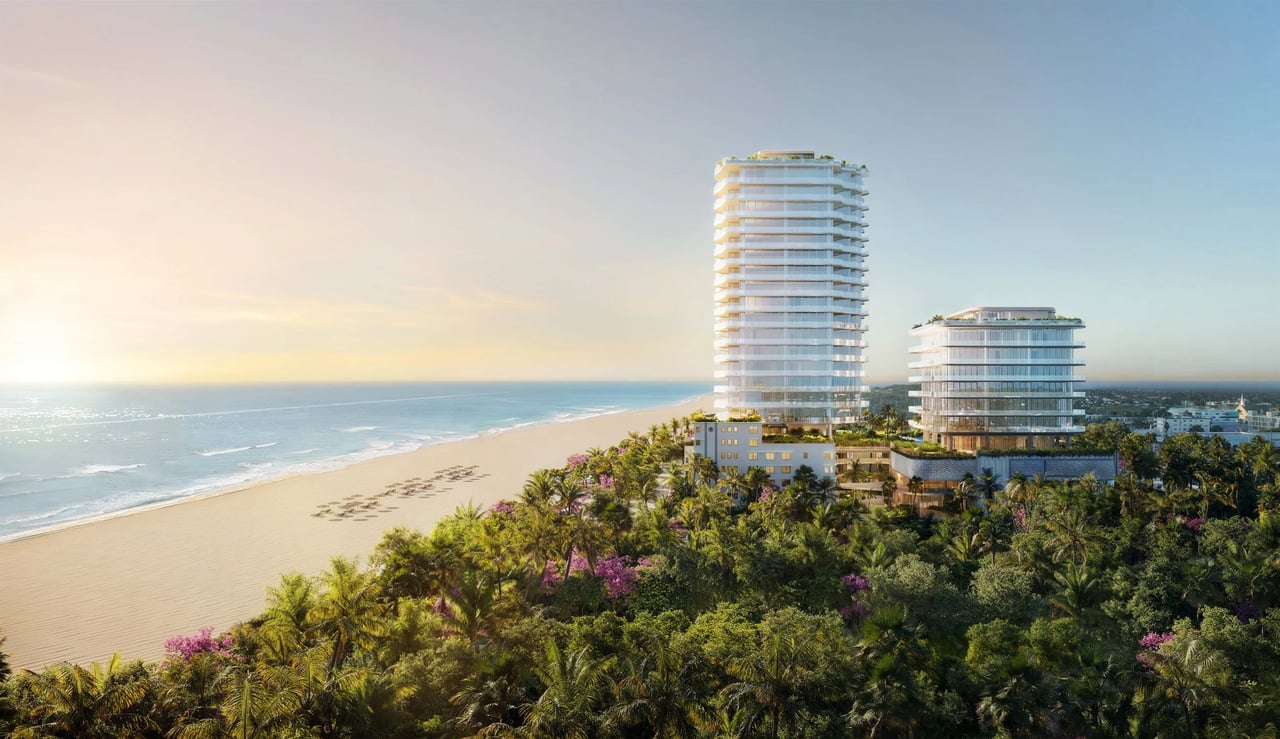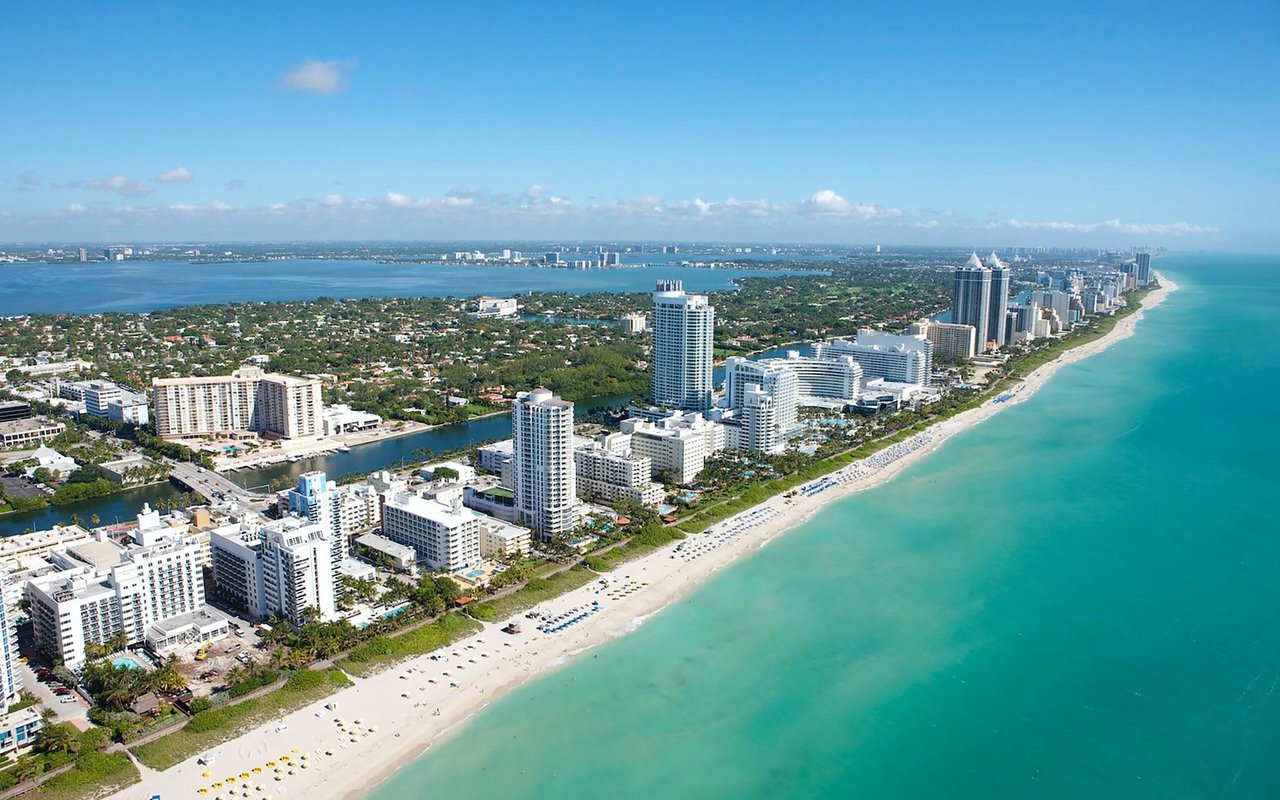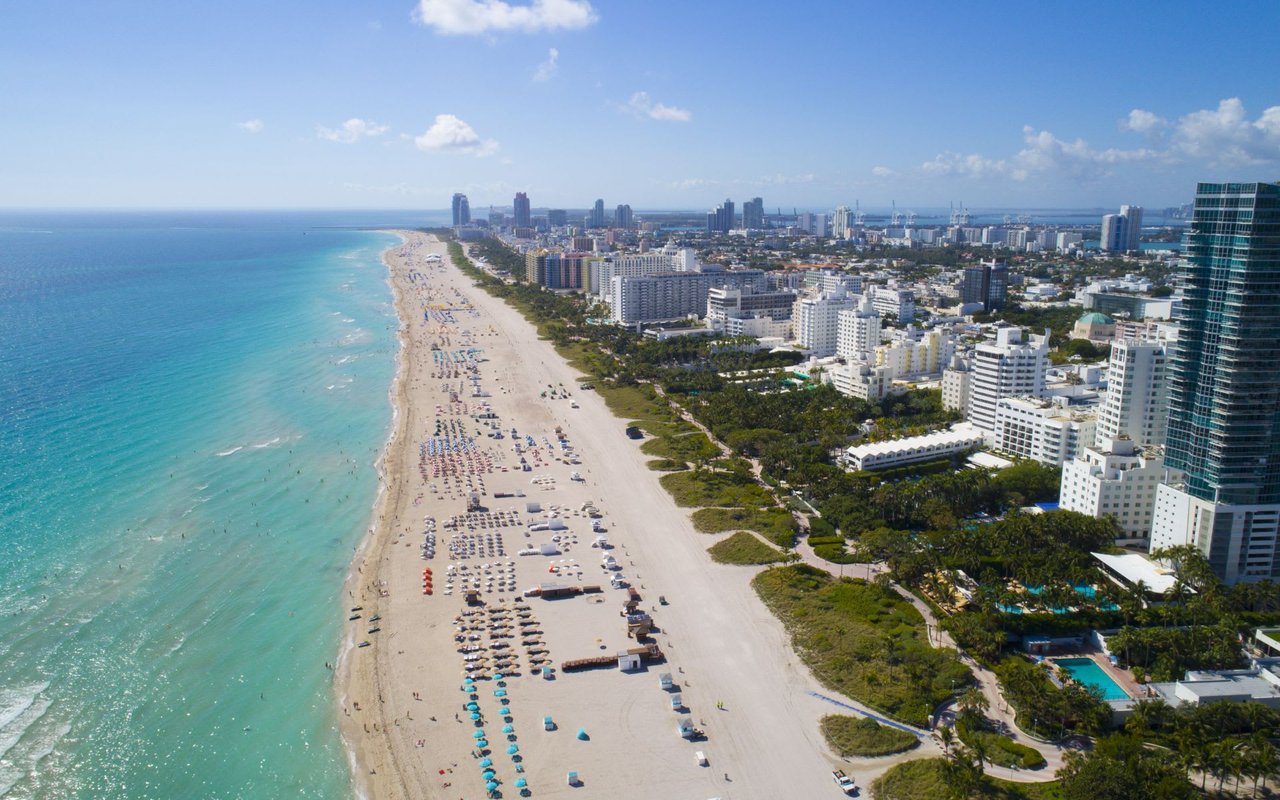
Miami’s waterfront condo market ranges from ultra-luxury oceanfront towers to more accessible bayfront buildings, and the differences go far beyond the view. HOA fees, insurance exposure, building age, and maintenance responsibilities can vary dramatically between properties that look similar on paper, which means the “best” waterfront condo depends on more than just price or location.
In practical terms, choosing a Miami waterfront condo comes down to balancing your view priorities with your HOA budget, flood and wind exposure tolerance, and rental flexibility. Some buildings allow short-term rentals, others strictly prohibit them, and these rules directly affect both lifestyle and resale options. This guide breaks down neighborhoods, building types, pricing, HOA fees, and rental rules so you can compare waterfront options clearly before committing. For a deeper side-by-side look at how Miami’s major waterfront communities compare on maintenance costs, resale performance, and rental yields, see our breakdown of top Miami waterfront communities.
What You'll Learn in This Guide
-
The best Miami waterfront areas for ocean views vs. bay views vs. marina lifestyle
-
How to shortlist buildings for primary residence vs. investment purposes
-
What waterfront condos cost in different Miami neighborhoods and what drives pricing
-
How HOA fees, special assessments, and insurance impact your true monthly cost
-
Where short-term rentals may be possible, and what to verify before buying
-
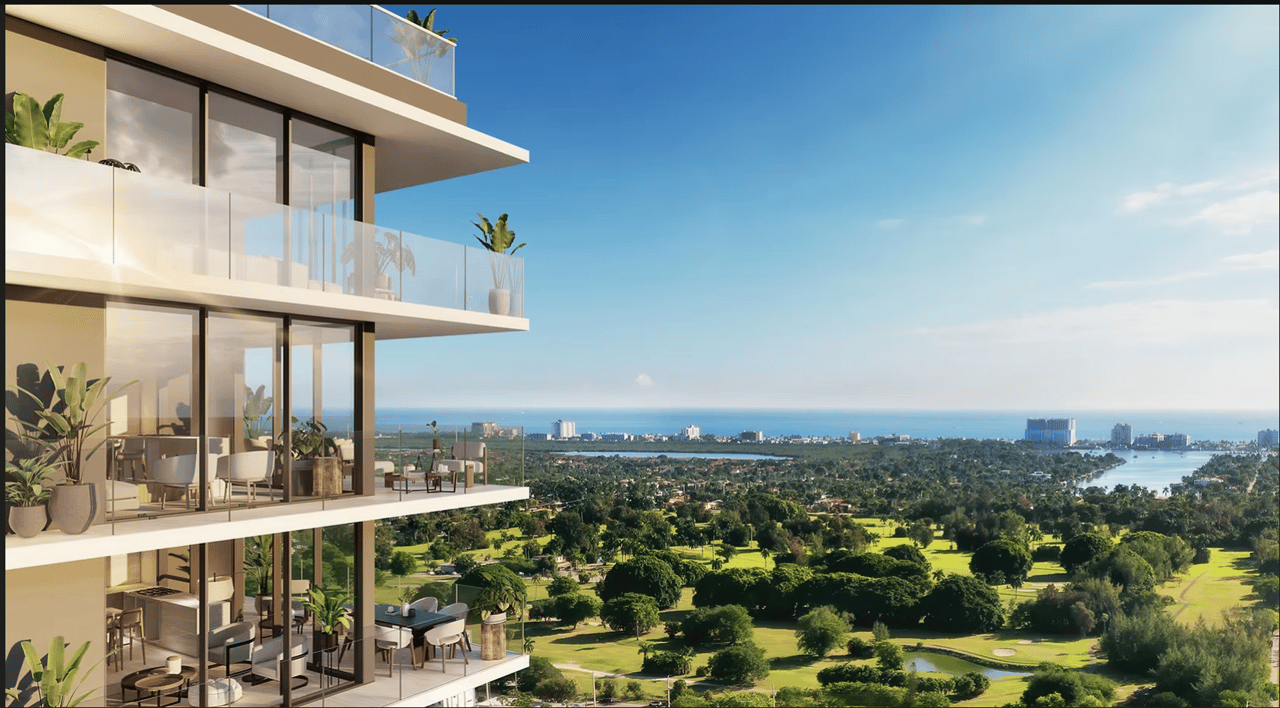
A checklist for finding condos with terraces, floor-to-ceiling glass, and unobstructed views
What Are the Best Waterfront Condos in Miami for Primary Residence With Ocean Views and Direct Beach Access?
The answer depends on what "best" means to you, since waterfront living in Miami comes in several distinct flavors. Before focusing on specific buildings, understanding the waterfront types helps you narrow your search to areas that match your lifestyle.
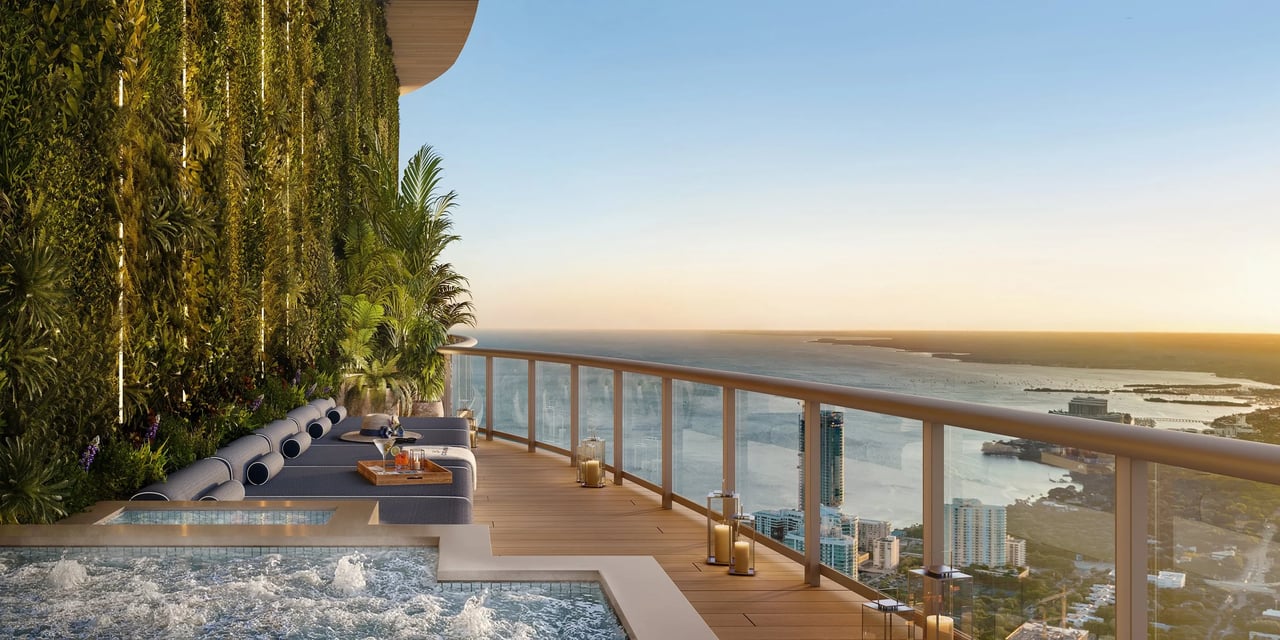
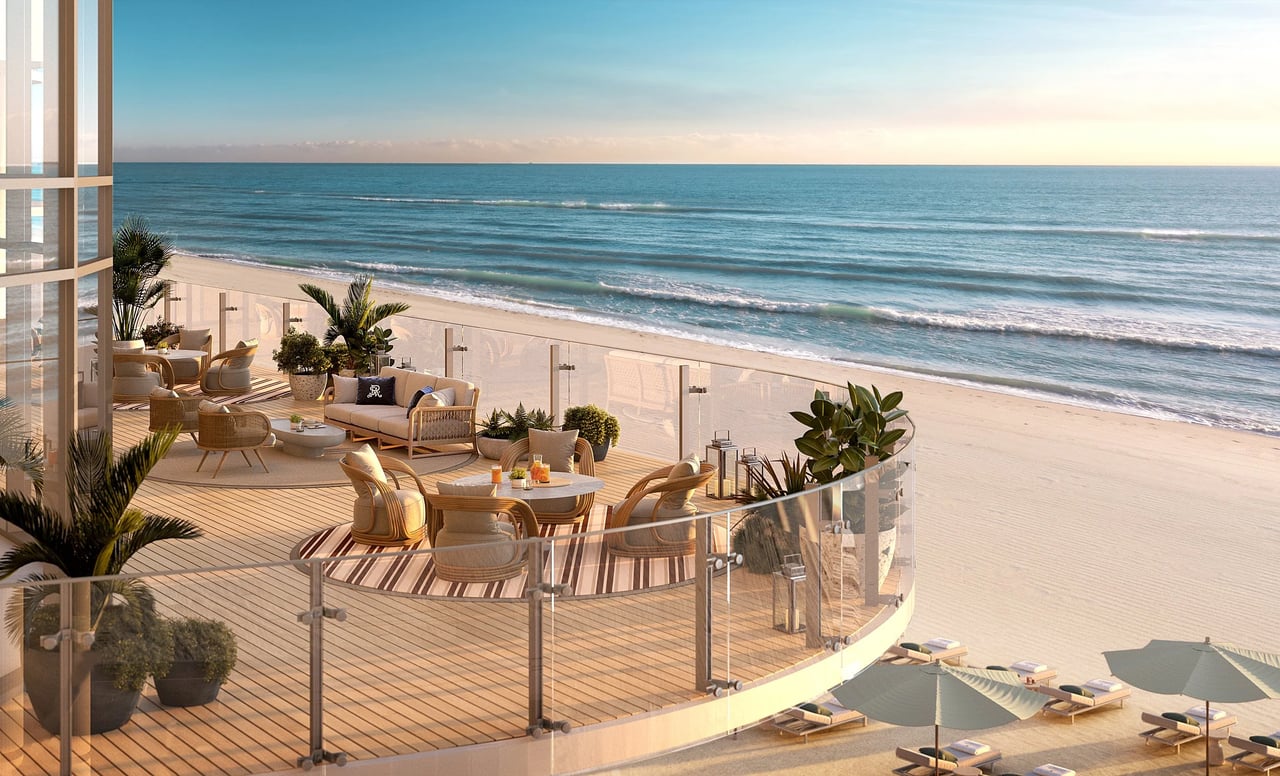
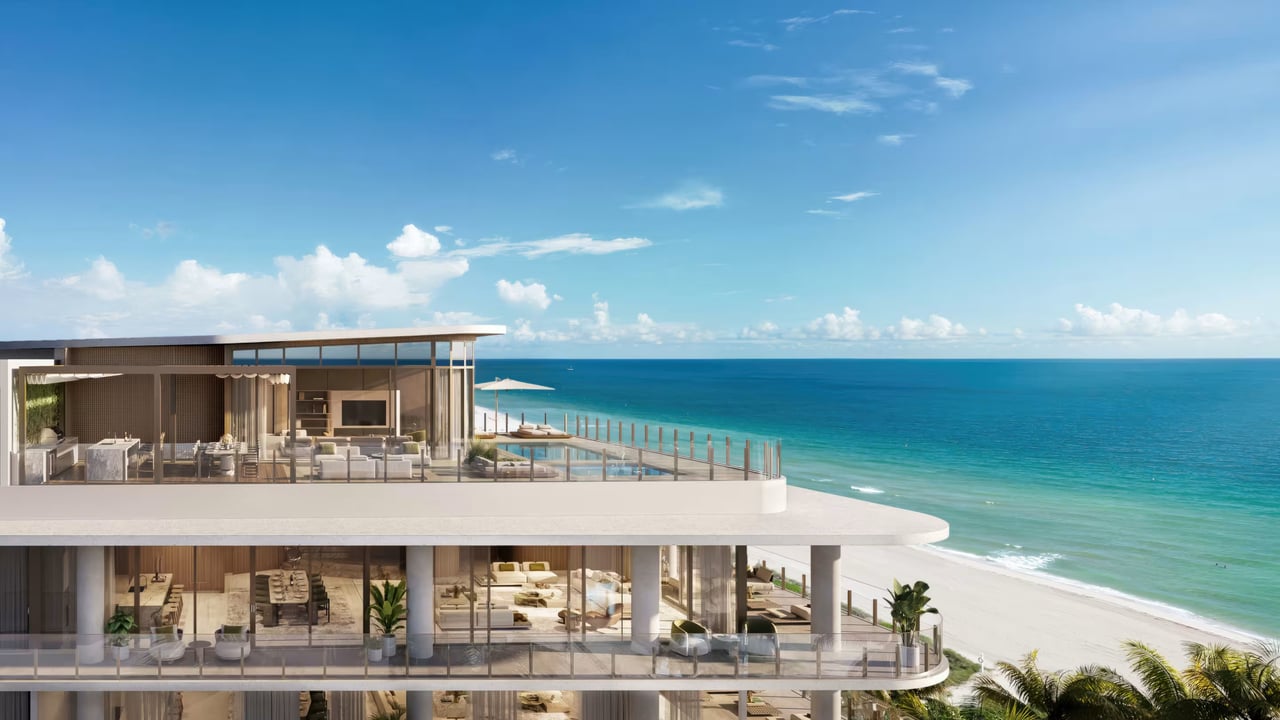
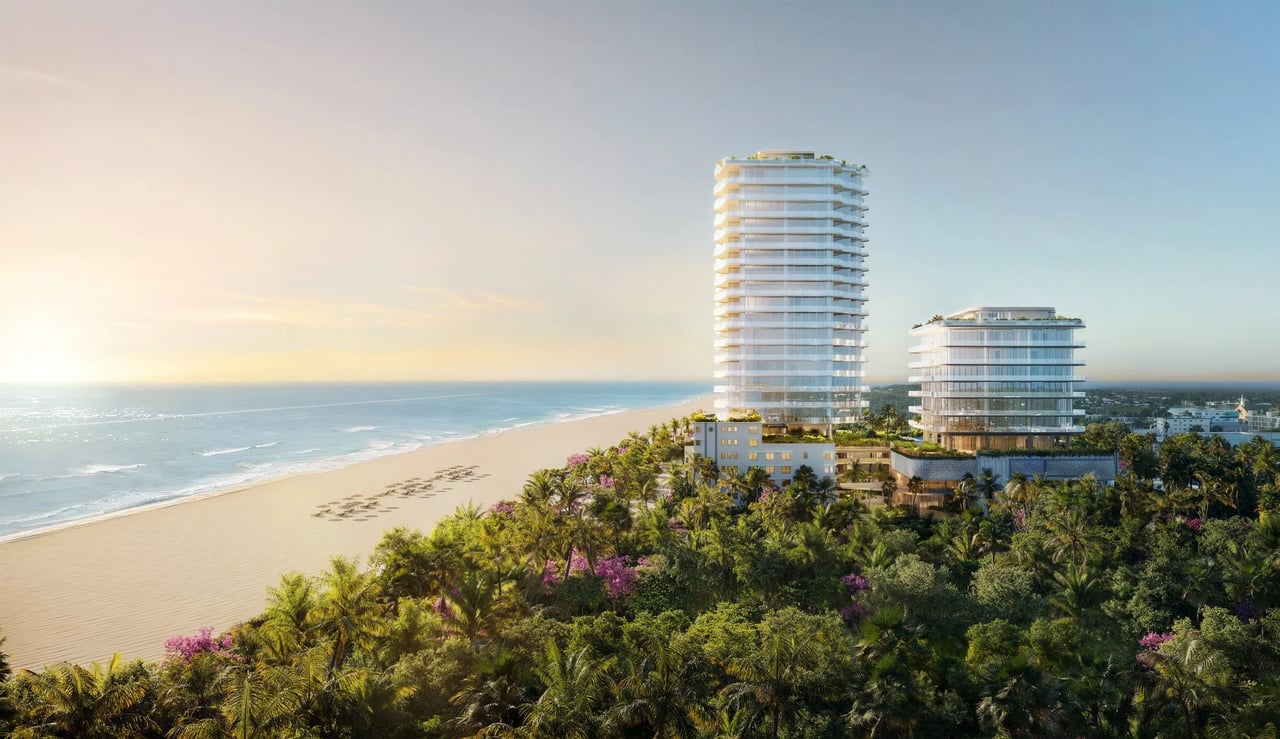
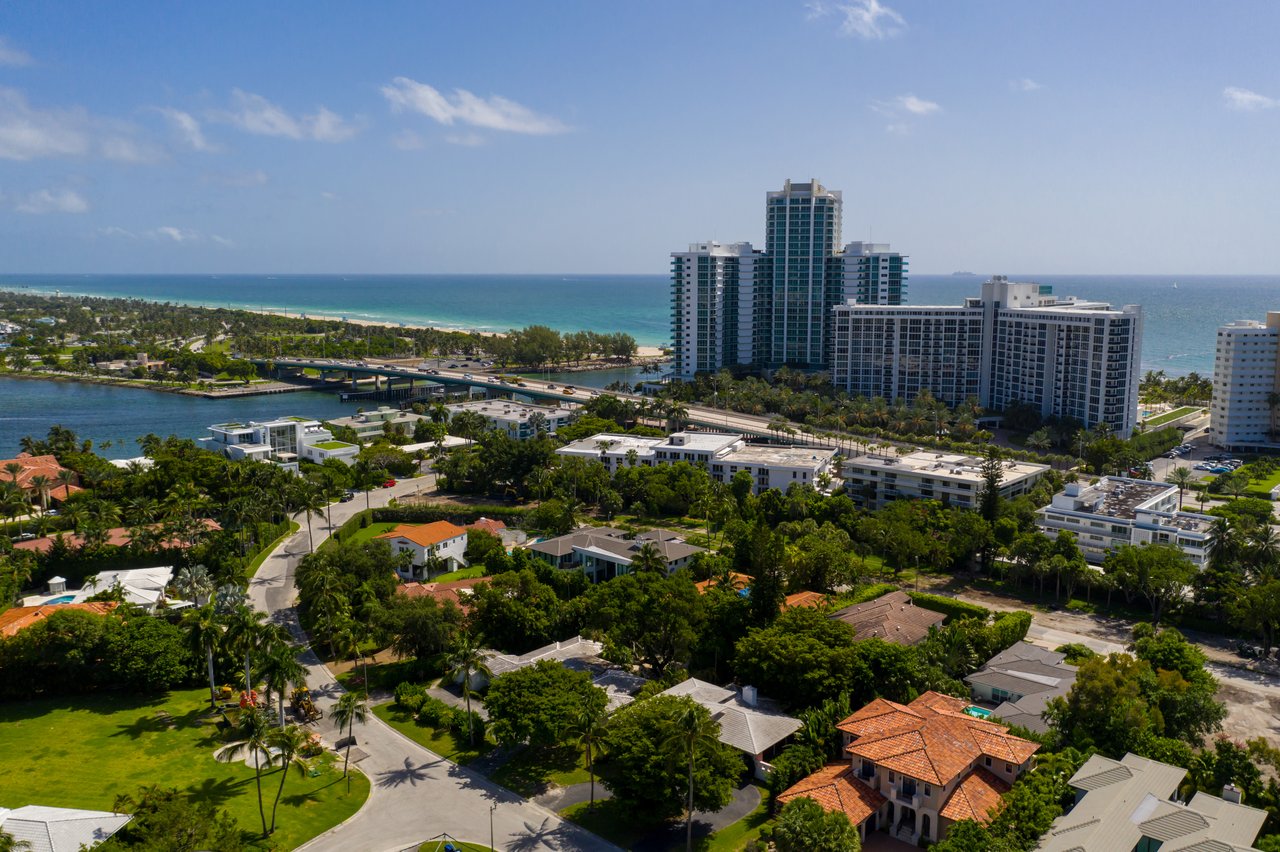
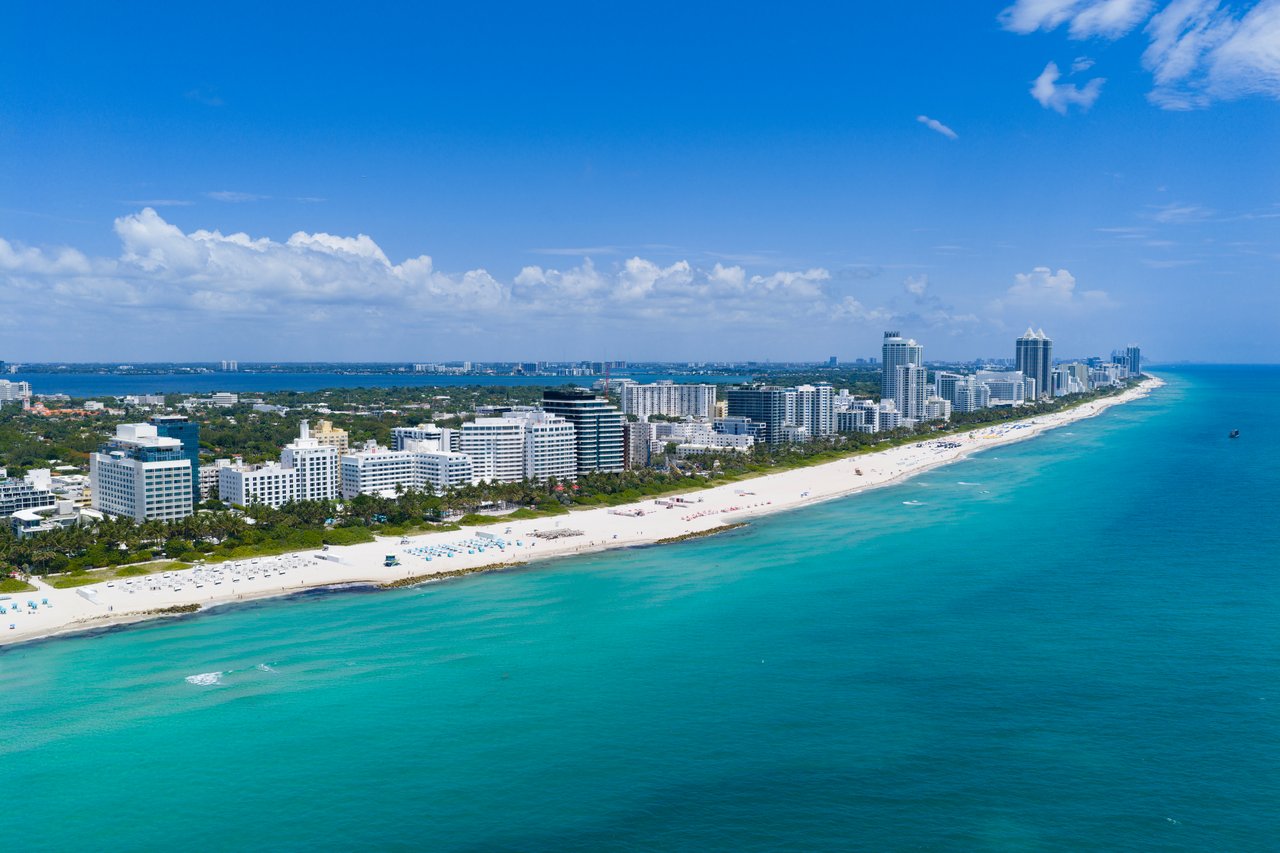
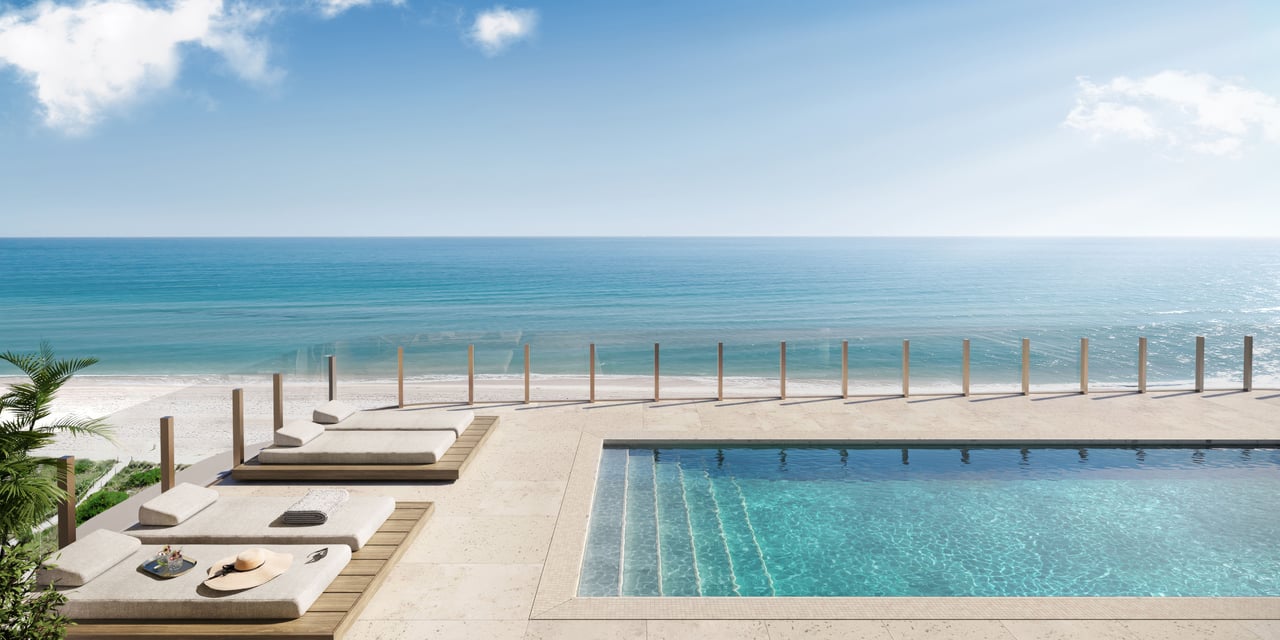
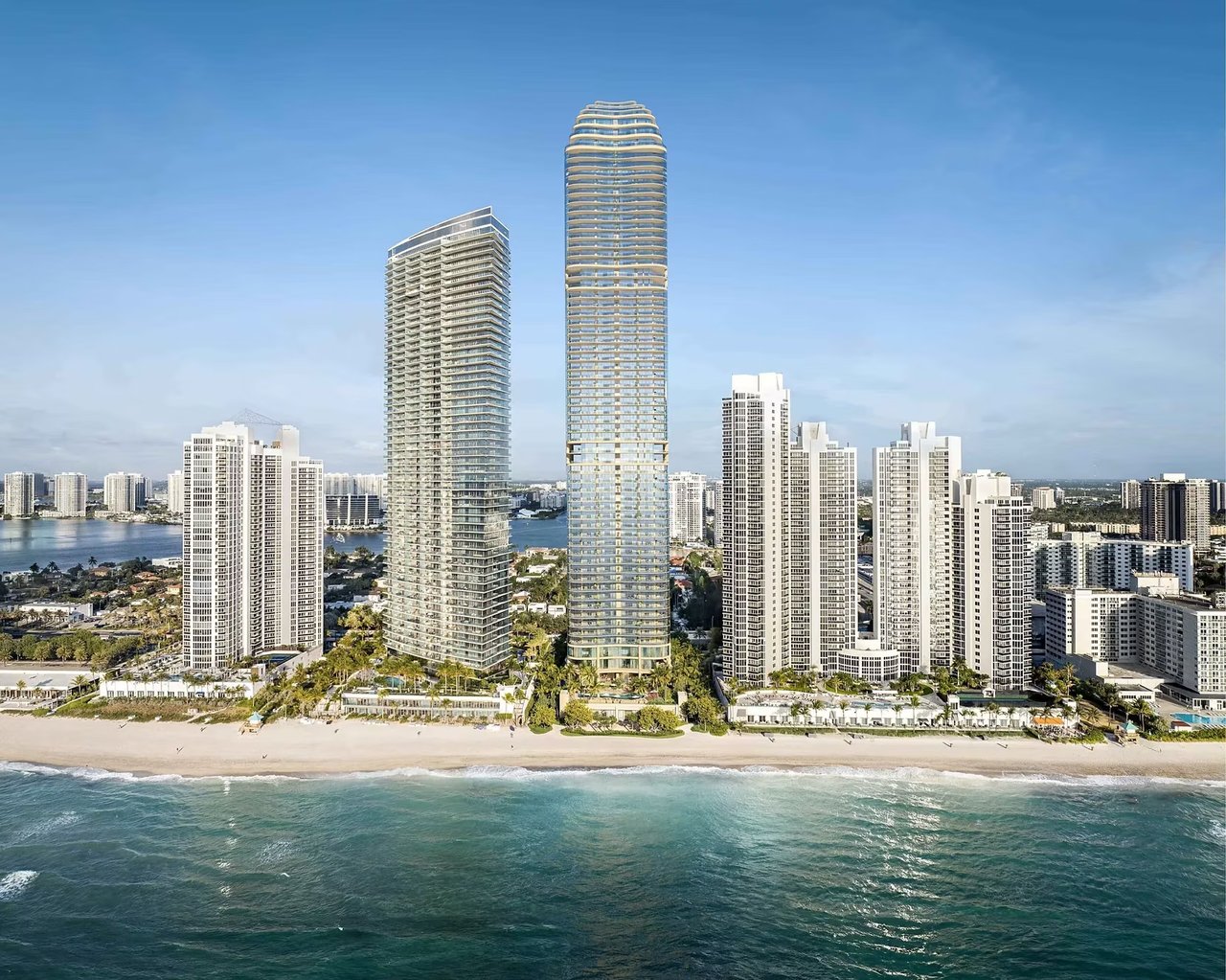
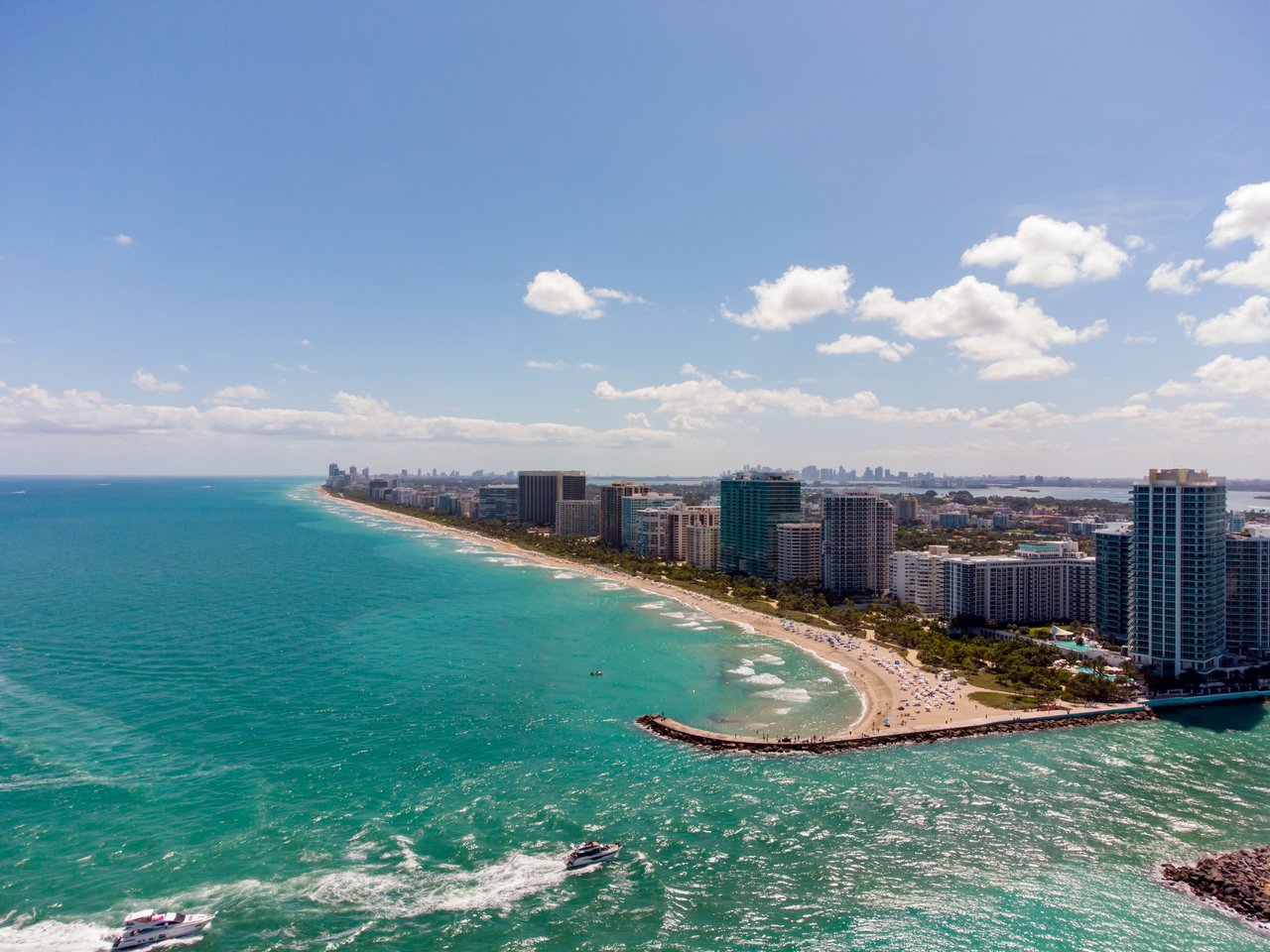
Oceanfront condos face the Atlantic Ocean directly, offering sunrise views, beach access, and a resort-like atmosphere. You'll find these primarily along Miami Beach, Surfside, Bal Harbour, and Sunny Isles. The tradeoff is higher prices, greater wind and salt exposure, and premium insurance costs.
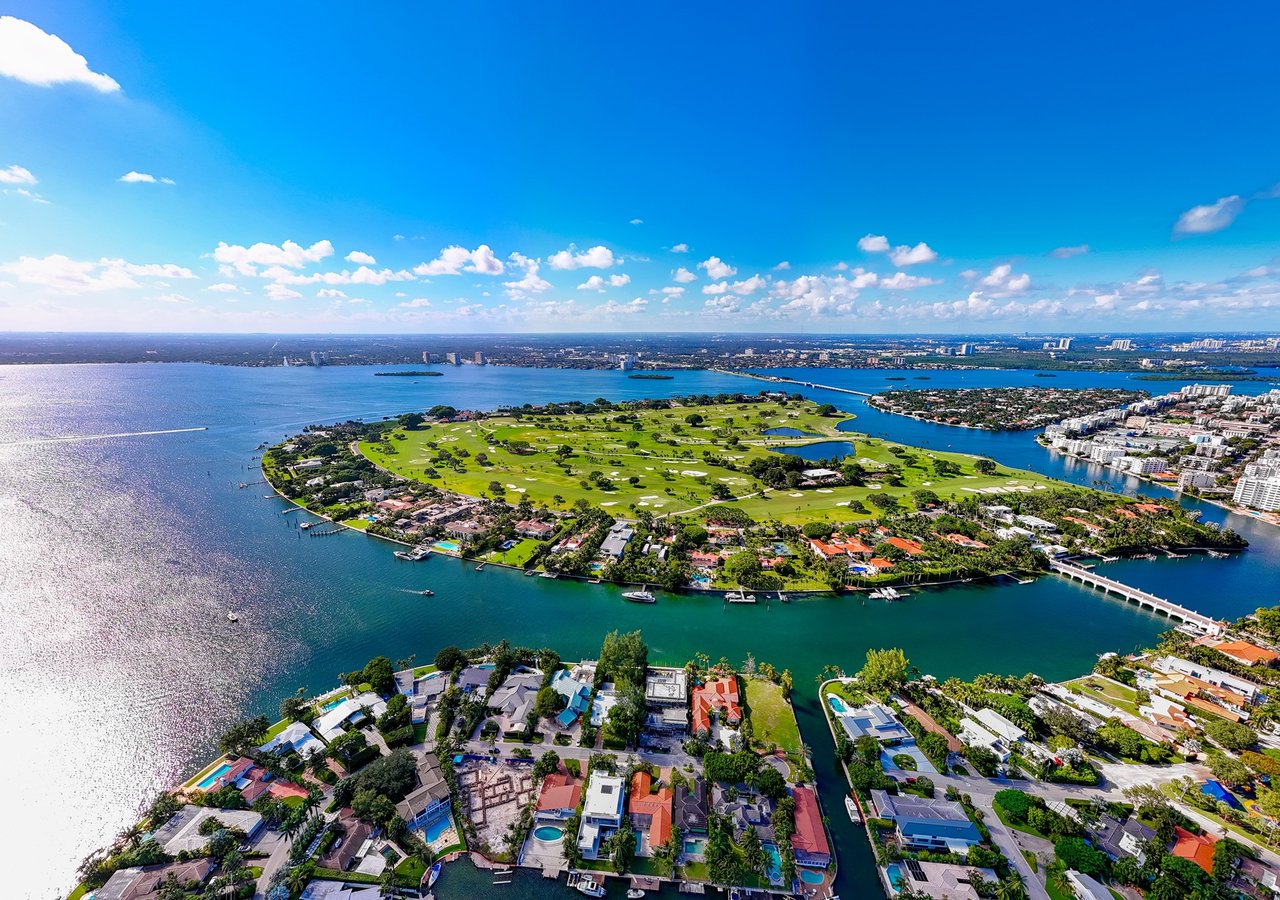
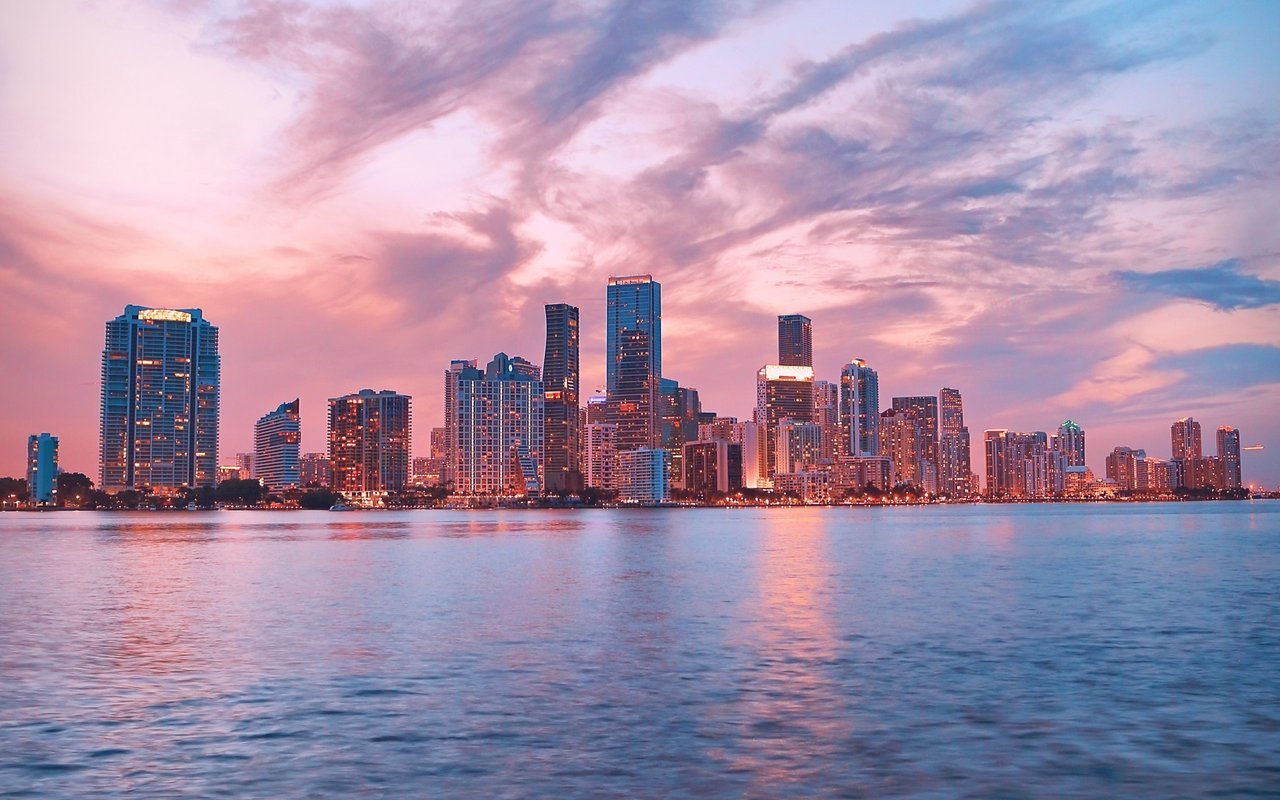
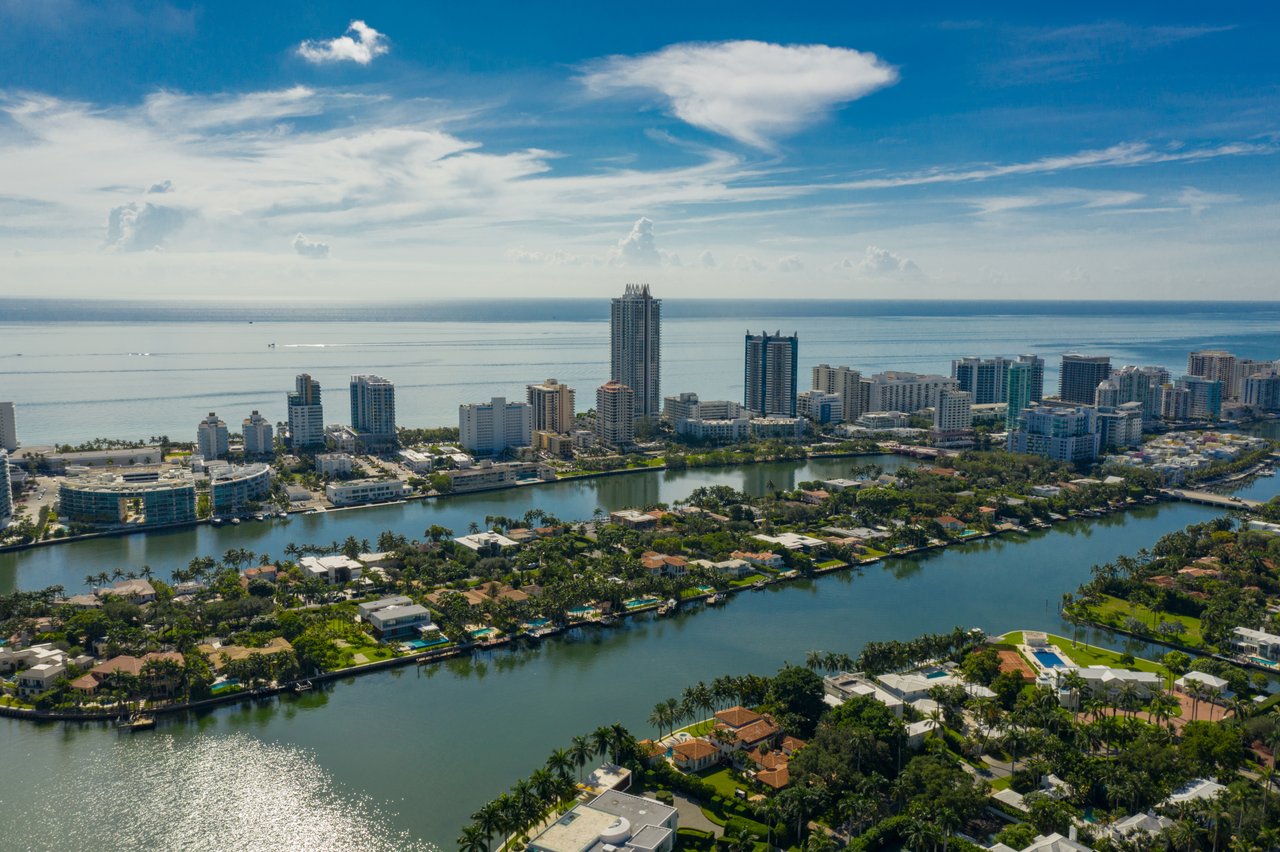
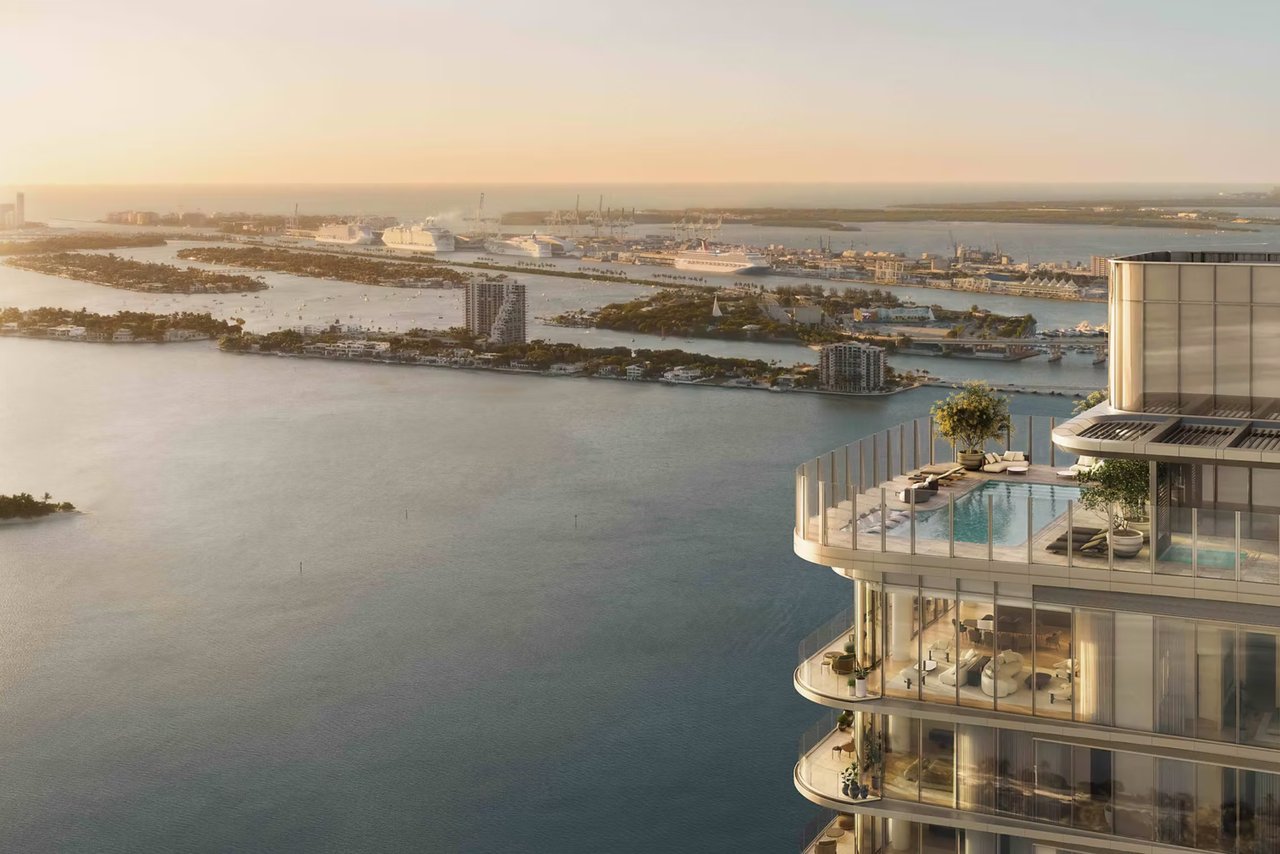
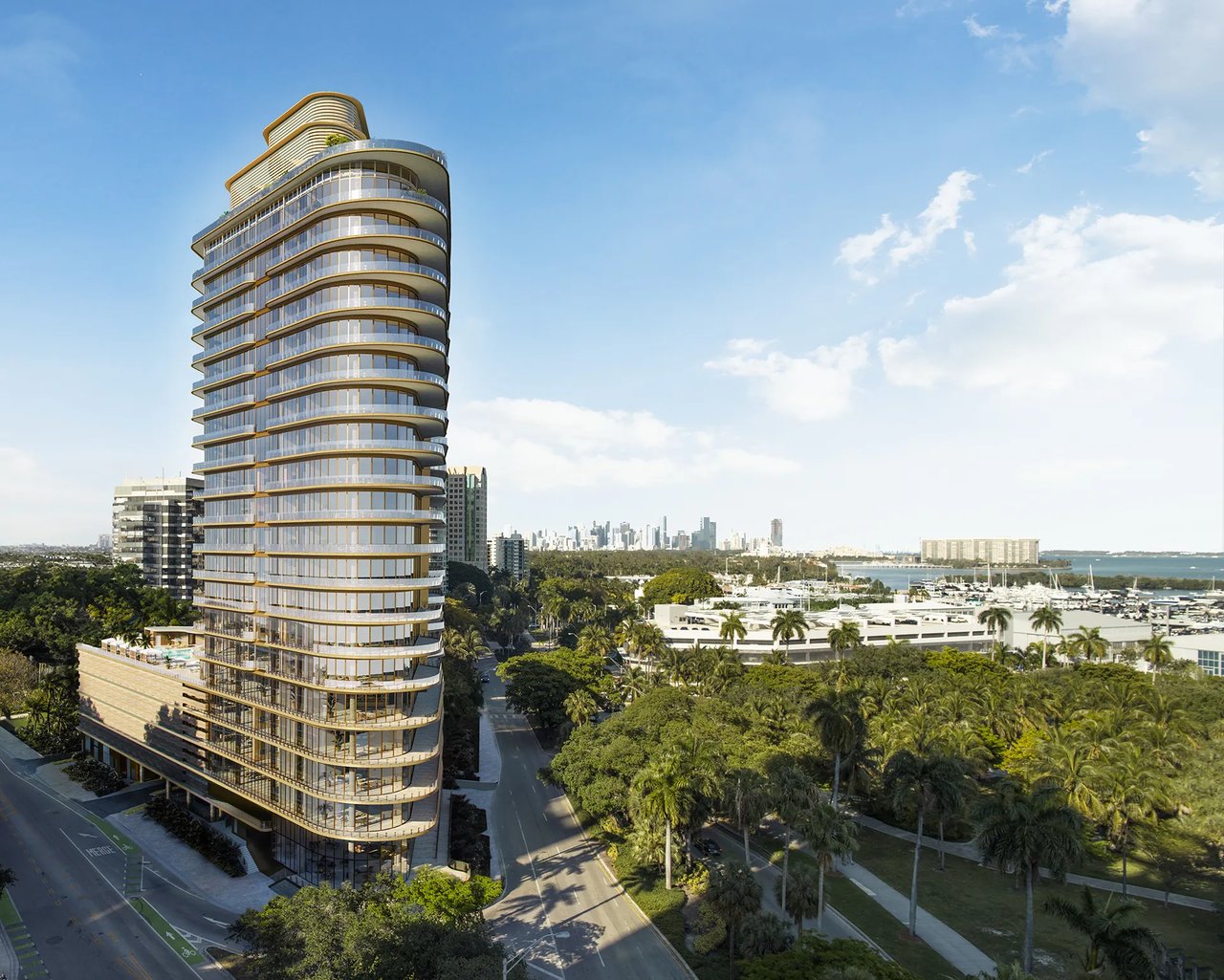
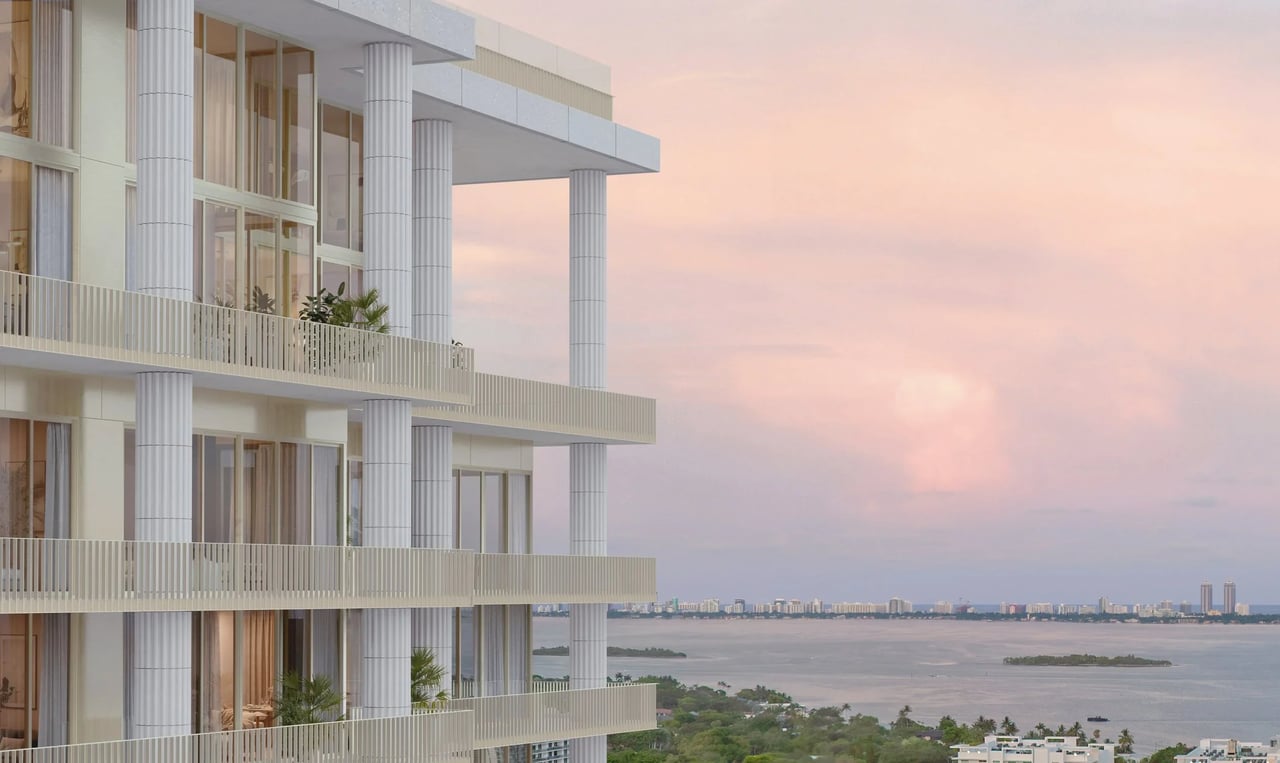
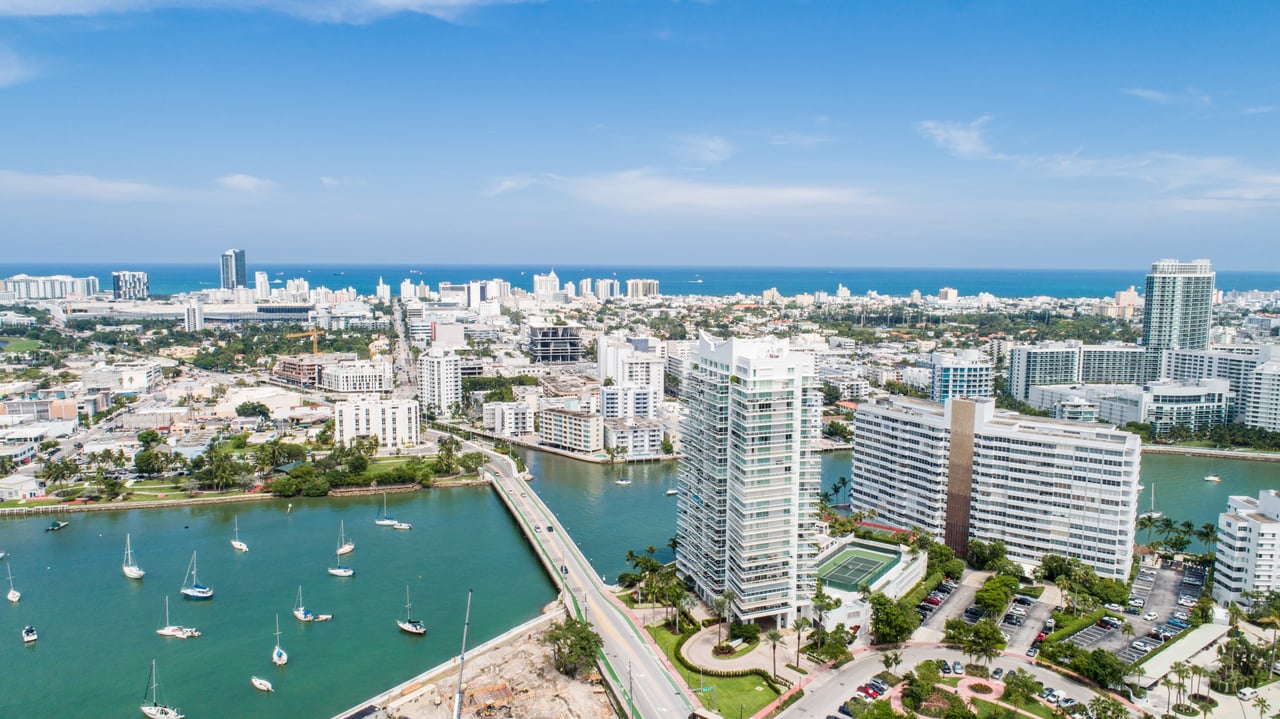
Bayfront condos face Biscayne Bay, offering calmer waters, skyline views, and often better boating access. Neighborhoods like Brickell, Edgewater, and Coconut Grove dominate this category. Prices generally run lower than direct oceanfront, though premium bayfront buildings in Brickell can rival ocean-facing towers.
Riverfront condos along the Miami River offer an urban waterfront vibe with walkability to downtown and Brickell. These buildings suit buyers who want water views and boat access without paying the oceanfront premium, though you trade beach proximity for city convenience.
|
Waterfront Type |
What You Get |
Best For |
Common Tradeoffs |
|
Oceanfront (direct beach) |
Beach access, sunrise views, resort atmosphere |
Primary residence buyers prioritizing lifestyle, those who want sand and waves |
Higher prices, significant wind exposure, premium HOA and insurance costs |
|
Bayfront / Intracoastal |
Skyline and sunset views, calmer water, often better boat access |
Boaters, value-conscious buyers, investors seeking rental income |
No direct beach access, potential view obstructions from future development |
|
Riverfront (Miami River) |
Urban waterfront, walkability, downtown proximity |
Professionals wanting city lifestyle with water access |
Boat traffic and noise, fewer traditional "beach" perks, industrial neighbors in some stretches |
For primary residence buyers prioritizing ocean views and beach access:
Focus your search on Miami Beach (Mid-Beach and North Beach offer more residential feel than South Beach), Surfside (village atmosphere with beach access), Bal Harbour (ultra-luxury with shopping and dining), and Sunny Isles (newer towers, strong international community). Each area has distinct character, so visiting at different times helps you understand which fits your daily life.
When evaluating specific buildings, look beyond the views to practical factors: elevator wait times during peak hours, parking situation (valet-only vs. self-park), guest policies, pet rules, package handling, and building reserves. A stunning view means less if daily logistics frustrate you.
Which Miami Waterfront Condos Offer the Highest ROI for Investors Looking to Rent Out Units Short Term or Long Term?
Investment returns on Miami waterfront condos depend heavily on factors that aren't visible in listing photos: rental restrictions, HOA financial health, insurance costs, and tenant demand patterns. The highest-priced buildings don't necessarily deliver the best returns.
Long-term rental strategy:
For investors focused on traditional 12-month leases, the strongest returns typically come from bayfront buildings in Brickell and Edgewater. These neighborhoods attract working professionals willing to pay premium rents for water views and urban amenities, and tenant turnover tends to be lower than in tourist-heavy areas. Buildings with lower HOA fees relative to rental rates produce better cash flow, so comparing fee-to-rent ratios across buildings matters more than absolute price.
Short-term rental strategy:
Short-term rentals in Miami face significant regulatory and building-level restrictions, which limit the pool of viable investment properties. Where short-term rentals are permitted, oceanfront locations in Miami Beach and Sunny Isles can generate strong nightly rates, but occupancy varies seasonally, and management costs eat into returns. More on rental rules in a dedicated section below.
ROI factors to evaluate before buying:
|
ROI Factor |
Why It Matters |
What to Verify Before Purchase |
|
Rental restrictions |
Determines whether you can rent at all, and on what terms |
Minimum lease term, rental caps (percentage of units allowed to rent), application fees, approval process |
|
HOA financial health |
Predicts special assessments and fee stability that affect cash flow |
Reserve funding percentage, delinquency rate, recent and planned capital projects, meeting minutes |
|
Insurance exposure |
Directly impacts operating costs and may affect financing |
Building master policy details, unit coverage requirements, flood zone designation, prior claims |
|
Tenant demand drivers |
Affects vacancy rates and rental pricing power |
Walkability score, transit access, proximity to employment centers, building amenities |
|
Liquidity on exit |
Determines how easily you can sell when ready |
Average days on market for comparable units, sales volume in the building, financing availability |
Buildings with investment appeal:
Rather than naming specific buildings (which change over time), look for these characteristics: moderate HOA fees relative to unit size, strong reserves (ideally 70%+ funded), no pending litigation affecting financing, flexible rental rules (or at least 12-month minimum rather than longer), and consistent resale activity showing liquidity.
Where Can I Find Luxury Miami Waterfront Condos With Boat Slips and Marina Access for Sale?
Boat access is one of Miami's unique lifestyle advantages, but "waterfront with marina access" means different things depending on the building. Understanding the distinctions helps you find properties that match your boating needs.
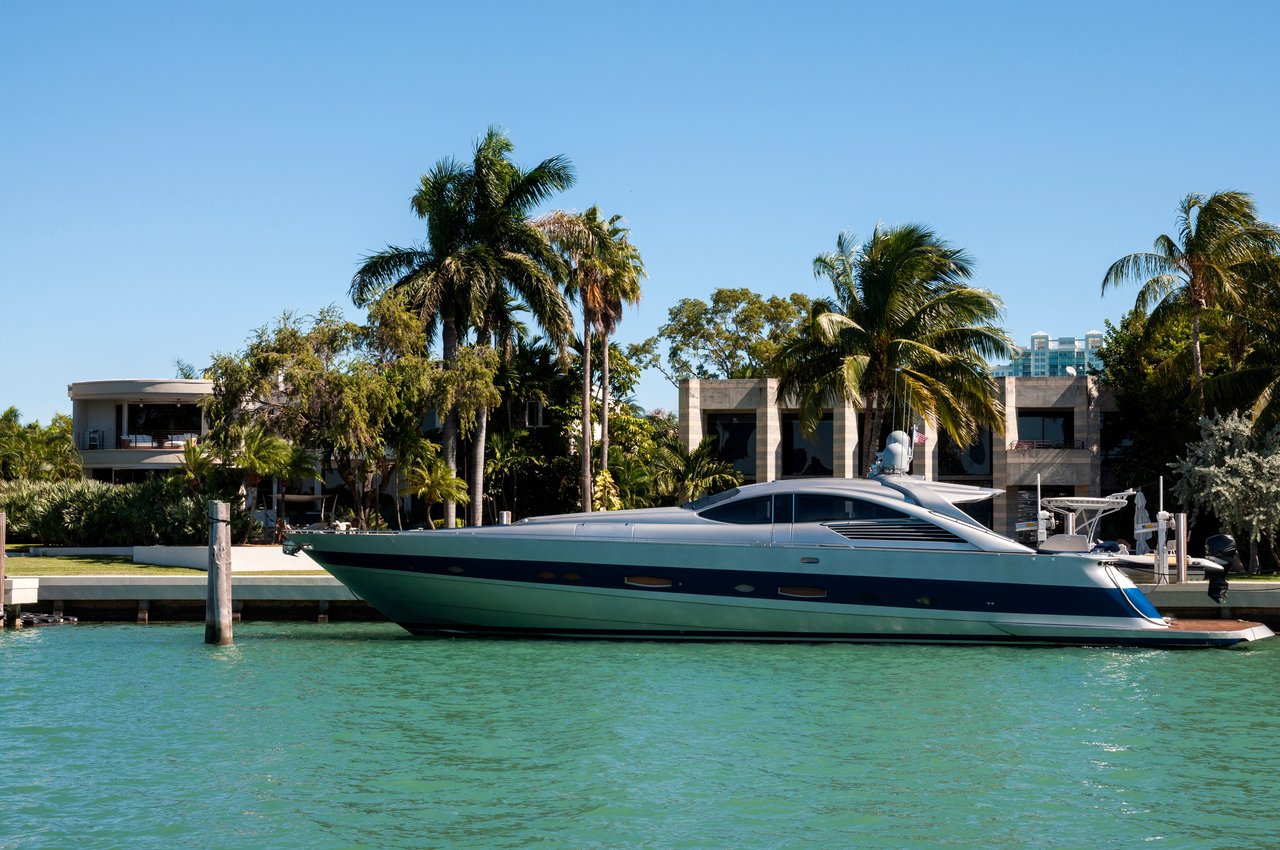
Deeded boat slips convey with the unit and are yours to use or rent to others. These are rare and valuable, adding significant cost to the purchase price but providing guaranteed access. Transfer rules vary, so confirm you can sell or rent the slip independently if needed.
Building marina with waitlist means the building has a marina, but slips are assigned separately from units. You may wait months or years for availability, and monthly slip fees apply on top of the HOA. This works for flexible boaters who don't need immediate access.
Nearby marina means no on-site docking, but a marina within driving or short boating distance. This suits occasional boaters or those willing to store their vessel off-site, but it's not the "walk out your door and onto your boat" experience that serious boaters want.
|
Marina Setup |
What It Usually Means |
Best For |
Watch-Outs |
|
Deeded slip |
Slip ownership conveys with unit purchase |
Serious boaters who want guaranteed access |
Transfer rules may restrict sale or rental; maintenance fees apply; slip size may limit vessel options |
|
Building marina with waitlist |
Marina exists but slips aren't guaranteed with purchase |
Flexible boaters willing to wait |
No guarantee of availability; monthly fees add to carrying costs; slip assignment may depend on unit size or seniority |
|
Nearby marina |
No on-site docking; marina within reasonable distance |
Occasional boaters, those prioritizing condo over boat access |
Less convenient; storage and access fees; not true "waterfront boating lifestyle" |
Neighborhoods with strong marina access:
Coconut Grove has deep roots in boating culture, with several buildings offering marina access and proximity to Dinner Key Marina. The Grove attracts sailors and boaters who prioritize an on-water lifestyle over nightlife.
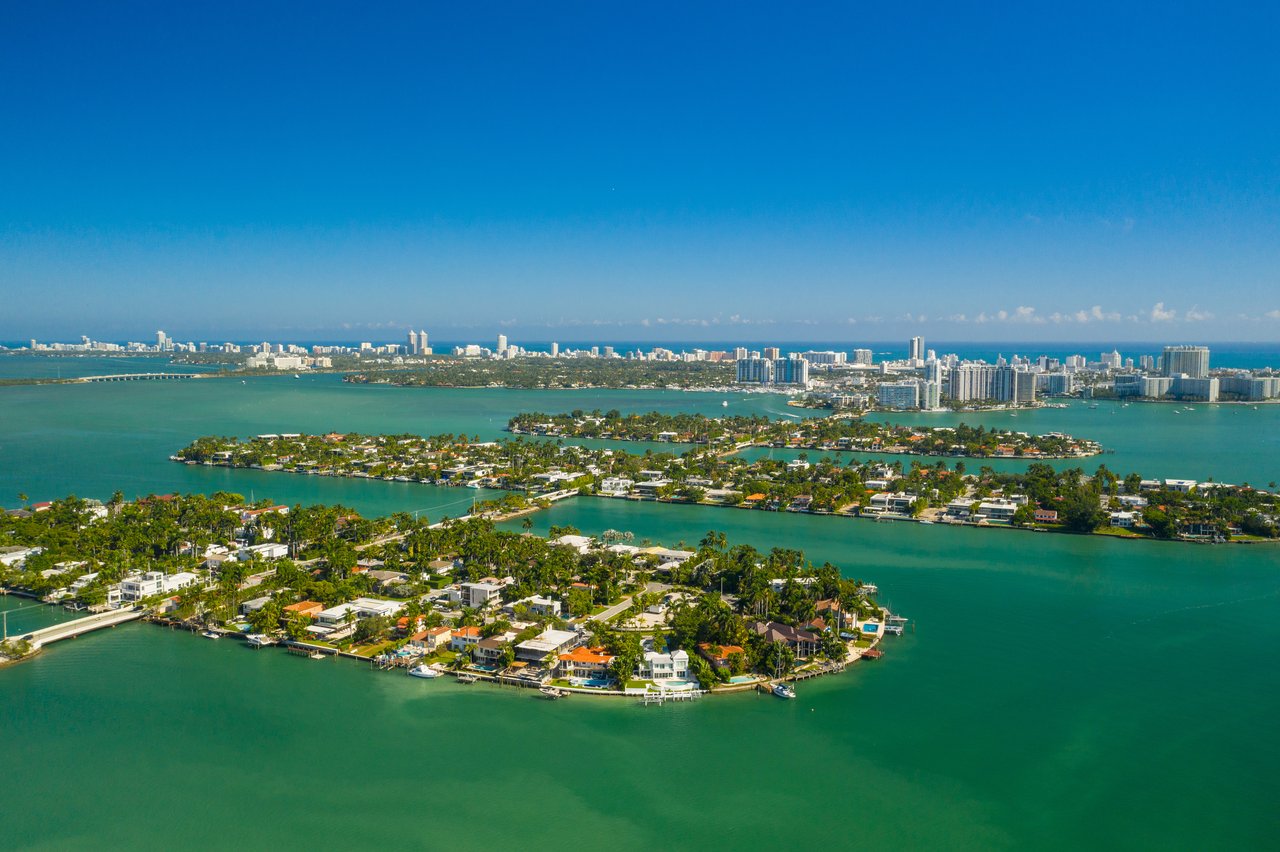
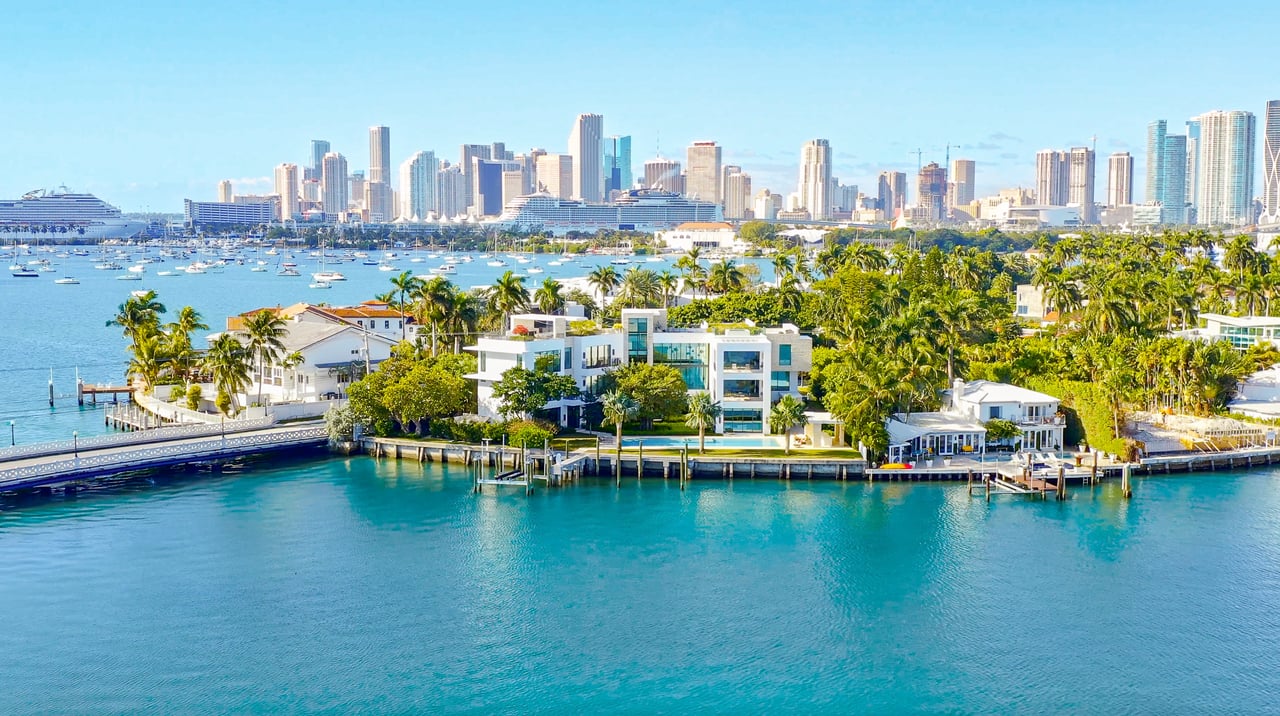
Miami Beach islands (Venetian Islands, Hibiscus Island, Palm Island) offer single-family homes more than condos, but some condo buildings in the area provide bay access suitable for boating.
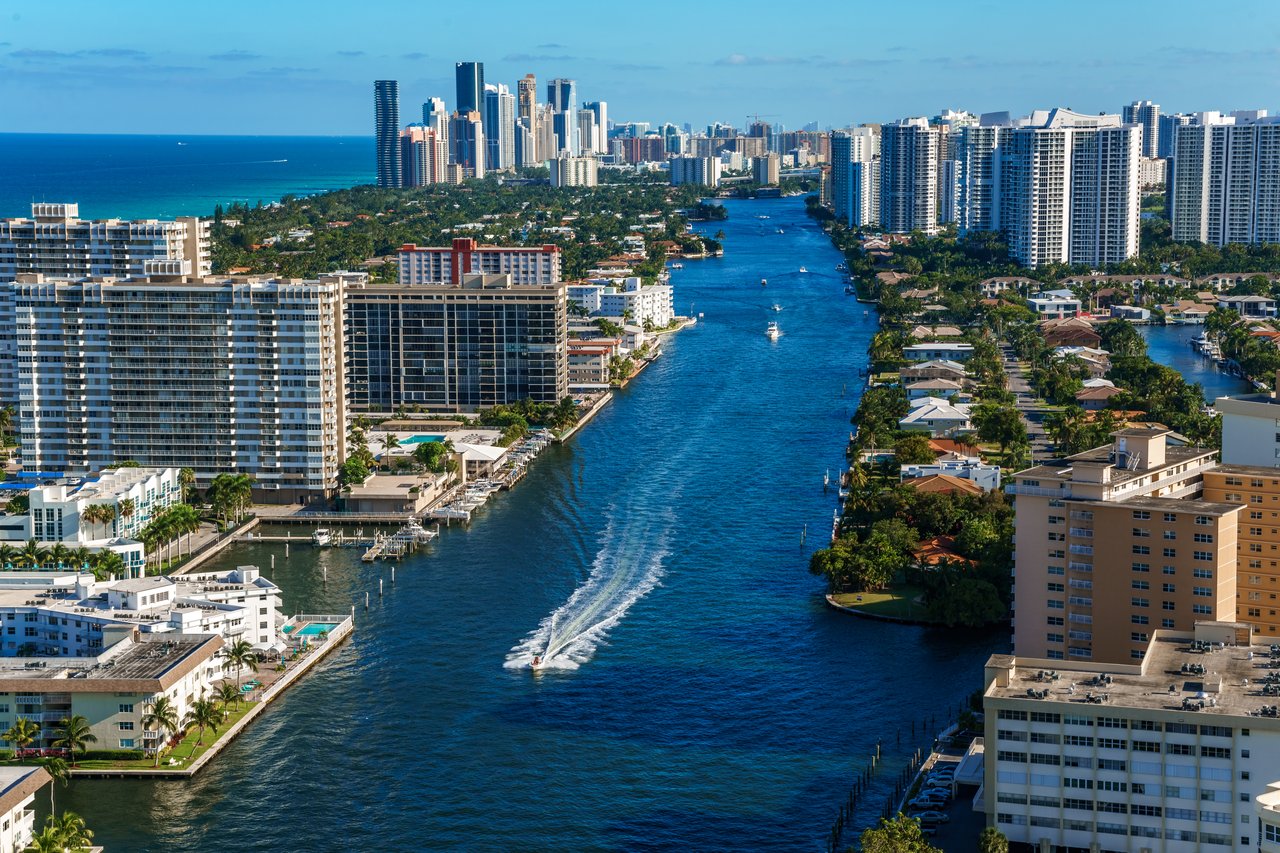
Aventura and North Miami Beach along the Intracoastal offer buildings with marina facilities at lower price points than Brickell or Miami Beach, though the boating experience differs from open-bay access.
Edgewater and Brickell bayfront buildings occasionally offer marina access, though slip availability is typically limited, and waitlists are common given high demand.
Which Miami Neighborhoods Have the Most Affordable Waterfront Condos With Low HOA Fees?
True "low HOA" is uncommon on the water because waterfront buildings face higher insurance costs, more intensive maintenance from salt and humidity exposure, and amenity expectations that drive staffing costs. That said, relative value exists if you know where to look and what tradeoffs to accept.
What drives waterfront HOA costs:
Building insurance is often the largest HOA expense, and waterfront exposure means higher premiums. Add in seawall maintenance, dock facilities, pool and amenity upkeep, staffing for security and concierge, and reserve contributions for future repairs, and fees add up quickly.
Where to find relative affordability:
Older buildings in less trendy areas offer lower entry prices and sometimes lower HOAs, though you trade modern finishes and amenities for cost savings. Buildings without extensive amenities (no full-service spa, no valet, limited staff) also run leaner.
|
Area |
Waterfront Type |
Typical Value Angle |
HOA Fee Tendency |
Best For |
|
North Miami Beach |
Bayfront / Intracoastal |
Older buildings with water views at lower price points |
Medium |
First-time waterfront buyers willing to renovate |
|
Aventura (older buildings) |
Intracoastal |
Established community, good amenities, lower per-square-foot costs than newer towers |
Medium |
Buyers wanting suburban waterfront feel |
|
Edgewater (select buildings) |
Bayfront |
Mix of older and newer; some older buildings offer value |
Medium to High |
Urban buyers seeking bay views without Brickell prices |
|
Miami River / Downtown |
Riverfront |
Urban waterfront at discount to bay/oceanfront |
Medium to High |
Professionals prioritizing location over beach access |
Setting realistic expectations:
In Miami's current market, waterfront condos with HOA fees under $600/month are rare and typically involve older buildings, smaller units, or limited amenities. Fees in the $800 to $1,500 range are more common for mid-tier waterfront buildings, while luxury towers routinely exceed $2,000/month.
When evaluating "affordable" options, calculate your true monthly cost including mortgage, taxes, insurance, and HOA rather than focusing on any single line item. A building with higher HOA but lower purchase price might cost the same monthly as a building with lower HOA but higher price.
Where Can I Buy a Miami Waterfront Condo That Allows Airbnb or Flexible Short-Term Rentals?
Short-term rental rules in Miami are complex, layered, and constantly evolving, which means any property marketed as "Airbnb-friendly" deserves serious verification before you rely on that income.
The layers of regulation:
First, municipal rules determine whether short-term rentals (typically defined as less than 30 days or less than 6 months, depending on jurisdiction) are legal in a given area. Miami Beach, for example, restricts short-term rentals in most residential zones, with violations carrying significant fines. The City of Miami has different rules that vary by neighborhood and zoning.
Second, building and HOA rules can prohibit short-term rentals even where the city allows them. Many condo associations ban rentals under 6 or 12 months, cap the number of units that can rent at any time, require tenant approval, or charge fees that make short-term renting uneconomical.
Third, enforcement varies. Some buildings actively monitor and fine violations; others look the other way until complaints arise. Relying on lax enforcement is risky because policies can change with new board members or neighbor complaints.
|
What to Check |
Why It Matters |
Who to Confirm With |
|
City and zoning rules |
Determines baseline legality of short-term rentals |
City planning department, zoning maps, or a real estate attorney |
|
Building and HOA rules |
Can prohibit or restrict rentals beyond what city allows |
HOA documents, bylaws, and direct confirmation with property management |
|
Minimum lease term |
Defines what counts as "short-term" in that building |
HOA rules and recent board meeting minutes |
|
Rental caps and approval |
Limits how many units can rent and adds friction |
HOA rules, current rental percentage, approval timeline |
|
Enforcement and fines |
Determines real-world risk of violations |
HOA fine schedule, recent meeting minutes, conversations with current owners |
The practical reality:
Truly flexible short-term rental situations in Miami waterfront condos are limited. Some buildings in areas where the city permits short-term rentals do allow it, but they're the exception rather than the rule. If short-term rental income is central to your investment thesis, work with an agent who can verify current rules for specific buildings before you make an offer, and build in a contingency that allows you to exit if the rules aren't what you expected.
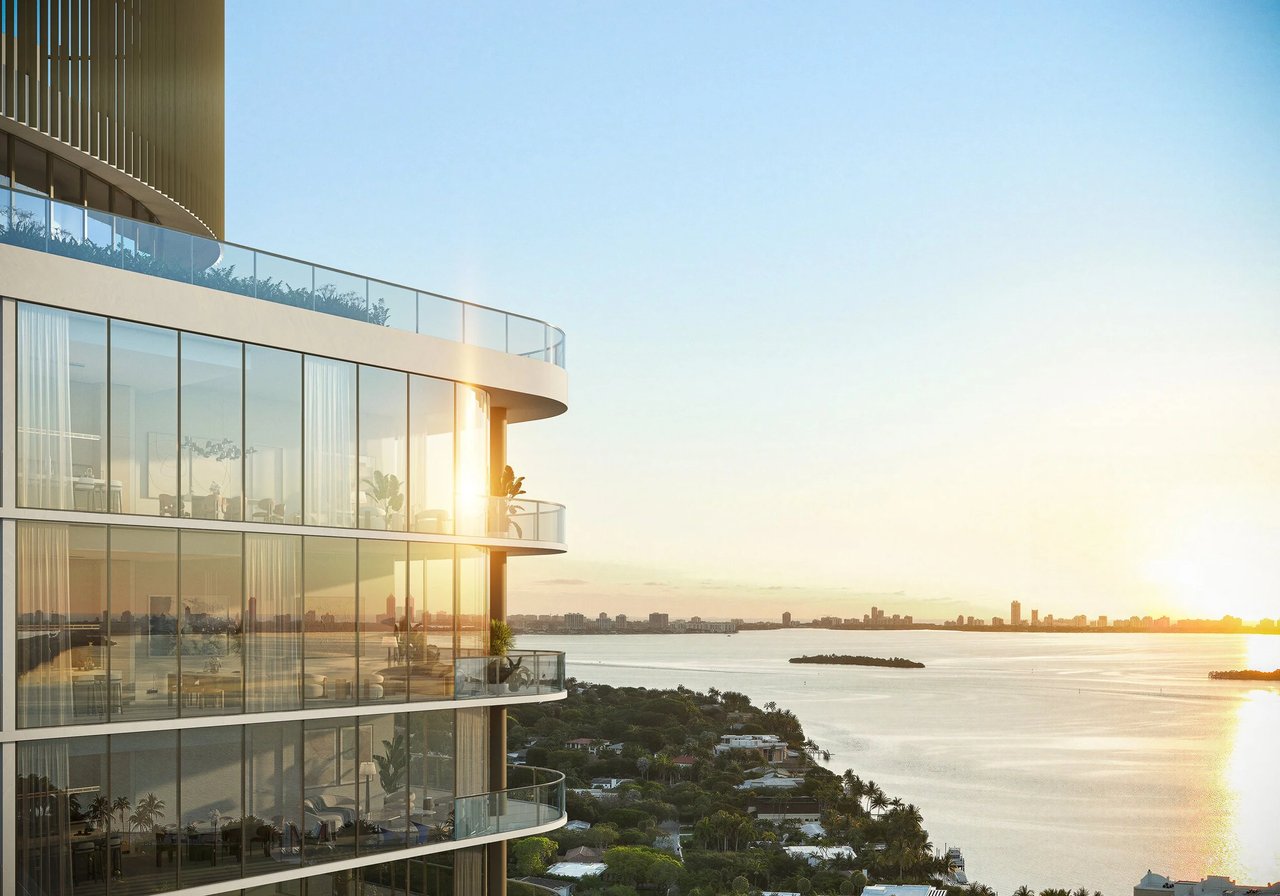
How Do I Find Miami Waterfront Condos With Private Terraces, Floor-to-Ceiling Windows, and Unobstructed Ocean Views?
These features command premium prices, but not every listing that mentions them delivers the experience you're imagining. Knowing what to look for helps you separate marketing language from reality.
Unobstructed views:
"Water view" can mean anything from a sliver of blue between buildings to a panoramic oceanfront vista. When evaluating views, visit the unit in person and check sightlines from every room that matters—living room, primary bedroom, and any secondary spaces where you'll spend time. Look out the windows, not at listing photos, since wide-angle photography can make views appear more expansive than reality.
Also research what can be built between you and the water. An "unobstructed" view today might have a new tower in front of it in three years. Check zoning for adjacent parcels and ask about known development plans.
Private terraces:
Confirm the terrace is deeded to your unit rather than a shared common area. Some buildings have "Juliet balconies" (small platforms you can step onto but not furnish) marketed as terraces. Others have shared rooftop spaces that aren't private at all. Measure the terrace or balcony to confirm it fits your intended use—a 4-foot-deep balcony looks different in person than in photos.
Floor-to-ceiling windows:
Modern towers typically offer floor-to-ceiling glass, but older buildings may have standard window heights. Verify the windows are impact-rated for hurricane protection, since non-impact windows may require shutters that block your view during storms (and insurance may require them closed during hurricane season). Replacing windows is extremely expensive in high-rise buildings, so factor current window condition into your evaluation.
|
Feature |
How to Verify |
Common Pitfalls |
|
Unobstructed view |
Visit in person; check sightlines from living areas and bedrooms; research adjacent development potential |
Wide-angle photos exaggerate views; "water view" can mean partial glimpse; future construction can block views |
|
Private terrace |
Confirm deeded to unit in condo docs; measure dimensions; check usability |
"Juliet balconies" too small to use; shared terraces marketed as private; HOA rules may restrict furniture or use |
|
Floor-to-ceiling glass |
Verify window height and impact rating; check for required shutters |
Older buildings have standard windows; non-impact glass requires shutters; window replacement is costly |
|
Optimal exposure |
East-facing for sunrise and direct ocean; west-facing for sunset and skyline |
East gets morning heat and glare; west gets afternoon heat; corner units balance both |
Searching strategically:
When searching listings, filter for newer construction (2010 or later) to increase odds of floor-to-ceiling glass and modern terraces. For views, focus on buildings positioned at the waterfront rather than one row back, and prioritize higher floors where neighboring structures are less likely to obstruct sightlines.
Once you've identified candidates, visit at different times of day. Morning light differs from afternoon; weekday quiet differs from weekend activity. The unit that photographs beautifully at sunset might face harsh glare at breakfast.
How Much Do Miami Waterfront Condos Cost?
Waterfront condo prices in Miami span from under $400,000 for older units in less central locations to $50 million or more for trophy penthouses in ultra-luxury towers. Understanding what drives pricing helps you identify value within your budget.
Primary price drivers:
-
Waterfront type: Oceanfront commands the highest premiums, followed by bayfront, then riverfront and Intracoastal.
-
Floor level: Higher floors typically cost more due to better views and less noise, with penthouses at significant premiums.
-
View quality: Direct, unobstructed water views cost more than partial or angled views.
-
Building age and brand: Newer construction and branded residences (Ritz-Carlton, Four Seasons, Armani) carry premiums.
-
Unit size and layout: Larger units and efficient layouts command higher per-square-foot prices in desirable buildings.
-
Amenities and services: Full-service buildings with extensive amenities cost more to buy and to own (higher HOA).
-
Parking: Deeded parking spaces, especially multiple spaces, add value in buildings where parking is limited.
General price ranges by area (2026):
These ranges reflect typical asking prices and will vary based on specific building, unit condition, floor level, and view quality.
-
South Beach oceanfront: $1.8M to $50M+ for most units; penthouses and ultra-luxury significantly higher
-
Mid-Beach / North Beach oceanfront: $500,000 to $20M+ for typical units
-
Sunny Isles oceanfront: $500,000 to $60M+ depending on building and floor
-
Brickell bayfront: $500,000 to $60M+ for most units; ultra-luxury towers higher
-
Edgewater bayfront: $500,000 to $15M+ for typical units
- Coconut Grove: $500,000 to $20M+ for typical units
-
Aventura Intracoastal: $500,000 to $10M+ for most units
What Are Typical HOA Fees for Miami Waterfront Buildings and Why Are They High?
HOA fees for Miami waterfront condos often surprise buyers, especially those relocating from markets where fees run $200 to $400 per month. Understanding what drives these costs helps you evaluate whether a building's fees are reasonable or a red flag.
What waterfront HOAs typically cover:
Building insurance represents the largest expense for most waterfront HOAs. Coastal exposure means higher premiums, and Florida's insurance market volatility has driven significant increases in recent years. This cost is passed through to owners via HOA fees.
Reserves for future repairs are legally required in Florida, and post-Surfside regulations have increased reserve funding requirements. Buildings must now fund reserves for structural components like roofs, elevators, and concrete restoration rather than deferring these costs.
Staffing costs for front desk, security, valet, maintenance, and management add up quickly in full-service buildings. A 24/7 staffed lobby alone requires multiple full-time employees.
Amenity maintenance for pools, gyms, spas, common areas, and landscaping requires ongoing investment. Waterfront-specific items like seawalls, docks, and boat facilities add additional expense.
Typical fee ranges:
-
Minimal amenities, older building: $600 to $900 per month
-
Mid-tier amenities, moderate staffing: $900 to $1,500 per month
-
Full-service luxury building: $1,500 to $3,000+ per month
-
Ultra-luxury branded residence: $3,000 to $6,000+ per month
The special assessment risk:
Beyond monthly fees, waterfront condo owners face special assessment risk. When major repairs exceed reserves—roof replacement, concrete restoration, elevator modernization, seawall repair—the association levies special assessments that can range from $10,000 to $150,000+ per unit depending on the scope.
Before buying, review the reserve study to understand funding levels and anticipated major expenses. Review meeting minutes for discussion of upcoming projects. Ask directly whether any assessments are pending or anticipated. Buildings with well-funded reserves and proactive maintenance are less likely to surprise you with large assessments.
Are Waterfront Condos a Good Investment in Miami?
Waterfront condos can be strong investments, but the answer depends on your investment criteria, time horizon, and tolerance for Miami's unique cost factors.
The case for waterfront condo investment:
Miami's waterfront is finite—there's only so much oceanfront and bayfront land, which creates natural supply constraints. Demand from domestic buyers, international buyers, and investors remains strong, supporting long-term appreciation. Waterfront properties historically outperform non-waterfront in Miami during growth cycles.
Rental demand for waterfront units is consistent, particularly in buildings that allow rentals. Tenants pay premium rents for water views and beach access, which supports cash flow for investor owners.
The case for caution:
Carrying costs for waterfront condos run high. When you combine HOA fees, property taxes, insurance, and maintenance reserves, your annual carrying cost can reach 3% to 5% of the property's value—eating into returns and requiring strong appreciation to generate positive total returns.
Special assessment risk is real. A single large assessment can wipe out years of appreciation or rental income, and you have limited control over when these occur.
Rental restrictions in many buildings limit income potential. If your investment thesis depends on rental income and the building changes its rules, your returns suffer.
Insurance and HOA volatility in Florida means your costs can increase significantly year over year, squeezing cash flow even as rents rise.
Buyers weighing a condo versus a single-family waterfront home should also understand that ownership costs diverge quickly over time. Insurance structures, maintenance responsibility, and exposure to special assessments create very different risk profiles depending on property type. A more detailed comparison of waterfront condos versus waterfront homes in Miami can help clarify which option aligns better with your budget and risk tolerance.
The balanced view:
Waterfront condos in Miami work best as investments when you have a long time horizon (7+ years), choose buildings with strong financial health, can absorb cost increases without distress, and treat rental income as a bonus rather than a requirement. They work poorly as investments when you need immediate cash flow, have a short time horizon, or can't tolerate surprise expenses.
Are There Hurricane Risks With Waterfront Condos in Miami?
Yes, and any honest assessment of waterfront condo ownership must address this directly. Miami sits in a hurricane-prone region, and waterfront properties face greater exposure than inland locations.
The risks:
Wind damage is the primary concern during hurricanes. Modern high-rise buildings are engineered to withstand hurricane-force winds, but older buildings may not meet current standards. Impact-resistant windows and doors are now standard in new construction, but weren't required in older buildings.
Flooding affects lower floors and can impact building systems (electrical, HVAC, elevators) located at ground level. Storm surge in severe hurricanes can be significant along the coast.
Building damage may lead to displacement, special assessments for repairs, and temporary loss of rental income. Even if your unit survives intact, building-wide damage affects your use and value.
How to evaluate and mitigate:
-
Check building construction date and standards. Buildings constructed after 2002 must meet stricter hurricane codes. Newer buildings generally offer better protection.
-
Verify impact windows and doors. These are designed to withstand wind-borne debris and eliminate the need for shutters.
-
Review building elevation and flood zone. Higher floors face less flood risk. Buildings in higher-risk flood zones cost more to insure.
-
Understand your insurance coverage. Confirm your policy covers wind and flood damage, understand deductibles (often 2% to 5% of insured value for hurricanes), and know what the building's master policy covers versus what you need individually.
-
Ask about building preparedness. Well-managed buildings have hurricane plans, backup generators, and clear protocols for storm preparation and recovery.
The practical reality:
Thousands of people live in Miami waterfront condos and weather hurricanes without catastrophic loss. Modern buildings are designed for this climate, and proper insurance protects against financial ruin. But the risk is real, and your comfort level with that risk should factor into your decision.
Making Your Miami Waterfront Condo Decision
Choosing a waterfront condo in Miami is rarely a rush decision. Many buyers prefer to rent first, especially on the water, to experience a building, neighborhood, and daily lifestyle before committing to long-term ownership. Renting allows you to evaluate noise levels, views at different times of day, HOA operations, and true living costs without taking on assessment or resale risk.
Start by understanding the waterfront types and which neighborhoods offer what you're seeking. Then evaluate specific buildings based on financials (HOA health, reserves, fee history), practical factors (parking, amenities, rules), and unit-specific features (views, layout, condition).
Work with an agent who knows waterfront buildings specifically—someone who can pull HOA documents, interpret reserve studies, and flag buildings with known issues. Waterfront purchases involve more due diligence than typical transactions, and expertise prevents costly mistakes.
The Miami waterfront lifestyle is genuinely compelling. Waking up to water views, walking to the beach, watching sunsets over the bay—these experiences justify the premium for many buyers. The key is going in with eyes open about the costs and risks, so you can enjoy the lifestyle without financial stress.
If you’re still comparing neighborhoods, buildings, or waterfront types, rental properties can be a smart way to stay flexible while you narrow your criteria and watch pricing, HOA trends, and inventory. When you’re ready to purchase a Miami condo, you’ll be better positioned to make an informed buying decision. Contact Joelle to see how we can help move the needle for you.
Frequently Asked Questions
What are the best waterfront condos in Miami?
The best waterfront condos depend on whether you prioritize direct beach access, bay views, marina lifestyle, or rental flexibility, since each goal points to different neighborhoods and buildings.
How much do Miami waterfront condos cost?
Prices range from under $400,000 for older units in less central areas to $50 million or more for ultra-luxury penthouses, with most buyers finding options between $500,000 and $2 million.
Which neighborhoods have oceanfront condos?
Oceanfront condos are concentrated in Miami Beach, Surfside, Bal Harbour, and Sunny Isles, while mainland neighborhoods like Brickell and Edgewater offer bayfront rather than direct ocean access.
Are waterfront condos a good investment in Miami?
They can be strong investments over long time horizons, but high carrying costs, special assessment risk, and rental restrictions mean returns depend heavily on building selection and holding period.
Do Miami condos have private marina access?
Some buildings offer marina access, but deeded slips are rare and many operate on waitlists with additional monthly fees, so verify the specific arrangement before assuming boat access.
Can I rent out my waterfront condo?
Long-term rentals are usually permitted, but short-term rentals depend on municipal zoning and building rules, which vary significantly and can prohibit or restrict rentals regardless of city allowances.
What are the HOA fees for Miami waterfront buildings?
HOA fees typically range from $800 to $3,000+ per month depending on building amenities, staffing, insurance costs, and reserve funding requirements.
What amenities are included in luxury waterfront condos?
Luxury buildings commonly include 24/7 security, valet parking, pools, fitness centers, spa facilities, concierge services, and sometimes marina access or private beach clubs.
How secure are waterfront buildings in Miami?
Most waterfront buildings offer controlled lobby access and security staff, with luxury buildings providing more extensive security, though specific measures vary by property.
Are there hurricane risks with waterfront condos?
Yes, waterfront locations face higher wind and flood exposure during hurricanes, making building construction standards, impact windows, and comprehensive insurance coverage essential considerations.