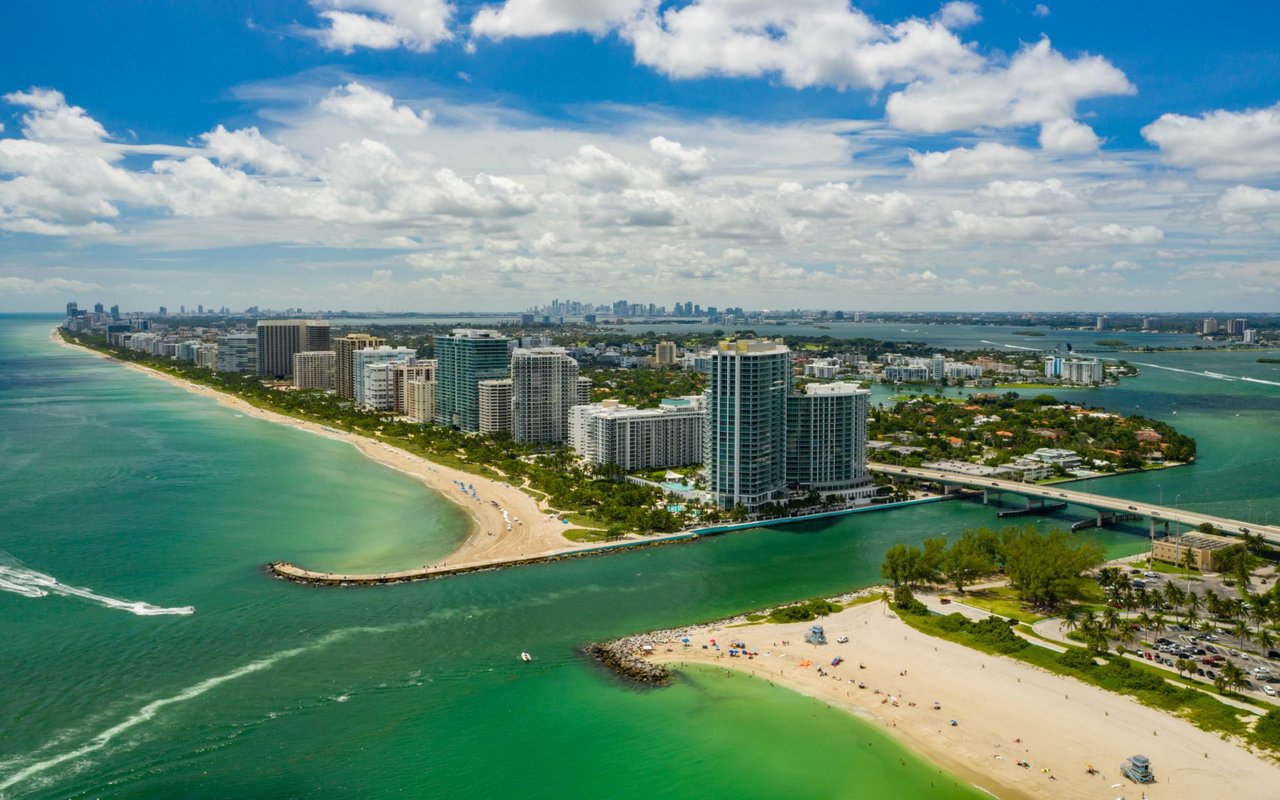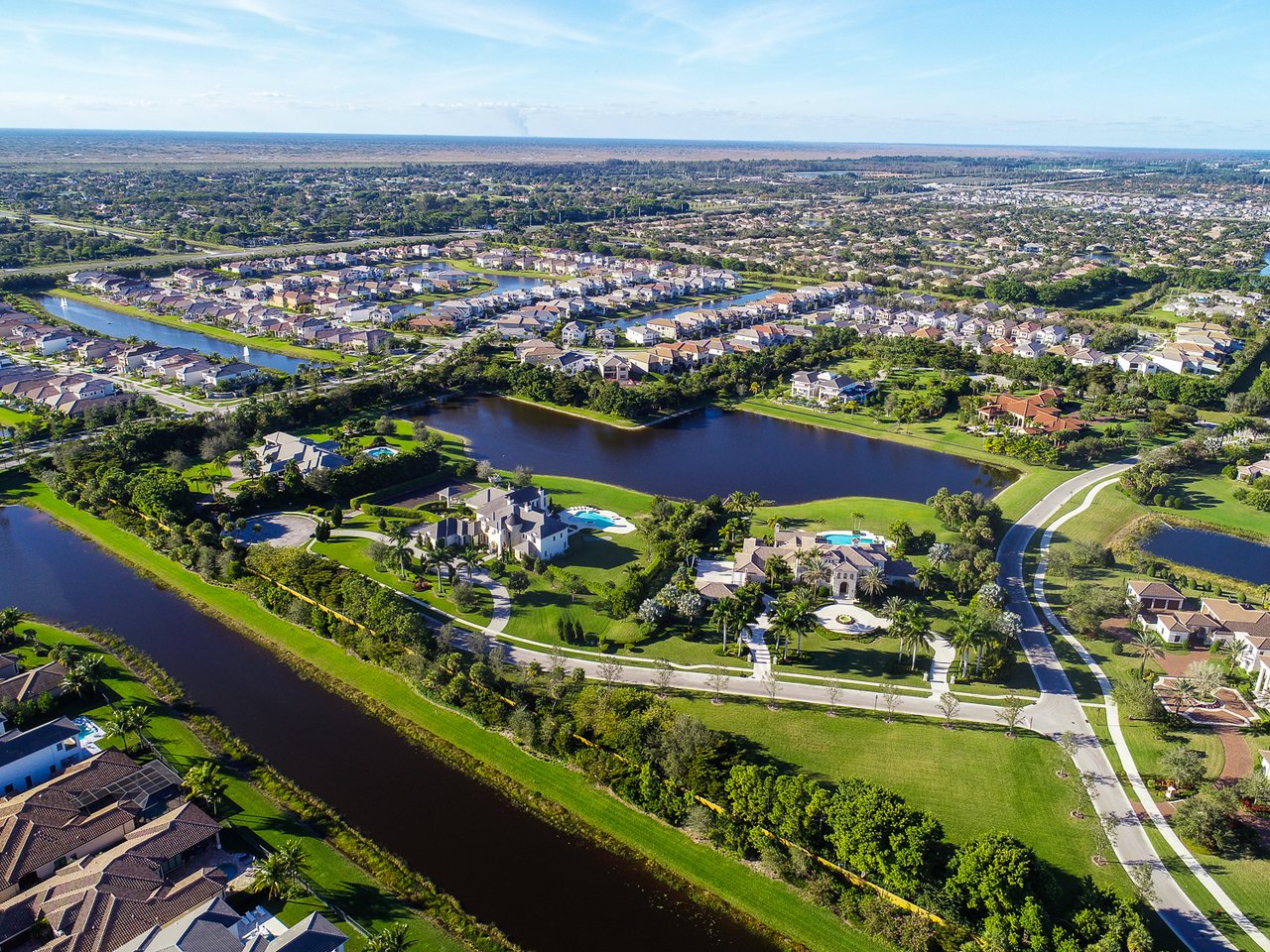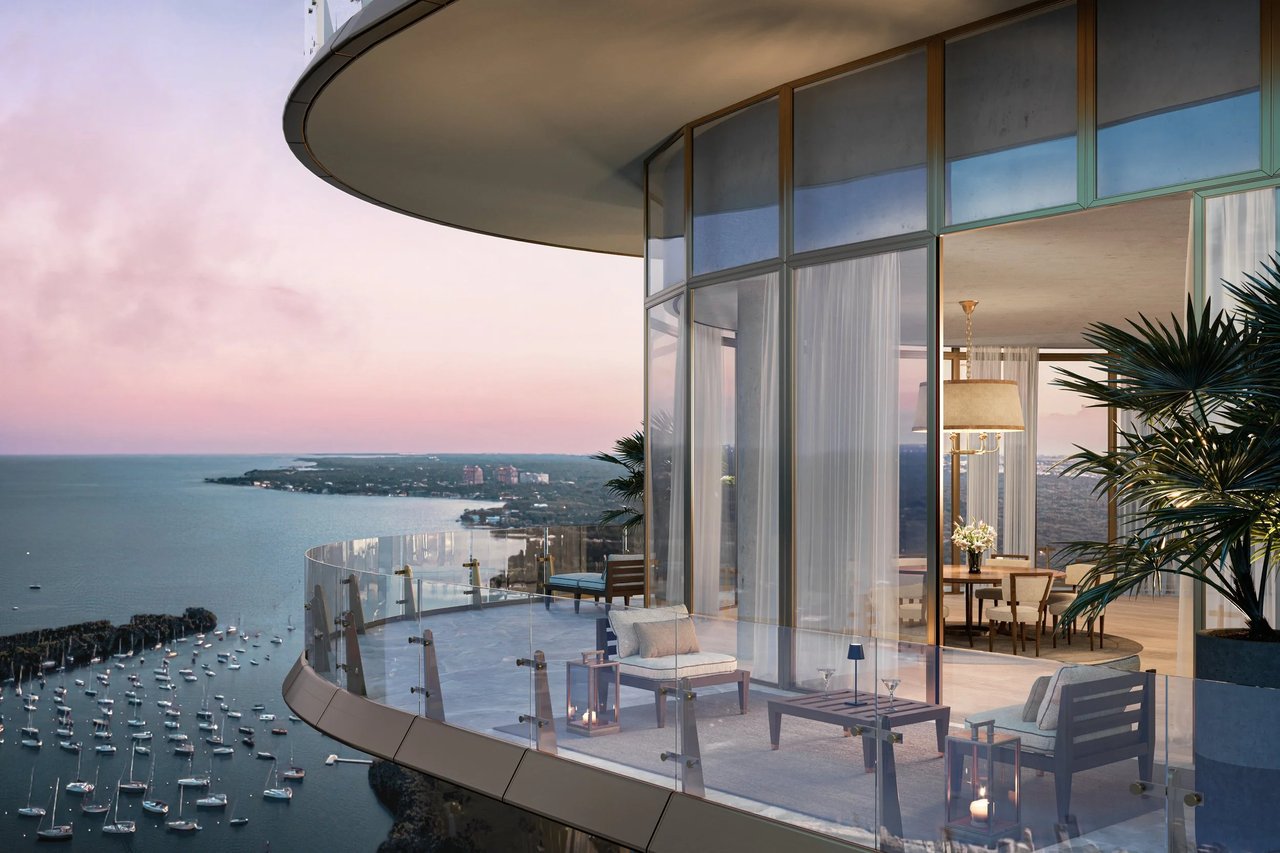
Most buyers choose Miami neighborhoods based on Instagram aesthetics or where their friend bought-but the right choice depends on matching your daily life (commute, walkability, school needs, noise tolerance) to a neighborhood's actual personality, which varies block by block in ways that online research can't reveal.
What You'll Learn
-
The most common neighborhood selection mistakes and how to avoid them
-
How to match your buyer profile (young professional, family, retiree, investor, remote worker) to the right Miami area
-
Real price comparisons across Miami neighborhoods-what you actually get for your money
-
Which neighborhoods offer walkability, transit access, waterfront, good schools, or investment potential
-
The insider details about each area that don't show up in listing photos
Neighborhood choice represents where most Miami buyers make critical errors that affect daily happiness for years. The mistakes follow predictable patterns: choosing based on one vacation visit when tourist experience differs dramatically from resident reality, ignoring flood zones and insurance costs that add thousands annually, underestimating traffic realities that turn 15-minute map distances into 45-minute commutes, missing HOA restrictions that limit rental income or pet ownership, and buying in "hot" neighborhoods without considering whether hype translates to long-term value.
This Miami neighborhood guide complements our detailed neighborhood profiles-start here to understand the framework, then dive deeper into specific areas matching your criteria. Miami-Dade's character changes block by block in ways online research misses, making local expertise essential for avoiding expensive mistakes.
What Are the Best Neighborhoods in Miami?
"Best" depends entirely on buyer profile, making blanket recommendations useless. Miami neighborhoods serve distinct demographics: Brickell's high-rise finance professionals live completely different lives than Pinecrest's suburban families, despite both existing in the same county. Understanding Miami's geographic structure helps frame realistic options.
Miami-Dade County encompasses 34 municipalities plus unincorporated areas, creating confusion when buyers use "Miami" to describe everything from Miami Beach (separate city) to Coral Gables (another separate city) to actual City of Miami neighborhoods. The areas of Miami range from urban core high-rises to agricultural edge properties, beach communities to Everglades-adjacent suburbs.
Character shifts happen quickly. South Beach's 24-hour party atmosphere feels nothing like Pinecrest's quiet residential streets, which bear no resemblance to Doral's master-planned suburban developments. Successful neighborhood selection requires matching your actual daily priorities to areas delivering those specific features.
Where Should I Live in Miami?
Self-assessment determines appropriate neighborhoods more accurately than generic "best of" lists. Answer these questions honestly when using any Miami neighborhood guide:
-
Commute reality: Do you commute daily to a specific office, work hybrid schedule with occasional trips, or operate fully remote? Daily commuters need proximity to employment centers; remote workers gain flexibility prioritizing lifestyle over location.
-
Family planning: Do you have children now or plan to within five years? School zones and yard space matter immediately for current parents but remain irrelevant for child-free professionals.
-
Walkability importance: Is walking to restaurants, groceries, and services essential for your lifestyle, or simply nice to have? Truly walkable Miami districts are limited-most buyers need cars regardless of neighborhood.
-
Noise tolerance: Can you sleep through bass-heavy music until 4 AM, or do you require suburban quiet? Miami's entertainment districts create genuine noise that window treatments can't fully block.
-
Investment vs. lifestyle: Are you buying for maximum appreciation potential, optimal daily living experience, or both? These priorities sometimes conflict, requiring conscious trade-offs.
-
Water proximity: How important is being near water-visually, physically, for boating access? Waterfront commands significant premiums that may or may not align with actual usage patterns.
Where Do Young Professionals Live in Miami?
Young professionals prioritize walkability, nightlife access, dining concentration, and commute efficiency to business districts. The Miami communities serving this demographic accept trade-offs: smaller living spaces, higher noise levels, tourist density, and premium pricing for urban convenience.
|
Neighborhood |
Walk Score |
1BR Condo Price |
Vibe |
Best For |
|
Brickell |
92 |
$380K–$550K |
Finance hub, polished, rooftop bars |
Career-focused, social, urban lifestyle |
|
Edgewater |
78 |
$320K–$480K |
Bayfront, artsy, emerging |
Value-seekers, creatives, hybrid workers |
|
Wynwood |
72 |
$400K–$600K |
Galleries, murals, startups |
Creatives, entrepreneurs, nightlife lovers |
|
South Beach |
89 |
$450K–$700K |
Beach + nightlife, international |
Social butterflies, hospitality industry |
|
Downtown Miami |
85 |
$300K–$450K |
Urban core, developing |
Budget-conscious, transit users |
|
Coconut Grove |
72 |
$420K–$650K |
Village feel, outdoor cafes |
Professionals wanting less intensity |
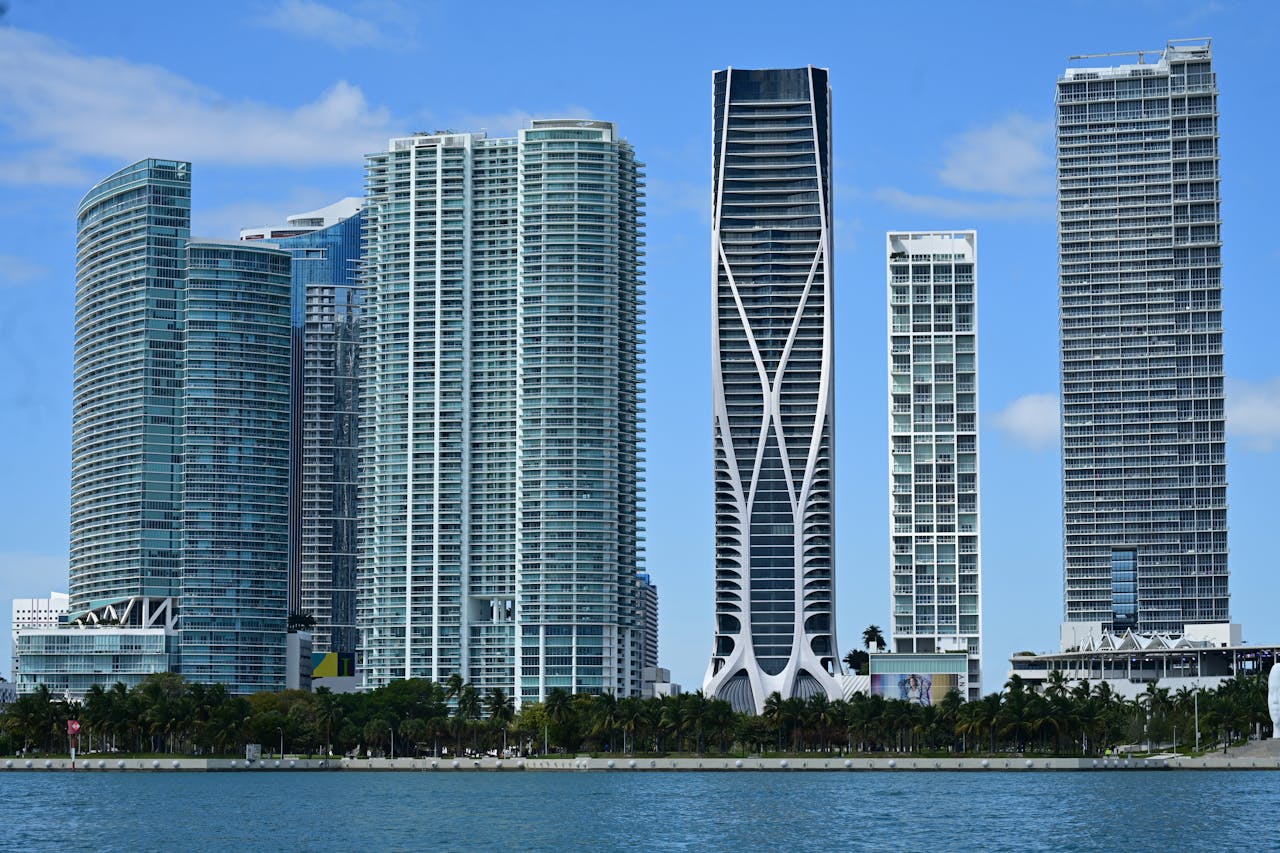
Brickell functions as Miami's Manhattan-vertical living, walk-to-work convenience for finance professionals, elevator rides to dozens of restaurants, rooftop pools as building standard. One-bedroom condos start $380,000 for older buildings, climbing to $550,000+ for new construction with premium views. Building amenities matter significantly: expect concierge, valet parking, fitness centers, and business lounges.
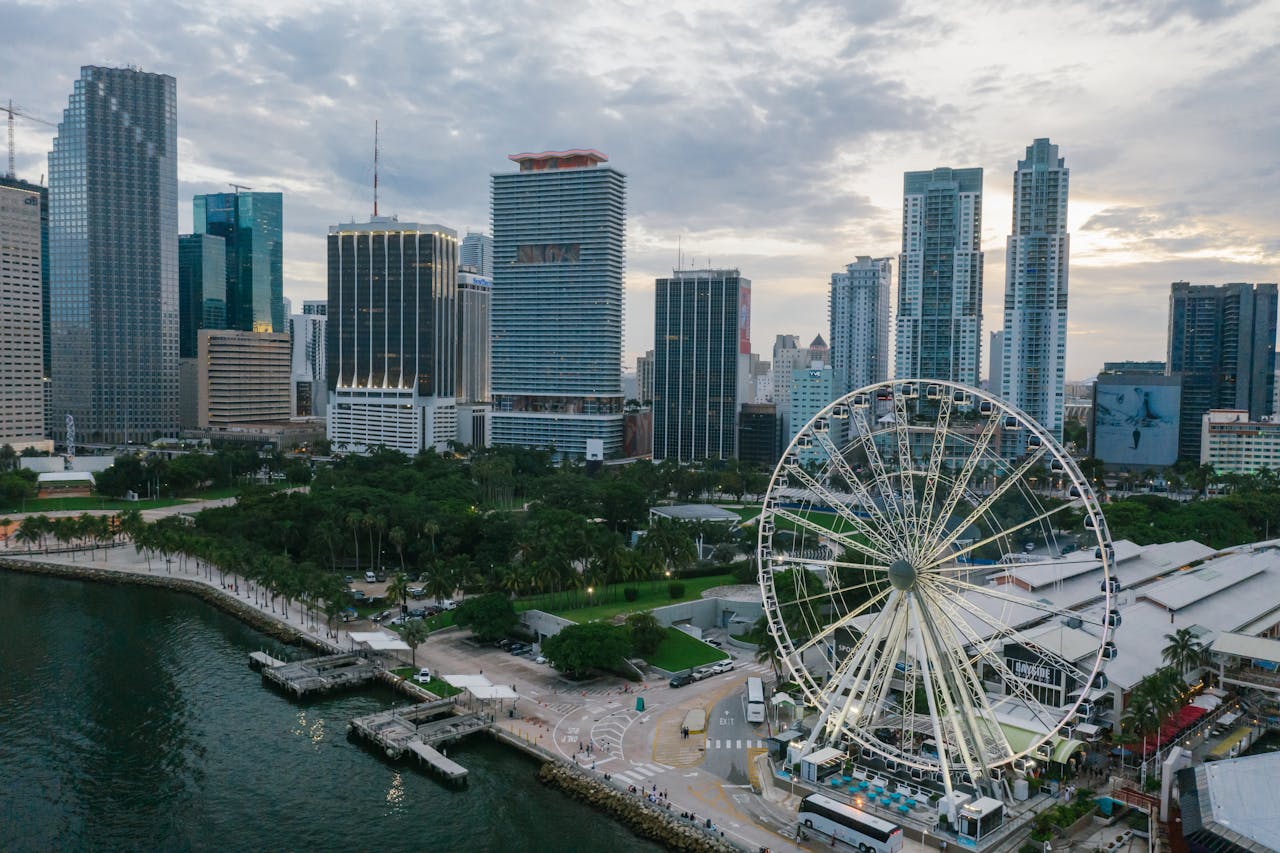
Edgewater delivers Brickell-adjacent living at 15-20% discounts. The neighborhood sits north of Downtown along Biscayne Bay, with glass towers built primarily after 2010. One-bedrooms start around $320,000, attracting value-conscious professionals accepting slightly longer walks to Brickell offices. Arts district energy from nearby Wynwood creates creative community absent from corporate Brickell.
Wynwood attracts creative professionals and entrepreneurs seeking artistic community over corporate polish. Limited residential inventory means competition and higher prices ($400,000+ for one-bedrooms), but the gallery openings, brewery culture, and startup ecosystem justify premiums for the right buyer.
Ready to explore? Browse active condo listings in Miami Beach and the urban core.
What Area of Miami Is Best for Families?
Family buyers prioritize school quality, safety, yard space, and community amenities over nightlife and walkability. The Miami districts serving families accept longer commutes and less urban excitement in exchange for A-rated schools, larger properties, and quieter streets.
Which Miami Neighborhoods Are Safest?
Safety varies block by block rather than uniformly across entire neighborhoods, making micro-location analysis essential. Property crime (vehicle break-ins, package theft) occurs more frequently than violent crime across all neighborhoods in Miami Florida, with tourist-heavy areas showing elevated property crime from opportunity rather than danger.
Miami-Dade Police Department crime statistics provide detailed data by district, though buyers should research specific streets within target neighborhoods rather than relying on area-wide averages.
Safest family neighborhoods:
Key Biscaone benefits from island geography limiting access via single causeway, creating natural barrier deterring opportunistic crime. Village police maintain high visibility, and tight-knit community notices unfamiliar vehicles quickly.
Pinecrest maintains county's lowest violent crime rate through village police, strict code enforcement, and residential-only zoning. Large lots set homes back from streets, with many gated subdivisions adding security layers.
Coral Gables employs active police force with quick response times and visible patrols. Code enforcement extends beyond aesthetics to vehicle regulations and noise, maintaining order. Gated communities like Cocoplum add private security.
Palmetto Bay provides suburban quiet with community watch programs and village governance creating small-town accountability. Lower density than urban neighborhoods reduces crime opportunity.
A Miami Neighborhood Guide to Find Family-Friendly Areas With a Yard
|
Neighborhood |
School Quality |
Median SFH Price |
Avg. Lot Size |
Commute to Downtown |
|
Pinecrest |
A-rated schools |
$1.1M–$2M |
10,000+ sq ft |
30–45 min |
|
Coral Gables |
A-rated + top private |
$950K–$1.8M |
7,500+ sq ft |
20–35 min |
|
Key Biscayne |
A-rated K-8 |
$1.5M–$4M+ |
Varies |
25–40 min |
|
Palmetto Bay |
A-rated schools |
$700K–$1.3M |
8,000+ sq ft |
35–50 min |
|
South Miami |
A/B-rated |
$650K–$1.1M |
6,000+ sq ft |
25–40 min |
|
Coconut Grove |
Good private options |
$800K–$2M |
5,000–10,000 sq ft |
15–30 min |
Pinecrest represents Miami-Dade's premier family suburb with A-rated public schools from elementary through high school, village governance maintaining strict standards, and lots averaging 10,000+ square feet. Palmetto High School consistently ranks among Florida's top public schools. Entry starts around $1.1 million for older homes, extending beyond $2 million for new construction.
Coral Gables combines excellent public schools with top private options (Ransom Everglades, Carrollton, Belen Jesuit) and Mediterranean architecture enforced through historic preservation. Sunset Elementary and Ponce de Leon Middle maintain A ratings, though high school zones vary by location. Properties range $950,000 to multi-million dollar estates.
Palmetto Bay delivers similar school quality and lot sizes to Pinecrest at 30-40% lower prices, starting around $700,000. Village governance and suburban character appeal to families accepting longer commutes for value.
Florida Department of Education school grades provide official ratings updated annually.
What Is the Most Affordable Neighborhood in Miami?
Affordable in Miami context means sub-$400,000 entry points with honest acknowledgment of trade-offs: longer commutes, older housing stock, limited walkability, or areas mid-gentrification with variable block quality. This Miami neighborhood guide identifies both value plays and truly budget options across the Miami areas to live.
|
Neighborhood |
Entry Price |
Property Type |
Trade-offs |
Upside |
|
Homestead |
$280K–$400K |
SFH, townhouse |
45+ min commute, limited dining |
Largest lots, rural feel |
|
Hialeah |
$350K–$500K |
SFH, older condos |
Dense, working-class, older homes |
Cuban culture, food scene |
|
North Miami |
$320K–$480K |
Condos, SFH |
Gentrifying, variable by block |
Beach proximity, appreciation potential |
|
Little Havana |
$350K–$550K |
SFH, condos |
Urban grit, limited parking |
Cultural richness, emerging investment |
|
Allapattah |
$380K–$550K |
Condos, warehouse conversions |
Industrial areas, uneven development |
Art district spillover, strong appreciation |
|
Opa-locka |
$250K–$380K |
SFH |
Higher crime stats, limited retail |
Art deco architecture, most affordable |
Homestead offers maximum space at minimum price-single-family homes on large lots starting around $280,000. The agricultural heritage persists with nurseries and farm stands creating distinct character. The cost: 45+ minute commutes to urban Miami and limited dining or entertainment options.
Hialeah provides authentic Cuban culture, incredible food scene (cafeterias, bakeries, restaurants), and working-class affordability starting $350,000. The city maintains Miami-Dade's highest density outside urban core, with older housing stock and Spanish-dominant commercial districts.
North Miami attracts buyers seeking beach proximity without beach pricing. Single-family homes start $320,000, with gentrification creating appreciation potential. Variable block quality requires careful property-specific research.
Which Neighborhoods in Miami Offer the Best Value Per Square Foot?
Price per square foot reveals where buyers receive maximum space for budget versus areas commanding lifestyle premiums. Understanding these differentials helps identify whether you're paying for actual property or paying for zip code prestige.
|
Neighborhood |
$/Sq Ft (Condo) |
$/Sq Ft (SFH) |
Why the Premium/Discount |
|
Fisher Island |
$2,000+ |
N/A |
Ultra-exclusive private island |
|
South of Fifth |
$1,400–$1,800 |
N/A |
Oceanfront, walkable luxury |
|
Brickell |
$550–$800 |
N/A |
Urban core, new construction |
|
Coral Gables |
$550–$750 |
$450–$600 |
Prestige, schools, historic charm |
|
Coconut Grove |
$600–$850 |
$500–$700 |
Lifestyle premium, limited inventory |
|
Edgewater |
$500–$650 |
N/A |
Value alternative to Brickell |
|
Doral |
$350–$450 |
$280–$380 |
Newer construction, suburban |
|
Homestead |
$220–$300 |
$180–$250 |
Distance discount, most affordable |
Value sweet spots: Edgewater and Doral deliver best price-per-square-foot for modern construction. Edgewater provides urban proximity at Brickell-adjacent prices without full Brickell premium. Doral offers suburban family homes with pools, updated finishes, and master-planned infrastructure at 40-50% below comparable Coral Gables properties.
Premium justifications: South of Fifth commands $1,400-$1,800 per square foot for oceanfront walkability and low-rise exclusivity. Coral Gables pricing reflects school quality, architectural preservation, and established prestige. Fisher Island represents pure exclusivity-ferry-only access, celebrity residents, ultimate privacy.
A Miami Neighborhood Guide for Buyers Who Want Walkable Areas With Condos for Sale
Walkability in Miami remains limited compared to truly pedestrian cities, though specific neighborhoods deliver genuine walk-to-everything convenience. Understanding what "walkable" means in Miami context prevents disappointment-most areas require cars despite proximity to amenities.
Which Neighborhoods Are Walkable or Transit-Accessible?
Brickell (Walk Score 92) provides Miami's most complete walkability-elevator to work, restaurants, groceries, gyms, and entertainment without car dependency. Metrorail and Metromover connect to Downtown and airport. Young professionals can function car-free if working in Brickell.
South Beach (Walk Score 89) delivers beach, dining, nightlife, and groceries on foot. Tourist density means crowds year-round, and parking scarcity reinforces walk-everywhere lifestyle. Lincoln Road and Ocean Drive concentrate retail and restaurants within pedestrian corridors.
Downtown Miami (Walk Score 85) offers urban core walkability with developing residential character. Government offices, courthouses, and Bayfront Park provide daytime energy, though evening activity remains lighter than Brickell.
Edgewater (Walk Score 78) improves steadily as new residential towers add ground-floor retail. Bayfront location provides parks and waterfront walks, though grocery and dining options require occasional short drives.
Coconut Grove village area (Walk Score 72) concentrates walkability in downtown village with outdoor cafés, boutiques, and CocoWalk. Beyond this core, the neighborhood requires vehicles.
What Would a Miami Neighborhood Guide Suggest for Remote Workers Buying a Condo Near Cafes and Coworking Spaces?
Remote work shifted neighborhood priorities from commute efficiency to work-from-home quality of life. Coworking spaces, café culture, walkable breaks, and creative energy matter more than office proximity for this Miami neighborhood guide segment.
Coconut Grove leads for remote workers seeking village walkability, outdoor cafés with laptop-friendly seating, and creative rather than corporate energy. Multiple coffee shops, bayfront parks for midday breaks, and residential quiet during work hours create ideal environment.
Wynwood concentrates coworking spaces (WeWork, Pipeline), specialty coffee shops, and artist community. The industrial-chic aesthetic appeals to creatives and entrepreneurs. Limited residential inventory means competition for units.
Brickell provides abundant coworking options, polished café culture, and networking opportunities. The corporate polish suits remote workers in finance or consulting maintaining professional image. High-rise living means no yard for work breaks, though building amenities compensate.
Looking for walkable neighborhoods? Contact our team for personalized recommendations.
A Miami Neighborhood Guide Focused on the Best Areas to Buy Waterfront Homes
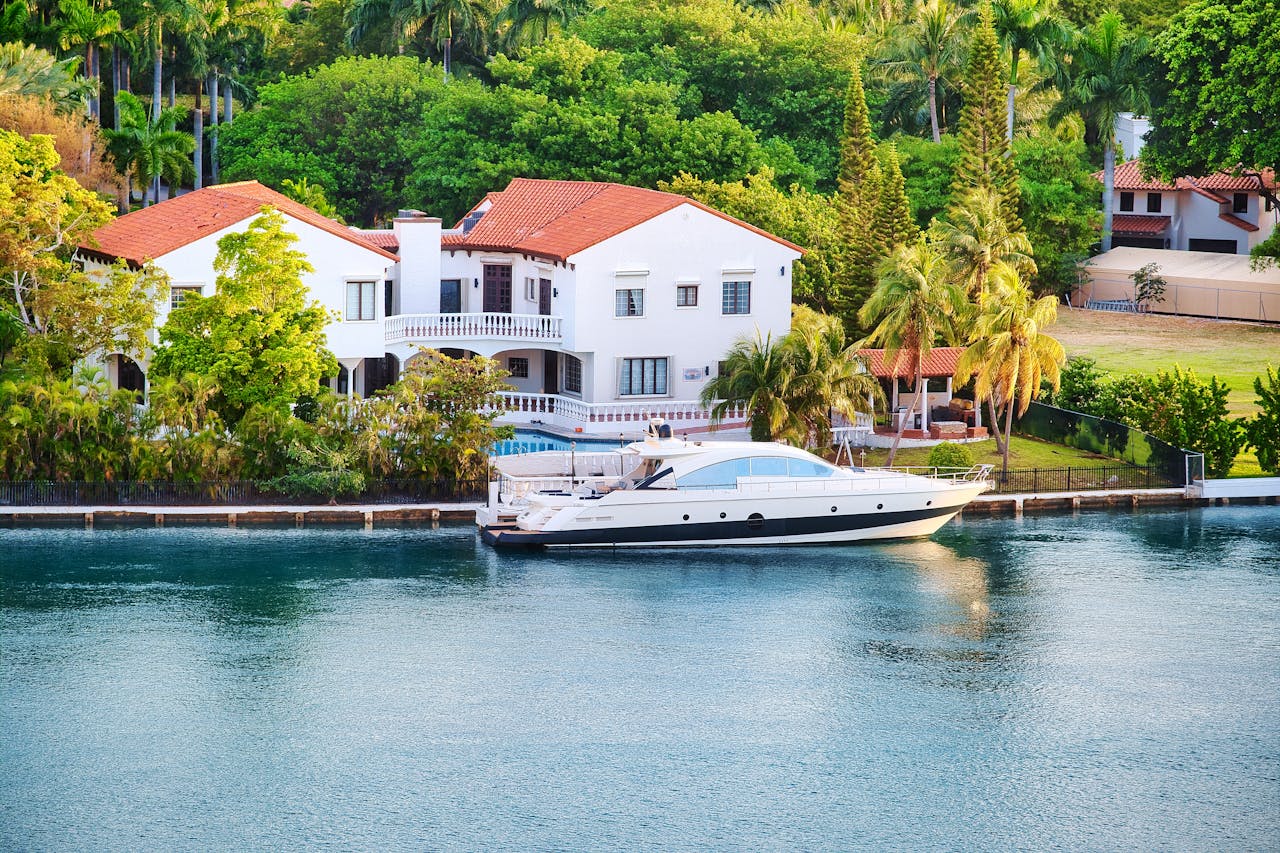
Waterfront comes in distinct types commanding different premiums: direct oceanfront (extremely limited, primarily condo towers), Biscayne Bay frontage (open water views, boat access), canal/waterway homes (private docks), and Intracoastal properties (bridging bay and ocean). Understanding these distinctions prevents confusion when this Miami neighborhood guide references "waterfront."
Under $1 million: Canal homes in North Miami Beach provide boat docks and water views starting around $800,000. Some Coral Gables waterway condos fall into this range, offering water access without estate pricing.
$1-3 million: Coconut Grove waterfront, Coral Gables canal estates, and Key Biscayne condos dominate this tier. Properties provide meaningful water access-docks, bay views, or short walks to beaches-without ultra-luxury premiums.
$3-10 million: Gables waterway estates on deep water, Miami Beach single-family homes, and Coconut Grove bayfront properties deliver premium waterfront experiences with privacy, significant dockage, and prestigious addresses.
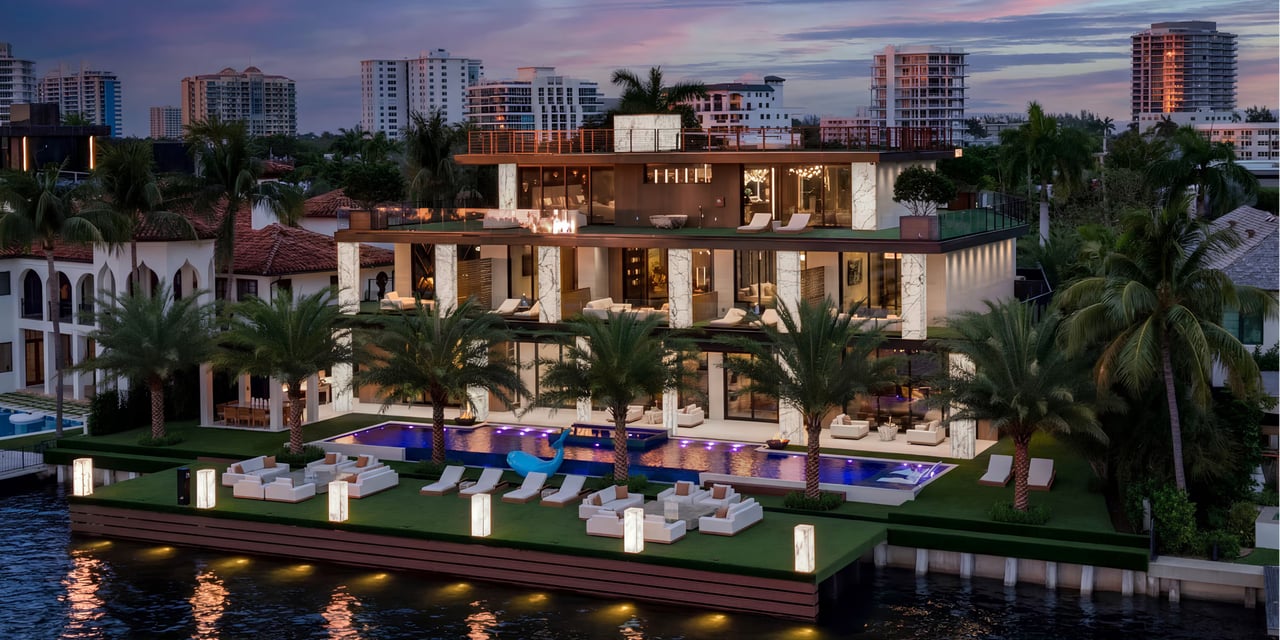
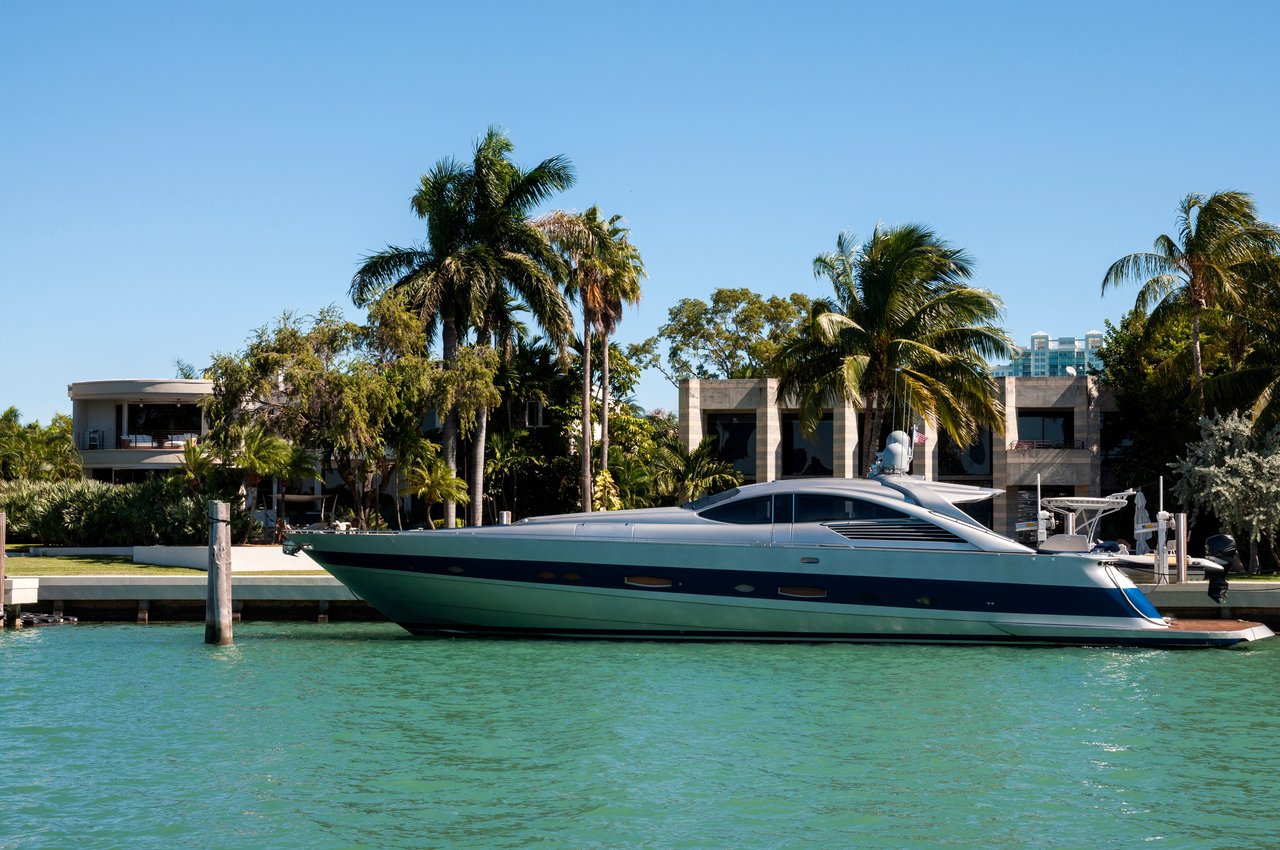
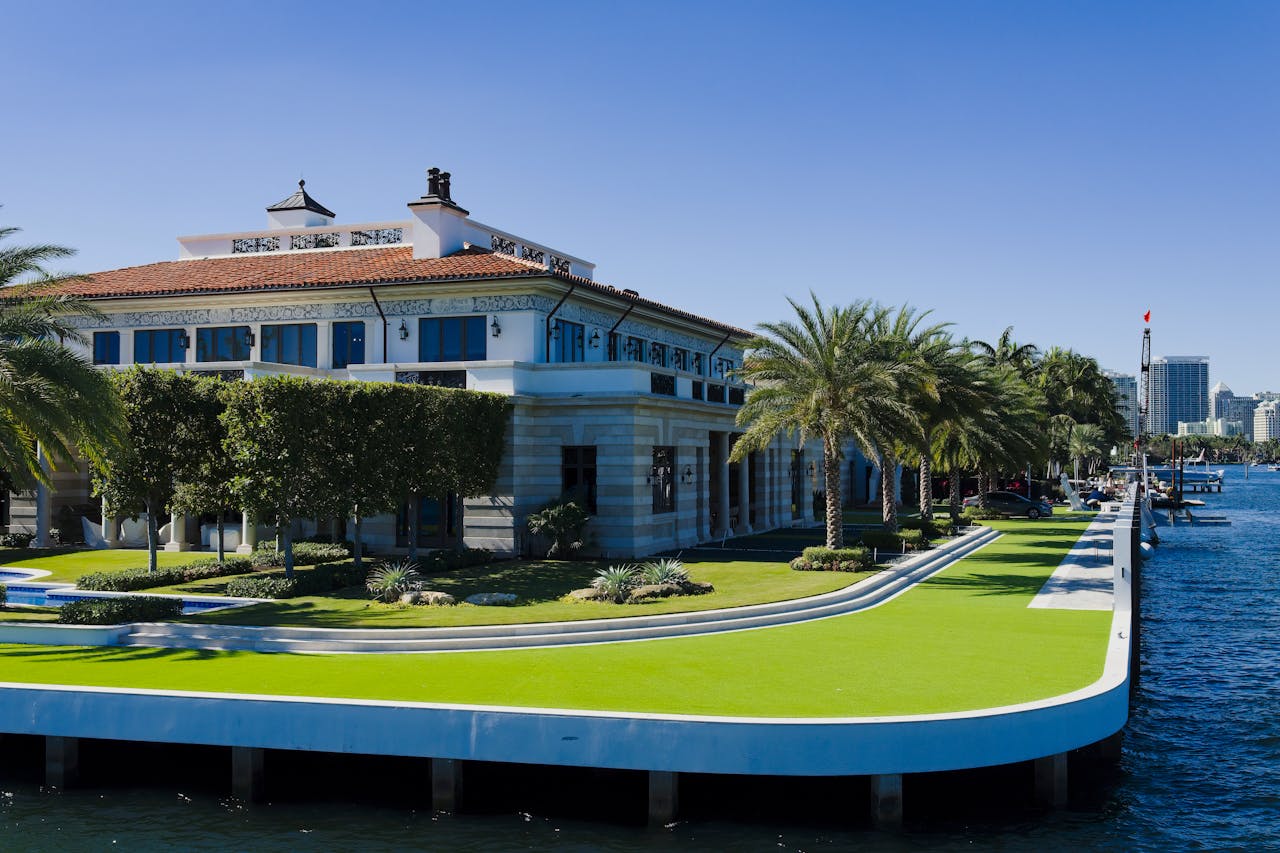
$10 million+: Fisher Island, Star Island, Indian Creek, and Gables Estates represent Miami's waterfront pinnacle. These enclaves offer maximum privacy, largest lots, and yacht-accommodating docks.
Which Luxury Areas Should Be at the Top of a Miami Neighborhood Guide for High-End Home Buyers?
Luxury in Miami stratifies into tiers from $1.5 million entry-level luxury to $25 million+ ultra-exclusive properties. This Miami neighborhood guide segment identifies enclaves commanding premiums for exclusivity, privacy, and prestige.
|
Neighborhood |
Entry Point |
Trophy Properties |
Luxury Features |
|
Fisher Island |
$3M |
$25M+ |
Private island, ferry access only, celebrity residents |
|
Gables Estates |
$8M |
$40M+ |
Largest lots, ultimate privacy, waterfront estates |
|
Indian Creek |
$25M |
$100M+ |
30 homes, private island, highest security |
|
Star Island |
$15M |
$75M+ |
Celebrity enclave, bayfront estates |
|
Bal Harbour |
$2M |
$15M+ |
Shops, beach, low-rise exclusivity |
|
Key Biscayne |
$1.5M |
$20M+ |
Island community, family-friendly luxury |
|
Pinecrest |
$1.5M |
$10M+ |
Largest suburban lots, estate properties |
Fisher Island represents pure exclusivity-ferry or boat access only, residents include celebrities and international executives, private beach club and golf course create self-contained luxury. Condos start around $3 million; oceanfront estates exceed $25 million.
Gables Estates occupies Coral Gables' southern tip with 140 waterfront homes on deep water for yachts. Properties rarely list below $8 million, with premium lots exceeding $40 million. Ultimate privacy attracts established wealth prioritizing discretion.
Indian Creek maintains Miami's most exclusive address-just 30 homes on private island with its own police force. Entry exceeds $25 million, with trophy properties approaching $100 million. Security and privacy reach maximum levels.
Are There Gated Communities in Miami?
Gated communities span all price tiers across Miami neighborhoods, from ultra-luxury waterfront enclaves to entry-level suburban subdivisions. Understanding that gates don't automatically ensure safety-community quality matters more than physical barriers-helps buyers evaluate options realistically.
Ultra-luxury gated: Gables Estates ($8 million+), Cocoplum ($3 million+), Tahiti Beach ($5 million+), Deering Bay ($1.5 million+) provide waterfront estates with guard gates, private marinas, and ultimate privacy.
Luxury gated: Old Cutler Bay ($2 million+), select Pinecrest communities ($1.5 million+), and Hammock Lakes deliver estate properties with security and exclusivity below ultra-luxury pricing.
Upper-middle gated: Doral master-planned communities and Kendall gated subdivisions offer family-friendly security starting $500,000-$800,000 with HOA fees covering gate staffing, landscaping, and amenities.
Entry-level gated: Homestead and Cutler Bay developments provide security at accessible price points starting $350,000-$450,000, though HOA fees reduce monthly budget flexibility.
Can You Create a Miami Neighborhood Guide for Investors Looking to Purchase Rental Properties?
Investment strategy determines optimal neighborhoods for this Miami neighborhood guide focused on rental returns. Short-term vacation rentals, long-term workforce housing, and appreciation plays each favor different areas with distinct risk-return profiles.
Where Is the Best Place to Invest in Real Estate in Miami?
Short-term rentals (Airbnb/VRBO): Miami Beach, Brickell, and Wynwood generate highest nightly rates when building and city regulations permit. Many buildings prohibit short-term rentals-verify specific bylaws before purchasing. Miami Beach restricts STRs in most residential buildings, limiting legal inventory.
Long-term rentals: Brickell, Edgewater, Doral, and Aventura provide steady workforce housing demand from professionals unable or unwilling to purchase. One-bedroom Brickell condos rent $2,500-$3,500 monthly, generating 5-7% gross yields on $400,000-$500,000 purchase prices.
Appreciation plays: Emerging areas like Little River, Allapattah, and North Beach offer 40-60% appreciation potential over 5-7 years as gentrification progresses. Higher risk than established areas, but greater upside for patient investors.
Cash flow focus: Homestead and Hialeah deliver lower purchase prices with steady tenant demand, generating 7-9% gross yields. Appreciation remains modest but reliable rental income appeals to income-focused investors.
Miami-Dade County short-term rental regulations vary by municipality-research specific location rules before investing.
What Are the Quietest Areas Listed in a Miami Neighborhood Guide for Retirees Buying a Home or Condo?
Retirees prioritize peace, healthcare proximity, walkability for errands, and established community over career proximity and nightlife. The Miami areas to live serving retirees accept trade-offs: less excitement, limited employment access, slower pace.
-
Key Biscayne delivers island quiet with village walkability, excellent restaurants, and beach lifestyle. Medical facilities require crossing causeway to mainland, though urgency care exists on island. Properties start $800,000 for condos, extending to multi-million dollar estates.
-
Coral Gables provides elegant established neighborhoods, walkable downtown village, and proximity to Baptist Hospital and University of Miami medical facilities. Cultural activities (Coral Gables Museum, theater) appeal to active retirees. Entry around $600,000 for condos.
-
Coconut Grove offers village walkability, cultural venues, outdoor dining, and mature tree canopy creating peaceful character. The bohemian aesthetic attracts artistic retirees. Bayfront parks provide morning walks and bay views.
-
Pinecrest suits retirees wanting suburban space and quiet. Large lots, low crime, and village governance create secure environment, though everything requires driving. Less social than village-style neighborhoods.
-
Surfside/Bal Harbour deliver quiet beach communities north of South Beach's intensity. Low-rise buildings, upscale shopping at Bal Harbour Shops, and established Jewish community create comfortable retirement environment.
How Do Different Neighborhoods Compare in Price and Lifestyle?
Master comparison enables quick filtering by budget and lifestyle priorities, helping buyers narrow options before deep-diving into specific areas:
|
Neighborhood |
Entry Price |
Lifestyle |
Best For |
Avoid If... |
|
Brickell |
$380K |
Urban, polished |
Young professionals |
You hate high-rises |
|
South Beach |
$450K |
Beach + party |
Social, hospitality |
You want quiet |
|
Coral Gables |
$600K |
Elegant, family |
Families, executives |
Budget is tight |
|
Coconut Grove |
$500K |
Bohemian, village |
Creatives, families |
You need nightlife |
|
Pinecrest |
$700K |
Suburban, spacious |
Families, privacy seekers |
You need walkability |
|
Key Biscayne |
$800K |
Island, exclusive |
Families, retirees |
You hate driving off-island |
|
Edgewater |
$320K |
Bayfront, emerging |
Value seekers |
You want established feel |
|
Wynwood |
$400K |
Artsy, nightlife |
Creatives, nightlife |
You need quiet |
|
Doral |
$350K |
Suburban, new |
Families, value |
You want urban energy |
|
Homestead |
$280K |
Rural, affordable |
Budget, space |
You need short commute |
This framework helps self-identify compatible neighborhoods before property tours. Buyers hating high-rise living eliminate Brickell immediately; those requiring walkability focus on Brickell, South Beach, or Coconut Grove village exclusively.
Avoiding neighborhood selection mistakes requires honest self-assessment and willingness to prioritize actual daily needs over Instagram appeal or friend recommendations. The most common errors-choosing based on vacation visits, ignoring insurance realities, underestimating commutes, missing HOA restrictions, and following trends without considering personal fit-all stem from inadequate research and unrealistic expectations about Miami's geography.
Block-by-block variation means this Miami neighborhood guide provides frameworks rather than absolute answers. Two homes three blocks apart can deliver completely different living experiences based on specific street character, building quality, and micro-location factors only local expertise reveals.
Want to experience a neighborhood before committing? Browse rental options to test your top choices firsthand.
Ready to find your Miami neighborhood? Explore current listings or contact our team for personalized recommendations based on your priorities.
Frequently Asked Questions
What are the best neighborhoods in Miami?
Coral Gables, Coconut Grove, and Key Biscayne consistently rank highest for quality of life, but "best" depends entirely on your priorities-young professionals thrive in Brickell while families prefer Pinecrest. School quality, walkability, commute tolerance, and noise sensitivity determine which neighborhood actually serves your daily life best.
Where should I live in Miami?
Match your daily needs (commute requirements, school zones, walkability preferences, noise tolerance) to a neighborhood's actual personality rather than its Instagram reputation. Self-assessment on five factors-commute, family planning, walkability importance, noise tolerance, and investment versus lifestyle priorities-narrows appropriate options more accurately than generic rankings.
Which Miami neighborhoods are safest?
Pinecrest, Key Biscayne, and Coral Gables have the lowest crime rates, though safety varies block-by-block throughout the county. Property crime occurs more frequently than violent crime across all areas, with tourist-heavy neighborhoods showing elevated package theft and vehicle break-ins from opportunity rather than danger.
What area of Miami is best for families?
Pinecrest and Coral Gables offer the best combination of A-rated schools, large lots, and safety, with Palmetto Bay as a more affordable alternative. Family priorities-school quality, yard space, safety, community amenities-align most closely with these suburban neighborhoods despite premium pricing and longer commutes.
Where do young professionals live in Miami?
Brickell is the default choice for its walkability and nightlife, with Edgewater offering similar access at 15-20% lower prices. Wynwood attracts creatives seeking artistic community, while South Beach serves hospitality professionals and social butterflies accepting tourist density for beach access.
What is the most affordable neighborhood in Miami?
Homestead offers entry points under $300K with the largest lots, though commute times of 45+ minutes are the trade-off. Hialeah and North Miami provide sub-$400K options closer to urban areas, with authentic culture and gentrification potential offsetting older housing stock.
How do different neighborhoods compare in price and lifestyle?
Entry prices range from $280K in Homestead to $800K+ in Key Biscayne, with lifestyle ranging from rural quiet to 24-hour urban energy. The master comparison table segments neighborhoods by entry price, lifestyle character, ideal buyer profile, and deal-breaker factors enabling quick self-filtering.
Which neighborhoods are walkable or transit-accessible?
Brickell (Walk Score 92) and South Beach (89) are the most walkable; most other Miami neighborhoods require a car. Edgewater (78) and Coconut Grove village (72) provide limited walkability in specific areas, but genuine car-free living remains realistic only in Brickell and South Beach.
Where is the best place to invest in real estate in Miami?
Emerging areas like Little River and Allapattah offer appreciation potential of 40-60% over 5-7 years, while Brickell and Edgewater provide stable rental demand for workforce housing. Investment strategy determines optimal area-short-term vacation rentals favor Miami Beach when permitted, long-term rentals favor Brickell, appreciation plays favor gentrifying districts.
Are there gated communities in Miami?
Yes-from ultra-luxury enclaves like Gables Estates ($8M+) to entry-level gated subdivisions in Homestead and Cutler Bay starting around $350K. Gated doesn't automatically ensure safety since community quality matters more than physical barriers, though gates do reduce opportunistic crime and provide controlled access appealing to families.
What would a Miami neighborhood guide suggest for remote workers?
Coconut Grove and Wynwood offer the best combination of café culture, coworking spaces, and walkability for remote workers seeking community and work-break options. Brickell provides corporate polish and networking, while Edgewater delivers quieter bayfront environment with emerging creative energy from nearby arts districts.