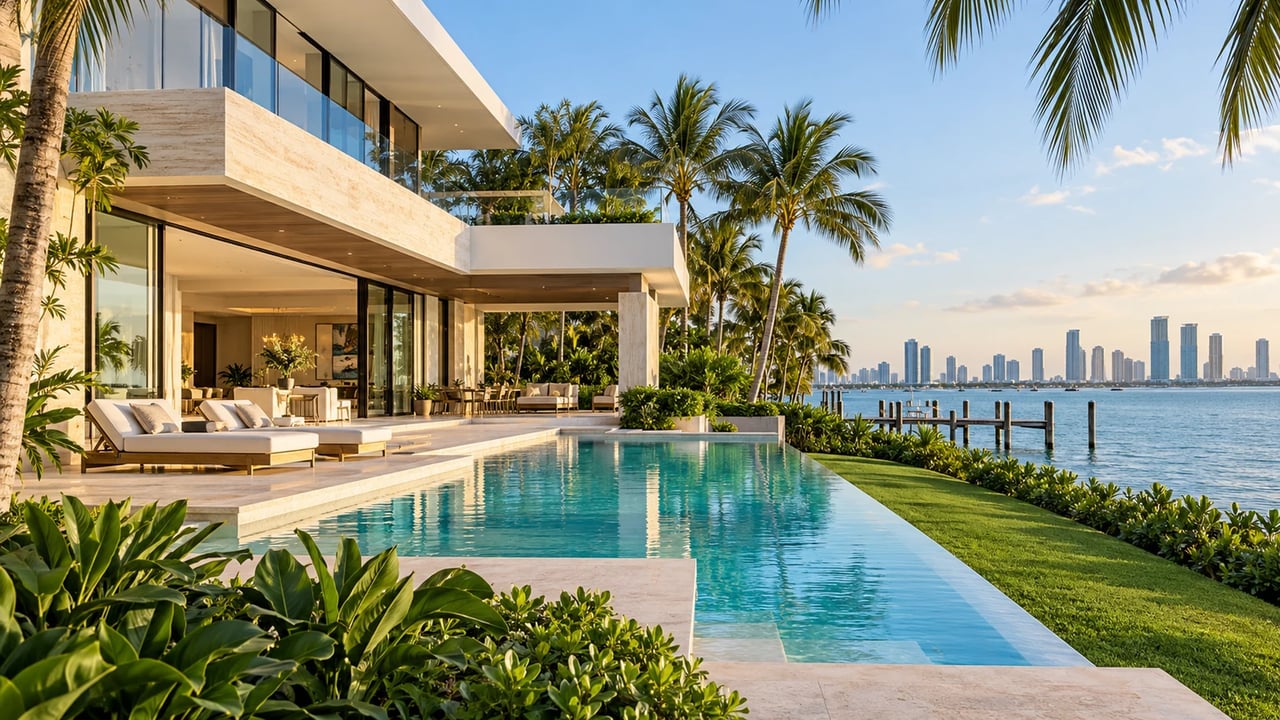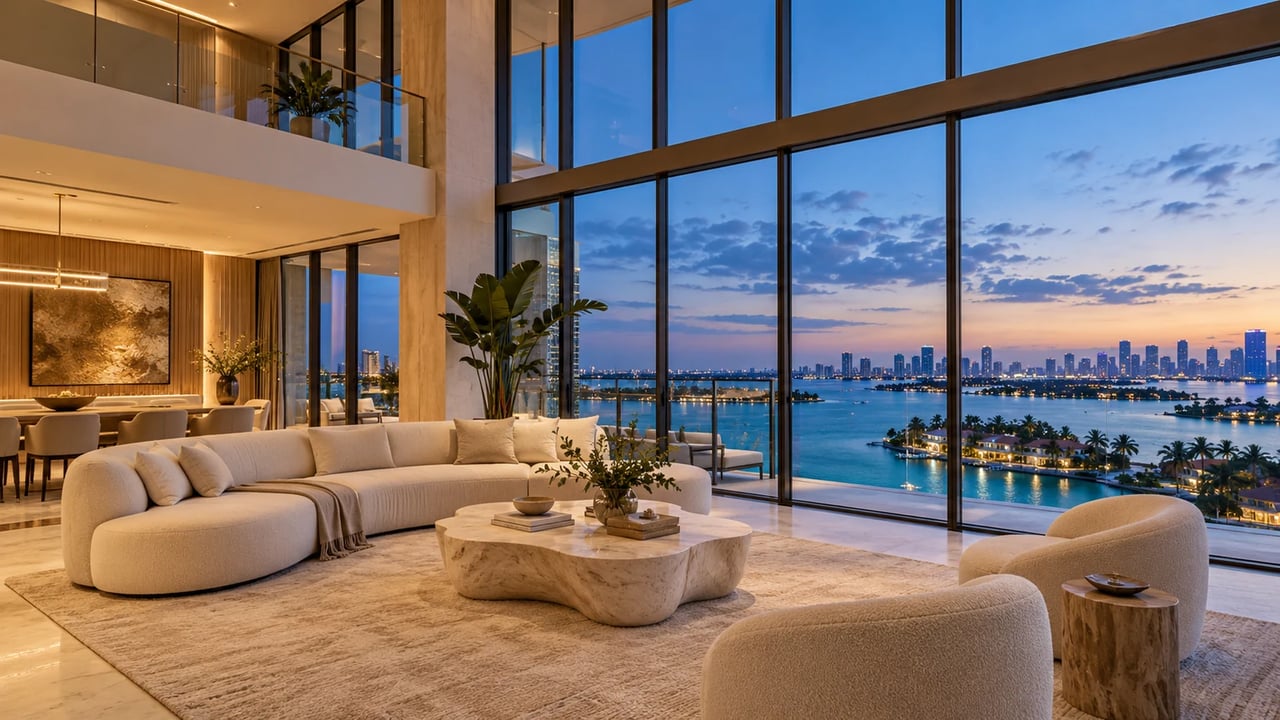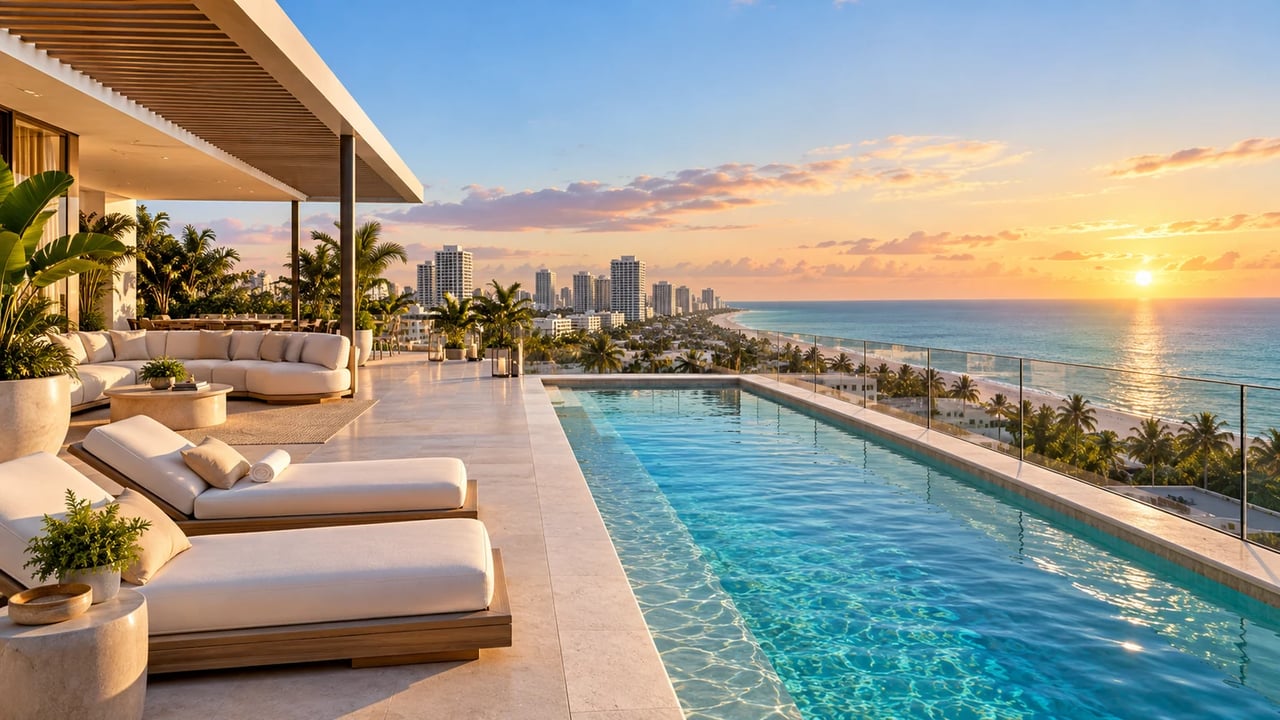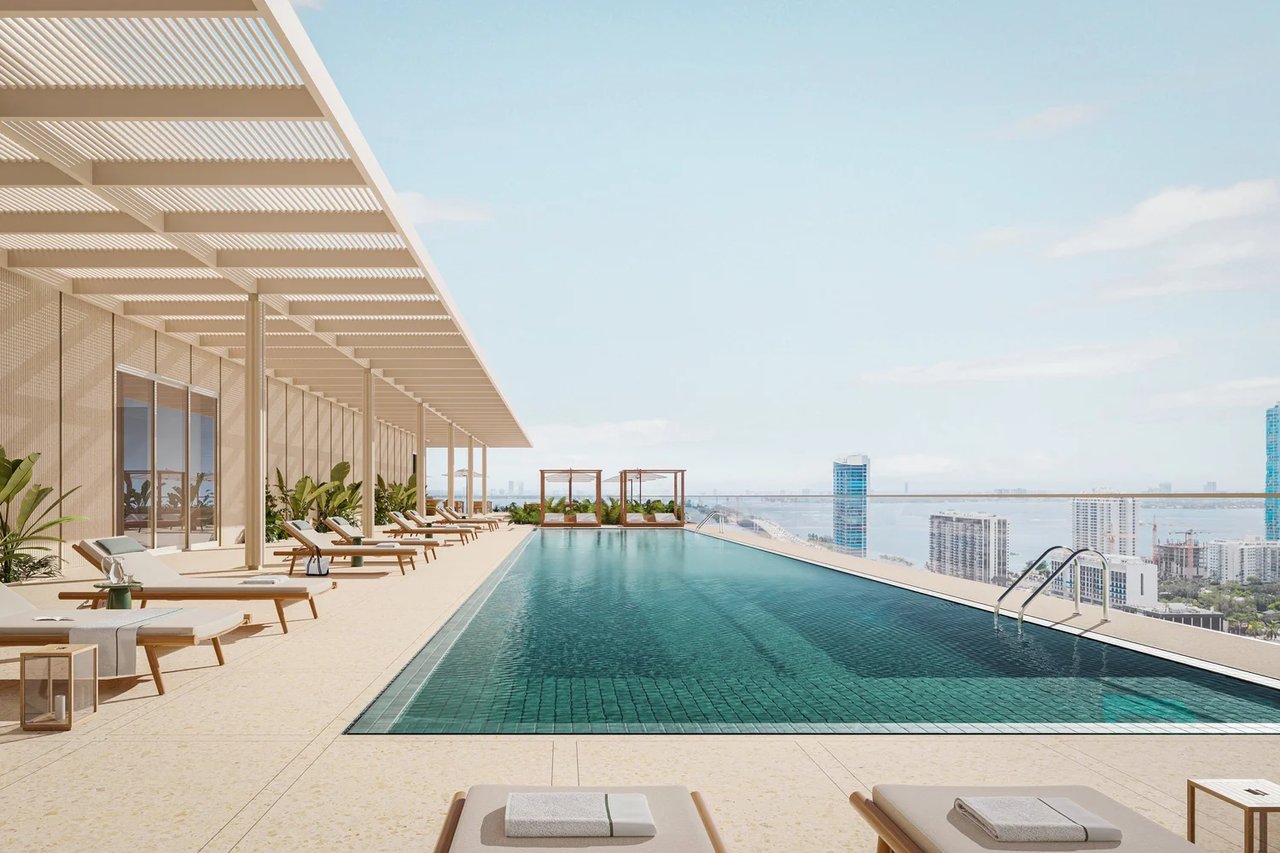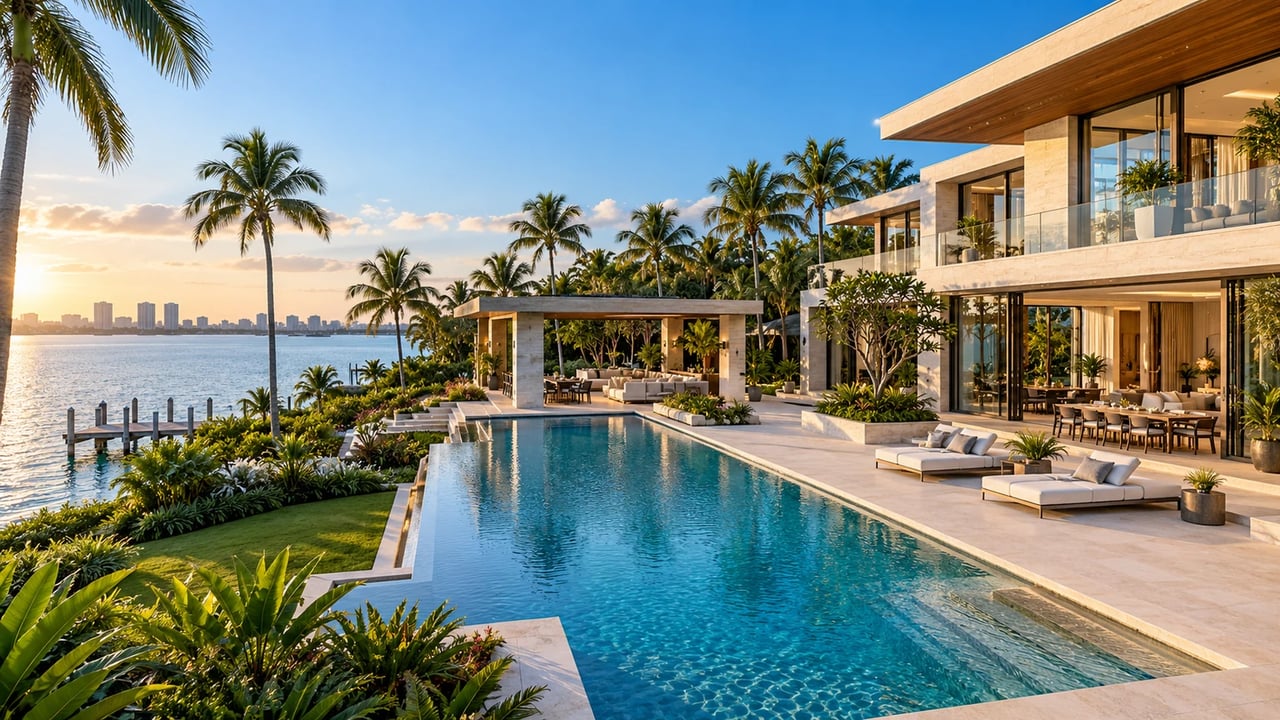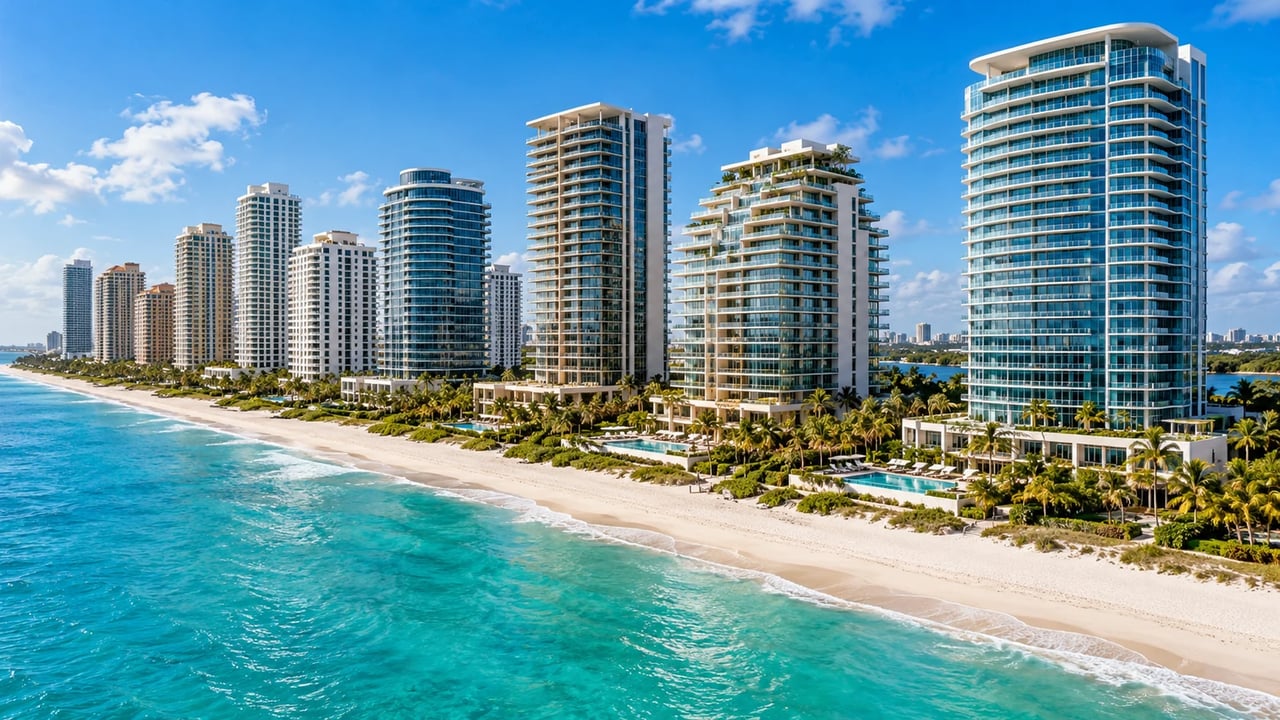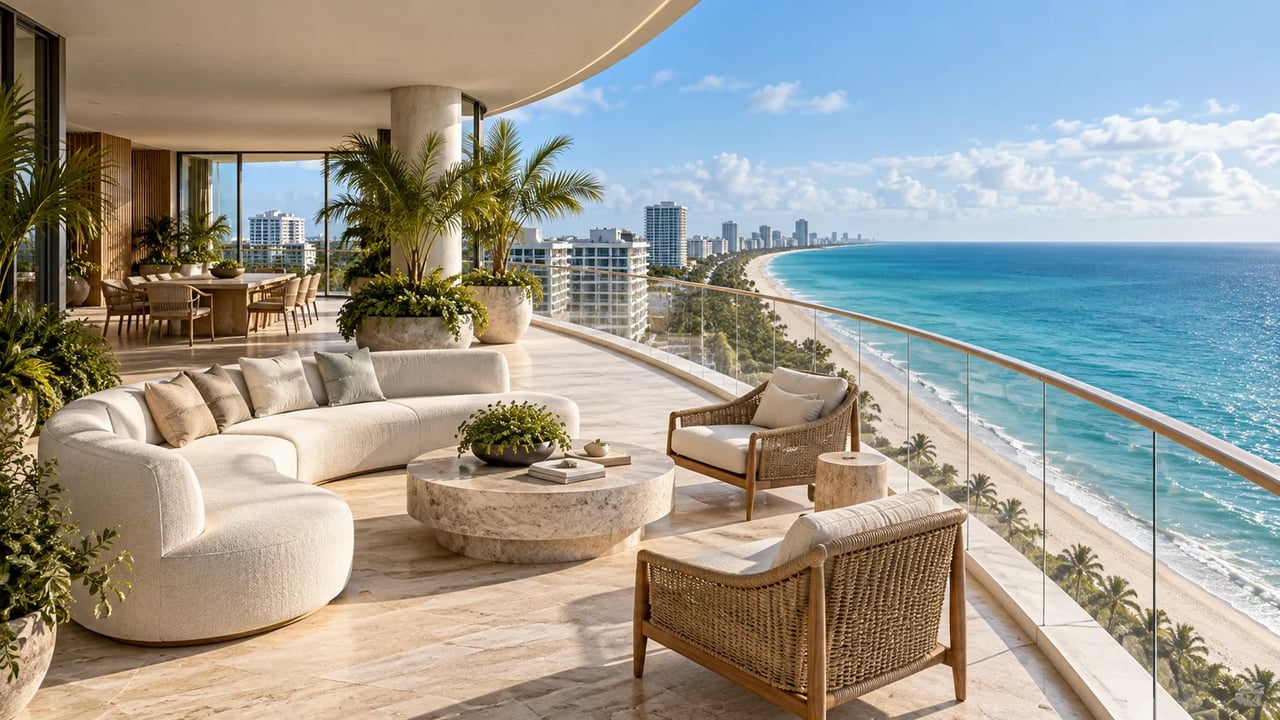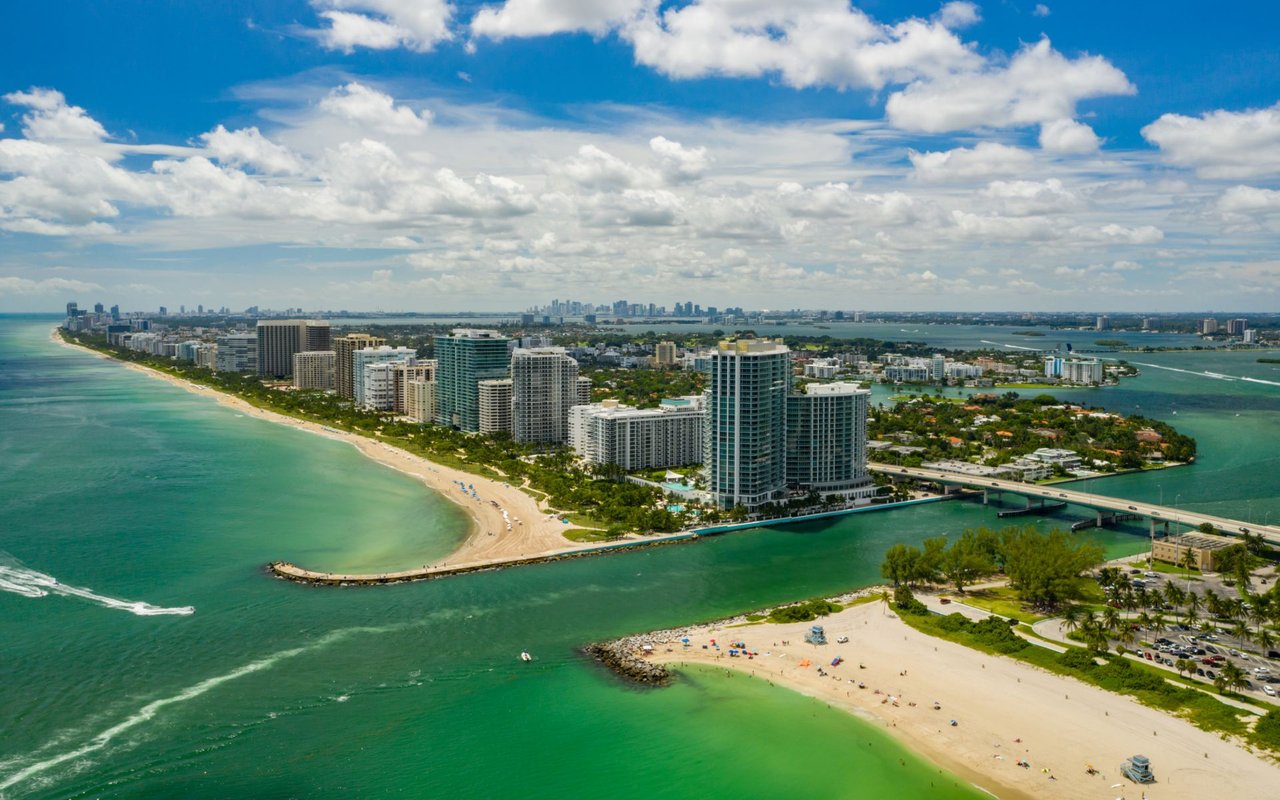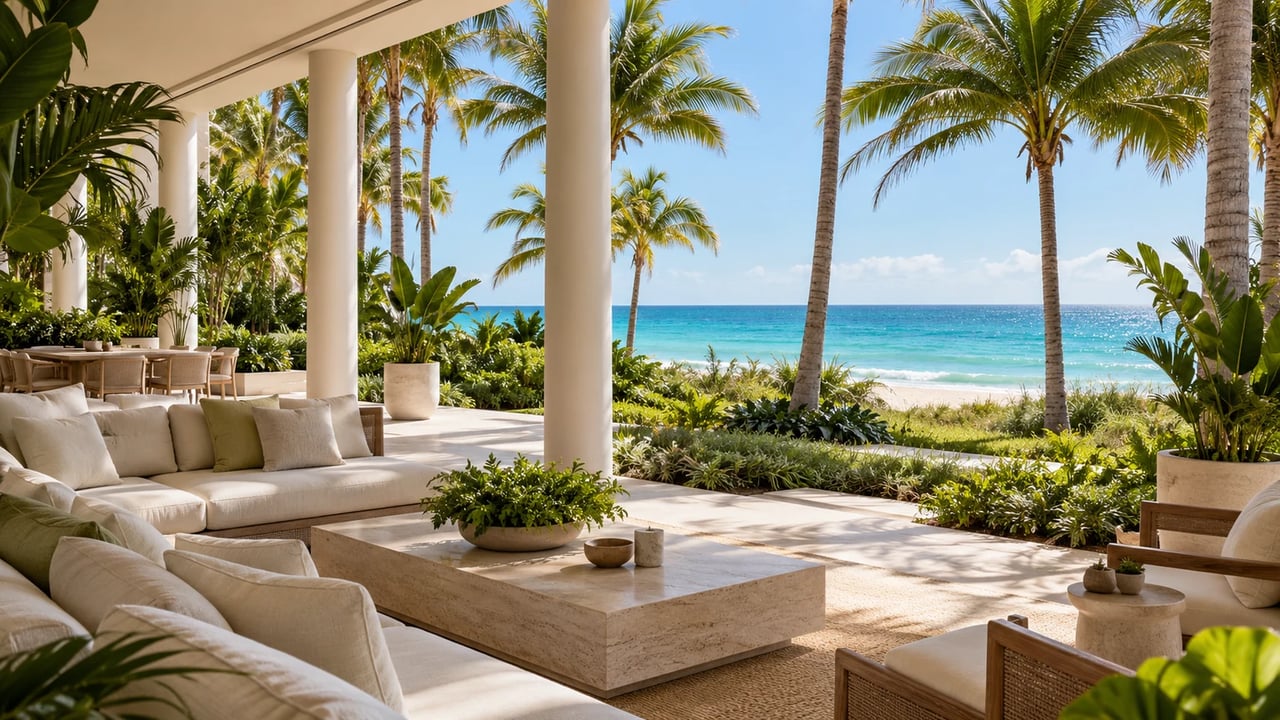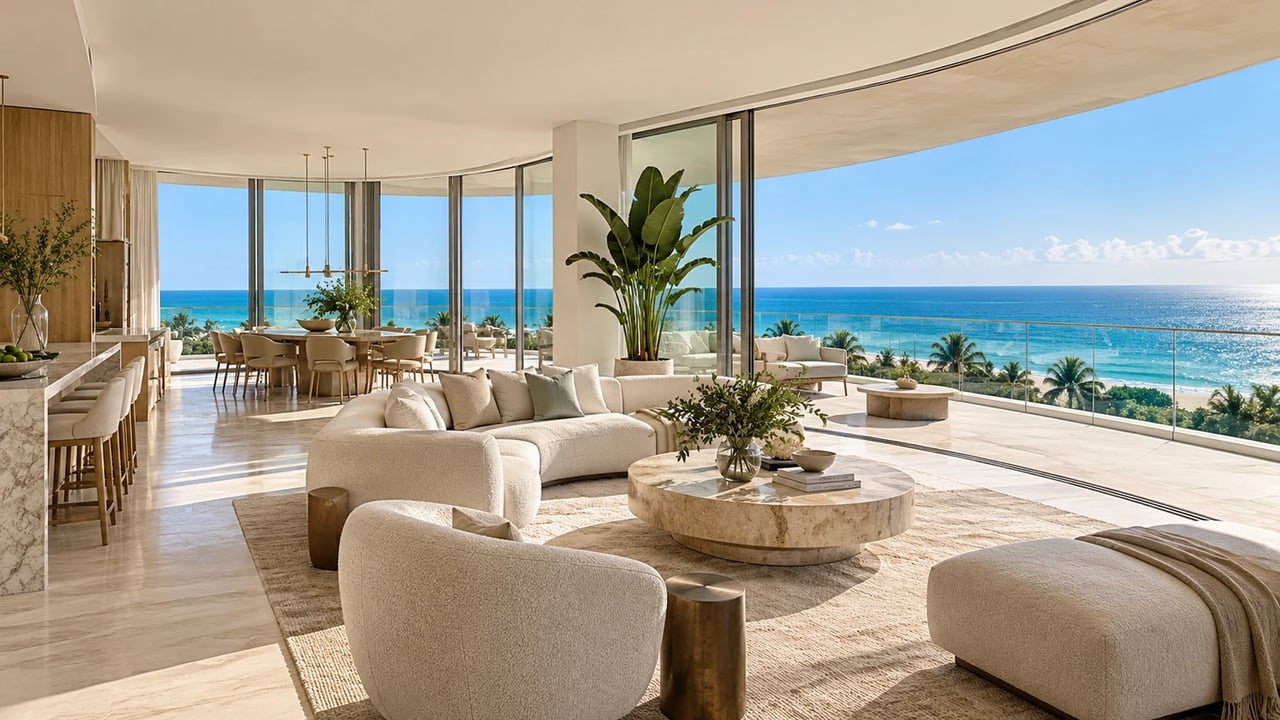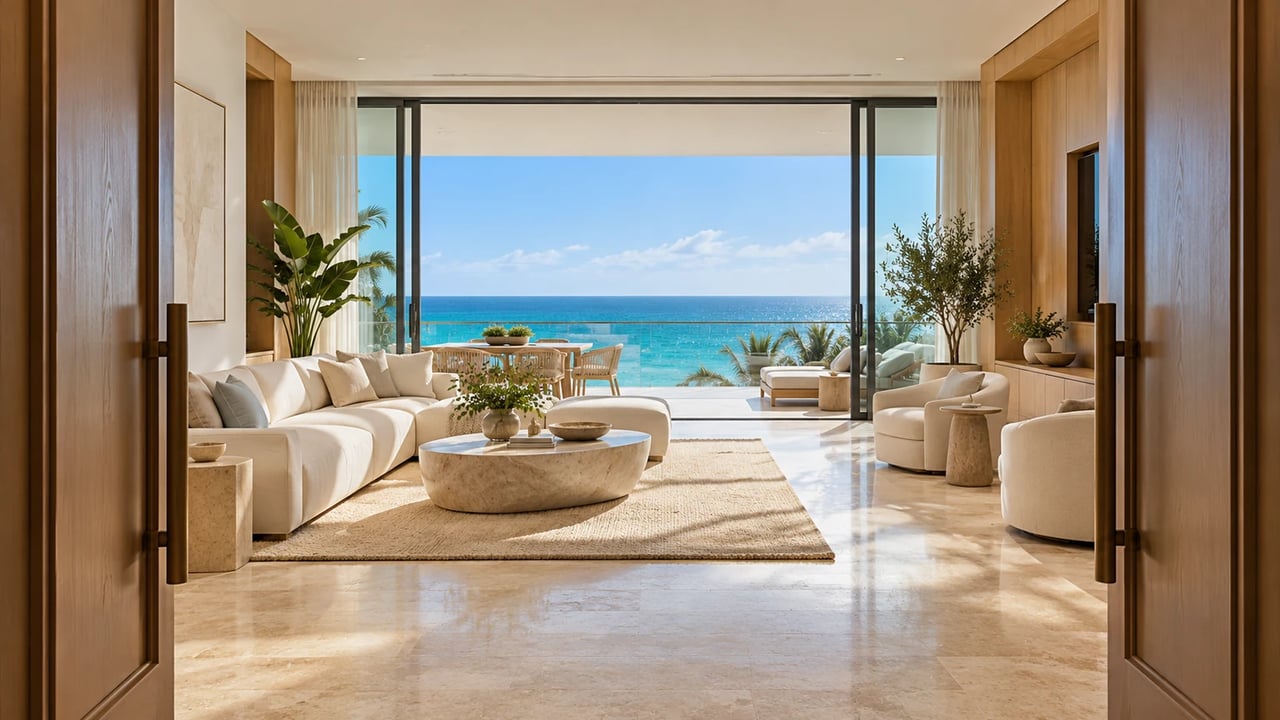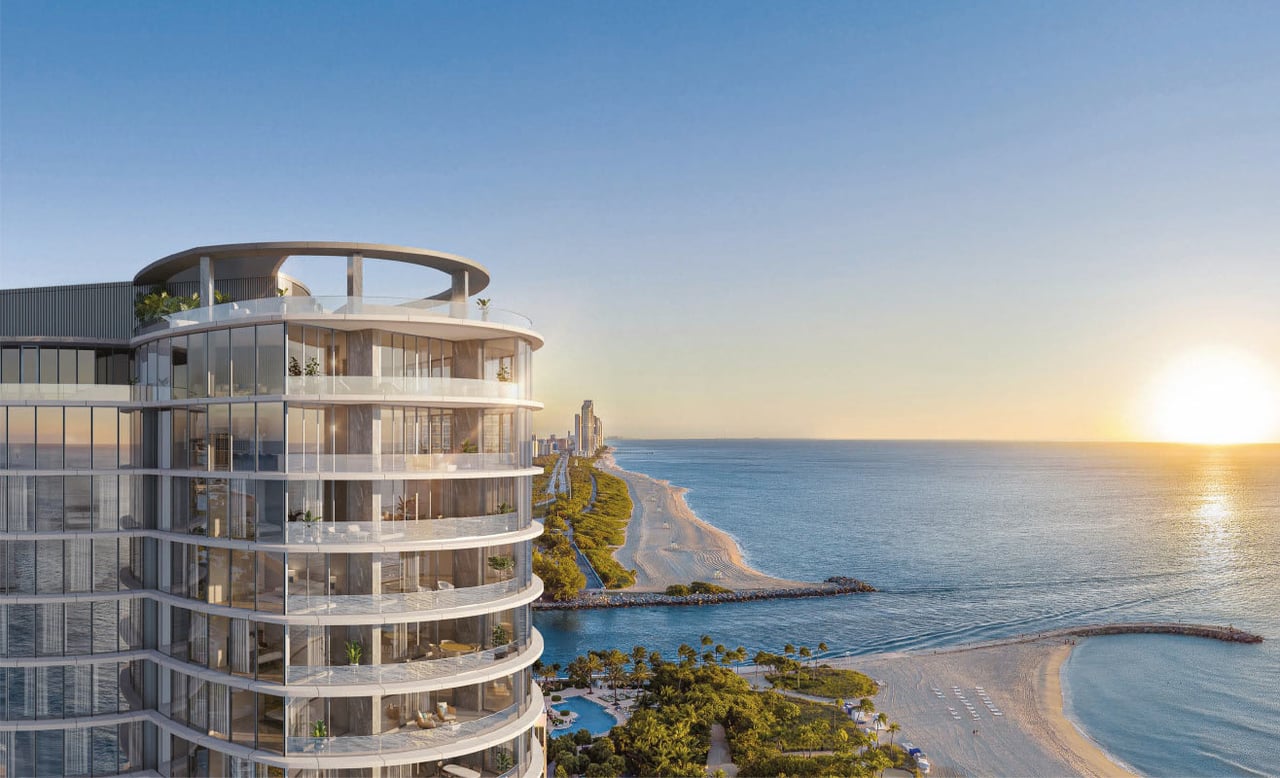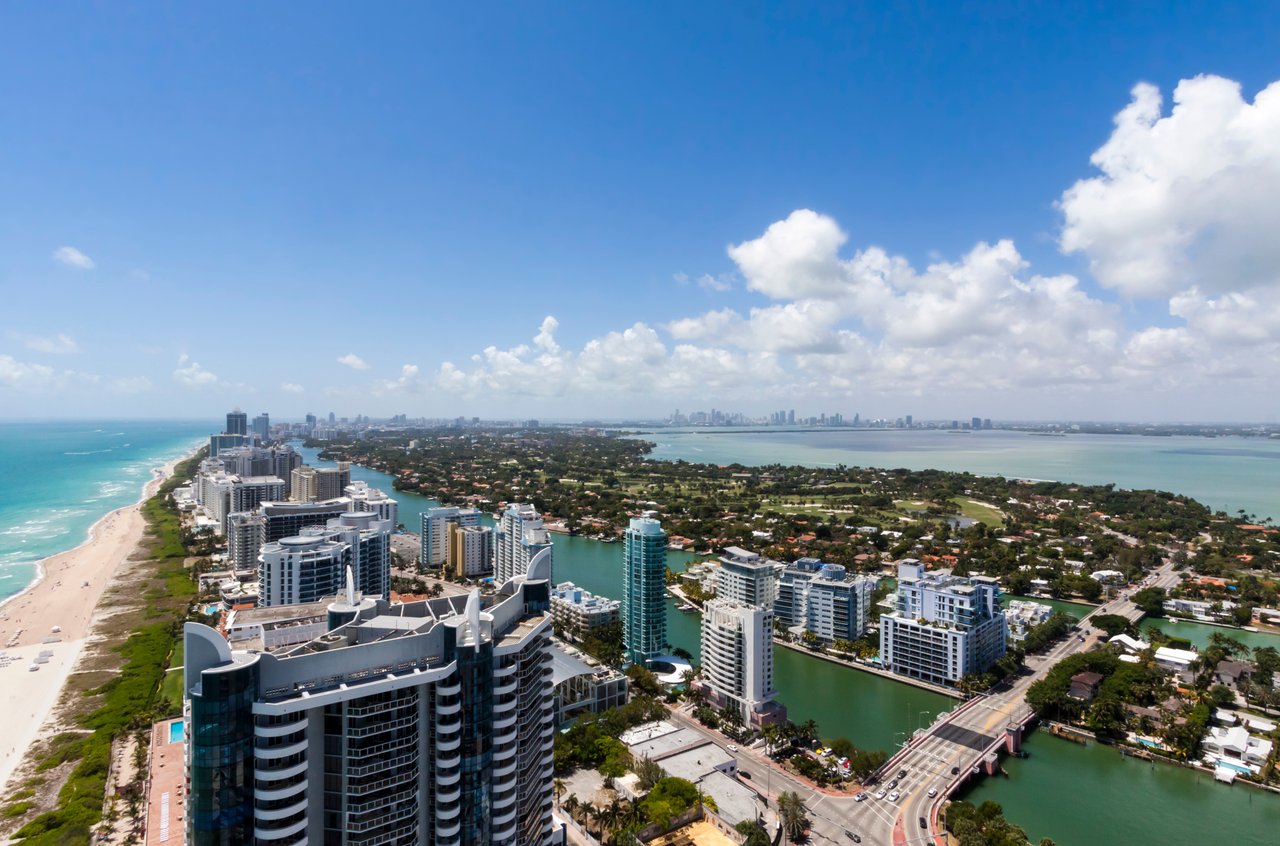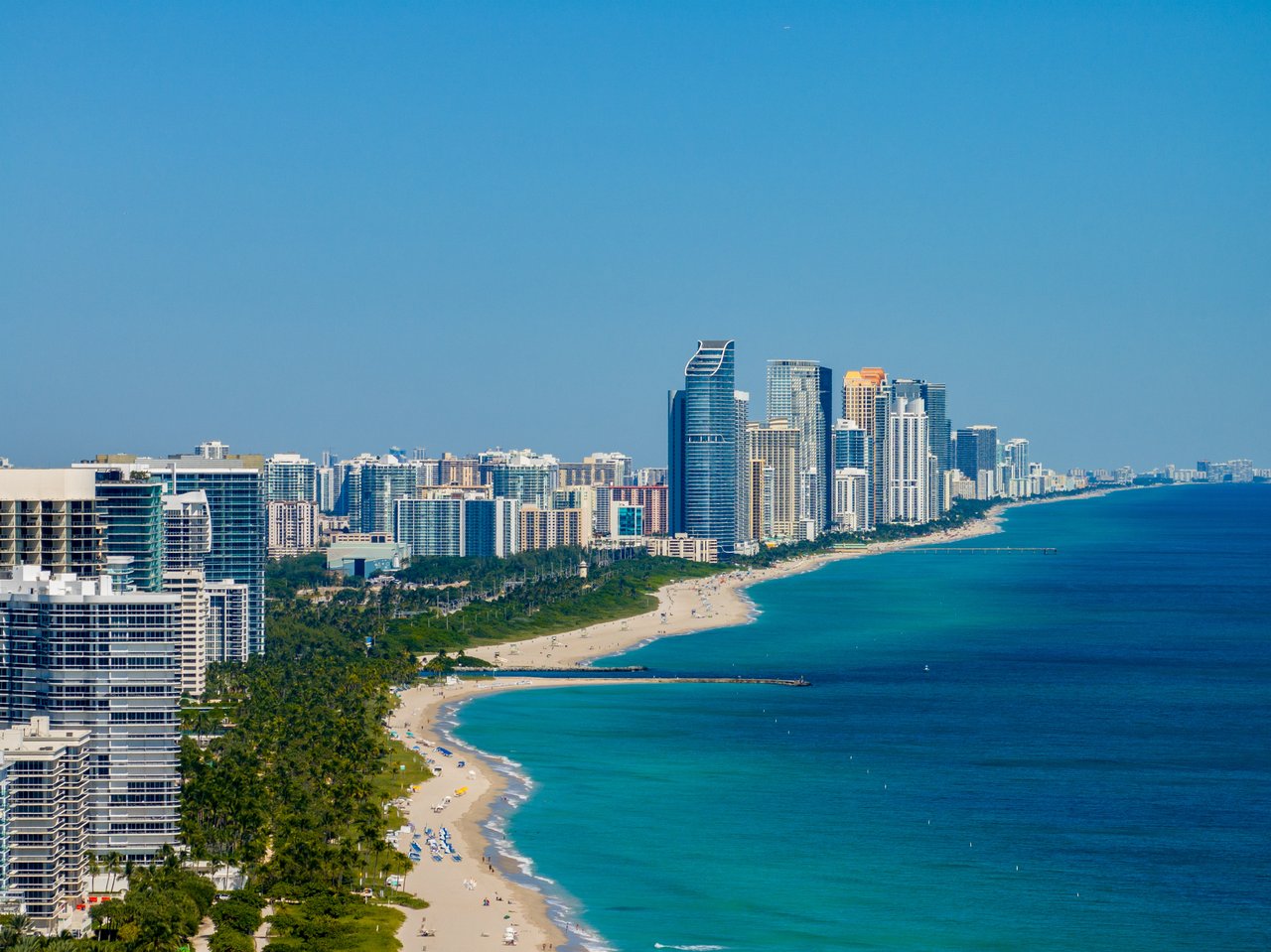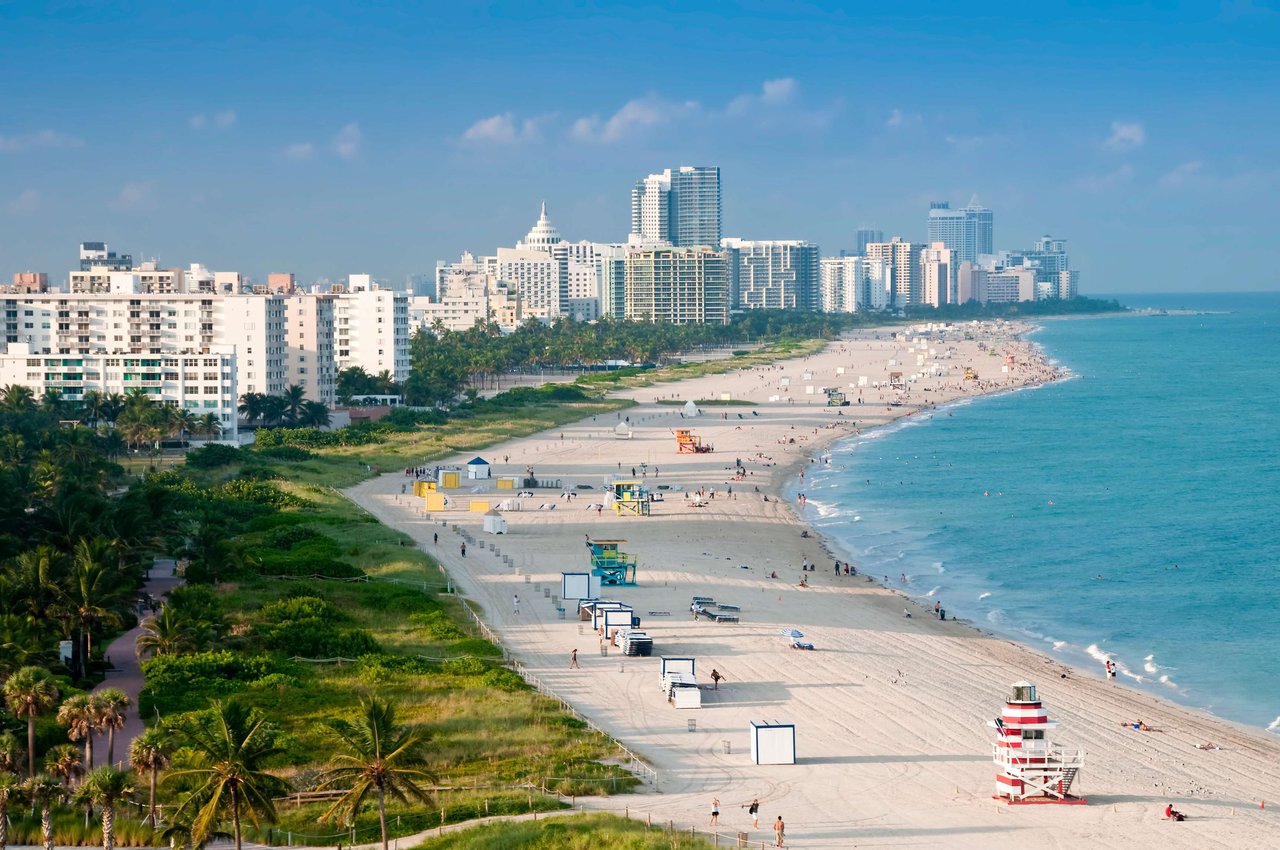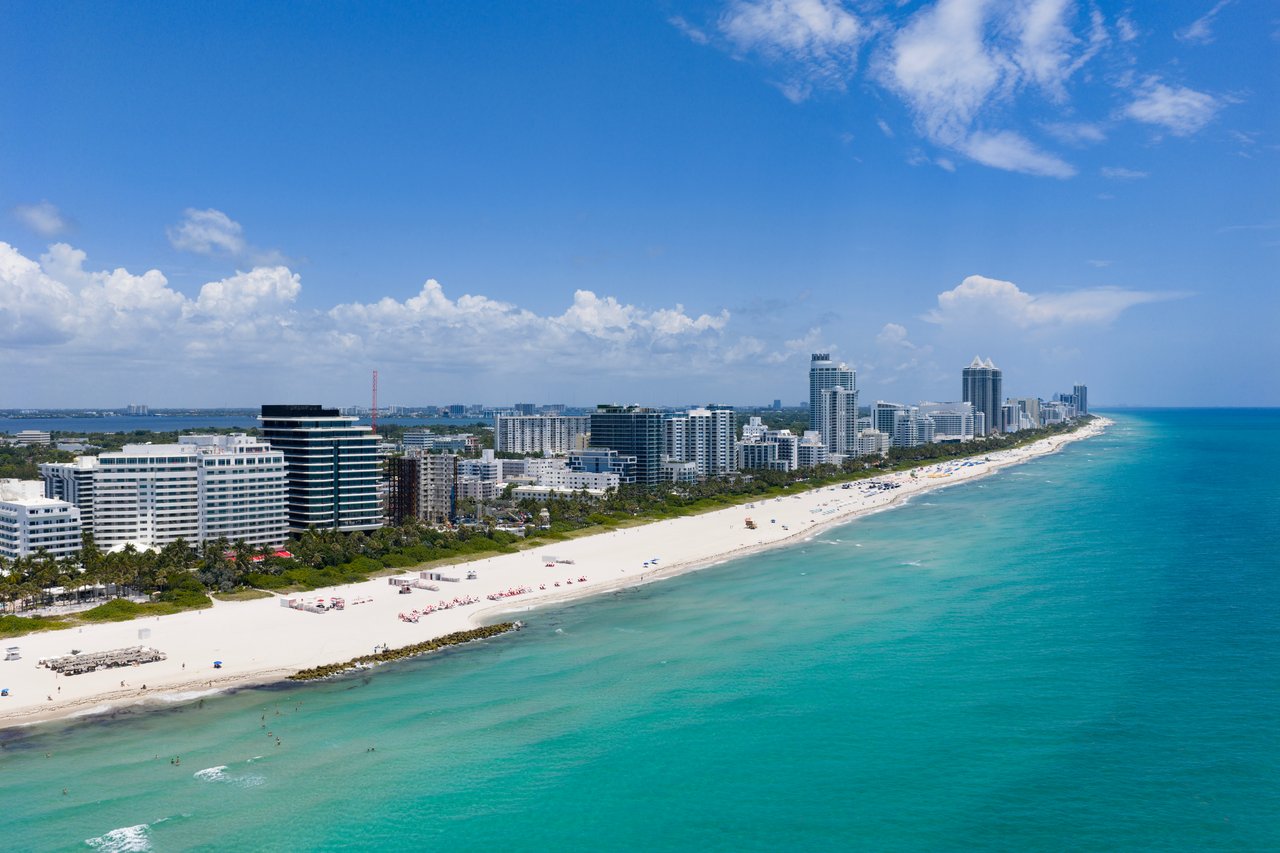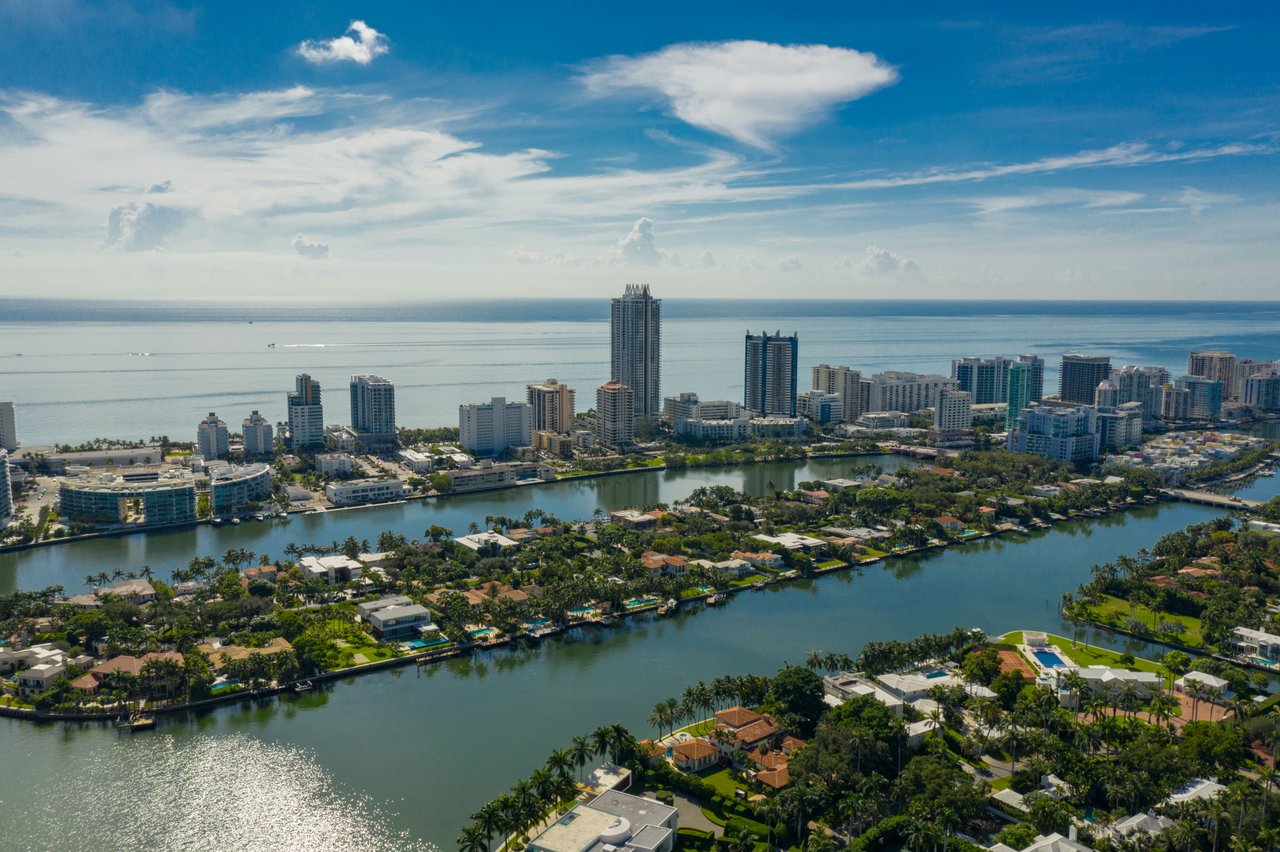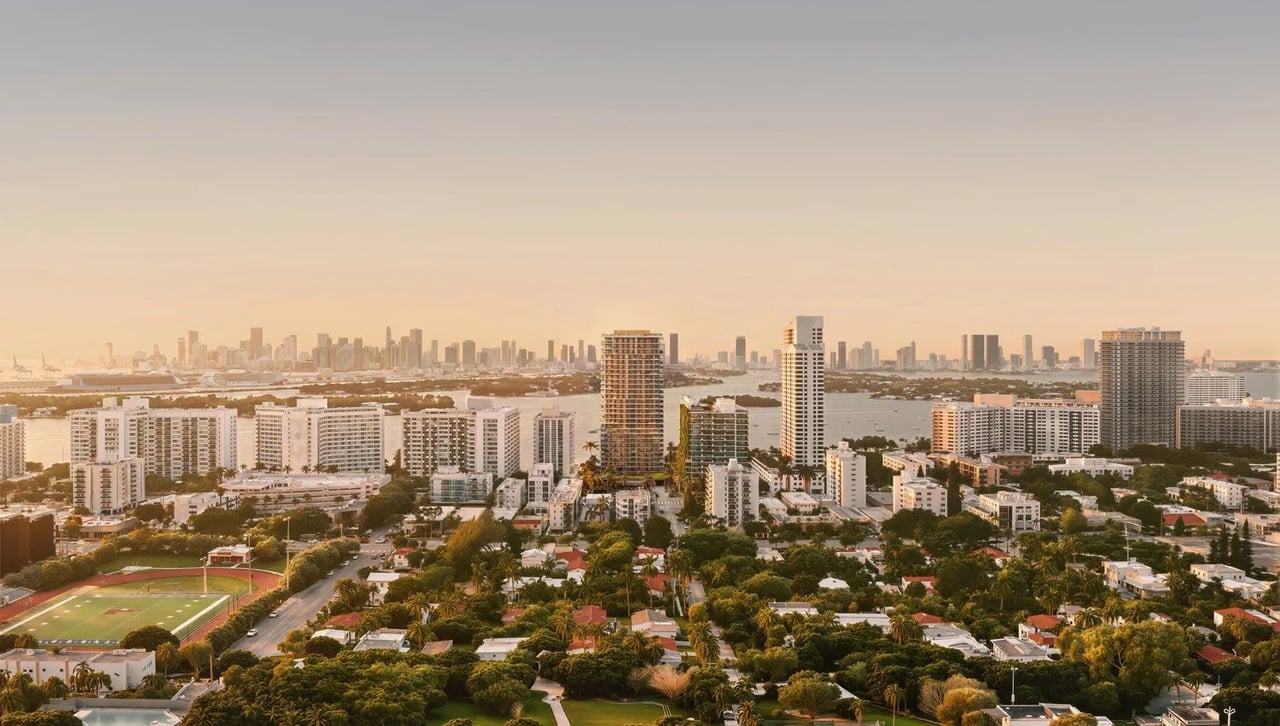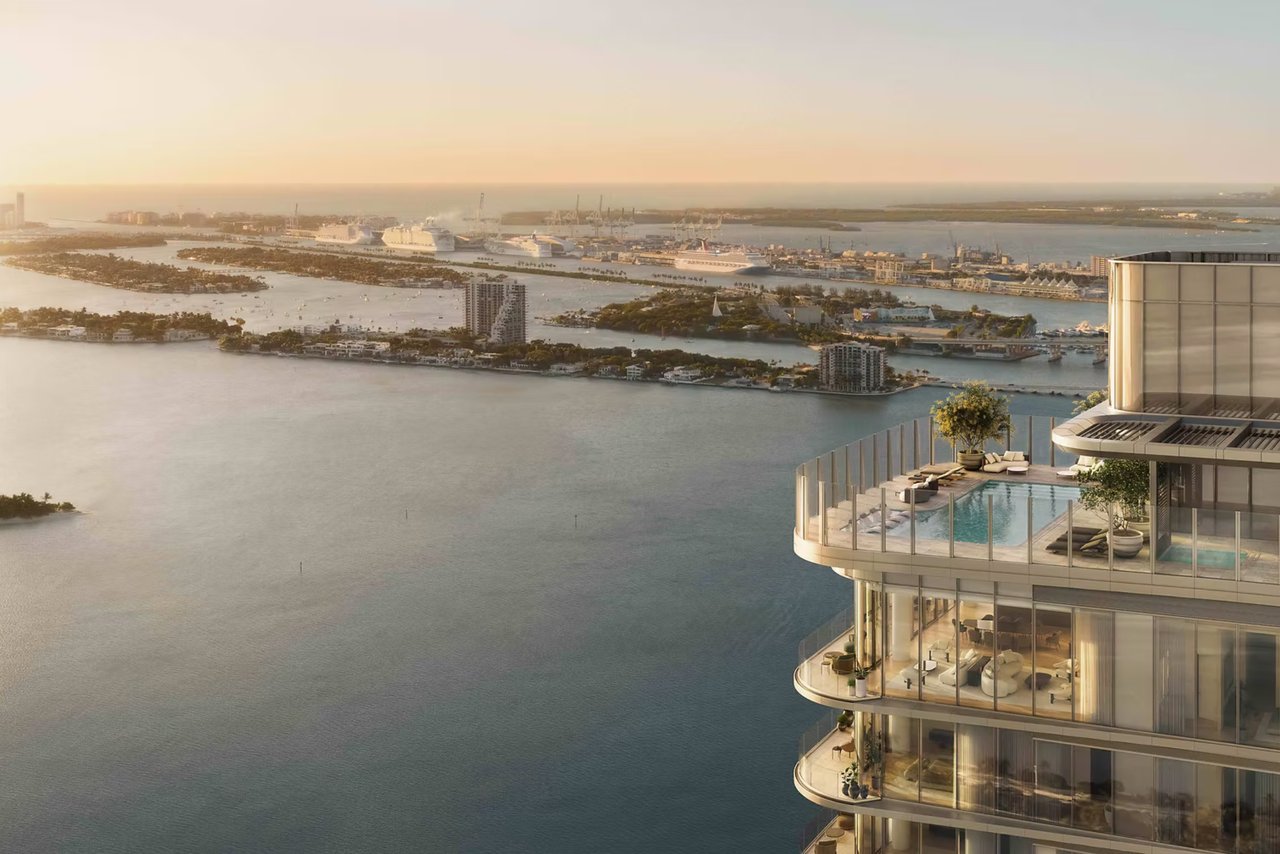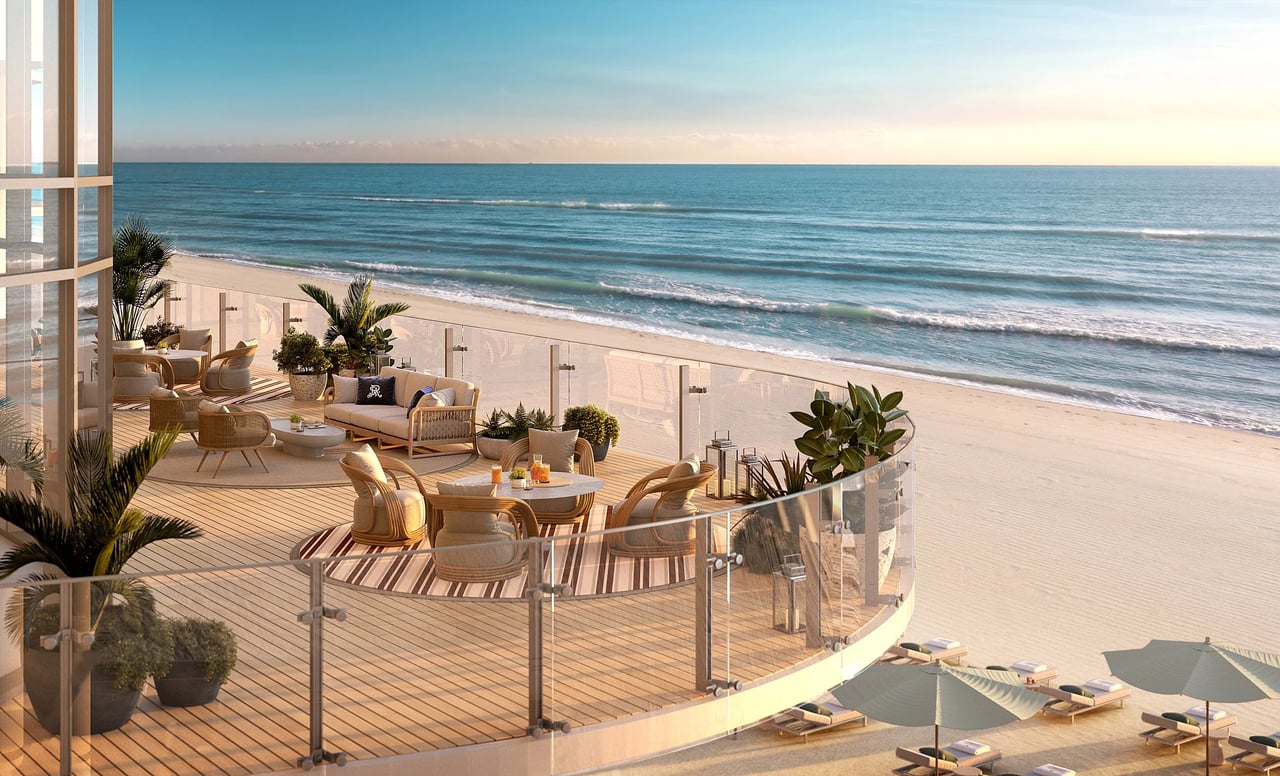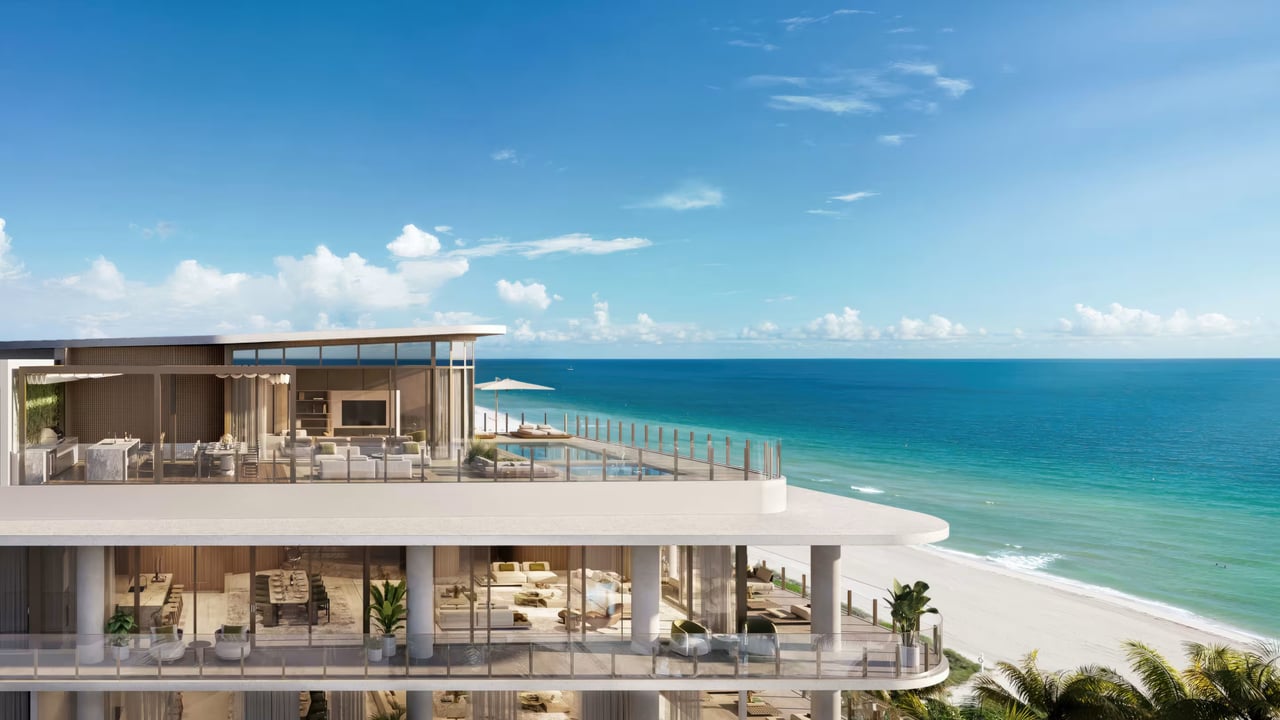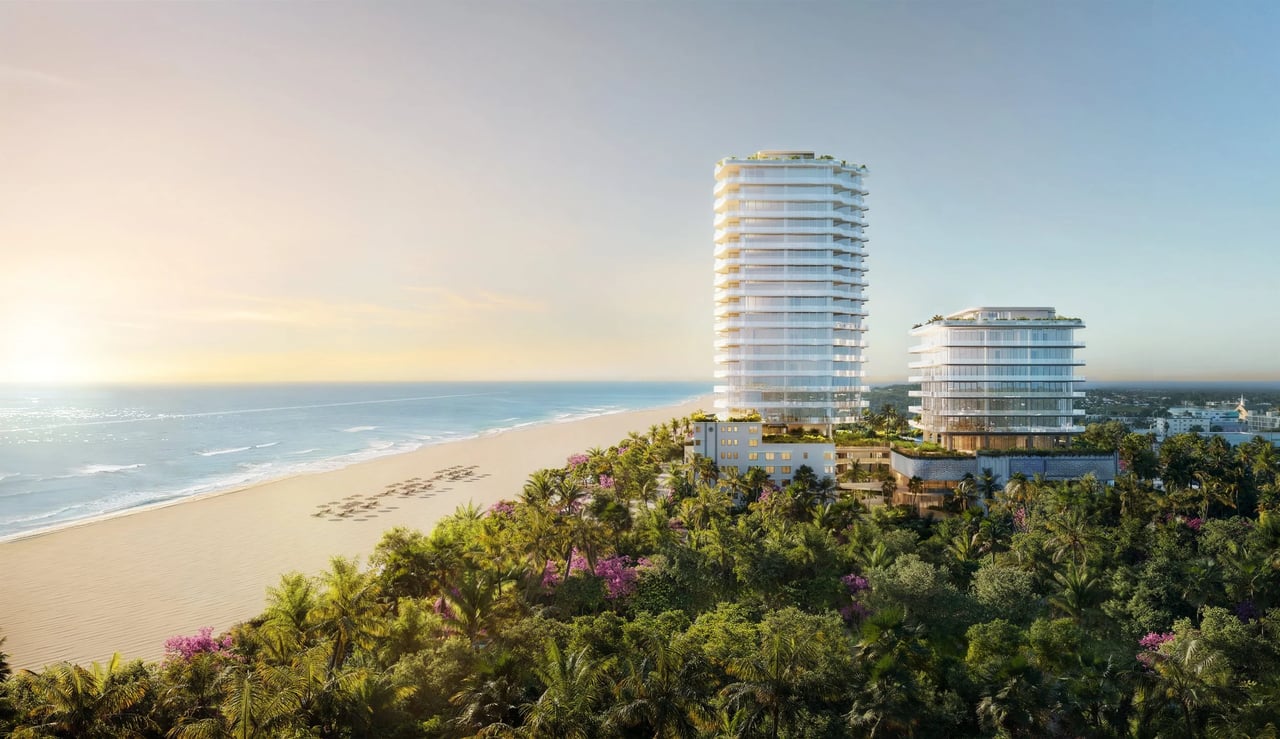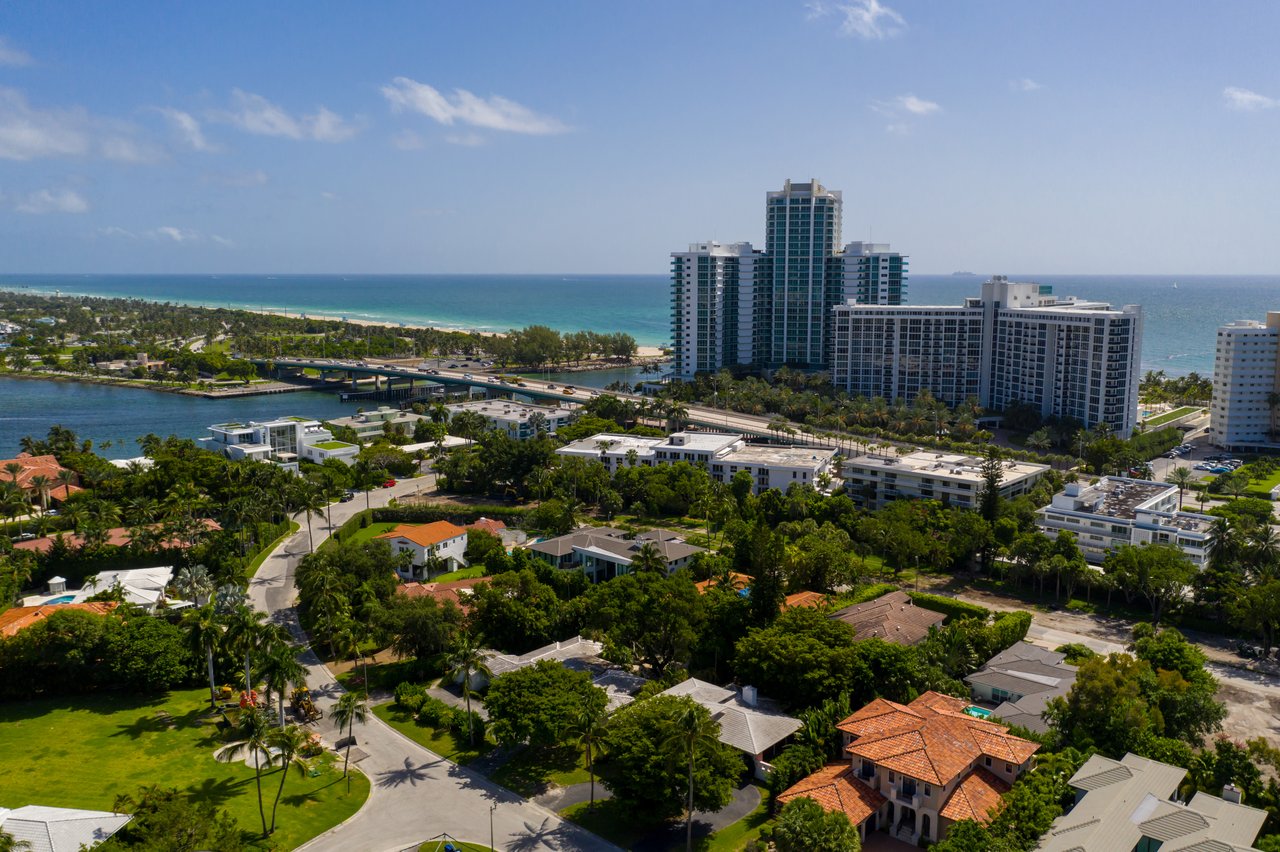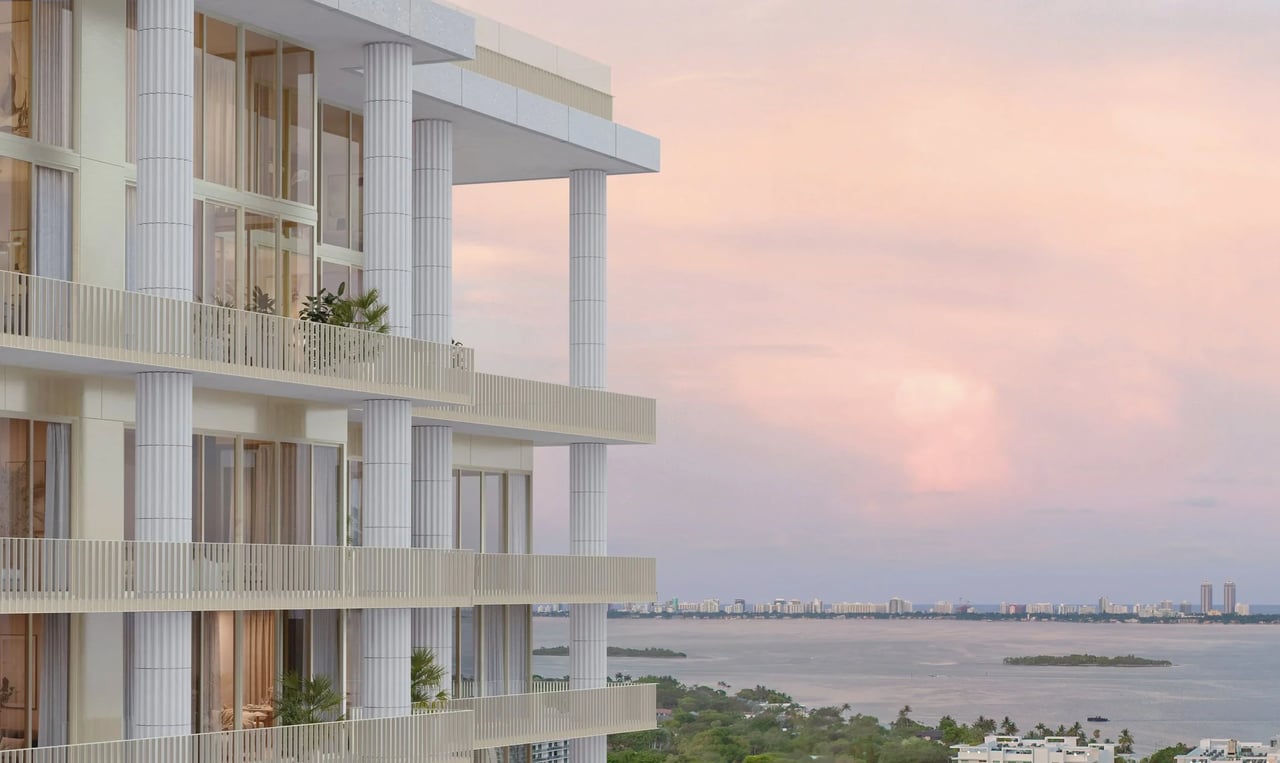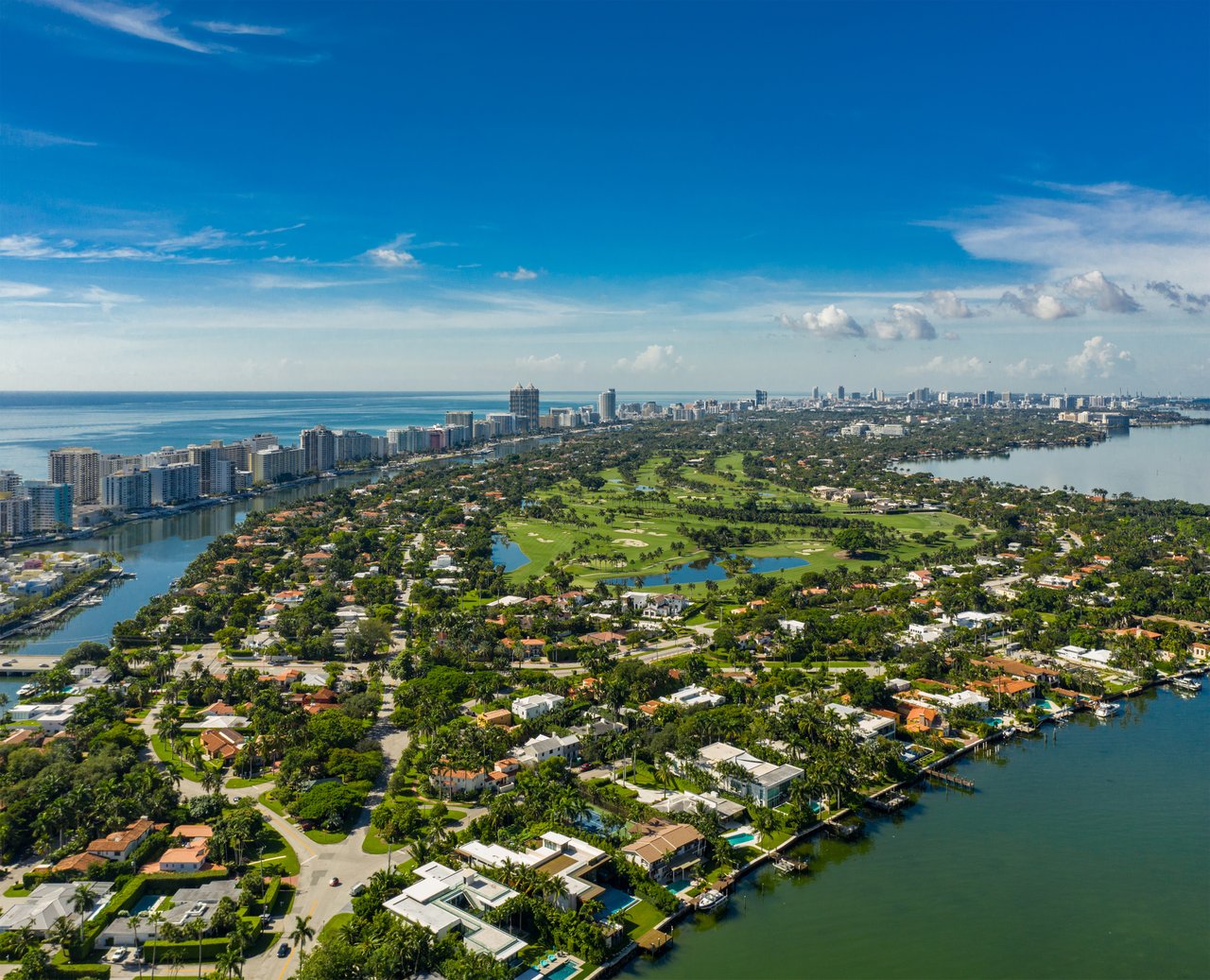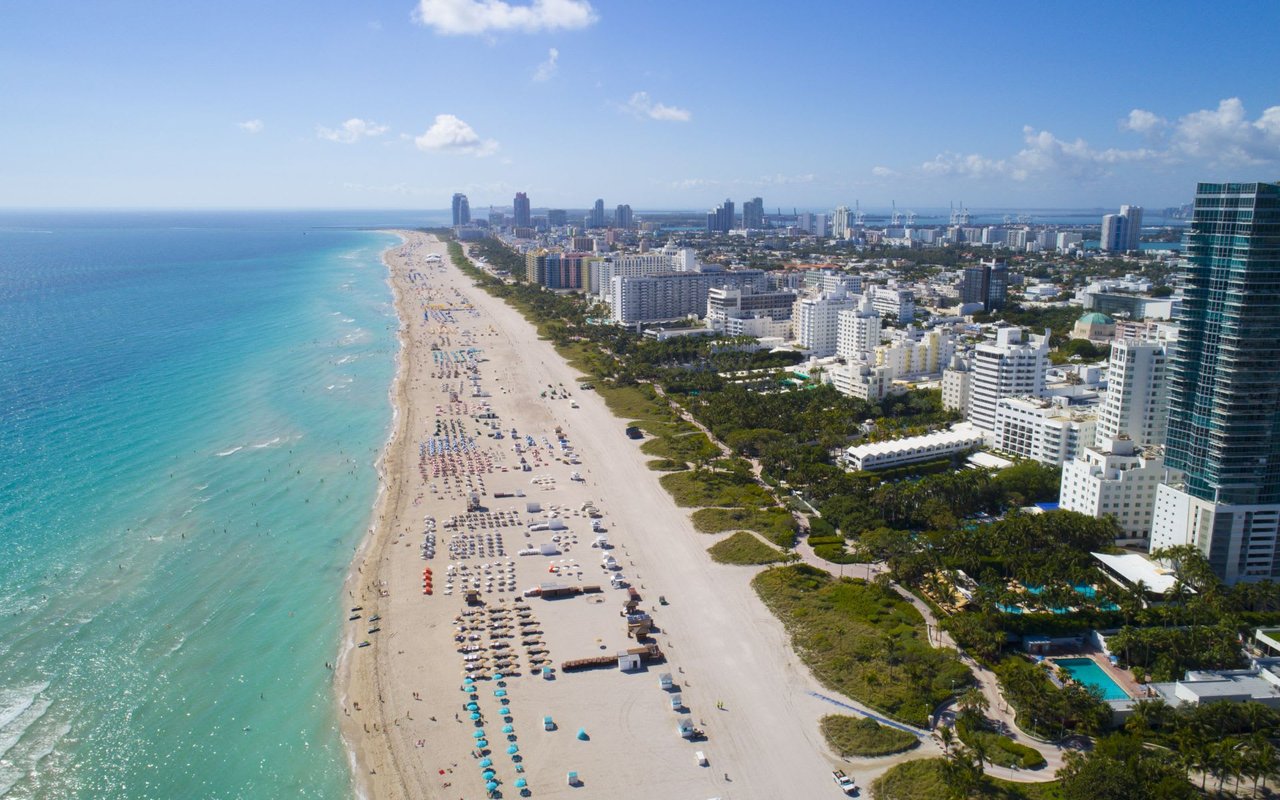
“Waterfront condo in Miami” is too broad to be a useful pricing category. A direct Atlantic residence in Bal Harbour or Surfside can trade at several times the price per interior square foot of a bayfront condo elsewhere, yet a trophy bayfront penthouse can still outperform an ordinary oceanfront residence when architecture, scale, privacy, service, and scarcity are stronger.
I compare waterfront pricing by neighborhood, building, and water type rather than using a single Miami average. That approach shows what the buyer is actually paying extra for: beach access, view permanence, boating, sunset or sunrise exposure, building quality, branded service, newness, or a one-of-one penthouse configuration.
Key Takeaways
- Direct oceanfront usually carries a premium, but the premium is not a fixed percentage and can disappear when building quality is mismatched.
- Bal Harbour, Surfside, South of Fifth, Mid-Beach, Sunny Isles, Edgewater, and Brickell each have different pricing mechanics.
- Price per square foot should use interior living area as the primary denominator; terrace area belongs in a separate line.
- Asking $/SF and closed $/SF answer different questions, so I never blend them into one unlabeled number.
- Penthouses can distort a building average because top-floor scarcity, private pools, full-floor layouts, and large terraces can create nonlinear premiums.
- A Miami penthouse for sale should be evaluated against penthouse or trophy evidence, not the average condo in the same neighborhood.
What is the price per square foot of luxury oceanfront condos in Miami?
Luxury oceanfront pricing varies widely by neighborhood and building. In current 2026 evidence, recent St. Regis Bal Harbour sales cluster around the low-to-mid $2,000s per interior square foot, Oceana's recent median is around $2,500/SF, and recent Four Seasons Residences at The Surf Club closings can exceed $4,000/SF, with trophy sales materially higher.
Those figures are not a single “Miami oceanfront average,” and I would not turn them into one. The building, residence type, floor, view, service model, and scarcity explain more than the citywide number, which means a buyer should use neighborhood and building-specific comps before deciding whether a premium is justified.
Why oceanfront condos usually cost more than bayfront condos
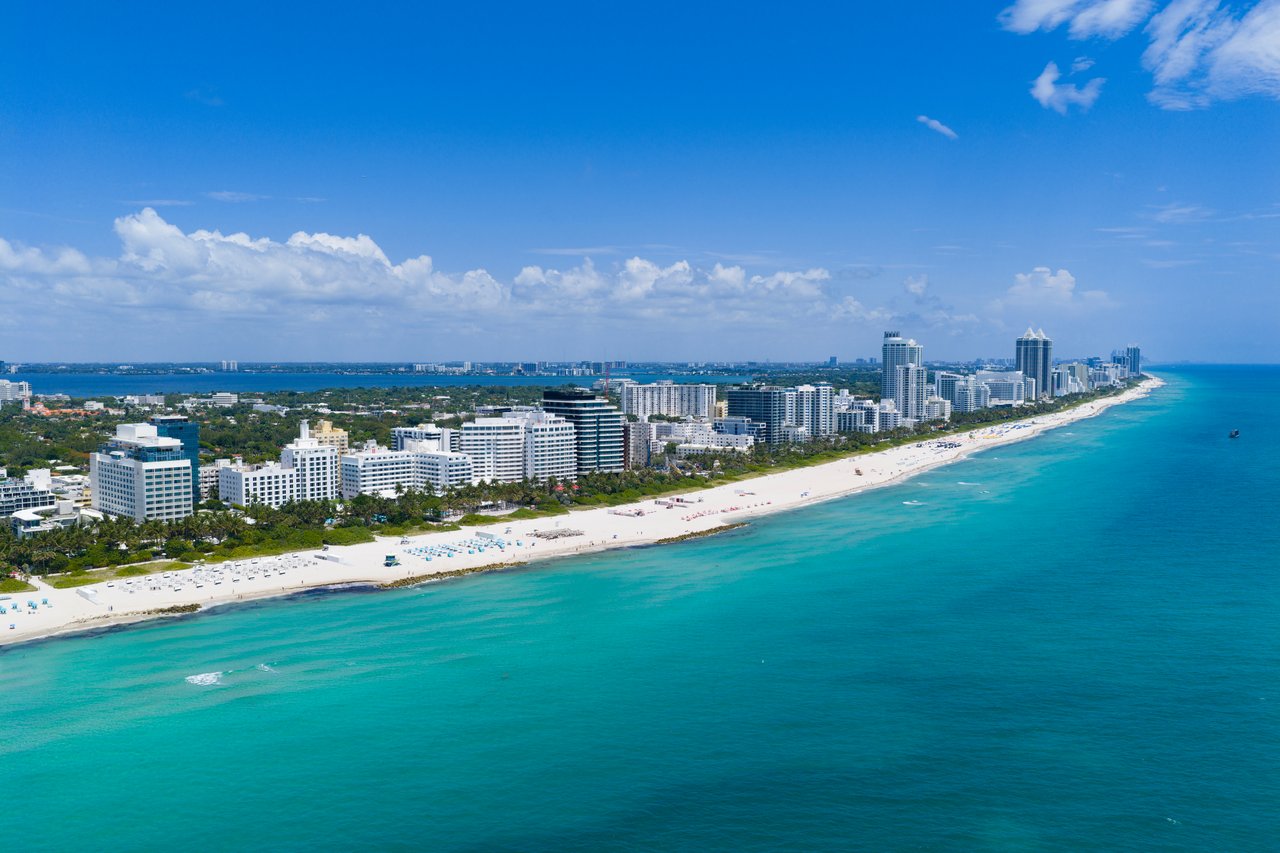
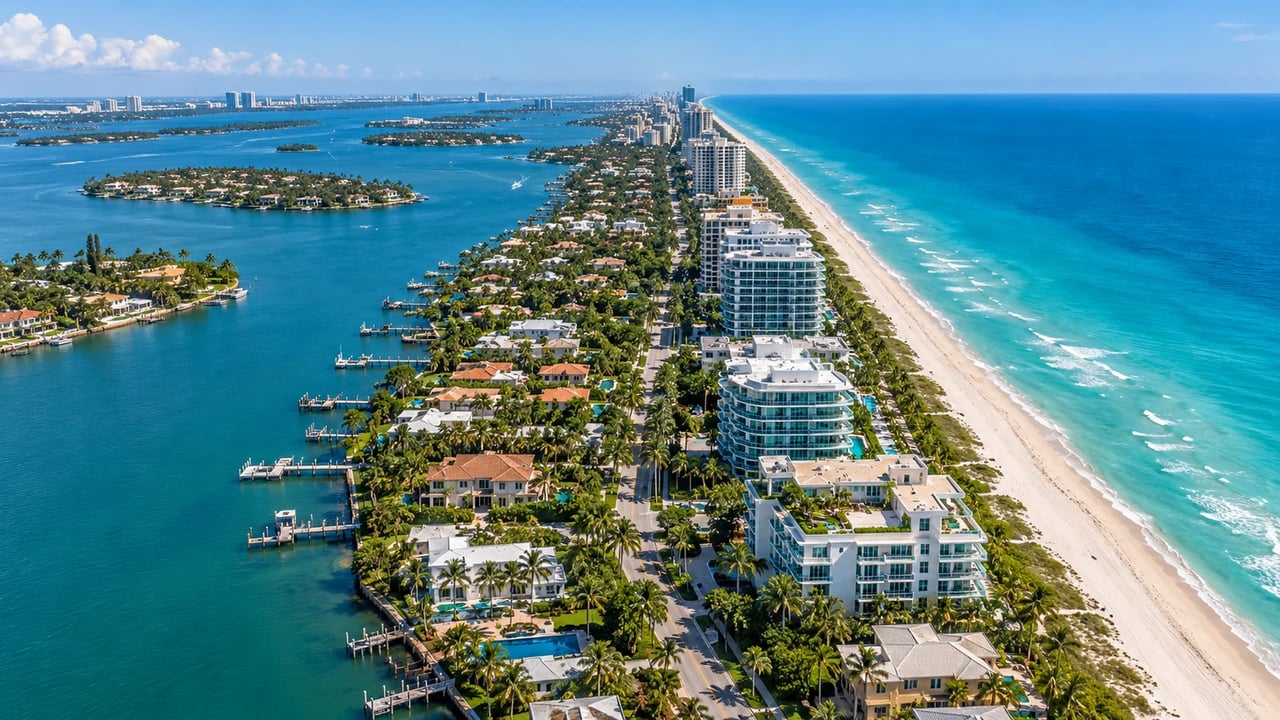
Direct Atlantic frontage is structurally scarce. Buyers are paying not only for water outside the glass, but also for beach access, unobstructed horizon, sunrise exposure, resort-style amenities, international address recognition, and a location that cannot be recreated inland.
That premium becomes strongest when the building itself supports it. A direct-ocean residence in an older or compromised building can still trade below a newer bayfront trophy property, so I separate the water premium from the building-quality premium rather than attributing the whole difference to the view.
When bayfront condos can command oceanfront-level pricing
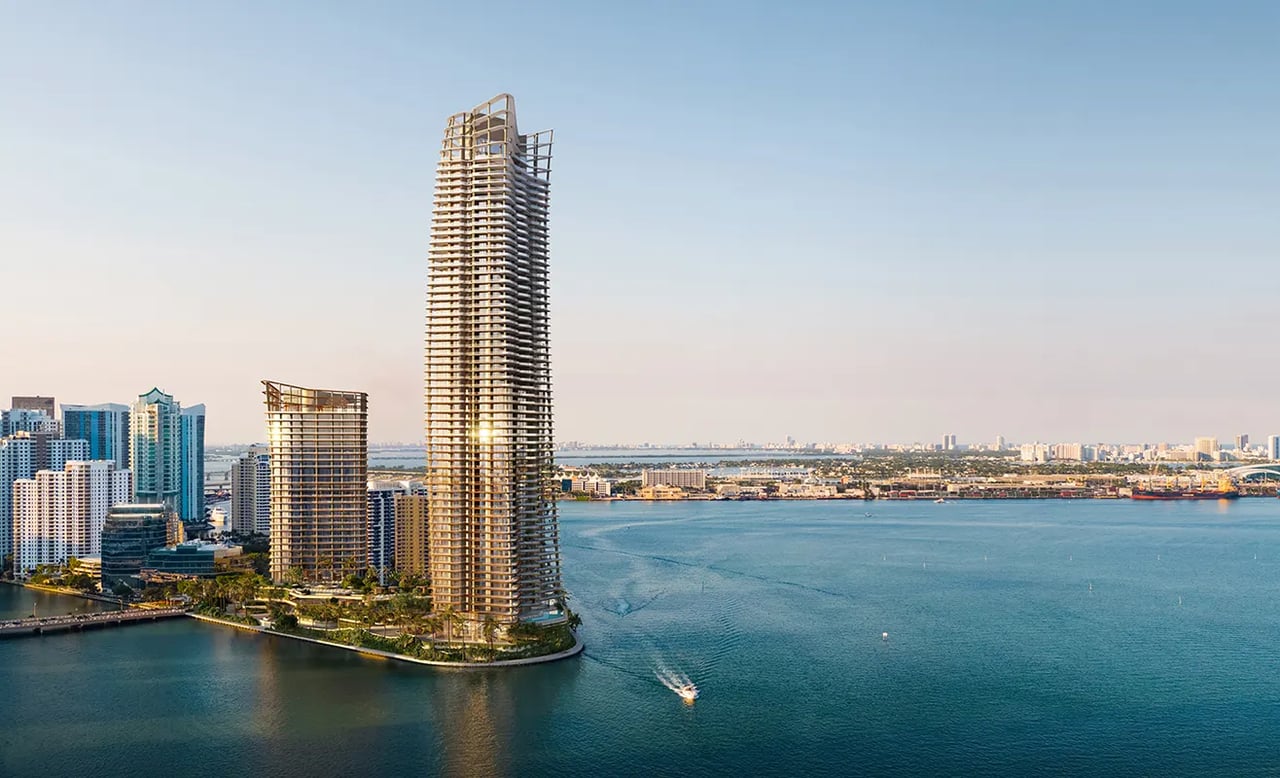
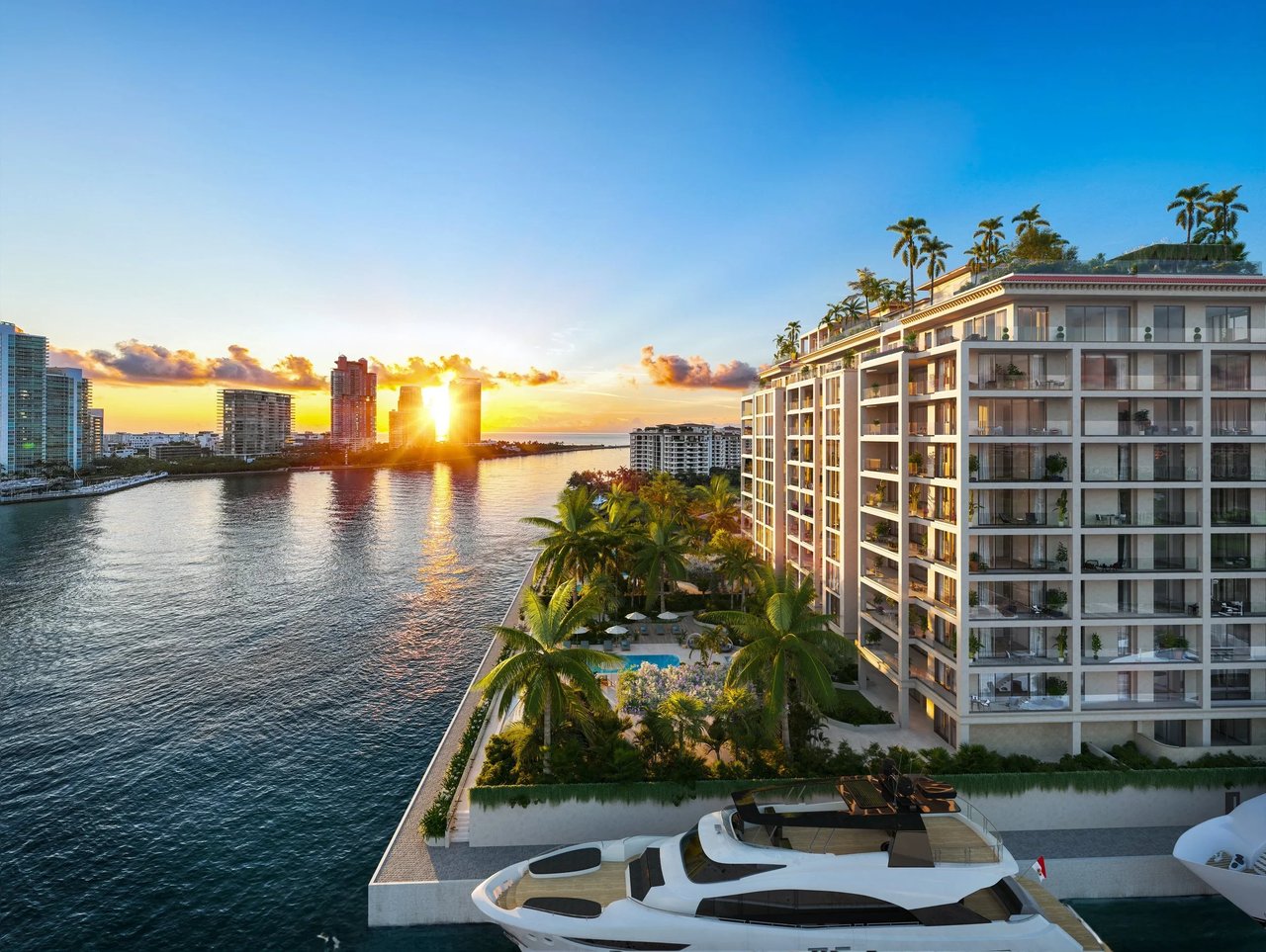
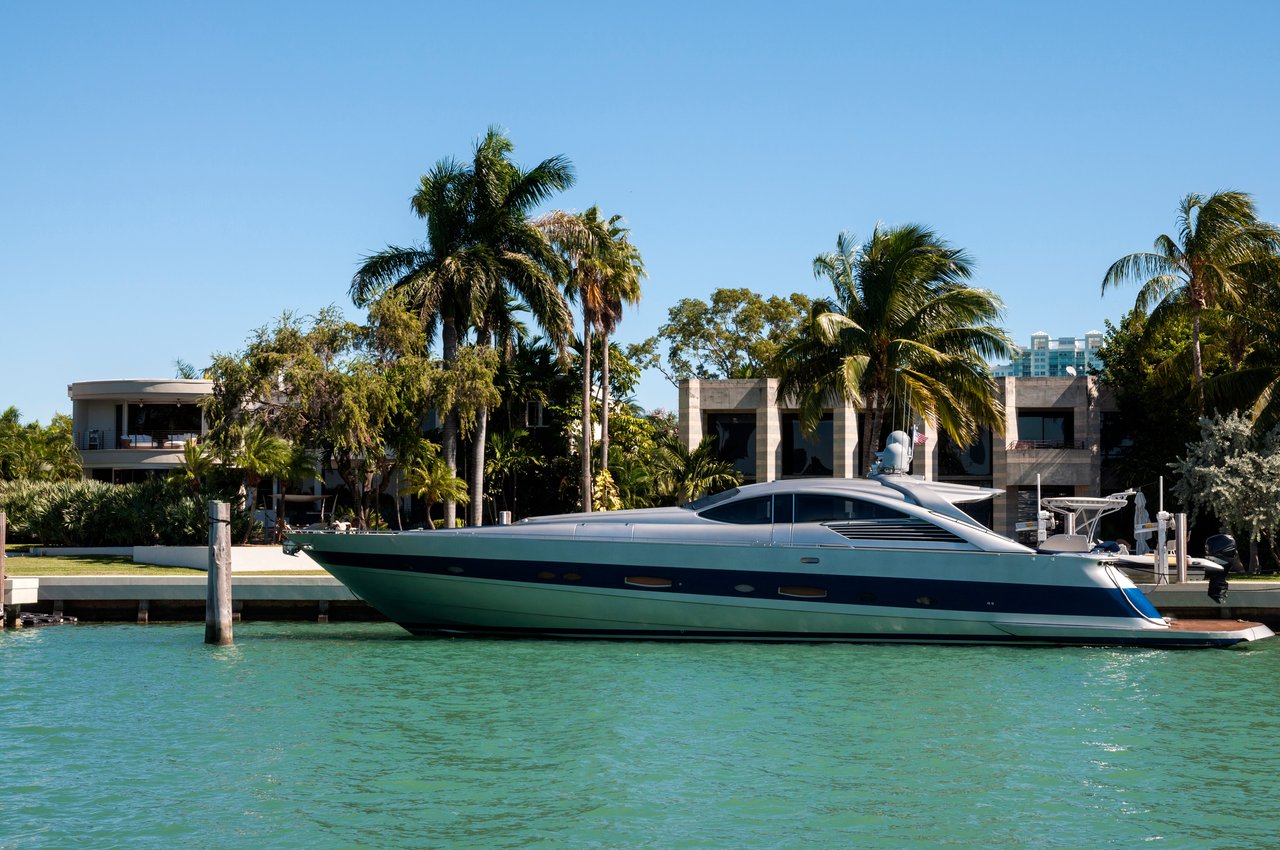
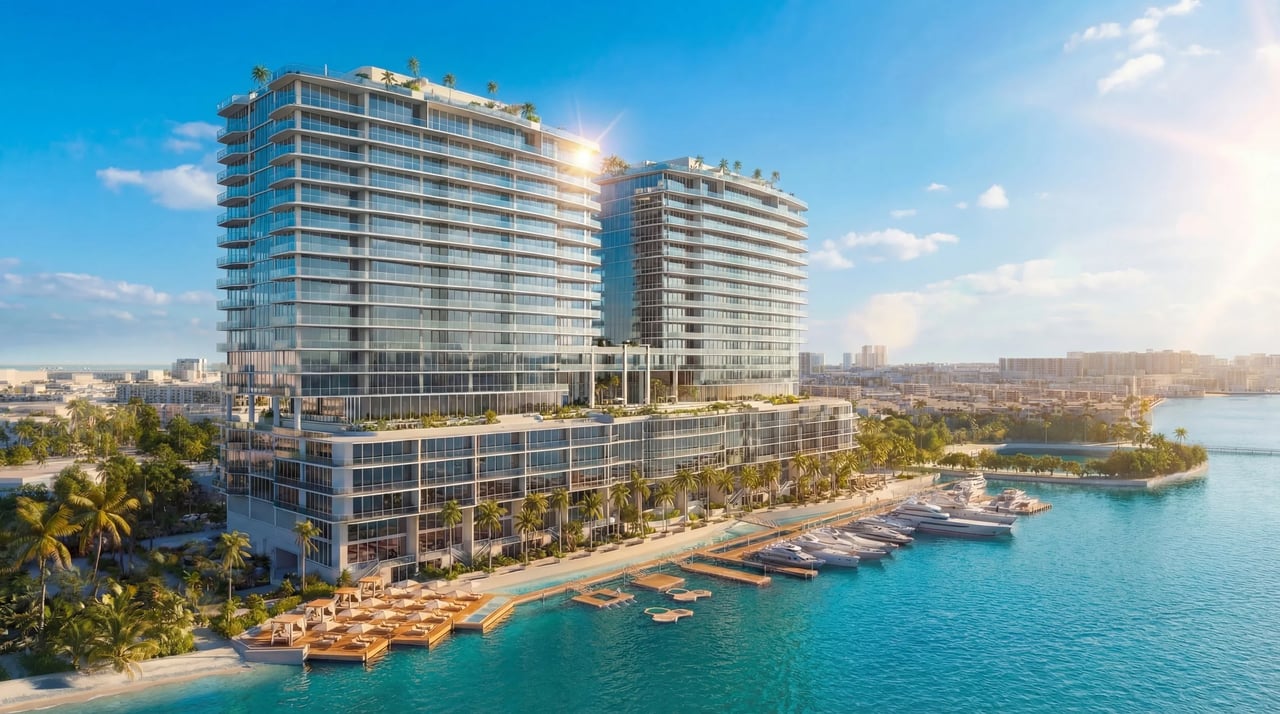
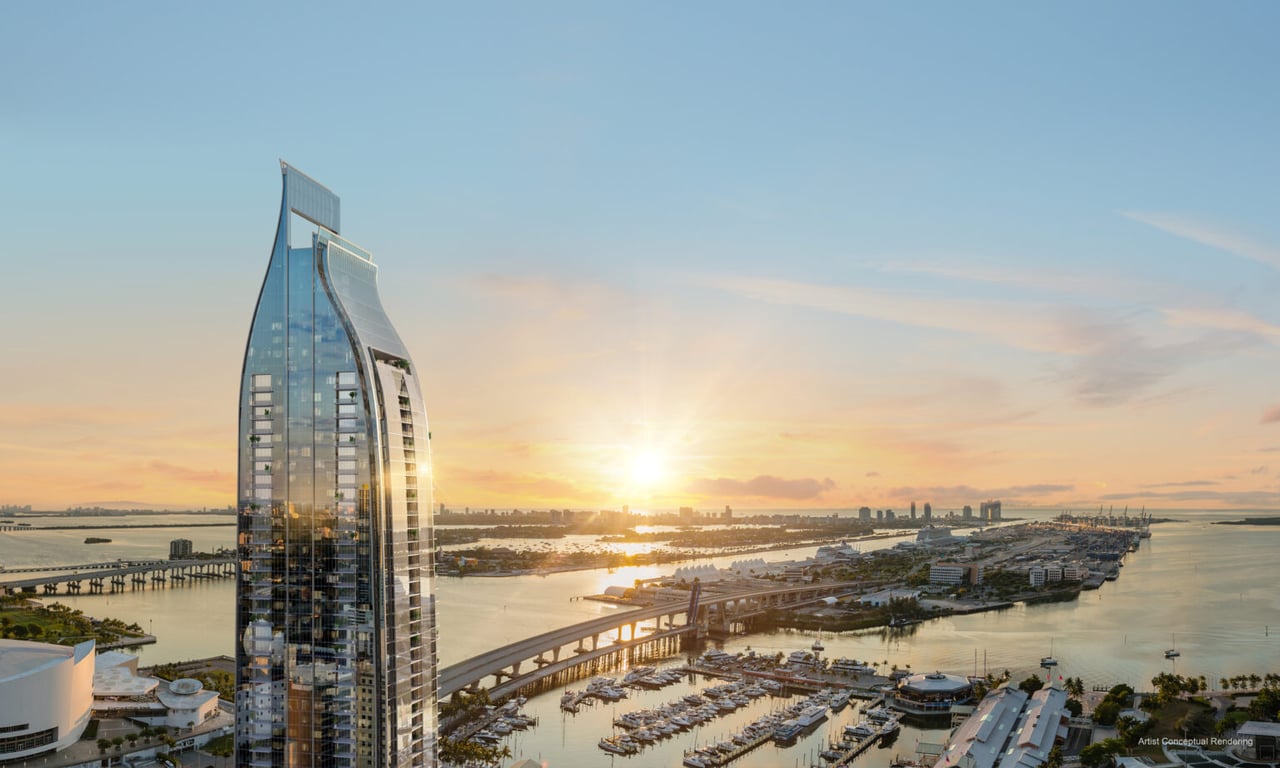
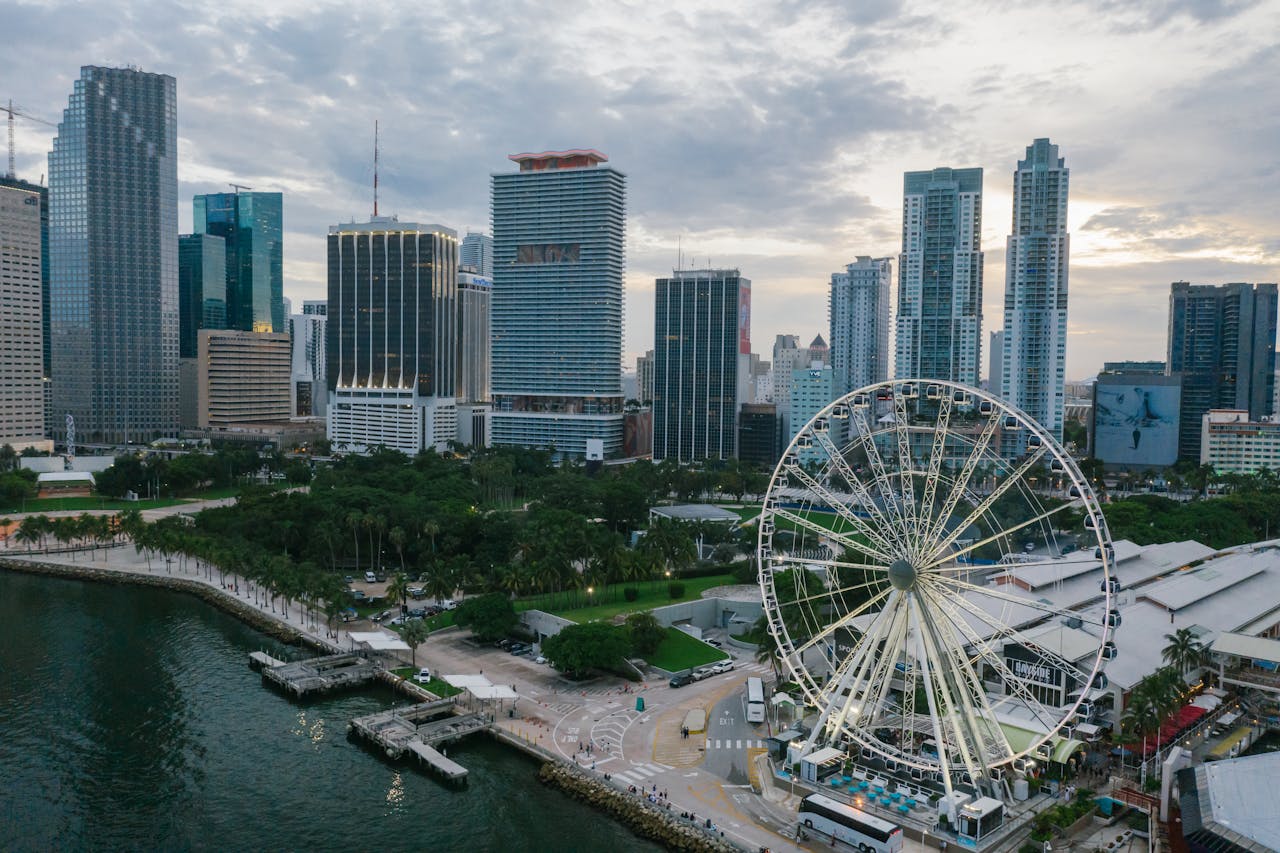
Bayfront property can reach oceanfront-level pricing when the residence combines open Biscayne Bay views, sunset exposure, boating or marina access, large-format floor plans, strong architecture, low density, or branded service. In those cases, the buyer is purchasing a different form of waterfront scarcity.
This is particularly important in Miami Beach, Brickell, and select bayfront micro-markets. A high-floor penthouse with skyline, bay, marina, and sunset views may justify a higher rate than a lower-floor oceanfront unit with weaker privacy or an older building, so “ocean always beats bay” is too simplistic for a serious comparison.
Miami luxury condo price per square foot by neighborhood
Public data sources use different thresholds and sample definitions, so I do not pretend they form one perfectly comparable dataset. The table below shows representative 2026 evidence and the market tier each figure describes; before a purchase, I would rebuild the same comparison from MiamiRE/MLS using one consistent luxury threshold and trailing period.
Neighborhood / micro-market | Waterfront type | 2026 closed-price evidence | Current asking context | How I read it |
Bal Harbour | Direct oceanfront | St. Regis recent median about $2,224/SF; Oceana about $2,500/SF | Prime and trophy asks often above $3,000/SF | Scarcity and building generation drive a large spread |
Surfside | Direct oceanfront | Four Seasons Surf Club recent median about $4,332/SF in a 20-sale sample | Current limited inventory can ask around $3,800/SF and higher | Trophy branded service can exceed Bal Harbour averages |
South of Fifth | Ocean + bay | Broad 2026 qualified-sales median around $1,568/SF; trophy closings far higher | Current prime asks roughly 3,000-8,000+/SF depending residence | Building and trophy status matter more than the neighborhood median |
Mid-Beach | Oceanfront | Faena House 2026 sales about 3,483-4,228/SF in recent examples | Current Faena ask about $3,686/SF | Architecture and low supply support a premium |
Sunny Isles | Direct oceanfront | Turnberry Ocean Club recent 12-month average about $1,837/SF | Current larger units average above $2,000/SF | Newer towers can offer more interior area per dollar |
Edgewater luxury | Bayfront | Q1 2026 luxury median about $978/SF; recent high-end Aria Reserve examples roughly 900-1,200/SF | Building-specific | Bay view plus urban proximity, with newer product above the broad market |
Brickell luxury | Bayfront / urban waterfront | Q1 2026 luxury median about $950/SF | Newer branded towers can ask well above $1,000/SF | Brand and urban location can matter as much as water |
Methodology note: these are separate public MLS-connected or county-record snapshots, not one synthetic index. For a transaction, I would use the same time window, price threshold, property type, and interior-area methodology across every market being compared.
Bal Harbour oceanfront condo price per square foot
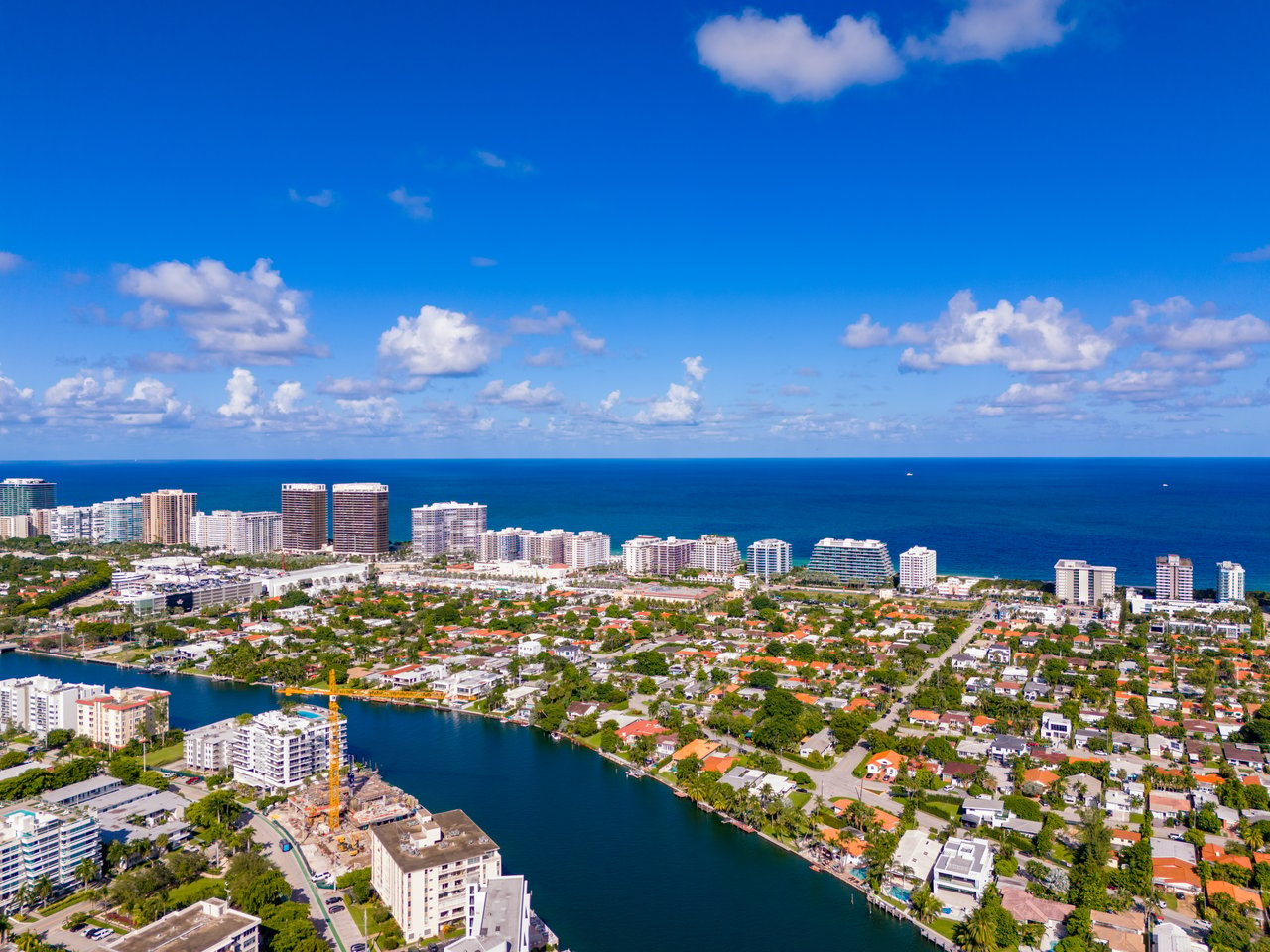
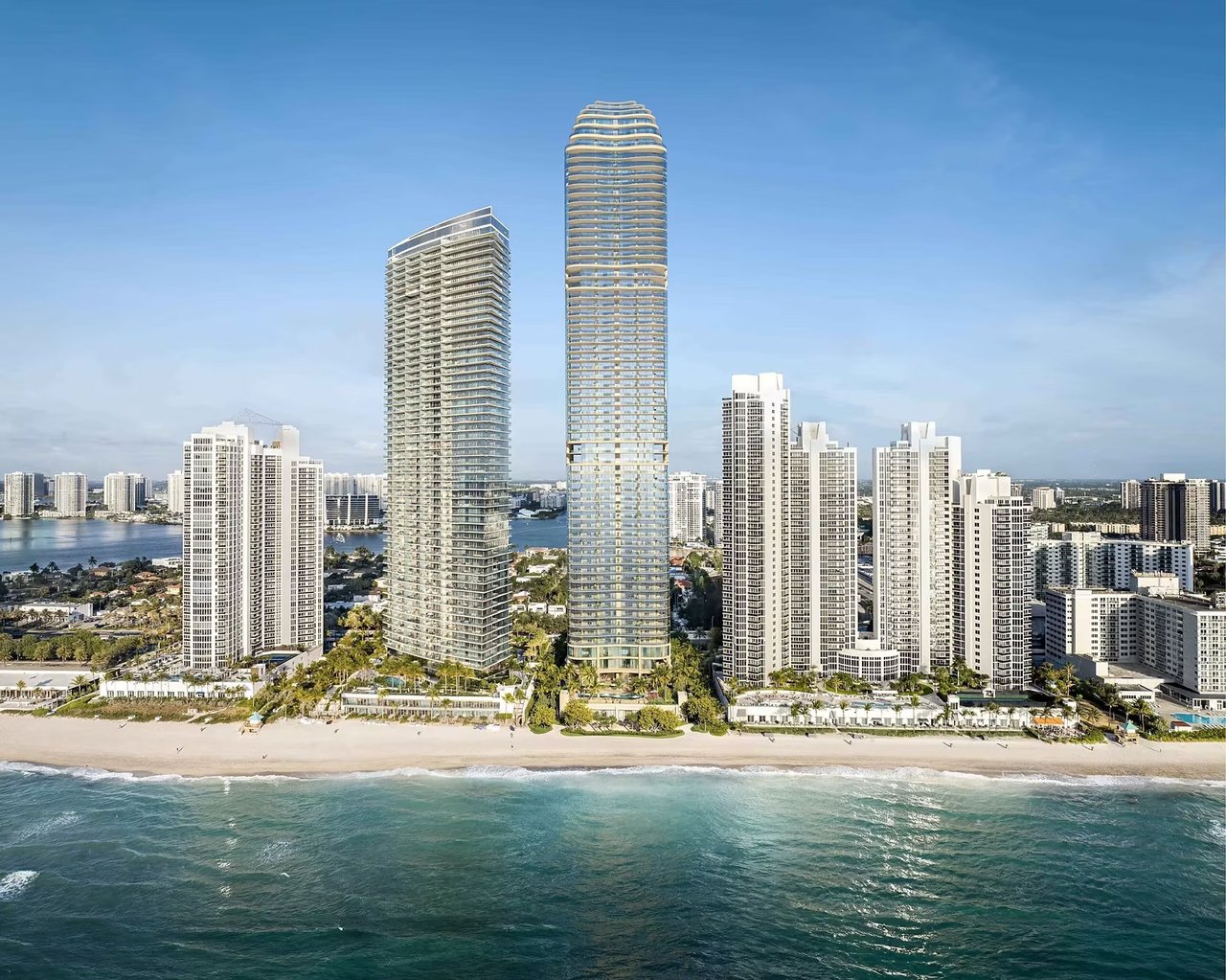
Bal Harbour's oceanfront market is best understood by building generation. Recent St. Regis and Oceana resale evidence sits materially above buildings such as Balmoral, Harbour House, or older large-format towers, while Rivage Bal Harbour now adds a separate new-construction tier. Because Rivage is under construction and the developer currently markets residences from $13 million, I treat its asking prices as new-development evidence rather than blending them into completed-building resale averages.
Within St. Regis and Oceana, the spread remains large. A lower-floor or smaller residence can trade near the low-$2,000s per square foot while an upper penthouse or rare large-format home reaches $4,000/SF or more, so I separate trophy units from ordinary building averages.
Surfside oceanfront pricing
Surfside can rival or exceed Bal Harbour at the top end. Four Seasons Residences at The Surf Club has a recent 20-sale median around $4,332/SF, while individual 2026 trophy transactions have cleared above $5,000/SF and, in exceptional cases, above $7,000/SF.
That does not mean all Surfside property trades at those levels. The village contains a mix of boutique buildings, established oceanfront condominiums, and ultra-prime branded product such as Four Seasons Residences at The Surf Club, so the correct comparison begins with the exact building and residence type.
Miami Beach oceanfront pricing
Miami Beach is too broad to price as one market. South of Fifth contains established trophy addresses such as Continuum and Apogee, Mid-Beach includes Faena House and other newer oceanfront product, and South Beach proper now has a new branded benchmark in The Ritz-Carlton Residences, South Beach. New-development asking prices there need to remain separate from completed resale evidence, just as North Beach's development pipeline should not be blended into mature building averages.
South of Fifth
South of Fifth's broad qualified-sales median in 2026 is around $1,568/SF, but that number includes many buildings and residence types. Trophy evidence is far higher: current Continuum asks can exceed $4,000/SF, and rare penthouse sales have cleared at levels that bear little relationship to the neighborhood median.
Mid-Beach
Faena House illustrates a different premium. Recent 2026 sales include approximately $3,483/SF, $3,842/SF, and above $4,000/SF, while current inventory is thin. Architecture, terraces, direct oceanfront, and rarity make a building-level comp set more informative than “Mid-Beach” averages.
North Beach
North Beach is increasingly shaped by new and newer luxury development. Because much of the highest-end product is pre-construction or recently delivered, I distinguish developer asking prices from mature resale closings rather than comparing them as though they are the same evidence.
Miami Beach bayfront pricing
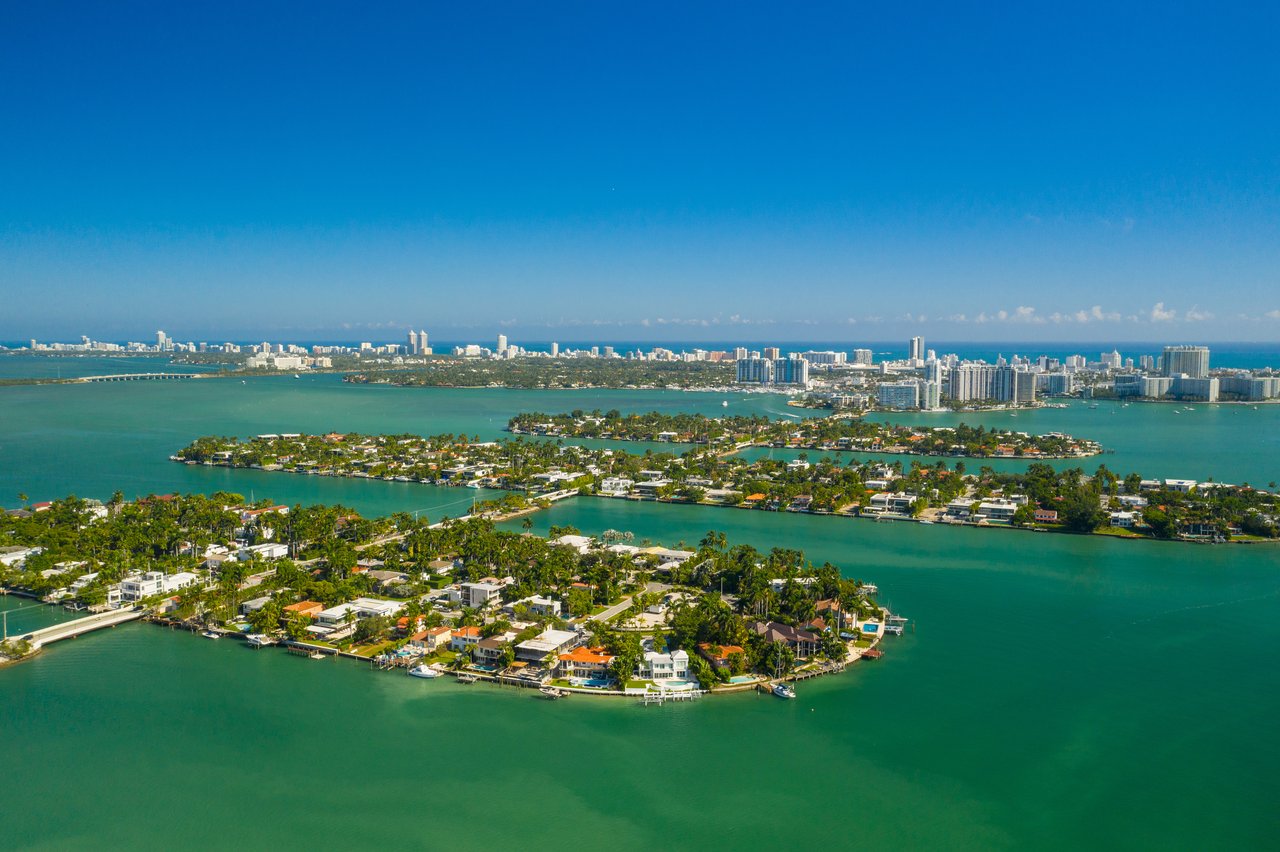
Bayfront Miami Beach can offer sunset, skyline, boating, marina access, and a different relationship with the water than the Atlantic side. The premium depends on the exact submarket and building, which is why I compare same-quality product wherever possible.
A fair ocean-versus-bay comparison should control for construction era, interior size, service level, renovation, floor, and architecture. Comparing a renovated 1990s bayfront tower with a brand-new oceanfront building and assigning the whole price gap to water type would be analytically weak.
Sunny Isles oceanfront pricing
Sunny Isles has a deep concentration of newer oceanfront towers, including Estates at Acqualina, Turnberry Ocean Club, Porsche Design Tower, Armani/Casa, Jade Signature, and Regalia. That creates a different pricing structure from Bal Harbour because buyers can often purchase more interior area at the same budget while staying directly on the ocean.
Recent Turnberry Ocean Club data shows a 12-month average around $1,837/SF, while current larger inventory averages above $2,000/SF. Estates at Acqualina North currently asks materially higher on many units, which shows how branded newness and project generation can create substantial spreads within Sunny Isles itself.
Edgewater bayfront pricing
Edgewater is the clearest urban bayfront counterpoint in this comparison. A Q1 2026 luxury-market report placed the neighborhood's luxury median around 978/SF,whileindividualnewerAriaReservesalesinMayrangedroughlyfromthehigh-600s to about $1,200/SF depending on floor plan and residence.
The buyer is paying for Biscayne Bay views, proximity to the Design District, Wynwood and Downtown, and newer vertical product rather than direct beach access. That often creates a lower acquisition basis than ultra-prime oceanfront, though top penthouses can still move well beyond the neighborhood median.
Brickell bayfront pricing
Brickell's luxury pricing reflects urban location, brand, service, and waterfront exposure together. A Q1 2026 luxury report placed the segment's median around $950/SF, while newer buildings such as Una Residences and branded product can sit much higher.
This is a different economic proposition from Bal Harbour. The buyer is often prioritizing a walkable financial district, high-service vertical living, and bay views rather than beach frontage, so I would not call the difference a pure waterfront discount.
Oceanfront vs bayfront price premium by neighborhood
I do not publish a universal “oceanfront premium” percentage because there is no honest way to isolate water type across dissimilar buildings. The most defensible method is a paired comparison: same construction era, similar interior size, similar service, similar condition, and the closest possible geography.
Comparison | Oceanfront side | Bayfront side | What must be controlled |
Miami Beach | South of Fifth or Mid-Beach oceanfront | Comparable bayfront luxury residence | Building age, floor, service, interior size, renovation |
Greater Miami luxury | Bal Harbour / Surfside / Sunny Isles | Edgewater / Brickell | Neighborhood prestige and beach access are part of the premium |
Trophy penthouse | Direct Atlantic full-floor or duplex | Bayfront full-floor or duplex | Private roof/pool, view permanence, terrace, brand, architecture |
The output should be a property-specific spread, not a slogan such as “oceanfront costs 40% more.”
Why price per square foot alone can mislead luxury buyers
A $3,000/SF residence is not automatically better than one at $2,200/SF. The higher-priced home may have a better floor, view, architecture, privacy, service, and condition, or it may simply have an ambitious seller.
I use $/SF to normalize size, then add the variables it cannot capture: terrace, ceiling height, renovation, building age, reserves, maintenance, insurance, rental restrictions, branded operations, and future view risk. That is where the valuation becomes useful rather than mechanical.
Interior square feet vs terrace square feet
For the headline calculation, I use interior living area. Terrace and rooftop area matter greatly, but they should be shown separately because outdoor space is not economically equivalent to conditioned interior space.
For example, a $15 million residence with 4,000 interior square feet and 1,500 square feet of terrace is $3,750 per interior square foot. Dividing by 5,500 total square feet would produce about $2,727/SF and make the acquisition look artificially inexpensive.
Asking $/SF vs closed $/SF
Asking $/SF measures seller expectation. Closed $/SF shows the market-clearing result of an actual transaction, so the two should be used for different purposes.
New developments may have mostly asking evidence, while mature resale buildings can offer years of closings. I compare each on its own terms and never present a pre-construction ask as interchangeable with a closed resale comp.
What do Miami penthouses cost per square foot?
Miami penthouses frequently trade or ask well above their building's standard $/SF because they combine top-floor scarcity with larger terraces, private elevators, rooftop pools, full-floor layouts, double-height space, and the best view corridors. The premium is often nonlinear rather than a fixed percentage above the floor below.
A buyer evaluating a Miami penthouse for sale should therefore compare it with other penthouses, upper-floor trophy residences, and full-floor units before using the building average. The exact rights to the roof, pool, parking, storage, and service access can change the economic value substantially.
Why penthouse $/SF can distort a building average
Imagine four standard residences close between $2,200 and $2,600/SF and one penthouse closes at $5,000/SF. A simple average would suggest the building moved sharply higher even though the ordinary residences did not.
I separate penthouses and combined units, use medians where appropriate, and disclose sample size. That prevents one extraordinary trade from becoming an excuse to overprice every other residence in the building.
Oceanfront penthouse vs bayfront penthouse
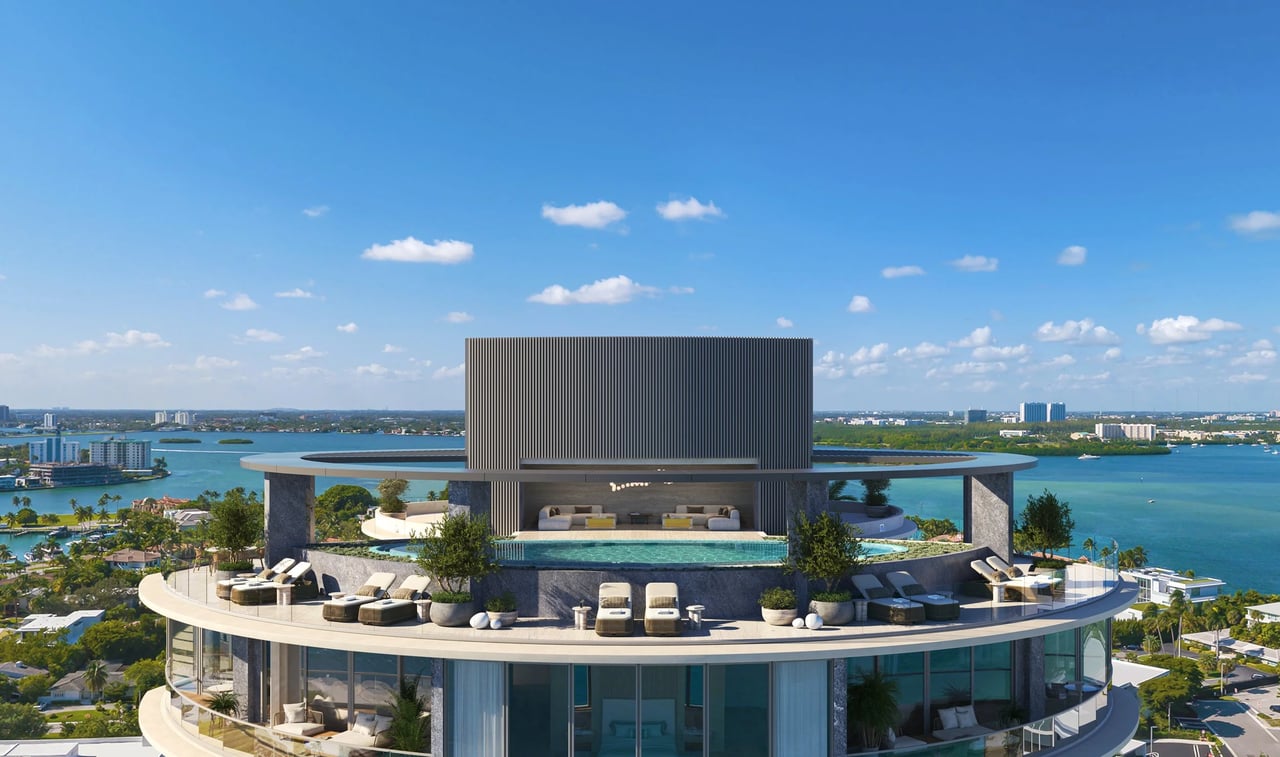
An oceanfront penthouse typically offers Atlantic views, sunrise, direct beach access, and a stronger scarcity story. A bayfront penthouse may offer sunset, skyline, marina or boating access, calmer water, and in some buildings more expansive outdoor living.
At ultra-high price points, the buyer's lifestyle can matter more than the broad neighborhood average. I compare view quality, privacy, floor plan, rooftop rights, building service, and resale buyer pool before deciding which waterfront premium is more defensible.
Which neighborhood has the highest luxury condo prices per square foot?
The highest building-level results currently appear in select Surfside trophy buildings, Bal Harbour ultra-prime resales, South of Fifth trophy product, and Mid-Beach buildings such as Faena House. A single exceptional sale, however, should not crown an entire neighborhood.
I distinguish the neighborhood median from the building median and the penthouse record. Those are three different questions, and conflating them is one of the easiest ways to misread the luxury market.
Which neighborhood offers the best value per square foot?
Value depends on what the buyer wants the square foot to do. Bal Harbour can justify a premium through scarcity and service, Surfside through boutique ultra-prime product, Miami Beach through lifestyle and architectural variety, Sunny Isles through newer product and scale, and Edgewater through bayfront space at a lower acquisition basis.
I therefore avoid naming a universal winner. The best value is the residence that delivers the buyer's priority at a price supported by the closest market evidence and an ownership cost that remains rational after closing.
What $5M buys on the ocean vs the bay
At roughly $5 million, direct-ocean buyers are often choosing between smaller or older prime-location residences and larger homes in markets with a lower oceanfront basis. A bayfront buyer can often obtain more interior space or a newer building, depending on the neighborhood.
The useful comparison is not a generic example. I would pull current candidates in the same size and service band, calculate interior $/SF, and then quantify what the buyer is paying for beach access versus bay exposure.
What $10M buys
At $10 million, the distinction becomes sharper. Current Bal Harbour and South of Fifth examples can sit around 2,500 to 3,300 interior square feet at roughly $3,000 to 4,000/SF,whilenewerSunnyIslesproductcanoffercloserto4,000squarefeetaroundthemid-2,000s/SF.
That is why the same budget can create very different ownership experiences. The premium may buy scarcity and walkability in one market or scale and newness in another.
What $20M+ buys
Above $20 million, trophy characteristics begin to dominate ordinary waterfront categories. A current Turnberry Ocean Club triplex asks $22 million for about 10,750 square feet, while a similarly priced Continuum South residence is under 5,000 square feet but carries South of Fifth's scarcity and established resale identity.
At this level, I would not use neighborhood averages to negotiate. The correct evidence is the closest trophy residence, with careful adjustments for floor, view, terrace, private pool, full-floor status, and building service.
How much more do buyers pay for direct ocean frontage?
There is no fixed percentage I would defend across Miami. The credible way to answer is to pair residences of similar age, size, condition, service, and micro-location, then calculate the spread attributable to ocean frontage after the other differences are minimized.
That process often confirms a meaningful ocean premium, but it also shows when brand, architecture, or penthouse scarcity explains more of the price than the water itself.
Does a direct ocean view always increase value?
A strong direct ocean view is usually positive, but it is not absolute. Low floor, privacy, noise, building condition, exposure, neighboring development, terrace usability, and maintenance can weaken the premium.
A high-floor bayfront trophy unit can outperform a compromised oceanfront residence if the buyer receives a better plan, sunset and skyline views, superior privacy, and a stronger building. The view should be valued within the whole asset.
Does floor level affect price per square foot?
Yes, often materially, because higher floors can improve horizon, privacy, light, and noise separation. The premium is not linear, however, and the jump into penthouse or one-of-one territory can be much larger than the difference between ordinary adjacent floors.
I compare floors within the same line whenever possible. That isolates the floor and view premium more cleanly than using unrelated residences elsewhere in the building.
How building age changes $/SF
Legacy buildings can offer a lower acquisition basis and larger floor plans, but may require more renovation or capital work. Modern resale buildings generally command more because buyers receive current systems, proven operating history, and newer layouts.
Pre-construction can ask the highest premium because the buyer is purchasing newness and customization before a mature resale market exists. I keep that developer ask separate from closed resale evidence so the comparison stays honest.
How condo fees change the real value calculation
Purchase $/SF measures acquisition cost, not ownership cost. Two residences bought at $2,500/SF can have very different association fees, reserves, insurance, hotel charges, staffing, valet, amenities, and assessment exposure.
I compare annual carrying cost per interior square foot alongside the purchase price. A higher-fee building may deliver service the buyer values, but the premium should be understood before it becomes a permanent part of the ownership budget.
Which waterfront market is best for a primary residence?
Bal Harbour works well for buyers prioritizing privacy and service, Surfside for boutique oceanfront living, Miami Beach for lifestyle and walkability, Sunny Isles for scale and newer towers, and Edgewater for urban bayfront living. Those are tendencies, not rules.
For a primary residence, I put usable plan, storage, parking, service access, privacy, and building finances above the neighborhood stereotype. Daily function usually matters more than the marketing category after the first few months.
Which is better for a second home?
Second-home buyers often place more weight on lock-and-leave service, concierge, beach access, building management, airport convenience, rental rules, and owner-absence procedures. Branded oceanfront buildings can be attractive when the service platform reduces friction.
Bayfront buildings can also work extremely well when the buyer prioritizes boating, skyline views, or an urban base. I would compare the actual operating model rather than assume a second home must be oceanfront.
Which is better for resale?
Resale depends on transaction volume, global recognition, future supply, building age, service reputation, scarcity, and the size of the buyer pool. The highest $/SF is not automatically the most liquid market.
I look for repeated comparable sales and a buyer pool that understands the building. A rare penthouse can preserve scarcity value while taking longer to sell, whereas a more standardized residence in a recognized tower may have clearer price discovery.
How I Help Buyers Compare Waterfront Condos
I build the comparison around the residence rather than the waterfront label. That means separating oceanfront from bayfront, calculating interior $/SF, identifying the view and penthouse premium, reviewing maintenance and assessments, and comparing resale with pre-construction on the correct evidence.
My team and I can then narrow the search across Miami's waterfront condo markets and individual buildings, including off-market opportunities when they are available.
Expert Viewpoint: Waterfront Premiums Need a Comparable, Not a Percentage
I am comfortable saying direct oceanfront usually carries a premium. I am not comfortable applying one percentage to every Miami neighborhood and calling it analysis.
The premium should be demonstrated through matched sales: same era, similar size, similar service, comparable condition, and the closest possible location. Once those variables are controlled, we can see what the buyer is actually paying for beach frontage, view permanence, boating, or brand instead of burying several different premiums inside one number.
Comparing a Miami Penthouse for Sale? The Joelle Team Can Put Price per Square Foot in Context
If you are comparing a Miami penthouse for sale or another waterfront trophy residence, my team and I can separate the oceanfront, bayfront, building, and penthouse premiums before you negotiate. That gives you a clearer view of whether the asking $/SF is supported by recent closed evidence or by features that are genuinely difficult to replace.
Contact The Joelle Team for a confidential waterfront comparison, or call me at 305.491.1885.
Frequently Asked Questions for Buyers Comparing a Miami Penthouse for Sale
What is the price per square foot of luxury oceanfront condos in Miami?
There is no single reliable Miami-wide price per square foot for luxury oceanfront condos because the range changes sharply by neighborhood, building, and residence type. Recent prime-building evidence spans from the low-to-mid $2,000s per square foot in some St. Regis and Oceana resales to materially higher levels in select Surfside and Miami Beach trophy properties. Buyers should compare the exact building and unit rather than anchor to a citywide average.
Are oceanfront condos more expensive than bayfront condos?
Usually, direct oceanfront condos command a premium because Atlantic frontage, beach access, and scarcity are difficult to replicate. A superior bayfront penthouse or branded residence can still exceed an ordinary oceanfront unit, especially when it offers better scale, views, service, or boating access. The comparison only becomes useful when building quality, age, residence type, and condition are reasonably similar.
Which Miami neighborhood has the highest condo prices per square foot?
There is no permanent single winner because select Surfside trophy buildings, Bal Harbour ultra-prime towers, South of Fifth residences, and Mid-Beach properties can all post very high price-per-square-foot results. A single penthouse record can also distort the impression of an entire neighborhood. I separate building-level extremes from neighborhood medians before deciding which market is actually priced highest.
How much do Bal Harbour condos cost per square foot?
Bal Harbour pricing varies widely by building, so one neighborhood average is not very useful. Modern ultra-prime St. Regis and Oceana resales often sit in the low-to-mid $2,000s per interior square foot or higher, while established and legacy buildings can trade materially below that range. Penthouses and one-off trophy units should be analyzed separately because their scarcity can push pricing far above normal building levels.
How much do Miami Beach oceanfront condos cost per square foot?
Miami Beach oceanfront pricing varies substantially because South of Fifth, Mid-Beach, North Beach, branded towers, and boutique buildings do not trade as one market. South of Fifth's broad median can sit far below its trophy-building results, while select Faena House sales have reached much higher price-per-square-foot levels. The specific building and residence therefore provide a more reliable benchmark than a Miami Beach average.
Is Sunny Isles cheaper than Bal Harbour?
Often, Sunny Isles can offer more interior space for the same budget, but that does not make every Sunny Isles residence cheaper on a comparable-quality basis. Branded towers and trophy units there can command major premiums, while Bal Harbour pricing reflects its own scarcity and service profile. I compare building generation, view, size, service, and resale evidence before deciding which market represents better value.
What does a Miami penthouse cost per square foot?
There is no standard price per square foot for a Miami penthouse because true trophy units can separate sharply from the rest of their building. Full-floor layouts, rooftop rights, private pools, oversized terraces, private elevators, and scarcity can all support a premium well above ordinary units. The correct comp set should therefore include other penthouses or genuinely comparable trophy residences rather than the building average alone.
Why are penthouses more expensive per square foot?
Penthouses are often more expensive per square foot because scarcity is layered on top of better floor position, view, privacy, outdoor space, and architecture. A top-floor home may also be the only residence with a private rooftop, pool, or full-floor configuration, which makes the premium nonlinear. Buyers should identify which of those features are truly unique before accepting the penthouse label as sufficient justification.
Is bayfront property a better value than oceanfront?
It can be, especially for buyers who prioritize sunset views, skyline exposure, boating, marina access, or more interior space at the same budget. Lower price per square foot does not automatically mean better value if the building has weaker service, higher ownership costs, or less desirable resale characteristics. I compare the complete ownership package and lifestyle fit rather than ranking waterfront type by price alone.
Should I compare asking or sold price per square foot?
Use both, but for different purposes. Closed price per square foot establishes actual market evidence, while asking price per square foot shows today's competition and seller expectations. I keep the two datasets separate, then compare them residence by residence so an aspirational ask does not get mistaken for a proven market-clearing value.
Does terrace space count in condo price per square foot?
I use interior living area for the primary price-per-square-foot calculation and show terrace area separately. Outdoor space has real value, especially in a penthouse, but treating a terrace as economically identical to conditioned interior space can make a residence appear artificially inexpensive. Separating the two areas creates a cleaner comparison between units with very different outdoor footprints.
Which waterfront neighborhood offers the best value?
There is no universal best-value waterfront neighborhood because each market delivers a different mix of scarcity, service, space, newness, and lifestyle. Bal Harbour emphasizes scarcity, Surfside boutique ultra-luxury, Miami Beach variety, Sunny Isles newer scale, and Edgewater urban bayfront living. The best value is the residence whose total acquisition and ownership cost most closely matches the features you actually prioritize.