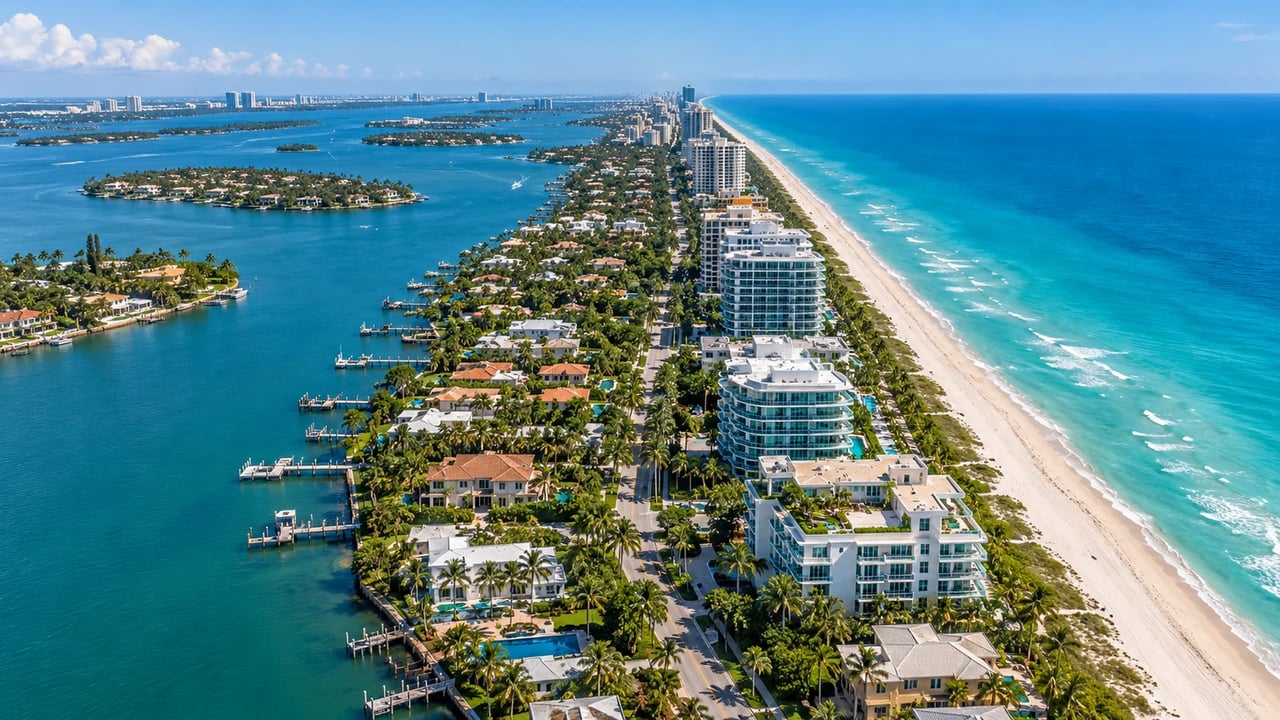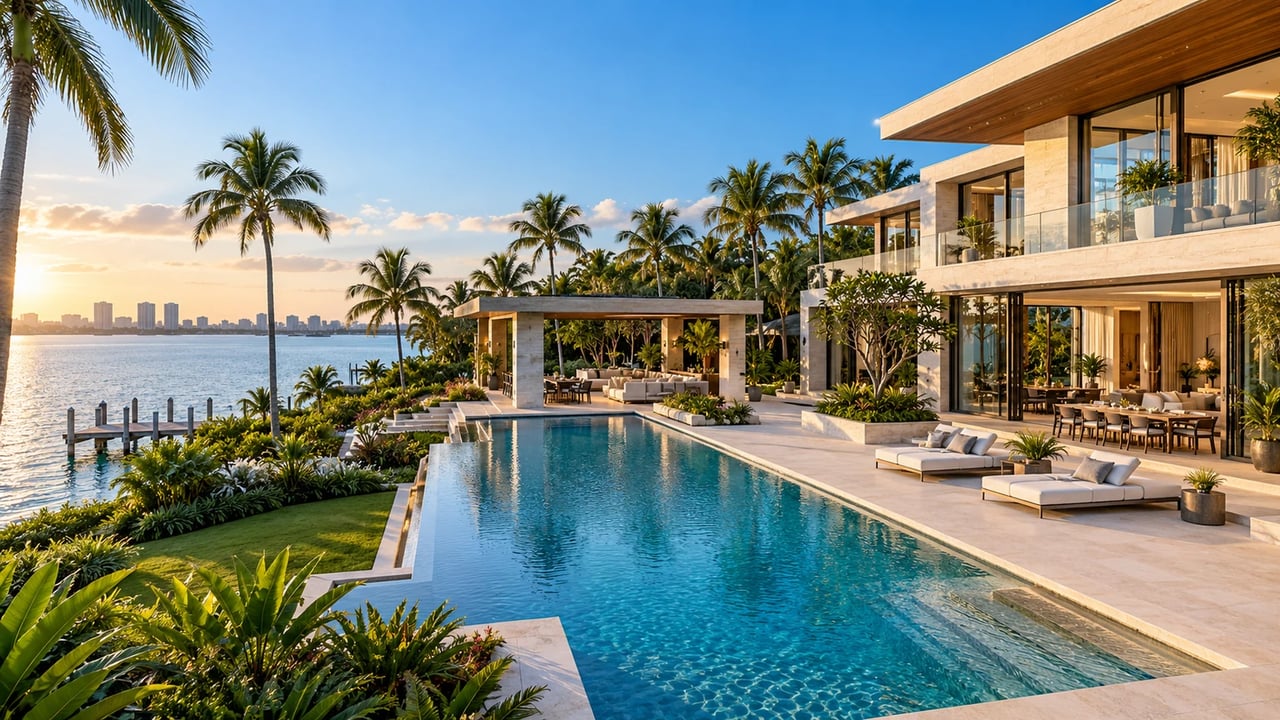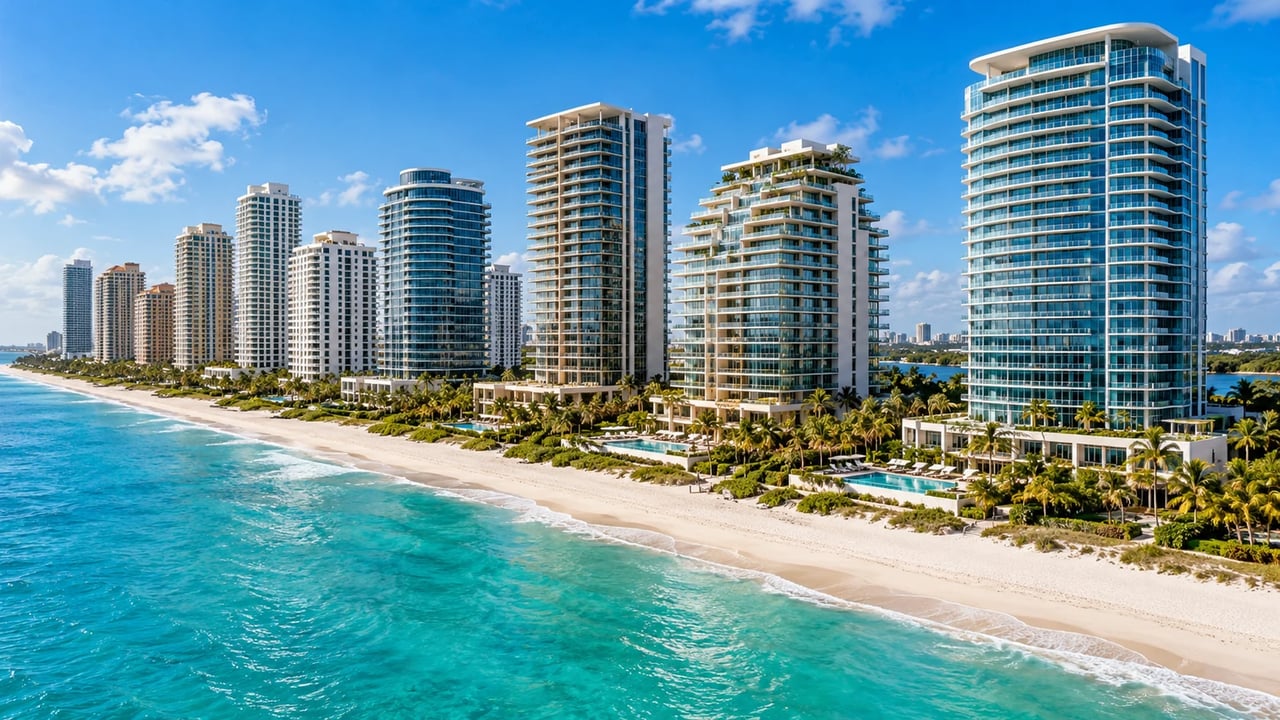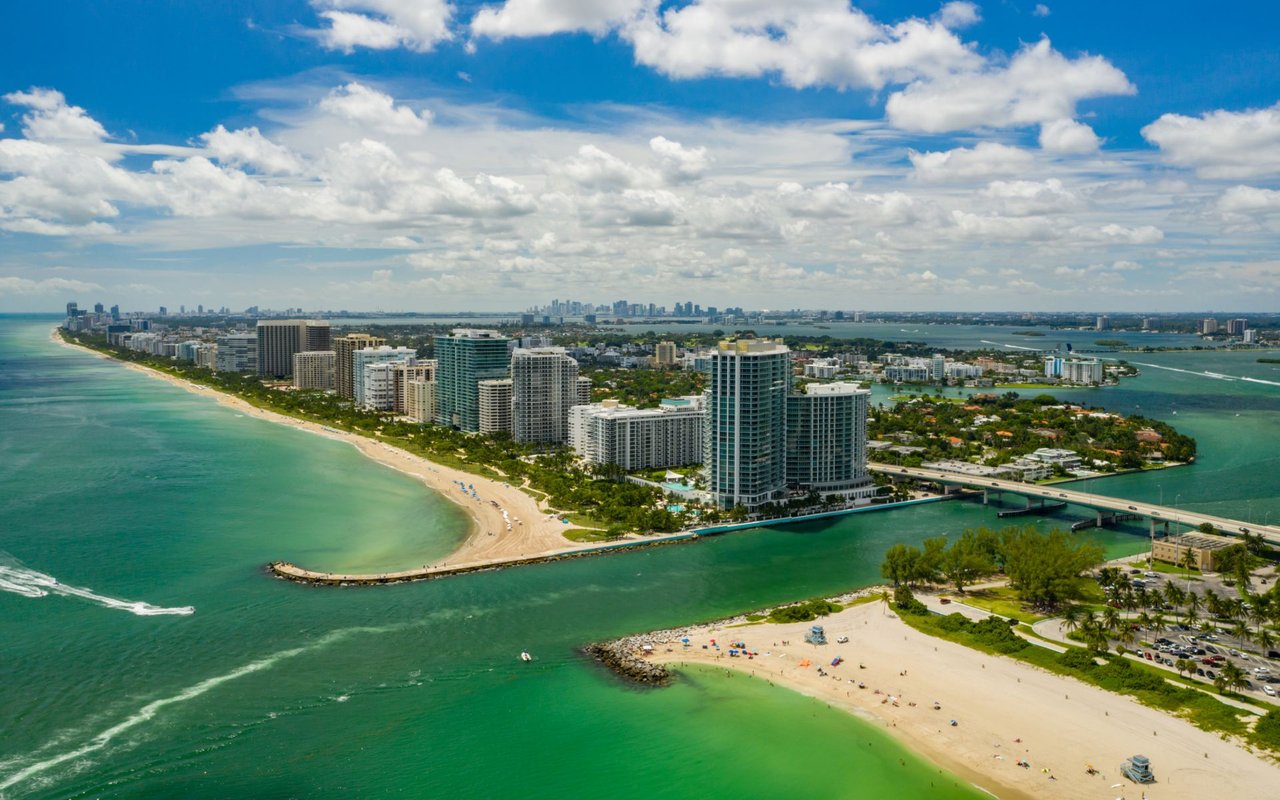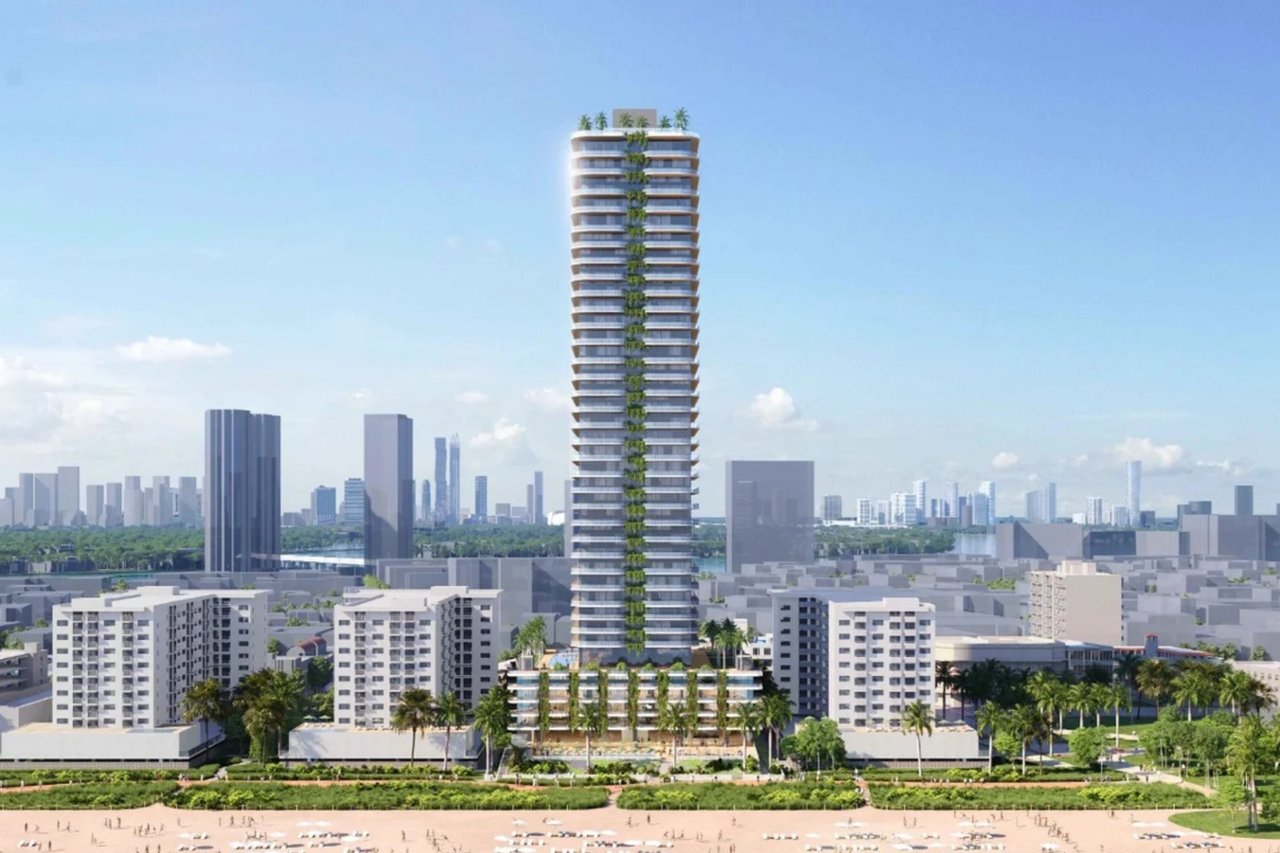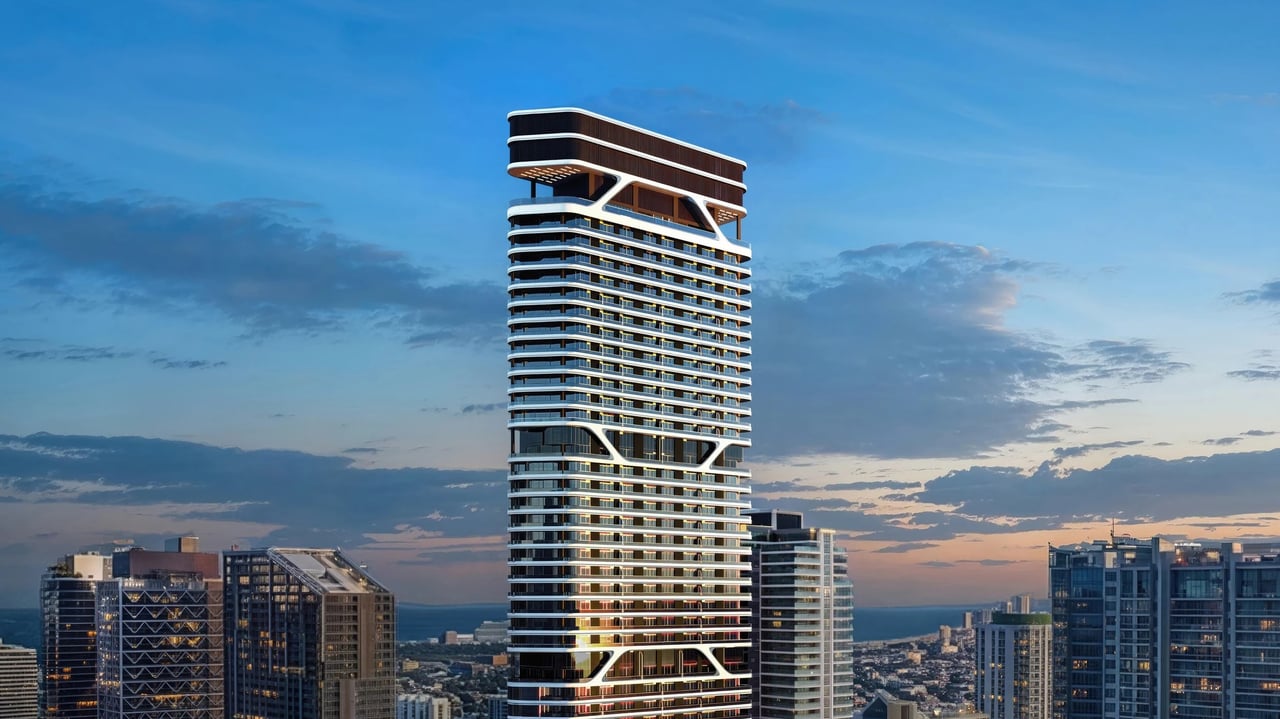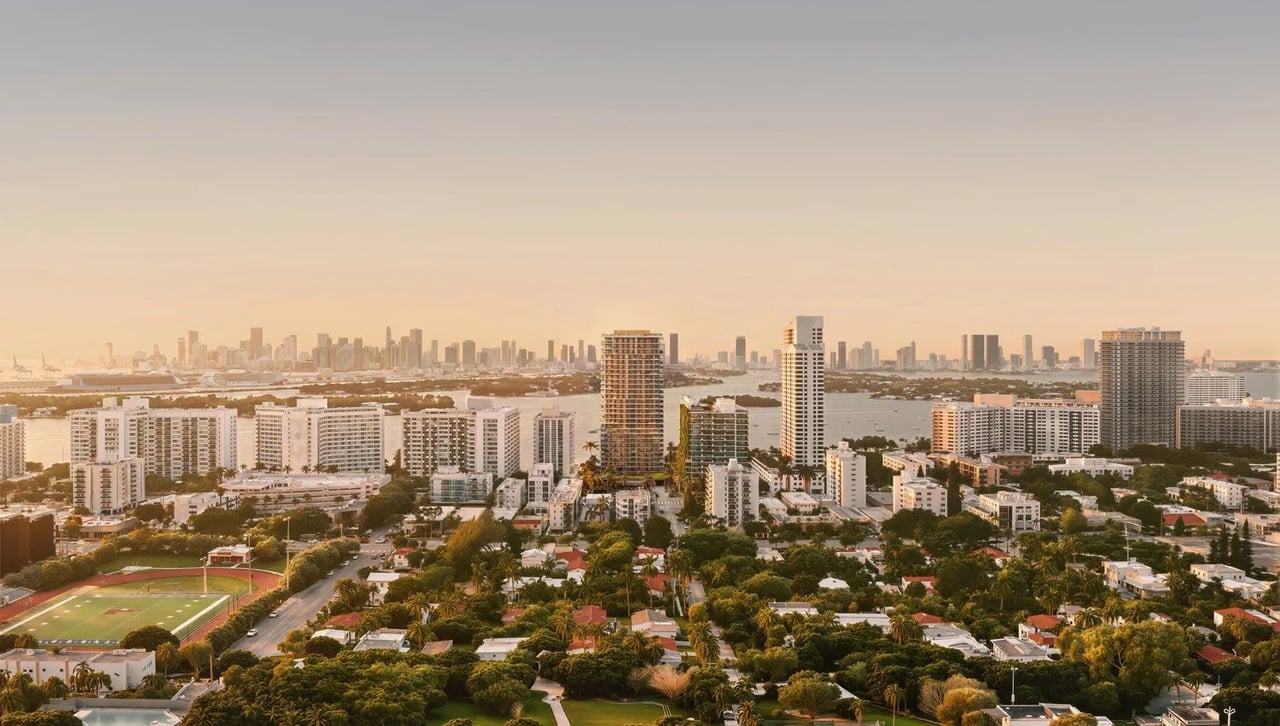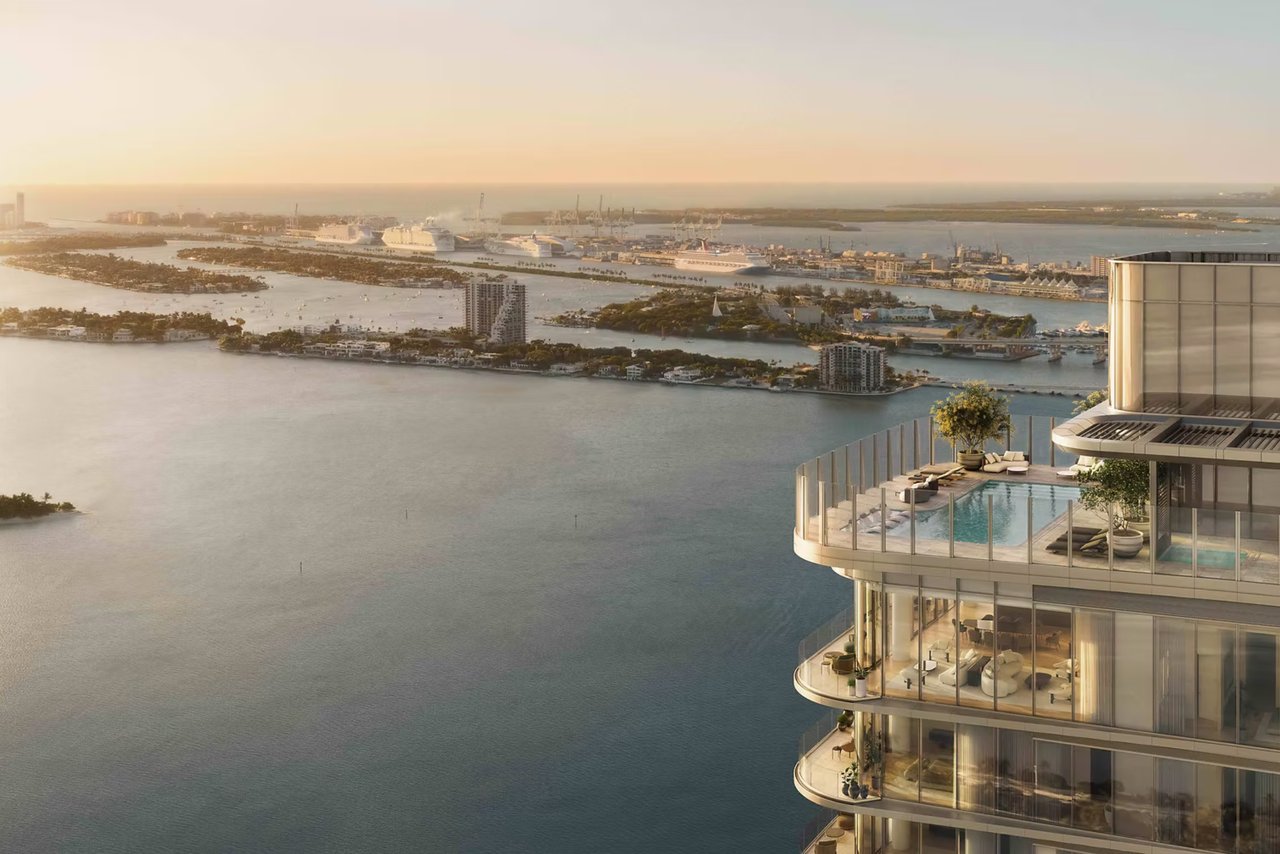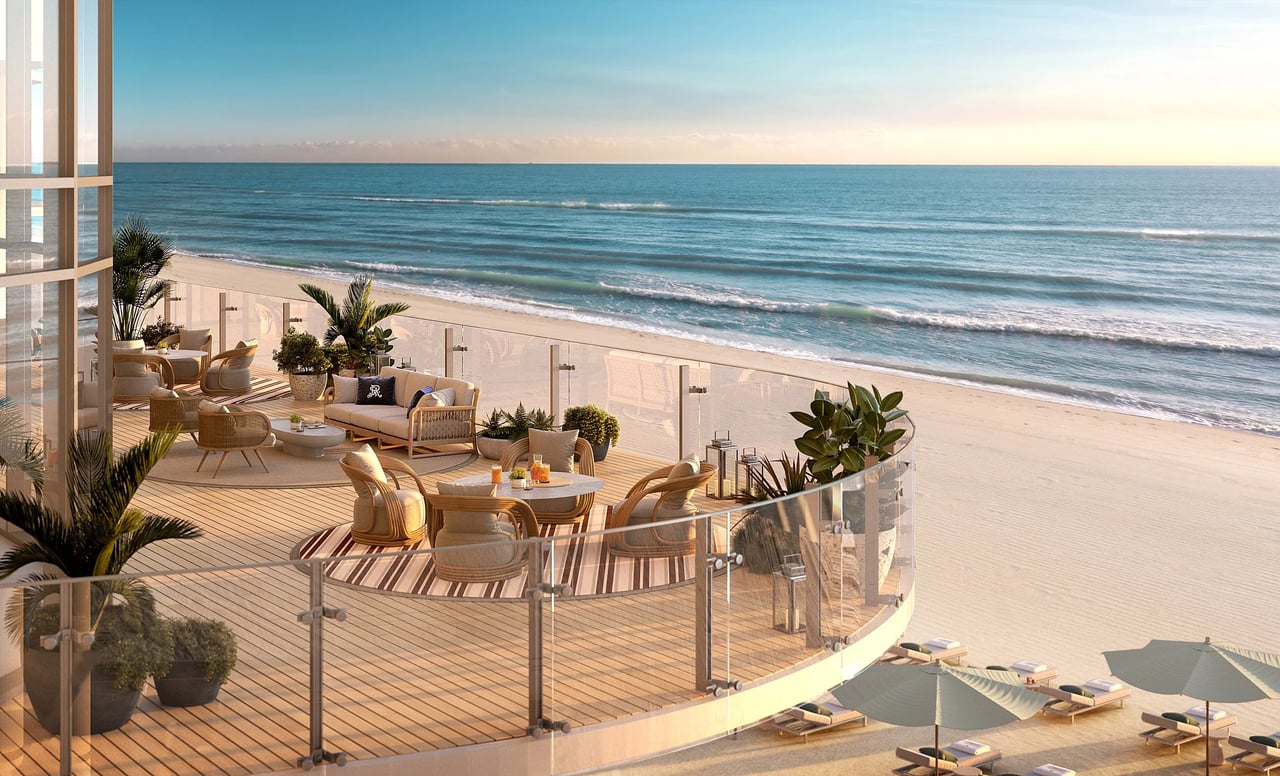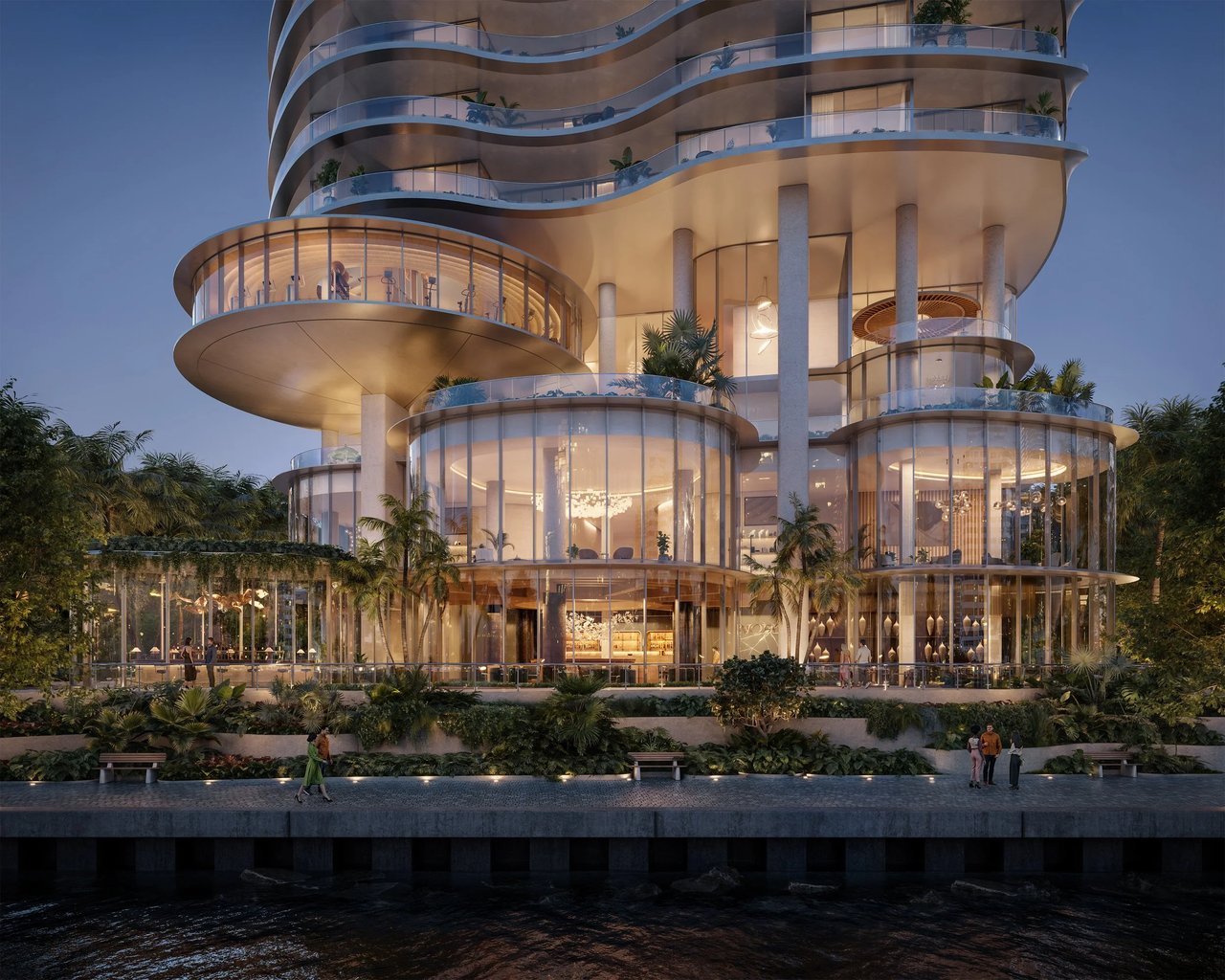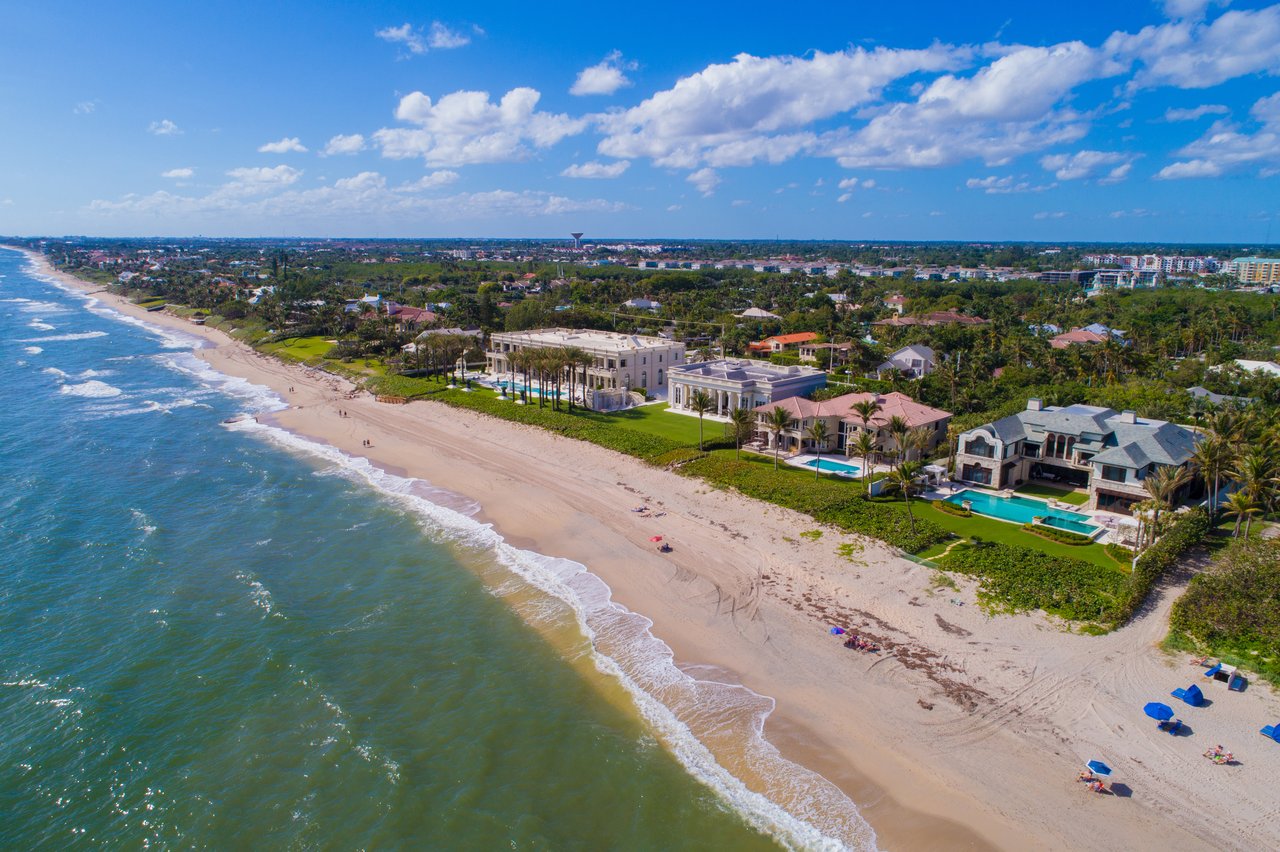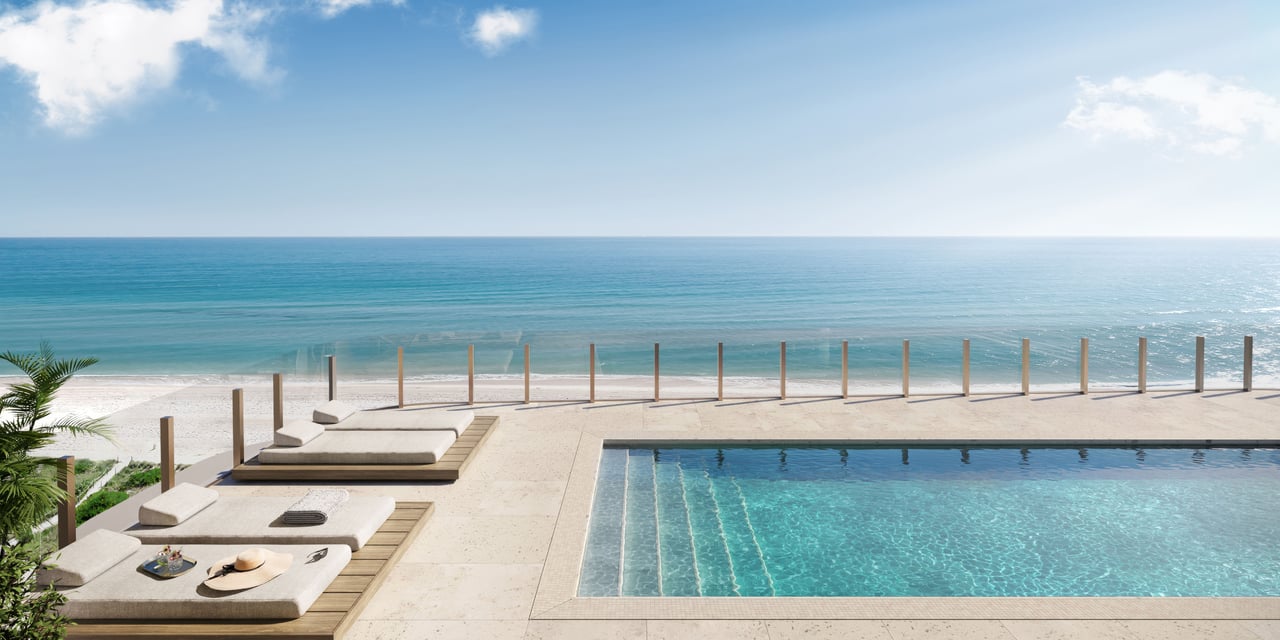
Few addresses in Surfside combine the privacy of a boutique oceanfront residence with the service and history surrounding The Surf Club. Seaway at The Surf Club sits within that rare stretch of Collins Avenue where direct beach access, understated architecture and Four Seasons hospitality come together, but choosing the right home here takes more than being drawn to the address.
Joelle Oiknine can help buyers look beyond the presentation and understand what they are really buying for the price. That means comparing Seaway South and Seaway North, looking at recent transactions, weighing a residence's floor and exposure, and putting the opportunity beside the original Surf Club towers and other luxury options in Surfside and Bal Harbour.
In a property where individual homes can differ substantially in scale, privacy and cost of ownership, that context can be just as important as the building itself.
What Is Seaway at The Surf Club?
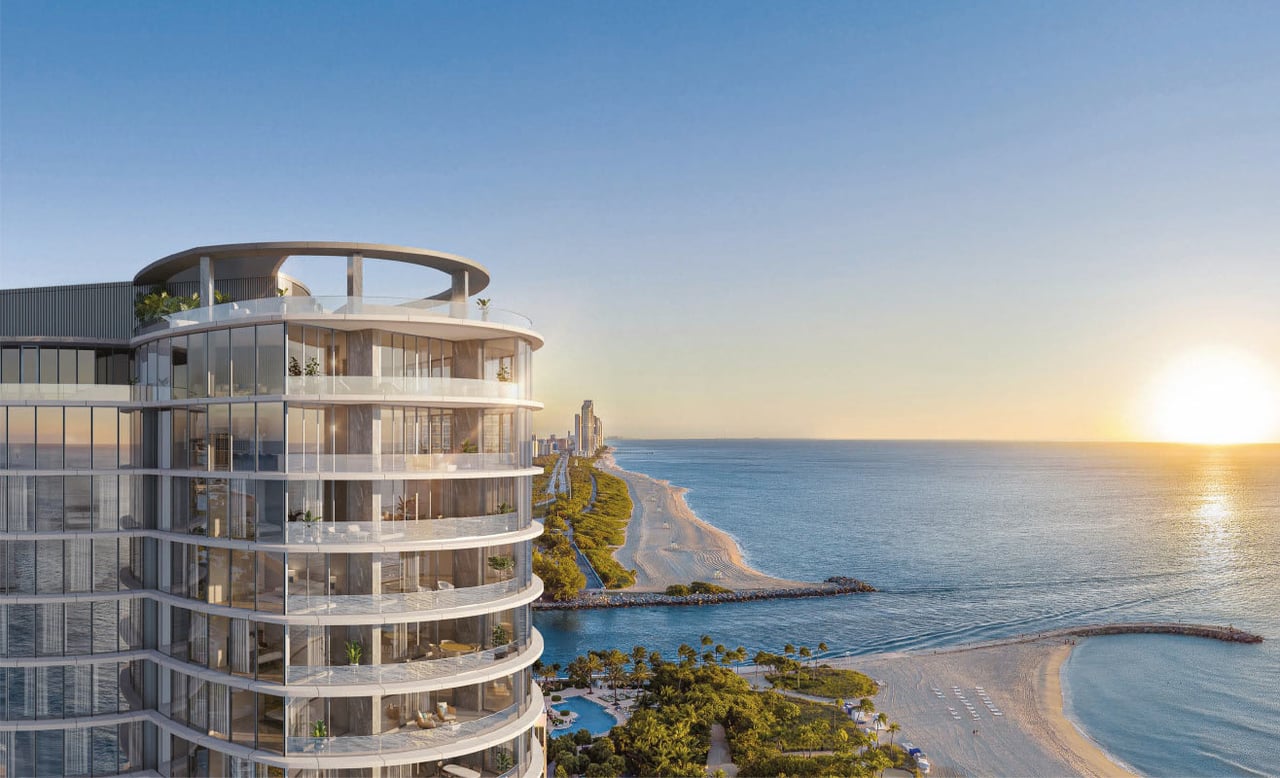
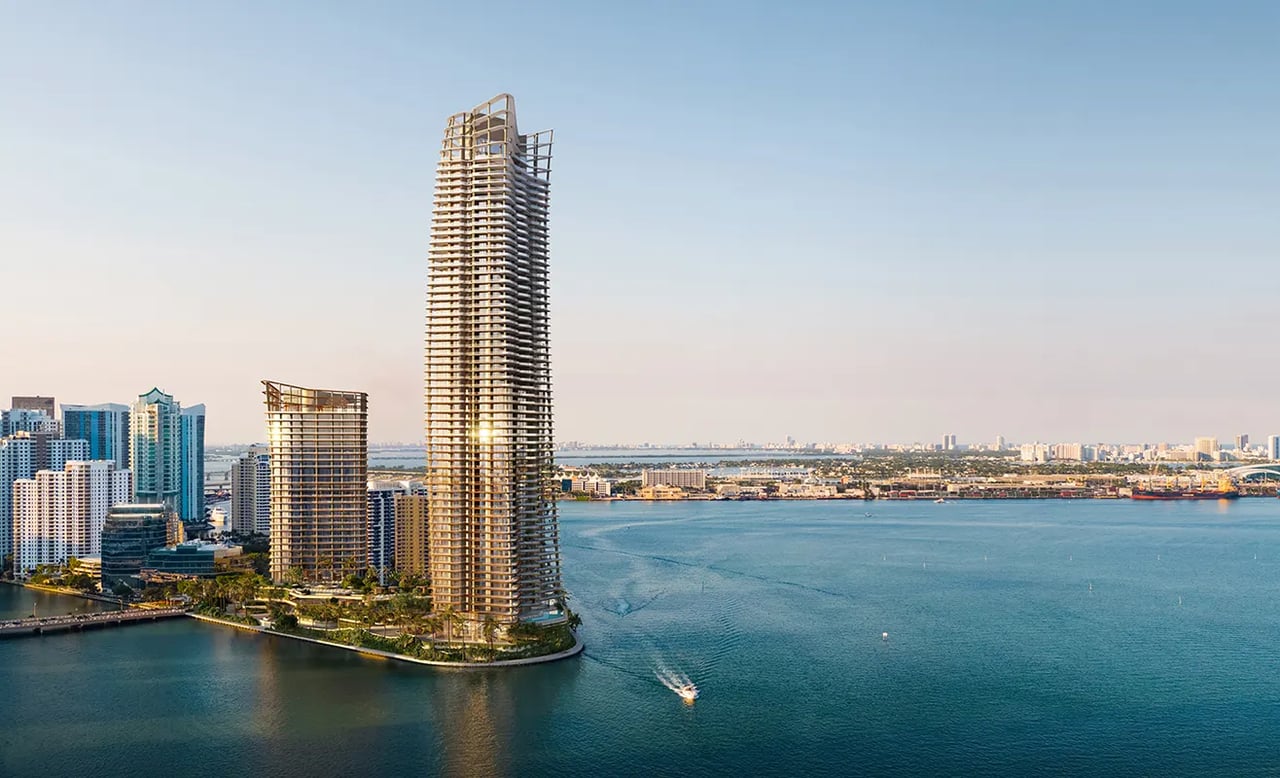
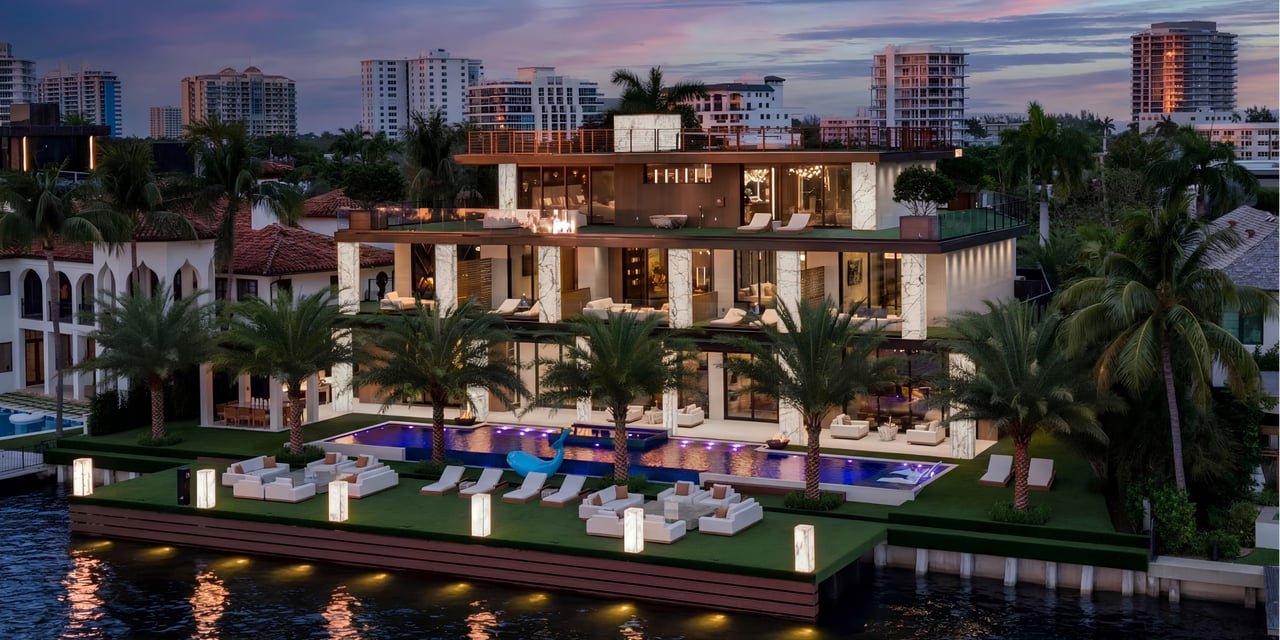
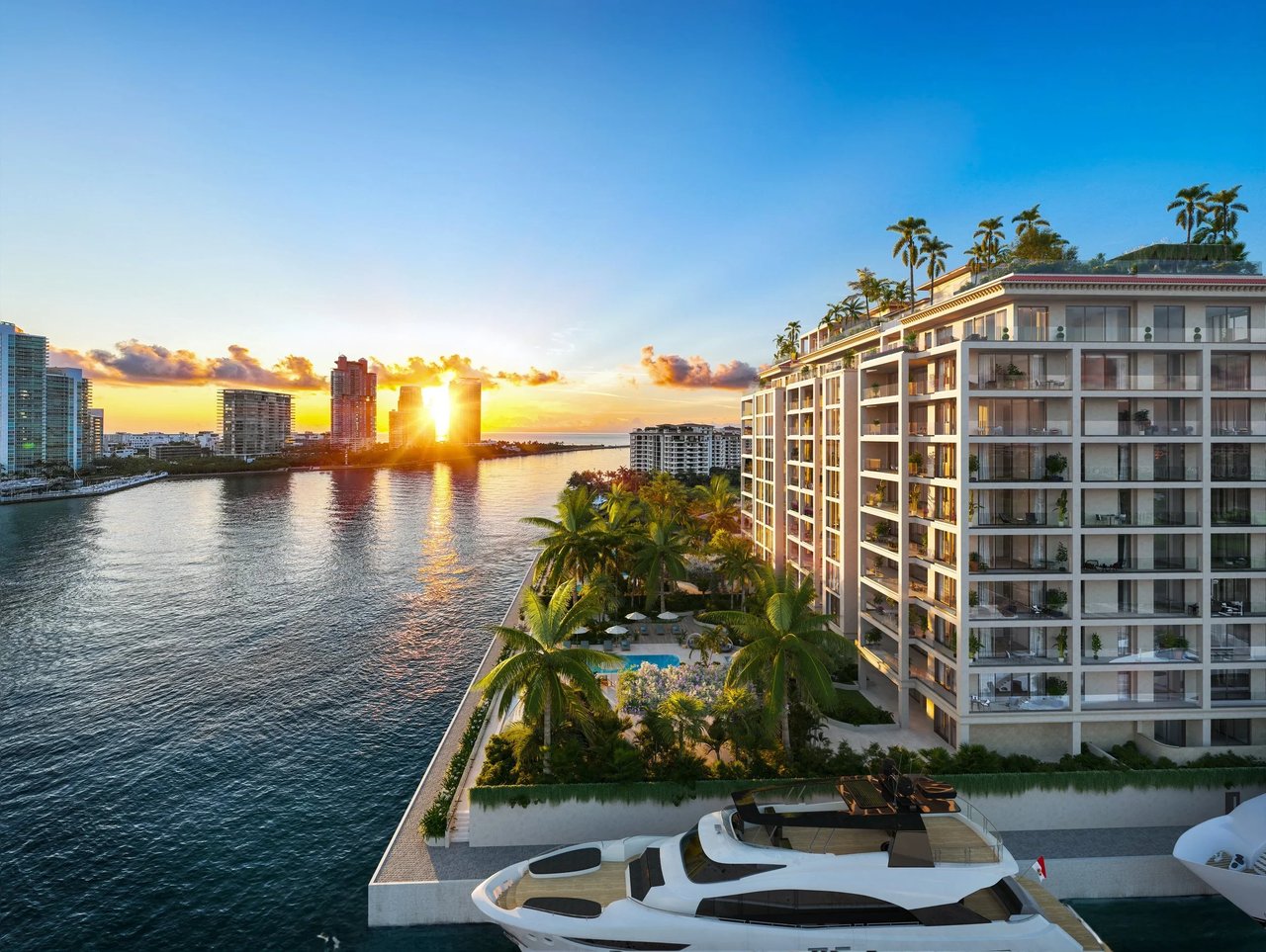
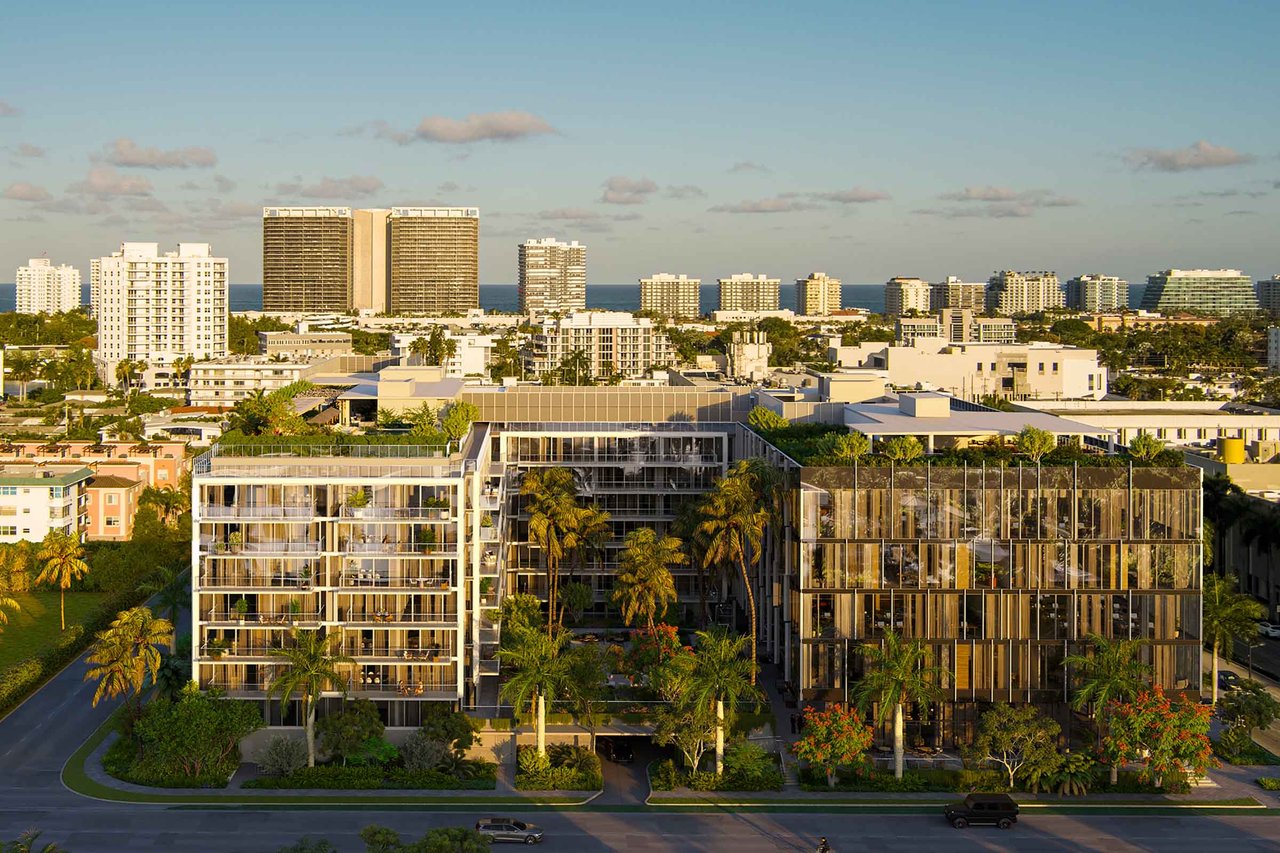
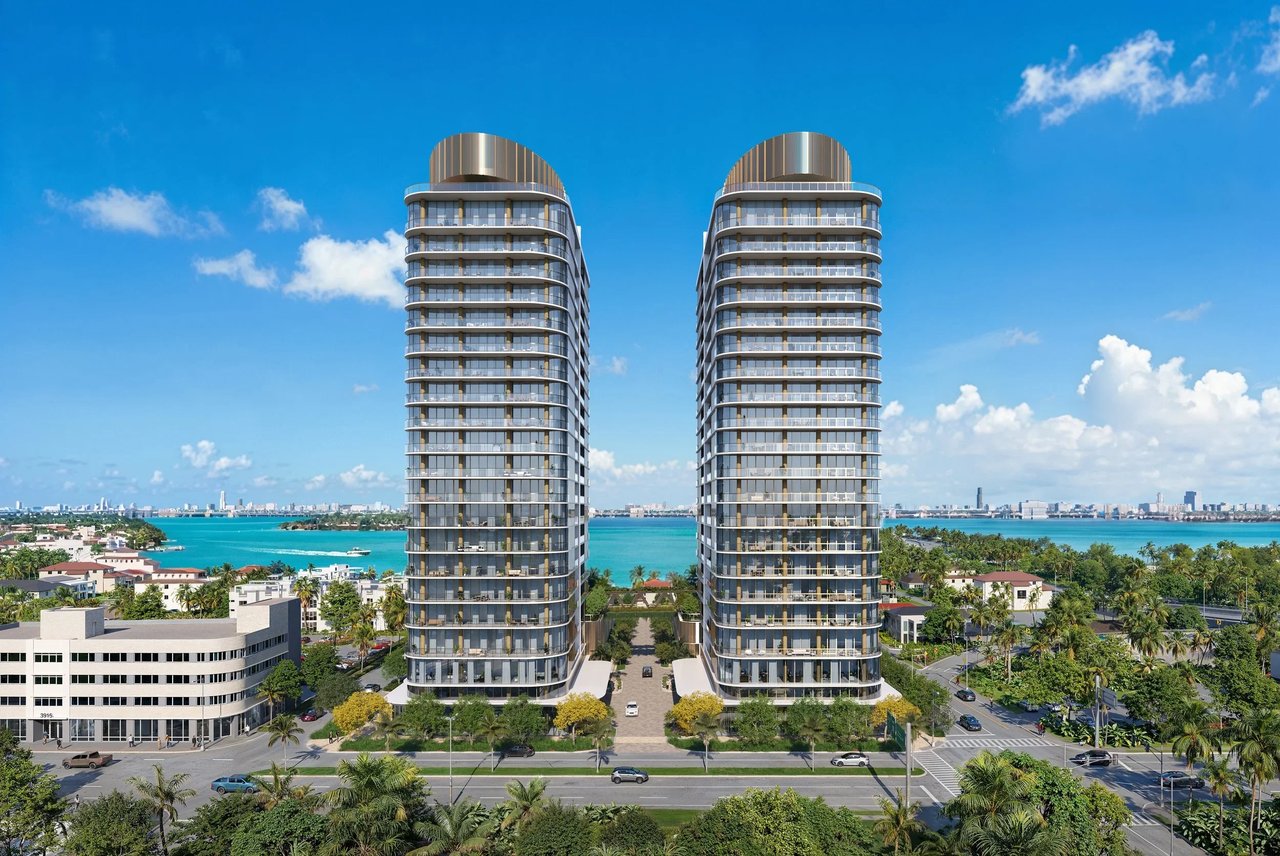
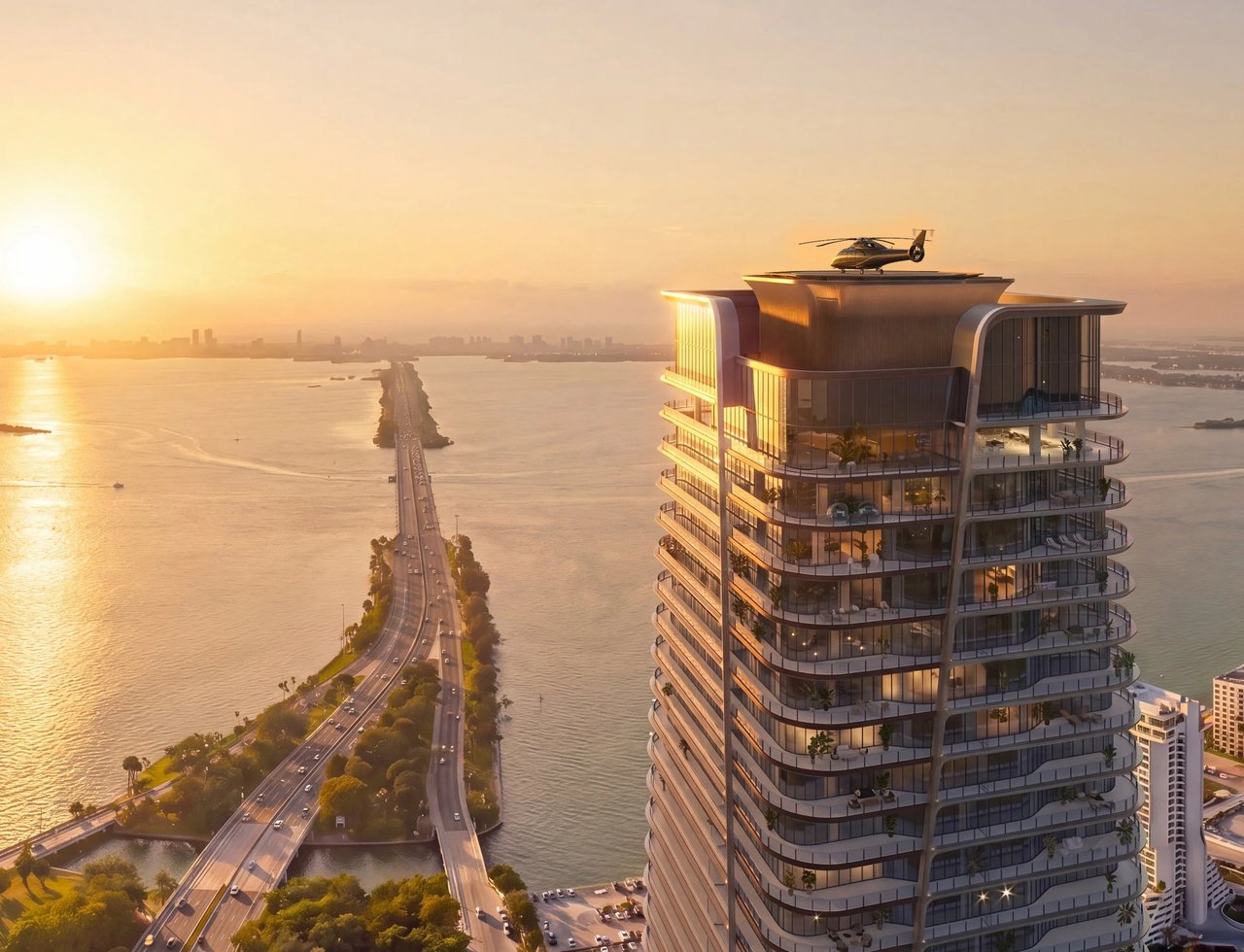
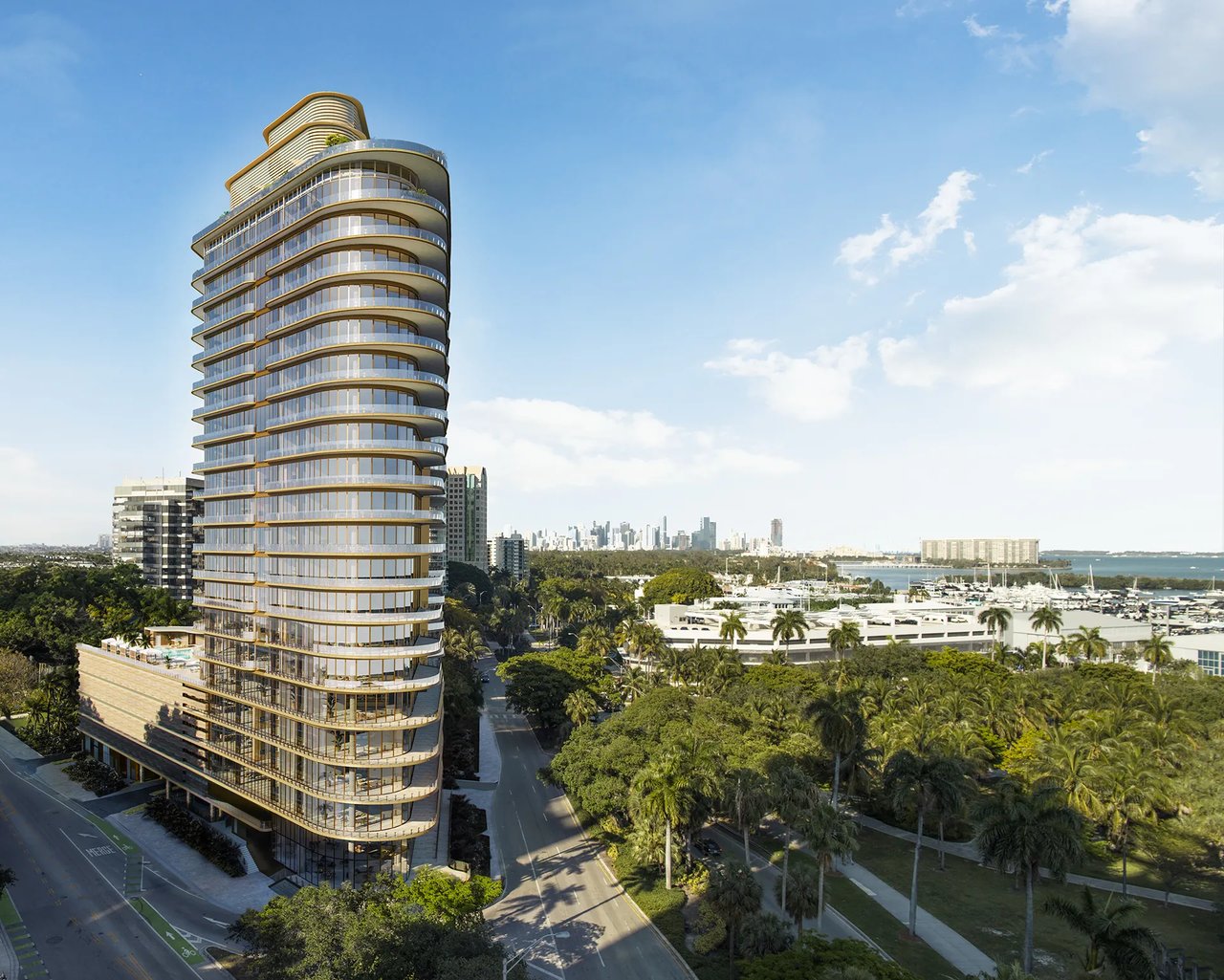
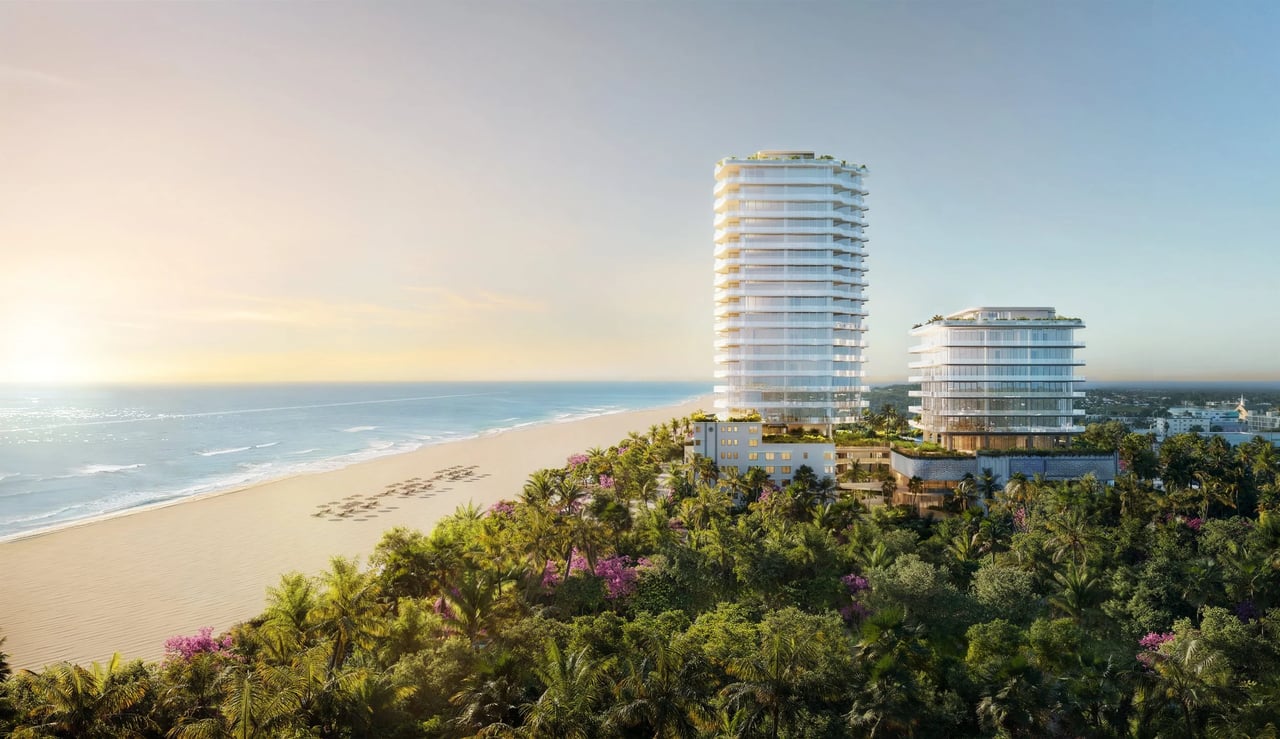
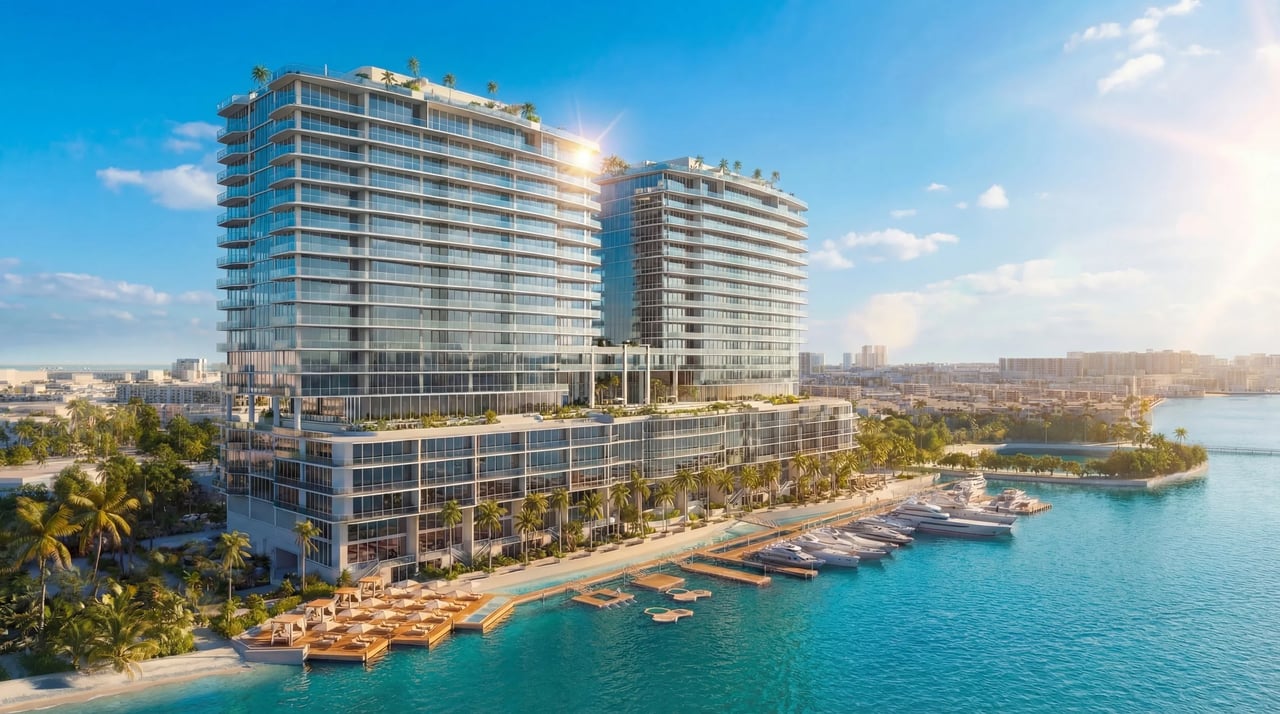
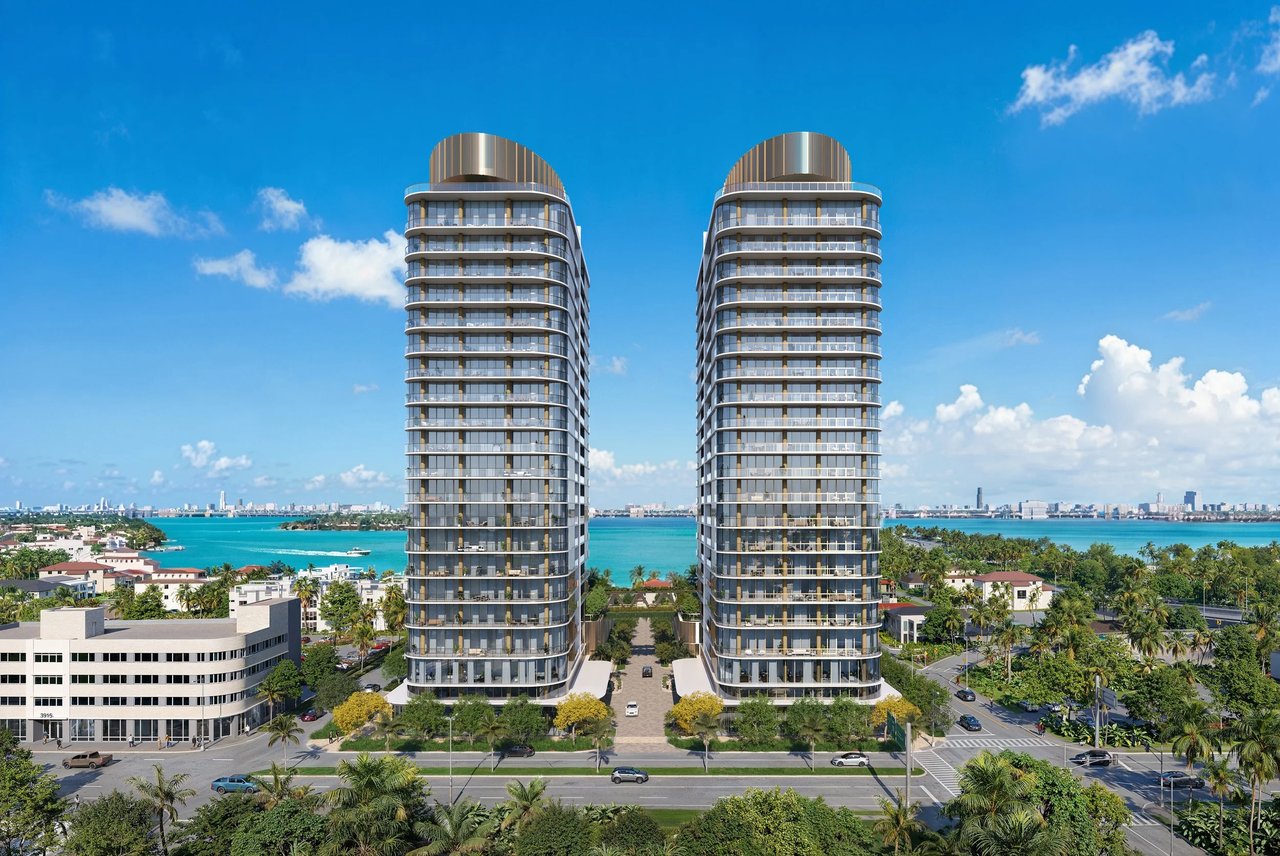
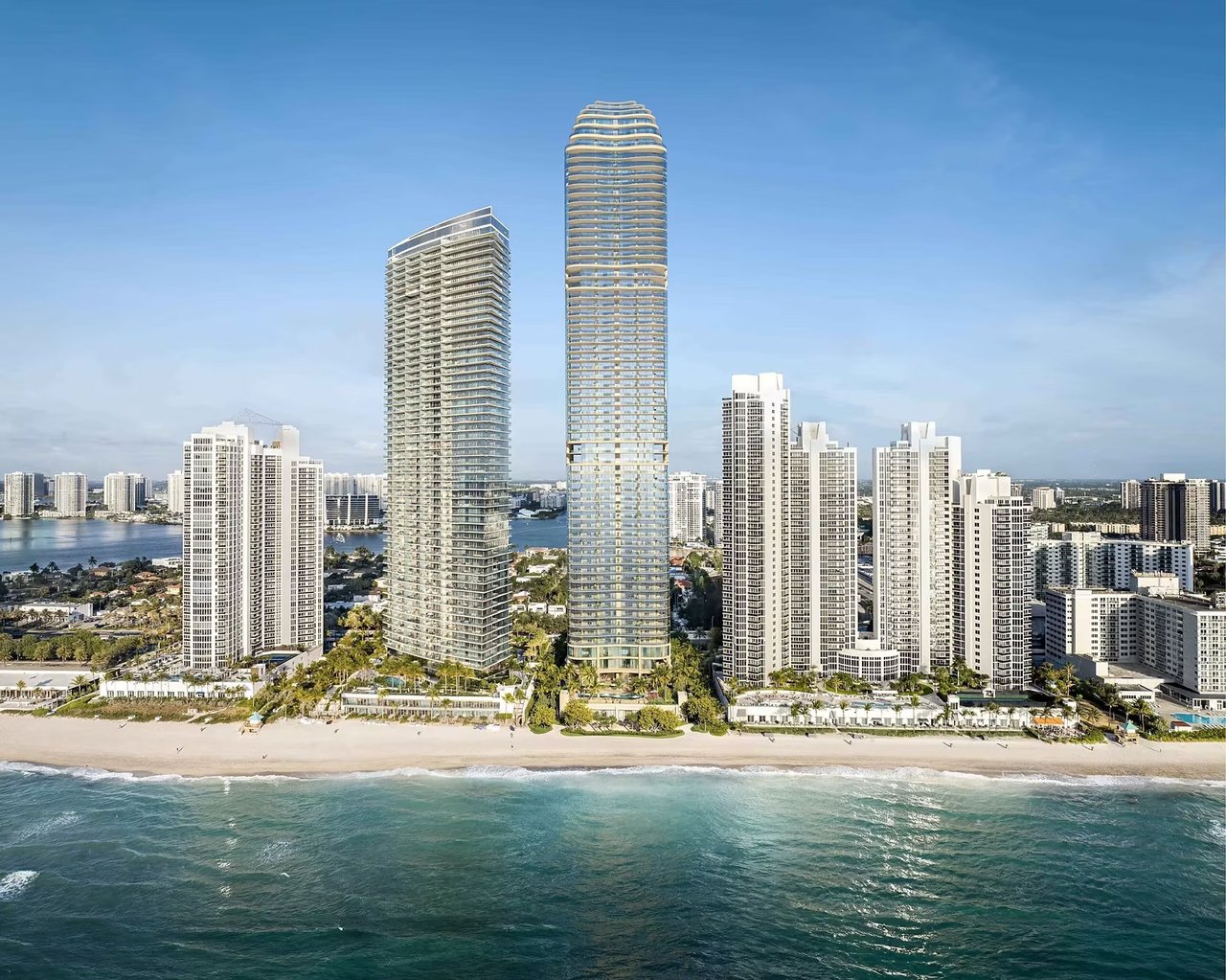
Seaway Surf Club occupies the northern portion of The Surf Club campus along Collins Avenue. Fort Partners developed the project as two Perla stone residential buildings with interiors and residential design shaped by Joseph Dirand. Four Seasons' Seaway residence identifies O'Donnell & Partners as architect and Joseph Dirand as interior designer.
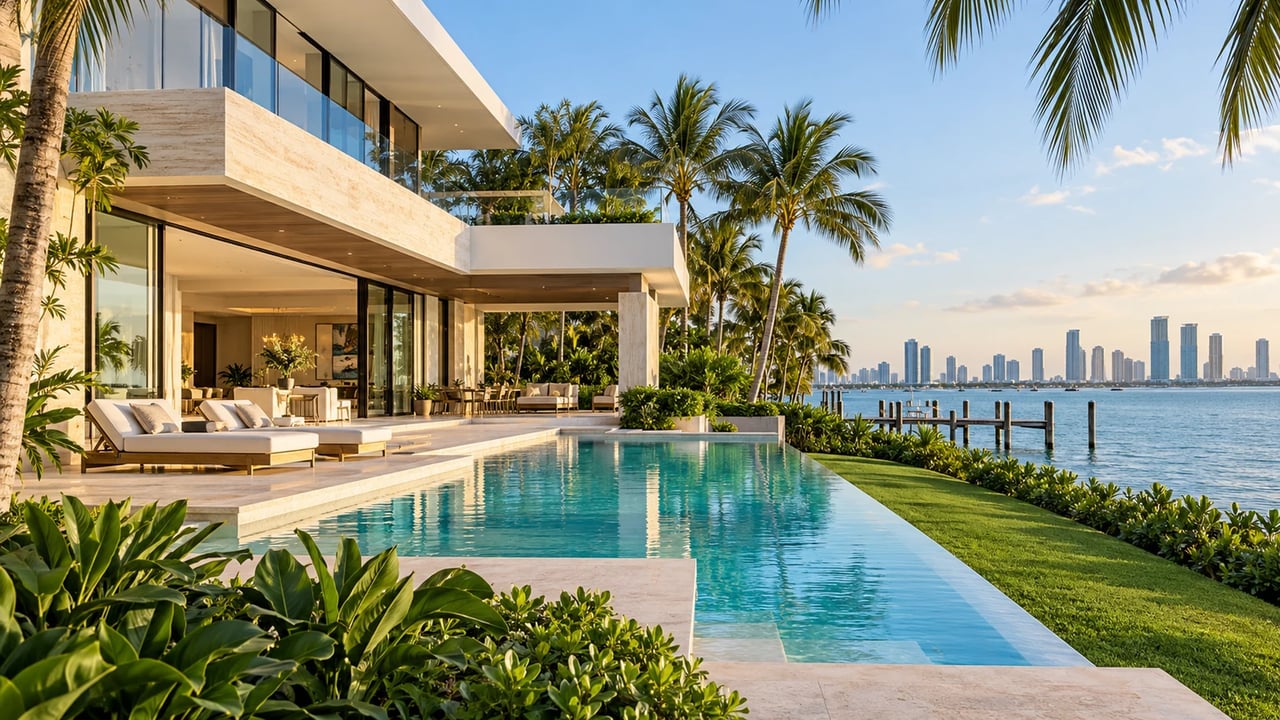
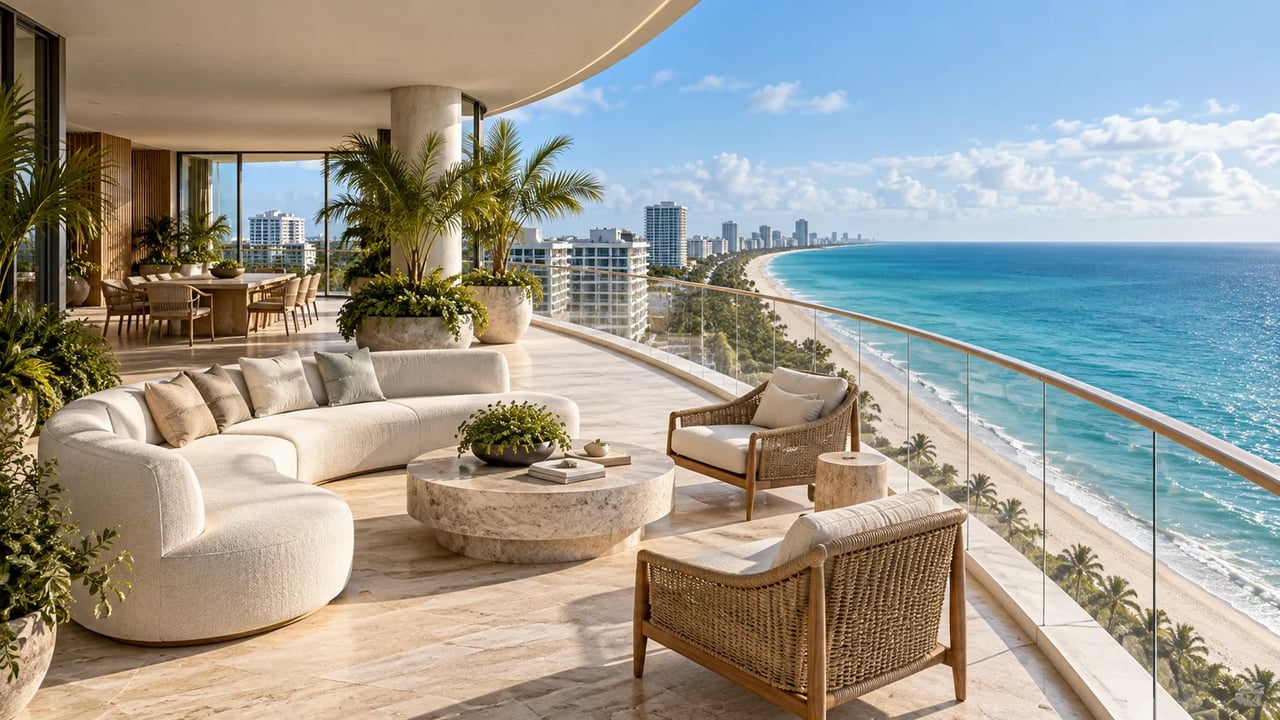
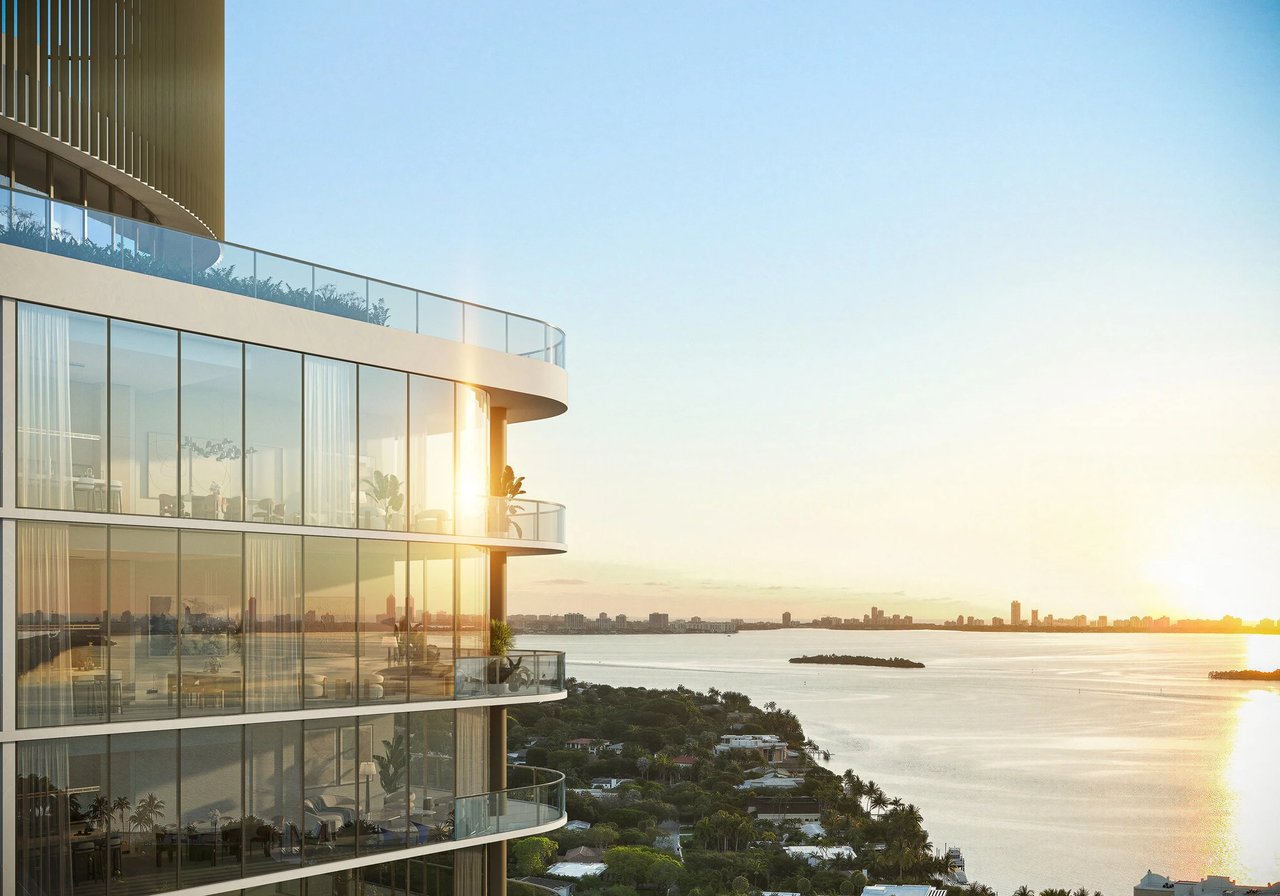
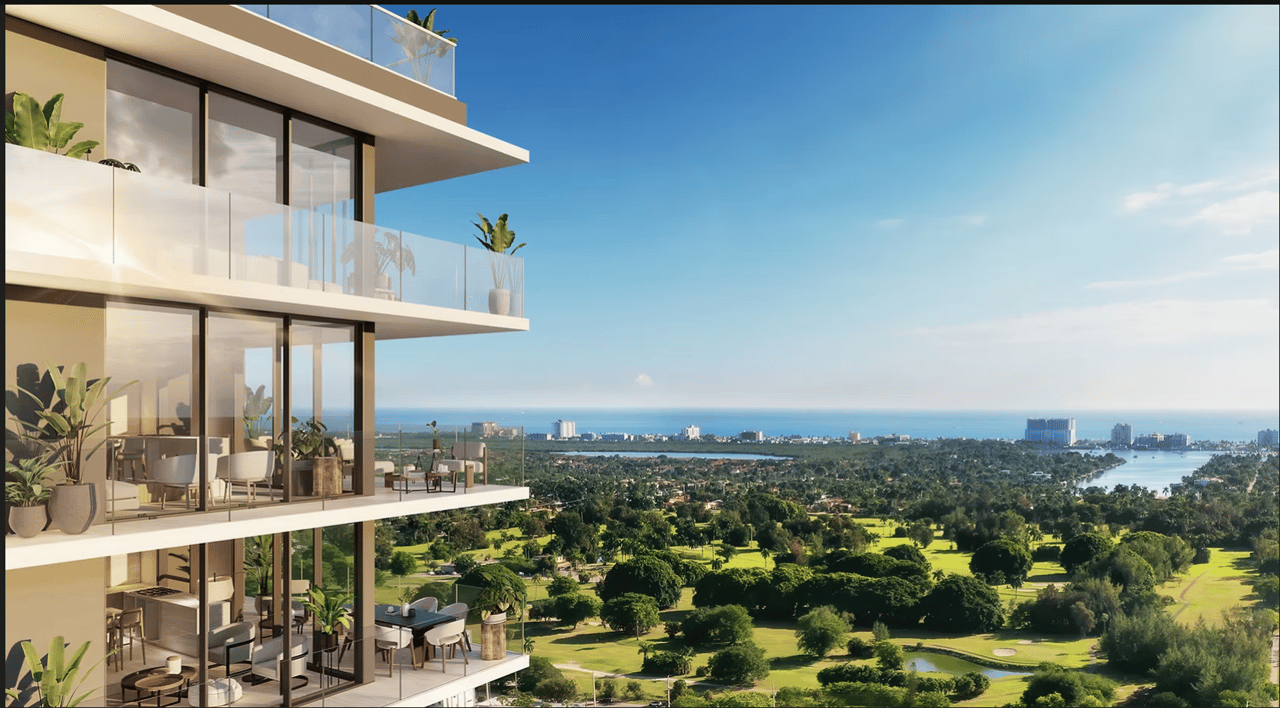
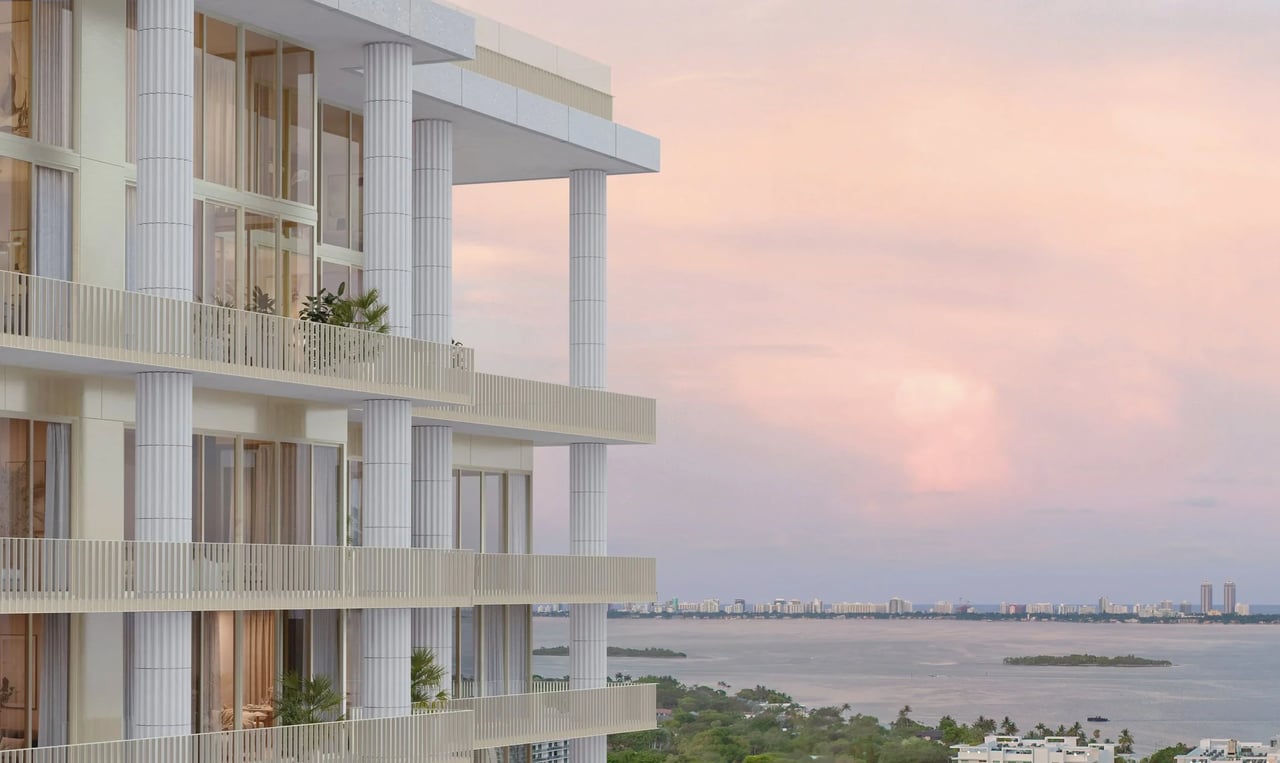
The buildings use deep terraces, floor-to-ceiling glazing and warm natural materials rather than the all-glass aesthetic common along much of South Florida's coastline. For buyers considering newly built condos Surfside, that gives Seaway a distinct identity without disconnecting it from the larger Surf Club setting.
Within the broader Surf Club, Four Seasons Private Residences environment, buyers will encounter several different residential products. Searches for the Surf Club Four Seasons, Four Seasons residences Surfside or simply Surf Club residences can therefore produce listings from buildings that are not directly comparable.
Seaway vs. the Original Surf Club Residences
The original Surf Club towers belong to an earlier phase of the property's redevelopment and are associated with Richard Meier's work. Seaway arrived later with a smaller residential footprint and a different design language.
The older towers have the advantage of a longer operating and resale history. Seaway offers a newer physical product and far fewer directly comparable residences.
That makes building identity important when looking at comparable sales. A buyer should not assume that a closing in an older Surf Club tower establishes the correct value for a Seaway home simply because both share the wider Four Seasons setting.
Published residence totals for Seaway have also varied between project materials. Rather than relying on a marketing count, buyers should use the condominium documents for the specific building when evaluating legal unit count, association structure and ownership rights.
Seaway at The Surf Club for Sale: What Can Buyers Purchase?
Inventory at Seaway increasingly behaves like an ultra-luxury resale market rather than a conventional new-development launch.
Seaway North sold out its original developer inventory in 2026, with reported closings totaling more than $386 million across the building. That does not mean opportunities disappear. It means buyers are more likely to encounter resales and privately marketed residences rather than a long developer availability sheet.
A Seaway at The Surf Club for sale search can now include:
- Seaway South resales;
- Seaway North at The Surf Club resales;
- recently closed residences that establish useful pricing context;
- privately marketed inventory where availability can be independently verified.
This matters for anyone comparing Surfside condos for sale because a resale seller can have a very different basis and negotiating position from a developer.
Buyers need to look at the type of inventory on offer, the seller’s position, and how the asking price lines up with recent comparable transactions. Buyers can also look at Miami luxury homes for sale or live Surfside listings to put a Seaway opportunity beside the wider market.
How Much Do Condos at Seaway at The Surf Club Cost?
Seaway does not lend itself to one meaningful starting price because the residences vary dramatically in scale.
The most visible benchmark is the approximately 16,000-square-foot penthouse that closed for $86 million in November 2025, setting a Miami-Dade condominium record at the time.
Seaway North also produced multiple eight-figure transactions as its original inventory closed. Those sales help establish the level of the building, but they are not interchangeable with smaller residences in Seaway South.
Pricing Factor | Why It Changes the Value |
Building | North and South contain different residence scales |
Floor | Height can command a premium when it materially changes the view |
Exposure | Direct ocean, coastline and western exposures are valued differently |
Interior area | Full-floor homes compete in a narrower market |
Terrace | Depth and usability can matter more than headline outdoor square footage |
Privacy | Fewer neighboring residences and private elevator arrangements can add value |
Turnkey condition | Furniture and completed interiors can influence basis |
Seller motivation | Resale pricing can differ from original developer economics |
For that reason, closed comparable transactions are generally more useful than a broad building-wide price per square foot.
A full-floor Seaway North home, a two-bedroom Seaway South residence and a trophy penthouse are all part of the same address, but they appeal to different buyer pools.
What Does It Cost to Own a Seaway Residence?
The acquisition price is only one part of the ownership decision.
A useful carrying-cost analysis should include:
- condominium association dues;
- property taxes;
- unit-owner insurance;
- the association's master insurance structure and deductibles;
- mandatory residential service charges, where applicable;
- optional Four Seasons services;
- parking or storage costs;
- any capital contribution due at closing.
The Four Seasons relationship makes the distinction between included service and separately purchased service particularly important.
An owner who spends several months a year in Surfside may place substantial value on hospitality support. An investor has to treat the same service structure as part of the property's recurring economics.
For a specific residence, request a private ownership-cost breakdown rather than comparing two properties on purchase price alone.
What Are the Seaway Residences Like?
The residential design is one of Seaway's clearer differentiators.
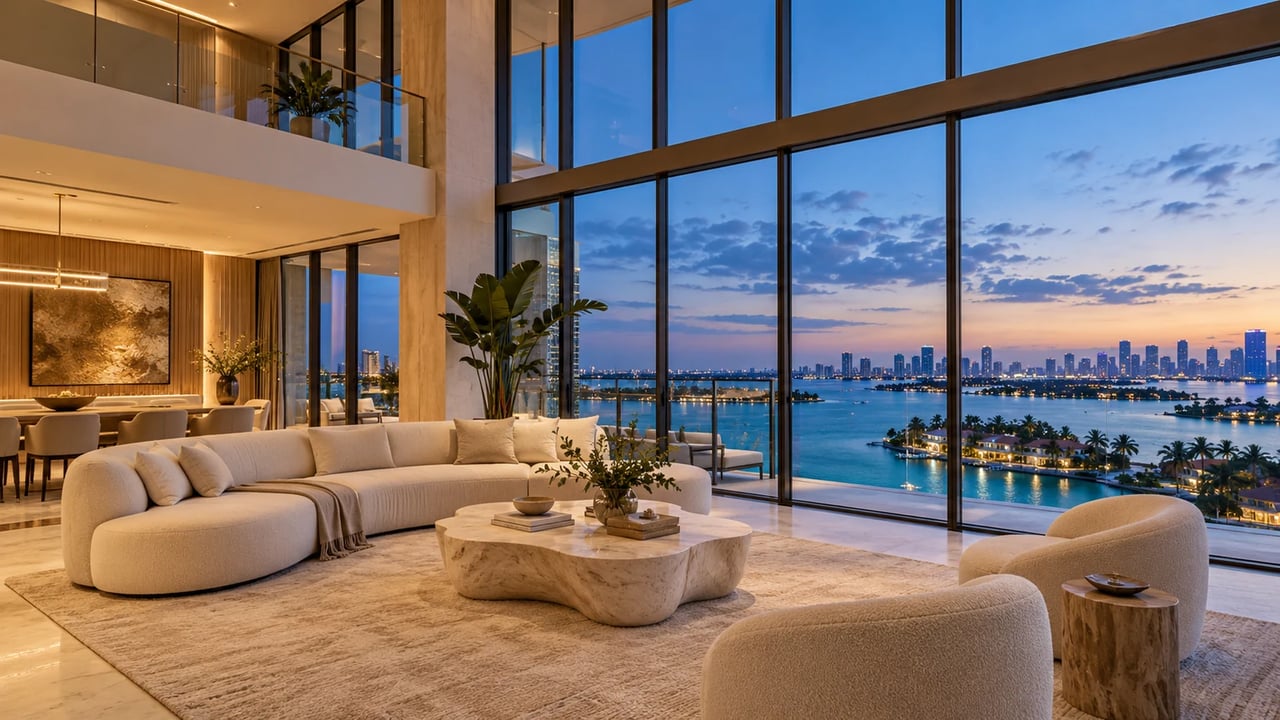
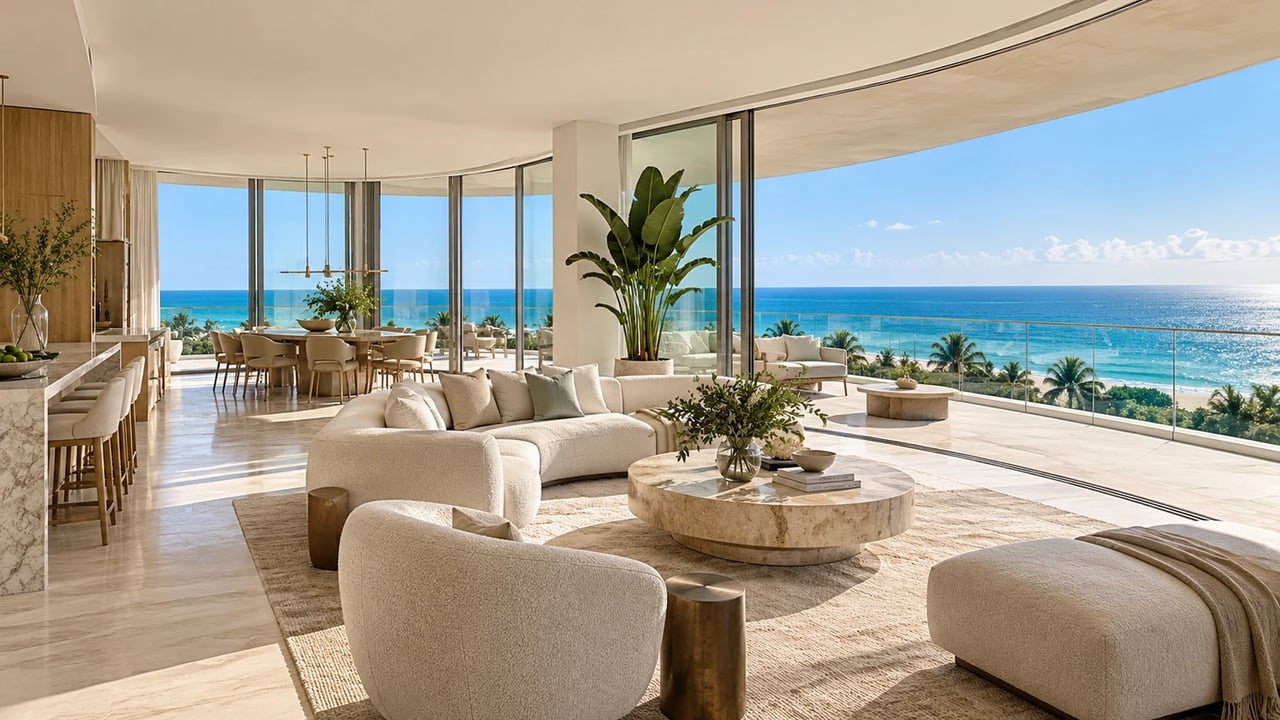
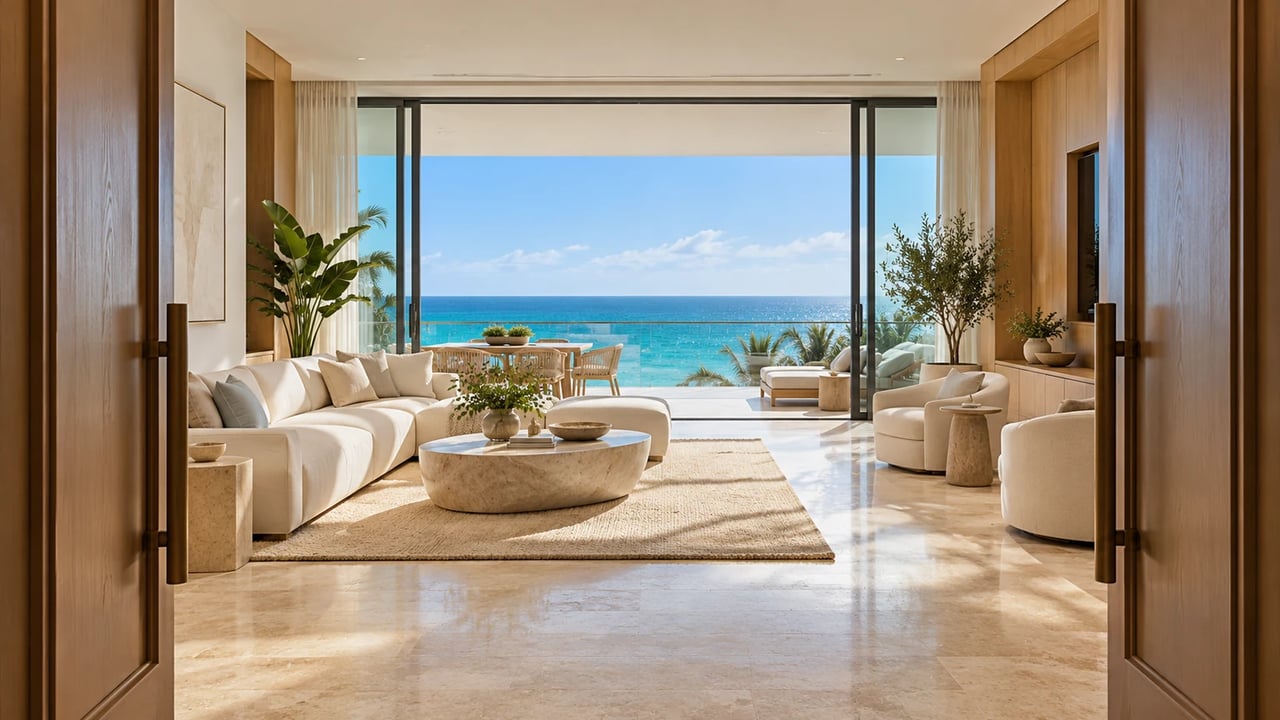
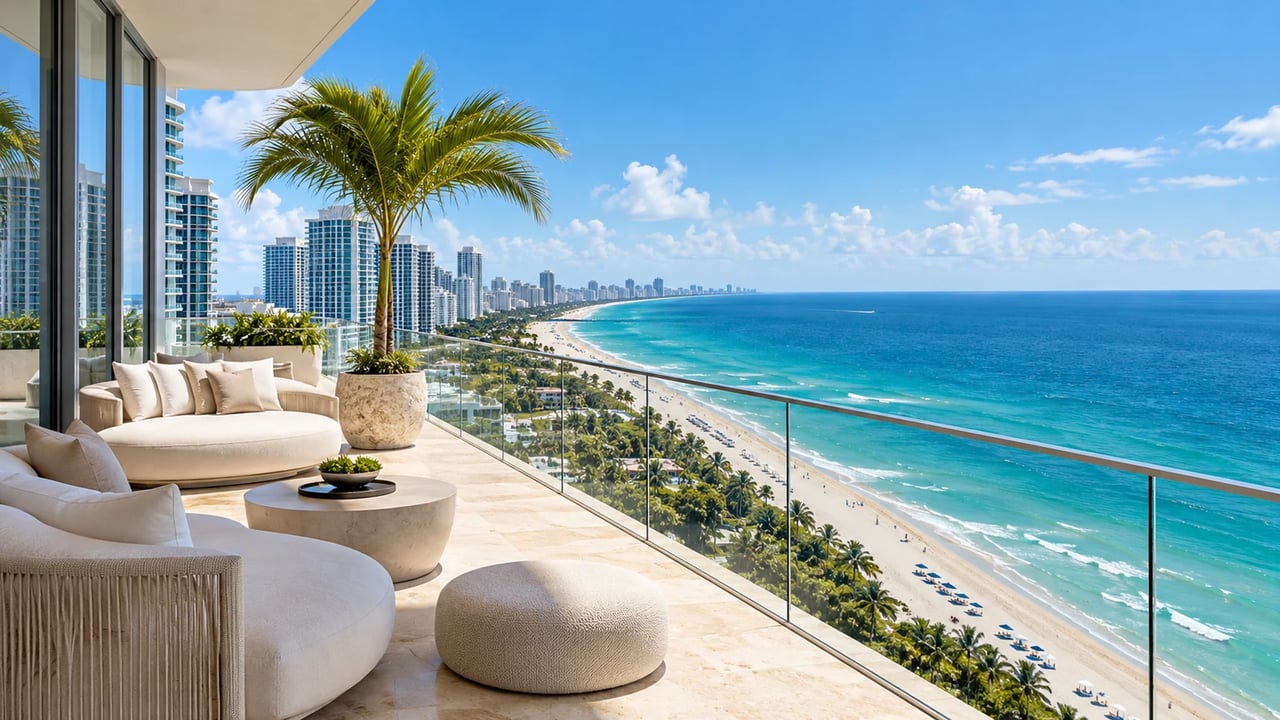
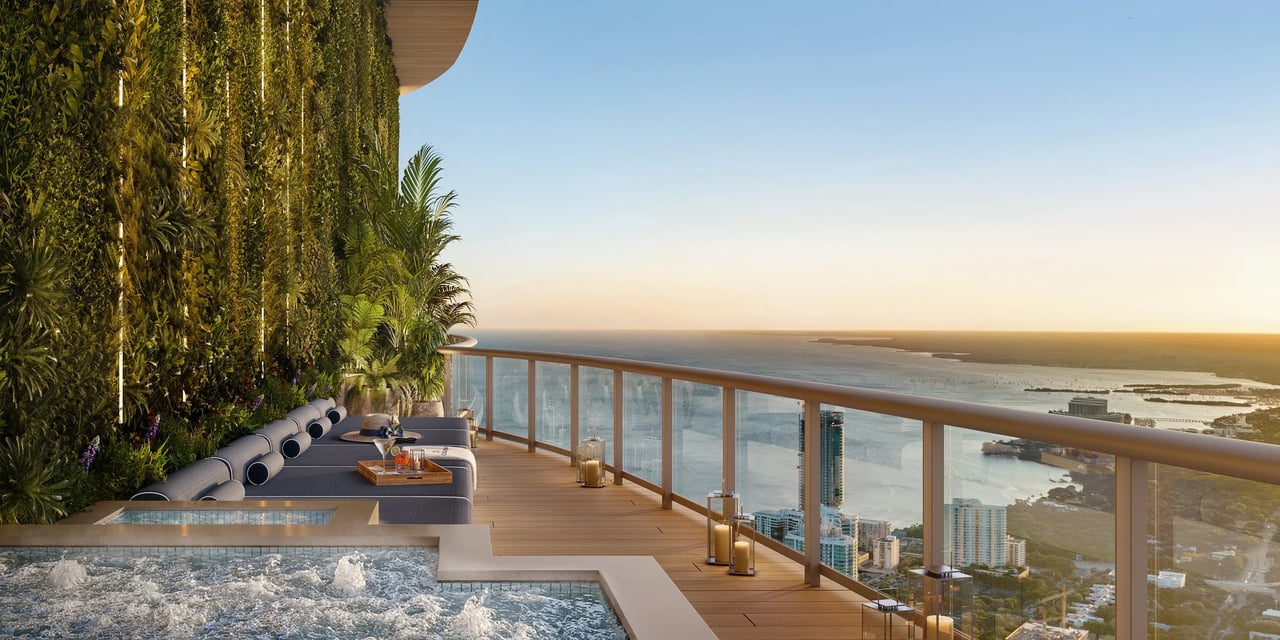
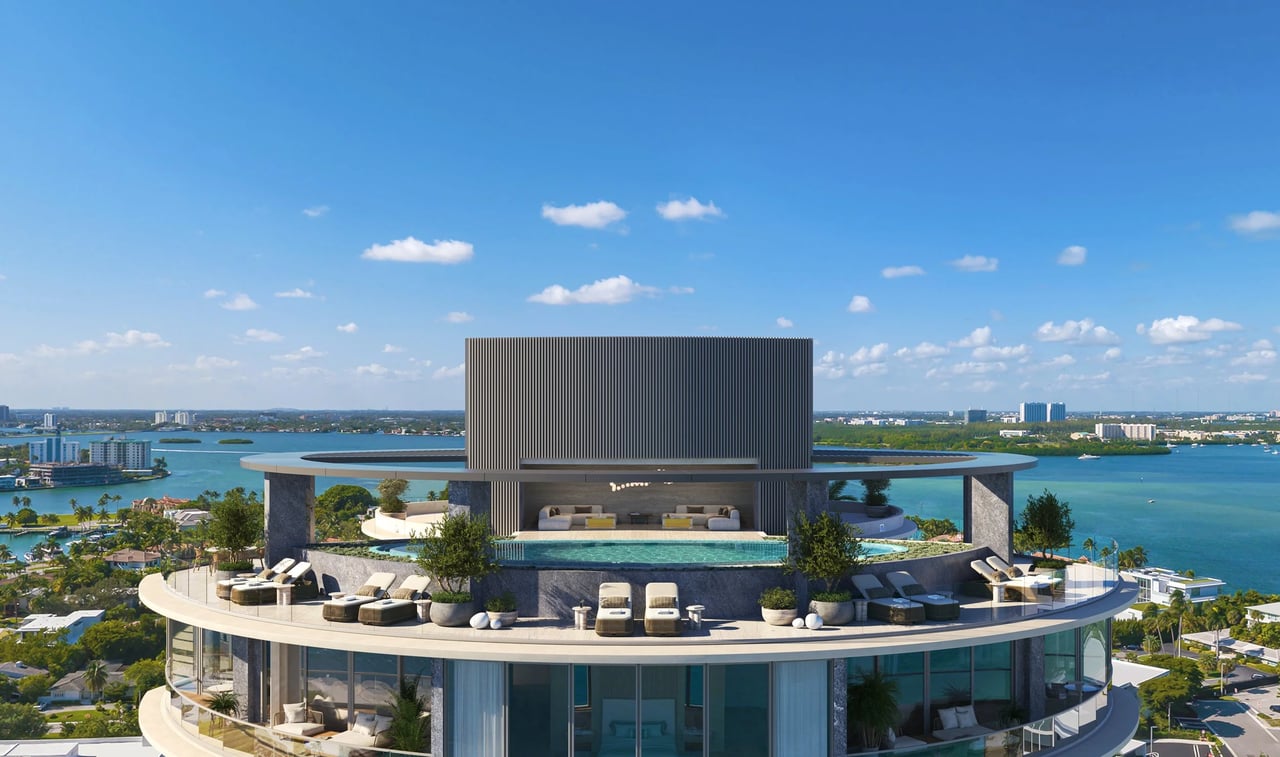
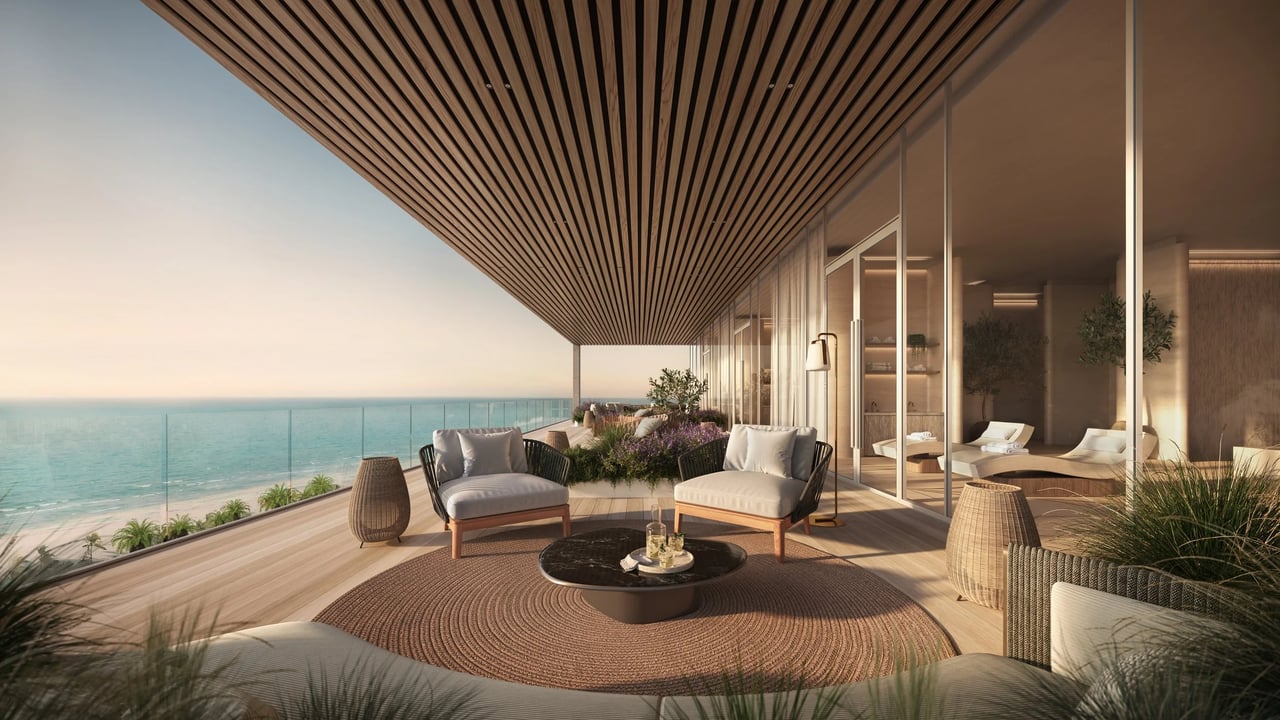
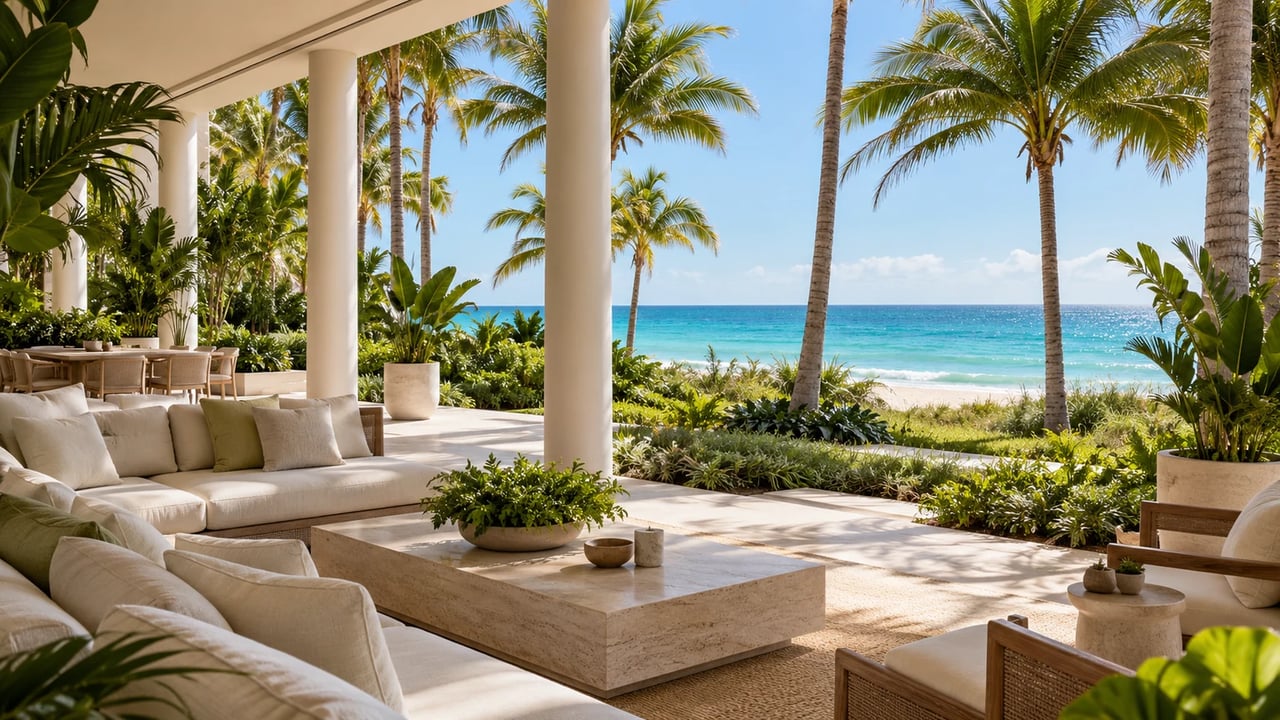
Large terraces, broad glass openings and a palette of stone, wood and metal create a warmer architectural language than the bright-white interiors found in many ultra-luxury condos Miami buyers encounter.
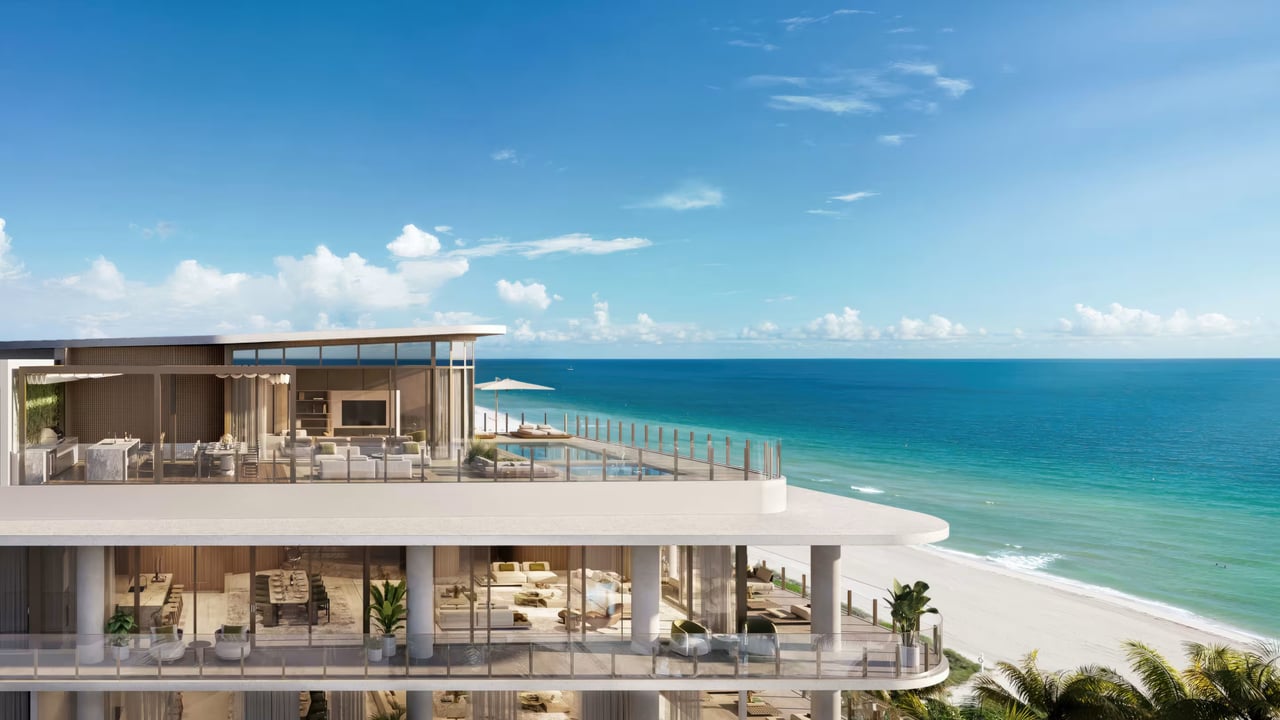
The concept is particularly relevant for buyers who want beachfront living Miami style without moving into a large-scale tower. Seaway keeps the residence count low while preserving direct access to a heavily serviced luxury environment.
That combination also sets it apart from many private residences Collins Avenue buyers may consider farther south.
High-Floor and Full-Floor Residences
A high-floor premium only makes sense if the residence delivers something materially better.
That could be:
- a wider ocean view;
- stronger coastline exposure;
- more privacy;
- a superior terrace;
- better sunrise light;
- fewer neighboring units;
- full-floor occupancy.
At Seaway North, full-floor residences move into a very different market from conventional three- or four-bedroom condominiums.
Rarity helps define the product, but it does not guarantee resale performance. Acquisition price and the size of the eventual buyer pool still matter.
What Four Seasons Services Do Seaway Owners Receive?
The Four Seasons relationship matters because Seaway sits beside an established hospitality operation rather than using a hotel name as a standalone branding exercise.
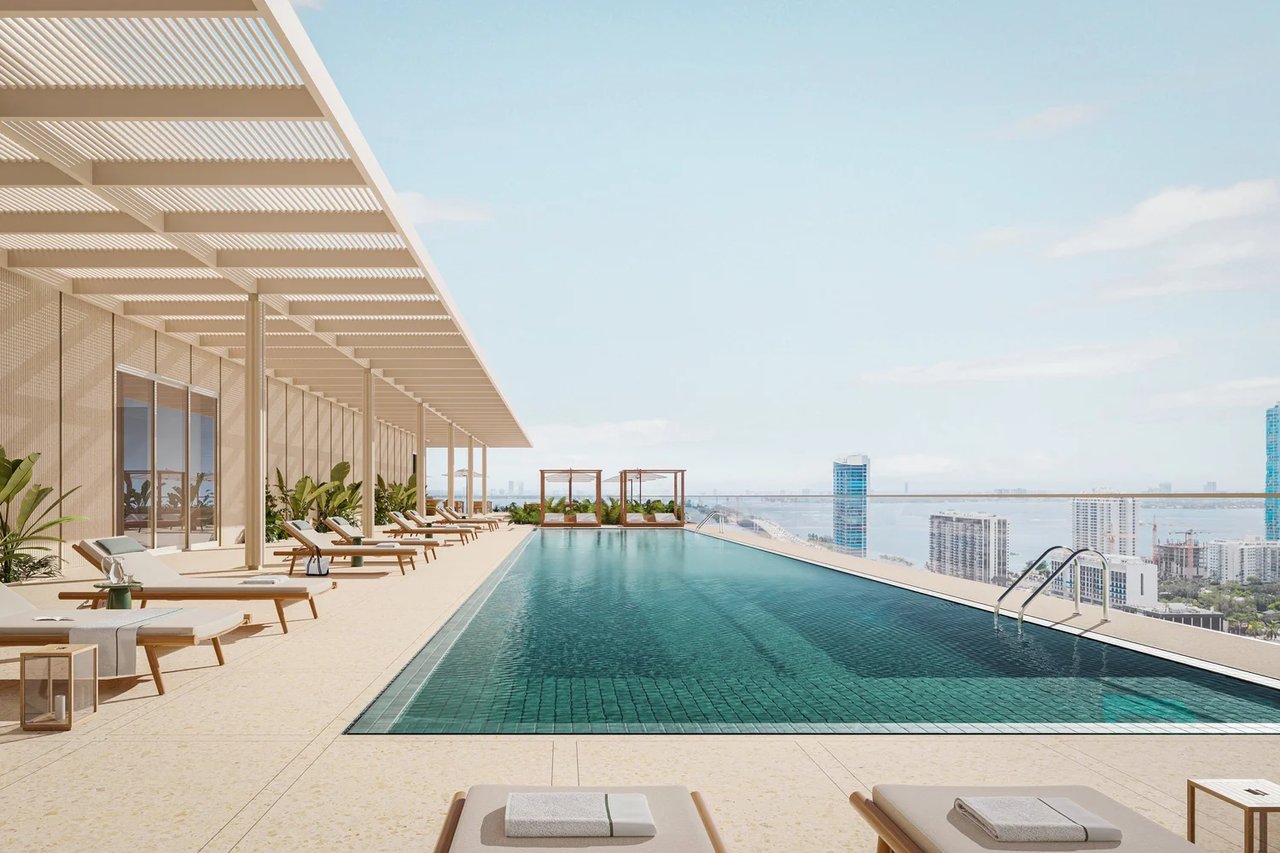
Residents have access to Four Seasons services and amenities through the larger Surf Club setting, including the oceanfront hospitality environment, pools, spa, fitness facilities, dining and beach access.
For buyers considering the Four Seasons Hotel at The Surf Club Surfside in Florida, that shared environment is one of the reasons Seaway feels different from a conventional luxury condominium.
It also explains why Four Seasons Surfside residences appeal strongly to seasonal owners. The service infrastructure can make arrivals, departures and extended periods away from the residence much easier to manage.
Among branded residences Miami buyers can choose from, that operational relationship is more meaningful than branding alone.
Direct Beach Access and Daily Service
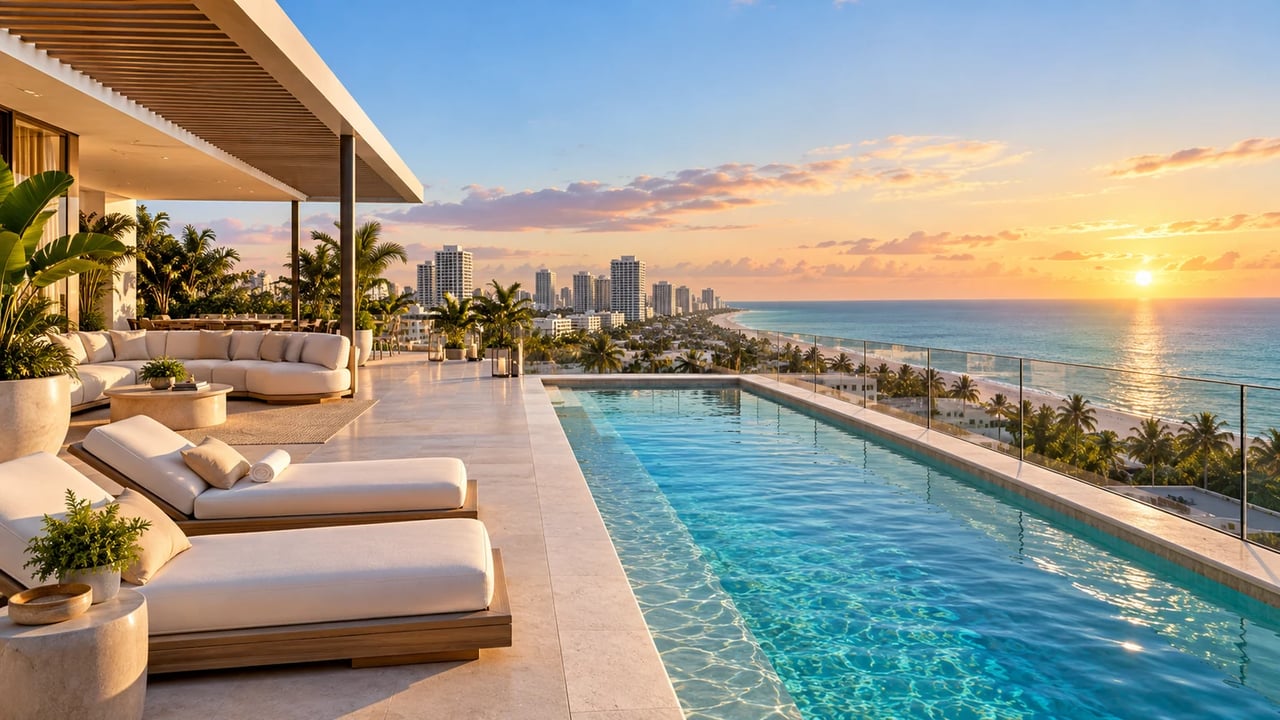
Seaway occupies a direct Atlantic Ocean position rather than relying on a separate beach club arrangement.
That gives residents a combination of boutique residential privacy and access to the larger hospitality environment next door. For second-home owners, the appeal is straightforward: the residence can feel private without requiring the owner to manage every detail of a standalone waterfront home.
That makes Seaway one of the more distinctive Surfside oceanfront condos for buyers who value both privacy and service.
Which Services Are Included and Which Cost Extra?
This is where buyers need to look beyond the phrase "Four Seasons service."
Some services form part of the broader residential and amenity operation. Others, including certain dining, housekeeping and hospitality requests, may carry separate charges.
The practical questions are:
- What is funded through association dues?
- Which amenities are shared with the hotel?
- Which services are optional?
- What is charged on an à la carte basis?
That distinction determines whether the service structure feels valuable or expensive to a particular owner.
How Does Seaway Compare With Other Surfside Condos?
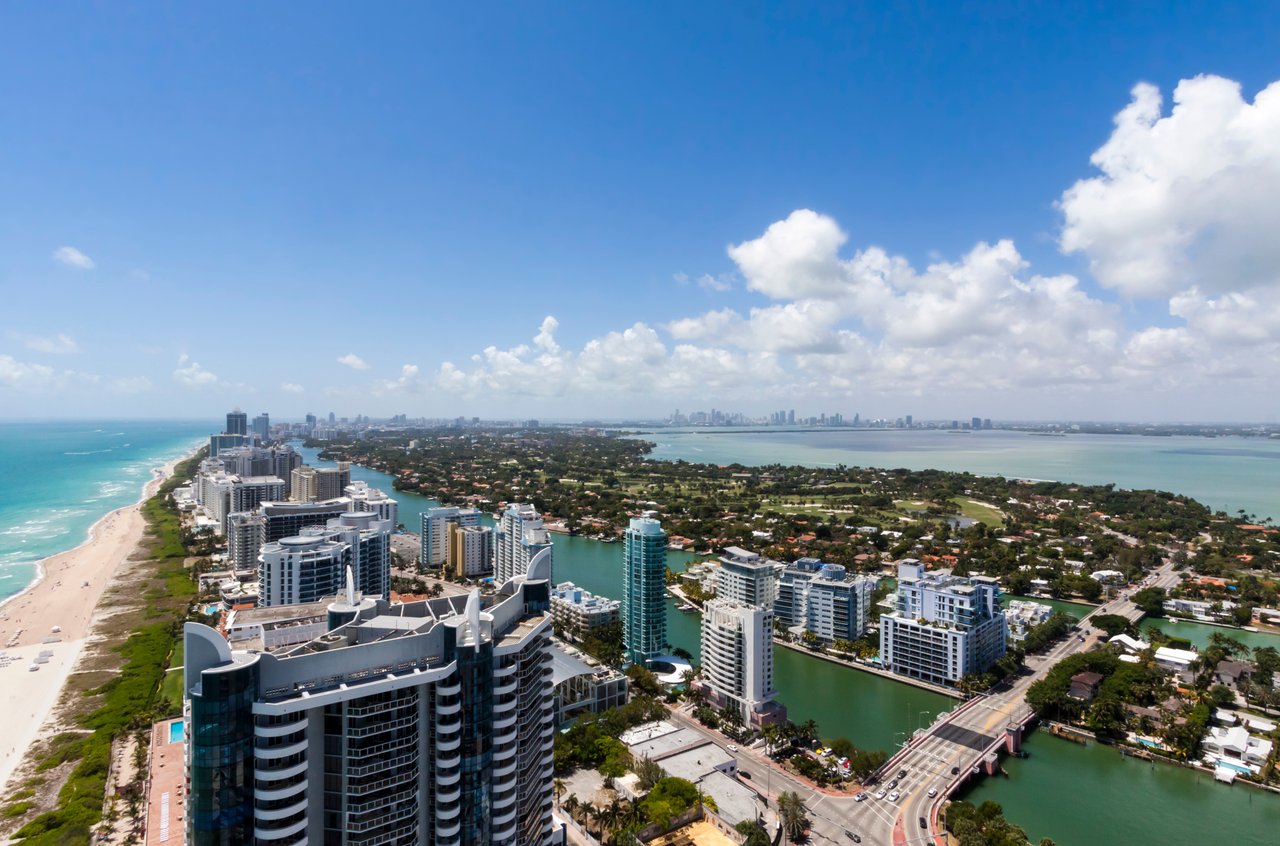
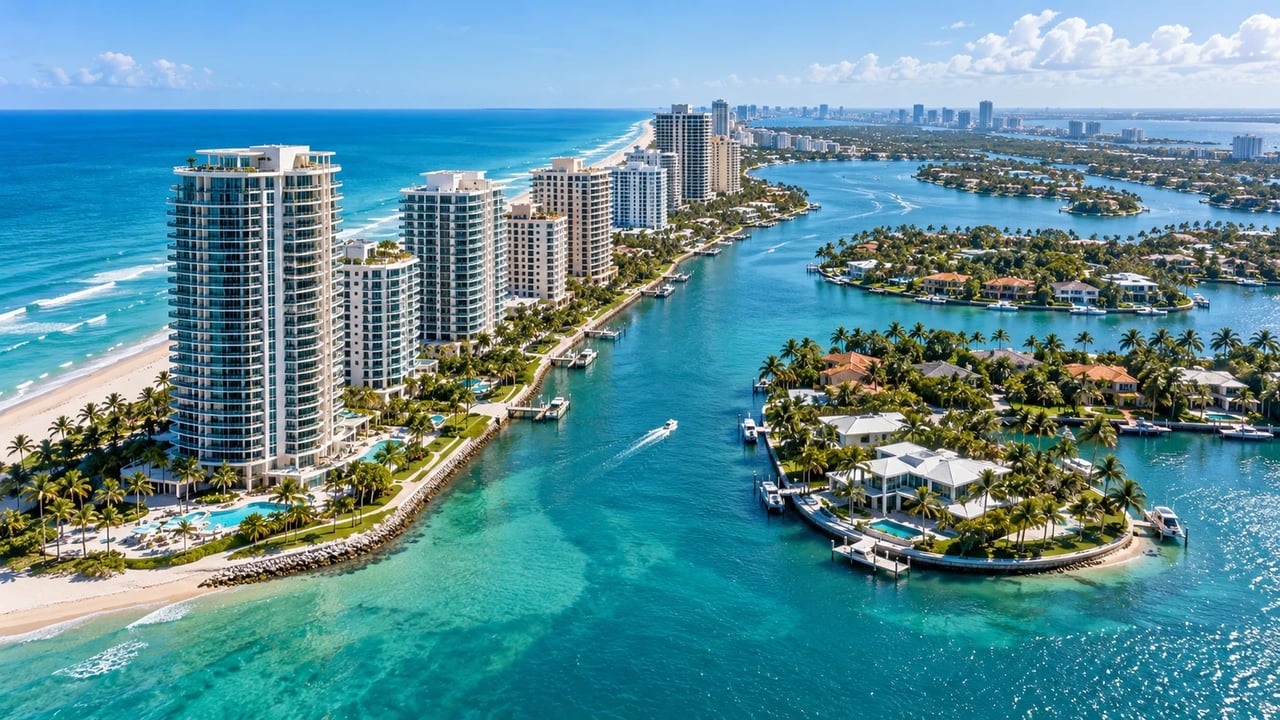
Among Surfside oceanfront condos, Seaway occupies a distinct niche: newer boutique residences, very low density, direct beach frontage and access to an established Four Seasons hospitality environment.
That combination is attractive, but it does not make Seaway the automatic choice for every buyer.
Nearby developments offer different approaches to privacy, architectural design, residential services and long-term ownership.
Property | Primary Difference | Buyer It May Suit |
Seaway at The Surf Club | Newer boutique residences with Four Seasons hospitality | Buyers seeking privacy alongside established luxury services |
Original Surf Club towers | Longer resale and operating history | Buyers wanting an established building within The Surf Club |
Fendi Chateau Residences | Boutique fashion-branded oceanfront living | Design-focused buyers |
Arte Surfside | Extremely low residential density | Buyers prioritizing privacy |
Rivage Bal Harbour | Under-construction oceanfront development with 56 residences | Buyers seeking spacious new-construction homes in Bal Harbour |
Seaway vs. Rivage Bal Harbour
Rivage Bal Harbour is a particularly relevant alternative for buyers attracted to Seaway's oceanfront location and residential privacy. The development introduces 56 residences to Bal Harbour, with expansive floorplans, private elevator entries and generous terraces overlooking the Atlantic Ocean and Biscayne Bay.
The difference lies partly in the stage of ownership.
Seaway offers a completed residential environment with established Four Seasons hospitality services and recorded sales that help inform pricing. Rivage remains under construction, making developer contracts, deposit schedules, expected delivery and projected association expenses part of the purchasing decision.
Buyers comparing the two should also consider how their service models differ. Seaway's connection to The Surf Club provides access to an existing hospitality operation, while Rivage is developing its own residential amenities and concierge services. The distinction affects both the day-to-day experience and the costs associated with ownership.
Seaway vs. Fendi Chateau and Arte Surfside
Fendi Chateau Residences and Arte Surfside compete for many of the same ultra-high-net-worth buyers, but each offers a different residential experience.
Seaway's defining advantage is its connection to The Surf Club and Four Seasons hospitality. Arte emphasizes standalone residential privacy, while Fendi Chateau Residences offers a distinctive design-led environment without the same hotel relationship.
Location adds another consideration.
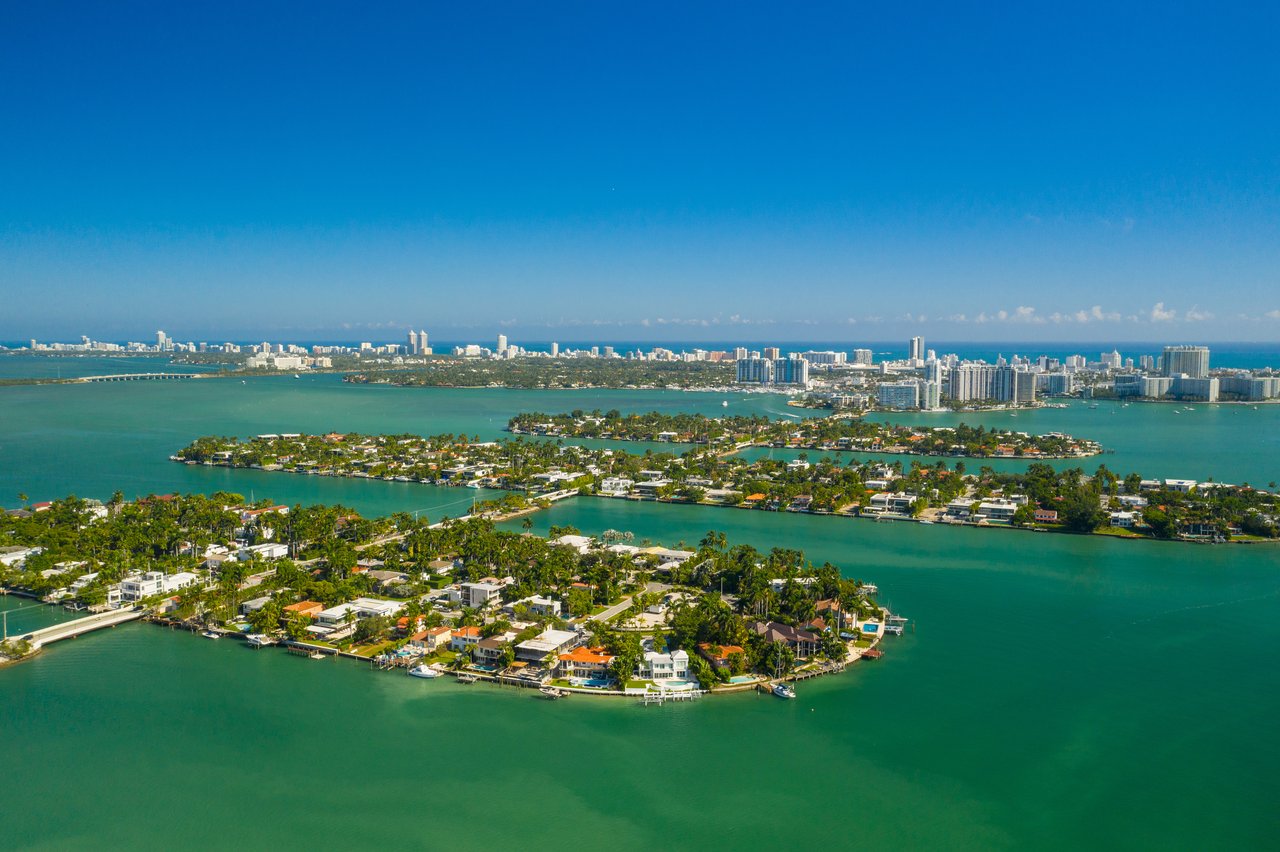
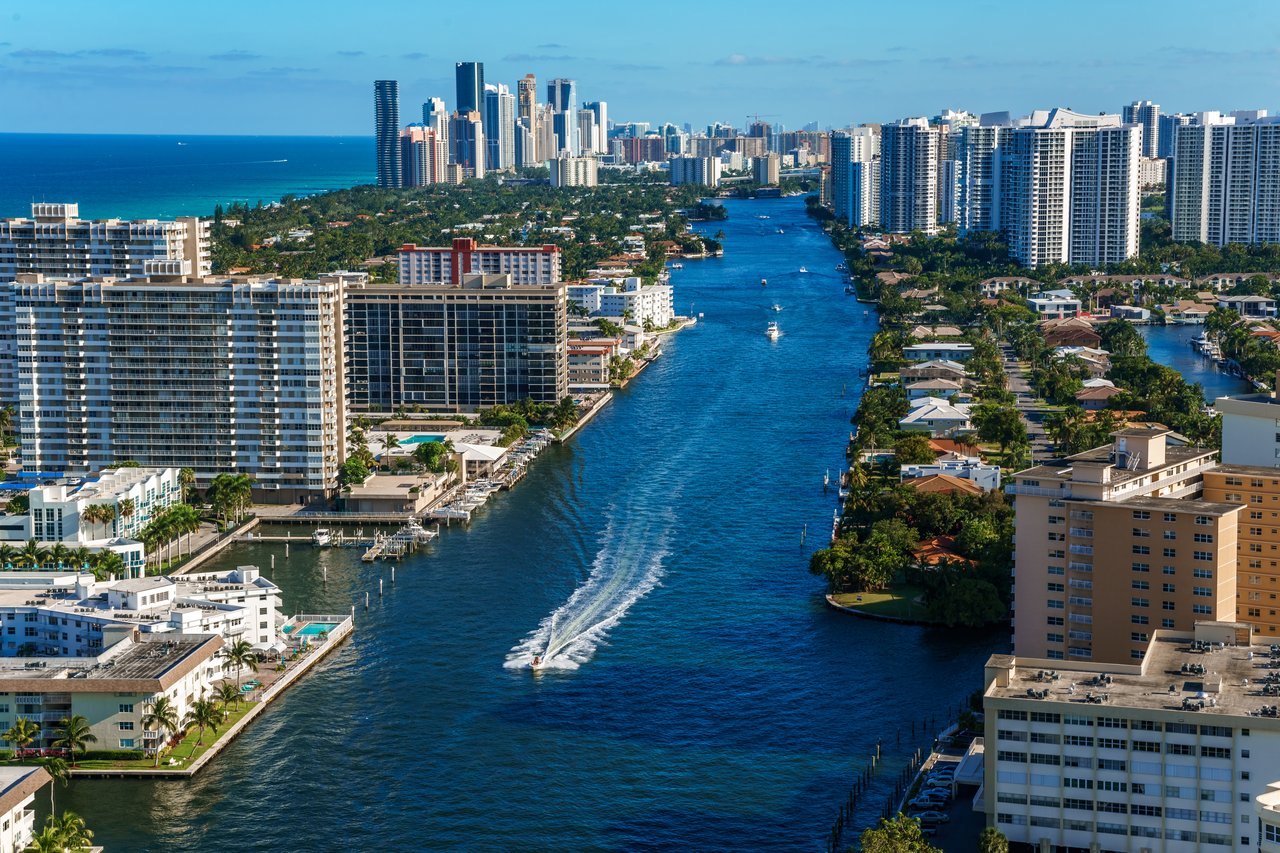
Surfside keeps residents close to Bal Harbour Shops while maintaining its own coastal character. Buyers exploring oceanfront condos farther south in Miami Beach will encounter different surroundings, particularly in Mid-Beach and South of Fifth, where dining, entertainment and neighborhood activity play a larger role in the residential experience.
For buyers considering Seaway, these alternatives provide useful context for comparing design, privacy, service levels and the value of an established residence against new construction.
Is Seaway Better for an End-User or Investor?
Seaway makes its strongest case to an owner who intends to use the residence.
Direct beach access, low density and Four Seasons service have obvious everyday value for a primary resident or second-home owner. Those benefits become harder to quantify for an investor focused mainly on yield.
Factor | End-User Perspective | Investor Perspective |
Four Seasons service | Daily convenience | Carrying cost |
Beach access | Personal lifestyle value | Supports desirability |
Rental rules | Usually secondary | Essential to underwriting |
Association costs | Balanced against use | Reduces net yield |
Resale pool | Less urgent on a long hold | Important exit consideration |
Trophy pricing | Can reflect personal value | Requires disciplined acquisition basis |
For an investor, the useful questions are straightforward:
- What are the leasing restrictions?
- What is the realistic annual carrying cost?
- What have similar residences closed for?
- How many comparable units could compete at resale?
- Who is the likely future buyer?
For an end-user, the equation can be different. If the owner frequently uses the beach, concierge environment and hospitality services, the premium may have practical value rather than simply branding value.
What Should Buyers Review Before Purchasing at Seaway?
The attractive parts of the property are easy to see. The less visible documentation determines how the purchase operates after closing.
Association Documents and Budget
Review the declaration, bylaws, budget, insurance structure and rules covering leasing, pets, parking and storage.
A high monthly assessment is not inherently problematic in an ultra-luxury building, but a buyer should understand what the assessment is funding.
Recent Closed Sales
Active listings show seller expectations.
Closed transactions show what buyers have agreed to pay.
When evaluating a floor or ocean-view premium, comparable closings should carry more weight than another ambitious asking price.
Florida Condo Document Review Periods
Florida condominium disclosure requirements distinguish between developer and nondeveloper transactions.
Qualifying developer sales use a 15-day voidability framework tied to execution and receipt of required documents. Applicable nondeveloper resale transactions use a seven-day period, excluding Saturdays, Sundays and legal holidays.
A resale buyer should not rely on the old three-day rule that still appears in some older Florida real estate material.
A Florida real estate attorney should interpret how the statute applies to the specific contract.
What About Florida's Condo Safety Rules?
Florida milestone inspection requirements primarily concern aging condominium and cooperative buildings.
The statewide schedule generally begins when an applicable building reaches 30 years, with local circumstances allowing a 25-year requirement in some cases.
For a newer Seaway residence, the more immediate diligence is different. Buyers should focus on:
- turnover documentation;
- warranties;
- association finances;
- insurance;
- building operations;
- service agreements.
That is a different risk profile from purchasing an older Surfside building facing major structural work or reserve obligations.
What Should International Buyers Know?
International ownership is common in Surfside real estate, but ownership structure deserves attention before a contract is signed.
Florida rules governing certain foreign-principal property acquisitions can affect specific purchasers and properties. The rules include restrictions involving certain foreign principals and separate provisions affecting particular persons and entities connected with the People's Republic of China.
International buyers may also need to plan for:
- foreign-national financing;
- exchange-rate movement;
- US ownership entities;
- estate planning;
- remote closing;
- eventual tax consequences.
When a foreign owner later sells, FIRPTA withholding may apply to the disposition of a US real-property interest.
These issues are much easier to address before ownership is structured than when a future sale is already underway.
Buying at Seaway With The Joelle Team
At this price level, buyer representation is most useful when it adds market context rather than simply arranging access.
Joelle can help compare Seaway South with Seaway North, review relevant closed sales, assess whether a floor or view premium is supported by the market, and place a residence beside the original Surf Club towers, Arte, Fendi Chateau, and Bal Harbour alternatives.
The analysis can also include recurring ownership costs, active inventory, and the practical differences between full-time, seasonal, and investment use.
Joelle Oiknine has worked in South Florida luxury real estate for more than two decades and leads The Joelle Team at ONE Sotheby's International Realty.
Learn more about Joelle's Miami luxury experience or call 305.491.1885 to discuss a particular residence.
Frequently Asked Questions About Seaway at The Surf Club
Where is Seaway at The Surf Club?
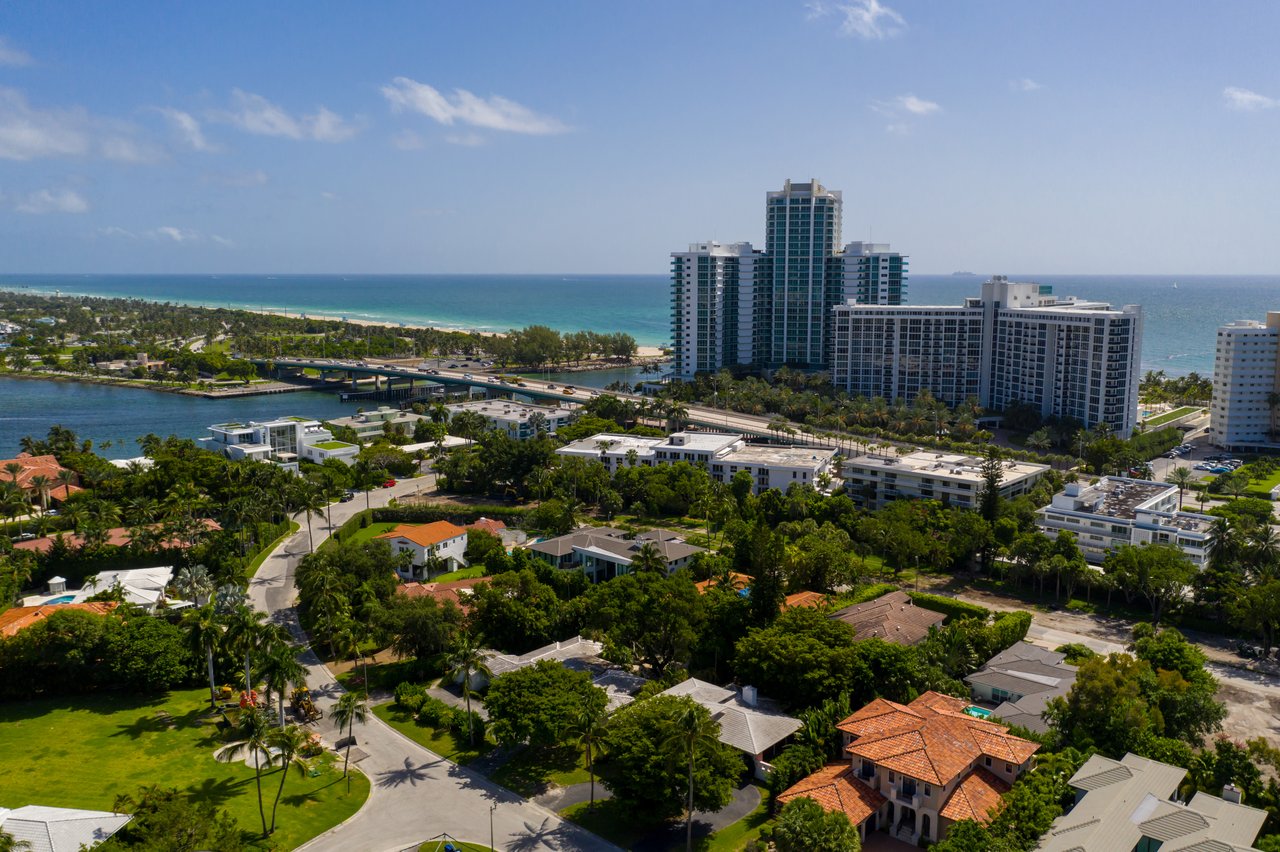
Seaway South is at 9149 Collins Avenue and Seaway North is at 9165 Collins Avenue in Surfside. The two buildings occupy the northern portion of The Surf Club campus between Miami Beach and Bal Harbour.
What is the difference between Seaway North and Seaway South?
Both buildings share the larger Surf Club setting, but their residence mix and scale differ. Seaway North includes particularly large homes and full-floor formats, while Seaway South offers a wider range of residence sizes. The exact floorplan is more useful than assuming the two buildings are equivalent.
What are the HOA fees at Seaway?
There is no useful single building-wide figure. Association fees vary with residence size and building structure. Buyers should obtain the budget and fee schedule for the exact unit and separate mandatory charges from optional Four Seasons services.
Can owners rent their Seaway residence?
Rental rights depend on the condominium documents. Buyers considering rental income should establish minimum lease periods, permitted leasing frequency and approval requirements before purchasing.
Do owners receive Four Seasons amenities?
Seaway is integrated with the broader Surf Club hospitality environment and provides access to Four Seasons amenities and services. Buyers should distinguish association-funded services from optional or individually billed hospitality services.
Are pets allowed at Seaway?
Pet rules should be reviewed in the declaration and association rules for the specific condominium. Restrictions can include the number, size or type of animals permitted.
Can foreign buyers purchase at Seaway?
Many international buyers can purchase Florida condominiums, but Florida law restricts certain acquisitions involving specified foreign principals. Buyers whose nationality, entity structure or property circumstances may fall within those rules should obtain Florida legal advice before signing.
Are Four Seasons residences worth the premium?
It depends on how much the buyer values service, direct beach access and the broader Surf Club environment. An owner who regularly uses those advantages may view the premium very differently from an investor focused primarily on rental yield.
Compare the Residence, Not Just the Brand
Seaway combines two qualities that are difficult to find together: the privacy of a very small residential collection and the service infrastructure of an established luxury destination.
That makes the address compelling. It does not make every residence equally compelling.
The strongest purchase will depend on floor, view, terrace quality, privacy, recurring costs and acquisition basis, along with what the same budget can buy elsewhere in Surfside and Bal Harbour.
For some buyers, Seaway will be the clear choice. For others, the established Surf Club towers, Arte, Fendi Chateau Residences, or another nearby property may fit better.
To compare a particular residence with the alternatives, call The Joelle Team at 305.491.1885 or schedule a private Seaway consultation.