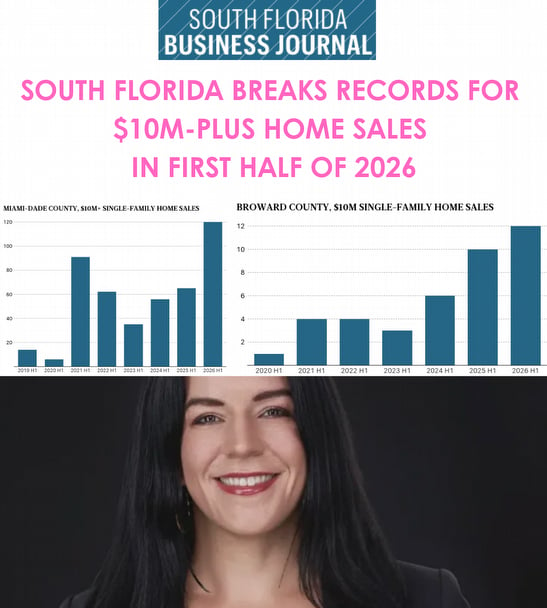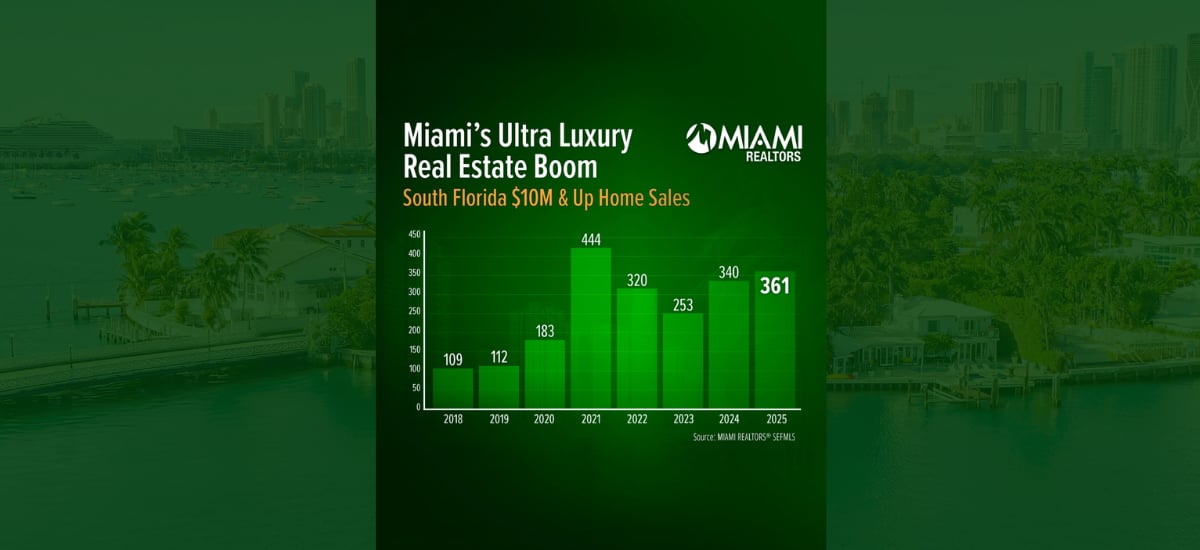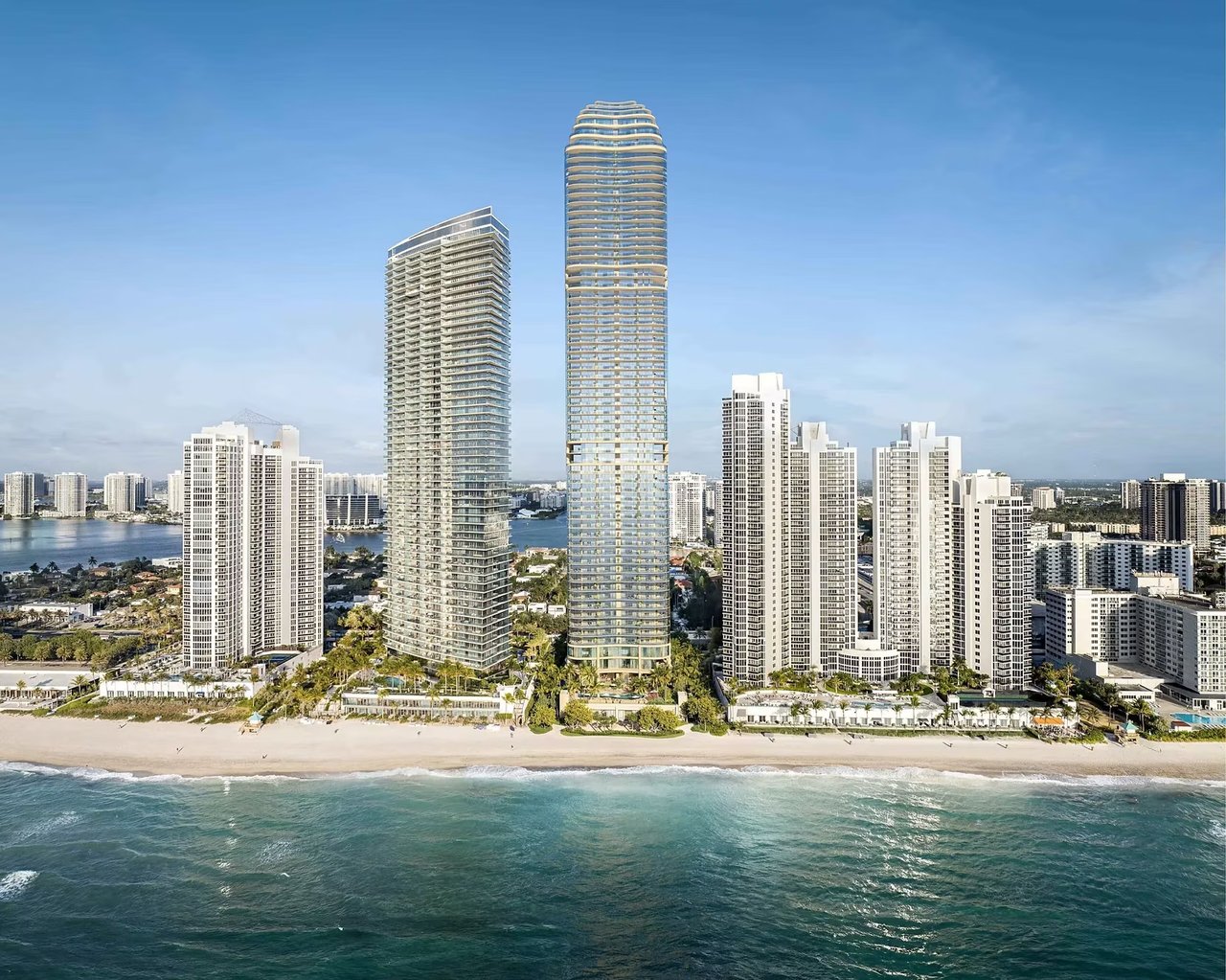
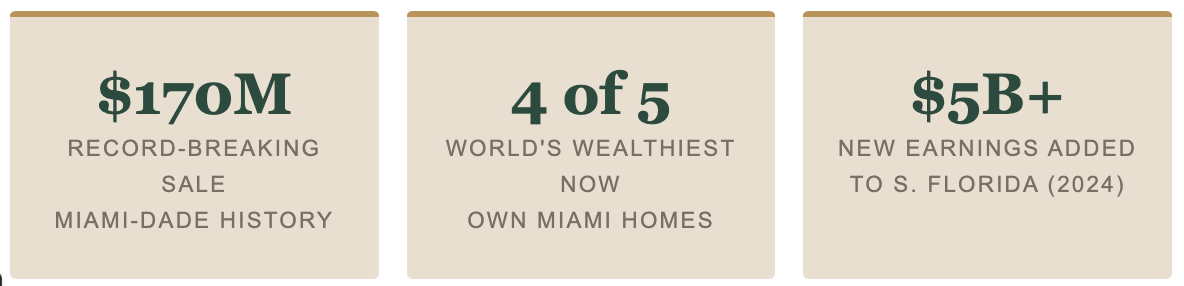
The sale at 7 Indian Creek Island Road is now the most expensive home transaction in Miami-Dade County history, surpassing the previous record of $120 million set just last year. And it didn't happen in a vacuum. It is the punctuation mark on a sentence that Miami's luxury real estate market has been writing for years.
As someone who has been immersed in this market through every one of its chapters, I can tell you: what we are witnessing right now is not a trend. It is a transformation.
The Billionaire Bunker Effect
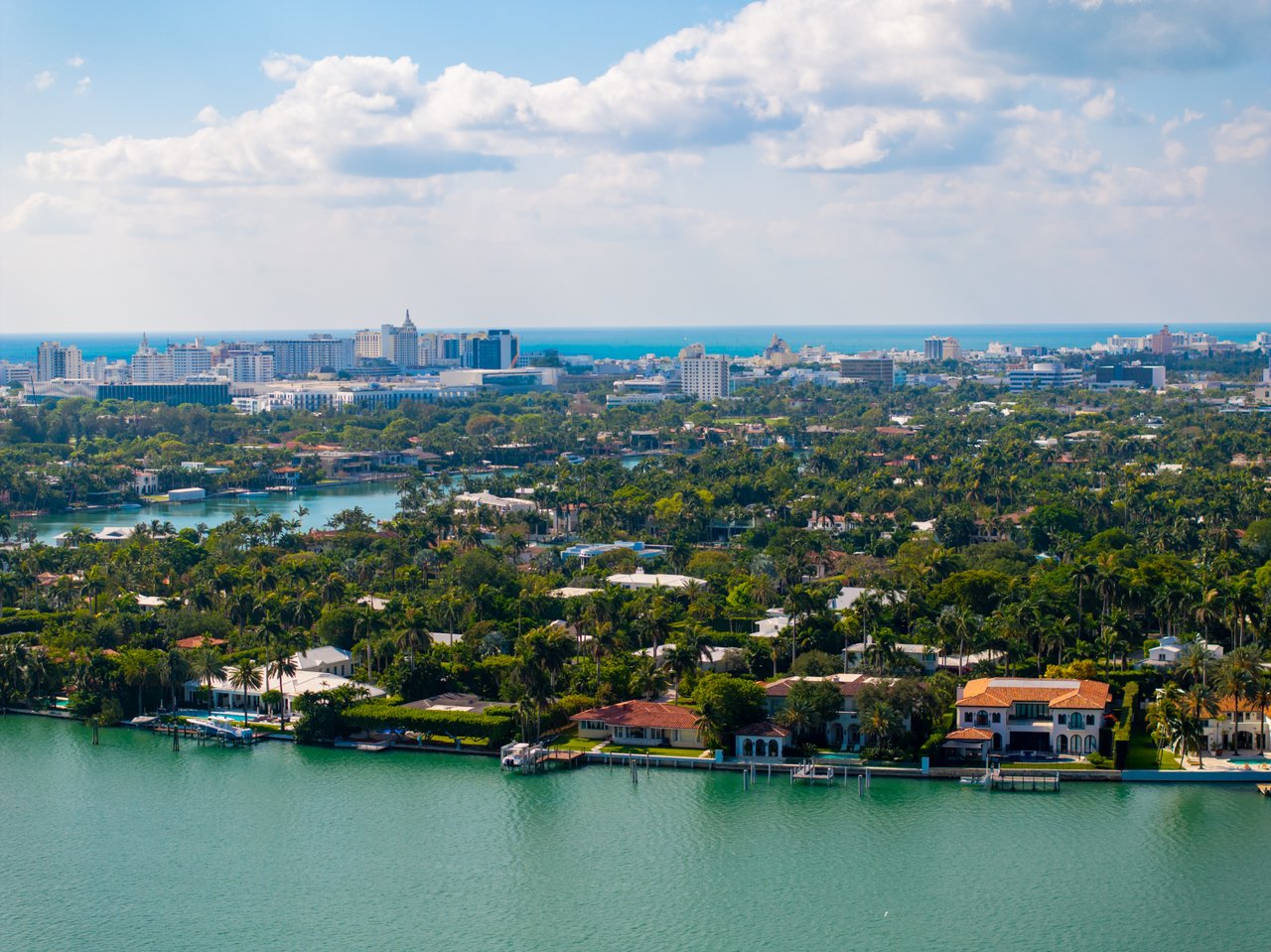
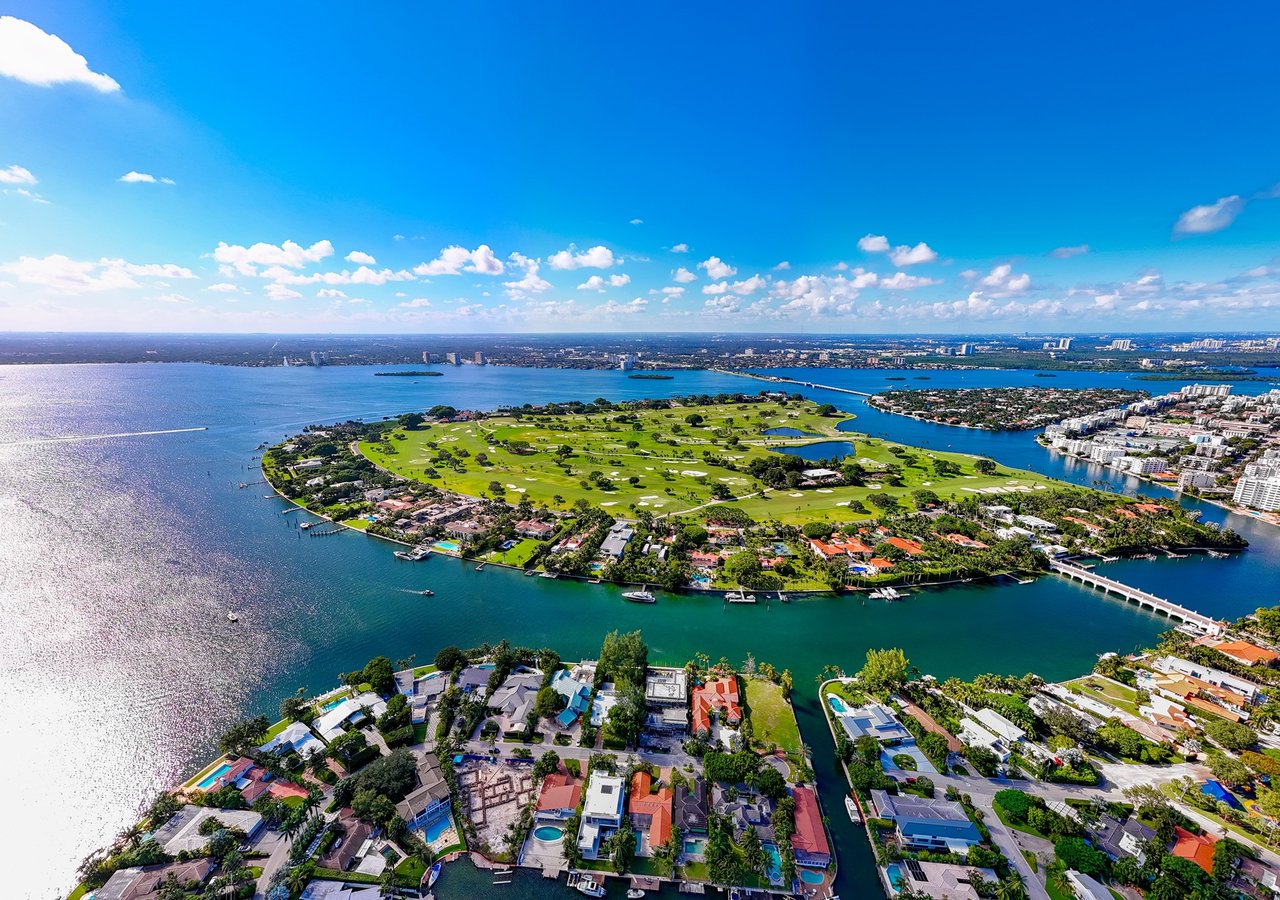
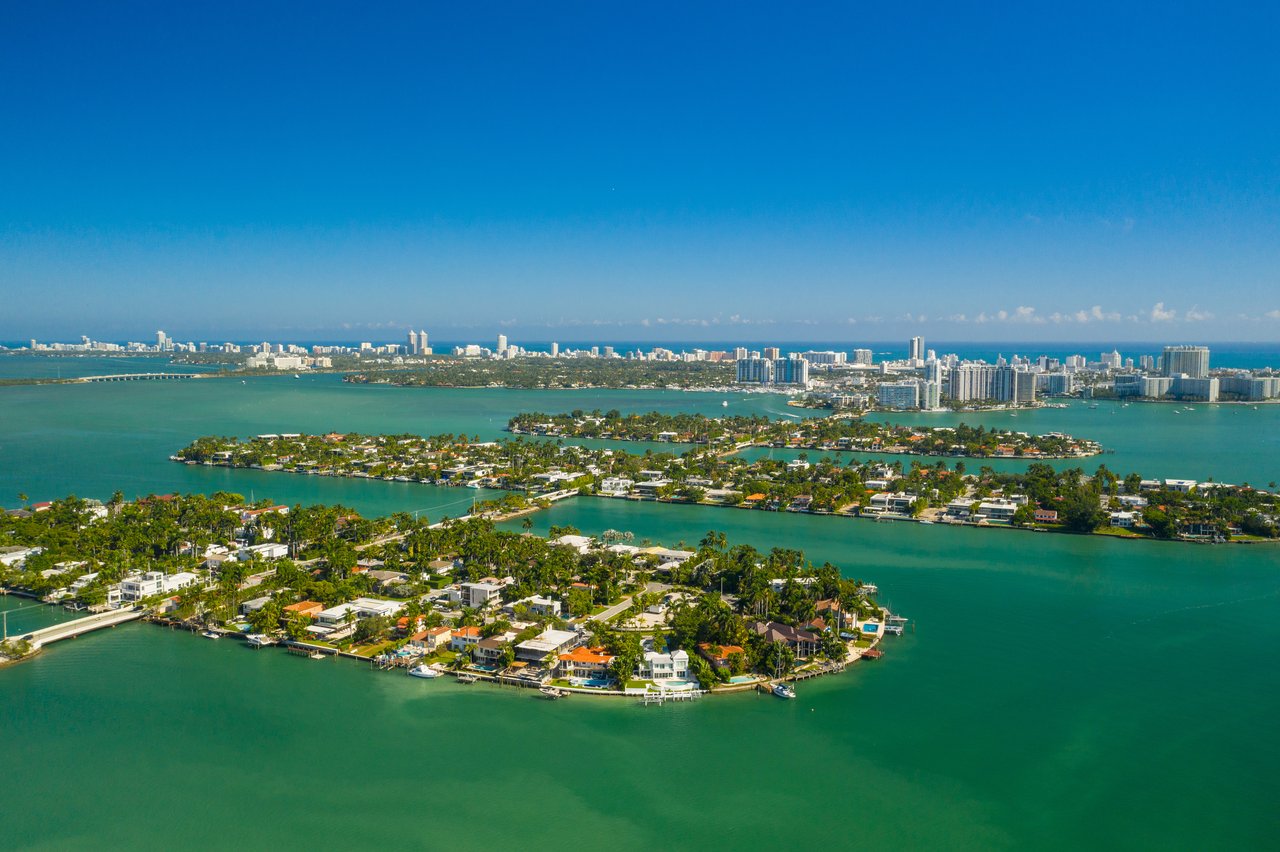
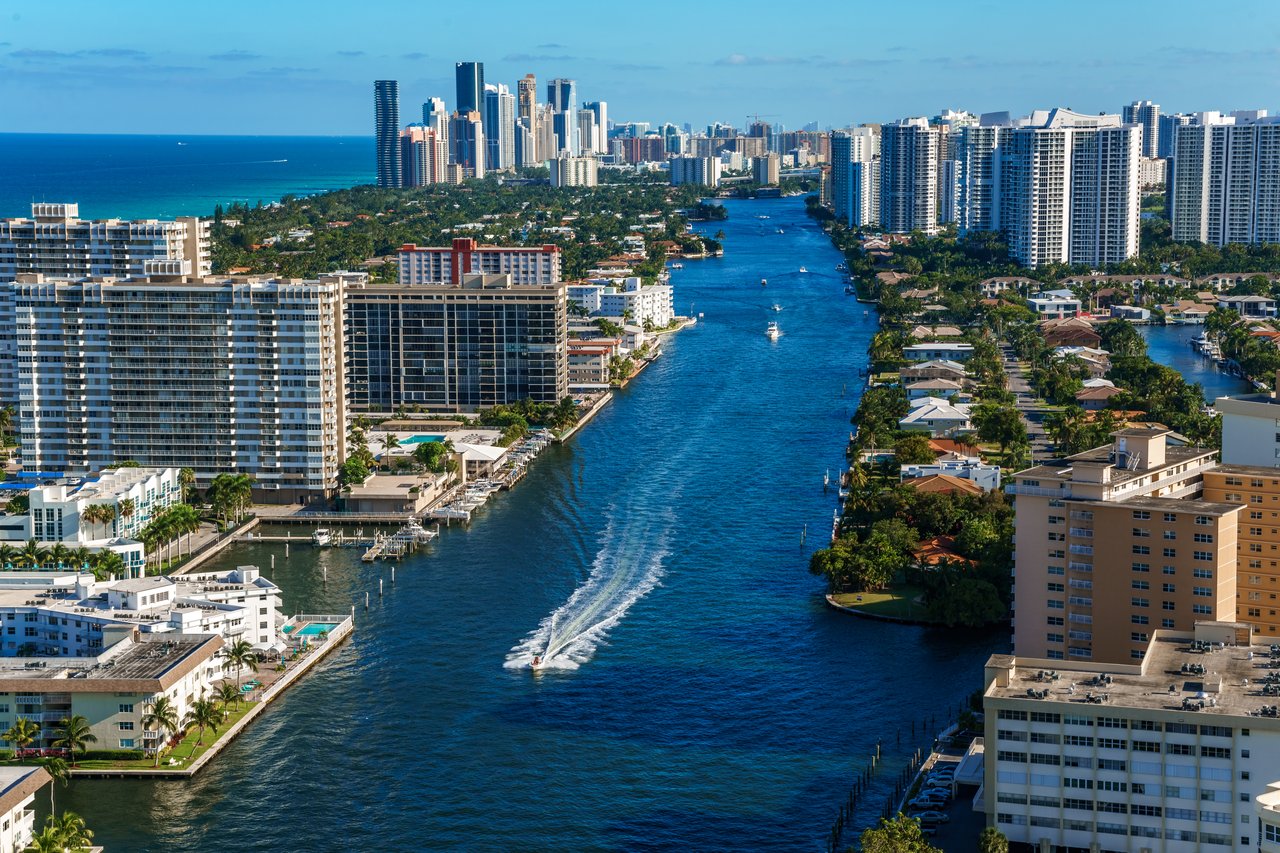
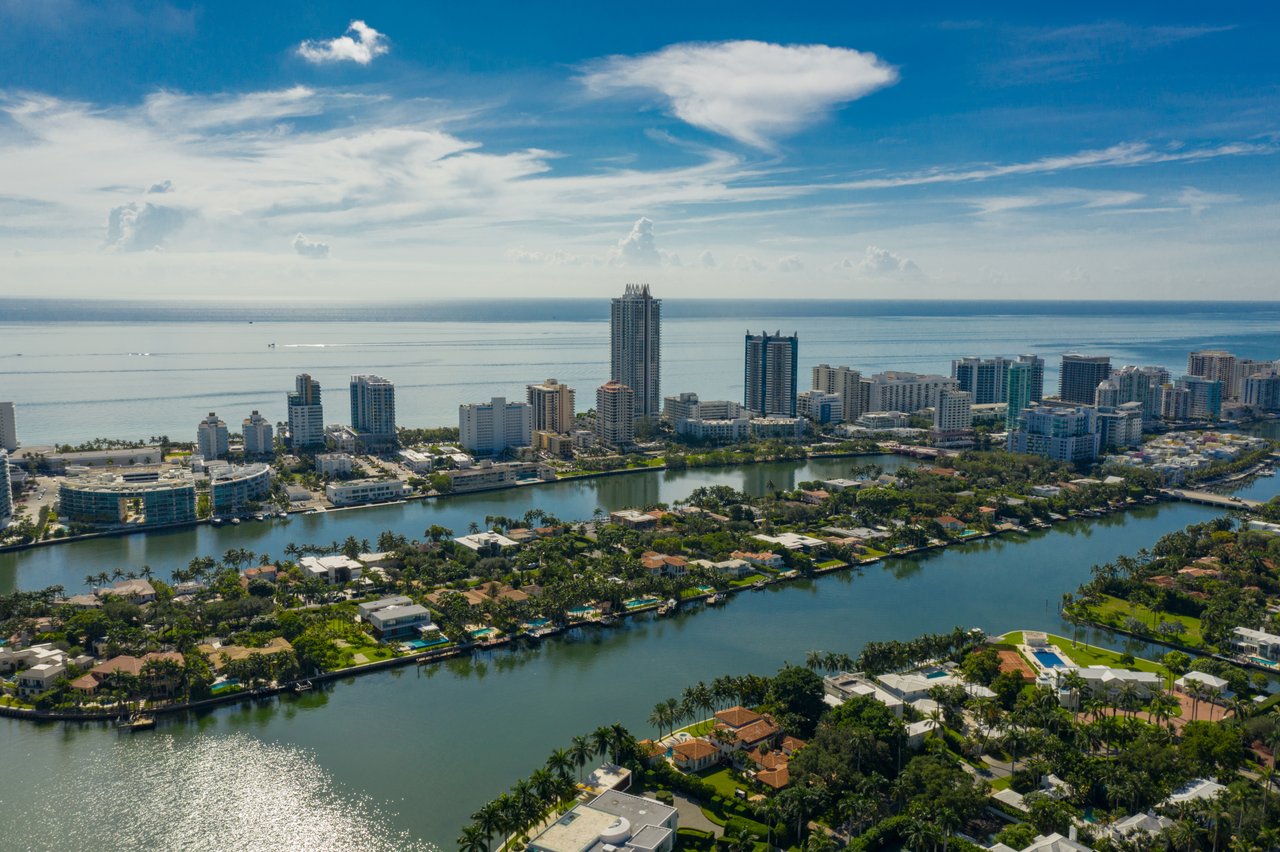
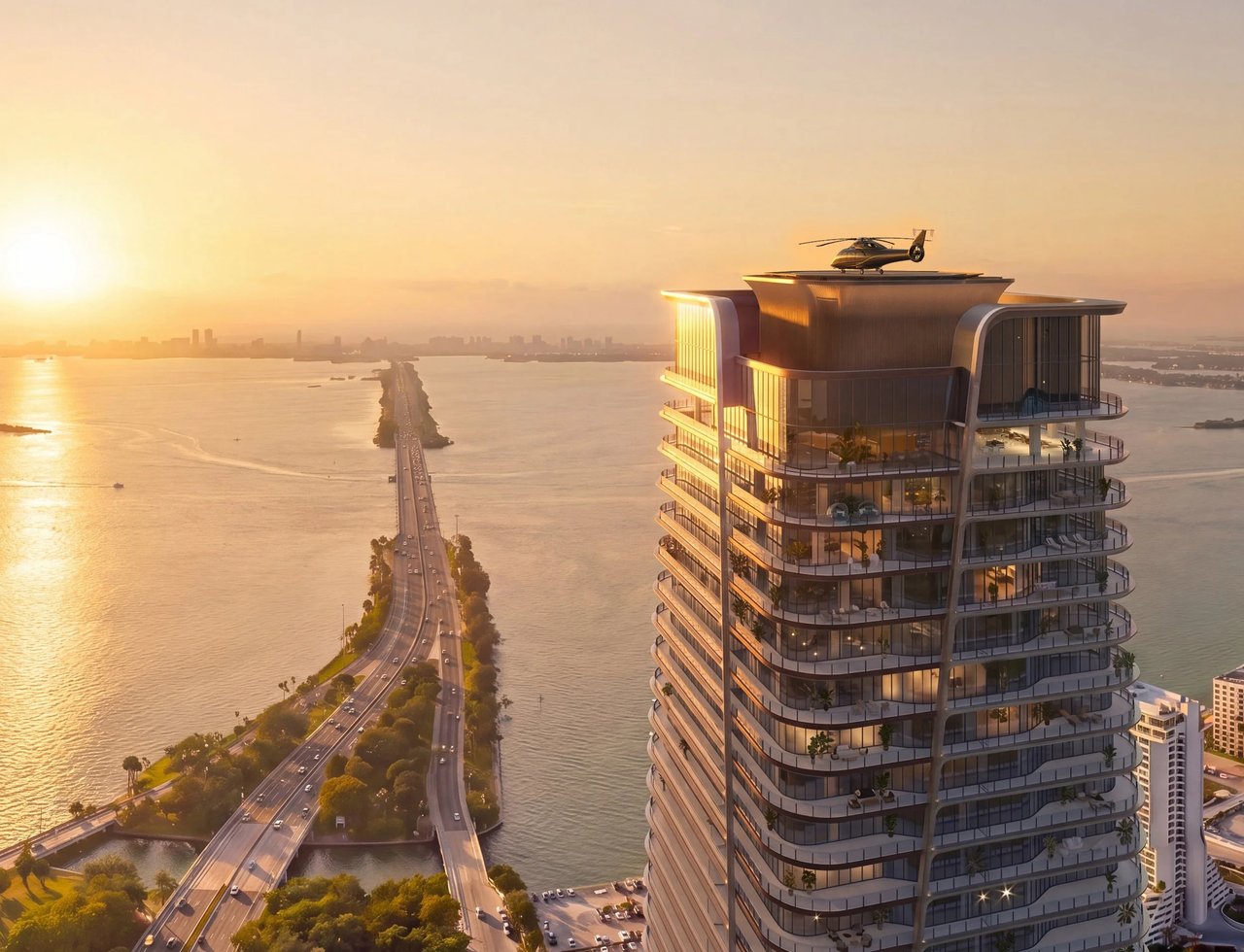
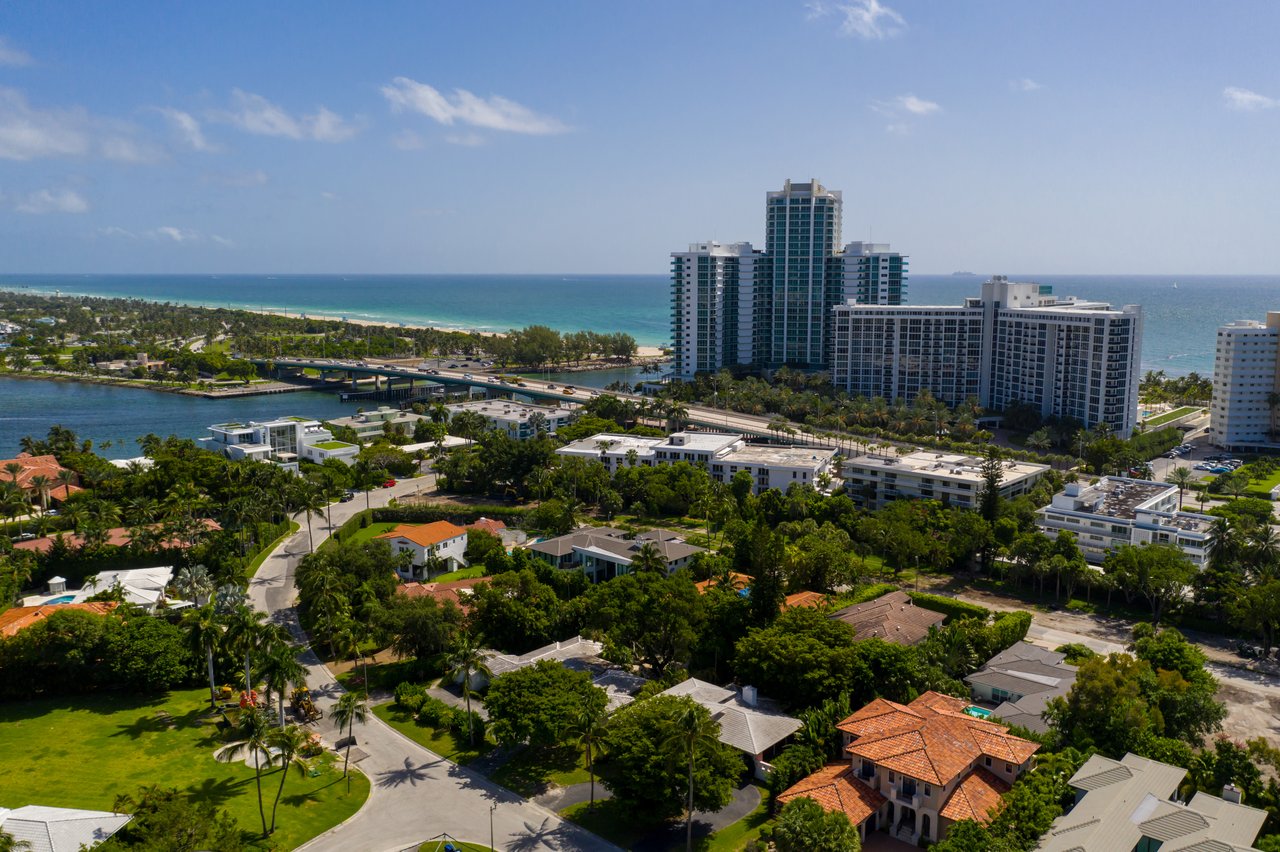
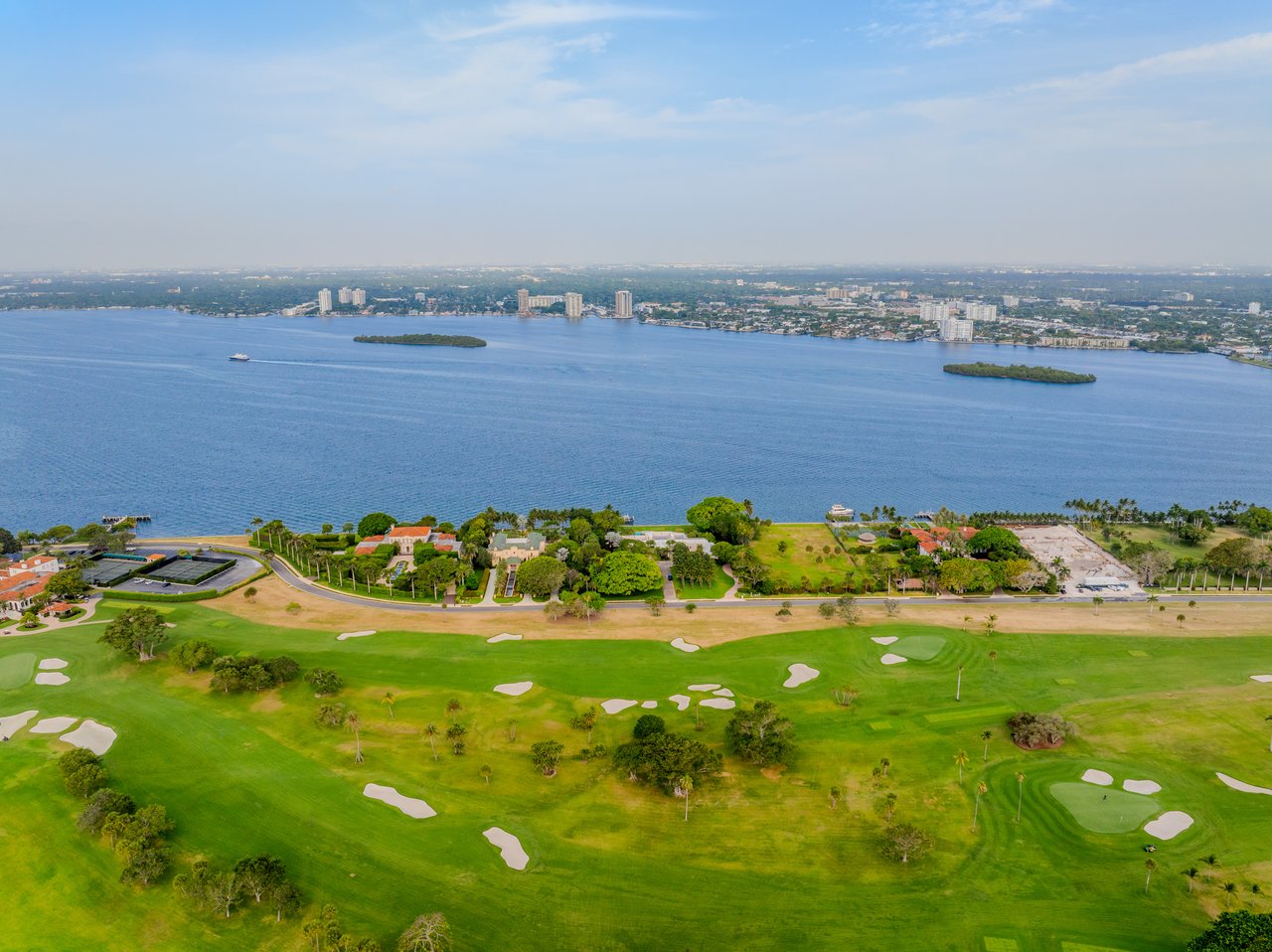
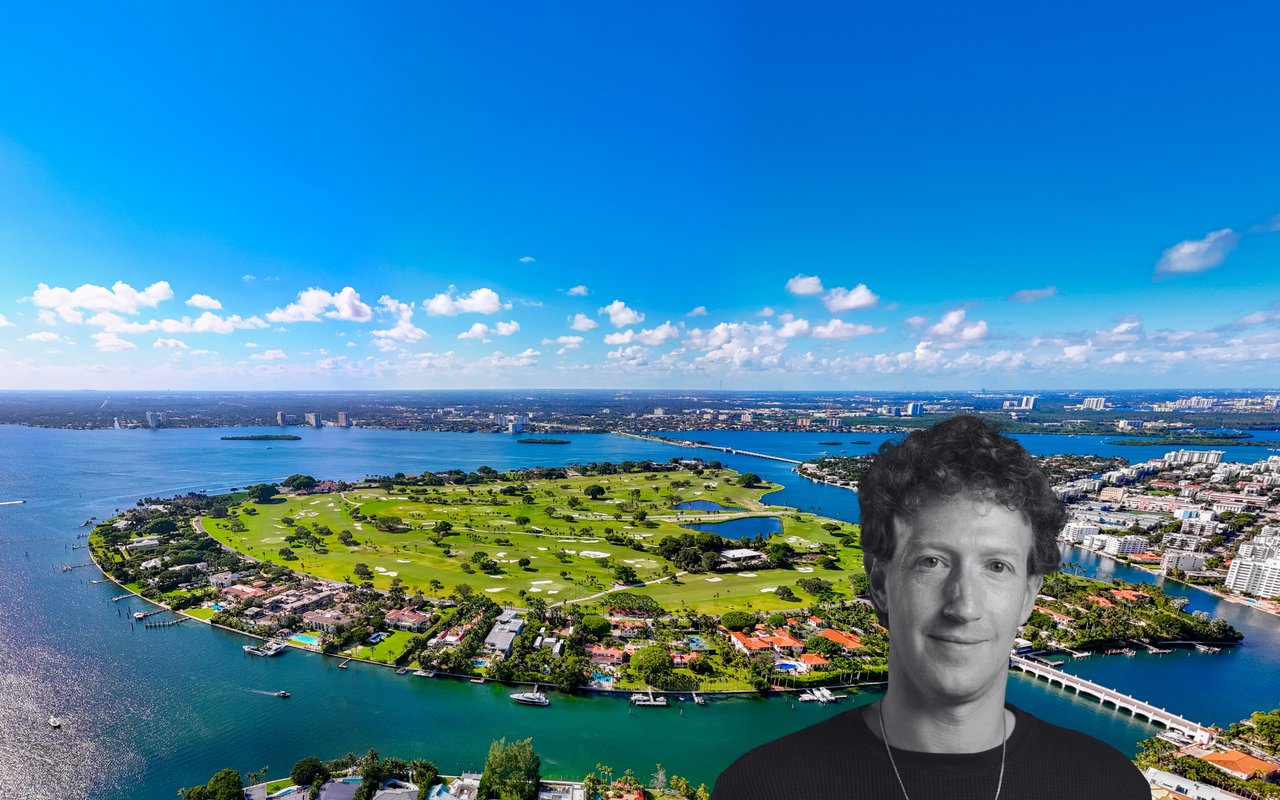
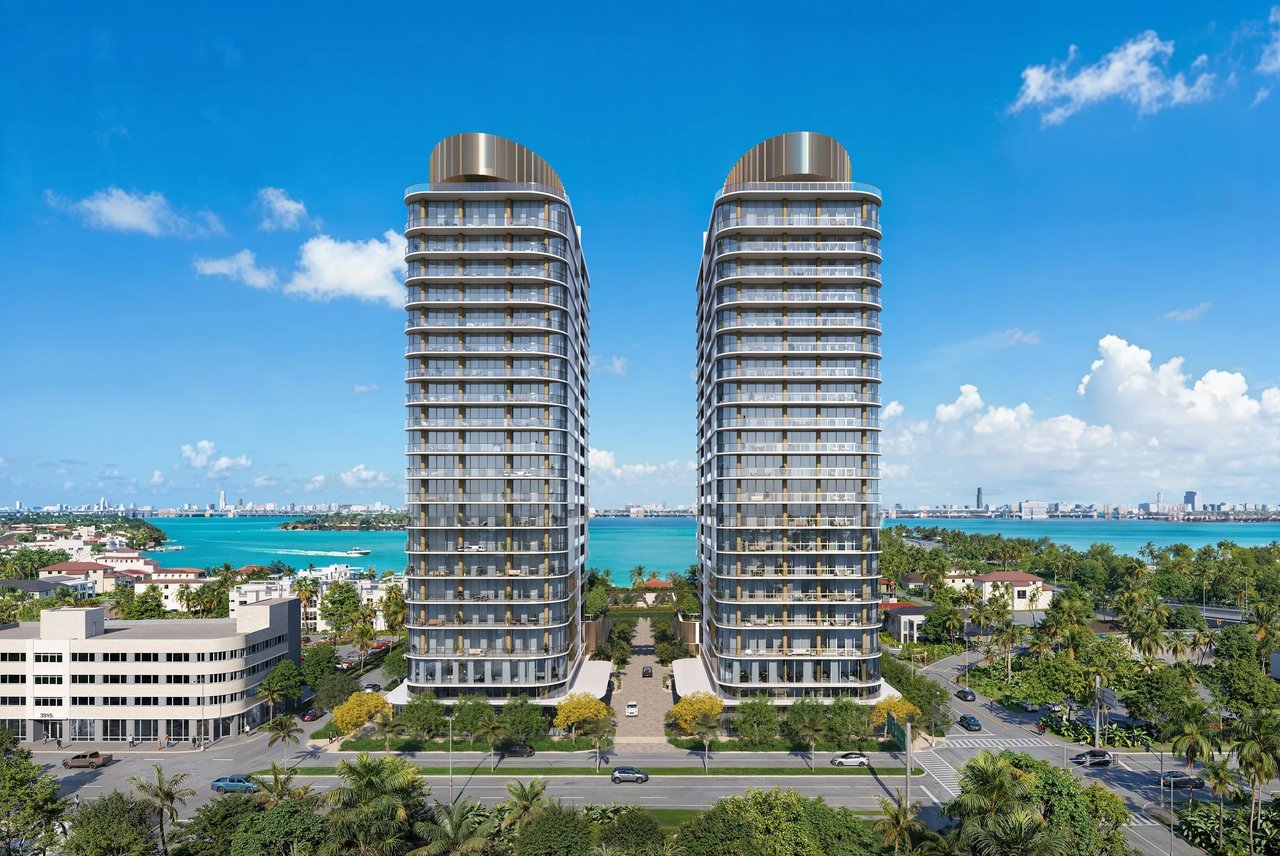
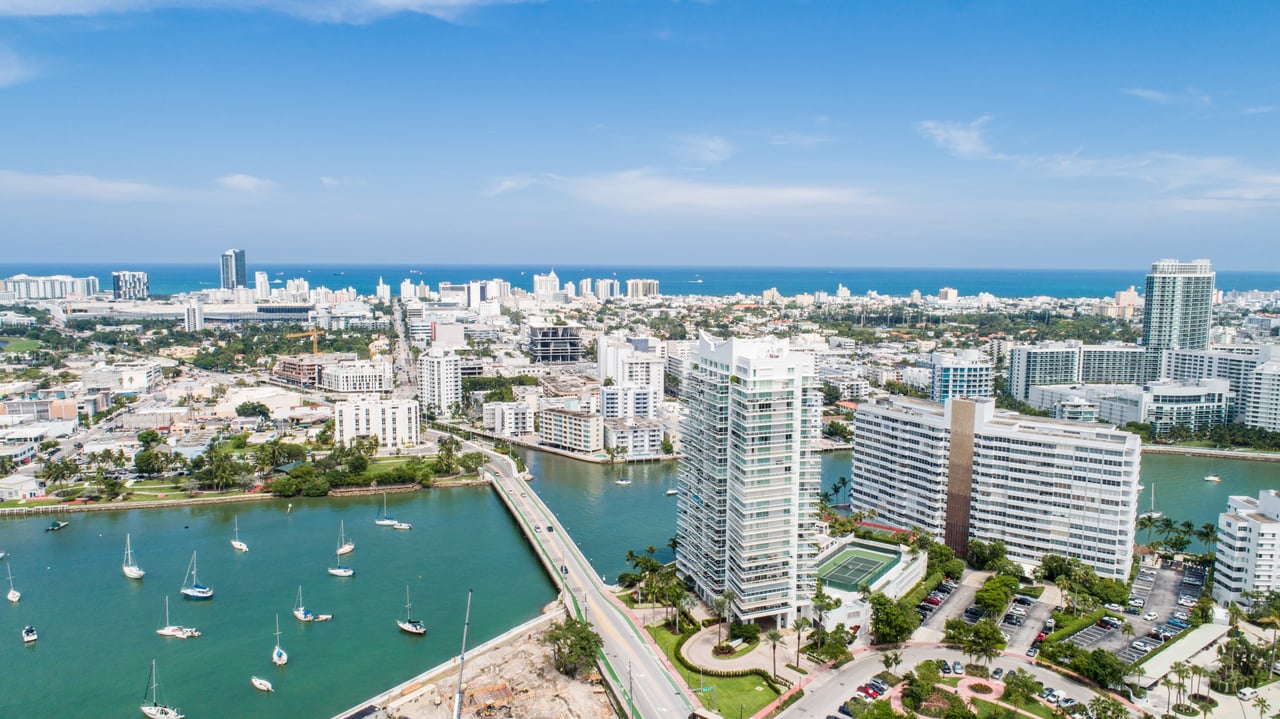
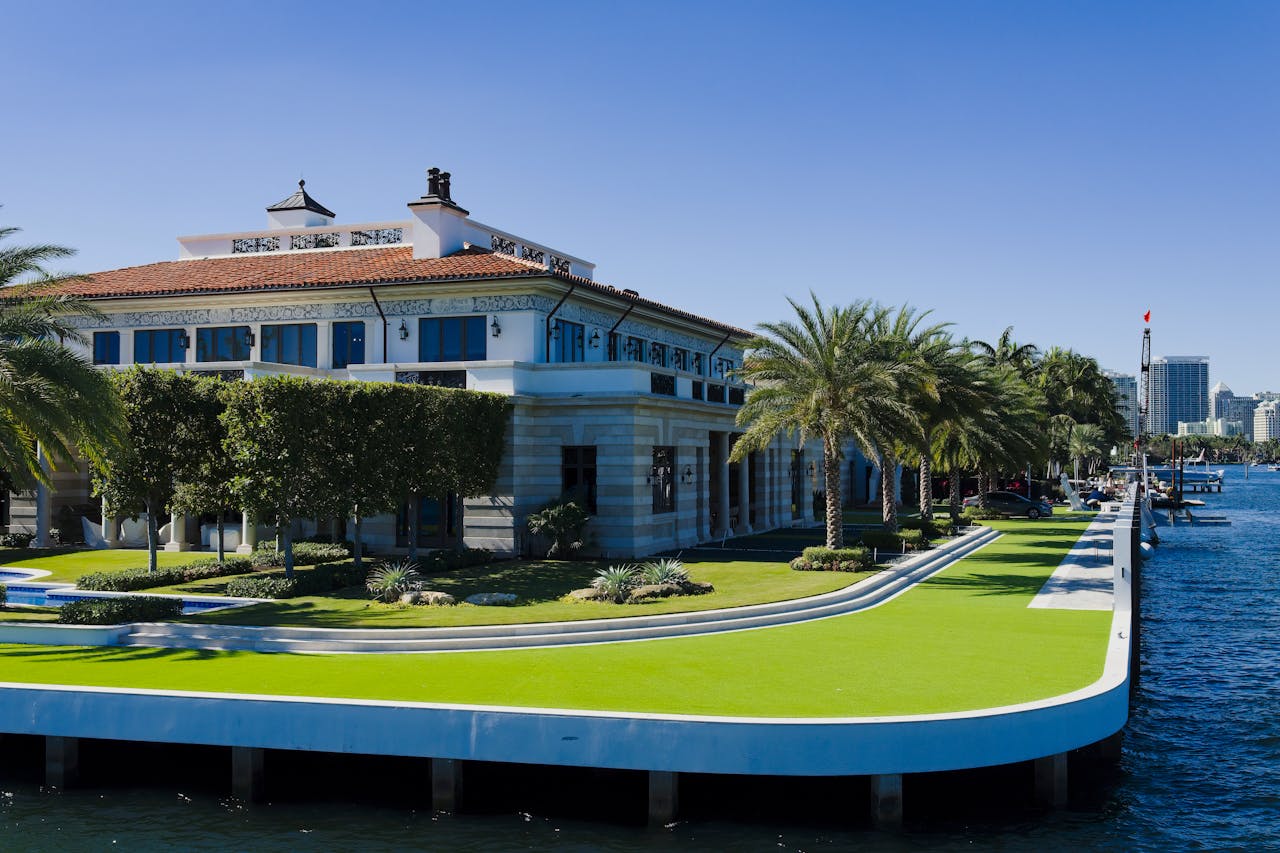
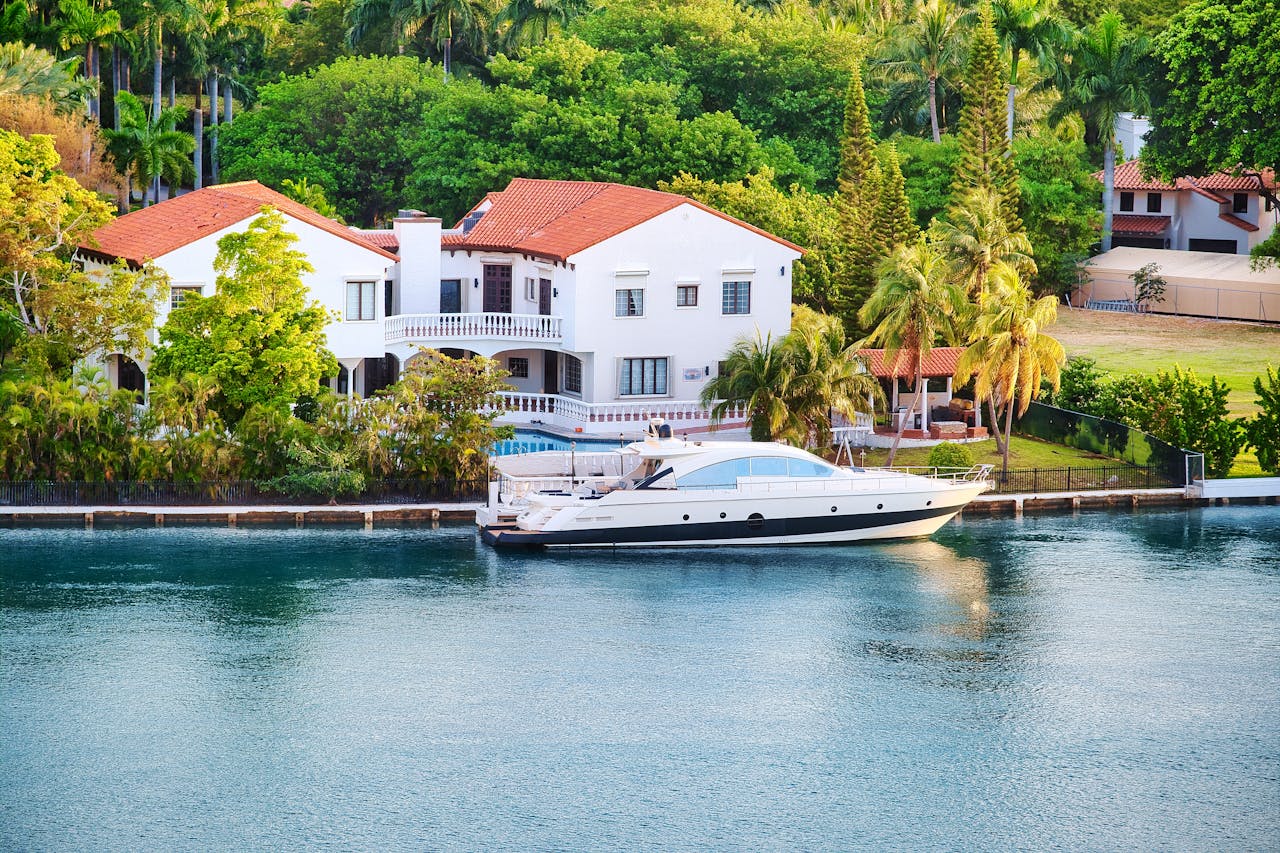
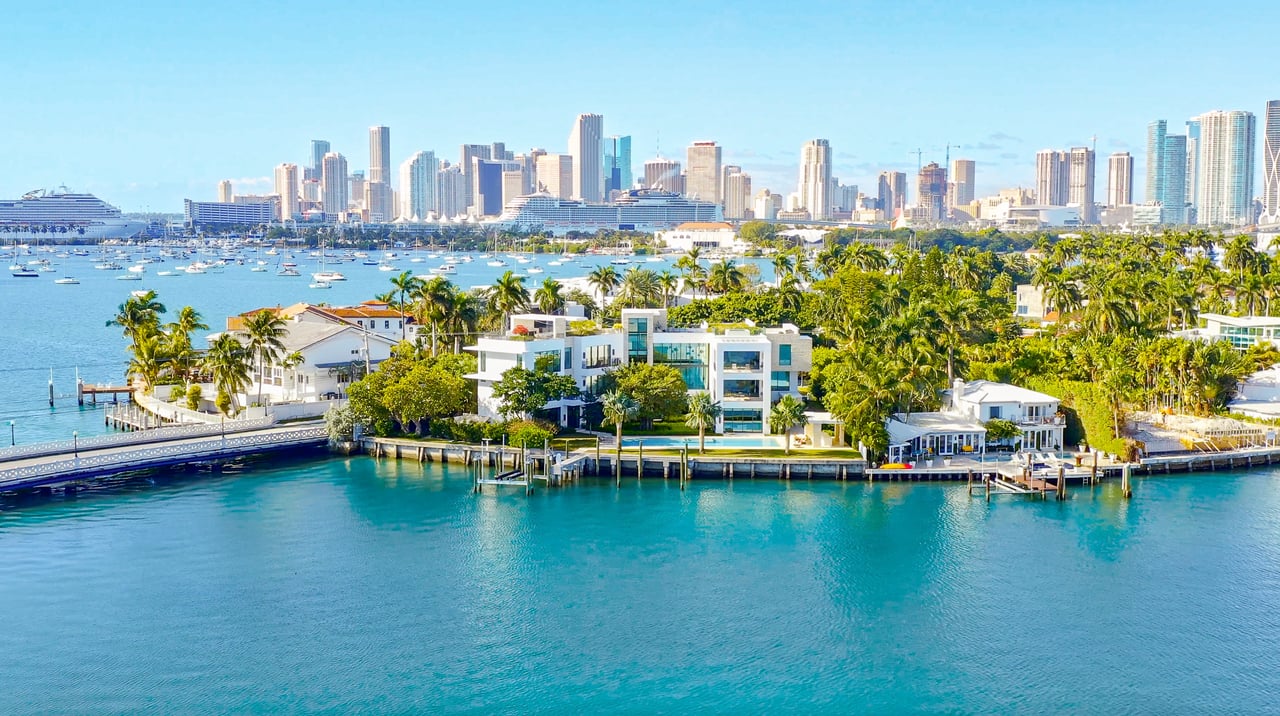
Indian Creek Island has always been extraordinary. With fewer than 40 waterfront estates, its own 24-hour police force patrolling both land and sea, and a single guarded bridge connecting it to the mainland, privacy here is not a feature — it is the foundation. All listings are handled off-market. Access is strictly controlled. The island operates as its own independent municipality.
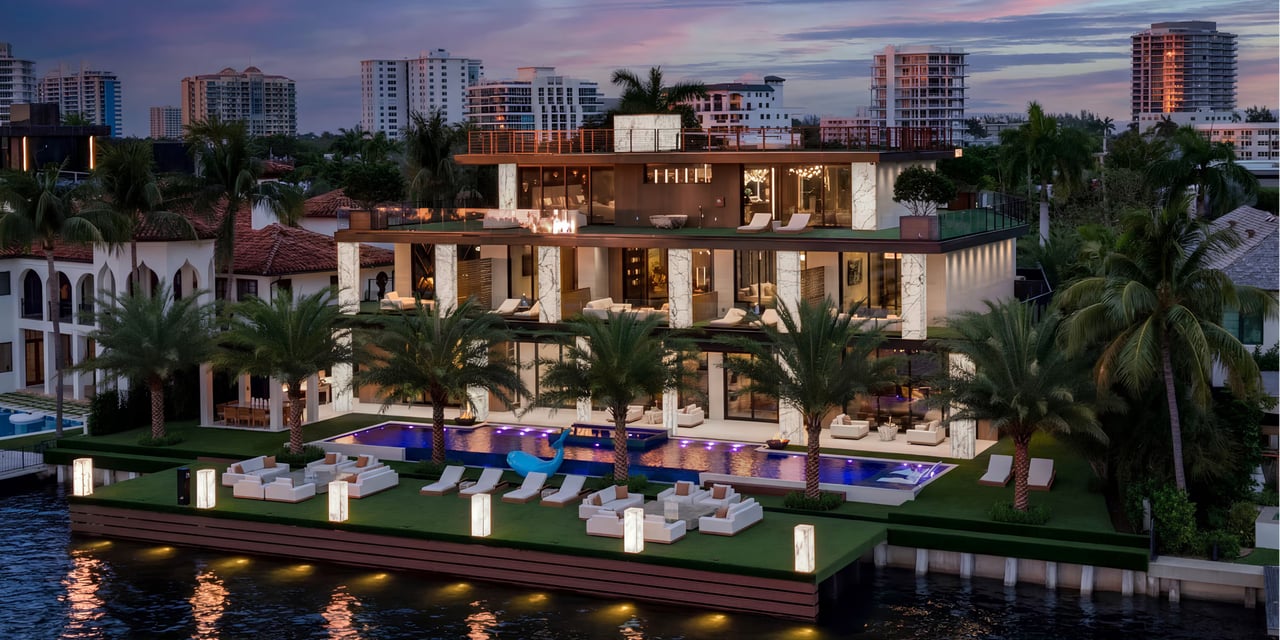
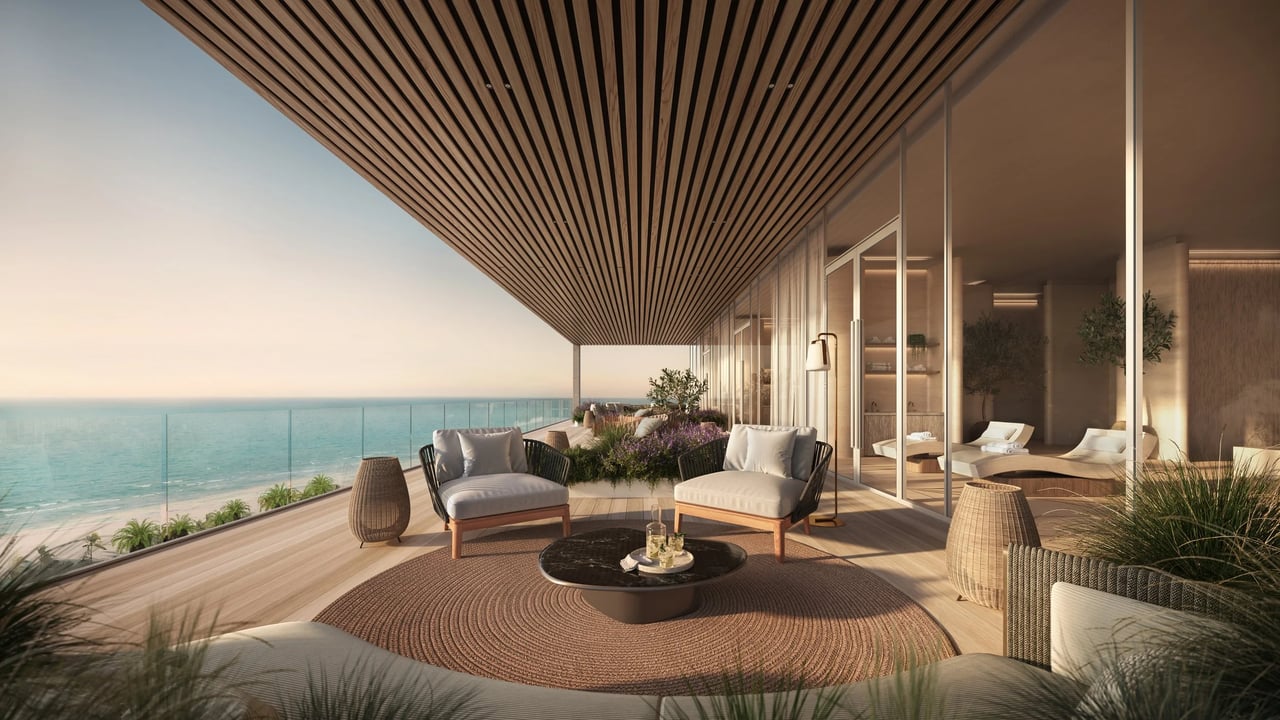
The nearly 28,000-square-foot compound Zuckerberg purchased was designed by Ferris Rafauli — the visionary architect behind some of the world's most extraordinary private residences. Rafauli personally oversaw the architecture, interiors, and landscaping, creating a limestone-clad estate with 200 feet of direct Biscayne Bay frontage. The amenities are nothing short of resort-caliber: a jazz lounge, a secret-passage library, a 1,500-gallon centerpiece aquarium, a wellness wing with a spa suite, sauna, steam room, salon, and a stunning 60-foot pool.
Miami has always had the lifestyle. Now it has the infrastructure, the financial gravity, and the global cachet to match. The billionaires didn't discover Miami — they confirmed what we already knew.
A Convergence of Wealth at the Top
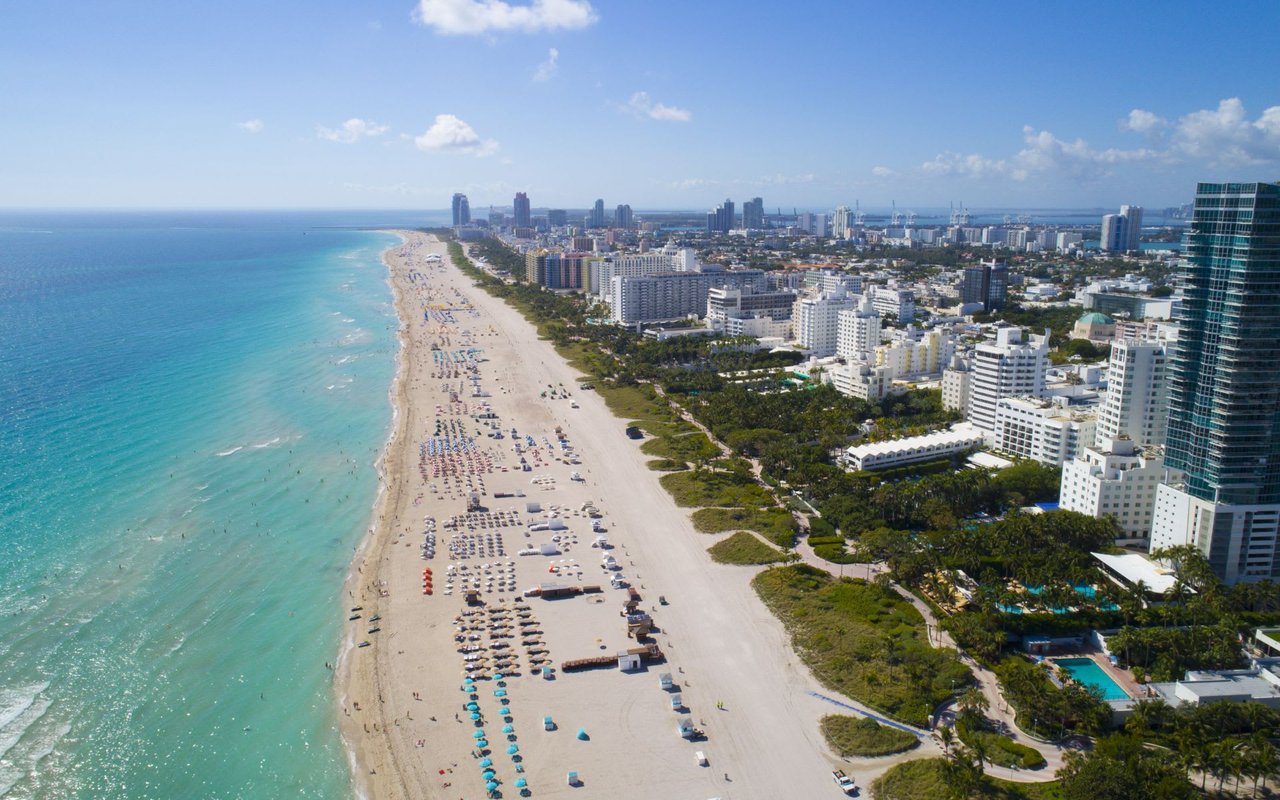
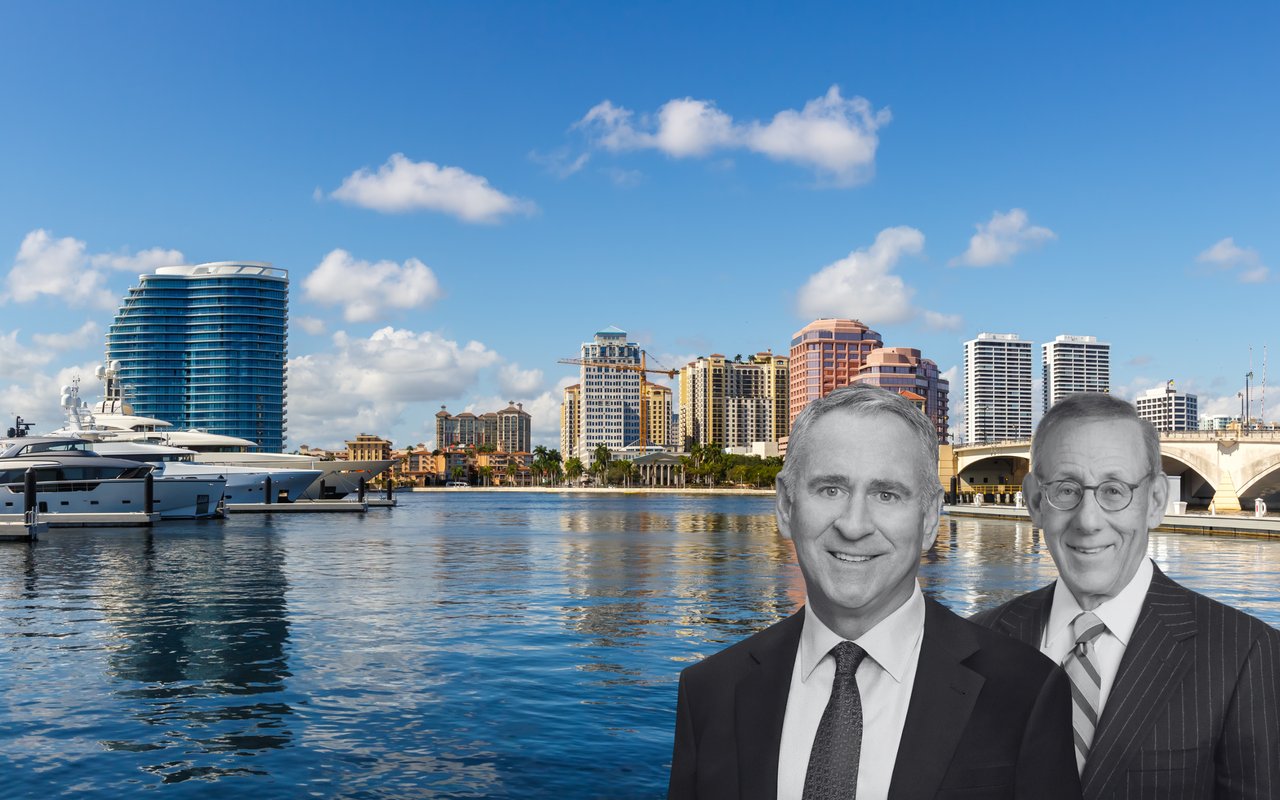
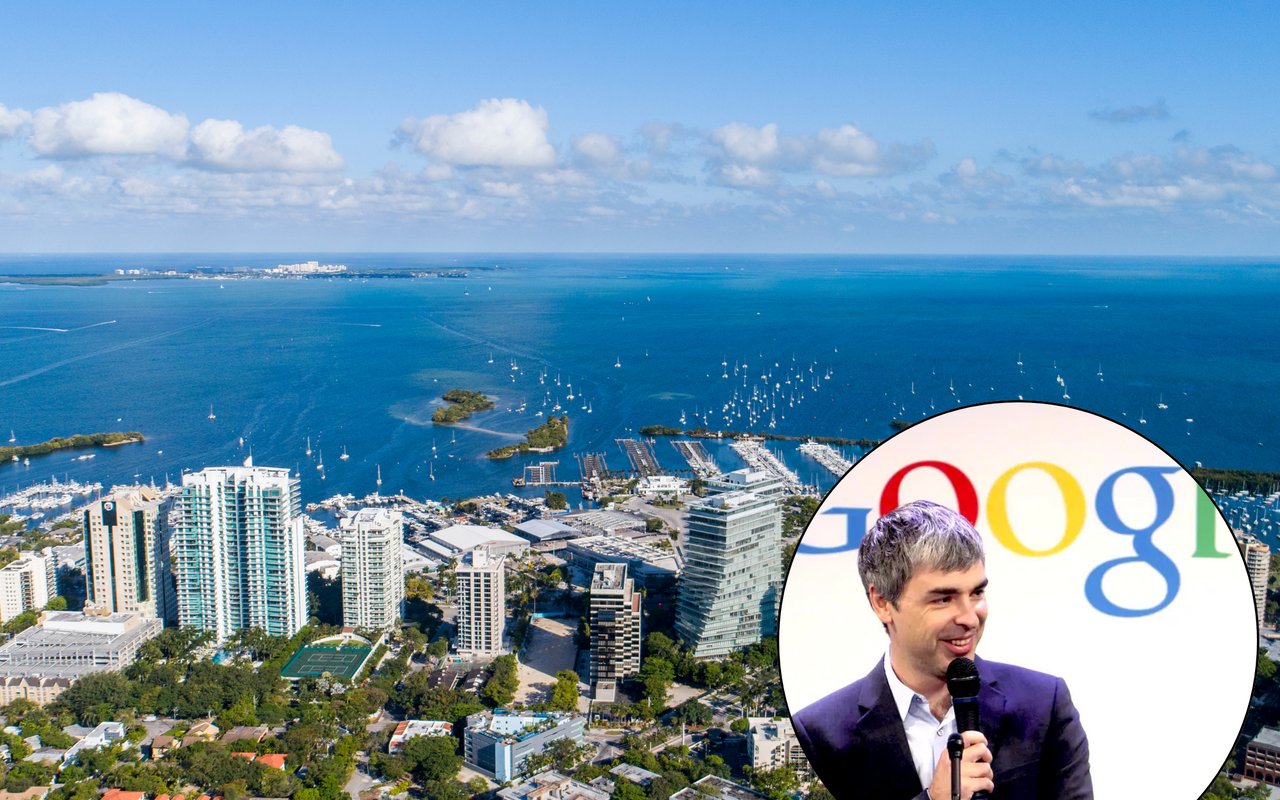
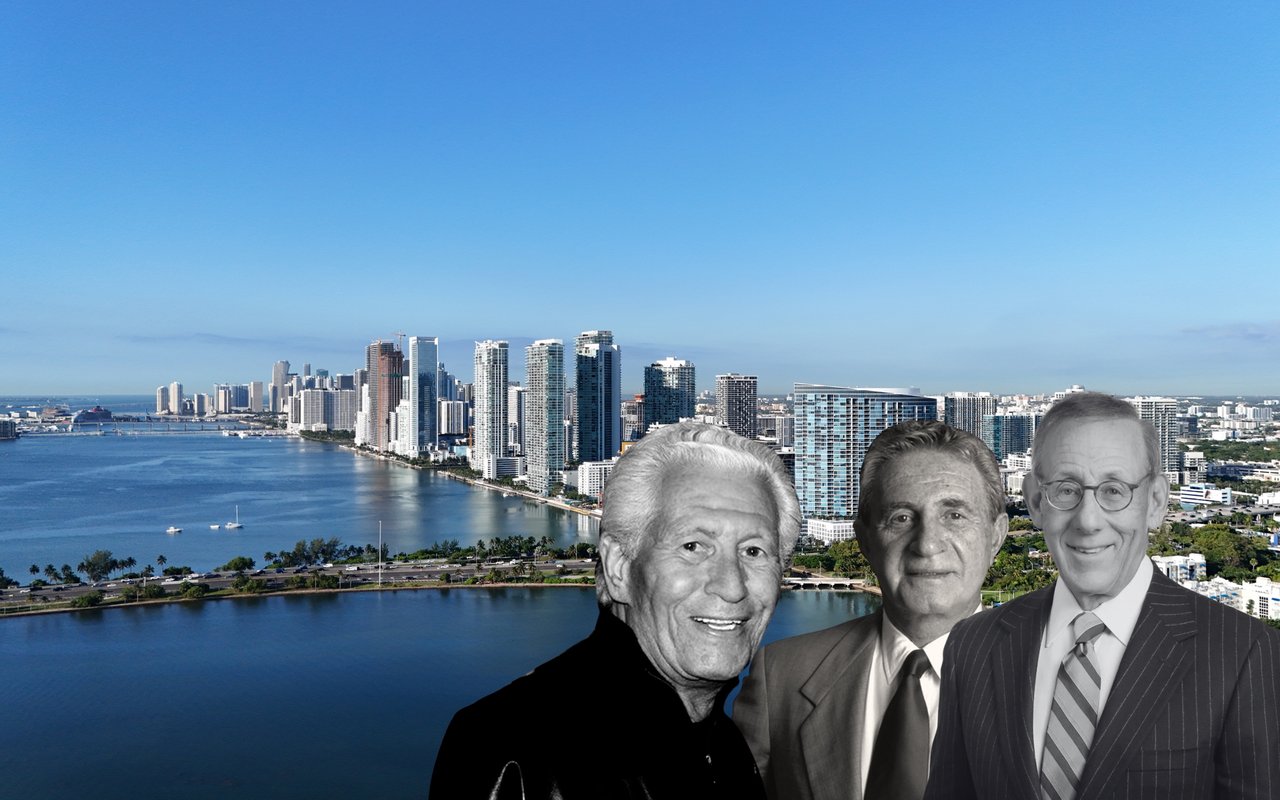
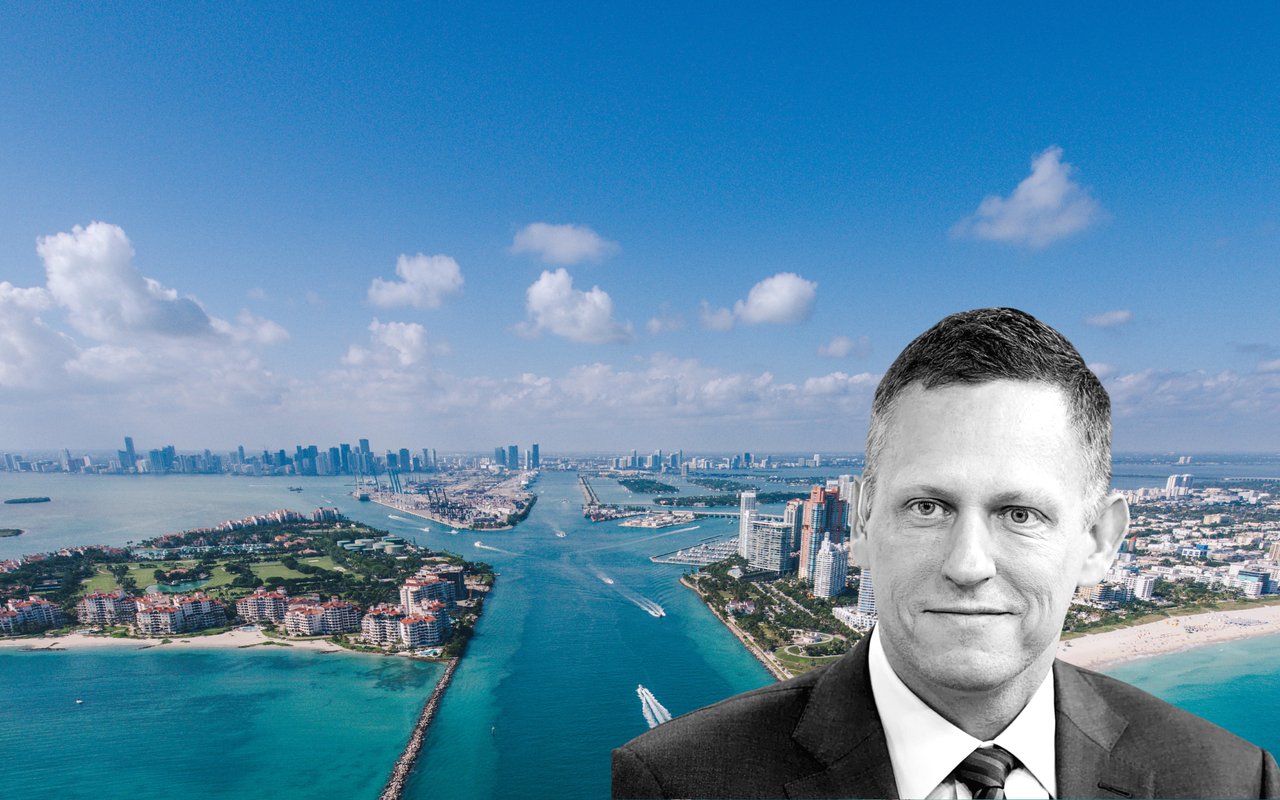
Zuckerberg's purchase places him on an island already home to some of the most recognizable names in the world. Jeff Bezos has assembled a multi-property compound there, and the surrounding Miami area has become a magnet for tech's most powerful figures. Google co-founder Larry Page acquired a $173 million compound in Coconut Grove. Sergey Brin has been purchasing in Miami Beach. In total, four of the five wealthiest people on the planet now own real estate within 20 miles of each other in South Florida.
That is not coincidence. That is consensus.
The Tax Equation — And What It Really Means
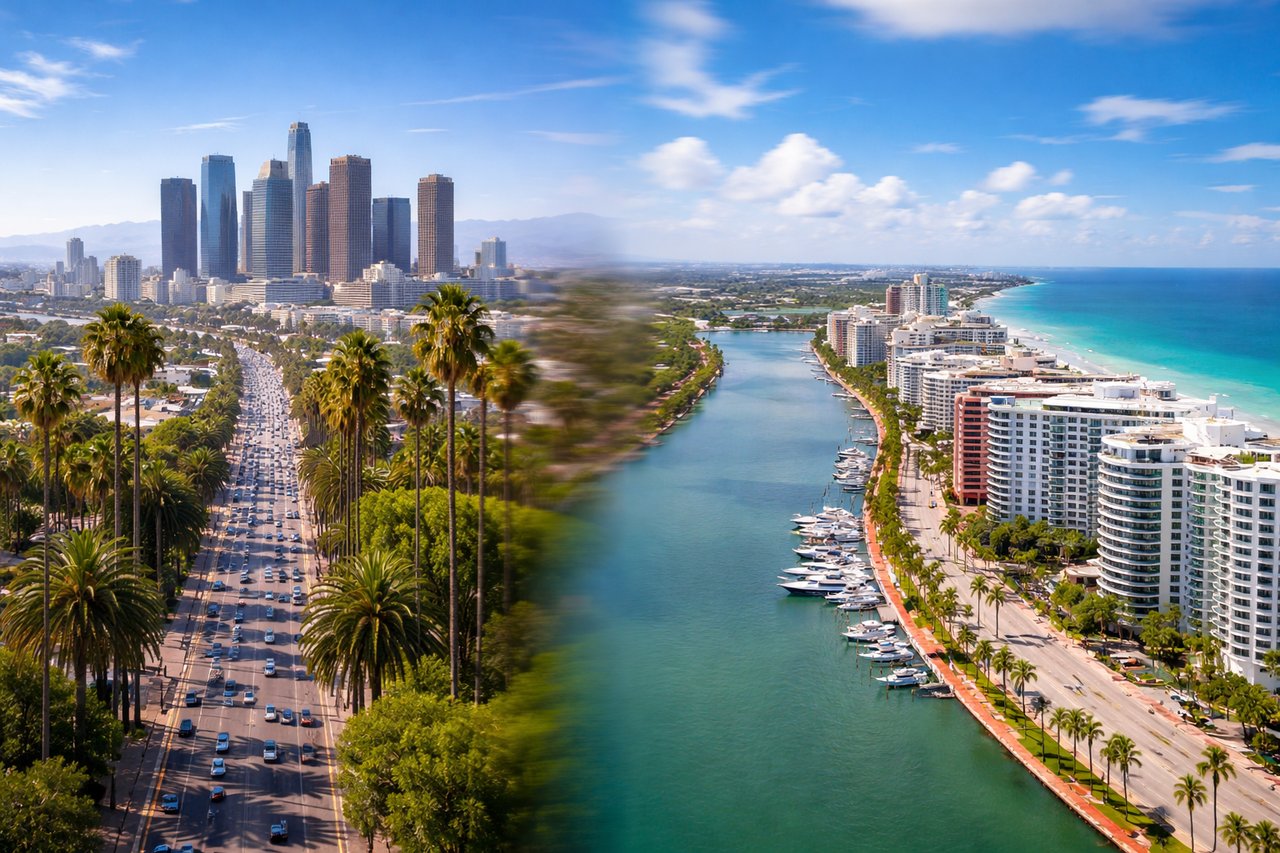
Much has been written about California's proposed wealth tax — a 5% levy on fortunes exceeding $1 billion, retroactive to January 2026. For individuals with net worths in the hundreds of billions, the numbers involved are staggering. Florida, with no state income tax and a business-friendly regulatory environment, offers a meaningful contrast.
But I want to offer a more complete picture. Tax strategy may accelerate the decision, but it rarely makes it. The people moving here aren't fleeing California — they're choosing Miami. The climate, the culture, the access to the water, the growing ecosystem of finance, technology, and innovation — these are the reasons people stay. The tax advantage simply removes a reason to hesitate.
What This Means for the Broader Market
The wealth migration to South Florida is not limited to nine-figure purchases. The Miami Association of Realtors reported that over 55,000 workers from out of state relocated to South Florida in 2024 alone — primarily from California, New York, and Texas — with median incomes significantly above those of in-state movers. That influx added more than $5 billion in earnings to the region in a single year.
Demand for single-family homes has remained strong, particularly at the higher end of the market. The South Florida unemployment rate ended 2024 at 3.5% — among the lowest of any major metropolitan area in the country. The fundamentals here are not fragile. They are reinforced with every headline like Zuckerberg's.
A Personal Note to My Clients
When someone with a net worth of $231 billion chooses to make a record-breaking purchase in your market, it does something very specific to values — not just at the top, but throughout the ecosystem. Properties that might have seemed aspirationaly priced become benchmarks. Neighborhoods that were emerging become established. The ceiling rises, and everything beneath it rises with it.
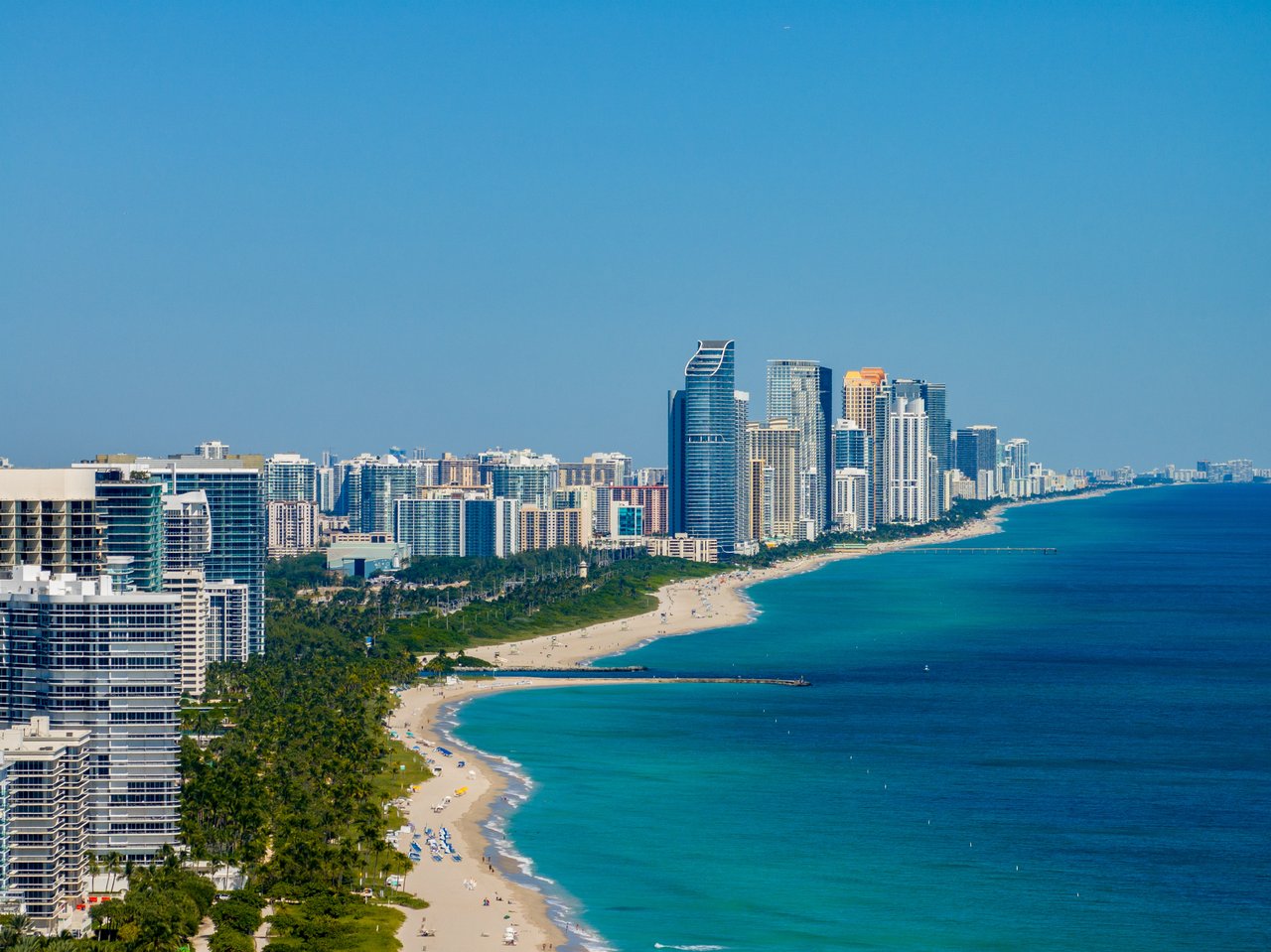
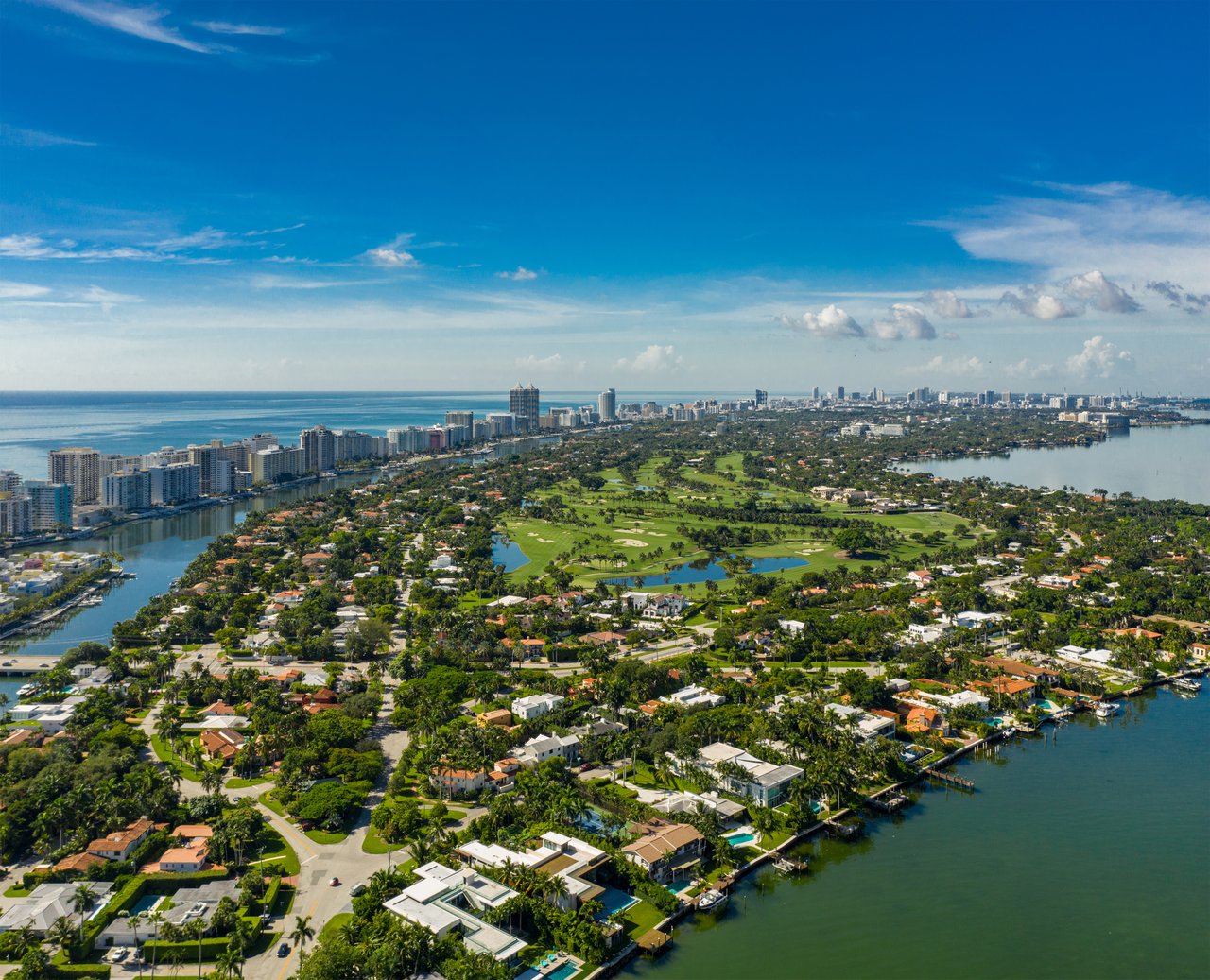
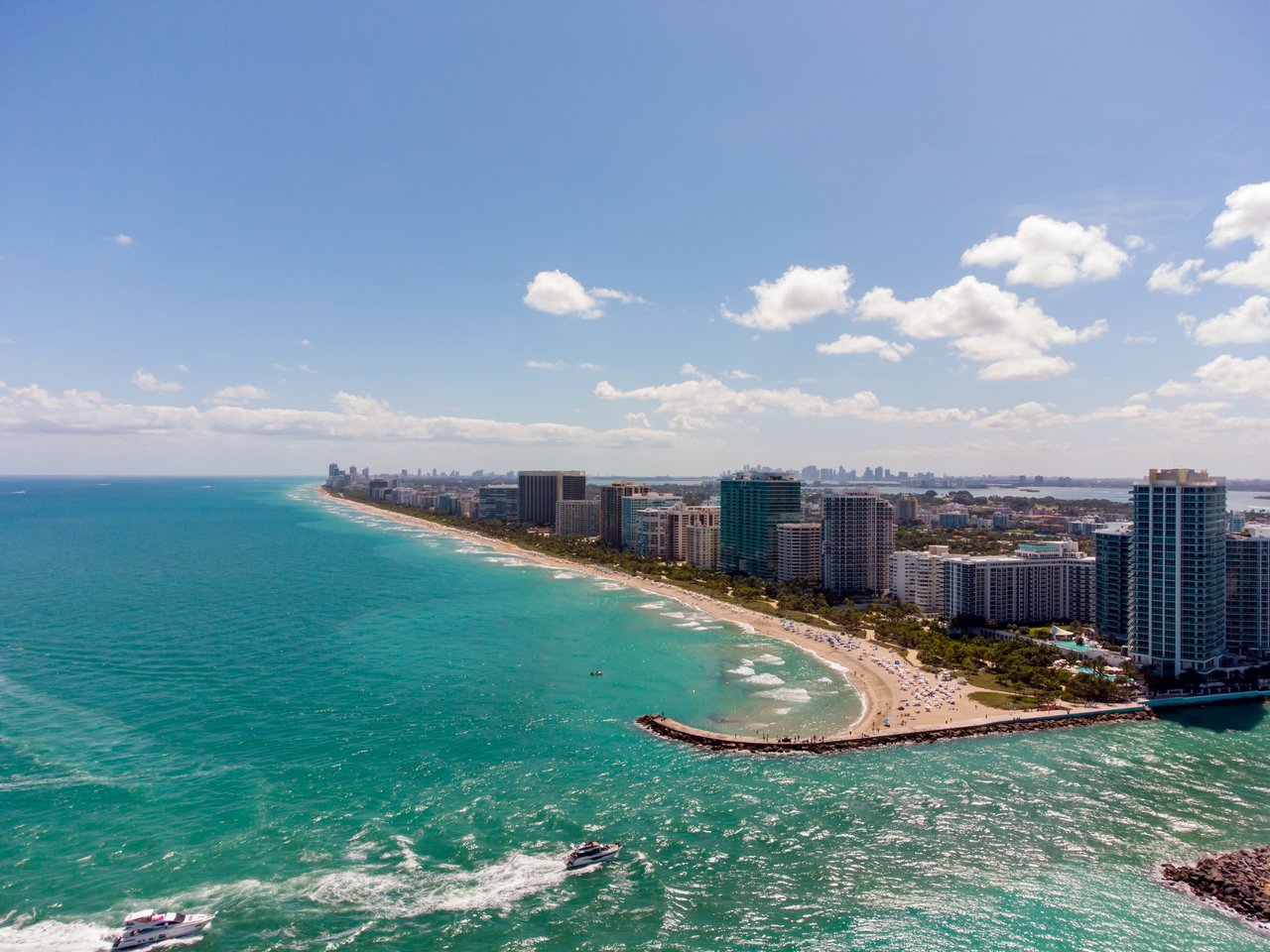
For my clients — whether you are looking at Indian Creek, Star Island, Surfside, Bal Harbour, or anywhere along this extraordinary coastline — this moment is worth paying attention to. Not because of the headlines, but because of what they confirm: that South Florida luxury real estate is one of the most compelling value propositions in the world right now.
I have spent my career helping people find not just a home, but the right home at the right time. If you have been watching this market and wondering whether the moment has passed — it hasn't. In many ways, it is just beginning.
I would love to have that conversation with you.
This blog post was inspired by an article originally published in The New York Times.