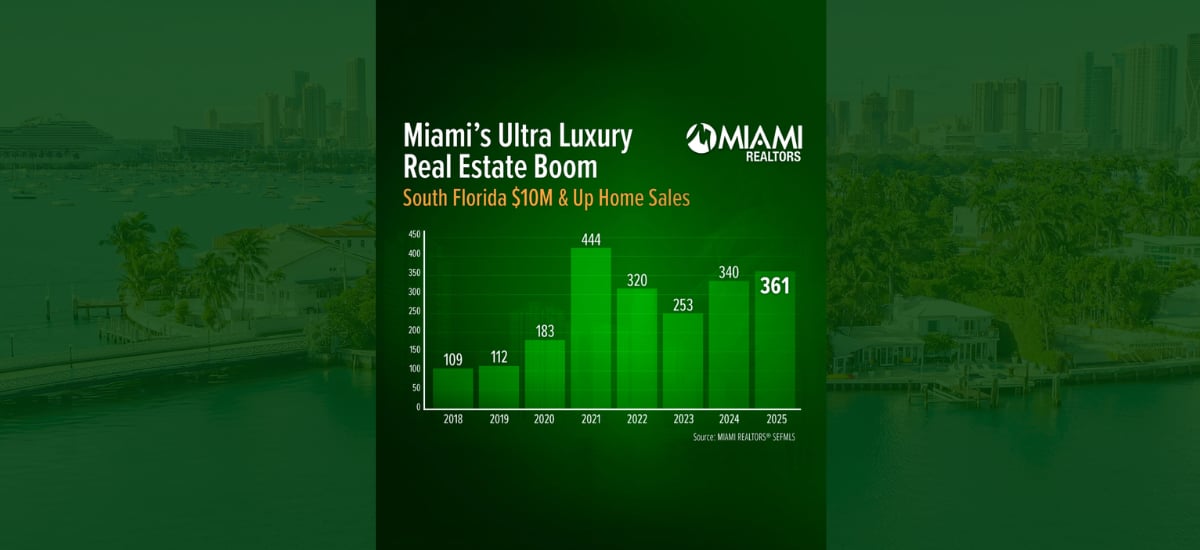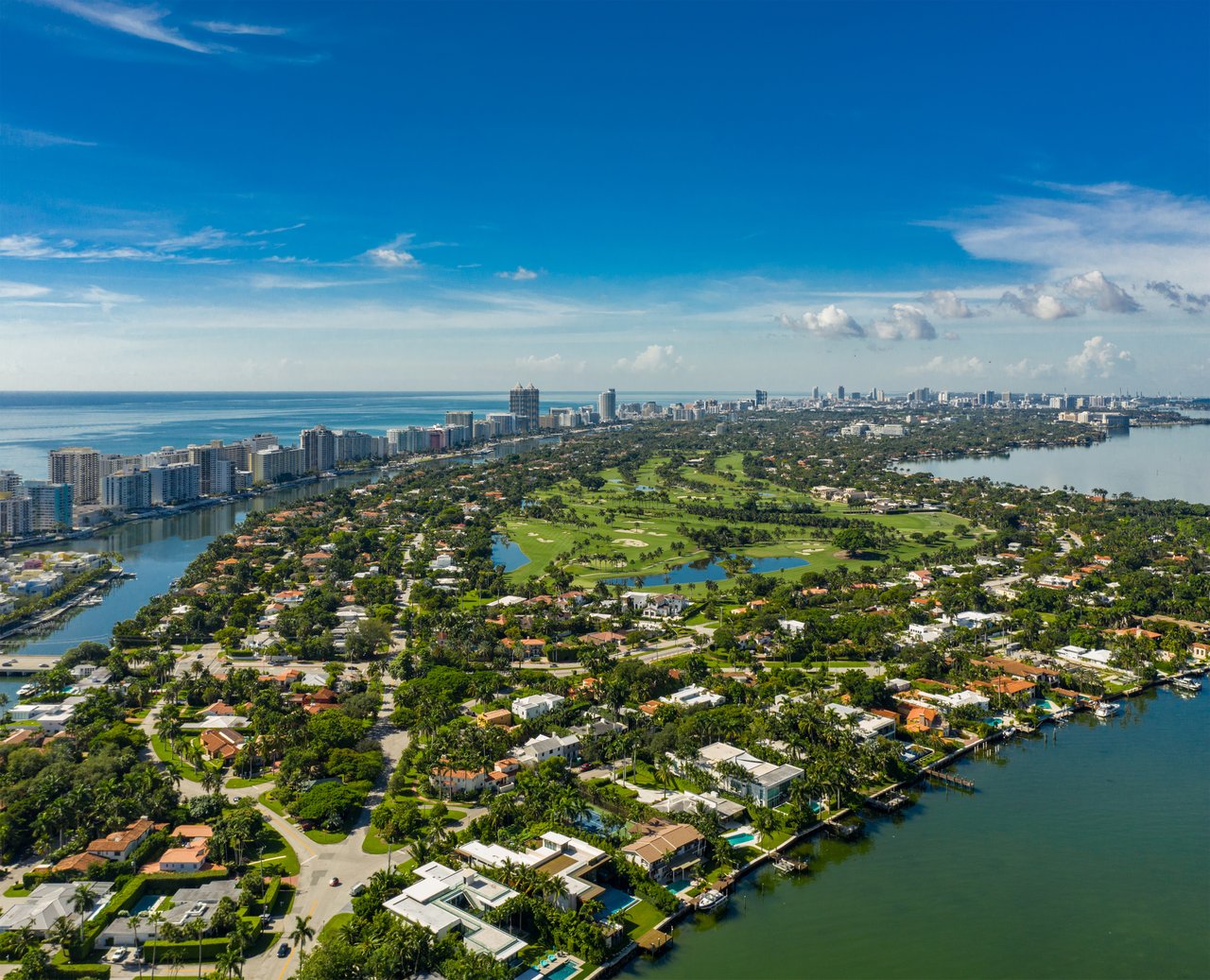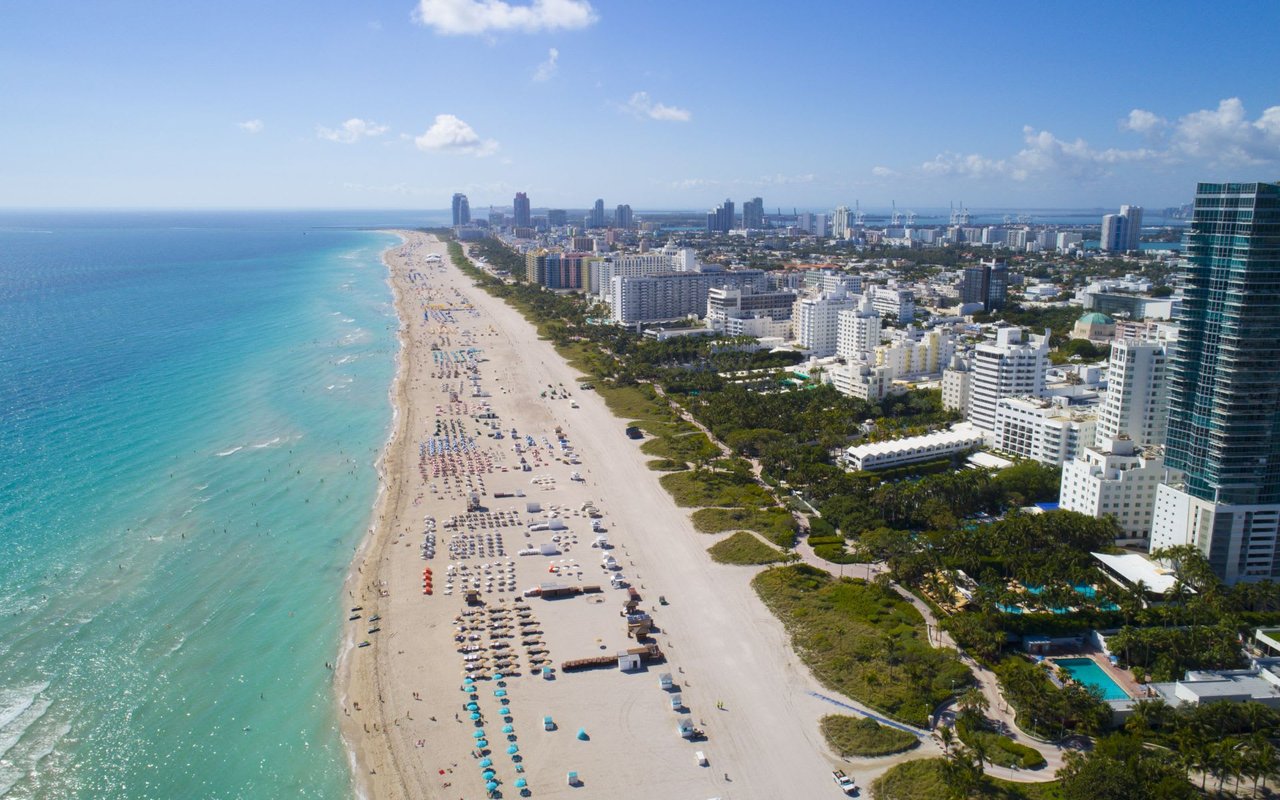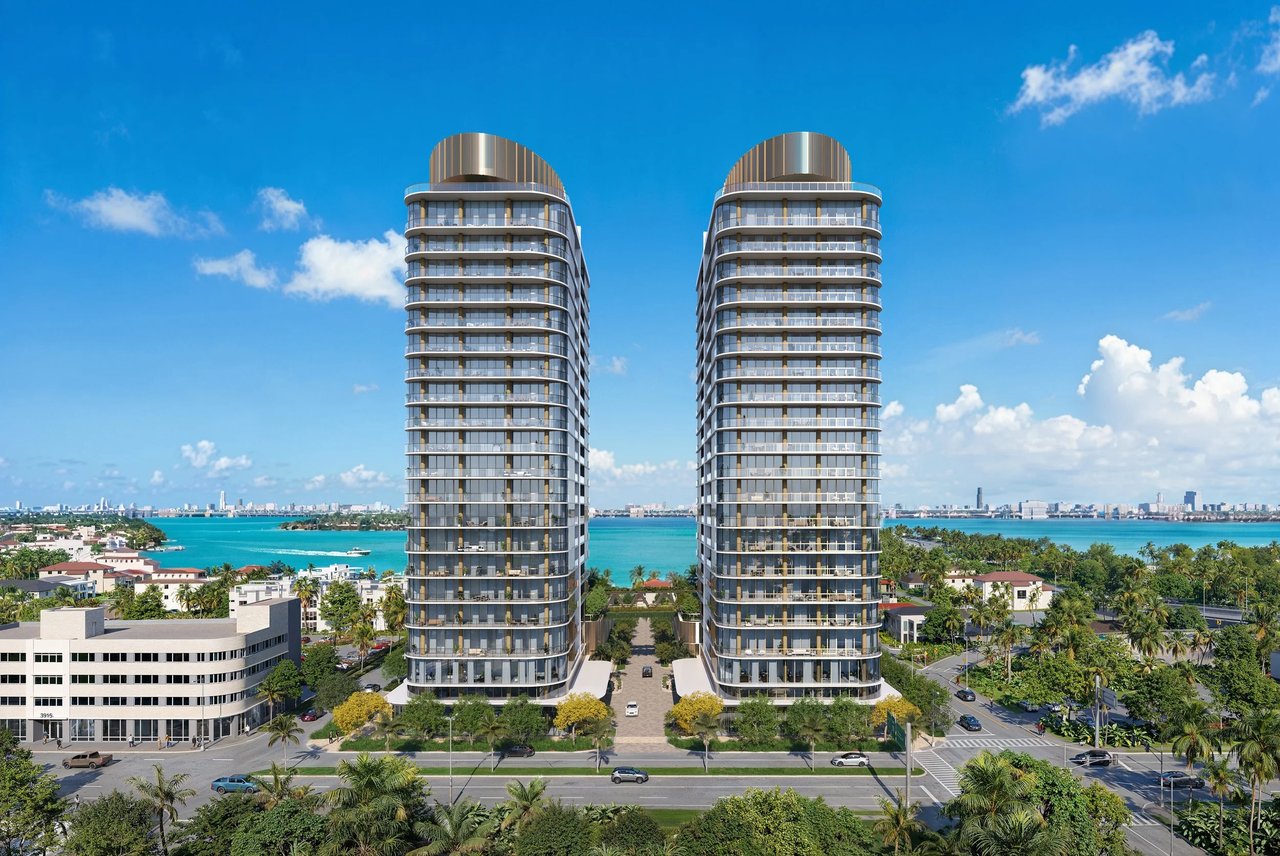
Buying directly from a Miami developer does not automatically mean getting a lower price or an easier transaction.
A buyer's real estate professional can compare competing developments, examine individual units, investigate available terms and incentives, coordinate due diligence, and stay involved through construction and closing.
Choosing a luxury realtor Miami buyers can rely on for pre-construction is not simply about finding someone who can arrange a sales-gallery visit. The larger value comes from having someone who can put that project, unit and transaction in the context of the wider Miami market.
Compensation is part of that decision, but it is not as simple as saying the buyer's agent is always free. Many new developments offer compensation to cooperating brokers. Whether a buyer owes anything separately depends on the compensation available for that project and the terms of the buyer's written agreement. Compensation is negotiable and is not fixed by law.
For a pre-construction buyer, the larger issue is the scale of the commitment. A purchase can involve staged deposits, a lengthy construction timeline, condominium documents, an estimated operating budget, assignment restrictions and decisions about how the residence fits into a longer-term ownership plan.
That is where working with an experienced Miami luxury Realtor changes the conversation. Instead of asking only whether a particular unit looks attractive, the buyer can ask how the building, residence and transaction compare with the rest of the market.
Buyers beginning that comparison can review current Miami new developments before narrowing the shortlist.
Buyer's Agent vs. Buying Direct From a Miami Developer
A developer's sales gallery can provide detailed information about its own building. What it cannot provide in the same way is an independent comparison with competing projects, completed residences, and other neighborhoods.
That difference becomes important when several properties appear similar on paper.
Decision Factor | Working With Your Own Real Estate Professional | Relying Only on the Developer Sales Operation |
Market scope | Can compare multiple developments and resale alternatives | Focused on the developer's inventory |
Unit analysis | Can compare floors, lines, exposures, views and competing units | Explains available residences in the project |
Compensation | Depends on the buyer agreement and project compensation | No separate buyer broker involved |
Negotiation | Can investigate price and non-price terms | Communicates the developer's available terms |
Due diligence | Helps organize questions, documents and outside specialists | Supplies project documents and information |
Construction period | Can remain involved through milestones and closing | Project team handles developer communications |
Future strategy | Can consider rental, resale and competing supply | Primarily centered on completing the development sale |
None of this suggests that a developer sales team is doing anything improper. Its role is simply tied to one development.
A buyer choosing among Miami pre-construction condos has a broader decision to make.
Understand the Brokerage Relationship Too
"Buyer's agent" is commonly used as a general term, but Florida recognizes different brokerage relationships.
Under Florida Statutes §475.278, a real estate licensee may work as a transaction broker or single agent, and transaction brokerage is presumed unless another permitted relationship is established. A transaction broker provides limited representation rather than the fiduciary relationship associated with single agency.
For the buyer, the practical point is to understand the relationship being established rather than assume every real estate professional owes the same duties in every transaction.
Who Pays the Buyer's Agent on Miami Pre-Construction?
There is no single commission structure across Miami's new developments.
A developer may offer compensation to a cooperating buyer broker, while the buyer's written agreement separately establishes the services and compensation agreed between the buyer and their real estate professional.
The National Association of REALTORS® guidance on written buyer agreements emphasizes that compensation is negotiable and not set by law. It also explains that compensation can sometimes come from another party to the transaction rather than entirely from the buyer.
So the useful question is not simply, "Does the developer pay?"
It is: What does the buyer agreement require, what compensation is available on this development, and how do those two figures interact?
If third-party compensation is less than the amount established in the buyer agreement, the agreement determines how the difference is handled. That is worth clarifying before touring projects or signing a reservation.
Does Buying Direct Get You a Better Price?
Not automatically.
Removing a buyer broker from the transaction does not create a guaranteed discount. Developers can adjust pricing or incentives according to the residence, sales phase, inventory position and market conditions.
One project may have room on a specific unit. Another may hold closely to its published pricing but have flexibility elsewhere in the transaction.
For that reason, going direct should not be based on the assumption that the buyer will automatically receive the value of a broker commission as a price reduction.
What Does a Luxury Buyer's Agent Add to the Purchase?
The most useful representation is not about having someone repeat information from a brochure. It is about adding context that the buyer would otherwise have to assemble alone.
A Wider View of the Market
A buyer may arrive in Miami interested in one branded residence or one highly visible tower. Once comparable developments are placed side by side, the picture can change, particularly when properties with similar oceanfront appeal offer very different living environments.
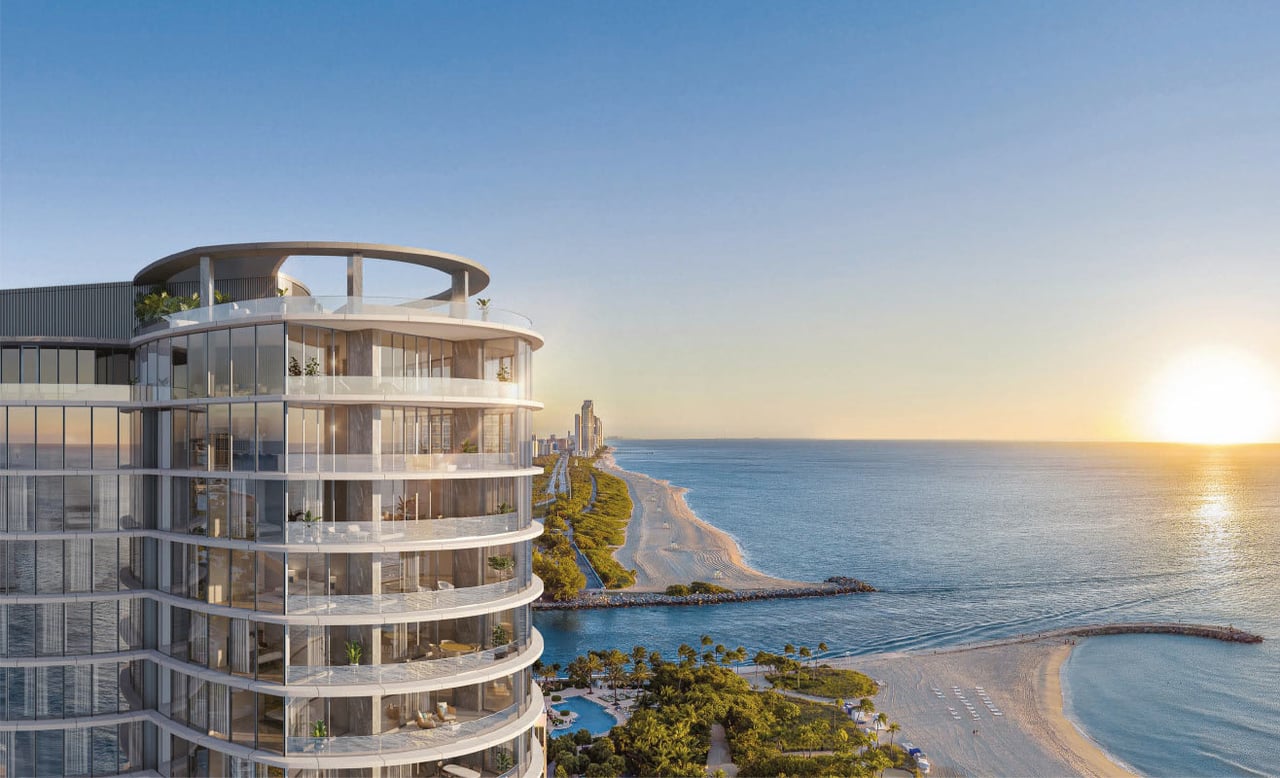
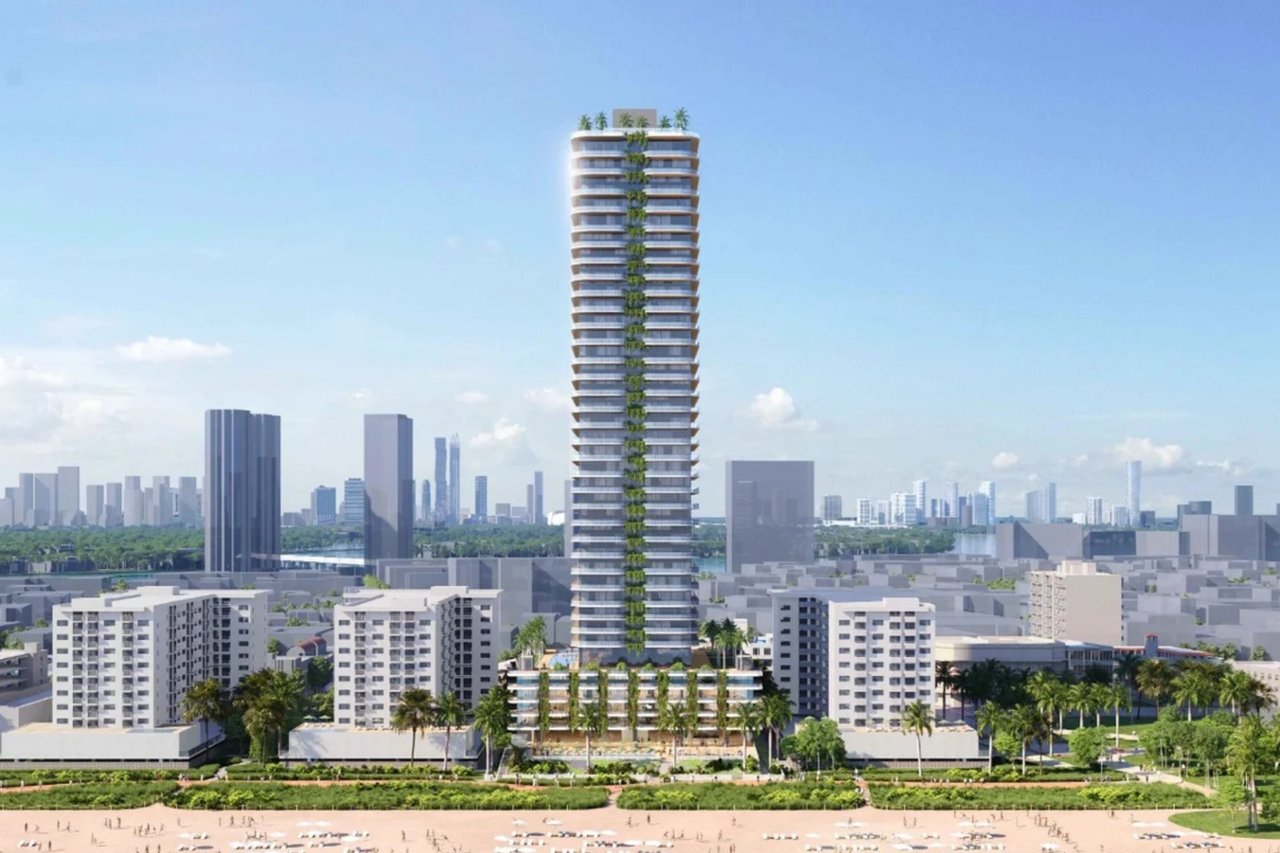
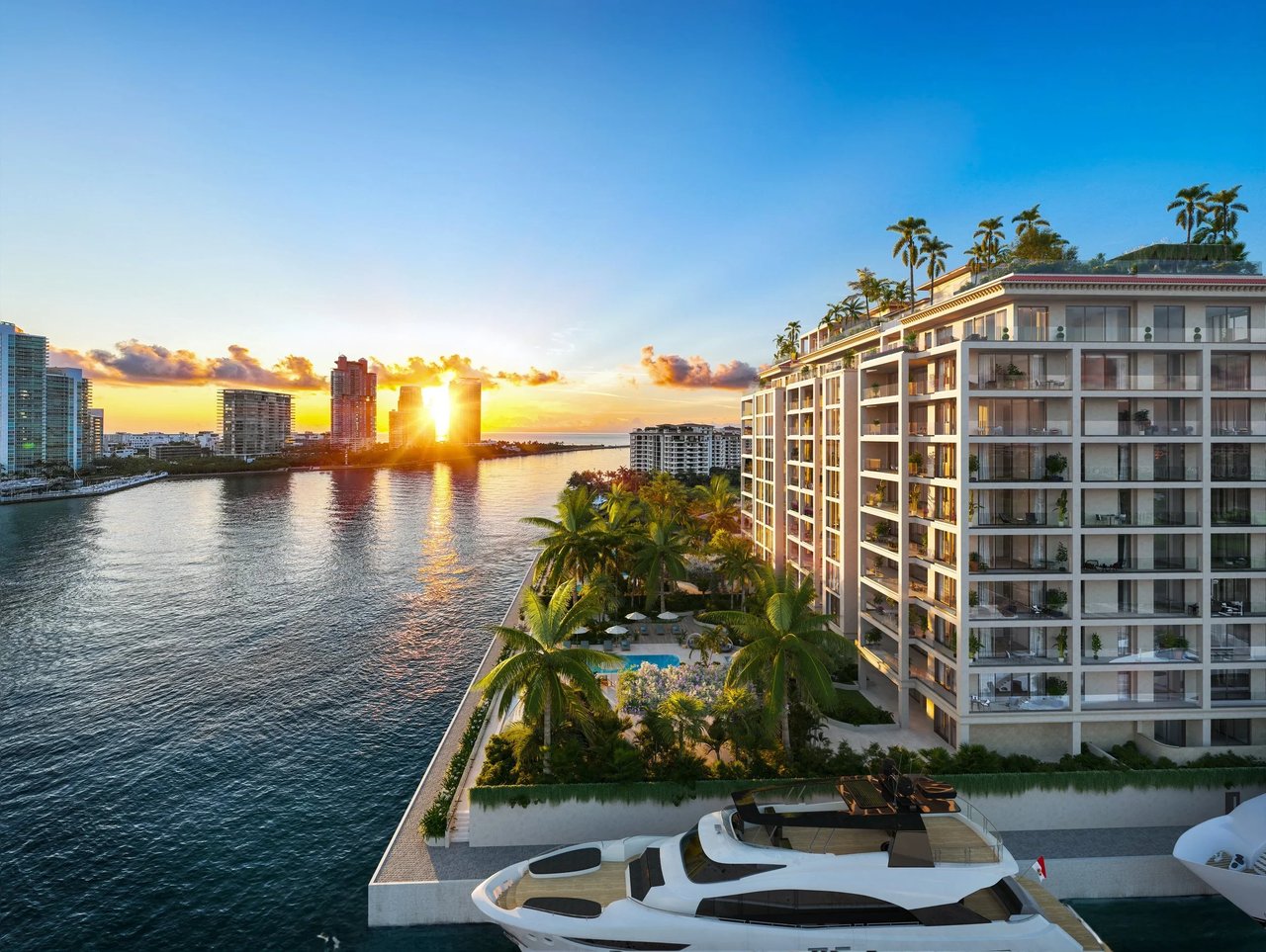
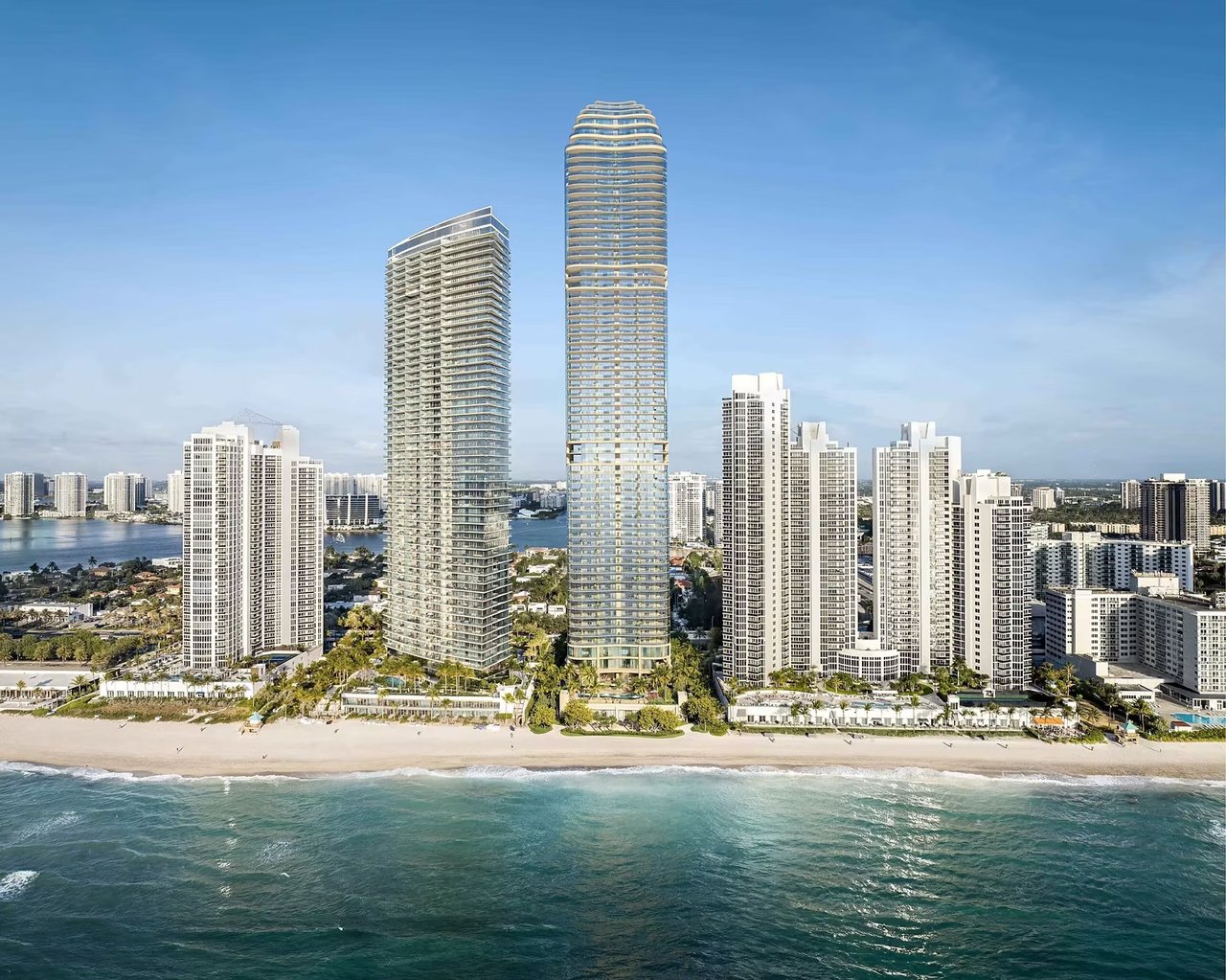
Consider Rivage Bal Harbour and The Ritz-Carlton Residences, South Beach. Rivage brings 56 residences to Bal Harbour's quieter coastal setting, emphasizing privacy and expansive oceanfront living. The 30-residence Ritz-Carlton development offers a different experience, combining branded hospitality with a South Beach location closer to the area's restaurants, shopping and cultural attractions. Both appeal to luxury buyers, but the decision between them involves more than architecture and amenities.
The differences extend to deposit schedules, expected delivery, association expenses, rental restrictions and the services included in ownership. Even within the same development, floor level, orientation, terrace configuration, privacy and surrounding construction can significantly influence a residence's desirability and future resale potential.
Context for the Price
The relevant question is not simply whether a developer's price looks high or low.
A stronger comparison asks what the same budget buys elsewhere.
That may mean another line within the same building, another project at a similar stage of construction or a completed residence without the same delivery uncertainty. Buyers considering both paths can compare pre-construction opportunities with current Miami luxury homes for sale.
For investors, the analysis may also include how many comparable residences could reach the rental or resale market around the same time.
Coordination Beyond the Sales Gallery
Pre-construction purchases often involve more people than the buyer and sales representative. An attorney may need to interpret the contract, a lender may be involved well before closing, and an international buyer may also need tax or ownership advice.
A real estate professional can help organize those conversations, track practical questions and keep the transaction moving without stepping into legal or tax advice.
That becomes increasingly useful when months or years separate the reservation from the final walkthrough.
Can a Luxury Realtor Negotiate With a New-Construction Developer?
Yes, but negotiation is broader than asking for a lower advertised price.
Depending on the project and sales phase, there may be flexibility around price, closing costs, deposit timing, finishes, furniture, parking, storage, assignment terms or other project-specific items.
Potential Negotiation Point | What to Investigate |
Purchase price | Whether flexibility exists on the specific residence |
Closing costs | Whether project-specific credits are available |
Deposit schedule | Whether timing or individual tranches can change |
Finishes or upgrades | Whether upgraded selections can be included |
Furniture | Whether a furnishing package is available |
Parking | Whether spaces are included or can be added |
Storage | Availability and cost |
Assignment | Whether the contract permits assignment and on what terms |
Developer fees | Whether any project-specific flexibility exists |
Unit selection | Whether another line or floor offers stronger value |
None of these should be treated as standard concessions.
Direct price flexibility may be more plausible with certain remaining inventory, near-completion residences, multi-unit transactions or particular floor plans. Even then, there is no guarantee that the developer will move on price.
Sometimes the better result is not a lower headline number. It may be a better deposit schedule, additional parking, a useful credit or a residence that represents stronger value at roughly the same budget.
Buyers who do not want to wait for construction can also compare move-in-ready Miami listings.
The Contract and Deposit Structure Deserve as Much Attention as the Unit
A polished sales gallery is easy to understand. A developer purchase agreement is not.
Pre-construction buyers may commit substantial capital to a residence that will not be completed for years. The legal documents, deposit provisions and offering materials therefore deserve the same attention as the view, finishes and floor plan.
This article is educational and does not provide legal or tax advice. Buyers who need interpretation of a contract, ownership restrictions or tax consequences should consult the appropriate qualified professional.
Florida's 15-Day Developer Condo Contract Voidability Period
Florida law gives buyers of covered developer condominium units an important review period.
Under Florida Statutes §718.503, the applicable developer contract must state that the agreement is voidable by the buyer through written notice within 15 days after the buyer executes the agreement and receives the required documents.
The statute also addresses a new 15-day voidability period when an amendment materially alters the offering in a manner adverse to the buyer.
That does not mean every Florida condo contract can be canceled for any reason within 15 days. The right exists within a specific developer-condominium framework and depends on the circumstances described in the statute.
The review period is the time to understand the agreement, not simply revisit the renderings.
How Pre-Construction Condo Deposits Are Held
Florida law also distinguishes between different types and stages of deposits.
Under Florida Statutes §718.202, payments up to 10 percent of the sale price for an applicable condominium under construction are generally placed in escrow. Payments above that initial 10 percent are also subject to statutory escrow requirements, although certain funds above 10 percent may be withdrawn for specified construction costs once construction has begun if the contract permits it.
Reservation deposits receive separate treatment. Before a purchase agreement changes their status, the statute provides for the funds to be held in escrow and describes circumstances in which they can be refunded upon written request. Once a purchase agreement is executed, the deposit is governed differently.
That is why a buyer should know whether they are signing a reservation document or the purchase agreement itself.
What Documents Should a Buyer Review?
Depending on the development, the package may include:
- the reservation agreement;
- purchase agreement;
- prospectus or offering materials;
- declaration of condominium;
- estimated operating budget;
- association documents;
- deposit provisions;
- completion and delay provisions;
- material-change provisions;
- assignment restrictions;
- rental restrictions; and
- specifications for included finishes.
A Realtor should not replace the buyer's attorney. The practical value is helping the buyer reach legal review with organized questions and a clearer understanding of the commercial decisions already being made.
Comparing Miami New Developments Requires More Than Comparing Amenities
Rooftop pools, private restaurants and elaborate amenity decks can help sell a building. They are rarely enough to determine whether one seven-figure residence is a stronger fit than another.
A serious comparison looks at the development as a whole.
Project Factor | Question to Ask |
Developer | What relevant projects has the developer completed? |
Construction stage | Is the project in reservation, contract, construction or near completion? |
Deposit schedule | How much capital is required, and when? |
Delivery | What does the contract say about expected and outside timing? |
Building scale | Is it a boutique residence or a large tower? |
HOA budget | What services and amenities are driving expenses? |
Rental policy | How much flexibility will the owner have? |
Assignment | Can the contract be assigned before closing? |
Parking and storage | What is included with the residence? |
Views | Could future nearby construction affect them? |
Future supply | What competing inventory may deliver around the same time? |
Unit mix | How many similar residences could compete at resale? |
Location changes the weight of those questions.
A Brickell buyer may pay close attention to walkability, office access, rental flexibility and the pipeline of competing high-rise inventory. In Edgewater, Biscayne Bay exposure, future neighborhood development and the relationship between newer waterfront towers may carry more weight.
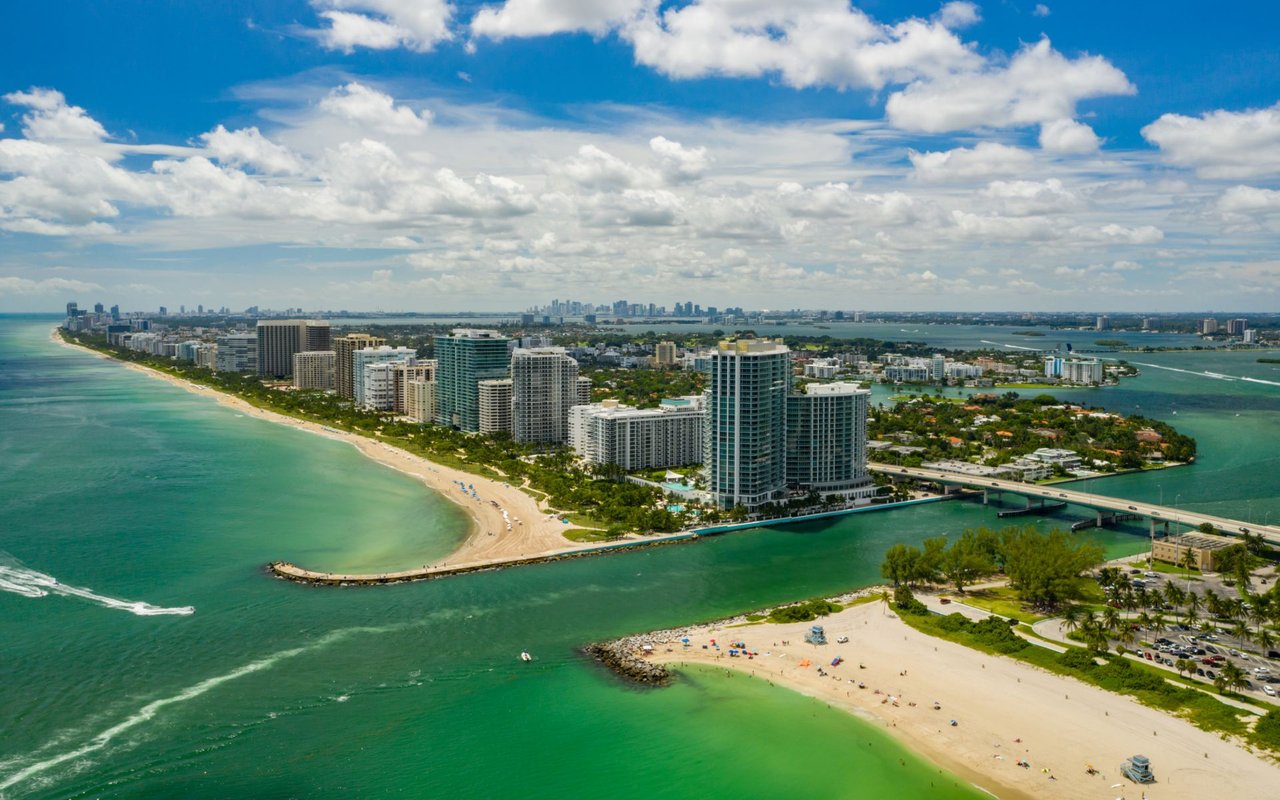
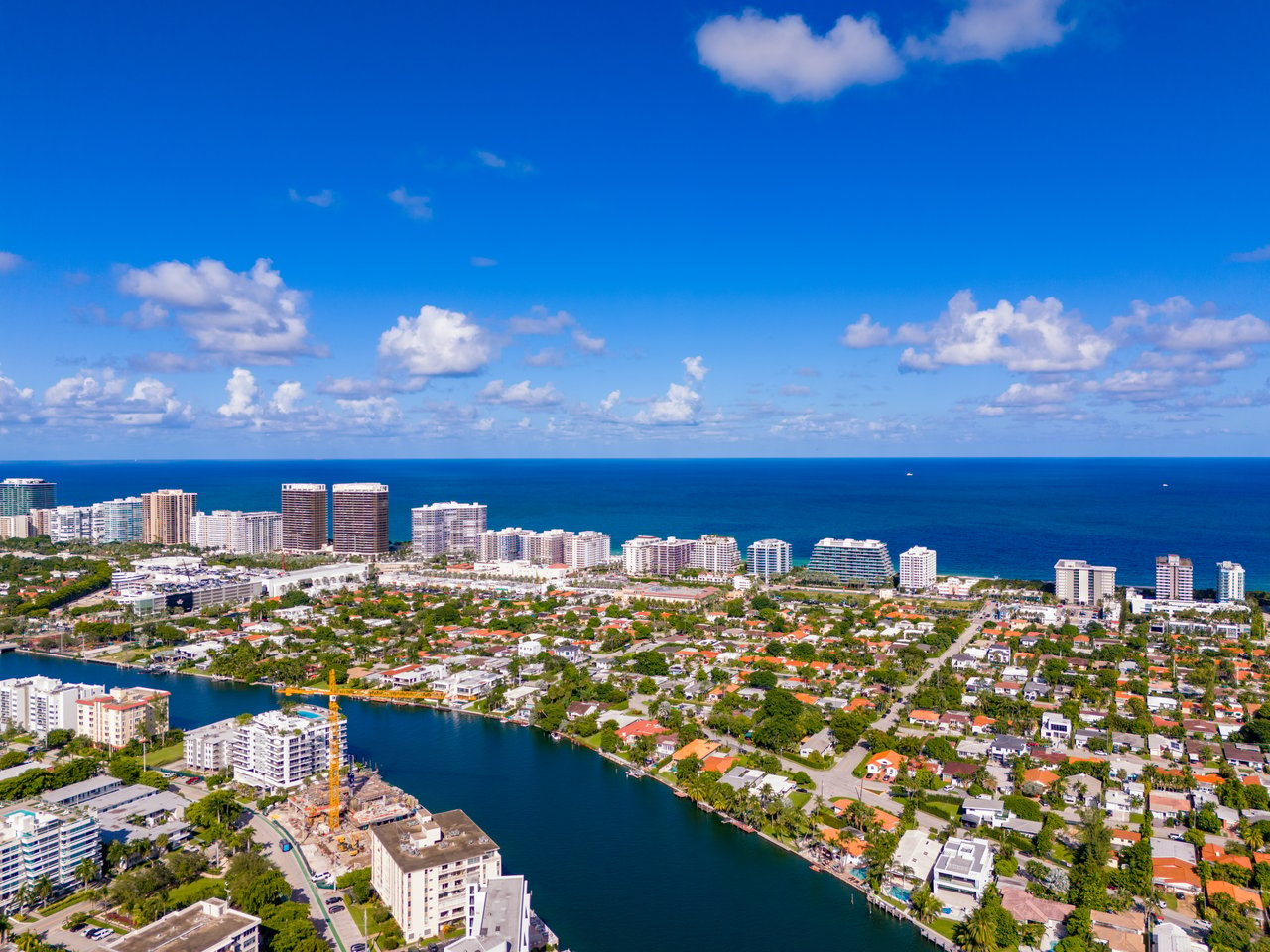
Miami Beach and Sunny Isles Beach bring different considerations around oceanfront positioning, seasonal ownership, service levels and building scale. Bal Harbour and Surfside often appeal to buyers seeking a lower-density coastal environment, while Coconut Grove offers a different residential character and ownership experience.
None is inherently the better market. The useful comparison is between the buyer's intended use and the specific building, residence and neighborhood.
The team's Miami neighborhood guides can help buyers compare those areas in more detail.
What Should International Buyers Know About Miami Pre-Construction?
International buyers have long been part of South Florida luxury real estate, but nationality, residency status, financing and ownership structure can add another layer to the purchase.
Florida's foreign-ownership legislation is one consideration. Chapter 692 contains restrictions affecting certain foreign principals purchasing property near specified military installations or critical infrastructure, along with separate restrictions concerning certain persons and entities connected with the People's Republic of China. Because the statutes include defined exceptions and conditions, eligibility needs to be reviewed on the facts of the buyer and property rather than reduced to a broad rule.
International buyers may also need to plan around foreign-national financing, exchange-rate movements between deposit installments, ownership entities and US tax consequences. Those issues are better addressed early with the appropriate legal, lending and tax professionals.
FIRPTA Is Primarily a Future-Sale Consideration
FIRPTA is often mentioned whenever foreign buyers enter the Miami market, but its role can be misunderstood.
The IRS guidance on FIRPTA withholding addresses the disposition of a US real-property interest by a foreign person. In practical terms, it is principally relevant when the property is later sold rather than a tax triggered merely because a foreign national buys a Miami residence.
For a buyer planning to hold the property for several years, that is still worth understanding before resale becomes immediate.
How the Miami Pre-Construction Buying Process Works
The details vary from development to development, but a buyer working with their own real estate professional will commonly move through the following stages:
- Define the purchase strategy. Establish budget, intended use, timing and preferred locations.
- Compare developments. Narrow the market rather than beginning and ending with one sales gallery.
- Clarify the working relationship. Review the buyer agreement, services and compensation.
- Check registration requirements. Confirm when and how the developer requires a cooperating broker to be identified.
- Compare units and terms. Evaluate individual residences and investigate available flexibility.
- Reserve and review documents. Understand whether the buyer is entering a reservation agreement or purchase contract.
- Coordinate due diligence. Use the available review period appropriately and involve legal, financial or tax specialists when needed.
- Track the transaction through closing. Monitor deposits, project communications, financing, walkthroughs and final closing.
The registration step deserves attention before the first sales-gallery visit. Developers can set their own broker-registration policies, so a buyer who wants a particular professional involved should check the project's rules before visiting, registering online or reserving a residence.
Planning to visit a sales gallery? Contact The Joelle Team first so the project's registration requirements and current inventory can be reviewed before you commit.
How to Choose a Luxury Realtor Miami Buyers Can Rely On for New Development
A luxury brand, polished website and access to developer brochures do not automatically equal strong new-development advice.
When interviewing a Miami luxury Realtor for a pre-construction purchase, ask questions that reveal how they approach the decision:
- Which Miami developments do you follow closely?
- How do you compare one project with another?
- How do you evaluate floors, lines and exposures?
- What brokerage relationship will we establish?
- What does the buyer agreement say about compensation?
- How do you investigate project-specific incentives?
- What support continues after the contract is signed?
- Who helps track construction and future deposit milestones?
- How do you coordinate with attorneys, lenders and tax professionals?
- Can you compare pre-construction with completed luxury inventory?
The answers should show judgment, not simply access.
Joelle Oiknine has worked in South Florida luxury real estate for more than two decades and leads The Joelle Team at ONE Sotheby's International Realty. Her professional profile lists Florida license #3046848 and experience across luxury condominiums, homes and trophy residences.
That background is most valuable when it appears in the details of a purchase: recognizing which projects deserve comparison, which unit characteristics can affect long-term desirability, when another residence belongs on the shortlist and when a legal, lending or tax specialist needs to join the conversation.
Learn more about Joelle Oiknine and The Joelle Team.
Compare Before You Commit
The case for working with your own Miami real estate professional is not that every developer sales team is difficult to work with. It is that one sales gallery gives you one building's perspective.
A residence that looks compelling in isolation can look different once another project, unit or completed property is put beside it. A concession can be less valuable than it first appears if the deposit schedule or contract terms are a poor fit. A beautiful view can deserve another look if future development may change it.
Before reserving a residence, The Joelle Team can help compare Miami new developments, individual unit options and the practical considerations surrounding the transaction.
Call 305.491.1885 or contact The Joelle Team before committing to a project.
Frequently Asked Questions
Does using a buyer's agent cost extra when buying from a Miami developer?
Not necessarily. A developer may offer compensation to the buyer's broker, but the amount varies by project. The buyer should also review the compensation established in the written buyer agreement. Real estate compensation is negotiable and is not set by law.
Can I use my own Realtor if I already visited the developer's sales center?
Possibly. The answer depends on the developer's broker-registration policy and what occurred during the buyer's initial contact. If you have already visited, registered online or communicated with the project, contact your preferred real estate professional promptly rather than assuming they can or cannot be added.
Do I need a Realtor to buy new construction?
There is no universal rule requiring one. The practical reason to consider your own real estate professional is the added market comparison, unit analysis, transaction coordination and ongoing support through a process that may continue long after the initial contract.
Can I cancel a Florida pre-construction condo contract after signing?
For covered developer condominium sales, Florida Statutes §718.503 provides specific 15-day voidability rights tied to execution of the agreement and receipt of required documents. The statute also addresses materially adverse amendments. A Florida attorney should advise the buyer on the rights available under a particular contract.
Are Miami pre-construction deposits refundable?
It depends on the type of deposit and the stage of the transaction. Florida law treats reservation deposits differently from deposits governed by an executed purchase agreement. Statutory cancellation rights, contractual termination rights and buyer default can also produce different outcomes.
What happens if the developer changes the project after I sign?
The contract and offering documents are central. Florida condominium law also provides a 15-day voidability period after receipt of an amendment that materially alters the offering in a manner adverse to the buyer. Whether a specific change qualifies is a legal question for the buyer's attorney.
Can I assign my pre-construction contract before closing?
Sometimes. Assignment rights depend on the contract. A developer may permit assignments, restrict them, require approval or impose other conditions. Buyers who consider assignment part of their exit strategy should review the language before signing.
Should an attorney review a Miami pre-construction contract?
A qualified Florida attorney is the appropriate professional for legal interpretation of the purchase agreement and condominium documents. A real estate professional can coordinate the transaction and identify commercial questions, but those services do not replace legal advice.