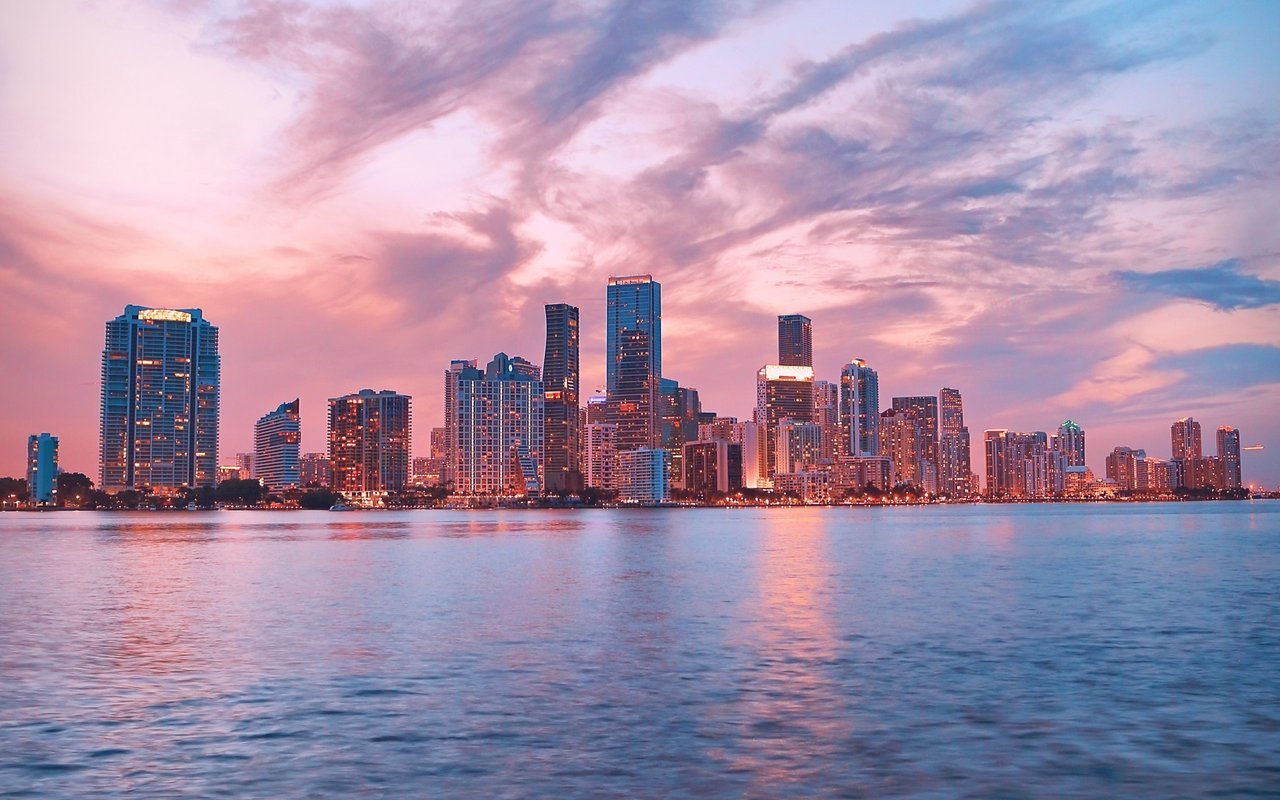
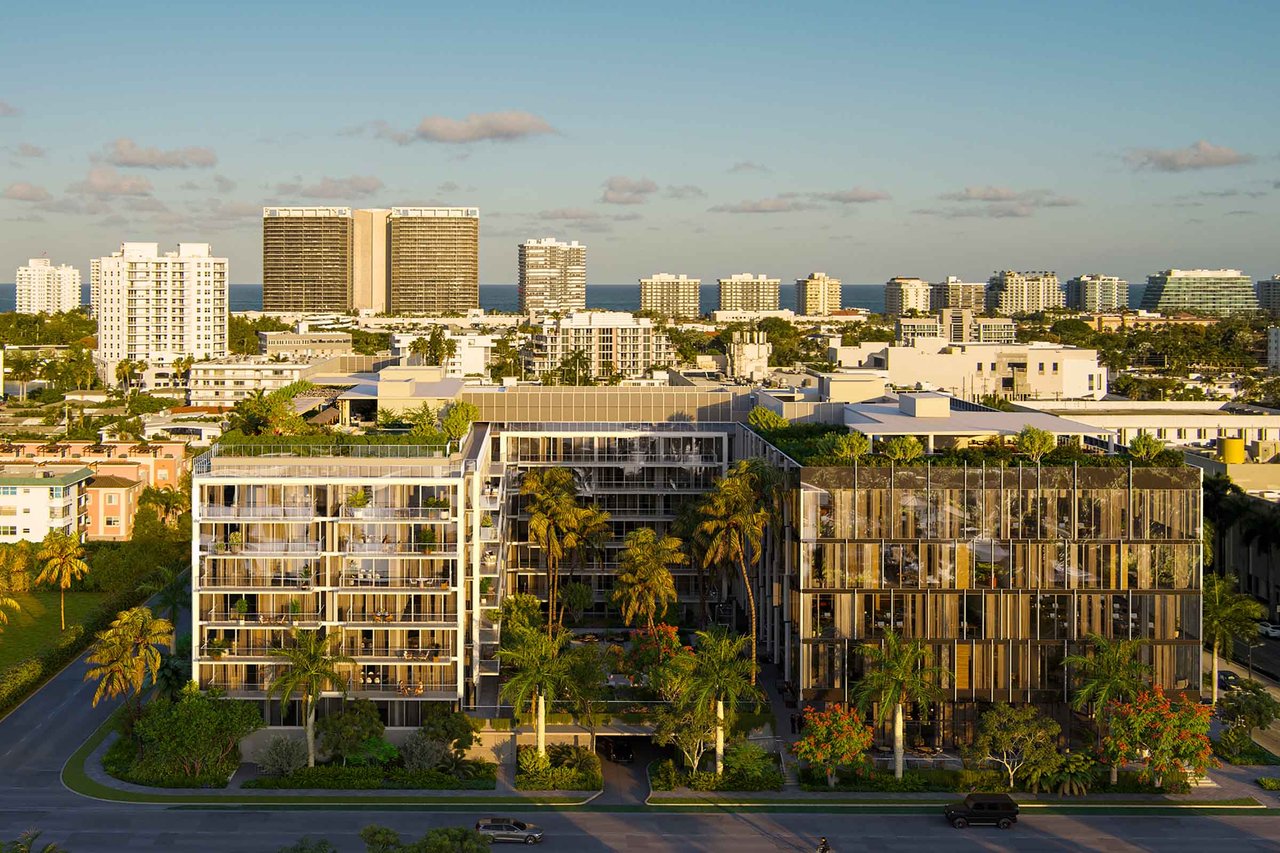
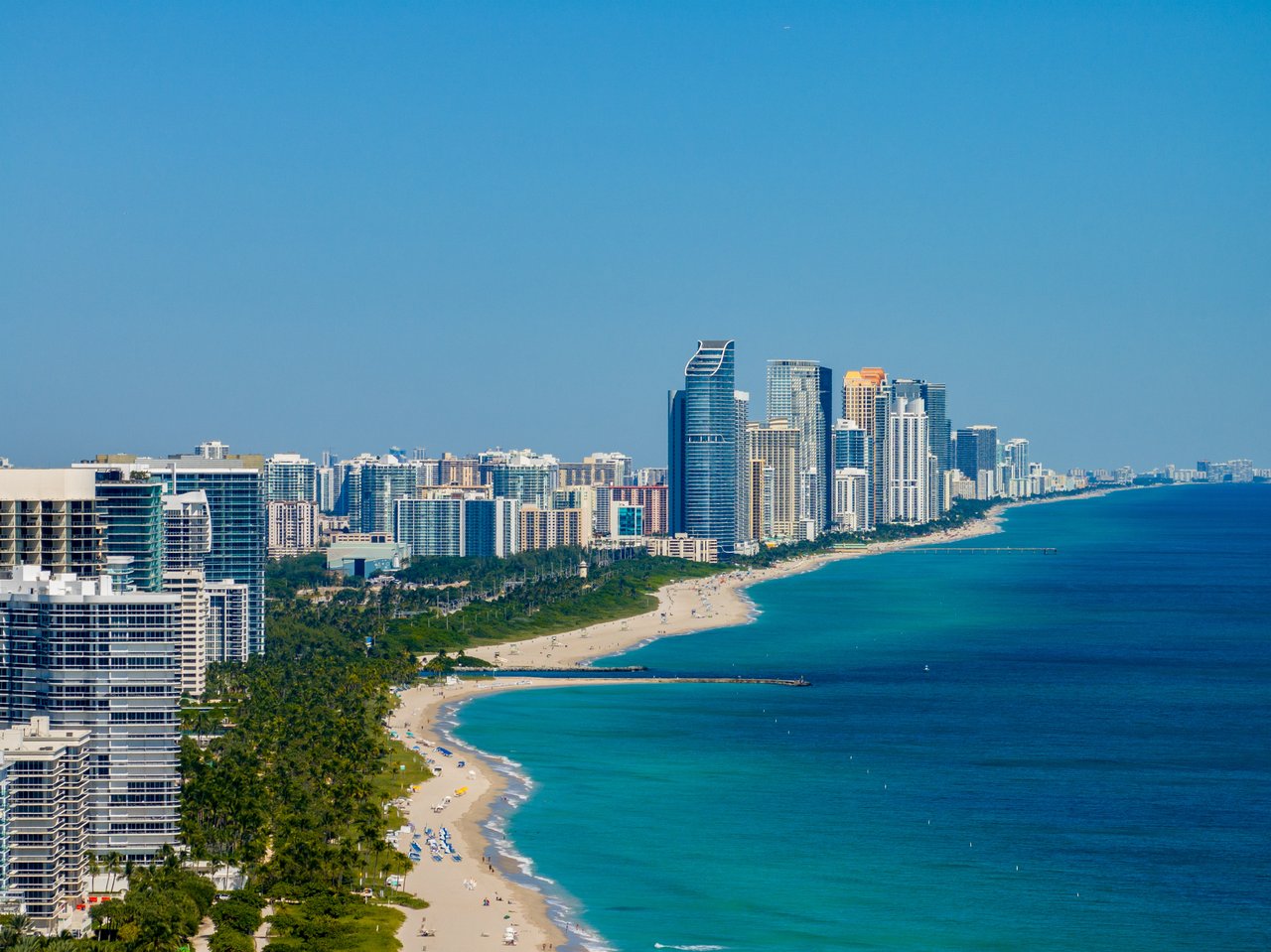
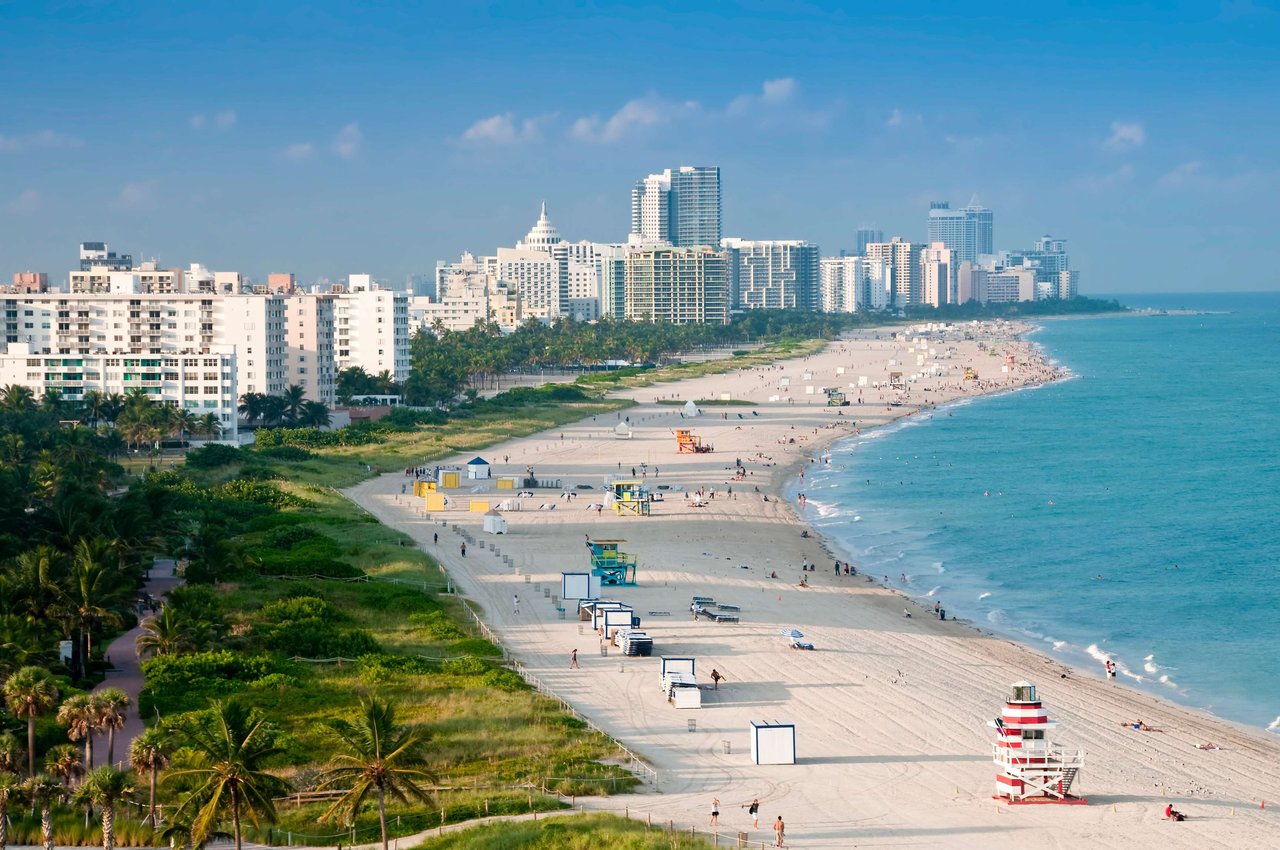
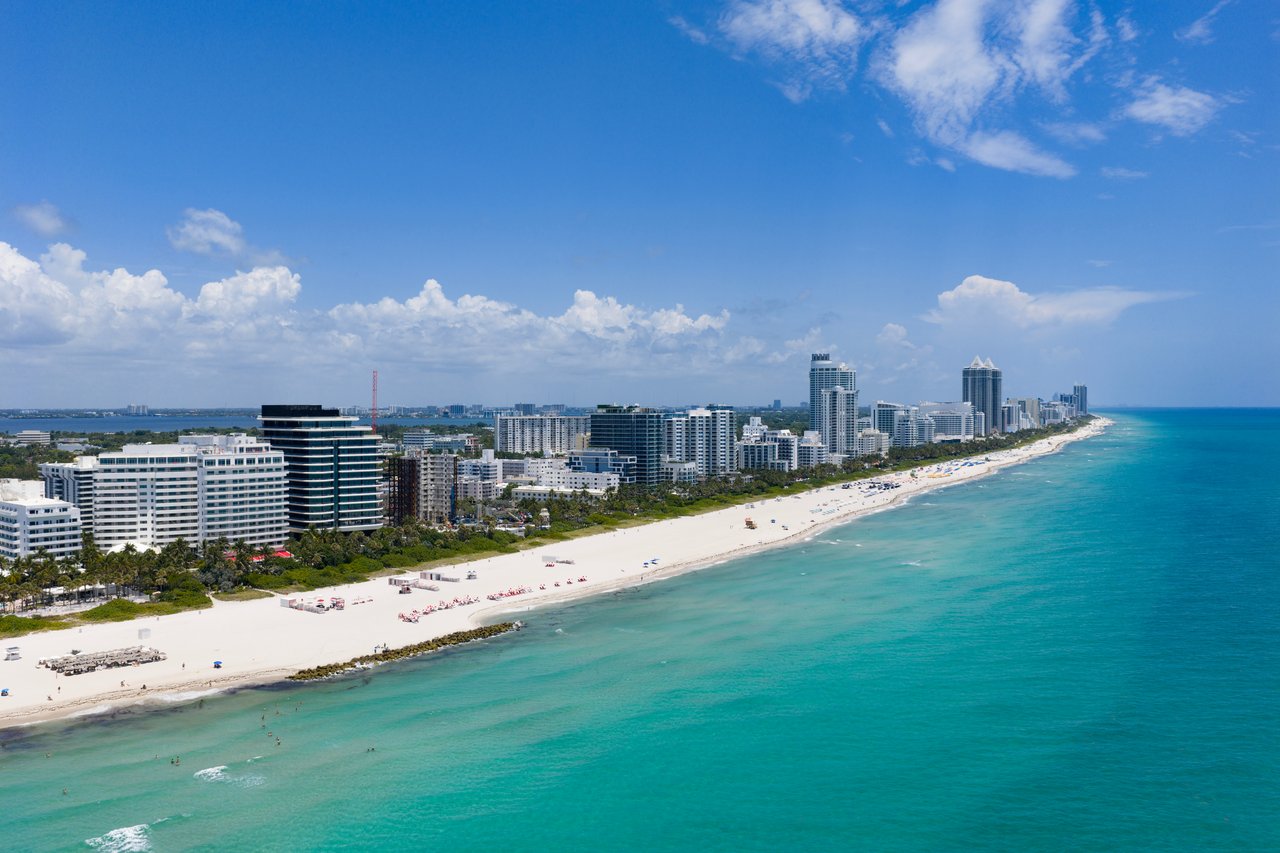
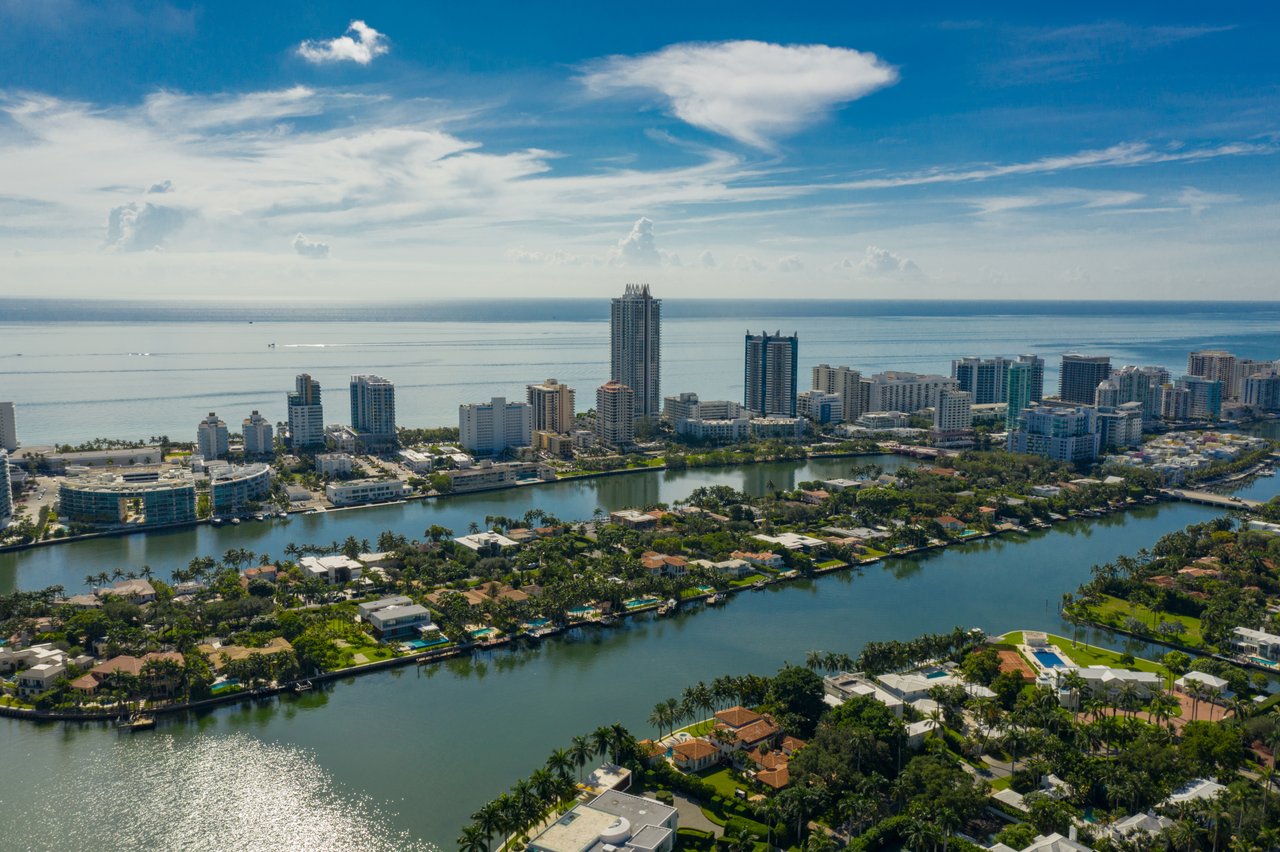
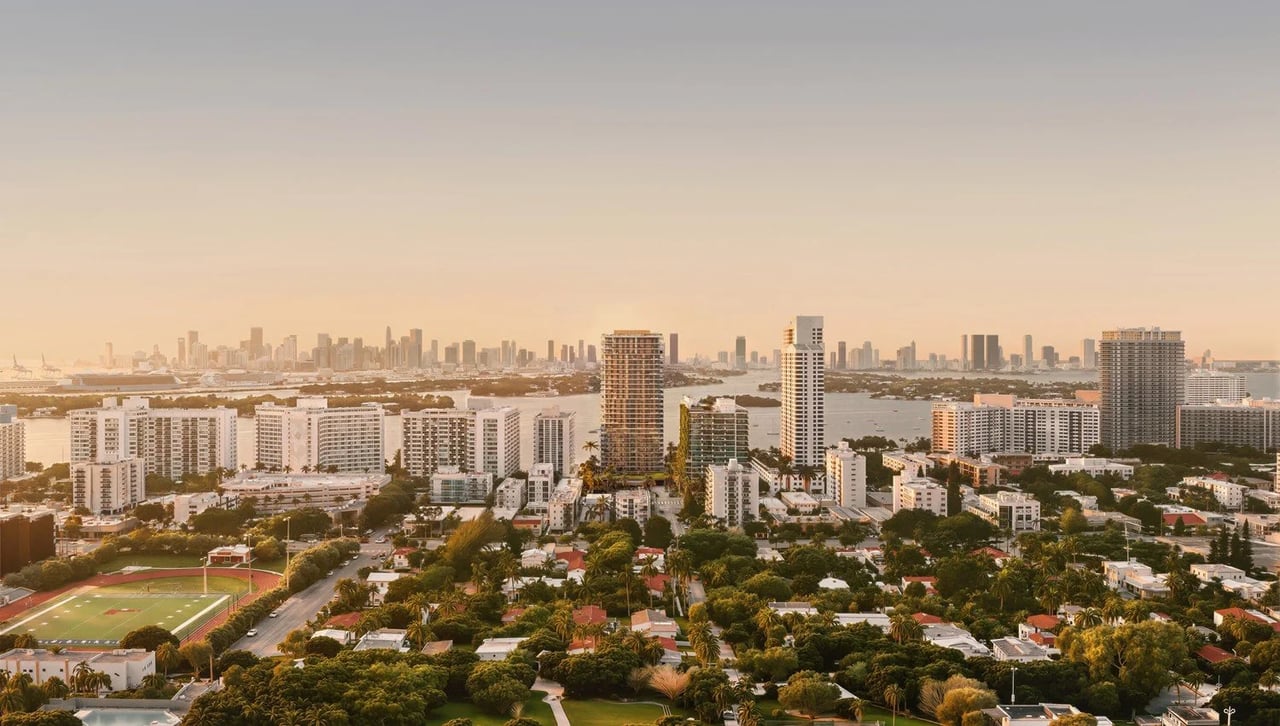
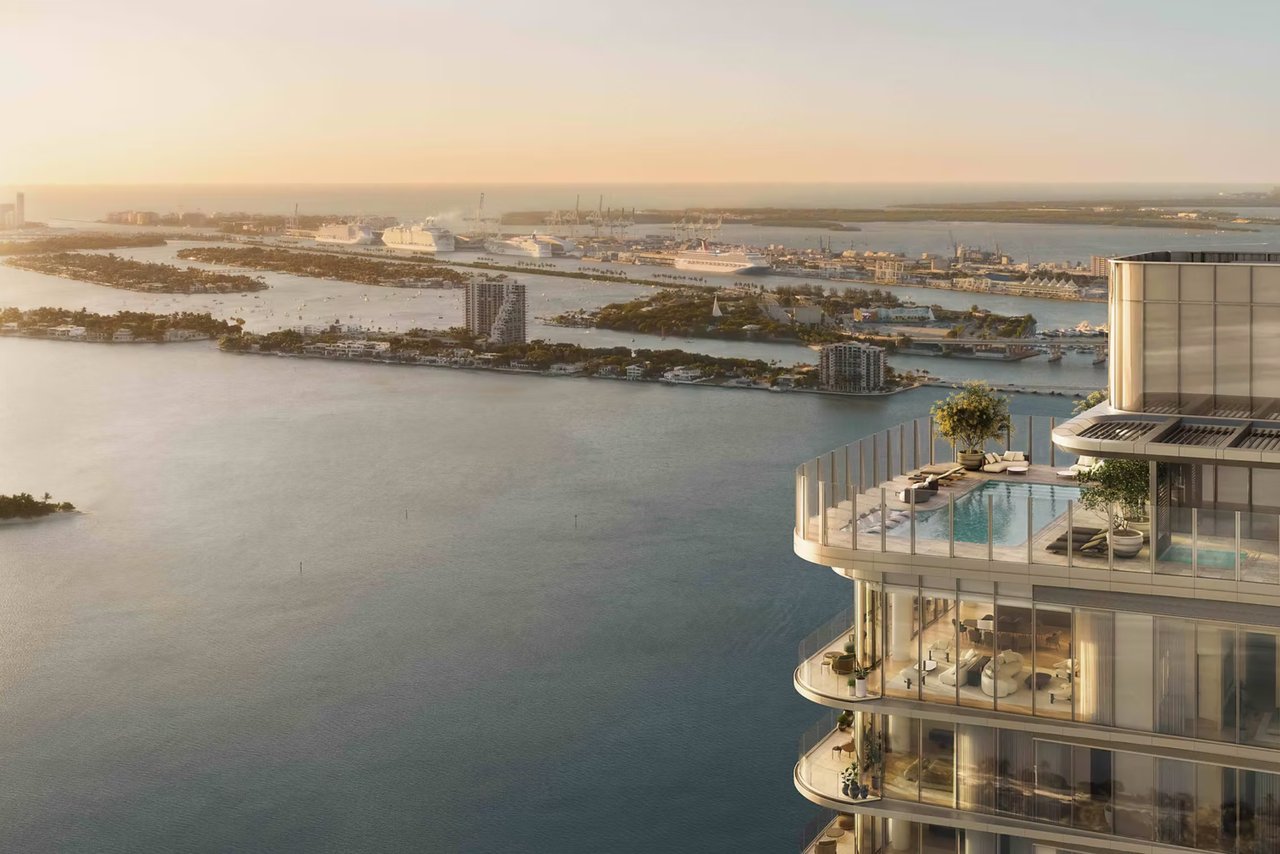
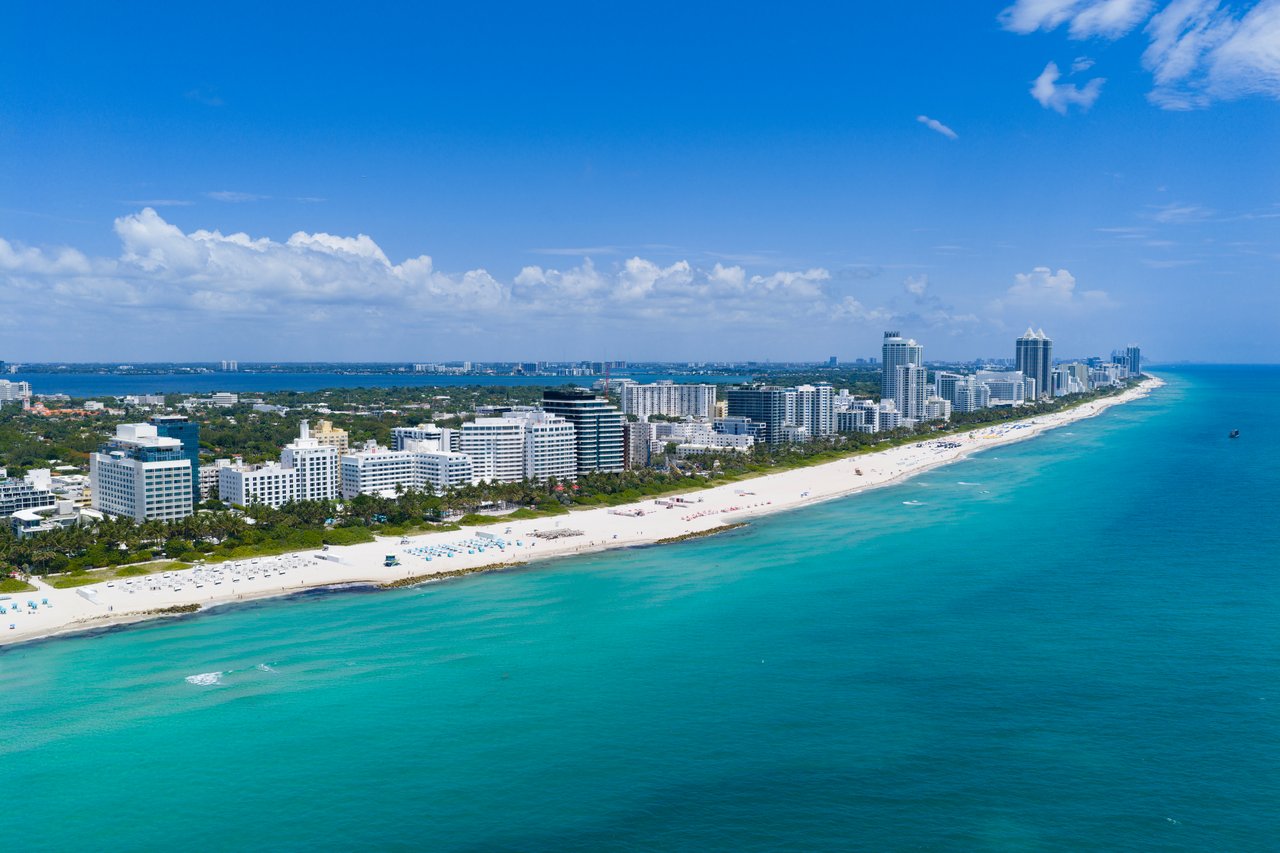
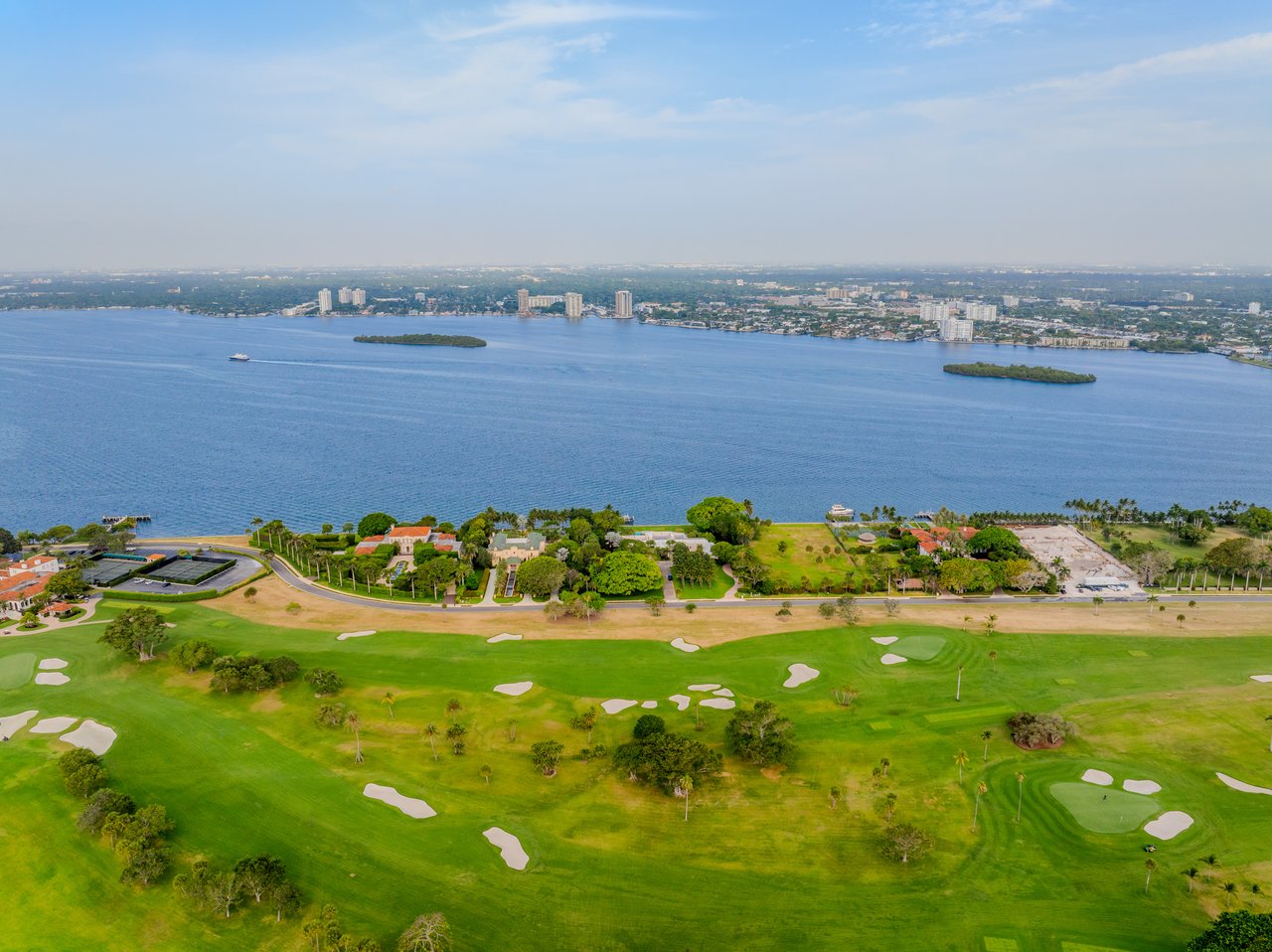
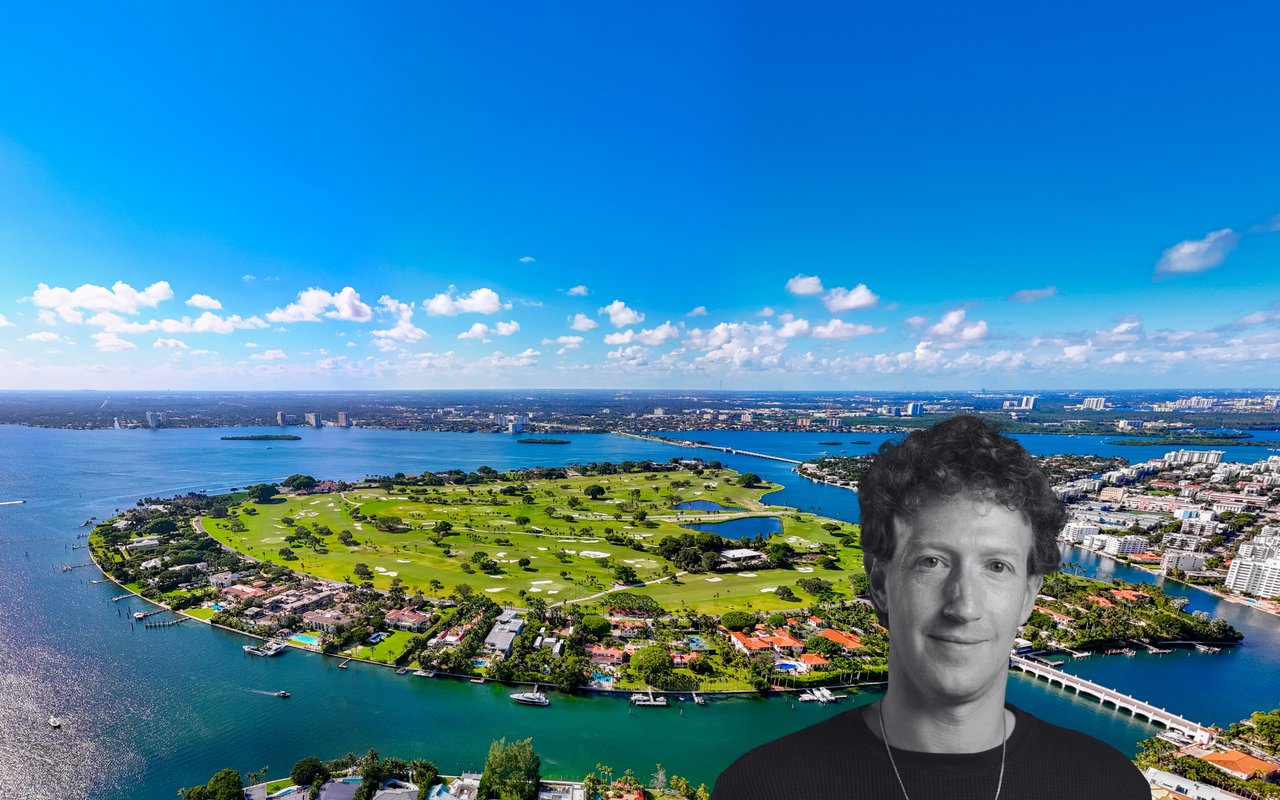
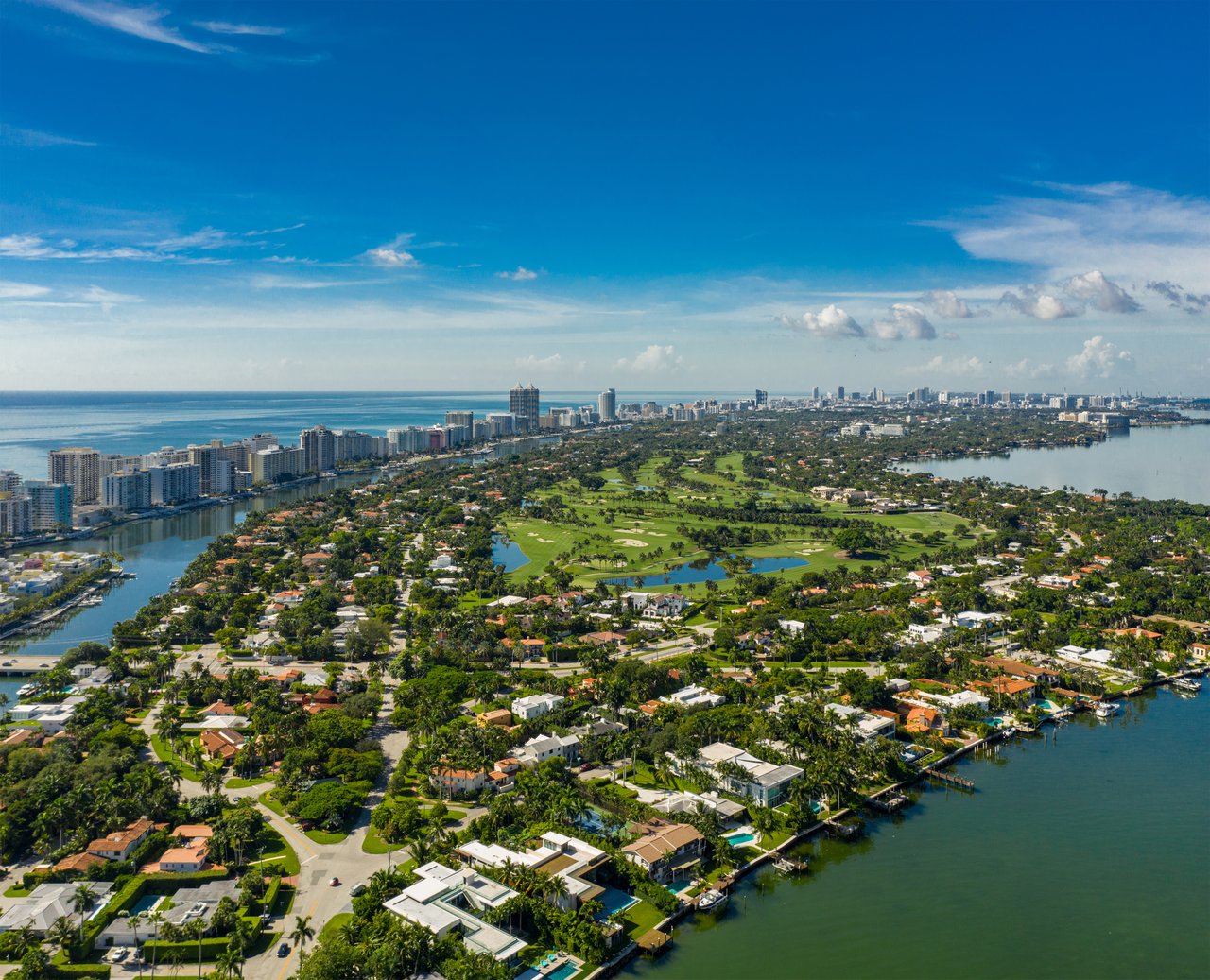
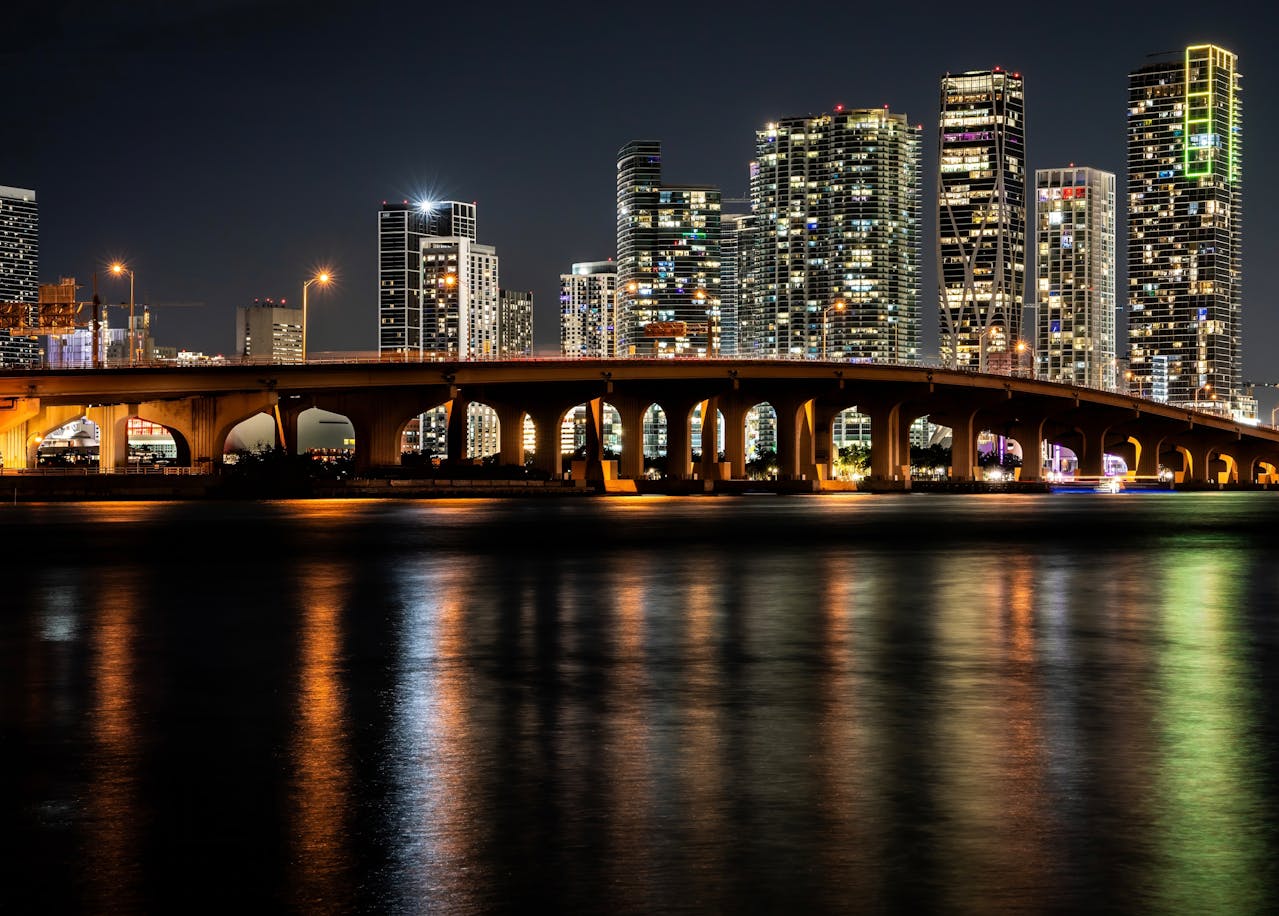
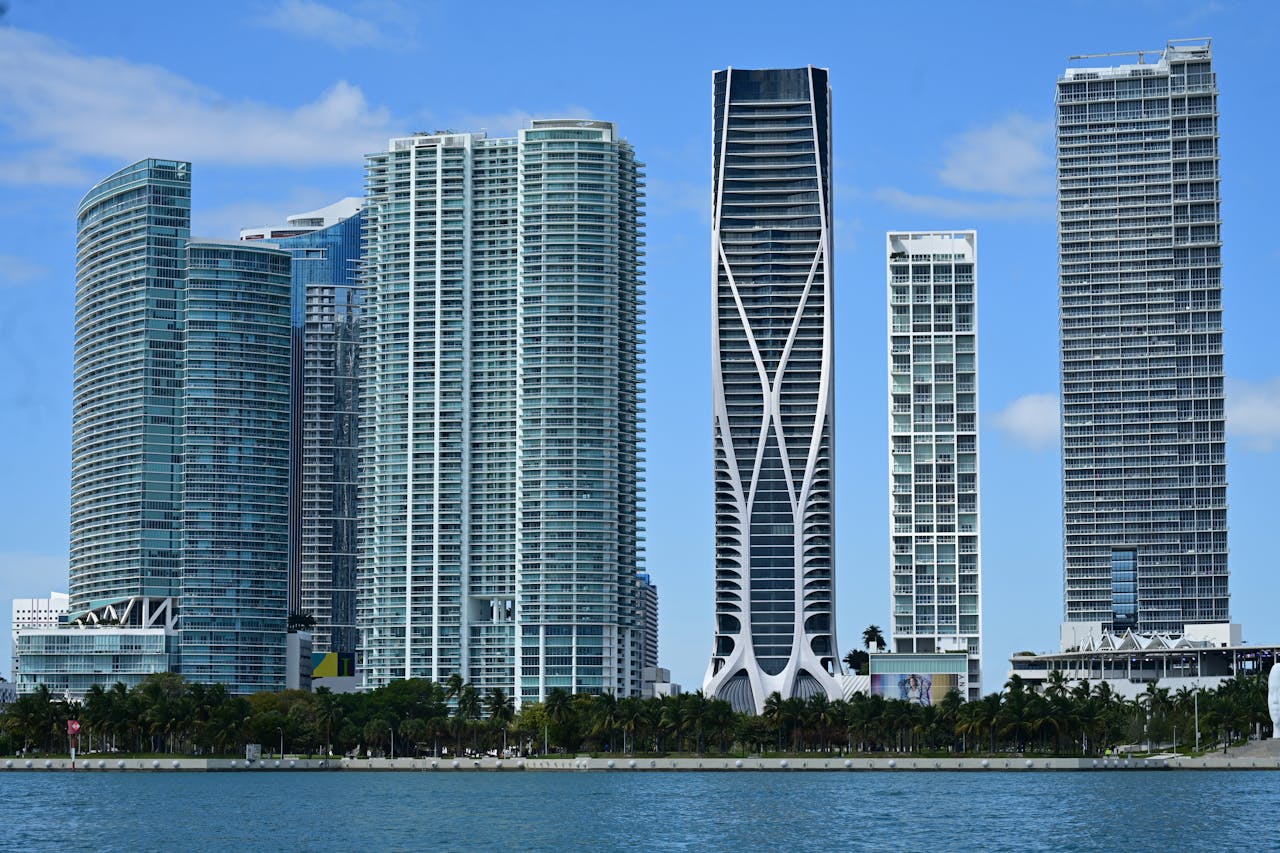
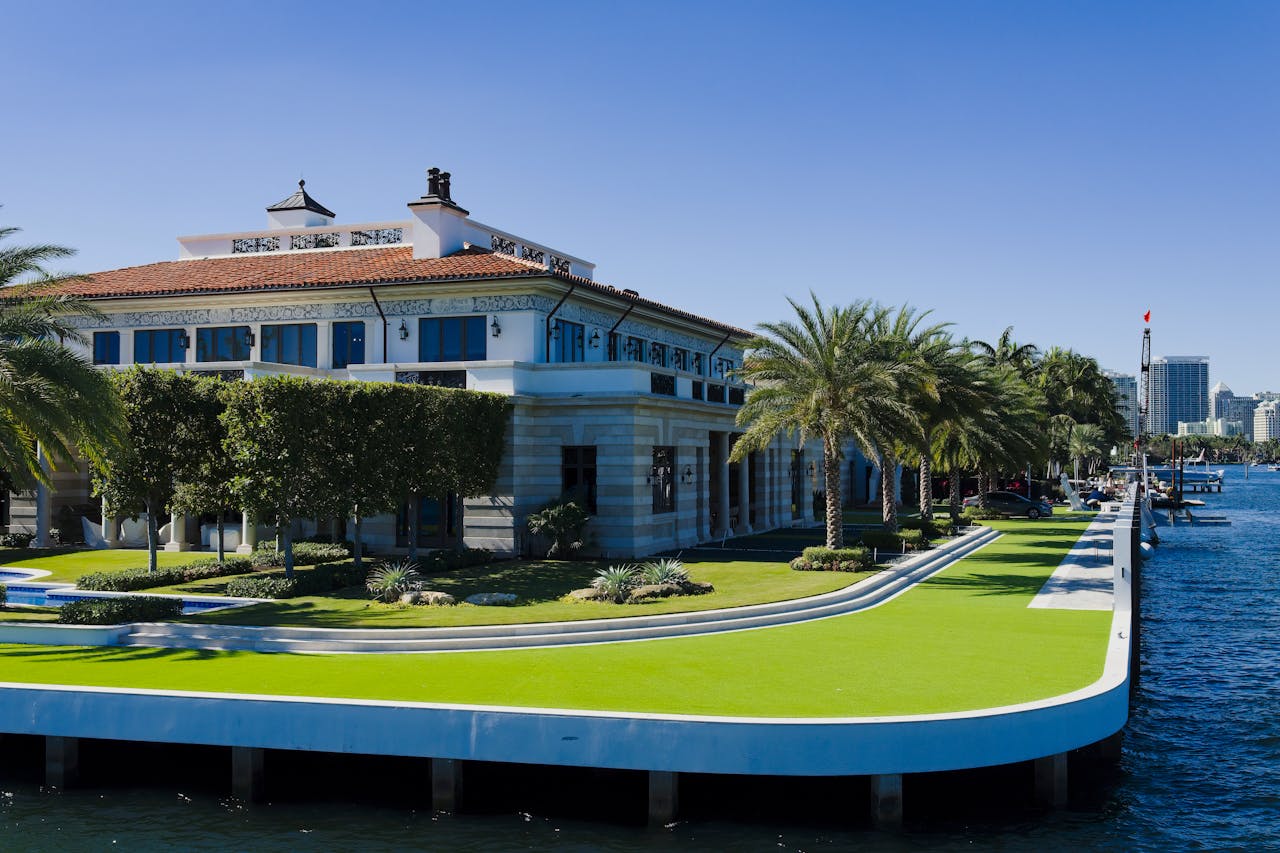
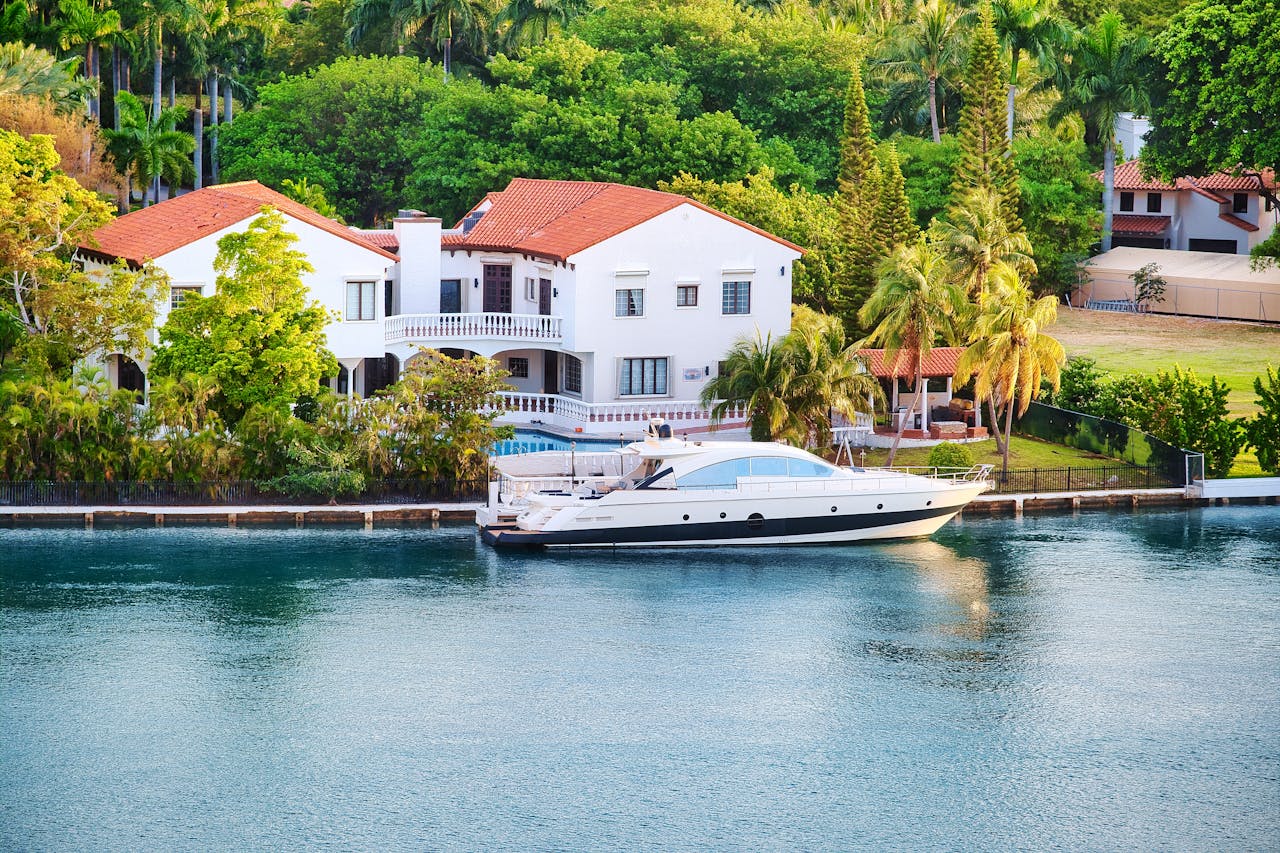
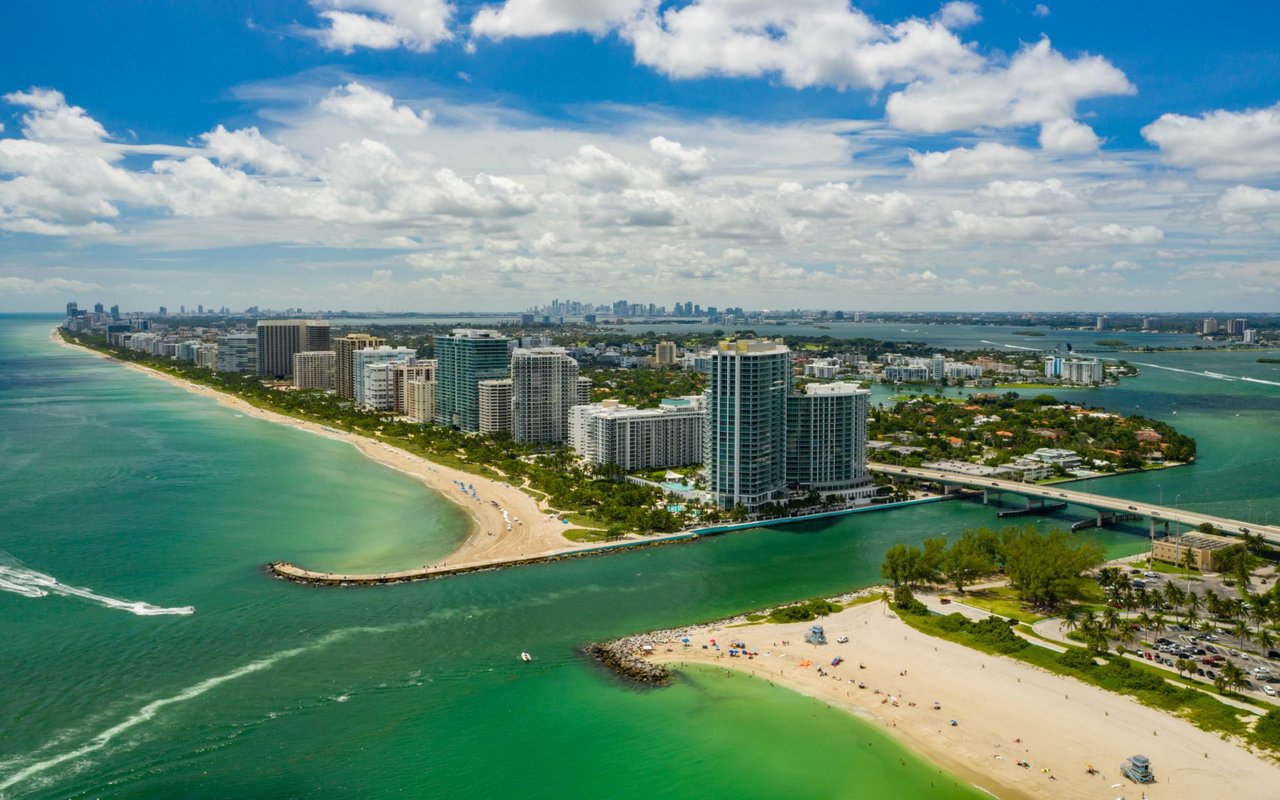
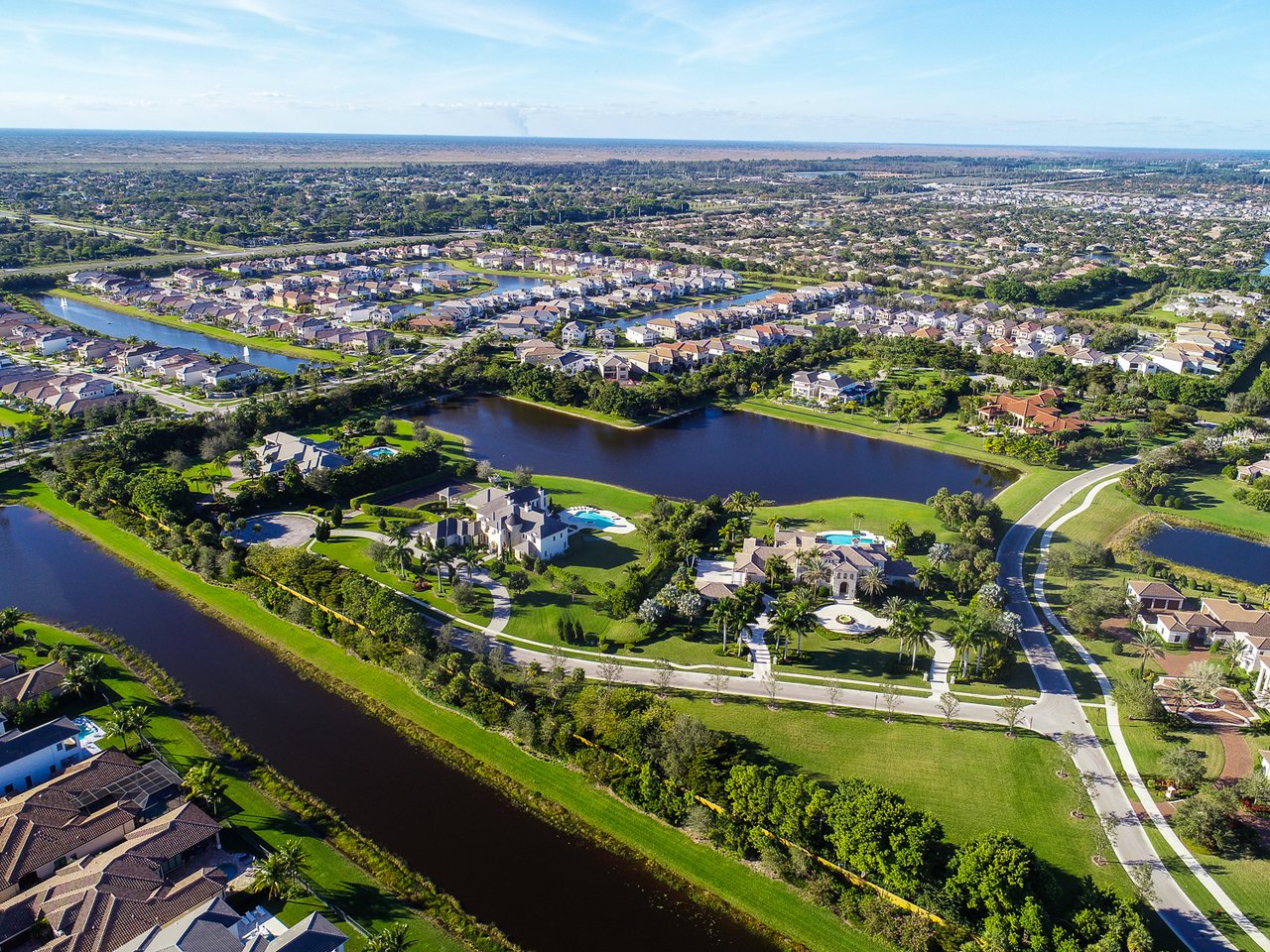
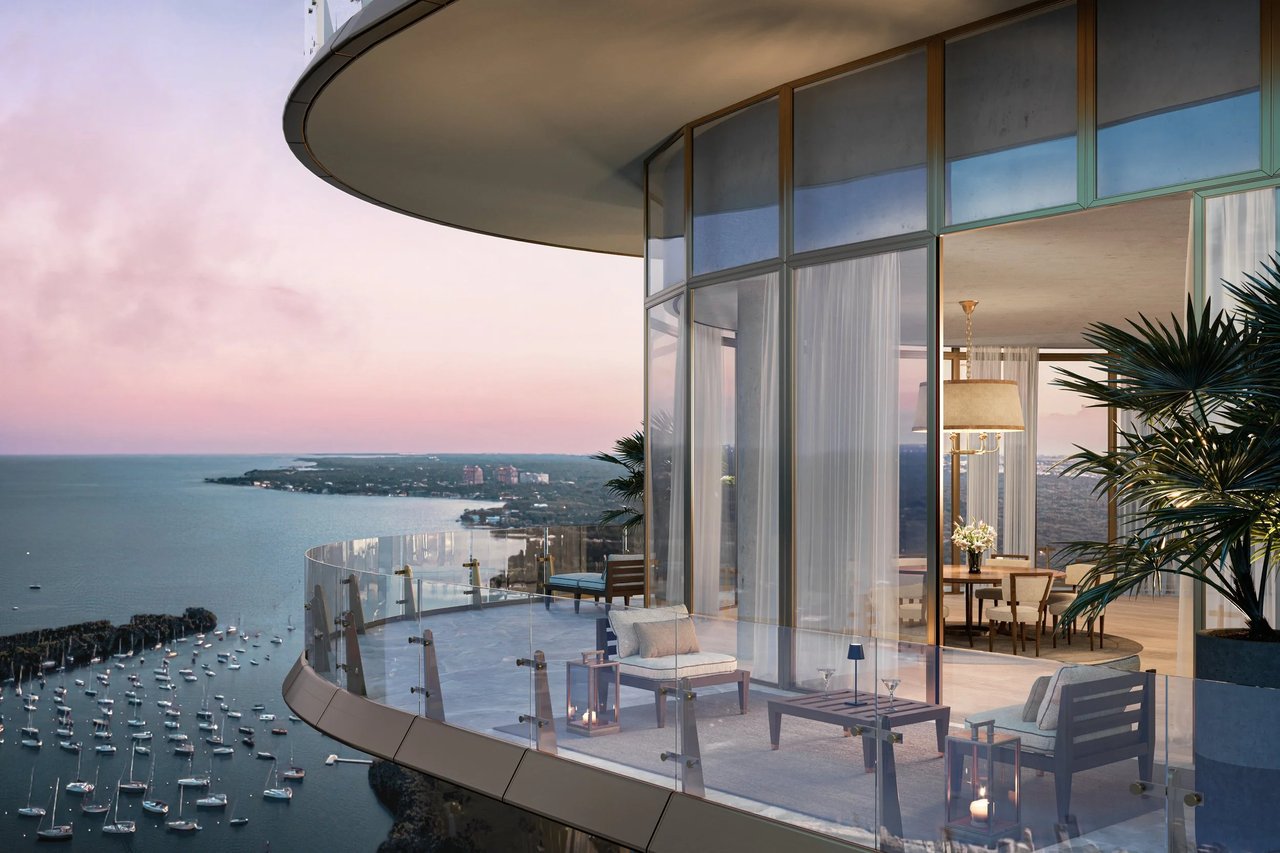
Miami delivers nightlife, international energy, and career opportunities for buyers under 50; Palm Beach offers quieter waterfront living, superior healthcare access, and a slower pace that suits retirees and families willing to trade urban excitement for space-your life stage determines the right answer when evaluating Miami vs Palm Beach living.
Key Takeaways
-
How Miami and Palm Beach compare on cost of living, property taxes, insurance, and overall affordability
-
Which location offers better value for waterfront homes, luxury condos, and investment properties
-
The specific lifestyle differences-nightlife, culture, healthcare, schools-that determine fit
-
Where your budget stretches further for first-time buyers, retirees, and luxury seekers
-
Long-term appreciation trends and which market has stronger growth prospects
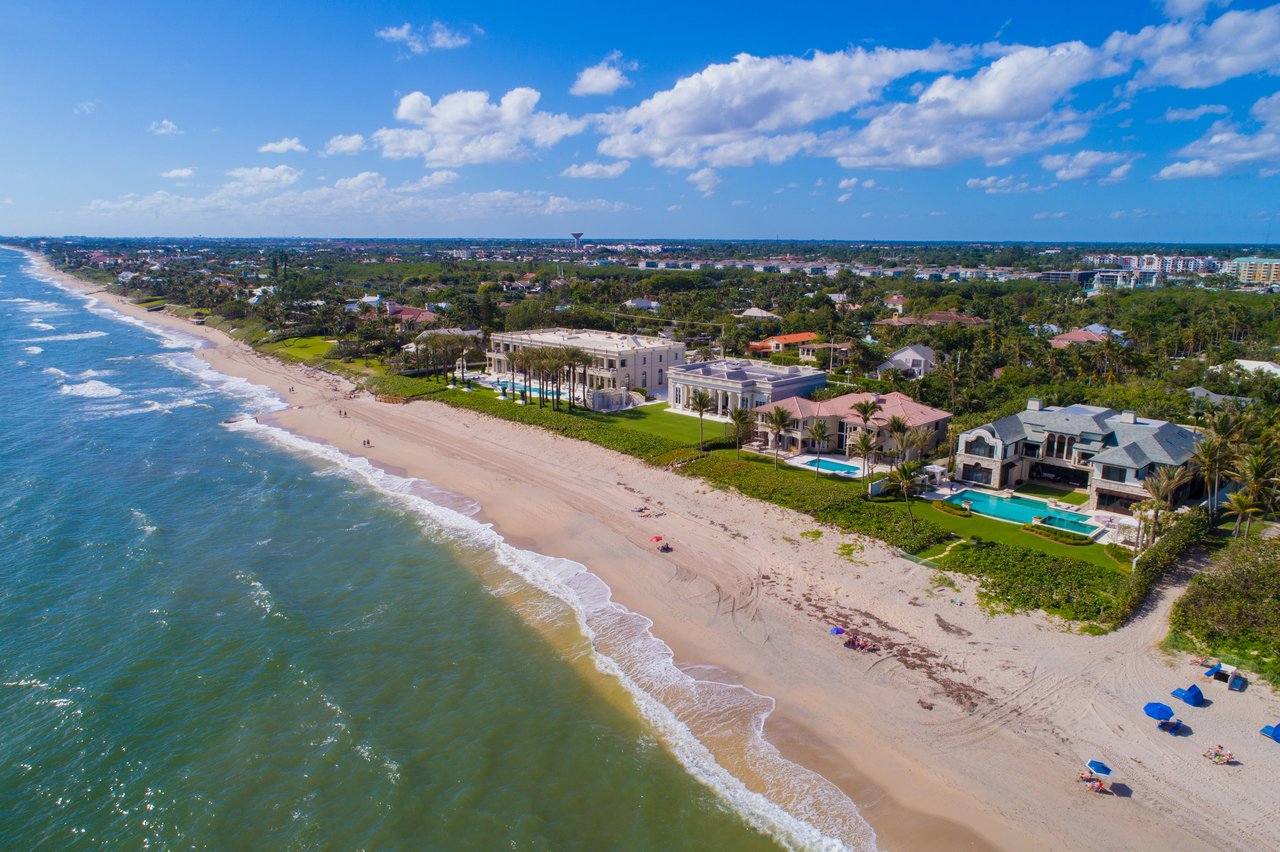
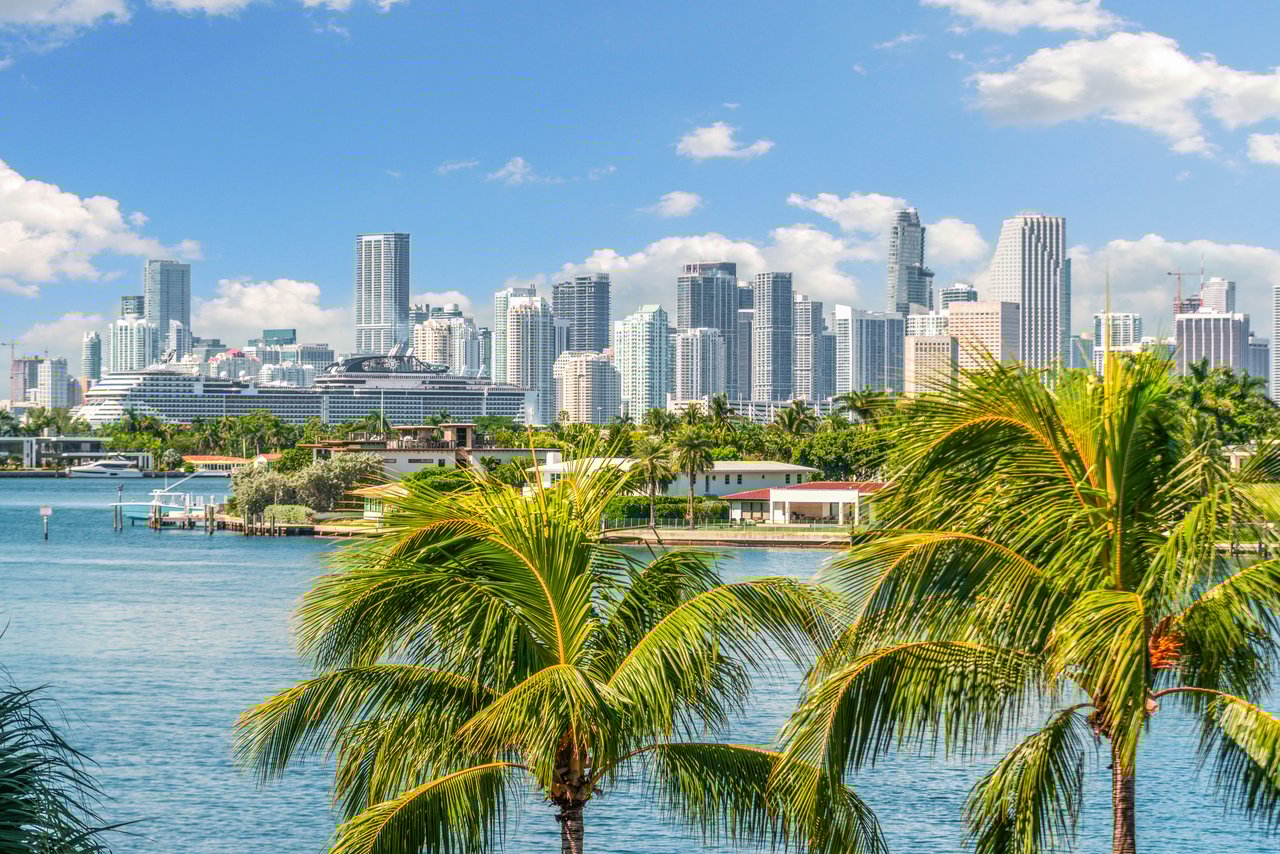
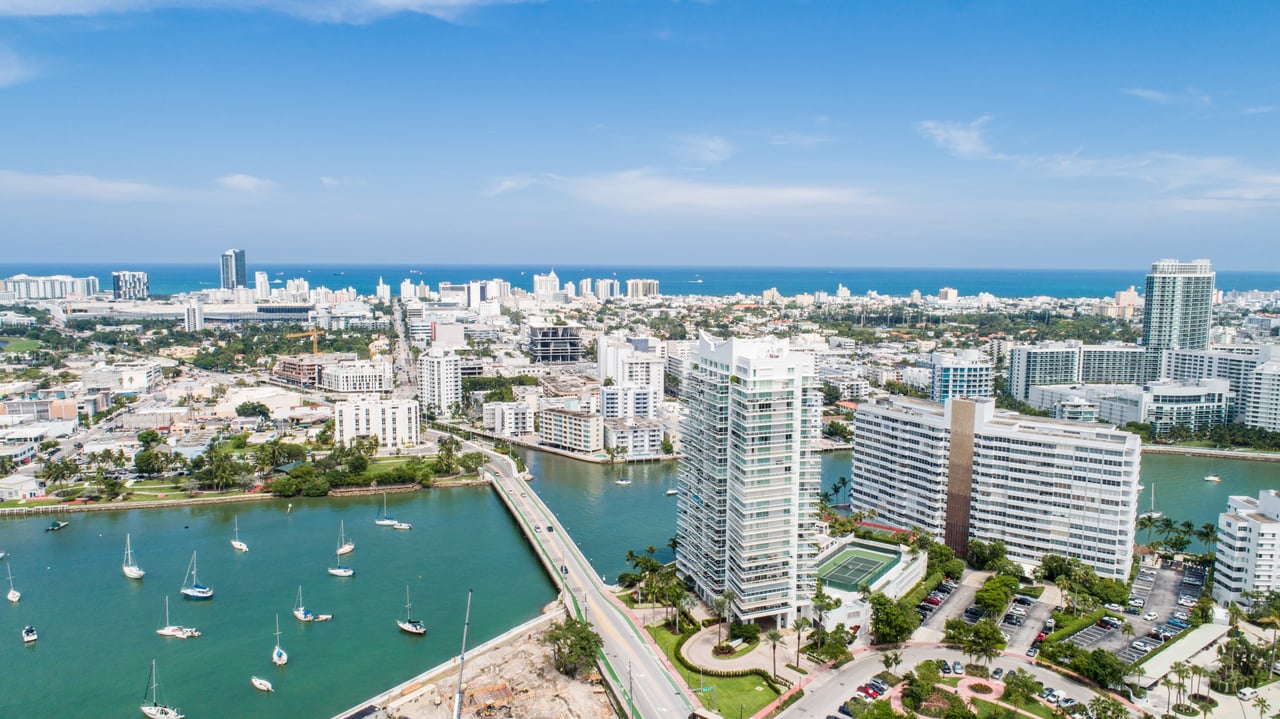
The debate between Miami or Palm Beach dominates conversations among South Florida home buyers, yet most guides treat them as interchangeable beach markets. The 70 miles separating downtown Miami from Palm Beach Island creates lifestyle differences as dramatic as comparing Manhattan to Greenwich, Connecticut.
If you're already leaning toward Miami-Dade, our Miami neighborhoods guide breaks down Coconut Grove, Coral Gables, and Miami Beach differences. This article helps you decide if Miami-Dade is right for you at all-or if Palm Beach County makes more sense for your life stage when considering living in Miami vs Palm Beach.
Should I Live in Miami or Palm Beach?
Life stage functions as the primary filter for the Miami vs Palm Beach living decision. Miami-Dade County's 2.7 million residents skew younger (median age ~40), work in finance and technology, and prioritize urban walkability. Palm Beach County's 1.5 million residents trend older (median age ~45), include substantial retiree populations, and value larger properties over nightlife access.
The U.S. Census Bureau's Florida county data illustrates these demographic divergences. Neither choice is objectively superior-the right answer depends on whether you're 32 and building a career or 62 and planning retirement.
Which Is More Affordable: Miami or Palm Beach?
Both markets exceed national affordability averages, but Palm Beach edges ahead on total cost of ownership. Insurance costs, HOA fees, and daily expenses create meaningful differences in the South Florida cities comparison.
What's the Cost of Living Difference Between Miami and Palm Beach?
|
Category |
Miami-Dade County |
Palm Beach County |
Winner |
|
Median Home Price |
$550K |
$520K |
Palm Beach (slightly) |
|
Median Condo Price |
$420K |
$350K |
Palm Beach |
|
Property Tax Rate |
0.89%–1.1% |
0.85%–1.05% |
Roughly equal |
|
Homeowners Insurance |
$4,500–$12,000/yr |
$3,500–$9,000/yr |
Palm Beach |
|
Sales Tax |
7% |
7% |
Equal |
|
Median Household Income |
$59K |
$71K |
Palm Beach |
|
Cost of Living Index |
122 (22% above national avg) |
115 (15% above) |
Palm Beach |
Insurance costs create the most significant differential. Miami-Dade's coastal density drives premiums 20-35% higher than Palm Beach. A $750,000 Coral Gables home might cost $8,000-$10,000 annually to insure, while similar Jupiter property runs $5,000-$7,000.
Property taxes remain roughly equivalent at 0.9-1.0% of market value after homestead exemption. Miami's higher salaries in finance and technology partially offset increased costs for those evaluating Miami compared to Palm Beach.
Where Is Real Estate More Expensive: Palm Beach or Miami?
Entry-level buyers ($400,000-$600,000) find better value in Palm Beach. West Palm Beach offers modern two-bedroom condos starting $280,000-$350,000, while Miami options in Edgewater or Brickell start $350,000-$420,000.
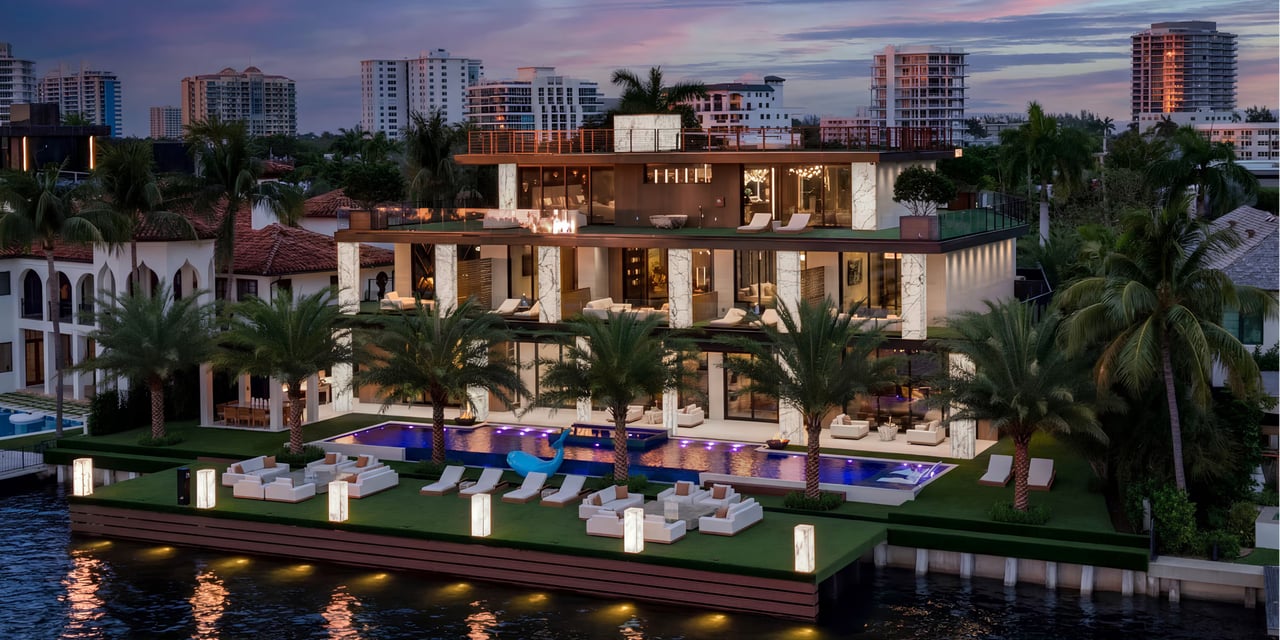
Mid-market single-family homes ($800,000-$1.5 million) price comparably, though Miami delivers urban connectivity while Palm Beach provides larger lots. Luxury waterfront ($3 million+) favors Palm Beach for sheer space-estate lots of 20,000-40,000+ square feet versus Miami's 10,000-15,000 square feet.
Ready to explore Miami options? Browse current Miami Beach listings.
How Does Miami vs Palm Beach Living Compare for Buyers Looking for Luxury Waterfront Homes?
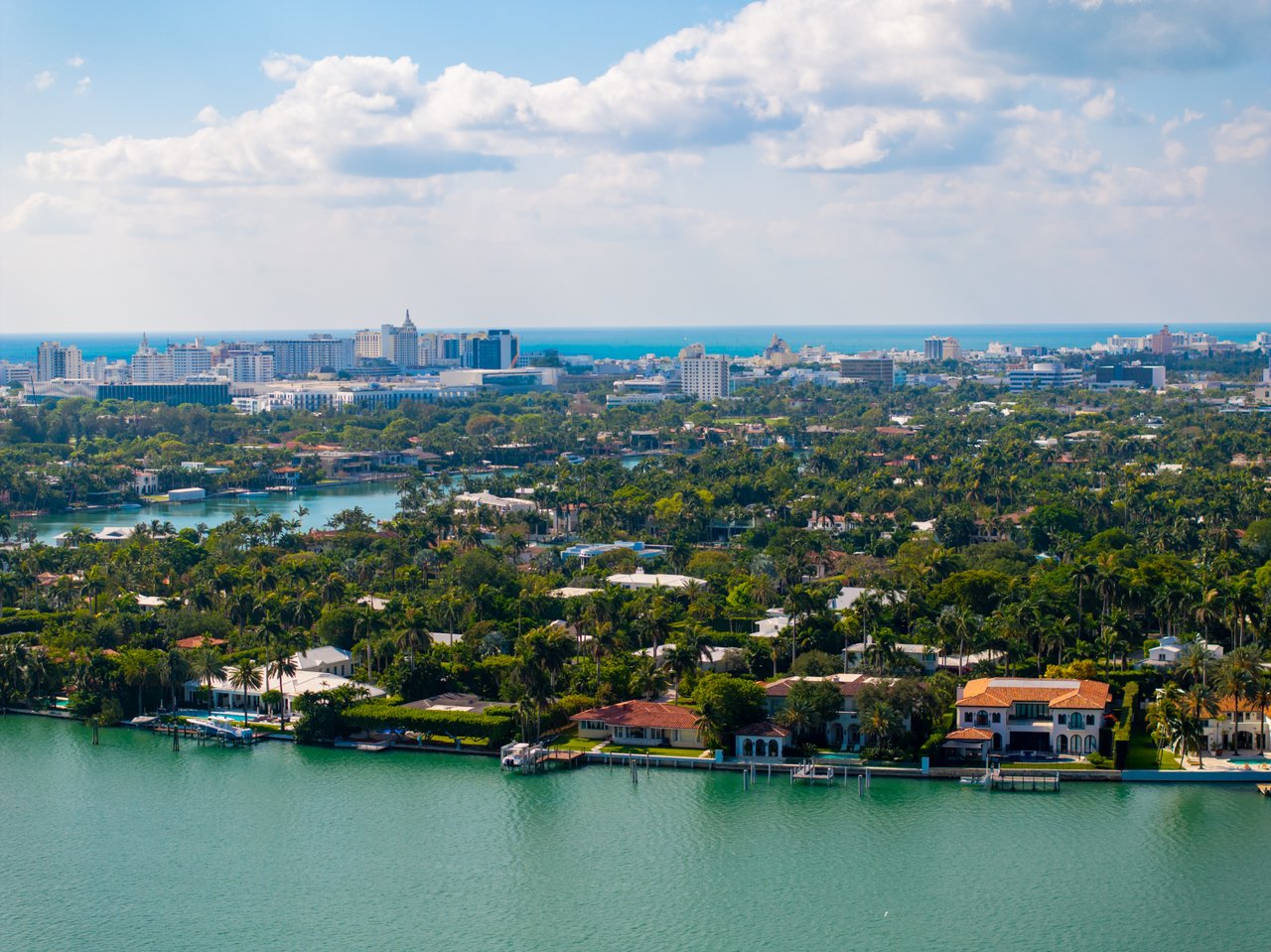
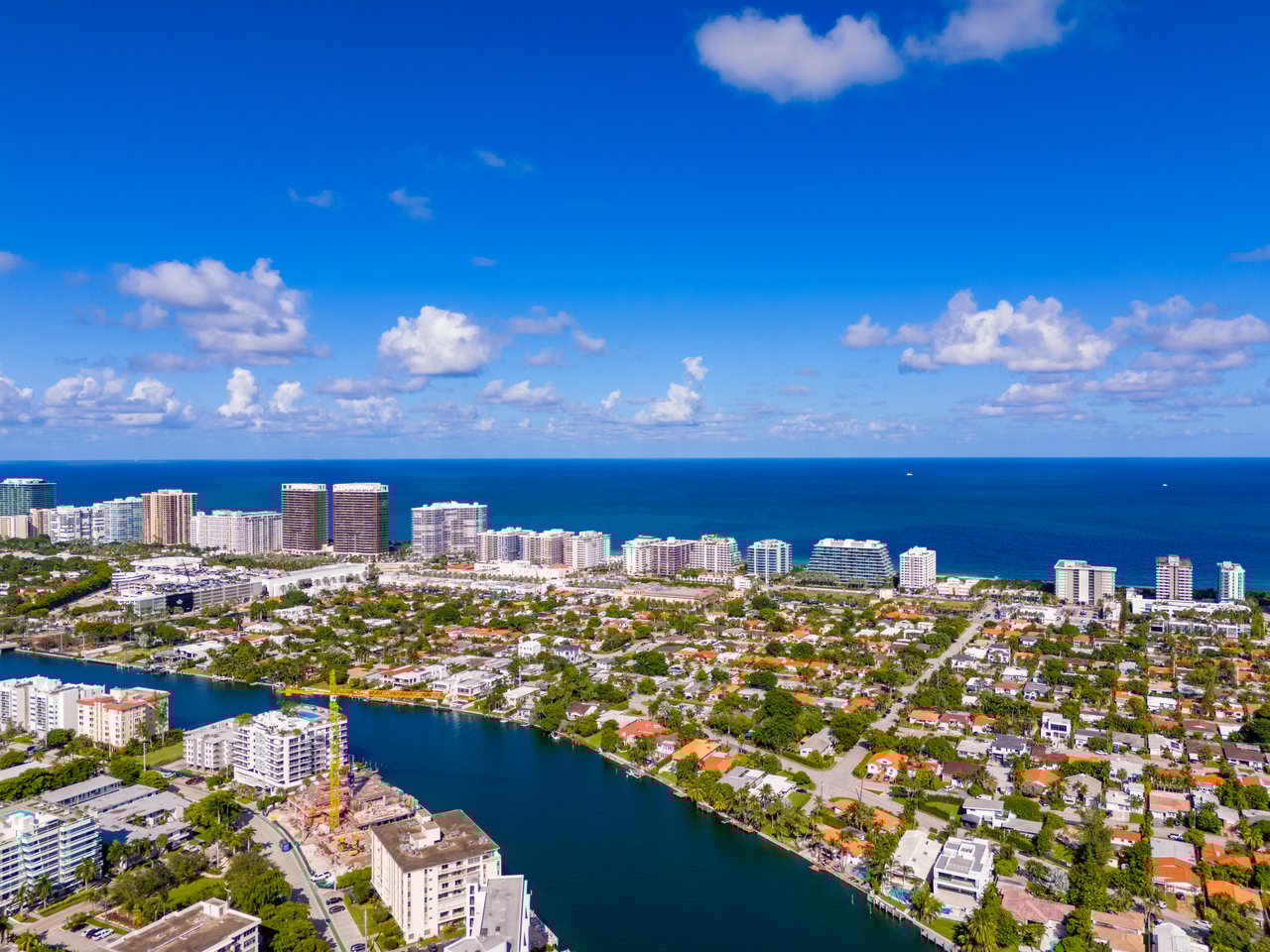
Waterfront inventory drives premium pricing in both markets, though the character of waterfront living differs substantially when considering Miami vs Palm Beach living options. Miami offers proximity to urban amenities; Palm Beach provides space and larger dock facilities.
|
Factor |
Miami |
Palm Beach |
|
Oceanfront Condos |
South Beach, Sunny Isles, Bal Harbour ($800K–$20M+) |
Palm Beach Island, Singer Island ($600K–$15M+) |
|
Intracoastal Homes |
Coral Gables, Coconut Grove ($2M–$30M+) |
Palm Beach Gardens, Jupiter ($1.5M–$20M+) |
|
Canal/River Access |
Coral Gables waterway ($1.5M–$10M) |
Jupiter, Tequesta ($800K–$5M) |
|
Typical Lot Size (waterfront SFH) |
10,000–20,000 sq ft |
15,000–40,000+ sq ft |
|
Dockage Availability |
Limited, premium pricing |
More abundant |
|
Boating Access |
Excellent |
Excellent |
Palm Beach waterfront generally provides more land and deeper water access at lower cost per square foot. Jupiter and Tequesta offer exceptional boating infrastructure attracting serious sport fishing enthusiasts.
Miami waterfront commands premiums for lifestyle proximity-walk to restaurants and entertainment. Coral Gables and Coconut Grove combine Old Florida charm with 15-minute drives to Brickell.
Where Will My Budget Go Further When Buying a Waterfront Property, Miami or Palm Beach?
At $2 million, buyers face distinct trade-offs. Miami delivers a three-bedroom bayfront condo in Edgewater or older Coral Gables waterway home. Palm Beach provides a four-bedroom Intracoastal home with private dock on 15,000+ square feet in Jupiter.
At $5 million, Miami offers Coral Gables estates around 6,000 square feet or luxury Miami Beach penthouses. Palm Beach delivers larger homes approaching 8,000 square feet on double lots, potentially with direct ocean access.
For pure square footage, Palm Beach wins. For walkable urban lifestyle, Miami justifies its premium in this Palm Beach vs Miami comparison.
Looking for waterfront homes? Contact our team to discuss inventory in both markets.
Which Is More Affordable for First-Time Buyers, Miami or Palm Beach, When Purchasing a Condo?
Entry-level condos favor Palm Beach on absolute price, though Miami's job market provides stronger income growth potential.
|
Factor |
Miami (Brickell/Edgewater) |
Palm Beach (West Palm/Lake Worth) |
|
Entry-Level 1BR Price |
$350K–$420K |
$280K–$350K |
|
Monthly HOA |
$500–$900 |
$350–$600 |
|
Annual Insurance |
$1,200–$2,500 |
$800–$1,800 |
|
Walk Score |
78–92 |
55–72 |
|
Nightlife/Dining |
Extensive |
Moderate |
|
Job Market |
Strong |
Limited |
First-time buyers prioritizing affordability find $70,000-$100,000 savings in Palm Beach's entry-level condo market. West Palm Beach's downtown includes modern towers starting $280,000 for one-bedroom units.
Miami's advantage lies in career trajectory. Finance, technology, and international business create abundant opportunities. Young professionals often accept Miami's 15-20% higher costs anticipating salary growth unavailable in Palm Beach.
Exploring Miami condos? See active listings in Brickell and surrounding areas.
Is Palm Beach Better for Retirement Than Miami?
Palm Beach County's demographics and pace of life favor traditional retirement. Miami appeals to active retirees seeking cultural diversity and urban walkability over country club tranquility when weighing the Miami vs Palm Beach living decision for retirement.
Should I Buy a Retirement Home in Miami or Palm Beach for Walkability and Healthcare Access?
-
Healthcare infrastructure favors Miami slightly for academic medical centers. Miami houses Jackson Memorial, Baptist Health system, and University of Miami medical campus. Palm Beach counters with Good Samaritan Medical Center and JFK Medical Center-highly rated but without Miami's research hospital concentration.
-
Walkability depends on specific neighborhoods. Downtown West Palm Beach and Delray Beach's Atlantic Avenue provide pedestrian-friendly environments. Miami offers Coral Gables' downtown village, Coconut Grove's commercial district, and Brickell's urban grid.
-
Pace of life creates the determining factor. Palm Beach maintains quiet rhythm matching traditional retirement expectations. Many retirees find Miami's energy exhausting. Country club culture thrives in Palm Beach with established communities and golf courses.
Recommendation: Retirees prioritizing quiet, space, and traditional country club lifestyle choose Palm Beach. Those wanting urban walkability and international community select Miami's Coral Gables or Coconut Grove.
Is Miami or Palm Beach Better for Families Looking to Purchase a Single-Family Home Near Good Schools?
Both counties maintain excellent public school districts. The choice depends on specific neighborhood priorities rather than county-wide superiority in this Miami Dade vs Palm Beach County comparison for families.
Which City Has Better Schools for Families?Miami-Dade's size provides more options-180 A-rated schools versus 120-creating flexibility. Competitive magnet schools including MAST Academy offer specialized curricula rivaling private schools.
Palm Beach delivers slightly smaller class sizes (20-23 average versus 22-25). Private school costs run comparable ($25,000-$45,000 annually) in both counties.
Florida Department of Education school grades provide official ratings.
Family neighborhoods: Miami: Pinecrest, Coral Gables, Key Biscayne, Palmetto Bay
Palm Beach: Boca Raton, Jupiter, Palm Beach Gardens, Wellington
|
Factor |
Miami-Dade County Public Schools |
Palm Beach County School District |
|
District Size |
4th largest in US (~340K students) |
10th largest (~190K students) |
|
A-Rated Schools |
~180 |
~120 |
|
Top Public High Schools |
MAST Academy, Coral Reef |
Dreyfoos School of the Arts, Boca Raton High |
|
Private School Options |
Ransom Everglades, Gulliver, Carrollton |
Oxbridge Academy, Saint Andrew's |
|
Average Class Size |
22–25 |
20–23 |
How Does the Nightlife in Miami Compare to Palm Beach?
Miami dominates decisively for nightlife. Palm Beach offers evening entertainment at fundamentally different scale.
Miami maintains world-class nightclub scene with LIV at Fontainebleau, E11EVEN, and Club Space hosting international DJs. South Beach, Wynwood, and Brickell concentrate bars and clubs operating until 4-5 AM. Late-night dining remains abundant.
Palm Beach's evening scene centers on Clematis Street, CityPlace dining, and country club events. Most establishments close by midnight. The demographic skews 40-65 versus Miami's 25-45 crowd.
Assessment: If nightlife ranks among your top priorities, Miami is the only choice when evaluating living in Miami vs Palm Beach.
What Are the Cultural Differences Between Miami and Palm Beach?
Cultural distinctions extend beyond nightlife to language, demographics, and cuisine.
-
Language: Miami functions as genuinely bilingual with Spanish dominant in many settings. Palm Beach operates primarily in English.
-
Demographics: Miami-Dade is majority Hispanic (69%), highly international. Palm Beach remains predominantly white (60%), with domestic wealth from northeastern states.
-
Art and culture: Miami hosts Art Basel, Pérez Art Museum, and Wynwood galleries. Palm Beach offers Norton Museum, Flagler Museum, and traditional galleries-more classical programming.
-
Dining: Miami celebrates Cuban, Peruvian, Colombian cuisines alongside celebrity chefs. Palm Beach emphasizes American continental cuisine and steakhouses.
-
Dress code: Miami rewards fashion-forward, glamorous presentation. Palm Beach maintains preppy, conservative aesthetic.
Is Miami or Palm Beach Safer to Live In?
Overall statistics favor Palm Beach slightly, though neighborhood-specific comparisons matter more than county averages.
Palm Beach County maintains lower violent crime rates. Miami-Dade's density creates higher aggregate statistics, concentrated in specific areas.
Miami's safest neighborhoods-Key Biscayne, Pinecrest, Coral Gables-match Palm Beach's best areas. Gated communities in either location provide similar security.
FBI Uniform Crime Reports provide comparative statistics.
Which Has Better Public Transportation?
Neither offers robust transit. Both markets require car ownership, though Miami provides marginally better options for urban core residents.
Miami: Metrorail, Metromover (free downtown circulator), Metrobus. Brickell and Downtown residents can function car-free if working locally.
Palm Beach: Palm Tran bus system, Tri-Rail commuter rail, Brightline high-speed rail to Miami-limited local transit.
Reality: Plan on car ownership in either market.
Which Area, Miami or Palm Beach, Is Better for Buying a Luxury Condo With Resort-Style Amenities?
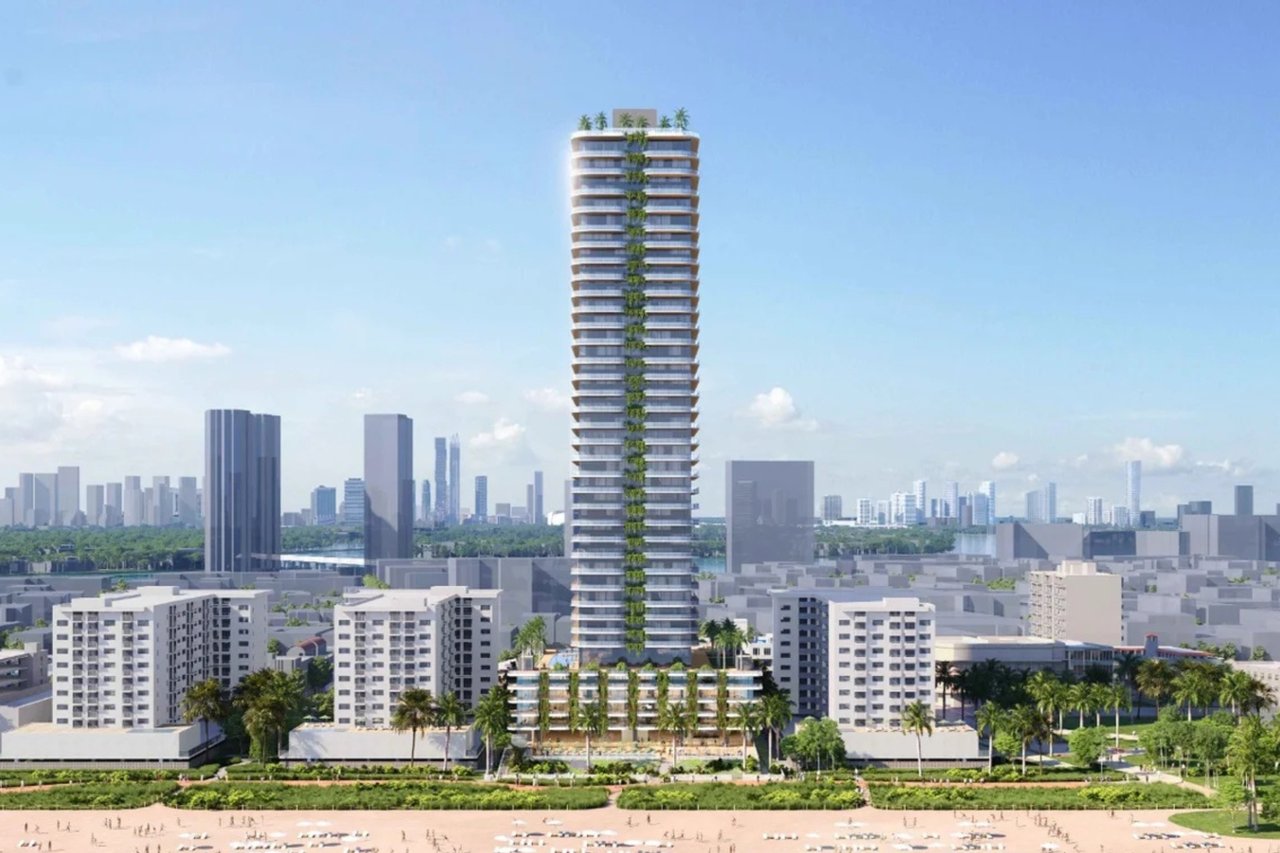
Miami dominates luxury condos with significantly more inventory and variety. Palm Beach offers fewer high-rise options, with single-family culture more prevalent.
Miami: Brickell, South Beach, Edgewater, Sunny Isles concentrate luxury towers with pools, spas, fitness centers, concierge, and valet. Pricing ranges $600,000 to $10 million+.
Palm Beach: West Palm Beach waterfront, Singer Island, Palm Beach Island offer luxury condos with similar amenities where available. Pricing runs $500,000 to $8 million+.
Buyers prioritizing condo lifestyle find substantially more options when considering Miami vs Palm Beach living for resort-style amenities.
Interested in luxury condos? Schedule a consultation to see current inventory.
Should I Invest in a Condo in Miami or Palm Beach If I Plan to Use It Part-Time and Rent It Out?
Rental income potential differs significantly, with Miami favoring active rental strategies and Palm Beach suiting seasonal rentals.
Miami advantages: Higher rental demand from tourism and business travel, stronger rental yields. Brickell and Miami Beach condos generate $3,000-$5,000+ monthly in long-term rentals.
Palm Beach advantages: Lower management intensity, seasonal rental market catering to snowbirds (November-April). Yields typically lower but steadier.
Short-term rental regulations: Miami Beach restricts short-term rentals in most buildings. Brickell buildings vary by individual bylaws. Palm Beach regulations vary by municipality.
Recommendation: Active investors seeking rental income choose Miami. Part-time owners prioritizing personal use with occasional seasonal rentals select Palm Beach.
Which Market, Miami or Palm Beach, Has Stronger Long-Term Appreciation Prospects?
Both delivered strong appreciation over five years (2019-2024)-Miami-Dade approximately 55%, Palm Beach County around 50%.
Miami's urban core experienced highest appreciation driven by international demand and migration from high-tax states. Volatility runs higher with sharper cycles.
Palm Beach appreciated steadily with lower volatility. Retiree demand provided stable buyer base.
National Association of Realtors Florida data tracks appreciation trends.
Projection: Miami's international gateway status supports higher upside with corresponding volatility. Palm Beach's retiree demand supports steadier appreciation.
How Do Property Taxes and Insurance Costs Compare When Buying a Home in Miami Versus Palm Beach?
Total carrying costs favor Palm Beach by $4,000-$6,000 annually, with insurance creating the largest differential.
|
Cost Category |
Miami-Dade |
Palm Beach |
Difference |
|
Property Tax (w/ homestead) |
$6,500/yr |
$6,000/yr |
~$500/yr |
|
Homeowners Insurance |
$6,000–$10,000/yr |
$4,500–$7,500/yr |
$1,500–$2,500/yr |
|
Flood Insurance (if required) |
$500–$3,000/yr |
$400–$2,000/yr |
~$500/yr |
|
HOA (if condo) |
$600–$1,200/mo |
$400–$900/mo |
$200–$300/mo |
|
Total Annual Carrying Cost |
$18,000–$28,000 |
$14,000–$22,000 |
$4,000–$6,000 |
Coastal Miami-Dade properties pay premiums 25-40% higher than Palm Beach. HOA fees in Miami's high-rises typically exceed Palm Beach due to building height and amenity concentration.
These carrying cost differences affect purchasing power. A buyer qualifying for $5,000 monthly payment can afford approximately 10% more home in Palm Beach.
How Miami Neighborhoods Compare: Coconut Grove, Miami Beach, and Coral Gables
Buyers who select Miami face secondary decision: which neighborhood matches their lifestyle.
|
Factor |
Coconut Grove |
Miami Beach |
Coral Gables |
|
Vibe |
Bohemian, artsy, village feel |
Glamorous, beach lifestyle |
Elegant, family-oriented |
|
Property Type |
Mix of SFH and condos |
Primarily condos |
Primarily single-family |
|
Median Home Price |
$950K |
$650K |
$1.1M |
|
Walk Score |
72 |
89 |
58 |
|
Best For |
Creatives, families |
Young professionals |
Families, executives |
|
Schools |
Good private options |
Limited |
Excellent public/private |
Coconut Grove attracts buyers seeking village character. Tree canopy and bohemian aesthetic create distinct personality. Waterfront estates command $3-$8 million, condos start around $400,000.
Miami Beach delivers beach access and ultimate walkability. Condo-dominated market suits young professionals and investors. Pricing spans $450,000 studios to $20 million penthouses.
Coral Gables functions as Miami-Dade's premier family suburb with top schools and Mediterranean architecture. Single-family homes dominate. Appeals to professionals seeking space while maintaining proximity to Brickell.
Explore detailed Miami neighborhood profiles here.
The decision between Miami vs Palm Beach living ultimately reduces to life stage and lifestyle priorities. Neither location is universally "better"-the right choice depends on your daily life vision.
Choose Miami if: You're under 50, career-focused, want nightlife and cultural diversity, prefer urban walkability, value international community, and accept higher insurance costs for location benefits.
Choose Palm Beach if: You're retiring, prioritize space and quiet, prefer traditional American lifestyle, want lower insurance costs, don't need vibrant nightlife, and value country club culture.
The 70 miles separating these markets creates fundamentally different daily experiences. Visit both, spend time in specific neighborhoods, and evaluate which feels energizing versus exhausting.
Want to test Miami before buying? Browse rental properties to experience neighborhoods firsthand.
Ready to explore? Browse current Miami Beach listings or schedule a consultation to discuss which market fits your lifestyle.
Frequently Asked Questions
Should I live in Miami or Palm Beach?
Miami suits career-focused buyers under 50 seeking nightlife and urban energy; Palm Beach fits retirees and families prioritizing space, quiet, and lower insurance costs. Your life stage and daily priorities determine the right choice, with neither location being objectively superior for all buyers.
Which is more affordable: Miami or Palm Beach?
Palm Beach has slightly lower median home prices and significantly lower insurance costs, making it 10-15% cheaper for overall homeownership. Annual carrying costs in Palm Beach typically run $4,000-$6,000 less than comparable Miami properties due to insurance and HOA differentials.
Is Palm Beach better for retirement than Miami?
Yes-Palm Beach offers a slower pace, excellent healthcare, and established retirement communities, though Miami appeals to active retirees wanting urban walkability. Palm Beach's country club culture and quieter environment suit traditional retirement expectations, while Miami serves retirees seeking cultural diversity and international community.
What's the cost of living difference between Miami and Palm Beach?
Miami's cost of living index is about 7% higher than Palm Beach, with insurance and HOA costs being the primary drivers. The difference translates to approximately $300-$500 monthly in carrying costs for comparable properties, affecting purchasing power by roughly 10%.
Which city has better schools for families?
Both counties have excellent A-rated public schools and top-tier private options; Miami-Dade offers more choices due to its larger size. Miami-Dade operates 180 A-rated schools versus Palm Beach's 120, though Palm Beach maintains slightly smaller average class sizes of 20-23 students versus Miami's 22-25.
How does the nightlife in Miami compare to Palm Beach?
Miami's nightlife is world-class with clubs open until dawn; Palm Beach's evening scene is subdued and largely closes by midnight. Miami hosts international DJs, 24-hour venues, and late-night dining throughout the week, while Palm Beach caters to older demographics with dinner-focused evening activities.
Is Miami or Palm Beach safer to live in?
Palm Beach County has slightly lower overall crime rates, but Miami's safest neighborhoods (Pinecrest, Key Biscayne, Coral Gables) match Palm Beach's best areas. Neighborhood-specific research matters more than county-level statistics, with both markets containing very safe and less desirable areas.
Where is real estate more expensive: Palm Beach or Miami?
Miami's urban condos command higher prices per square foot, but Palm Beach's waterfront estates can exceed Miami at the ultra-luxury tier. Entry-level buyers find better value in Palm Beach ($280K-$350K condos versus $350K-$420K in Miami), while luxury pricing depends on whether buyers prioritize urban proximity or estate scale.
What are the cultural differences between Miami and Palm Beach?
Miami is bilingual, international, and fashion-forward; Palm Beach is English-dominant, domestically wealthy, and traditionally preppy. Miami's majority-Hispanic population creates Latin American cultural influence, while Palm Beach reflects northeastern American wealth and conservative social norms.
Which has better public transportation?
Miami has Metrorail, Metromover, and buses with limited coverage; Palm Beach has minimal transit-both markets are car-dependent. Miami's urban core residents can occasionally function without cars, but both locations require vehicle ownership for practical daily living outside very limited walkable areas.
Should I invest in a condo in Miami or Palm Beach if I plan to rent it out?
Miami offers stronger rental demand and yields for short-term rentals; Palm Beach suits seasonal rentals with less management intensity. Miami condos generate higher income potential through tourism and business travel demand, while Palm Beach provides steadier seasonal rental relationships with snowbird tenants requiring less turnover management.
Which market has stronger long-term appreciation prospects?
Both have appreciated approximately 50-55% over five years; Miami's urban core may have higher upside, while Palm Beach offers steadier, lower-volatility growth. Miami's international gateway status supports explosive potential with corresponding correction risk, while Palm Beach's retiree demand base provides consistent appreciation without dramatic cycles.