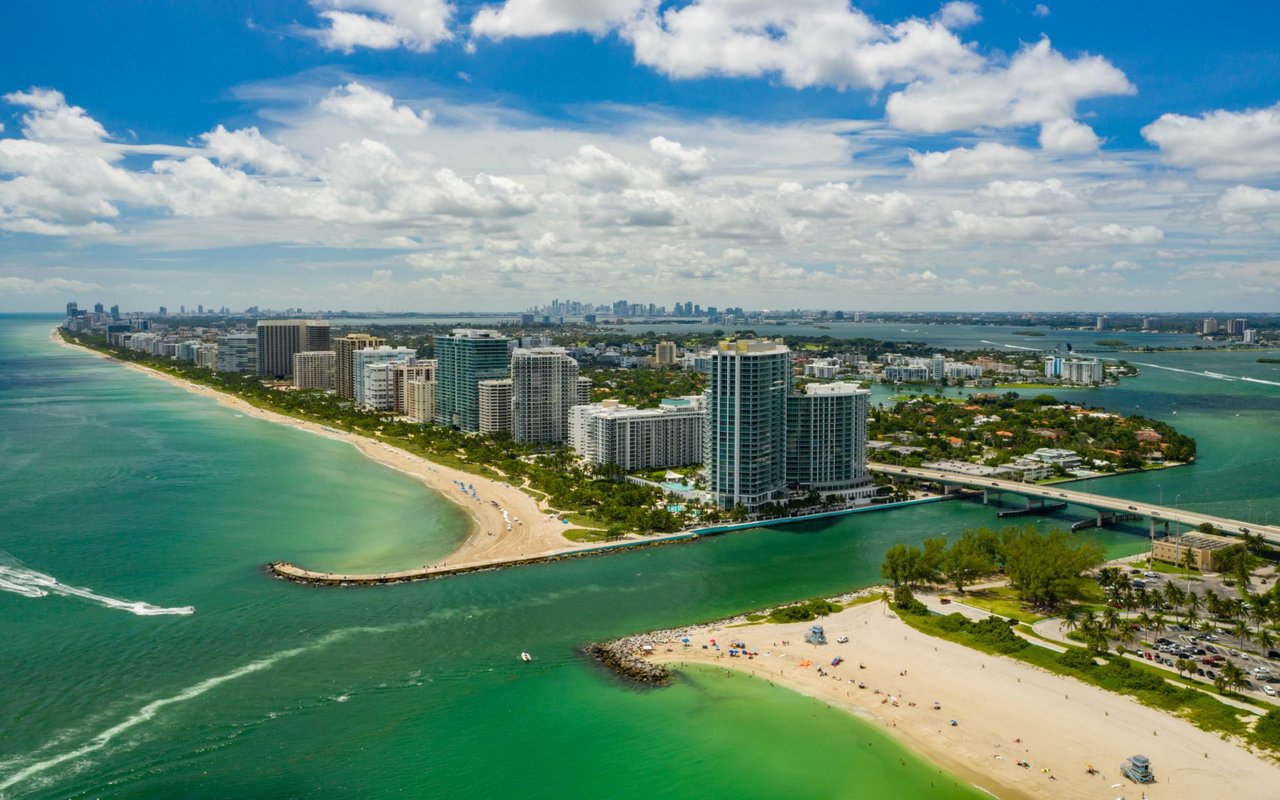
TLDR: The 2026 NYC-to-Miami Relocation Strategy Moving to Miami from NYC in 2026 offers a significant financial arbitrage opportunity. By leveraging the 15–25% cost of living differential between these two metros, most relocators can effectively capture a "geographic raise." Beyond daily expenses, the primary driver remains the total elimination of state and city income taxes provided by Florida’s tax-friendly constitution.
While you can match your Manhattan or Brooklyn lifestyle with comparable Miami neighborhoods, a successful move requires navigating the shifting flood zone designations and the localized legal nuances of the Florida Homestead Exemption, which provides essential long-term tax predictability for new residents.
5 Things You'll Learn in This Guide
-
Neighborhood matching: Which Miami areas mirror the lifestyle of Manhattan, Brooklyn, Queens, and other NYC boroughs
-
True cost comparison: Side-by-side housing prices, rental rates, and overall living expenses between NYC and Miami
-
Tax advantages decoded: How Florida's no-income-tax structure impacts your finances and what legal considerations NYC buyers must understand
-
Best areas for first-time buyers: Recommended Miami neighborhoods for New Yorkers purchasing their first Florida property
-
Lifestyle reality check: Transportation needs, job market differences, and the honest pros and cons when relocating to Florida
The NYC-to-Miami Migration: By the Numbers
The flow of New Yorkers to South Florida has transitioned from a trend into a full-scale migration. According to U.S. Census Bureau population estimates, New York continues to see significant domestic out-migration, while Miami-Dade remains a primary beneficiary. Moving to Miami from NYC is now objectively one of the most significant wealth-migration patterns in the country.
Key Migration Statistics:
-
Inbound Momentum: Out-of-state driver license exchanges in Miami-Dade remain 22% above pre-pandemic levels, with New York leading all other states.
-
Tax Arbitrage: A household earning $150,000 captures approximately **$21,100 in annual savings** by eliminating NY State income taxes and the NYC local resident tax.
-
Housing Differential: Capturing a 27% median price reduction while maintaining NYC-level salaries has become a primary driver for the 42% of movers who cite remote work flexibility.
The real game-changer when moving to Miami from NYC is the structural tax elimination. For high earners, this isn't just a monthly saving—it's a massive long-term wealth accelerator. By reinvesting the $21,100 in annual tax savings into the Miami real estate market, relocators are building equity at a rate that is simply impossible within the NYC tax structure.
What Should Homebuyers from NYC Consider Before Buying Real Estate in Miami?
The Miami real estate market operates differently than New York's in ways that catch unprepared buyers off-guard. Understanding these distinctions is essential when moving to Miami from NYC.
Key Differences NYC Buyers Must Understand
|
Factor |
NYC Market |
Miami Market |
What This Means |
|
Seasonality |
Year-round consistent |
Peak Jan–Apr, slow Jun–Aug |
Shop summer for better deals |
|
HOA Fees |
Co-op maintenance fees |
Condo HOA $400–$1,200/mo |
Factor into monthly costs |
|
Insurance |
~$1,200/year |
$4,200/year average |
3–4x higher property insurance |
|
Special Assessments |
Rare |
Common post-Surfside |
Review reserve studies carefully |
|
Cash Offers |
20% of transactions |
30–35% of transactions |
International buyer competition |
Hurricane Insurance Reality: Florida's property insurance crisis makes this critical. Properties in flood zones require additional flood insurance ($1,500–$6,000+ annually). Buildings with roofs older than 15 years struggle to obtain coverage, often requiring replacement before closing.
Condo Association Power: Since the Surfside collapse in June 2021, Florida mandated structural reserve studies and accelerated funding. Special assessments—sometimes $50,000 to $150,000+ per unit—are now common. Always review the most recent reserve study, building inspection reports, and HOA meeting minutes.
Construction Standards: Newer construction (post-2002) with hurricane-rated impact windows, reinforced concrete, and elevated first floors commands premium prices but offers insurance discounts and storm protection.
Ready to explore Miami properties that match your NYC lifestyle? Browse active listings curated for New York relocators.
How Do Home Prices and Neighborhoods in Miami Compare to NYC?
The direct translation between NYC neighborhoods and Miami equivalents helps you target areas matching your current lifestyle expectations while capturing significant cost savings.
NYC to Miami Neighborhood Matching Guide
|
If You Live In (NYC) |
You'll Feel at Home In (Miami) |
Vibe Match |
Price Comparison |
|
Manhattan (Midtown/FiDi) |
Brickell |
Urban high-rise, walkable, young professionals |
30–40% lower |
|
Upper East Side |
Coral Gables |
Upscale, tree-lined, family-oriented, top schools |
25–35% lower |
|
Brooklyn (Williamsburg) |
Wynwood/Edgewater |
Arts, nightlife, creative scene, industrial-chic |
35–45% lower |
|
Brooklyn (Park Slope) |
Coconut Grove |
Family-friendly, green space, village community feel |
20–30% lower |
|
Tribeca |
Miami Beach (South of Fifth) |
Luxury waterfront, exclusive, high-end dining |
Comparable/varies |
|
Queens (Astoria) |
Little Havana/Allapattah |
Diverse, emerging, authentic culture, value |
50–60% lower |
|
West Village |
Design District |
Boutique shopping, walkable, trendy restaurants |
25–35% lower |
|
Long Island City |
Edgewater |
Waterfront condos, bay views, developing rapidly |
35–45% lower |
Key Neighborhood Insights:
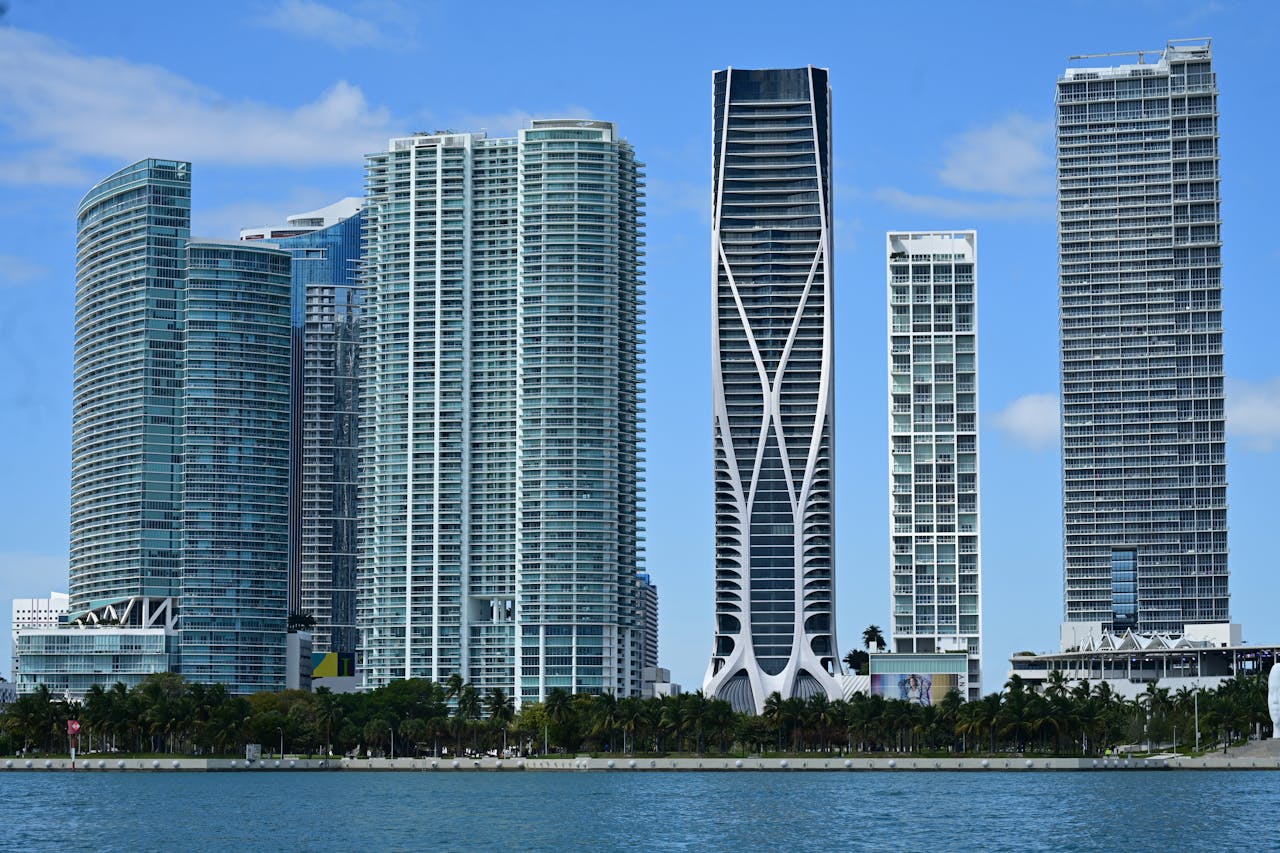
Brickell replicates Manhattan's urban energy with 60+ high-rise towers, rooftop bars, and actual walkability. You'll find Equinox, Soul Cycle, and corporate offices within walking distance. Trade-off: less residential, quieter on weekends, still need car for areas outside immediate neighborhood.
Coral Gables attracts Upper East/West Side families seeking A-rated schools (Coral Gables Preparatory, George Washington Carver Middle), tree-lined streets, and Mediterranean-style homes. Suburban by NYC standards but offers prestige and school quality at 25–35% lower cost.
Coconut Grove delivers Park Slope's village atmosphere—farmer's markets, independent bookstores, waterfront parks, tight-knit community. Tree canopy rivals Brooklyn's best blocks.
Wynwood captures Williamsburg's creative energy circa 2010—street art, galleries, craft breweries, evolving nightlife. Grittier than Brickell but authentically cool.
Explore Miami neighborhoods in depth with our interactive guide built for NYC transplants.
Is Miami Cheaper Than NYC? The Real Cost Breakdown
While moving to Miami from NYC often begins with a look at median prices, surface-level comparisons can be deceptive. As of early 2026, the median home price in Miami-Dade has settled at approximately $485,000. On paper, this is 35% lower than the NYC median of $750,000. However, the "hidden" costs of ownership in Florida—specifically insurance—significantly shift the monthly math.
|
Category |
NYC Average |
Miami Average |
Savings |
|
1BR Apartment Rent |
$4,200/month |
$2,800/month |
33% |
|
Median Home Price |
$750,000 |
$485,000 |
35% |
|
State Income Tax |
4–10.9% |
0% |
100% |
|
City Income Tax |
~4% |
0% |
100% |
|
Property Tax ($600K home) |
~$12,000/year |
$8,400/year |
30% |
|
Groceries |
Baseline |
5–8% lower |
Moderate |
|
Transportation |
$132/month |
$700–1,200/month* |
Net increase |
|
Dining Out |
Baseline |
10–15% lower |
Moderate |
|
Utilities |
Baseline |
15–20% higher |
Net increase |
*Car ownership includes payment ($400–600), insurance ($150–250), gas/tolls ($200–300), parking ($0–350)
Bottom Line: Despite higher transportation and utility costs, most people moving to Miami from NYC see 15–25% overall cost reduction driven by housing savings and tax elimination. High earners ($200,000+ household income) see even greater advantages as tax savings compound.
What Are the Pros and Cons of Leaving NYC for Florida?
Every transplant experiences a period of adjustment when moving to Miami from NYC. Balancing the lifestyle advantages against the structural challenges of South Florida is essential for a successful long-term relocation.
The Genuine Advantages
-
Structural Tax Elimination: Florida’s zero state income tax and NYC’s city tax removal remain the single largest financial drivers. According to the New York State Department of Taxation, a high-earning household can capture enough in annual savings to fund a down payment on a second property within a decade.
-
Global Connectivity: Unlike many domestic cities, Miami rivals NYC’s global reach. Miami International Airport (MIA) is now the #2 busiest gateway in the U.S. for international passengers, offering more nonstop flights to Latin America and the Caribbean than any other American hub.
-
Outperforming Job Market: While national trends have shifted, Miami-Dade continues to outperform the U.S. average in job gains. In 2025-2026, the region saw a 1.5% local employment gain, significantly outpacing the national 1.1% increase, specifically in the finance, tech, and healthcare supersectors.
-
Space-for-Value Arbitrage: The price-per-square-foot differential allows for a major quality-of-life upgrade. A typical Manhattan budget often converts into a Miami property with private outdoor space, modern amenities, and in-unit facilities—features that command extreme premiums in the NYC market.
The Honest Challenges
-
Transit and Car Dependency: The biggest hurdle for New Yorkers is the loss of the 24-hour subway system. While transit ridership in Miami is growing, a car remains a necessity for nearly all professional and social life outside the urban core of Brickell or Downtown.
-
The "Summer Humidity" Factor: The climate trade-off is real. While winters are mild, NOAA climate data confirms that Miami experiences sustained temperatures above 85°F from June through September, with high humidity levels that create a "real feel" often exceeding 100°F.
-
Seasonal Population Swings: Florida's population typically swells by 5% or more during "Snowbird" season (December–April). For year-round residents, this means navigating increased traffic congestion and higher seasonal costs for services and dining.
-
Hurricane Resilience: Living in South Florida requires an active approach to storm preparedness. From June to November, residents must maintain emergency kits and understand evacuation zones—a responsibility that is largely absent from the NYC lifestyle.
Have questions about what to expect? Schedule a consultation with a relocation specialist who's helped dozens of NYC families make the move.
Which Miami Areas Are Best for New Yorkers Purchasing Their First Property?
First-time buyers from NYC have specific advantages—accustomed to high prices, comfortable with urban density, often bringing significant equity from NYC sales or savings. Moving to Miami from NYC as a first-time Florida homebuyer offers unique opportunities to leverage your NYC experience.
Top 5 Miami Neighborhoods for NYC First-Time Buyers
|
Neighborhood |
Best For |
Price Range |
Key Appeal |
|
Edgewater |
Brooklyn transplants |
1BR: $350K–$450K |
Waterfront, new construction, under $500K |
|
Coral Gables |
UES/UWS families |
Condos: $450K+, Homes: $800K+ |
A-rated schools, prestige, established |
|
Brickell |
Manhattan professionals |
1BR: $350K–$500K |
Urban walkability, offices nearby |
|
Coconut Grove |
Park Slope families |
Condos: $400K+, Homes: $700K+ |
Green space, community, village feel |
|
Doral |
Queens residents |
Homes: $450K–$700K |
Space, value, Latin American culture |
Edgewater sits between Downtown and Miami Beach, offering bay views and new construction. Studios start around $300,000, two-bedrooms top out around $550,000. You're 10 minutes from Brickell, 15 minutes from South Beach.
Coral Gables is non-negotiable for families prioritizing education. Coral Gables Preparatory, George Washington Carver Middle, and Coral Gables Senior High all earn A-ratings. Mediterranean architecture and strict zoning codes create the prestigious feel Upper East/West Side families expect.
Brickell is Miami's only true walkable urban neighborhood. Publix, Whole Foods, Equinox, restaurants, bars within 10-minute walk. Studios start around $280,000. Trade-off: less residential, still need car for areas outside Brickell.
Coconut Grove delivers village atmosphere Park Slope families love. Tree canopy rivals Brooklyn's best blocks. 15 minutes from Brickell, 20 minutes from Coral Gables, with enough local amenities to minimize daily driving.
Doral offers best space-per-dollar ratio. Single-family homes start around $450,000 for 3-bedroom properties with yards. Heavily Latin American (Venezuelan and Colombian), bilingual, family-oriented. 25–35 minute commute to Brickell.
What Legal and Tax Implications Should NYC Buyers Know When Purchasing in Miami?
The financial advantages require proper execution when moving to Miami from NYC. Understanding Florida's tax structure, residency requirements, and real estate laws prevents costly mistakes.
How Do Taxes Change When Moving from NYC to Florida?
Tax Elimination Impact:
|
Income Level |
NY State Tax |
NYC City Tax |
Total Annual Savings |
10-Year Savings |
|
$100,000 |
~$6,000 |
~$3,400 |
$9,400 |
$94,000 |
|
$150,000 |
~$9,500 |
~$5,300 |
$14,800 |
$148,000 |
|
$200,000 |
~$13,500 |
~$7,600 |
$21,100 |
$211,000 |
|
$300,000 |
~$21,000 |
~$11,700 |
$32,700 |
$327,000 |
Homestead Exemption: Florida offers homestead exemption reducing primary residence's assessed value by up to $50,000, lowering annual property tax by $1,000–$1,500. Must apply by March 1 following purchase year. Additionally, Save Our Homes cap limits annual property tax increases to 3% regardless of market appreciation.
Capital Gains Considerations: New York State and NYC attempt to tax capital gains if you're still considered NY resident at sale time. Establish Florida residency before selling NYC property to avoid this double taxation.
NYC Exit Tax Requirements: New York aggressively pursues high-income earners claiming Florida residency. To establish legitimate Florida residency:
-
Spend more than 183 days annually in Florida
-
Register vehicles in Florida
-
Obtain Florida driver's license
-
Register to vote in Florida
-
File homestead exemption
-
Move primary banking, doctors to Florida
-
Document days spent in each state (NY audits this)
Understanding the financial picture is crucial. Get personalized guidance on your NYC-to-Miami transition.
Florida Real Estate Laws NYC Buyers Must Understand
Condo Association Disclosures: Florida law mandates extensive disclosure—reserve studies, structural inspection reports, pending special assessments, budget details, HOA meeting minutes. Review carefully. Since Surfside, special assessments sometimes exceed $100,000 per unit.
Flood Zone Designations: Properties in Special Flood Hazard Areas (FEMA Zones A or V) require flood insurance, averaging $1,500–$6,000+ annually. Flood insurance requires 30-day waiting period—initiate during contract period.
Title Insurance: Florida is "title theory" state where lenders hold legal title until mortgage payoff. Title insurance costs run 0.5%–0.7% of purchase price. Always purchase owner's title insurance, not just lender's coverage.
Homestead Protection: Beyond tax benefits, Florida's homestead provides creditor protection—primary residence cannot be seized to satisfy most debts (excluding mortgages, taxes, HOA fees). Attractive for business owners and high-net-worth individuals.
What Are the Financial Benefits for NYC Residents Buying Homes in Miami?
The quantifiable advantages when moving to Miami from NYC extend beyond tax savings into multiple wealth-building categories.
NYC vs. Miami: $200,000 Household Income Comparison
|
Tax/Cost Category |
NYC |
Miami |
Annual Savings |
|
State Income Tax |
~$13,500 |
$0 |
$13,500 |
|
City Income Tax |
~$7,600 |
$0 |
$7,600 |
|
Property Tax ($600K home) |
~$12,000 |
~$7,200 |
$4,800 |
|
Rent (2BR apartment) |
$50,400/year |
$33,600/year |
$16,800 |
|
Total Annual Savings |
— |
— |
~$42,700 |
Compound Effect: The $42,700 annual savings invested in S&P 500 index funds averaging 10% annual returns grows to approximately $740,000 over 10 years. This represents the true opportunity cost of remaining in NYC—not just annual savings but compounding wealth-building potential.
Additional Advantages:
-
Lower insurance costs: Auto insurance runs 15–25% lower in Miami than NYC
-
Increased equity building: Lower purchase prices with comparable appreciation rates mean equity building accelerates
-
Business formation: Florida's business-friendly environment, no state corporate income tax, creditor protections benefit entrepreneurs
Disclaimer: Individual circumstances vary. Consult CPA specializing in interstate relocations before making final decisions.
Can You Find Work in Miami After Moving to Miami from NYC?
Miami's employment landscape transformed since 2020, creating legitimate opportunity for skilled professionals. Many people moving to Miami from NYC maintain their existing remote positions, while others transition to Miami's expanding local job market.
Growing Industries and Salary Expectations
|
Sector |
Growth |
Median Salary Range |
NYC Comparison |
|
Tech |
+34% (2020–2024) |
$95K–$140K |
10–20% lower |
|
Finance |
+19% since 2020 |
$120K–$180K |
10–15% lower |
|
Healthcare |
Consistent growth |
$55K–$220K |
Comparable |
|
Professional Services |
Expanding |
$65K–$180K |
10–15% lower |
Major Employers: Microsoft, Google, Spotify (tech); Citadel, Elliott Management, Blackstone (finance); Baptist Health, Cleveland Clinic Florida (healthcare).
Remote Work Advantage: 42% of NYC-to-Miami movers maintained existing NYC-based jobs remotely—optimal scenario capturing NYC salary with Miami cost structure.
Salary Reality: For non-remote roles, expect Miami salaries 10–20% below NYC equivalents. A $120,000 NYC role might pay $100,000–$108,000 in Miami. However, after eliminating $15,000–$25,000 in state/city taxes and reducing housing costs by $10,000–$20,000 annually, take-home often increases despite lower gross salary.
Contact our team to discuss how Miami's job market aligns with your career and explore connections to local recruiters.
What Should You Know Before Relocating to Miami?
Successful relocations follow systematic preparation. Because New York aggressively audits residents who move to tax-free states, planning your timeline carefully is essential when moving to Miami from NYC to ensure you legally establish a new "domicile."
The NYC-to-Miami Relocation Checklist
6 Months Before: The Strategy Phase
-
In-Person Research: Visit Miami for an extended weekend to test neighborhood traffic patterns during peak commute hours.
-
Tax Consultation: Meet with a specialist to review New York’s "Statutory Resident" rules, which can trigger tax liability if you maintain a "permanent place of abode" in NYC for 184 days or more.
-
Salary Verification: Confirm remote work approval or begin a job search in Miami’s top-performing job sectors, such as finance or tech.
3 Months Before: The Tactical Phase
-
Property Tours: Plan 2–3 property visit trips. If buying, prioritize homes with Florida wind mitigation credits to lower your insurance premiums.
-
Financial Pre-Approval: Secure a mortgage pre-approval based on Florida’s unique lending requirements.
-
School Research: Use official Miami-Dade County Public Schools data to verify neighborhood-specific ratings before committing to a zip code.
1 Month Before: The Logistics Phase
-
Secure Movers: Book a reputable moving company and request a binding "Not-to-Exceed" estimate.
-
Residency Preparation: Schedule your Florida Department of Highway Safety and Motor Vehicles (FLHSMV) appointment for immediately after your arrival.
-
Address Updates: Notify the IRS using Form 8822 to establish your new primary address in the federal database.
Upon Arrival: The Legal Phase
-
Residency Deadline: You must obtain a Florida driver’s license within 30 days of establishing residency.
-
Vehicle Registration: Florida law requires you to title and register your vehicle within 10 days of starting employment or enrolling children in school.
-
Homestead Application: If you purchased property, file for the Homestead Exemption by March 1 to cap your future property tax increases at 3% annually.
-
File Declaration of Domicile: File this document with the Clerk of the Courts to provide "clear and convincing evidence" that you have abandoned your NYC residency.
Planning your timeline? Browse Miami rentals to test neighborhoods before buying.
How Much Does It Cost to Move from New York to Miami?
Interstate moves span approximately 1,280 miles, creating substantial logistics and costs. Budgeting appropriately for the physical move is a critical step when moving to Miami from NYC.
Moving Cost Breakdown
|
Apartment Size |
Full-Service Moving |
DIY Truck Rental |
Hybrid (PODS) |
|
Studio |
$3,000–$4,500 |
$2,700–$3,500 |
$3,500–$4,500 |
|
1-Bedroom |
$4,500–$6,000 |
$3,200–$4,200 |
$4,000–$5,000 |
|
2-Bedroom |
$6,000–$8,000 |
$3,800–$4,650 |
$4,500–$6,000 |
|
3-Bedroom |
$8,000–$12,000 |
$4,500–$5,500 |
$6,000–$8,000 |
Additional Costs:
-
Vehicle shipping: $500–$1,200
-
Temporary housing: $1,800–$3,000 (2–4 weeks)
-
First/last/security (renters): ~$9,800 for $2,800 2BR
-
Miscellaneous: Storage, supplies, duplicate housing ($1,000–$2,000)
Total Estimated Budget:
Renters: $19,000–$25,000 (moving + temporary housing + first/last/security + misc)
Buyers: $140,000–$160,000 (moving + down payment + closing + immediate repairs/furniture)
Budget additional 10–15% buffer for unexpected costs.
Making Your NYC to Miami Move a Success
Moving to Miami from NYC represents one of the most significant financial optimization opportunities available to mobile professionals. The combination of tax elimination ($15,000–$30,000 annually), reduced housing costs (15–30% lower), and enhanced quality of life creates compelling advantages that compound over time.
But successful relocations require more than financial calculation—they demand cultural adjustment, neighborhood matching, and realistic expectations. The transportation shift from walkable subway culture to car-dependent sprawl. The seasonal heat limiting outdoor activities June through September. The different pace some find relaxing and others frustrating.
Start by matching your NYC neighborhood to its Miami equivalent. Manhattan's urban energy → Brickell. Park Slope's community feel → Coconut Grove. Williamsburg's creative scene → Wynwood. The neighborhood matching determines whether you'll feel at home or perpetually out of place.
Consider renting for 6–12 months before purchasing. This lets you experience Miami's reality, test neighborhoods during different seasons, understand traffic patterns, and confirm the city matches your long-term needs. The $20,000–$30,000 in rent represents insurance against expensive buying mistakes.
Ready to make your move with expert guidance? Contact the Joelle Oiknine Group for personalized consultation on finding your perfect Miami neighborhood match and navigating the process with someone who understands the NYC mindset and Miami market.
Frequently Asked Questions
Is Miami cheaper than NYC?
Yes, Miami's overall cost of living is approximately 15–25% lower than NYC, with biggest savings from Florida's zero state income tax and 25–40% lower housing costs.
What's it like moving to Miami from NYC?
Most New Yorkers experience adjustment to car dependency and slower pace, but appreciate tax savings, outdoor lifestyle, and increased living space.
Do I need a car in Miami if I'm from NYC?
Yes, unlike NYC, Miami's public transit is limited, and a car is essential for most residents outside Brickell and Downtown—expect $700–1,200 monthly in car expenses.
How does the housing market compare between NYC and Miami?
Miami offers 25–40% lower housing costs than equivalent NYC neighborhoods, though HOA fees ($400–$1,200 monthly) and hurricane insurance can offset some savings.
What are the best Miami neighborhoods for New Yorkers?
Brickell mirrors Manhattan's urban lifestyle, Coconut Grove feels like Park Slope, Coral Gables attracts Upper East Side families, and Wynwood captures Williamsburg's creative energy.
How do taxes change when moving from NYC to Florida?
You eliminate New York's 4–10.9% state income tax and NYC's 3–4% city tax, potentially saving $15,000–$30,000+ annually depending on household income.
What should I know before relocating to Miami?
Prepare for humidity, hurricane season, mandatory car ownership, and different cultural pace, while budgeting for flood insurance and HOA fees.
Can I find work in Miami after moving to Miami from NYC?
Miami's job market is growing in tech, finance, and healthcare, though salaries may be 10–15% lower than NYC—typically offset by tax savings and lower cost of living.
How much does it cost to move from New York to Miami?
A full-service move typically costs $3,000–$8,000 depending on apartment size, with additional costs for vehicle shipping ($500–$1,200) and temporary housing ($1,800–$3,000).
What legal considerations should NYC buyers know about Miami real estate?
Key differences include Florida's Homestead Exemption (up to $50,000 property tax reduction), mandatory flood insurance in certain zones, and extensive condo association disclosure requirements.
How long does it take to establish Florida residency?
You can establish Florida residency immediately upon moving, but must obtain Florida driver's license within 30 days and spend more than 183 days annually in Florida to avoid NY tax scrutiny.
What are the financial benefits for NYC residents buying homes in Miami?
Combined tax savings ($15,000–$30,000 annually), lower housing costs, and homestead exemption create potential savings of $40,000–$50,000 annually for typical households.
Which Miami areas are most recommended for New Yorkers purchasing their first property?
Edgewater offers waterfront condos under $500K, Brickell provides Manhattan-style walkability, Coral Gables delivers top schools, Coconut Grove emphasizes community, and Doral maximizes space and value.
What should homebuyers from NYC consider before buying real estate in Miami?
Key considerations include seasonal market timing, the now-mandatory structural reserve funding for condos, and Florida homeowners insurance, which averages $16,393 annually for Miami homeowners as of 2026.
How do home prices in Miami compare to NYC for equivalent neighborhoods?
Miami neighborhoods comparable to NYC equivalents run 25–40% lower: Brickell vs. Manhattan (30–40% lower), Coral Gables vs. Upper East Side (25–35% lower), Wynwood vs. Williamsburg (35–45% lower).