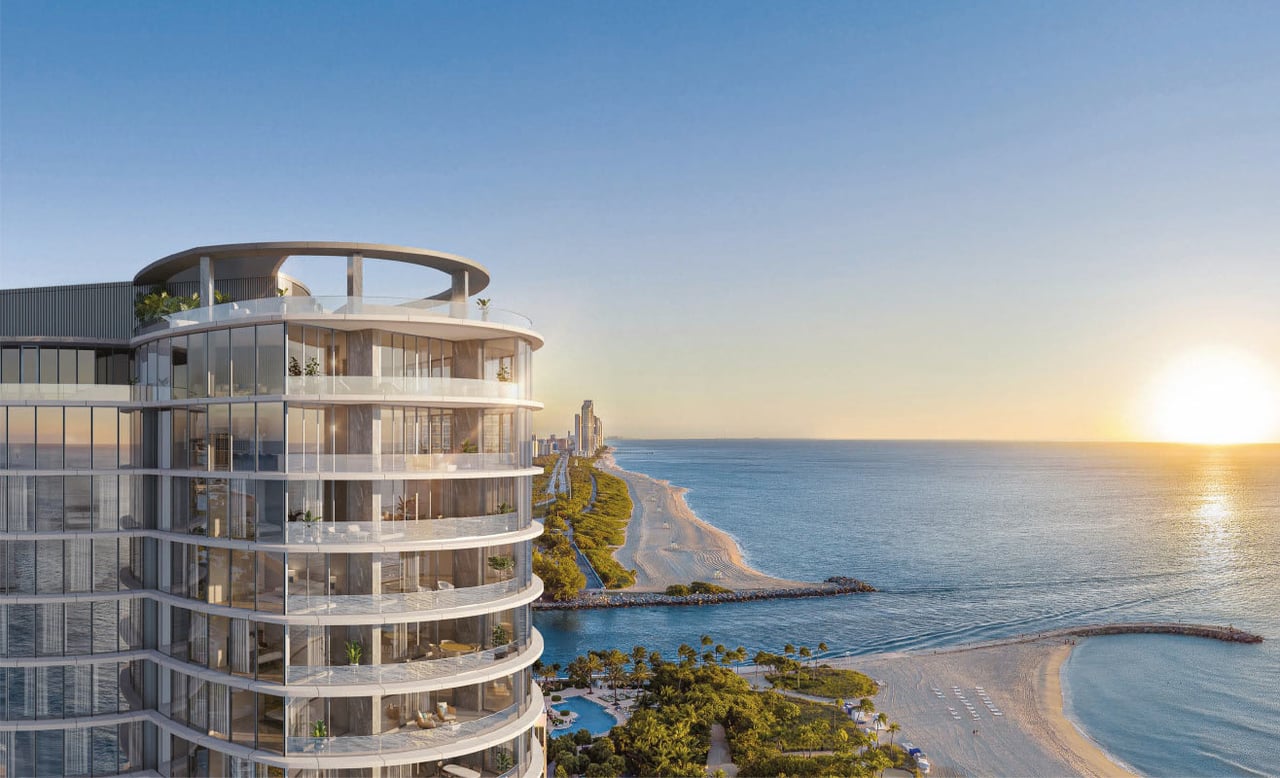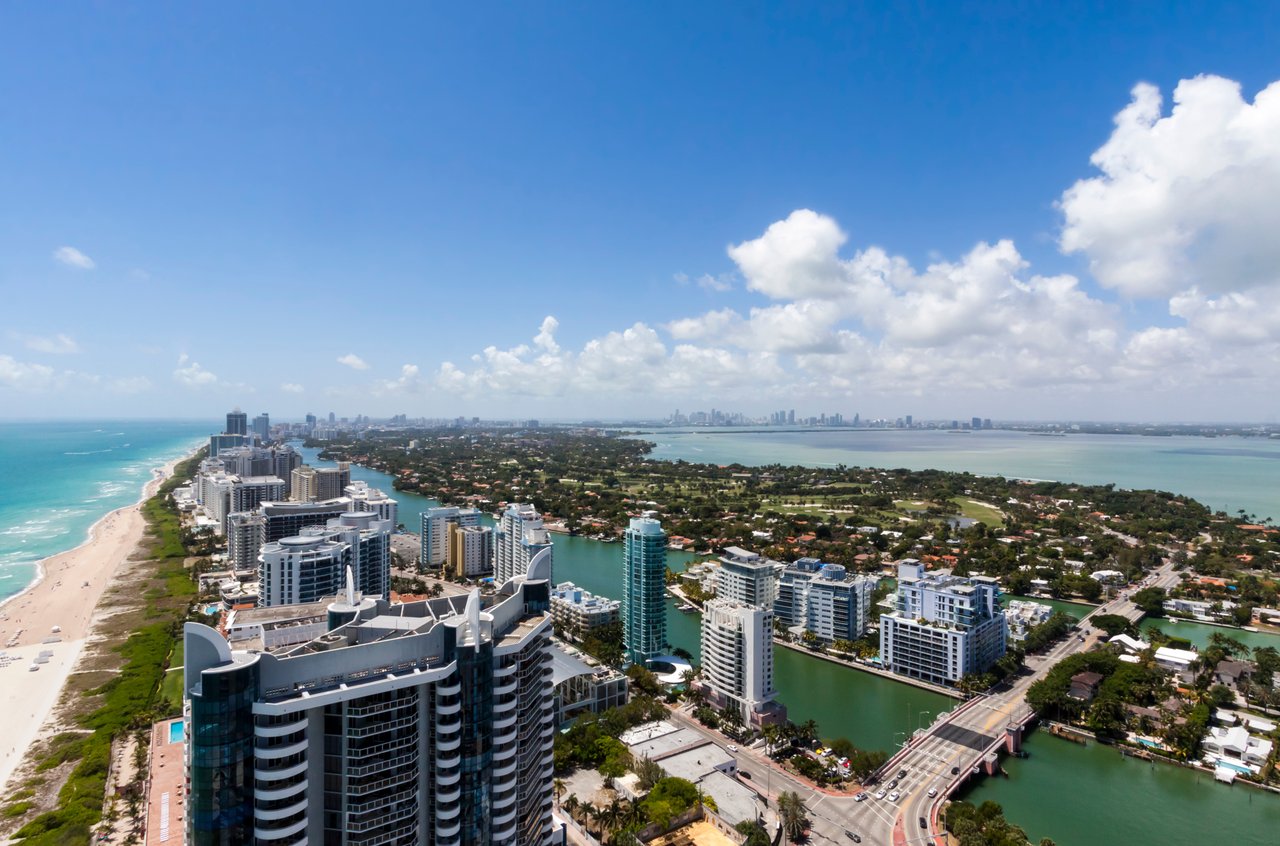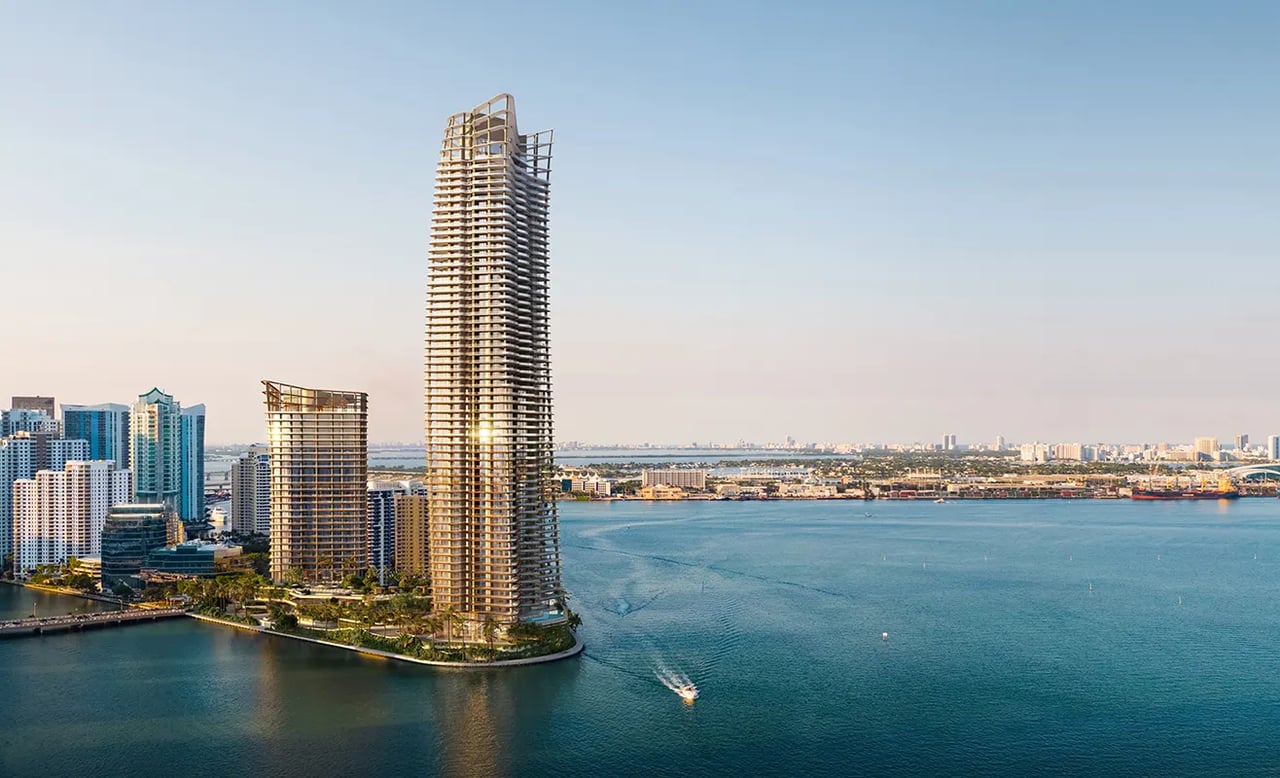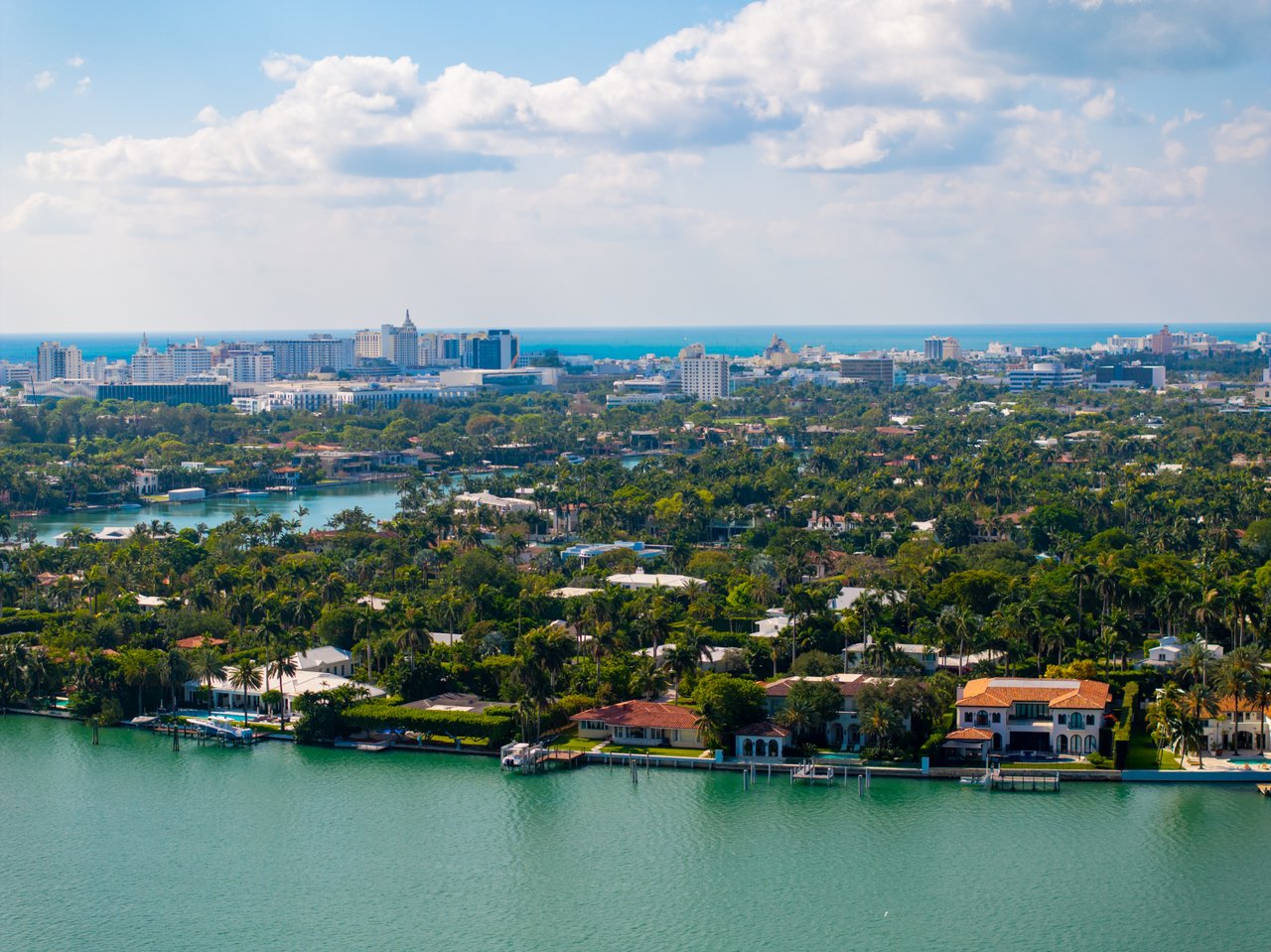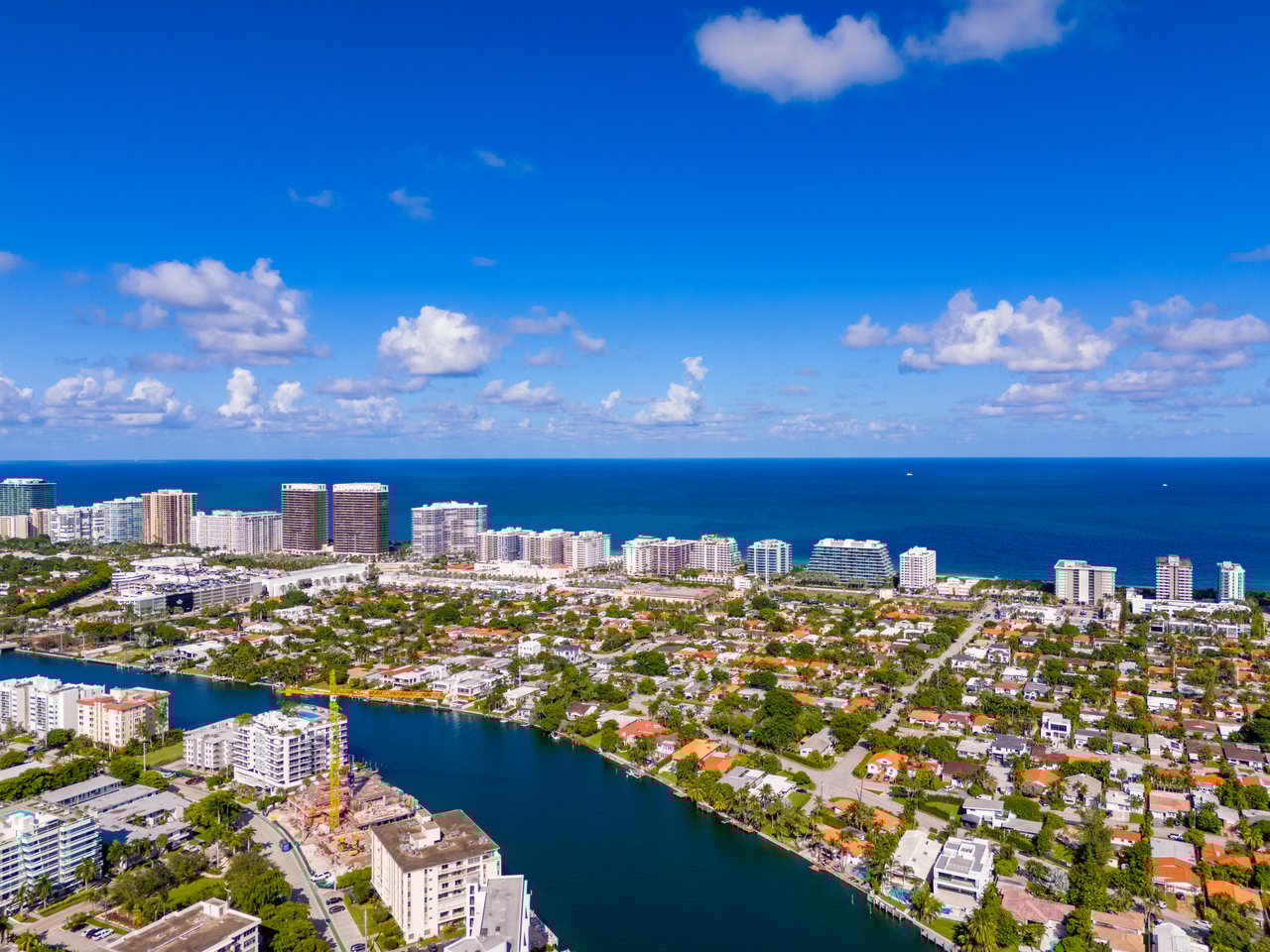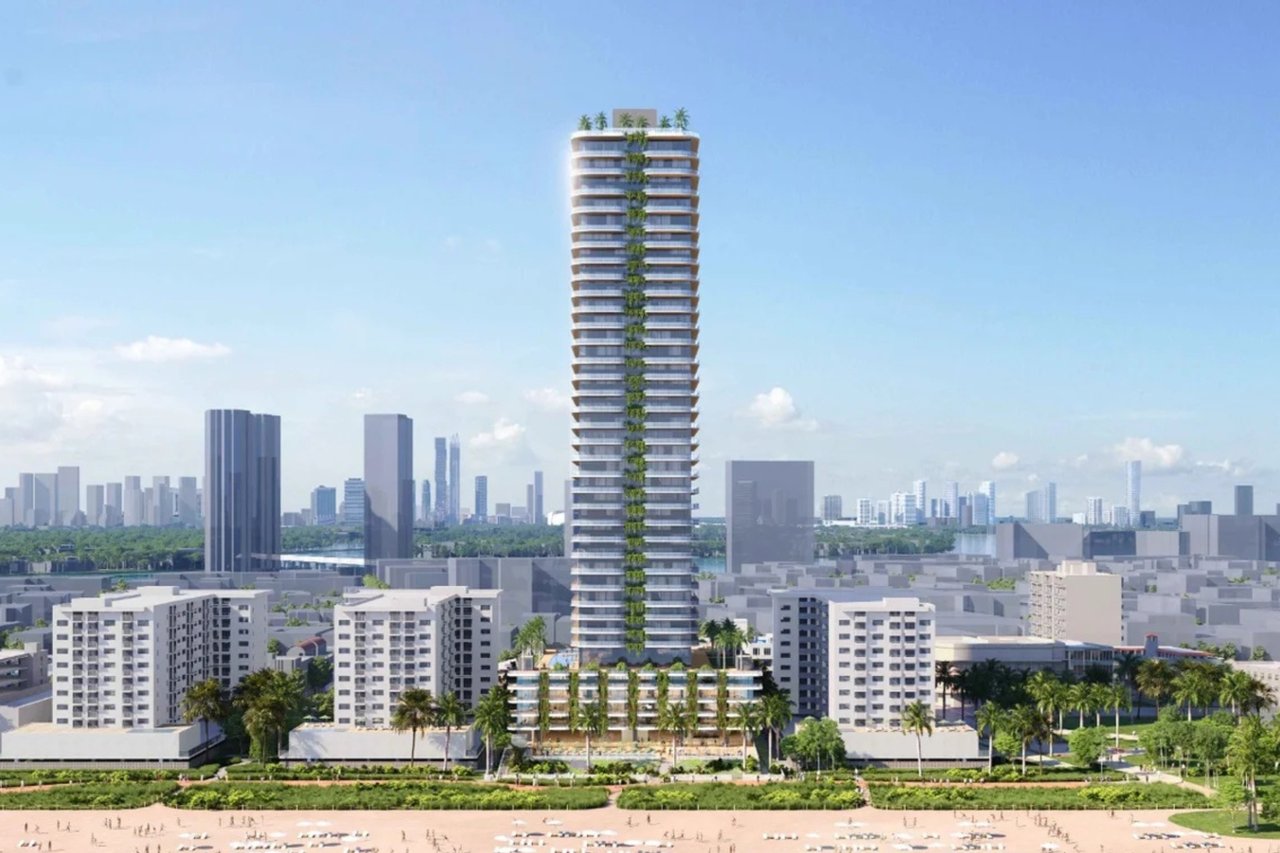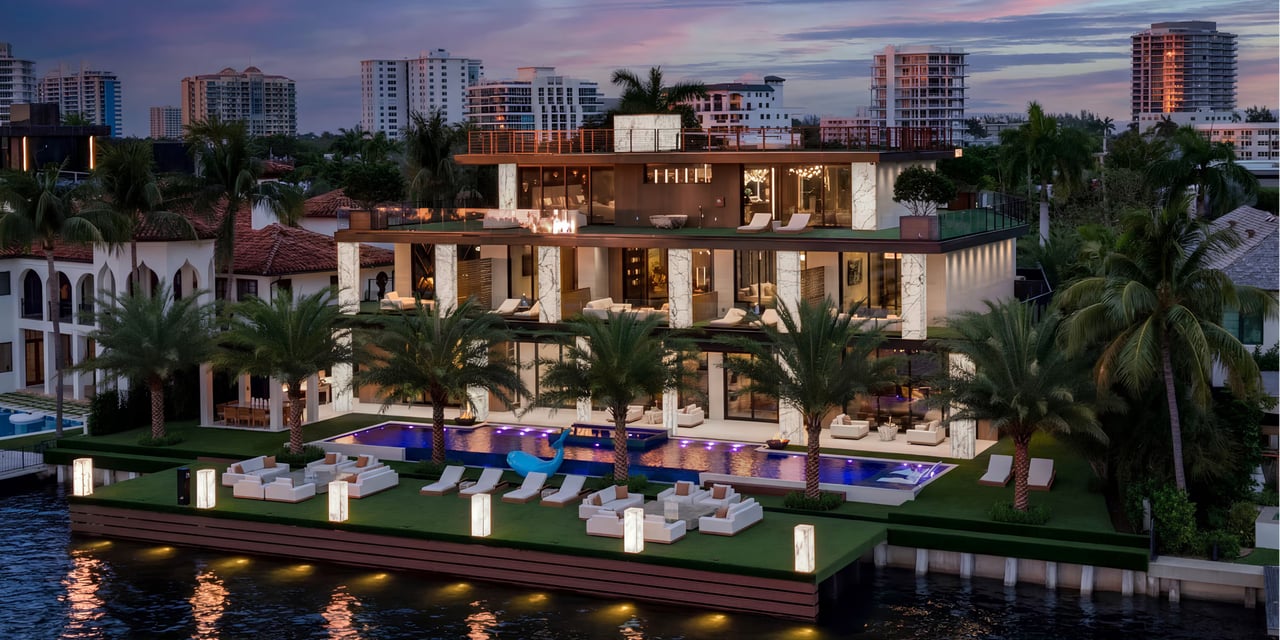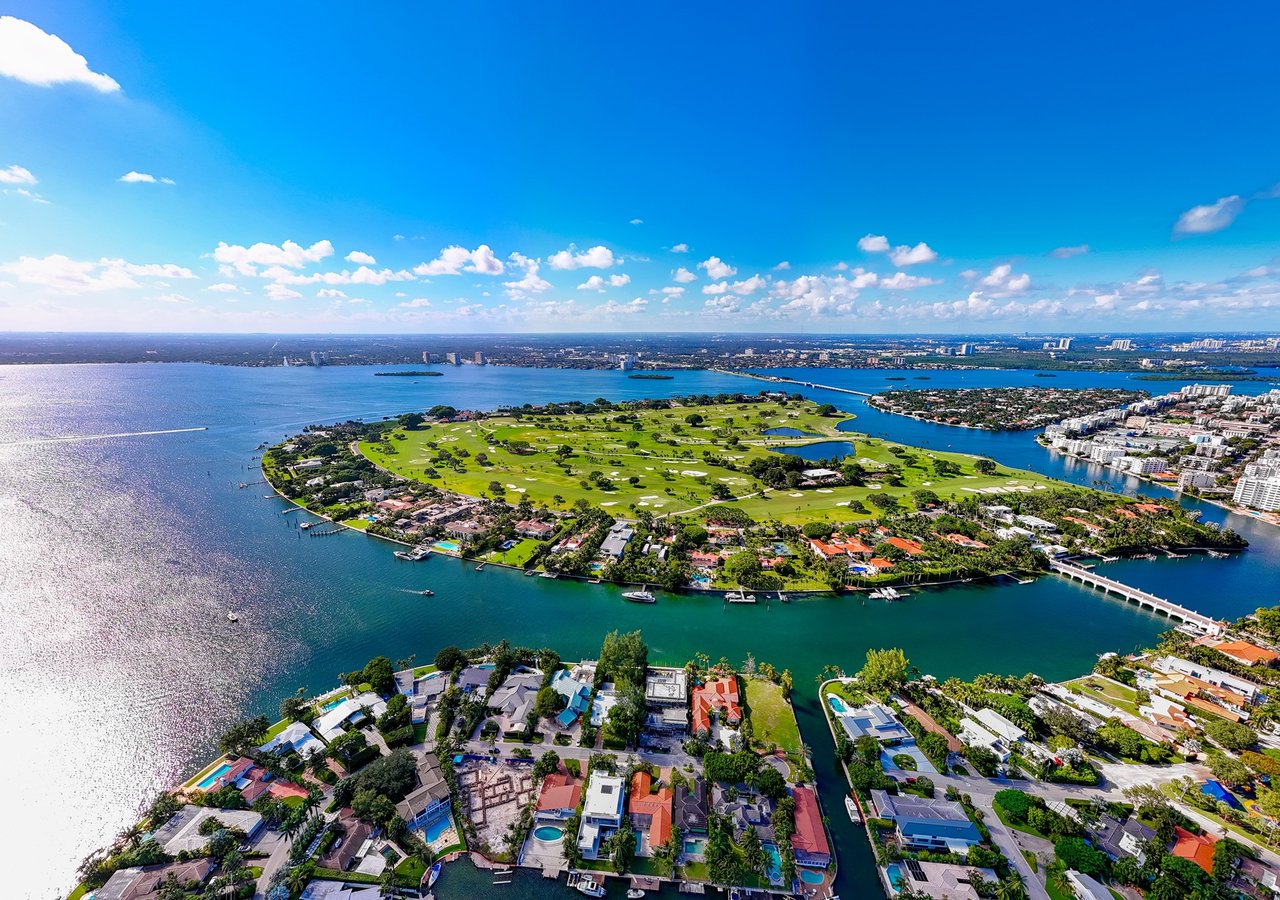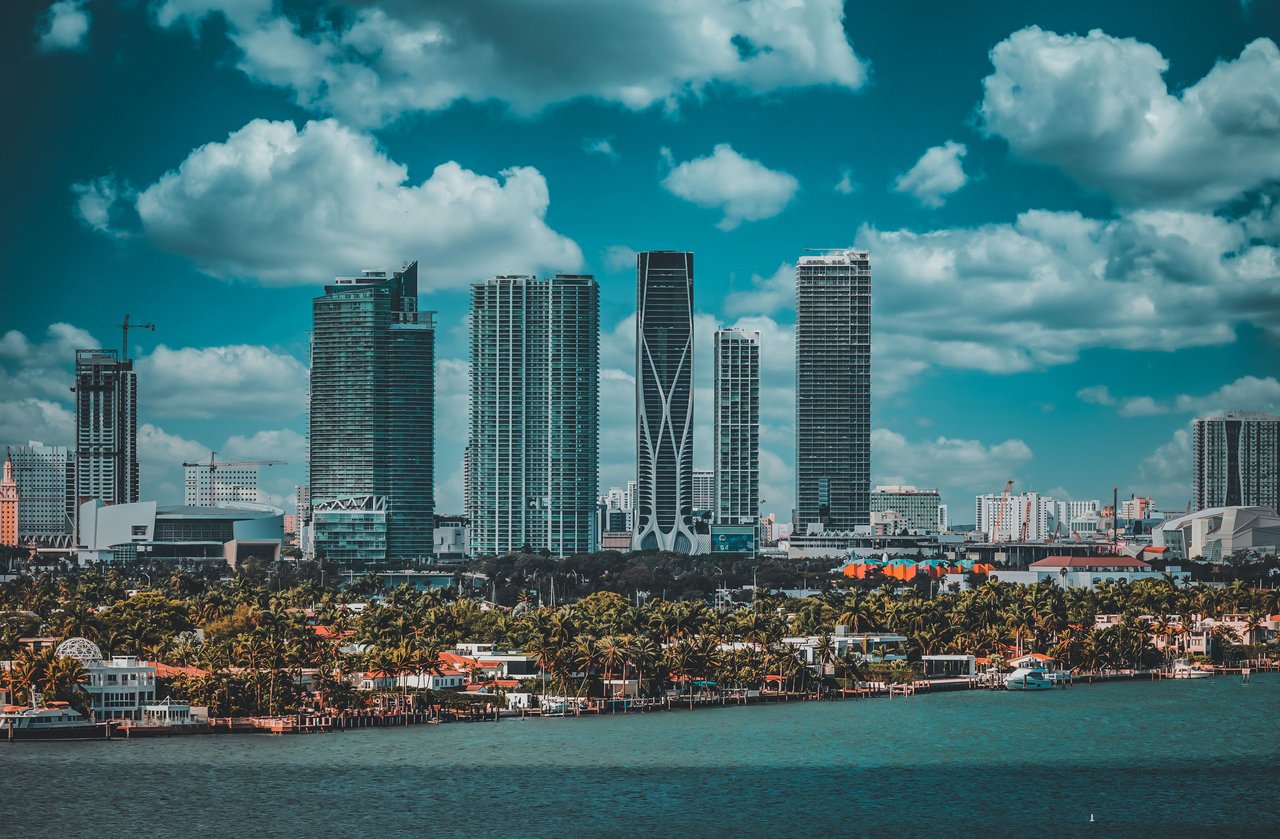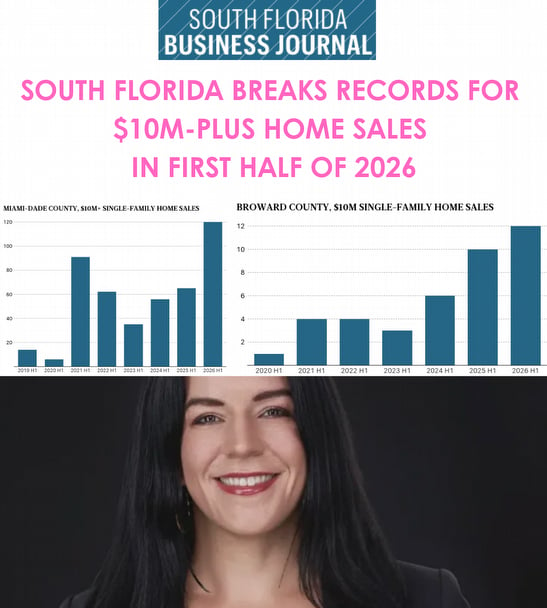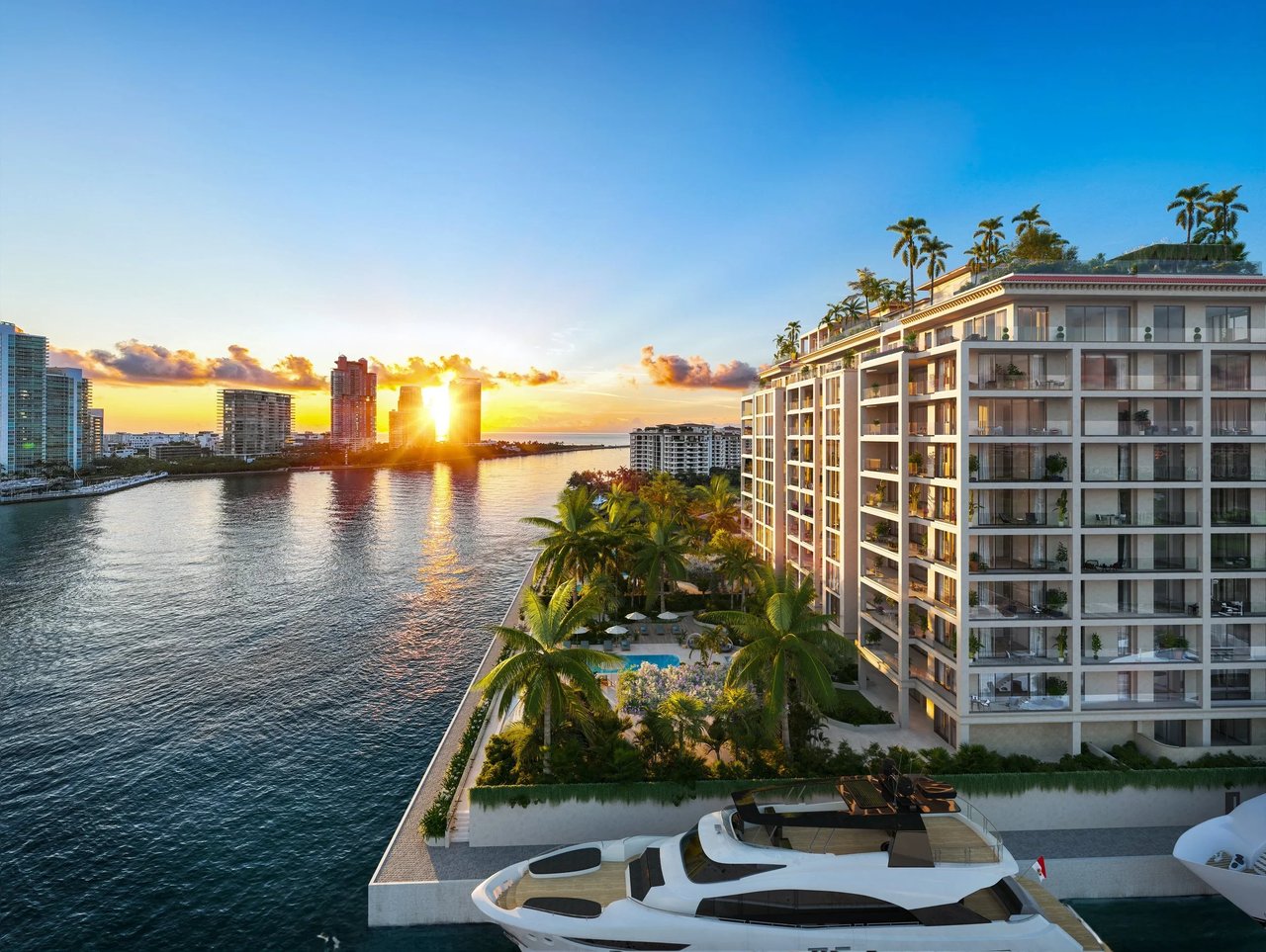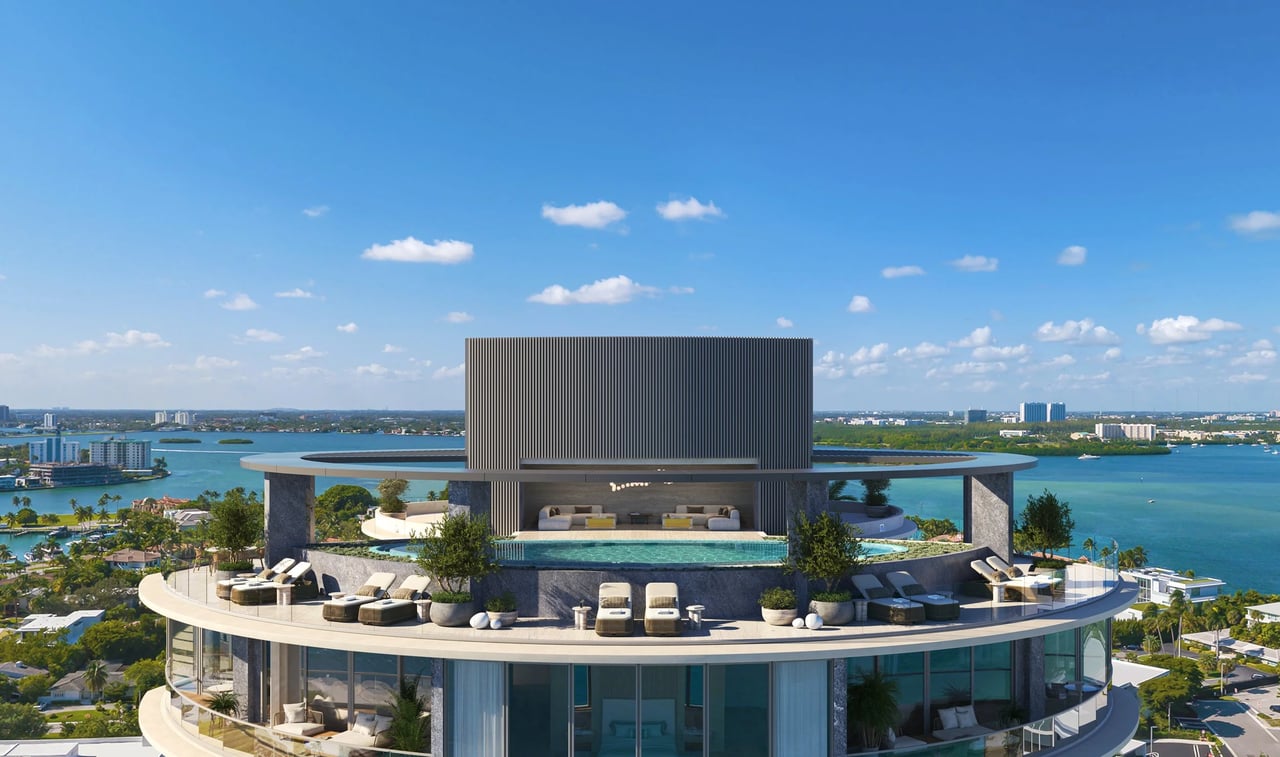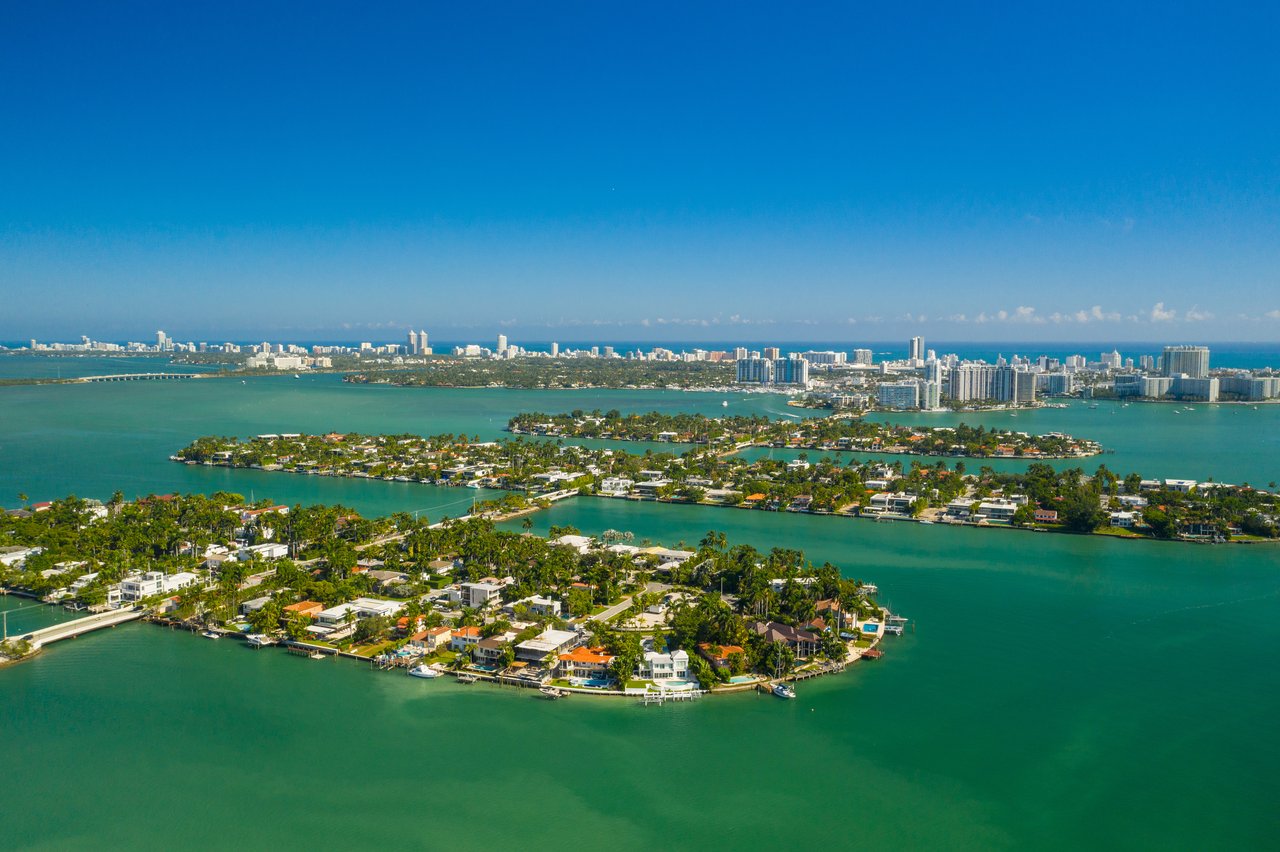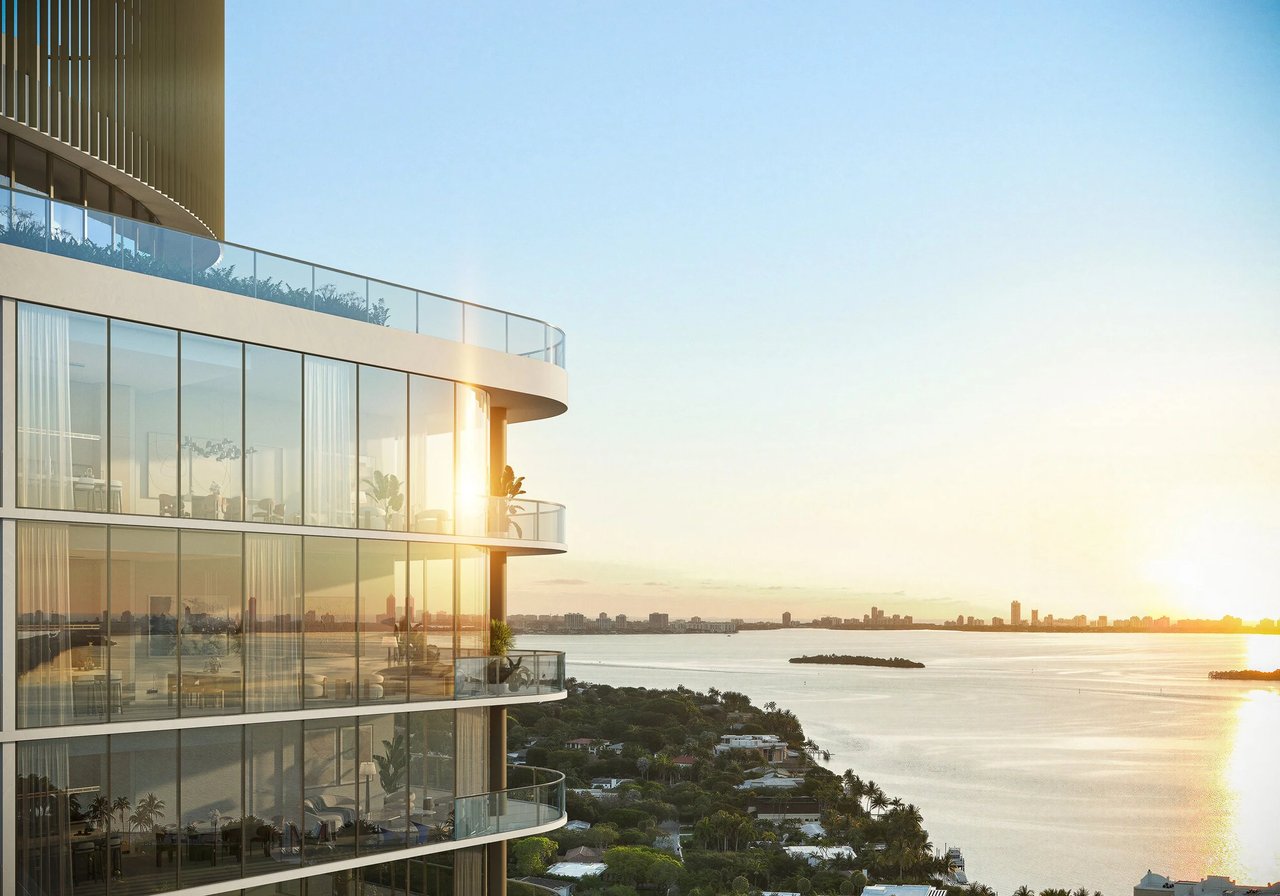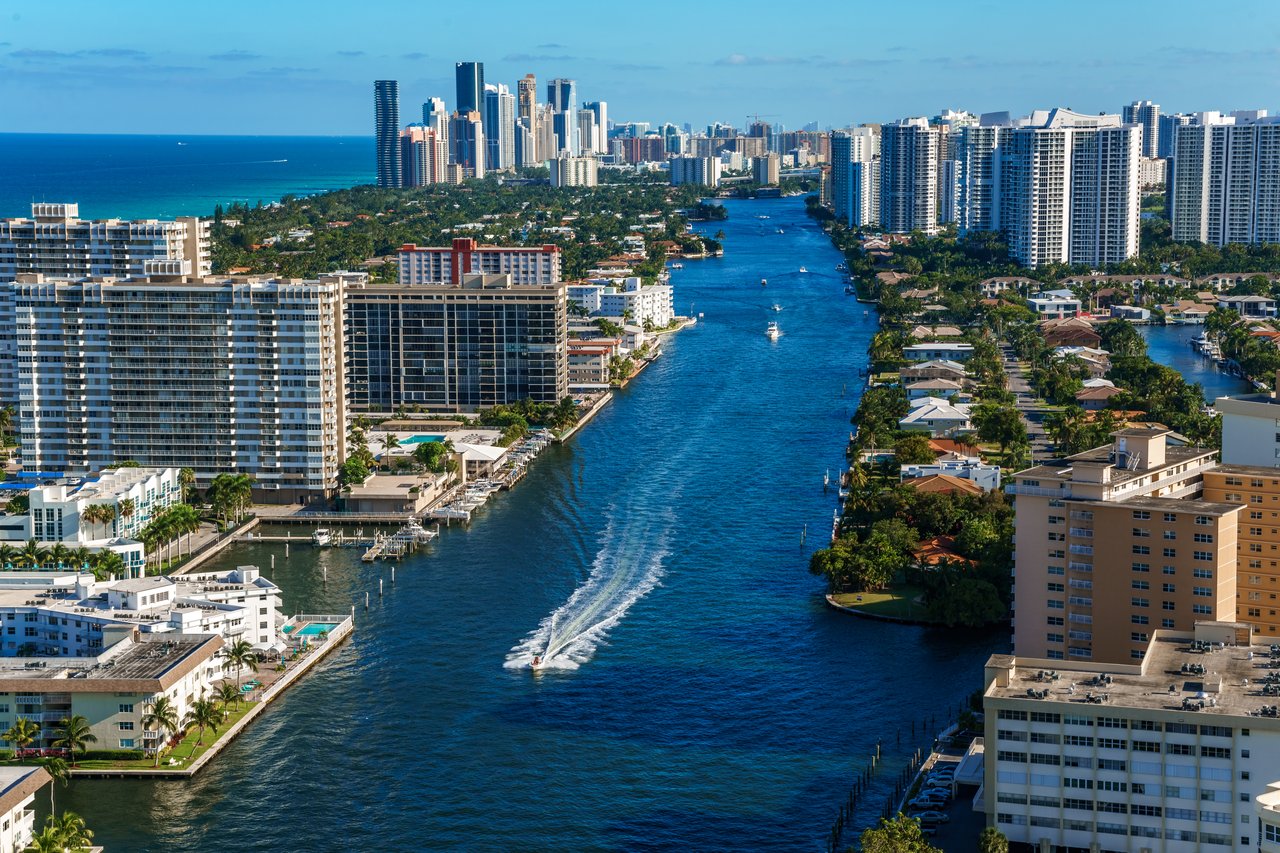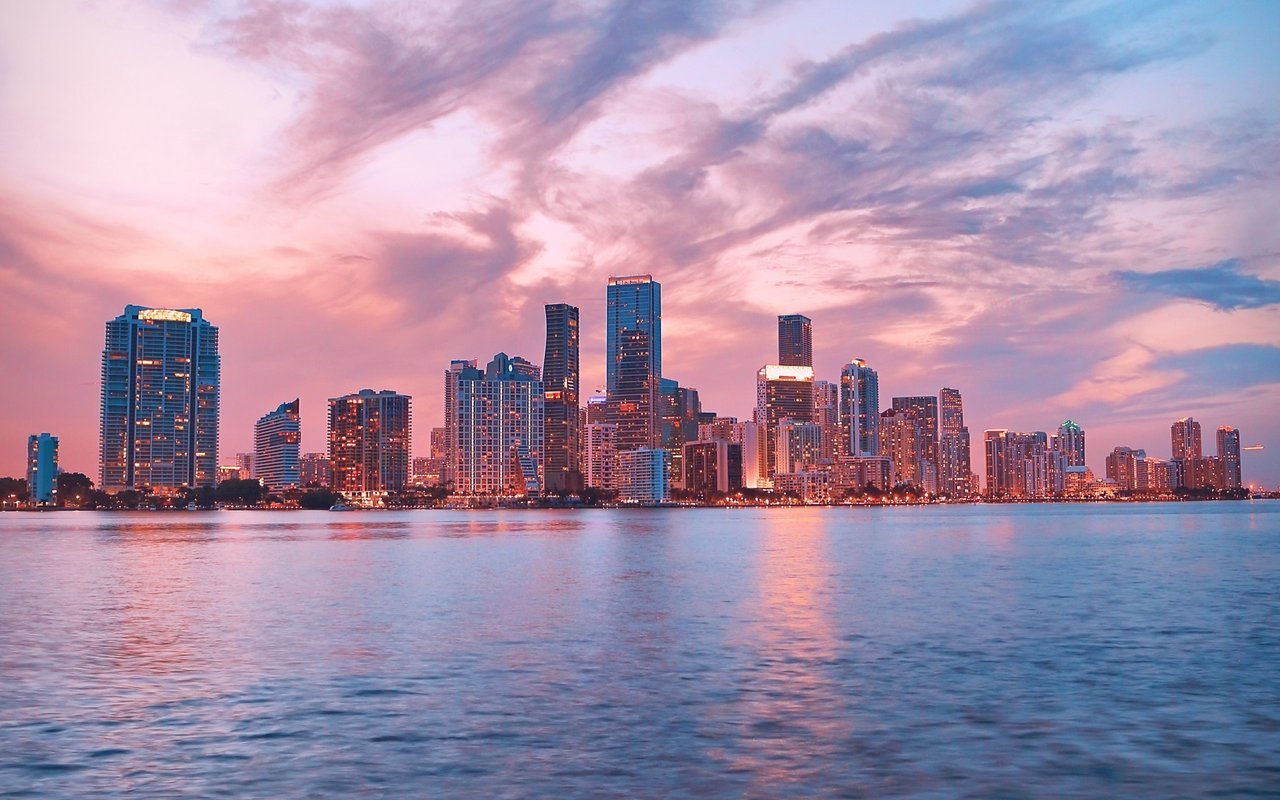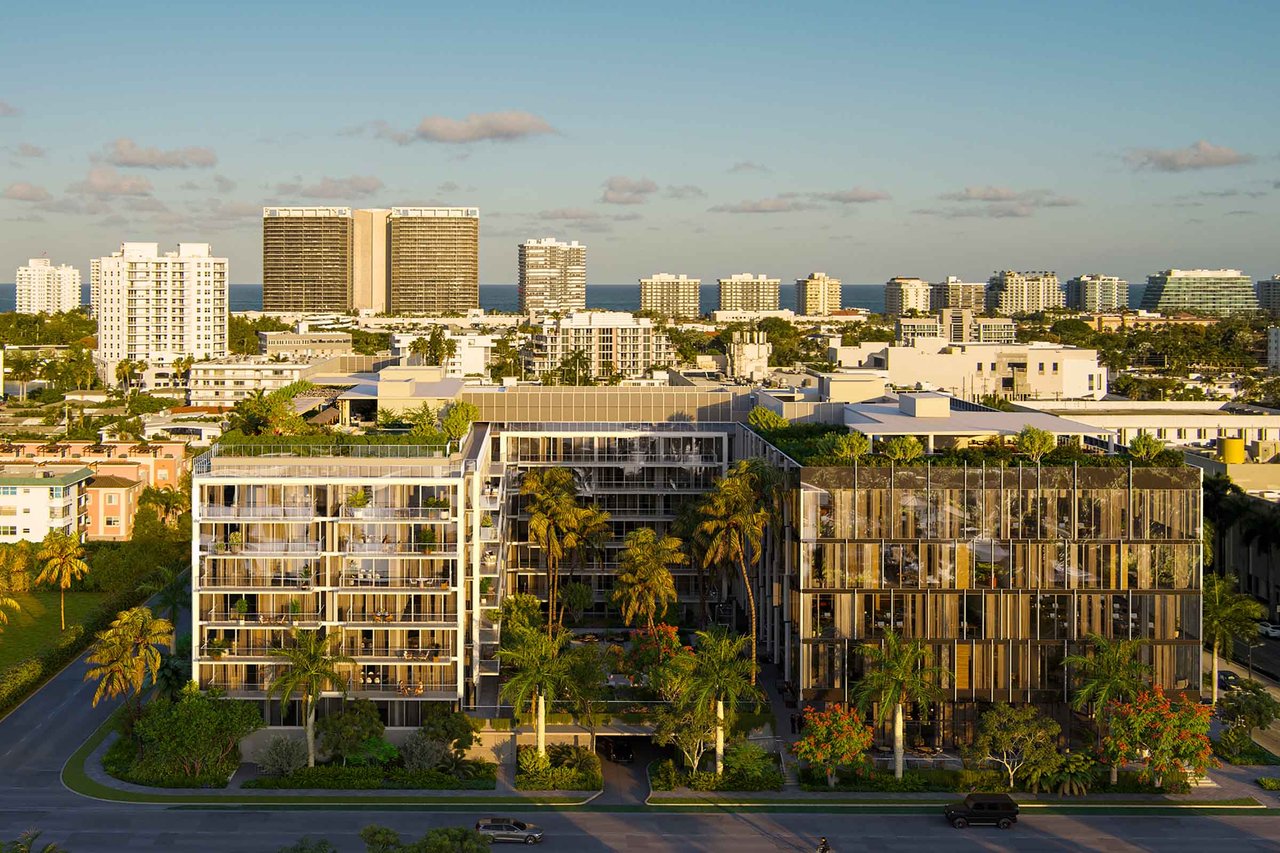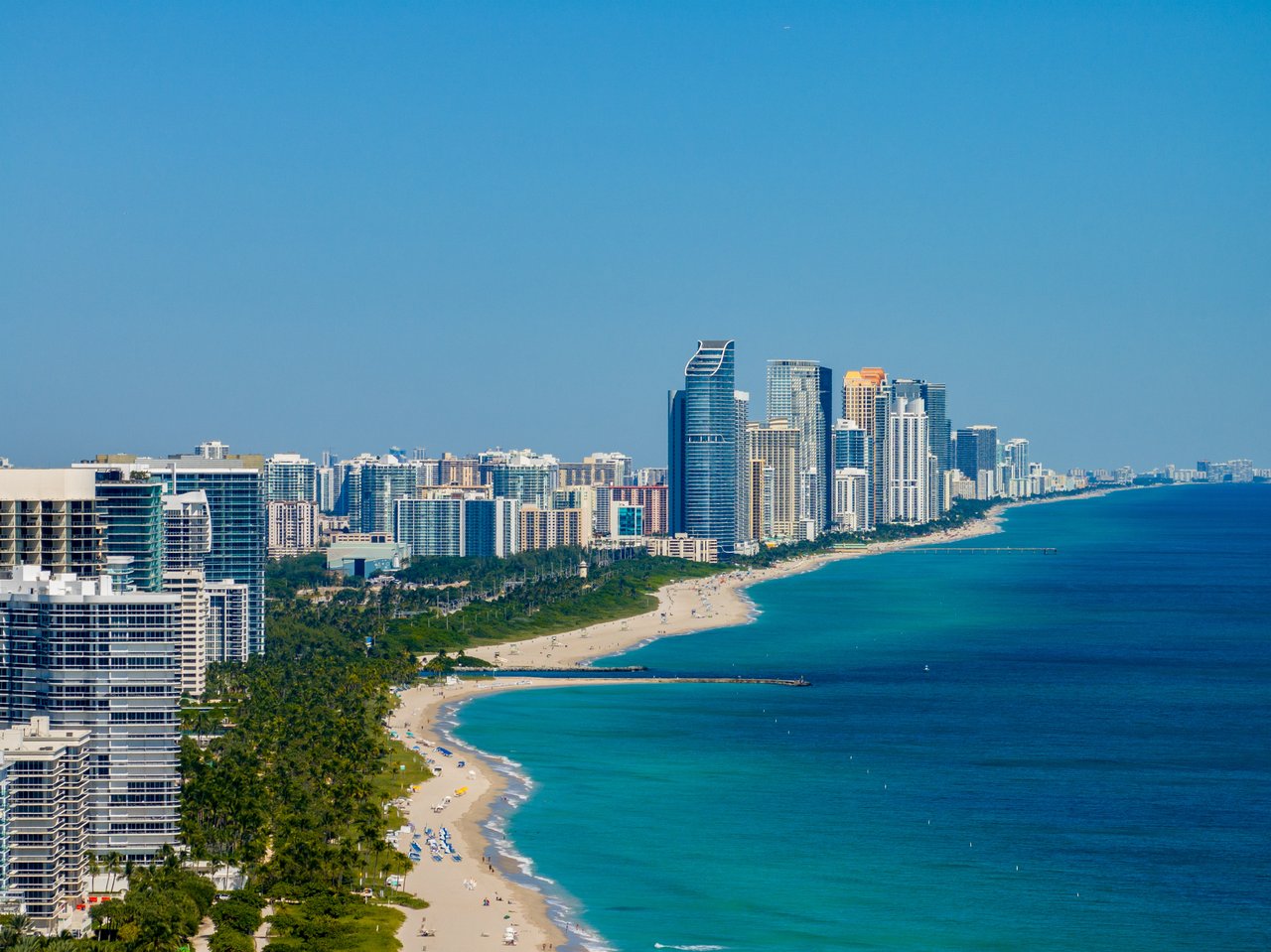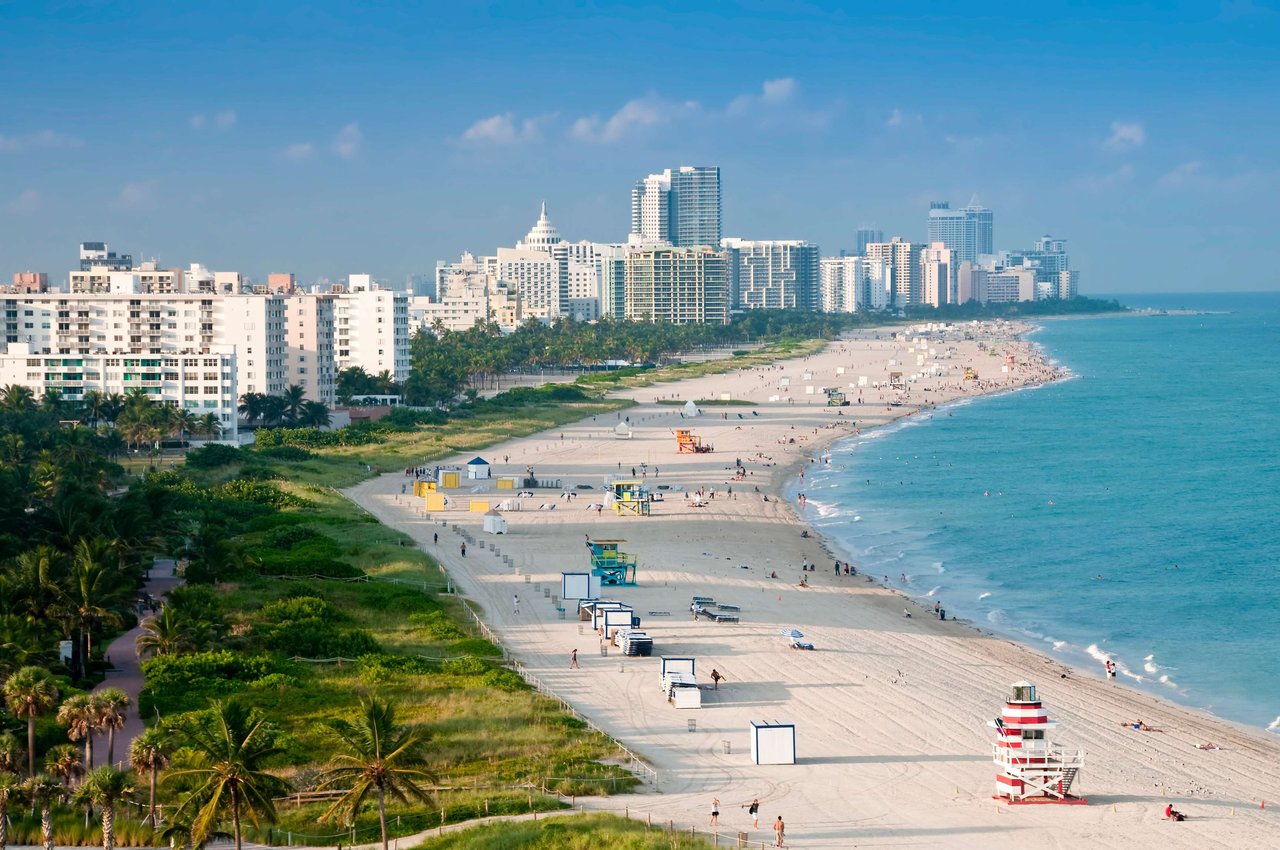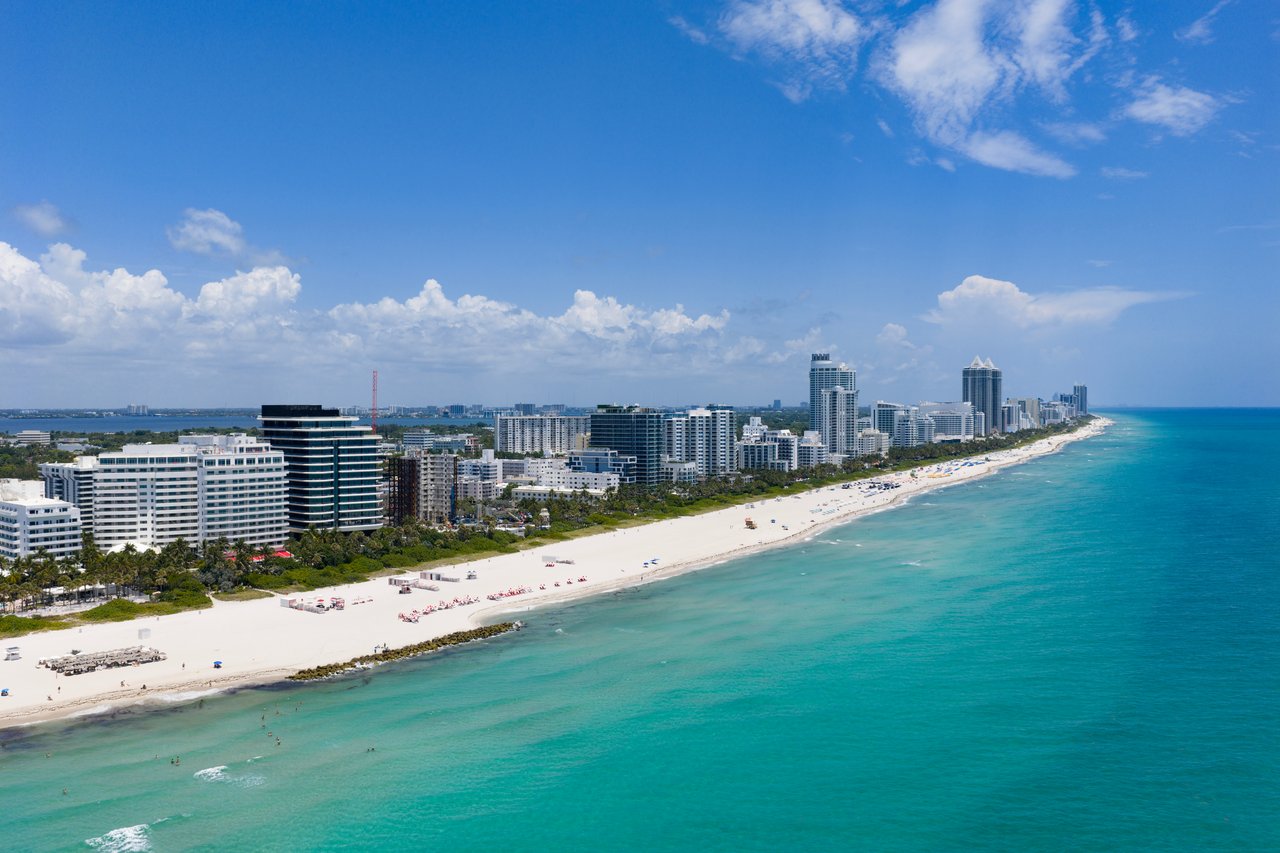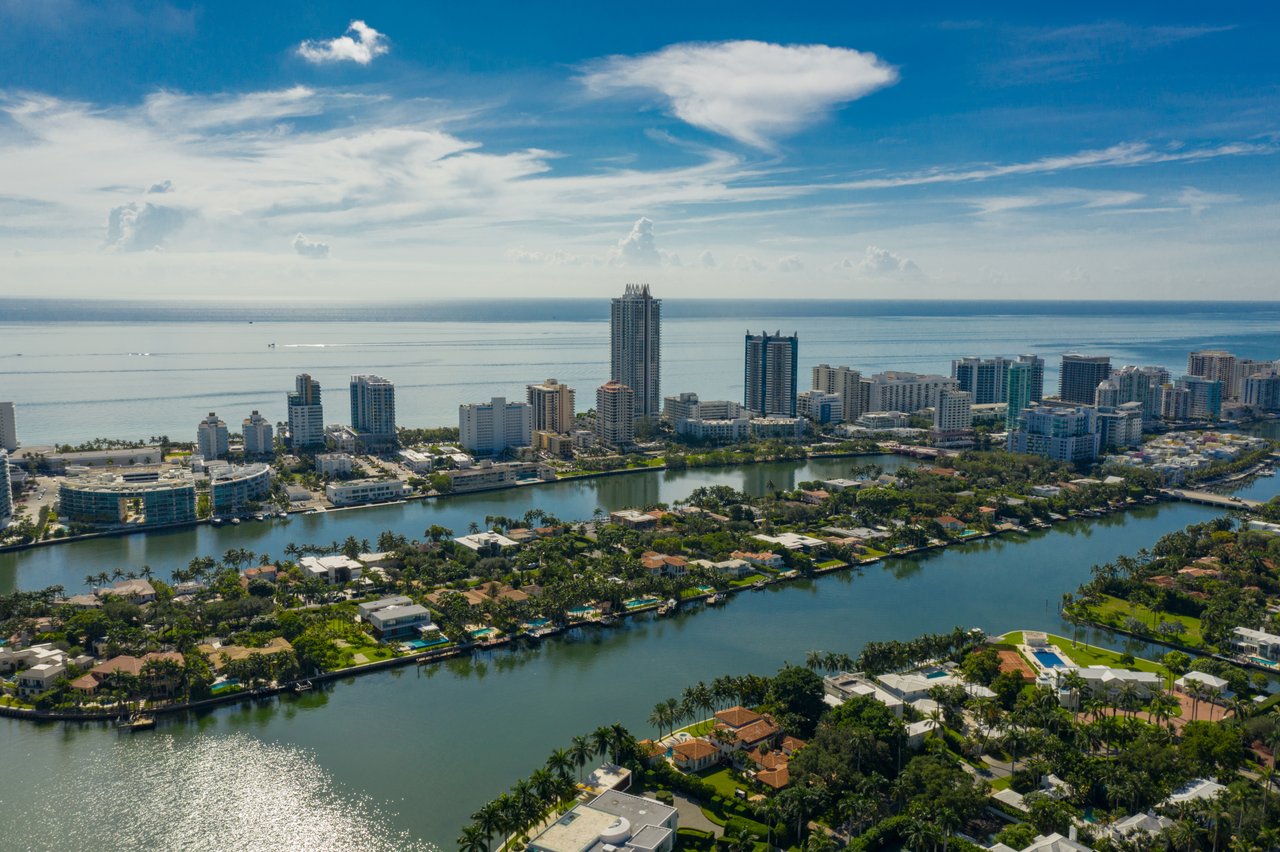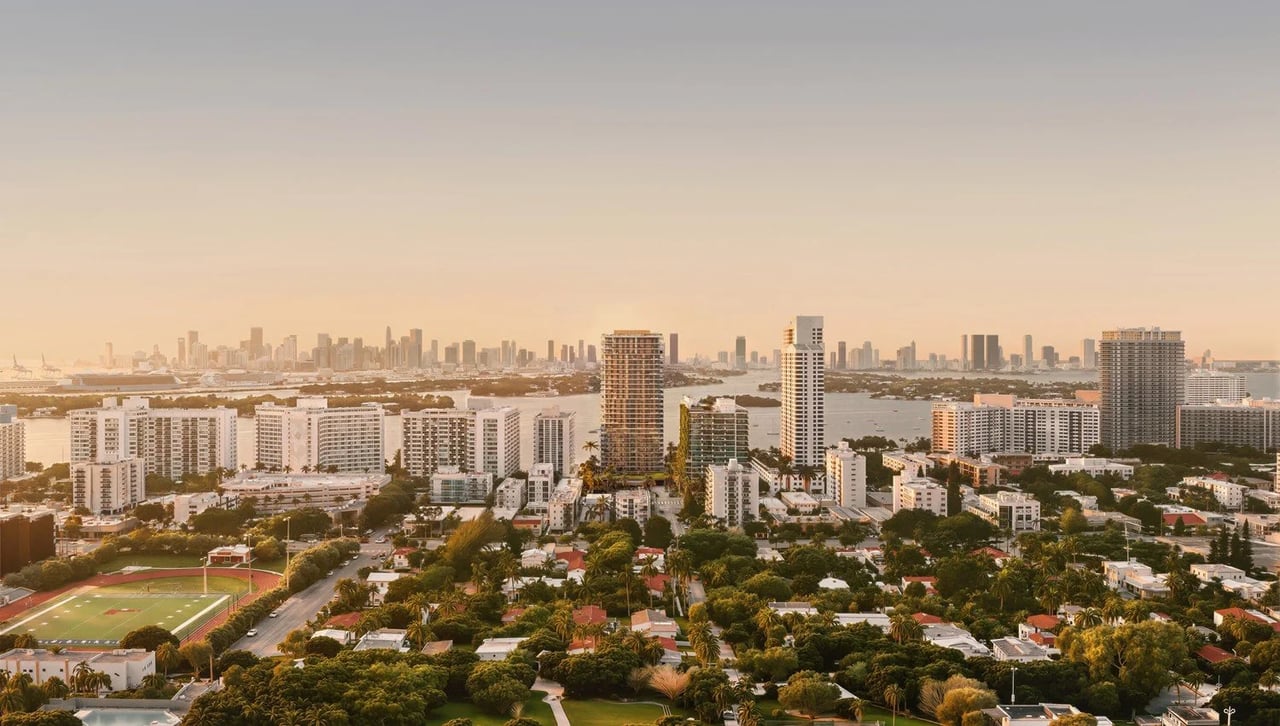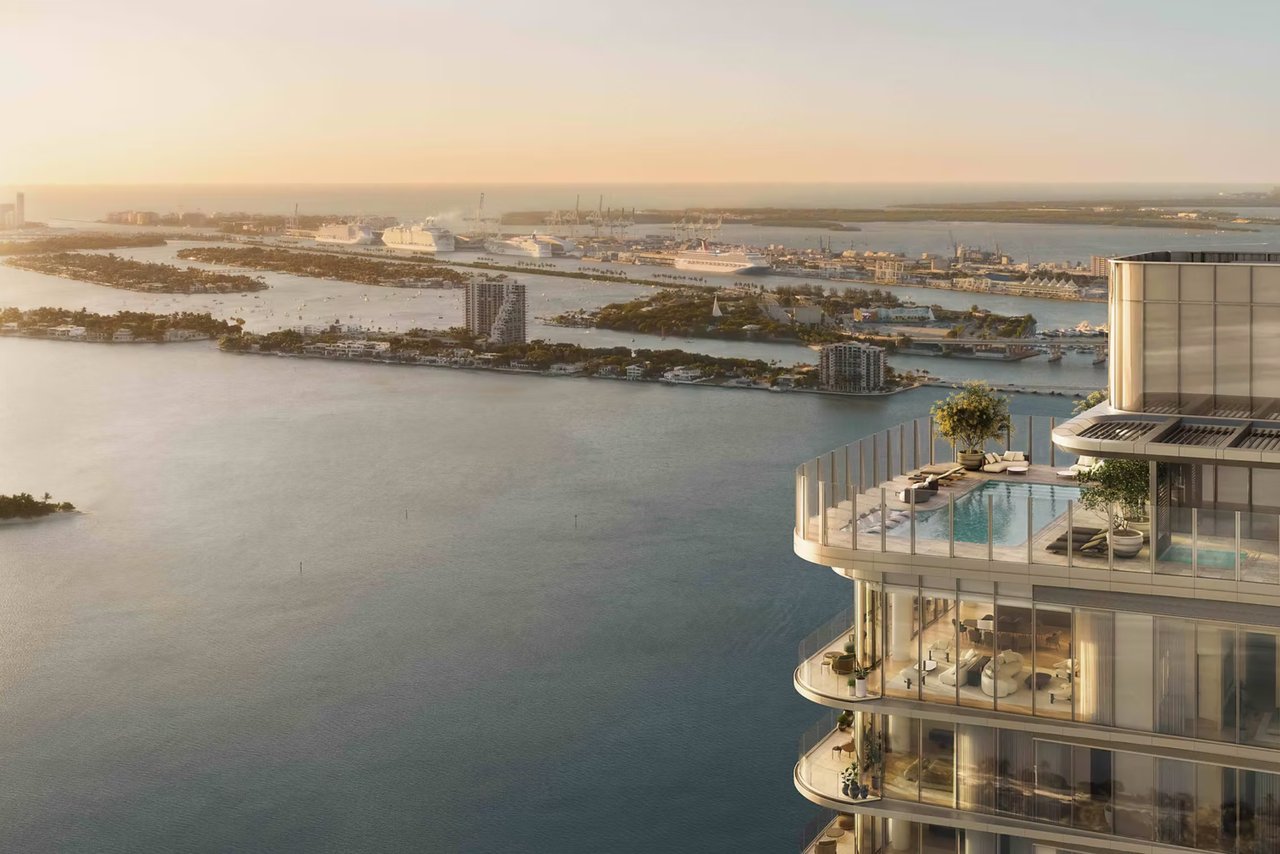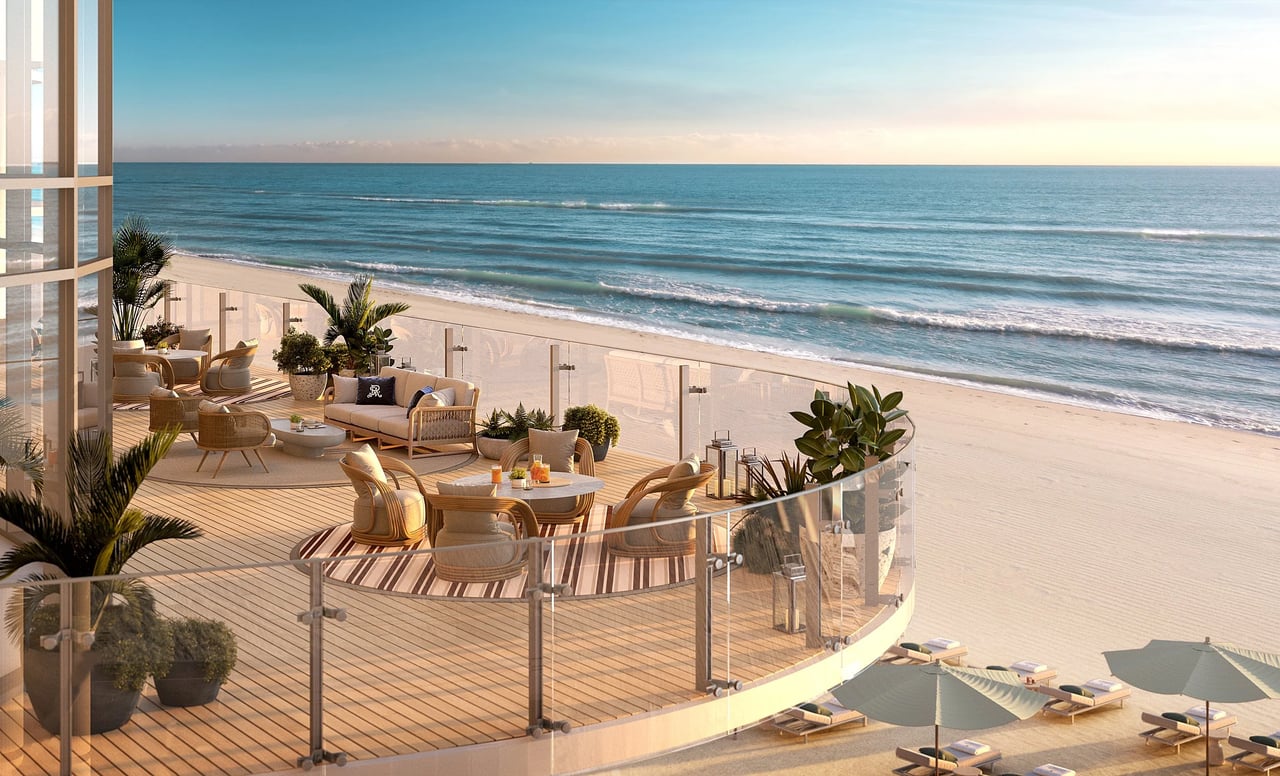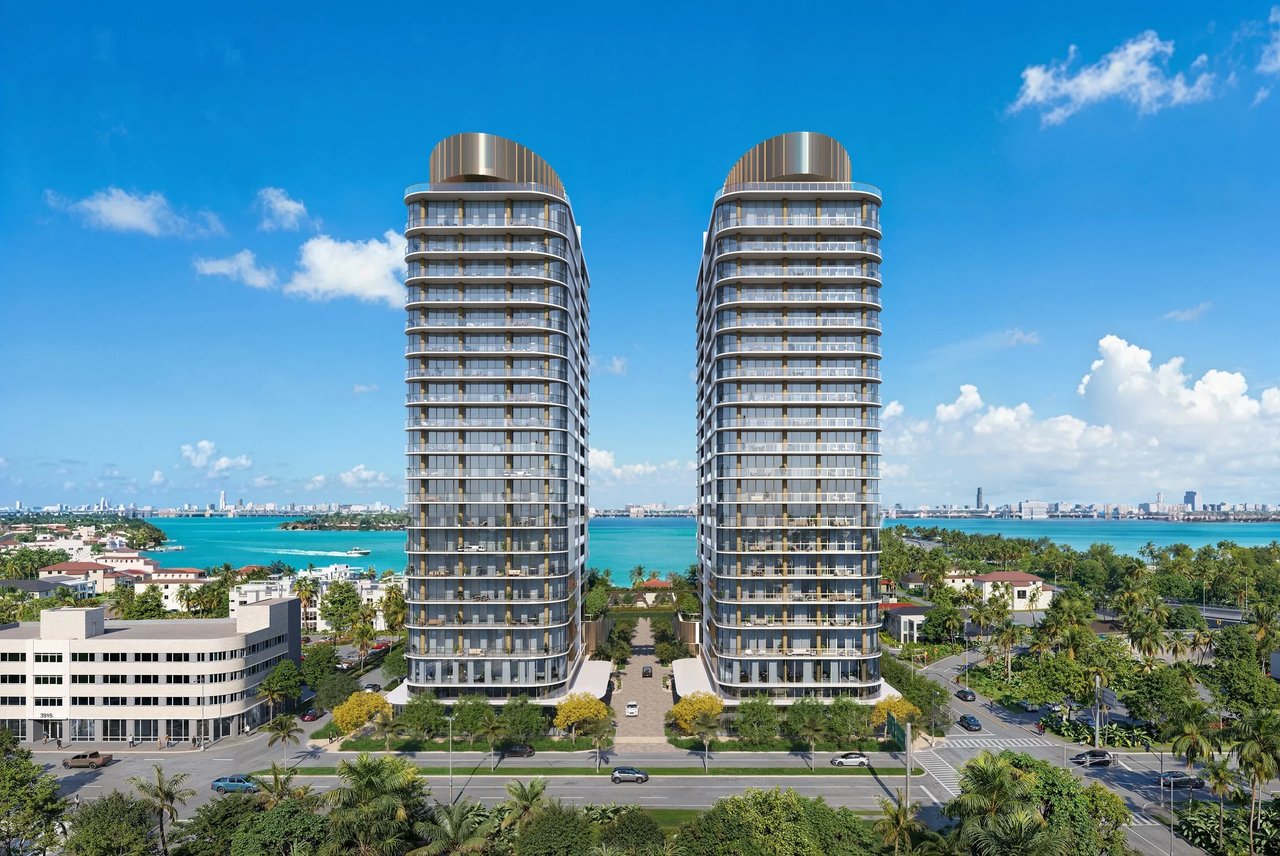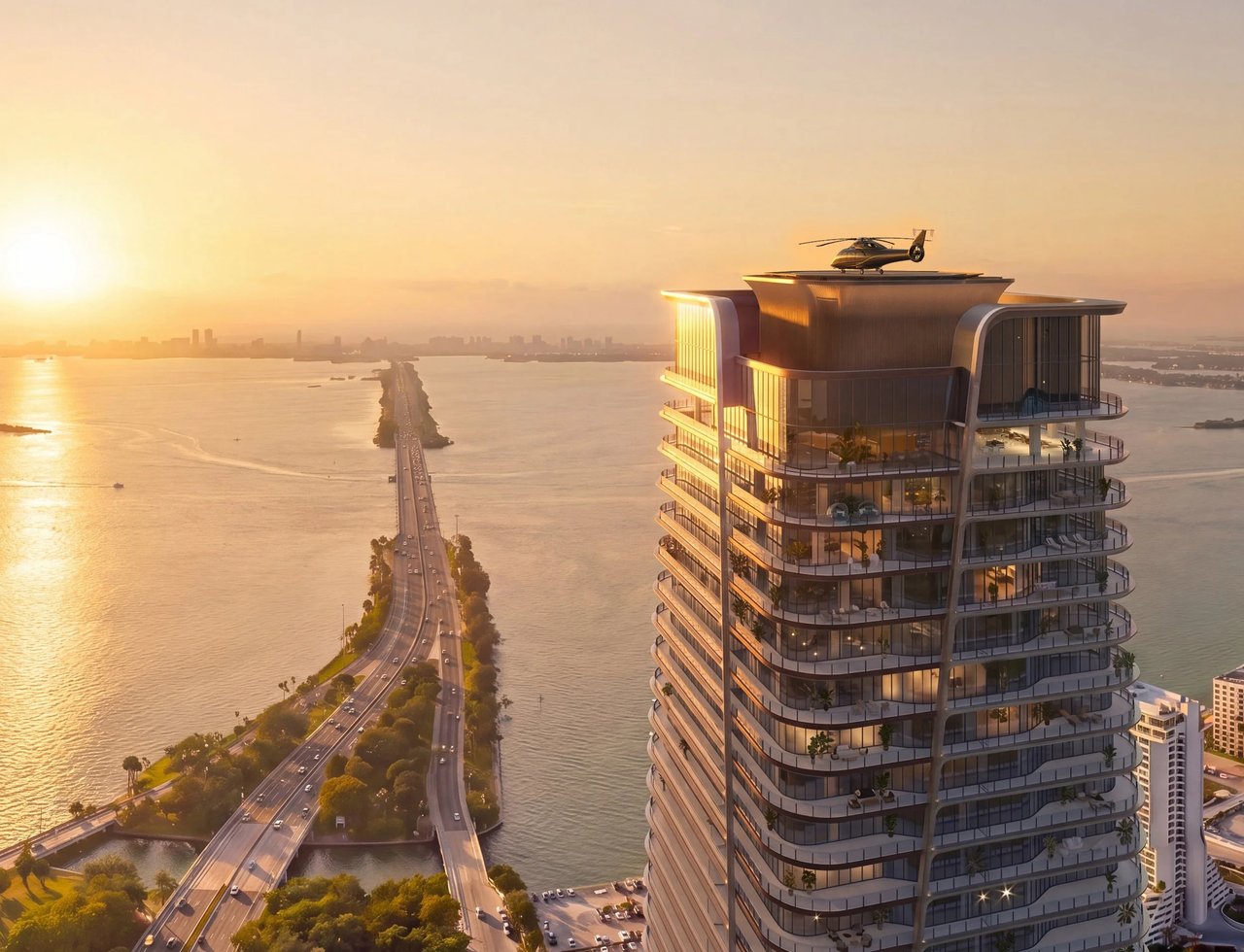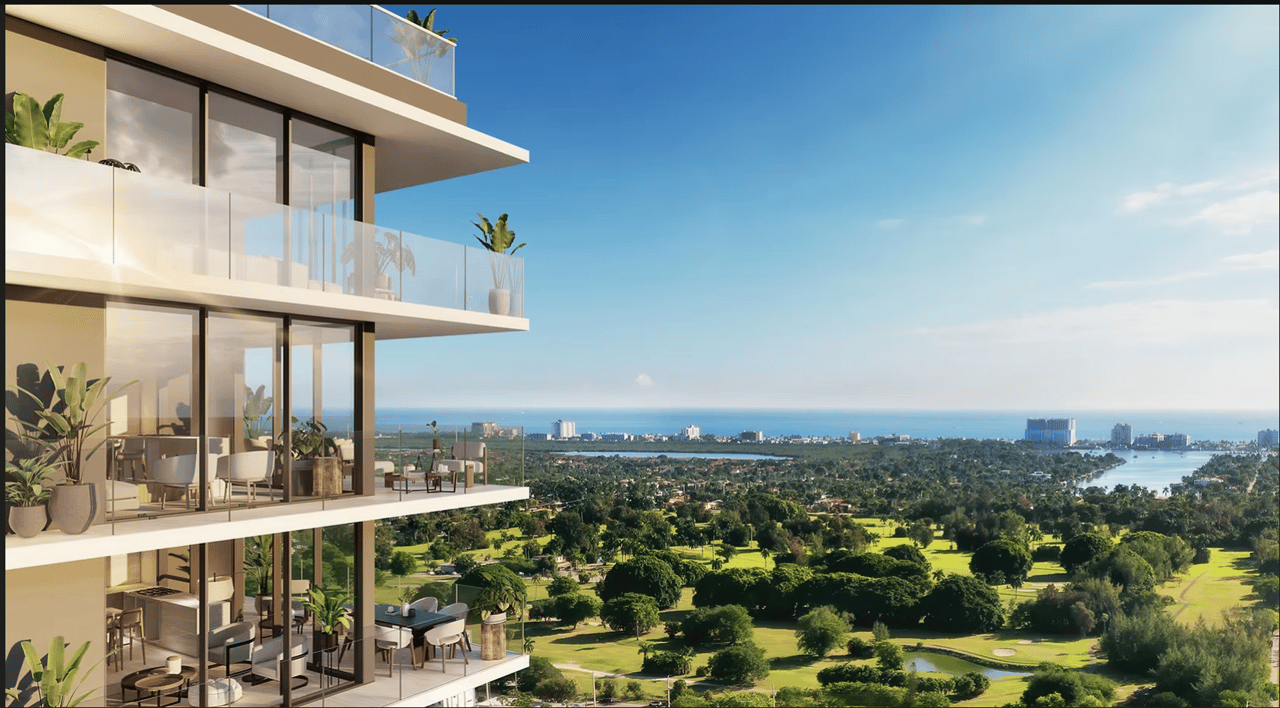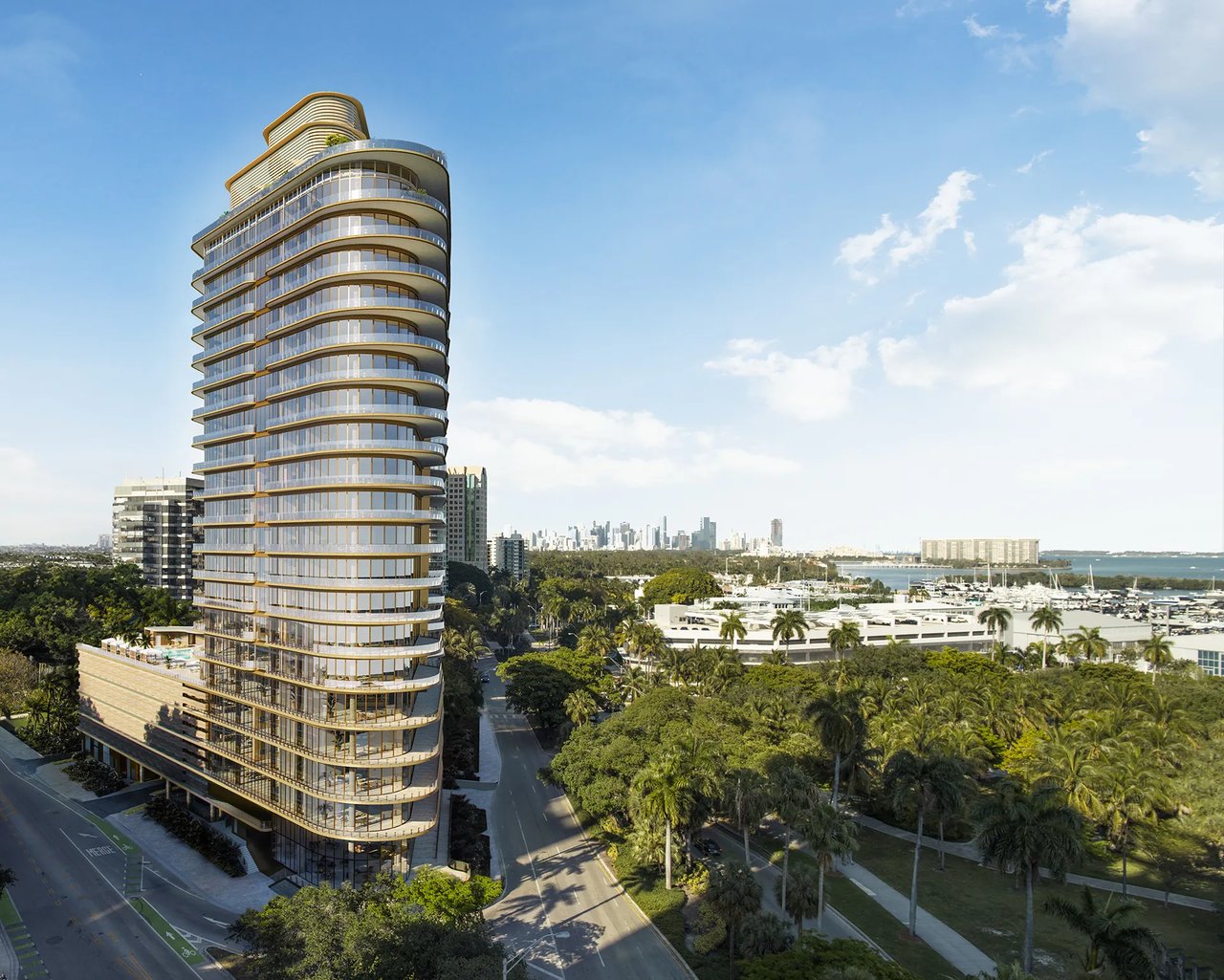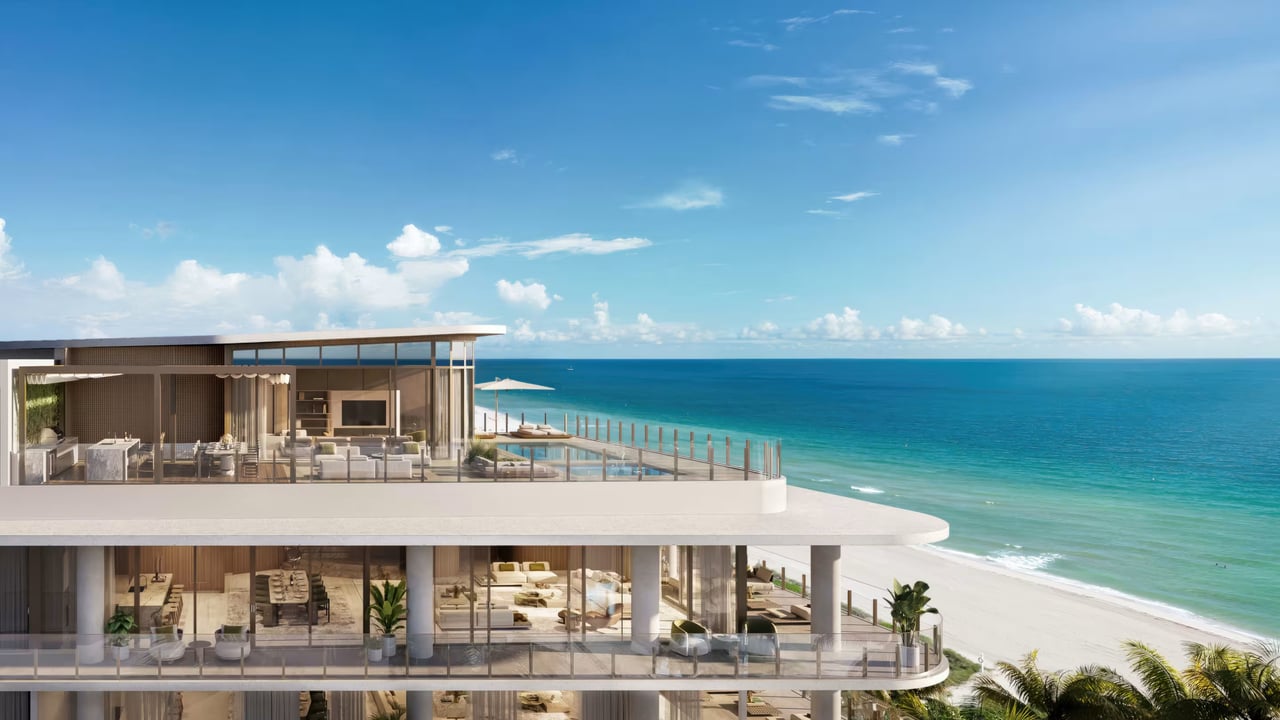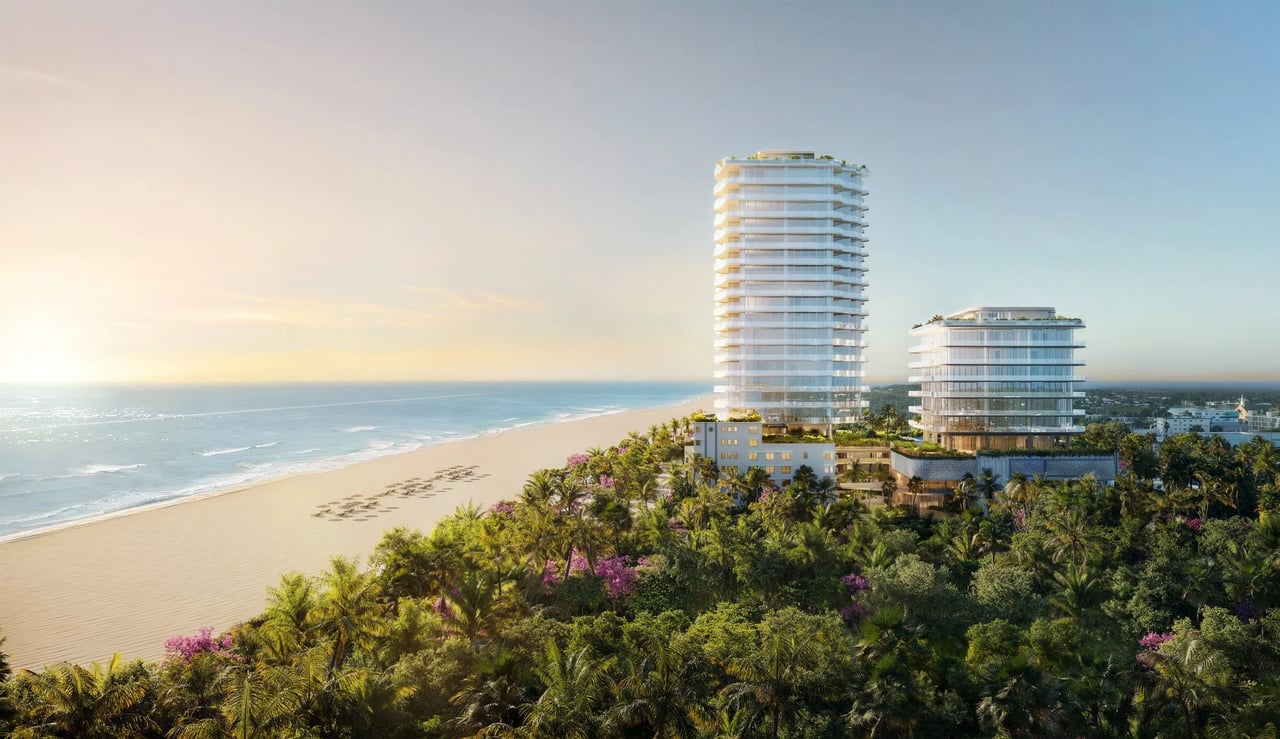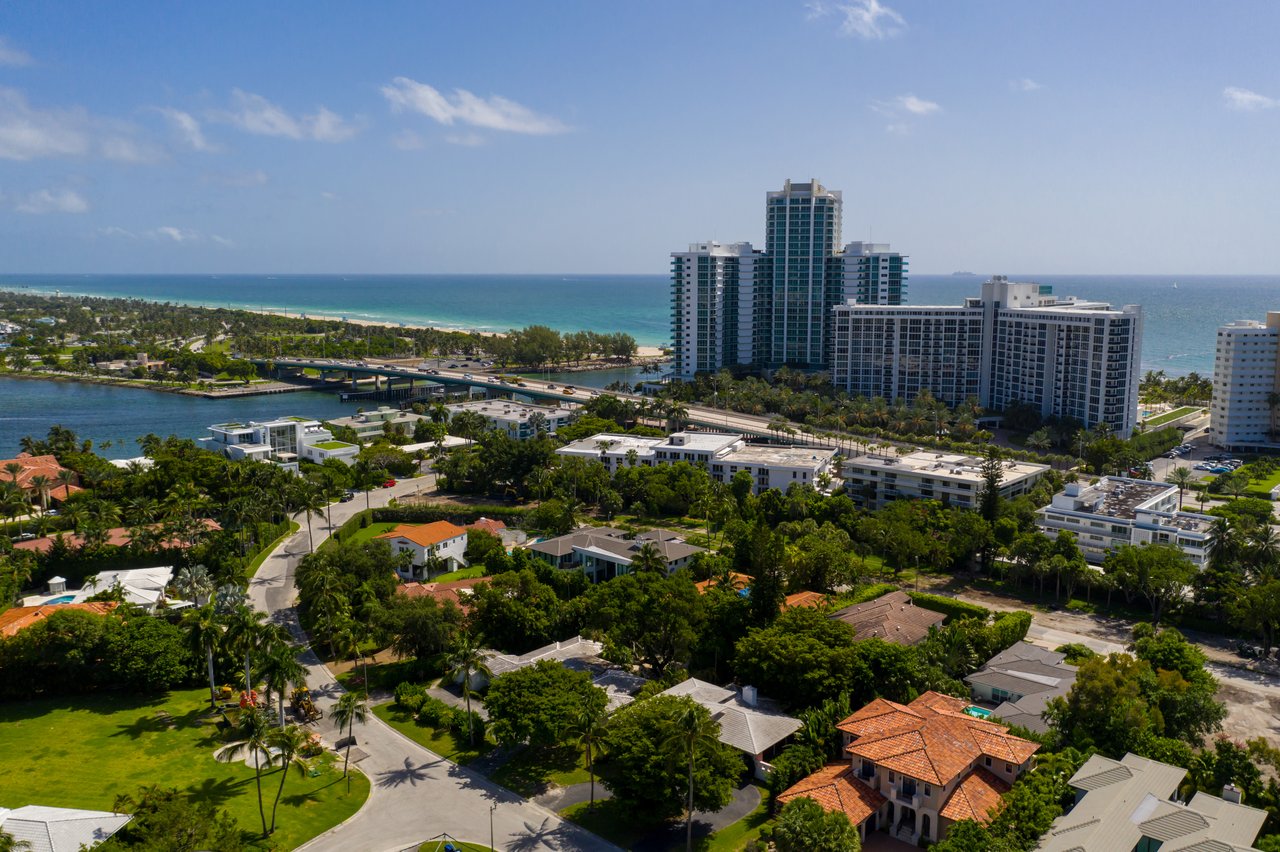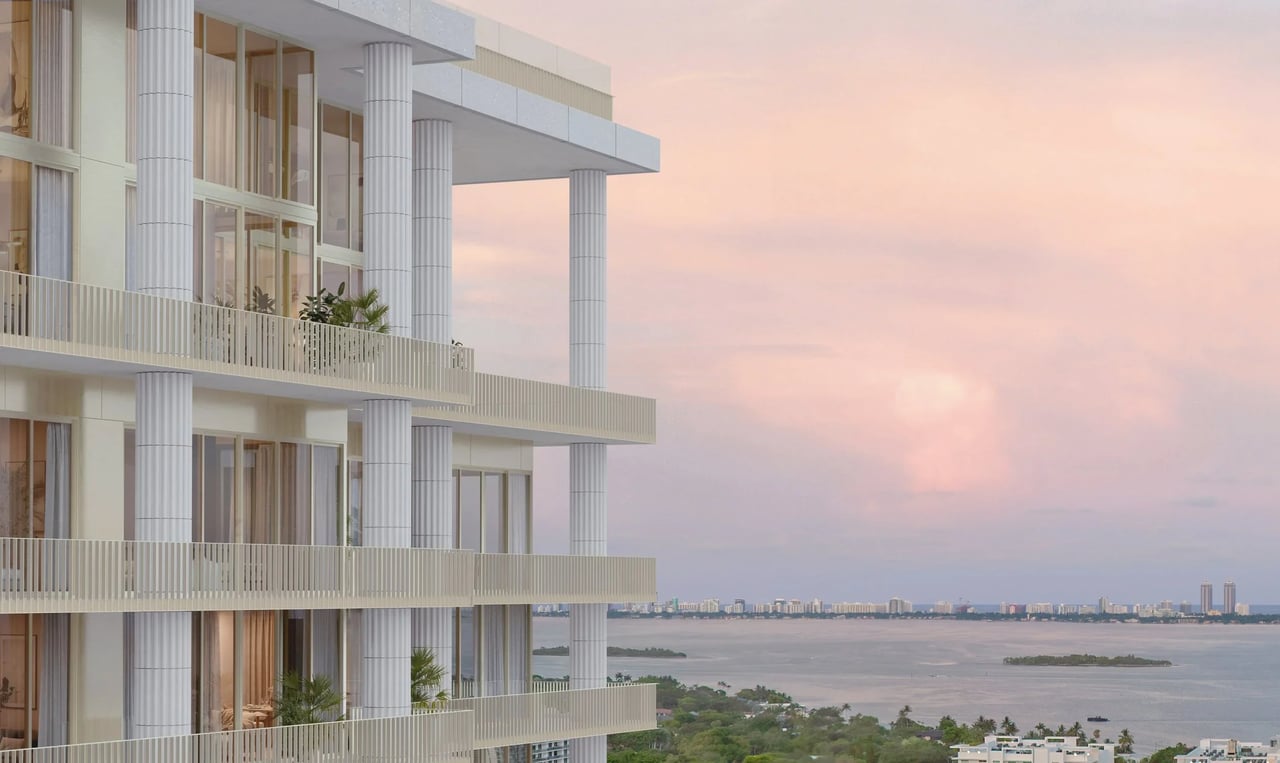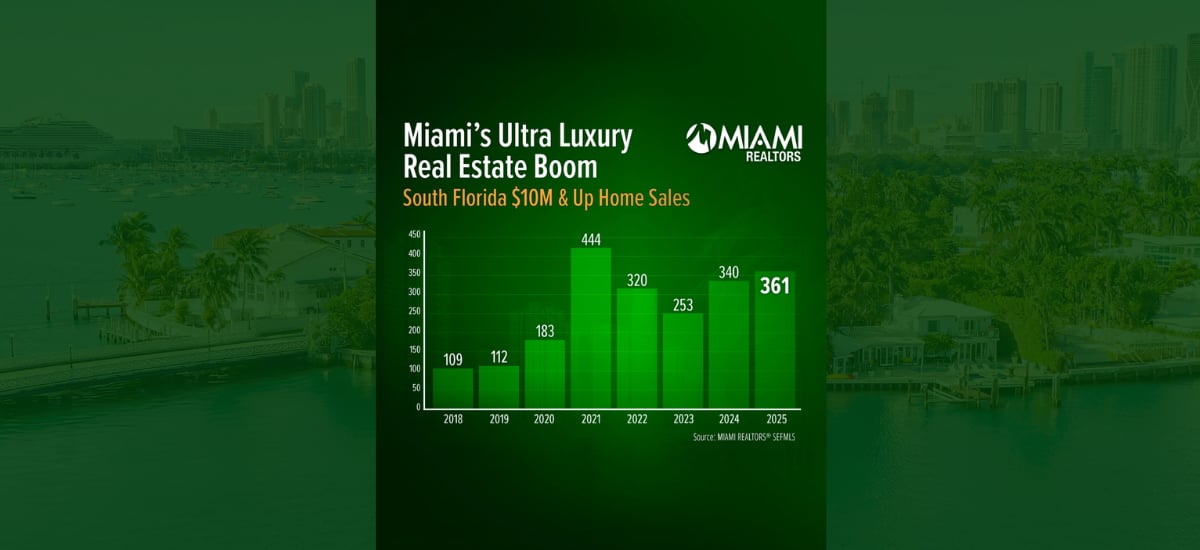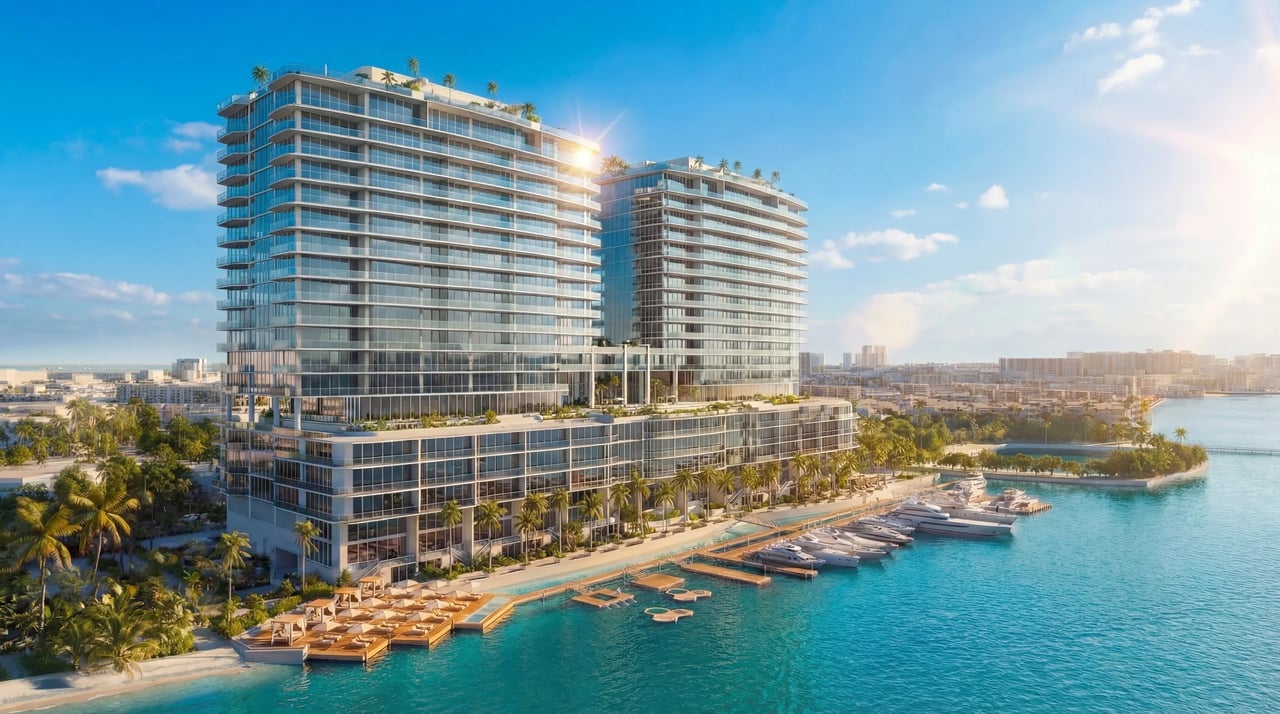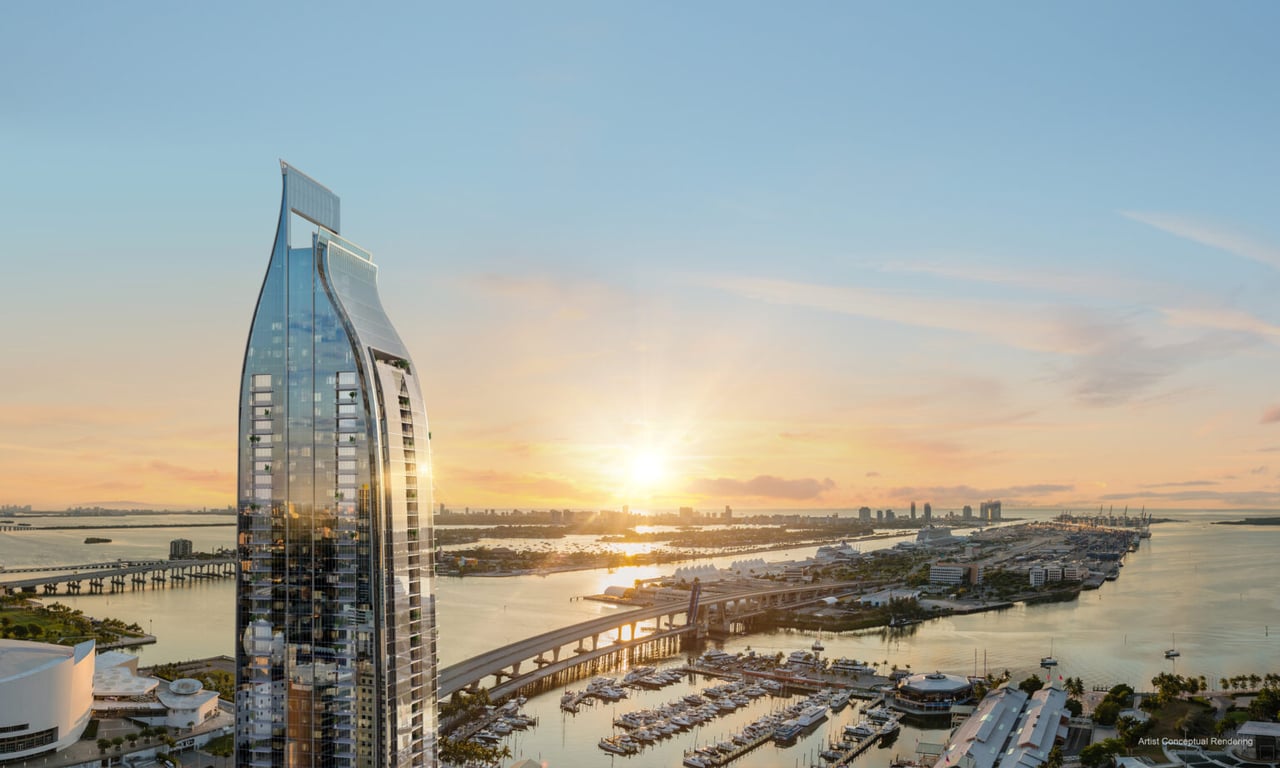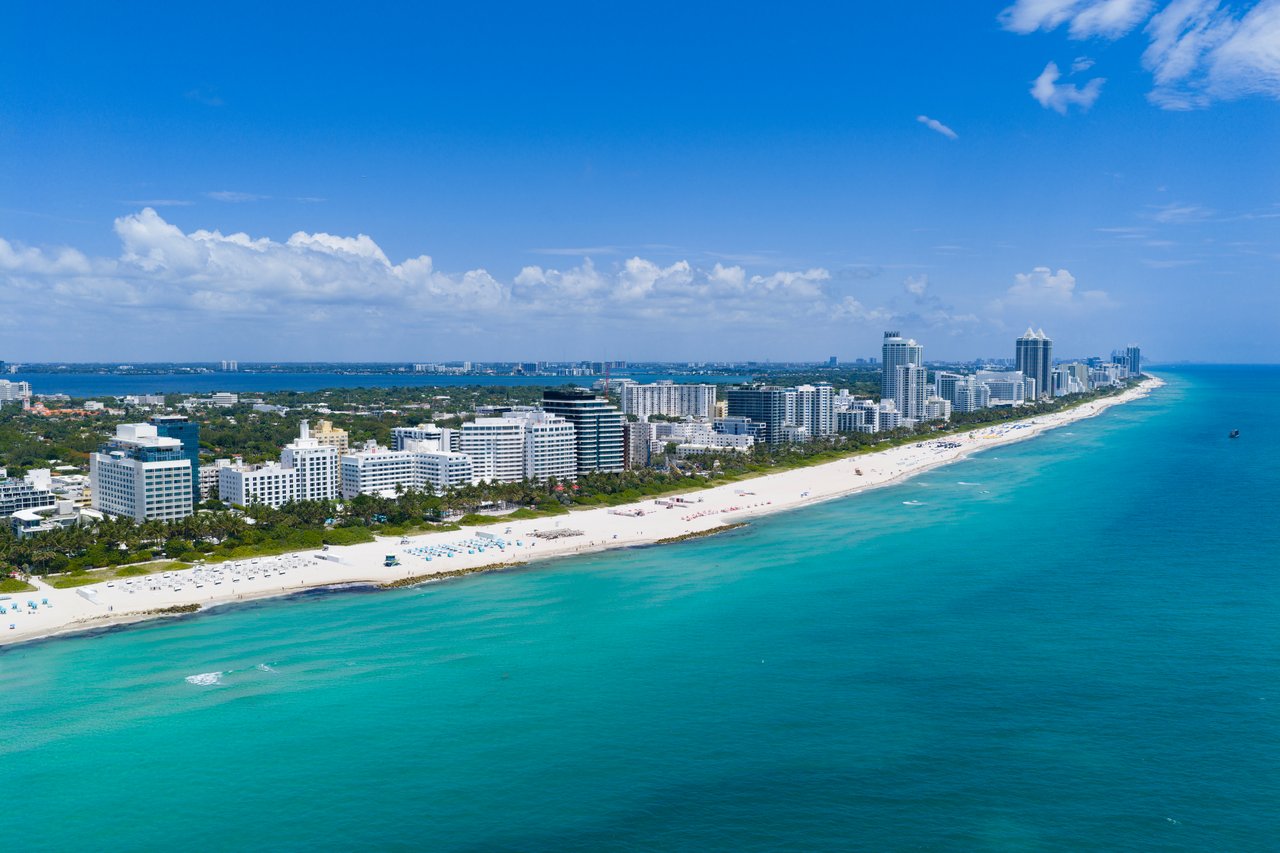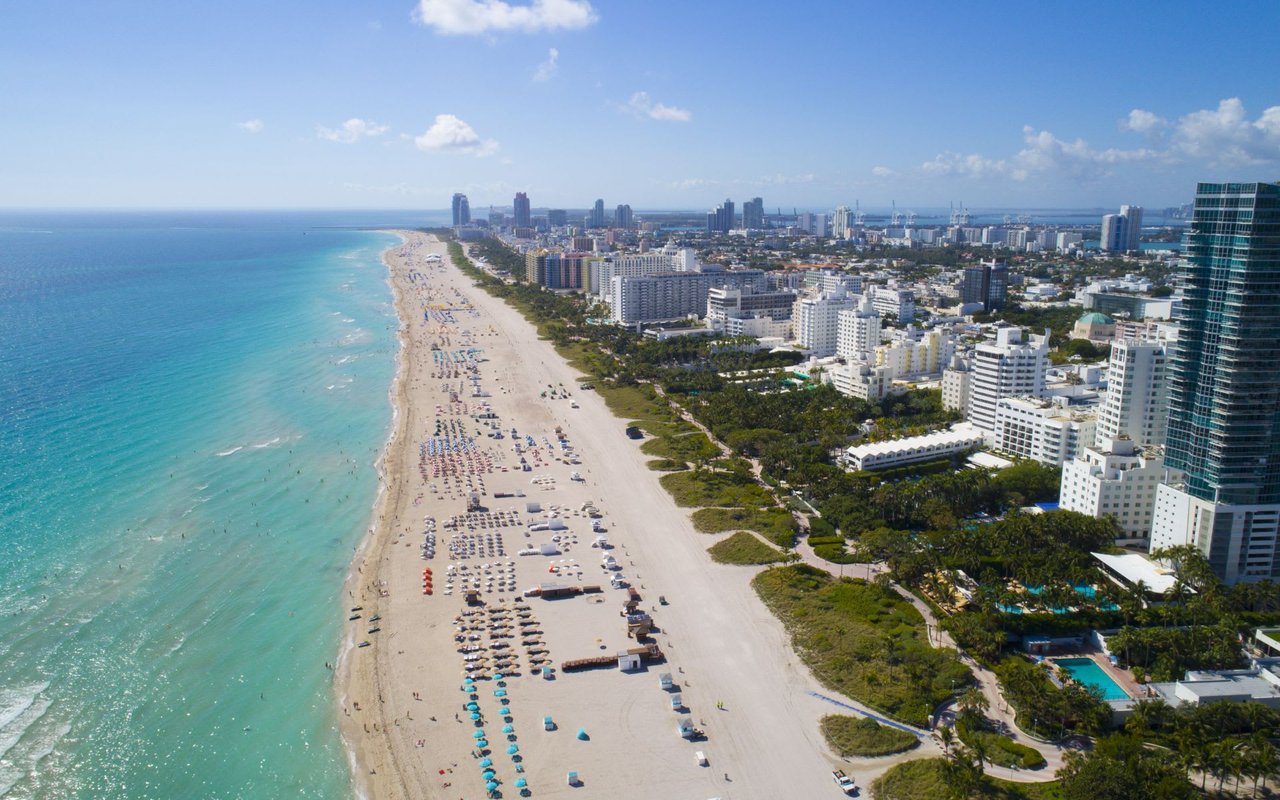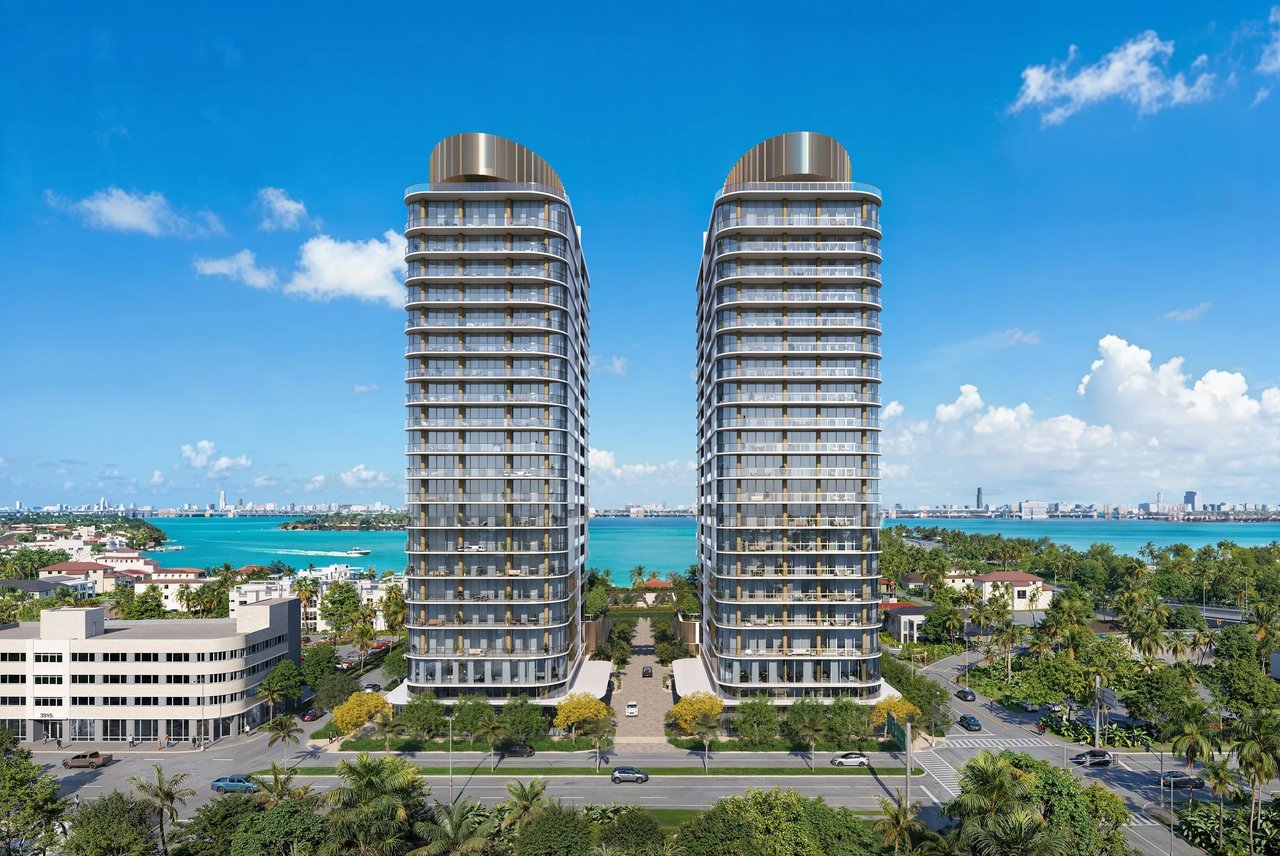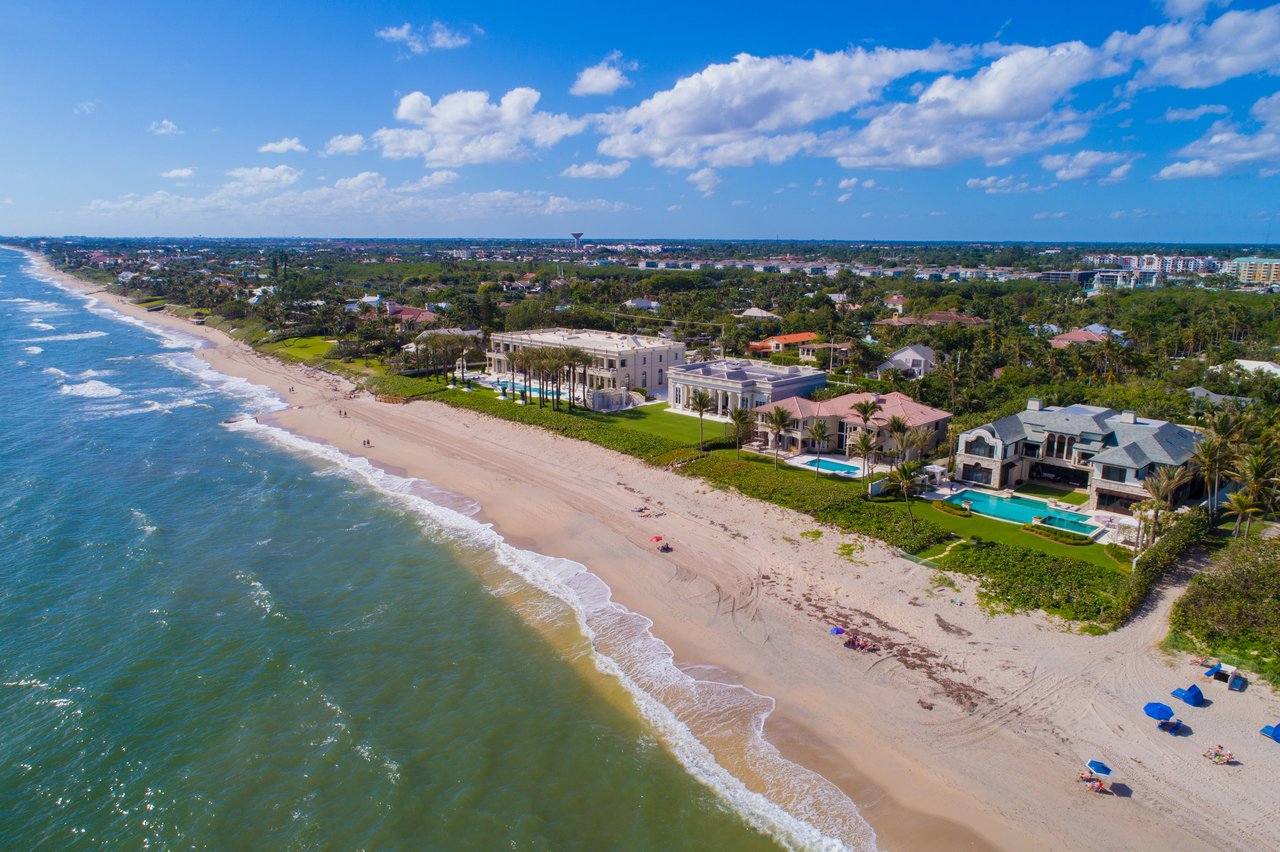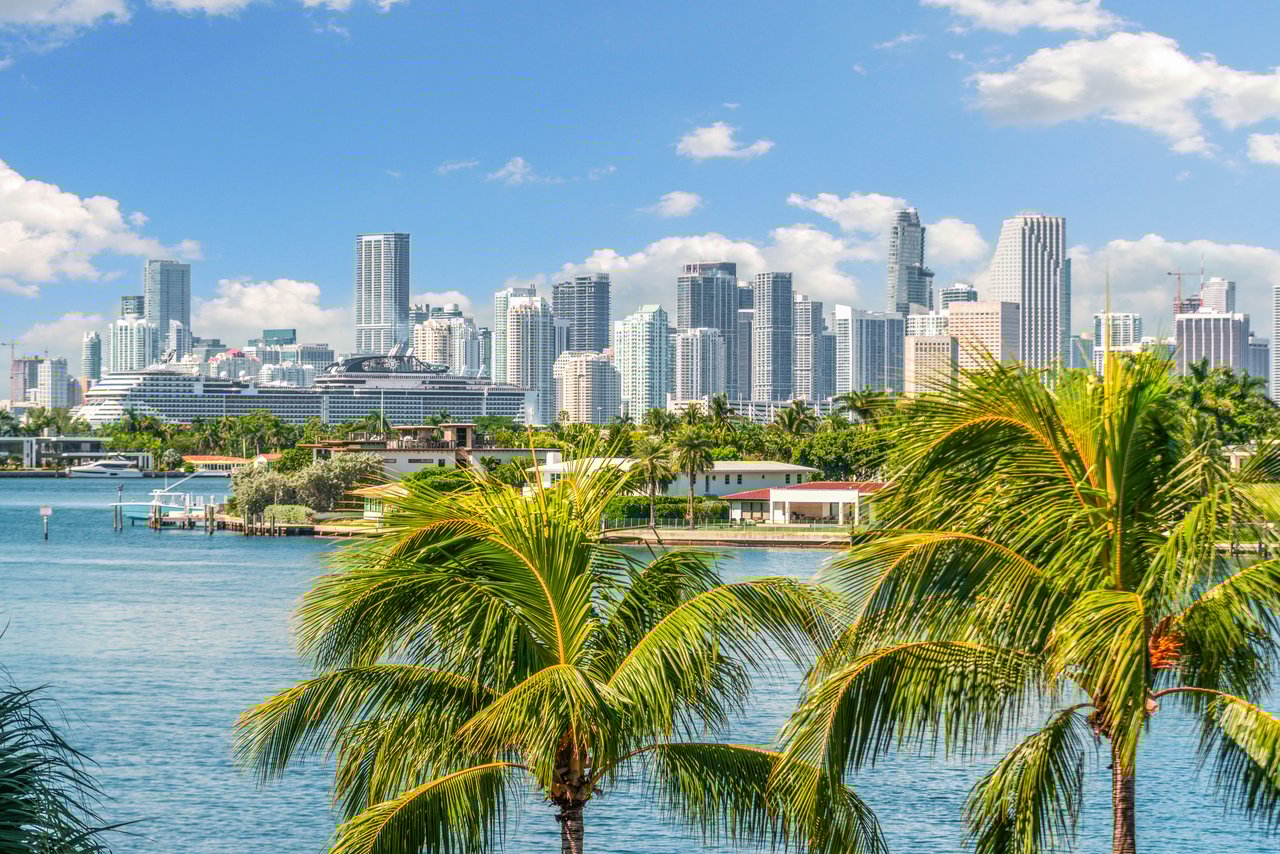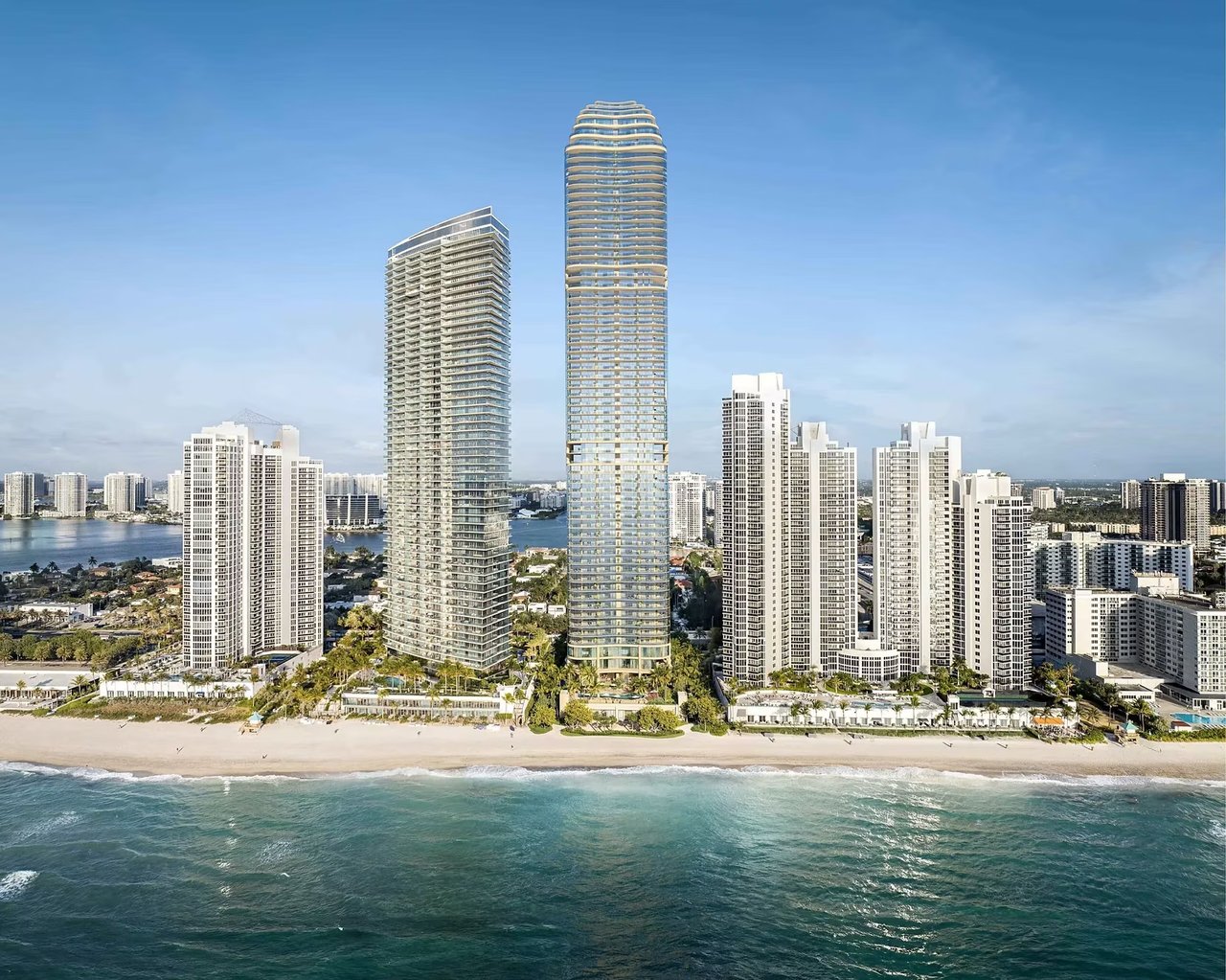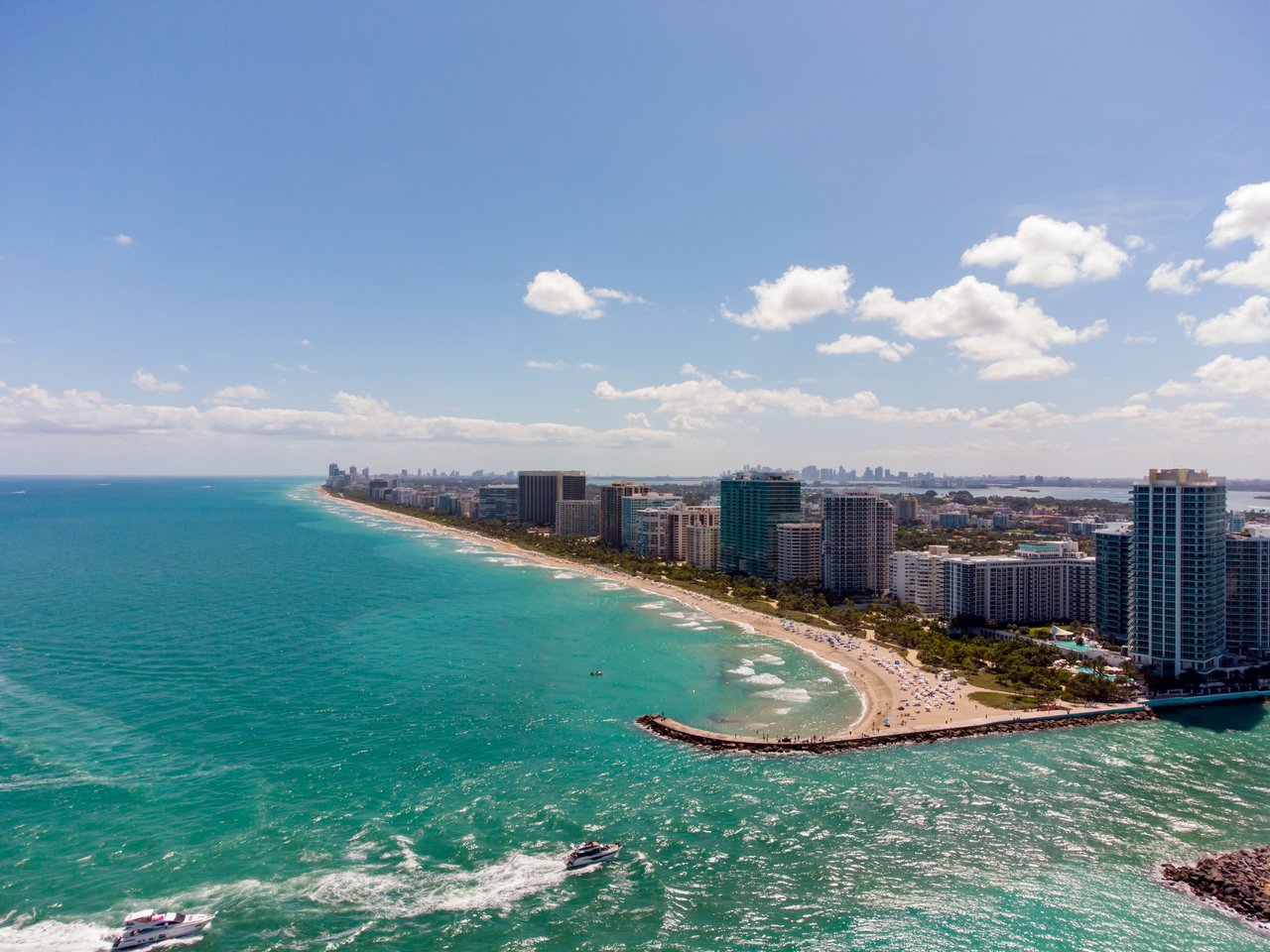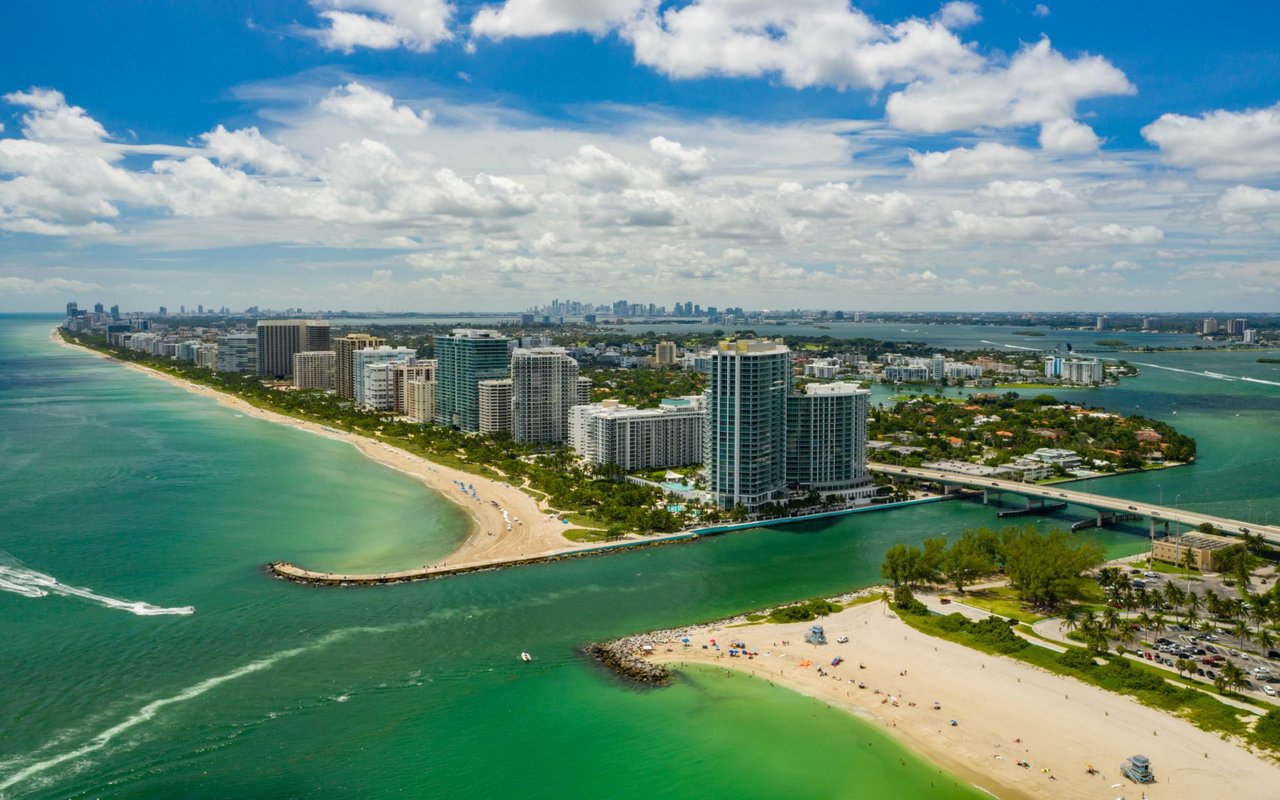
Capital is concentrating in Miami’s branded residences, Tampa’s transit-oriented districts, and Orlando’s diversified rental markets. As the Florida market rebalances, strategic buyers are securing annual returns between 8–15% by targeting supply-constrained coastal assets and high-demand vacation corridors. While statewide price growth has moderated to 3–5%, Miami remains a global outlier, with the National Association of Realtors (NAR) projecting a 14% rebound in transaction volume as mortgage rates stabilize near 6.15%.
What You'll Learn
-
Miami Beach and Brickell remain the top destinations for luxury condo investments, with waterfront properties appreciating 12-18% annually since 2021
-
Tampa Bay and Jacksonville are emerging as high-ROI alternatives, offering lower entry points with comparable rental yields to South Florida
-
Vacation rental markets in Orlando, the Florida Keys, and coastal communities continue outperforming traditional long-term rentals by 25-40%
-
Multifamily properties in growth corridors like Cape Coral and Port St. Lucie deliver the strongest cash-on-cash returns for income-focused investors
-
Tax advantages—including no state income tax and homestead exemptions—amplify net returns for Florida real estate investors compared to other major markets
Florida Real Estate Investment Performance: 2026 Benchmarks
Sophisticated investors track Florida’s investment performance through documented population shifts and asset-specific growth. The state is currently adding an average of 305,953 net new residents annually, a pace that creates a consistent floor for housing demand across all tiers.
|
Statistic |
2026 Data Point |
Verified Source |
|
Florida Population Growth |
+305,953 net new residents annually |
|
|
Miami Luxury Appreciation |
+1.1% projected gain (Top FL Performer) |
|
|
Miami Ultra-Luxury Sales |
426 projected sales over $10M |
|
|
Average Vacation Rental ROI |
6.4% (St. Petersburg) to 10% (Orlando) |
|
|
Cash Sales Volume |
35.6% of all Miami transactions |
|
|
Multifamily Vacancy Rate |
7.9% (Projected year-end easing) |
Florida’s investment utility is confirmed by these metrics. High earners prioritize markets where cash sales (35.6%) insulate portfolios from interest rate volatility. Investors now analyze localized supply constraints—such as Miami’s 16.9% deficit in condo inventory compared to pre-pandemic levels—to identify assets with high exit liquidity.
While amateur investors react to statewide headlines, sophisticated buyers focus on the 1.1% price growth in Miami as a defensive equity play while utilizing the 8–10% yields in Orlando for immediate cash flow. This data-driven approach allows for capital deployment in markets where insurance costs are stabilizing and developer sentiment for low-rise projects is improving.
Ready to explore the best places to invest in Florida with expert guidance? Contact Our Investment Team
What Are the Top Florida Cities for High-Return Real Estate Investments?
Sophisticated investors evaluate Florida cities through documented yield data and inventory supply levels. In January 2026, National Association of Realtors (NAR) data shows a market shift: inventory is 20% higher than one year ago, reducing multiple-offer scenarios and increasing buyer negotiating power.
Top Florida Investment Cities: 2026 Quick Comparison
|
City |
Median Price (Jan 2026) |
Target Strategy |
Gross Rental Yield |
|
Miami |
$615,000 |
Equity Appreciation |
4.8% – 5.5% |
|
Tampa |
$425,000 |
Balanced Core |
6.1% – 7.2% |
|
Orlando |
$395,000 |
Short-Term Income |
8.0% – 10.0% |
|
Jacksonville |
$385,000 |
Portfolio Cash Flow |
7.5% – 9.0% |
|
Fort Lauderdale |
$585,000 |
Urban Infill |
5.5% – 6.5% |
|
Naples |
$565,000 |
Capital Preservation |
3.0% – 4.2% |
|
Cape Coral |
$415,000 |
Market Reset Play |
7.0% – 8.5% |
Data Sourced from Realtor.com 2026 Forecast and Florida Realtors® 2026 Outlook.
Strategic Market Constraints and Outcomes
-
Miami (The Appreciation Play): Miami is the only major Florida metro expected to maintain positive price growth (+1.1%) through 2026. High demand for branded residences and a 35.6% cash-buyer rate insulate the market from interest rate volatility. Investors prioritize long-term equity over immediate monthly cash flow.
-
Tampa (The Diversified Hub): Tampa currently offers the state's most balanced fundamentals, with a 3.0% unemployment rate and high economic diversification across finance and healthcare. Tampa-area home prices have found a floor at $425,000, allowing for consistent 6-7% yields with lower entry costs than South Florida.
-
Orlando (The Short-Term Rental Hub): Orlando remains the primary market for high-volume revenue. Three-bedroom homes in Lake Nona and the tourist corridor generate average annual gross revenues of $48,700. Inventory has increased, allowing buyers to negotiate seller concessions for the first time in four years.
-
Jacksonville (The Cash Flow Hub): Jacksonville provides the lowest entry cost for institutional-grade logistics and port-driven rental demand. It is the preferred market for investors building portfolios of 5+ units where cash-on-cash returns consistently hit 8%+.
-
Cape Coral (The Reset Opportunity): Following a period of oversupply, Cape Coral is undergoing a market reset. This correction allows new investors to enter at a lower cost basis with high recovery upside as rebuilding efforts conclude.
Want personalized guidance on which Florida market matches your investment goals? Schedule Your Strategy Session
Where Can You Find Florida Properties With Strong Appreciation Potential?
Identifying the best places to invest in Florida for appreciation requires examining neighborhoods showing early-stage transformation signals before prices fully reflect future value.
Emerging Neighborhoods Smart Investors Are Watching
Miami's Next Wave:
-
Allapattah: Median $450,000 (half of Wynwood's cost)
-
Recent catalysts: Rubell Museum relocation, new mixed-use developments
-
Opportunity: Last affordable neighborhood with downtown proximity
Tampa's Rising Stars:
-
West Tampa: 30-40% discount to established neighborhoods
-
Infrastructure: Riverwalk extensions, new commercial development
-
Historic appeal: Adaptive reuse potential attracts young professionals
Orlando's Urban Core:
-
Mills 50: Walkable, urban character (rare for Orlando)
-
Cultural anchor: Vietnamese business district creates authenticity
-
Price advantage: Significant discount to Winter Park and downtown
Jacksonville's Transformation:
-
Brooklyn: Historic housing stock, downtown proximity
-
Growth trajectory: Mirrors Austin or Nashville a decade ago
-
Demographics: Young professionals seeking urban alternatives
Tampa's Cultural Hub:
-
Ybor City: Historic preservation meets modern urbanism
-
Authenticity: Nightlife and cultural history create irreplaceable character
-
Residential conversions: Commercial-to-residential driving appreciation
Cities With Fastest Appreciation Rates
|
City |
5-Year Appreciation |
Projected 2025-2027 Growth |
Investment Thesis |
|
Cape Coral |
+89% |
+12-15% |
Population boom, infrastructure investment |
|
Tampa |
+72% |
+8-10% |
Tech hub emergence, corporate relocations |
|
Miami |
+65% |
+6-9% |
International capital, luxury market strength |
|
Jacksonville |
+61% |
+10-12% |
Port expansion, logistics growth |
|
Orlando |
+58% |
+7-9% |
Tourism strength, industry diversification |
Cape Coral's 89% five-year appreciation reflects its transformation beyond a retiree destination. Population growth projections suggest continued strength, though at moderating rates as prices normalize.
Tampa's 72% appreciation reflects its emergence as a tech hub. The city's diversified economy and relative affordability suggest continued strength. Tampa represents the best combination of past performance and future potential among major Florida markets.
Miami's 65% appreciation masks significant variation across neighborhoods and property types. Miami's future appreciation depends partly on international capital flows. Sophisticated investors recognize Miami as requiring understanding of global wealth dynamics.
Ready to position yourself in Florida's highest-growth markets? Connect With Our Team
Which Neighborhoods in Florida Offer the Highest Rental Yields for Property Investors?
Rental yields measure annual rental income as a percentage of property price. The best areas to invest Florida for rental income differ substantially when compared with appreciation-focused markets.
Top Rental Yield Neighborhoods
Miami Metro:
-
Wynwood/Edgewater: 6.5-8% gross yields
-
Tenant profile: Young professionals, international renters
-
Trade-off: Accept lower yields for appreciation potential
Tampa:
-
Seminole Heights: 7-9% gross yields
-
Advantage: Rare combination of cash flow and growth
-
Value-add opportunity: Many properties require renovation
Orlando:
-
Lake Nona: 8-10% gross yields (short-term rentals)
-
Location benefit: Near airport, avoids tourist corridor competition
-
Management: Requires professional vacation rental operators
Jacksonville:
-
Riverside: 7.5-9% gross yields
-
Character: Historic neighborhood with urban walkability
-
Renovation potential: Value-add opportunities for skilled investors
Investment Strategy Performance Comparison
|
Investment Type |
Avg. Gross Yield |
Best Markets |
Management Level |
Investor Profile |
|
Long-term rentals |
5-7% |
Jacksonville, Tampa |
Low |
Passive income seekers |
|
Short-term/Vacation |
8-12% |
Orlando, Keys, Miami Beach |
High |
Active managers |
|
Multifamily (2-4 units) |
7-10% |
Cape Coral, Fort Myers |
Medium |
Portfolio builders |
|
Luxury condos |
3-5% + appreciation |
Miami, Naples |
Low |
Appreciation-focused |
The table reveals fundamental trade-offs when considering the best places to invest in Florida. Long-term rentals in secondary markets deliver solid cash flow with minimal management. Vacation rentals maximize income but require active oversight. Multifamily properties offer economies of scale. Luxury condos sacrifice current income for appreciation.
Understanding your investment objective determines strategy selection. Passive income seekers target Jacksonville long-term rentals. Active managers pursue Orlando vacation rentals. Portfolio builders focused on scaling deploy capital into Cape Coral multifamily.
Need help analyzing rental yields and cash flow projections? Talk to Our Investment Specialists
Should You Invest in Coastal or Inland Florida Cities?
The coastal versus inland decision represents one of the most fundamental choices when evaluating where to invest in Florida.
Coastal vs. Inland Investment Analysis
|
Factor |
Coastal Properties |
Inland Properties |
|
Appreciation |
Higher (10-15% historically) |
Moderate (6-10% historically) |
|
Entry Price |
$500K-$2M+ |
$300K-$600K |
|
Insurance Costs |
40-60% higher |
Standard rates |
|
Rental Premiums |
Yes (20-40% higher) |
Market rates only |
|
International Demand |
Strong |
Minimal |
|
Cash Flow |
Compressed by costs |
Stronger metrics |
|
Flood/Hurricane Risk |
Significant |
Lower |
|
HOA Restrictions |
Common |
Rare |
|
Portfolio Diversification |
Limited by capital |
Multiple properties possible |
Coastal Investment Advantages:
Coastal properties command premium prices reflecting location scarcity. Miami Beach, Fort Lauderdale, Naples, and Florida Keys properties appreciate faster during growth cycles. Rental rates reach premium levels, particularly for short-term vacation rentals. International buyers gravitate toward coastal properties, creating global demand that provides downside protection.
Coastal Investment Challenges:
Hurricane insurance runs 40-60% higher than inland coverage. Flood zone designations require additional insurance. Many coastal properties sit in HOA-governed buildings with rental restrictions. Entry prices exceed inland alternatives by 50-100%, requiring larger capital commitments.
Inland Investment Advantages:
Acquisition costs run 30-50% below coastal equivalents. Insurance costs drop dramatically outside coastal zones. Regulatory environments tend to be more landlord-friendly. Cash-on-cash returns typically exceed coastal alternatives by 2-4 percentage points.
Inland Investment Challenges:
Inland properties historically appreciate slower than coastal equivalents. Rental rate premiums don't exist. Tourism-driven vacation rental income opportunities are limited except in Orlando. International buyer interest remains minimal.
Strategic investors often split capital between coastal appreciation plays and inland cash flow generators. This balanced approach captures coastal upside while maintaining cash flow that services debt.
Let's build a balanced Florida portfolio tailored to your objectives. Schedule Your Consultation
Are Vacation Rentals Still a Good Investment in Florida?
The vacation rental landscape has evolved dramatically as platforms like Airbnb and VRBO matured and local regulations responded. Understanding the best places to invest in Florida for vacation rentals requires examining both economics and regulatory environments.
Top Vacation Rental Markets Performance
|
Market |
Avg. Nightly Rate |
Occupancy Rate |
Annual Gross Revenue (3BR) |
Regulatory Environment |
|
Orlando/Kissimmee |
$185 |
72% |
$48,500 |
Favorable |
|
Miami Beach |
$325 |
68% |
$80,700 |
Restrictive |
|
Florida Keys |
$410 |
65% |
$97,200 |
Moderate |
|
Destin/30A |
$295 |
58% |
$62,400 |
Favorable |
|
Anna Maria Island |
$380 |
61% |
$84,600 |
Moderate |
Orlando-Kissimmee remains the nation's premier vacation rental market. Over 75 million annual visitors create massive demand. Management companies charge 20-30% of revenue but provide services most investors can't replicate. Net returns after expenses typically reach 8-10%.
Miami Beach and Fort Lauderdale face increasing regulatory scrutiny. Many buildings prohibit short-term rentals entirely. Investors must verify rental permissions before purchase. Where permitted, Miami Beach vacation rentals generate exceptional returns—but regulatory risk and high management costs compress net returns.
The Florida Keys represent vacation rental excellence for investors who can tolerate seasonal volatility. Hurricane season creates extended low-occupancy periods, while hurricane insurance costs significantly impact profitability. Keys properties work best for investors who can use properties personally during low seasons.
Gulf Coast markets including Destin, 30A, Anna Maria Island, and Sanibel deliver strong vacation rental returns with less regulatory complexity than South Florida. These markets attract families seeking beach vacations. However, these markets skew heavily seasonal.
Vacation Rental Success Factors
Required for Success:
-
Active management or professional management budget (20-30% of revenue)
-
Capital reserves for maintenance and vacancies
-
Regulatory compliance verification before purchase
-
Revenue management expertise for seasonal markets
-
Guest service orientation
Markets to Avoid:
-
Buildings with short-term rental prohibitions
-
Markets with pending restrictive legislation
-
Oversaturated tourist corridors with declining occupancy
-
Areas with deteriorating tourism infrastructure
Looking for vacation rental opportunities with verified permissions? Get Expert Market Analysis
Commercial Investment Opportunities in Florida: 2026 Sector Analysis
While residential assets dominate headlines, Florida’s commercial sectors currently offer stabilized income via long-term, creditworthy tenancies. According to the Deloitte 2026 Commercial Real Estate Outlook, investors are prioritizing "nontraditional" property types—specifically healthcare and data centers—which have seen a 10% annual value increase since 2000.
Top Commercial Sectors by Performance (2026)
-
Medical Office Buildings (The Defensive Anchor):
-
Best Markets: South Florida ($40.59/SF rent), Central Florida ($26.51/SF), and North Florida ($24.05/SF).
-
2026 Cap Rates: Stabilized near 6.3% – 6.9% across major Florida hubs.
-
Performance Driver: Florida’s demographic shift has created a supply "trickle." With only 50 million square feet of new additions projected through 2029, existing medical assets maintain occupancy rates above 90% (PwC Emerging Trends 2026).
-
Mixed-Use "Live-Work-Play" Hubs:
-
Best Markets: Miami (Brickell/Design District) and Tampa (Water Street).
-
Projected Returns: 12–18% IRR for projects that successfully integrate residential and boutique retail.
-
Outcome: These projects mitigate vacancy risk by diversifying income streams. In 2026, Miami and Tampa are recognized as high-conviction markets for repositioning older office stock into Class A+ mixed-use environments.
-
Industrial & Last-Mile Logistics:
-
Best Markets: Orlando (7.4% vacancy) and Miami ($16.36/SF average rent).
-
2026 Rent Growth: Orlando is currently a top-10 U.S. market for industrial rent growth, following a 2.0 million square foot absorption turnaround in late 2025 (Avison Young Market Report).
-
Constraint: While new supply has peaked, demand for smaller infill spaces (under 100,000 SF) remains resilient due to port expansions in Miami and Jacksonville.
-
Grocery-Anchored Retail:
-
Best Markets: Jacksonville suburbs, Port St. Lucie, and Cape Coral.
-
Cap Rates: 6% – 8%.
-
Performance Driver: Daily-needs retail remains e-commerce resistant. In late 2025, South Florida saw $10 billion in commercial trades, with multi-state grocery-anchored portfolios leading the volume.
Commercial investment in 2026 requires precise underwriting of insurance costs, which remain the primary financial headwind. Developers are currently designing for resilience—using hurricane-rated glass and raised utilities—to secure favorable terms from the stabilizing insurance market.
Is It Better to Invest in Condos, Single-Family Homes, or Multifamily Units?
Property type selection should align with investor objectives, capital availability, and management capacity. Each category serves different purposes within investment portfolios.
Property Type Comparison Matrix
|
Property Type |
Typical Yield |
Management |
Capital Required |
Best Markets |
Primary Benefit |
|
Luxury Condos |
3-5% |
Low |
$500K-$2M+ |
Miami, Naples |
Appreciation |
|
Single-Family |
6-8% |
Medium |
$300K-$600K |
Tampa, Jacksonville |
Balance |
|
Multifamily (2-4) |
7-10% |
High |
$400K-$800K |
Cape Coral, Fort Myers |
Cash flow |
|
Multifamily (5+) |
8-12% |
Very High |
$1M-$10M+ |
All major metros |
Scaling |
Luxury Condos:
-
Deliver 3-5% rental yields but appreciate substantially during growth cycles
-
Waterfront condos in Brickell appreciated 15-18% annually (2021-2024)
-
Require minimal maintenance (HOAs handle exterior upkeep)
-
HOA fees erode cash flow ($800-$1,500 monthly in luxury buildings)
-
Suit appreciation-focused investors who value low-maintenance ownership
Single-Family Homes:
-
Balance appreciation potential with rental income across Florida markets
-
Tampa, Jacksonville, and Orlando properties generate 6-8% gross yields
-
Appeal to families seeking yards and schools (stable long-term tenants)
-
Management requires more involvement than condos
-
Suit investors building diversified portfolios
Multifamily Properties:
-
Deliver the strongest cash flow metrics in Florida
-
Cape Coral, Fort Myers, and Jacksonville properties generate 7-10% cash-on-cash returns
-
Economies of scale spread maintenance costs across multiple units
-
Require intensive management (multiple tenants, more turnover)
-
Suit experienced investors building scaled portfolios
Portfolio Construction Strategy:
New investors might start with a single-family rental in Jacksonville to learn fundamentals. As experience grows, they might add a Miami Beach condo for appreciation diversification. Eventually, they could graduate to Cape Coral multifamily to scale the portfolio efficiently.
Need help determining which property type matches your experience level? Discuss Your Strategy With Us
What Are the Safest and Most Profitable Places to Buy Property in Florida?
Safety encompasses both physical security and financial security represented by market stability and economic diversification.
Safe + Profitable Florida Markets
|
Market |
Crime Rate |
Hurricane Risk |
Economic Diversity |
Median Income |
Investment Profile |
|
Naples/Marco Island |
Very Low |
Moderate |
Limited |
$100K+ |
Conservative luxury |
|
Sarasota |
Low |
Moderate |
High |
$75K+ |
Balanced growth |
|
Winter Park |
Very Low |
Low |
High |
$85K+ |
Suburban stability |
|
Coral Gables |
Low |
Moderate |
High |
$110K+ |
Prestige urban |
Naples and Marco Island combine low crime rates with wealth concentration that supports property values. Hurricane risk exists, but modern construction standards and affluent buyers willing to pay for insurance create stable markets. Rental yields are Florida's lowest at 3-4%, but price stability and quality of life make these markets attractive for capital preservation.
Sarasota offers cultural amenities, educated population demographics, and economic diversification across healthcare, finance, and professional services. Crime rates fall well below Florida averages. Sarasota combines safety with reasonable profitability—gross yields reach 5-7% while appreciation has been steady at 6-8% annually.
Winter Park in the Orlando metro area represents established wealth in a master-planned environment. Brick-paved streets, mature trees, and nationally recognized schools create sustained demand. Crime rates are minimal. Winter Park properties generate moderate yields of 5-6% with steady appreciation.
Coral Gables in Miami provides prestige location with historic preservation that maintains neighborhood character. Mediterranean architecture, tree-canopy streets, and top-rated schools create sustained demand. Crime rates are low despite Miami's urban density. Gross yields around 4-5% reflect premium pricing, but appreciation and rental demand stability compensate.
These markets share common characteristics: educated populations, economic diversity, cultural amenities, and governance that maintains quality of life. They sacrifice maximum yields for stability—exactly what conservative investors seek.
What Do High Earners Know About Florida Real Estate That Others Don't?
Sophisticated investors leverage structural advantages and timing strategies that amateur buyers miss when evaluating the best places to invest in Florida.
Tax Advantage Comparison for $100K Rental Income
|
State |
State Income Tax |
Net Annual Income |
20-Year Value at 7% Growth |
|
Florida |
0% |
$100,000 |
$4,099,550 |
|
California |
13.3% |
$86,700 |
$3,552,290 |
|
New York |
10.9% |
$89,100 |
$3,650,530 |
|
Texas |
0% |
$100,000 |
$4,099,550 |
|
New Jersey |
10.75% |
$89,250 |
$3,656,680 |
Zero State Income Tax Advantage:
Florida's zero state income tax amplifies rental income returns. An investor earning $100,000 in annual rental income keeps the full amount after federal taxes. The same investor in California nets $86,700 after 13.3% state income tax. Over 20 years, this $13,300 annual difference compounds to over $700,000 assuming 7% annual returns on saved taxes.
Homestead Exemption Benefits:
-
$50,000 assessed value reduction (lowers annual property taxes $500-$1,000)
-
Save Our Homes cap limits annual assessment increases to 3%
-
Unlimited creditor protection (shields primary residences regardless of value)
-
Portability allows transferring accumulated benefits to new properties
Advanced Strategies High Earners Use:
LLC Structuring for Asset Protection:
-
Isolates each property in separate legal entities
-
Lawsuit against one property can't threaten others
-
Florida's favorable LLC laws and absence of franchise taxes
-
High earners place each investment property in its own LLC
Opportunity Zone Investments:
-
Defer capital gains by reinvesting proceeds into Opportunity Zone funds
-
Miami includes multiple Opportunity Zones (Allapattah, Little Haiti)
-
Potentially eliminate gains entirely through 10-year hold
-
Works particularly well for investors with large unrealized gains
Pre-Construction Purchasing:
-
Secure properties 1-2 years before completion at current prices
-
Miami's luxury condo market historically rewards with 15-25% paper gains by completion
-
Requires capital to tie up in deposits
-
High-net-worth investors treat deposits as options on future appreciation
1031 Exchange Strategies:
-
Defer capital gains when selling investment properties
-
Redeploy equity into Florida markets tax-free
-
Chain multiple exchanges to build substantial portfolios
-
Many California investors use 1031s to exit high-tax state
Connect with advisors who understand sophisticated Florida investment strategies. Schedule Your Strategic Planning Session
Strategic Positioning for Florida Real Estate Investment Success
Success in the 2026 Florida market depends on aligning asset types with documented regional performance. High-net-worth investors have moved away from broad speculation, instead deploying capital based on three distinct outcomes:
-
Equity Preservation (Miami): Miami is the only major Florida metro projected to sustain positive price growth (+1.1%) through 2026. High demand for branded residences and a 35.6% cash-buyer rate insulate these assets from interest rate volatility.
-
Yield Generation (Jacksonville/Orlando): Investors seeking immediate income are targeting Jacksonville and Orlando, where gross rental yields range from 7.5% to 10.0%. These markets benefit from institutional-grade logistics demand and a tourism sector that attracts over 75 million annual visitors.
-
Recovery Arbitrage (Gulf Coast): Following a period of oversupply, markets like Cape Coral and North Port are undergoing a 10% price correction in 2026. This allows new capital to enter at a lower cost basis with high recovery upside as inventory rebalances.
Structural Advantages for the 2026 Investor
Florida’s tax code serves as a primary driver of net returns. Beyond the absence of state income tax, sophisticated investors utilize the Save Our Homes 3% assessment cap to stabilize carrying costs and unlimited homestead creditor protection to shield primary residences.
When compared to high-tax states, the "Florida Discount" is quantifiable. An investor netting $100,000 in annual rental income saves approximately $13,300 per year versus a California-domiciled peer. Over 20 years, assuming a 7% reinvestment rate, this single tax advantage compounds to over $700,000 in additional wealth.
Execution Pillars: Discipline Over Timing
In 2026, the "early-mover advantage" has faded, replaced by a requirement for rigorous underwriting. Sophisticated investors share three execution traits:
-
Risk Mitigation: They utilize climate-risk software and drone surveys to vet properties, prioritizing modern construction with high-impact glass and raised utilities to secure favorable terms from the stabilizing insurance market.
-
Asset Specialization: They concentrate on "nontraditional" property types—specifically medical offices and data centers—which have seen a 10% annual value increase since 2000 due to Florida's aging demographic and tech migration.
-
Liquidity Maintenance: They maintain capital reserves to capture "market dislocations." As homes sitting over 120 days now see price cuts of 13.8%+, cash-ready investors are acquiring correctly priced, high-quality assets while competitors are constrained by financing.
Start your Florida investment property search today. Browse Exclusive Miami Listings or Begin Your Investment Journey With Expert Guidance
Frequently Asked Questions
Where are the best cities to invest in Florida real estate for 2026?
Miami, Tampa, Orlando, Jacksonville, and the Cape Coral/Fort Myers region are the primary hubs for capital allocation this year. Miami is the preferred market for equity growth, as it is the only major Florida metro projected to sustain positive price appreciation (+1.1%) through 2026. Tampa serves as a balanced hub with a 3.0% unemployment rate, while Orlando and Jacksonville provide the highest gross yields for income-focused portfolios.
What are the top areas for rental property investment in Florida?
Lake Nona (Orlando), Riverside (Jacksonville), and Seminole Heights (Tampa) are the leading sub-markets for long-term rentals. These areas benefit from a 14% projected increase in transaction volume and high demand from a growing professional class. In Miami, Edgewater and Wynwood remain the top choices for luxury rentals, maintaining low vacancy rates even as the broader market inventory increases by 20%.
Which Florida markets offer the best ROI in 2026?
Orlando and Jacksonville lead in cash-on-cash returns, with gross rental yields frequently reaching 7.5% to 10.0%. For vacation rentals, the Florida Keys and Miami Beach generate the highest top-line revenue, though net ROI is often compressed by a 6.4% to 11.2% effective property tax rate and stabilizing but elevated insurance costs.
Should I invest in coastal or inland Florida cities?
Coastal assets in Miami and Naples function as "inflation hedges" with higher appreciation potential but face 40-60% higher insurance premiums. Inland markets like Ocala and Lakeland offer more stable cash-on-cash returns, with median prices roughly 30-40% below coastal equivalents. Strategic investors in 2026 often use inland properties to generate the cash flow required to service debt on coastal appreciation plays.
Are vacation rentals still a good investment in Florida?
Yes, but the market has matured. Orlando remains the volume leader, with best-in-class properties (top 10%) achieving over $7,200 in monthly revenue. Success now requires active revenue management and professional oversight, as 2026 vacation rental ROI depends on occupancy rates that have stabilized near 62-68% in top-tier coastal metros.
What are the emerging neighborhoods for investment in Florida?
Allapattah (Miami), West Tampa, and Brooklyn (Jacksonville) show the strongest early-stage signals. These neighborhoods trade at a 30-50% discount to established adjacent districts and are benefiting from significant infrastructure projects, such as the Miami River District redevelopment and Tampa’s Riverwalk extensions.
Which cities have the fastest appreciation rates in Florida?
While the 20% growth cycles of the pandemic have ended, Cape Coral and Tampa have led the state with five-year gains of 89% and 72%, respectively. For the 2026 calendar year, Miami is the only major market where home values are forecast to rise (up 1.1% to 2.1%), while other regions see prices move sideways as inventory rebalances.
Is it better to invest in condos, single-family homes, or multifamily units?
In 2026, small multifamily (5-50 units) is the "sweet spot" for scale, offering higher yields than single-family homes and less competition than institutional-grade assets. Single-family homes in Tampa and Orlando provide the most balanced risk-return profile, while luxury condos in Miami remain the primary vehicle for high-net-worth individuals seeking low-maintenance equity growth.
How does the rental market vary by city in Florida?
The market is fragmented: Miami has the highest rents ($16.36/SF for industrial; $40+/SF for medical office) but lower yields due to high acquisition costs. Jacksonville and Tampa provide higher yields (6-8%) supported by a diversified economy. Orlando’s market is split between a robust 8-10% yield for short-term rentals and a steady 5-7% for long-term professional housing.
What commercial investment opportunities are most lucrative in Florida?
Medical office buildings and grocery-anchored retail are the top commercial performers in 2026. Medical assets currently see NNN rent growth of 1.8% to 2.4% annually, serving as a defensive anchor for portfolios. Industrial warehouse space near logistics hubs in Miami and Jacksonville also remains resilient, with cap rates stabilizing near 6.3% to 6.9%.