The average house cost in Miami stands at $597,000, with single-family homes averaging $685,000, condos at $445,000, and townhomes at $520,000. Prices vary dramatically from under $300,000 in neighborhoods like Homestead to over $3 million in luxury areas like Coral Gables. Your budget and neighborhood selection become the two most critical factors in your home search.
If you are researching Miami home prices, and the numbers you're finding online probably seem all over the place. One website shows $400,000 averages. Another claims $800,000. A third insists waterfront starts at $2 million. And here's why: they're all technically correct, just talking about completely different segments of Miami's incredibly diverse real estate market.
This isn't a market where you can say "Miami homes cost X" and have that mean anything useful. A two-bedroom condo in North Miami and a two-bedroom condo in Bal Harbour might both technically be "Miami condos," but they exist in completely different price universes. Understanding these differences helps you focus your search on neighborhoods that actually match your budget and lifestyle goals.
What You Need to Know About Miami Home Prices Right Now
Miami's housing market operates on extreme price diversity. A single-family home ranges from under $300,000 in emerging neighborhoods to well over $10 million in ultra-luxury enclaves. The median citywide price of $597,000 represents middle-tier properties in average neighborhoods, not the full spectrum of what's available.
Property type dramatically affects affordability. First-time buyers can enter the market under $250,000 for condos in areas like Kendall or Sweetwater. Single-family homes require significantly higher budgets. Waterfront properties command substantial premiums over inland equivalents.
Neighborhood selection impacts your budget considerably. Downtown and Brickell condos average around $485,000. Comparable-sized units in Coral Gables average closer to $890,000. Choosing between premium school districts versus emerging areas can mean substantial price differences.
Hidden costs add to purchase price. Miami homebuyers must budget for property taxes (averaging around 1% in Miami-Dade County), insurance, HOA fees for condos, and maintenance reserves.
Current market conditions show increased inventory compared to recent years. Average days on market have extended. Sellers are offering concessions more frequently. This creates opportunities for strategic buyers.
|
Neighborhood |
Typical Price Range |
Property Type Focus |
Buyer Type |
|
Homestead |
$250K – $350K |
Single-family |
First-time buyers |
|
Kendall |
$280K – $420K |
Condos, townhomes |
Budget-conscious buyers |
|
Downtown Miami |
$400K – $600K |
Condos |
Professionals |
|
Brickell |
$450K – $750K |
High-rise condos |
Executives, investors |
|
Coconut Grove |
$850K – $2.5M+ |
Homes & condos |
Families |
|
Coral Gables |
$900K – $3M+ |
Single-family |
Luxury buyers |
|
Bal Harbour |
$1.2M – $5M+ |
Waterfront condos |
International buyers |
Understanding Miami's Real Estate Market
Miami's real estate market reflects changes following the surge of previous years. According to Miami Association of Realtors data, the market shows steady activity with thousands of active listings across Miami-Dade County. Single-family home inventory comprises roughly half of available properties, with condos representing a significant portion and townhomes making up the remainder.
Cash buyers comprise a substantial percentage of Miami residential transactions. International buyers represent a significant portion of purchases, with Latin American buyers leading, followed by Canadian and European buyers.
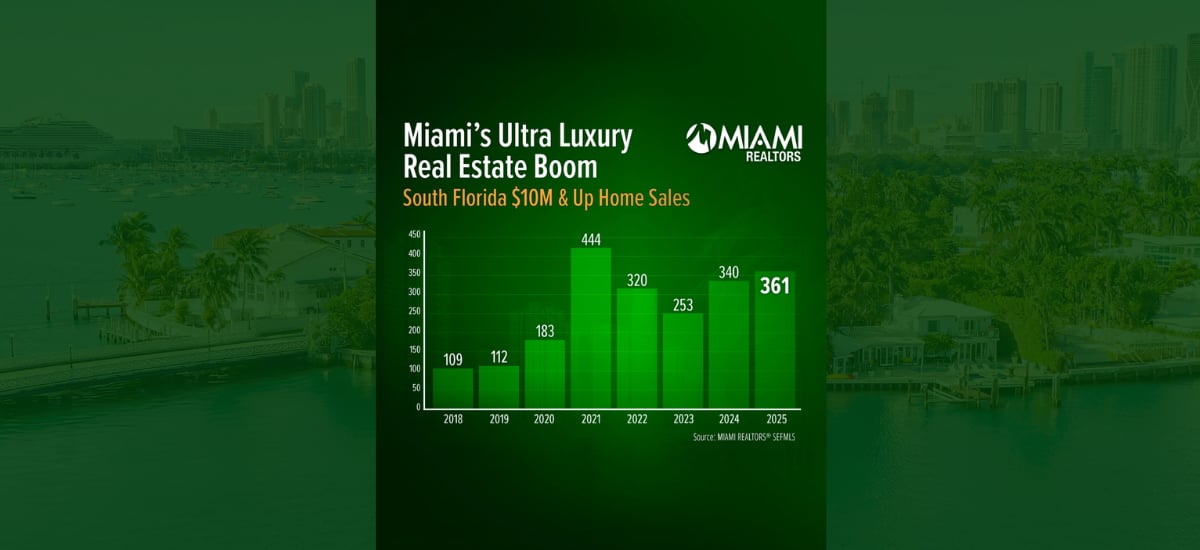
The luxury segment (properties over $1 million) accounts for a notable percentage of transactions. Price per square foot varies by property type, with condos typically showing higher per-square-foot costs than single-family homes in many neighborhoods.
First-time homebuyers represent a meaningful portion of purchases. Current mortgage rates affect purchasing power compared to the historically low rates of recent years. Properties priced correctly sell faster and receive more offers.
Location matters significantly to Miami buyers. Walkability and school districts rank as top priorities when making purchase decisions.
Which Are the Top Waterfront Neighborhoods in Miami?
Miami's waterfront landscape offers compelling opportunities across multiple price points and property types. The question isn't whether waterfront real estate makes sense. The question is which neighborhood aligns with your financial goals and lifestyle preferences.
Investment-grade waterfront properties share specific characteristics. They demonstrate consistent appreciation over time. They maintain strong rental demand. They benefit from infrastructure investment and development. They sit within desirable school districts for family-oriented buyers. They score well on walkability and lifestyle amenities.
What Makes a Waterfront Neighborhood Desirable
Scarcity drives long-term value. Neighborhoods with development restrictions protect existing property owners from oversupply. Coral Gables, Coconut Grove, and Key Biscayne all maintain zoning that limits new construction. This creates natural constraints on supply.
Infrastructure investment signals community commitment. When cities invest in seawall reinforcement, stormwater management, and transit connections, it demonstrates long-term planning. Areas like Edgewater have seen significant infrastructure upgrades.
Rental demand provides income opportunities. The best neighborhoods maintain strong rental markets for both long-term and short-term tenants where permitted. This gives owners flexibility.
School district strength attracts family buyers. Properties in highly rated school zones typically command premium pricing and sell faster. Coral Gables and Key Biscayne demonstrate this principle consistently.
International buyer interest creates diverse demand. When global wealth seeks Miami real estate, certain neighborhoods benefit. Brickell and Miami Beach attract international capital.
Where Should I Buy a Luxury Waterfront Home in Miami?
Luxury waterfront real estate in Miami starts around $2 million and extends well beyond that for the most exclusive properties. This segment operates differently than the broader market. Scarcity, privacy, architectural significance, and location drive pricing.
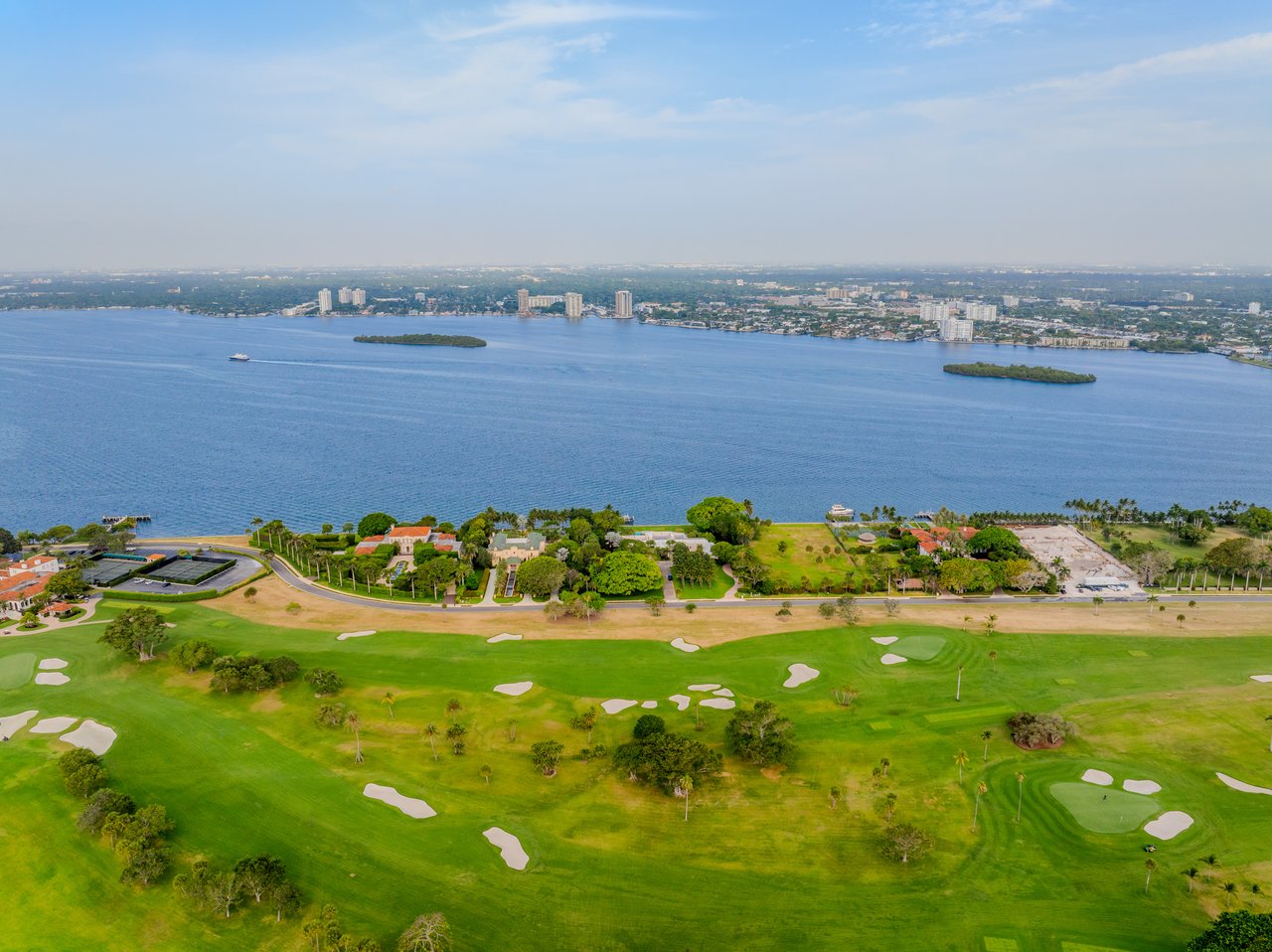
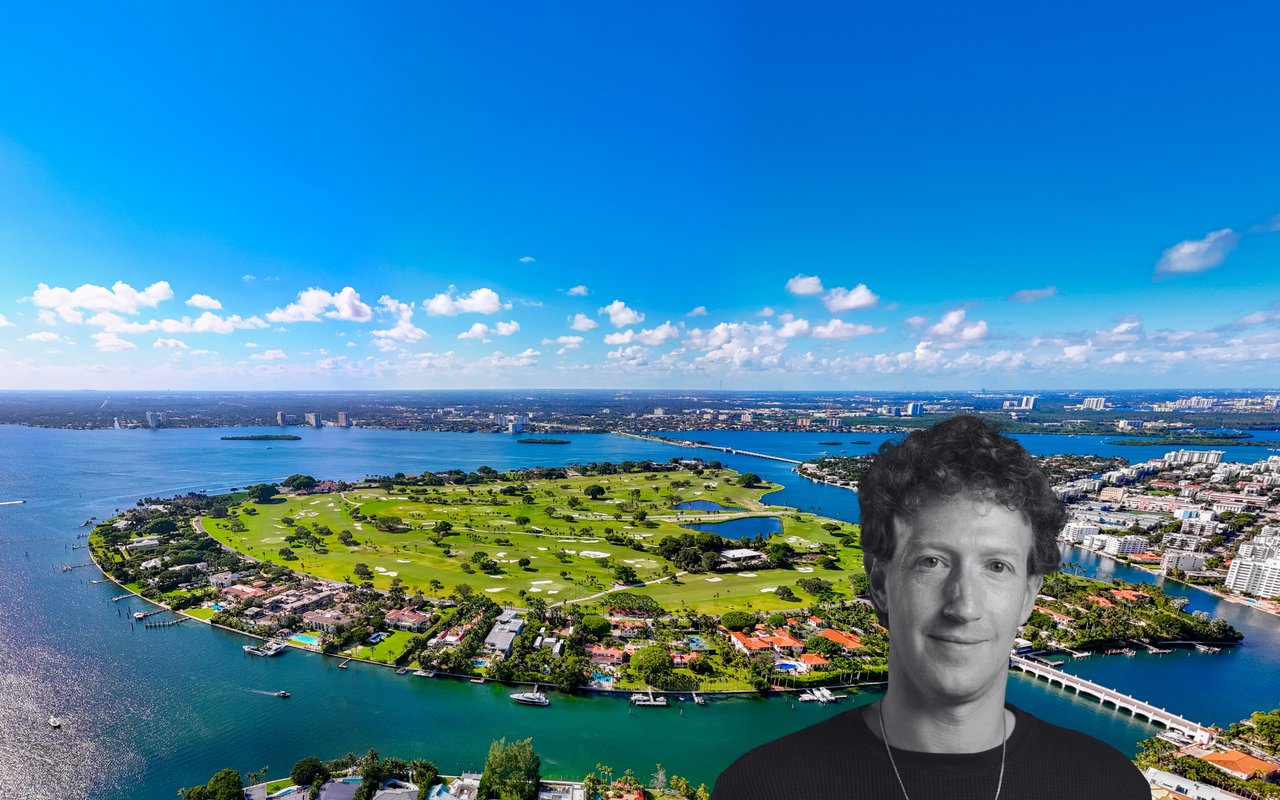
True luxury waterfront means different things across Miami's various neighborhoods. Indian Creek Island offers complete privacy on a small island with limited homes and its own security. Star Island provides homes where residents maintain discretion behind security and mature landscaping.
The Premier Luxury Waterfront Neighborhoods
Indian Creek Island represents exceptional exclusivity. This island hosts only several dozen home sites, each with bay frontage and private docks. The island maintains its own security. Properties rarely come to market.
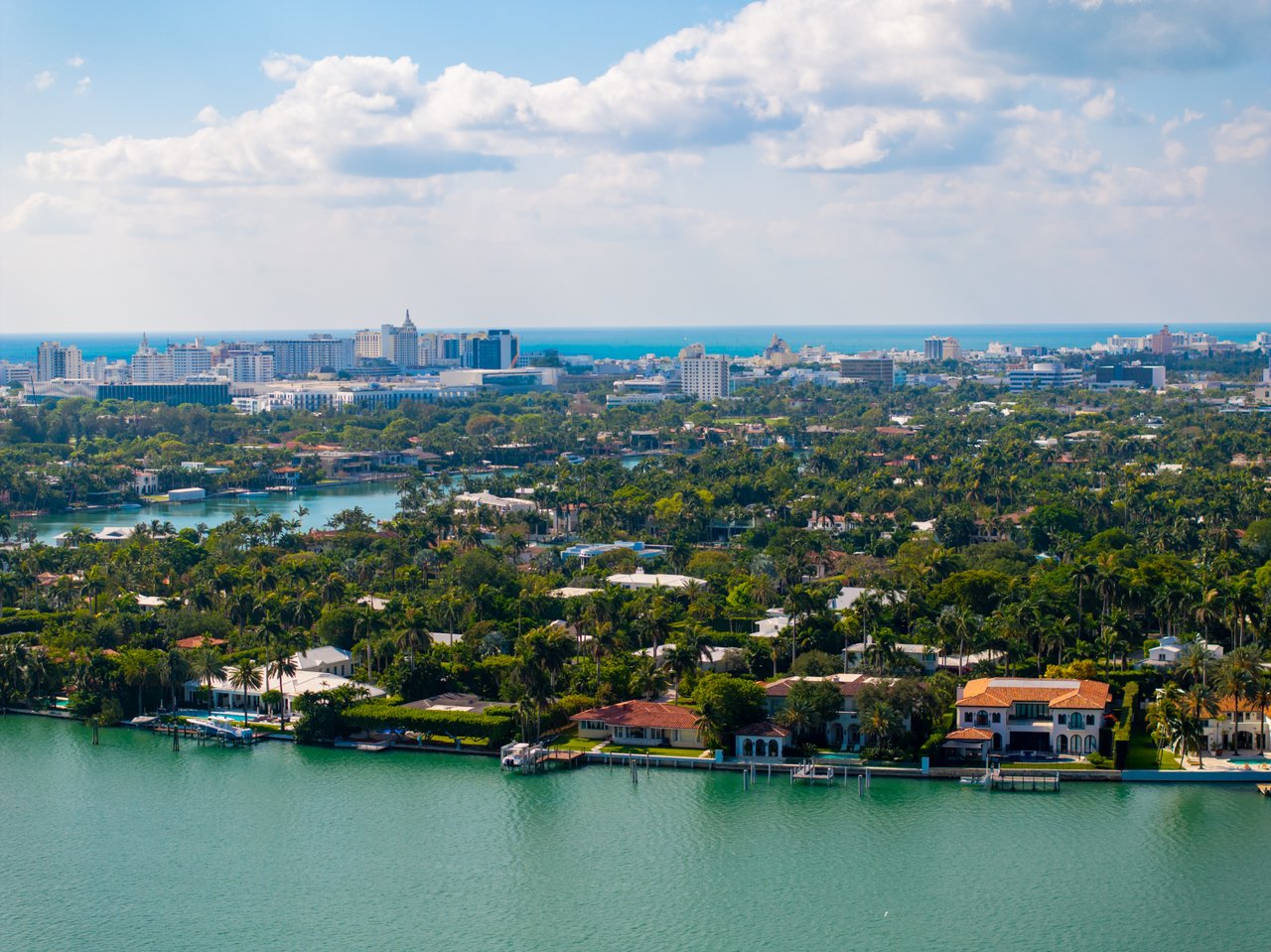
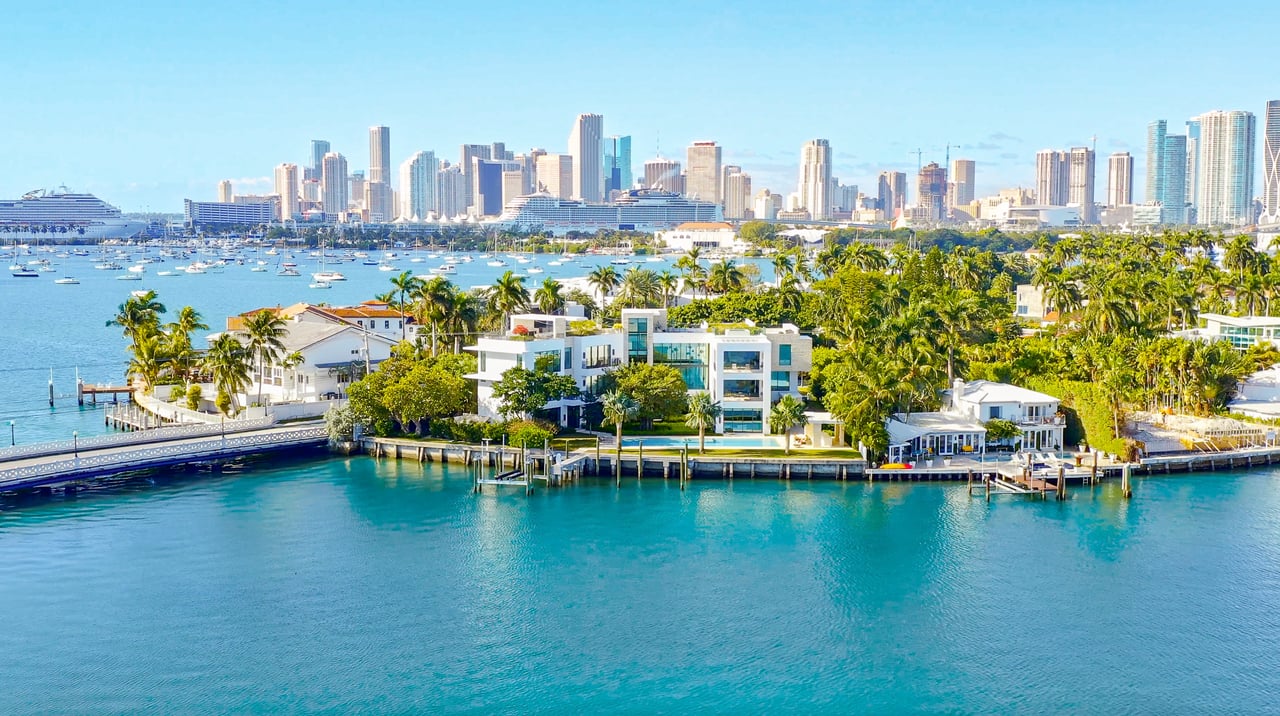
Star Island sits in Biscayne Bay between Miami Beach and downtown. The island offers waterfront estates, many owned by notable figures who value proximity to South Beach combined with residential privacy. The single bridge access creates natural security.
Fisher Island operates as a private island accessible only by ferry or private boat. The community includes condos, villas, and estate homes. Residents enjoy a private beach club, golf course, tennis facilities, and marina.
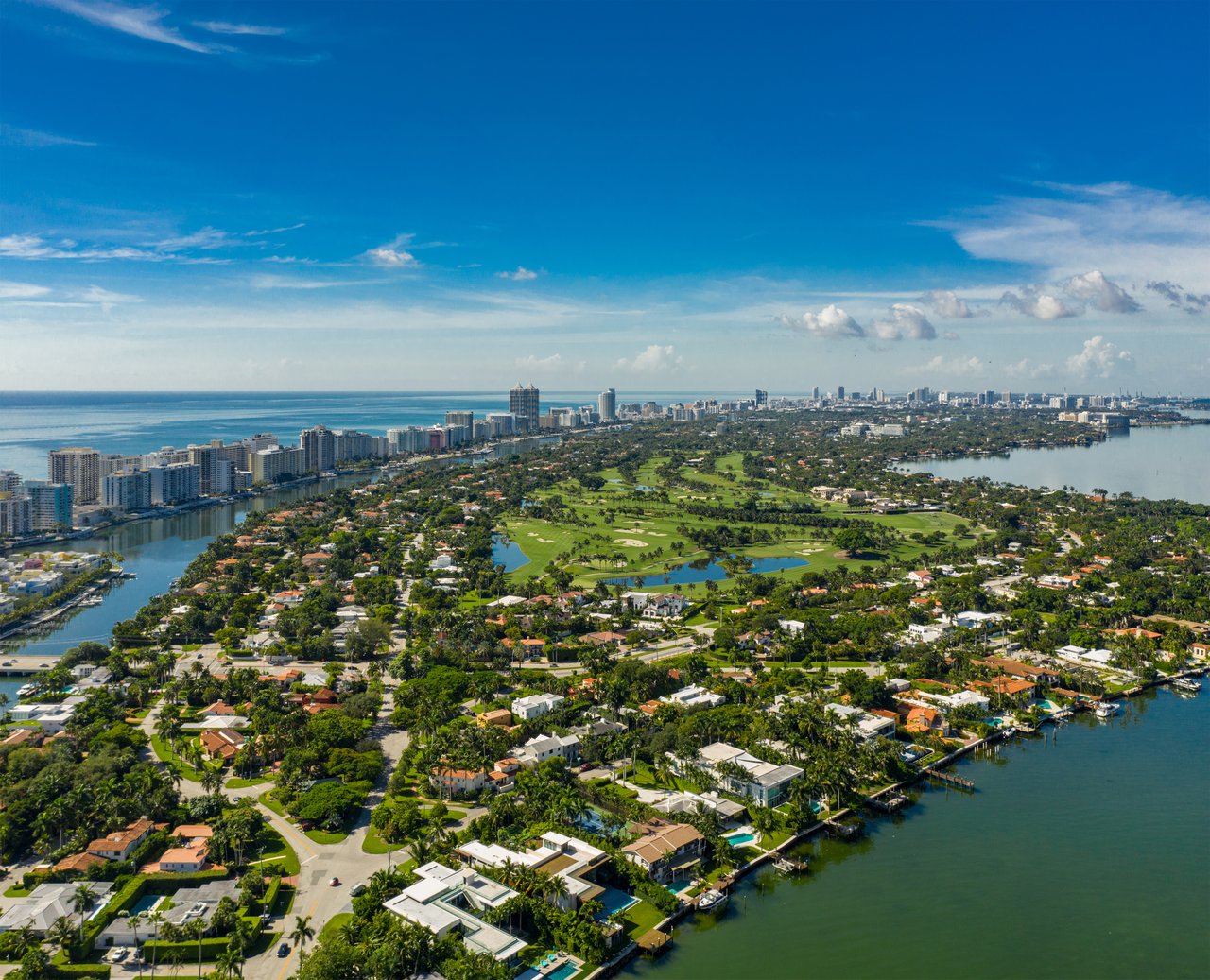
Gables Estates in Coral Gables provides established elegance. This gated waterfront community features substantial lots, mature landscaping, and architecturally significant homes. The deep-water access accommodates large vessels.
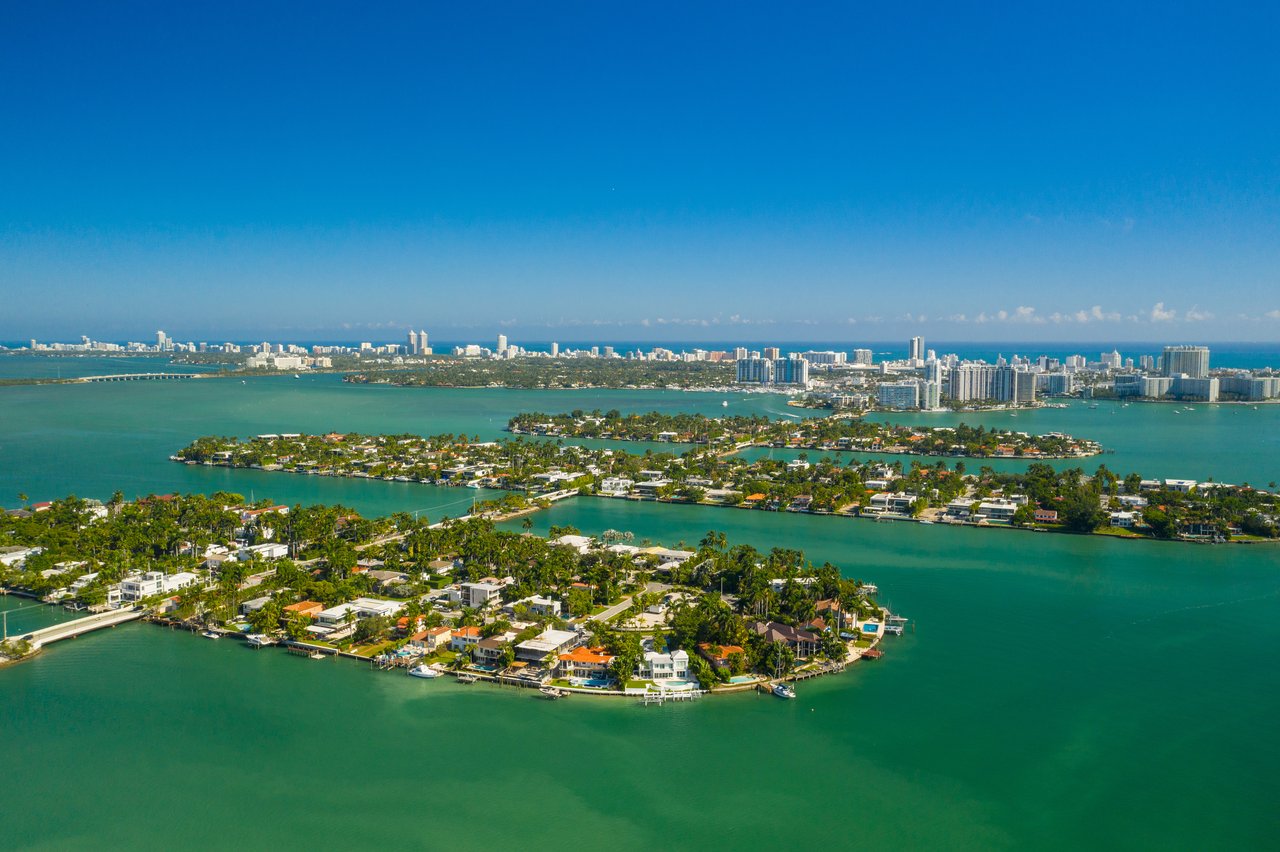
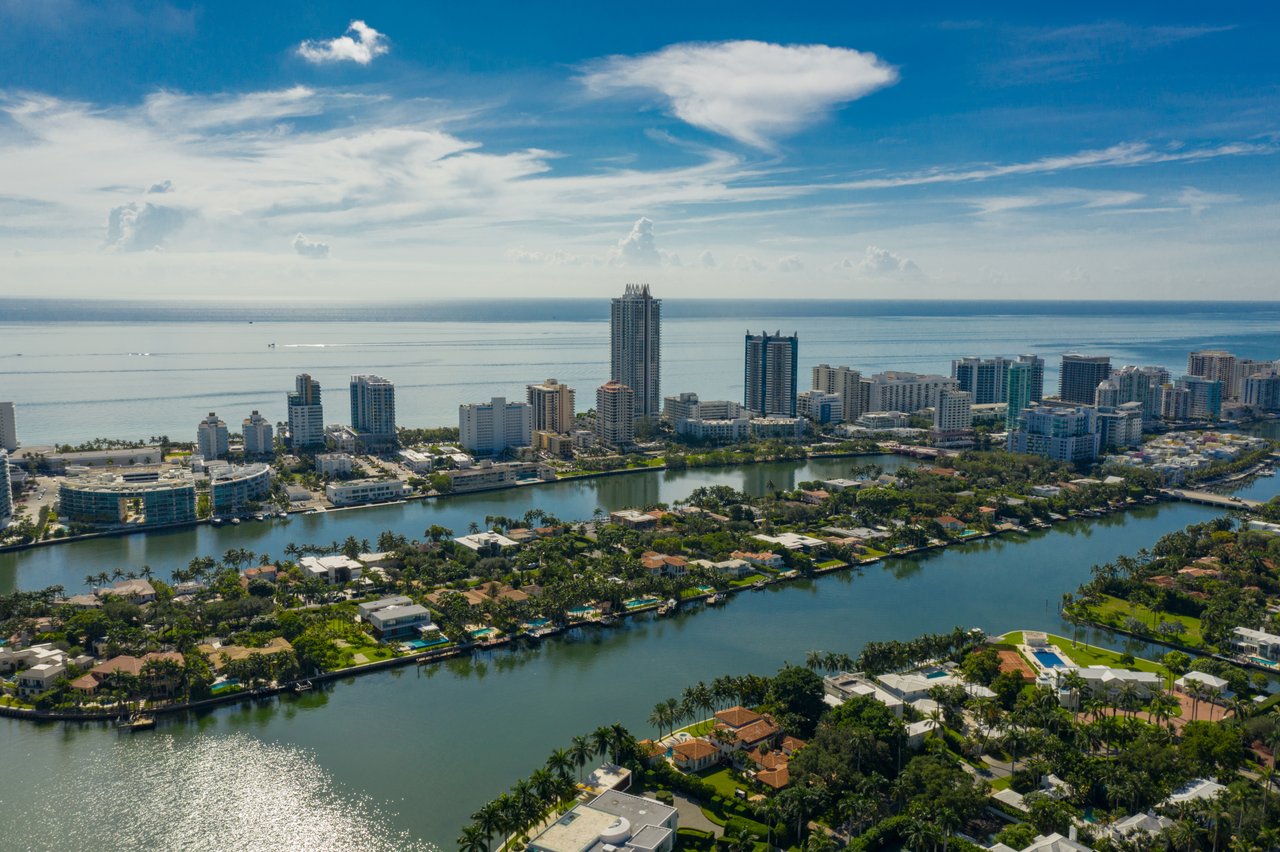
The Venetian Islands stretch between Miami and Miami Beach, connected by the Venetian Causeway. These islands offer waterfront living with character ranging from historic Mediterranean estates to contemporary designs.
What Defines Luxury in Miami's Waterfront Context
Private marina access distinguishes luxury properties. The ability to dock a large yacht directly at your home adds significant value. Properties with unlimited bridge clearance command premiums because they accommodate vessels of any size.
Architectural significance matters in luxury transactions. Homes designed by recognized architects or featuring historically important styles often hold value better. Mediterranean Revival estates and contemporary architectural masterpieces both command attention.
Security and privacy drive luxury buyer decisions. Gated communities, island locations, substantial setbacks, mature landscaping, and controlled access all contribute to privacy value.
Exclusivity creates inherent scarcity. Communities that limit access, restrict new construction, or maintain high standards among residents benefit from exclusivity value.
What Miami Waterfront Neighborhoods Are Most Desirable for Homebuyers?
Desirability extends beyond pure luxury pricing. The most desirable neighborhoods combine quality of life factors with strong real estate fundamentals. They offer walkability, dining, culture, and community character that makes daily life enjoyable.
Edgewater has emerged as a dynamic neighborhood for buyers seeking modern development. The area features new high-rise developments with contemporary amenities, accessible pricing compared to some other waterfront areas, and improving walkability. Buyers here typically include young professionals and international investors.
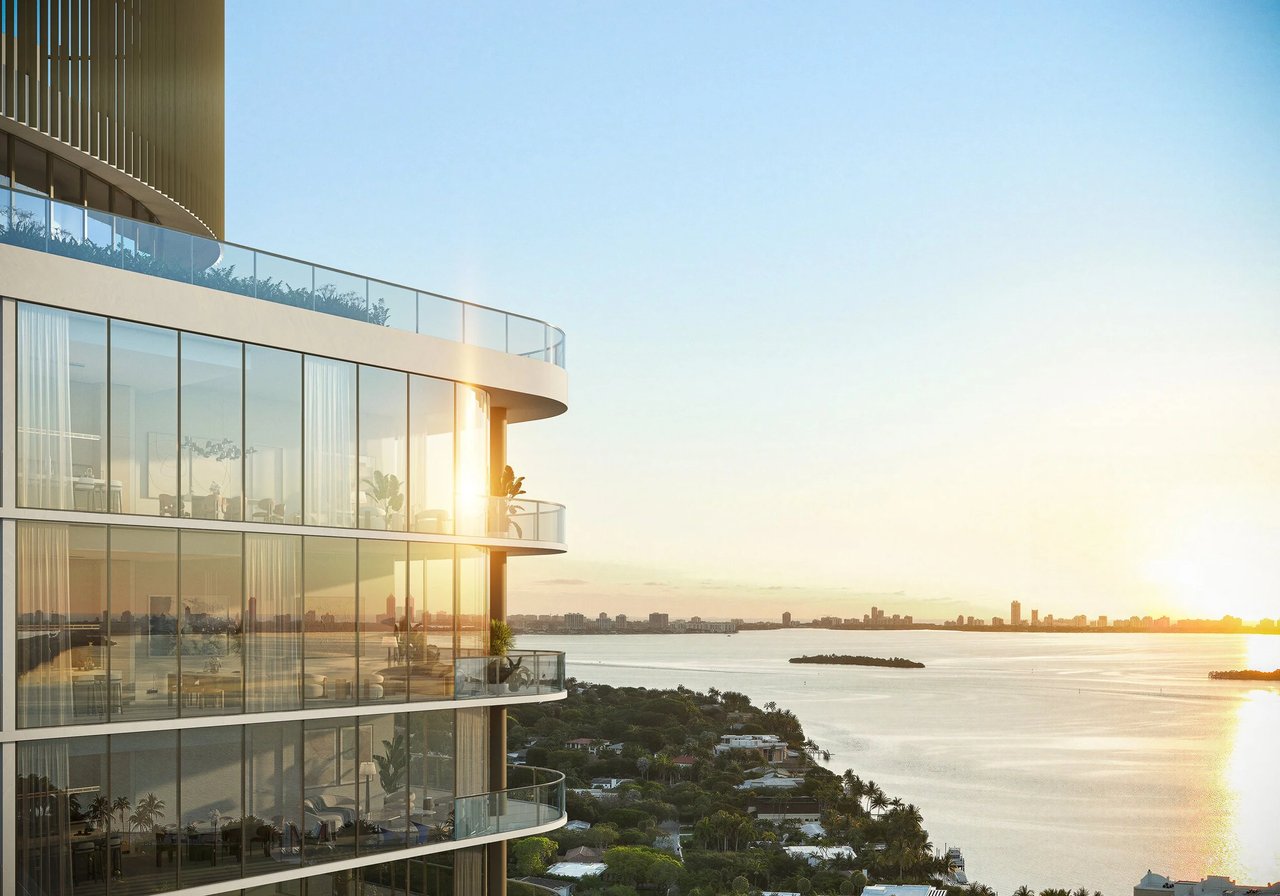
Brickell Key offers urban energy with island setting. This man-made island sits in Biscayne Bay connected to Brickell by a bridge. The community includes luxury high-rise condos offering water views and resort-style amenities. The location provides proximity to downtown offices while maintaining residential character. Buyers typically include executives, professionals, and international business owners.
Coconut Grove provides village charm with cultural sophistication. This is Miami's oldest continuously inhabited neighborhood. Tree-lined streets, independent restaurants, sailing clubs, and community events create distinctive character. Waterfront properties include bayfront estates and marina-adjacent condos. Buyers tend to be families and established professionals who value character.
Key Biscayne delivers island living with family focus. This barrier island offers beaches, highly rated schools, outdoor recreation, and small-town atmosphere despite proximity to downtown Miami. Properties include beachfront condos, bay-front estates, and interior homes near beaches. Buyers are predominantly families with school-age children and active retirees.
Bay Point in Miami Beach provides gated exclusivity. This waterfront community sits on the western shore of Miami Beach with bay views toward downtown. Single-family homes on larger lots offer privacy and space. Buyers include families seeking Miami Beach addresses with yards and executives wanting waterfront homes with downtown access.
Bal Harbour represents refined luxury. This village maintains strict standards, well-maintained public spaces, and upscale shopping. Beachfront and bay-front condos attract international buyers and retirees who want world-class amenities.
What Are the Best Waterfront Neighborhoods Based on Location?
Your starting location shapes which waterfront neighborhoods make practical sense for daily life. Commute times, school districts, and lifestyle compatibility all depend on geography.
Downtown and Brickell Area
If you work downtown or in Brickell, neighborhoods within the urban core make sense. Brickell Key offers short commutes with island setting. Edgewater sits minutes north with convenient airport access. Downtown waterfront provides walking distance to Financial District offices.
These neighborhoods work for professionals who prioritize career proximity. You eliminate commutes. You accept higher density in exchange for convenience.
Miami Beach and Barrier Islands
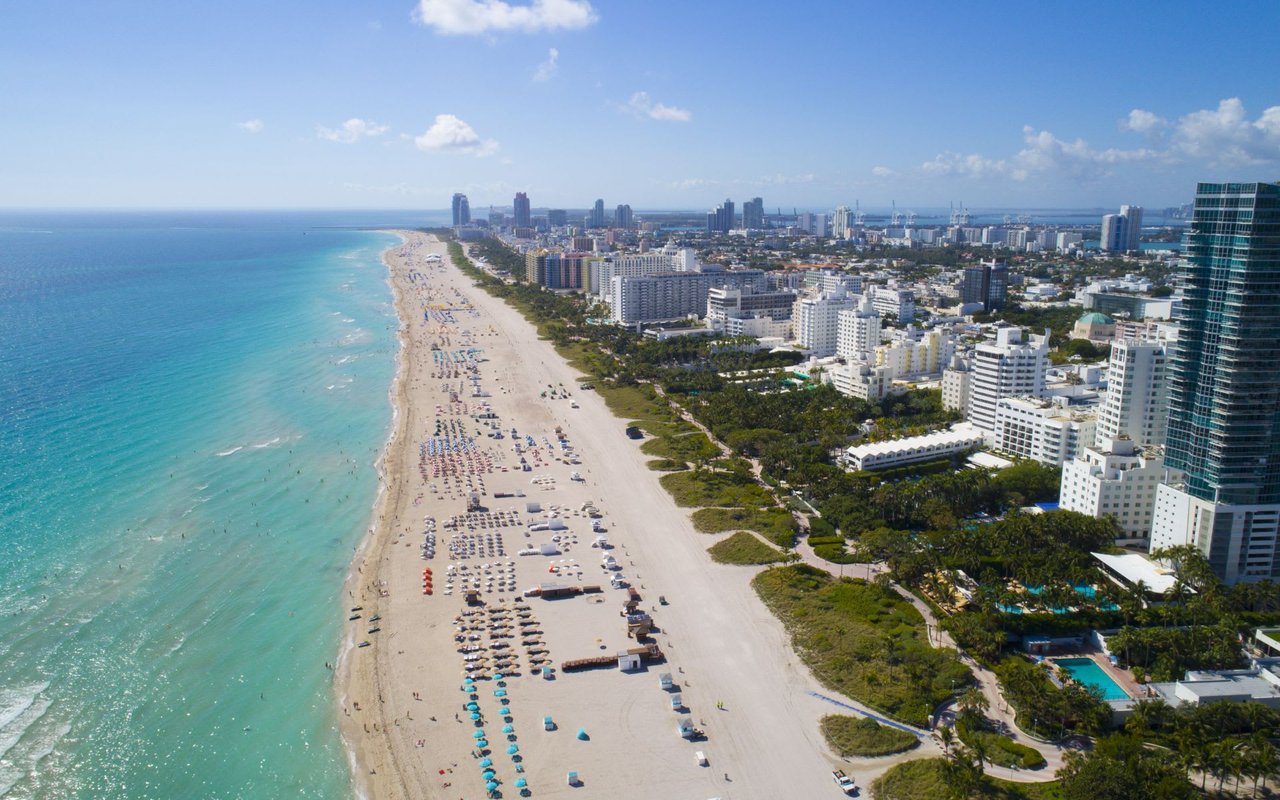
Miami Beach operates as its own ecosystem. Living here means embracing island life with beach culture and bridge-dependent access to the mainland. South Beach delivers nightlife and Art Deco architecture. Mid-Beach offers family-friendly beaches with improving walkability. North Beach provides more affordable entry points.
Venetian Islands and Sunset Islands offer Miami Beach addresses with more privacy. These island communities provide single-family homes rather than just high-rise condos.
The consideration is commute time. Getting to downtown Miami or Coral Gables means bridge traffic during peak hours. This works for buyers who work from home, own businesses with flexible schedules, or prioritize beach lifestyle.
South Miami and Coral Gables Area
Coconut Grove anchors the south-central waterfront. This neighborhood provides balance of urban amenities and residential character. You get village walkability, excellent schools, and bay access.
Coral Gables waterfront offers traditional elegance. These neighborhoods work for established families and executives who want prestigious addresses with top schools.
North Miami Corridor
Upper Eastside, Morningside, and Bay Point provide more accessible waterfront pricing. These areas offer bay views and water access at lower price points than Brickell or Coconut Grove.
The consideration is less established amenities and ongoing neighborhood evolution. Some areas show significant investment while others remain transitional.
Which Miami Neighborhoods Offer the Best Views and Water Access?
Water views and water access represent two distinct features. Many properties offer beautiful views without providing boat access. Other properties include docks but sit on canals without dramatic vistas. Understanding these differences helps you prioritize what matters for your lifestyle.
Ocean Versus Bay Versus Canal
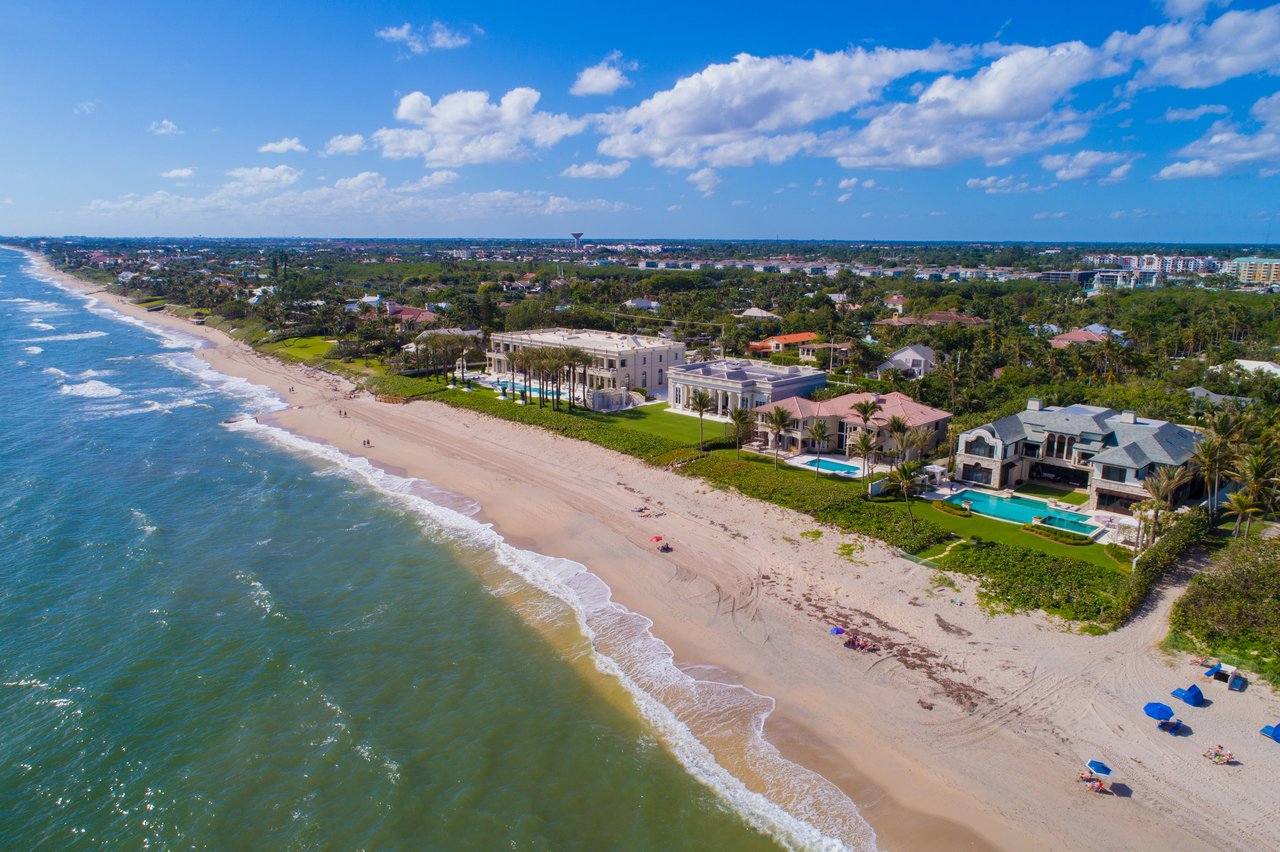
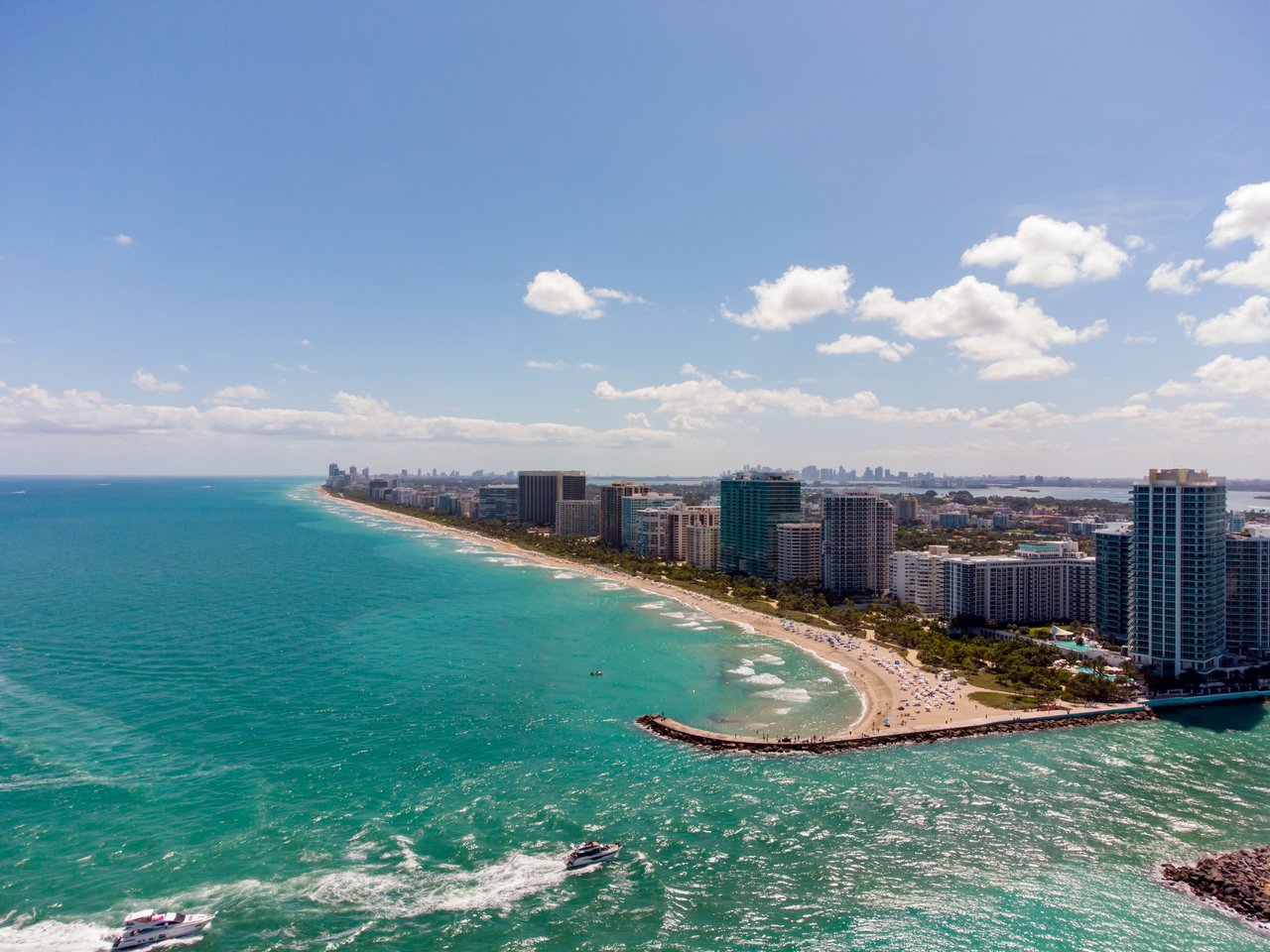
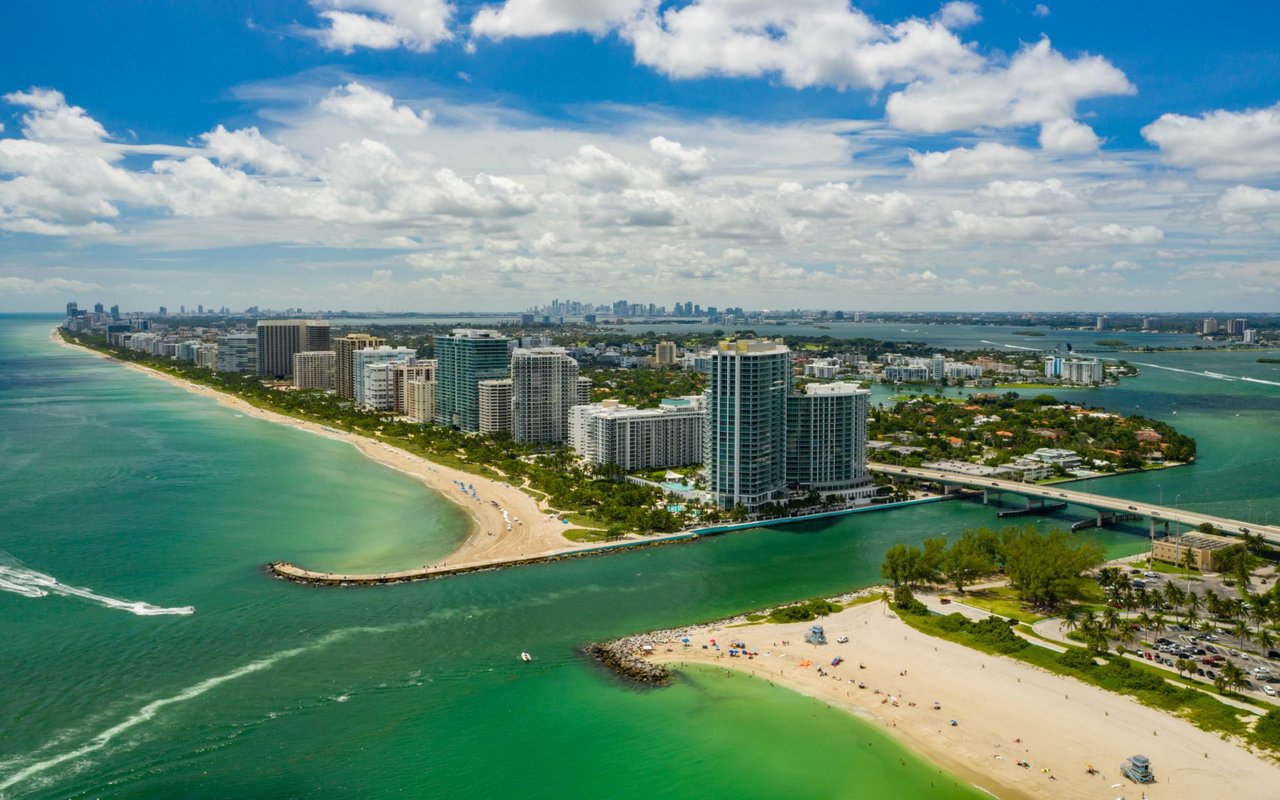
Ocean-front properties provide wave action, beach access, and unobstructed horizons. Miami Beach's eastern shore delivers this experience. Properties face the Atlantic with expansive views. The premium for this positioning is substantial above comparable inland properties.
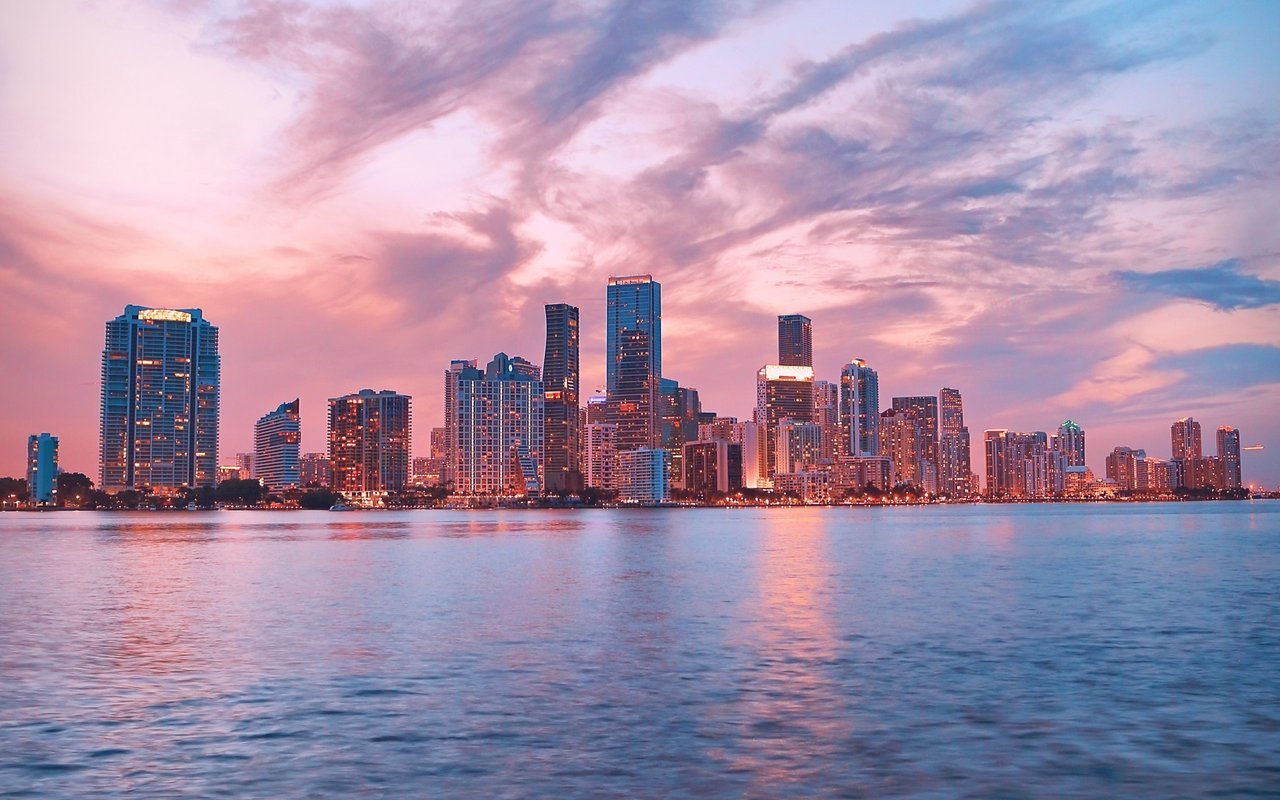
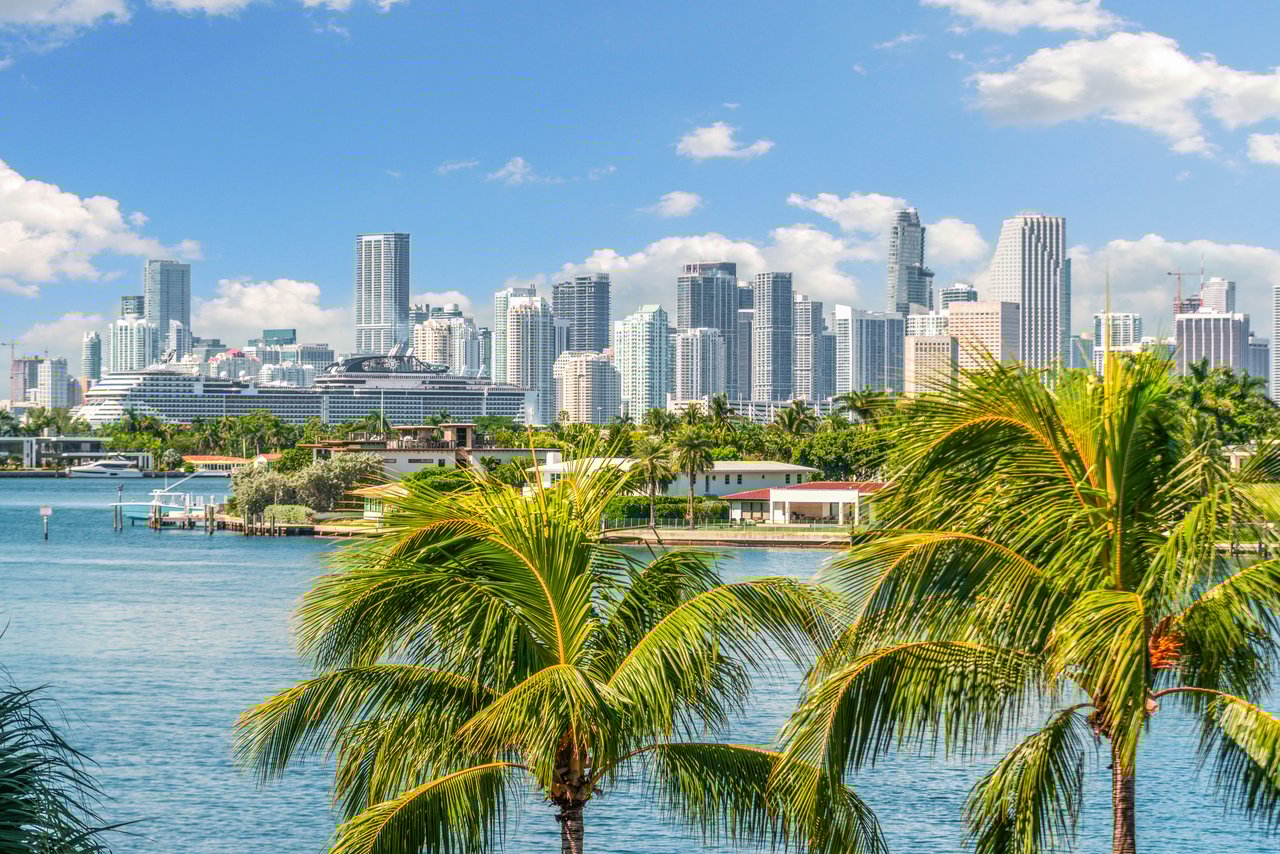
Bay-front properties offer protected waters suitable for paddle boarding, kayaking, and boat usage. Biscayne Bay views showcase the downtown Miami skyline and sunsets. Key Biscayne's western shore, Coconut Grove's waterfront, and Edgewater's bay-front all provide this experience.
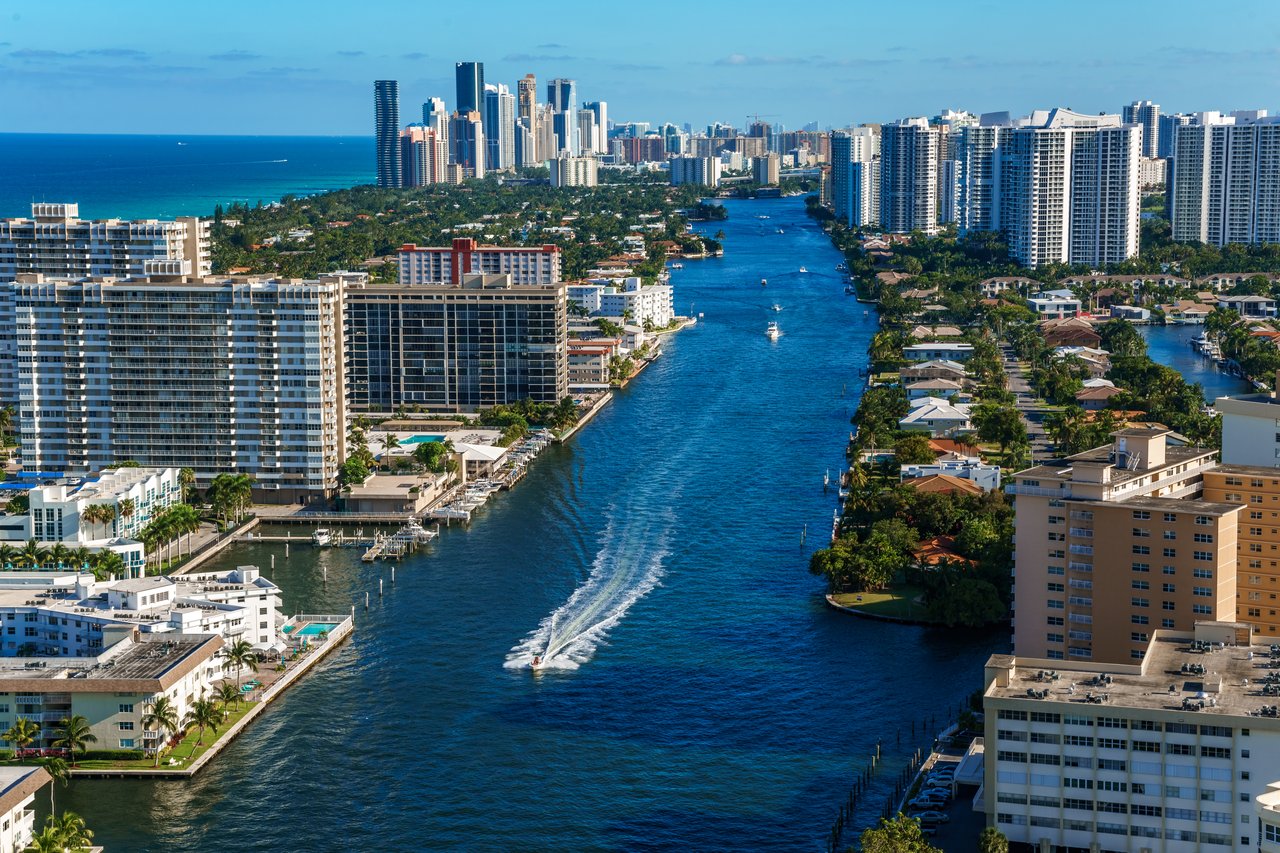
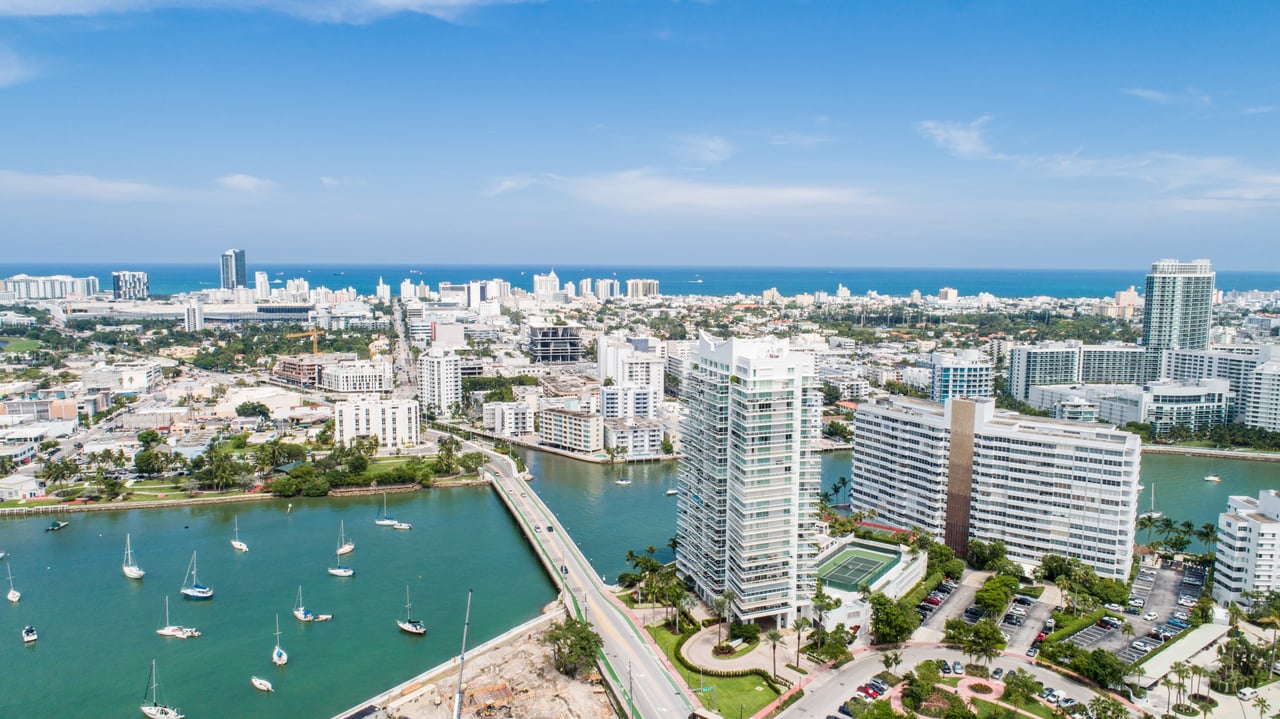
Intracoastal properties line the waterway separating Miami Beach from the mainland. These properties offer boat traffic viewing and protected waters. North Bay Village and some Venetian Islands properties provide this water type.
Canal properties provide boat access with more modest views. Many Coral Gables, Coconut Grove, and Miami Beach properties sit on canals that connect to the bay. You get private docks and water access without paying for dramatic water vistas.
Water Access Types
Private dock with unlimited vessel clearance represents premium access. Your property includes deep-water dockage with fixed bridges or direct ocean routes. You can accommodate large yachts. This access type adds substantial value.
Private dock with bridge height restrictions provides boat access with limitations. Many Brickell and Edgewater properties offer specific clearances that accommodate most recreational vessels but exclude larger yachts. The value premium is significant but less than unlimited access.
Deeded marina slip means you own a specific boat slip in a shared marina facility. Many waterfront condos include deeded slips that transfer with the unit. This provides guaranteed boat storage without maintaining private infrastructure.
Waterfront lot without dock means your property sits on water but includes no boat infrastructure. You enjoy water views and could potentially add a dock with proper permitting.
Water views without access mean you see water from your property but have no boat access or waterfront lot. High-floor condos often provide water views without physical water access.
Maintenance Fees: What to Expect
Maintenance fees represent important ongoing costs for waterfront condo ownership. Many buyers focus on purchase price without adequately budgeting for monthly obligations. Understanding fee structures and what they cover is essential for realistic financial planning.
HOA and Condo Fee Structures
Waterfront condo buildings typically charge monthly fees. A standard unit might carry monthly fees in the range of several hundred to over one thousand dollars depending on building amenities and location. Luxury buildings with extensive amenities trend toward higher fees. Older buildings with fewer amenities trend lower.
Fees cover building insurance, common area maintenance, amenities operation, security, utilities for common areas, landscaping, and reserve fund contributions. Well-managed buildings maintain adequate reserves for major repairs. Buildings that defer maintenance may face special assessments later.
Fee Increases Over Time
HOA fees typically increase annually. Expect increases in well-managed buildings that track with inflation and building aging. Buildings over 20 years old face accelerating maintenance costs as building systems age.
Recent building safety reforms have added costs in many buildings for enhanced structural inspections, repair timelines, and reserve requirements. This trend continues as more buildings undergo mandated inspections.
Single-Family Homes Versus Condos
Single-family waterfront homes generally avoid condo-style HOA fees. Some neighborhoods charge monthly fees for street maintenance, security, and common area upkeep. Many single-family waterfront areas have minimal or no HOA fees.
The consideration is direct responsibility for all maintenance. Seawall repairs, dock replacement, pool resurfacing, and roof replacement all become your responsibility. You control timing and contractors but bear the full financial burden.
What Maintenance Fees Cover
Well-run buildings provide detailed annual budgets showing fee allocation. Common categories include building insurance, staff salaries, utilities for common areas, elevator and mechanical maintenance, landscaping, pool and amenity operation, security systems, and reserve fund contributions.
Buildings that minimize reserve contributions to keep fees artificially low create future financial risk. Adequate reserve funding is essential for long-term building health.
|
Property Type |
Monthly HOA |
Key Cost Drivers |
|
Older Waterfront Condo |
$500–$800 |
Insurance, maintenance |
|
Luxury Condo |
$1,000–$2,000+ |
Staff, marina, amenities |
|
Single-Family Home |
$0–$300 |
Security, road upkeep |
|
Dock Maintenance |
Varies |
Seawall, pilings |
Resale Value Trends in Miami's Waterfront Neighborhoods
Understanding historical appreciation helps evaluate future potential. While past performance doesn't guarantee future results, certain neighborhoods demonstrate consistent value appreciation across market cycles.
Coconut Grove and Key Biscayne show strong combinations of appreciation and stability. Both neighborhoods benefit from development limits, family-oriented buyer profiles, and genuine scarcity. Even during market downturns, these areas have shown relatively modest corrections before recovering.
Edgewater demonstrates notable appreciation but with higher volatility. Rapid development and transformation created significant gains but also exposes the neighborhood to supply considerations during market shifts.
Coral Gables shows remarkably stable performance alongside steady appreciation. The neighborhood's established character, strict zoning, premium schools, and established buyer base all contribute to stability.
Miami Beach exhibits volatility alongside strong long-term appreciation. The neighborhood's tourism exposure, international buyer concentration, and luxury market focus all amplify market cycles.
Factors Driving Resale Strength
Development restrictions protect existing property owners from new competition. Coral Gables, Coconut Grove, and Key Biscayne all maintain strict zoning that limits new construction. This creates supply constraints.
International buyer demand provides diversified buyer base. Brickell and Miami Beach attract significant international capital. When domestic buyers pull back, international buyers often maintain interest.
Infrastructure improvements signal community investment. Areas receiving significant infrastructure upgrades tend to see value support.
School district strength attracts family buyers who hold properties longer. Families often buy based on school zones and resist moving during market uncertainty. Coral Gables and Key Biscayne benefit from this dynamic.
Walkability trends favor urban waterfront locations. Younger buyers increasingly prioritize walkable neighborhoods. Brickell and Edgewater benefit from this preference.
Rental Yields: Investment Returns in Miami Waterfront Properties
Rental income potential varies across Miami's waterfront neighborhoods. Some areas deliver strong cash flow. Others produce modest income but offer appreciation potential. Understanding these dynamics helps align property selection with investment goals.
Edgewater delivers competitive yields for both long-term and short-term rentals where permitted. The neighborhood attracts young professionals seeking modern amenities and urban lifestyle. Rental demand remains strong. Purchase prices support yield calculations.
Brickell produces solid yields with professional renter profiles. Corporate relocations, finance professionals, and international assignments create demand. Long-term rental demand stays strong. Short-term rental restrictions in many buildings limit vacation rental potential.
Miami Beach offers high short-term rental potential but also vacancy considerations. Tourist demand drives short-term rates where permitted. However, seasonal patterns, regulation complexity, and management requirements all factor into investment decisions. Long-term rental yields reflect high purchase prices.
Coconut Grove and Coral Gables single-family homes produce modest yields. Families who rent these properties pay premium rents but purchase prices are also high. These properties often work better for owner-occupants or appreciation-focused strategies.
Short-Term Rental Regulations
Miami Beach restricts short-term rentals with minimum stay requirements in most residential zones. This limits vacation rental potential in many Miami Beach condos. Always verify building-specific rules.
Brickell buildings mostly prohibit or restrict short-term rentals through HOA rules. Even if city regulations permit short-term rentals, your building may prohibit them. Review condo documents carefully.
Edgewater remains more permissive in some cases. However, individual buildings maintain their own rules. Always verify building rules before purchase.
Coral Gables prohibits short-term rentals in single-family residential zones. The city enforces these rules actively.
Key Biscayne requires minimum rental periods. This allows certain rental arrangements but eliminates weekend vacation potential.
Long-Term Rental Demand
Vacancy rates below 5% typically indicate healthy rental markets. Rates above that level may suggest supply-demand imbalances.
Coral Gables and Coconut Grove show low vacancy rates. Strong schools, family-friendly character, and limited rental inventory support landlord-favorable conditions. Tenants stay longer in these neighborhoods.
Edgewater maintains reasonable vacancy rates despite new development. The neighborhood's improving walkability and urban amenities attract steady renter interest.
Brickell's vacancy rates reflect new supply entering the market. Landlords face more competition currently.
Miami Beach's vacancy reflects the neighborhood's luxury pricing and international exposure.
Are Waterfront Properties More Expensive?
Waterfront properties in Miami command substantial premiums over comparable inland homes. The exact premium depends on water type (ocean, bay, canal), access quality (private dock, marina slip, views only), and neighborhood prestige.
Price Premium Reality
An inland single-family home in Coconut Grove costs significantly less than comparable square footage with bay frontage and private dock. The same square footage on a canal with dock access falls somewhere between. Water views without access add more modest premiums.
Miami Beach oceanfront condos cost substantially more than comparable Brickell condos without beach access. The premium scales with overall property value.
Value Proposition
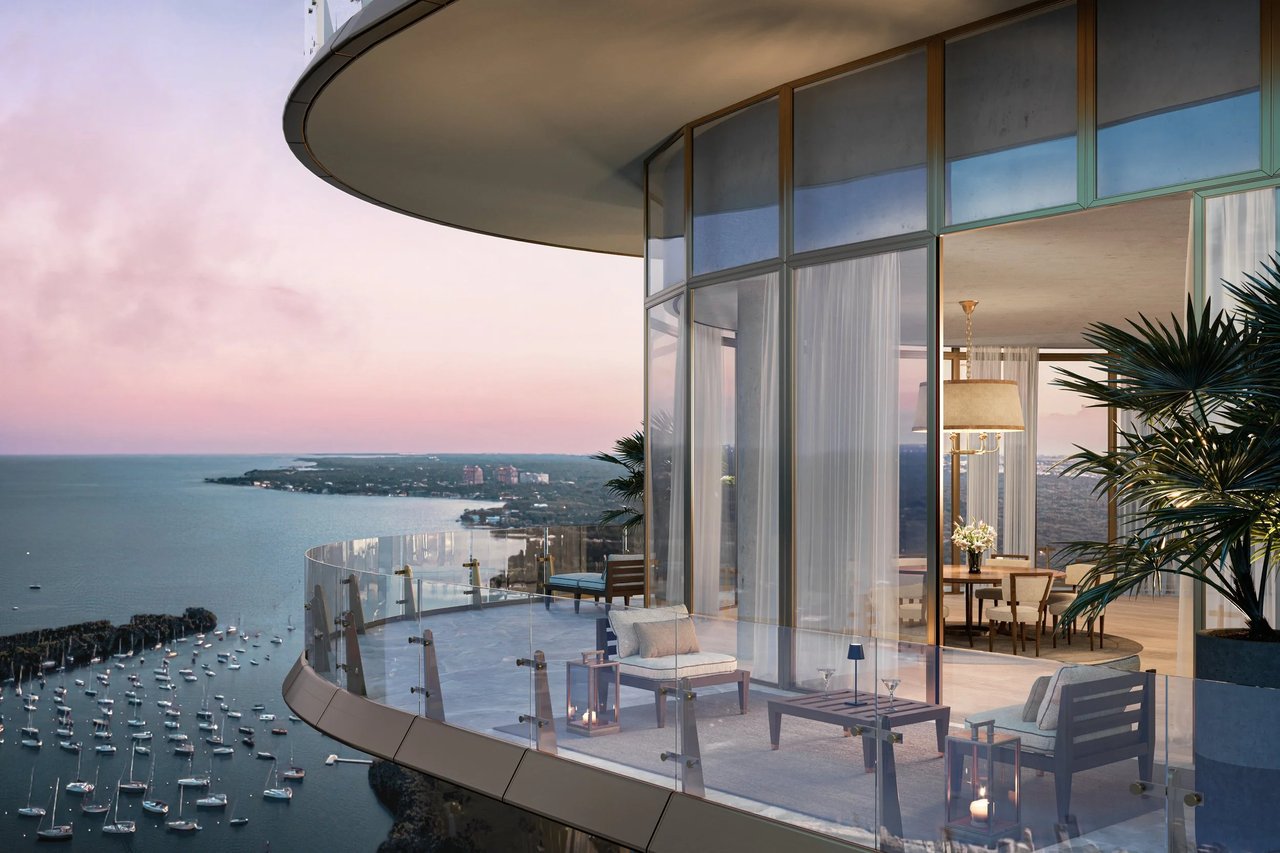
The premium you pay for waterfront delivers value in multiple ways. For owner-occupants, the daily experience of waking up to water views, walking to your boat, and enjoying sunset perspectives from your terrace creates quality-of-life benefits that transcend financial calculations. You're paying for how you live, not just where you live.
The financial case supports the lifestyle case. Waterfront properties have historically appreciated faster than inland equivalents over full market cycles. This means the premium you pay upfront often gets offset by stronger appreciation over time. You're not just spending more. You're investing in an asset class that has consistently outperformed.
If you're considering rental income, that same premium works in your favor. Waterfront properties command higher rents that reflect their waterfront positioning. The premium you pay when buying translates directly to premium income when leasing.
Perhaps most importantly, waterfront properties attract diverse buyer pools that create demand stability. International buyers, domestic relocators, families seeking lifestyle, investors seeking returns, they all compete for limited waterfront inventory. While prices fluctuate with market conditions, waterfront properties typically maintain strong buyer interest even during broader market softness.
Total Cost of Ownership
Waterfront ownership includes costs that inland properties avoid. Flood insurance varies based on elevation and flood zone. Seawall maintenance becomes necessary for single-family homes over time. Dock repairs and marina fees add ongoing expenses.
Hurricane insurance costs more for coastal properties. Wind mitigation features can reduce premiums, but waterfront properties face inherently higher risk.
HOA fees in waterfront buildings include marina maintenance, seawall upkeep, and coastal-specific expenses. Expect waterfront building fees to exceed comparable inland buildings.
Property taxes reflect assessed values. Your tax bill reflects your property value, not the tax rate itself.
Work With Miami's Waterfront Specialist
Finding the right waterfront property requires insider knowledge that goes beyond online listings. Which buildings have fully funded reserves? Which neighborhoods enforce short-term rental bans? Where are bridge restrictions actually limiting your boating access? These details make the difference between a smart purchase and an expensive learning experience.
I've specialized in Miami waterfront real estate for over two decades. My clients benefit from relationships with building managers, detailed cost-of-ownership analyses, and honest assessments of which properties truly match their goals. You're not just getting access to listings. You're getting decades of expertise in Miami's most complex real estate segment.
Ready to explore Miami's waterfront with a true specialist? Schedule your consultation and let's find the property that matches both your lifestyle and investment objectives. No generic advice. No cookie-cutter recommendations. Just honest expertise from someone who lives and breathes Miami waterfront real estate.
FAQ Section
What are the best waterfront neighborhoods near me?
The top waterfront neighborhoods within proximity of downtown Miami include Brickell Key, Edgewater, and Coconut Grove, each offering distinct advantages in pricing, amenities, and water access.
Are waterfront properties more expensive?
Waterfront properties in Miami command substantial premiums over comparable inland homes, with price differences ranging from moderate amounts for canal access to significant premiums for ocean-front estates.
What's the best neighborhood for waterfront living?
Miami offers diverse waterfront options rather than traditional lakefront living, with neighborhoods like Coral Gables waterways and Miami Beach's islands providing protected water access with various lifestyle benefits.
How safe are waterfront neighborhoods?
Miami's established waterfront neighborhoods generally rank favorably for safety, with areas like Coral Gables, Key Biscayne, and Bal Harbour reporting strong safety records.
Do waterfront homes come with private docks or beach access?
Single-family waterfront homes typically include private docks where permitted, while condos usually offer deeded marina slips or shared facilities rather than individual boat access.
What's the school district like in these areas?
Coral Gables, Coconut Grove, and Key Biscayne feature highly rated public schools, while other waterfront neighborhoods offer good schools supplemented by numerous private school options.
Are there HOA fees or flood insurance requirements?
Waterfront condos charge monthly HOA fees based on square footage and amenities, while all waterfront properties require flood insurance with costs varying based on elevation and flood zone designation.
Which coastal areas offer the best lifestyle?
Miami Beach leads for nightlife and walkability, Coral Gables excels for families and schools, Coconut Grove offers village charm with boating culture, and Key Biscayne provides island tranquility with outdoor recreation.
Can I find affordable homes near the water?
Entry-level waterfront access exists in neighborhoods like North Miami, Little River, and North Bay Village, primarily for condos with water views or canal access rather than direct ocean-front.