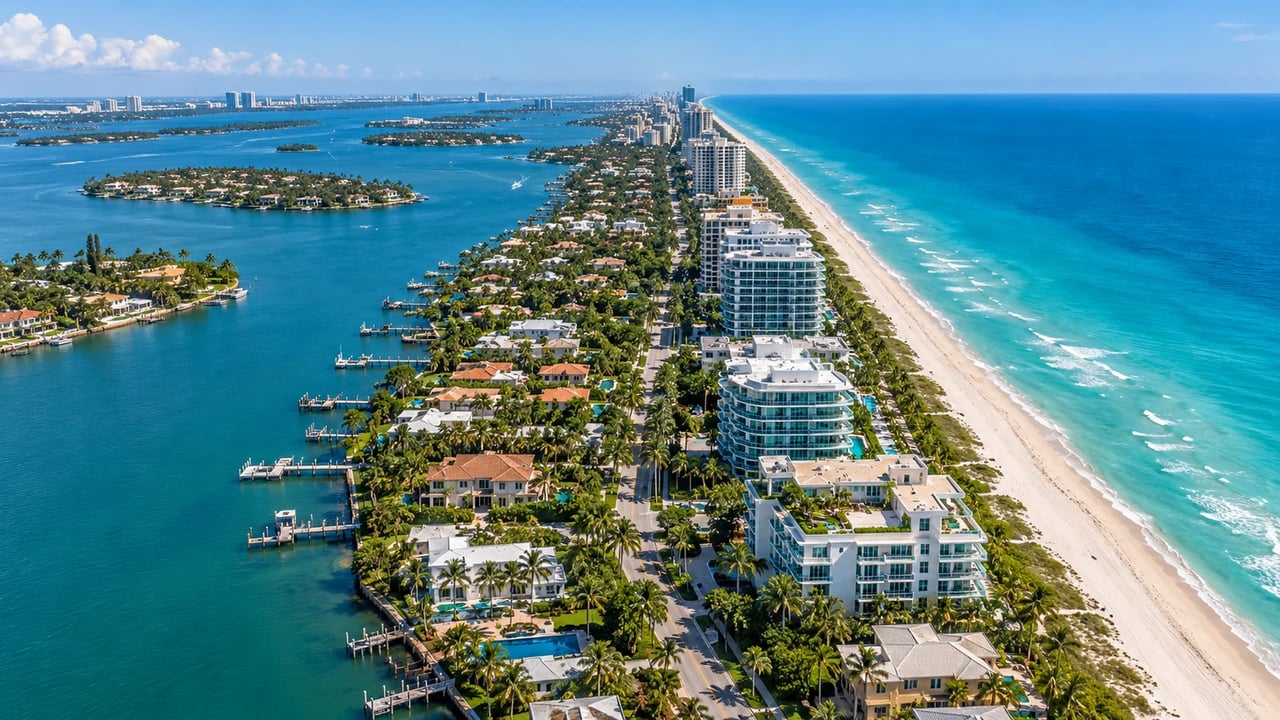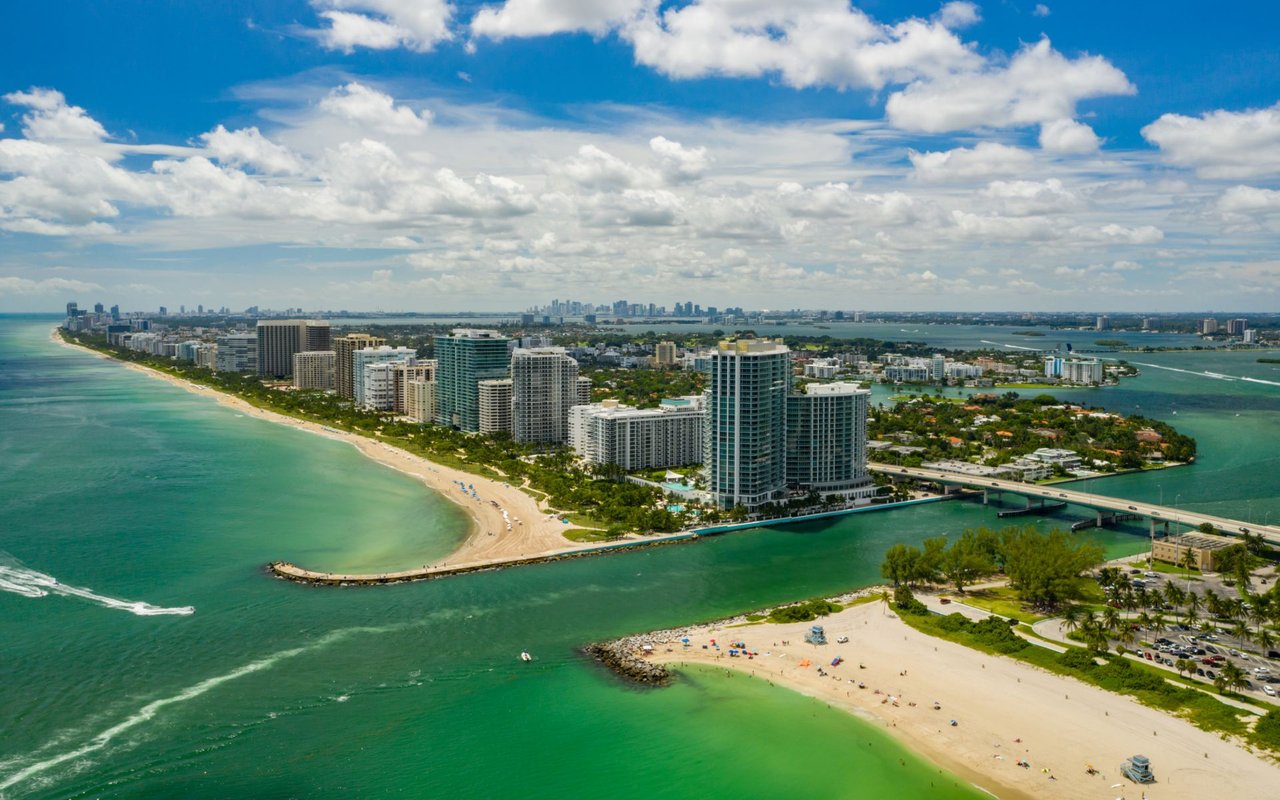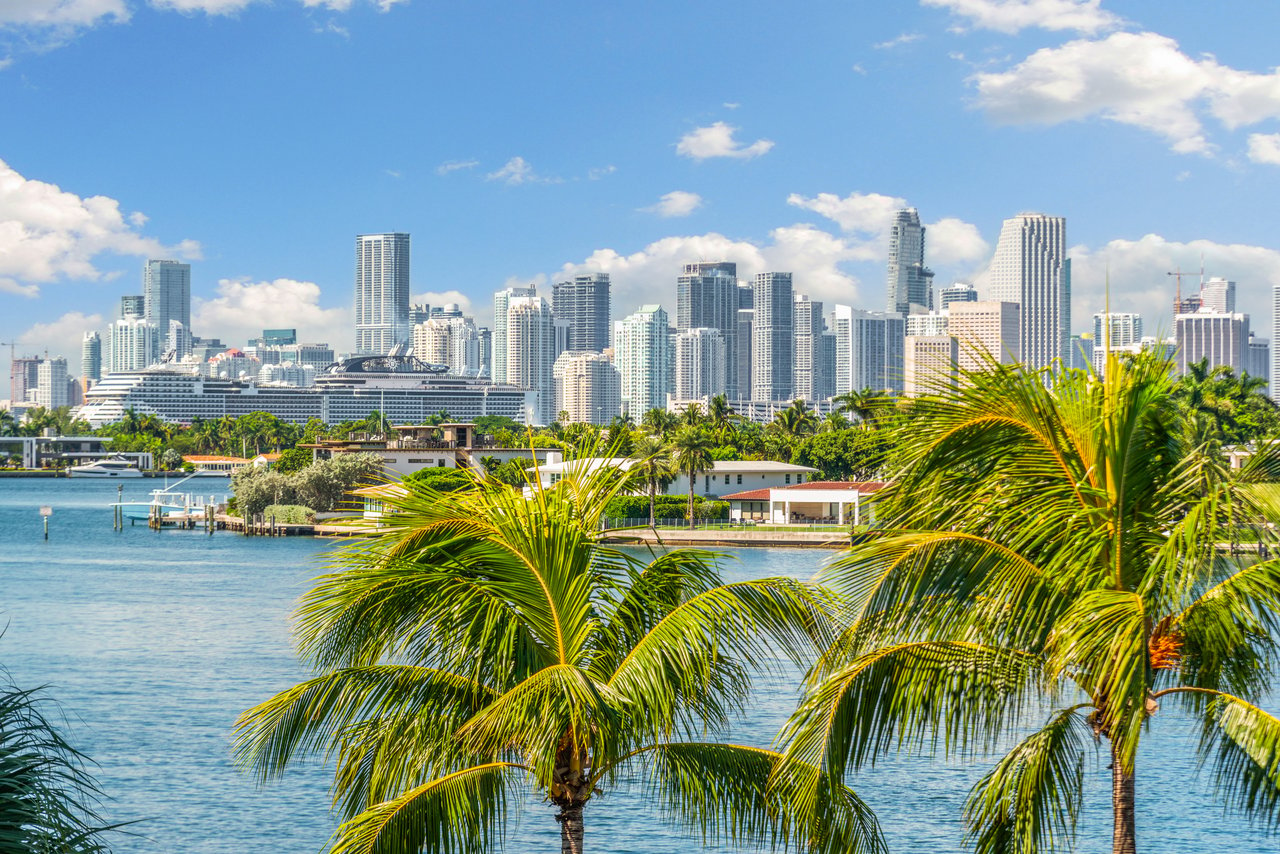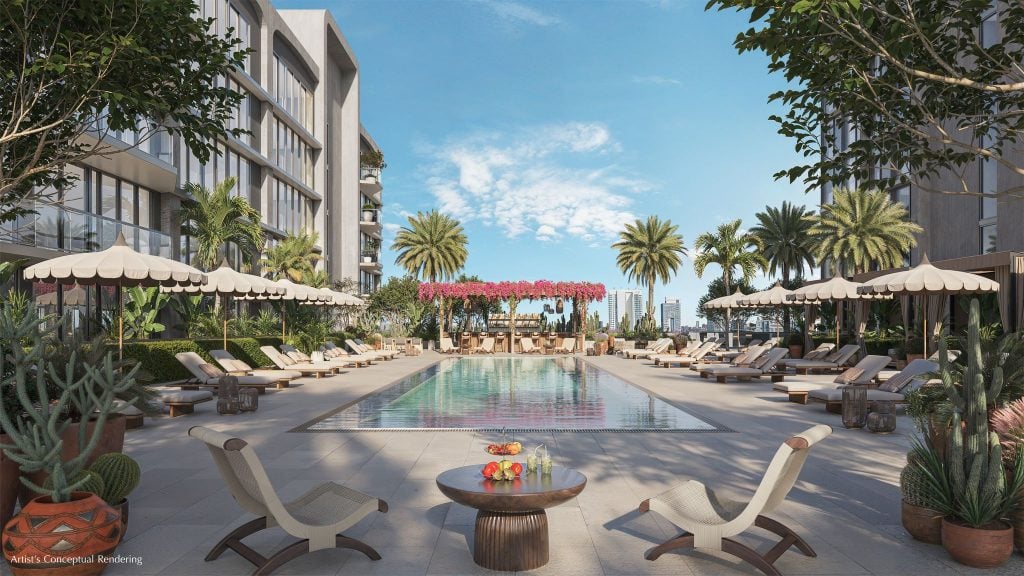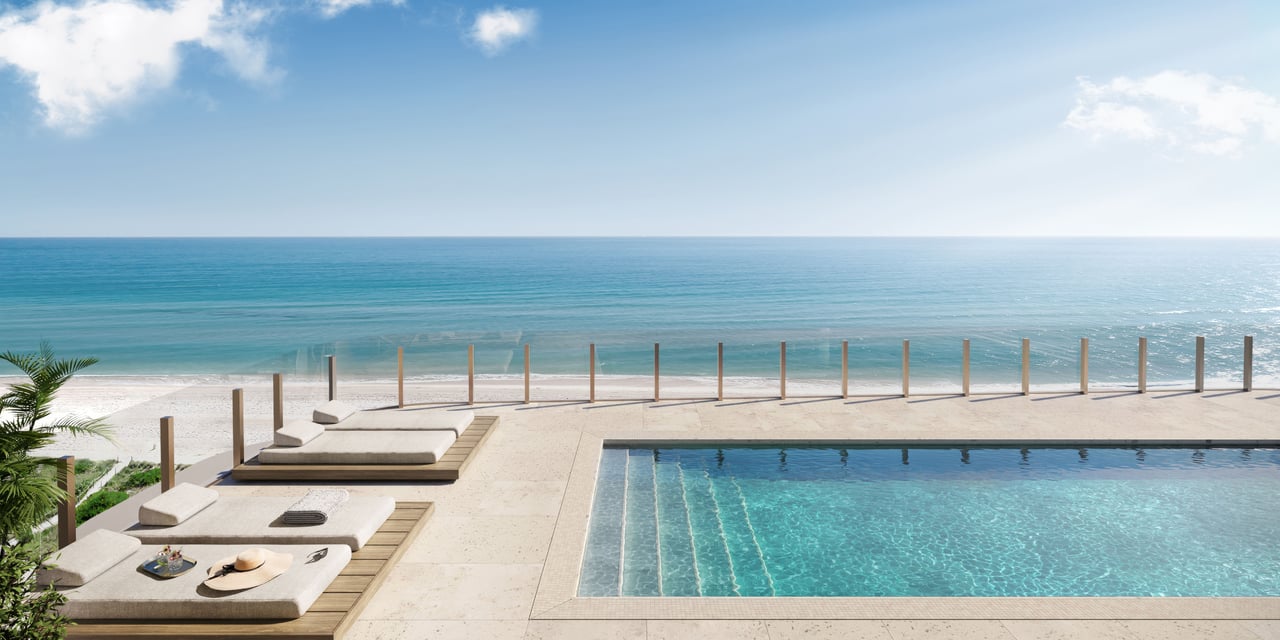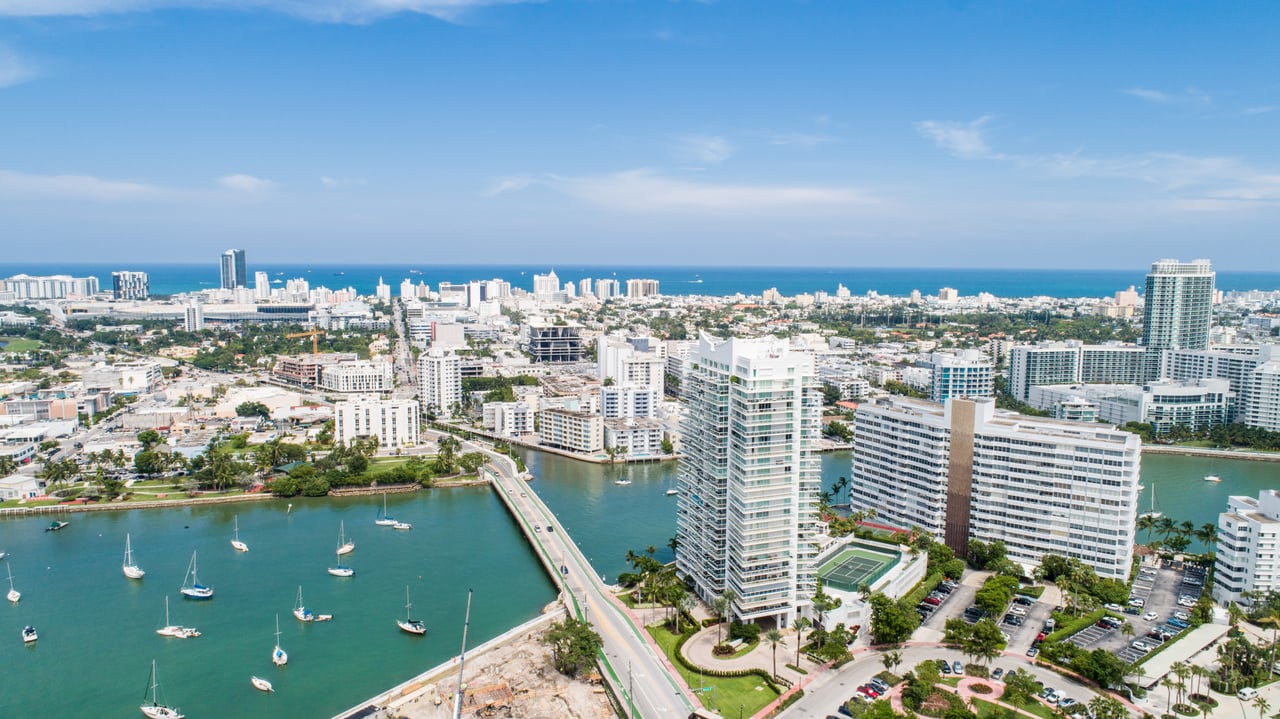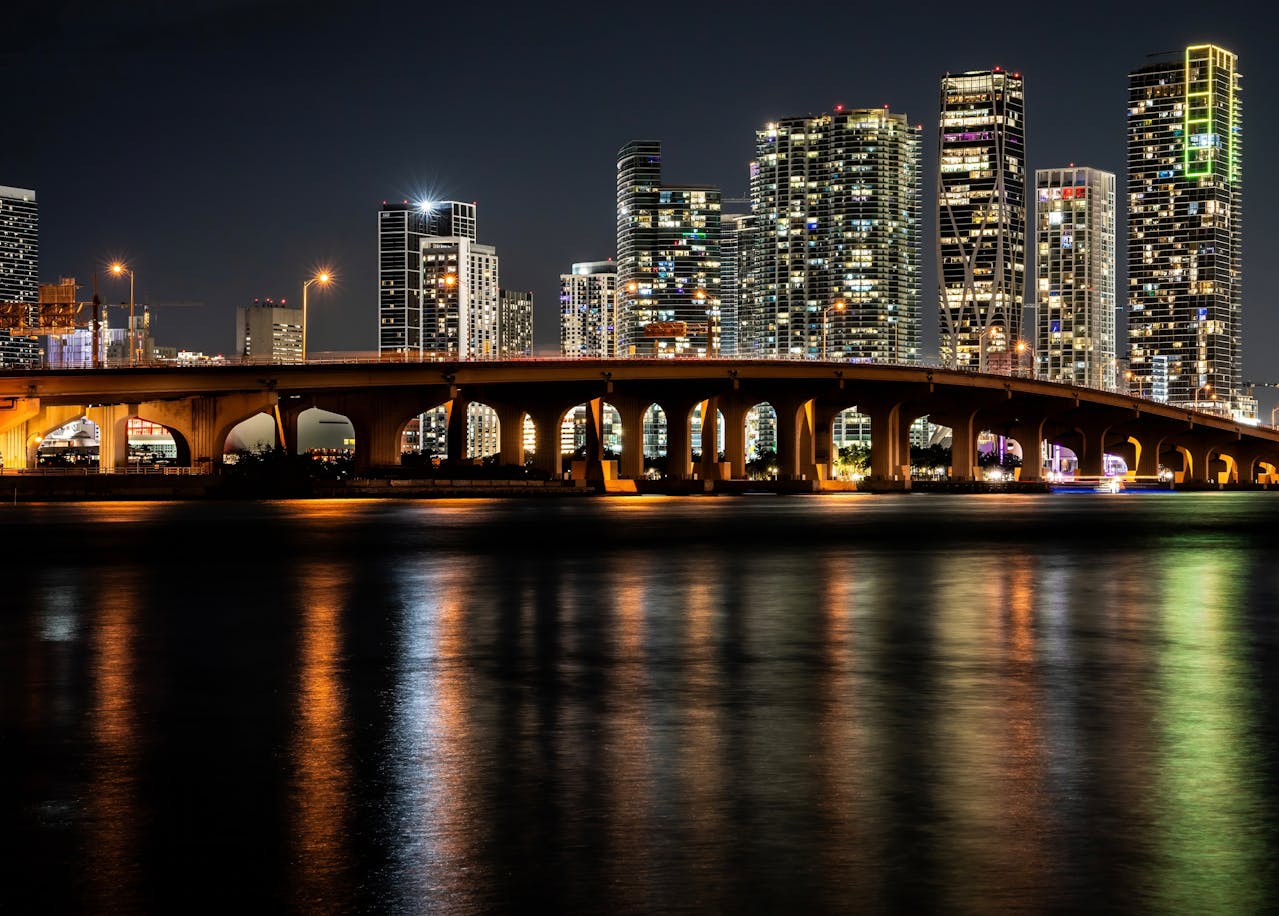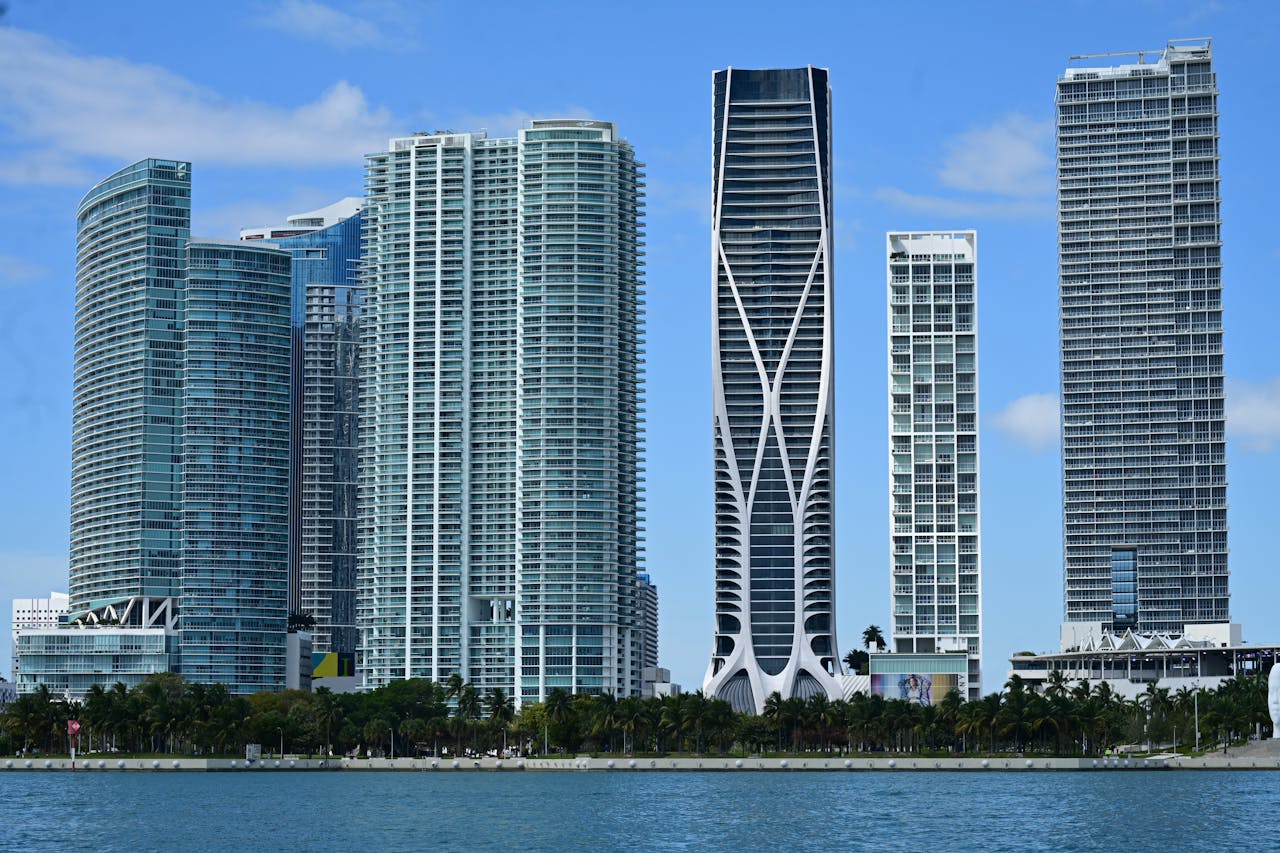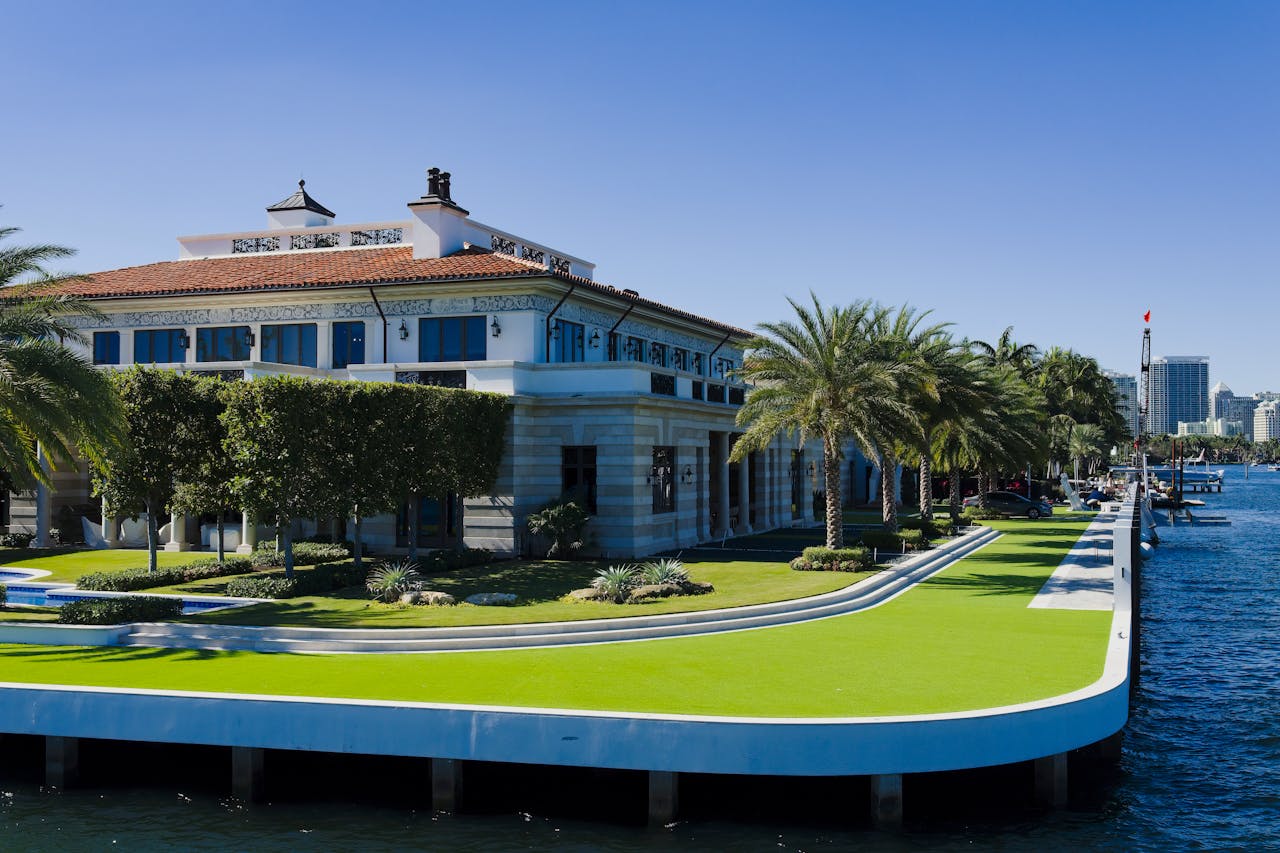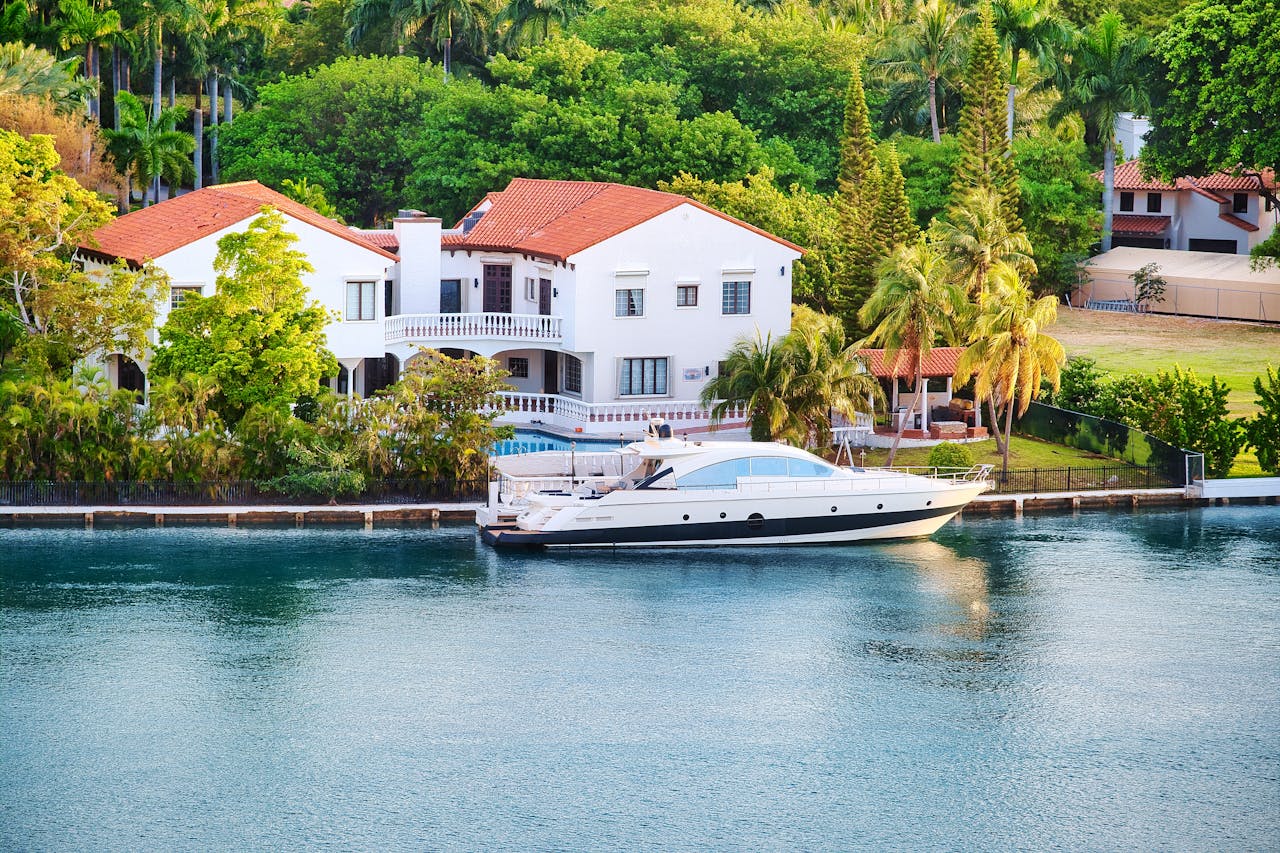
Bal Harbour does not have one meaningful condo price per square foot. The village has legacy oceanfront towers, established full-service buildings, modern ultra-luxury resales, branded residences, and pre-construction inventory sharing the same short stretch of Collins Avenue, so a blended village average hides more than it explains.
When I compare Bal Harbour condos for sale, I start with the building and then narrow to line, floor, view, condition, terrace, service level, reserves, and current competition. The difference between roughly $1,000 per square foot and more than $3,000 per square foot is not simply age or prestige. It reflects a different underlying residence and ownership experience.
Key Takeaways
- Recent closed pricing varies sharply by building, with established towers often below modern ultra-prime St. Regis and Oceana resales.
- Asking $/SF and closed $/SF are different datasets and should never be blended without labels.
- Penthouses, combined units, major renovations, and one-of-one residences can distort simple building averages.
- Older buildings can offer more interior space for the purchase price, but reserves, assessments, renovation, insurance, and systems can change the real ownership cost.
- New development asking prices are useful for understanding current competition, but they are not closed resale evidence.
- The correct comparable is usually the closest building, line, floor band, view, and condition, not the village-wide median.
How much do Bal Harbour condos cost per square foot in 2026?
In 2026, Bal Harbour condo pricing spans a wide range. Public MLS-connected snapshots show recent St. Regis closings commonly in the low-to-mid $2,000s per interior square foot and Oceana's recent median around $2,500 per square foot, while several established buildings have recent medians closer to $600 to $1,600 per square foot.
That spread is the market, not noise. A buyer deciding between a renovated legacy residence and a newer branded or modern building is comparing different capital needs, service models, floor plans, view quality, and scarcity, so I do not use one village-wide number as a valuation shortcut.
Why Bal Harbour price per square foot varies so much
Price per square foot changes when the quality of the square foot changes. In Bal Harbour, the biggest drivers are building generation, line and view, floor, renovation, terrace efficiency, service platform, reserve strength, assessments, insurance, ceiling height, parking, storage, and the scarcity of the residence.
A square foot at St. Regis is not economically equivalent to a square foot in a 1970s tower simply because both are oceanfront. If the lower-priced unit needs a major renovation or faces near-term capital work, the apparent acquisition discount can narrow materially after ownership costs are included.
Bal Harbour condo price per square foot by building
The table below uses public MLS-connected recent-sales datasets as an October 2026 orientation. Thin samples, trophy units, and combined residences can move averages sharply, so I treat these as starting points and re-run the specific comp set before making an offer.
Building | Building generation | Recent closed $/SF orientation | Current asking context | Buyer read |
St. Regis Bal Harbour | 2011 branded luxury | Recent MLS median about $2,224/SF; tower averages vary | Prime and trophy asks can exceed $4,000/SF | Service, brand, floor and line matter heavily |
Oceana Bal Harbour | 2016 modern ultra-luxury | Recent MLS median about $2,500/SF | Standard inventory often mid-2,000stolow-3,000s; trophy asks much higher | Modern design, large plans and scarce upper-floor product |
One Bal Harbour / Ritz-Carlton | 2007 branded luxury | Recent MLS median about $1,568/SF | Current unit pricing varies by view and renovation | Branded convenience at a different basis than St. Regis |
Majestic Tower | 1998 established luxury | Recent MLS median about $1,467/SF | Wide dispersion by condition | Renovation and line can dominate building age |
Bal Harbour Tower | 1990 large-residence luxury | Recent examples around the $1,000/SF range, with variation | Larger residences can ask materially more | Space can be compelling, but diligence is important |
Balmoral | 1977 legacy oceanfront | Recent MLS median about $1,066/SF | Often low-$1,000s depending on unit | Lower basis can be offset by capital and renovation needs |
Harbour House | 2007 resort-style condominium | Recent MLS median about $894/SF | Generally below ultra-luxury towers | Different unit scale and buyer profile |
Bal Harbour 101 | 1977 large-floor-plan legacy | Recent MLS median about $673/SF | Highly condition-dependent | Large interiors require building and renovation review |
Tiffany | 1982 legacy oceanfront | Recent MLS median about $623/SF | Thin current evidence | Use individual comps rather than broad averages |
Palace | 1994 established oceanfront | Recent MLS median about $981/SF | Unit-specific | View and renovation create large spreads |
Bellini | 2004 boutique luxury | Thin recent sample | Verify individual current listings | Do not force an average from too few trades |
Rivage Bal Harbour | New development | No mature resale record | Developer asking only | Compare developer premium with proven resale evidence |
Data note: public MLS-connected IDX snapshots accessed in October 2026. Current inventory and recent-sales figures should be refreshed from MiamiRE/MLS immediately before publication or negotiation.
St. Regis Bal Harbour price per square foot
Recent MLS-connected data puts the median of 20 recent St. Regis closings at about $2,224 per square foot. Examples in 2026 include a 1,599-square-foot residence at roughly $2,126/SF, a larger 3,912-square-foot residence at about $2,173/SF, and a penthouse closing around $2,431/SF.
Those numbers do not mean every St. Regis residence is worth the same rate. North, South, and Center Tower positioning, floor, view, line, renovation, terrace, hotel-service relationship, and combined configurations can move the value materially. I use the closest tower and line first, then adjust outward only when the sample is thin.
Oceana Bal Harbour price per square foot
Oceana shows why a single building average can be dangerous. A public MLS-connected dataset shows a recent median around $2,500/SF, but 2026 closings range from roughly $2,100/SF on smaller lower-priced product to about $3,000/SF on large prime residences, while the July 2026 upper penthouse sale reached about $4,490/SF.
Current active inventory is equally segmented. Standard large residences are asking around the low-$3,000s per square foot, while rare upper-floor trophy inventory is materially higher. That means a buyer should compare like with like instead of using the penthouse to justify a standard line or using a lower-floor sale to discount a one-of-one residence.
One Bal Harbour / Ritz-Carlton price per square foot
One Bal Harbour, now associated with the Ritz-Carlton ecosystem, generally trades at a lower per-foot basis than the highest St. Regis and Oceana evidence. Recent public MLS data shows a median around $1,568/SF across a 20-sale sample.
For some buyers, that gap creates an interesting branded-service comparison. The question is whether the specific residence delivers the view, condition, floor plan, privacy, and service you want at a sufficiently lower total basis, because a cheaper rate is not automatically better value if the unit requires compromises you will later pay to fix.
Majestic Tower price per square foot
Majestic Tower is a good example of condition creating a large intra-building spread. Recent MLS-connected sales place the median around $1,467/SF, while individual 2026 closings have ranged materially below and above that level.
That dispersion makes broad averages less useful than unit-level analysis. A fully renovated high-floor residence with a strong ocean line belongs in a different comp set from an original-condition unit that requires a major capital project after closing.
Balmoral price per square foot
Balmoral's recent MLS median is around $1,066/SF, which places it well below modern ultra-luxury pricing in the same village. The lower basis can give a buyer more interior area for the acquisition price, but it also makes building and unit diligence more important.
I would price the renovation, review reserves and assessments, understand completed and planned structural work, and compare ongoing maintenance before calling the unit a value. A $/SF discount can disappear quickly if the residence and building require significant near-term capital.
Harbour House price per square foot
Harbour House has a recent MLS median around $894/SF in public data, making it a different segment from St. Regis or Oceana despite the shared Bal Harbour address. Unit sizes, service level, building configuration, and buyer profile are not directly comparable.
For a luxury buyer, the useful question is not whether Harbour House is cheaper. It is whether the specific residence delivers the space, exposure, amenities, and ownership model you want at a price that leaves room for any required improvements.
Bal Harbour Tower price per square foot
Bal Harbour Tower offers large-format residences that can look compelling on an absolute-space basis. Recent sales evidence has clustered around roughly $1,000/SF in some examples, while current asks can be materially higher depending on floor, condition, and line.
The building therefore rewards detailed diligence. I would examine renovation scope, association finances, upcoming capital work, insurance, and the resale history of the closest floor plan before deciding how much of the apparent space discount is genuine.
Bal Harbour 101, Tiffany, Palace and Bellini
These buildings should be handled individually, especially when turnover is limited. Public MLS-connected medians for recent samples sit around $673/SF at Bal Harbour 101, $623/SF at Tiffany, and about $981/SF at Palace, while Bellini's recent sample is too thin for me to treat a simple average as authoritative.
When there are only a few meaningful closings, I would show the actual transactions and explain their condition, floor, view, and timing. Saying “based on two recent closings” is more useful than manufacturing a building average that looks precise but is not statistically robust.
Rivage Bal Harbour and the new-construction premium
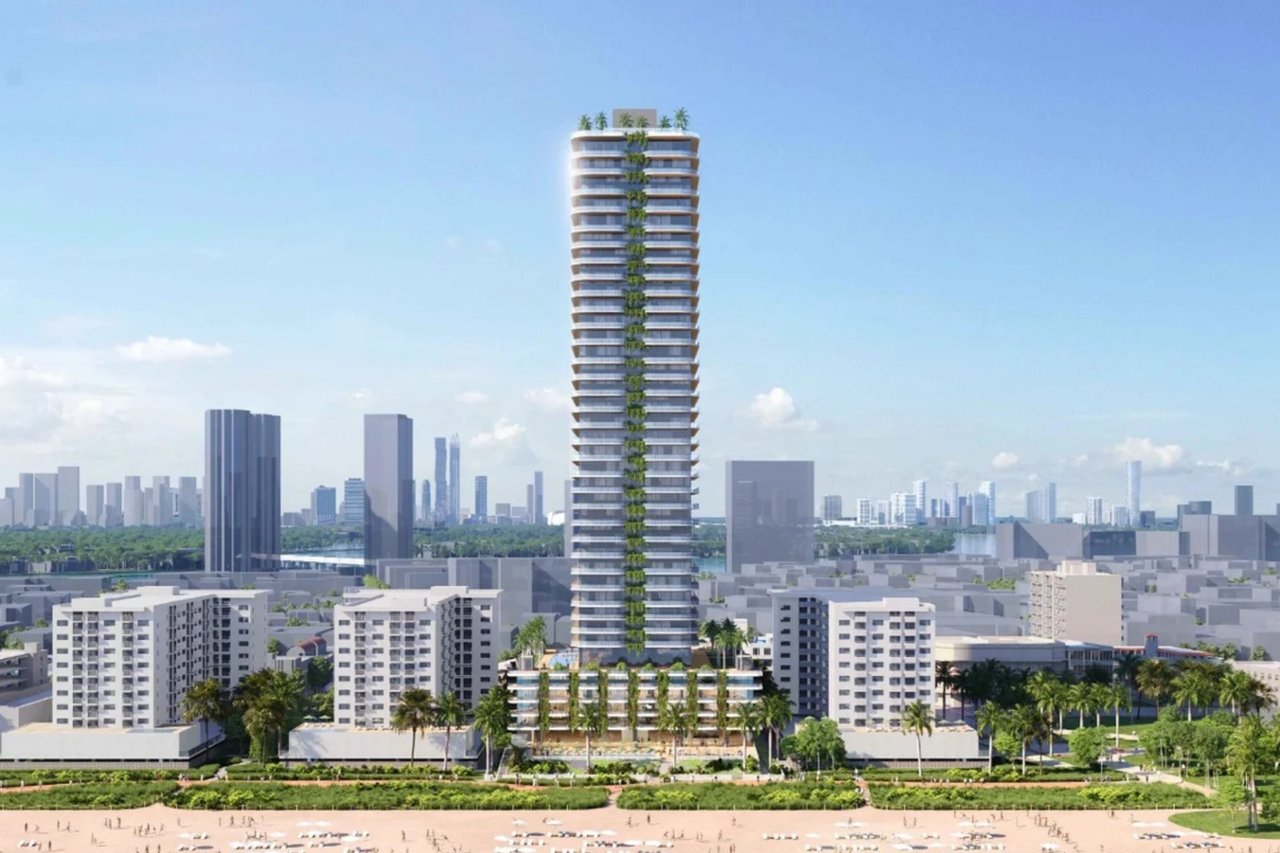
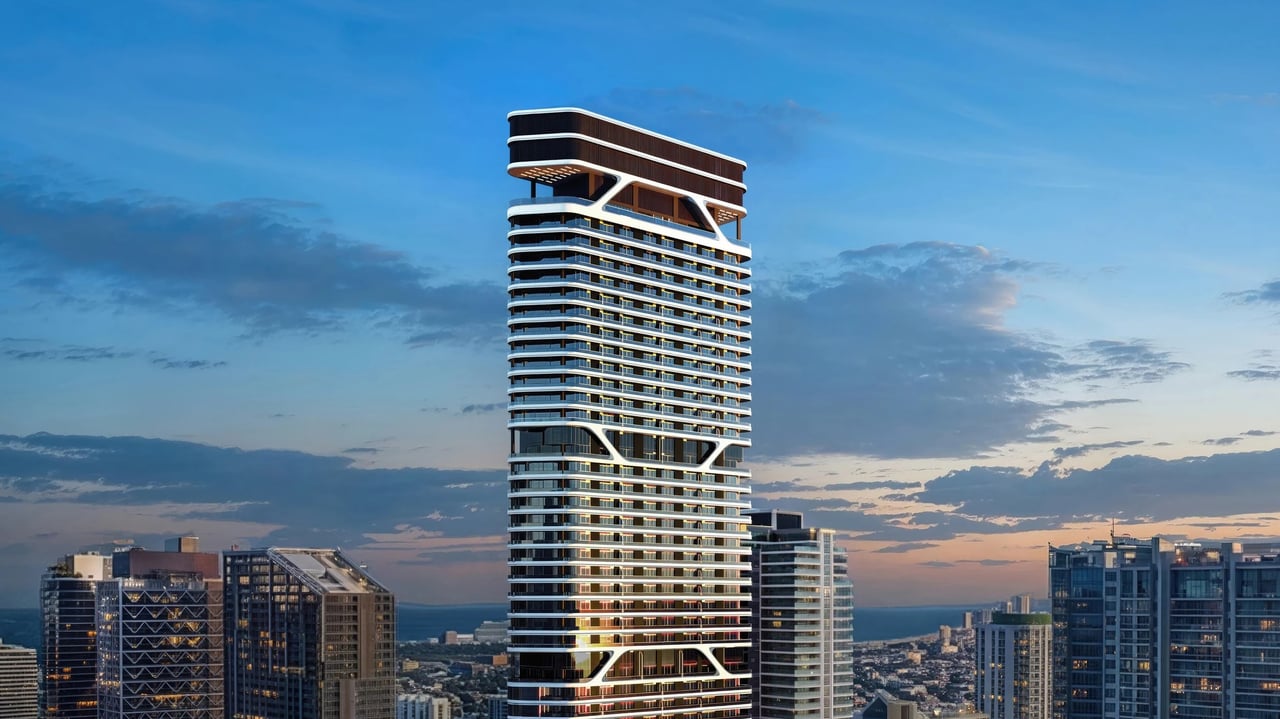
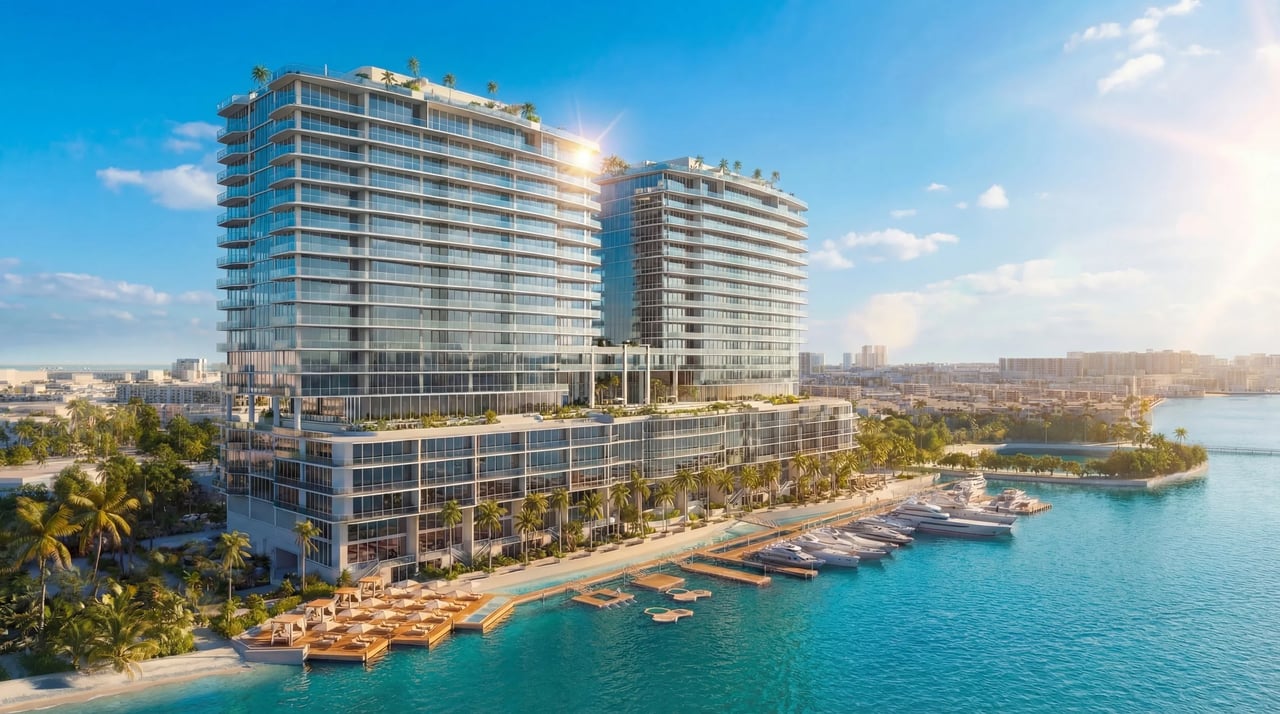
Rivage changes the top of the pricing conversation because buyers are comparing a new-development contract with proven resale buildings nearby. Developer asking prices reflect new construction, architecture, ceiling heights, floor plans, service, customization, and the cost of delivering a new ultra-prime product.
Those asks are not closed resale evidence. I compare Rivage pricing with actual St. Regis and Oceana closings, then ask what premium the buyer is paying for newness, delivery timing, customization, and reduced immediate renovation needs. That separation keeps pre-construction pricing from inflating the resale comp set.
Asking price per square foot vs sold price per square foot
Asking price is a seller's current expectation. Closed price is where a buyer and seller actually reached agreement, so the two numbers answer different questions.
I use asking $/SF to understand present competition and negotiating position, while closed $/SF establishes historical market evidence. In a low-turnover luxury building, a handful of well-matched closed sales can tell you more than a large active inventory with ambitious pricing.
Why one unit can trade 30–50% above another in the same building
A large price spread inside one building is plausible when the residences are materially different. Direct ocean exposure, a southeast corner, higher floor, larger terrace, superior line, major renovation, turnkey condition, ceiling height, parking, storage, or a combined configuration can all create a premium.
Seller motivation also matters. I do not assume a lower sale proves the building weakened until I understand the residence and transaction, because distressed timing or a compromised line can produce a very different result from a patient sale of a rare unit.
Does building age explain the price gap?
Partly, but age is only a proxy for several things buyers actually pay for. Newer buildings often offer more current systems, ceiling heights, glass, amenities, layouts, and reserve history, while older buildings may offer larger interiors or stronger value after renovation.
The better analysis is building generation plus condition, reserves, service, architecture, floor-plan relevance, and reputation. Two buildings delivered decades apart can still compete if the older one is well capitalized and the residence has been renovated to a high standard.
How Florida reserve and structural rules affect older Bal Harbour condos
For qualifying condominium buildings, Florida's current milestone inspection statute and structural integrity reserve requirements make association documentation central to due diligence. Buyers should review milestone inspection status, structural integrity reserve studies, funded reserves, special assessments, and completed or planned work with their attorney and other appropriate professionals.
The practical implication is straightforward: a lower acquisition price per square foot can be offset by renovation, reserve, or assessment obligations. I therefore compare purchase basis and future capital needs together rather than treating them as separate decisions.
Which Bal Harbour buildings offer the best value per square foot?
There is no single best-value building because “value” changes with the buyer. Oceana may appeal to someone seeking modern ultra-luxury at a proven resale basis, One Bal Harbour can offer branded service below some St. Regis pricing, and larger legacy towers can provide substantially more interior space for the purchase price.
I define value as the quality of the residence and ownership experience relative to total cost. That includes renovation, assessments, carrying costs, service, view, and resale depth, not just the purchase price divided by square feet.
Which buildings command the highest premium?
Current top-end asking inventory is concentrated in new or modern ultra-prime product, including trophy Oceana residences and new-development offerings such as Rivage. St. Regis also shows a large gap between standard recent closings and exceptional active asks.
I keep those categories separate. A $7,000-plus-per-foot trophy ask can tell us about seller ambition and scarcity, but it should not be used as proof that ordinary units in the building have cleared anywhere near that level.
What does $2 million buy in Bal Harbour?
Around $2 million, the current Bal Harbour condo market is generally concentrated in established or legacy buildings rather than the most expensive St. Regis or Oceana inventory. The trade-off can be more renovation exposure, lower floors, or an older service and amenity package.
For a high-end buyer, I would treat this as a building-selection question rather than a “budget” category. The best purchase may be a well-positioned residence in an established tower where the association and unit condition are stronger than a superficially more glamorous alternative.
What does $5 million buy?
Around $5 million, buyers can move into larger renovated legacy residences, certain modern luxury resales, and some branded inventory depending on live availability. This price point gives substantially more choice across building generations.
The comparison becomes sharper because the buyer can trade square footage for newness, service, or location within the building. I would compare the total package rather than assuming the newest address is automatically superior.
What does $10 million+ buy?
Above $10 million, the market shifts into prime St. Regis lines, larger Oceana residences, combined homes, and trophy-level inventory when available. Scarcity starts to matter more because there may be only a few residences with the required size, floor, exposure, and service model.
At this level I would not negotiate from village averages. The relevant evidence is the closest high-value sale, current competition, and the unique attributes that cannot be recreated elsewhere in the building.
How much should buyers budget beyond purchase price?
Condo association fees, property taxes, insurance, assessments, renovation, furnishing, closing costs, and service charges all belong in the ownership calculation. Two residences at the same $/SF can have materially different annual carrying costs and future capital requirements.
I compare the acquisition basis with expected near-term spending and recurring costs. That prevents a lower purchase price from looking artificially attractive when the ownership plan requires a major renovation or significant association capital.
Which Bal Harbour building is best for a primary residence?
For a primary residence, I place more weight on usable floor plan, privacy, storage, parking, service consistency, direct ocean exposure, building staffing, and the condition of the association. Oceana, St. Regis, Bal Harbour Tower, and One Bal Harbour can all work, but for different reasons.
The best building is therefore buyer-specific. I would rather choose a superior residence in the second-choice building than force a compromised line simply to secure the preferred name.
Which building is best for a second home?
A second-home buyer may prioritize lock-and-leave service, concierge, valet, property management, beach support, and a reliable staff when the owner is away. That can make St. Regis and One Bal Harbour particularly relevant, although other buildings may offer a quieter residential model.
Rental policy, owner-absence procedures, package handling, maintenance access, and guest rules should be verified before purchase because they directly affect how easy the residence is to own from another city or country.
Which Bal Harbour condos are strongest for resale liquidity?
Liquidity depends on buyer depth, price, building recognition, inventory, residence type, and how often comparable units trade. The highest-priced building is not automatically the easiest to resell, and a one-of-one penthouse can be exceptionally valuable while still requiring a longer marketing period.
I look at annual transaction count, days on market, list-to-sale behavior, competing inventory, and how standardized the floor plans are. Buildings with repeated like-for-like trades generally give both buyers and sellers a clearer pricing framework.
Is price per square foot enough to compare Bal Harbour condos?
No. Price per square foot is useful for normalizing differently sized residences, but it cannot capture view, terrace quality, floor, condition, building finances, service level, privacy, or future capital obligations.
My working framework is purchase $/SF plus renovation, assessments, carrying cost, building quality, and resale evidence. That broader calculation tells you far more about real ownership value than the headline rate alone.
What buyers should check before choosing a building
A strong building comparison combines market evidence with association and residence-level diligence. Before I recommend a specific line, I want the following information in the same file rather than spread across separate conversations.
- Recent closed sales and the closest true comps.
- Current asks and competing inventory.
- Days on market and list-to-sale behavior.
- Reserve study and reserve funding.
- Milestone inspection status where applicable.
- Current and planned assessments.
- Insurance and association budget.
- Maintenance per interior square foot.
- Floor, line, view, terrace, and privacy.
- Renovation quality and remaining capital work.
- Rental and use restrictions.
- Parking and storage rights.
- Service level and staffing.
- Resale volume in the same line or floor plan.
How I Help Buyers Compare Bal Harbour Buildings
I use closed comps to separate what sellers are asking from what buyers have actually paid, then adjust for line, floor, view, renovation, service, and building economics. That process is especially important in Bal Harbour because two buildings within a few hundred feet can belong to very different pricing tiers.
My team and I can also compare Bal Harbour with nearby Surfside when the buyer's priorities make the municipal boundary less important than the residence itself. The goal is to narrow the field to the buildings and specific lines that actually fit, rather than touring every expensive listing on Collins Avenue.
Expert Viewpoint: Use the Building Average as a Starting Point, Not an Answer
I use price per square foot constantly, but I do not let it replace judgment. Bal Harbour is too segmented for a village average, or even a building average, to tell me what a specific residence should be worth.
The useful work begins after the average: identify the closest line, floor band, view, condition, and transaction timing, then account for the building's reserves, assessments, service model, and current competition. That is how a $/SF figure becomes a valuation tool instead of a shortcut that can lead a buyer to overpay for the wrong residence.
Comparing Bal Harbour Condos for Sale? The Joelle Team Can Help You Price the Building, Line and View
If you are comparing Bal Harbour condos for sale, my team and I can build the comp set around the residence you are actually considering, not a blended village statistic. We can then compare current inventory, recent closings, building economics, and nearby Surfside alternatives before you negotiate.
Contact The Joelle Team for a confidential building-by-building review, or call me at 305.491.1885.
Frequently Asked Questions About Bal Harbour Condos for Sale
How much do Bal Harbour condos cost per square foot?
There is no single useful price-per-square-foot figure for Bal Harbour because the market changes sharply by building. Recent public MLS-connected data spans from materially lower pricing in some legacy towers to the low-to-mid $2,000s per square foot in prime St. Regis and Oceana resales, with trophy asks higher still. Buyers should compare the exact building and residence rather than anchor to a village-wide average.
Which Bal Harbour condo building is the most expensive?
There is no permanent single winner because the answer changes depending on whether you compare current asking price, recent closed price per square foot, or an individual trophy residence. Oceana and St. Regis sit in the established ultra-prime resale tier, while new-development asks can exceed mature resale evidence. I separate those datasets before deciding which building is actually commanding the strongest premium.
What is St. Regis Bal Harbour selling for per square foot?
Recent public MLS-connected evidence places many St. Regis resales in the low-to-mid $2,000s per interior square foot, although the exact figure changes by sample and tower. Individual closings can vary materially based on line, floor, size, renovation, and view, while trophy active inventory may ask far more. For a purchase, I would use same-tower and same-line comps before relying on a building-wide number.
What is Oceana Bal Harbour selling for per square foot?
Recent public MLS-connected evidence places Oceana resales around the mid-$2,000s per interior square foot in some current samples. Upper-floor and trophy closings can move well above that level because privacy, terraces, views, and scarcity change the economics of the unit. The useful question is therefore what comparable residences have actually closed for, not what one building average suggests.
Which Bal Harbour buildings offer the best value?
There is no universal best-value building because buyers are paying for different combinations of service, age, size, privacy, and future capital needs. Modern-resale buyers may compare Oceana with newer product, branded-service buyers may compare One Bal Harbour with St. Regis, and buyers prioritizing large interiors may prefer an established tower. The strongest value is the residence whose acquisition price and ownership costs match the features you actually want.
Why are older Bal Harbour condos cheaper?
Older Bal Harbour condos can trade at lower prices per square foot because they may have dated interiors, older systems, different amenity programs, renovation needs, or greater capital-work exposure. Some also offer substantially larger floor plans, which can make the lower acquisition basis attractive despite the age. Buyers should compare renovation cost, reserves, assessments, insurance, and service level before treating the discount as true value.
Is asking price per square foot the same as sold price?
No, asking price per square foot reflects what a seller hopes to achieve, while sold price per square foot records what a buyer actually paid. I use active asks to understand current competition and closed sales to establish market evidence, then adjust both for the specific residence. Keeping those datasets separate prevents an aspirational listing price from being mistaken for a proven comp.
Is Bal Harbour more expensive than Surfside?
Not universally, because select Surfside trophy buildings can rival or exceed Bal Harbour on a per-square-foot basis while other Surfside inventory trades lower. Building age, service, view, residence quality, and scarcity often explain more than the municipal boundary itself. I compare like-for-like buildings and units before concluding that one market is more expensive than the other.
Is Rivage more expensive than St. Regis?
Rivage may show higher current asking prices per square foot, but that does not automatically mean it has a higher proven market value than St. Regis. Rivage is new-development pricing, while St. Regis has a mature resale record with completed transactions across multiple residence types. I compare the developer premium against actual St. Regis and Oceana closings before deciding whether the price gap is justified.
Which Bal Harbour condos are best for primary residences?
Several Bal Harbour buildings can work well for a primary residence, including Oceana, St. Regis, One Bal Harbour, Bal Harbour Tower, and other large-format properties. The better choice depends on usable floor plan, privacy, storage, service, carrying cost, building operations, and the specific line. For a full-time buyer, I would prioritize day-to-day livability over prestige alone.
Which buildings have the largest floor plans?
Several established Bal Harbour buildings, including Bal Harbour Tower and Bal Harbour 101, are known for large-format residences, while newer ultra-luxury buildings also offer large and combined configurations at much higher price points. Size alone does not tell you how efficiently the residence lives, especially when terraces and circulation consume meaningful area. I compare verified interior measurements, layout efficiency, and price per interior square foot before calling one option larger or better.
Are older Bal Harbour condos a good value in 2026?
They can be, particularly when an older building offers substantially more interior space at a lower acquisition basis than newer ultra-luxury inventory. That advantage can disappear if the residence requires major renovation or the association faces heavy reserve, insurance, or assessment obligations. I would judge value on total ownership economics and building condition, not on a low purchase price per square foot alone.