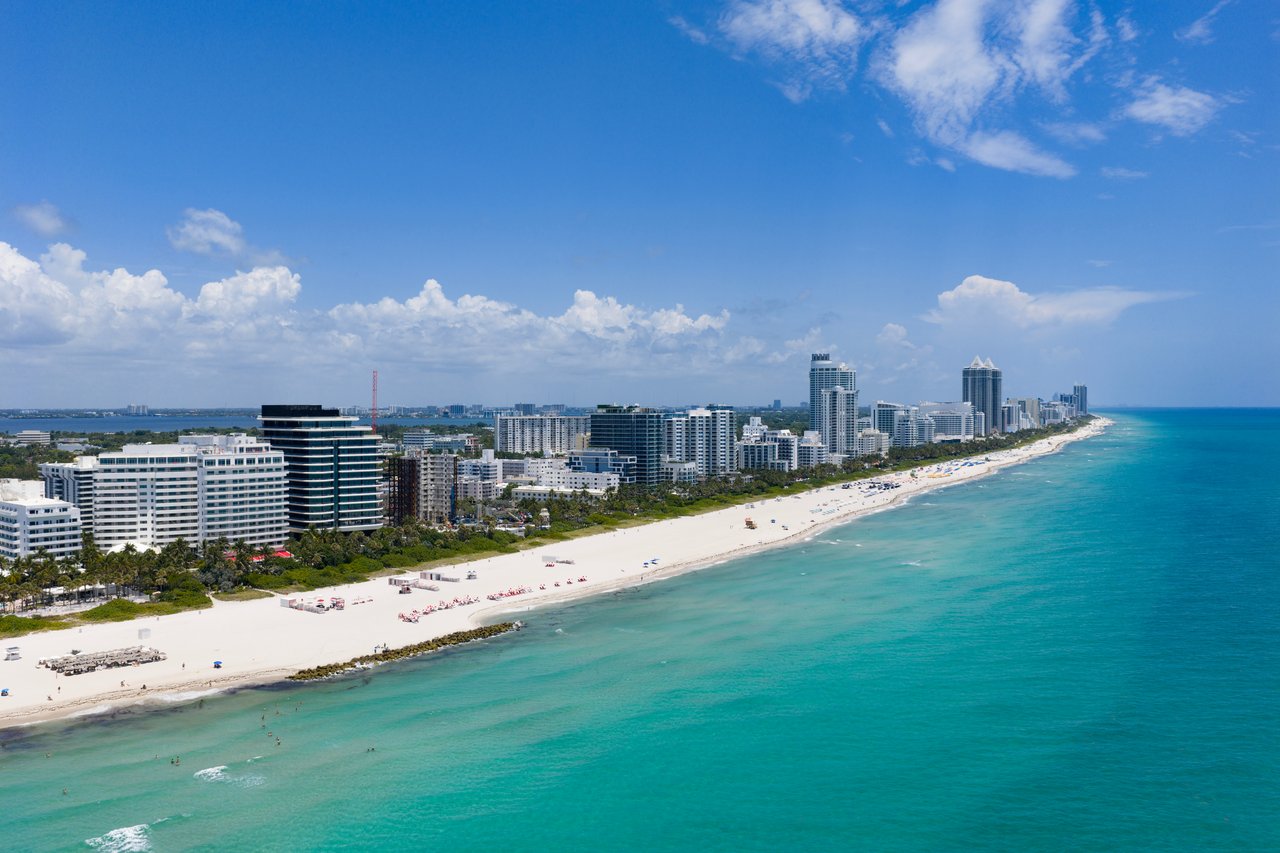
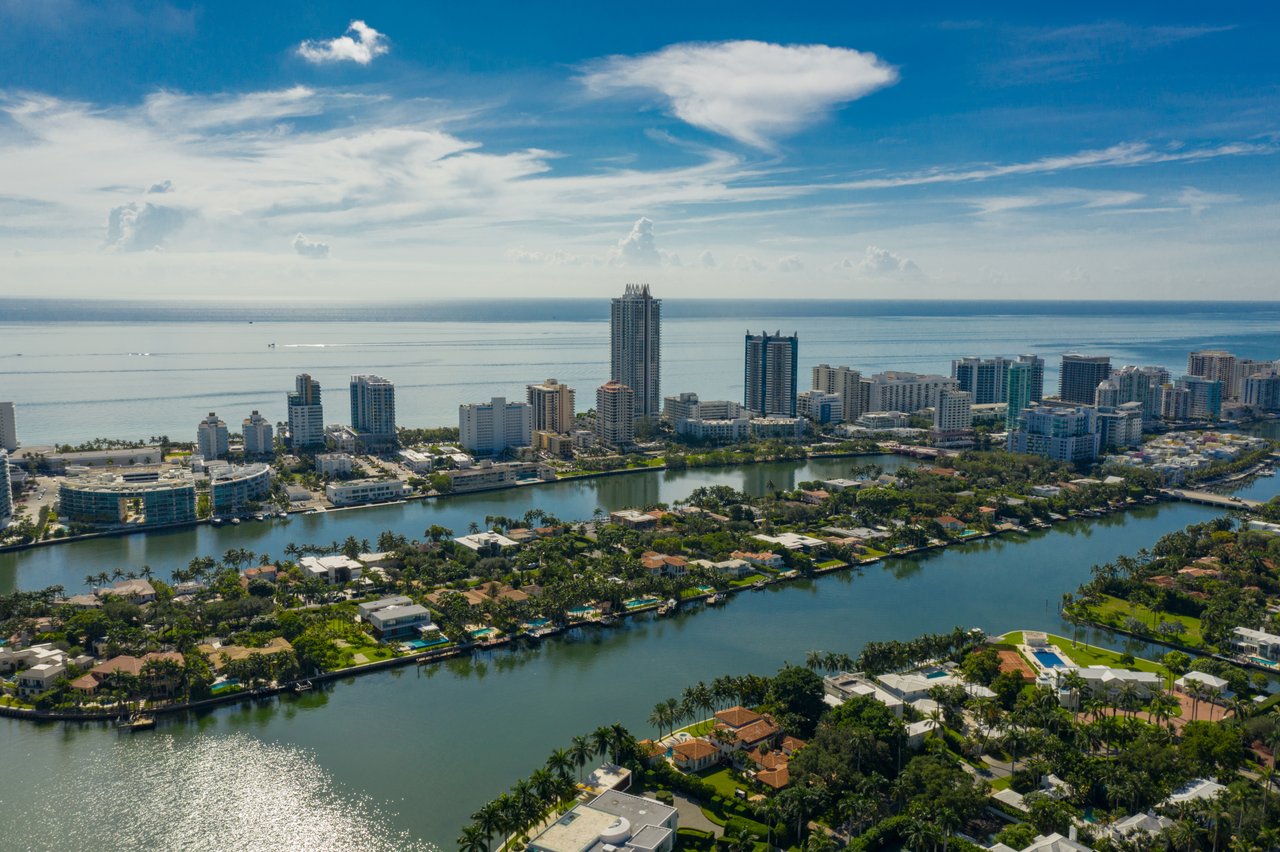
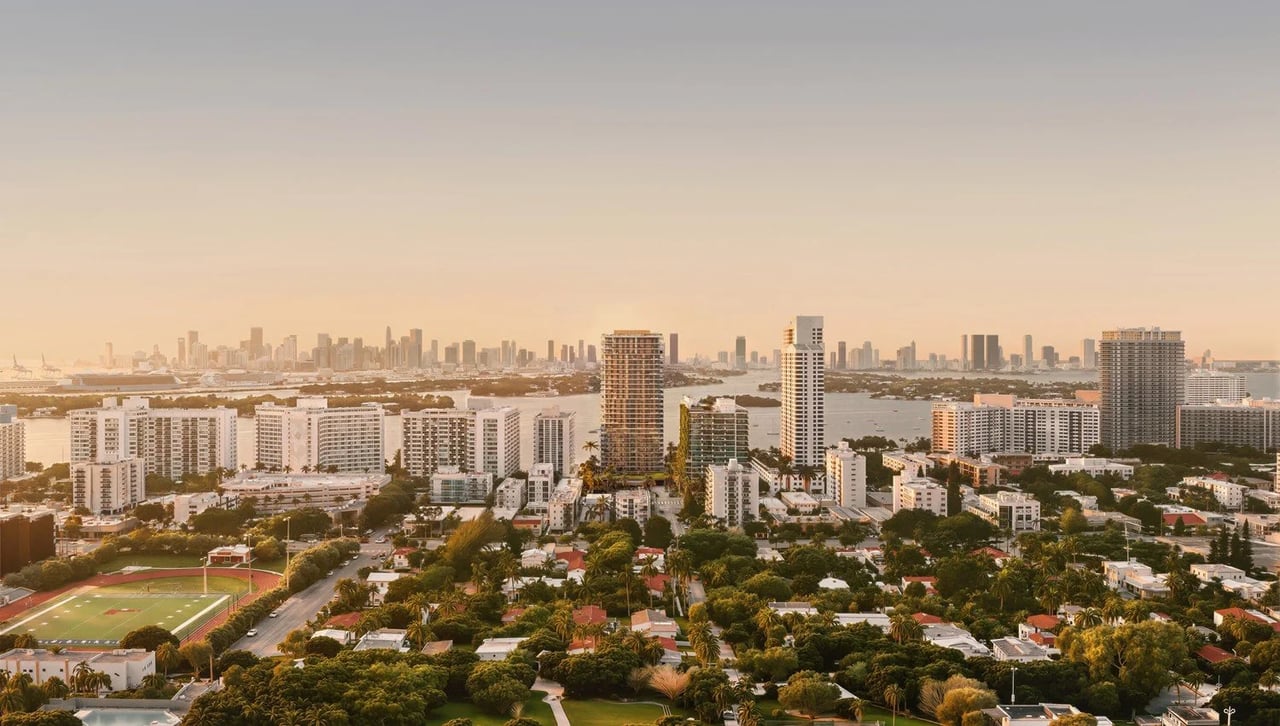
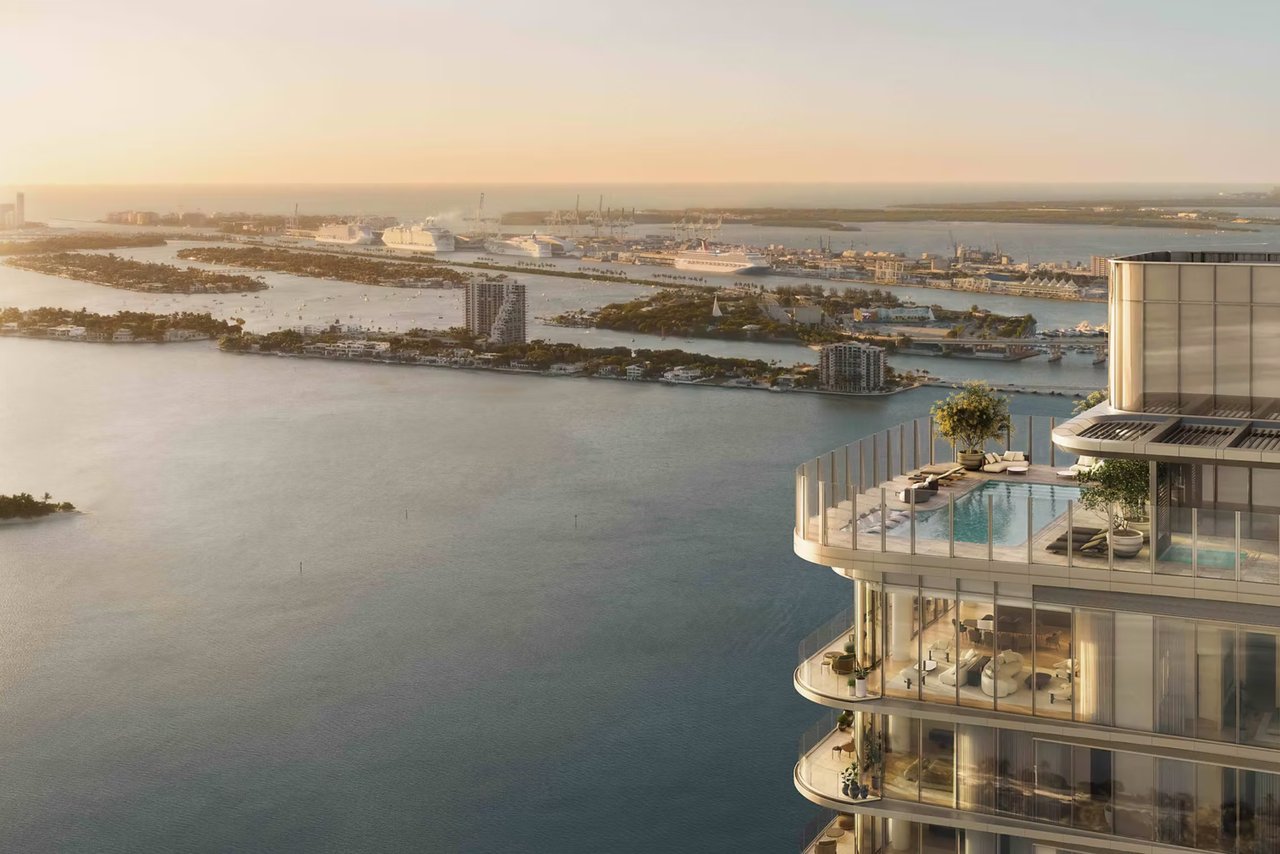
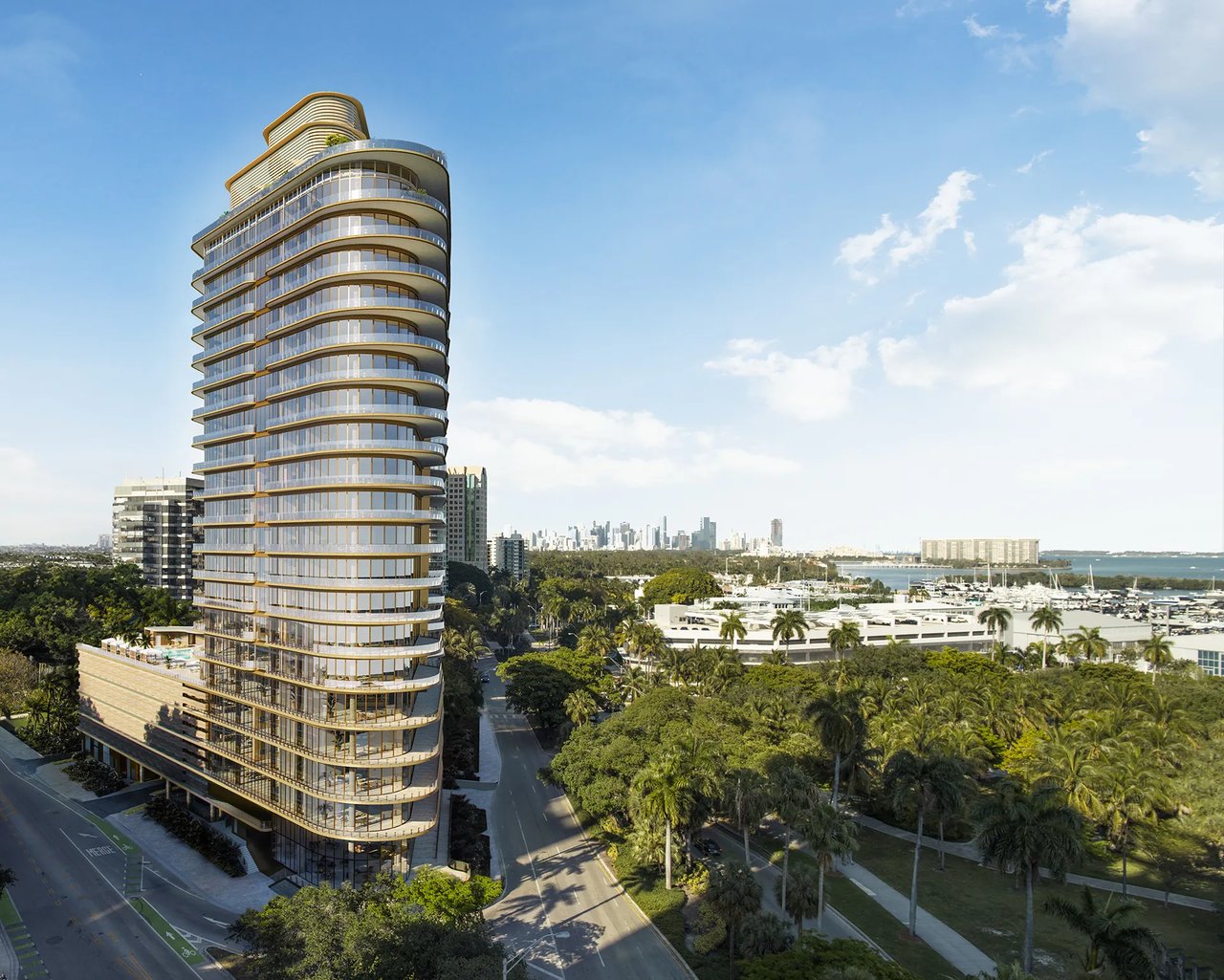
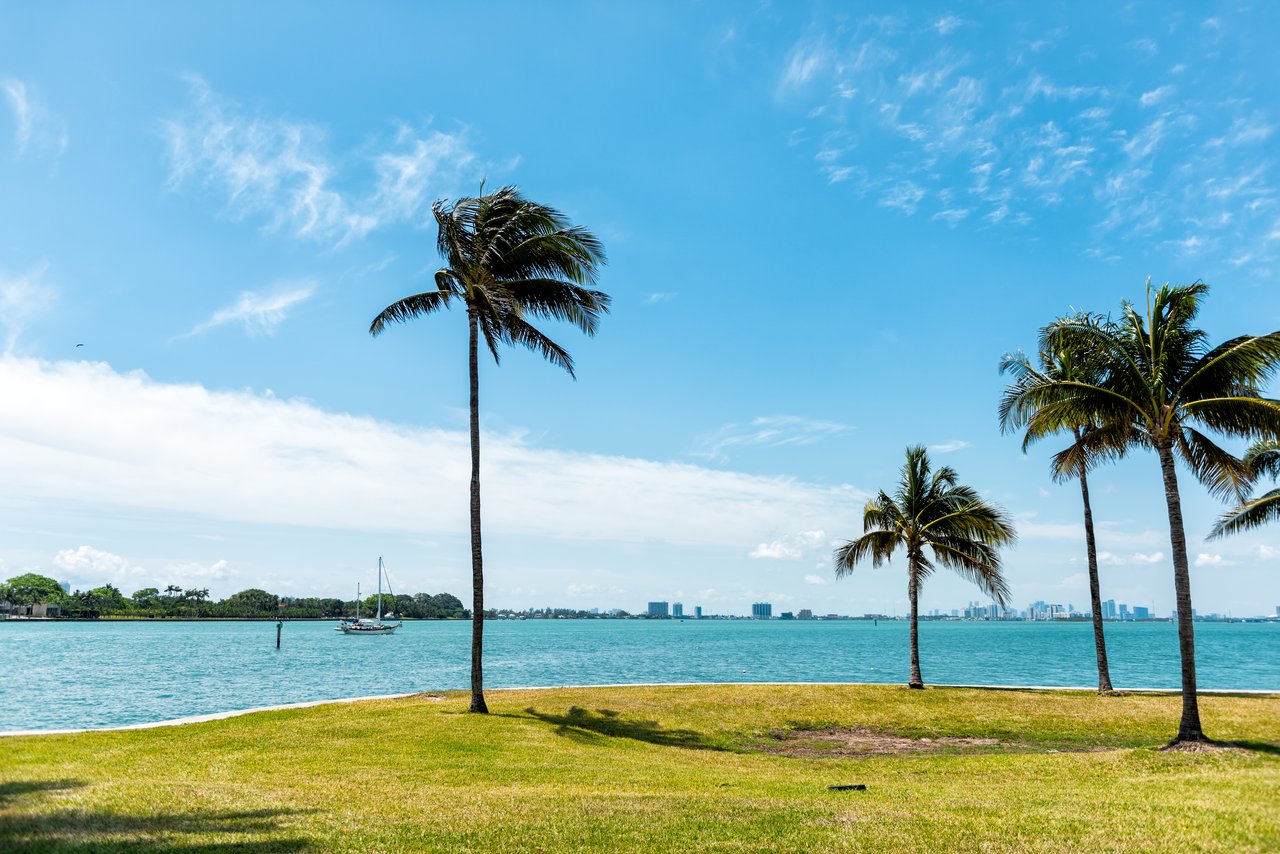
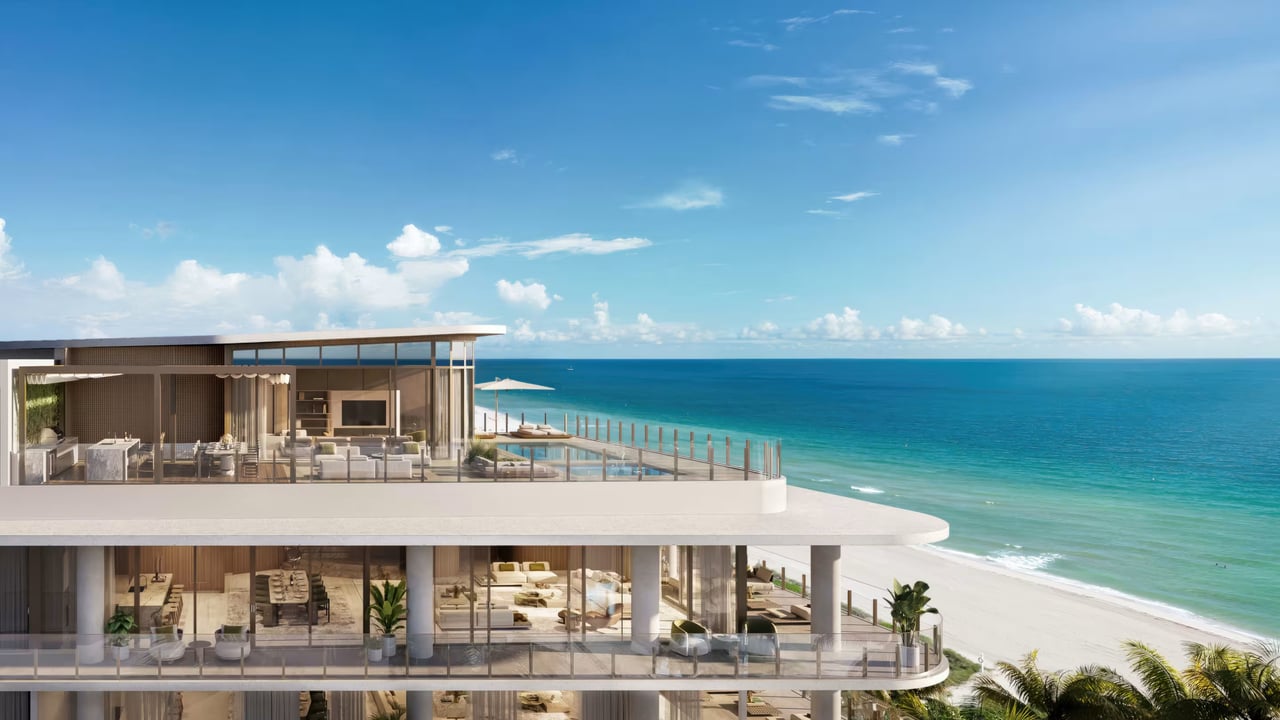
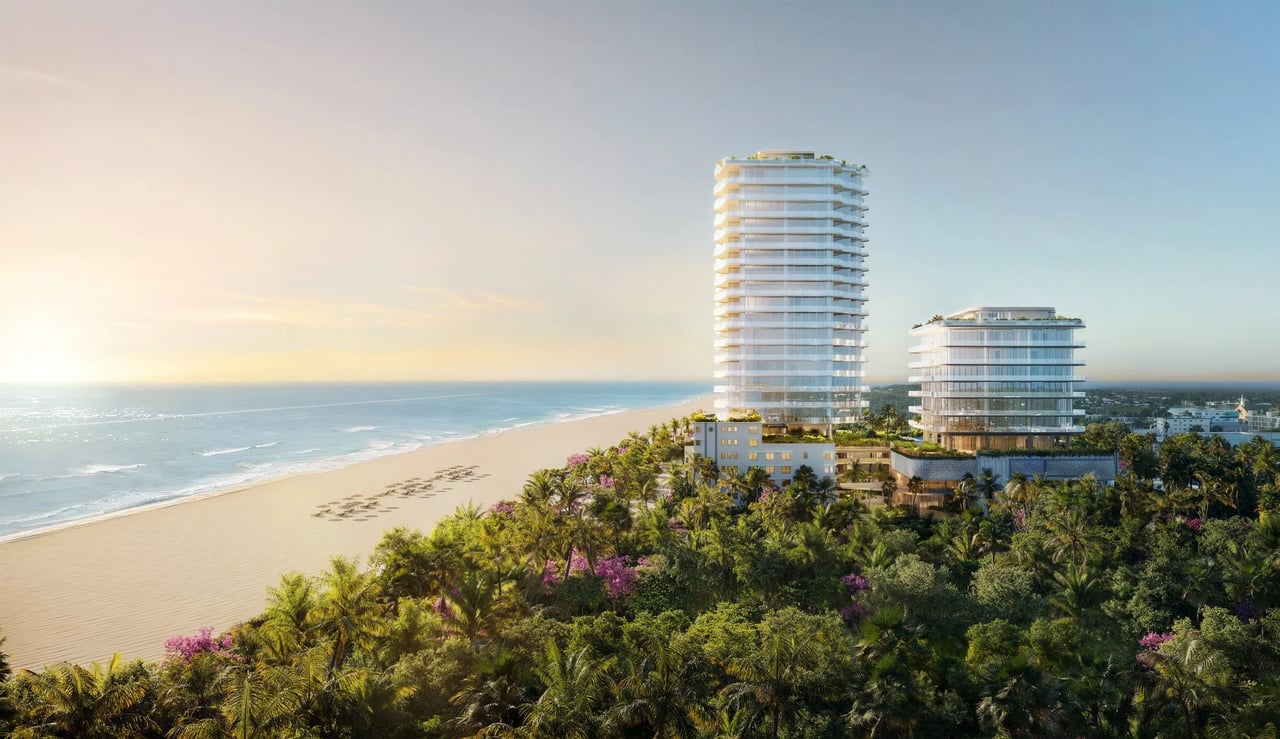
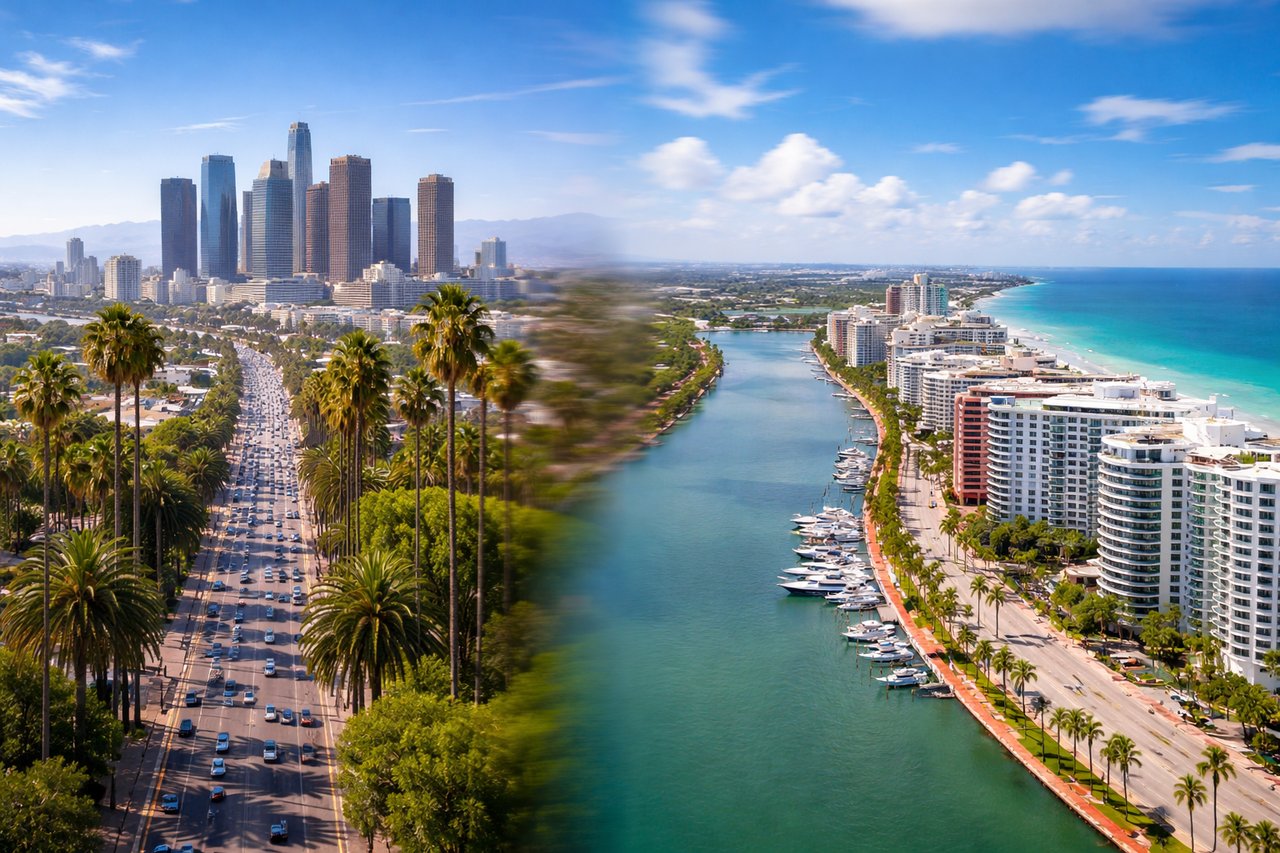
Miami-Dade delivers urban energy and waterfront access for buyers who want to be in the action; Broward offers more affordable family suburbs with easier commutes; and Palm Beach suits retirees, equestrians, and those prioritizing space over nightlife—the right choice depends entirely on your life stage and daily priorities.
What You'll Learn
-
How Miami-Dade neighborhoods compare on price per square foot, school ratings, safety metrics, and property taxes
-
Which specific communities match your buyer profile—young professionals, families, investors, retirees, or luxury seekers
-
Where to find the best appreciation potential and up-and-coming neighborhoods in Miami-Dade
-
The real trade-offs between Coral Gables vs. Brickell, waterfront vs. inland, gated vs. urban
-
Honest guidance on affordability tiers—from entry-level to ultra-luxury—across all three counties
South Florida isn't one market—it's three distinct counties with fundamentally different value propositions. Buyers researching Miami-Dade neighborhoods often feel overwhelmed by contradictory advice recommending everything from Brickell high-rises to Pinecrest estates to Homestead bargains. The problem isn't the information—it's that most guides lump disparate Miami Dade County areas together without acknowledging that "best" varies dramatically based on your life stage, budget, and daily priorities.
This guide segments neighborhoods in Miami Dade by buyer profile rather than alphabetical listing. If you're already narrowing down options, our Miami-Dade neighborhoods guide provides detailed profiles of each community. This article helps you decide which profiles to read first.
What Are the Best Neighborhoods in Miami-Dade?
The question assumes a universal "best" that doesn't exist. The optimal neighborhood for a 28-year-old finance professional differs entirely from what works for a family with school-age children or a retiree seeking golf course access. Miami-Dade neighborhoods span 2,431 square miles from urban Brickell to agricultural Homestead, encompassing everything from barrier island beach towns to inland suburban developments.
Miami-Dade's geography divides roughly into four zones:
-
Urban core: Brickell, Downtown Miami, Edgewater, Wynwood—high-rise living, walkability, nightlife concentration
-
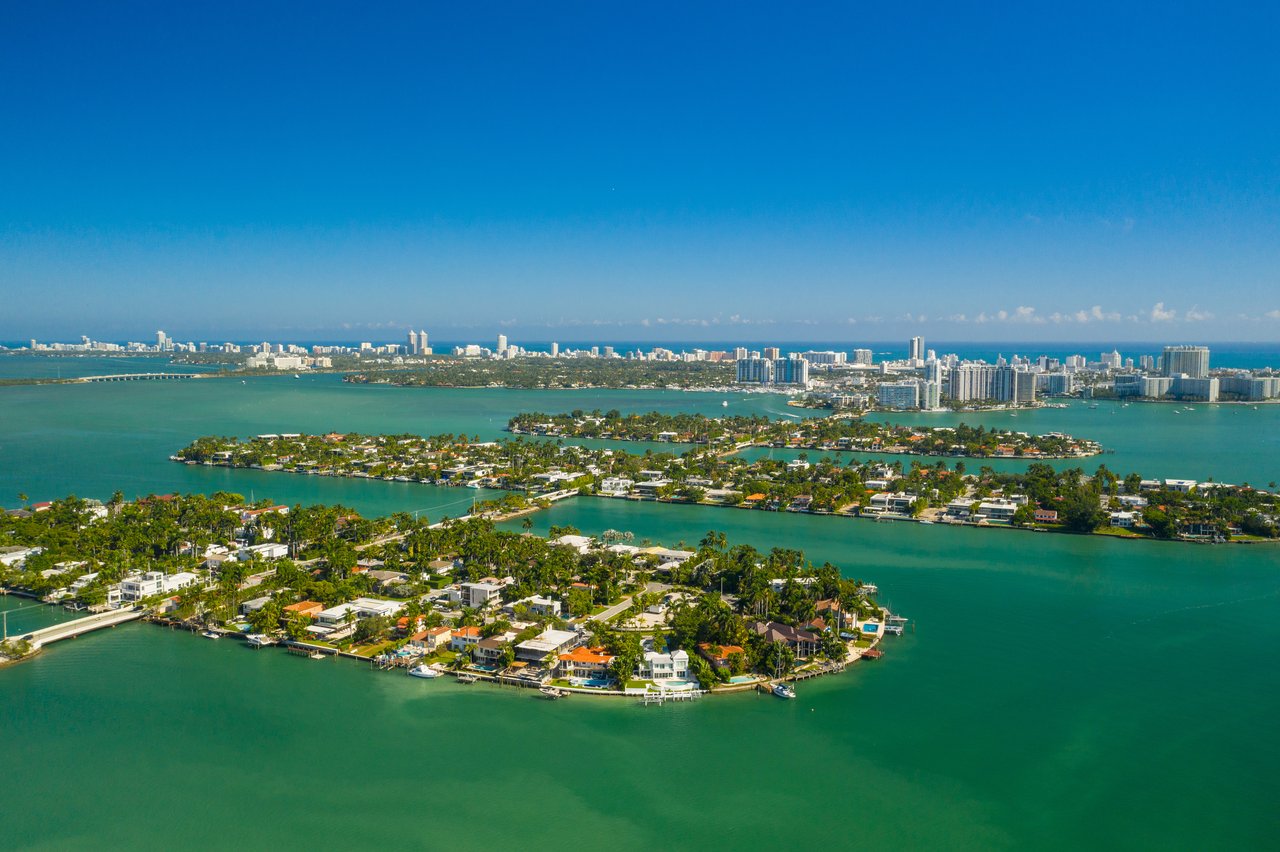
Coastal: Miami Beach, Key Biscayne, Surfside, Bal Harbour—beach access, resort amenities, premium pricing
-
Suburban: Coral Gables, Pinecrest, Palmetto Bay, Doral—single-family homes, top schools, family orientation
-
Agricultural/Exurban: Homestead, Florida City, Southwest Miami-Dade—affordability, space, longer commutes
The framework below segments Miami Dade communities by buyer priorities rather than geographic proximity.
Which Miami-Dade Neighborhoods Are Best for Young Professionals Looking to Purchase Condos?
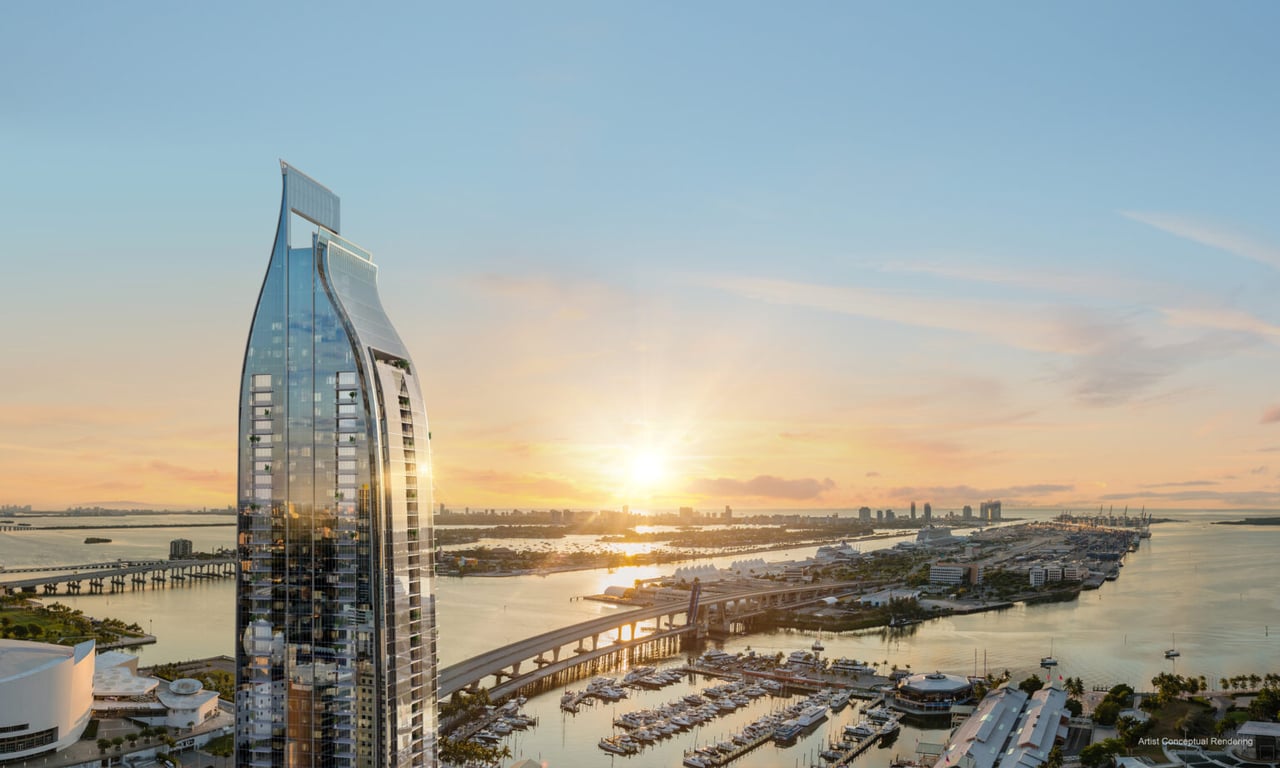
Young professionals prioritize walkability to work, dining concentration, building amenities, and social infrastructure over school zones and yard space. The urban core delivers on these requirements, with Brickell functioning as Miami's Manhattan equivalent—finance hub, rooftop bars, polished aesthetic, and true pedestrian functionality rare in car-dependent South Florida.
|
Neighborhood |
Walk Score |
1BR Condo Range |
Vibe |
Commute to Brickell |
|
Brickell |
92 |
$380K–$550K |
Finance hub, rooftop bars, polished |
You're there |
|
Edgewater |
78 |
$320K–$480K |
Bayfront, artsy, up-and-coming |
10 min |
|
Downtown Miami |
85 |
$300K–$450K |
Urban grit meets new development |
5 min |
|
Wynwood |
72 |
$400K–$600K |
Galleries, murals, creative energy |
12 min |
|
South Beach |
89 |
$450K–$700K |
Beach + nightlife, tourist-heavy |
20 min |
|
Coconut Grove |
72 |
$420K–$650K |
Leafy, boutique, less corporate |
15 min |
Brickell delivers the most complete urban package—walk to work at major banks, elevator down to dozens of restaurants, rooftop pools as building standard, and Metro access for airport trips. One-bedroom condos start around $380,000 for older buildings, with newer construction commanding $500,000+. Expect concierge service, valet parking, and business centers.
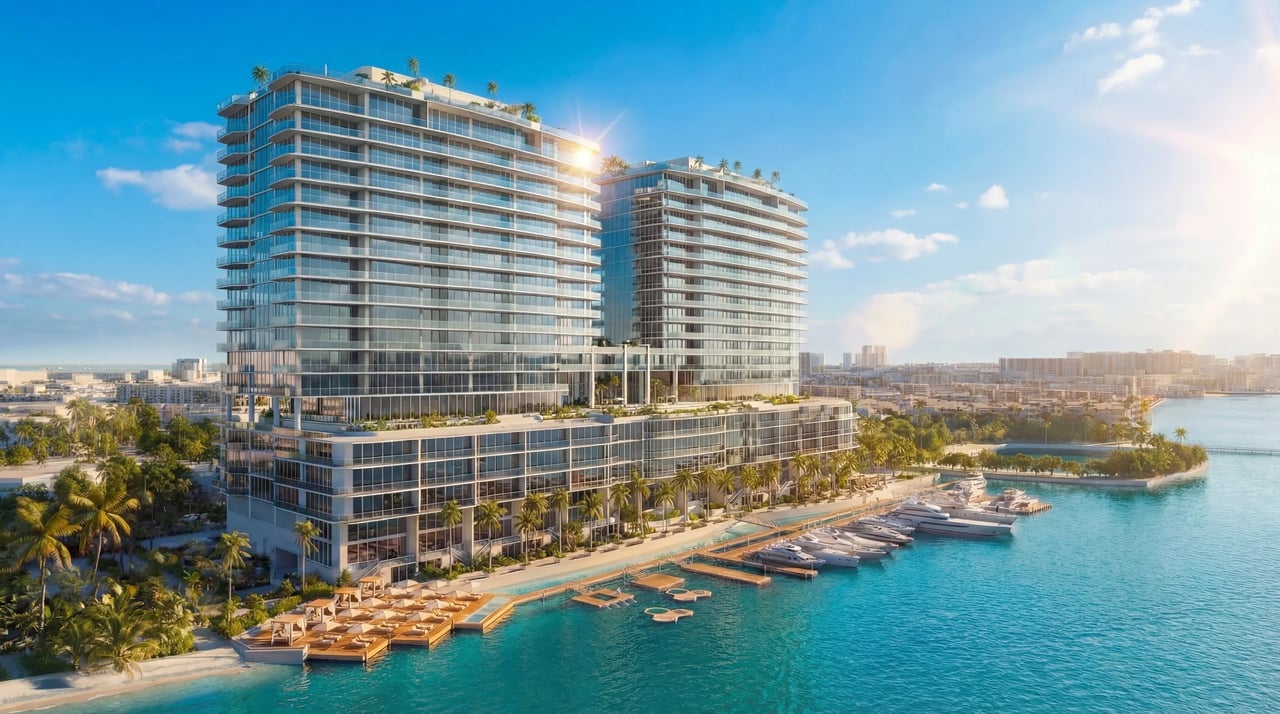
Edgewater offers bayfront access at lower price points. The neighborhood sits north of Downtown along Biscayne Bay, with glass towers built after 2010. One-bedroom units start around $320,000, delivering value for buyers willing to trade Brickell's walkability for slightly longer commutes.
Wynwood attracts creative professionals seeking artistic community over corporate polish. The warehouse-to-arts-district transformation continues, with new residential towers mixed among galleries and breweries. Expect $400,000+ for one-bedrooms reflecting creative cachet and limited inventory.
Ready to see what's available? Browse active listings in Miami Beach and Brickell.
What Are the Best Miami-Dade Neighborhoods to Buy a Single-Family Home Near Good Schools?
School quality drives family housing decisions more than any other single factor. Miami-Dade's public school system uses Florida's A-F grading system, with significant quality variation across neighborhoods. Top-performing school zones command premium pricing, often adding 20-30% to comparable homes in adjacent areas without highly-rated schools.
Where Are the Best Schools in Miami-Dade?
|
Neighborhood |
Top-Rated Public Schools |
Private Options |
Median Home Price |
Avg. Lot Size |
|
Pinecrest |
Pinecrest Elementary (A), Palmetto Middle (A), Palmetto High (A) |
Gulliver, Westminster |
$1.1M–$2M |
10,000+ sq ft |
|
Coral Gables |
Sunset Elementary (A), Ponce de Leon Middle (A) |
Ransom Everglades, Carrollton |
$950K–$1.8M |
7,500+ sq ft |
|
Key Biscayne |
Key Biscayne K-8 (A), MAST Academy |
St. Agnes |
$1.5M–$4M+ |
Varies |
|
Palmetto Bay |
Coral Reef Elementary (A), Coral Reef High (A) |
Palmer Trinity |
$700K–$1.3M |
8,000+ sq ft |
|
South Miami |
Sunset Elementary (A), South Miami Middle (B) |
Epiphany, Riviera |
$650K–$1.1M |
6,000+ sq ft |
-
Pinecrest consistently ranks as Miami-Dade's premier family suburb, delivering A-rated public schools from elementary through high school, large lots averaging 10,000+ square feet, and village governance maintaining strict code enforcement. Median home prices range $1.1 million to $2 million, with older homes starting around $800,000. Palmetto High School regularly ranks among Florida's top public schools.
-
Coral Gables offers similar school quality with more urban connectivity and architectural distinction. Mediterranean Revival architecture creates cohesive aesthetic throughout most neighborhoods. Sunset Elementary feeds into highly-rated Ponce de Leon Middle, though high school zones vary by location. Private schools including Ransom Everglades, Carrollton, and Belen Jesuit provide elite college preparatory options.
-
Key Biscayne delivers island seclusion with exceptional K-8 school (consistently A-rated) and high school access to MAST Academy, one of Miami-Dade's top-performing magnet schools. Premium pricing starts $1.5 million with limited inventory. The island's single causeway creates natural traffic barrier, maintaining quiet character.
Florida Department of Education school grades provide official ratings updated annually.
Which Miami-Dade Areas Are Good for Families?
Beyond school ratings, family-friendly neighborhoods require parks, youth sports infrastructure, and community programming. Pinecrest, Coral Gables, and Palmetto Bay maintain extensive park systems with organized youth sports leagues, summer camps, and family events. Key Biscayne adds beach access and small-town atmosphere where children bike independently—rare freedom in Miami-Dade.
Gated communities provide additional family appeal for security-conscious buyers. Palmetto Bay and South Miami offer numerous gated subdivisions at more accessible price points than Coral Gables estates, typically starting around $600,000 for three-bedroom homes.
Which Areas Are Safest to Live in Miami-Dade?
Crime statistics vary dramatically across cities in Miami Dade County, with rates differing by factors of 3-5x between safest and least safe areas. Responsible analysis requires examining crime rates (incidents per capita) rather than raw numbers, and distinguishing violent crime from property crime.
What Is the Crime Rate in Various Miami Neighborhoods?
|
Neighborhood |
Violent Crime Rate (per 1K) |
Property Crime Rate (per 1K) |
Notes |
|
Key Biscayne |
1.2 |
8.5 |
Island access = natural barrier |
|
Coral Gables |
2.1 |
18.2 |
Active police presence, code enforcement |
|
Pinecrest |
0.8 |
9.1 |
Among the lowest in the county |
|
Coconut Grove |
3.4 |
24.6 |
Higher property crime in commercial areas |
|
Brickell |
2.8 |
32.1 |
Urban density = higher property crime |
|
Miami Beach |
4.2 |
45.3 |
Tourist area = elevated property crime |
Property crime (vehicle break-ins, package theft, burglary) occurs more frequently than violent crime across all Miami Dade districts. Even high-crime areas maintain relatively low violent crime rates compared to other major metropolitan areas, with most violent incidents concentrated in specific blocks rather than distributed evenly throughout neighborhoods.
Miami-Dade County Police Department maintains current crime statistics by district.
What Are the Safest Miami-Dade Neighborhoods to Consider When Buying a Family Home?
Pinecrest maintains the county's lowest violent crime rate at 0.8 incidents per 1,000 residents. Village police department and strict code enforcement contribute to safety profile. Most homes sit on large lots, with many gated subdivisions adding security layers.
Key Biscayne benefits from island geography limiting access points. The single Rickenbacker Causeway creates natural chokepoint deterring opportunistic crime. Village police presence remains high, and tight-knit community means residents notice unfamiliar vehicles.
Coral Gables employs active police force with quick response times and visible patrols. Code enforcement extends beyond building aesthetics to vehicle regulations and noise ordinances. Gated communities including Cocoplum and Gables Estates add private security.
Gated communities in any neighborhood provide additional security through controlled access, though effectiveness varies by how rigorously buildings or communities enforce access protocols. Many luxury buildings in Brickell and Miami Beach maintain 24-hour concierge and security despite higher neighborhood-level property crime rates.
What Is the Cost of Housing in Different Miami-Dade Neighborhoods?
Price per square foot provides the most accurate comparison metric across diverse property types. Absolute prices mislead—a $600,000 Pinecrest home delivers 2,500 square feet on a 10,000-square-foot lot, while a $600,000 Brickell condo provides 900 square feet of interior space. Understanding price-per-square-foot differences helps buyers evaluate relative value.
How Do Different Miami-Dade Neighborhoods Compare in Price Per Square Foot?
|
Neighborhood |
Median $/Sq Ft (Condo) |
Median $/Sq Ft (SFH) |
Entry Price |
Luxury Threshold |
|
Fisher Island |
$2,000+ |
N/A |
$3M |
$15M+ |
|
South of Fifth (SoBe) |
$1,400–$1,800 |
N/A |
$1.2M |
$5M+ |
|
Key Biscayne |
$900–$1,200 |
$700–$900 |
$800K |
$4M+ |
|
Coral Gables |
$550–$750 |
$450–$600 |
$600K |
$3M+ |
|
Brickell |
$550–$800 |
N/A |
$380K |
$2M+ |
|
Coconut Grove |
$600–$850 |
$500–$700 |
$500K |
$3M+ |
|
Edgewater |
$500–$650 |
N/A |
$320K |
$1.5M |
|
Pinecrest |
N/A |
$400–$550 |
$700K |
$2.5M+ |
|
Doral |
$350–$450 |
$280–$380 |
$350K |
$1.2M |
|
Homestead |
$220–$300 |
$180–$250 |
$280K |
$600K |
Price variations within neighborhoods reflect water views, school zones, construction age, and lot size. Coral Gables pricing spans from $600,000 for 1950s ranch homes requiring updates to $10 million+ for waterfront estates in gated communities. Brickell studio condos start around $380,000 in older buildings, while new construction three-bedroom penthouses exceed $2 million.
South Florida neighborhoods command premium pricing compared to national averages, driven by international buyer demand, limited coastal inventory, and zero state income tax attracting high earners. The price-per-square-foot differential between entry-level ($180-$250 in Homestead) and ultra-luxury ($2,000+ on Fisher Island) exceeds 10x, illustrating Miami-Dade's extreme market segmentation.
What Are the Most Affordable Neighborhoods in Miami?
Entry-level buyers seeking homes under $400,000 focus on Miami-Dade's southern and western periphery:
Homestead represents the county's most affordable option, with single-family homes starting around $280,000. Trade-offs include 45+ minute commute to Brickell, limited walkability, and older housing stock. Agricultural heritage persists with nurseries and farm stands, creating distinct character.
Hialeah offers working-class affordability with strong Cuban cultural identity. Older single-family homes and townhouses start around $320,000. Commute to Brickell takes 35-45 minutes. The food scene—authentic Cuban restaurants, bakeries, and cafeterias—rivals any neighborhood in South Florida.
North Miami attracts buyers seeking value near beaches without beach pricing. Single-family homes start around $350,000, with 15-minute drive to Miami Beach. The area shows gentrification signs as artists and young professionals discover affordability.
Opa-locka provides the county's lowest entry point around $250,000 for single-family homes, with distinctive art deco Moorish architecture. Higher crime statistics deter many buyers, though specific subdivisions maintain better safety profiles.
Where Can I Find Up-and-Coming Miami-Dade Neighborhoods With Strong Appreciation Potential?
Appreciation potential concentrates in neighborhoods experiencing early gentrification—areas where artists, young professionals, and creative businesses establish presence before mainstream buyers recognize value. Infrastructure investment, zoning changes allowing mixed-use development, and proximity to established expensive areas signal emerging neighborhoods.
Which Miami Neighborhoods Are Growing in Popularity?
-
Little River/Little Haiti benefits from Wynwood spillover as galleries and creative businesses seek more affordable warehouse space. Single-family homes start around $400,000, with appreciation potential driven by cultural momentum and river access. The area maintains authentic Haitian community and cuisine.
-
Allapattah positions near Rubell Museum and Wynwood, attracting artists priced out of established creative districts. Industrial-to-residential conversions provide unique loft-style living. Miami-Dade neighborhoods experiencing this transformation historically see 40-60% appreciation over 5-7 years.
-
Edgewater continues its high-rise development trajectory along Biscayne Bay. Construction pipeline suggests sustained growth with multiple luxury towers delivering over next 3-5 years. Bayfront access and proximity to Wynwood support continued demand.
-
North Beach represents Miami Beach's undervalued northern section. Single-family homes start around $600,000—substantial discount versus South Beach while maintaining beach access. Attracts families seeking beach lifestyle without tourist intensity.
-
Homestead/Florida City offer speculative value play. Agritourism development, Homestead-Miami Speedway events, and extreme affordability attract buyers betting on long-term suburban sprawl southward.
Miami-Dade County Economic Development tracks infrastructure investment and development activity.
Where in Miami-Dade Can I Buy a Home With a Large Lot and Space for a Pool?
Lot size priorities require suburban focus—urban Miami-Dade neighborhoods offer minimal land with high-rise condos dominating inventory. Southwestern suburbs deliver the combination of space, pool potential, and relative value.
Pinecrest sets the standard with lots averaging 10,000-20,000+ square feet. Village zoning maintains low density, prohibiting subdivisions that reduce lot sizes. Most homes include pools, with space for outdoor living areas and landscaping. Median prices $1.1-$2 million reflect land scarcity.
Coral Gables mandates minimum 7,500-square-foot lots in most zones, with many properties exceeding 10,000 square feet. Historic preservation rules add complexity to pool construction, requiring approval for significant changes. Pricing reflects prestige—$950,000 to $3 million+ depending on location.
Palmetto Bay provides more affordable large-lot alternative, with single-family homes on 8,000-12,000 square-foot lots starting around $700,000. Village governance maintains code enforcement without identical price premium. Waterfront properties along Biscayne Bay command $1.5-$3 million+.
Cutler Bay offers value-oriented larger lots in newer subdivisions. Homes built 1990s-2010s sit on 6,000-8,000+ square-foot lots with pools standard, starting around $500,000. Trade-off: longer commute (35-40 minutes to Brickell).
Kendall sprawls across southwestern Miami-Dade with extensive suburban subdivisions. Lots range 5,000-8,000 square feet, with pool-equipped homes starting around $450,000. Shopping and schools concentrate locally, reducing commute frequency.
Which Miami-Dade Neighborhoods Offer the Most Attractive Waterfront Homes for Sale?
Waterfront designation varies dramatically—oceanfront, bayfront, canal, river, and lake properties command different pricing and offer distinct lifestyle benefits. Understanding these differences helps buyers target appropriate searches.
Where Can I Find Beachfront Properties in Miami-Dade?
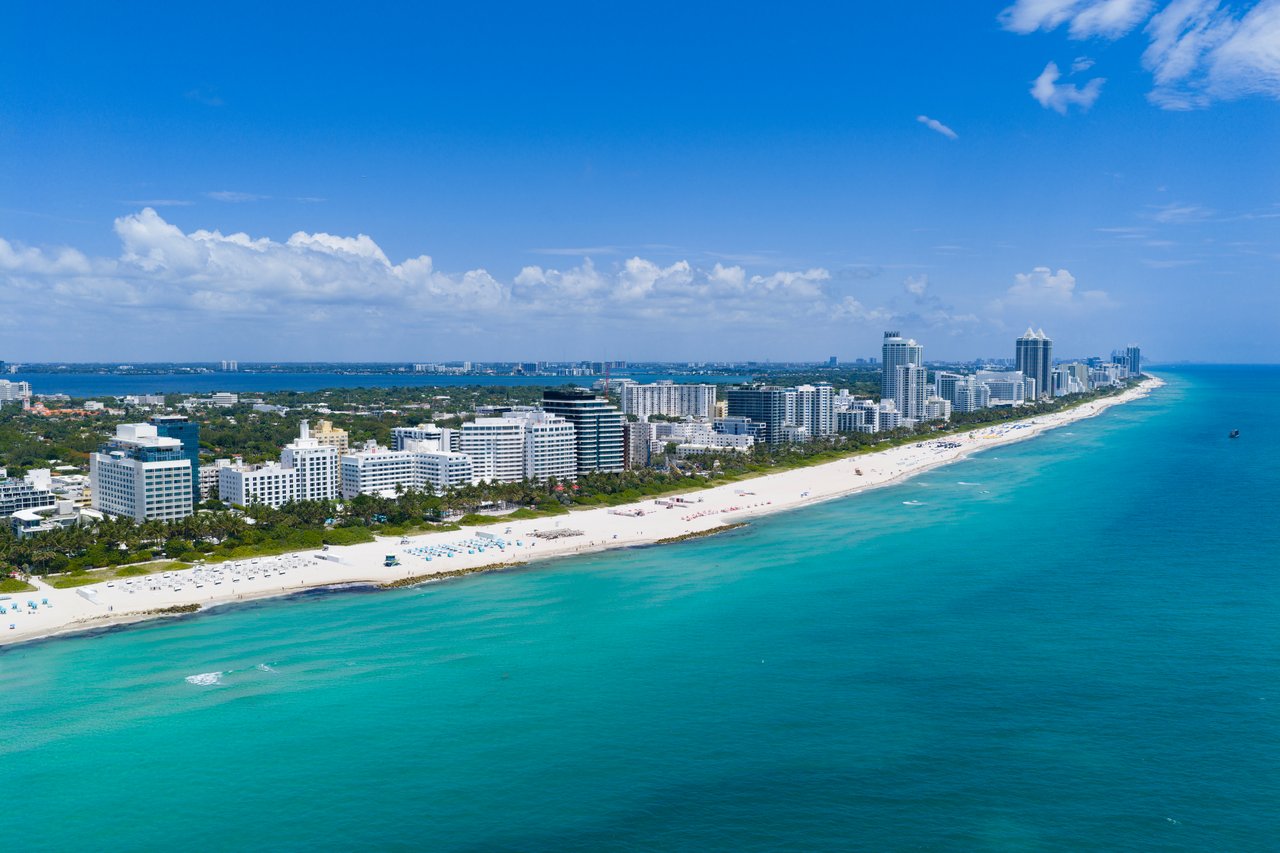
Direct oceanfront access in South Florida neighborhoods remains limited and commands extreme premiums. Miami Beach's barrier island geography concentrates beachfront inventory, though nearly all ocean-facing properties are high-rise condos rather than single-family homes.
-
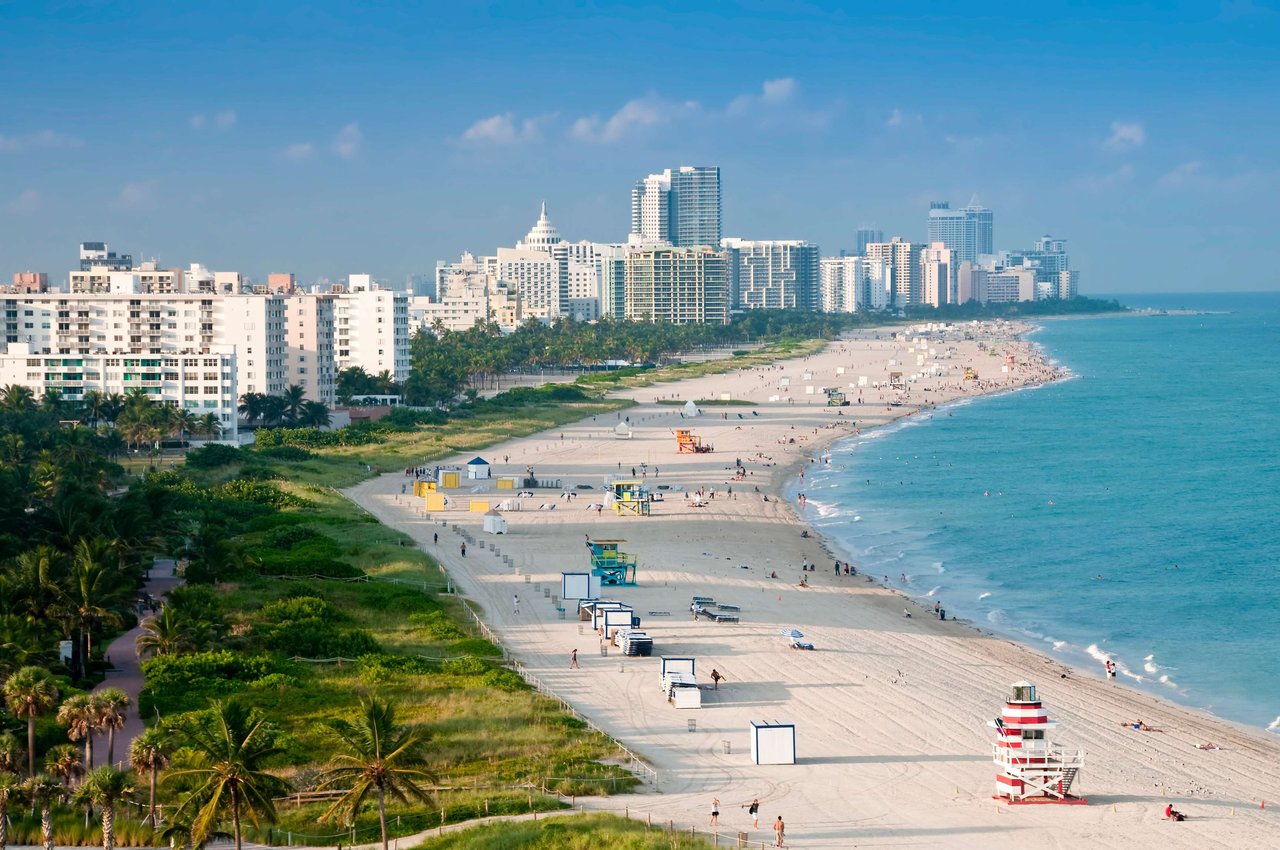
South Beach delivers the most iconic beach access, with Art Deco buildings and modern glass towers facing the Atlantic. South of Fifth (SoFi) maintains the highest prices—two-bedroom condos start around $1.2 million. The lifestyle includes beach clubs, ocean views, and walkability to Lincoln Road dining.
-
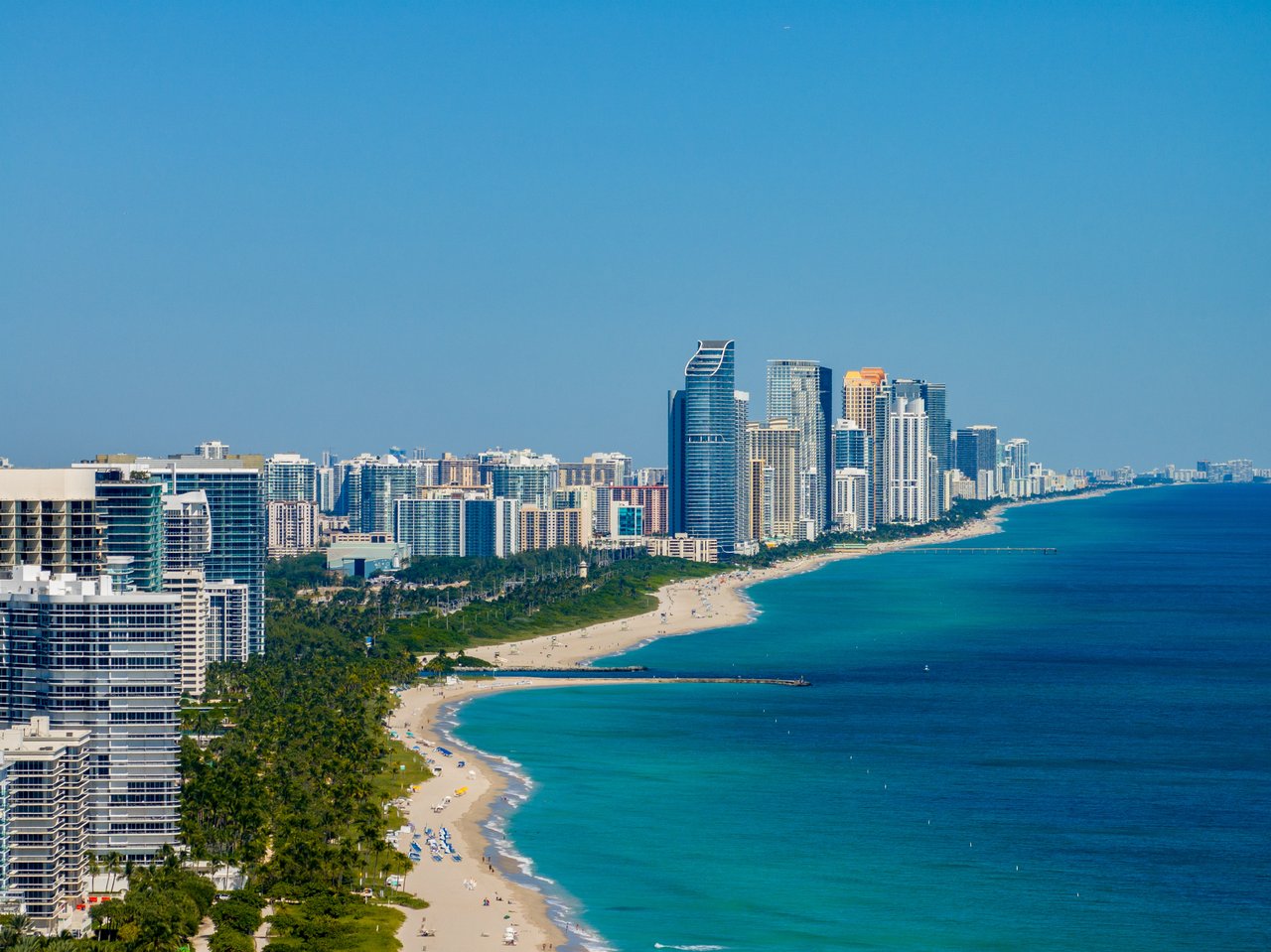
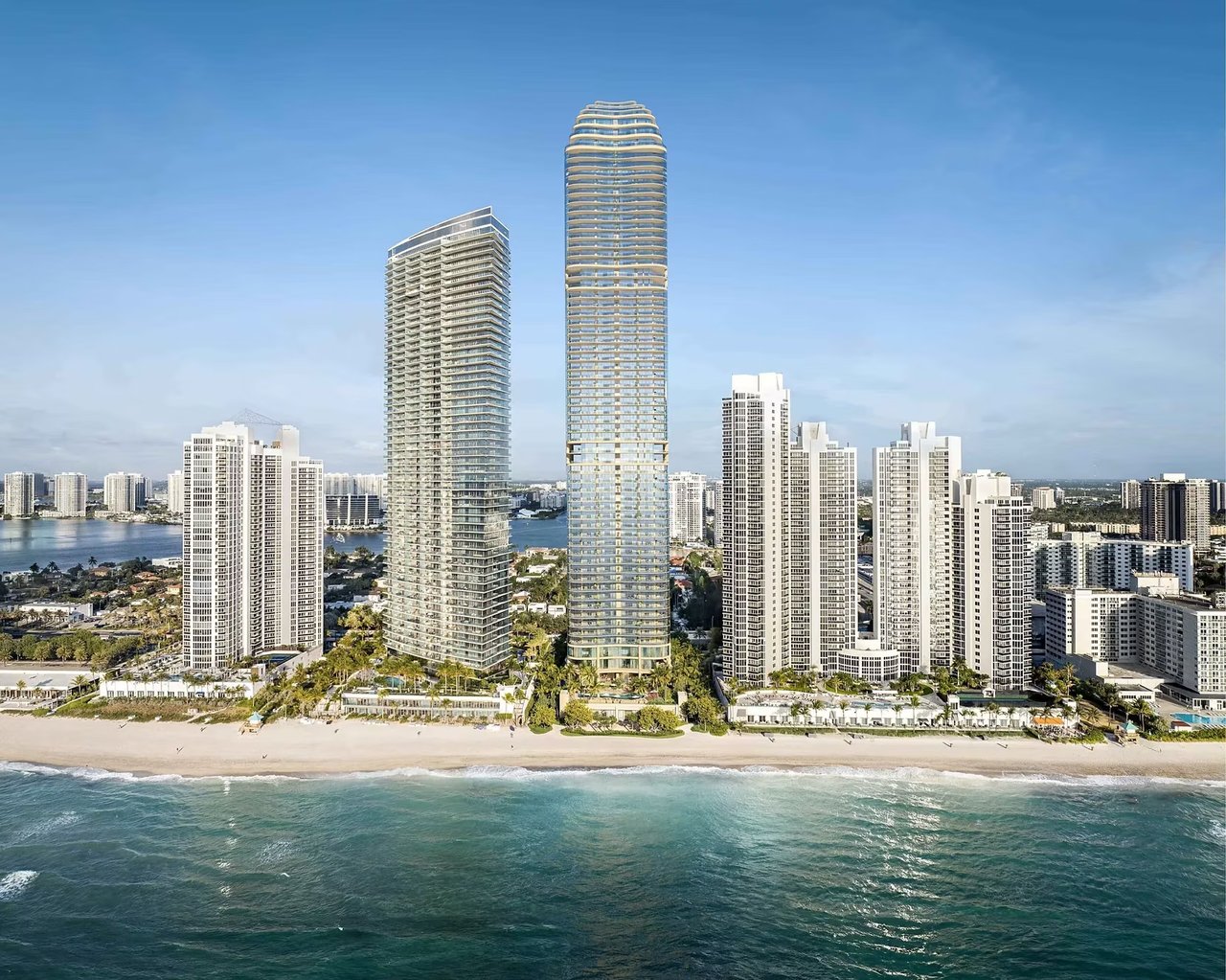
Surfside, Bal Harbour, and Sunny Isles Beach extend northward with luxury condo towers. Surfside maintains quieter family character, while Bal Harbour centers around luxury shopping. Sunny Isles specializes in international buyers, with branded towers (Armani Casa, Porsche Design Tower) commanding $600,000 to multi-million dollar pricing.
-
Key Biscayne provides Miami-Dade's only substantial single-family home inventory near beaches. Properties don't face directly on sand, but the island's compact size means all homes sit within 5-10 minute walk to beach access. Single-family homes start around $1.5 million.
-
Fisher Island represents ultra-luxury private island living accessible only by ferry or yacht. Direct oceanfront condos and villas range $3 million to $30 million+, with beach club, golf course, and marina amenities.
Explore detailed waterfront listings in our Miami neighborhoods by water access.
Which Miami-Dade Neighborhoods Are Best for Investors Buying Rental Properties or Vacation Homes?
Investment strategy determines optimal Miami Dade County areas—short-term vacation rentals, long-term residential rentals, and value-add renovations each favor different neighborhoods. Regulatory environment varies significantly by municipality, with some cities restricting or prohibiting short-term rentals entirely.
Short-term rental considerations: Miami Beach allows short-term rentals in hotels and designated properties, but individual condo buildings often restrict rentals through bylaws requiring minimum 6-month or 1-year lease terms. Brickell buildings similarly vary—some allow 30-day minimum rentals while others prohibit any rentals under one year. Buyers targeting vacation rental income must verify specific building and city regulations before purchase.
High short-term rental potential: Wynwood attracts tourists seeking artistic neighborhood character, with some buildings allowing 30-day minimum stays. Downtown Miami's proximity to conventions and business travel supports furnished corporate rentals. Coconut Grove's boutique character appeals to discerning visitors, though inventory allowing short stays remains limited.
Long-term rental demand: Brickell maintains strongest long-term rental market driven by finance professionals and international corporate relocations. One-bedroom condos rent $2,500-$3,500 monthly, delivering 5-7% gross yields on $400,000-$500,000 purchase prices. Edgewater and Downtown Miami offer similar demand at slightly lower price points.
Vacation home value: Key Biscayne and Coconut Grove attract vacation homeowners seeking personal-use properties that appreciate while occupied minimally. The combination of prestige addresses, limited inventory, and lifestyle amenities supports stable long-term appreciation even without rental income.
Investors must budget for HOA fees ranging $300-$800+ monthly for condos, property management fees consuming 8-10% of rental income, and maintenance reserves. Many buildings assess special assessments for major repairs (roof, facade, mechanical systems), creating irregular expense spikes.
Which Gated Communities in Miami-Dade Are Most Desirable for Luxury Home Buyers?
Gated communities provide security, exclusivity, and amenity concentration attracting luxury buyers. Miami-Dade's most prestigious gated developments cluster in Coral Gables and Palmetto Bay, with waterfront access, golf courses, or marina facilities differentiating offerings.
|
Community |
Location |
Style |
Price Range |
Amenities |
|
Cocoplum |
Coral Gables |
Waterfront estates |
$3M–$20M+ |
Private marina, guard gate, tennis |
|
Gables Estates |
Coral Gables |
Ultra-luxury waterfront |
$8M–$40M+ |
Most exclusive in Miami-Dade |
|
Deering Bay |
Coral Gables |
Golf/waterfront |
$1.5M–$8M |
Golf course, yacht club, spa |
|
Old Cutler Bay |
Palmetto Bay |
Waterfront estates |
$2M–$10M |
Private, mature landscaping |
|
Fisher Island |
Off Miami Beach |
Private island |
$3M–$30M+ |
Beach club, golf, marina |
|
Tahiti Beach |
Coral Gables |
Exclusive enclave |
$5M–$25M+ |
Just 30 homes, ultimate privacy |
Gables Estates represents Miami-Dade's pinnacle of waterfront luxury. The 140-home community occupies Coral Gables' southern tip with direct bay access for yachts and guard-gated security. Properties rarely list below $8 million, with premium lots exceeding $40 million.
Cocoplum provides similar Coral Gables prestige with slightly broader price range starting around $3 million. Private marina accommodates residents' yachts, with deep-water access to Biscayne Bay and Atlantic. Tennis courts and mature landscaping create resort-like environment.
Fisher Island delivers ultimate exclusivity via private island accessible only by ferry or boat. Residents include celebrities and international executives seeking maximum privacy. Beach club, golf course, and marina create self-contained luxury community. Condos start around $3 million.
Tahiti Beach maintains exclusivity through scarcity—just 30 waterfront homes on tiny peninsula in Coral Gables. Properties rarely transact, with estates commanding $5-$25 million when available. The location provides bay views and Coral Gables prestige.
HOA fees in luxury gated communities range $1,000-$5,000+ monthly depending on amenity offerings. Golf course communities assess higher fees covering course maintenance and club operations, while smaller enclaves like Tahiti Beach charge primarily for security and common area maintenance.
Is It Better to Live in Coral Gables or Brickell?
The question recurs constantly among buyers torn between Miami-Dade's two most prominent addresses. The answer depends entirely on life stage and lifestyle priorities—neither option is objectively superior, but one will fit your circumstances dramatically better than the other.
|
Factor |
Coral Gables |
Brickell |
|
Property Type |
Single-family homes, some condos |
Almost entirely high-rise condos |
|
Median Age |
40s–50s |
25–35 |
|
Vibe |
Established, tree-lined, historic |
Vertical, polished, fast-paced |
|
Schools |
Top-rated public and private |
Few family-oriented options |
|
Walkability |
Moderate (downtown village area) |
Very high |
|
Nightlife |
Quiet after 10 PM |
Active until 2 AM+ |
|
Parking |
Private garages standard |
Building parking, often limited |
|
Entry Price |
$600K (older homes) |
$380K (studios) |
|
Best For |
Families, professionals wanting space |
Young professionals, investors |
Choose Coral Gables if: You have children or plan to start a family within 3-5 years. You prioritize outdoor space, private yards, and architectural character. You're established in career and value quiet residential environment over urban energy. You want your home to be an appreciating asset first and living space second. You prefer driving to destinations over walking to bars.
Choose Brickell if: You're early-career professional maximizing networking and social opportunities. You value walkability to work and weekend activities over yard space. You want building amenities (pool, gym, concierge) without maintenance responsibilities. You're comfortable with higher density living and background urban noise. You prefer spending on experiences over real estate square footage.
Price-per-square-foot comparison favors Brickell for entry-level buyers—$380,000 buys studio or one-bedroom condo versus nothing in Coral Gables. As budgets expand above $600,000, Coral Gables delivers more square footage and outdoor space, with $1 million+ providing substantial single-family homes versus two-bedroom Brickell condos.
Still deciding? Schedule a consultation to discuss which area matches your lifestyle.
Which Miami-Dade Neighborhoods Have the Lowest Property Taxes for Home Buyers?
Property tax rates remain relatively consistent across Miami Dade districts at approximately 0.89-1.1% of assessed value, with variation driven by municipal services and special taxing districts rather than neighborhood-specific rates. Understanding how assessments and exemptions work matters more than finding magical low-tax zones.
Florida's homestead exemption reduces assessed value by up to $50,000 for primary residences, creating immediate tax savings around $500-$1,100 annually. The exemption requires establishing Florida residency and occupying the property as your primary residence.
Some areas include Community Development Districts (CDDs) adding assessments for infrastructure or services. Newer subdivisions in Doral, Kendall, and Homestead occasionally include CDD fees ranging $1,000-$3,000 annually on top of standard property taxes.
Unincorporated Miami-Dade areas may pay slightly lower taxes than incorporated cities like Coral Gables or Miami Beach. The differences typically amount to $500-$1,500 annually on median-priced homes.
Miami-Dade Property Appraiser provides assessed values and tax calculations for specific addresses.
Assessed values track market values with lag—rapidly appreciating neighborhoods see tax bills increase as county reassesses properties. Coral Gables, Brickell, and Coconut Grove's appreciation over past decade means tax bills grew substantially even without rate increases. Conversely, stable areas like parts of Kendall see minimal annual assessment increases.
How Miami-Dade Compares to Broward and Palm Beach Counties
Buyers researching Miami-Dade neighborhoods should understand broader South Florida context. The three-county region functions as connected but distinct markets, with meaningful lifestyle and financial differences.
|
Factor |
Miami-Dade |
Broward |
Palm Beach |
|
Median Home Price |
$550K |
$450K |
$520K |
|
Vibe |
Urban, international, vibrant |
Suburban, practical, diverse |
Affluent, relaxed, older demographic |
|
Best For |
Young professionals, international buyers, urban lovers |
Families seeking value, commuters |
Retirees, equestrians, golf enthusiasts |
|
Airport Hub |
MIA (major international) |
FLL (budget carriers, less congested) |
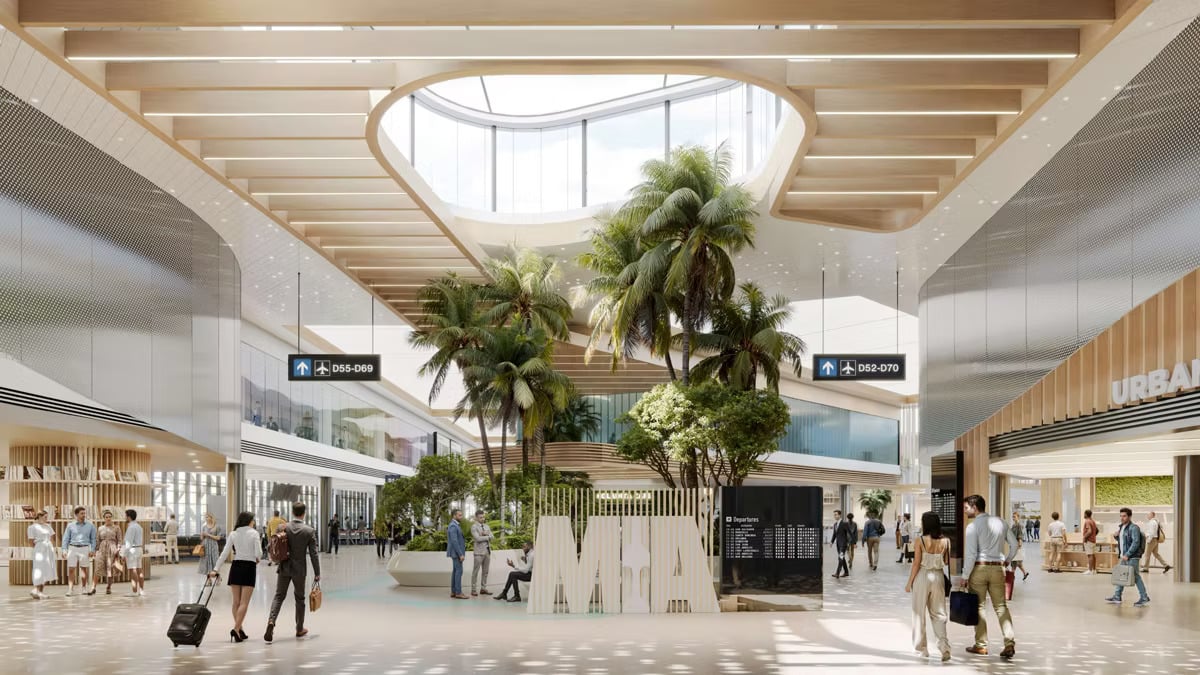
PBI (smaller, convenient) |
|
Traffic |
Heavy |
Moderate-heavy |
Lighter |
|
Nightlife/Culture |
Best in South Florida |
Moderate |
Limited |
-
Miami-Dade delivers maximum urban intensity, international culture, and waterfront access. The county attracts young professionals, international buyers, and those prioritizing cultural amenities over space. Trade-offs include highest prices, worst traffic, and most competitive real estate market.
-
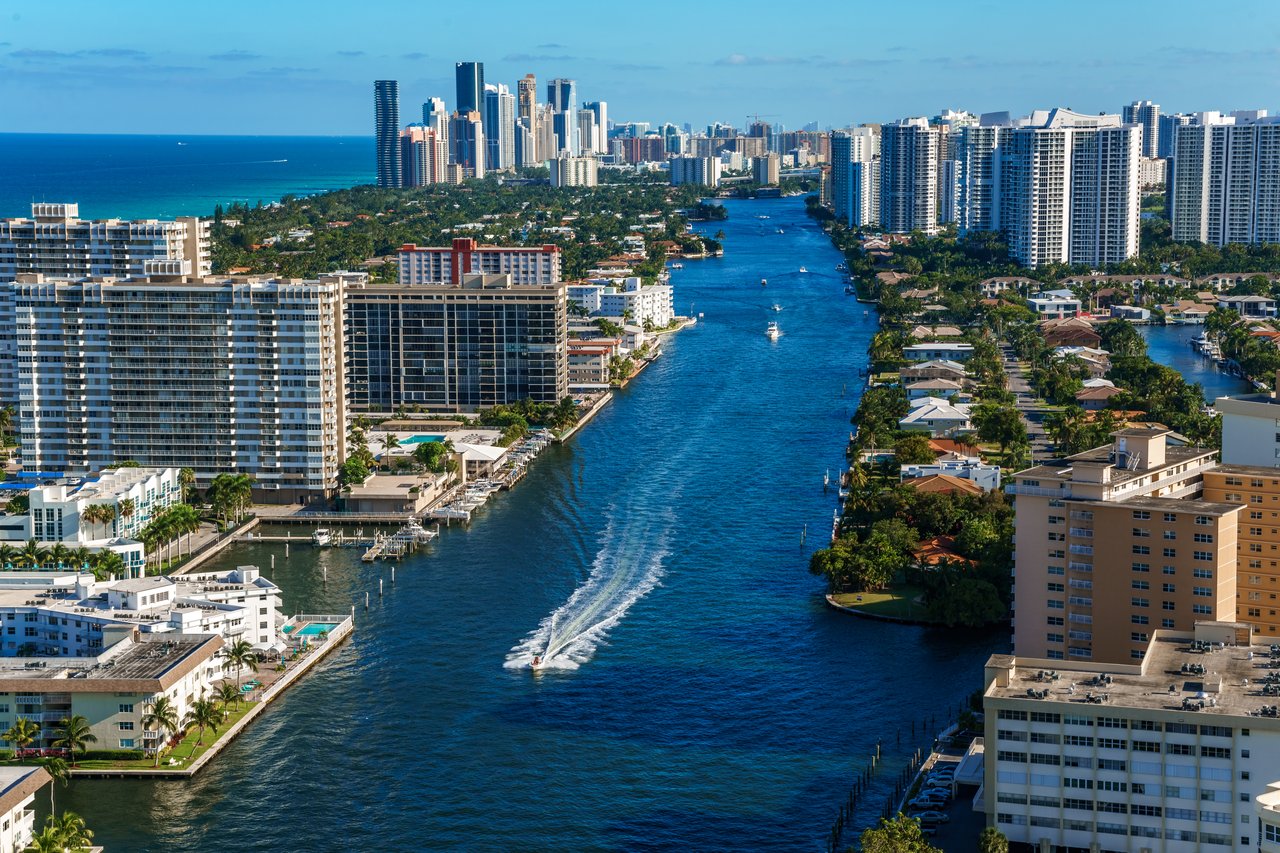
Broward County (Fort Lauderdale, Hollywood, Plantation) offers family-oriented suburbs at 15-20% lower median prices than comparable Miami-Dade neighborhoods. Commuters working in Miami-Dade tolerate 45-60 minute drives accessing better school options and more space per dollar. Fort Lauderdale provides its own urban core with beach access, nightlife, and dining, though at smaller scale than Miami.
-
Palm Beach County (West Palm Beach, Boca Raton, Wellington) suits retirees, equestrians, and buyers prioritizing space and tranquility over urban energy. Wellington's equestrian community attracts horse enthusiasts, while Boca Raton's country clubs appeal to golf-focused retirees. Median home prices fall between Miami-Dade and Broward, with dramatically different lifestyle orientation.
The choice between counties depends on commute tolerance and lifestyle priorities. Buyers with Miami-Dade employment but family focus often choose Broward's suburbs, accepting commute for value and schools. Retirees and remote workers gravitate toward Palm Beach's relaxed pace and golf culture. Young professionals and international buyers cluster in Miami-Dade's urban core and beaches.
Choosing among Miami-Dade neighborhoods requires honest assessment of your life stage, daily priorities, and non-negotiable requirements. The "best" neighborhood for a 27-year-old finance analyst differs entirely from optimal choices for a family with school-age children or retirees seeking golf access. No single community excels across all dimensions—Pinecrest's schools and safety come with $1+ million price tags and 30-minute commutes, while Brickell's walkability means high-rise living without yards.
Local expertise matters for understanding neighborhood nuances that neighborhood guides and statistics can't capture. Block-by-block variations in school zones, flood zones, HOA politics, and future development plans affect property values and living experience in ways only experienced agents recognize.
Not ready to buy yet? Many buyers rent first to test neighborhoods before committing, particularly those relocating from other states unfamiliar with Miami-Dade's geography and microclimates.
Ready to narrow down your search? Explore current Miami-Dade listings or contact our team for personalized neighborhood recommendations.
Frequently Asked Questions
What are the best neighborhoods in Miami-Dade?
Coral Gables, Coconut Grove, and Key Biscayne consistently rank highest for quality of life, schools, and property values. These neighborhoods offer a combination of safety, top-rated schools, and strong appreciation potential that appeals to both families and luxury buyers.
Which areas are safest to live in Miami-Dade?
Pinecrest, Key Biscayne, and Coral Gables have the lowest crime rates in the county. Pinecrest maintains the lowest violent crime rate at just 0.8 incidents per 1,000 residents, while Key Biscayne benefits from its island geography that naturally limits access.
What is the cost of housing in different Miami-Dade neighborhoods?
Entry-level prices range from $280K in Homestead to $1.2M+ in South of Fifth, with most desirable suburbs starting around $600K–$800K. Price per square foot varies from $180 in Homestead to over $2,000 on Fisher Island, reflecting the extreme market segmentation across the county.
Where are the best schools in Miami-Dade?
Pinecrest, Coral Gables, Key Biscayne, and Palmetto Bay have the highest concentration of A-rated public schools. Pinecrest offers A-rated schools from elementary through high school, while Coral Gables and Key Biscayne also provide access to elite private school options.
Is it better to live in Coral Gables or Brickell?
Coral Gables suits families and buyers wanting space; Brickell is better for young professionals seeking urban walkability and nightlife. Coral Gables offers single-family homes starting around $600K, while Brickell provides high-rise condos from $380K with superior walkability and building amenities.
What are the most affordable neighborhoods in Miami?
Homestead, Hialeah, and North Miami offer entry points under $400K, with trade-offs in commute time and amenities. Homestead provides the lowest prices starting around $280K but requires 45+ minute commutes, while Hialeah and North Miami offer better proximity to urban areas.
Which Miami-Dade areas are good for families?
Pinecrest, Coral Gables, Palmetto Bay, and Key Biscayne are top choices for families prioritizing schools and safety. These neighborhoods combine A-rated public schools, low crime rates, large lot sizes, and family-oriented community programming that creates ideal environments for raising children.
What is the crime rate in various Miami neighborhoods?
Pinecrest averages 0.8 violent crimes per 1,000 residents, while Miami Beach averages 4.2—rates vary significantly by neighborhood. Property crime rates also differ dramatically, with tourist-heavy areas like Miami Beach experiencing higher incidents of theft and vehicle break-ins compared to suburban villages.
Where can I find beachfront properties in Miami-Dade?
Direct oceanfront condos are available in South Beach, Surfside, Bal Harbour, and Sunny Isles; Key Biscayne offers the closest single-family beach access. Fisher Island provides the most exclusive beachfront living, though properties range from $3M to $30M+ and require ferry access to the private island.
Which neighborhoods are growing in popularity?
Little River, Allapattah, and North Beach are attracting buyers seeking appreciation potential and relative value compared to established areas. These neighborhoods benefit from spillover demand from expensive adjacent areas like Wynwood and South Beach, with buyers discovering affordability and authentic cultural character.
Which gated communities in Miami-Dade are most desirable for luxury buyers?
Gables Estates, Cocoplum, Fisher Island, and Tahiti Beach represent the pinnacle of Miami-Dade's gated luxury market. Gables Estates commands the highest prices starting around $8M, while Cocoplum offers slightly broader accessibility from $3M, both providing waterfront estates with private marina access.