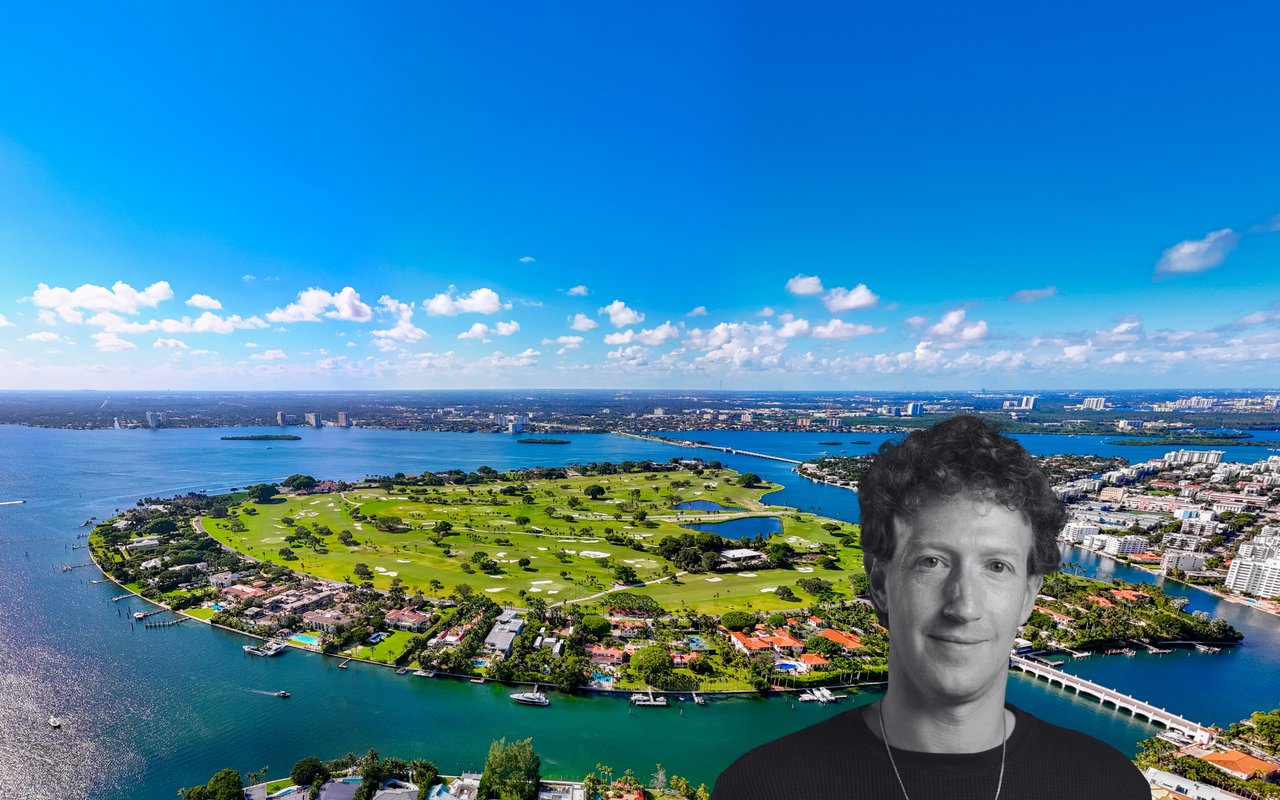
Miami’s ultra-luxury real estate market continues to attract the world’s most powerful names, and few moves have generated as much attention as Mark Zuckerberg’s quiet but decisive expansion into Indian Creek—often referred to as the “Billionaire Bunker.”
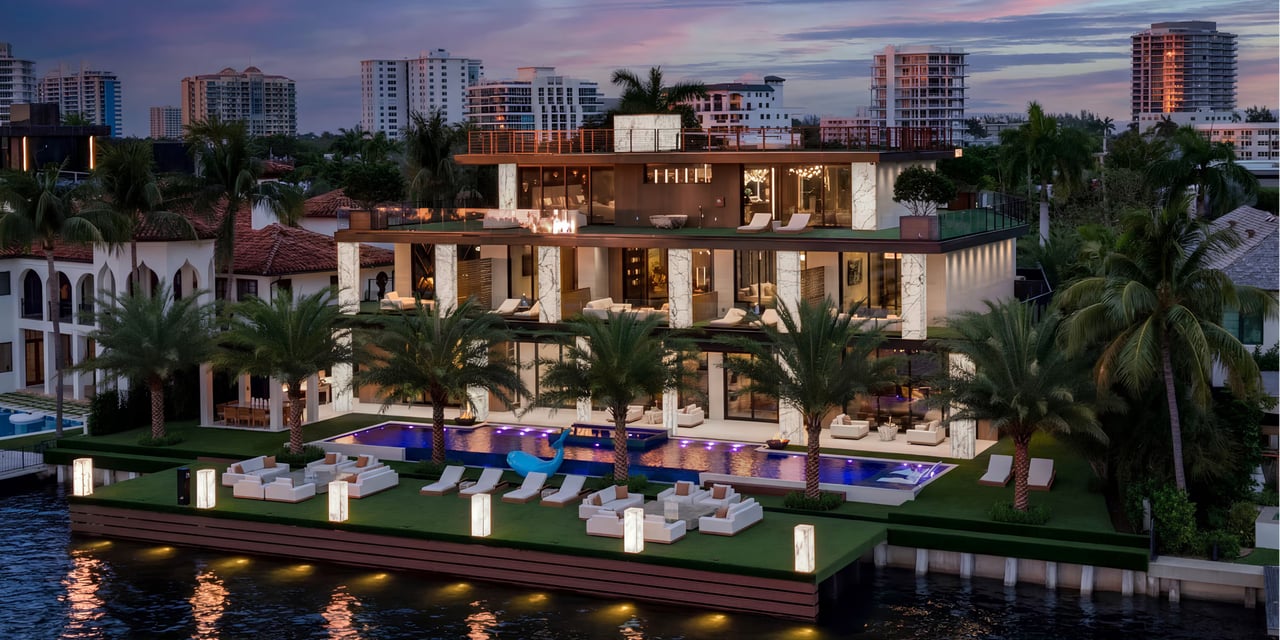
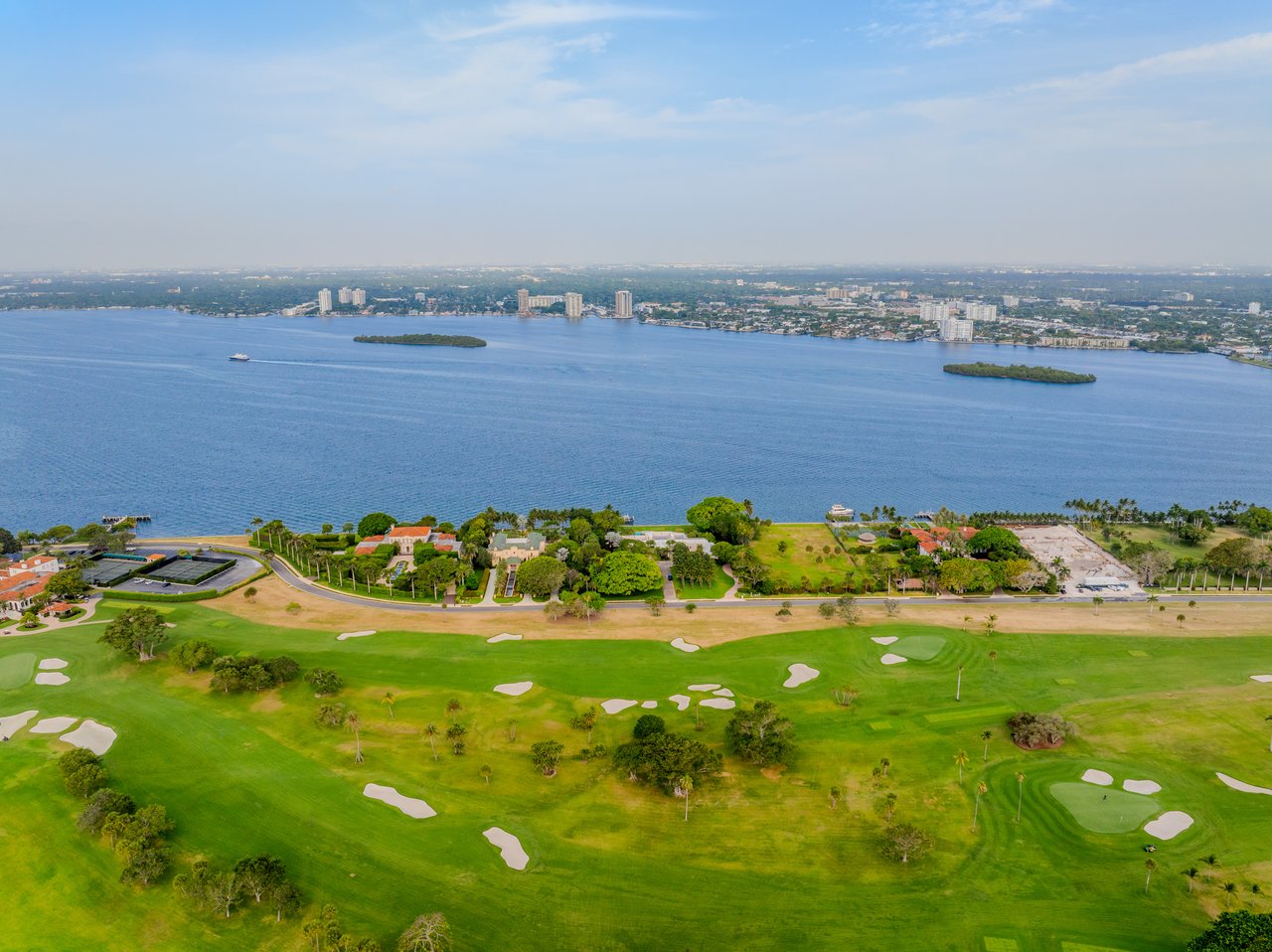
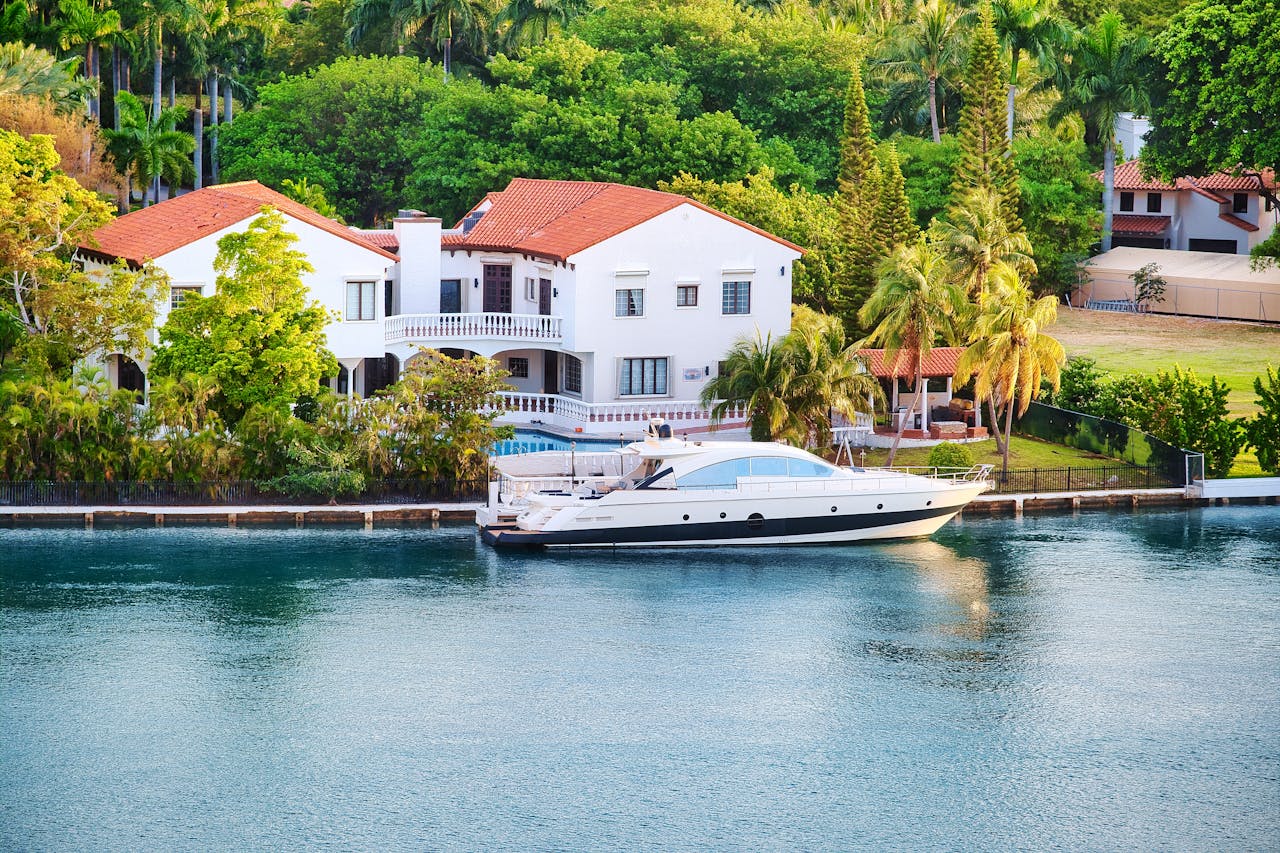
Over the past year, Zuckerberg has assembled a substantial waterfront footprint on the private island, investing hundreds of millions of dollars into neighboring properties with the apparent goal of creating a highly secure, long-term compound. The strategy is emblematic of a broader shift among global ultra-high-net-worth individuals: prioritising privacy, control, and legacy over singular trophy homes.
Indian Creek: A Global Safe Haven for Wealth
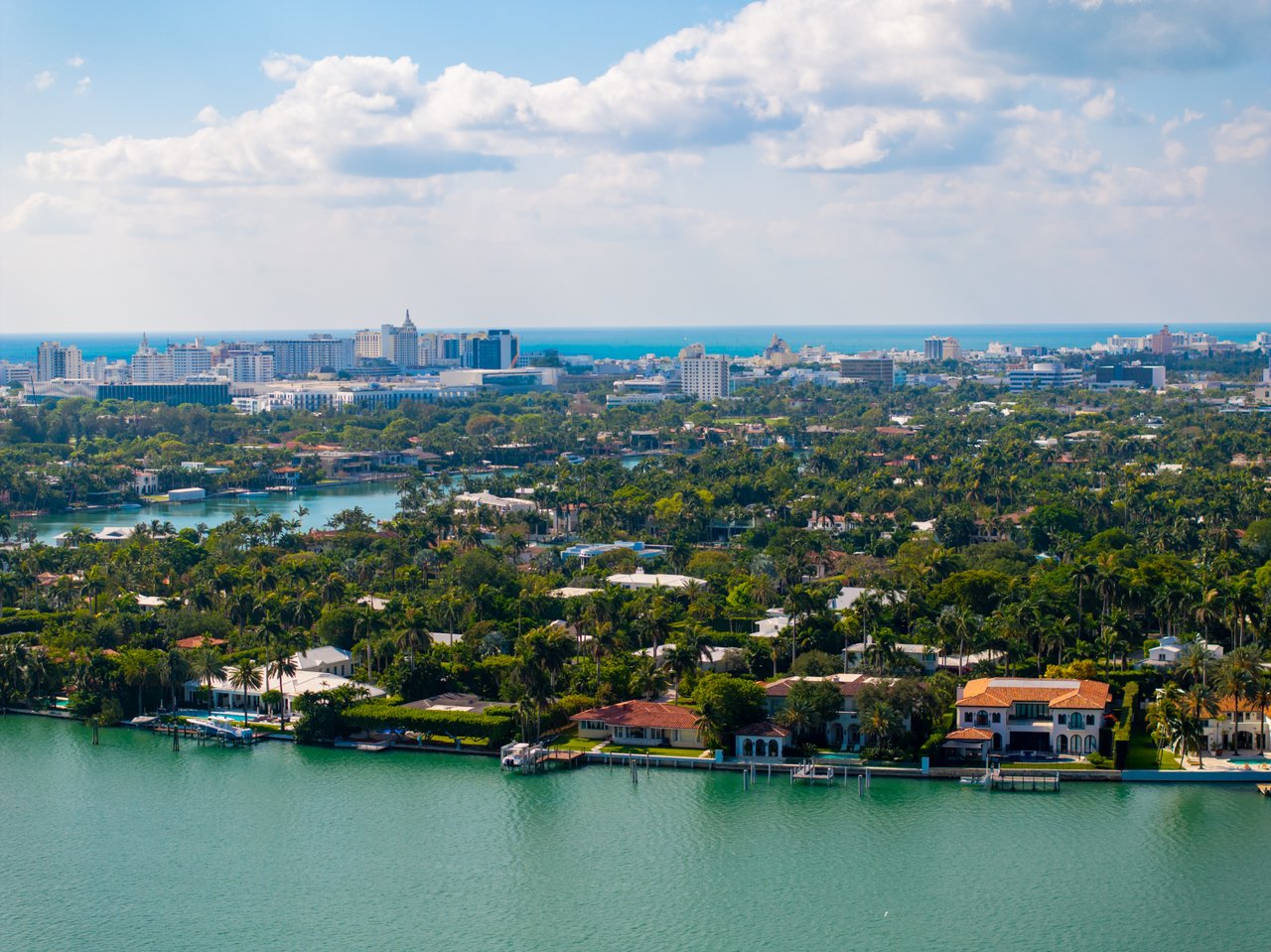
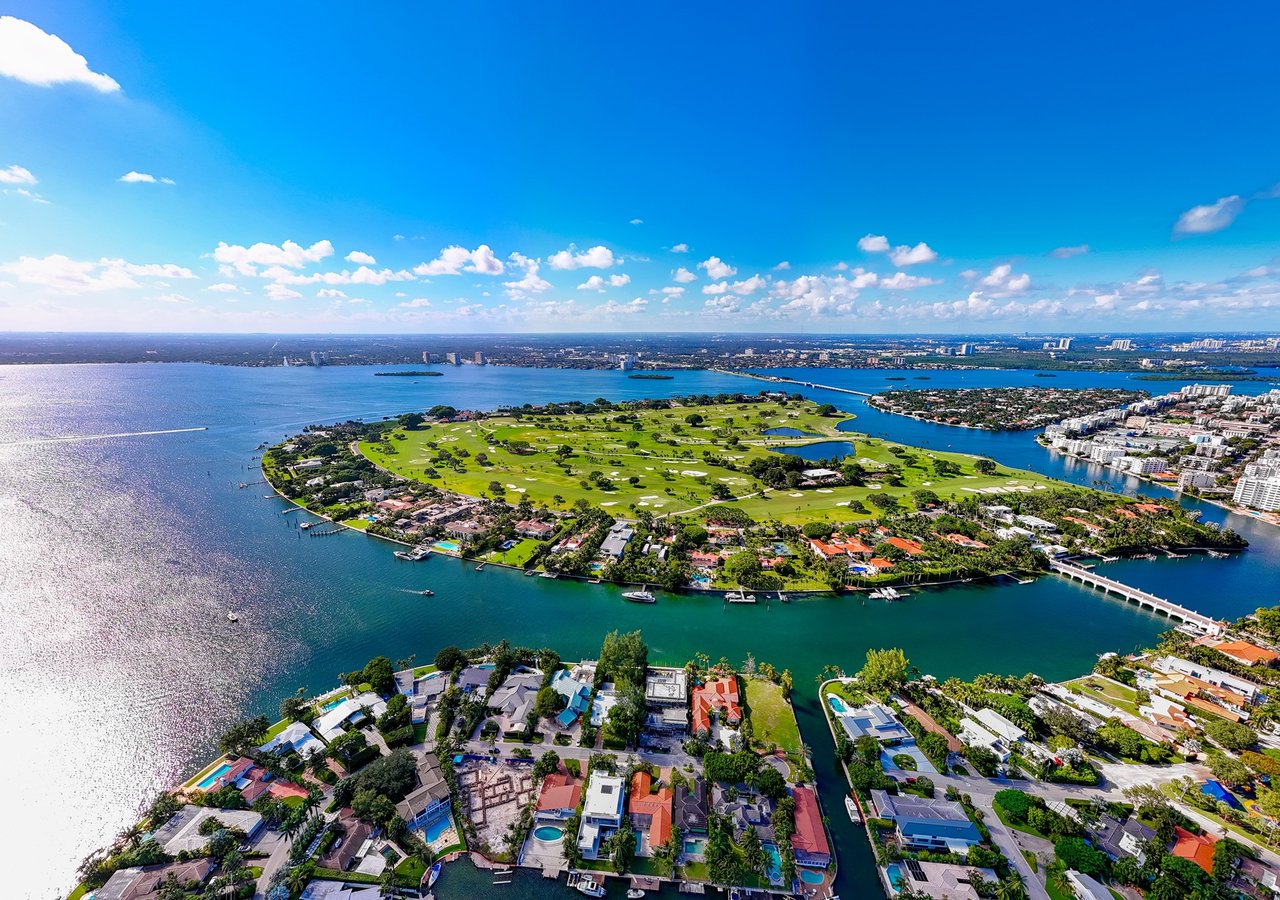
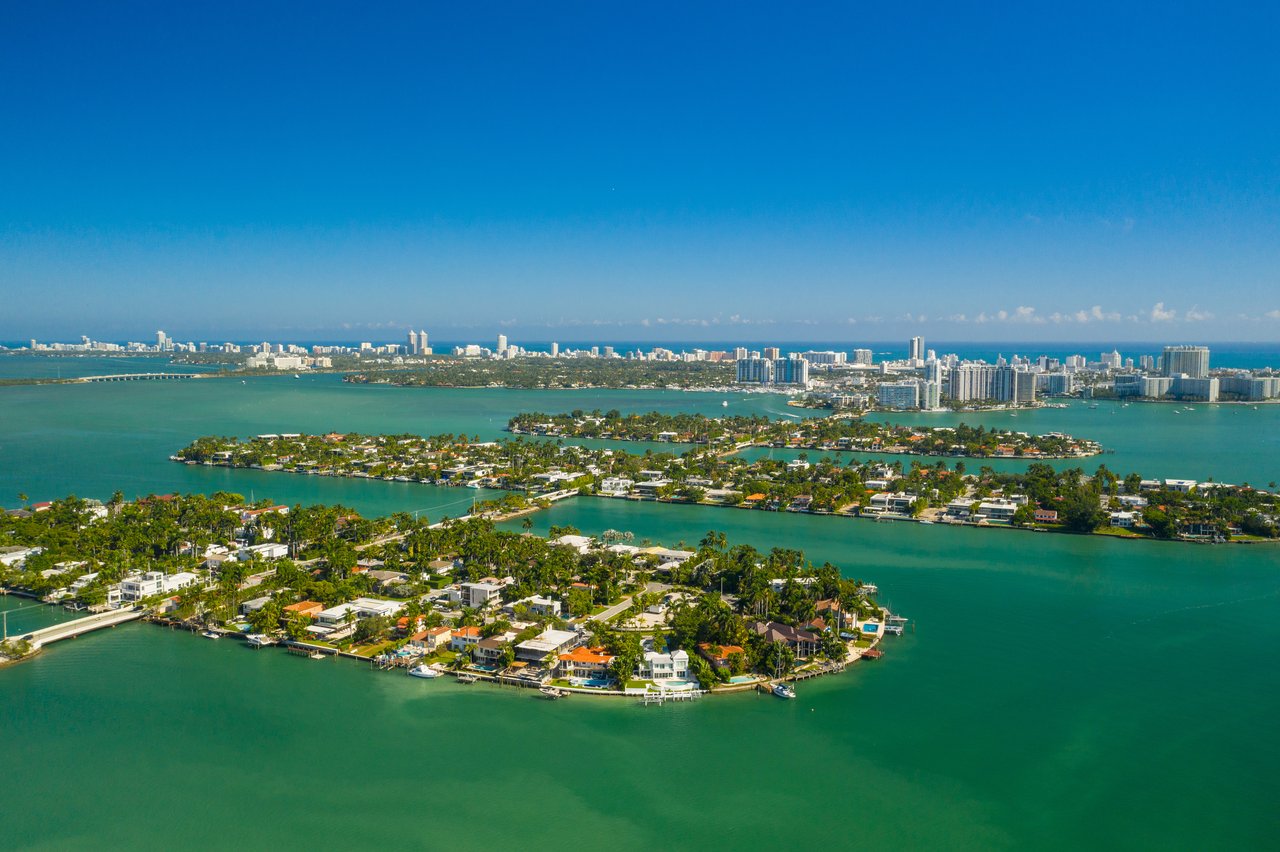
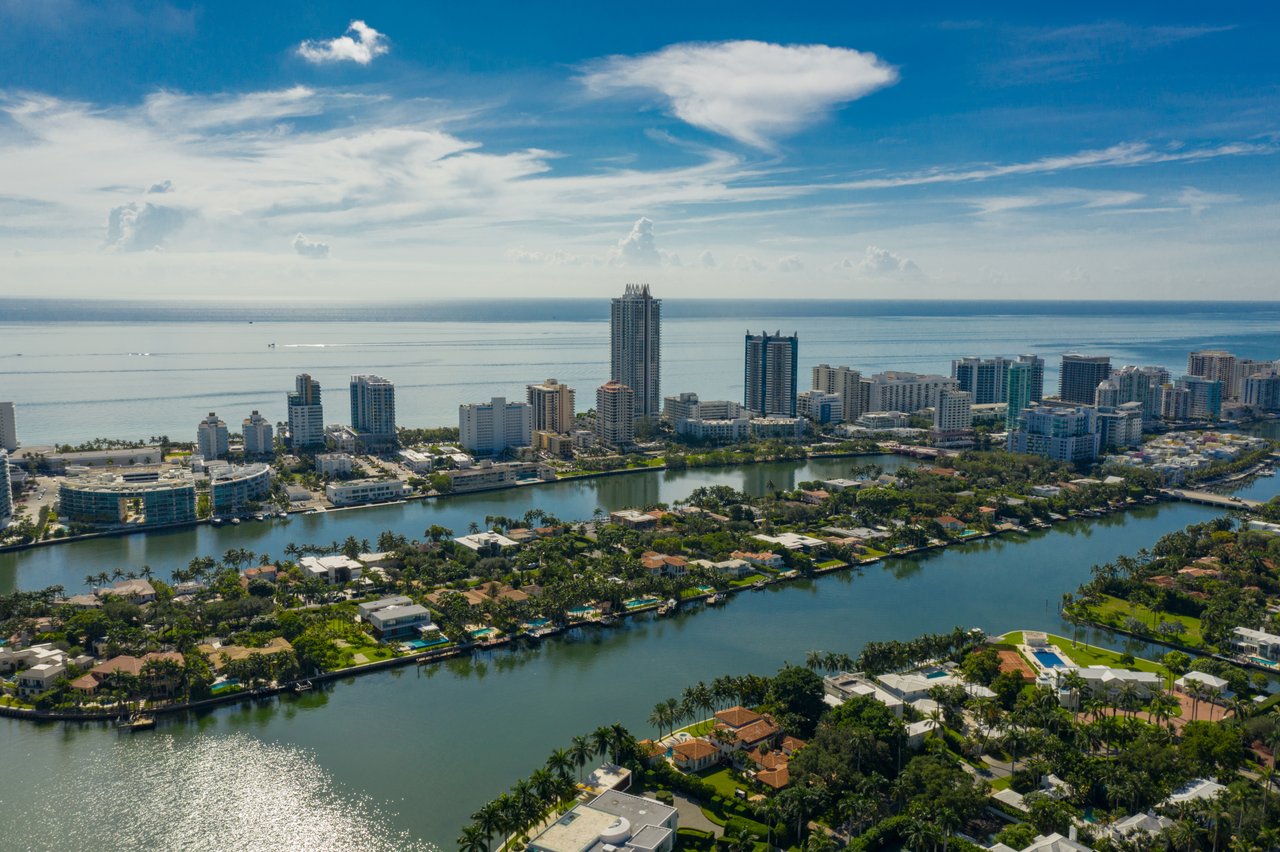
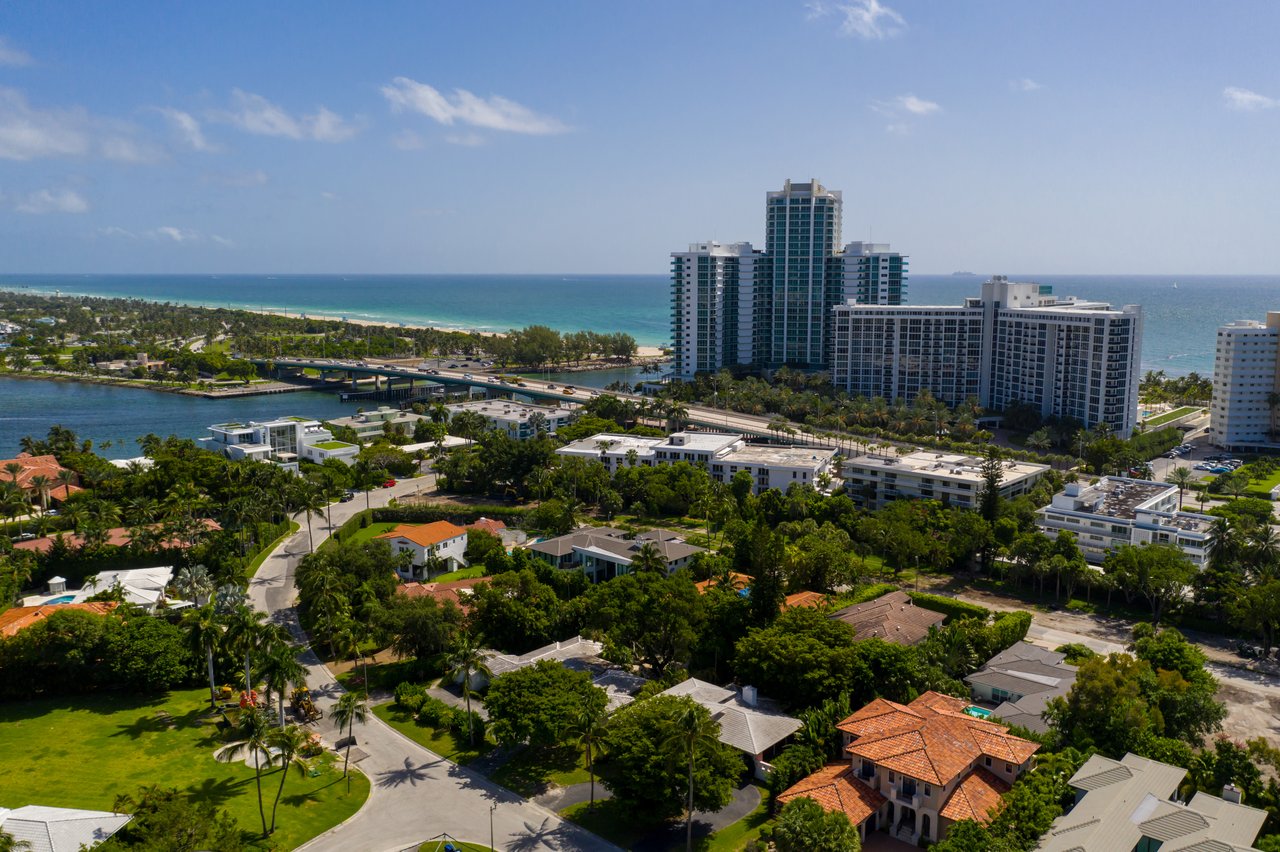
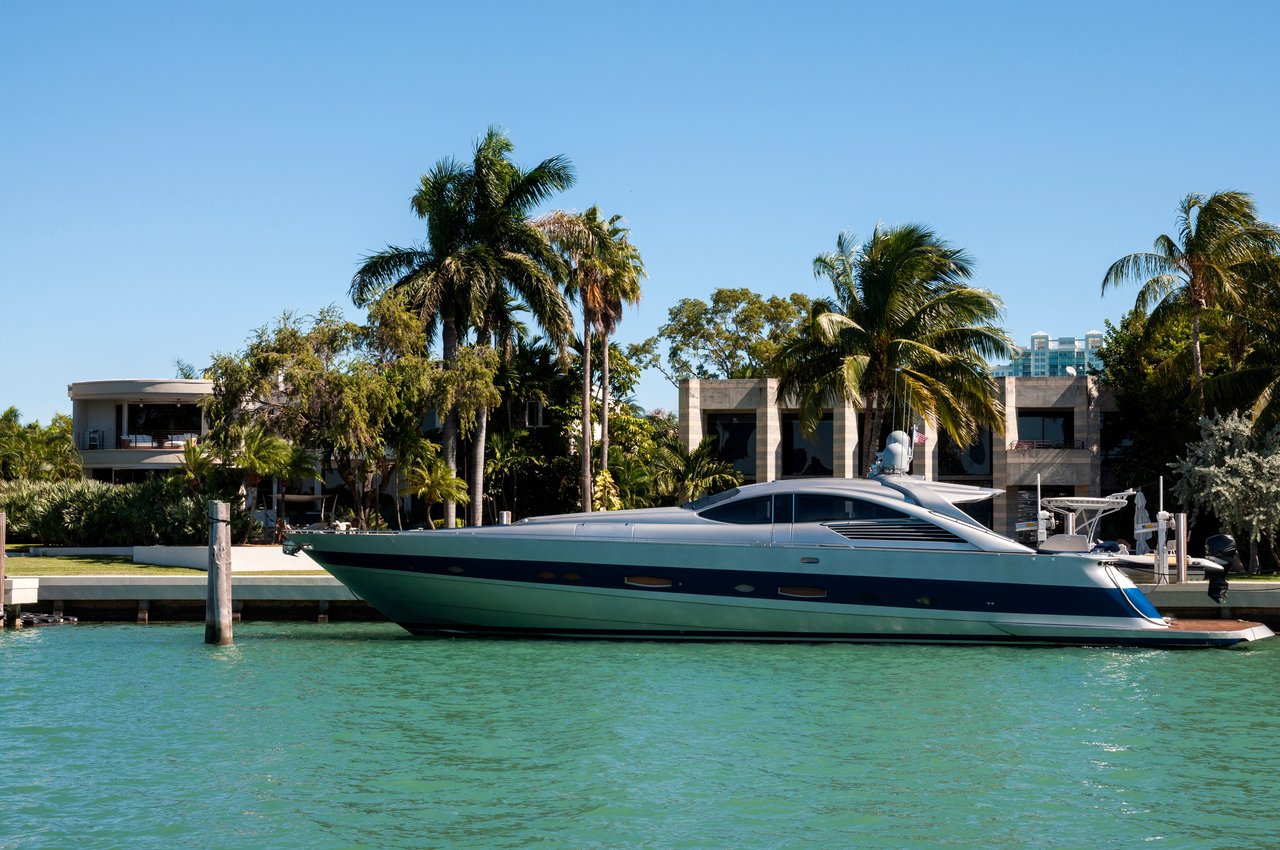
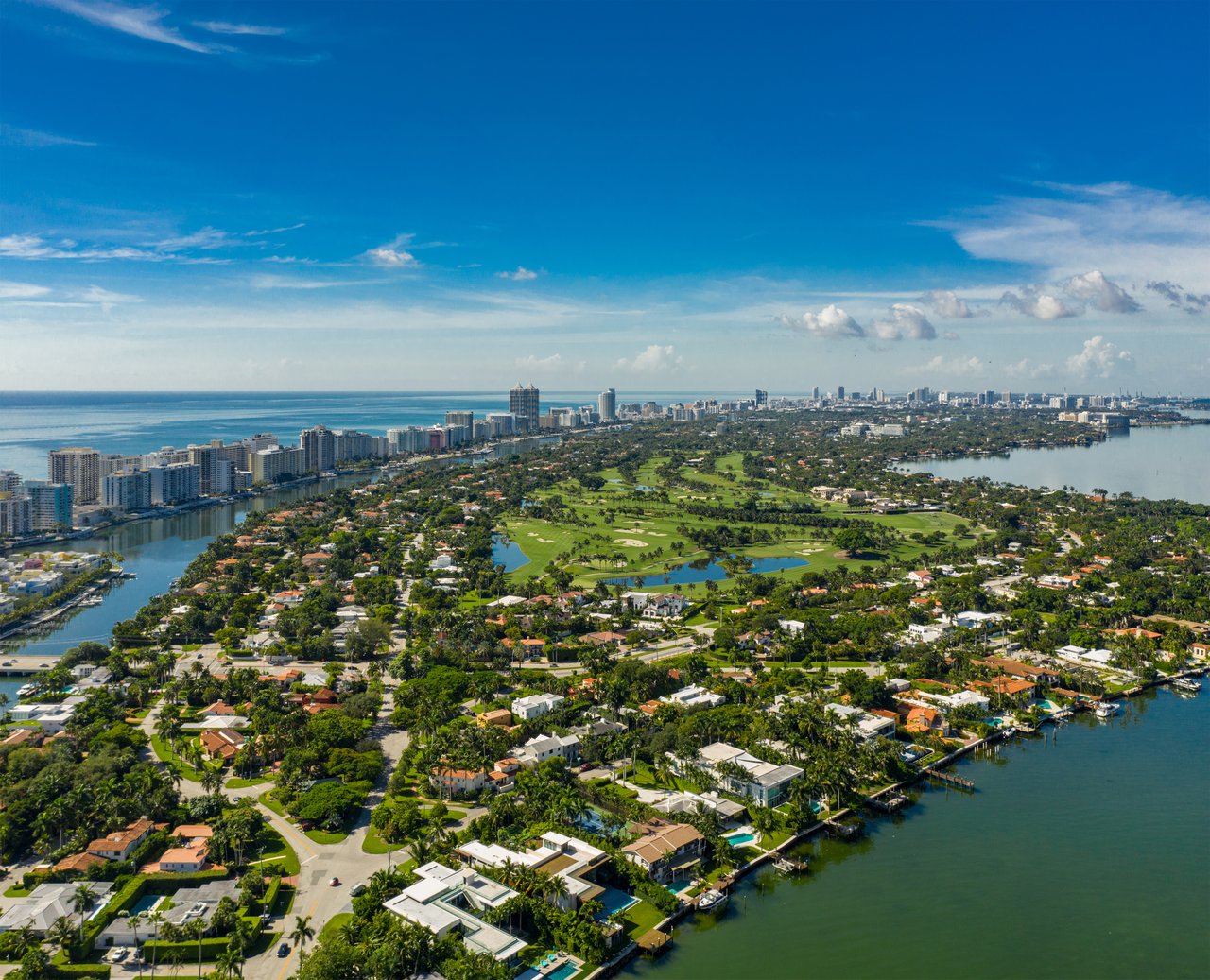
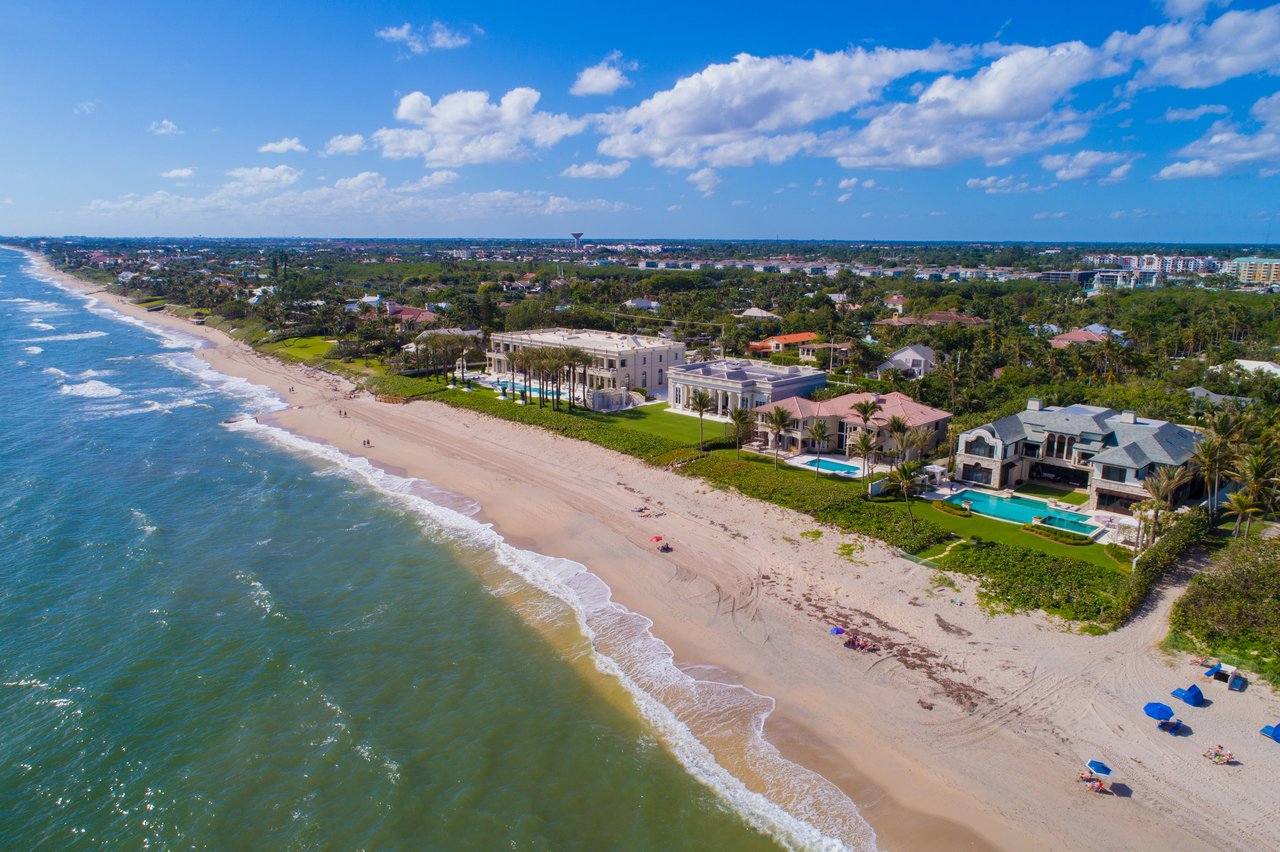
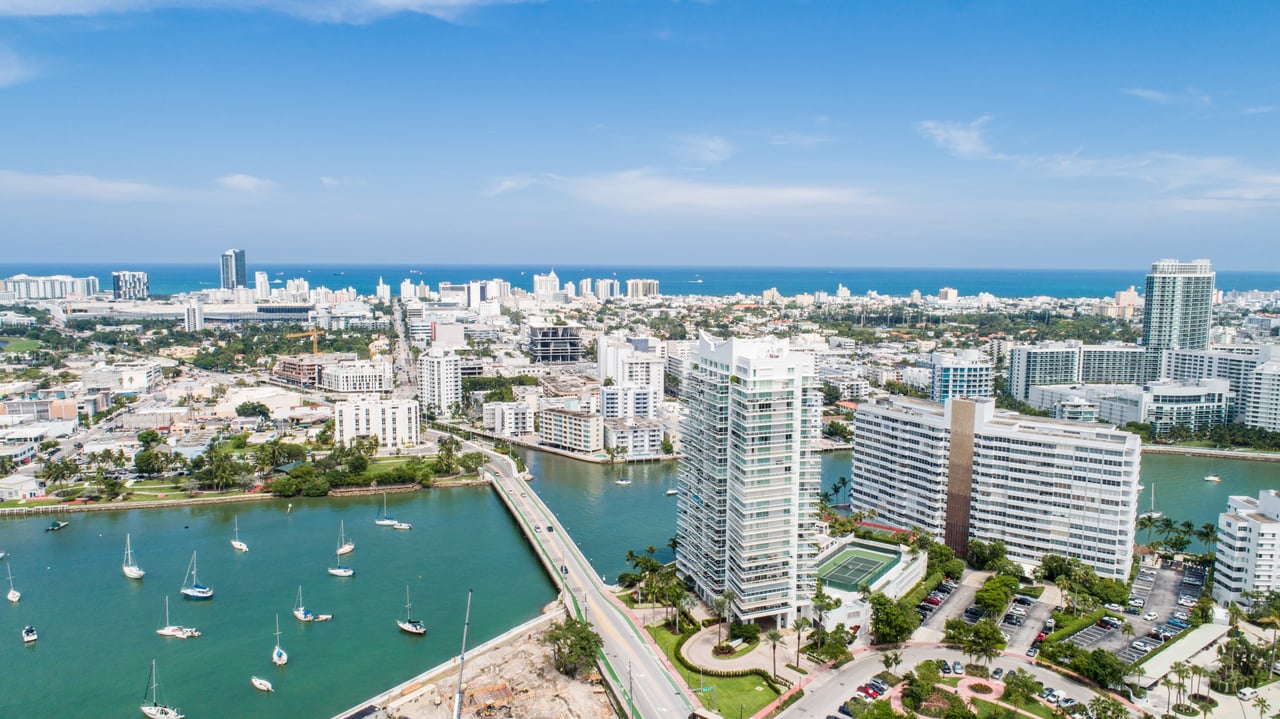
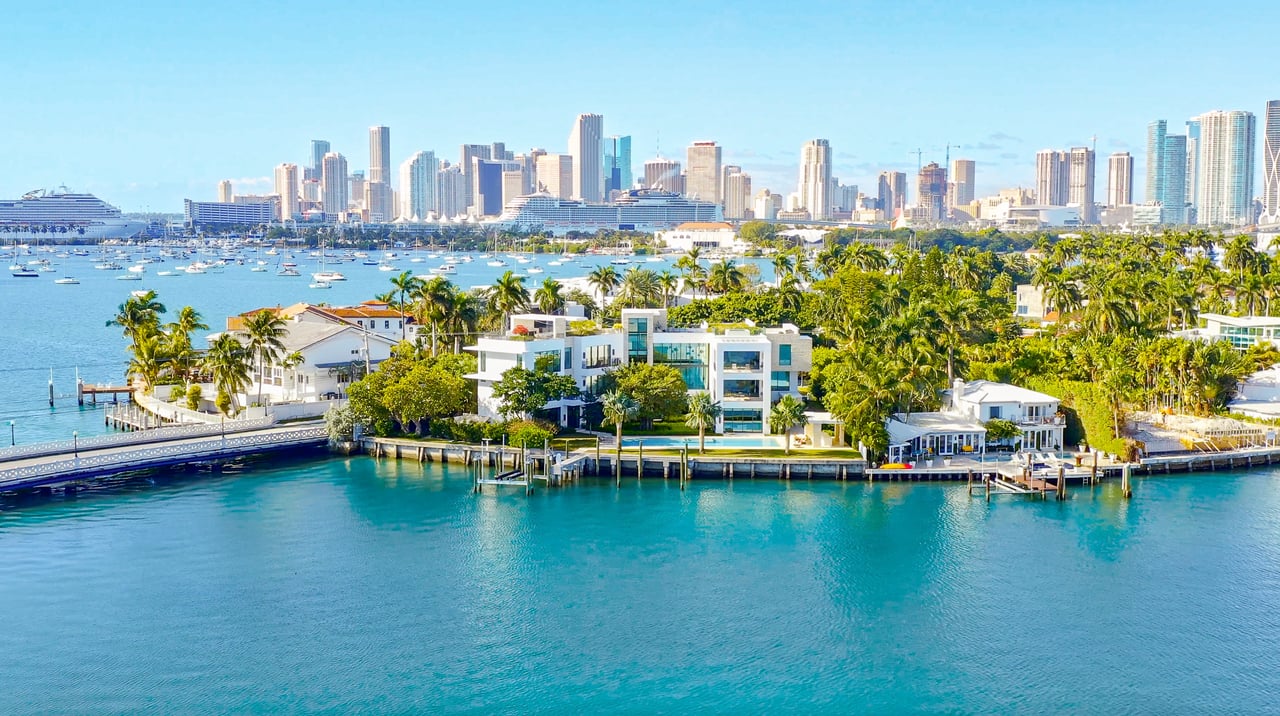
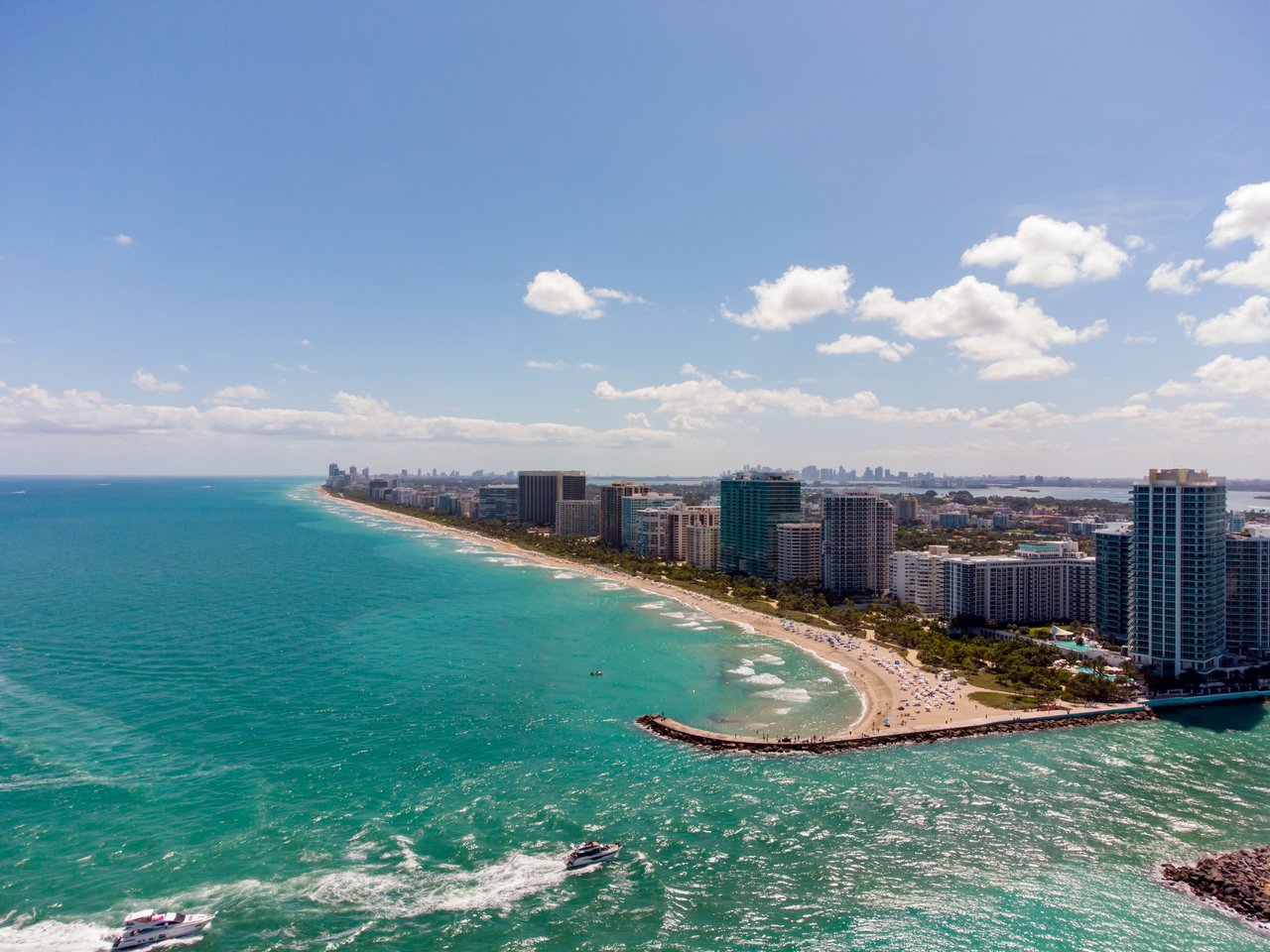
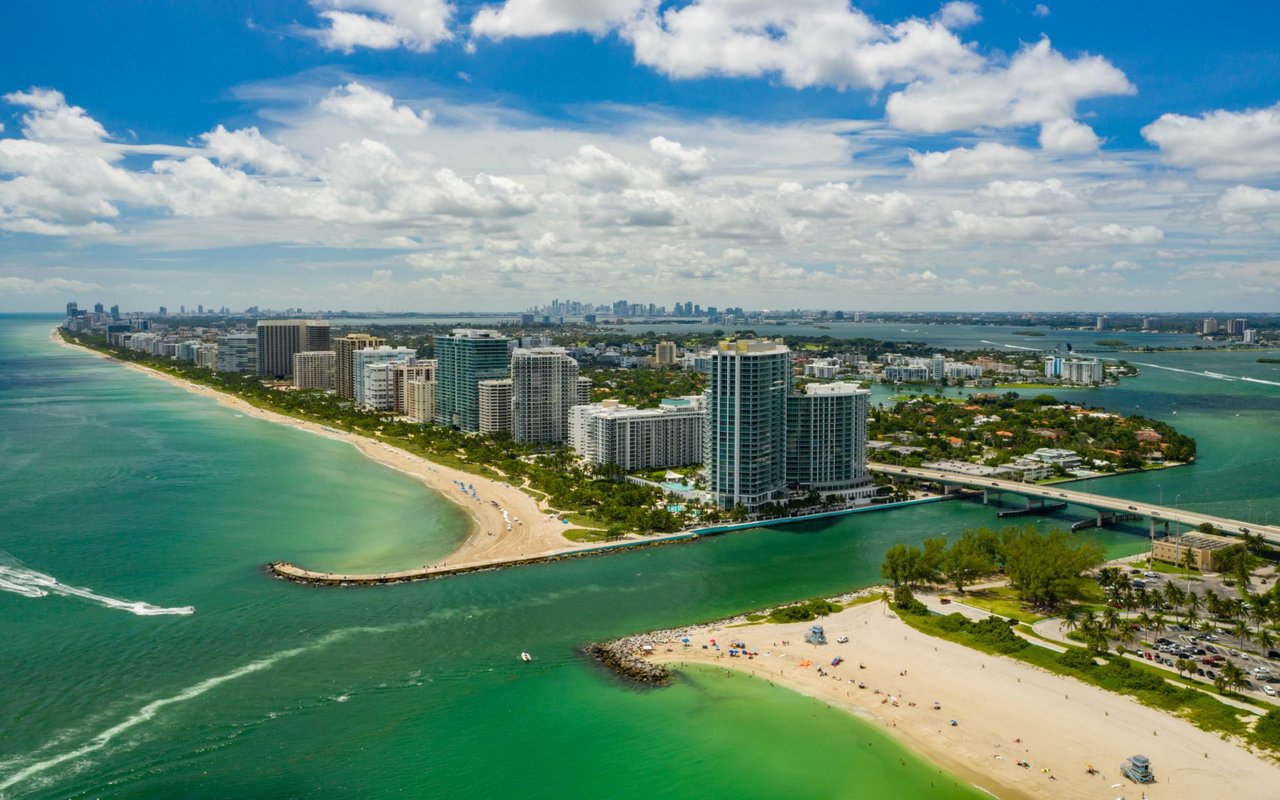
Indian Creek is unlike any other residential enclave in the United States. Home to fewer than three dozen properties, the island offers round-the-clock security, its own police force, and direct water access—while remaining minutes from Bal Harbour, Miami Beach, and major international airports.
For global founders, investors, and political leaders, Indian Creek represents a rare combination: total discretion paired with proximity to a thriving financial and cultural hub. As Miami continues to position itself as a serious alternative to New York and Silicon Valley, enclaves like Indian Creek have become magnets for long-term capital.
A Compound, Not a Residence
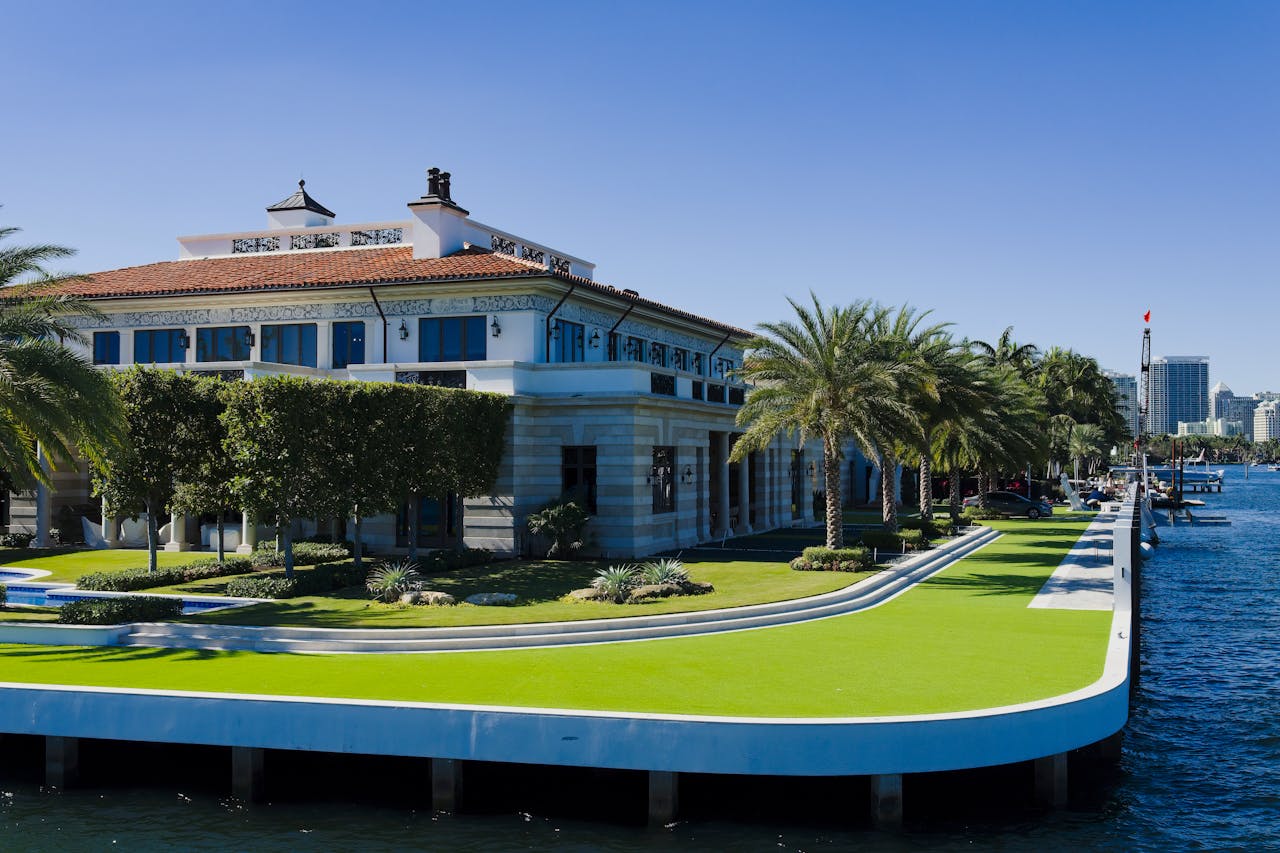
Rather than purchasing a single estate, Zuckerberg’s approach reflects a growing trend at the top of the market: assembling multiple adjacent parcels to create a bespoke private environment. This allows for enhanced security planning, architectural freedom, and future adaptability—elements increasingly valued by tech founders and family offices.
Such moves are rarely speculative. They signal confidence not only in the location, but in the long-term stability and desirability of South Florida as a global wealth destination.
What This Signals for Miami’s Luxury Market
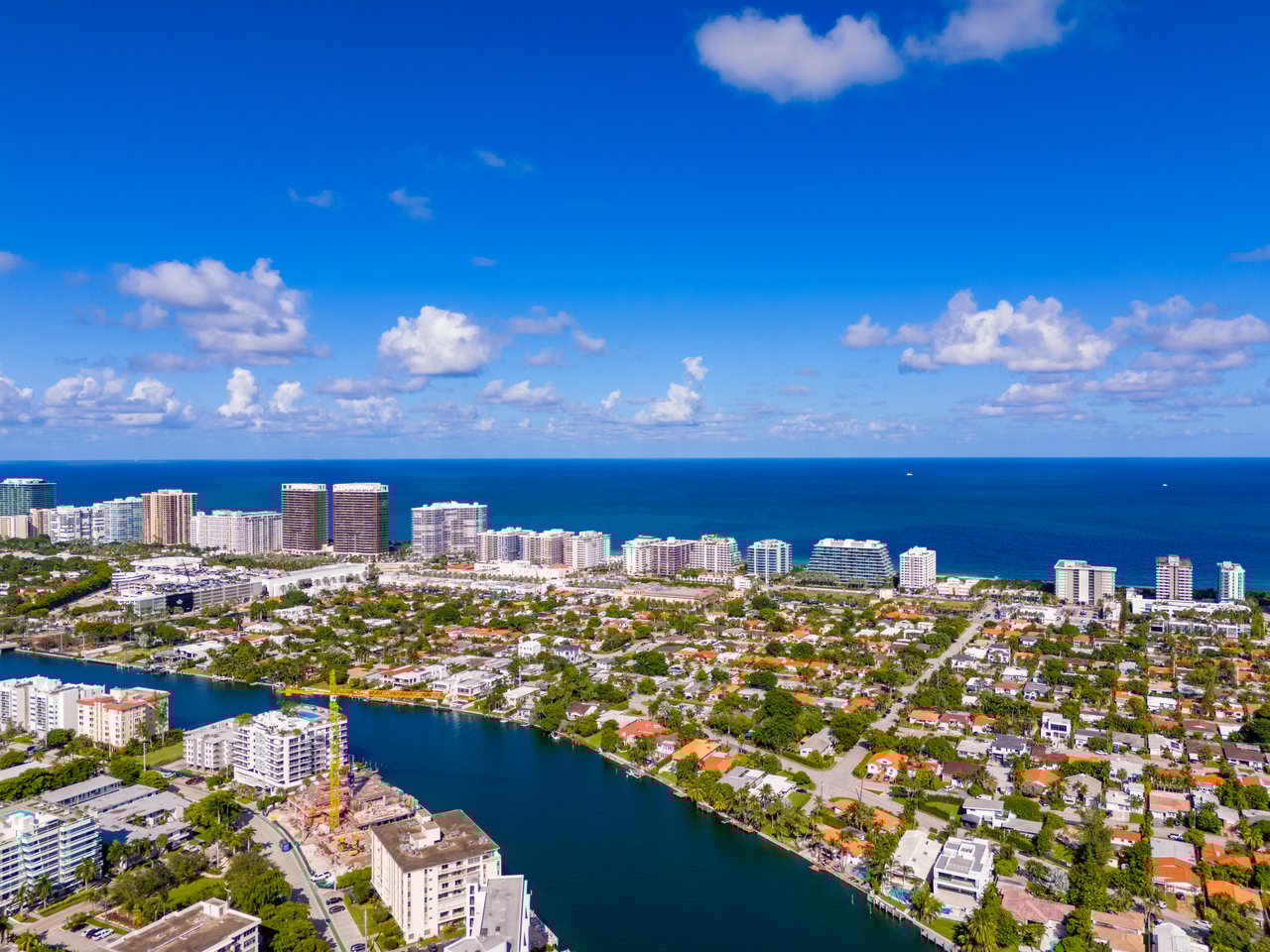
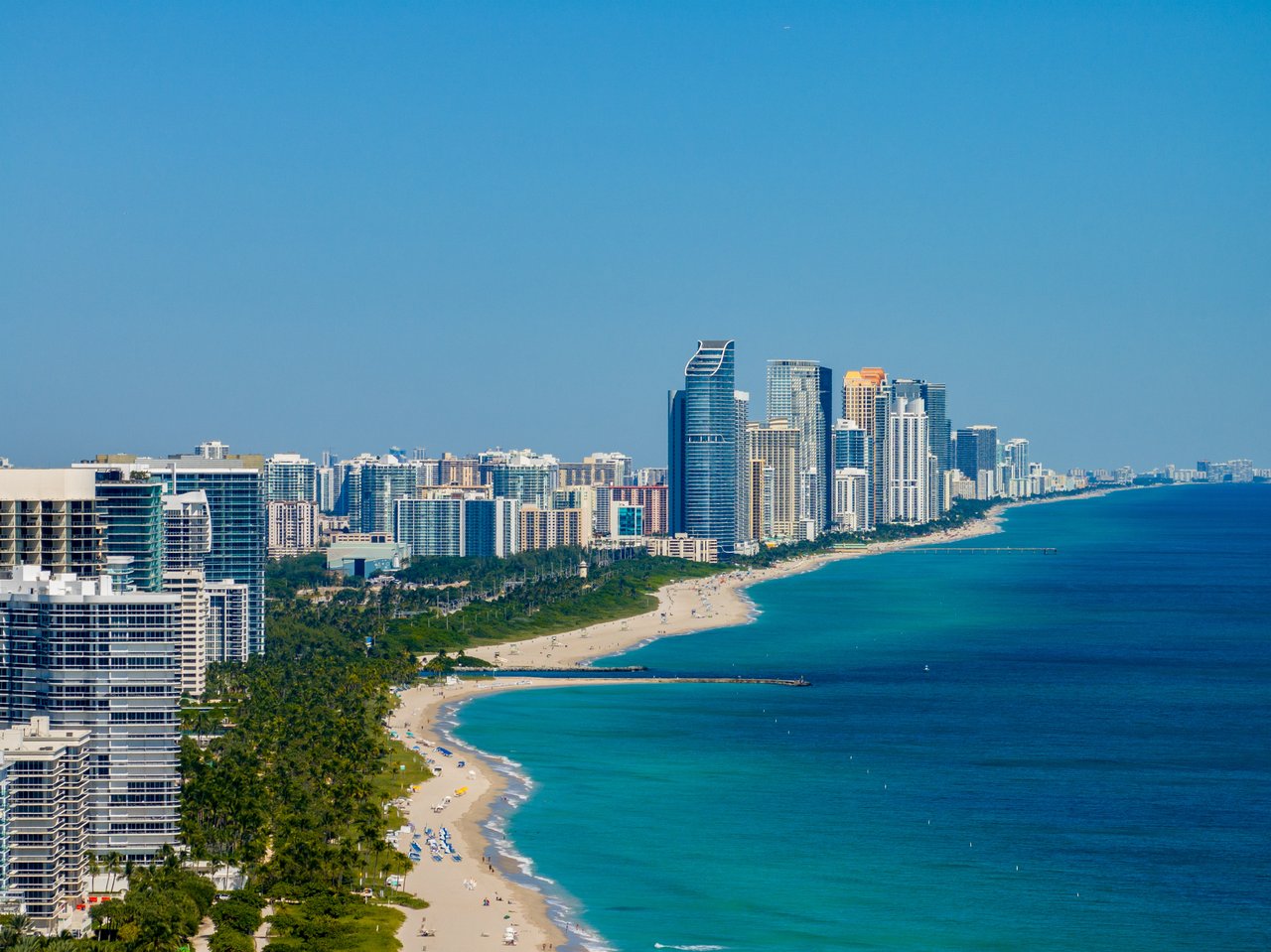
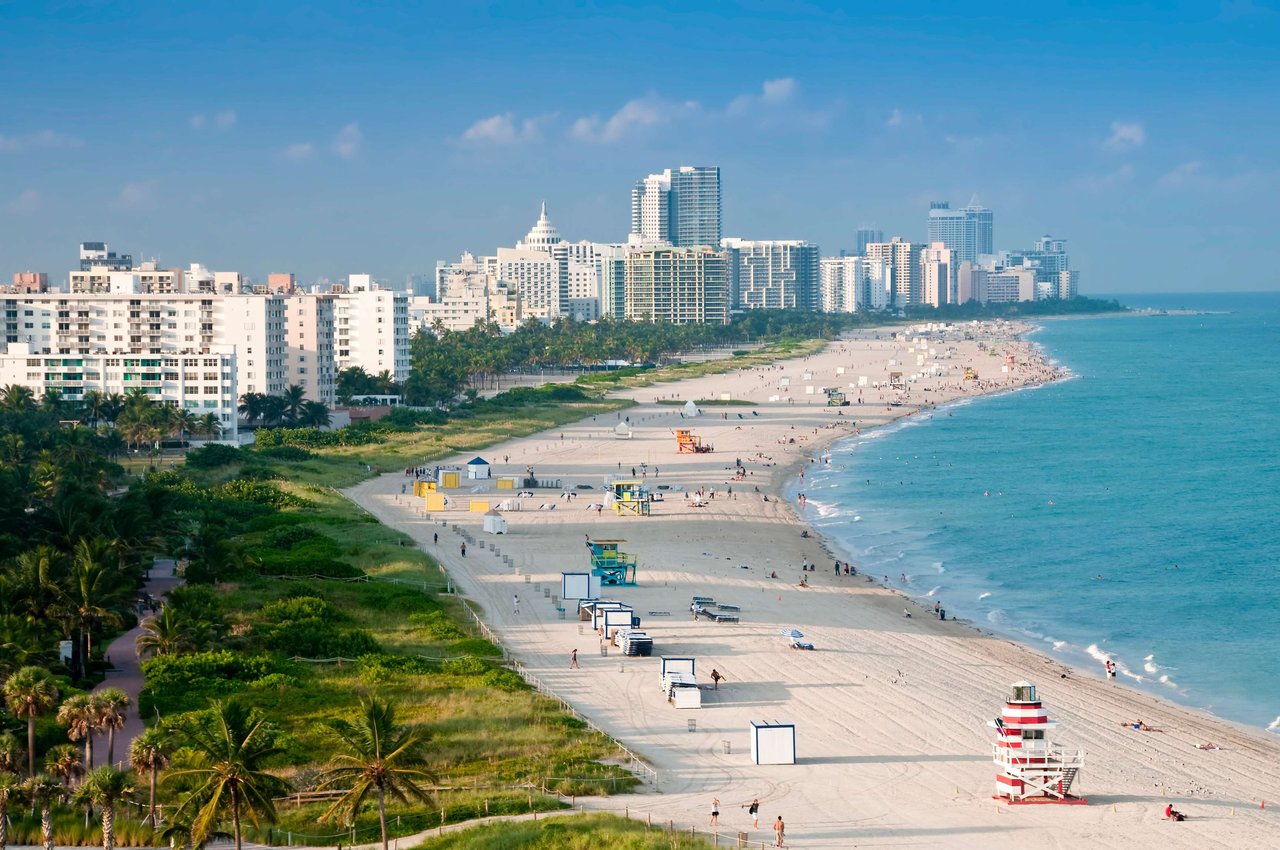
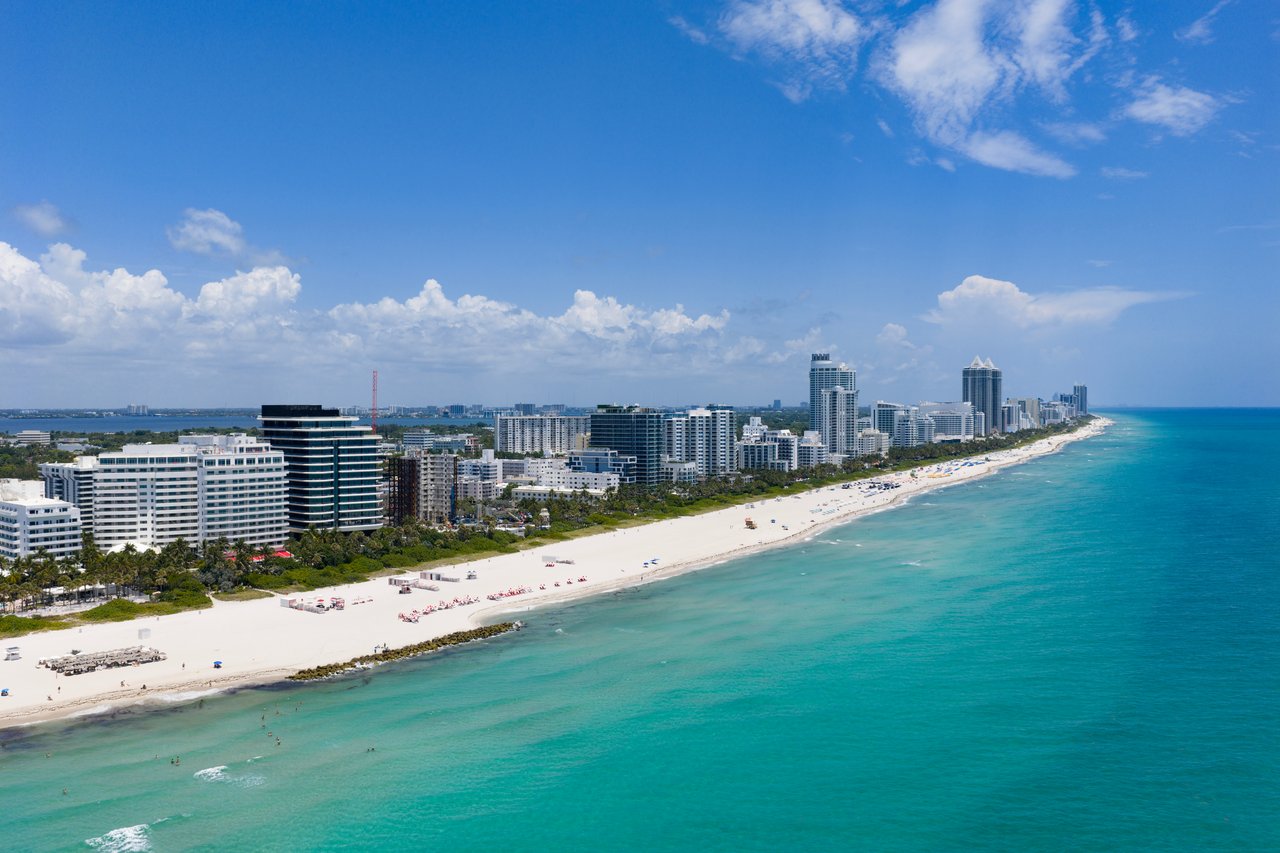
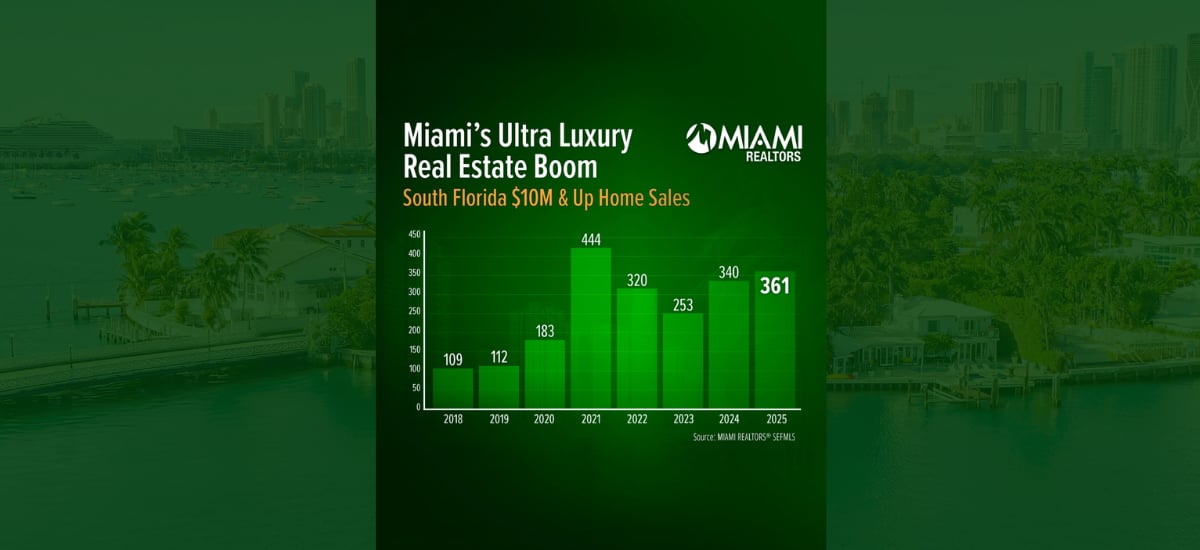
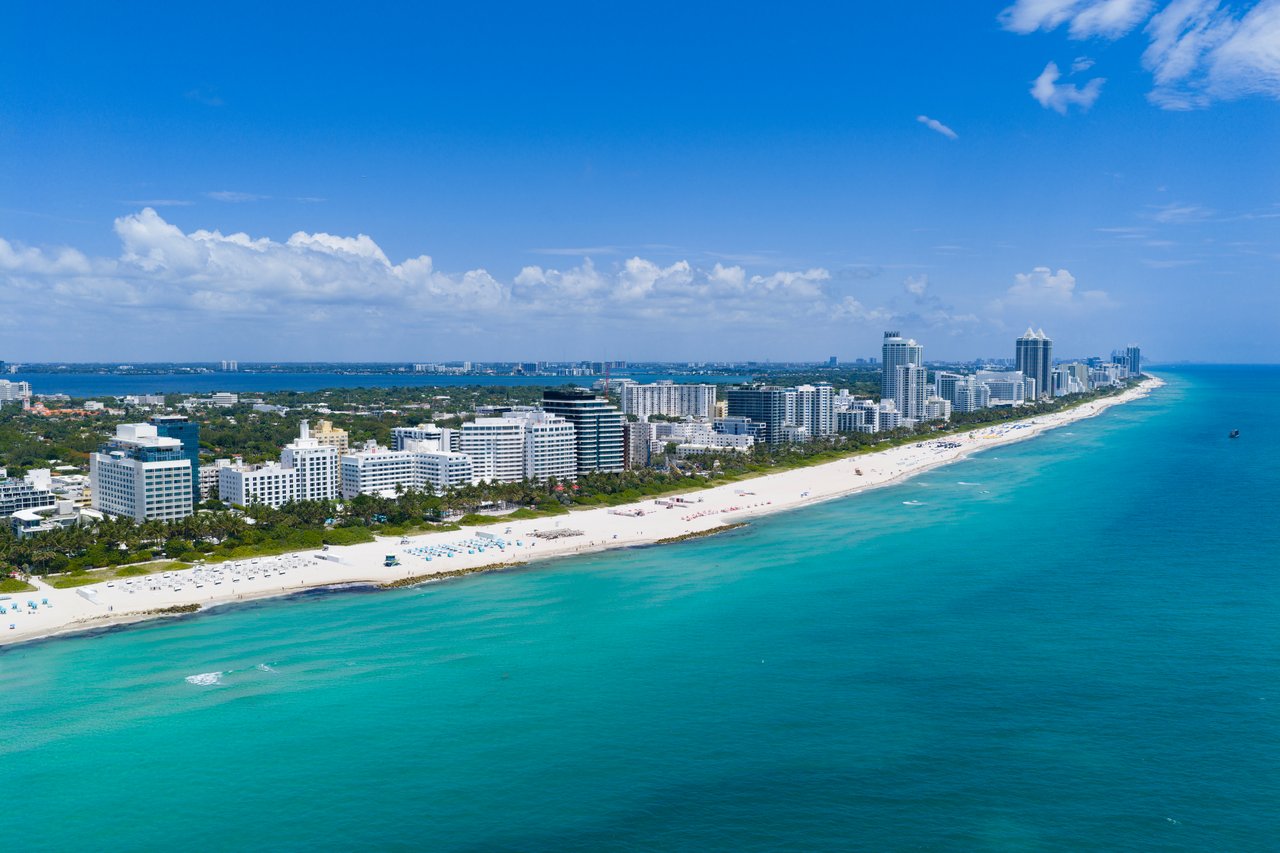
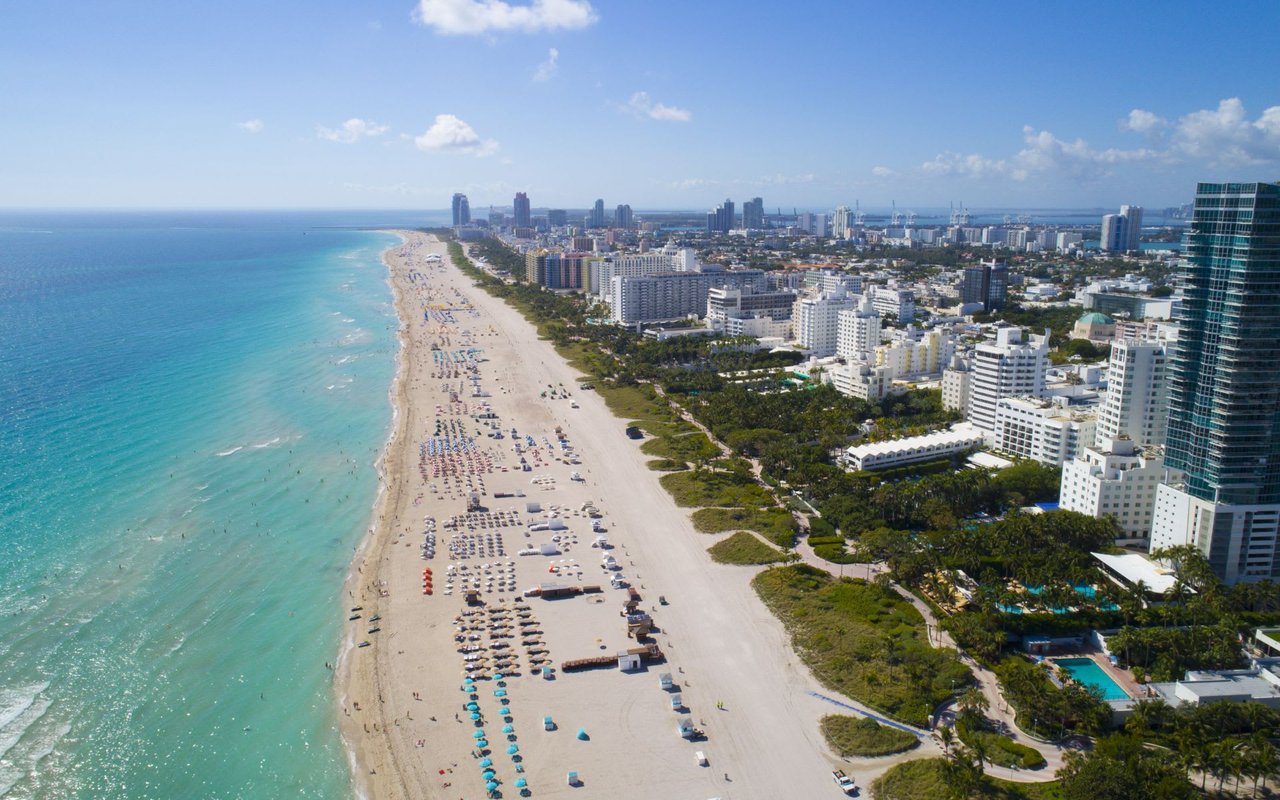
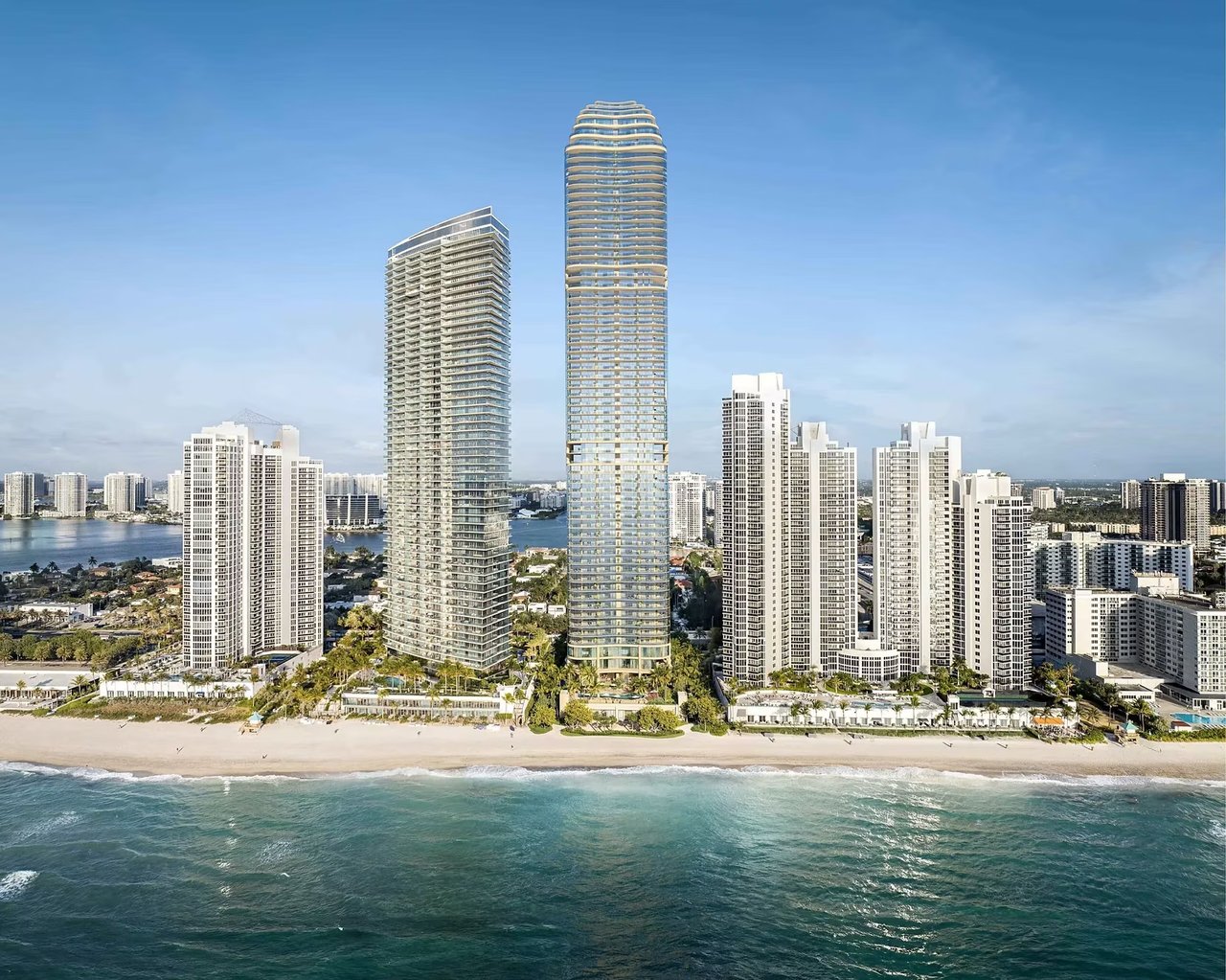
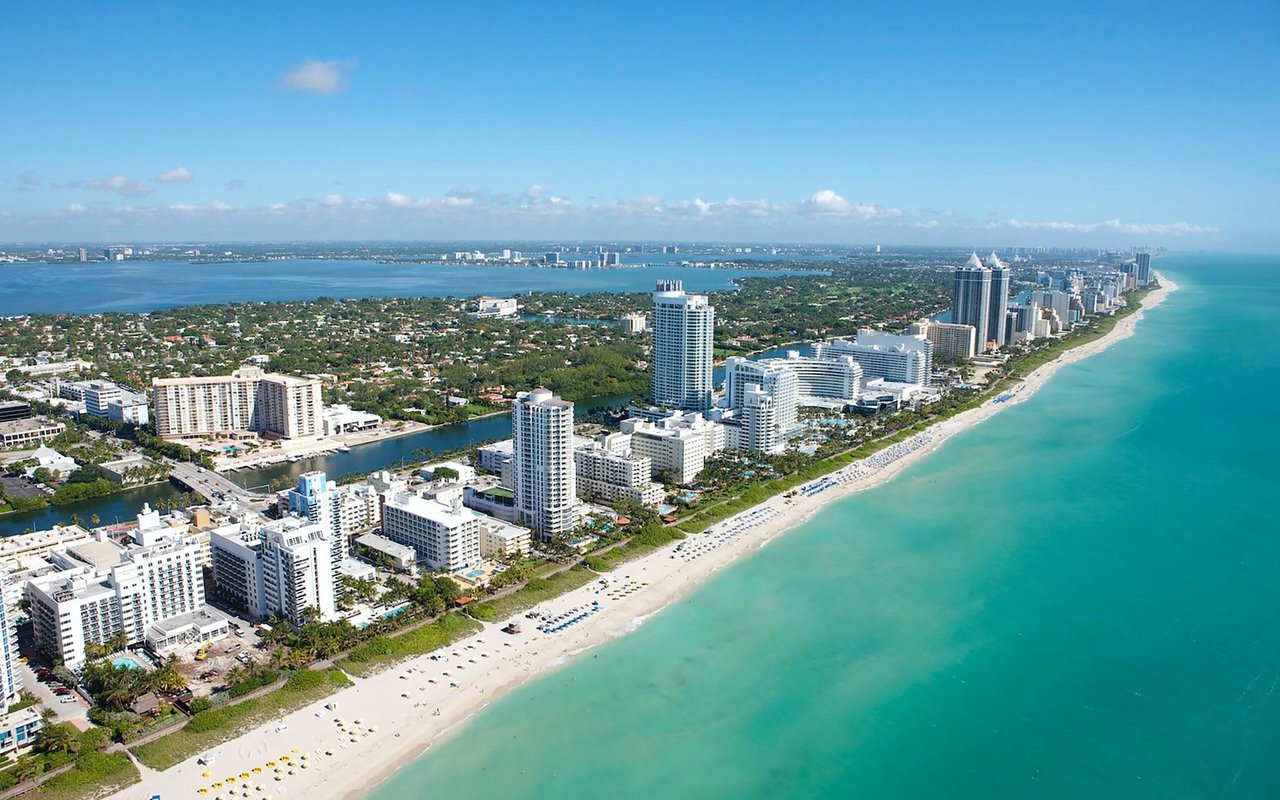
High-profile acquisitions at this level tend to ripple outward. While Indian Creek remains an extremely limited market, its prominence reinforces demand across neighboring ultra-luxury communities such as Bal Harbour, Surfside, Bay Harbor Islands, and Miami Beach’s waterfront corridors.
More broadly, these purchases underscore Miami’s evolution from a second-home market into a primary base for global decision-makers—individuals building permanent roots, not just seasonal residences.
The Bigger Picture
Zuckerberg’s presence on Indian Creek is less about celebrity and more about strategy. It reflects how today’s wealthiest buyers are thinking differently about real estate: as infrastructure, security, and long-term positioning rather than mere lifestyle assets.
For Miami, it is yet another confirmation that the city—and its most exclusive addresses—now sit firmly on the global stage.
Source: TheWallStreetJournal