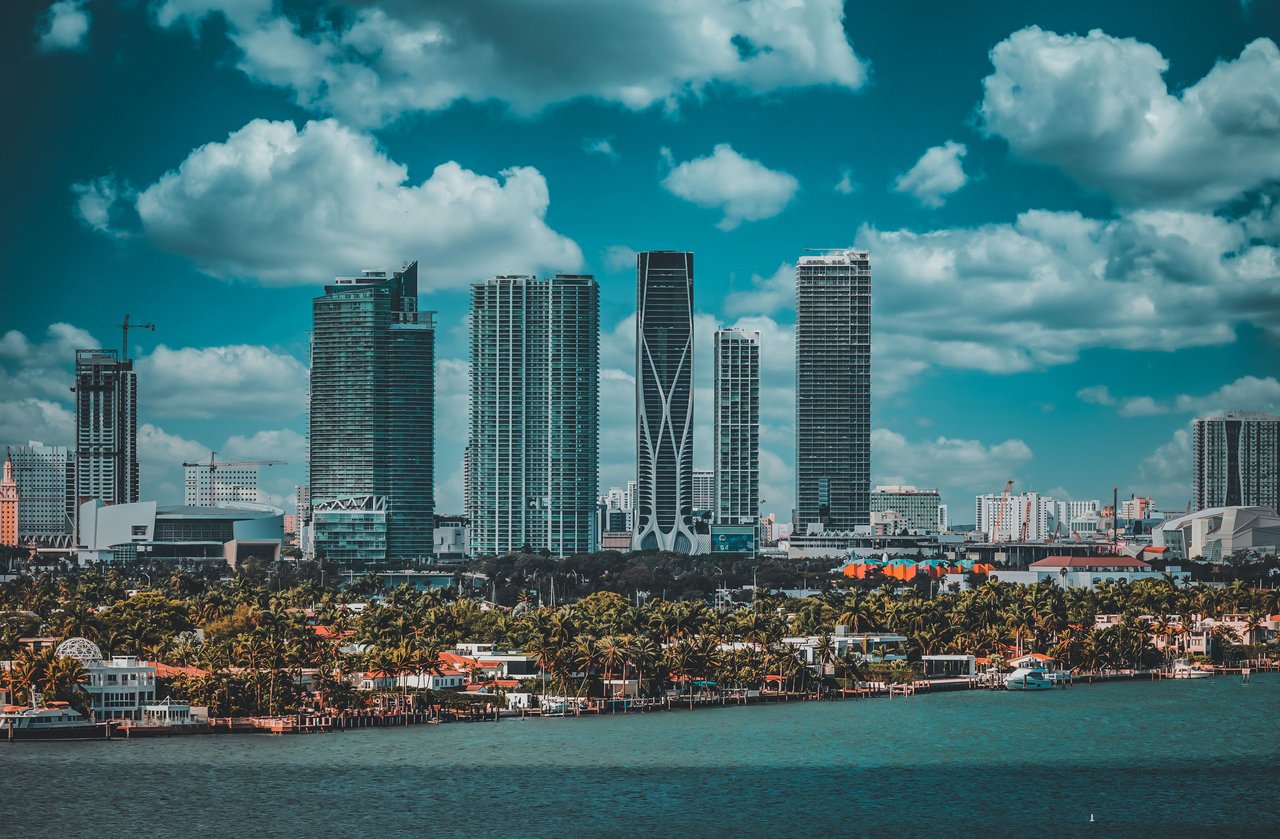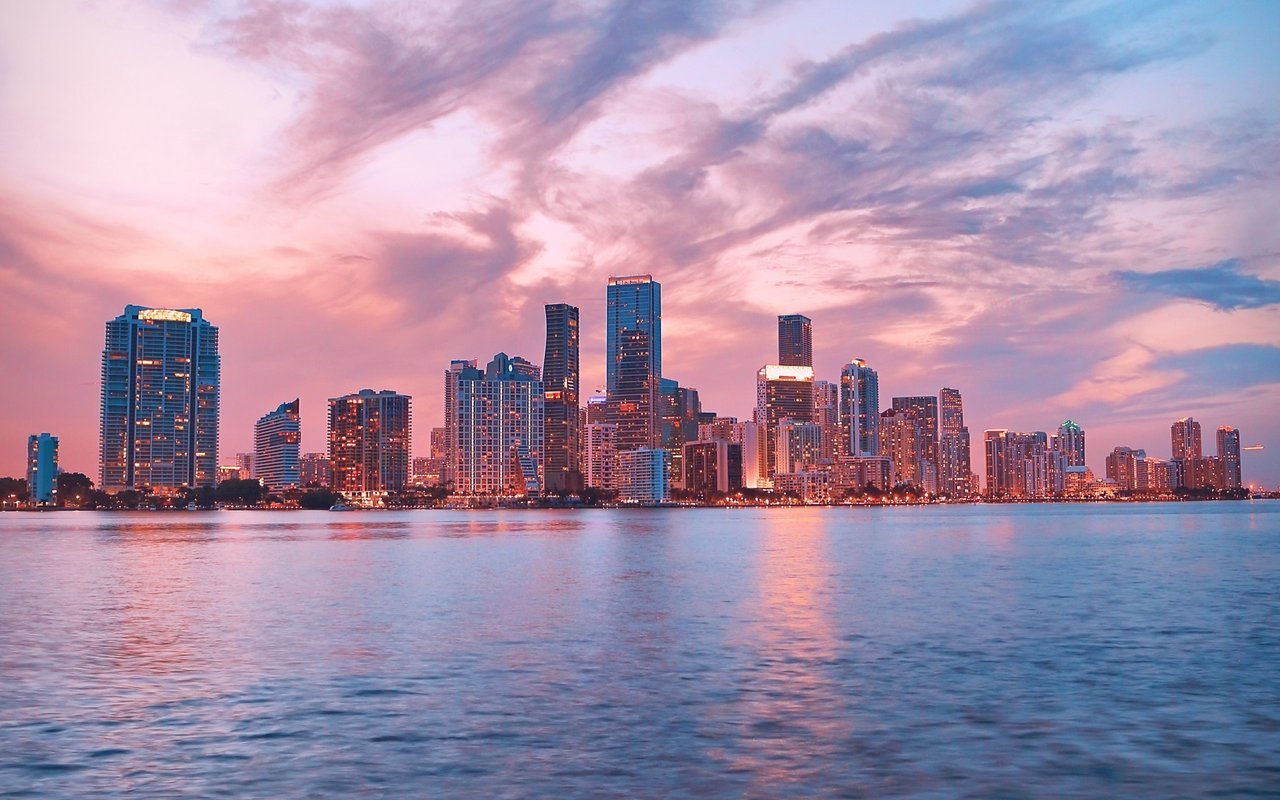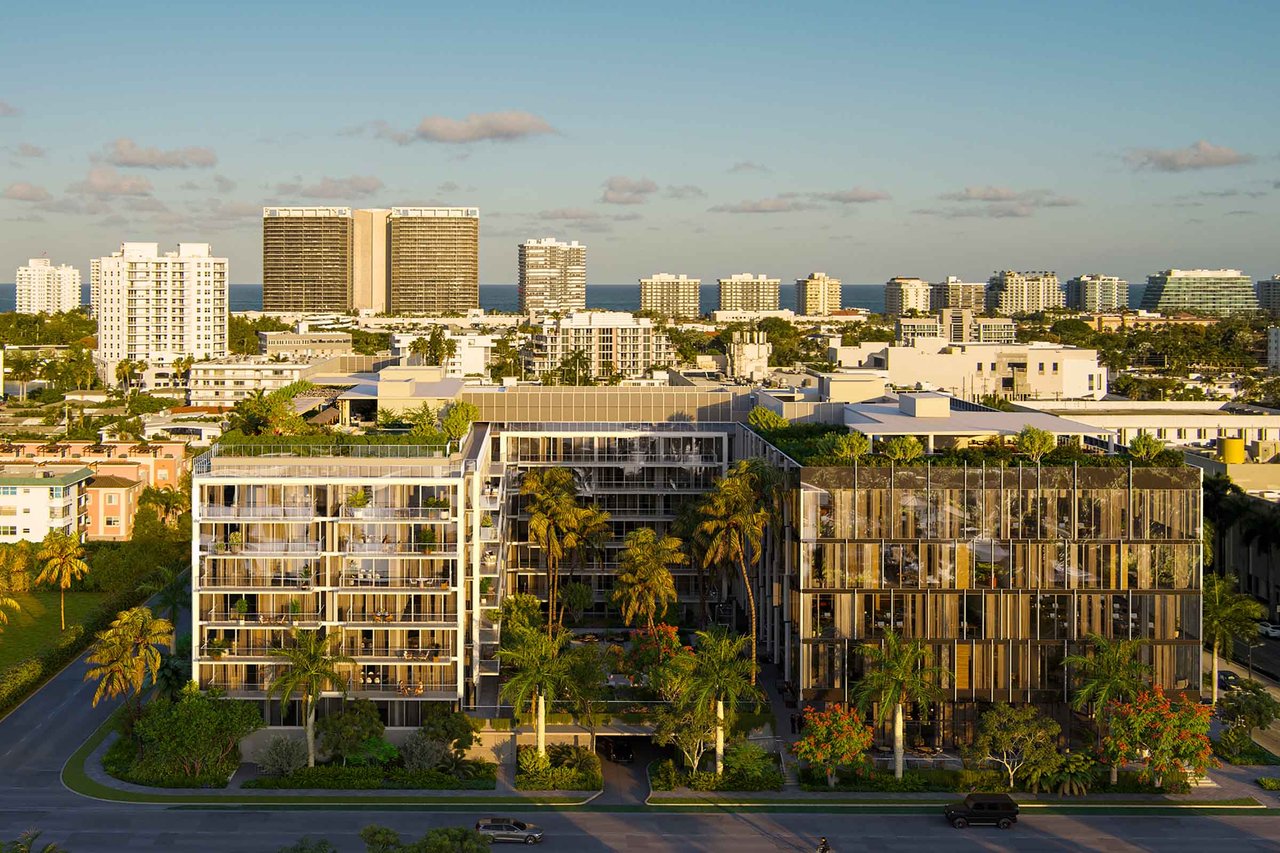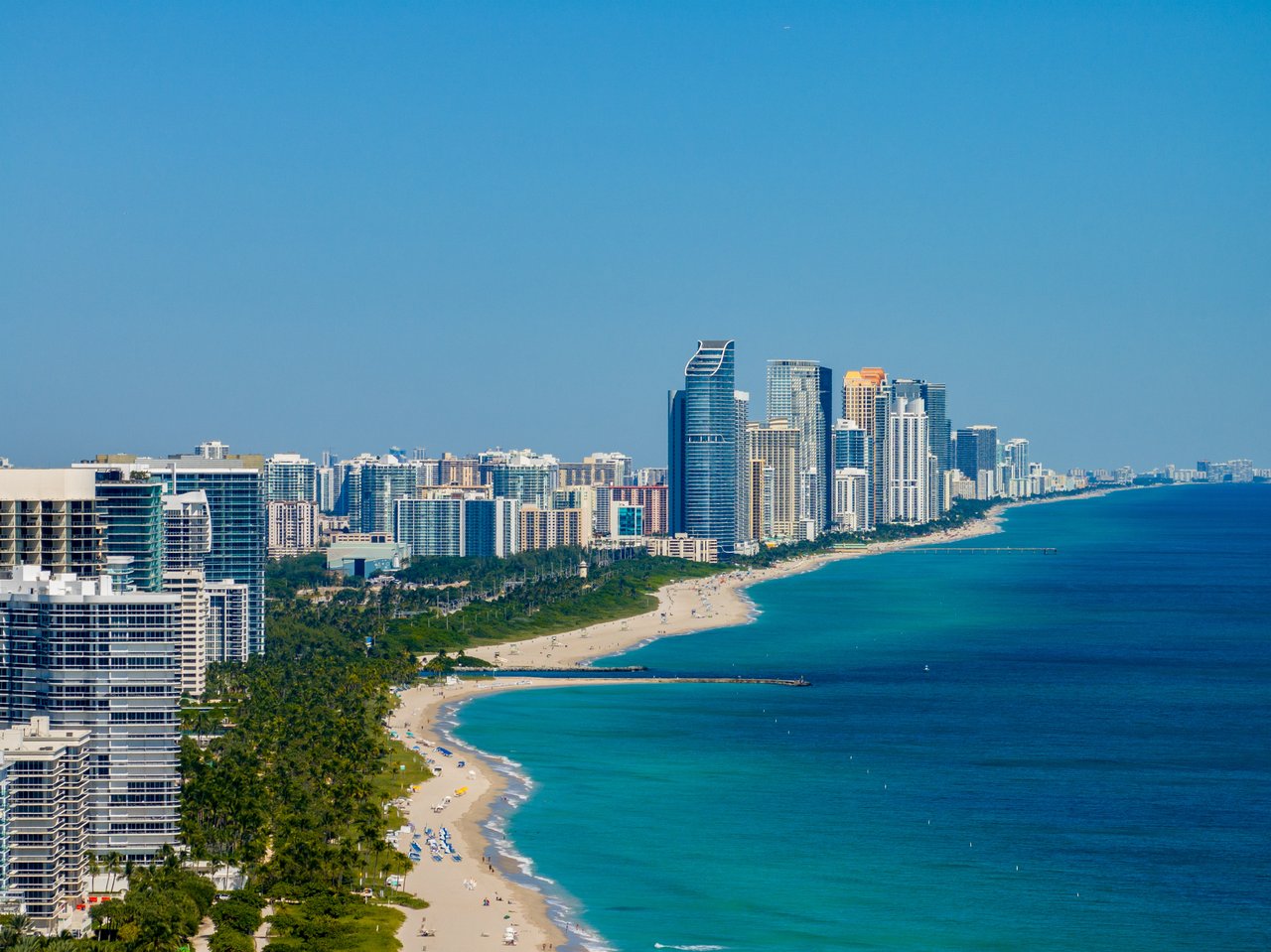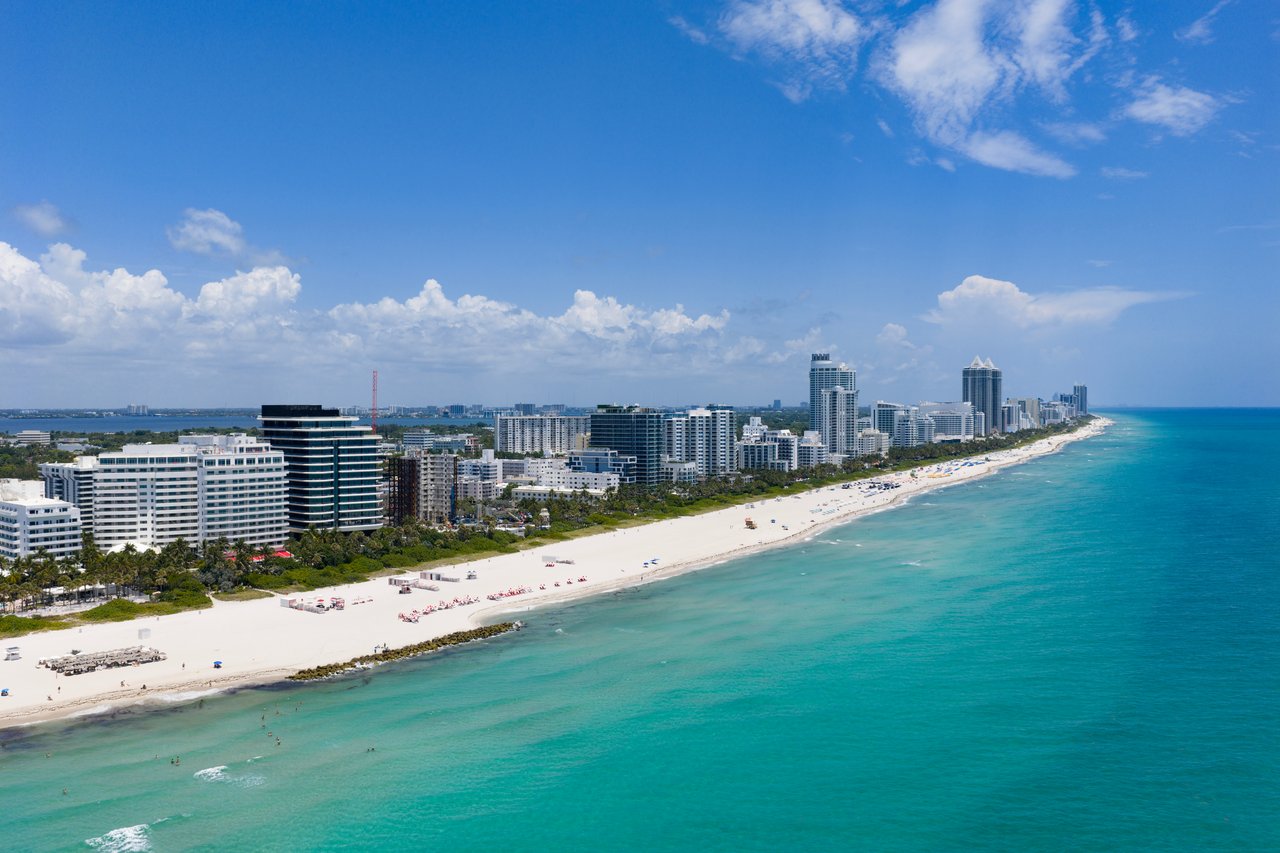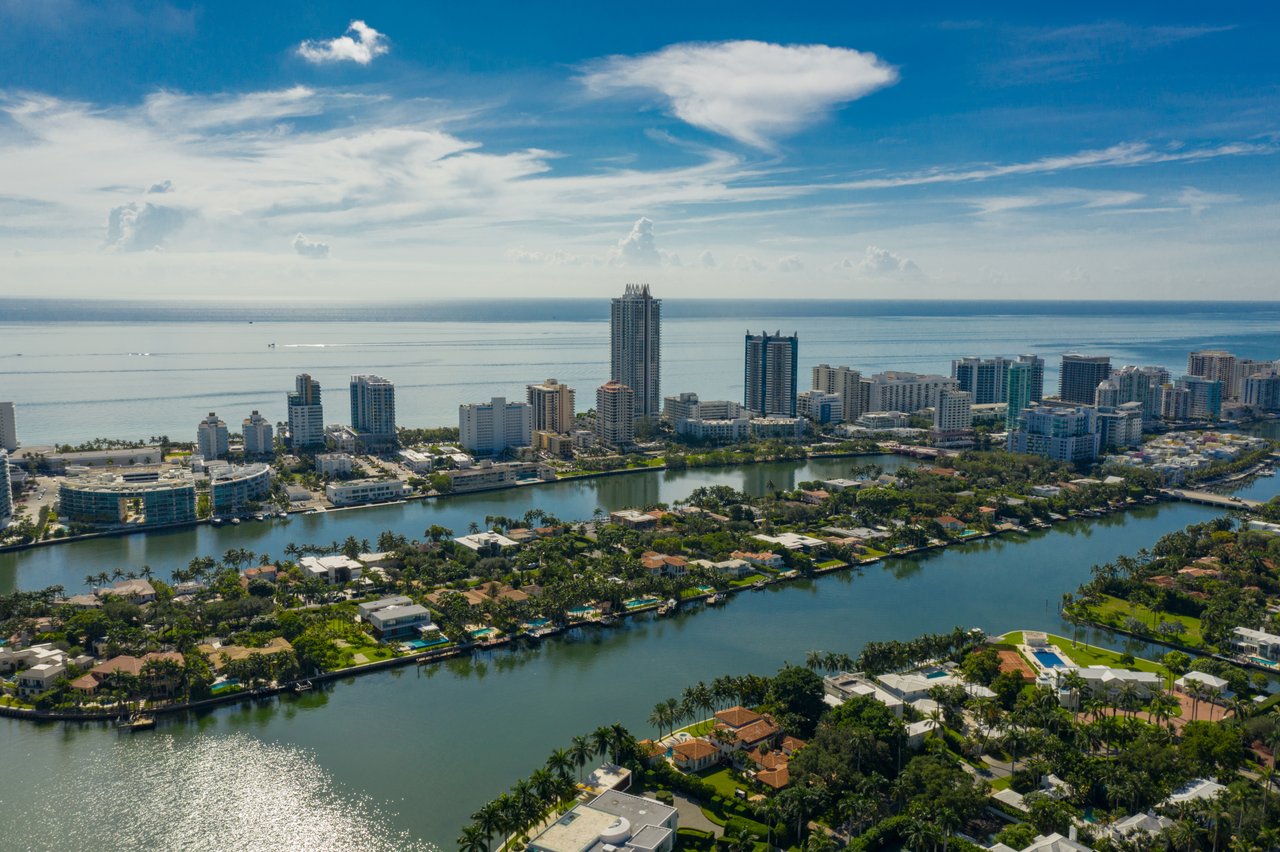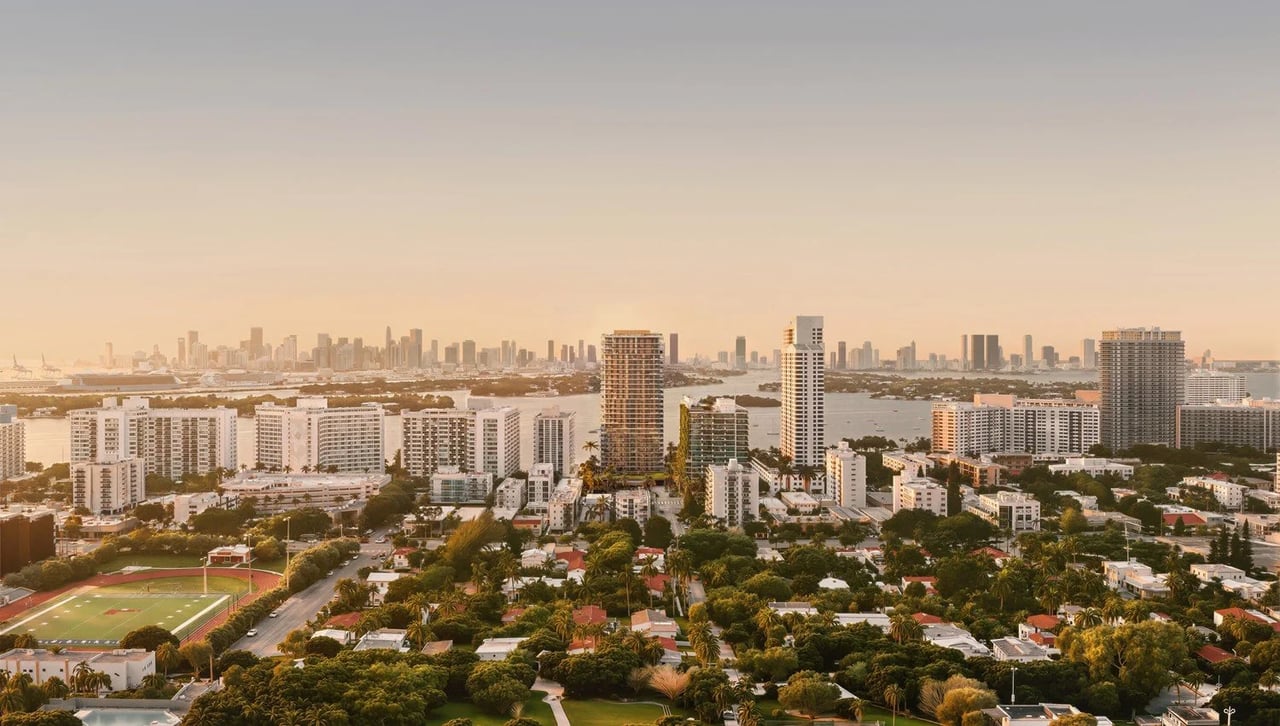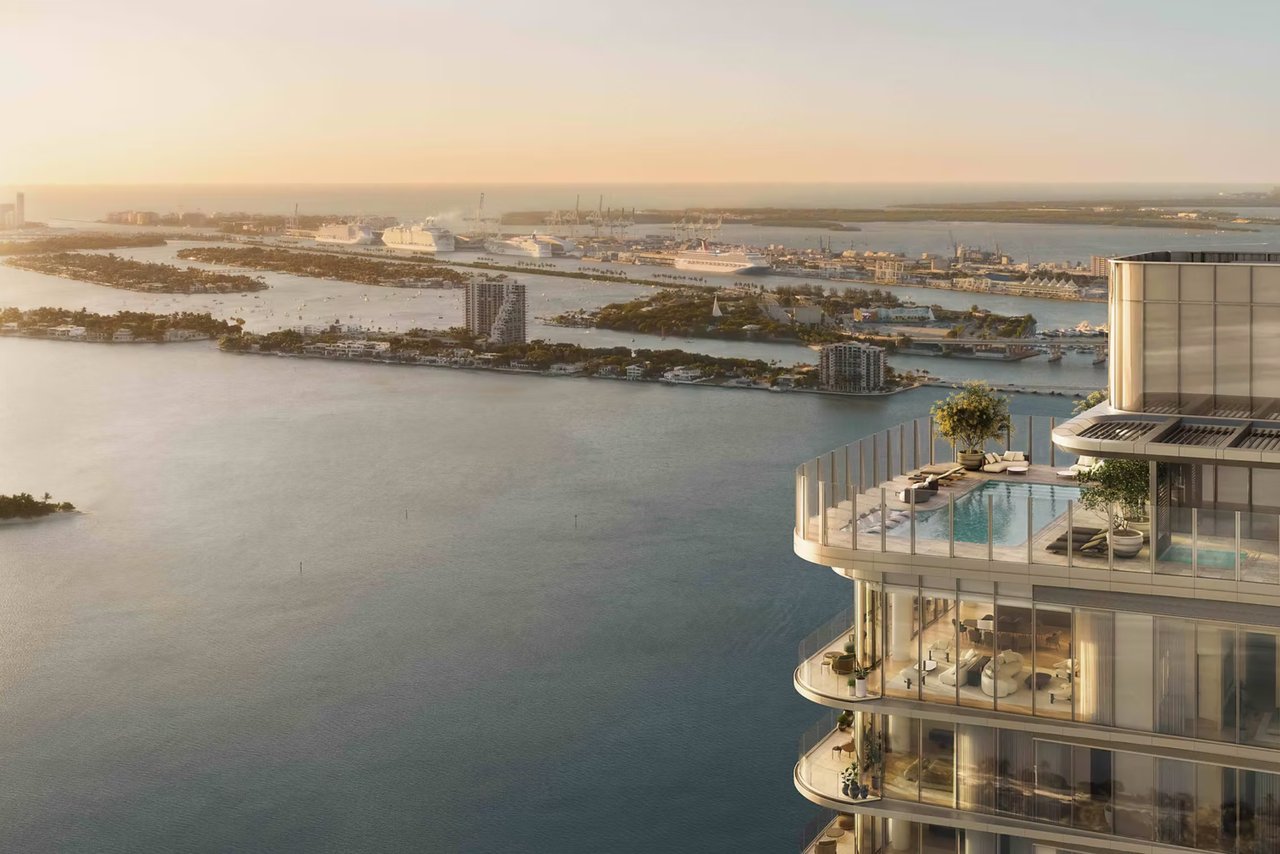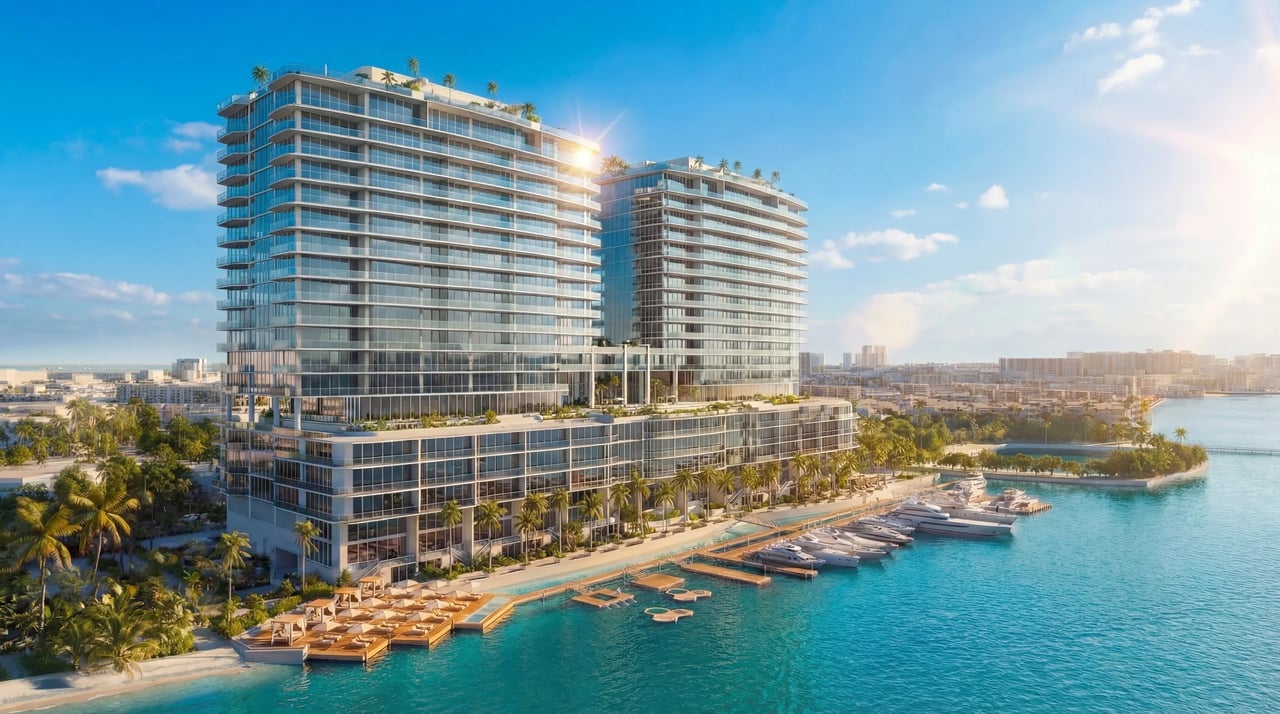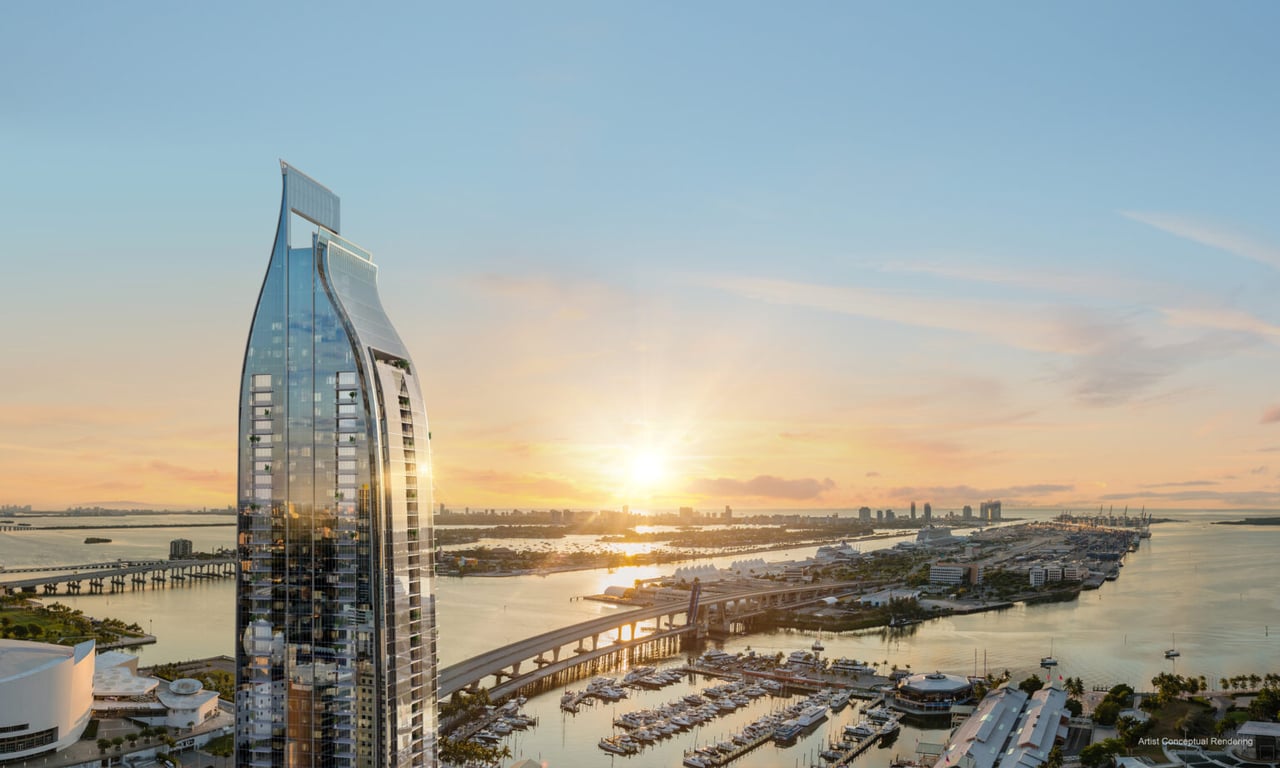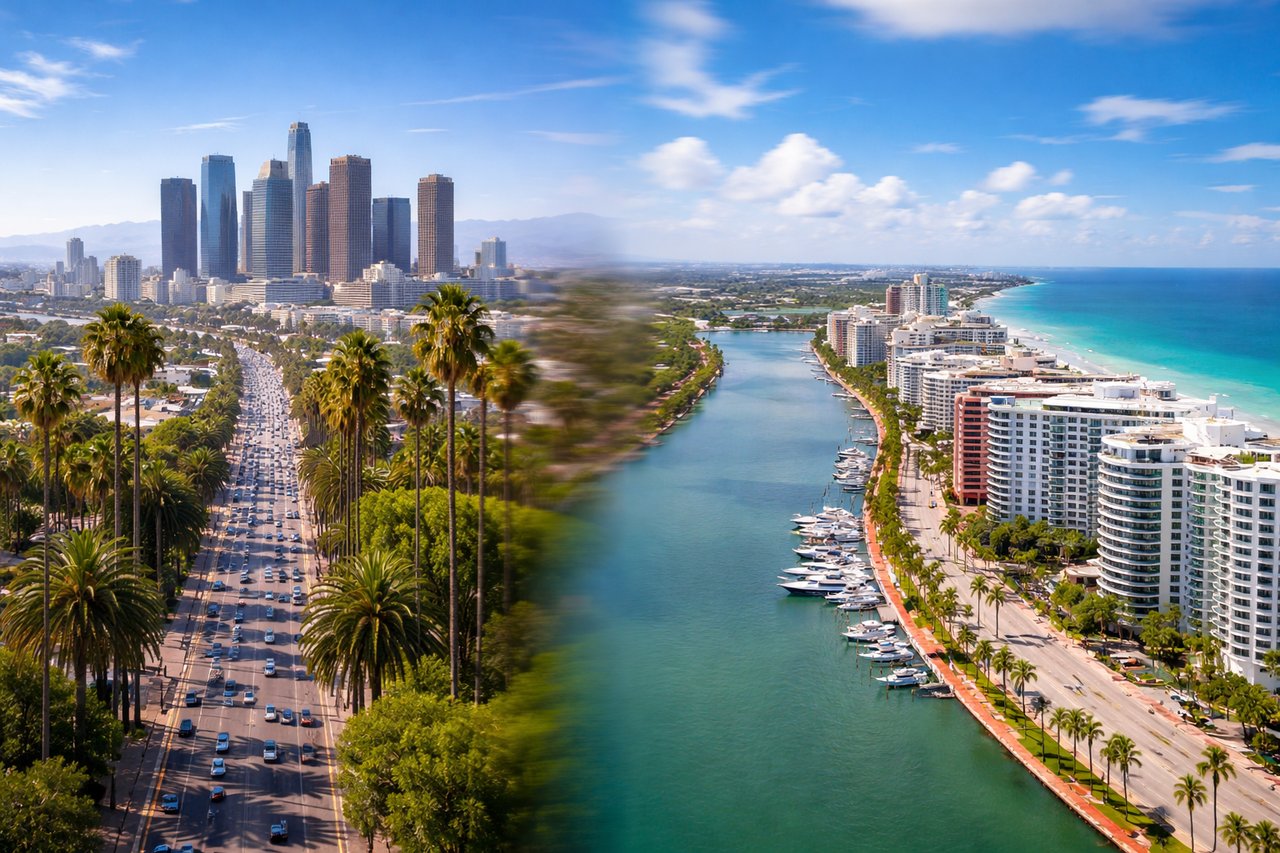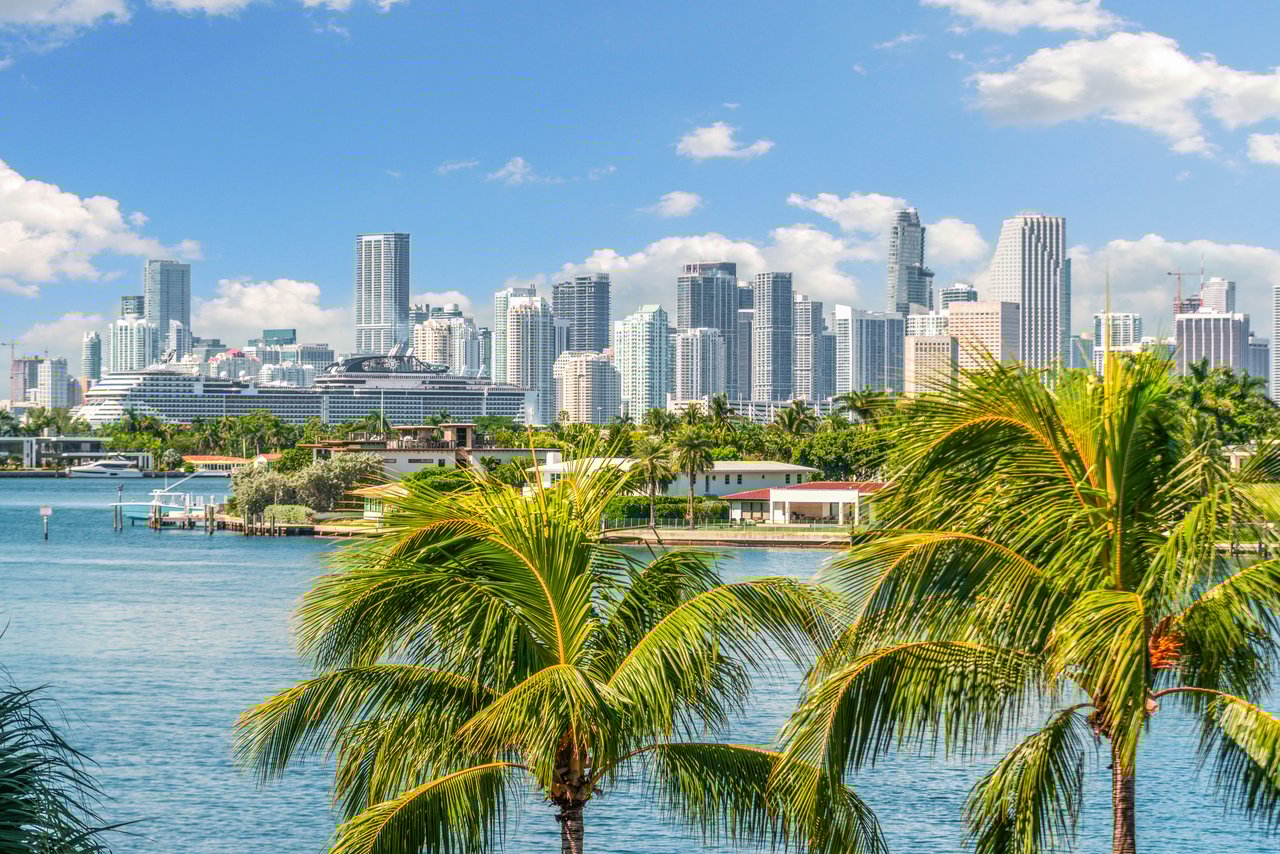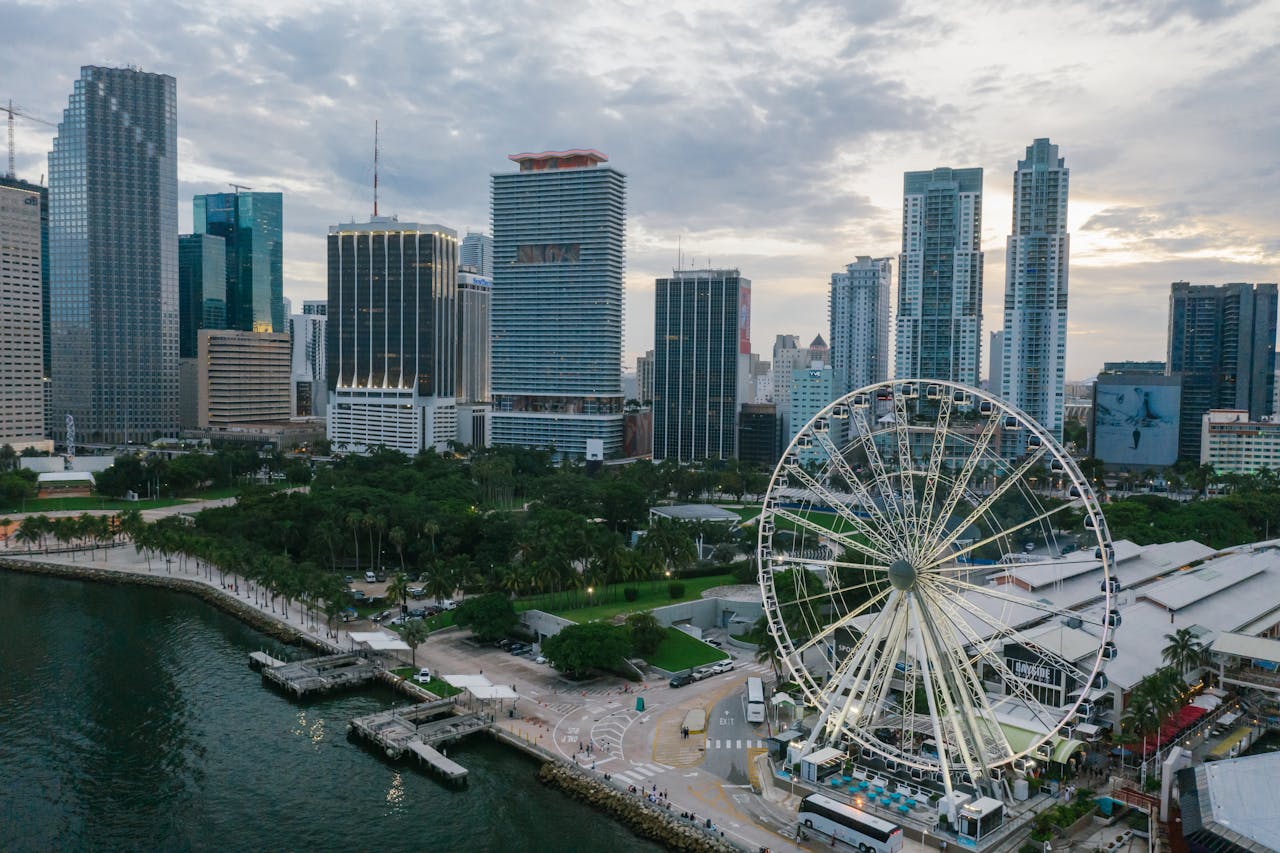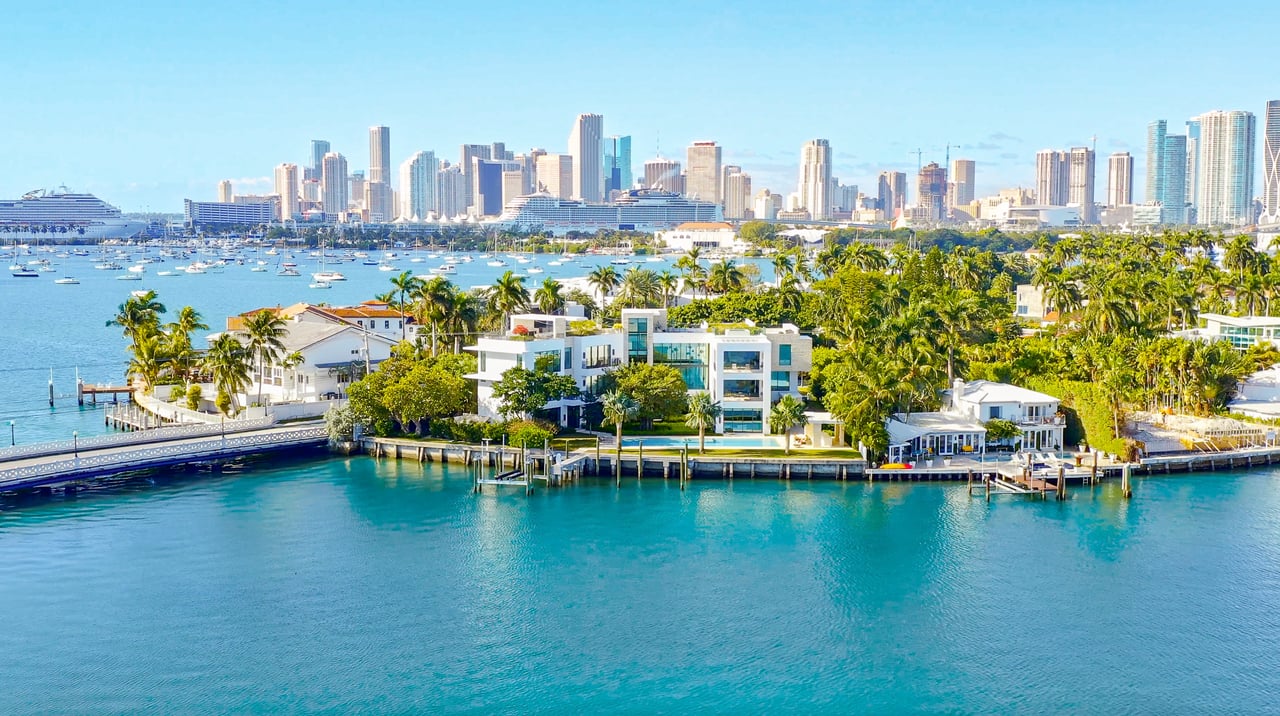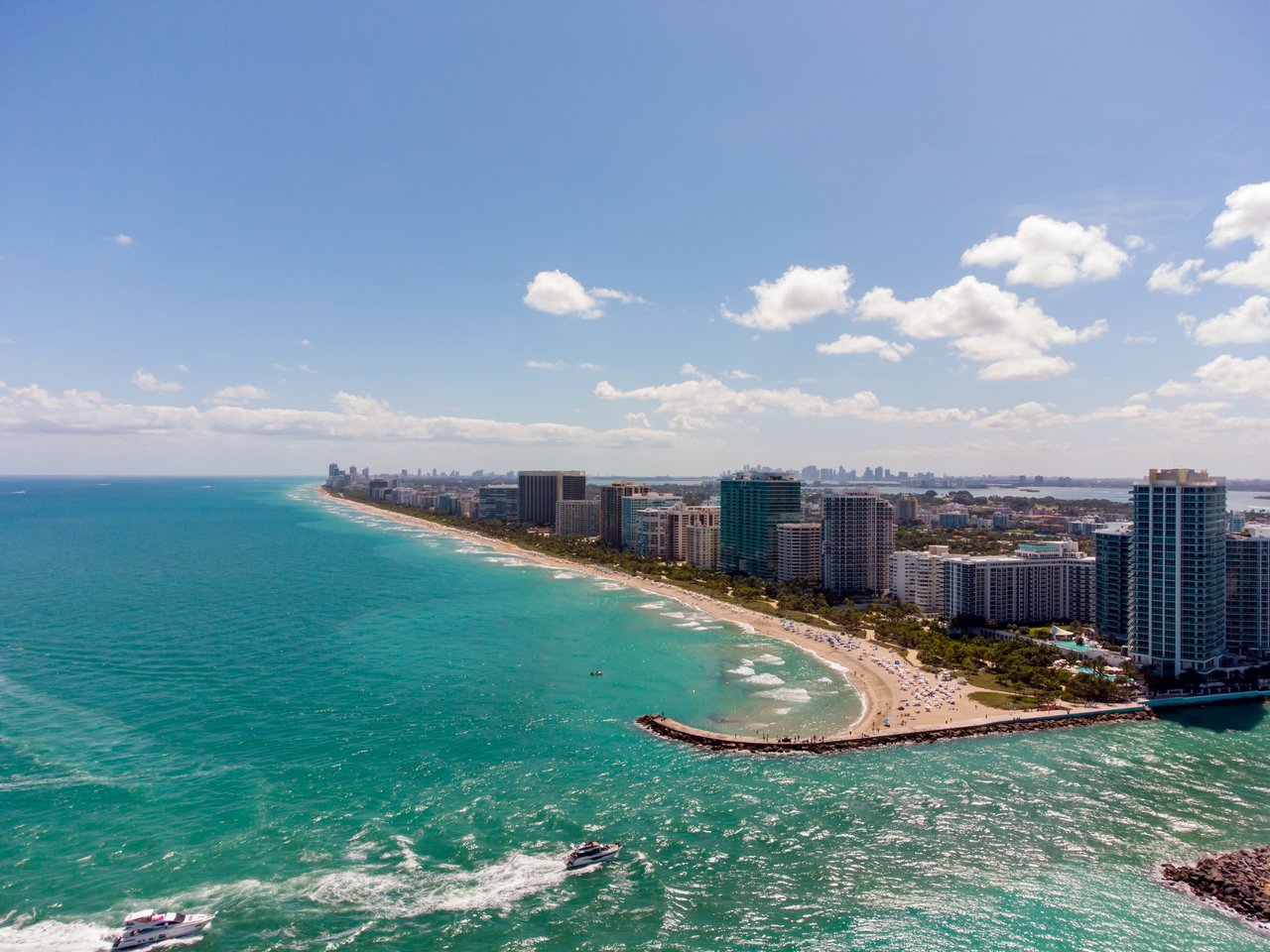
This summer, the eyes of the world turn to Miami. From mid-June through mid-July, Hard Rock Stadium rebranded "Miami Stadium" for the tournament hosts seven FIFA World Cup 2026 matches, more than almost any other venue in North America, including a quarterfinal and the Bronze Final on July 18. The slate is a heavyweight one: Brazil meets Scotland on June 24, Portugal and Colombia square off on June 27, and a FIFA Fan Festival takes over Bayfront Park downtown for the duration. For roughly six weeks, Miami is the stage for one of the largest sporting events ever held on American soil.
For most visitors, it's about the football. For those of us who live and work in Miami real estate, it's about something more lasting.
A global spotlight on a market that was already glowing
It's tempting to frame the World Cup as the spark that lights Miami's market on fire. The more accurate picture is that the spark was already lit the tournament simply hands the city a microphone.
Miami is the number one destination in the United States for international homebuyers, and foreign capital has long been woven into the fabric of South Florida real estate. In 2025 alone, international buyers invested an estimated $4.4 billion in South Florida residential property, a dramatic jump over the prior year. The most active buyers continue to come from Latin America — Argentina, Colombia, Brazil, and Mexico many of the same nations whose teams and fans are descending on the city this summer.
That overlap is not lost on anyone. As local brokers have put it, the World Cup is doing for Miami what Art Basel, the Miami Grand Prix, and the Miami Open have always done: placing the city in front of a global, affluent audience at the precise moment it's looking its best. It isn't manufacturing demand. It's amplifying demand that already exists.
The short-term rental rush
The most immediate effect is being felt in the rental market. In the weeks leading up to the tournament, inquiries from international travelers have climbed sharply — overwhelmingly for short-term stays, and overwhelmingly from soccer-mad countries like Brazil, Argentina, and Colombia.
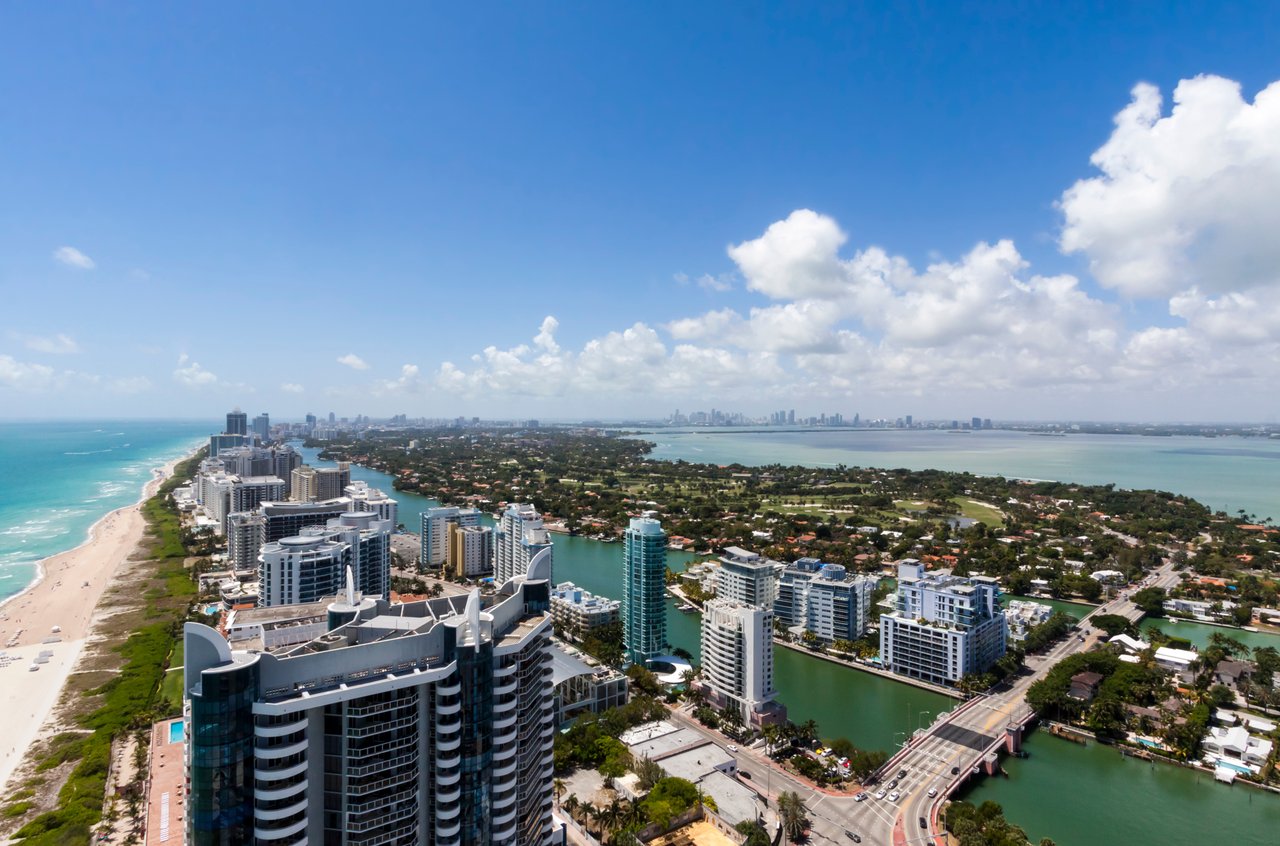
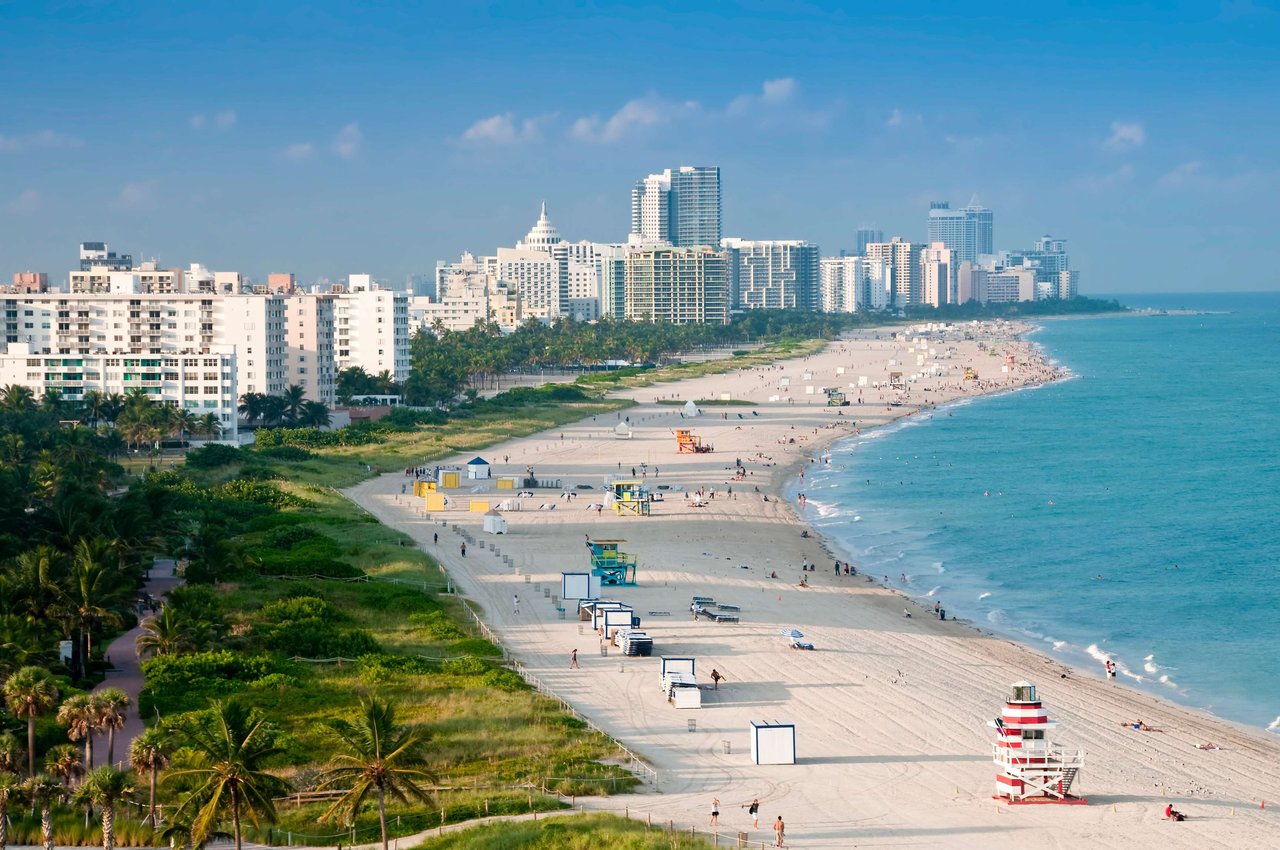
Demand is concentrating around the matches themselves and around the neighborhoods that make a Miami trip worth extending: Miami Beach, Brickell, Edgewater, and the corridors with easy access to the stadium and the Fan Festival. Owners of short-term-rental-friendly residences are positioned to capture peak-season rates during the event window, and the marquee fixtures — Brazil vs. Scotland and Portugal vs. Colombia — are generating some of the strongest booking activity of the entire tournament.
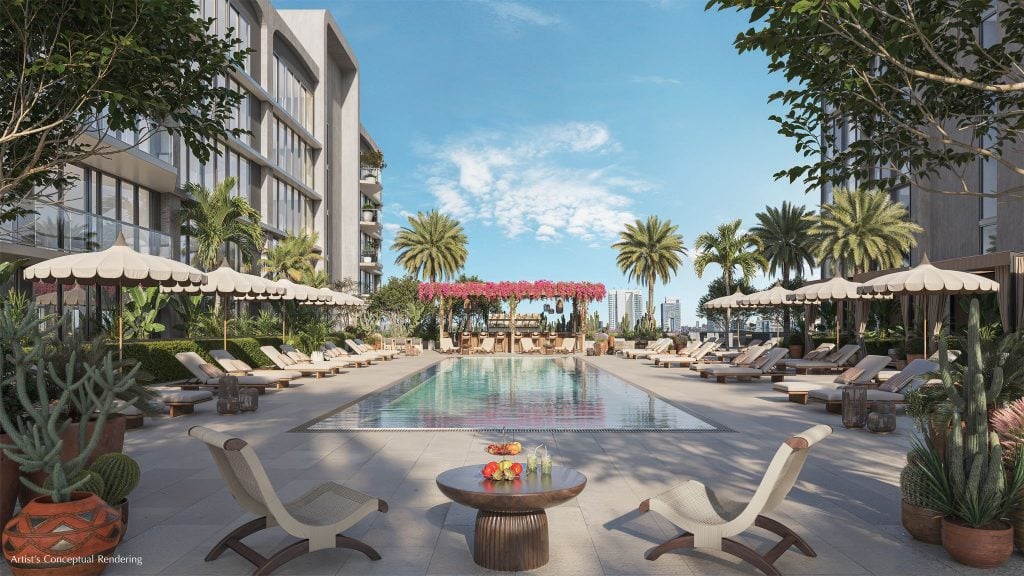
For investors who have eyed Miami's flexible, rental-permissive condo developments, this summer is a live demonstration of the thesis: a global event proving, in real time, how readily this city converts visitors into nightly demand.
From a long weekend to a Miami address
The more interesting story unfolds after the final whistle.
Agents working with international visitors describe a familiar pattern. Many of the people arriving for the World Cup have never set foot in Miami, or have visited only once or twice. They come for a match, stay for the lifestyle, and leave with what one local agent calls "the bug" — that sense, somewhere between the water and the weather, that they could see themselves here. Some return to rent for a season while they feel the market out. Some go further and buy.
History suggests this is where the real estate impact lives. After previous World Cups, the meaningful uptick in international buyers didn't arrive the week the tournament ended — it arrived in the years that followed, as visitors who'd discovered a city during the games came back to put down roots. Miami, with its year-round appeal and established second-home culture, is built to benefit from exactly that kind of delayed, lifestyle-driven decision.
In other words, the buyer who tours a Bal Harbour condo in 2028 may well be someone who first fell for Miami at a match this June.
What this means if you own in Miami
For sellers and owners, the takeaway is about positioning, not panic-pricing.
A surge of global attention is a gift to anyone with a property to show — but it rewards those who are ready. Well-presented, well-priced listings stand to benefit most from the influx of qualified, internationally minded interest, while the broader market continues its move toward a more balanced, sustainable pace after the frenzied post-pandemic years. The World Cup doesn't replace fundamentals; it spotlights them.
It's also worth noting the macro tailwind: a softer U.S. dollar has made American real estate more attractive to many overseas buyers, and a significant share of South Florida's international transactions still close all-cash. For sellers, that translates into a pool of motivated, well-capitalized buyers who can move quickly when they find the right home.
The luxury picture: Bal Harbour, Surfside, and the beaches
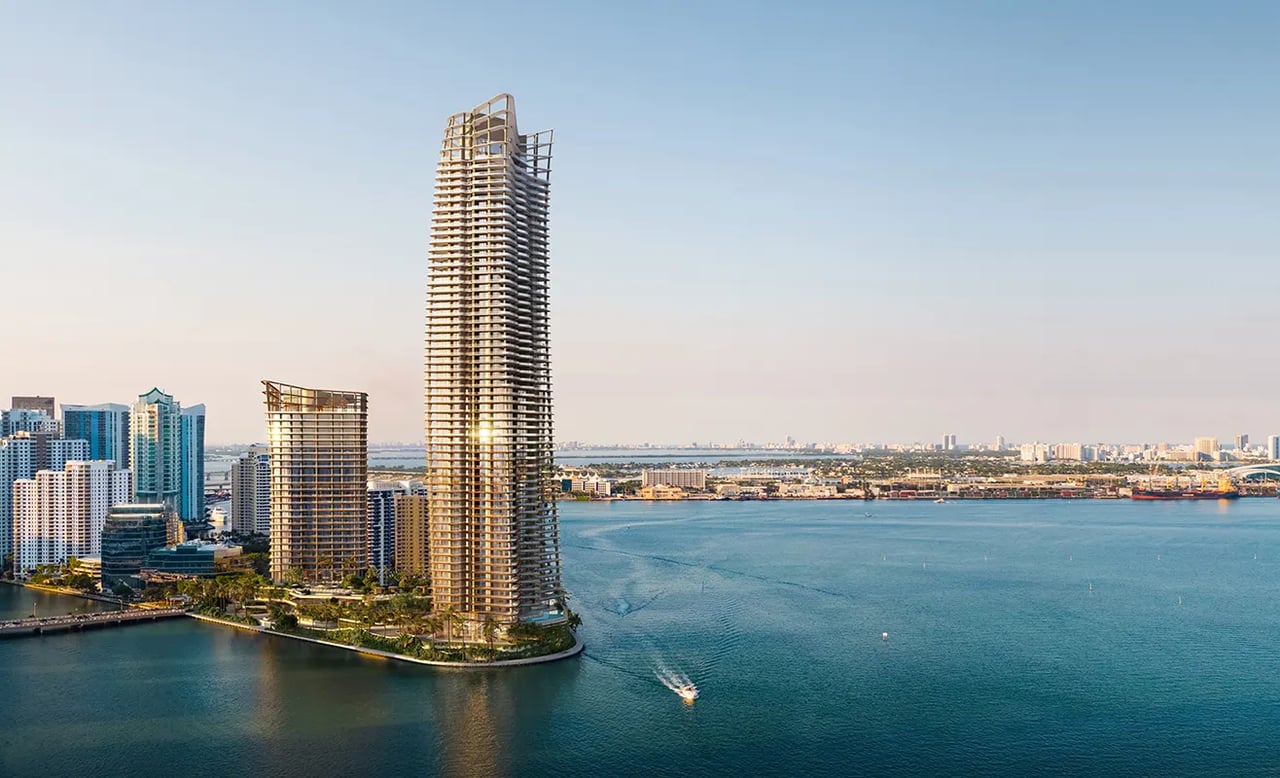
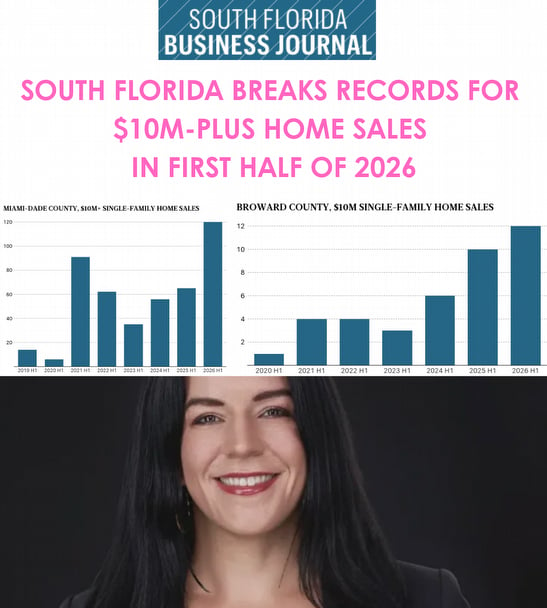
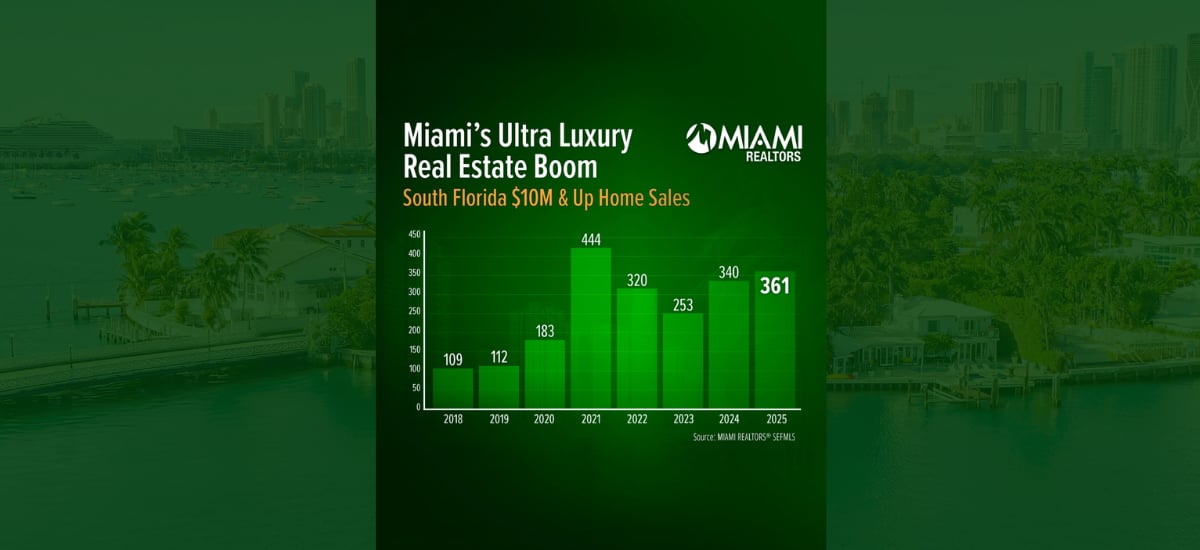
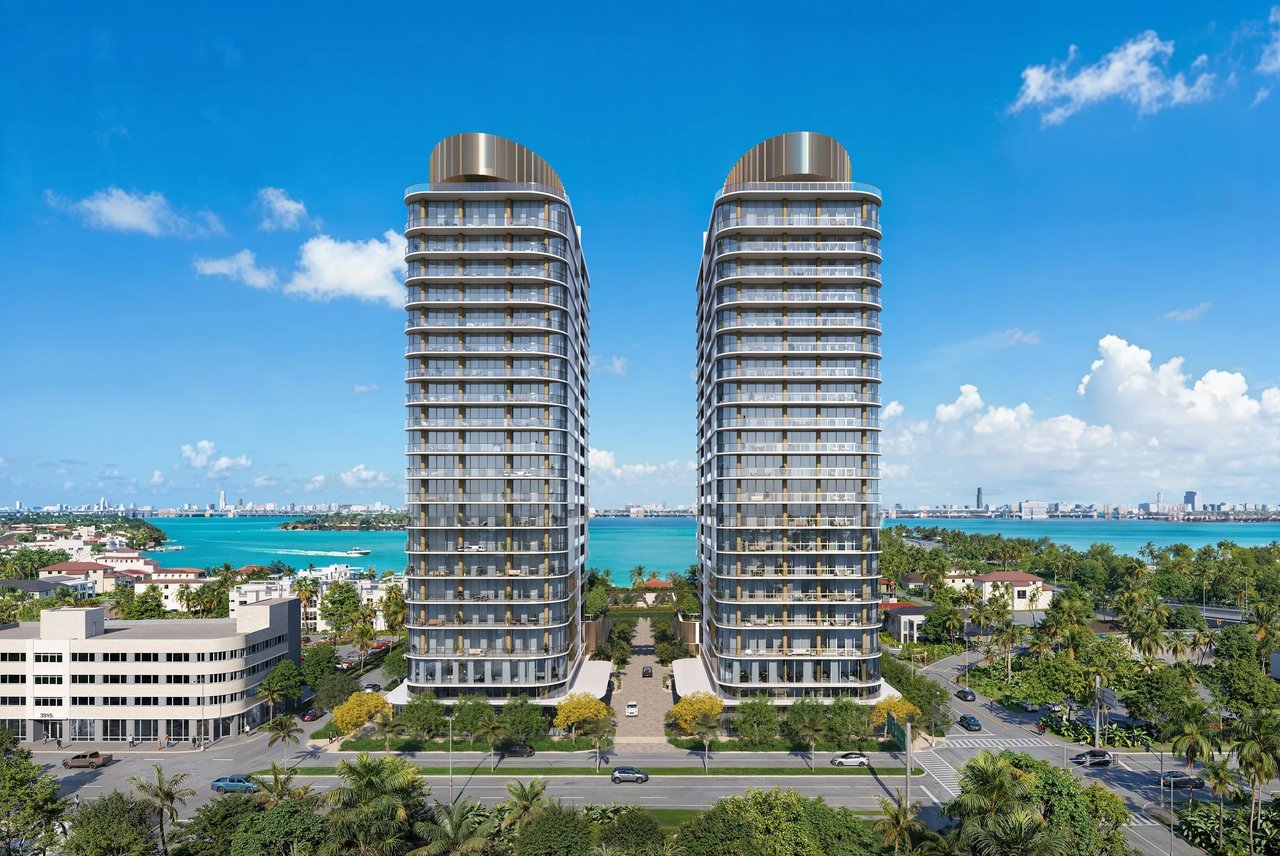
At the top of the market, Miami's momentum is unmistakable. South Florida set records for ultra-luxury condo activity in 2025, and sales above $1 million have continued to climb year-over-year into 2026. The buyers driving that activity — global, discerning, and increasingly drawn to branded and waterfront residences — are precisely the audience the World Cup is bringing to town.
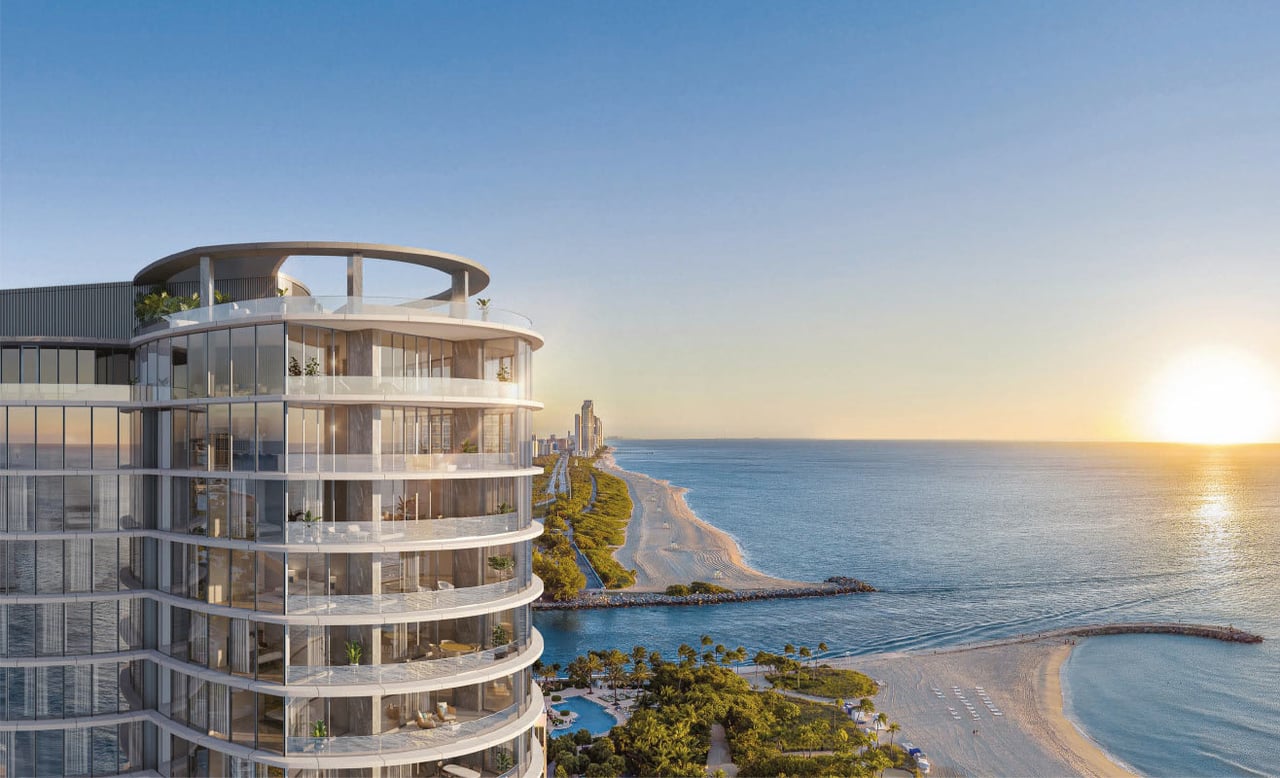
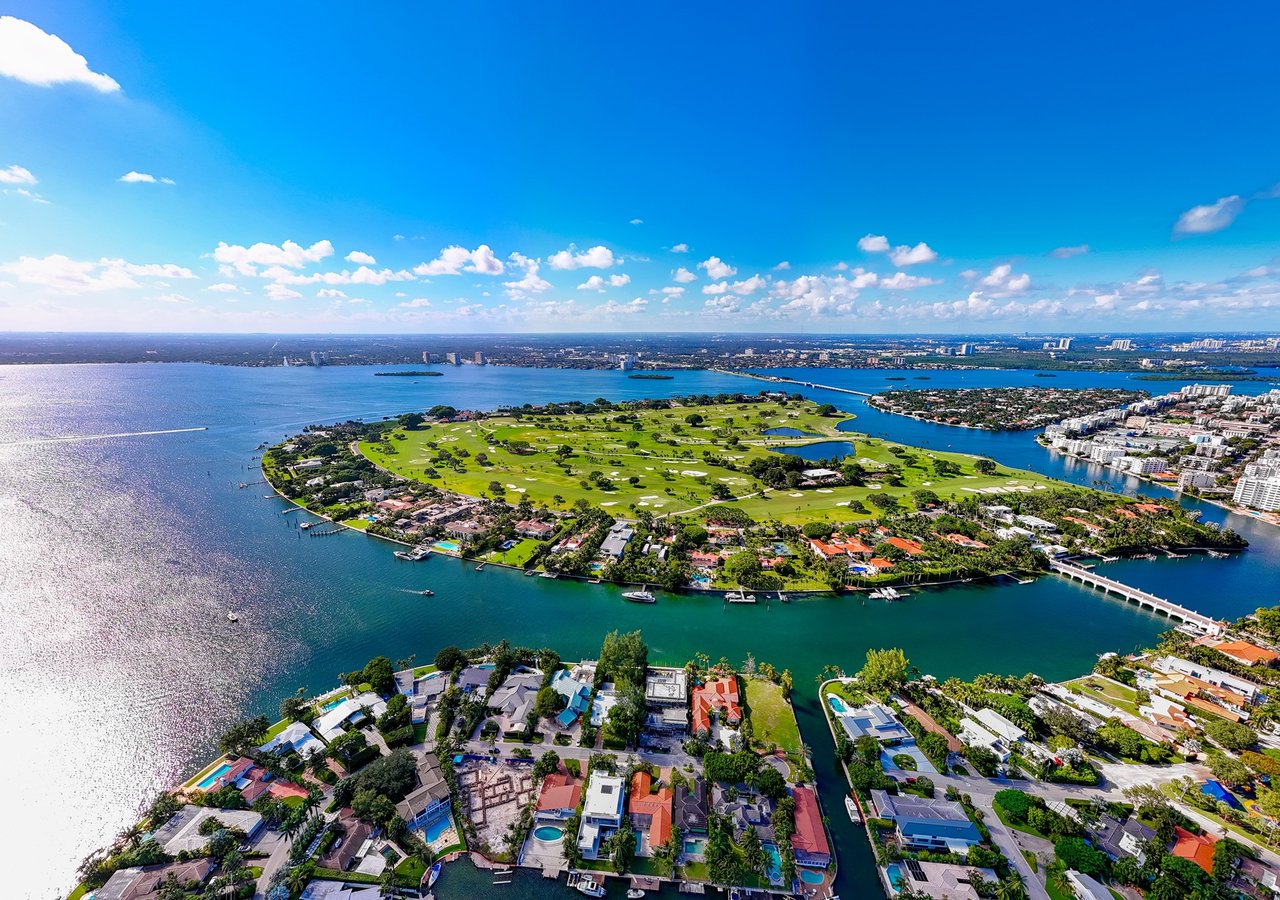
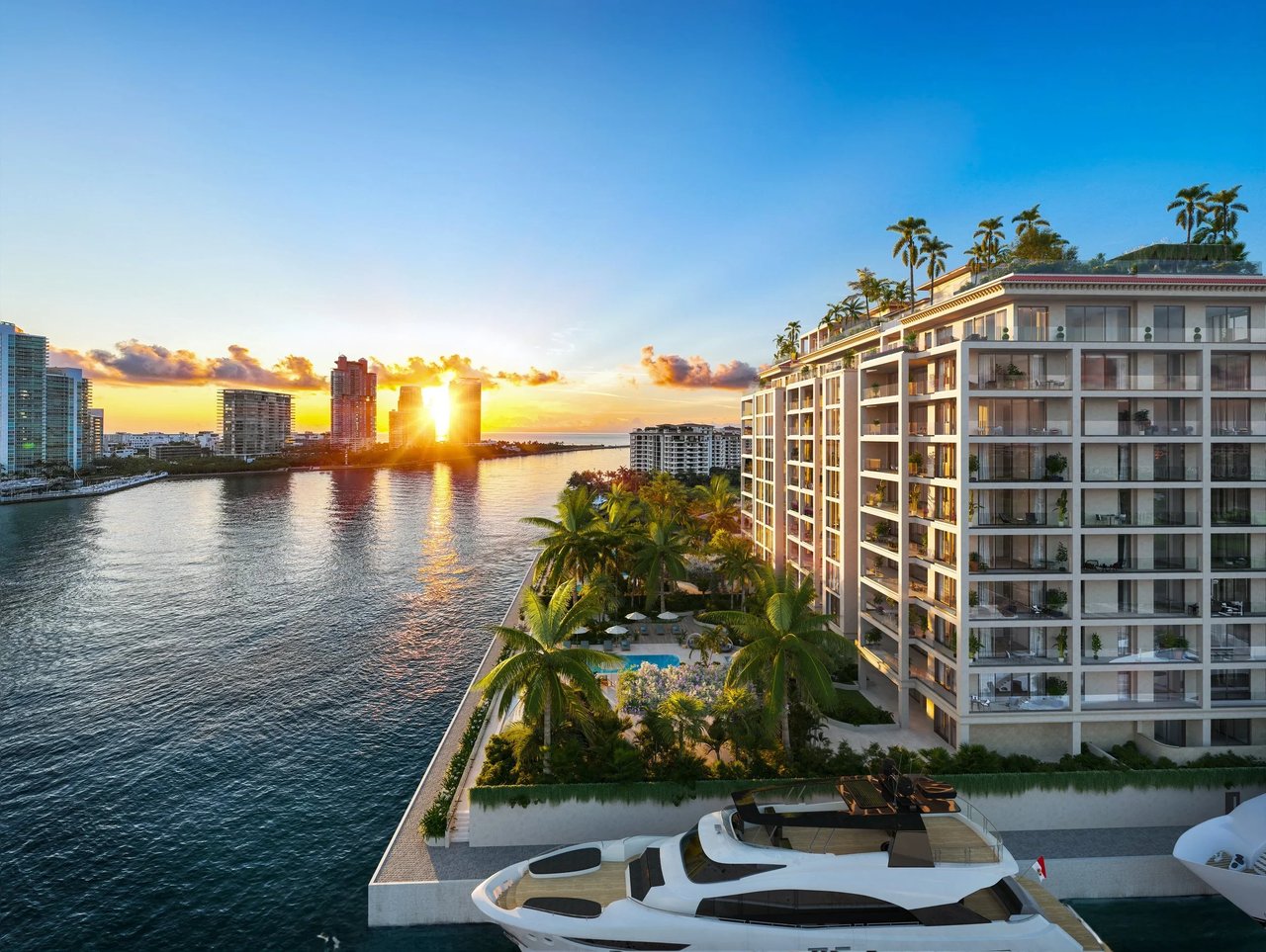
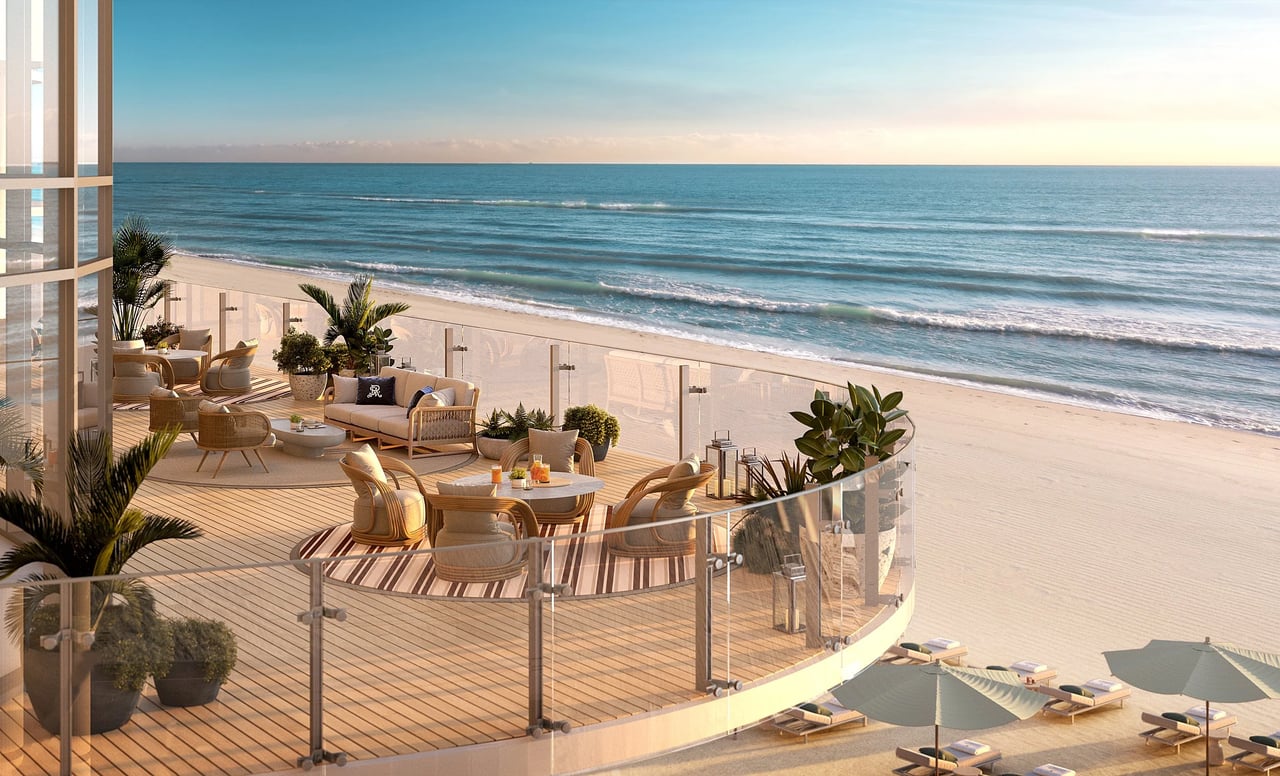
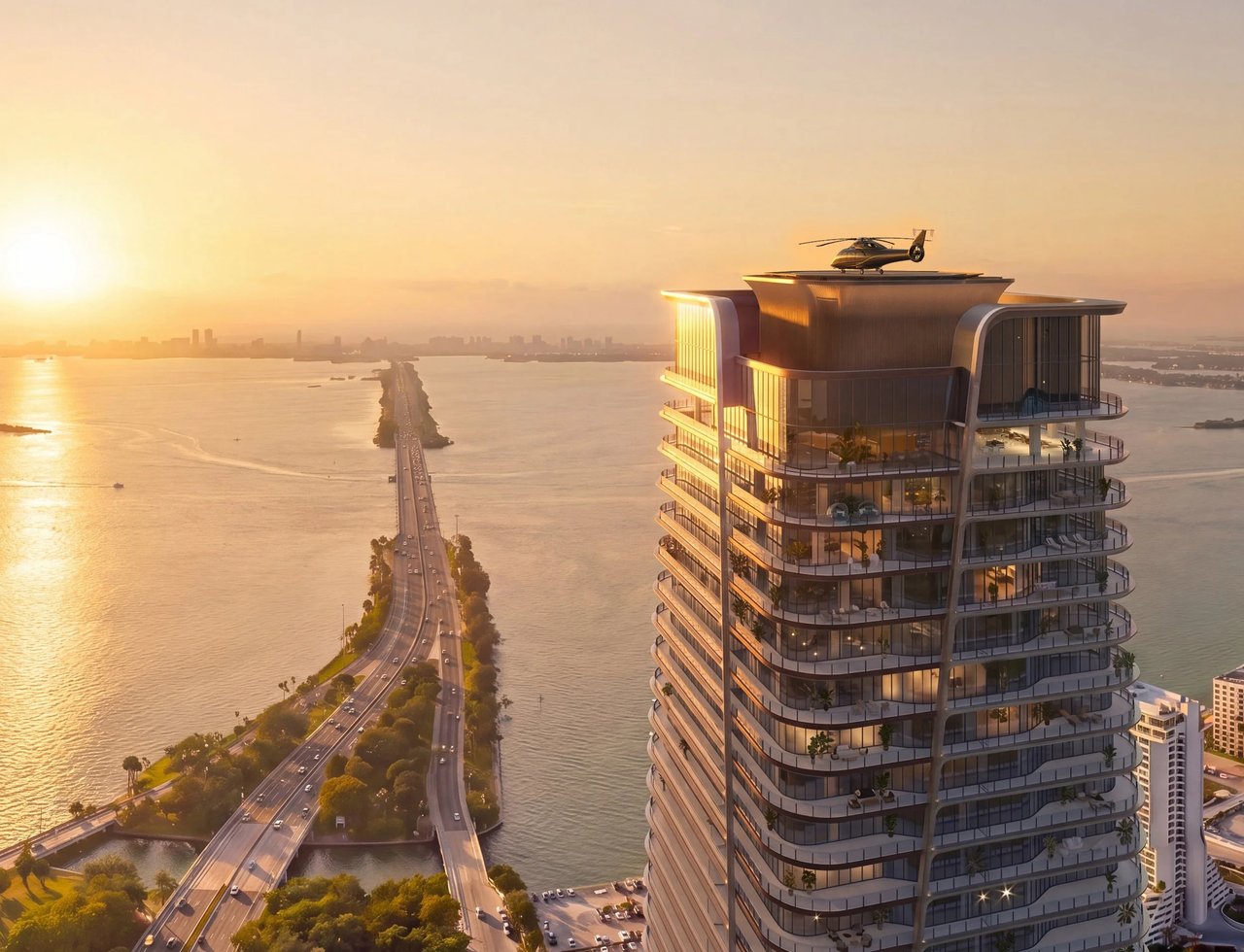
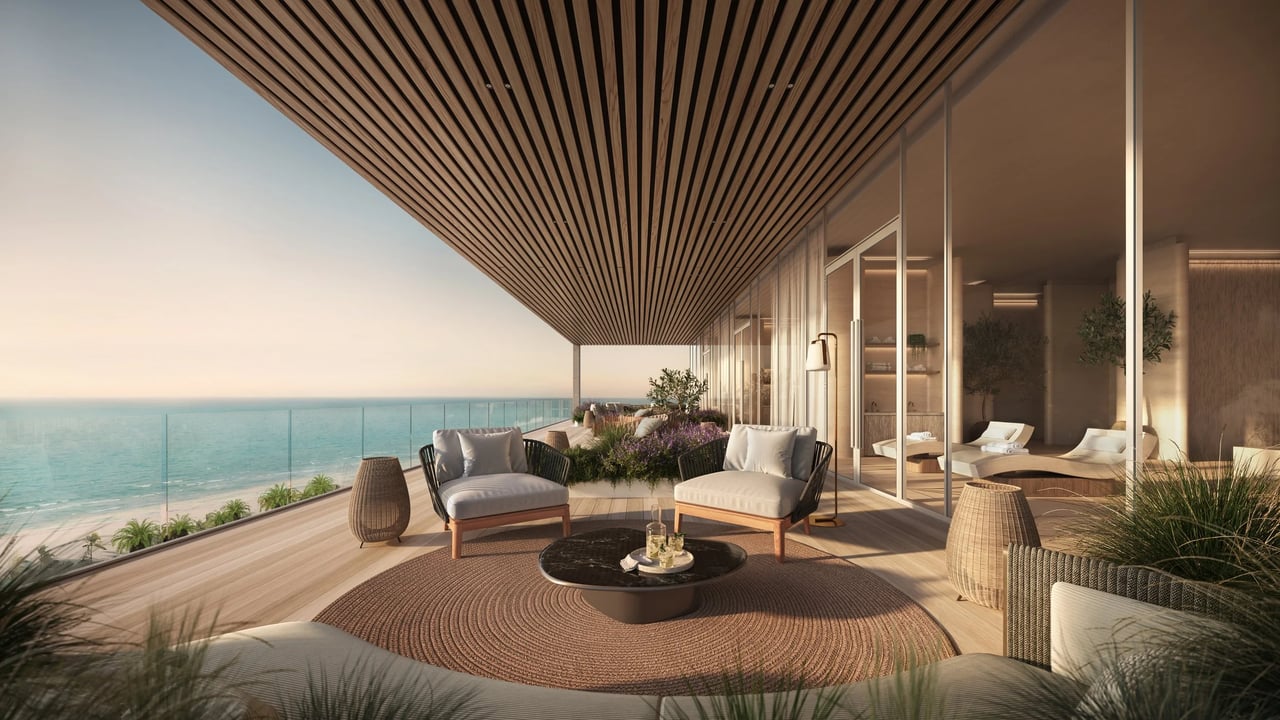
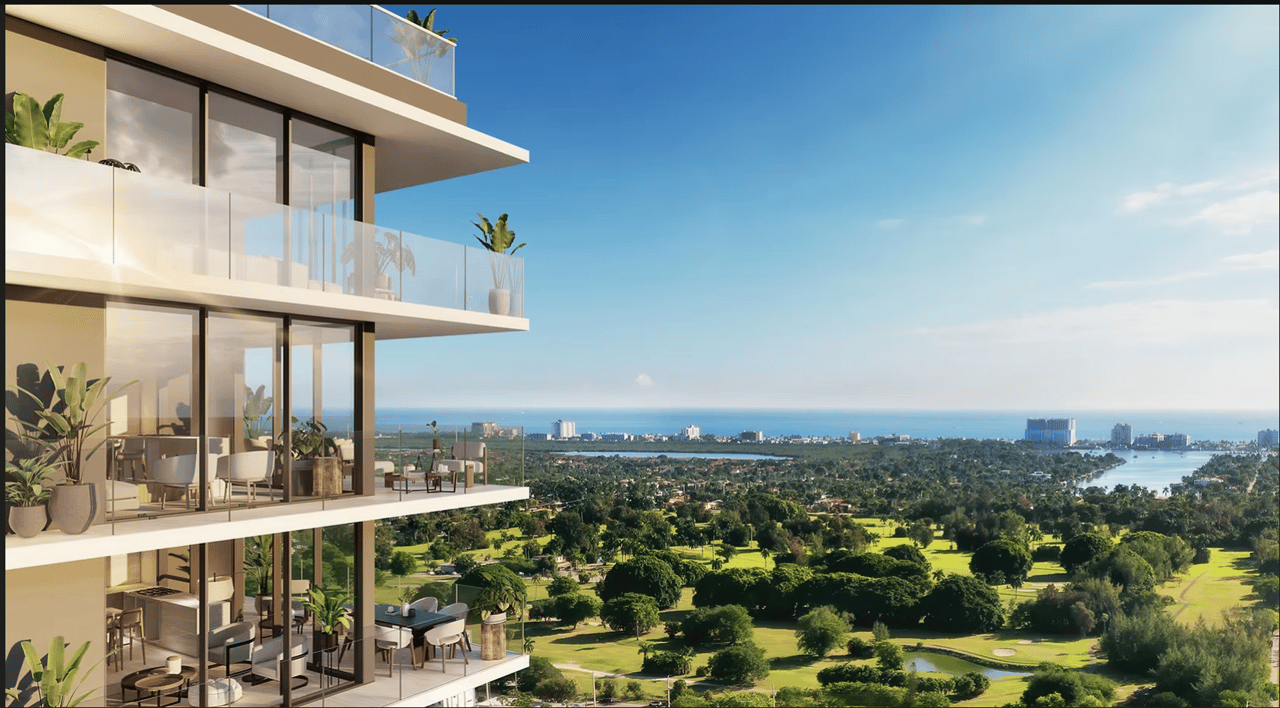
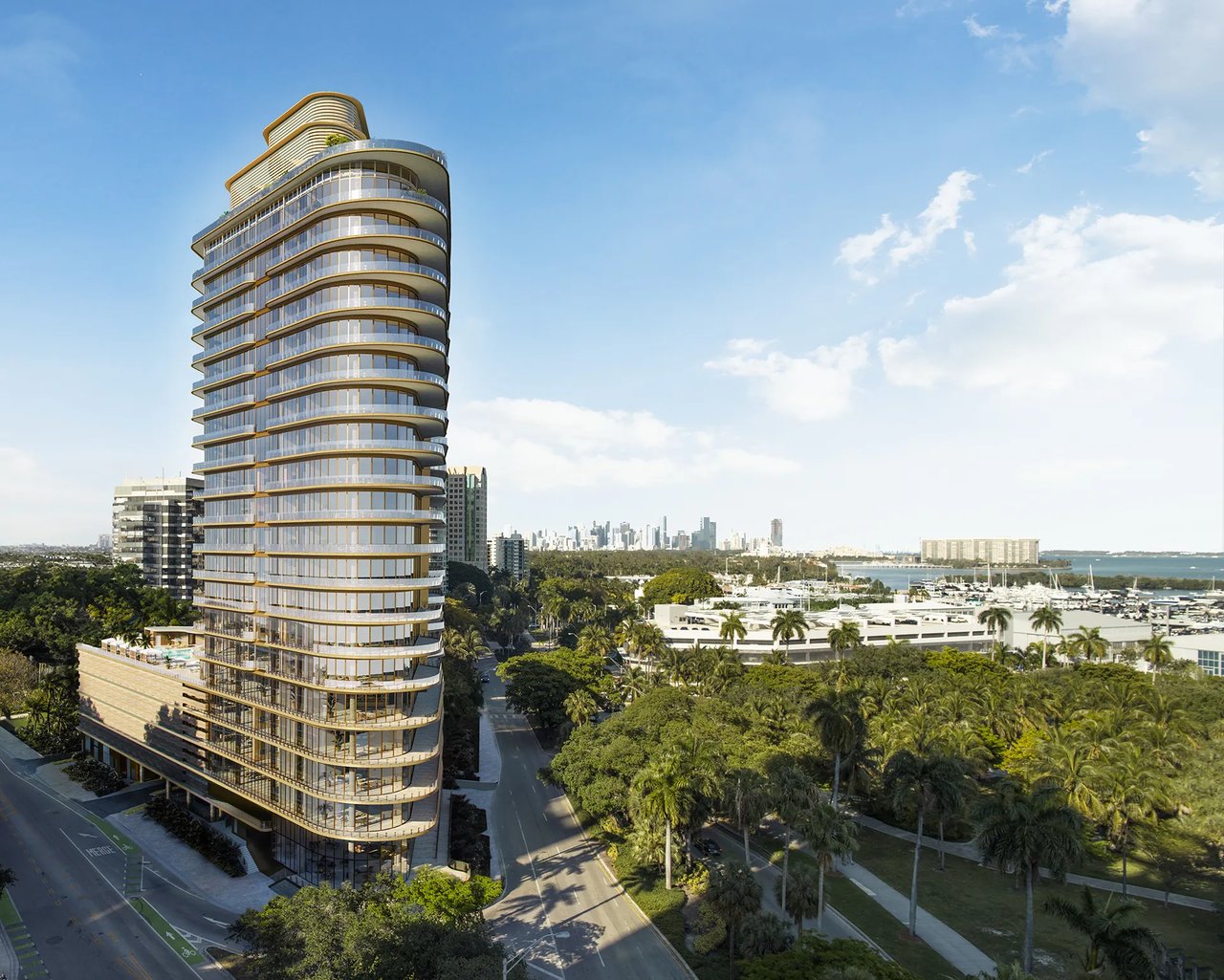
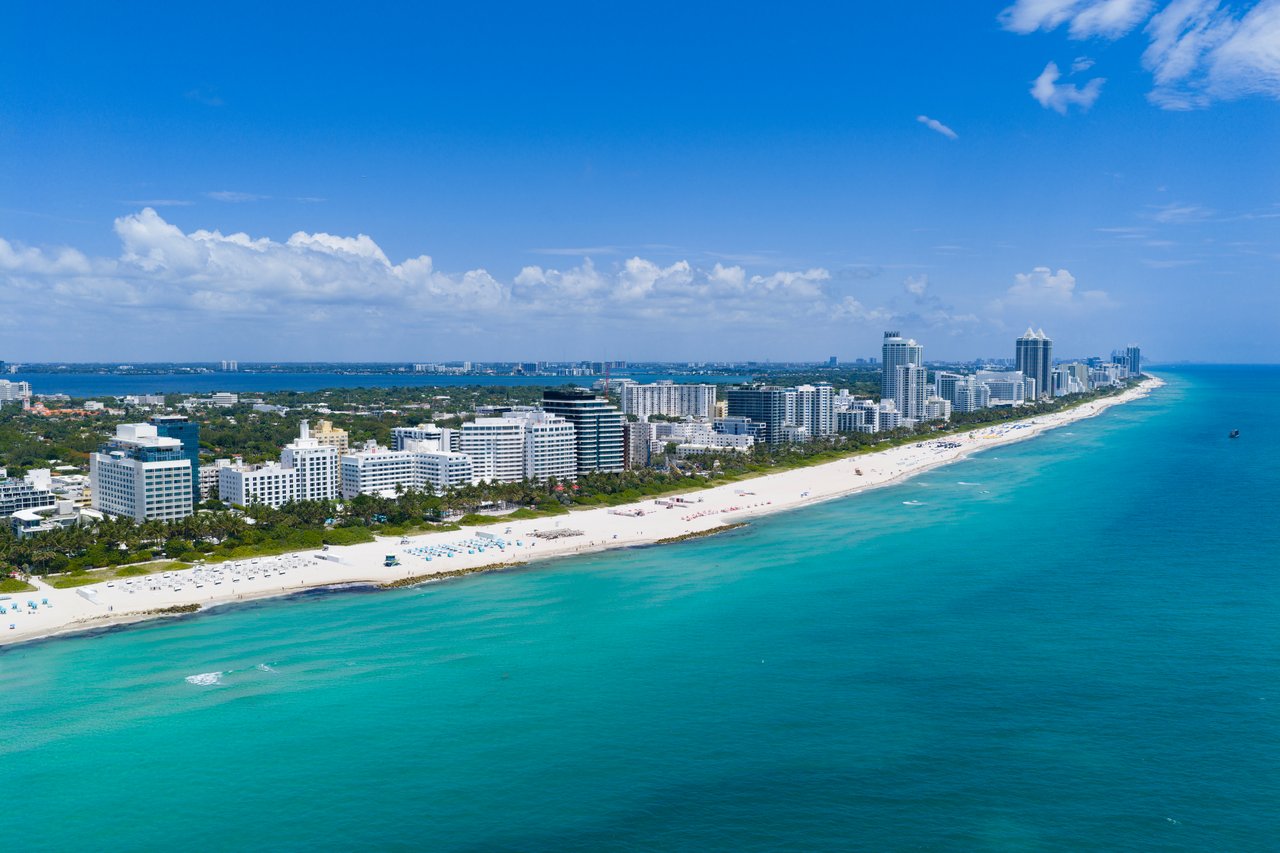
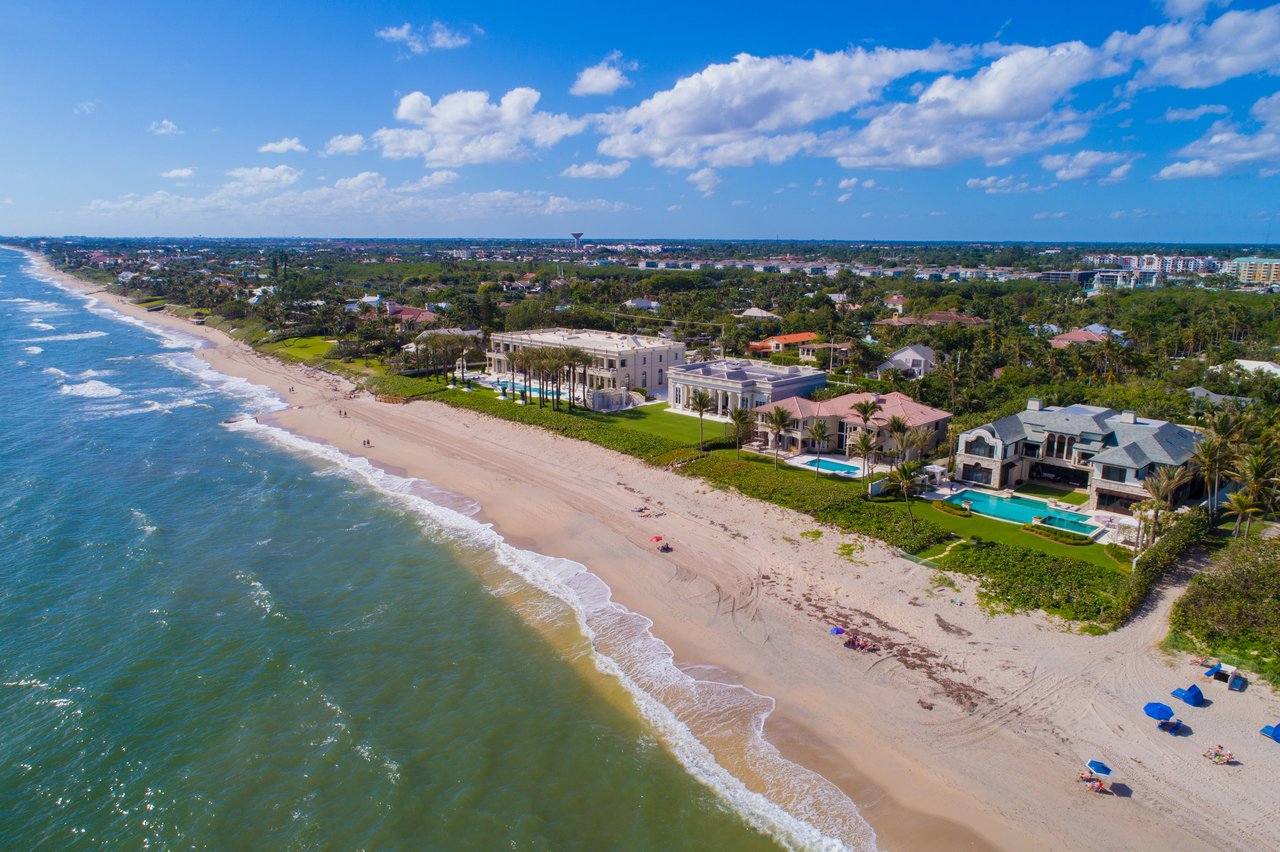
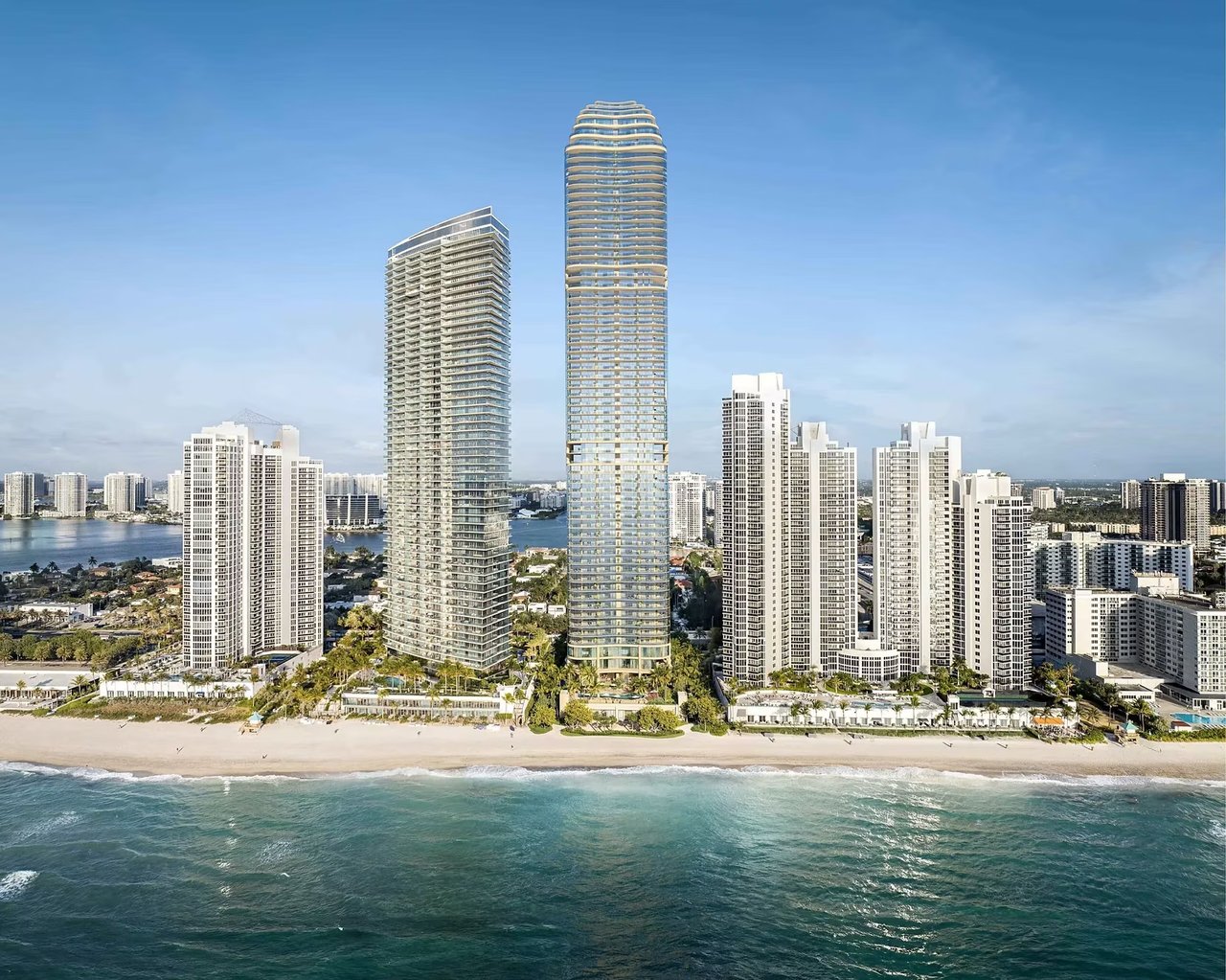
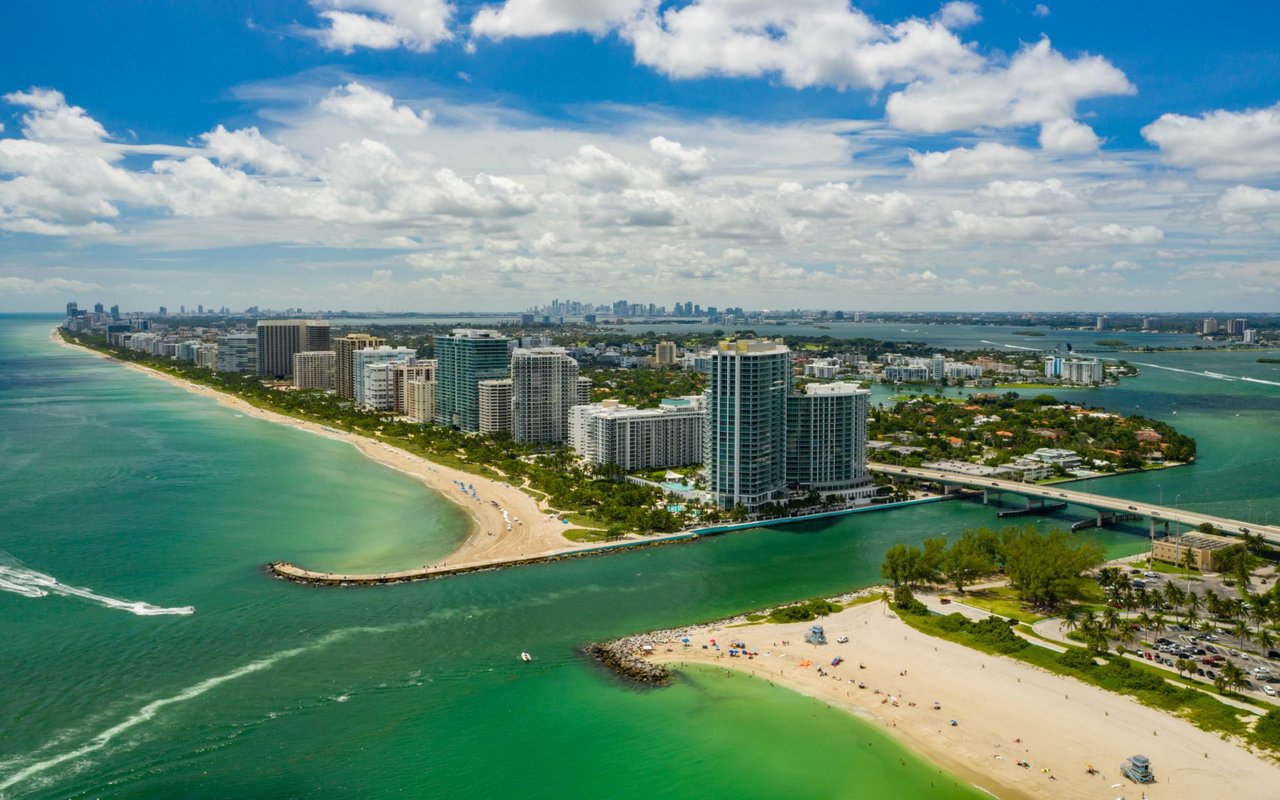
For the oceanfront enclaves we know best — Bal Harbour, Surfside, Sunny Isles, and the barrier-island stretch of Miami Beach — the tournament reinforces what already sets them apart: privacy, walkability to the water, world-class amenities, and a lifestyle that reads as effortlessly as a postcard to a buyer arriving from Buenos Aires, Bogotá, or São Paulo. These are not impulse purchases, but they often begin with an impression. This summer, Miami is making an extraordinary one.
A measured view
It would be easy to promise that the World Cup will send Miami prices soaring overnight. We won't, because that isn't how it works — and because the more honest story is the more compelling one.
The 2026 World Cup is a catalyst, not a switch. It accelerates a trajectory Miami was already on: a maturing global city with deep international demand, a thriving luxury segment, and a lifestyle that turns visitors into residents. The smart move isn't to chase the moment. It's to understand it — and to be positioned well before the rest of the world realizes what it saw this summer.
Thinking about buying, selling, or investing in Miami's luxury market? The Joelle Team brings deep, neighborhood-level expertise across Bal Harbour, Surfside, Miami Beach, and South Florida's most sought-after coastal communities — along with the international reach that a moment like this demands. Let's talk about how to make it work for you.
The Joelle Team | ONE Sotheby's International Realty joellerealtor.com
Source: Inman