Florida is currently home to over 1.18 million millionaires—representing approximately 5.1% of the state's total population. This Florida wealthy population is concentrated primarily in the high-value enclaves of Miami-Dade, Palm Beach, and Naples. According to the 2025 Henley & Partners USA Wealth Report, this represents the second-largest millionaire hub in the United States, trailing only California in total count while leading the nation in high-net-worth migration. The sheer number of millionaires in Florida has created a self-sustaining ecosystem that offers unmatched opportunities for luxury real estate investment and high-level networking among the global elite.
What You'll Learn
-
Florida has approximately 1.1 million millionaires, second only to California in total count
-
Palm Beach County has the highest millionaire density per capita in Florida at nearly 9%
-
Miami-Dade County attracts the most millionaire migration due to tax advantages and international connectivity
-
Naples, Fisher Island, and Coral Gables rank among the top neighborhoods where ultra-high-net-worth individuals purchase homes
-
Florida's favorable tax structure saves millionaires an average of $150,000+ annually compared to California or New York
The Numbers Behind the Wealth Migration
Florida's reputation as a wealth magnet is backed by compelling data. The state has become the destination of choice for high-net-worth individuals seeking tax advantages, lifestyle quality, and investment opportunities. The Florida millionaire population has surged 63% since 2015, with particularly dramatic acceleration occurring as remote work enabled professionals to escape high-tax states. According to Global Trade Magazine's 2026 outlook, the population of the super-rich in Florida is projected to continue growing at a rate of 8.8% annually through 2030.
Understanding where these 1.18 million millionaires actually live reveals strategic opportunities for luxury real estate investment, business development, and high-value networking. The concentration patterns show distinct preferences: waterfront access, gated security, international connectivity, and proximity to world-class amenities.
|
Statistic |
2026 Data Point |
|
How many millionaires live in Florida |
~1.18 Million (Henley & Partners Wealth Report) |
|
Total millionaires Florida national ranking |
#2 (Behind California) |
|
Number of millionaires in Florida as % of population |
~5.1% |
|
Florida millionaire statistics (Net annual migration) |
+15,000 to +20,000 households (SJF Law Group Analysis) |
|
Average net worth of millionaires in Florida |
$3.4 Million (Empower Millionaire Data) |
|
Millionaire count Florida (Ultra-HNW $30M+) |
~8,500+ |
|
Projected Florida wealthy population growth by 2028 |
+35% |
Searching for luxury properties where Florida's millionaires actually live? Browse Miami's Most Exclusive Listings
How Many Millionaires Are There in Florida?
When people ask how many millionaires live in Florida, the answer reveals why the state has become America’s undisputed wealth capital. As of early 2026, Florida is home to approximately 1.18 million millionaires, representing the second-highest concentration of wealthy individuals in the United States. According to the 2025 Henley & Partners USA Wealth Report, only California (~1.3 million) currently holds a higher total millionaires Florida count. However, the momentum is shifting; Florida gains an average of 15,000 net millionaires annually, while high-tax states like California and New York continue to see net outflows of wealth holders.
Most global research firms, including UBS and Capgemini, define a "millionaire" as a household with investable assets of $1 million or more, excluding their primary residence. This distinction is vital for the millionaire count Florida generates, as it separates true high-net-worth individuals (HNWIs) with liquid capital from those who have reached "paper millionaire" status purely through home equity in expensive markets.
The Florida Wealth Hierarchy
The Florida wealthy population currently breaks down into three strategic tiers:
-
Standard Millionaires ($1M–$5M): Approximately 980,000 households. This group consists of successful professionals and business owners who leverage Florida’s 0% income tax to accelerate their retirement savings.
-
High-Net-Worth Individuals ($5M–$30M): Roughly 192,000 households. These residents typically own multiple properties and drive the demand for Miami’s luxury "lock-and-leave" condominiums.
-
Ultra-High-Net-Worth (UHNW) ($30M+): At the apex sit approximately 8,500 households commanding massive portfolios. This elite group, whose growth is projected to lead the nation through 2030, concentrates in exclusive enclaves like Fisher Island, Palm Beach, and Star Island.
Florida's millionaire population is expanding three to four times faster than the national average. This surge is driven by "tax arbitrage"—high-income professionals from New York, California, and Illinois who move to Florida to immediately eliminate 10% to 13.3% in state income taxes. By changing their legal residence, they effectively give themselves a six-figure annual raise without changing their career path.
What Percentage of Florida's Population Are Millionaires?
As of early 2026, approximately 5.1% of Florida's residents qualify as millionaires based on investable assets. This Florida wealthy population significantly outpaces the national average of roughly 3.8%, solidifying Florida's status as a top-tier destination for the global elite. According to recent 2026 economic forecasts, this concentration is fueling a "wealth ecosystem" where high-end services and ultra-luxury real estate are in constant demand.
The distribution of millionaires in Florida is far from uniform; it clusters in specific regions where tax advantages meet world-class lifestyle amenities:
-
Palm Beach County: Remains the leader in density, with millionaires representing nearly 9.2% of households. In specific enclaves like the Town of Palm Beach, the average household income has soared to over $350,000, nearly triple the national average.
-
Collier County (Naples): Follows closely with a 7.9% density. Naples continues to be ranked as one of the best places to live in the U.S. for 2025-2026, particularly for those seeking a high-tech GDP and unparalleled well-being.
-
Miami-Dade County: Tracks at 6.4%. While the density is slightly lower due to the county's massive total population, Miami has seen a staggering 94% surge in its millionaire population over the last decade, the fastest growth rate in the southeastern United States.
Strategic Clusters vs. National Averages
When you compare these figures to cities like Jacksonville (3.9%) or Orlando (3.6%), which align more closely with national averages, it becomes clear that total millionaires Florida residents prefer "wealth hubs." These geographic concentrations create clear target markets for luxury real estate. For instance, a millionaire in Naples often prioritizes privacy and golf-access, while the Miami millionaire population is driven by international connectivity and a high-energy urban lifestyle.
Understanding the number of millionaires in Florida requires examining city-level concentration patterns beyond just the statewide total. While total population matters, the millionaire density reveals which markets truly cater to significant wealth. According to the 2025 Henley & Partners Wealth Report, Miami and West Palm Beach have seen their Florida millionaire population surge by 94% and 112% respectively over the last decade.
Top 10 Florida Wealth Hubs by Millionaire Population
|
Rank |
City/Area |
Estimated Millionaires |
Millionaire Density |
Median Luxury Home Price |
|
1 |
Miami |
92,000+ |
6.4% |
$4.2M+ |
|
2 |
Palm Beach / WPB |
56,000+ |
9.2% |
$4.0M+ |
|
3 |
Naples |
42,000+ |
8.9% |
$1.8M+ |
|
4 |
Fort Lauderdale |
38,000+ |
5.8% |
$1.5M+ |
|
5 |
Tampa |
35,000+ |
5.0% |
$1.2M+ |
|
6 |
Boca Raton |
31,000+ |
7.1% |
$1.9M+ |
|
7 |
Sarasota |
25,000+ |
6.5% |
$1.4M+ |
|
8 |
Jacksonville |
24,000+ |
3.9% |
$950K |
|
9 |
Orlando |
22,000+ |
3.6% |
$880K |
|
10 |
Key West / Keys |
9,000+ |
7.5% |
$2.1M+ |
Market Analysis: Why These Cities Lead
-
Miami’s Absolute Dominance: Miami remains the economic and cultural engine of the Florida wealthy population. With over 92,000 millionaires, the city has evolved from a vacation destination into a global financial hub. Miami Real Estate records show that luxury sales continue to break annual records, fueled by tech and finance relocations.
-
Palm Beach’s Growth Spurt: Palm Beach and West Palm Beach have officially joined the ranks of the world's fastest-growing wealth hubs. The Business Development Board of Palm Beach County notes that the area now hosts over 60 billionaires, making it the "Wall Street South" of 2026.
-
The Naples Lifestyle Play: Naples leads in millionaire density, with nearly one in ten residents qualifying as high-net-worth. As a top-ranked city for well-being, it attracts "passive wealth" residents who prioritize safety, golf, and coastal luxury.
Explore Miami's premier neighborhoods where Florida's wealthiest residents call home. View Available Properties
Which Florida Neighborhoods Have the Highest Concentration of Millionaires?
Neighborhood analysis identifies where ultra-high-net-worth individuals actually purchase homes and establish residency. These concentrations create unmatched networking opportunities and investment potential that city-level statistics obscure. In 2026, the Florida wealthy population is increasingly moving toward "hyper-exclusive" enclaves that offer total privacy and security.
-
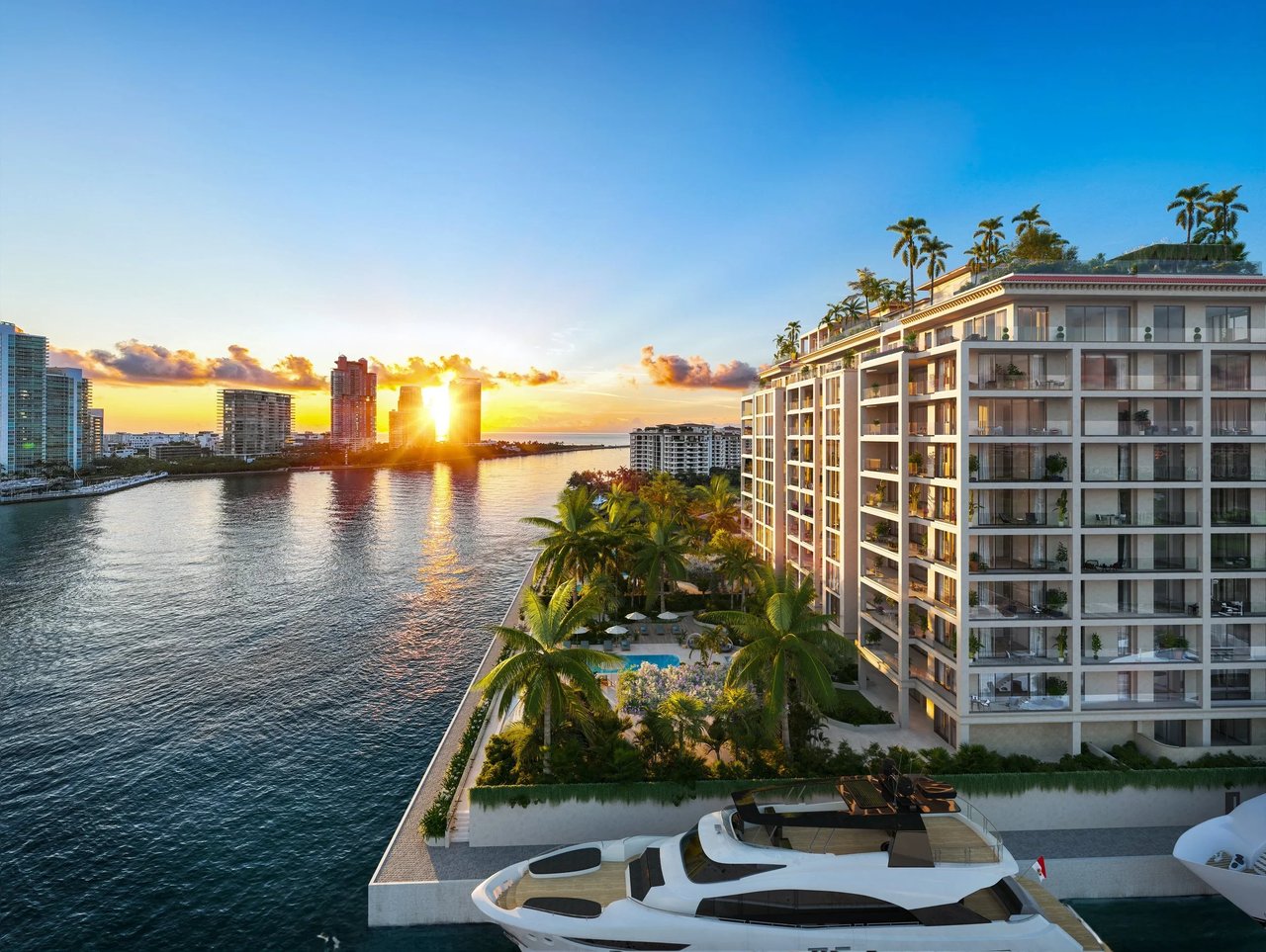
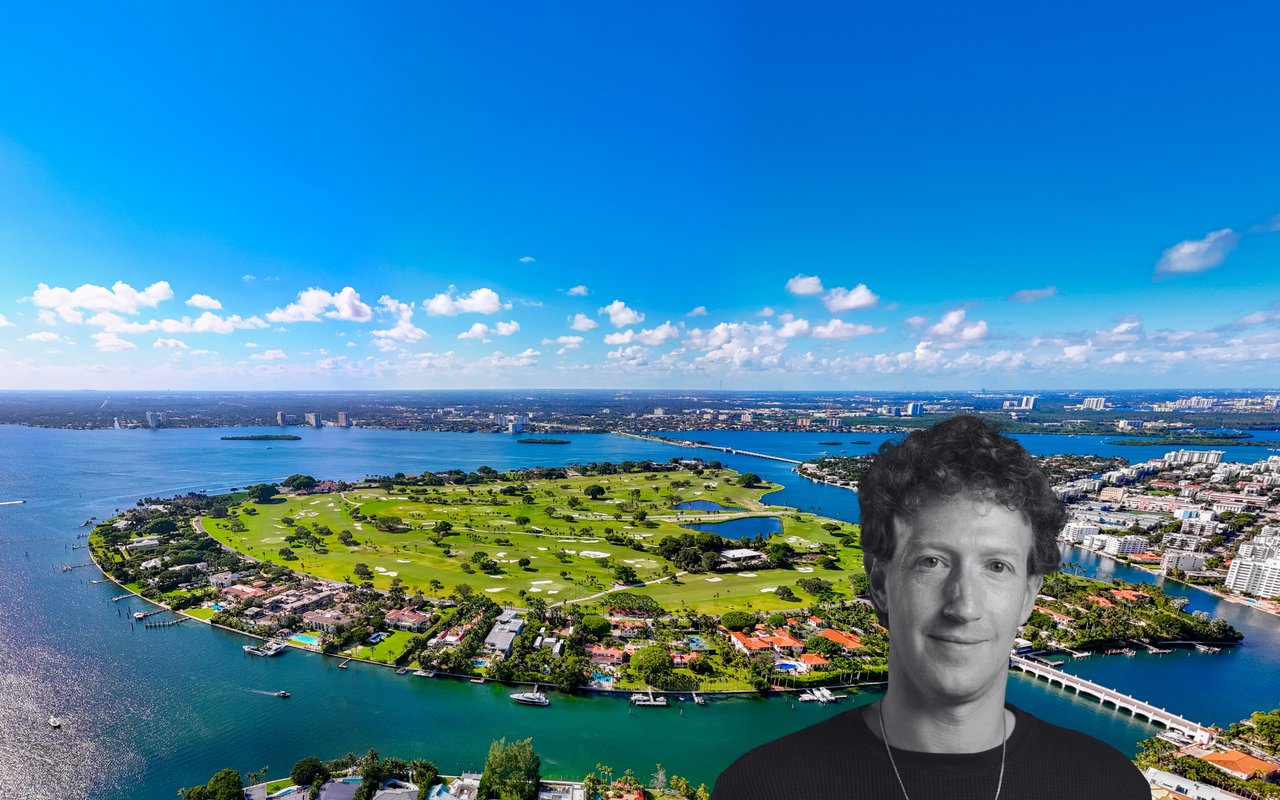
Fisher Island (Miami-Dade): Fisher Island currently stands as America’s wealthiest zip code (33109). According to 2025/2026 Realtor and PropertyShark data, it has surpassed Atherton, California, with a median sale price of $9.5 million. This private island hosts approximately 750 households with a millionaire household percentage reaching 68%—meaning nearly seven in ten residents are part of the Florida millionaire population.
-
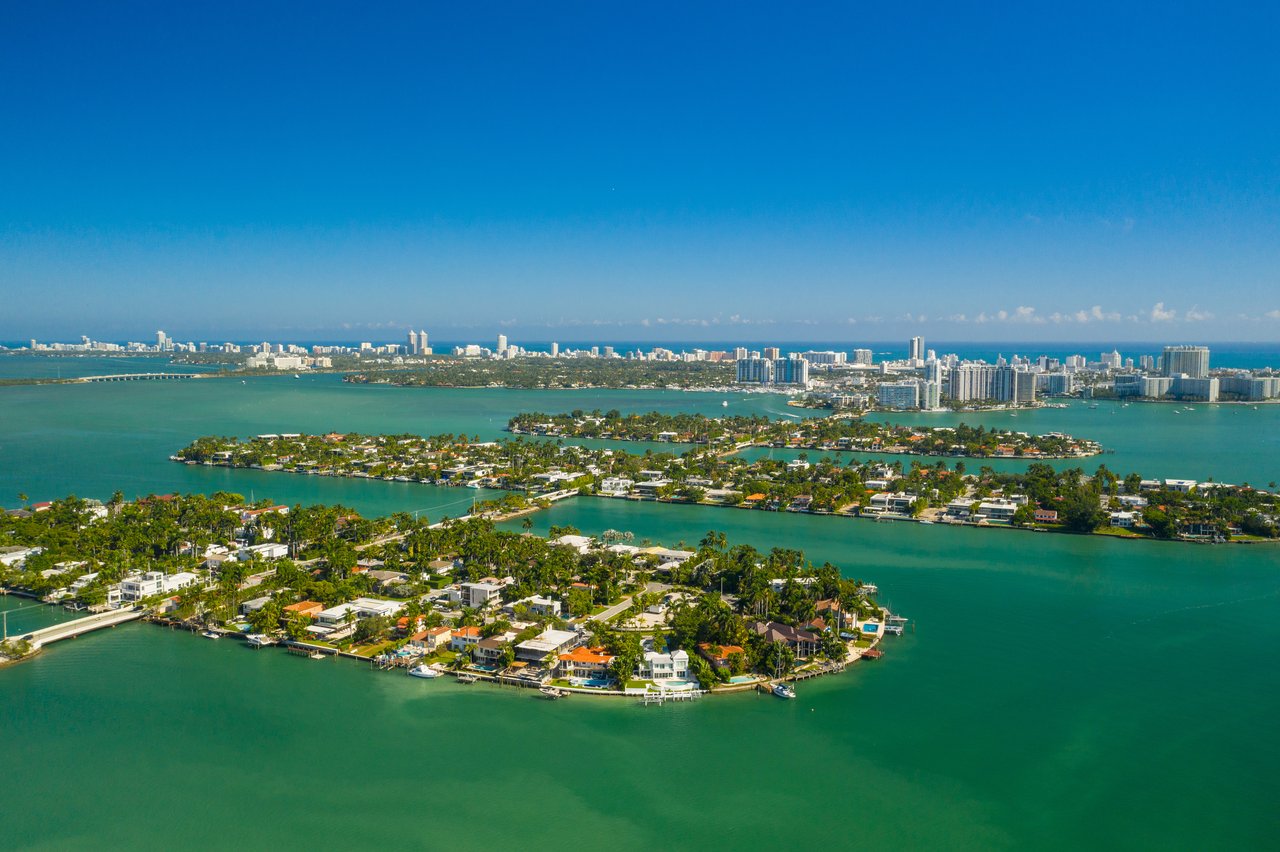
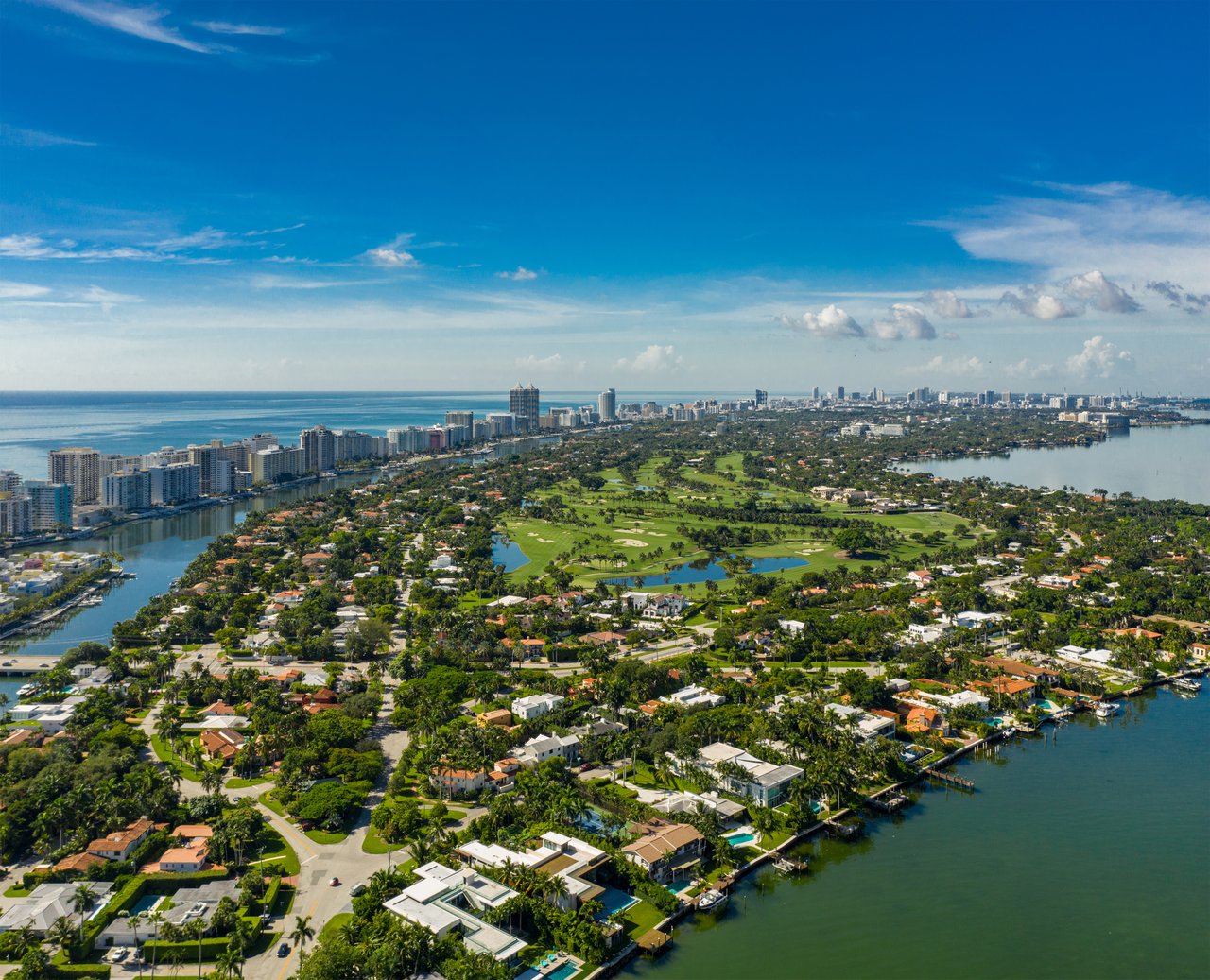
Star Island (Miami Beach): Known as "celebrity headquarters," this guard-gated community features only 34 estates, many valued above $30 million. The millionaire count Florida maintains here exceeds 52%, making casual encounters with global wealth a daily reality for residents.
-
Palm Beach Island: Often called the "Billionaire Capital," Palm Beach has seen a 112% increase in millionaires over the last decade (Henley & Partners Wealthiest Cities Report 2025). The millionaire concentration reaches 62% of households, with iconic clubs like The Breakers and Mar-a-Lago defining the social hierarchy.
-
Jupiter Island (Martin County): This enclave operates as an ultra-private retreat where billionaires often outnumber millionaires. With a median home value of $9.7 million, the number of millionaires in Florida choosing this barrier island has pushed the millionaire density to 58%.
-
Port Royal (Naples): Hosting the highest concentration of homes valued above $10 million outside of South Florida, Port Royal attracts the total millionaires Florida attracts to the Gulf Coast. The millionaire household concentration exceeds 55%, with waterfront lots alone frequently transacting for over $20 million (Collier EDO Wealth Analysis).
-
Coral Gables (Gables Estates & Cocoplum): Representing established luxury, these neighborhoods attract business executives and international families. With average household incomes exceeding $209,000, Coral Gables is a primary driver of Florida millionaire statistics in the "Old Florida" luxury segment.
Ready to invest where Florida's ultra-wealthy buy homes? Explore Exclusive Developments
Why Do So Many Wealthy People Live in Florida?
The question of how many millionaires live in Florida connects directly to what attracts them. The answer—currently over 1.18 million and growing—is the result of deliberate policy choices that make Florida the most "millionaire-friendly" state in America.
-
Zero State Income Tax: Florida levies no tax on wages, business profits, or investment gains. With the 2026 return to a 39.6% top federal tax rate, the "Florida Discount" is more valuable than ever.
-
The 2026 Math: A professional earning $2 million annually saves approximately $266,000 every year compared to California or $218,000 compared to New York. Over a decade, that is over $2.5 million in preserved wealth that stays in your portfolio.
-
Generational Wealth Preservation: Florida has no state-level estate or inheritance tax. While the 2026 Federal Estate Tax exemption has stabilized at $15 million, states like New York still impose a "cliff" tax of up to 16% on estates over $7.35 million.
-
The Savings: Moving a $50 million estate to Florida can save heirs over $8 million in state-level taxes compared to a New York domicile.
-
The "Ironclad" Homestead Protection: Under the Florida Constitution, your primary residence receives three world-class protections:
-
Tax Base Reduction: A $50,000 reduction in your property’s assessed value.
-
The "Save Our Homes" 3% Cap: Annual assessment increases are capped at 3%, ensuring your property taxes don't spike even if the market value of your mansion doubles.
-
Unlimited Creditor Protection: In 2026, Florida remains one of the few states where a $50 million primary residence is 100% shielded from most judgment creditors, providing a unique safety net for business owners and high-profile individuals.
Schedule a consultation with our luxury real estate specialists. Contact Joelle Today
What Attracts Millionaires to Florida Beyond Tax Savings?
Beyond 2026 tax savings, Florida’s high-net-worth population is driven by a unique "lifestyle arbitrage" that combines financial preservation with global connectivity.
-
Year-Round Luxury Lifestyle: Florida’s climate enables 365 days of outdoor recreation. For those escaping northeastern winters or West Coast environmental concerns, the ability to boat, golf, and dine outdoors daily is a significant quality-of-life upgrade that traditional wealth hubs cannot match.
-
The "Wall Street South" Network: Exclusive private clubs like The Bath Club (Miami Beach) and The Everglades Club (Palm Beach) serve as the new boardroom. These enclaves provide the elite Florida millionaire population with secure, high-value networking opportunities that facilitate multi-million dollar deals in a relaxed setting.
-
Global Gateway Connectivity: Miami serves as the primary economic bridge to Latin America. With Miami International Airport (MIA) offering more direct flights to the region than any other U.S. hub, international business moguls can manage global interests while maintaining a tax-advantaged Florida domicile.
-
The Remote Work Revolution: The shift toward "work from anywhere" has made Florida the premier choice for hedge fund managers and tech founders. As McKinsey reports, nearly 25% of the workforce remains remote in 2026, allowing millionaires to trade Manhattan office space for Miami oceanfront views while saving upwards of $400,000 annually in state levies.
-
Hyper-Privacy & Security: From the private ferries of Fisher Island to the guard-gated estates of Star Island, Florida offers a level of discrete, 24/7 security that is a top priority for the modern Florida wealthy population.
How Does Florida Compare to California or New York in Millionaire Count?
When examining how many millionaires live in Florida compared to its primary competitors, the data reveals a dramatic wealth shift. Florida's 1.18 million millionaires now trail California’s 1.3 million by a thinning margin. However, the Henley & Partners 2026 Wealth Migration Forecast predicts a record 165,000 high-net-worth individuals will relocate globally this year, with Florida serving as the premier domestic destination.
Top 3 States for Millionaires: 2026 Comparison
|
Factor |
Florida |
California |
New York |
|
Total Millionaires |
~1.18M |
~1.3M |
~900K |
|
State Income Tax |
0% |
Up to 13.3% |
Up to 10.9% |
|
Net Migration (HNW) |
+15,000/yr |
-10,000/yr |
-12,000/yr |
|
Cost of Living Index |
100.9 |
140.2 |
122.9 |
|
Millionaire Growth Rate |
+8-10%/yr |
+2-3%/yr |
+1-2%/yr |
Source: Insure.com 2026 Cost of Living Data & SJF Wealth Migration Trends
The California Exodus
California maintains the highest millionaire count at approximately 1.3 million, but it is experiencing a significant "wealth drain." Recent 2026 California budget analyses highlight a proposed "Billionaire Tax" that has many ultra-wealthy residents fleeing before retroactive clauses take effect. Combined with a cost of living that is 40% above the national average, California’s tax and regulatory climate is driving the Florida millionaire population to new heights.
The New York Outflow
New York ranks third with approximately 900,000 millionaires, but the Citizens Budget Commission notes that New York’s share of the nation’s millionaires has plummeted significantly as residents relocate to low-tax states. The friction of "Aggressive Residency Audits"—where the state tracks cell phone and E-ZPass data—has actually backfired, encouraging high earners to make a permanent, clean break to Florida.
The Tax Arbitrage Reality
The 25,000-person annual swing between Florida’s gains and the combined losses of CA and NY represents the largest internal wealth migration in American history.
-
The 2026 Math: A Manhattan hedge fund manager earning $10 million annually pays roughly $1.48 million in state and city income taxes. By relocating to Miami, that entire burden is eliminated. Over a decade, that is $14.8 million in preserved wealth—enough to acquire a flagship waterfront estate in Coral Gables or Miami Beach purely from tax savings.
How Does Florida's Millionaire Population Influence Luxury Real Estate?
For the 2026 update, Florida’s high-net-worth population is no longer just a trend—it is a stabilizing force for the entire luxury sector. While other states face inventory bloat, the influx of millionaires in Florida ensures that demand for premium assets remains at an all-time high.
-
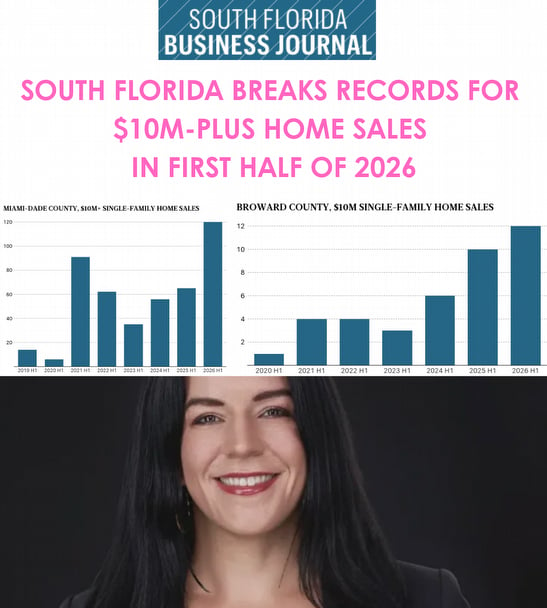
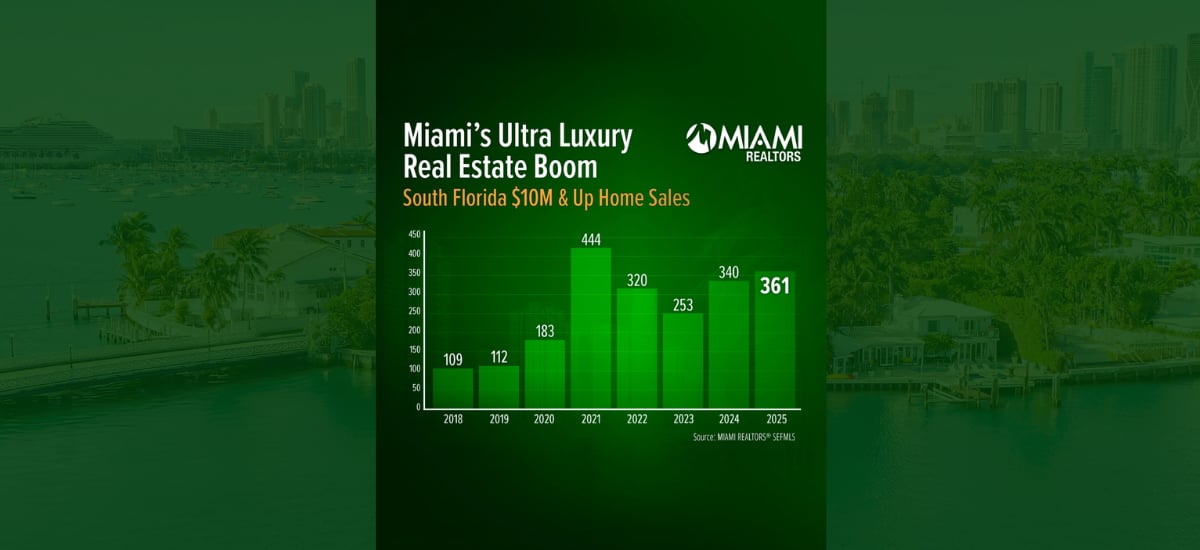
Market Velocity & Resilience: The number of millionaires in Florida—now over 1.18 million—keeps the luxury market moving faster than national averages. In Miami, ultra-luxury homes (priced over $10 million) are on track to hit 426+ annual sales by the end of 2026, rivaling the historic 2021 boom (MIAMI REALTORS® Ultra-Luxury Report).
-
Global Safe Haven Status: International buyers, primarily from Latin America and Europe, account for 49% of new South Florida construction sales (2025/2026 International Sales Report). This global demand creates a unique depth that protects values even during domestic economic shifts.
-
The Shift to Modern Assets: Approximately 58% of the Florida millionaire population prefers new construction. This drives the current surge in "branded residences" (like St. Regis or Waldorf Astoria) that offer the smart technology and hurricane-resistant engineering required by modern high-net-worth buyers.
-
Targeted Appreciation: Waterfront land remains the ultimate "inflation hedge" for the total millionaires Florida attracts. These properties consistently outperform the general market, with luxury sales over $1 million increasing nearly 20% year-over-year in late 2025 (Florida Realtors 2026 Outlook).
View current luxury properties in Miami's most exclusive neighborhoods. Browse Premium Listings
Which Industries Attract Florida Millionaires?
The Florida millionaire population is no longer just composed of retirees; it is increasingly powered by active titans of industry. As of early 2026, five key sectors dominate the state's wealth profile:
-
Finance & Investment Management (28%): Florida is now the undisputed "Wall Street South." With giants like Citadel and Blackstone permanently established in Miami and West Palm Beach, the state has become a global magnet for hedge fund managers and private equity executives fleeing high-tax northern hubs.
-
Real Estate & Development (22%): The constant influx of the Florida wealthy population creates a self-reinforcing cycle for developers. High demand for luxury "branded residences" allows developers to reinvest in sequential, record-breaking projects across South Florida.
-
Technology & AI (15%): Miami’s "Silicon Tropics" evolution is a primary driver of the millionaire count Florida sees today. Tech founders relocate here to scale companies in a pro-business environment while sheltering eventual exit proceeds from state-level capital gains.
-
Healthcare & Life Sciences (12%): Florida’s growing population fuels a massive demand for concierge medicine and biotech innovation. This attracts top-tier surgeons and pharmaceutical executives who benefit from the state’s favorable malpractice and business tax laws.
-
International Trade & Logistics (10%): As the primary gateway to Latin America, Miami remains the hub for global import/export moguls. These millionaires treat Florida as their strategic U.S. headquarters for managing multi-national interests.
What Amenities Matter Most to Florida Millionaires in 2026?
For the number of millionaires in Florida, the definition of luxury has moved beyond square footage to prioritize "lifestyle infrastructure" and security.
-
Elite Waterfront Access: 85% of Florida's ultra-wealthy prefer water-adjacent living. Properties with protected marina slips command a 30-50% premium, as proximity to elite yacht clubs like Coral Reef or Naples Yacht Club is considered a baseline requirement.
-
Private Aviation Proximity: Time is the ultimate luxury. High-net-worth individuals cluster near executive airports like Opa-locka and Naples to utilize private FBOs, bypassing commercial travel delays entirely.
-
Wellness & Active Recreation: In 2026, "wellness-integrated" homes are the standard. This includes dedicated cold plunge suites, infrared saunas, and private pickleball or padel courts, which have become the most-requested sports amenities in new luxury developments.
-
Hyper-Security & Gated Enclaves: 72% of the Florida millionaire population resides in secured communities. Neighborhoods like Indian Creek or Gables Estates offer a level of 24/7 private protection that provides both physical safety and the absolute privacy required by high-profile residents.
-
Educational Excellence: Location decisions for wealthy families are often dictated by proximity to elite private schools like Ransom Everglades or Pine Crest. These institutions are seen as essential "wealth-preservation" tools for preparing the next generation for global leadership.
Discover which neighborhoods offer the amenities that matter most to you. Explore All Miami Neighborhoods
How Has the Number of Millionaires in Florida Changed Over Time?
Historical data on how many millionaires live in Florida shows dramatic acceleration, particularly after 2020. The growth trajectory reveals why developers, luxury brands, and high-end service providers continue expanding their Florida presence.
Florida Millionaire Population Growth
|
Year |
Estimated Millionaires |
% Change |
|
2015 |
675,000 |
— |
|
2018 |
825,000 |
+22% |
|
2020 |
900,000 |
+9% |
|
2022 |
1,000,000 |
+11% |
|
2025 |
1,100,000 |
+10% |
|
2028 (projected) |
1,485,000 |
+35% |
The COVID-19 pandemic fundamentally altered location decisions for high-income professionals. Remote work eliminated the requirement to live near corporate offices in expensive cities. Florida gained approximately 100,000 millionaires between 2020-2022—equivalent to adding the entire millionaire population of a mid-sized state in just two years.
Henley & Partners projects 35% growth by 2028, which would push Florida's millionaire count to approximately 1.485 million. This projection assumes current migration trends continue without policy changes in competing states. If California or New York were to eliminate state income taxes, migration patterns would shift. However, both states face massive budget deficits that make tax cuts unlikely, suggesting Florida's advantages will persist.
Policy changes in high-tax states accelerate Florida migration. Recent tax increases in California and New York widen the arbitrage gap. Each percentage point increase in high-tax states motivates additional millionaire migration to Florida, as the annual savings from relocation grow larger and more compelling.
Is Palm Beach the Richest Area in Florida?
The question depends on your definition of "richest." Palm Beach County leads at 8.7% millionaire density—nearly one in ten households qualifies as millionaires. The concentration creates unique market dynamics where luxury services proliferate and seven-figure home prices represent baseline expectations rather than aspirational targets.
Fisher Island surpasses Palm Beach in average household net worth, exceeding $20 million. The 750-household private island's exclusivity and limited supply maintain the highest average wealth concentration in America. However, the small population means Fisher Island doesn't dominate regional luxury markets the way Palm Beach does.
Naples' Port Royal neighborhood hosts the highest concentration of homes valued above $10 million outside South Florida. Waterfront estates routinely transact in the $20 million to $70 million range, with teardowns on prime lots selling for $15 million just for land. The neighborhood attracts buyers who prefer Southwest Florida's more relaxed atmosphere compared to Palm Beach's established social hierarchies.
Miami dominates in total millionaire count with 85,000+—more than double Palm Beach's 45,000. The metropolitan area's size and economic diversity create the largest absolute wealth concentration. For businesses targeting millionaire customers, Miami's scale provides advantages that smaller, wealthier enclaves can't match despite their higher concentrations.
Discover which neighborhood matches your lifestyle and investment goals. Request a Personalized Market Analysis
Where Do High-Net-Worth Individuals Actually Live in Florida?
Beyond the statistics of how many millionaires live in Florida, the actual residence patterns of the elite reveal the specific "wealth magnets" driving the 2026 market. High-net-worth individuals are not just buying property; they are buying into hyper-specific lifestyles centered on three core pillars: water, security, and modern "wellness" architecture.
-
The Waterfront Premium: Approximately 85% of ultra-high-net-worth individuals prioritize direct water access. In the 2026 market, the "scarcity value" of navigable oceanfront or bay-front lots has reached new heights. According to recent market value assessments, prime waterfront access in Florida can command a 250% price increase over inland counterparts. This reflects an overwhelming preference for private yacht docking and unobstructed "Blue Mind" views, often driving prices for waterfront lots to 3–5x the cost of comparable inland homes just blocks away.
-
The "Ironclad" Security Mandate: Privacy is the ultimate 2026 luxury. About 72% of millionaires in Florida choose to live within gated, secured developments. With growing security concerns among the affluent, features like AI-enabled surveillance and guard-gated entries have become standard. This "security premium" typically adds 15–25% to property values, as residents prioritize the physical and digital safety of their primary domicile.
-
A Bias Toward Modern "Wellness" Assets: Approximately 58% of recent millionaire home purchases are for properties built after 2015. Today's buyers are moving away from traditional Mediterranean "heavy" designs in favor of experience-driven, wellness-oriented architecture. These modern homes feature hurricane-resistant engineering, smart-home automation, and private "sanctuary" spaces—such as infrared saunas and air-purification systems—that older historic homes often lack.
-
The "Lock-and-Leave" Lifestyle: High-rise luxury condominiums in areas like South of Fifth and Mid-Beach serve as essential second (or third) homes. These properties offer seamless maintenance for the 165,000 global millionaires projected to change residency in 2026. This demographic includes "snowbirds" from the Northeast and international buyers from Latin America and Europe who view Miami real estate as a stable, dollar-denominated asset.
The Bottom Line on Florida's Millionaire Population
The question of how many millionaires live in Florida—1.1 million and rapidly growing—defines the state's economic trajectory and real estate market dynamics. The concentration in Miami-Dade, Palm Beach, and Collier counties creates distinct wealth ecosystems where luxury goods, services, and real estate thrive.
Tax advantages remain the primary migration driver, with millionaires saving $150,000 to $500,000 or more annually compared to high-tax states. These savings compound over decades and create generational wealth preservation impossible in California or New York. Lifestyle factors reinforce financial advantages, as year-round warm weather, waterfront living, and world-class amenities provide quality of life that millionaires increasingly prioritize.
Future growth projections show acceleration rather than plateau. Florida will likely host 1.5 million millionaires by 2028 and potentially surpass California's total by 2030-2032. This growth creates sustained demand for luxury real estate, high-end services, and premium amenities across South Florida's established markets and emerging neighborhoods.
For real estate investors and luxury home buyers, Florida's prime markets will continue appreciating as millionaire population growth outpaces luxury inventory expansion. Early positioning in emerging luxury markets like Miami's Edgewater or Fort Lauderdale Beach could generate returns comparable to those who invested in Brickell or Coconut Grove a decade ago when those neighborhoods were still transitioning.
Your opportunity to join Florida's millionaire migration starts now. Our team specializes in Miami's most exclusive properties.
Contact Us Today to Begin Your Search
Frequently Asked Questions
How many millionaires live in Florida in 2026?
Currently, the number of millionaires in Florida has climbed to approximately 1.18 million. This solidified Florida’s status as the second-largest hub for high-net-worth individuals in the U.S. According to the 2025 Henley & Partners Wealth Report, this population is growing at a record-breaking pace as over 15,000 net millionaires relocate to the state annually for its unmatched tax and lifestyle benefits.
What percentage of Florida's population are millionaires?
Approximately 5.1% of Florida's 23.7 million residents now qualify as millionaires based on investable assets. This Florida millionaire population density significantly exceeds the national average of 3.8%. In specific hubs like Palm Beach County, the density reaches nearly 9.2%, nearly triple the concentration of the rest of the country.
Which Florida city has the most millionaires?
Miami holds the highest total millionaires Florida count with over 92,000 high-net-worth residents. While Miami is the economic capital, Palm Beach leads in density (9.2%), and Fisher Island maintains the highest average net worth per household, exceeding $20 million.
Why do so many wealthy people live in Florida?
The Florida wealthy population is primarily driven by "tax arbitrage." By establishing residency, a high-earner saves between $150,000 and $500,000+ annually by eliminating state income tax. This is paired with the "Save Our Homes" 3% property tax cap and the state’s world-class asset protection laws, which Florida TaxWatch notes are among the strongest in the nation.
Is Florida a millionaire-friendly state?
Yes, Florida is consistently ranked as the most millionaire-friendly state due to its zero-tax regime on income and estates. The millionaire count Florida sees is bolstered by a pro-business climate that attracts roughly 4.4 million in new wealth every hour through interstate migration.
How does Florida compare to California in millionaire population?
While California still has more total millionaires (~1.3 million), it continues to see net outflows of high-net-worth residents. Conversely, the number of millionaires in Florida is projected to grow by 35% by 2028, putting the state on track to potentially surpass California’s total count by the end of the decade.
Is Palm Beach the richest area in Florida?
Palm Beach has the highest concentration of millionaires in Florida at 9.2% of households. However, the designation of "richest" is shared: Fisher Island is the wealthiest by average income, while Naples (Port Royal) leads in the concentration of ultra-luxury estates valued over $10 million.
Where do high-net-worth individuals live in Florida?
The Florida wealthy population clusters in elite coastal enclaves including Miami Beach, Palm Beach, Naples, and Jupiter Island. Approximately 85% of these individuals prefer waterfront properties, and 72% choose gated communities for the privacy and security they provide.
How has the number of millionaires in Florida changed?
Since 2015, the Florida millionaire population has surged by over 70%. The most dramatic acceleration occurred between 2020 and 2025, during which Florida added nearly 100,000 millionaires—the equivalent of the entire millionaire population of some smaller states—as remote work and tax-driven migration hit an all-time high.
What attracts wealthy people to Florida real estate?
Wealthy buyers are attracted to the massive tax-saving potential and the lifestyle quality of Florida’s "Silicon Tropics." The combination of 0% state income tax, unlimited homestead protection, and yacht-accessible waterfront lots makes Florida real estate the ultimate vehicle for both capital preservation and luxury living.