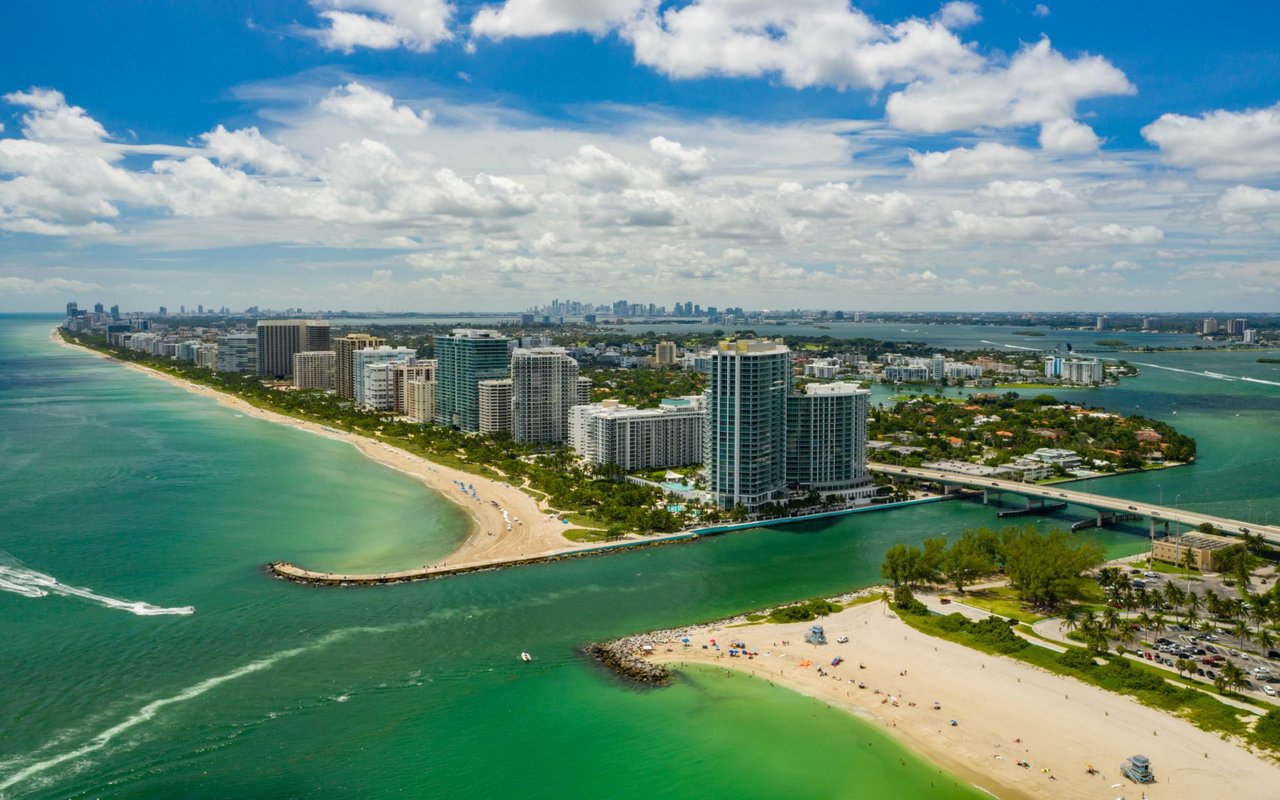
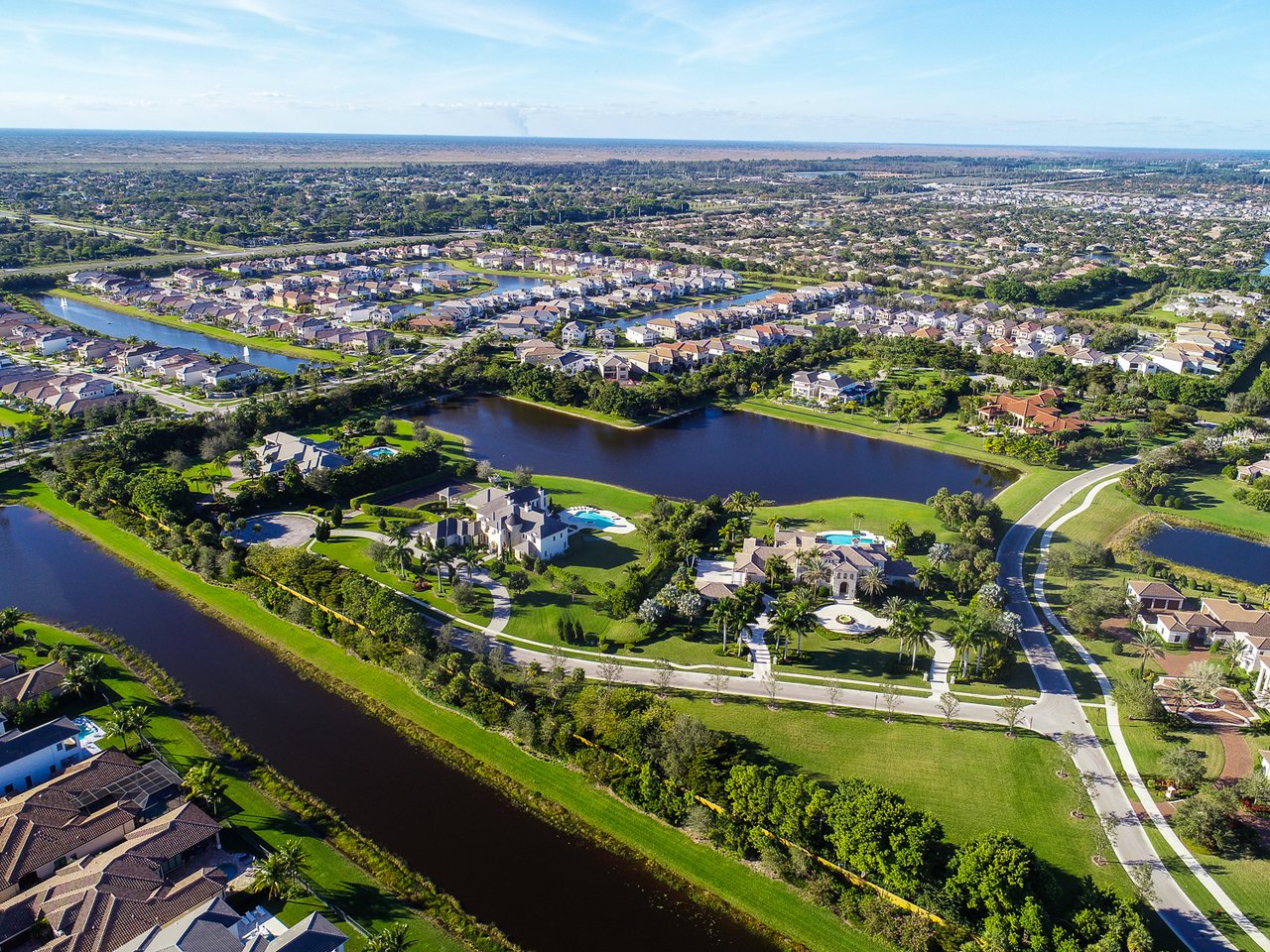
The NYC-to-Miami pipeline has become so established that it now feels routine. Every year, tens of thousands of people make the move, drawn by tax savings, more space, and year-round outdoor living. But this shift is not just a real estate decision. It changes how you commute, how you spend your time, and even how you dress day to day.
Moving to Miami from New York means swapping state income tax for higher insurance costs, subway commutes for highway driving, and tight square footage for homes that actually feel livable. For most buyers earning above $150,000, the financial math still favors Miami, even after accounting for those trade-offs.
Remote work opened the door for many relocations. When a job no longer requires daily presence in Manhattan, paying New York taxes and housing prices becomes harder to justify. The financial case is strong for high earners, but the decision goes beyond spreadsheets and requires an honest look at what you are willing to change about daily life.
What You'll Learn in This Guide
-
The real financial differences between NYC and Miami homeownership, including closing costs, taxes, and insurance
-
How to coordinate selling your New York property while buying in Miami without a costly gap
-
Which Miami neighborhoods match specific NYC lifestyle preferences (walkability, nightlife, family-friendly)
-
The step-by-step process for buying remotely, including virtual tours and remote closings
-
Honest lifestyle trade-offs that determine whether this move is right for you
Is It Worth Moving From New York to Miami?
For most high earners, yes—financially. But the complete answer requires examining both numbers and lifestyle fit. The tax savings are real and substantial; the lifestyle change is equally real and requires honest self-assessment.
How Do Taxes Differ Between New York and Florida?
New York taxes income at 4% to 10.9%, depending on bracket, with New York City adding 3.078% to 3.876% for Manhattan residents. Combined rates approach 14% for high earners. Florida has no state income tax at all.
A household earning $300,000 saves $25,000 to $35,000 annually by relocating. Over a decade, that's $250,000 to $350,000 in tax savings—before considering investment returns on that preserved capital. The savings scale with income: a household earning $500,000 saves $40,000 to $55,000 per year.
|
Tax Category |
New York |
Florida |
Annual Savings ($300K income) |
|
State income tax |
4%–10.9% |
0% |
$18,000–$25,000+ |
|
City income tax (NYC) |
3.078%–3.876% |
N/A |
$9,000–$11,600 |
|
Property tax (effective) |
~1.2% |
~0.9%–1.1% |
Varies by home value |
|
Sales tax |
8.875% (NYC) |
7% (Miami-Dade) |
~$500–$1,500 |
|
Estate tax |
Yes (above $6.94M) |
None |
Significant for HNW |
Florida's homestead exemption reduces your primary residence's taxable value by up to $50,000, and the Save Our Homes provision caps annual assessment increases at 3%—providing long-term tax predictability that New York doesn't offer. Florida also has no state estate tax, which matters significantly for high-net-worth families planning generational wealth transfer.
How Does the Cost of Living Compare Between NYC and Miami?
Housing drives the biggest difference. The median two-bedroom condo in Manhattan runs approximately $1.6 million; in Miami's urban core, comparable units range from $550,000 to $800,000. Price per square foot tells the same story: Manhattan often exceeds $1,800 while Miami runs $600 to $900 for similar quality.
Daily costs run 15% to 25% lower across most categories, including groceries, restaurants, services, and entertainment. The major exception is transportation: most Manhattan residents don't own cars, while Miami requires one for virtually everything. Budget for vehicle purchase or lease, insurance ($1,800 to $3,000 annually in Florida), gas, and maintenance. This new expense partially offsets other savings but doesn't eliminate the overall cost advantage.
|
Category |
Manhattan |
Miami (Urban Core) |
Difference |
|
Median 2BR condo |
$1.4M |
$650K |
-54% |
|
Price per sq ft |
$1,800+ |
$600–$900 |
-50% to -67% |
|
Monthly parking |
$500–$800 |
$150–$300 |
-60%+ |
|
Avg restaurant meal |
$25–$40 |
$18–$30 |
-25% |
|
Car insurance (annual) |
N/A for most |
$1,800–$3,000 |
New expense |
Net result: Miami's overall cost of living runs 20% to 30% lower than Manhattan, with housing and taxes driving the largest portion of savings. While car ownership adds a new expense, typically $6,000 to $10,000 per year when you factor in payments, insurance, fuel, parking, and maintenance, that cost is usually far outweighed by annual tax savings and lower housing payments for most households.
What Steps Should I Follow to Buy a Home When Moving to Miami From New York?
Buying across state lines adds coordination complexity. The key is sequencing decisions correctly.
Step 1: Get pre-approved with a Florida-licensed lender before searching. Discuss bridge financing if you're selling a New York property to fund the purchase.
Step 2: Research neighborhoods remotely. Narrow it to three or four target areas before visiting.
Step 3: Make an exploratory trip. Spend three to five days visiting neighborhoods at different times, touring properties, and testing commutes.
Step 4: Engage a relocation-focused buyer's agent who handles out-of-state buyers regularly.
Step 5: Continue searching remotely with video tours. Your agent should walk through properties on video calls.
Step 6: When you find the right property, fly down to see it or make an offer based on thorough video tours.
Step 7: Coordinate your New York sale with your Miami purchase timeline.
Step 8: Close remotely or in person—Florida allows fully remote closings.
How Can I Sell My New York Property and Time the Purchase of a Miami Home Smoothly?
NYC co-op sales take three to six months due to board approval; Miami transactions close in 30 to 45 days. This mismatch requires planning.
Bridge financing: Short-term loans secured by your New York equity let you buy before selling, though at higher interest rates.
Rent-back agreements: Negotiate staying in your New York property after closing to avoid double moves.
Cash reserves: Having liquid assets to purchase without relying on sale proceeds gives maximum flexibility and makes your offer more competitive.
How Can I Set Up Virtual Tours and Remote Closings When Moving to Miami From New York?
Virtual tours: 3D Matterport tours let you explore independently online. Live video walkthroughs via FaceTime or Zoom provide real-time interaction. The best approach combines both.
Remote closings: Florida allows fully remote closings via Remote Online Notarization (RON). Sign all documents electronically via secure video conference—legally equivalent to in-person signing.
What to expect from your agent: Proactive video tours, detailed property assessments, responsiveness across time zones, and clear communication at each step.
Need a relocation specialist who handles remote buyers regularly? Connect with Joelle's team to discuss your timeline and see properties virtually.
What Closing Costs Should I Expect When Buying a House in Miami After Selling in New York?
Transaction costs differ significantly—generally in Florida's favor.
|
Cost Type |
New York (Seller) |
Miami (Buyer) |
|
Transfer tax |
0.4%–1.4% (+ mansion tax if >$1M) |
Documentary stamps: 0.7% |
|
Attorney fees |
$2,000–$4,000 |
$500–$1,500 (title company often handles) |
|
Title insurance |
Buyer typically pays |
Buyer pays (~0.5%–0.6%) |
|
Mortgage recording |
1.8%–2.175% |
Intangible tax: 0.2% |
|
Typical total ($800K) |
$30,000–$50,000+ (selling) |
$12,000–$18,000 (buying) |
Combined transaction costs for selling in New York and buying in Miami run $15,000 to $30,000 lower than selling and buying within New York.
Which Miami Neighborhoods Are Best for People Moving From New York Who Want Walkability and Nightlife When Purchasing a Condo?
No Miami neighborhood perfectly replicates Manhattan density, but several offer urban energy that resonates with New Yorkers while adding the beach and outdoor lifestyle that drew you south.
|
If You Loved... (NYC) |
You'll Like... (Miami) |
Walk Score |
Vibe |
2BR Condo Range |
|
SoHo / Tribeca |
South Beach (South of Fifth) |
89 |
Upscale, beach-adjacent |
$900K–$2M+ |
|
Financial District |
Brickell |
92 |
Young professionals, high-rises |
$550K–$1.1M |
|
West Village |
Coconut Grove |
72 |
Leafy, artistic, boutique |
$600K–$1.2M |
|
Upper West Side |
Edgewater |
78 |
Bayfront, quieter urban |
$480K–$850K |
|
Williamsburg |
Wynwood / Design District |
65 |
Arts, galleries, creative |
$500K–$900K |
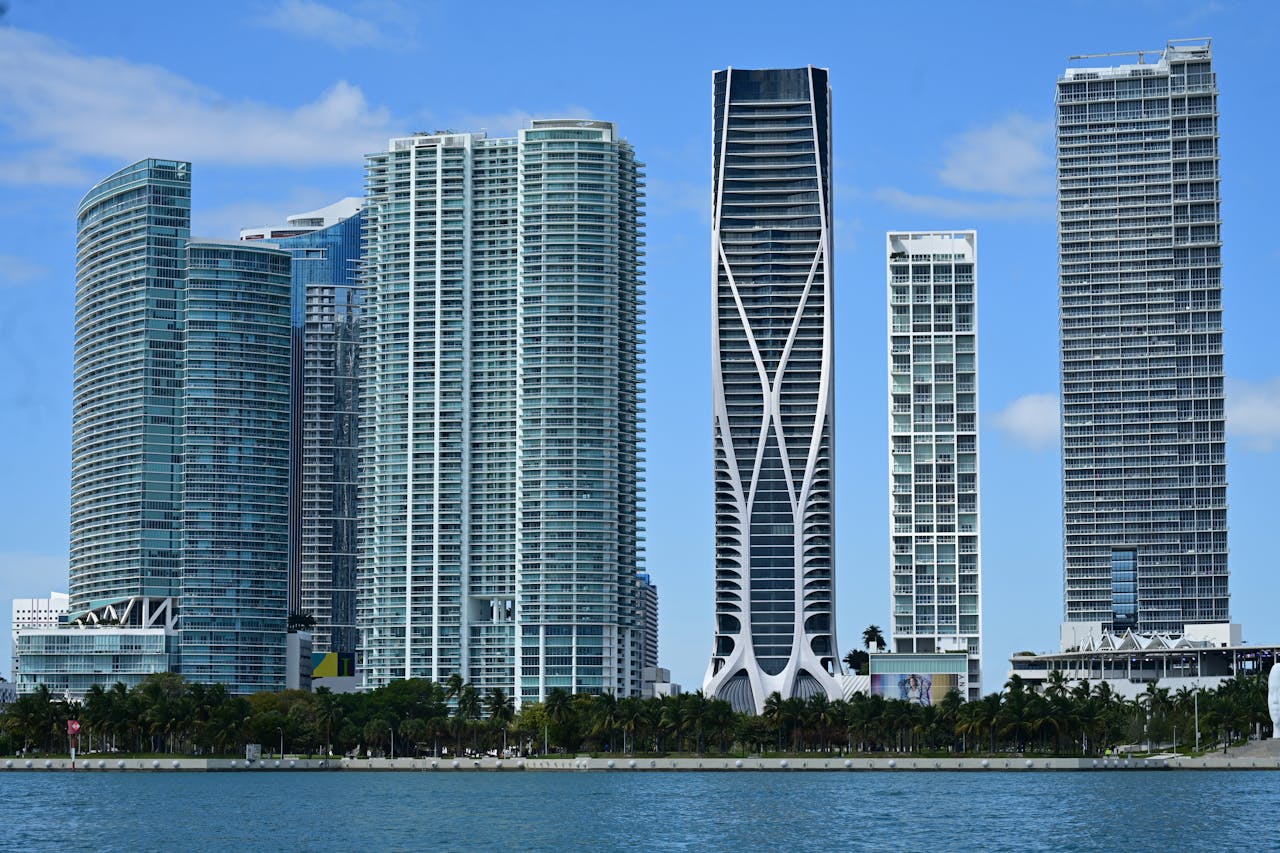
Brickell offers the closest FiDi comparison—glass towers filled with young professionals, restaurants and bars at street level, and a Walk Score of 92 that's exceptional for Miami. The Brickell City Centre development added significant retail, and the bayfront promenade provides waterfront lifestyle without direct beach access.
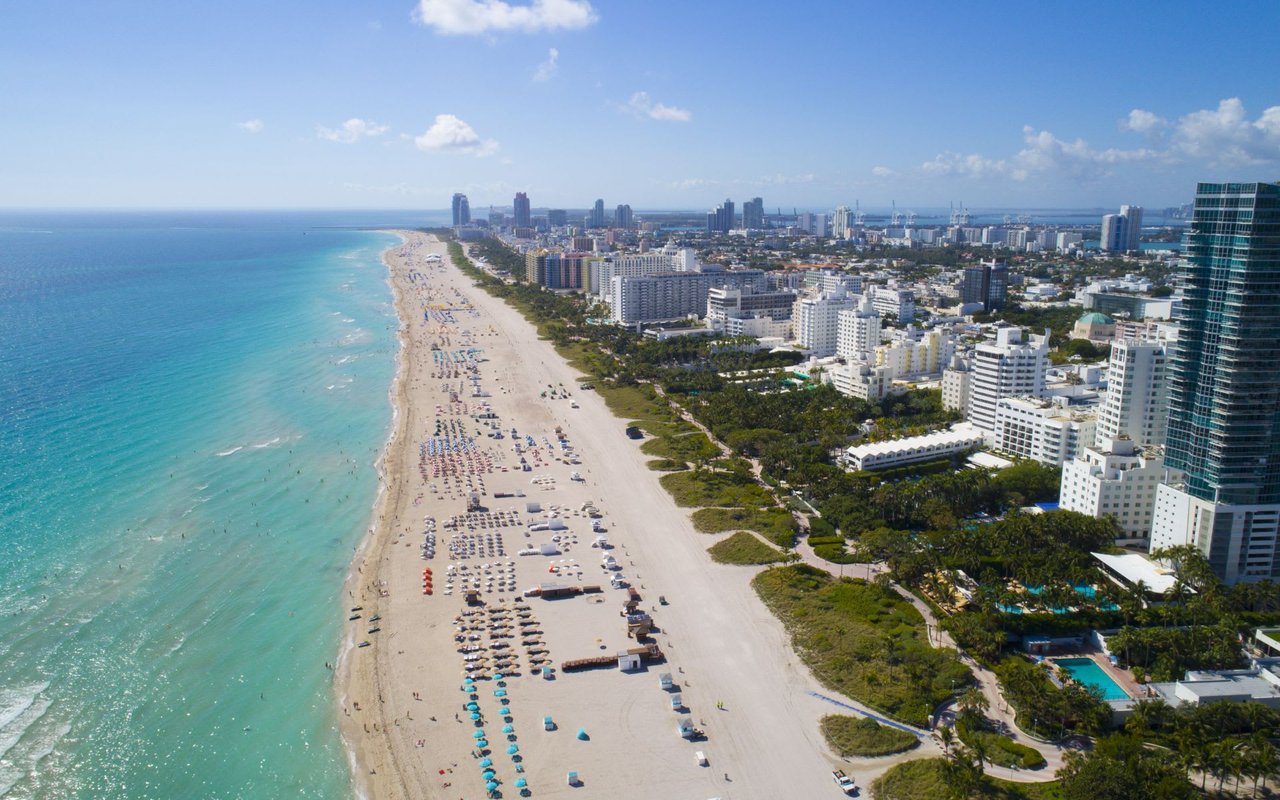
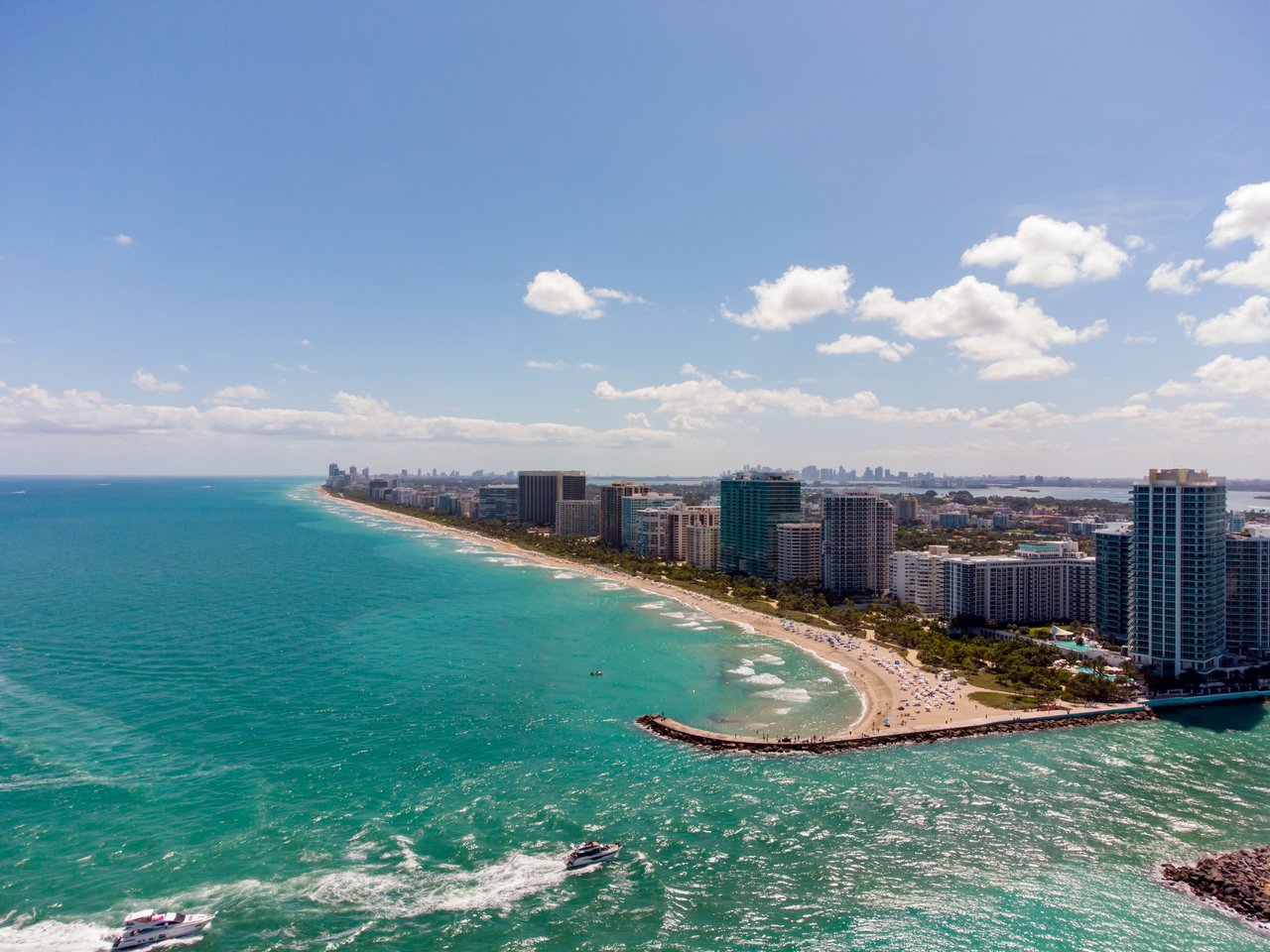
South Beach delivers immediate beach access with SoHo-meets-vacation energy. Art deco architecture, Ocean Drive nightlife, and constant mix of tourists and locals create an atmosphere unlike anywhere else in the U.S. South of Fifth offers slightly more residential feel while maintaining the beach lifestyle.
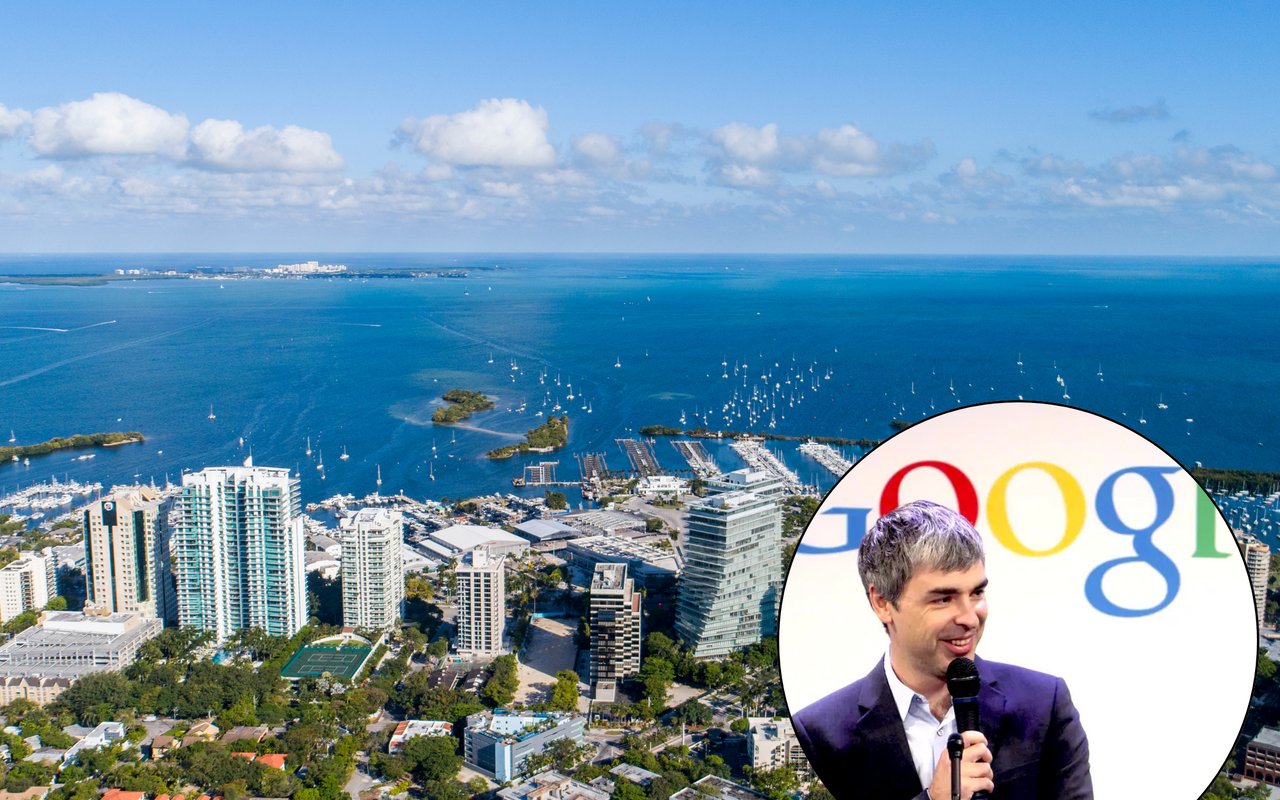
Coconut Grove captures West Village charm with tree-lined streets, boutique shopping, and outdoor cafes. It's less vertical than Brickell, more village than city, and attracts buyers who want neighborhood character over high-rise amenities.
Edgewater provides quieter bayfront living at lower prices than Brickell or South Beach. Newer development has transformed the area, and the residential feel draws comparisons to the Upper West Side.
New Yorkers moving to Miami often find that neighborhoods which look similar on paper feel very different once walkability, traffic, and HOA costs are factored in.
Which Miami Suburbs Should New Yorkers Consider for Buying a Family Home With Good Schools?
Are Schools in Miami Good for Kids From NYC?
Miami-Dade's fourth-largest national district varies significantly by location, but specific zones compare favorably to top New York options.
Top public zones: Coral Gables, Pinecrest, and Key Biscayne consistently produce highly rated schools.
Magnet programs: MAST Academy, Design and Architecture Senior High (DASH), and Coral Reef Senior High draw students county-wide.
Private schools: Ransom Everglades, Gulliver Preparatory, and Palmer Trinity offer culture comparable to Manhattan independent schools.
Is Miami a Good Place for Families Relocating From NYC?
Yes—with adjustments. Families gain significantly more space, year-round outdoor activities, and strong school options in specific zones. Trade-offs include car dependency for everything, summer heat limiting midday outdoor time, and hurricane season stress.
For families relocating from New York, school zoning and neighborhood structure matter more than citywide averages. Review Miami neighborhoods to compare school zones, housing styles, and long-term livability before committing →
Which Areas in Miami Offer the Best Value for New Yorkers Looking to Buy Larger Homes With Yards?
For New Yorkers used to apartment living, one of the biggest advantages of moving to Miami is the ability to buy a true single-family home with outdoor space at a realistic price. Several neighborhoods outside the urban core offer significantly more square footage, private yards, and quieter streets than anything available at similar price points in New York. The tradeoff is longer commutes and less walkability, so value depends heavily on lifestyle priorities.
Palmetto Bay: Larger lots, established neighborhoods, strong schools. Single-family homes start at $600,000 to $800,000.
Cutler Bay: Similar character at lower prices—$450,000 to $700,000 for three to four bedrooms with yards.
Doral: Newer construction, good schools, airport proximity. Master-planned communities with amenities.
North Miami Beach: Relative value compared to adjacent Miami Beach, with more space per dollar.
Homestead: Budget option with homes under $400,000, though commutes to the urban core run 45+ minutes.
What Are the Best Gated Communities in Miami for New Yorkers Planning to Purchase a Primary Residence?
Some New Yorkers prioritize security, privacy, and controlled access when buying a primary residence in Miami. Gated communities appeal to buyers who want a quieter environment, predictable surroundings, and amenities that reduce day-to-day friction. Pricing varies widely, from high-rise security buildings to ultra-exclusive waterfront estates.
Cocoplum (Coral Gables): Ultra-exclusive waterfront estates starting around $3 million.
Deering Bay: Golf club amenities on the water, $1 million to $5 million+.
Fisher Island: Miami's most exclusive, ferry-access-only, condos starting $3 million.
Aventura gated towers: High-rise security living, $500,000 to $3 million+.
Doral golf communities: Country club lifestyle, $700,000 to $2 million+.
New Yorkers moving to Miami often find that neighborhoods offering similar prices can feel very different once commute times, school zones, lot sizes, and day-to-day livability are factored in.
Where Can New York Buyers Find New Construction Condos for Sale in Miami Near the Beach?
New construction condos are especially attractive to New Yorkers moving to Miami because they offer modern layouts, updated building codes, and lower near-term maintenance risk. These projects often appeal to buyers who want turnkey living, strong amenities, and predictable ownership costs in the early years. Availability is concentrated in a few coastal areas rather than evenly spread across the city.
Sunny Isles Beach has the most active development—Ritz-Carlton Residences, Bentley Residences, and numerous branded towers.
Surfside offers quieter beach town alternatives with select new projects.
Edgewater provides new bayfront towers at lower prices than oceanfront.
Pre-construction process: Typically, 20% to 30% deposits are spread across construction milestones (18 to 36 months). Benefits include locking today's prices and customization options. Risks include delays and market changes.
New Yorkers moving to Miami often consider new construction to reduce maintenance risk and lock in modern building standards.
How Do Home Prices in Popular Miami Neighborhoods Compare to Similar Areas in New York for Buyers?
|
Budget |
In Manhattan |
In Miami |
|
$600K |
Studio/small 1BR in older building |
2BR condo in Brickell or Edgewater |
|
$1M |
1BR in a desirable neighborhood |
3BR condo or small single-family |
|
$1.5M |
2BR co-op, Upper East Side |
Waterfront 3BR or Coral Gables home |
|
$2.5M |
2BR condo, prime location |
4BR+ home with pool, top school zone |
The relocation decision is driven as much by purchasing power as by tax savings, since the same budget in Miami typically buys significantly more space, newer construction, and better amenities than in New York.
What's the Job Market Like in Miami vs. New York?
Miami’s job market has grown quickly, but it still functions very differently from New York’s. For many people moving from NYC, the comparison matters less for raw job volume and more for salary expectations, industry depth, and whether remote work makes local employment optional rather than necessary.
Growing sectors: Tech (Microsoft, Google, Spotify), finance (hedge fund relocations), healthcare (major hospital systems).
Salary reality: Miami salaries run 10% to 15% below New York levels. However, zero state income tax means a $180,000 Miami salary often nets similarly to $220,000 in New York.
Remote work advantage: Many transplants maintain New York jobs remotely—New York compensation with Florida tax treatment.
What Lifestyle Changes Should I Expect When Relocating to Miami?
Relocating from New York to Miami changes far more than your address. Daily routines, social rhythms, and even how you plan a simple dinner all shift once you leave a walkable, transit-first city for a car-driven, outdoor-focused one. Most of the adjustment happens within the first year, but knowing where friction typically shows up helps you adapt faster and avoid frustration.
How Easy Is the Transition From NYC to Miami?
Most transplants adjust within 6 to 12 months, though the transition has predictable phases and challenges. Understanding what to expect helps you prepare.
Car culture: This is the biggest adjustment for most New Yorkers. You'll go from walking and taking the subway everywhere to driving for every errand, meal, and social engagement. Budget for a vehicle, learn to navigate Miami traffic, and accept that parking is part of every destination consideration. Some transplants never fully adjust; others come to appreciate the air-conditioned comfort and freedom.
Pace of life: Miami moves more slowly than New York—sometimes frustratingly so. "Miami time" means meetings start late, service takes longer, and the urgency that defines Manhattan work culture doesn't translate. Most eventually appreciate the reduced stress, but the adjustment tests patience.
Social rebuilding: Making friends as an adult is challenging anywhere, and Miami presents specific dynamics. The city is transient, native Miamians often have established circles, and many transplants find community among other transplants. Being proactive—joining clubs, taking classes, attending events—accelerates the process.
The Parts of Daily Life That Feel Most Different at First
Wardrobe: Miami is casual. What passes for business attire here would be dressed-down Friday in Manhattan. Suits are rare outside specific industries; shorts and sandals work most places. You'll retire much of your New York wardrobe.
Weather: Winters are perfect—70s and 80s with abundant sunshine. Summers are brutal—90s with oppressive humidity from June through September. Outdoor time shifts to mornings and evenings during the summer months. Hurricane season runs from June through November, adding periodic stress.
Language: Spanish is everywhere—in shops, restaurants, professional settings, and neighborhoods throughout the county. You don't need it, but you'll hear it constantly. This represents a different flavor of diversity than New York's.
Food: Exceptional Cuban and Latin American cuisine throughout the city. Different strengths than New York, not fewer—you'll miss certain things and discover new favorites.
Next Steps When Moving to Miami from New York
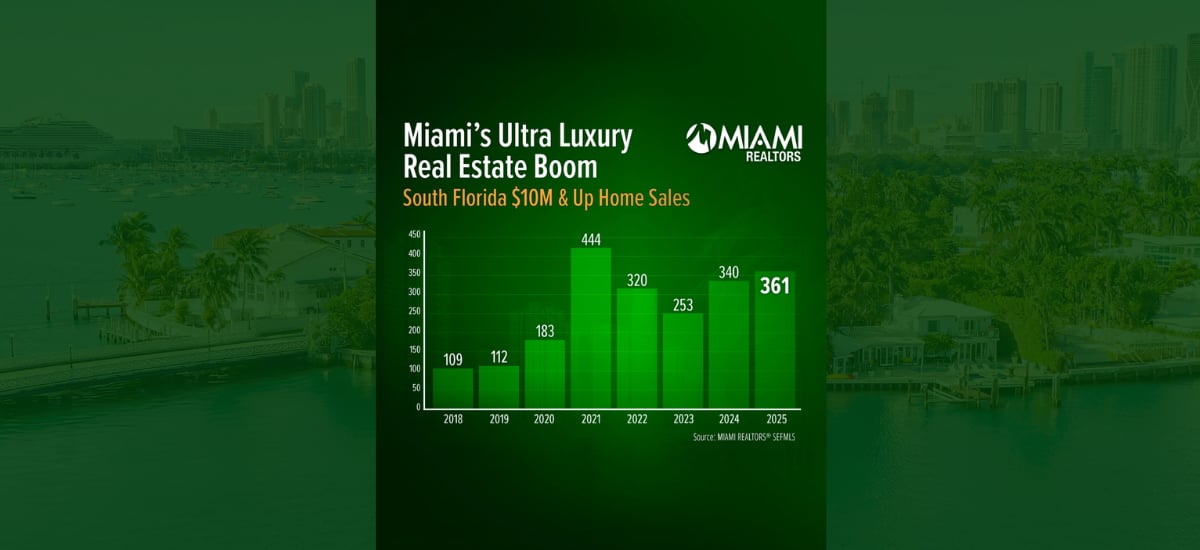
Moving from New York to Miami makes financial sense for most high earners—tax savings compound year after year, and purchasing power stretches dramatically further. A household saving $30,000 annually in state taxes accumulates $300,000 over a decade before investment returns. Add the housing cost differential, and you're looking at significant wealth accumulation that simply isn't possible with New York rates.
But this is also a genuine lifestyle change that affects daily routines, not just annual tax bills. Car culture, slower pace, summer humidity, and social rebuilding require real adjustment. Most transplants who prepare for these realities thrive in their new environment; those expecting Miami to simply be "warm New York" often struggle and sometimes return.
The practical path forward: visit multiple times across different seasons, explore neighborhoods that match your priorities, understand the full financial picture, including HOA fees and insurance costs, and work with professionals experienced in guiding NYC-to-Miami transitions. The decision is significant enough to warrant thorough due diligence.
The Miami market in 2026 offers more inventory and negotiating power than the pandemic years, giving buyers time to make thoughtful decisions rather than rushing into competitive situations.
Not every New Yorker moving to Miami is ready to purchase immediately. Many people try rental properties in Miami to experience different neighborhoods, understand commute realities, and see how Miami’s day-to-day lifestyle fits before committing long-term.
If you are ready to buy a property, contact Joelle to work with a seasoned real estate advisor who specializes in helping New Yorkers moving to Miami evaluate neighborhoods, compare properties, and buy with confidence.
Frequently Asked Questions
Is it worth moving from New York to Miami?
For most households earning above $150K, the tax savings and lower housing costs make Miami financially advantageous, though lifestyle fit matters equally.
How does the cost of living compare between NYC and Miami?
Miami's overall cost of living is 20% to 30% lower than Manhattan, with the biggest savings in housing and state/local taxes.
Which Miami neighborhoods are best for former New Yorkers?
Brickell and South Beach attract professionals seeking walkability and nightlife, while Coral Gables and Coconut Grove appeal to families wanting a village feel.
How do taxes differ between New York and Florida?
Florida has no state income tax, saving a household earning $300K approximately $25,000 to $35,000 annually compared to New York.
Is Miami a good place for families relocating from NYC?
Yes—Miami offers strong school options, larger homes, and year-round outdoor activities, though car dependency is a significant adjustment.
How easy is the transition from NYC to Miami?
Most transplants report a 6 to 12-month adjustment, with car culture and slower pace being the biggest changes.
What's the job market like in Miami vs. New York?
Miami's market is smaller but growing in finance, tech, and healthcare, with salaries averaging 10% to 15% lower than NYC equivalents.
Are schools in Miami good for kids from NYC?
Miami-Dade has highly rated public schools in specific zones (Coral Gables, Pinecrest, Key Biscayne) plus private options comparable to Manhattan.
What lifestyle changes should I expect when relocating to Miami?
Expect a car-dependent lifestyle, casual dress codes, Spanish spoken widely, intense summer humidity, and a significantly slower pace.
What closing costs should I expect when buying in Miami after selling in New York?
Miami closing costs for buyers typically run 2% to 3% of the purchase price, significantly lower than New York's combined buyer/seller costs.