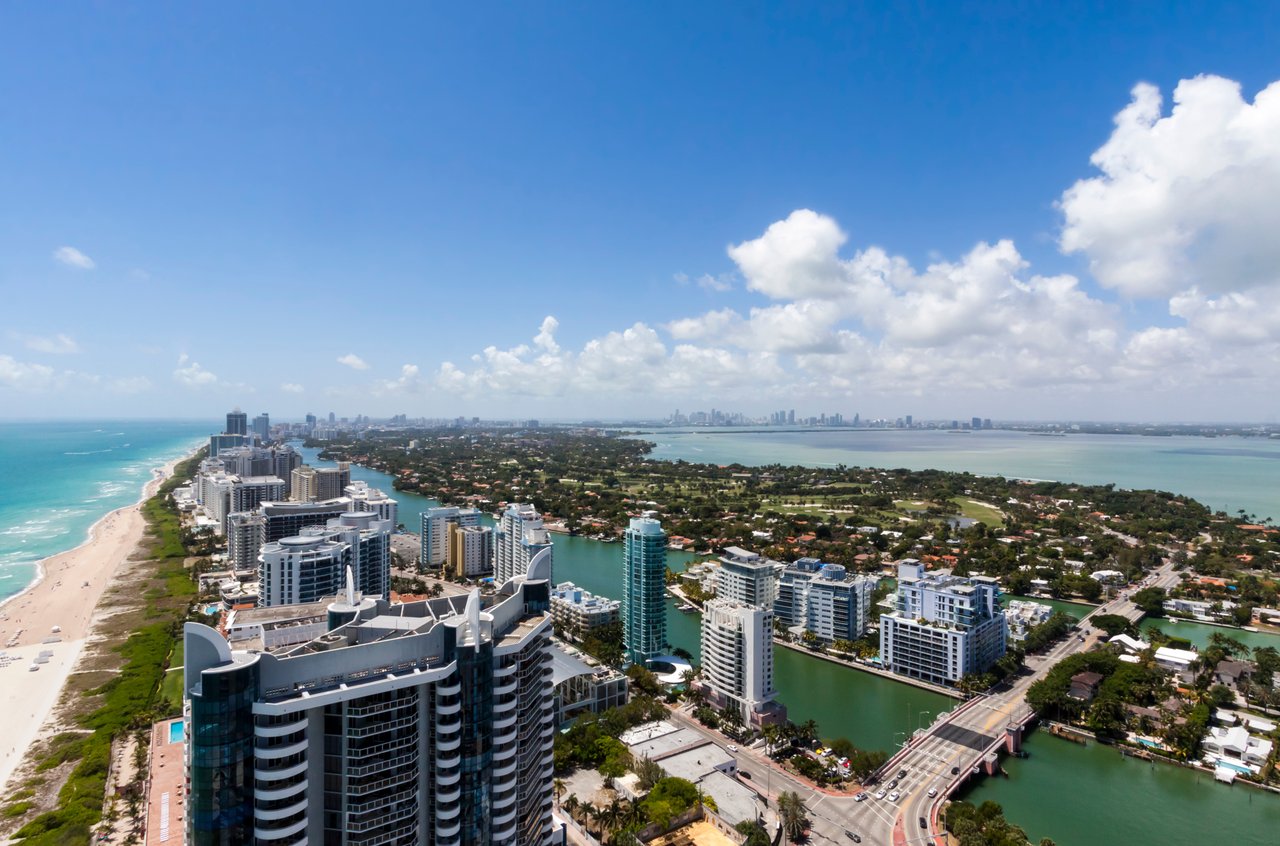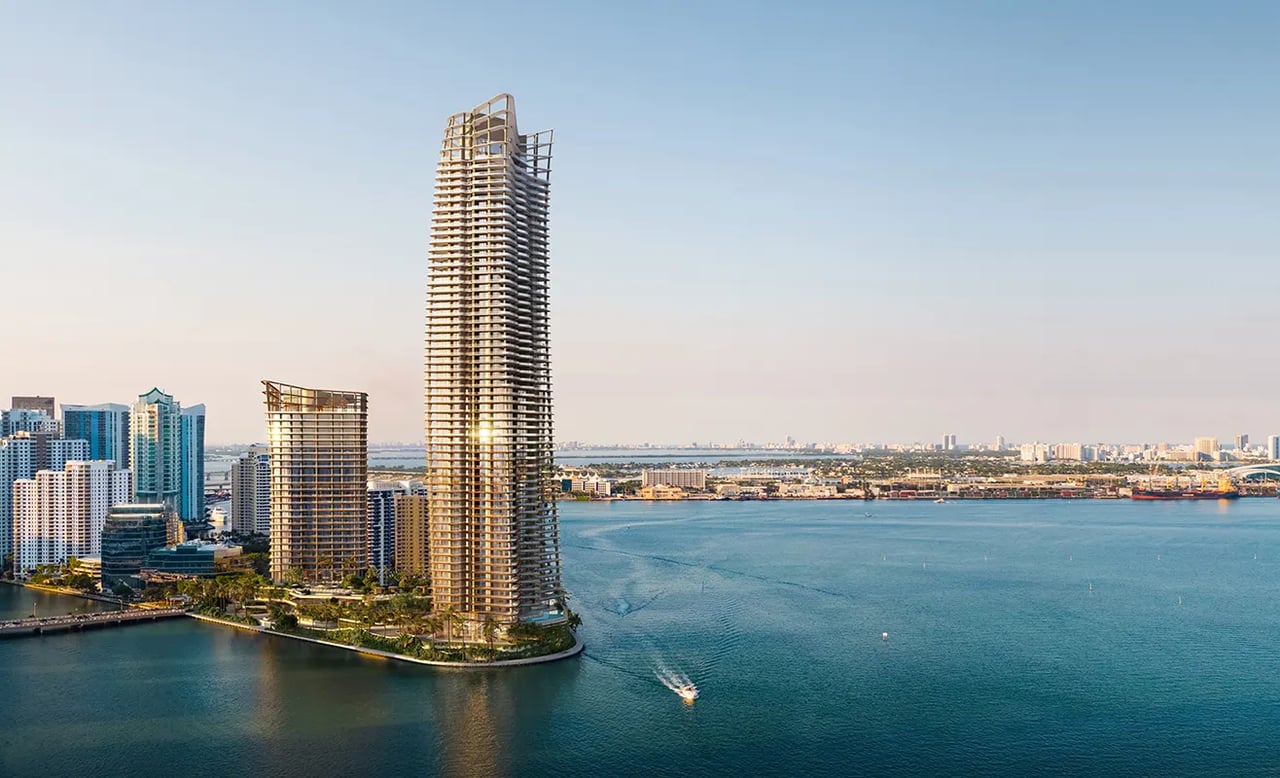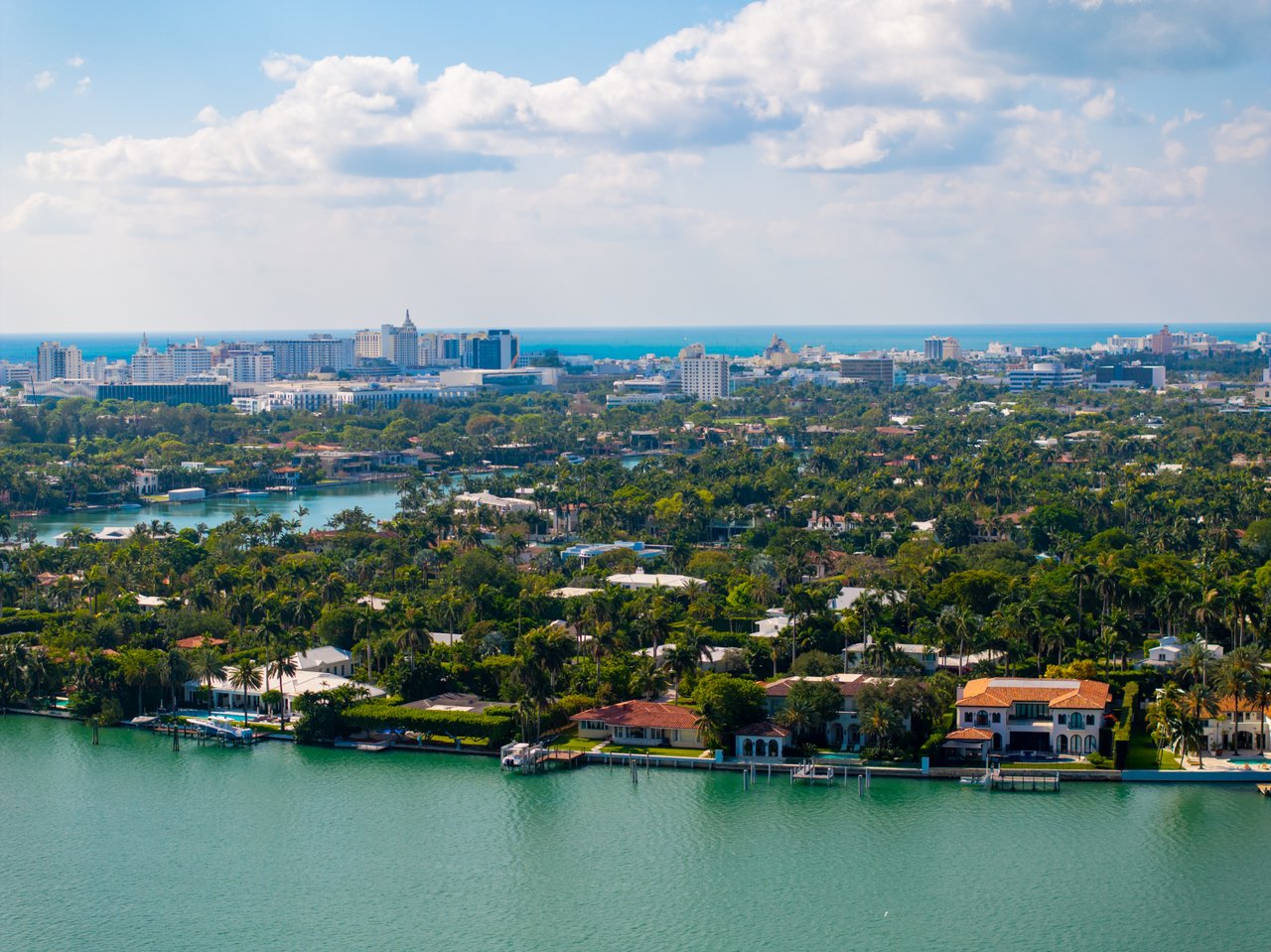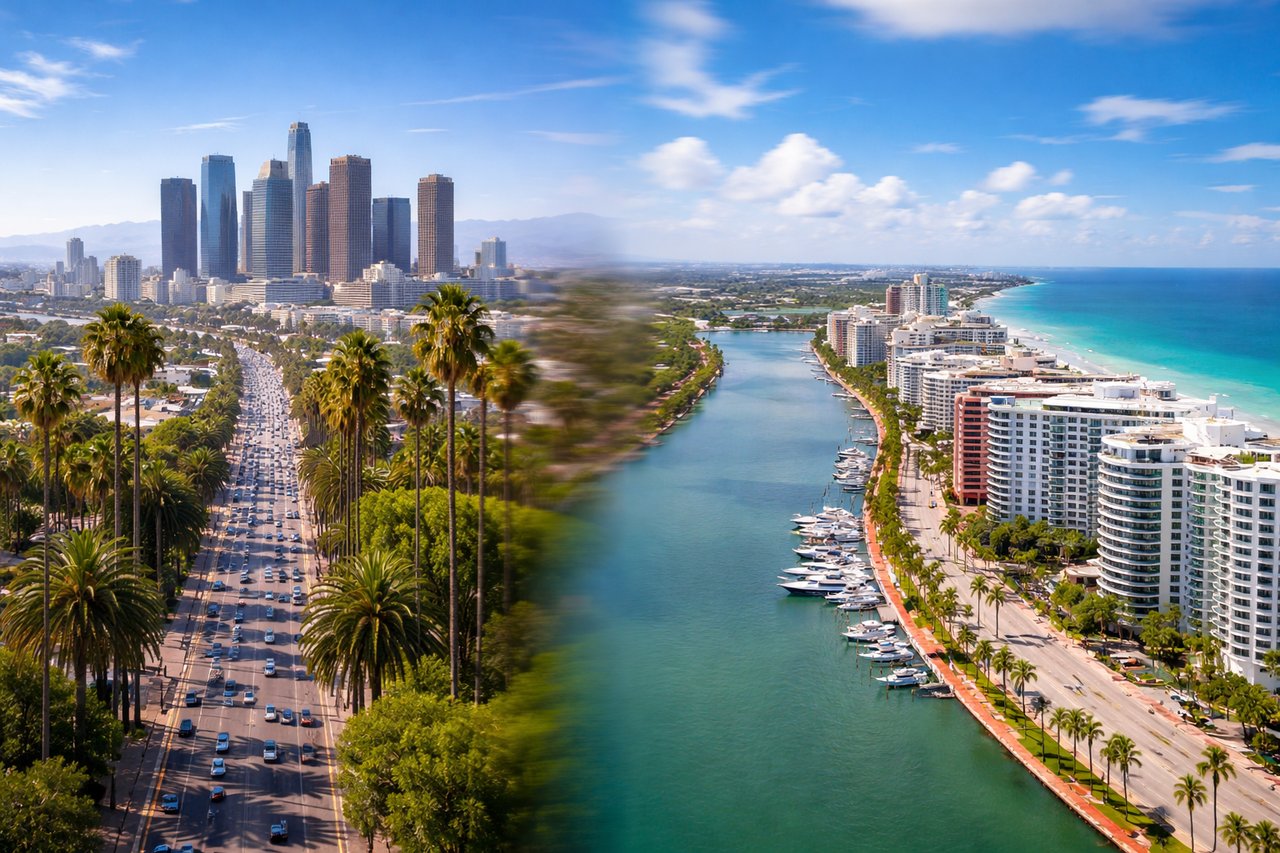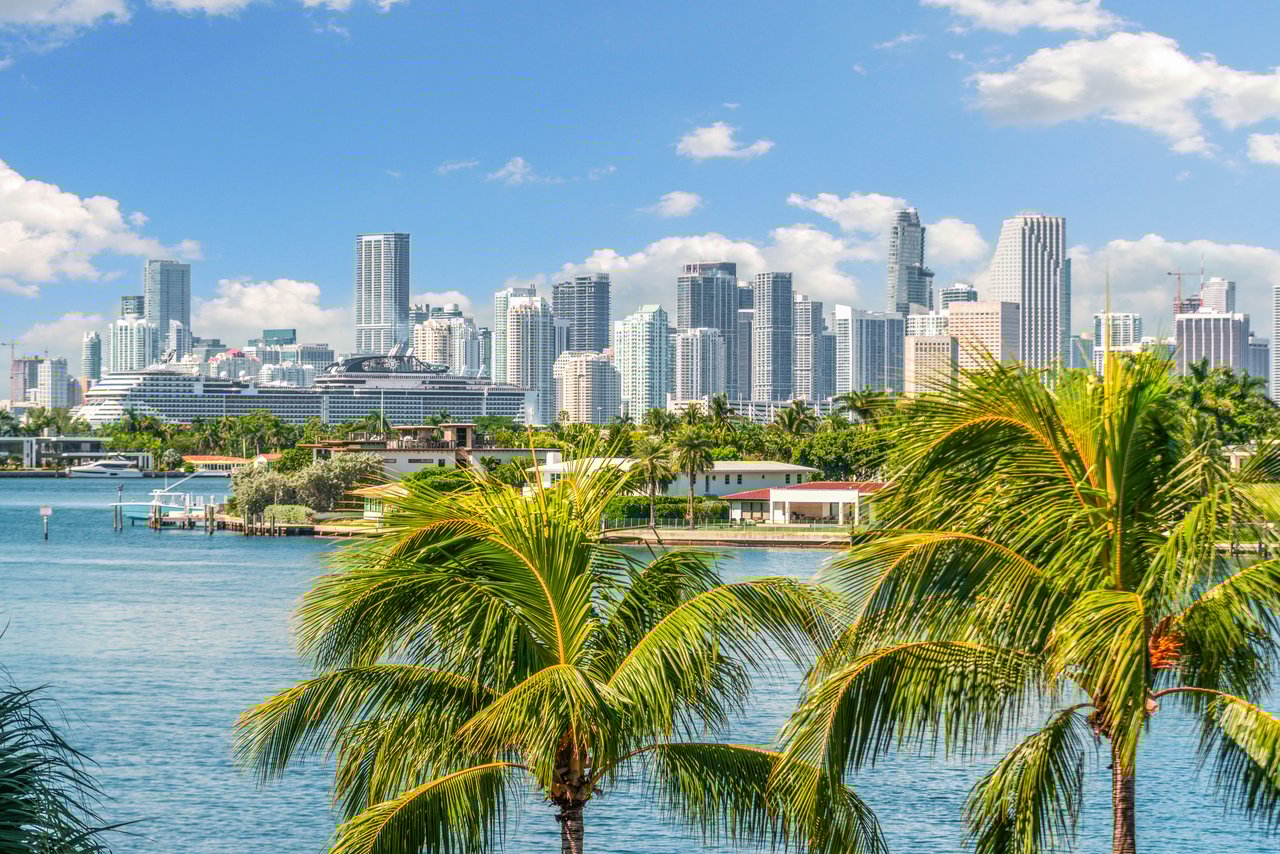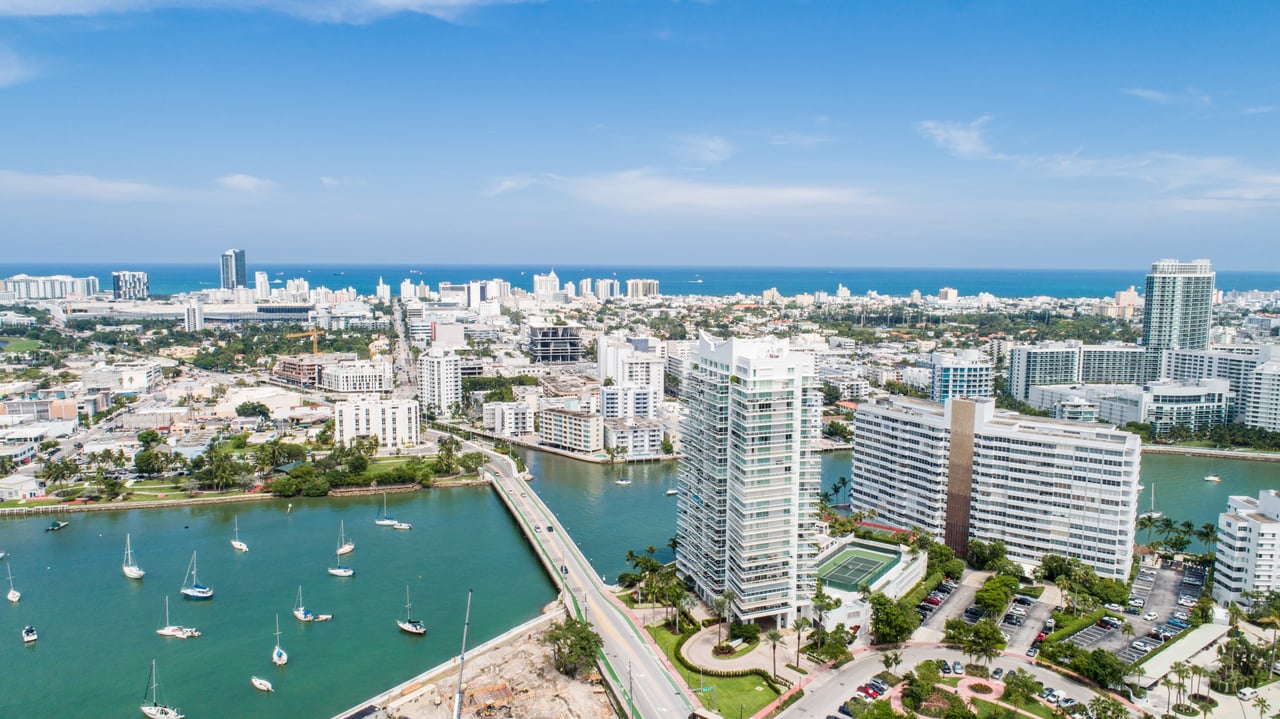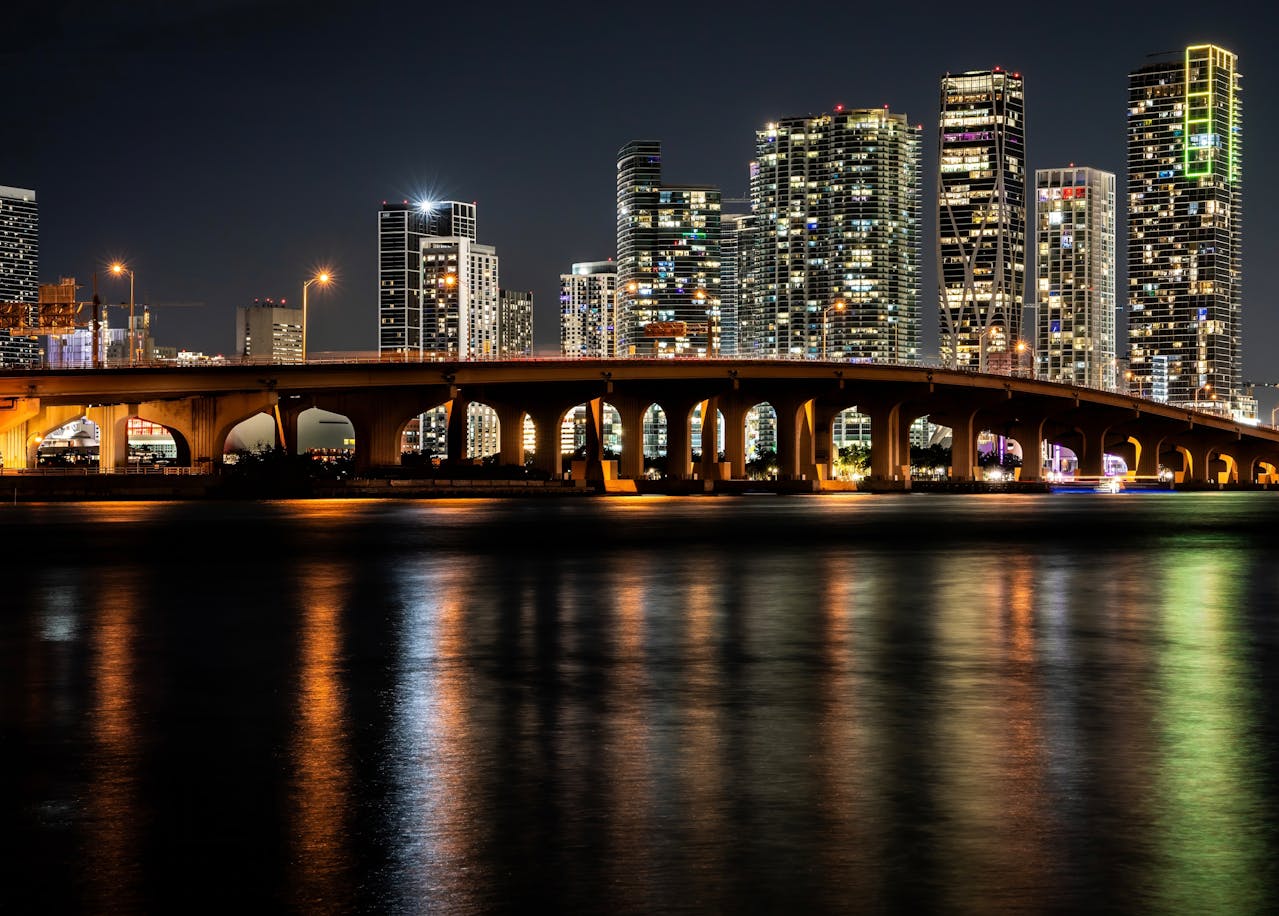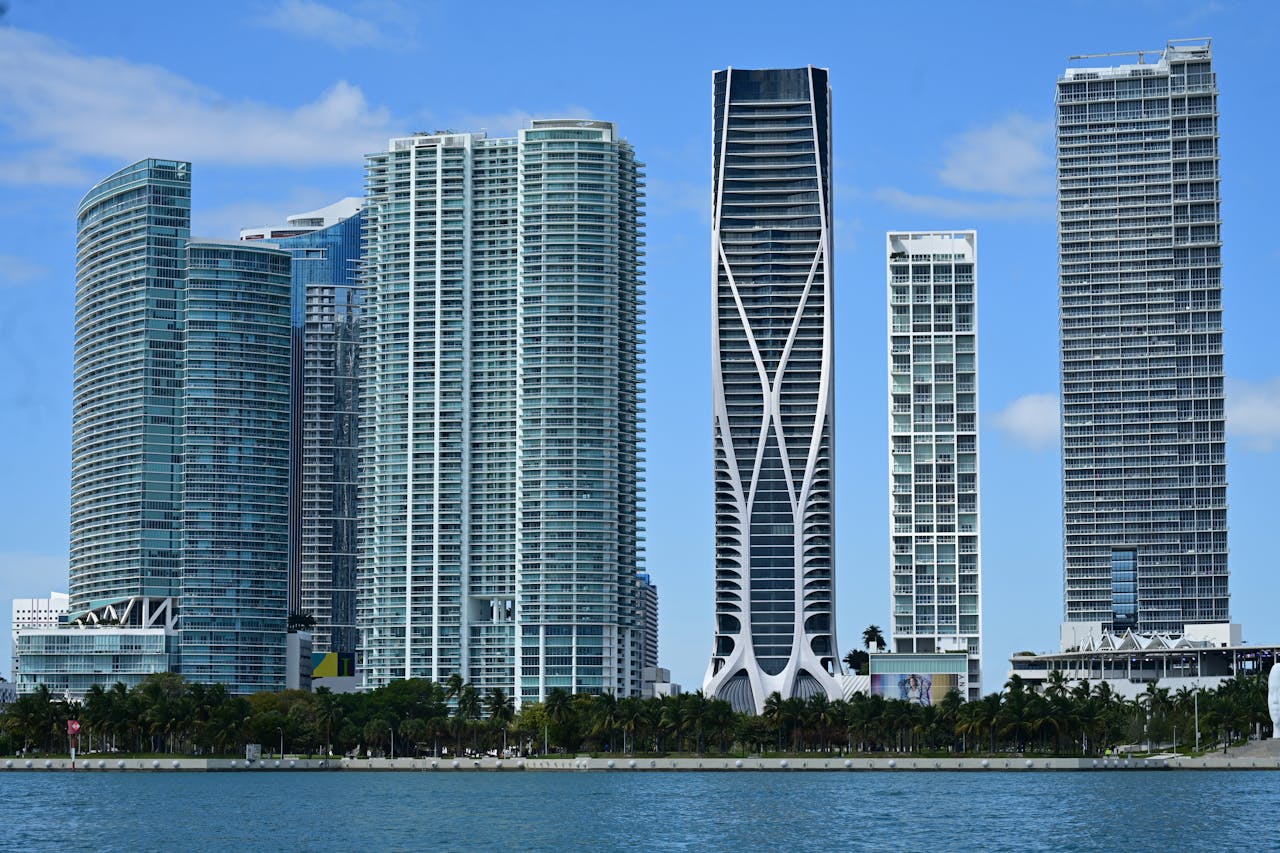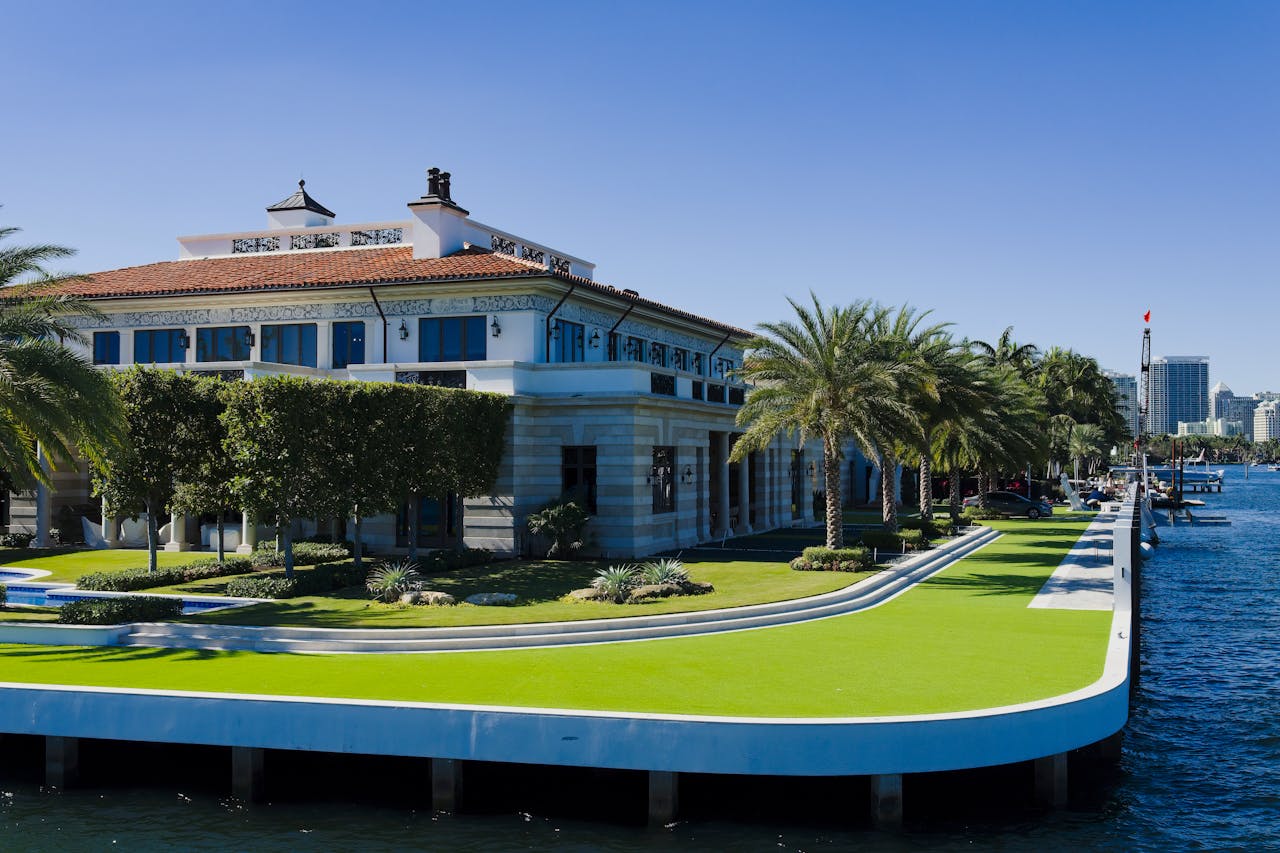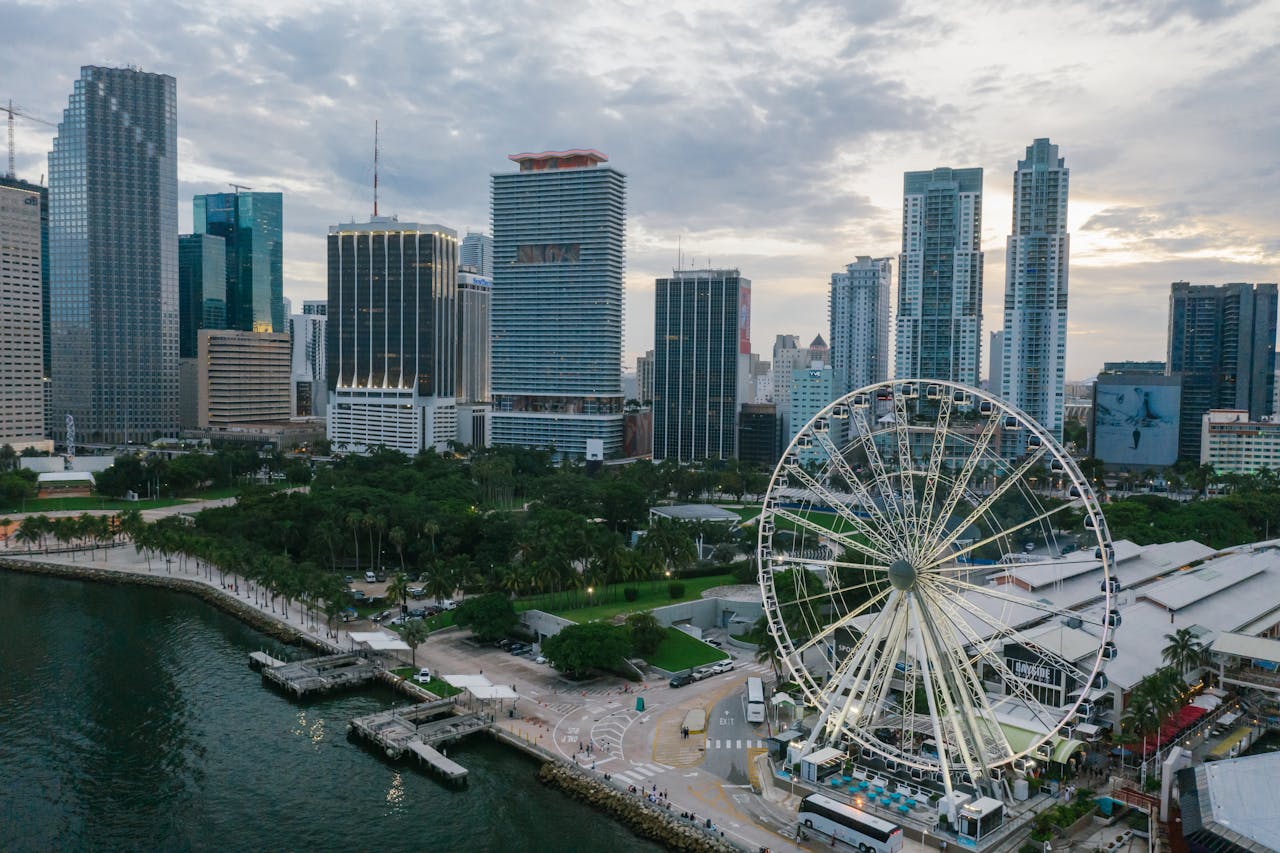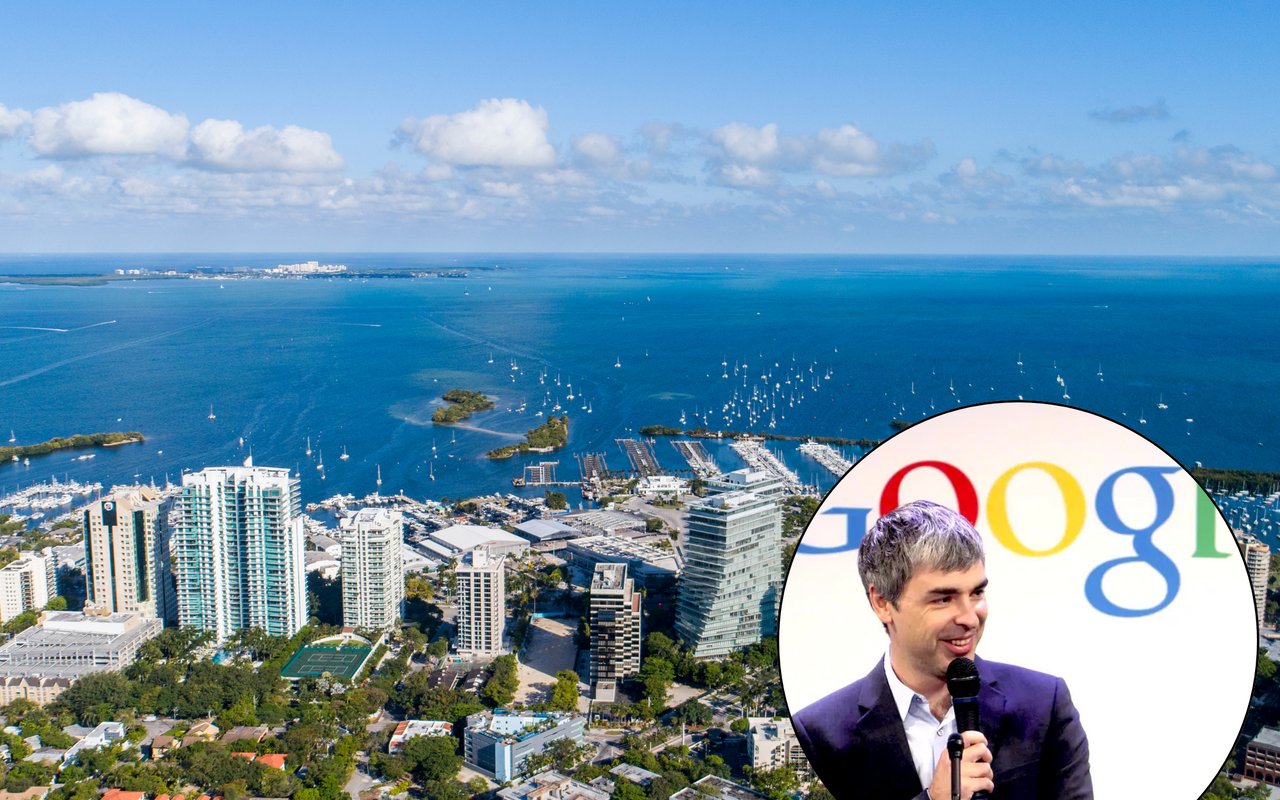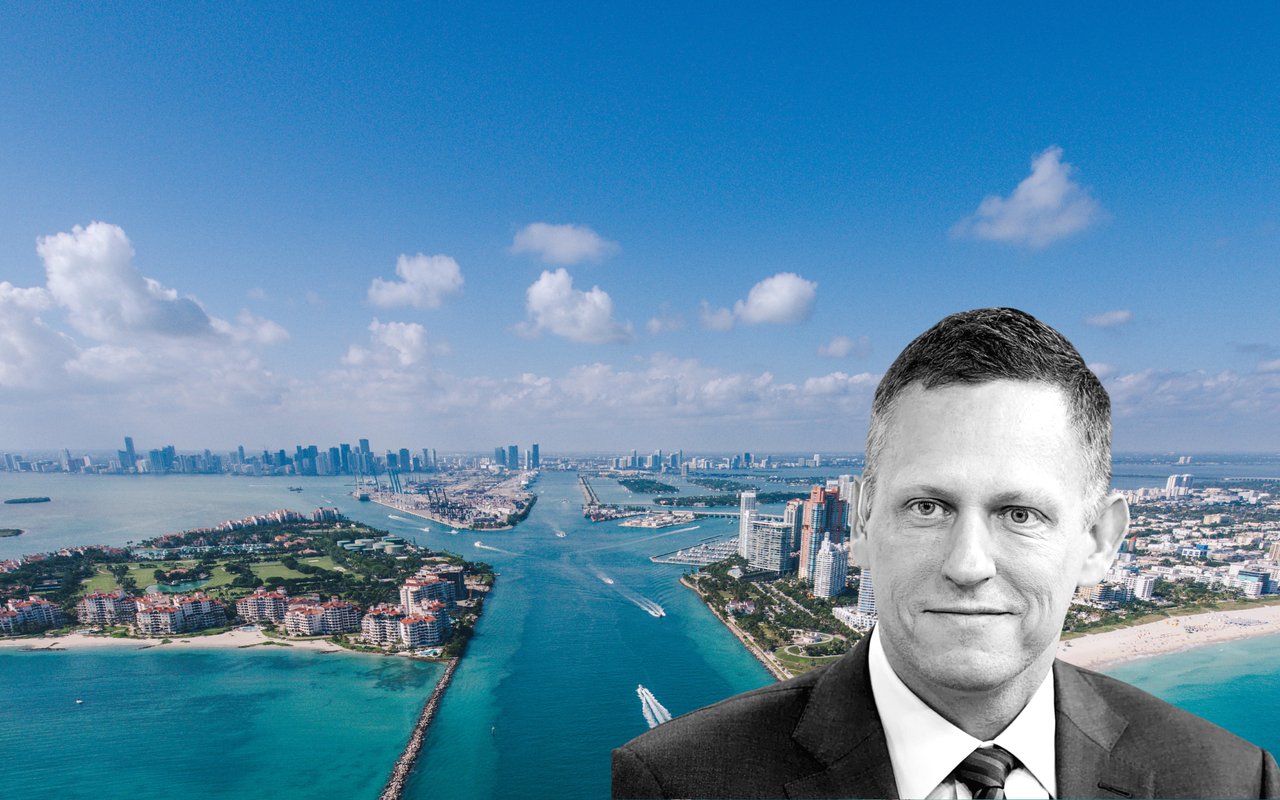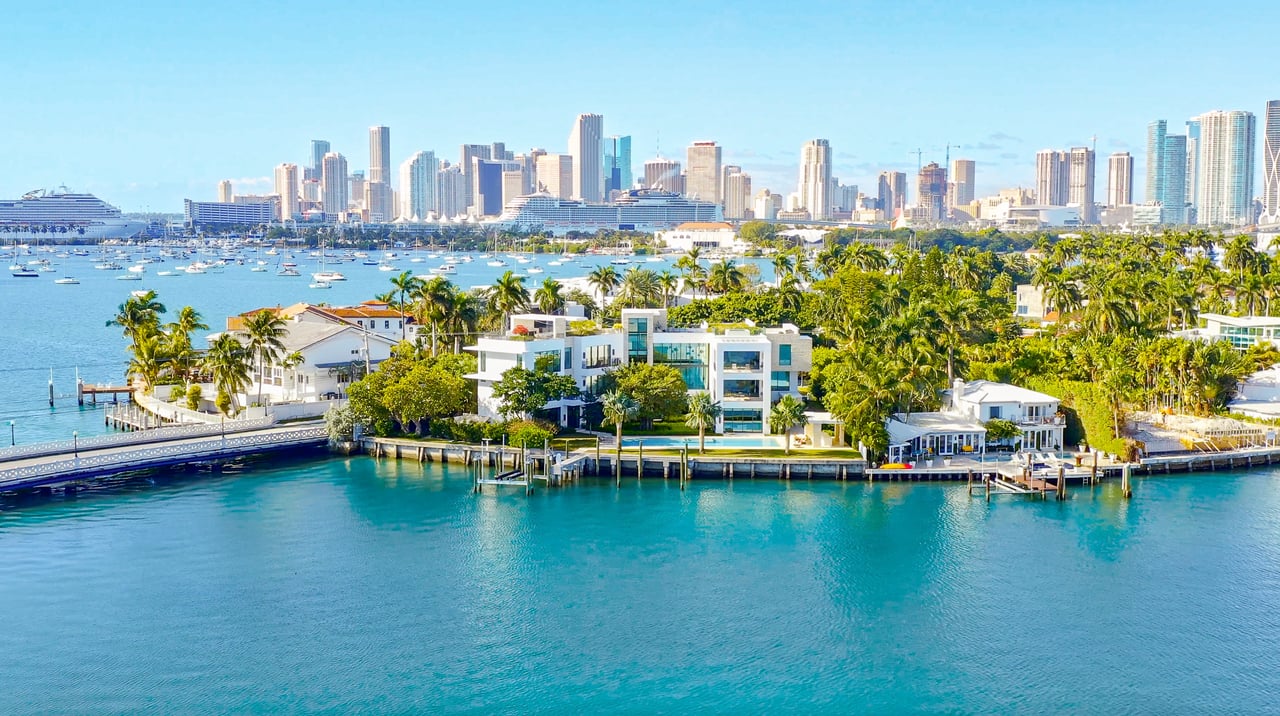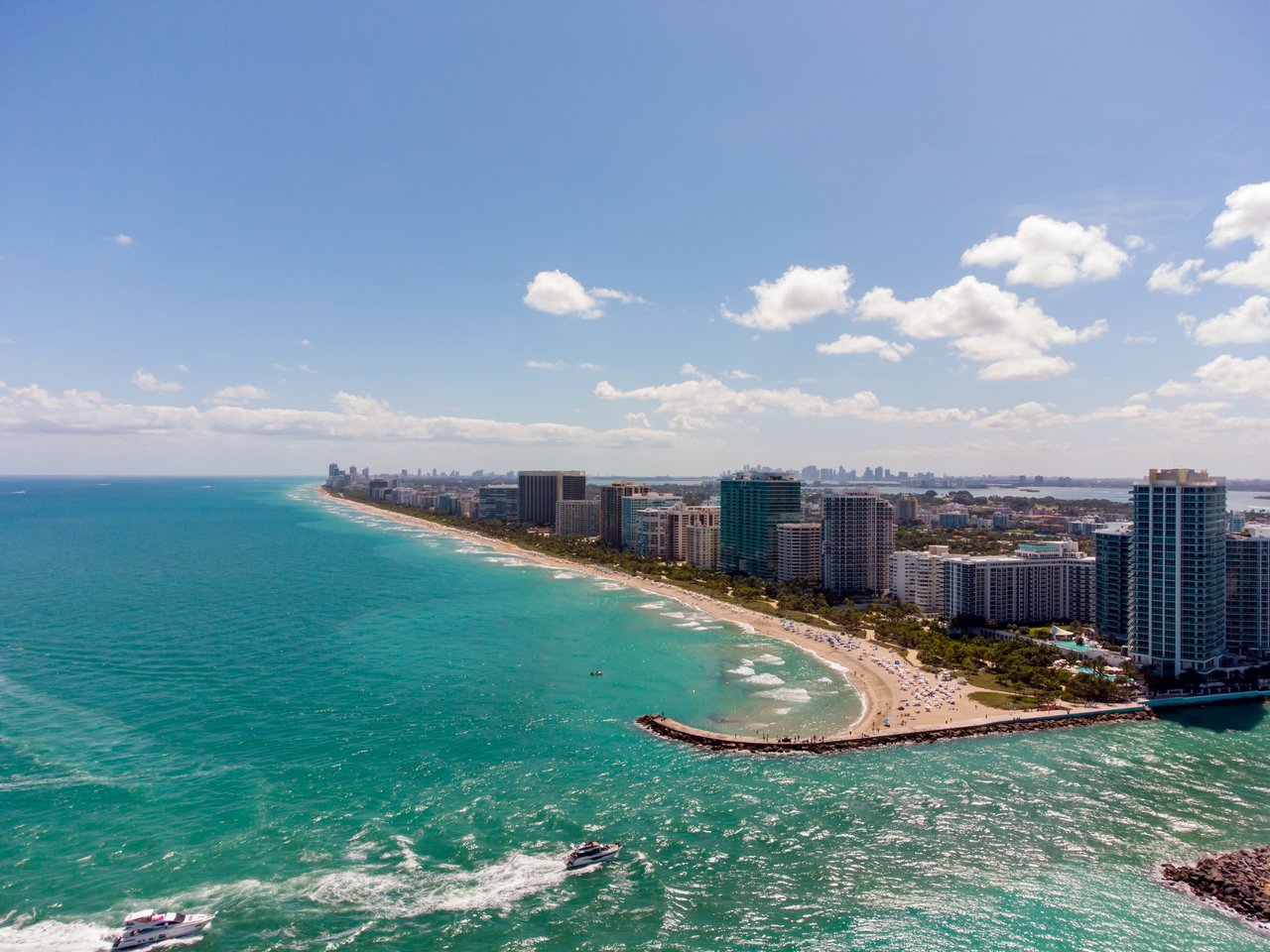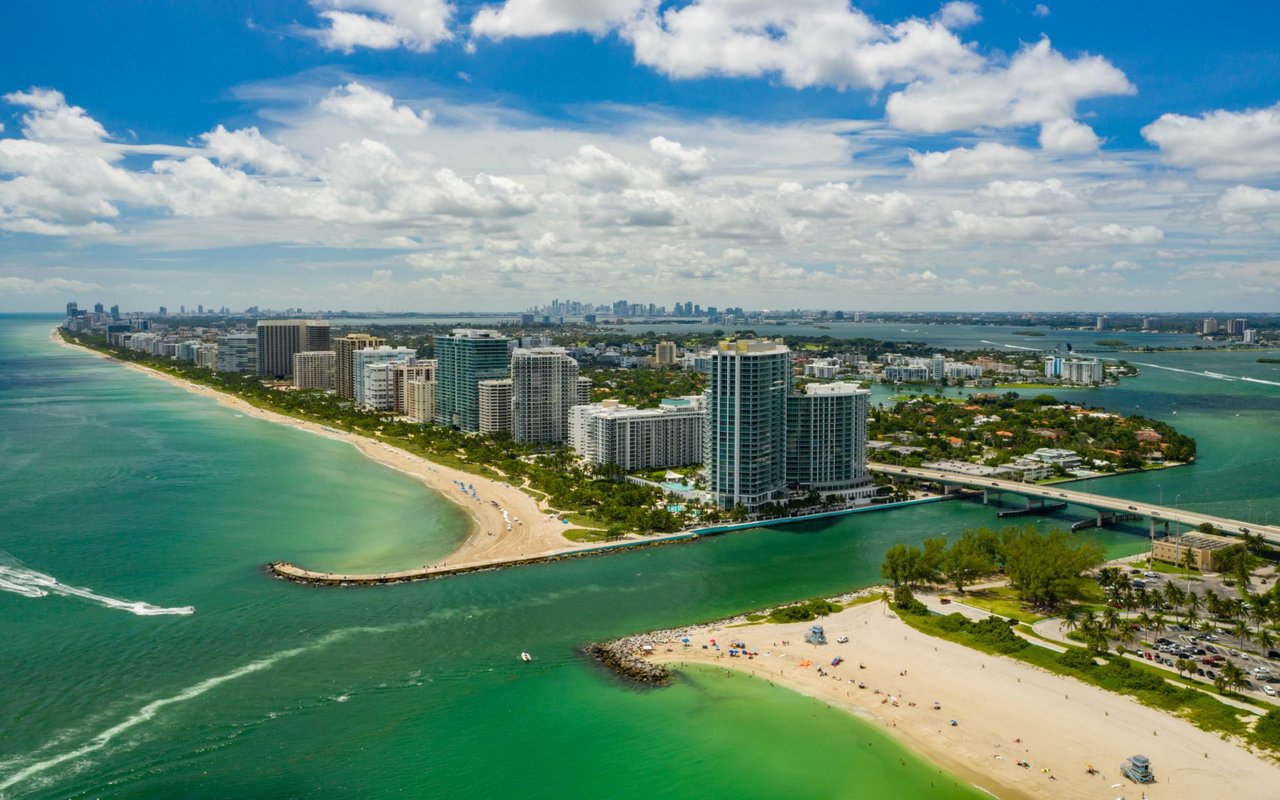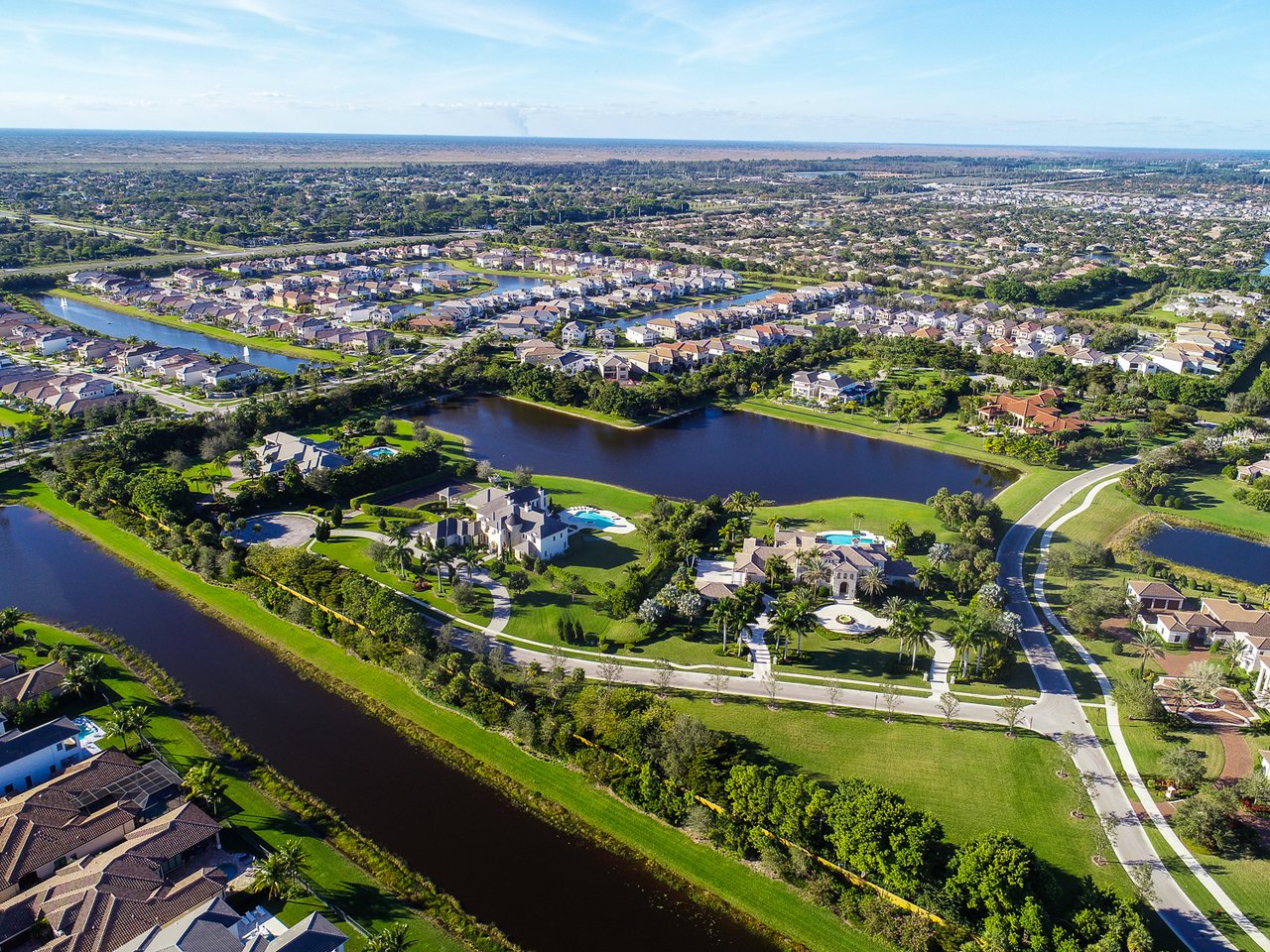
New York consistently ranks as the top source of new Miami-Dade residents, with IRS migration data showing high-income New Yorkers choosing Florida at unprecedented rates. The pattern accelerated during the pandemic and hasn't slowed—remote work policies solidified, and tax savings continue compounding year after year.
New Yorkers are moving to Miami-Dade for the tax savings, waterfront lifestyle, and remote-work freedom that Manhattan simply can't match, and 2024-2025 migration data confirms this trend is accelerating, not slowing.
If you're considering this move, you're joining a well-established migration. The financial case is compelling for most high earners, but the decision involves more than spreadsheets. This guide covers the practical questions: which neighborhoods feel familiar, what properties cost, how taxes and fees compare, and what adjustments to expect.
Whether you're browsing active Miami Beach listings or just starting research, this guide covers what every New Yorker needs to know.
What You'll Learn in This Guide
-
The specific financial advantages driving NYC-to-Miami relocations, including zero state income tax and lower property tax rates
-
Which Miami neighborhoods deliver a Manhattan-like lifestyle with beach access
-
How to navigate HOA fees, condo vs. single-family decisions, and mortgage pre-approval as an out-of-state buyer
-
Budget benchmarks for condos, family homes, and waterfront second properties
-
The cultural adjustments former New Yorkers should genuinely expect
Why Are New Yorkers Moving to Miami in Record Numbers?
The NYC-to-Miami migration isn’t driven by a single factor—it’s the combined effect of remote work flexibility, tax policy differences, and a lifestyle reset that has become financially rational rather than aspirational. When high earners can keep New York–level income without New York–level taxes or housing costs, Miami moves from “second home” territory into full-time primary residence consideration.
Two forces matter most in practice: the permanence of remote and hybrid work, and the compounding impact of Florida’s tax structure over time. Together, they reshape both monthly cash flow and long-term net worth in ways that are difficult to ignore.
Is Remote Work Driving the Move From NYC to Miami?
Remote and hybrid work have been the single largest catalyst for NYC-to-Miami relocations since 2020. For many high earners, remote work removes the main reason to tolerate New York’s taxes and housing costs, making Miami a practical primary residence rather than a backup plan.
Pre-pandemic, relocating meant finding new employment or convincing your employer to allow remote work. Now, permanent flexibility is standard across many industries. Tech companies, financial firms, and professional services have largely accepted that productivity doesn't require physical presence five days a week, and Florida became a top destination for remote workers nationally.
Miami's East Coast time zone alignment makes it particularly attractive for New York-based remote workers who still collaborate with Northeast colleagues and clients. Direct flights take under three hours, and multiple airlines offer dozens of daily departures for those occasions when in-person presence is necessary.
For couples where one person works remotely and one needs occasional office presence, Miami works well. Some transplants maintain hybrid arrangements—spending most time in Miami with periodic trips to New York for essential meetings.
What Are the Tax Benefits of Living in Miami?
Florida's zero state income tax is the headline, but the complete picture involves several factors worth understanding.
New York taxes income at 4% to 10.9%, depending on bracket, with New York City adding 3.078% to 3.876% for Manhattan residents. Combined rates approach 14% for high earners. A household earning $300,000 saves roughly $25,000 to $35,000 annually by moving to Florida—real money that compounds significantly over a decade into hundreds of thousands in savings.
Florida's homestead exemption reduces your primary residence's taxable value by up to $50,000, and the Save Our Homes provision caps annual assessment increases at 3%, providing long-term predictability that New York doesn't offer.
Florida also has no state estate tax, while New York taxes estates exceeding $6.94 million—significant for high-net-worth buyers planning generational wealth transfer. The combination of income, property, and estate tax advantages makes Florida compelling for wealth accumulation and preservation.
|
Factor |
New York (Manhattan) |
Miami-Dade |
|
State income tax |
4%–10.9% + NYC tax 3%–3.9% |
0% |
|
Effective property tax rate |
~1.0%–1.2% |
1.85% - 2% |
|
Homestead exemption |
Limited programs |
Up to $50K assessed value |
|
HOA fees (luxury condo) |
$1,500–$4,000/mo |
$1–$2 / sq ft |
|
Estate tax |
Yes (above $6.94M) |
None |
Is Miami More Affordable Than New York?
Yes meaningfully so. The median two-bedroom condo in Manhattan runs approximately $1.4 million; in Miami's urban core, comparable units range from $550,000 to $800,000. Price per square foot in Manhattan often exceeds $1,800; in Miami, $600 to $900 is typical.
Which Miami Neighborhoods Are Most Popular With New Yorkers Looking to Buy a Primary Residence?
New York transplants tend to gravitate toward Miami neighborhoods that preserve some combination of walkability, urban energy, and proximity to water. While no Miami area truly replicates Manhattan, several neighborhoods offer familiar density, dining scenes, and day-to-day convenience, often paired with views or beach access that simply don’t exist in New York. The key difference is how lifestyle tradeoffs shift once car ownership and HOA costs enter the equation.
Which Miami Areas Offer a Similar Lifestyle to Manhattan but With Beach Access?
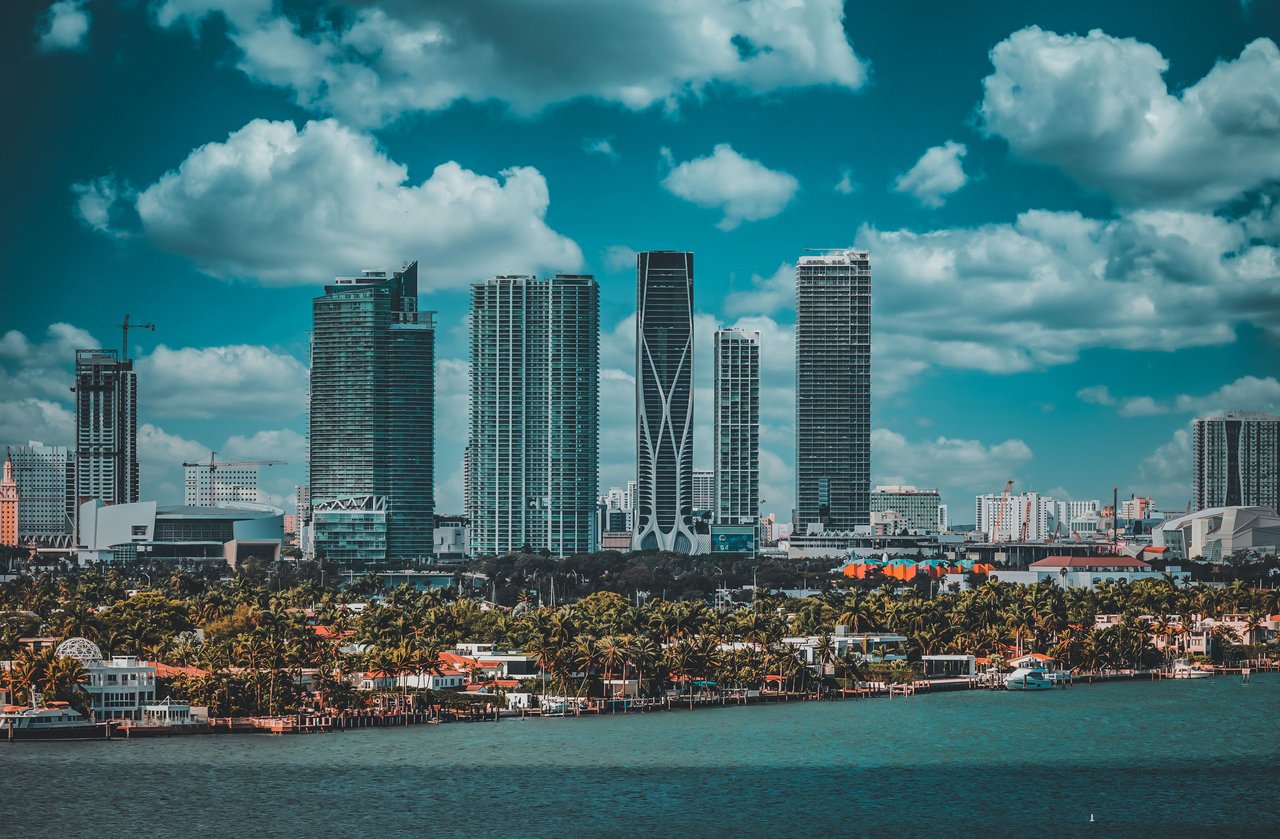
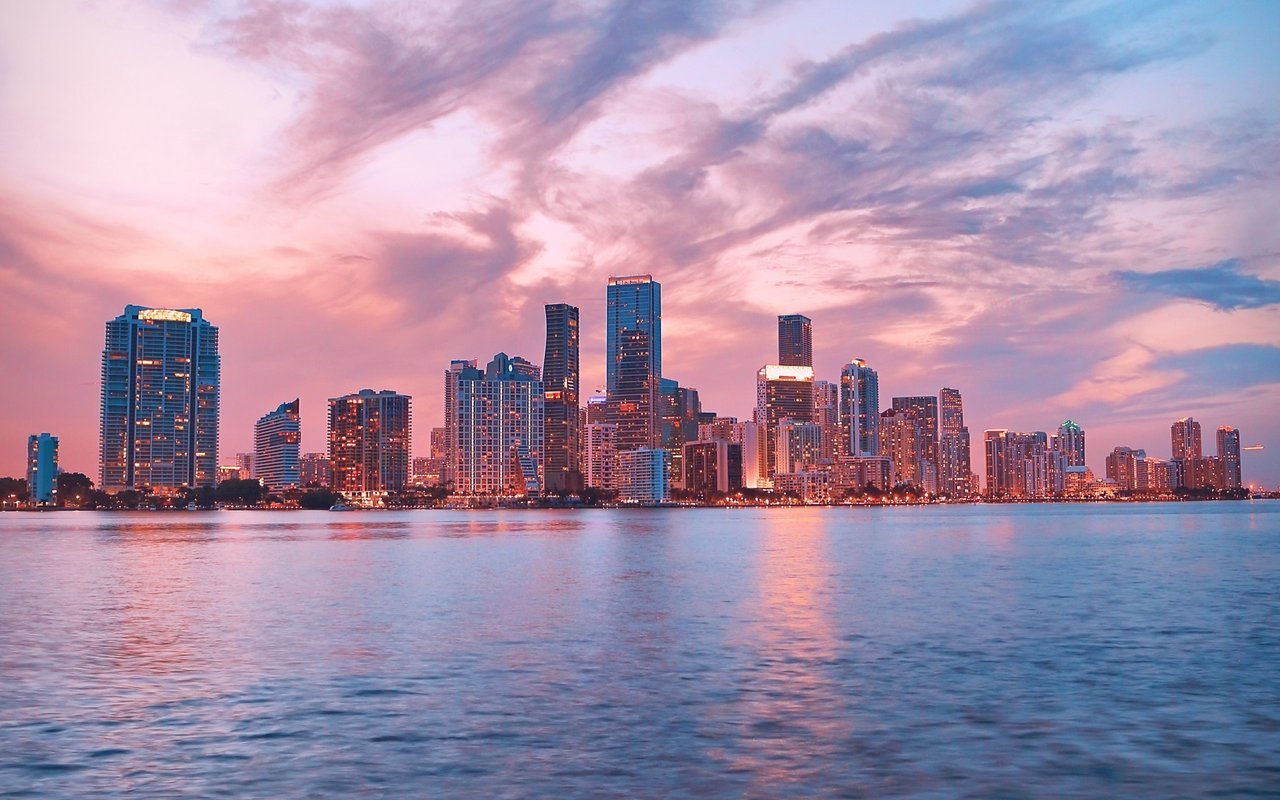
Brickell draws the most direct comparison to the Financial District. Glass towers house young professionals, restaurants and bars line the streets, and the area has a Walk Score of 92, which is unusually high for Miami. Brickell City Centre added meaningful retail and dining density. While the beach is a short drive away, the bayfront promenade provides daily waterfront access and an urban feel that resonates with Manhattan transplants.
South Beach appeals to buyers who want immediate beach access alongside nightlife and dining. The atmosphere blends elements of SoHo with a resort environment, mixing art deco architecture, Ocean Drive energy, and a constant rotation of visitors and locals. South of Fifth feels more residential while still offering beach proximity. For some, the nightlife is a draw; for others, it becomes a dealbreaker over time.
Edgewater offers a quieter bayfront alternative at lower price points than Brickell or South Beach. Over the past decade, new high-rise development has reshaped the neighborhood into a more residential enclave with good restaurants and scenic walking paths. Many New Yorkers compare it to the Upper West Side for its calmer tone and proximity to more active areas when desired.
Coconut Grove delivers a village-style atmosphere that resonates with West Village devotees. Tree-lined streets, boutique retail, outdoor cafés, and a strong sailing culture give the area a distinct identity within Miami. It is less vertical than Brickell and features more single-family homes and low-rise buildings.
Surfside attracts buyers seeking a quieter beach town feel with everyday walkability. The neighborhood offers direct beach access, a small downtown strip, and a slower pace that appeals to former Upper East Side residents who want calm without giving up convenience.
|
If You Loved... (NYC) |
You'll Like... (Miami) |
Walk Score |
2BR Condo Range |
|
SoHo / Tribeca |
South Beach |
89 |
$650K–$50M+ |
|
Financial District |
Brickell |
92 |
$500K–$30M+ |
|
Upper West Side |
Edgewater |
78 |
$500K–$6M+ |
|
West Village |
Coconut Grove |
72 |
$500K-$60M+ |
|
Upper East Side |
Surfside |
75 |
$1M–$15M+ |
New Yorkers moving to Miami often find that neighborhoods which look similar on paper feel very different day to day once walkability, traffic patterns, and HOA costs are factored in. Explore Miami neighborhoods to compare pricing, lifestyle fit, and proximity to the water before narrowing your search →
Where Should New Yorkers Moving to Miami Look for Family-Friendly Neighborhoods With Good Schools?
For New Yorkers relocating with children, the neighborhood decision usually shifts quickly from walkability and nightlife to schools, space, and long-term livability. Miami offers several family-oriented areas that feel very different from its urban core, with stronger school zoning, quieter streets, and more traditional residential layouts. Understanding how schools are structured here is critical because quality varies significantly by neighborhood.
How Do Schools in Miami Compare to NYC?
Miami-Dade County Public Schools is the fourth-largest district in the country, and performance depends heavily on zoning and program type rather than citywide averages. In the right neighborhoods, families often find public and private options that compare favorably to strong New York schools.
Certain public school zones consistently stand out. Coral Gables, Pinecrest, and Key Biscayne are known for highly rated public schools, and families coming from competitive Manhattan school environments often find these options comparable or, in some cases, less stressful academically.
Miami-Dade also offers a robust magnet and charter system. Programs like MAST Academy, Design and Architecture Senior High (DASH), and Coral Reef Senior High admit students countywide through competitive applications. These schools attract academically driven families who are comfortable navigating admissions processes similar to New York’s specialized schools.
Private schools remain a major draw as well. Ransom Everglades, Gulliver Preparatory, and Palmer Trinity are among the most established, with tuition levels and academic cultures similar to Manhattan independent schools.
From a neighborhood standpoint, Coral Gables offers a balanced mix of top schools, tree-lined streets, and a strong sense of community. Pinecrest provides larger lots and consistently strong academics, appealing to families prioritizing space. Key Biscayne combines island living with well-regarded schools and a tight-knit feel. Aventura offers newer housing stock and good school options at relatively lower price points, particularly for condo-focused buyers.
What Should New Yorkers Know About Miami Property Taxes and HOA Fees Before Buying a Home?
Property taxes and HOA fees are where many New Yorkers misjudge the true cost of property ownership in Miami. While Florida’s tax structure is more favorable overall, property taxes reset at the time of purchase, and condo HOA fees are often much higher than expected. Understanding how these two costs work before you buy is critical to setting a realistic monthly budget.
Property taxes: Miami-Dade's effective rate runs 0.9% to 1.1%—generally lower than Manhattan. But when you purchase, the assessed value resets to market value, eliminating the previous owner's homestead exemption and caps. Your first tax bill may significantly exceed what the seller paid.
After establishing residency, you'll qualify for Florida's homestead exemption (up to $50,000 off assessed value) and the Save Our Homes 3% annual cap on increases. These benefits compound over time, making long-term ownership increasingly tax-advantaged.
HOA fees: Miami condo fees often shock buyers. Waterfront high-rises commonly charge $800 to $2,500 monthly, with ultra-luxury buildings exceeding $3,000. Fees cover building insurance, amenities, security, and reserves.
Post-Surfside requirements: Following the 2021 Champlain Towers collapse, Florida enacted stricter reserve funding rules. Buildings must now fund reserves for structural components rather than deferring costs. Many buildings have raised fees or issued special assessments to comply—a trend continuing as older buildings face mandatory inspections.
Special assessments: One-time charges for major repairs are more common in Miami than in New York. Assessments of $20,000 to $100,000+ per unit have hit numerous buildings. Before purchasing, review reserve studies, meeting minutes, and any pending assessments.
|
Factor |
New York (Manhattan) |
Miami-Dade |
|
Effective property tax rate |
~1.0%–1.2% |
1.85% - 2% |
|
Homestead exemption |
Limited programs |
Up to $50K assessed value reduction |
|
HOA fees (luxury condo) |
$1,500–$4,000/mo |
$800–$10,000/mo |
|
Special assessments |
Less common |
Normally with Older Towers |
How Can a New Yorker Compare Condo vs. Single-Family Home Options When Relocating to Miami?
For many New Yorkers, choosing between a condo and a single-family home in Miami is a bigger shift than it first appears. Miami’s housing stock, ownership costs, and maintenance responsibilities differ meaningfully from Manhattan, and the right choice depends on lifestyle, budget, and how long you expect to stay. Understanding the practical tradeoffs upfront helps prevent regret after the move.
Condos dominate Miami's urban core—Brickell, Edgewater, South Beach, Sunny Isles. They offer lock-and-leave convenience plus amenities like pools, gyms, and a concierge service that would cost a fortune to replicate independently. HOA fees cover exterior maintenance, simplifying ownership. The downsides: HOA politics, special assessment risk, rental restrictions if you might want income later, and less space per dollar.
Single-family homes provide more space, yards, privacy, and freedom from HOA rules (in many neighborhoods). They dominate family-friendly areas like Coral Gables, Pinecrest, and Coconut Grove. You handle maintenance yourself or hire help, which gives control but adds responsibility. Insurance costs run higher since you're covering the full structure, and flood zone considerations matter more for ground-level properties.
For New Yorkers specifically: Solo buyers or couples wanting walkability and nightlife typically prefer condos in Brickell or Edgewater—the lifestyle feels most familiar. Families wanting space, yards, and top schools lean toward single-family homes in Coral Gables or Pinecrest, though the suburban adjustment takes time.
Which Waterfront Communities in Miami Are Best for New Yorkers Planning to Purchase a Second Home?
For New Yorkers buying a second home in Miami, the decision is less about daily convenience and more about ease of ownership. Management simplicity, building quality, rental flexibility, and lock-and-leave reliability matter far more when you are not living in the property full-time. Miami’s waterfront communities vary widely on these factors, so choosing the right area upfront makes the difference between a low-stress retreat and an ongoing obligation.
Fisher Island offers ultra-exclusive living accessible only by ferry, with pricing starting around $3 million. Privacy, security, and resort-level amenities attract high-net-worth buyers seeking retreat.
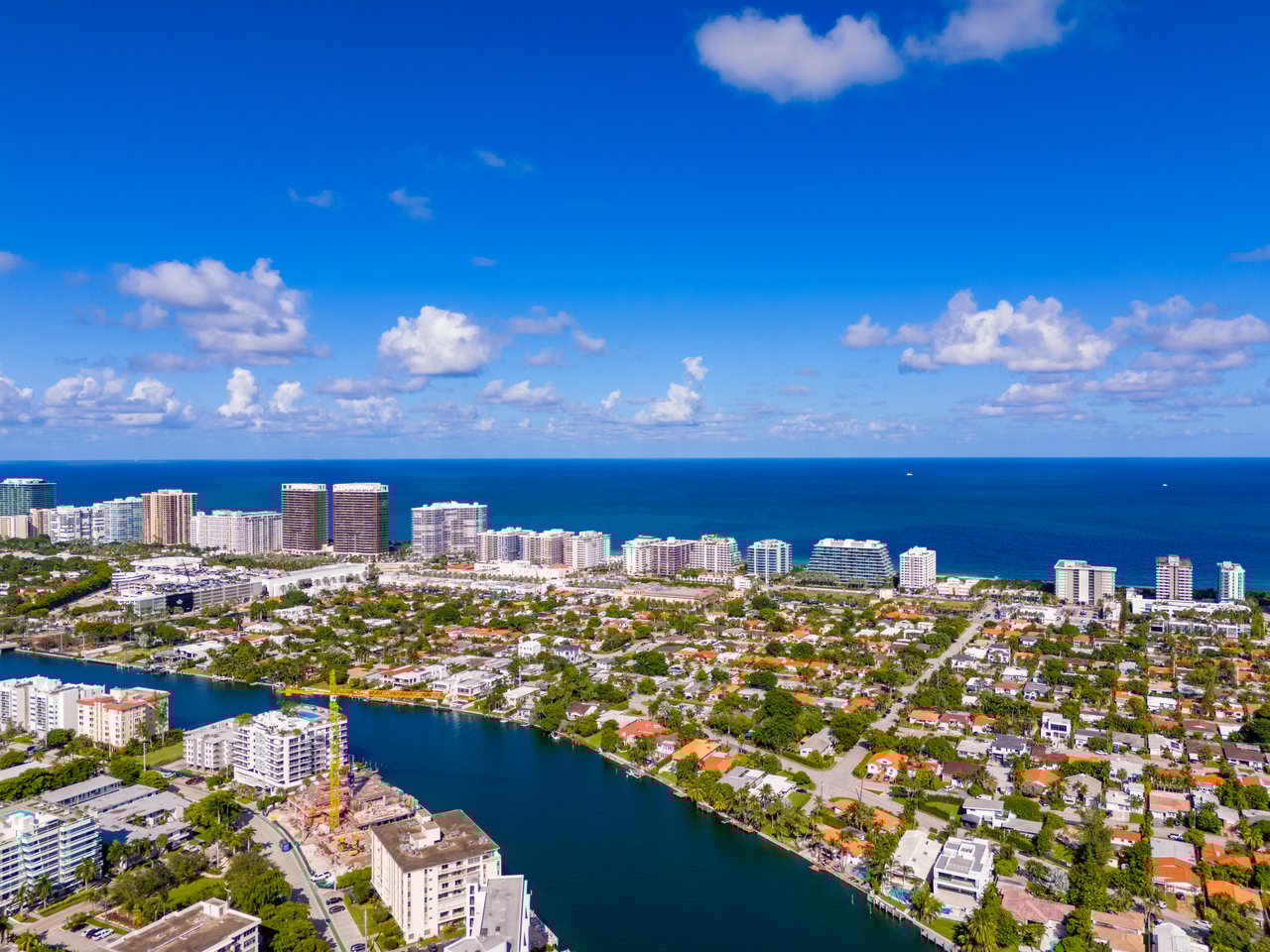
Bal Harbour combines beachfront luxury with high-end shopping and dining. The prestigious location appeals to part-time residents wanting a turnkey Miami experience.
Key Biscayne provides an island lifestyle with more community feel than Fisher Island. Strong schools make it viable for families to split time between cities.
Sunny Isles offers newer oceanfront towers at lower prices than Bal Harbour, attracting buyers who want beach access and modern amenities without ultra-luxury pricing.
Considering a rental property while you decide? Browse available Miami rentals to understand the market.
Second-home buyers quickly learn that waterfront buildings differ dramatically in HOA structure, rental flexibility, and ease of ownership. Explore Miami condo developments to compare waterfront buildings, amenities, and second-home considerations →
How Much Budget Do New Yorkers Typically Need to Buy a Condo in Miami?
Budget expectations are one of the biggest pleasant surprises for New Yorkers relocating to Miami. Even after accounting for HOA fees and insurance, the same budget typically buys significantly more space, newer construction, and better amenities than comparable price points in Manhattan.
|
Property Type |
Entry-Level |
Mid-Market |
Luxury |
|
Studio/1BR condo |
$400K–$600K |
$600K–$2M |
$2M-$4M |
|
3-5 BR family condo |
$500K–$900K |
$900K–$25M |
$25M-$13M |
|
Single-family (3BR) |
$650K–$850K |
$900K–$4M |
$5M-$30M+ |
|
Waterfront estate |
— |
$2M–$5M |
$5M-150M+ |
What these prices get you: A $500,000 budget in Manhattan might secure a small studio in a less desirable location. In Miami, that person purchases a spacious one-bedroom or modest two-bedroom in a newer building with amenities—possibly with water views in Edgewater or parts of Brickell.
At $1 million, New York buyers stretch for a one-bedroom in a good building. Miami opens two-bedroom condos in premium locations or entry-level single-family homes in desirable neighborhoods.
Closing cost advantage: Florida closing costs run 2% to 3% of the purchase price. New York's mansion tax (1% to 3.9% on purchases over $1 million) doesn't exist in Florida—a $2 million purchase saves roughly $39,000 in mansion tax alone.
Budgets that feel restrictive in Manhattan often unlock far more options in Miami once you see real inventory. Browse current Miami homes for sale to compare pricing, unit sizes, and building quality across neighborhoods →
What Is the Process for New Yorkers to Get Pre-Approved for a Mortgage on a Miami Home Purchase?
The mortgage process follows familiar steps as with mortgages in other areas, but with a few Florida-specific considerations.
Step 1: Choose a Florida-licensed lender. National banks can lend anywhere, but lenders experienced in Florida understand local condo requirements and timeline expectations. Some Miami buildings require specific lender approvals or have financing restrictions that local lenders navigate better.
Step 2: Gather documentation. Lenders request two years of tax returns, 60 days of bank statements, employment verification, proof of funds for the down payment, and credit authorization. Self-employed borrowers need additional documentation, including profit-and-loss statements.
Step 3: Get pre-approved, not just pre-qualified. Pre-approval involves actual verification and produces a commitment letter that carries weight with sellers. Pre-qualification is just a rough estimate.
Step 4: Understand condo-specific requirements. Many Miami condos must be "warrantable" for conventional financing—meaning the building meets occupancy, insurance, and financial thresholds. Some newer or investor-heavy buildings don't qualify, limiting buyers to cash or portfolio loans.
Timeline: Expect 30 to 45 days from application to closing for straightforward transactions.
Pre-approval checklist:
-
Two years of federal tax returns (all schedules)
-
60 days of bank and investment statements
-
Employment verification letter
-
Proof of funds for down payment and closing costs
-
Credit authorization
How Can a New Yorker Find a Relocation-Focused Real Estate Agent to Buy a Home in Miami?
A relocation-focused agent does more than send listings—they understand which neighborhoods appeal to transplants, conduct video tours when you can't visit, and coordinate transactions across state lines.
Questions to ask:
-
How many out-of-state buyers have you worked with recently?
-
Which neighborhoods do you recommend for someone from [your area]?
-
Can you provide video walkthroughs for properties I can't see in person?
-
What's your experience with condo board applications and building financials?
Virtual capabilities matter. You'll make trips to Miami, but you can't fly to every property. An agent who walks through units on video, points out details, and gives honest assessments saves time and money.
Ready to connect with a Miami relocation expert? Contact Joelle's team to discuss your specific needs and timeline.
How Does the Job Market Compare Between New York and Miami?
Miami’s job market has expanded rapidly over the past few years, but it still operates on a smaller scale than New York’s. For many transplants, the comparison matters less for headline job counts and more for salary expectations, industry depth, and whether remote work makes local employment optional.
Growing sectors:
Tech has become Miami’s most visible growth story, with companies like Microsoft, Google, and Spotify establishing offices or expanding operations. Finance has followed through with hedge fund and private equity relocations, while healthcare remains a major employment anchor through large hospital systems and research institutions.
Salary expectations:
Local Miami salaries typically run 10% to 15% lower than New York equivalents. However, Florida’s lack of state income tax narrows that gap significantly. In practice, a $180,000 salary in Miami can produce take-home pay similar to roughly $220,000 in New York once taxes are factored in.
Remote work reality:
Many New Yorkers bypass the local job market entirely by keeping New York–based roles while living in Miami. This combination of New York compensation and Florida tax treatment is one of the strongest financial drivers behind the migration trend.
What’s the Lifestyle Like in Miami Compared to NYC?
The lifestyle shift from New York to Miami is real and felt immediately. While the financial benefits often drive the move, day-to-day life in Miami operates on different rhythms, expectations, and social norms. Understanding these differences upfront helps set realistic expectations and shortens the adjustment period.
What Cultural Differences Should New Yorkers Expect?
Pace of life:
Miami moves more slowly than New York, and that can be jarring at first. Meetings often start late, service takes longer, and urgency is not the default. What initially feels inefficient eventually becomes less stressful for many transplants, but patience is required early on.
Car dependency:
This is the biggest lifestyle change because Miami is not a walking or subway-oriented city. You will drive for almost every errand, dinner, and social plan. Owning a car, navigating traffic, and planning for parking become part of daily life.
Language:
Miami is genuinely bilingual. Spanish is spoken everywhere, including in professional and service settings. You don’t need to speak it to live comfortably, but you will hear it constantly and often more than English in certain neighborhoods.
Dress code:
Miami is far more casual than New York. Business attire is relaxed, suits are rare outside specific industries, and shorts and sandals are normal in many social settings. Much of a traditional New York wardrobe simply goes unused.
Weather:
Winters are a major upside, with warm, sunny days in the 70s and 80s. Summers are the tradeoff. Heat and humidity are intense from June through September, and hurricane season runs from June through November, bringing occasional disruption and planning stress.
Is It Easy to Transition From NYC to Miami?
Most transplants adjust within six to twelve months. The car-centric lifestyle and slower pace are the biggest hurdles early on.
What people tend to miss: walkability, subway access, Manhattan’s energy, and fall weather.
What surprises them positively: year-round outdoor living, lower daily stress, more space, and Miami’s international culture.
Is It Easy to Transition From NYC to Miami?
Most transplants adjust within 6 to 12 months. Car culture and a slower pace are the biggest changes.
What transplants miss: Walking culture, subway access, Manhattan energy, autumn weather.
What surprises them positively: Year-round outdoor living, reduced stress, more space, and international culture.
The Best Way for New Yorkers Moving to Miami to Choose the Right Neighborhood Near the Water
Clarify priorities: Do you want beach access (sand and waves) or waterfront views and lifestyle? Oceanfront limits you to barrier islands; bayfront offers more options at lower prices.
Consider commute: Miami traffic is real. Living on Miami Beach while working in Coral Gables means significant drive time.
Match density to preference: Brickell and Edgewater offer high-rise waterfront with walkability. Coconut Grove provides bay access with a village atmosphere. Key Biscayne delivers a beach lifestyle in a quieter island setting.
Use our neighborhood explorer to filter by waterfront access, price range, and lifestyle preferences.
Helping New Yorkers Moving to Miami
The New York-to-Miami migration reflects rational financial decisions—tax savings compound year after year, and purchasing power stretches dramatically further. A household saving $30,000 annually accumulates $300,000 over a decade before investment returns.
But this is also a genuine life change. Car culture, slower pace, and summer humidity require adjustment. Most transplants who prepare for these realities thrive; those expecting "warm New York" often struggle.
Not every buyer is ready to purchase property immediately, and that’s especially true for New Yorkers moving to Miami for the first time. Many people initially opt for rental properties in Miami so they can experience Miami’s different neighborhoods, understand commute patterns, and see how Miami’s day-to-day lifestyle fits before making a long-term commitment.
If you are ready to buy, the advantage comes from narrowing your focus and understanding the full picture, including pricing, HOA structures, insurance costs, and resale considerations that vary widely by area. Contact us to get help from a seasoned real estate advisor who can help you evaluate neighborhoods, compare properties, and make confident decisions based on how you actually plan to live in Miami.
Frequently Asked Questions
Why are New Yorkers moving to Miami?
Lower taxes, remote work flexibility, year-round warm weather, and a more affordable cost of living are the primary drivers.
Is Miami more affordable than New York?
Yes—median home prices, rent, and overall cost of living are 20% to 35% lower in Miami thanin Manhattan.
What neighborhoods in Miami are best for former New Yorkers?
Brickell, South Beach, Edgewater, and Coconut Grove attract the most NYC transplants due to walkability and urban energy.
What are the tax benefits of living in Miami?
Florida has no state income tax, saving high earners tens of thousands annually compared to New York's rates.
How does the job market compare between New York and Miami?
Miami's market is smaller but growing in tech, finance, and healthcare, with salaries averaging 10% to 15% lower thanin NYC.
Is it easy to transition from NYC to Miami?
Most transplants adjust within 6 to 12 months, citing lifestyle benefits as worth the cultural shift.
What cultural differences should I expect?
Expect a slower pace, Spanish spoken widely, a car-dependent lifestyle, and a significantly more casual dress code.
How do schools in Miami compare to those in NYC?
Miami-Dade has strong magnet programs and excellent private options, though public rankings vary widely by neighborhood.
What should I know about Miami property taxes and HOA fees?
Property taxes are generally lower, but condo HOA fees run $800 to $2,500 monthly and now require larger reserve funds.
Is remote work driving the move from NYC to Miami?
Absolutely- remote and hybrid arrangements have been the largest catalyst for NYC-to-Miami relocations since 2020.