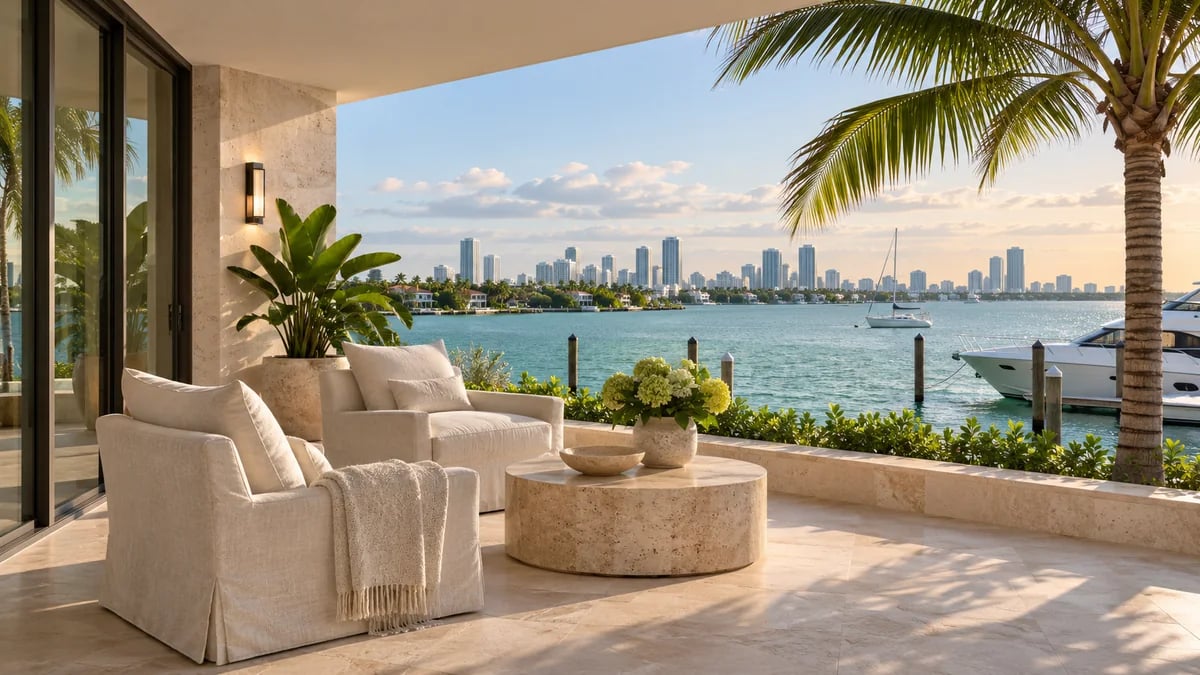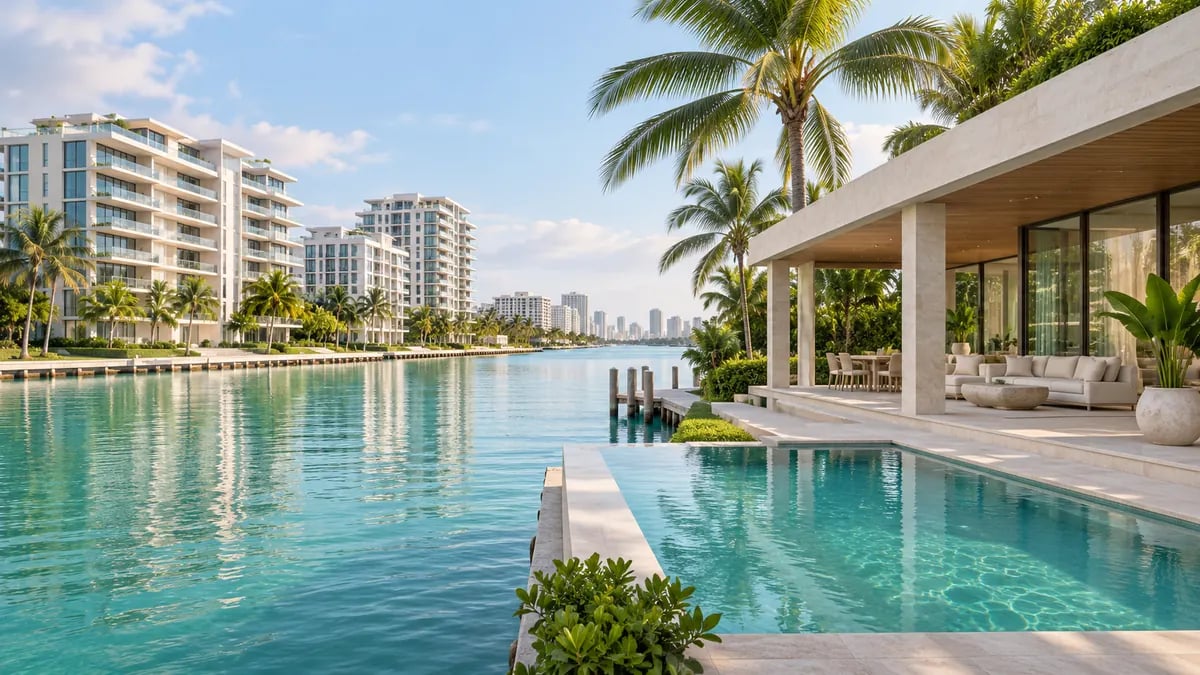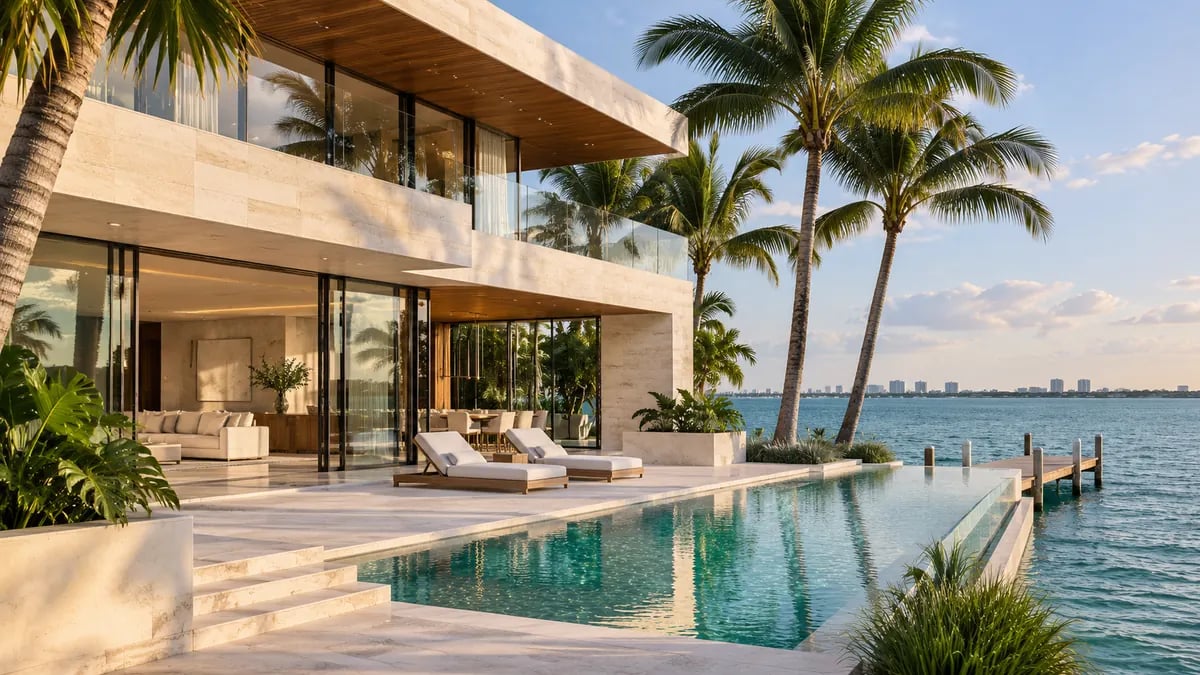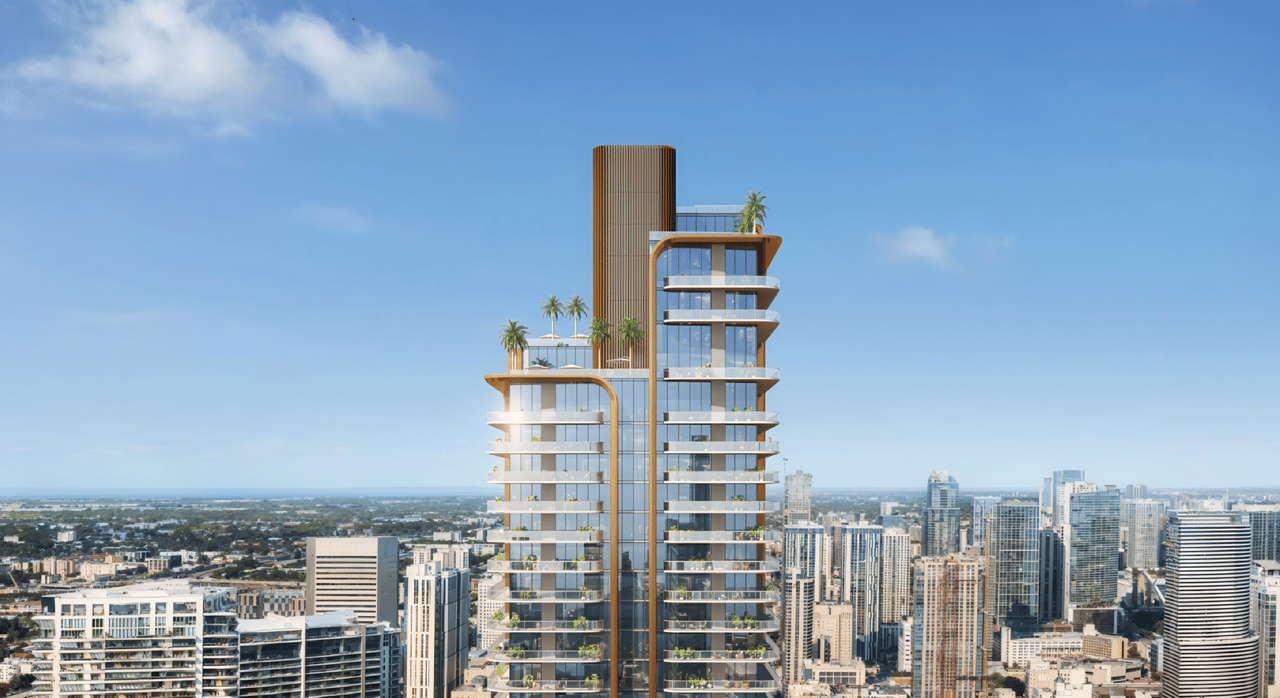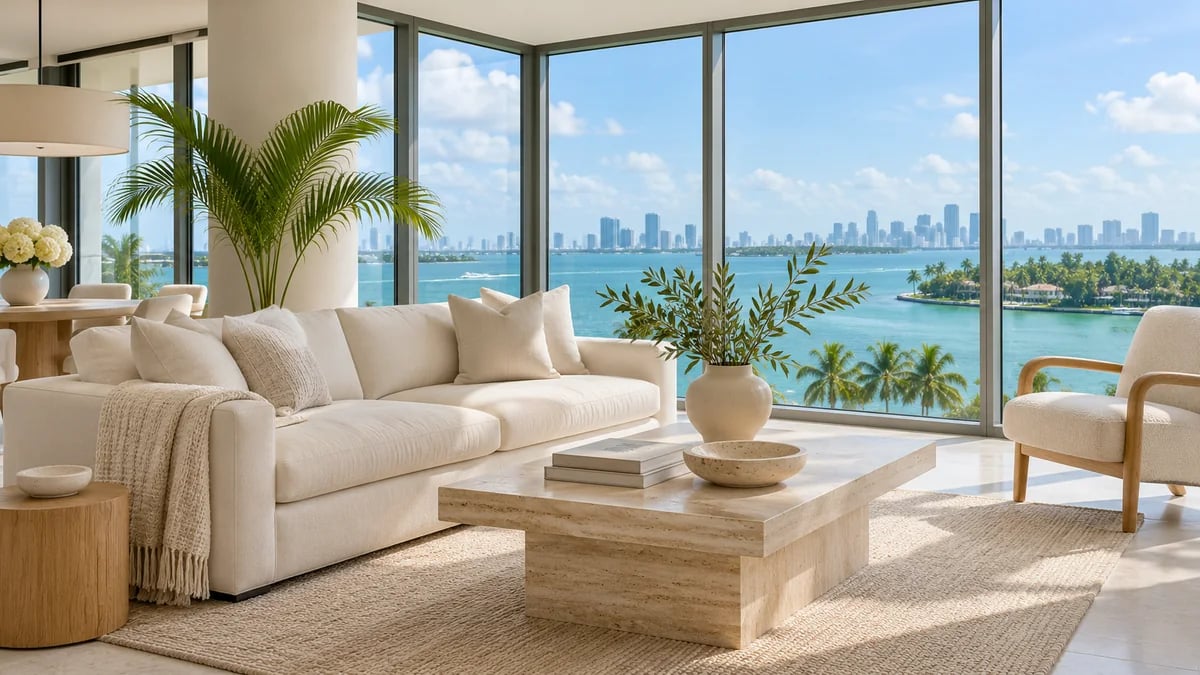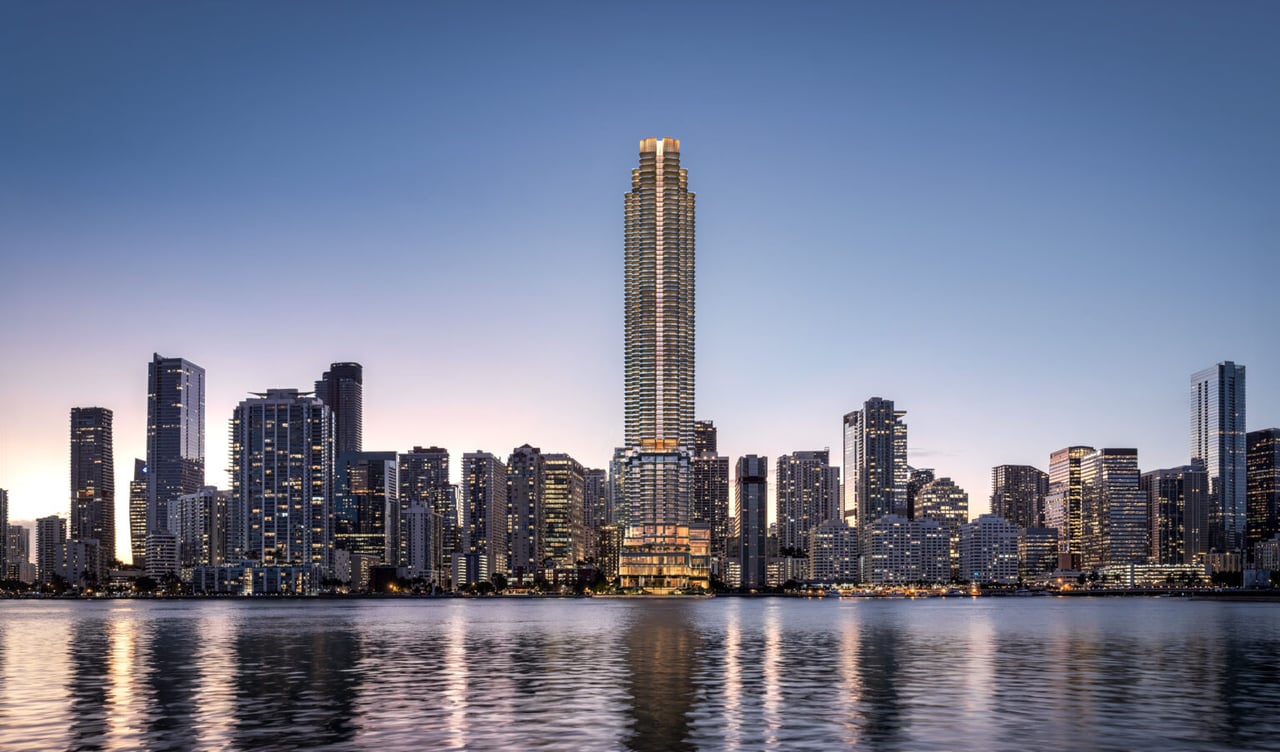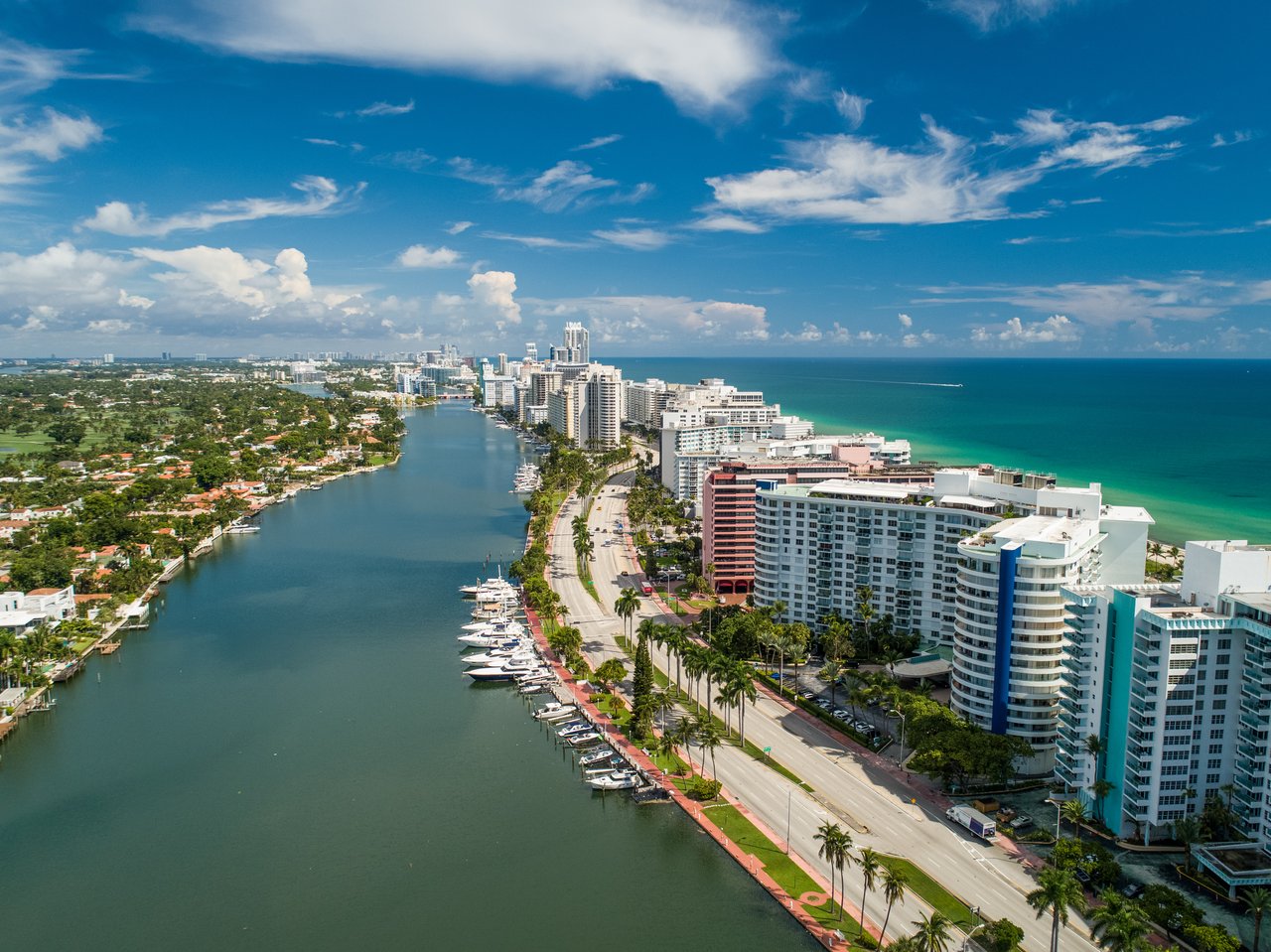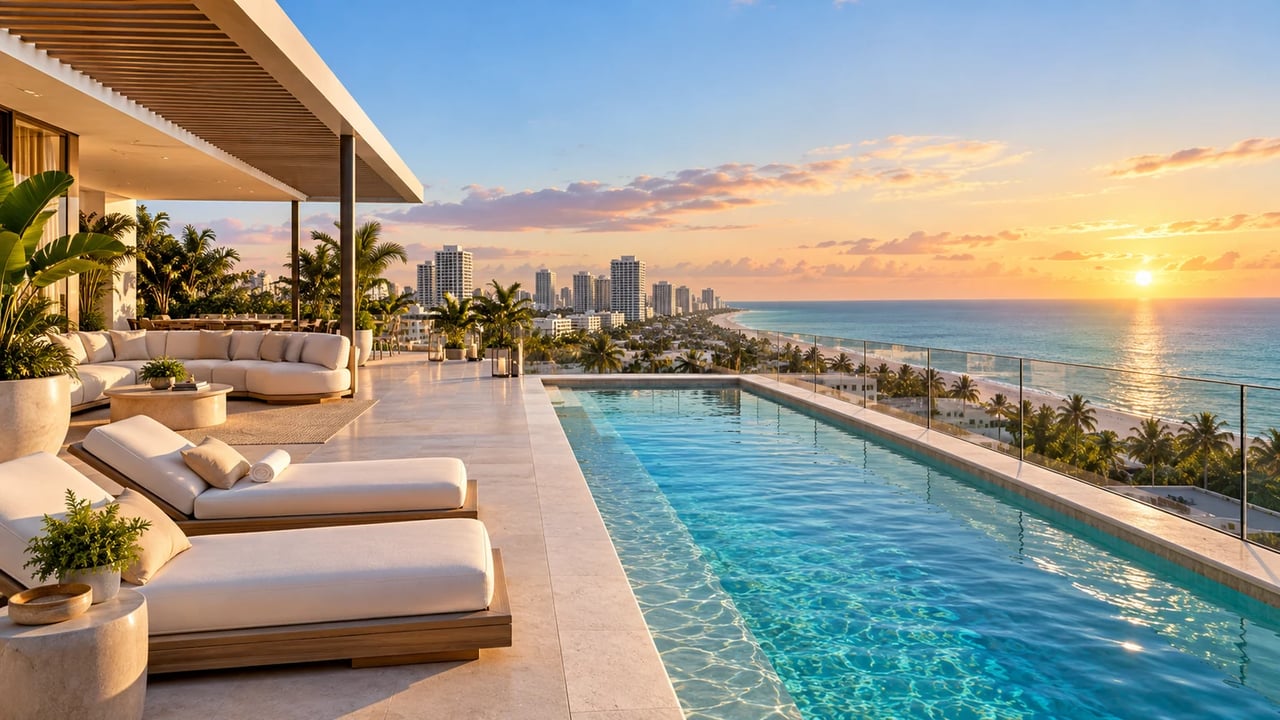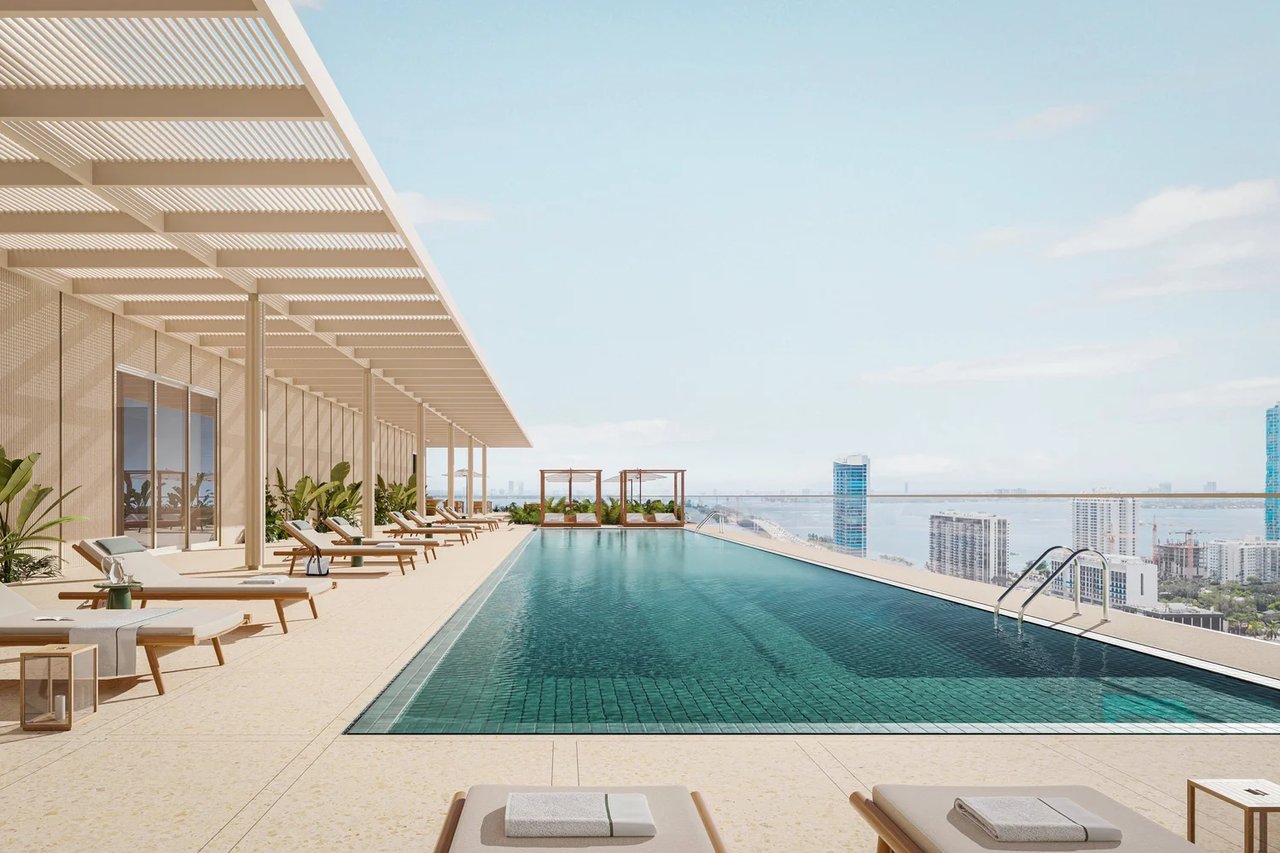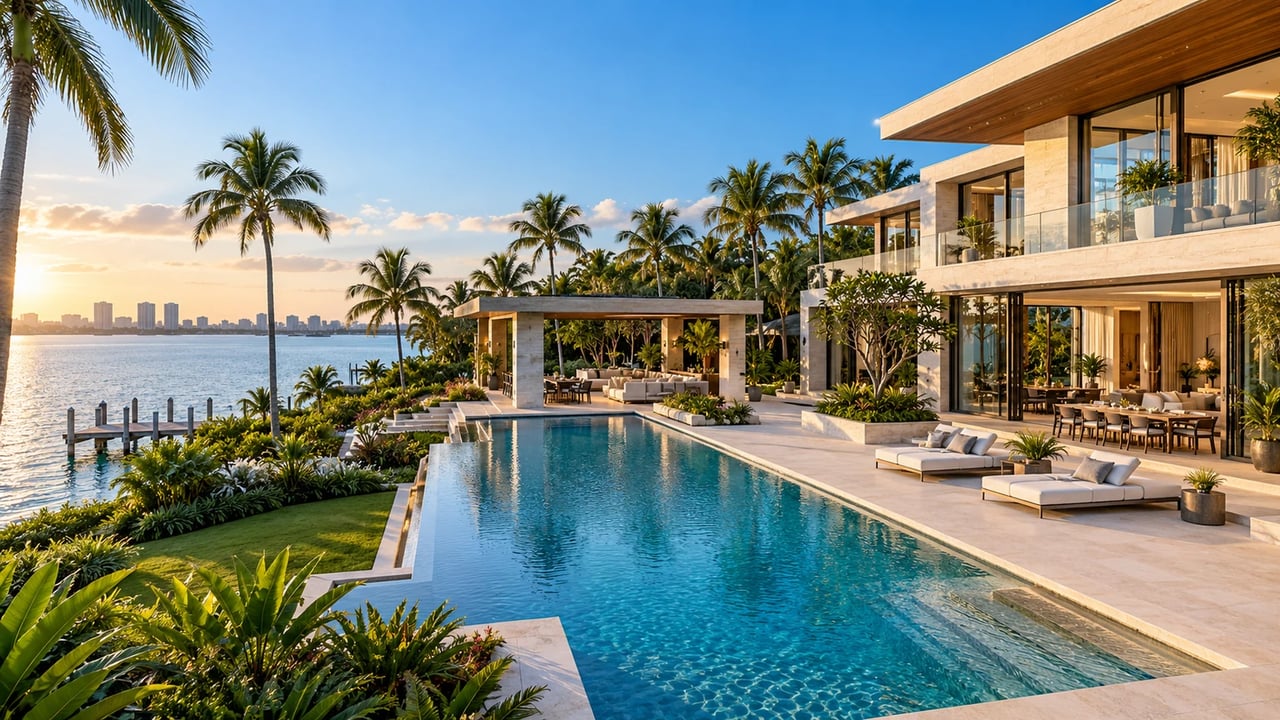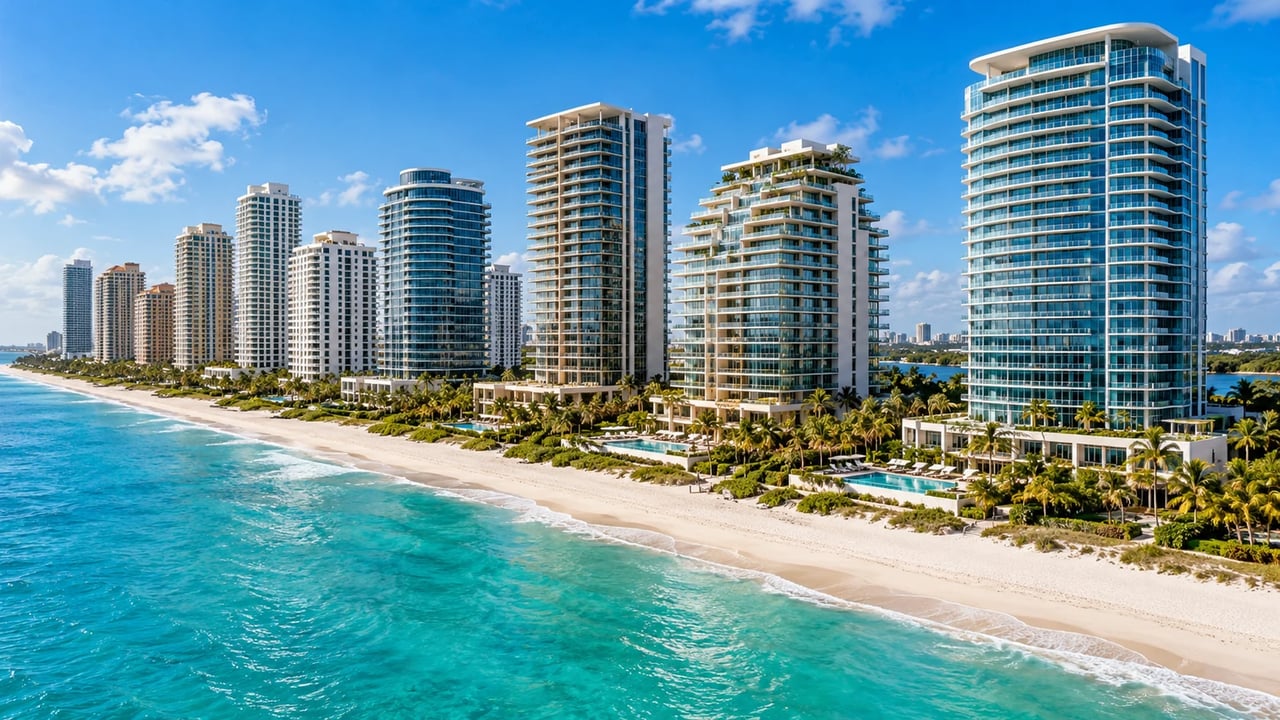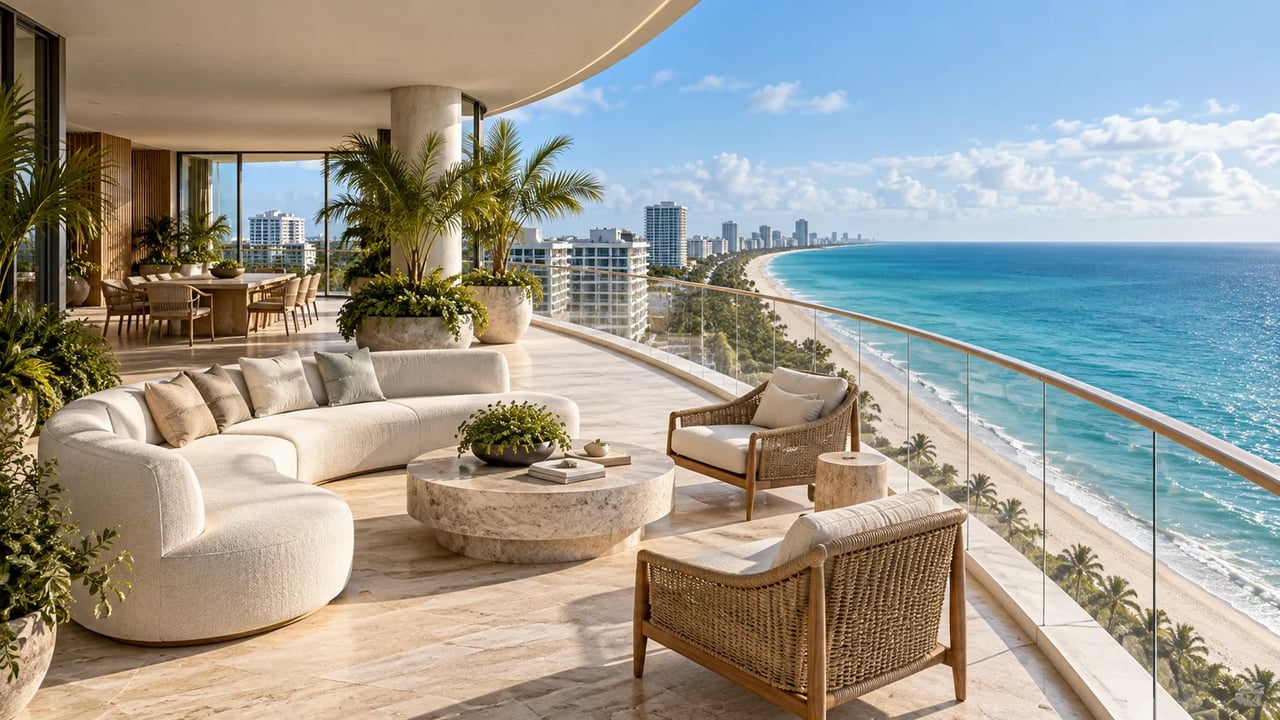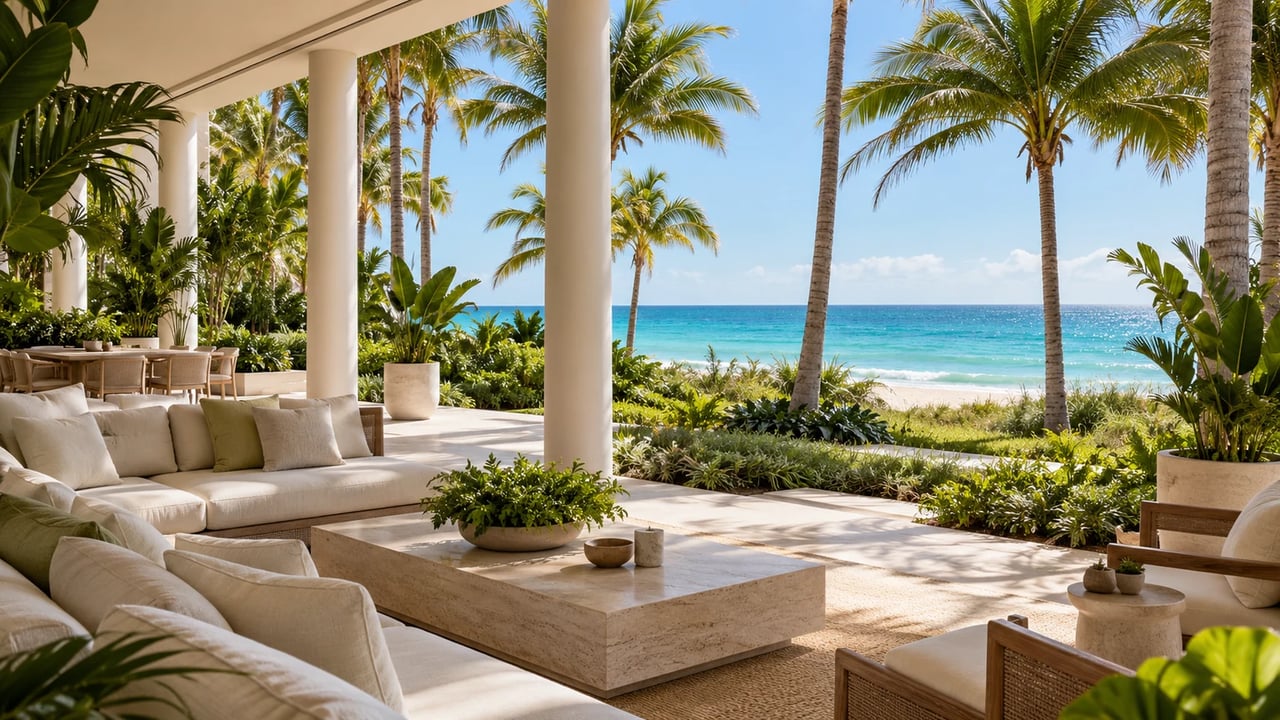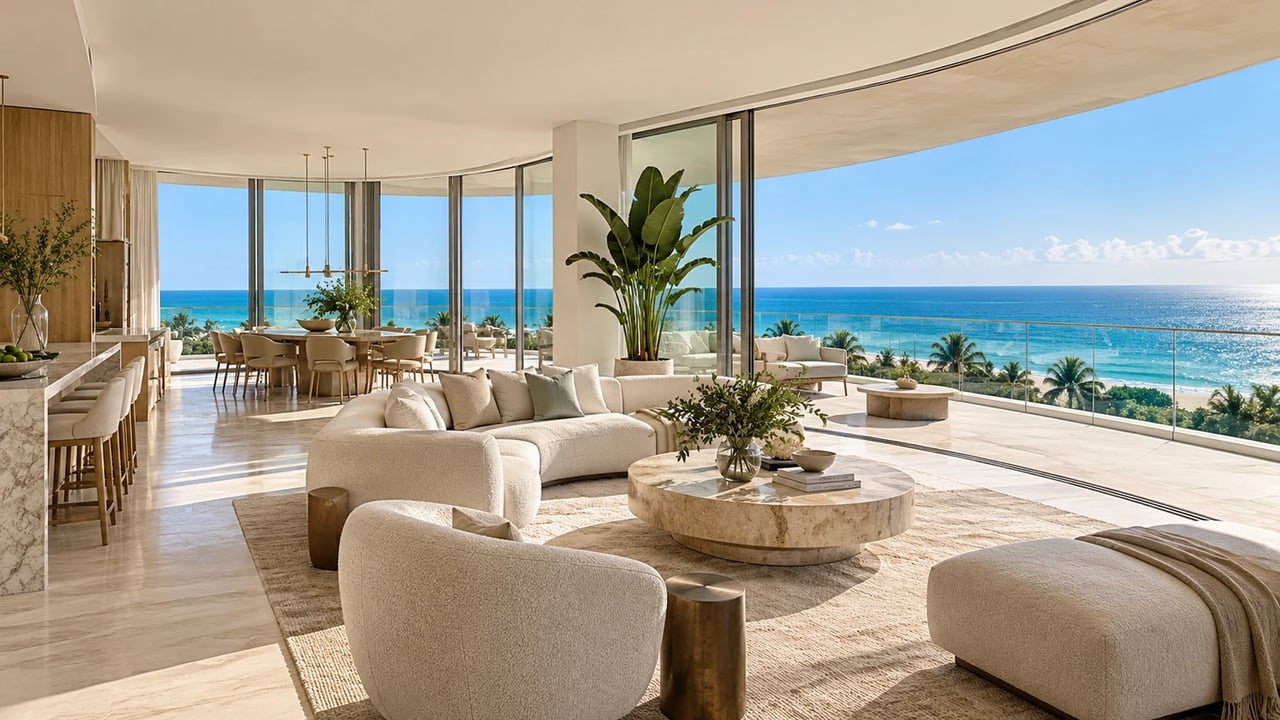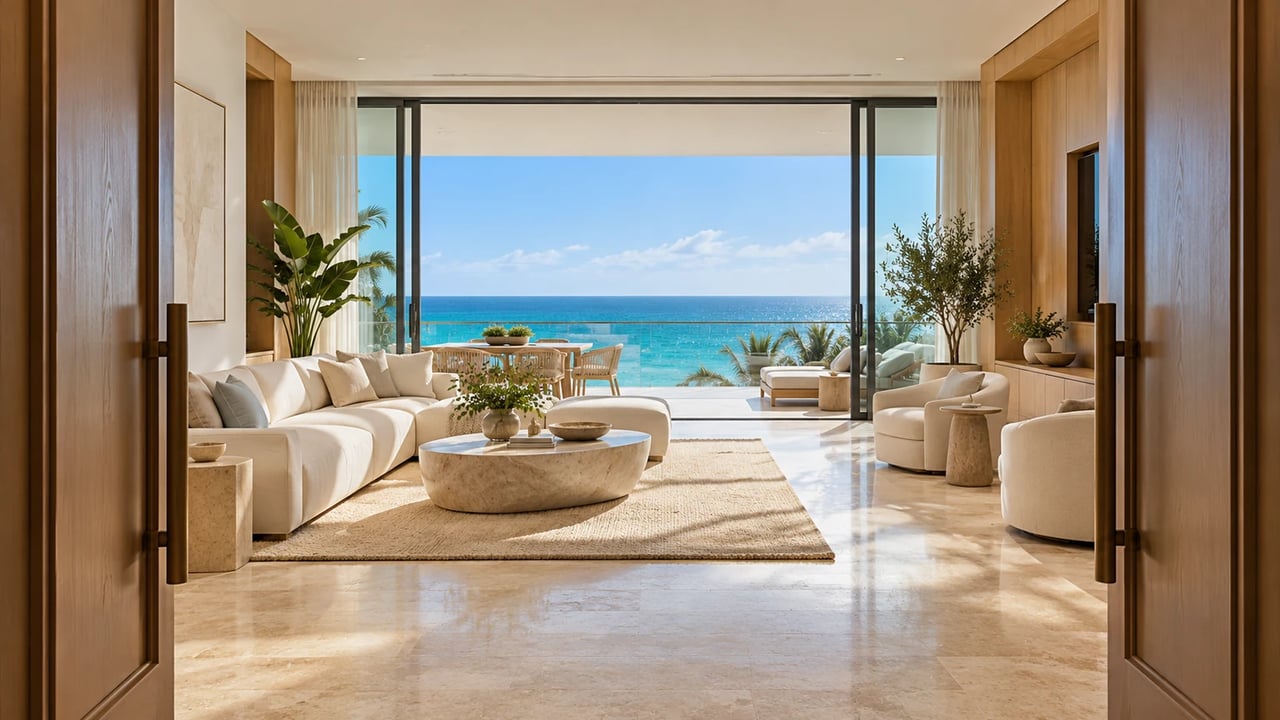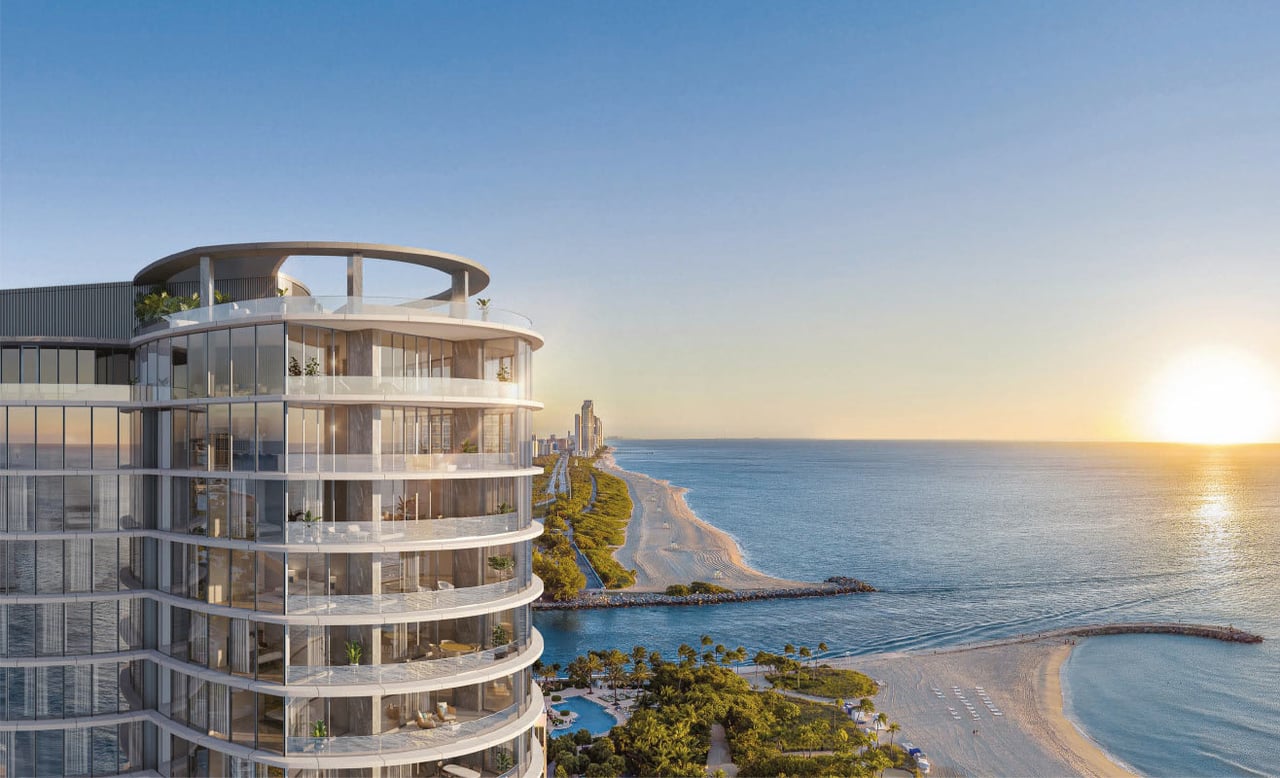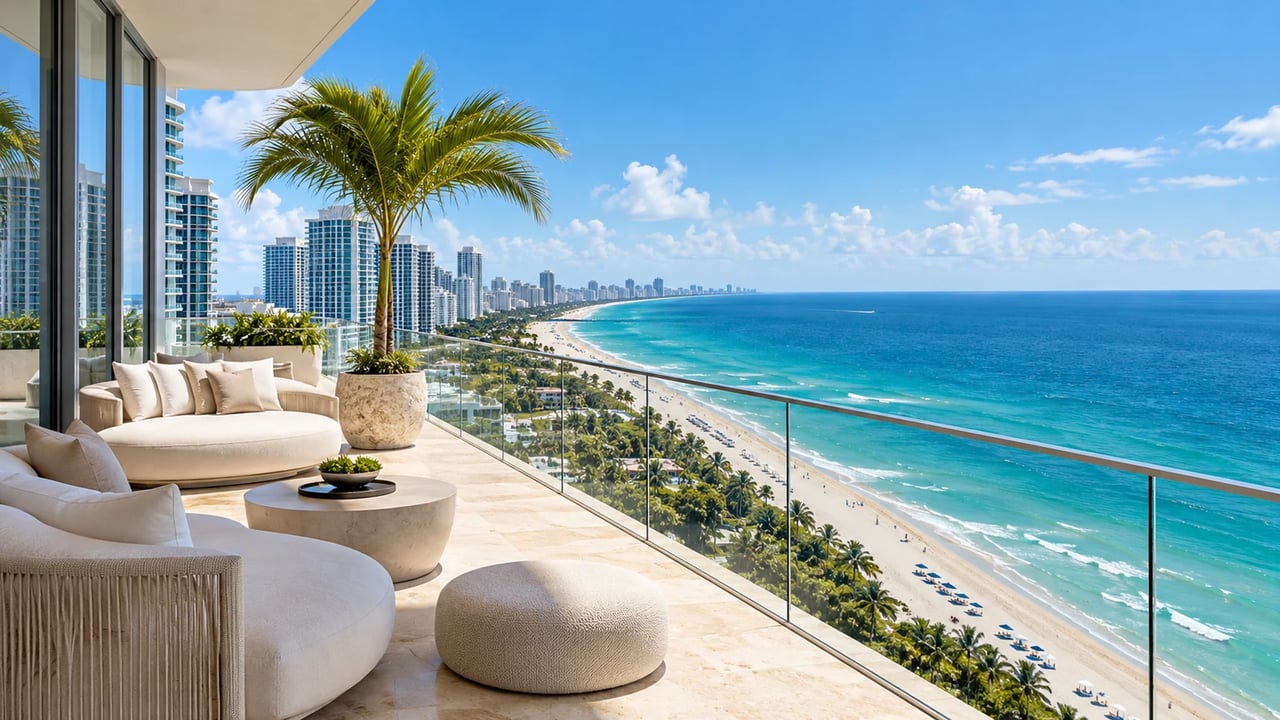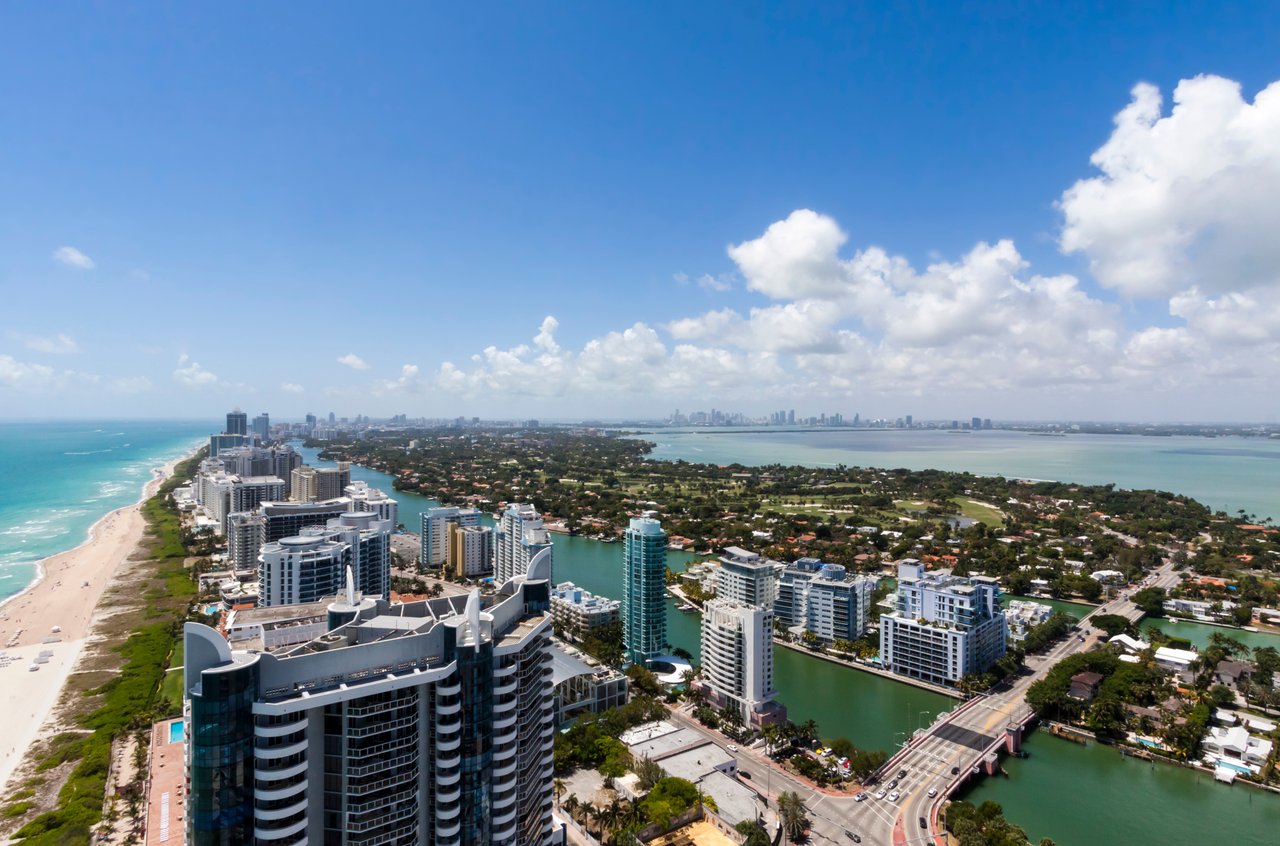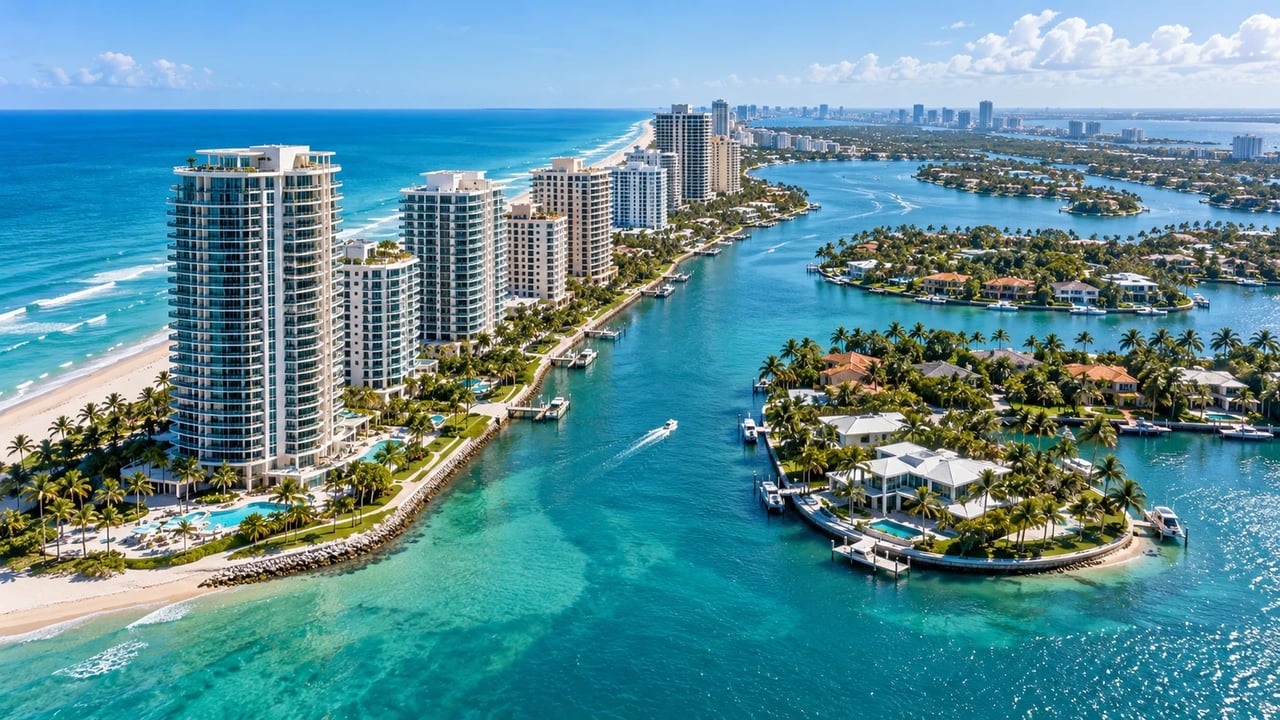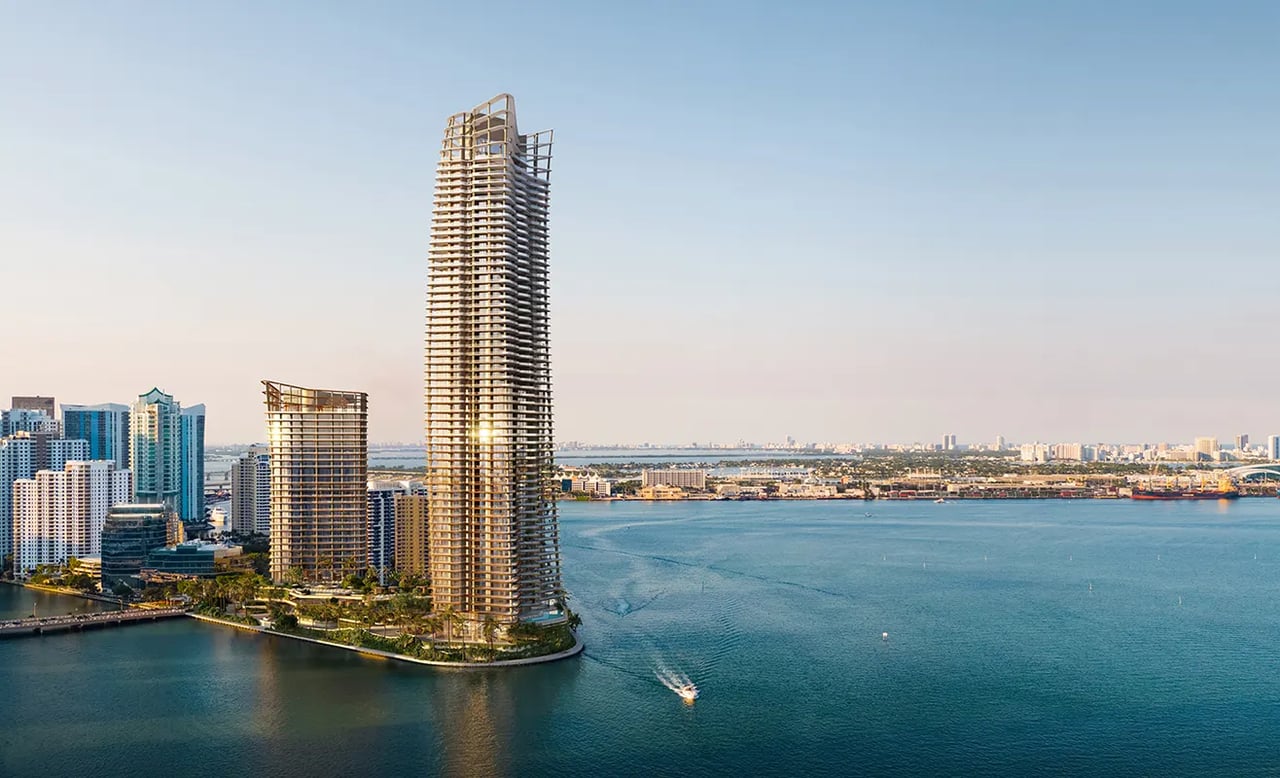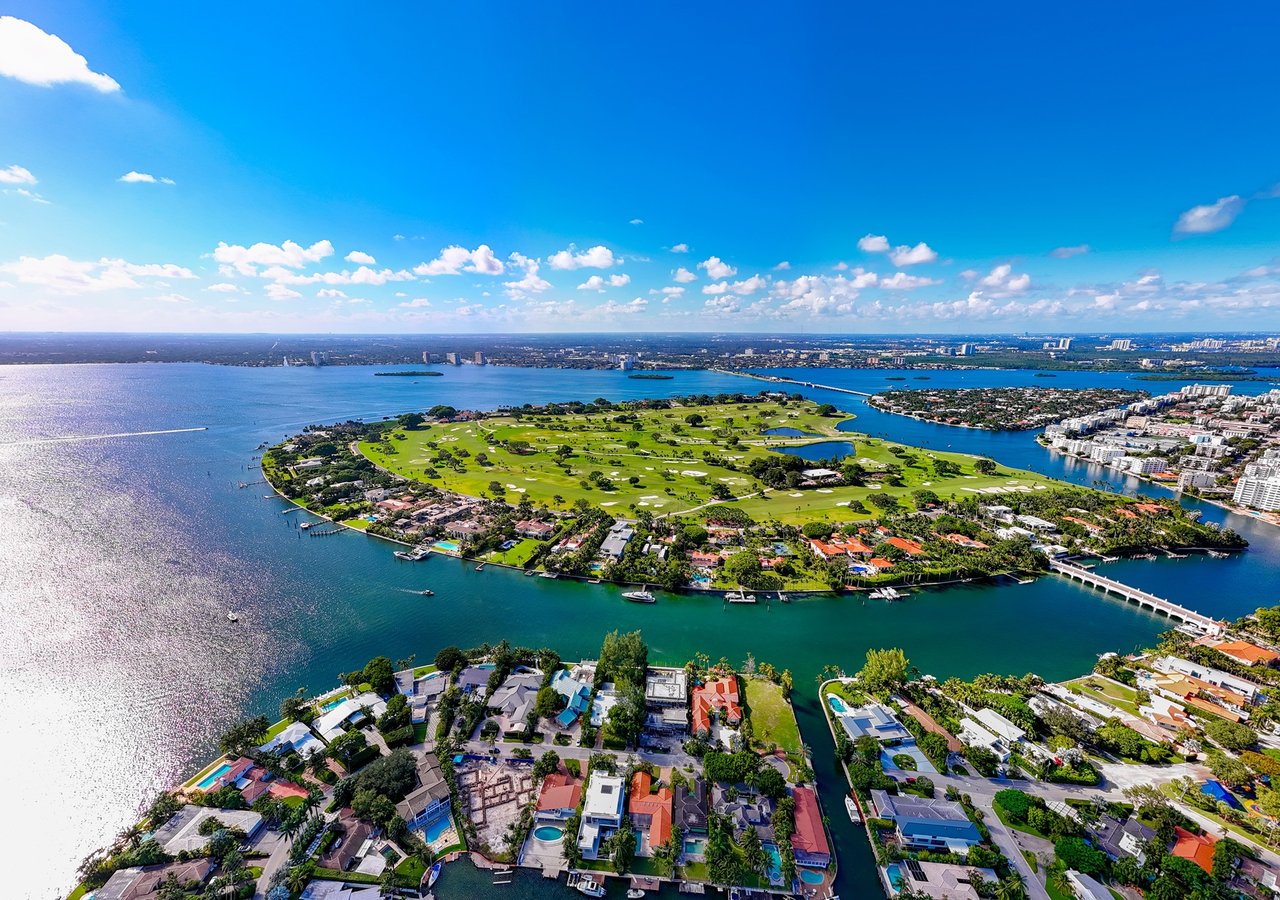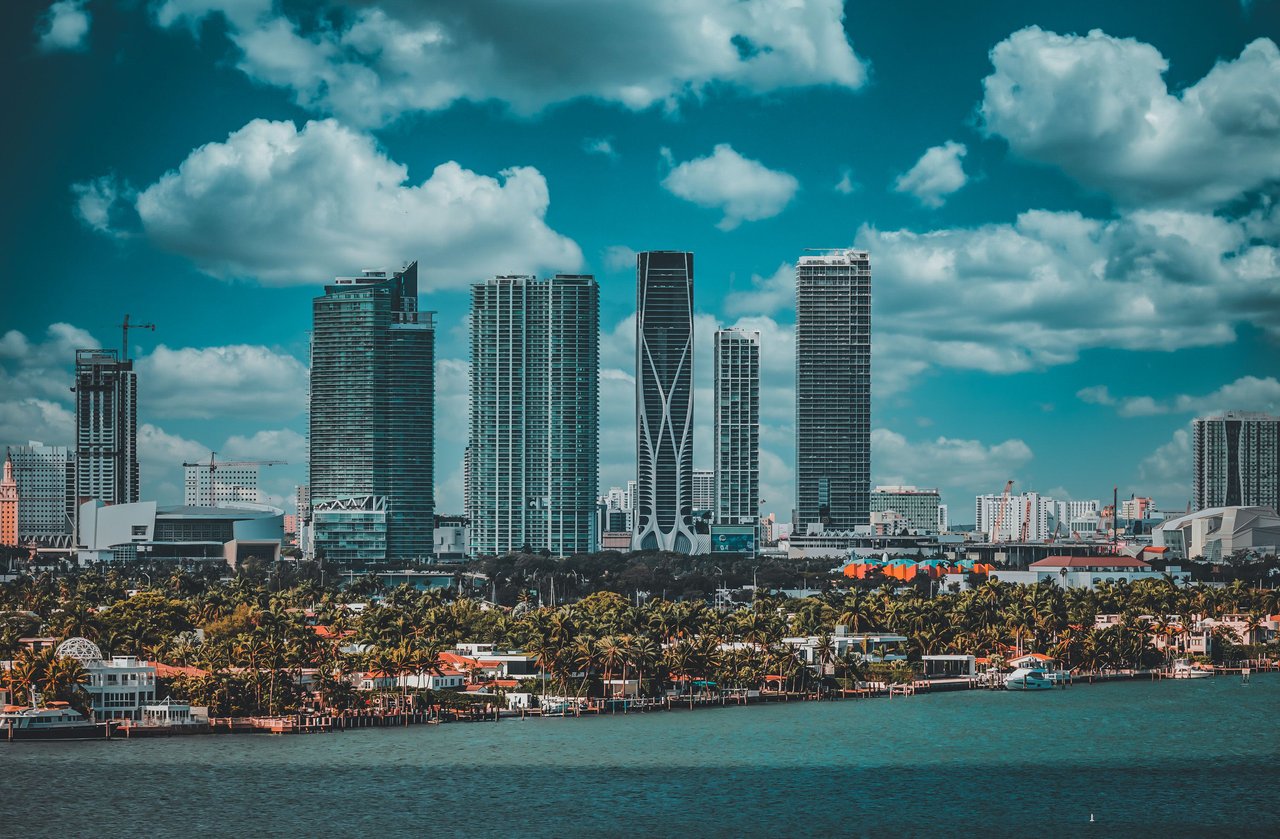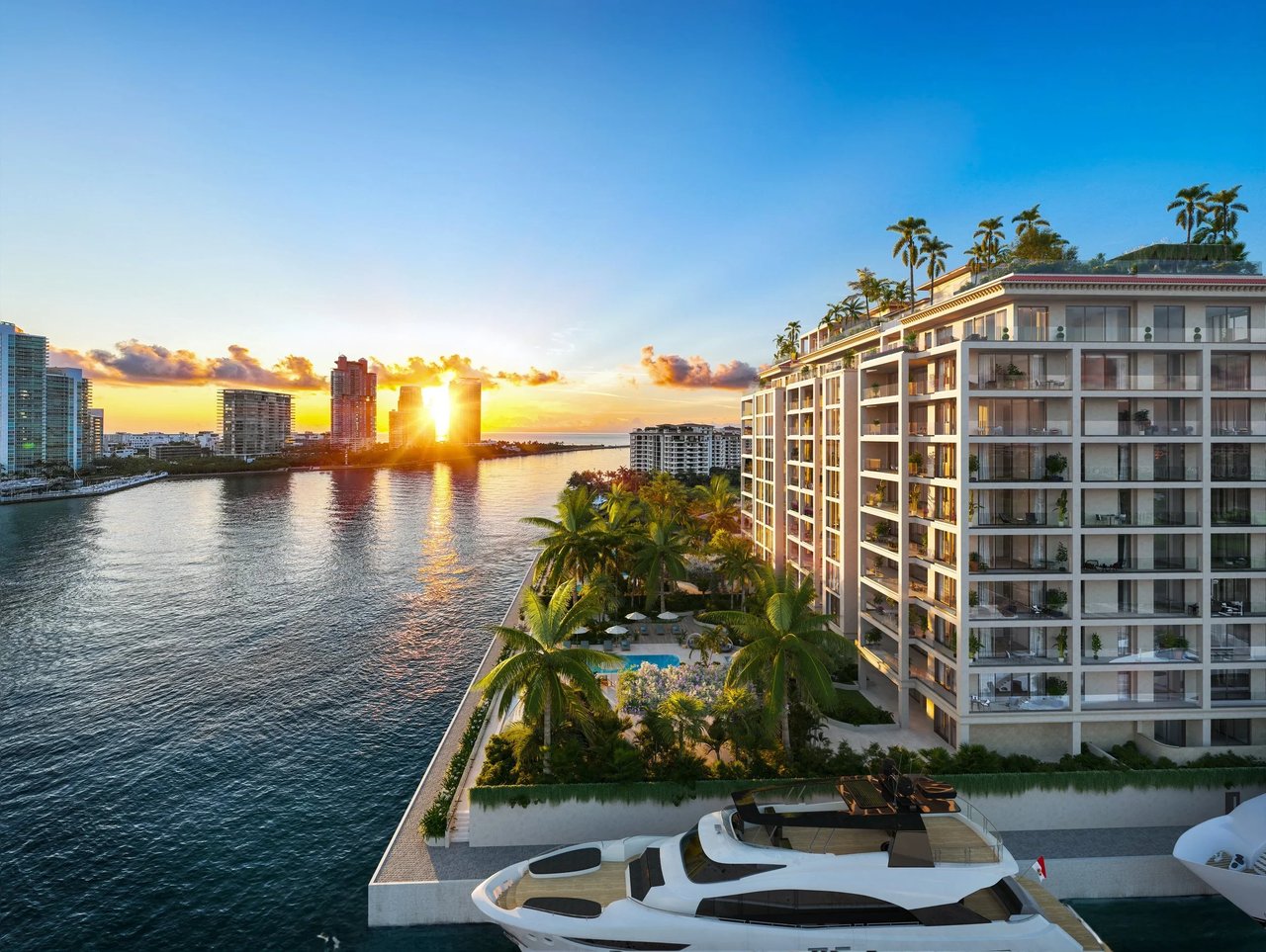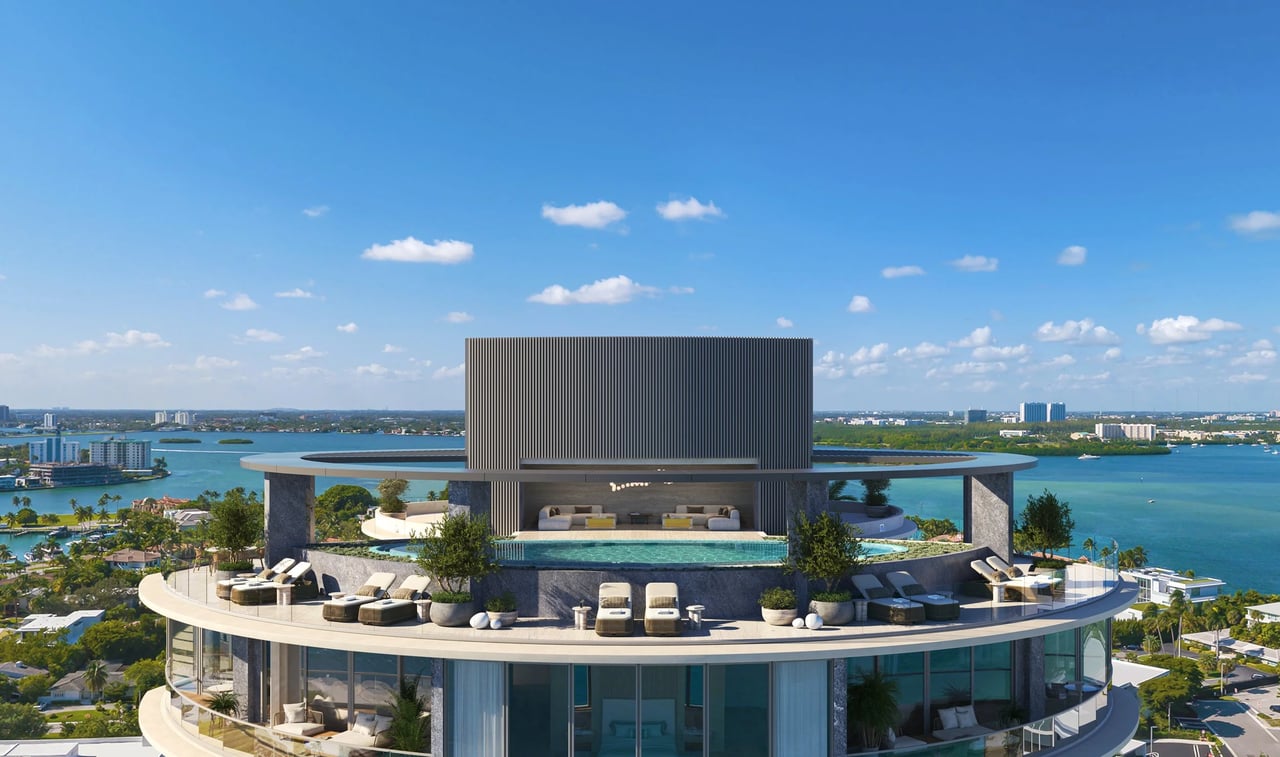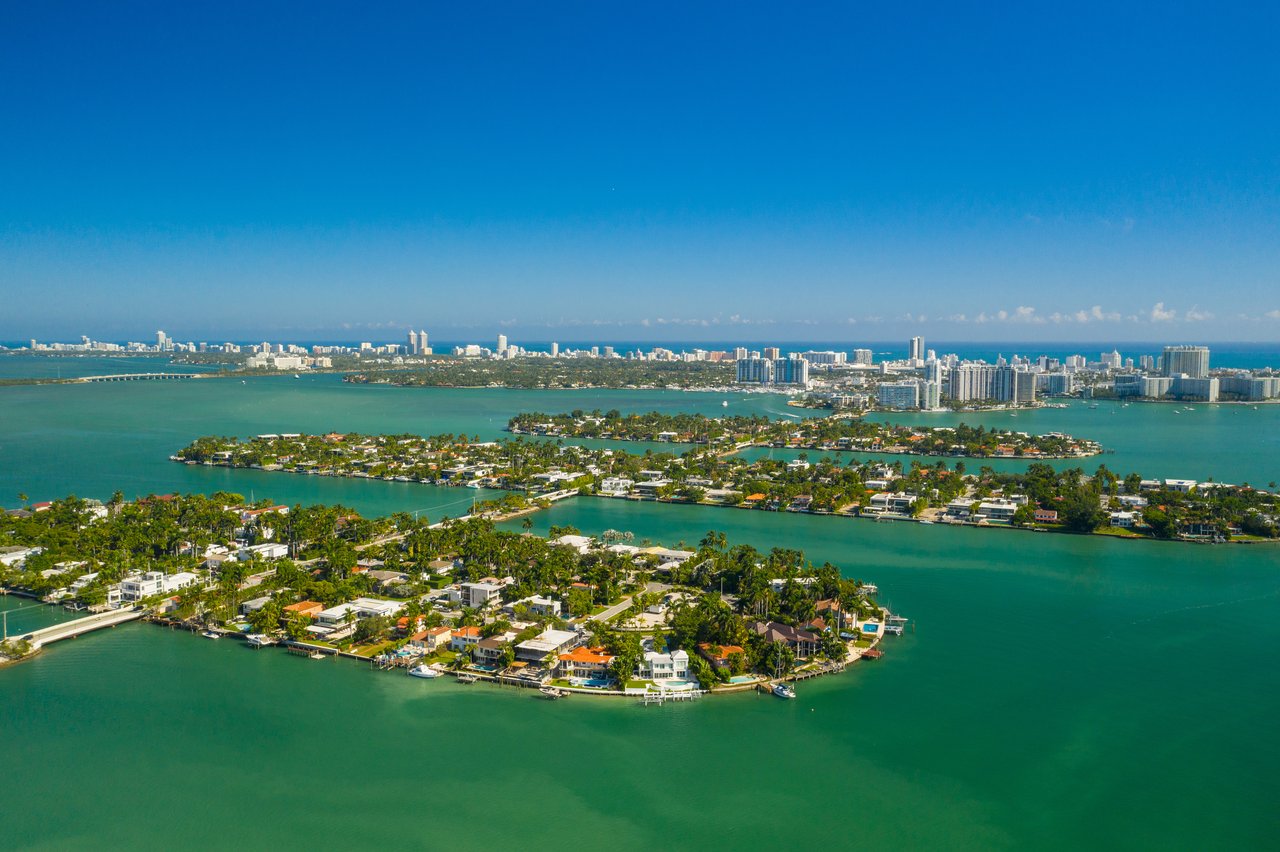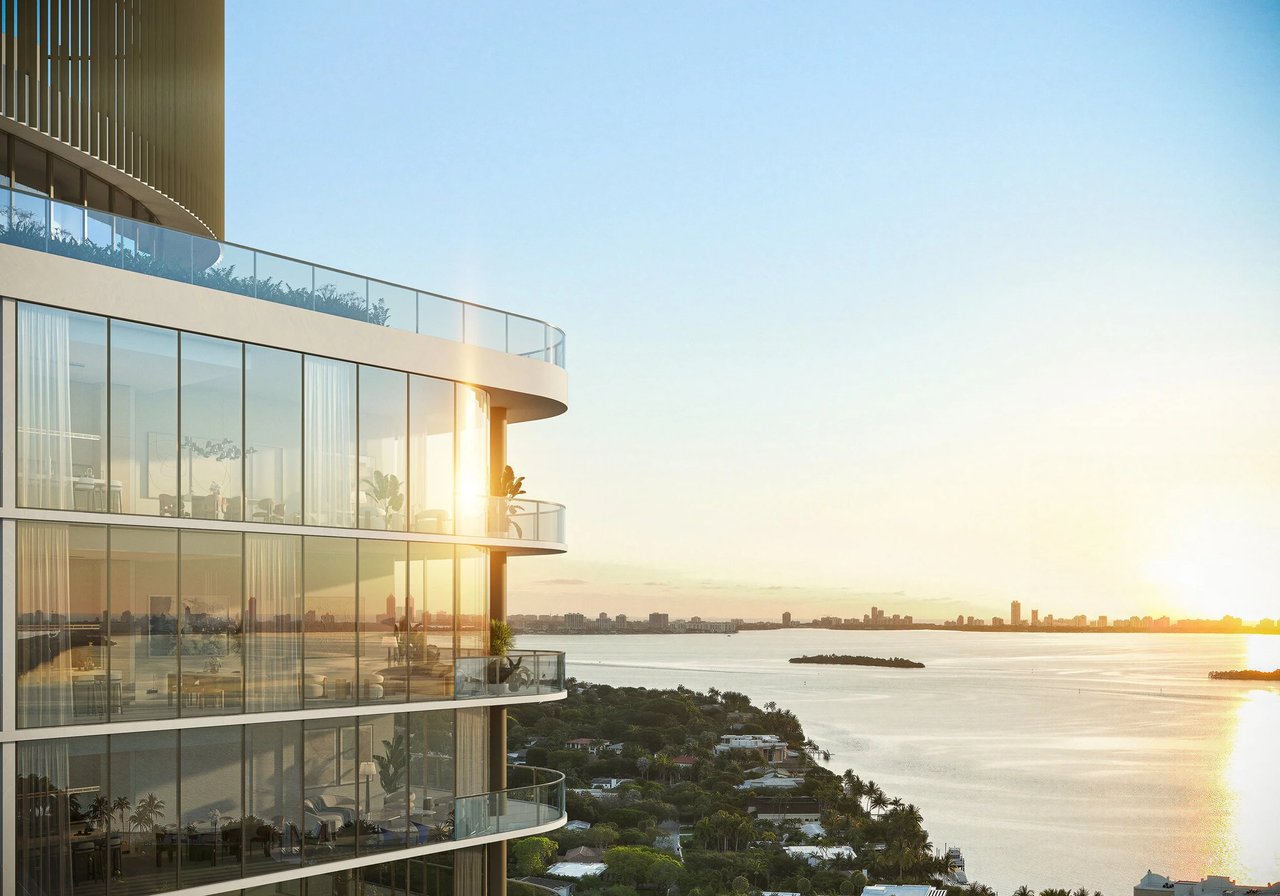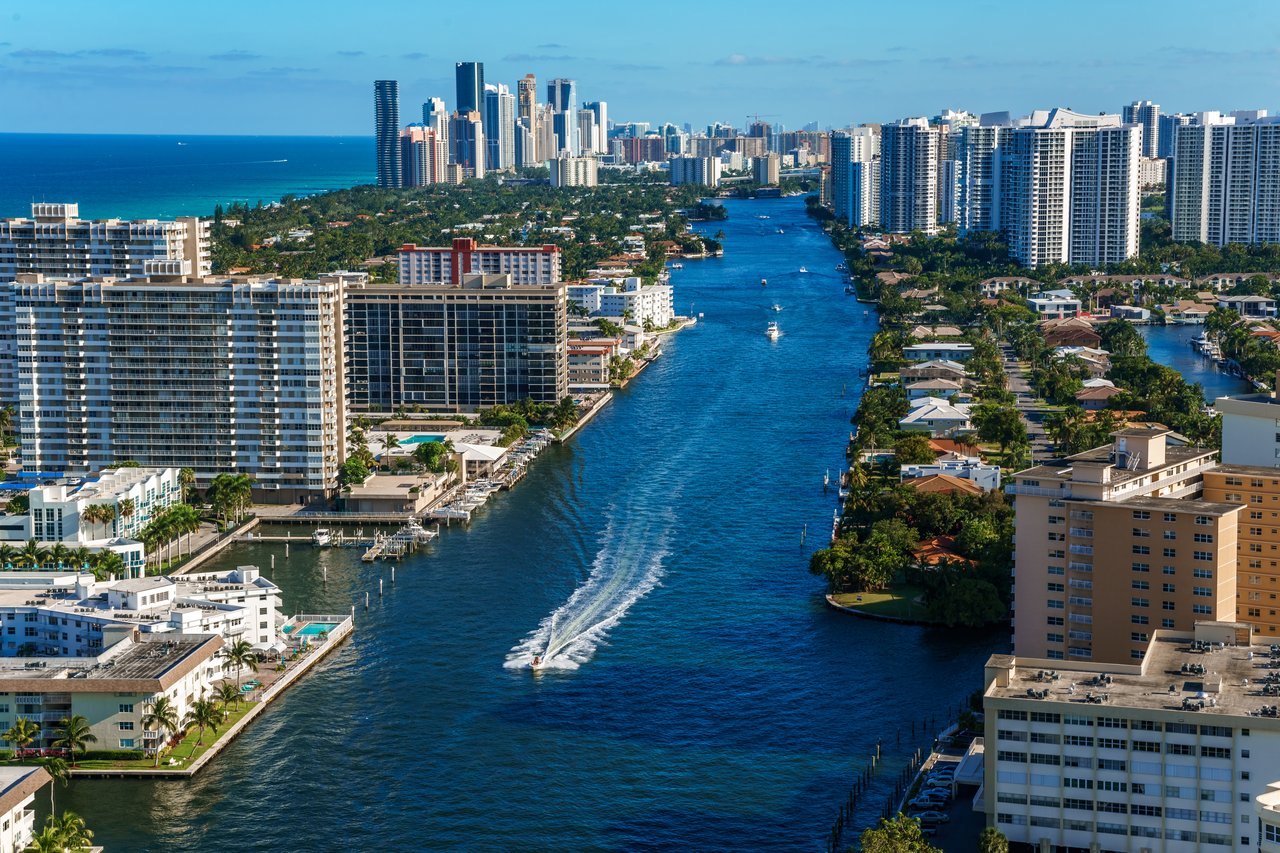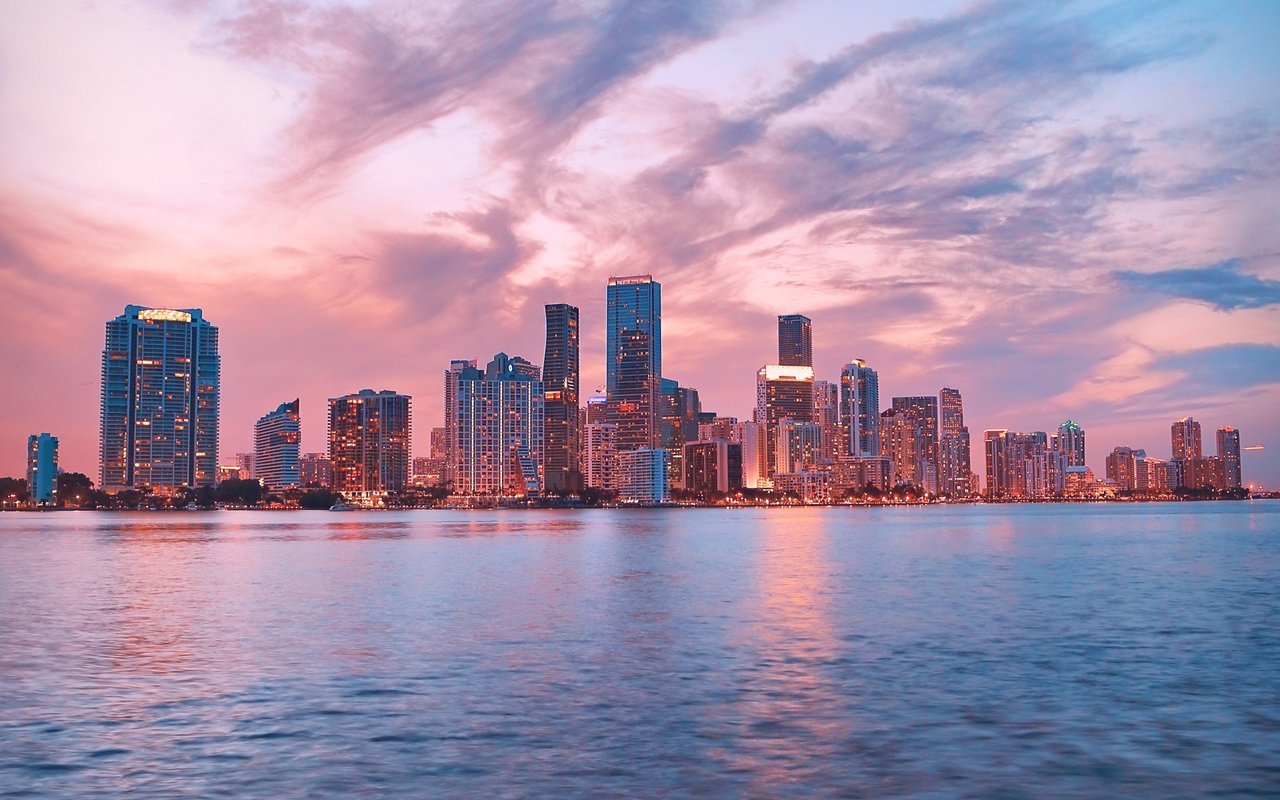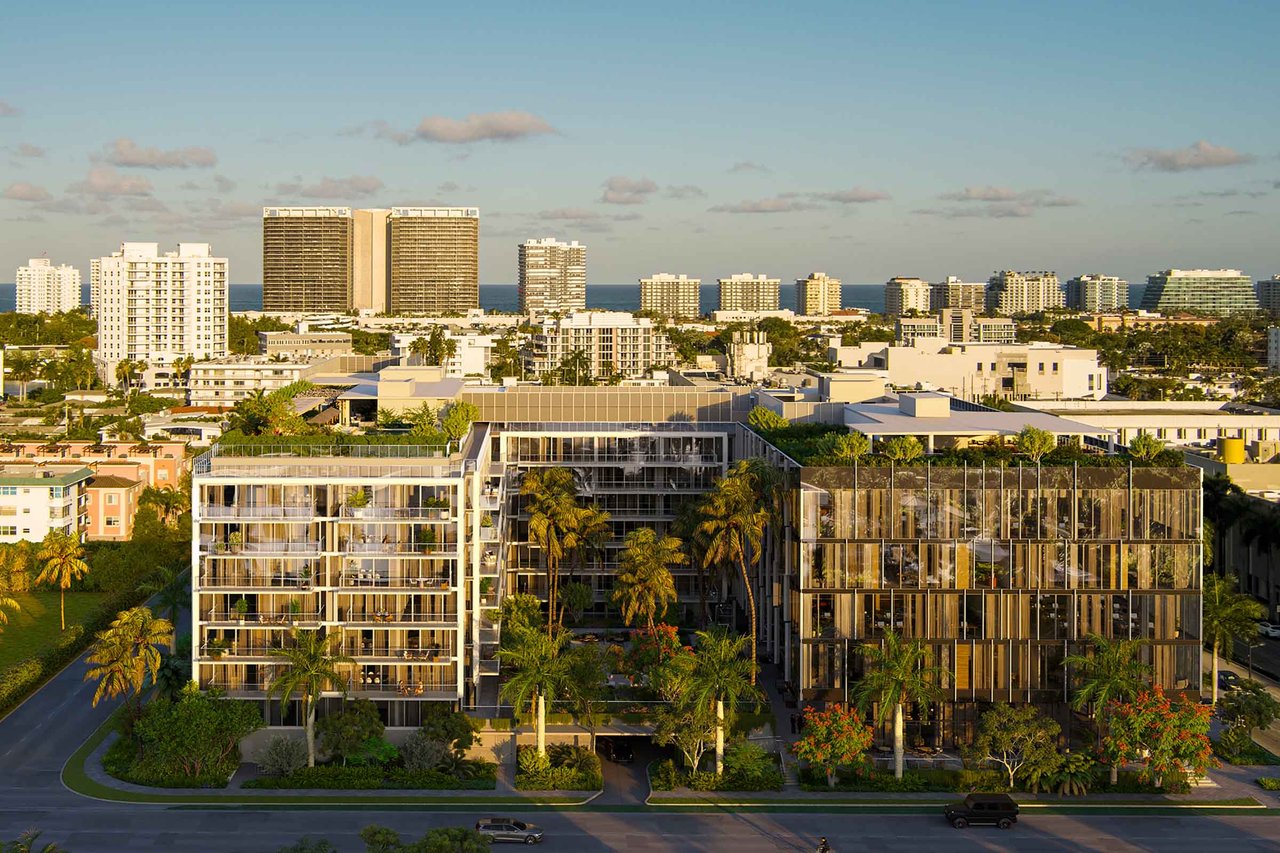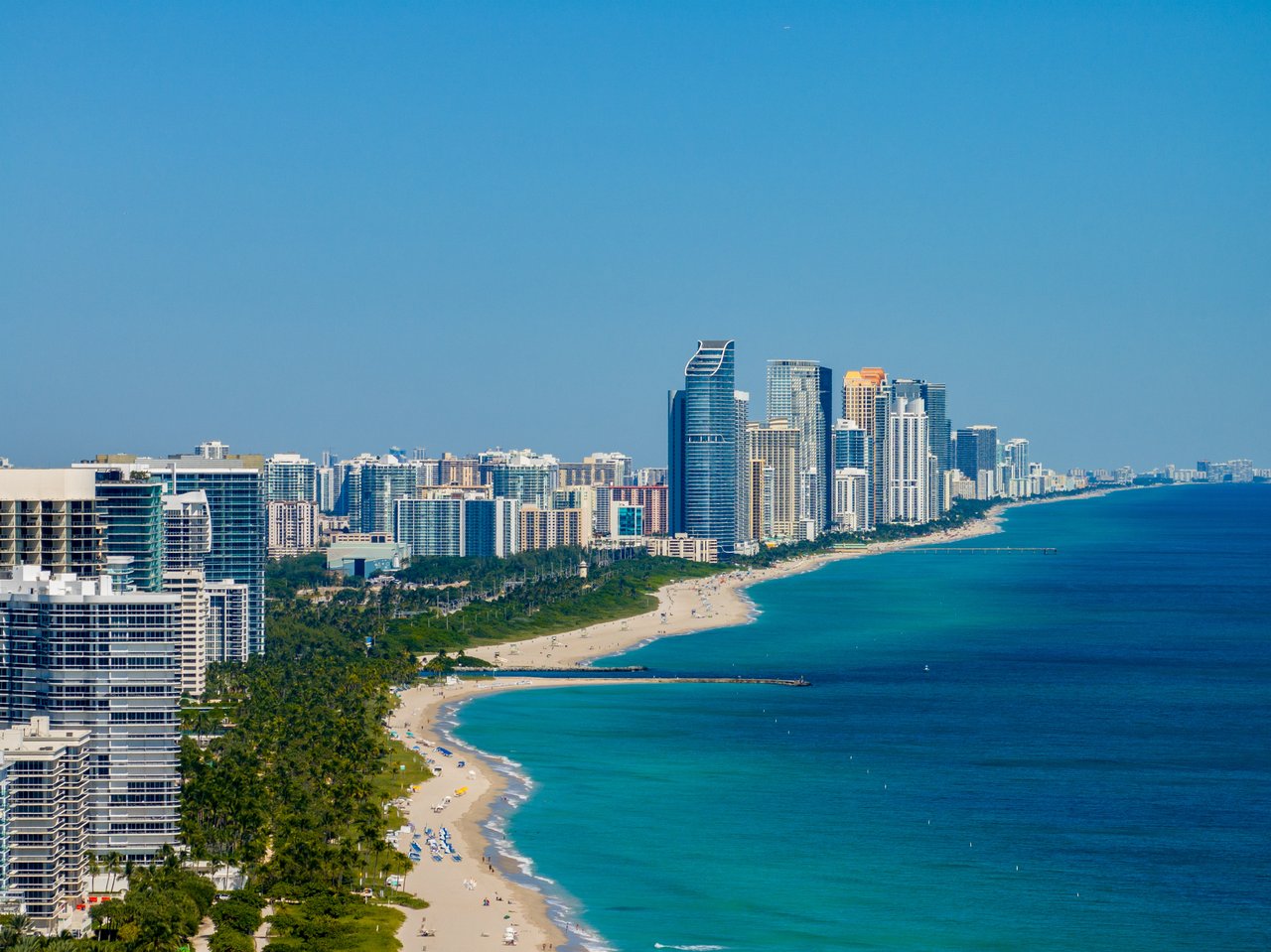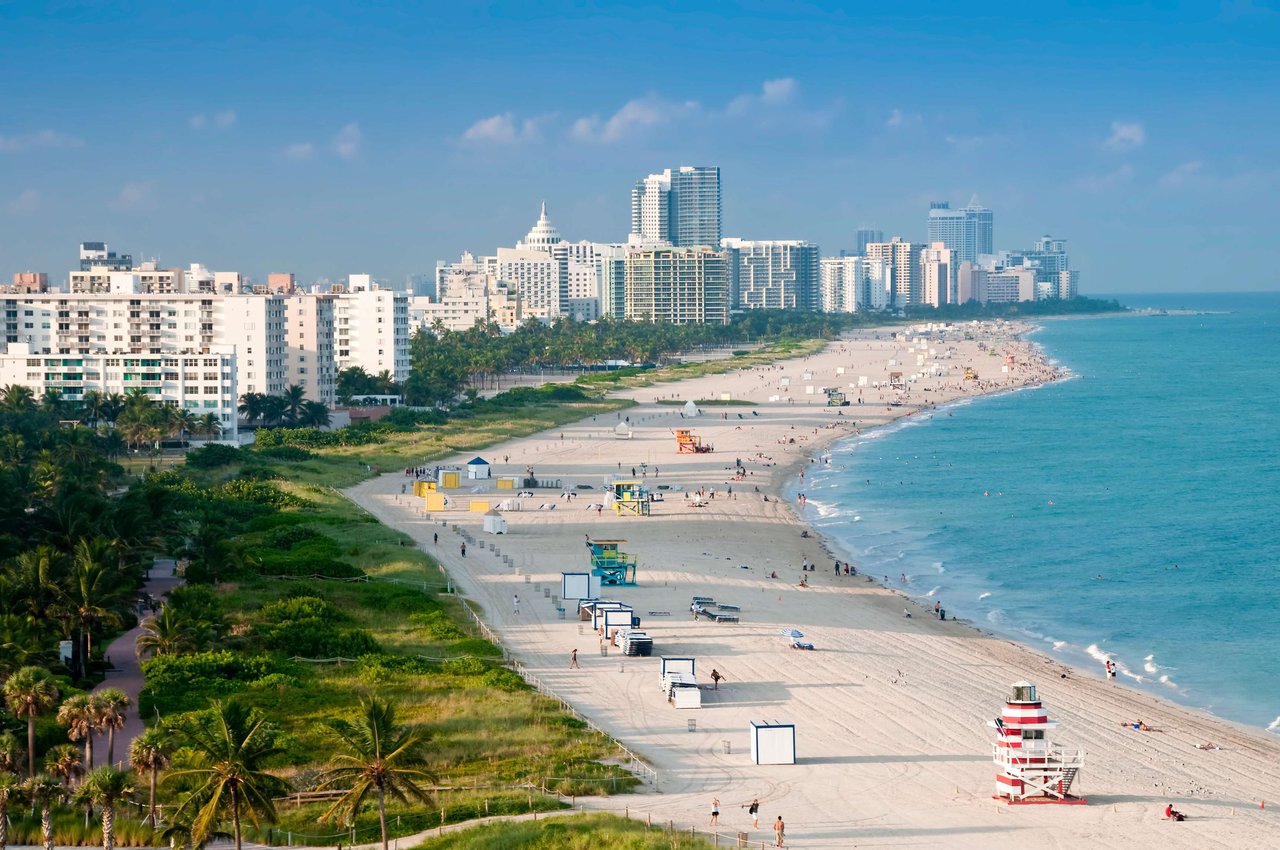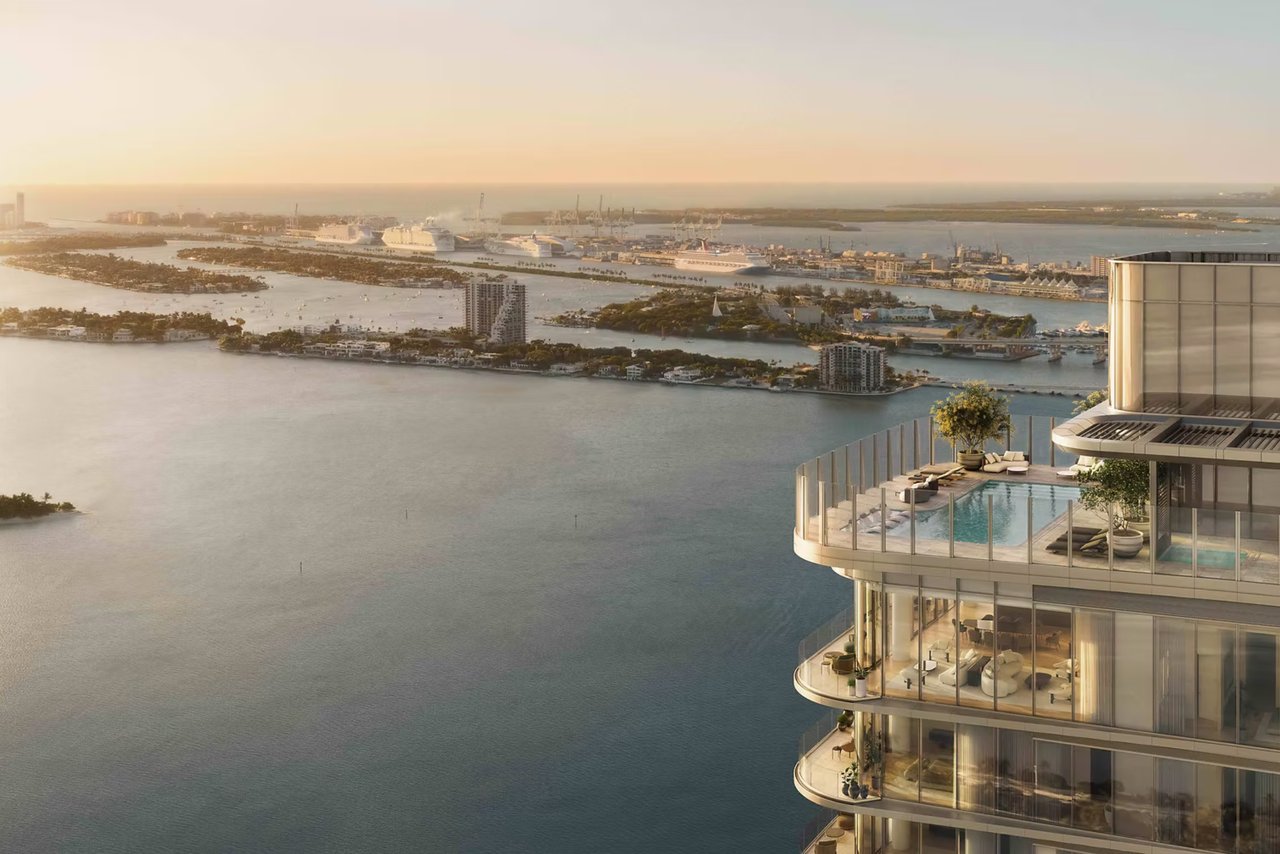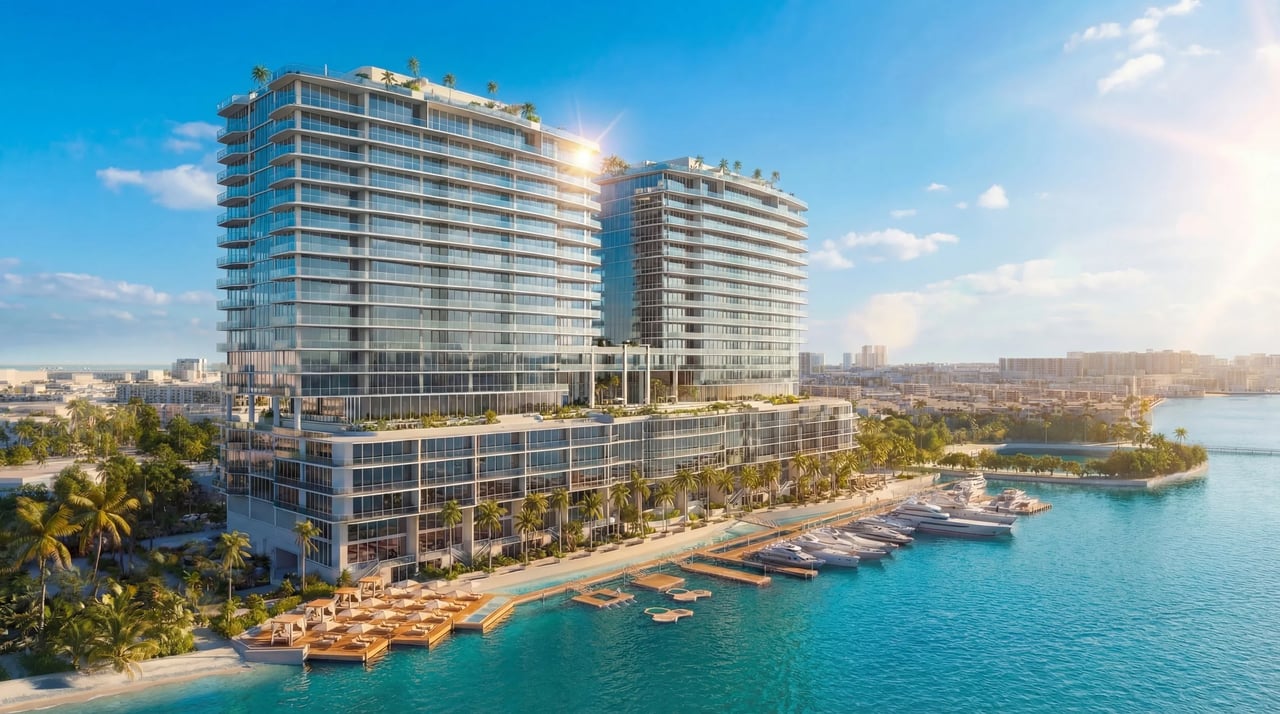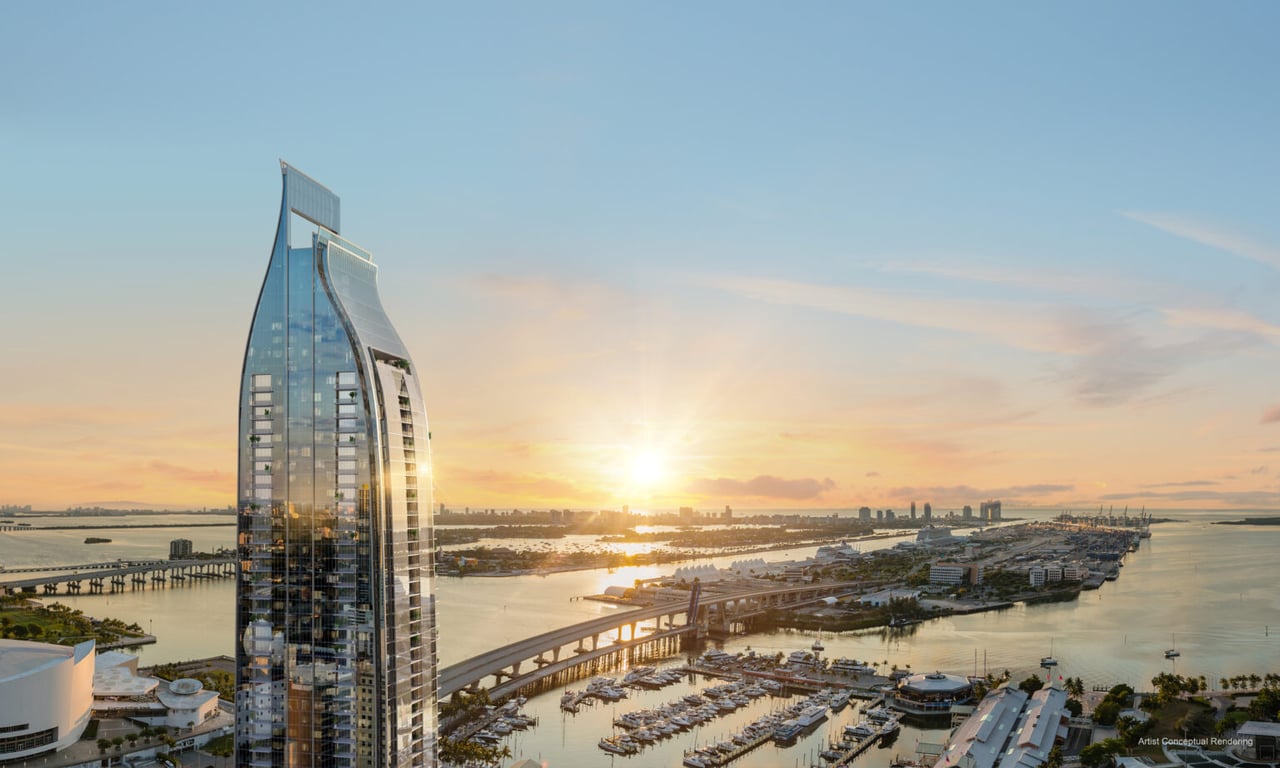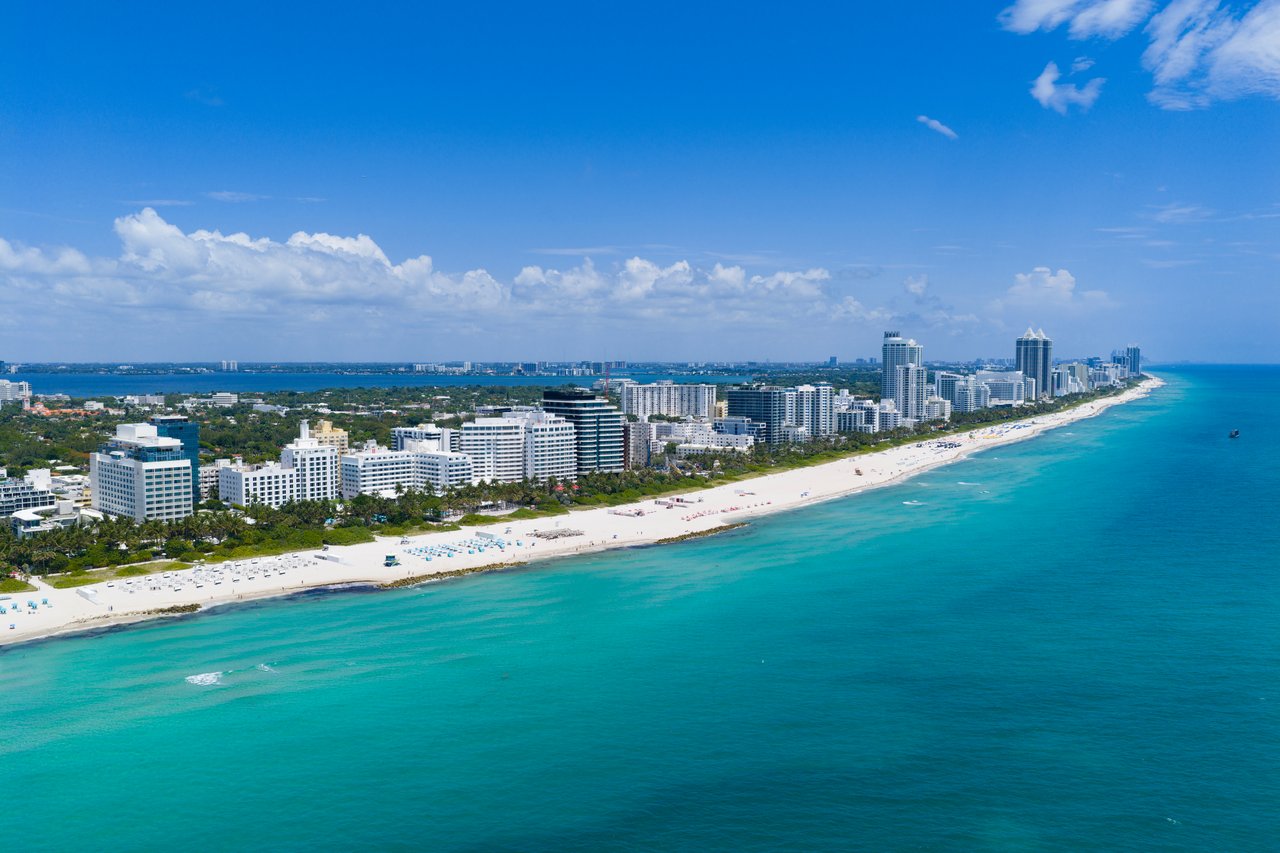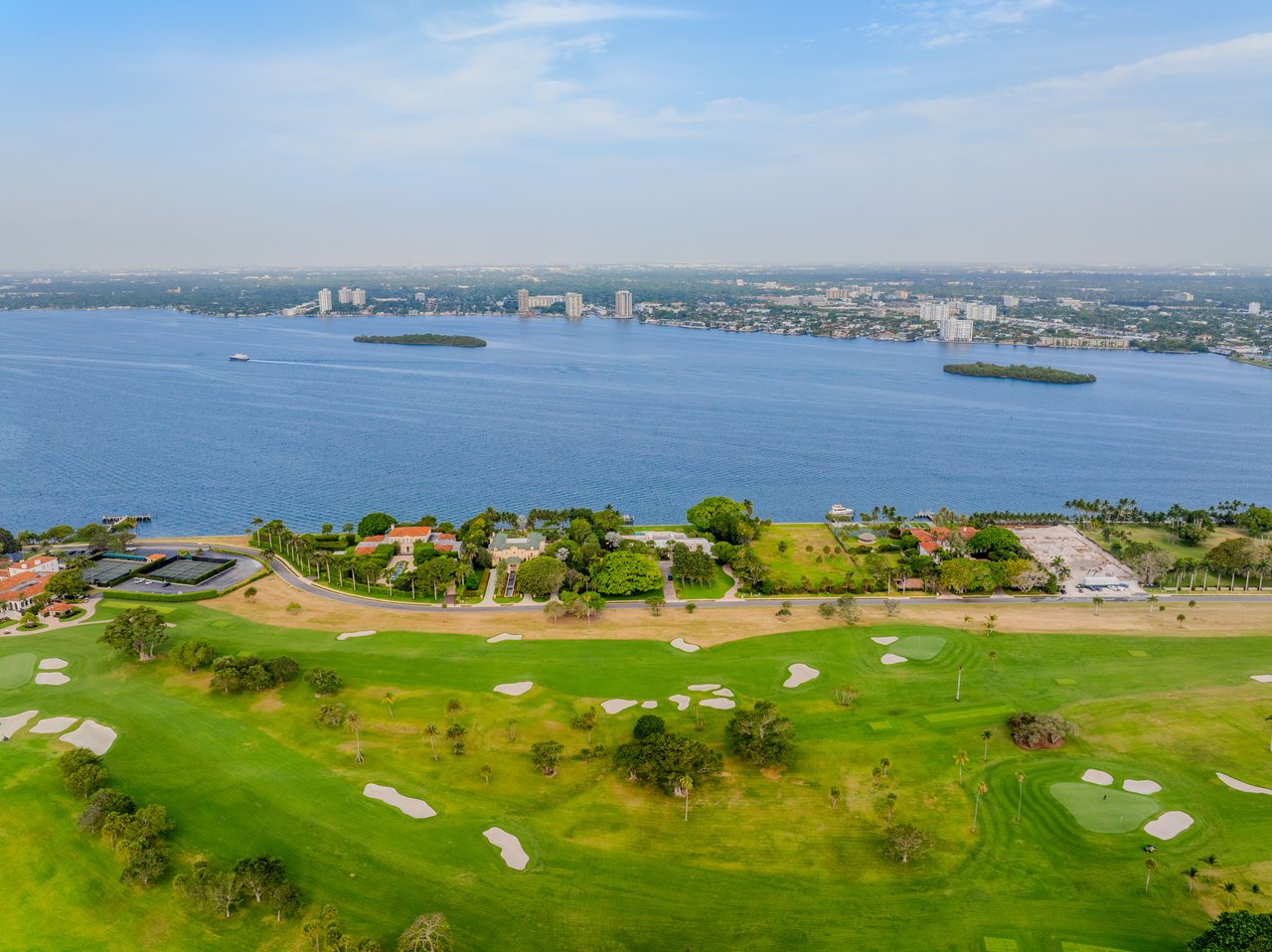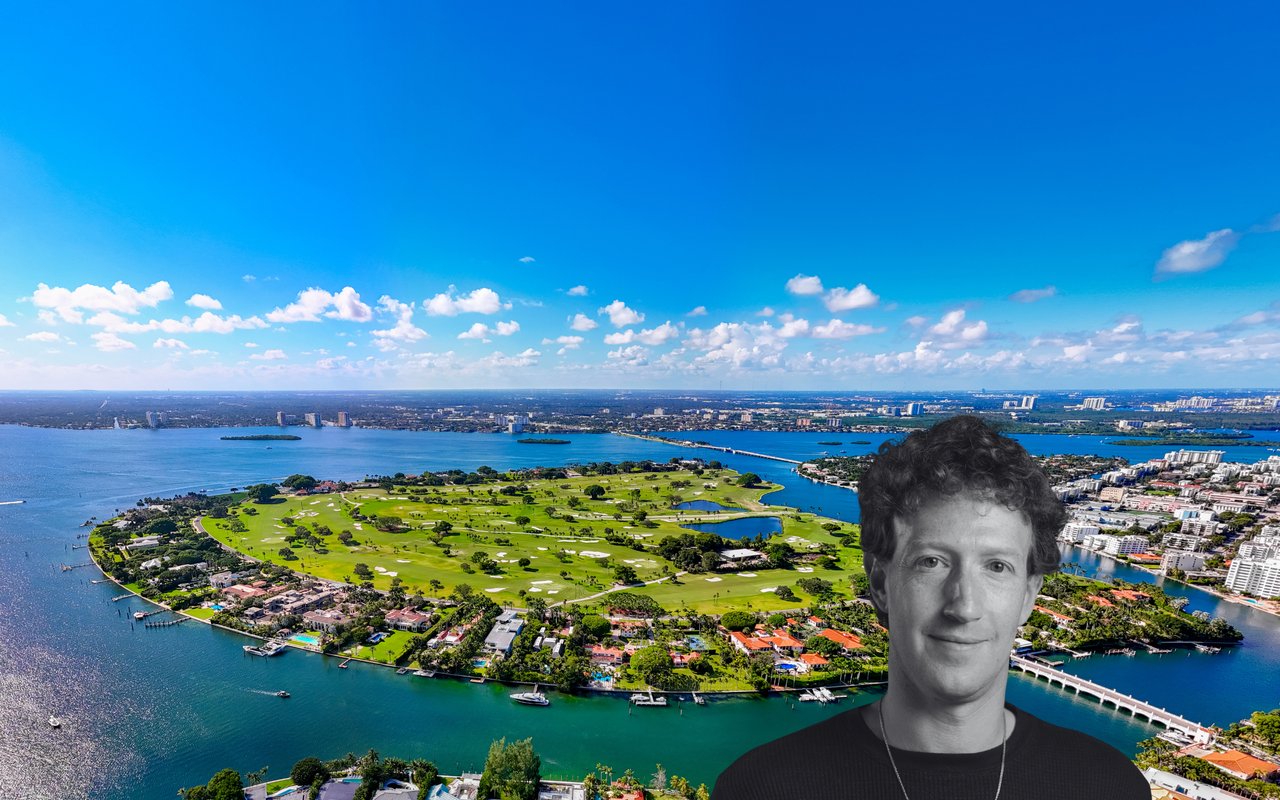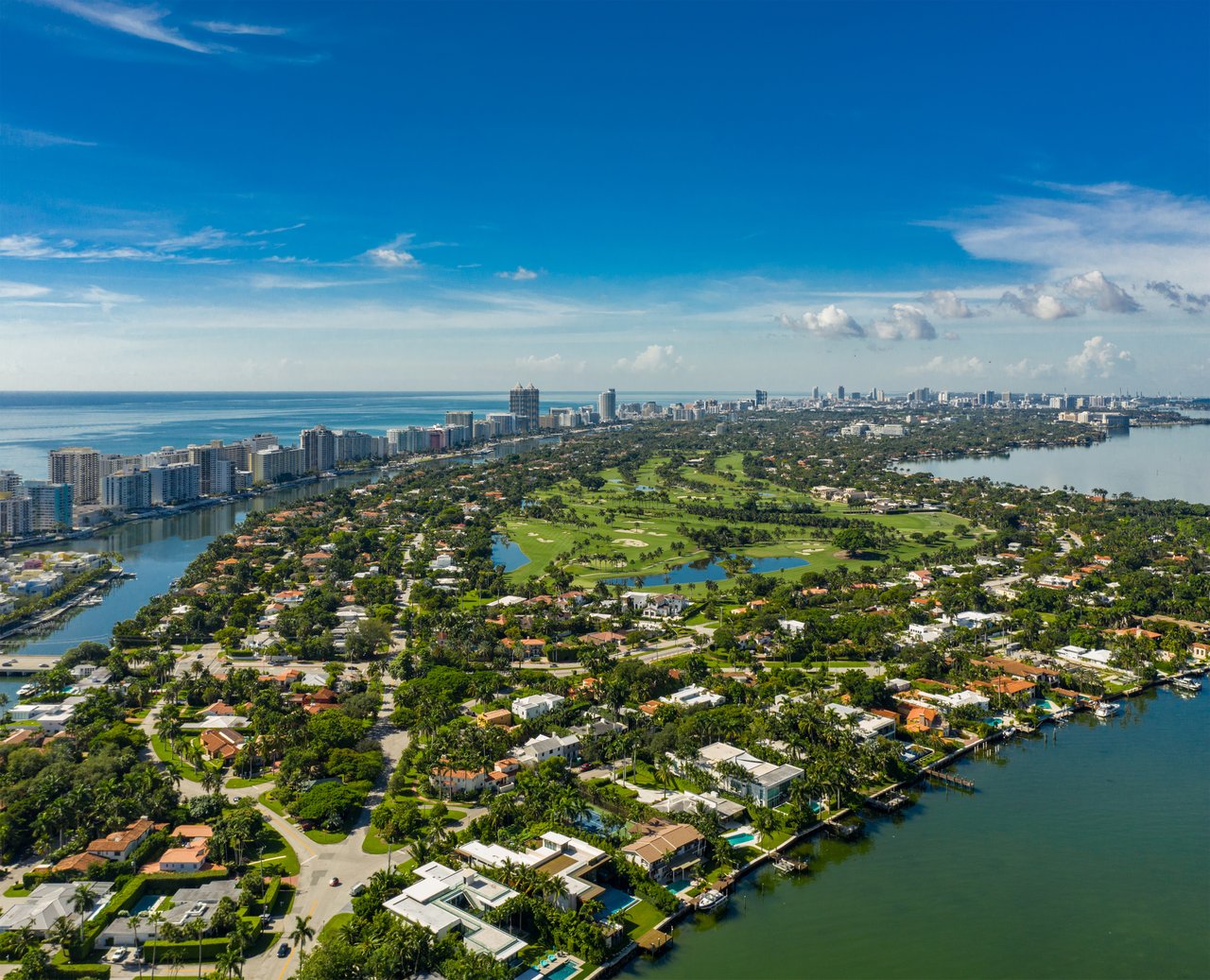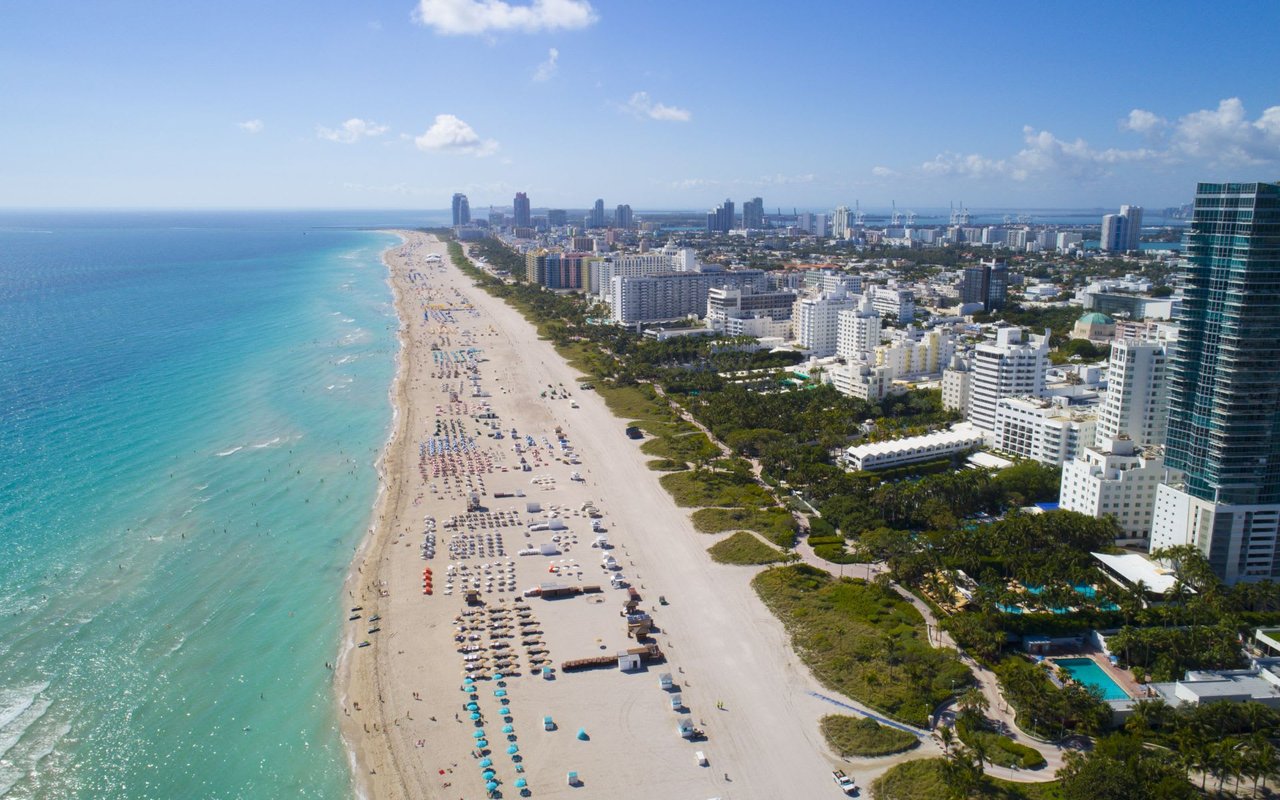
You tour a full-floor residence in Surfside, then visit a Sunny Isles penthouse with an entirely different layout. Both have Atlantic views. Both fit your budget. Yet the experience of owning either one could be remarkably different.
One offers fewer neighboring residences. The other sits in a large tower with extensive shared facilities. Meanwhile, a Miami Beach property you've been considering puts your favorite restaurants within walking distance.
Which one deserves your money?
A Miami luxury condo market comparison needs to go further than prices and photographs. Building finances, location, available space, and your daily routine can all change the decision.
Explain the Comparison Method
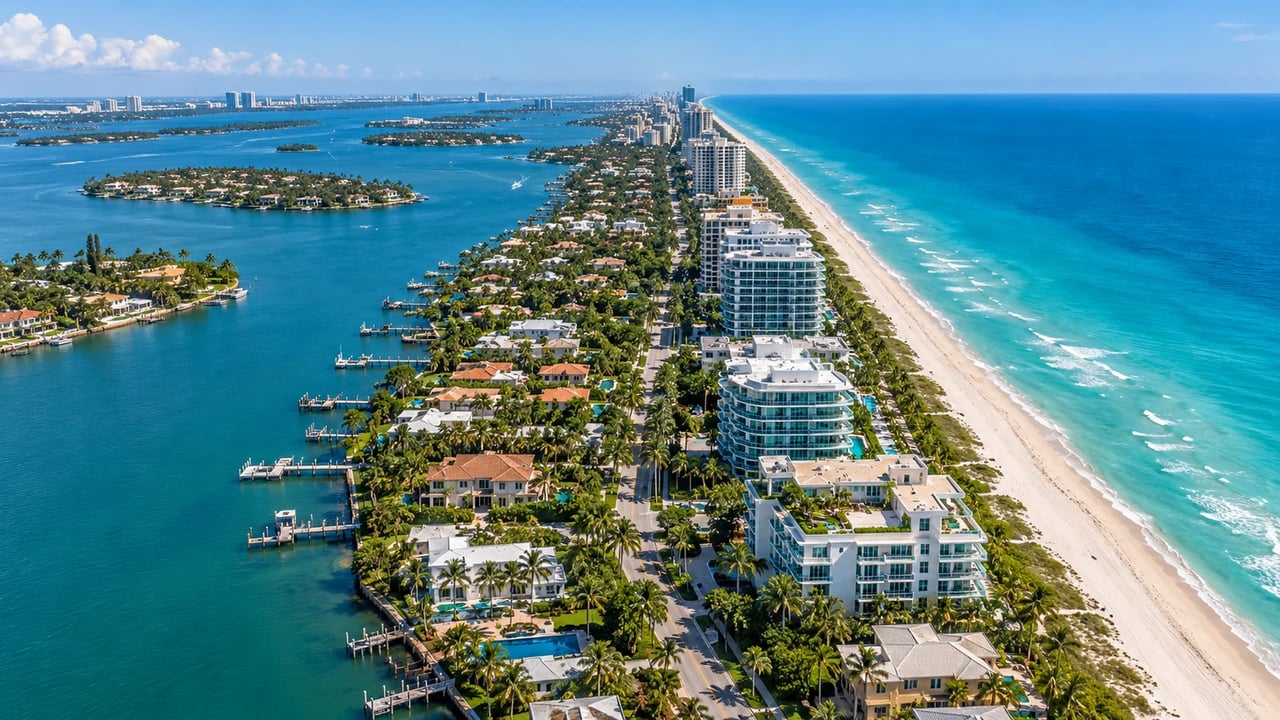
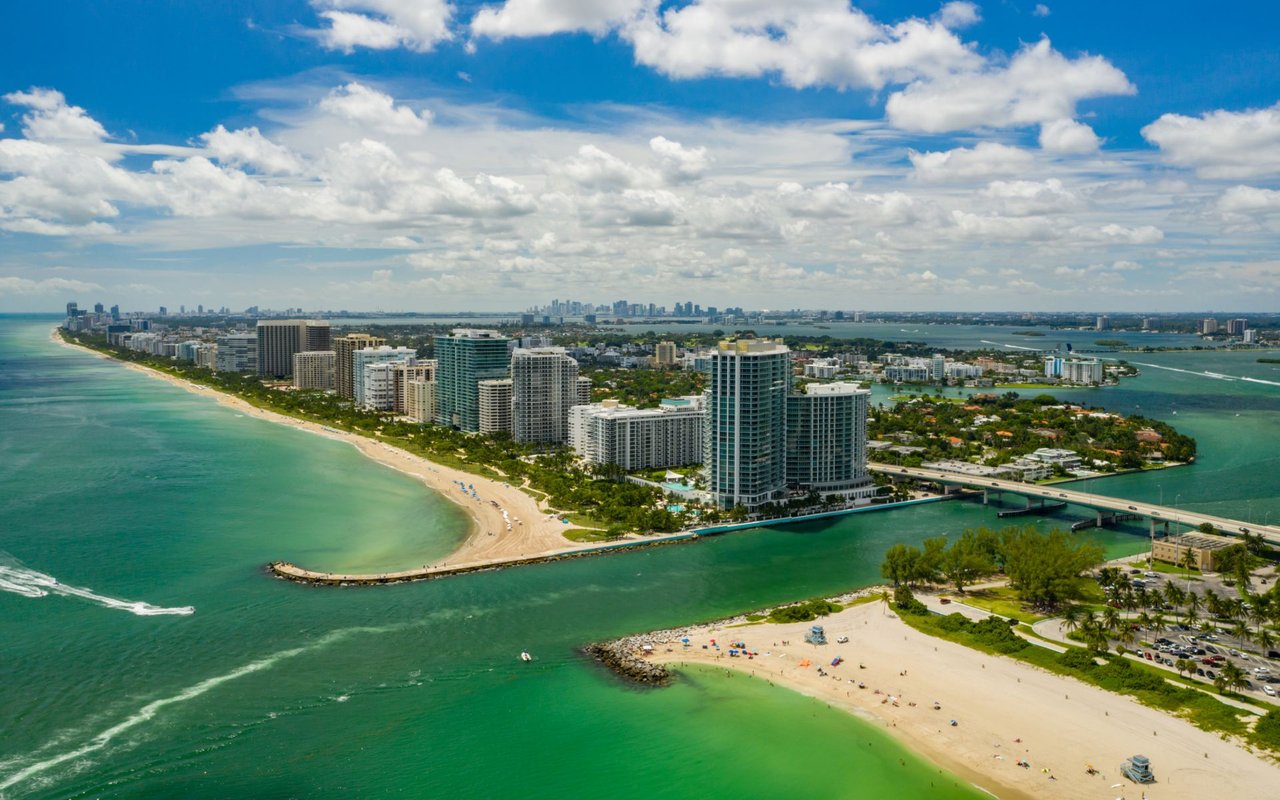
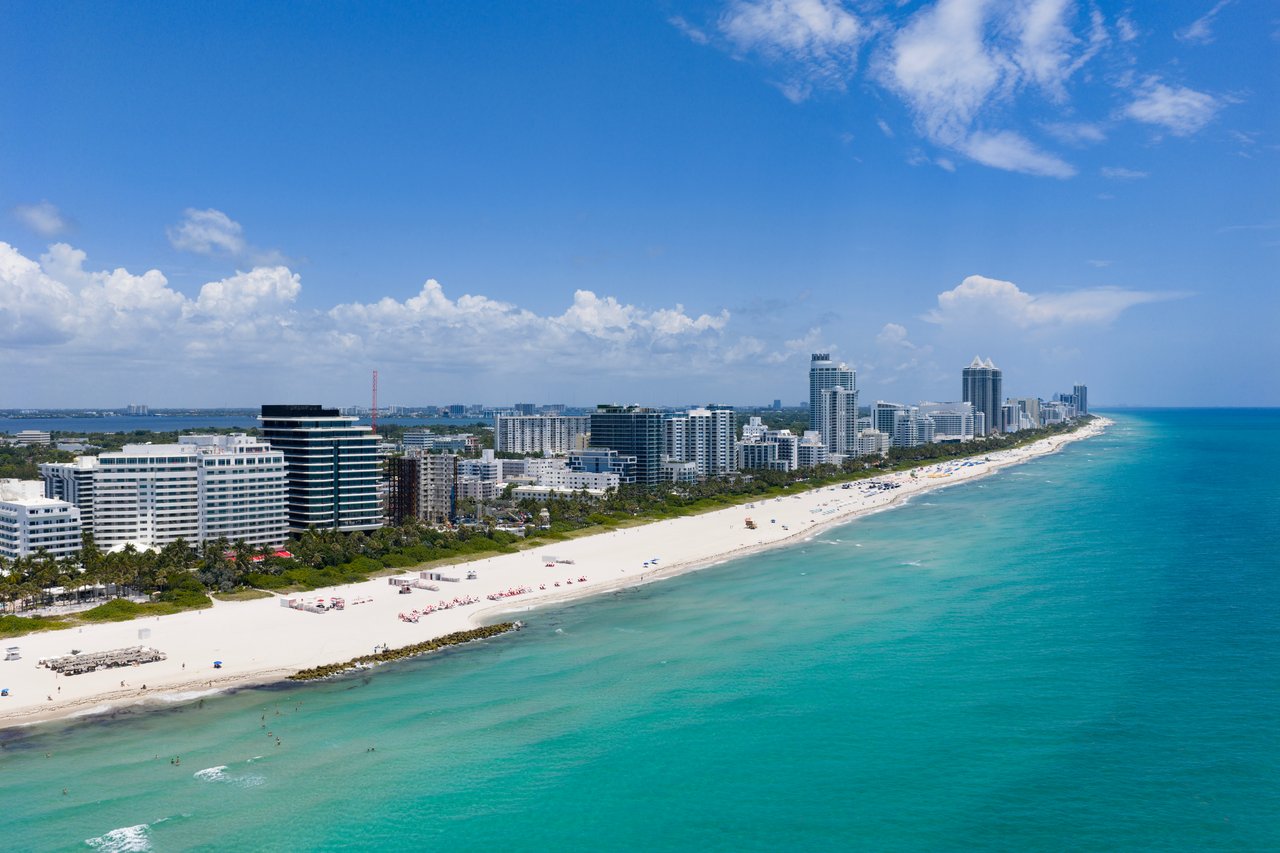
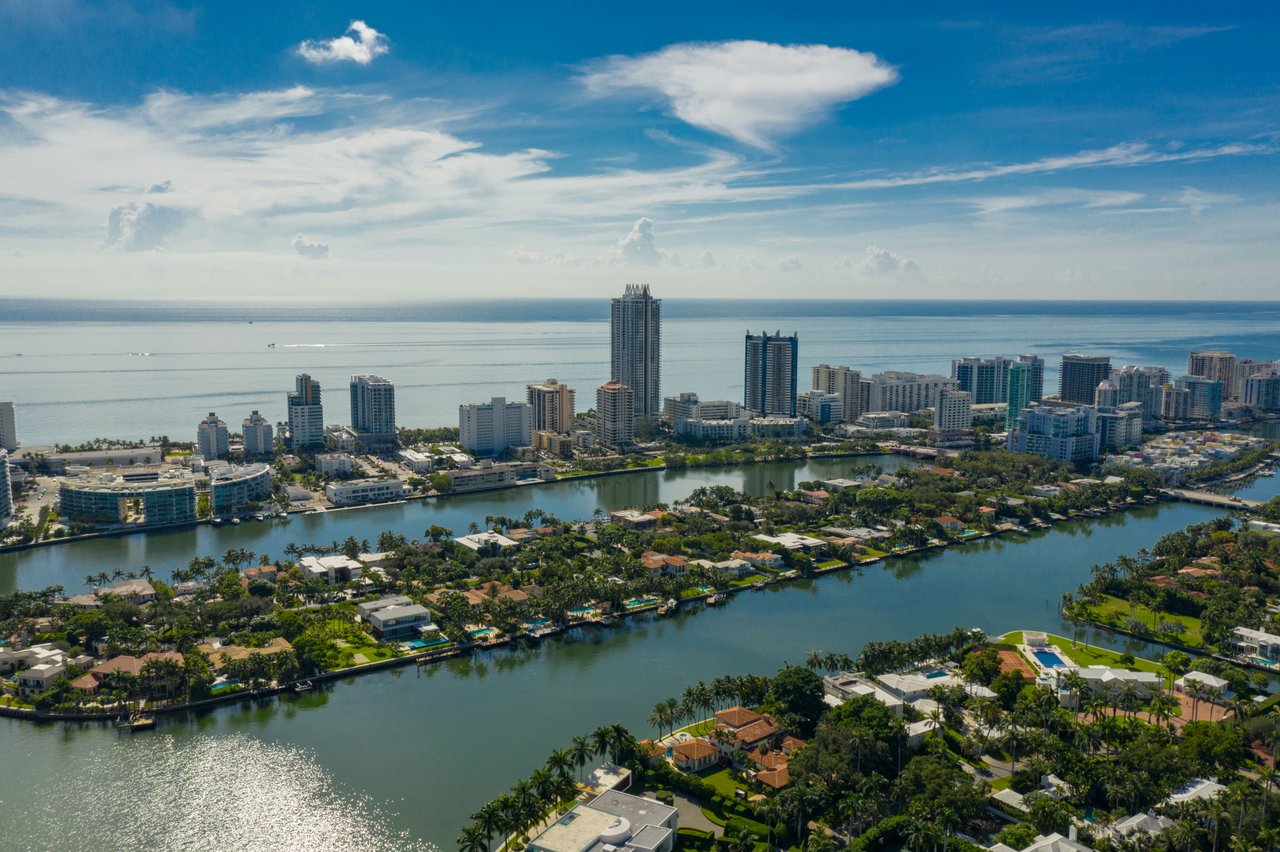
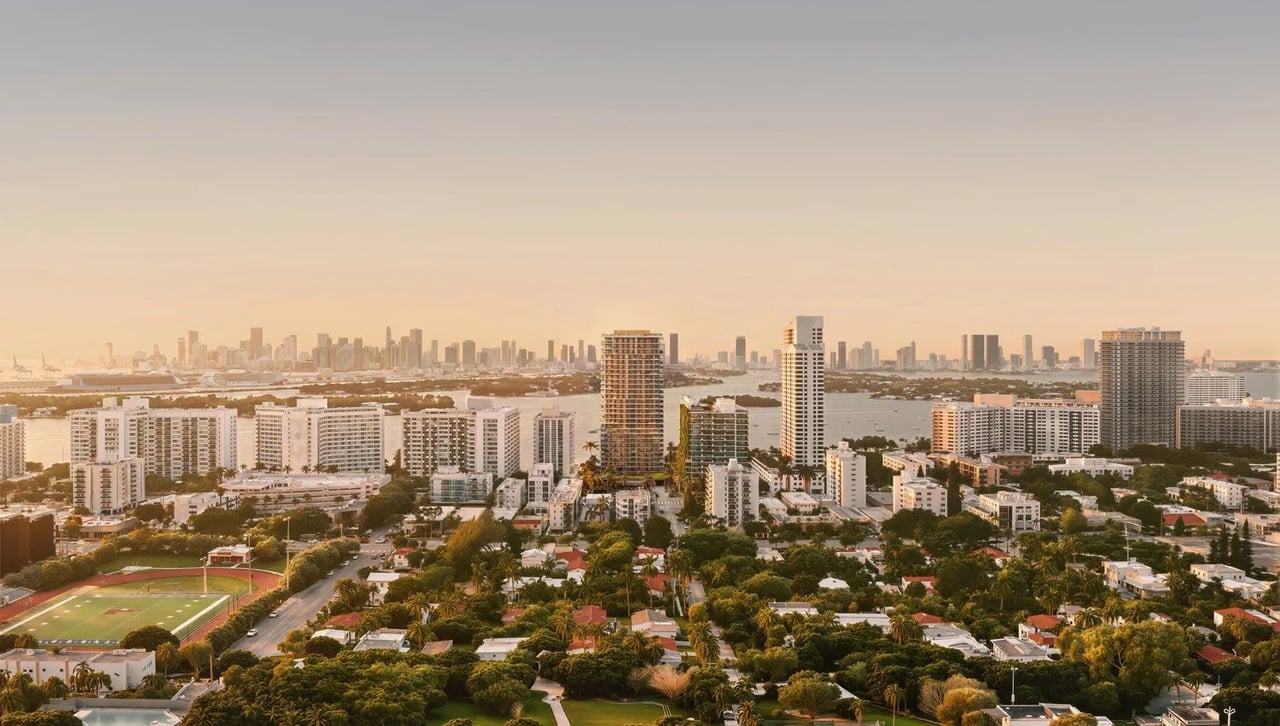
Bal Harbour, Surfside, Sunny Isles Beach, and Miami Beach occupy different stretches of Miami-Dade's Atlantic coastline.
They're also separate municipalities, which matters when comparing market statistics.
Miami Beach extends across several neighborhoods, including South of Fifth, Mid-Beach, and North Beach. Its condominium inventory spans older apartments, established luxury buildings, and exceptional penthouses.
Surfside, by comparison, has a smaller residential market. A handful of high-value transactions can have a pronounced effect on reported prices.
What belongs in a fair comparison?
This Miami luxury condo market comparison uses MIAMI REALTORS' October 2026 municipal statistics as the broad market baseline.
Those figures cover condominiums and townhomes at all price levels. For luxury purchases, the more useful evidence comes from closed transactions involving similar residences.
Consider two $6 million oceanfront properties.
One has 3,000 square feet of interior space and a substantial terrace. The other advertises a larger total area that includes outdoor space.
Before comparing price per square foot, confirm which measurements represent conditioned interior living area.
The same scrutiny applies to views. Direct Atlantic exposure, partial ocean views, and bayfront positions shouldn't be treated interchangeably.
Joelle's oceanfront versus bayfront luxury condo pricing analysis examines how those characteristics influence value.
A useful comparison begins with similar properties, not merely similar asking prices.
Compare Market Conditions in One Table
Where does the market offer the greatest selection relative to sales activity?
October 2026 statistics show 20 months of condominium and townhome supply in Sunny Isles Beach. Bal Harbour and Miami Beach each recorded 14 months, while Surfside had 13.
Months of supply estimates how long existing inventory would take to sell at the prevailing sales pace, assuming no new listings.
Four Miami coastal condominium markets
Municipality | Jan–Oct Sales | October Median Price | Months of Supply | Days to Contract |
Bal Harbour | 93 | $2.31M | 14 | 113 |
Surfside | 63 | $688K | 13 | 59 |
Sunny Isles Beach | 553 | $670K | 20 | 92 |
Miami Beach | 1,269 | $456K | 14 | 95 |
Source: MIAMI REALTORS, October 2026 South Florida Housing Market Report. Sales counts cover January–October; median prices, supply, and days to contract refer to October. All condominium and townhome price ranges are included.
The report doesn't provide matching municipal counts of active listings, median closed price per interior square foot, or October median-price sample sizes. Those measures require a consistently filtered MLS analysis.
Why Surfside's $688K median is misleading for trophy buyers
Look again at Surfside.
Its October median condominium price was $688,000. Yet the town recorded 13 condominium sales of $10 million or more during January–September 2026, including six transactions above $20 million.
Those luxury figures come from MIAMI REALTORS' third-quarter research.
Surfside contains older condominiums and some exceptionally expensive oceanfront residences. The municipal median captures transactions across that spectrum.
Miami Beach presents a similar problem on a larger scale. Its October median combines a wide range of neighborhoods, building generations, and prices.
Does Sunny Isles offer greater negotiating power?
Sunny Isles Beach's 20 months of supply suggests more inventory relative to recent sales across its overall condo and townhome market.
That's worth investigating, especially when several similar residences are available in one building.
However, a high-floor property with an unusual layout may face little direct competition.
The same applies to Bal Harbour and Surfside. A municipality can have substantial overall supply while a particular luxury building offers few suitable alternatives.
When using a Miami luxury condo market comparison to assess negotiating leverage, examine active listings and recent closings within the same building and price range.
Twenty months of citywide supply won't tell you how many buyers are competing for a particular penthouse.
Describe the Property Choices
A search covering four coastal markets can produce dramatically different residences at similar asking prices.
The differences become clearer when you examine the actual buildings.
Bal Harbour: The choice between established luxury and new construction
Bal Harbour's oceanfront includes properties such as St. Regis Bal Harbour and Oceana Bal Harbour.
These completed buildings offer different residential layouts, amenities, and operating histories.
A buyer can examine existing association expenses and comparable resale transactions before making a decision.
New construction brings another option.
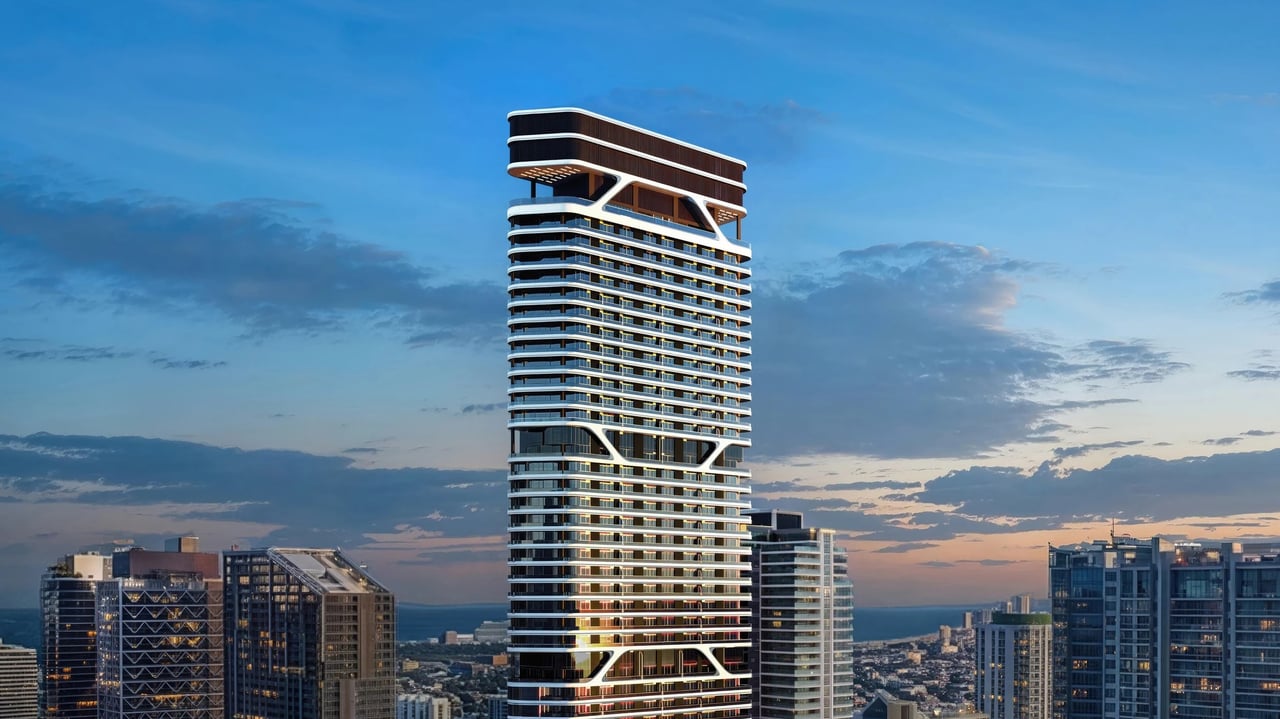
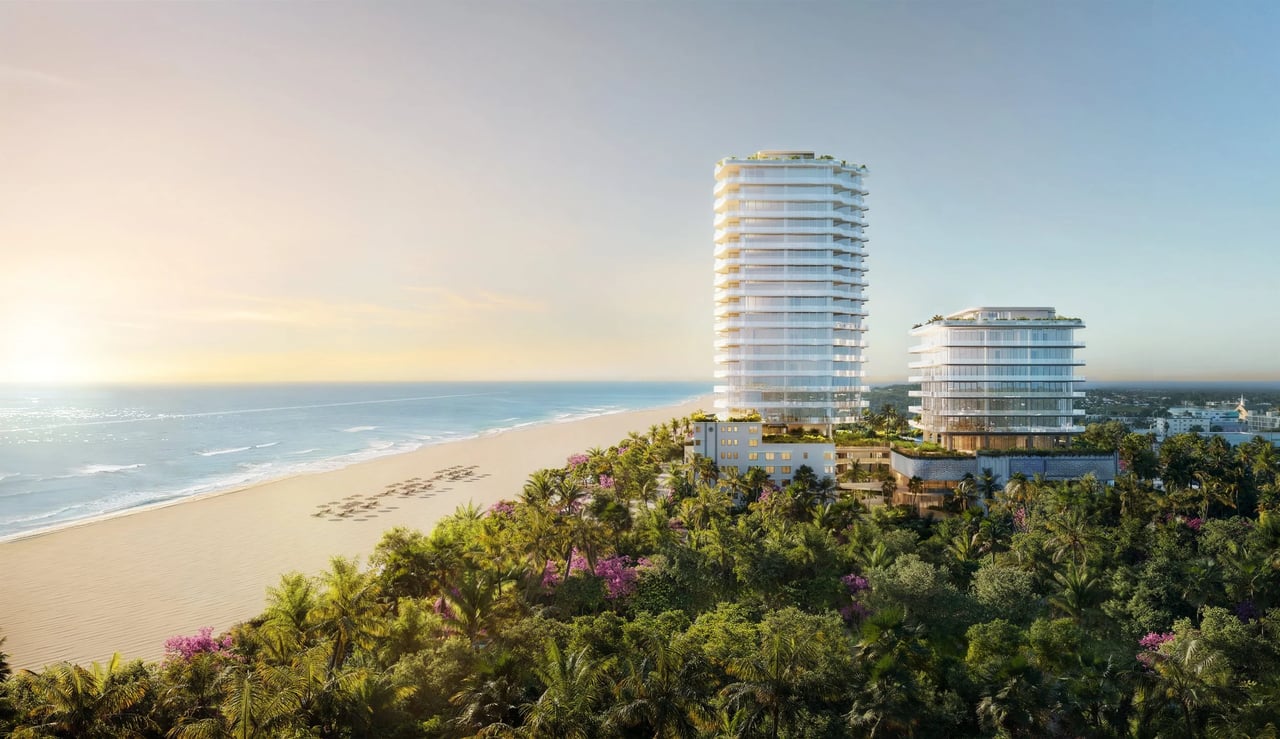
Rivage Bal Harbour, under construction at 10245 Collins Avenue, has 56 planned residences with expansive layouts and terraces.
The decision may come down to whether the buyer values a completed residence or prefers a newly developed property.
At Rivage, developer pricing and projected expenses require separate analysis from established resale transactions.
In Bal Harbour, the premium associated with a prestigious address still needs to be supported by the individual residence.
Surfside: A smaller market with enormous differences between properties
Surfside has a particularly striking range of condominium choices.
A buyer might examine an established apartment building before visiting a full-floor residence near The Surf Club.
The purchase prices and service arrangements can be worlds apart.
At Seaway at The Surf Club, buyers need to distinguish between residential configurations, privacy arrangements, and services included in ownership.
Then there's Ocean House Surfside, a boutique oceanfront development at 9317 Collins Avenue with 25 planned residences.
Its limited residence count creates a different building proposition from a large condominium tower.
For someone researching Bal Harbour vs Surfside condos, the distinction may come down to the particular building rather than the municipality.
Two neighboring oceanfront developments can offer completely different ownership experiences.
Sunny Isles Beach: More towers, more variables
Sunny Isles Beach presents a broad selection of oceanfront towers.
A buyer might explore a modern high-rise with extensive shared amenities, then visit an older residence offering more interior space at a different price.
The challenge is understanding what drives the difference.
Floor level, line, exposure, association finances, and renovation condition deserve close examination.
A seemingly attractive price per square foot can become less compelling if the building faces significant expenses.
Joelle's Sunny Isles Beach oceanfront condo and penthouse guide explores how properties differ within the same coastal market.
This is where a Miami luxury condo market comparison benefits from looking at several buildings before narrowing the search.
Miami Beach: Four miles can change the entire shortlist
Miami Beach deserves more than one general description.
A South of Fifth residence can place a buyer near restaurants, waterfront parks, and established luxury buildings.
Mid-Beach offers another combination of oceanfront developments, hotel services, and architectural styles.
Farther north, buyers encounter different building generations and residential surroundings.
Even penthouses vary considerably.
A top-floor apartment may offer less privacy or outdoor space than a lower-floor residence elsewhere.
Joelle's Miami Beach penthouse pricing and recent-sales guide explores those differences.
A buyer who wants to walk to South of Fifth restaurants may prioritize location. Another might choose a larger Mid-Beach residence with a more suitable floor plan.
Neither preference requires a citywide ranking.
Connect Locations to Daily Use
The view makes an impression during a showing. Everyday errands reveal another side of the location.
Consider the small routines that shape a week: picking up groceries, walking to dinner, reaching the beach, or meeting friends elsewhere in Miami.
What surrounds the buildings?
Coastal Market | Local Destination | Everyday Consideration |
Bal Harbour | Bal Harbour Shops | Retail and dining access |
Surfside | Harding Avenue | Local shops and beach access |
Sunny Isles Beach | Samson Oceanfront Park | Parks and beach facilities |
Miami Beach | Beachwalk and South Beach | Walking routes and dining |
These are location references, not claims that every condominium is within walking distance.
Bal Harbour Shops, at 9700 Collins Avenue, offers shopping and restaurants within the village. Walking convenience depends on the building's exact location.
Surfside's Harding Avenue commercial district provides a different setting, with restaurants and everyday services concentrated along a relatively compact corridor.
Sunny Isles Beach includes Samson Oceanfront Park at 17425 Collins Avenue. The park has beach access, outdoor facilities, and public recreational space.
Miami Beach offers a longer pedestrian connection through its Beachwalk, which runs along the coast and connects north toward Surfside.
For Sunny Isles vs Miami Beach condos, a buyer's preferred routine can change the shortlist.
Someone who frequently visits South Beach may find a Miami Beach address more convenient. Another buyer may prefer a particular Sunny Isles building and its facilities.
Travel times depend on traffic, route, and destination. Check the actual journey during the hours you'll typically travel.
Match Priorities to a Shortlist
Two buyers can tour the same four buildings and arrive at completely different conclusions.
Here's how the search changes when the intended use changes.
A residence you'll occupy throughout the year
Daily practicality moves toward the top of the list.
Bedroom separation, storage, kitchen layout, parking arrangements, and access to essential destinations may deserve more attention than an oversized terrace.
Imagine comparing a beautifully finished condo with limited storage against a slightly older residence offering a better floor plan.
The second option may be more suitable despite the less impressive initial presentation.
Prioritize the features you'll use every day, especially those that cannot be changed after purchase.
A seasonal home
For a residence occupied only part of the year, building operations deserve closer examination.
Ask how deliveries are handled, what services are included, and which responsibilities remain with the owner.
A full-service building may appeal to a buyer seeking fewer day-to-day management tasks.
A smaller condominium could offer a different level of personal control, but with more direct coordination required.
The trade-off should be examined through actual building services and association documents.
A large oceanfront residence
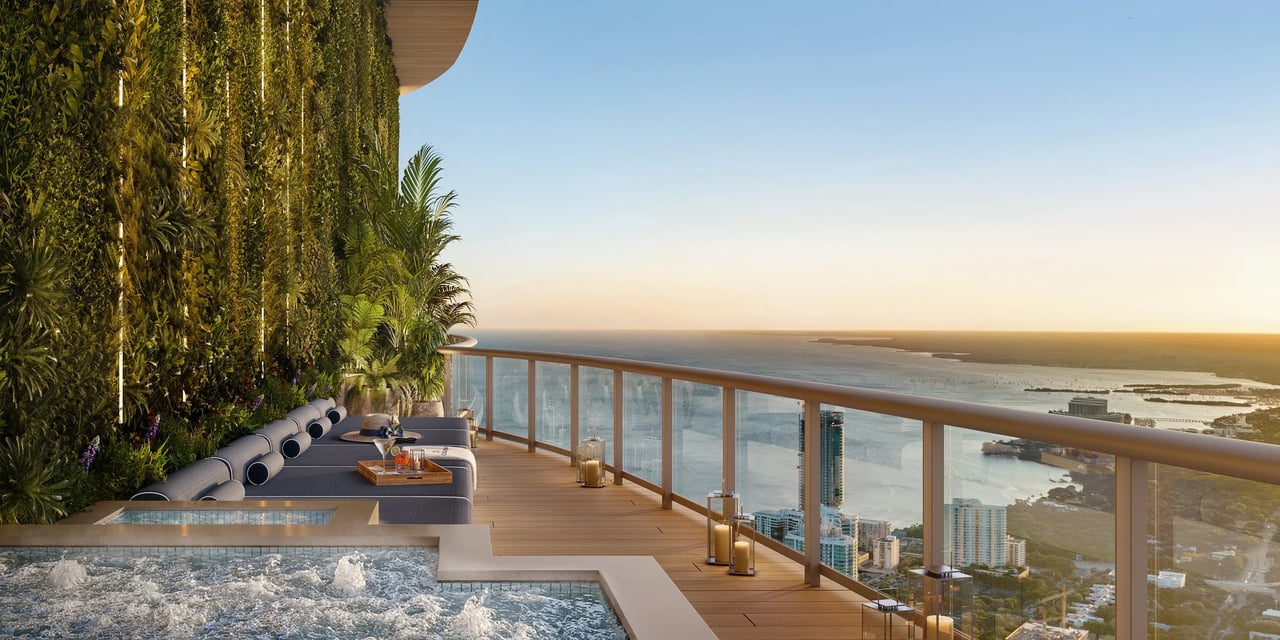
Suppose the priority is substantial interior space, a generous terrace, and direct Atlantic views.
Sunny Isles Beach has numerous large residential towers worth examining.
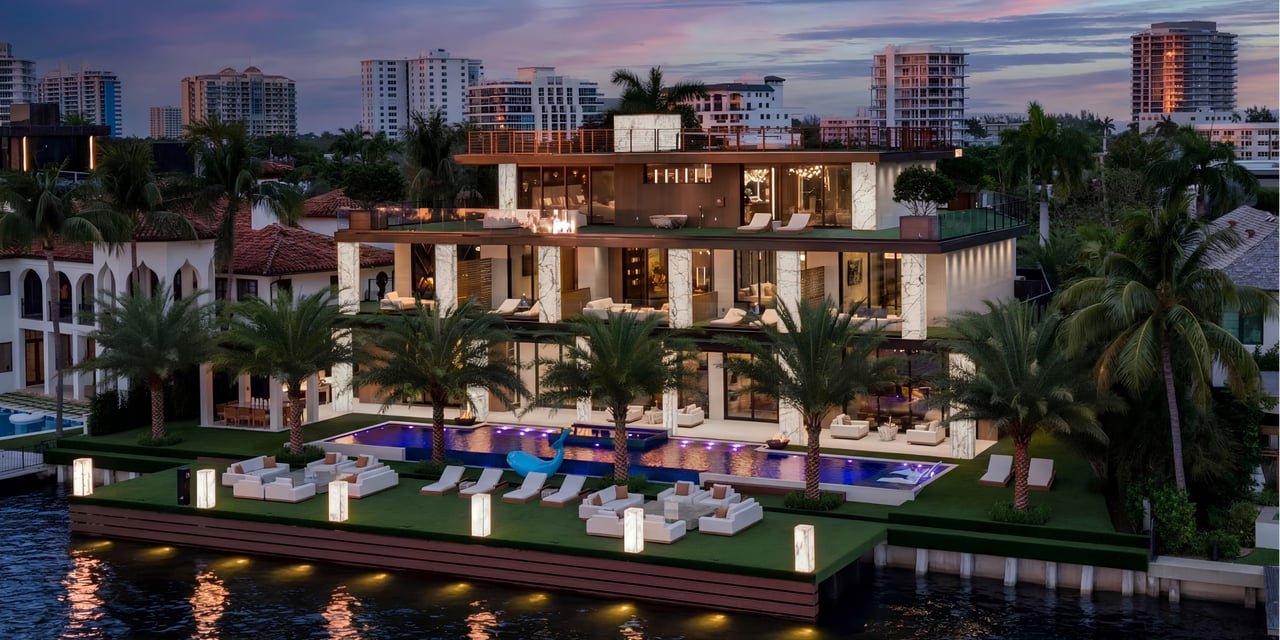
Bal Harbour, Surfside, and Miami Beach also contain expansive residences, including boutique properties and trophy penthouses.
The buyer needs to determine which features justify the asking price.
A large terrace may be less useful if its configuration doesn't accommodate the intended furniture or activities.
Similarly, advertised square footage may need adjustment when comparing combined residences or unusual layouts.
For this Miami luxury condo market comparison, the goal is to identify suitable alternatives across all four municipalities before deciding where to concentrate the search.
A practical four-market shortlist
Buying Priority | First Comparison | Trade-Off to Examine |
Full-time living | Layout and location | Space versus convenience |
Seasonal ownership | Services and management | Fees versus flexibility |
Large oceanfront home | Interior area and terraces | Scarcity versus price |
Future rental plans | Association rental rules | Flexibility versus restrictions |
These criteria apply across all four markets. They don't assign a buyer to a municipality based on personal characteristics.
Compare Buildings Before Choosing a City
A Miami luxury condo market comparison should narrow the search to individual properties, not end with a preferred municipality.
After identifying several promising buildings, request the relevant documents and compare ownership costs.
What the building can tell you
Florida requires qualifying condominium buildings to complete structural integrity reserve studies.
A Structural Integrity Reserve Study, or SIRS, evaluates major building components and the funding needed for future repairs.
The Florida Department of Business and Professional Regulation provides information about reserve studies, inspections, and association requirements.
Before making an offer, examine:
- The actual residence: Interior dimensions, floor plan, terrace rights, views, and renovation condition.
- Recent closed sales: Comparable transactions with similar features and consistent price-per-square-foot measurements.
- Association finances: Operating budgets, reserve funding, special assessments, and planned building work.
- Ownership restrictions: Rental rules, renovation approvals, guest policies, and other relevant provisions.
- Total ownership costs: Property taxes, unit-owner insurance, association fees, and potential additional obligations.
Association dues deserve particular attention.
A building charging higher monthly fees may include extensive services and reserve contributions. A lower fee doesn't necessarily mean lower long-term costs.
Joelle's Miami waterfront condo ownership guide examines these differences in more detail.
For taxes, Miami-Dade's Property Appraiser tax estimator can assist with preliminary calculations. A new owner's tax liability may differ from the seller's existing bill.
Let the shortlist challenge your first impression
Suppose you've narrowed the search to a Bal Harbour residence and a Surfside property.
One offers more interior space. The other has stronger services and a terrace you prefer.
A third property in Sunny Isles may offer similar space at a different purchase price, but with higher recurring expenses.
Which one survives the comparison?
Return to the features you can't change, the expenses you'll carry, and the evidence supporting each asking price.
The most attractive property during a showing isn't always the one that makes the most sense after reviewing the documents.
Compare Coastal Luxury Condos With Joelle
A cross-market search can involve buildings with very different pricing histories, association finances, and ownership arrangements.
Joelle Oiknine can help buyers examine individual residences across Bal Harbour, Surfside, Sunny Isles Beach, and Miami Beach.
For a property-specific Miami luxury condo market comparison, contact Joelle Oiknine to discuss your budget, preferred buildings, and purchase priorities.
The best shortlist may include properties in more than one municipality. There's no reason to eliminate a suitable residence simply because it sits a few streets outside your original search area.
Frequently Asked Questions
How do luxury condo markets compare in Bal Harbour, Surfside, Sunny Isles Beach, and Miami Beach?
Bal Harbour and Surfside contain established oceanfront buildings and boutique luxury developments, while Sunny Isles Beach offers numerous high-rise options. Miami Beach includes several distinct luxury neighborhoods, so comparisons should focus on individual buildings.
Which Miami coastal market offers buyers more negotiating room?
Sunny Isles Beach reported 20 months of condo and townhome supply in October 2026, more than the other three municipalities. However, luxury negotiating opportunities depend on competing residences, recent closings, and individual property features.
How should I compare luxury condo prices across these neighborhoods?
Use closed sales involving similar residences, with consistent interior square footage and adjustments for views, layout, condition, and terraces. Include association expenses and assessments before comparing total ownership costs.
Which market best fits my budget and buying priorities?
Start with the residence size, location, amenities, and ownership expenses you prefer. A Miami luxury condo market comparison can help identify suitable buildings across all four locations without relying on broad price rankings.
Is Surfside more expensive than Bal Harbour for luxury condos?
Neither market is consistently more expensive across every building and property type. Surfside has recorded exceptionally high condominium sales, while Bal Harbour includes premium resale buildings and new construction.
Should I choose a newer development or an established luxury condo?
New developments may offer contemporary layouts and newer building systems, while completed residences provide operating histories and existing resale evidence. Compare projected expenses, purchase contracts, delivery terms, and the condition of available properties.