When a New York hedge fund manager calculates the $170,000 annually in state taxes on a $2 million income—capital that could yield over $1.7 million in compounding growth over a decade—the imperative to relocate to Florida is impossible to dismiss.
This strategic move transcends merely escaping winter or seeking lower prices; New Yorkers moving to Florida are executing sophisticated wealth preservation strategies through geographic arbitrage.
The success of this Florida relocation, however, rests on understanding three critical elements: establishing ironclad legal residency, strategically timing your move around major income events, and securing property in premier municipalities that align with both your lifestyle expectations and long-term financial objectives.
What You'll Learn in This Guide
-
How New Yorkers moving to Florida eliminate state income tax (up to 10.9%) for six-figure annual savings
-
The critical steps to legally establish Florida domicile and avoid New York audit triggers
-
Which Florida metros offer the lifestyle, amenities, and property values that match NYC expectations
-
What New York transplants often overlook—insurance premiums, property taxes, and hurricane costs
-
Why buying Florida real estate before relocating can be a strategic financial move
The Numbers Behind the Migration
|
Data Point |
Statistic |
|
Migration Volume |
Over 91,000 New Yorkers relocated to Florida in 2022, marking the largest net interstate flow. |
|
State Income Tax Differential |
New York's top marginal tax rate hits up to 10.9% versus Florida's 0%. |
|
Tax Savings |
Annual income tax savings for top earners is often $100,000+, compounding to over $1 million in retained capital. |
|
Luxury Home Market |
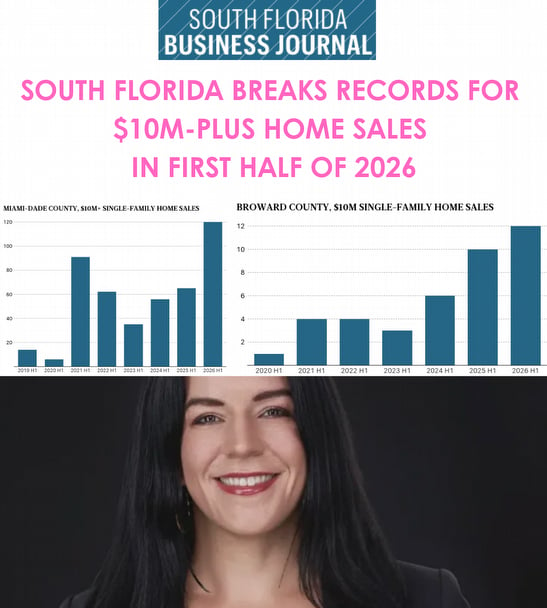
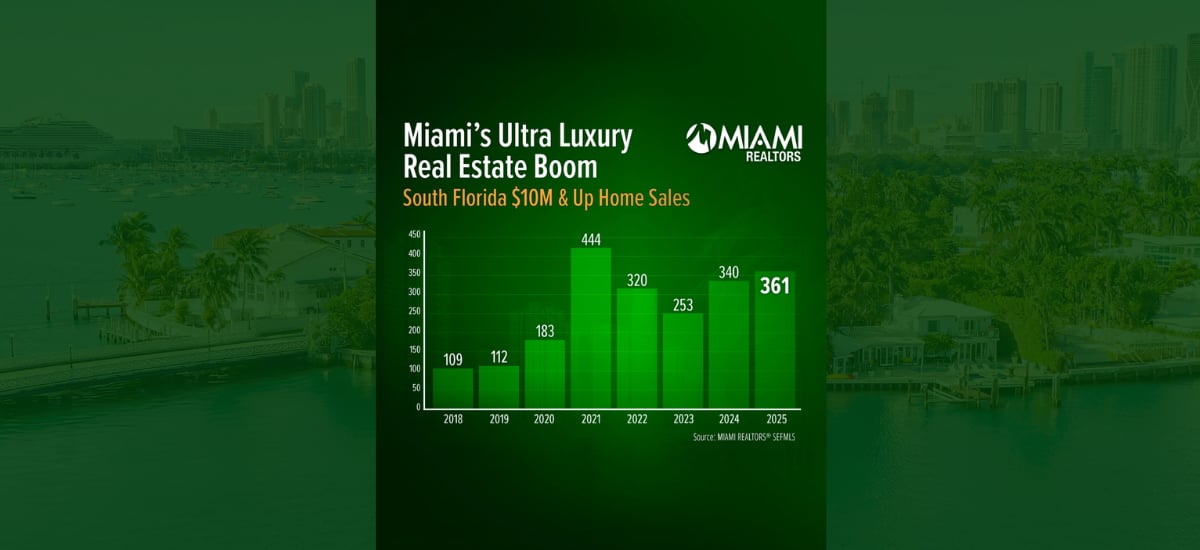
Miami-Dade County saw a 55.3% spike in single-family luxury sales in one peak quarter of the relocation wave. |
|
Primary Motivation |
Tax and economic considerations are consistently cited as the primary motivation for the New York-to-Florida move. |
Browse South Florida properties for sale curated for New York relocators.
Why Are So Many New Yorkers Moving to Florida?
he pandemic fundamentally reshaped geographic requirements for high earners. With remote work dissolving the need for Manhattan proximity, the tax arbitrage became too significant to ignore.
Yet, this exodus is about more than just tax optimization. New York's harsh winters contrast sharply with Florida’s year-round coastal living, sunshine, and abundant outdoor recreation.
Beyond climate, the growing financial services and tech sectors in Miami and Tampa offer legitimate career opportunities for those seeking more than remote arrangements. This trend appeals to diverse profiles: from professionals seeking the cosmopolitan culture of Miami Beach to Long Island families craving larger homes, active communities, and greater purchasing power for amenities like oceanfront property.
For retirees, the financial incentives are unmatched: Florida's trifecta of no state income tax, no estate tax, and no taxation on retirement distributions is a powerful draw. Ultimately, the migration of New Yorkers moving to Florida represents strategic financial planning seamlessly wrapped in a substantial lifestyle enhancement.
What Are the Tax Benefits of Living in Florida vs New York?
The tax differential between these states represents one of the most powerful legal wealth-building strategies available through simple relocation.
State Income Tax Elimination: New York imposes rates up to 10.9% for top earners. Most high-income households face effective rates between 6.85% and 8.82%. Florida charges zero state income tax on all income levels—wages, business profits, capital gains, dividends, interest, and retirement distributions.
For a household earning $500,000 annually, this saves approximately $38,000 per year. Over a decade, that's $380,000 before accounting for investment growth on retained capital.
Estate Tax Advantage: New York maintains a state estate tax with a $6.94 million exemption and rates up to 16%. There's a problematic "cliff" provision that can eliminate the exemption entirely for estates slightly above the threshold. Florida imposes zero state estate tax regardless of asset value. For families with estates approaching $10 million, this represents hundreds of thousands to millions in tax savings on wealth transfer.
No Tax on Retirement Income: Florida exempts all Social Security benefits, 401(k) distributions, IRA withdrawals, pensions, and annuities. New York taxes these at standard rates. A retired couple drawing $100,000 annually from retirement accounts and Social Security saves approximately $6,000-$8,000 per year through Florida residency.
Homestead Exemption: Florida provides up to $50,000 reduction in assessed property value for primary residences, directly lowering annual property tax bills. The Save Our Homes amendment caps annual assessment increases at 3% or CPI change (whichever is lower), preventing the assessment spikes that hit New York property owners during appreciation cycles.
Tax Savings: Real Numbers
|
Annual Income |
NY State Tax |
FL State Tax |
Annual Savings |
10-Year Savings |
|
$500,000 |
~$38,000 |
$0 |
$38,000 |
$380,000+ |
|
$1,000,000 |
~$85,000 |
$0 |
$85,000 |
$850,000+ |
|
$2,000,000 |
~$170,000 |
$0 |
$170,000 |
$1,700,000+ |
Capital Gains Planning: For business owners anticipating liquidity events, establishing Florida residency before selling a company or exercising substantial stock options produces dramatic savings. A $10 million capital gain generates approximately $890,000 in New York state tax versus zero in Florida—nearly a million dollars retained.
High earners should establish Florida residency before triggering major income events: business sales, large bonus payments, stock option exercises, or significant capital gains realization.
What Are the Best Relocation Services for New Yorkers Moving to Florida?
The 1,200+ mile New York-to-Florida corridor has created specialized expertise among certain moving companies. Understanding what New Yorkers moving to Florida actually need—from climate-controlled art transport to coordination with luxury condo buildings on both ends—separates quality movers from disaster scenarios. Your choice depends on asset value, time constraints, and how hands-on you want to be.
Full-Service Premium: For households with valuable art, wine collections, or extensive furnishings, white-glove services provide comprehensive packing, custom crating, climate-controlled transport, and unpacking with placement. Elite movers like Arpin Van Lines, Bekins, and North American Van Lines maintain dedicated NY-FL teams. Investment: $10,000 to $25,000+ for residences over 3,000 square feet.
Mid-Tier Full-Service: Established carriers including United Van Lines, Allied, and Mayflower provide reliable moves with professional packing and standard insurance. These work well for busy professionals who value efficiency. Cost range: $5,000 to $10,000 for typical three-bedroom relocations.
Book reputable movers 6-8 weeks in advance, particularly for summer relocations when demand peaks. Snowbird season (October through April) also creates capacity constraints.
Moving Service Tiers
|
Service Level |
Typical Cost (3BR) |
Best For |
|
Basic/DIY |
$2,500–$4,000 |
Budget-conscious moves |
|
Full-Service |
$5,000–$8,000 |
Busy professionals |
|
White-Glove |
$10,000–$20,000+ |
High-net-worth relocations |
Essential Questions Before Hiring:
-
Are you licensed for interstate commerce (USDOT and MC numbers)?
-
What insurance coverage is standard, and what additional coverage should I purchase?
-
Do you maintain dedicated crews for the NY-FL route?
-
What's your protocol for high-value items (art, antiques, wine)?
-
Can you coordinate with building management on both ends?
-
What's the guaranteed delivery window?
Red Flags: Cash deposit requirements, missing proper licensing, estimates without in-person assessment, or significantly underbidding competitors. The NYC-Florida route attracts unscrupulous operators—verify credentials through the Better Business Bureau and FMCSA databases.
Get comprehensive property guidance throughout your relocation.
Which Florida Cities Are Most Popular Among Affluent New Yorkers Looking to Buy a Home?
New Yorkers don't just move to "Florida"—they seek specific municipalities that mirror the sophistication, cultural amenities, and social infrastructure they're leaving behind.
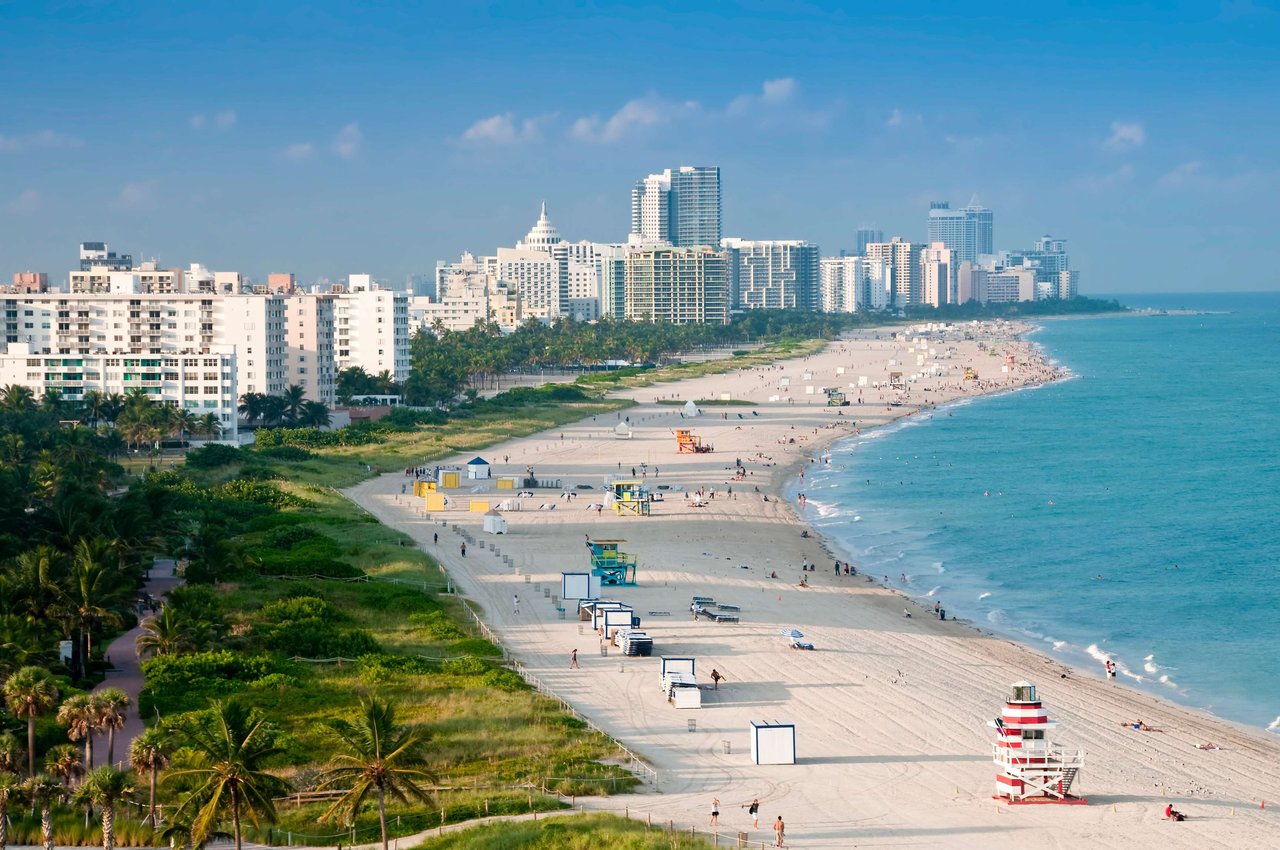
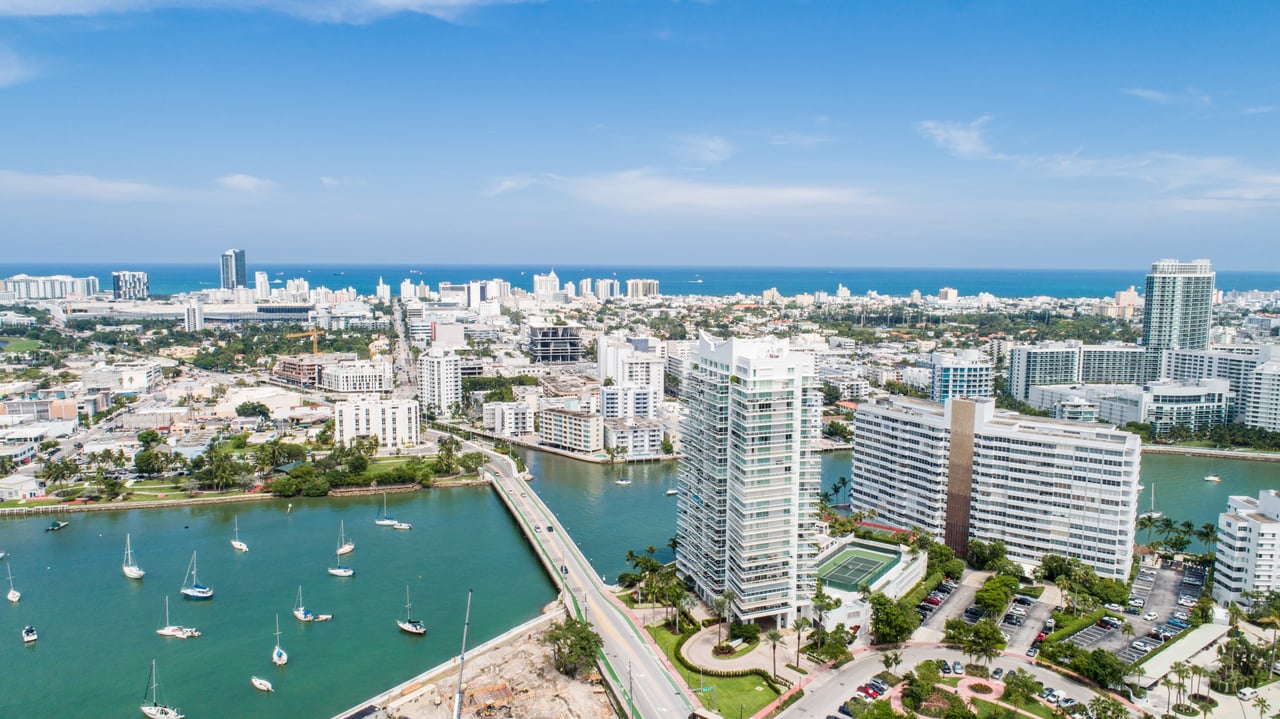
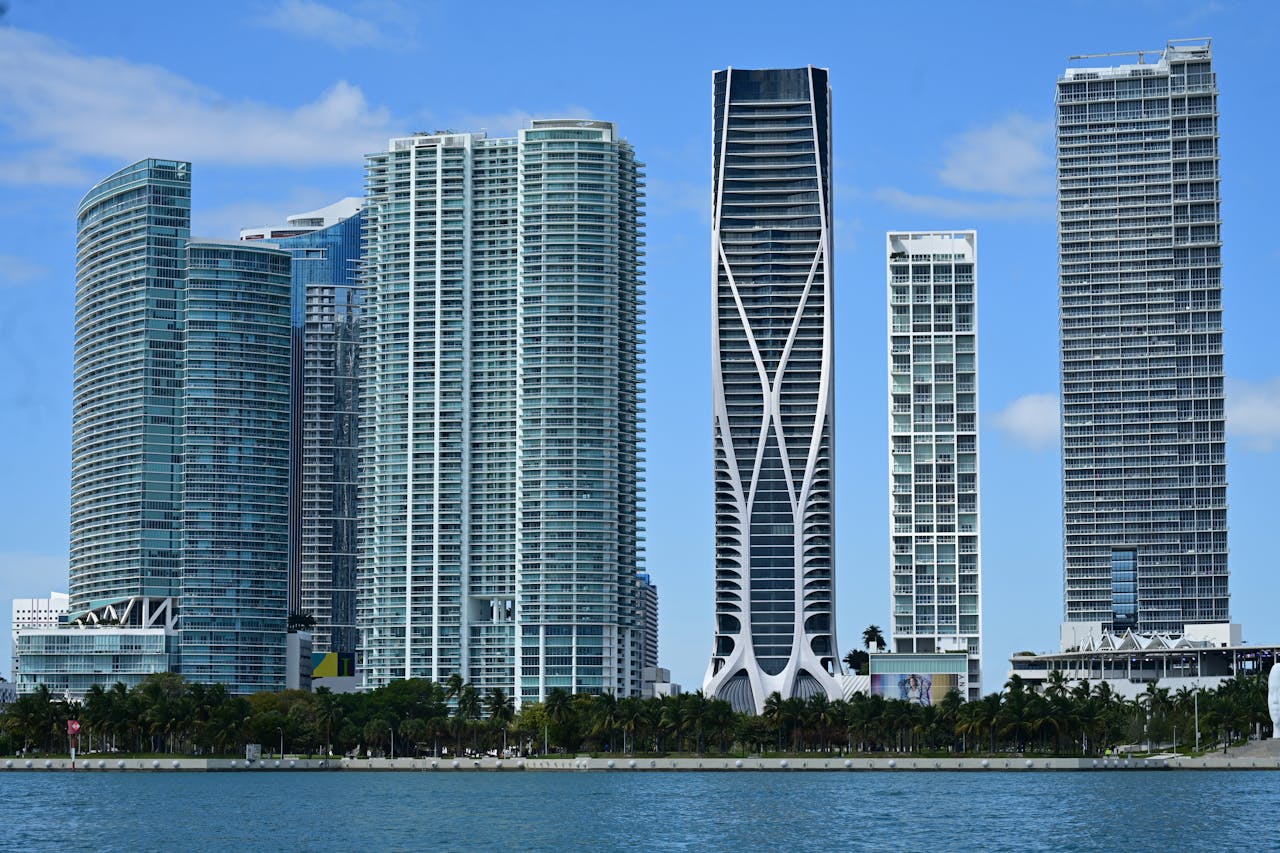
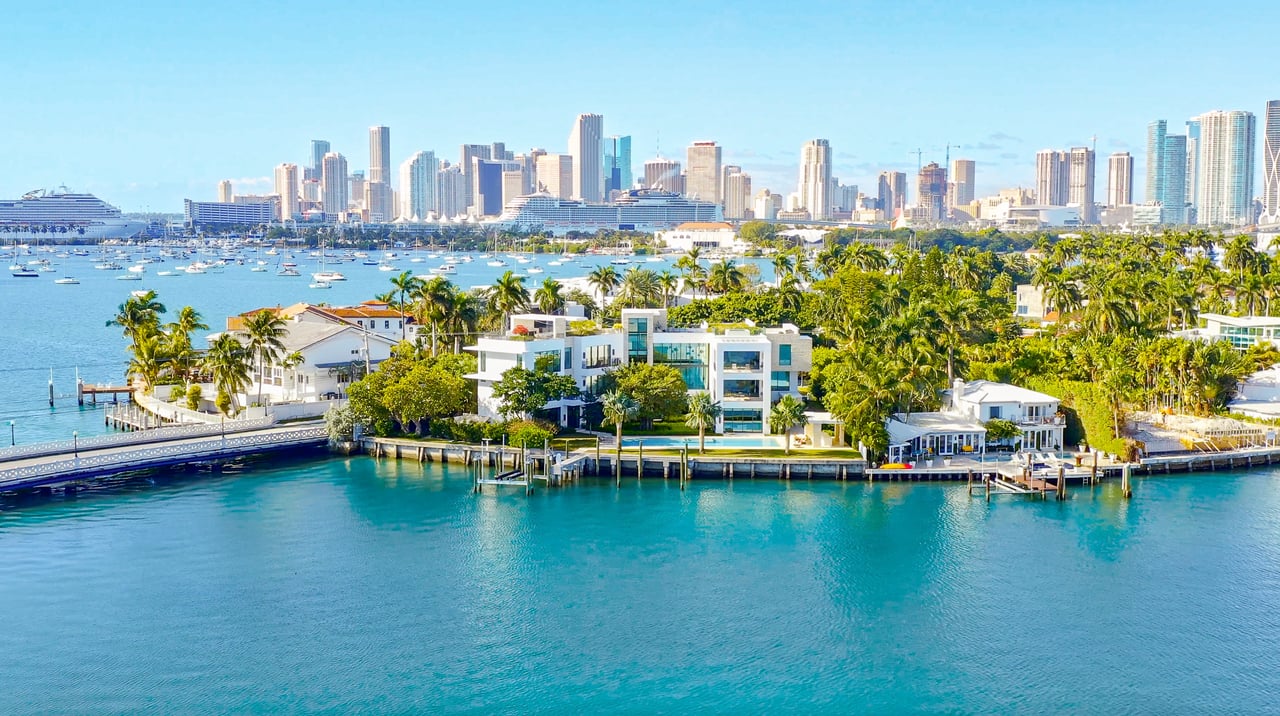
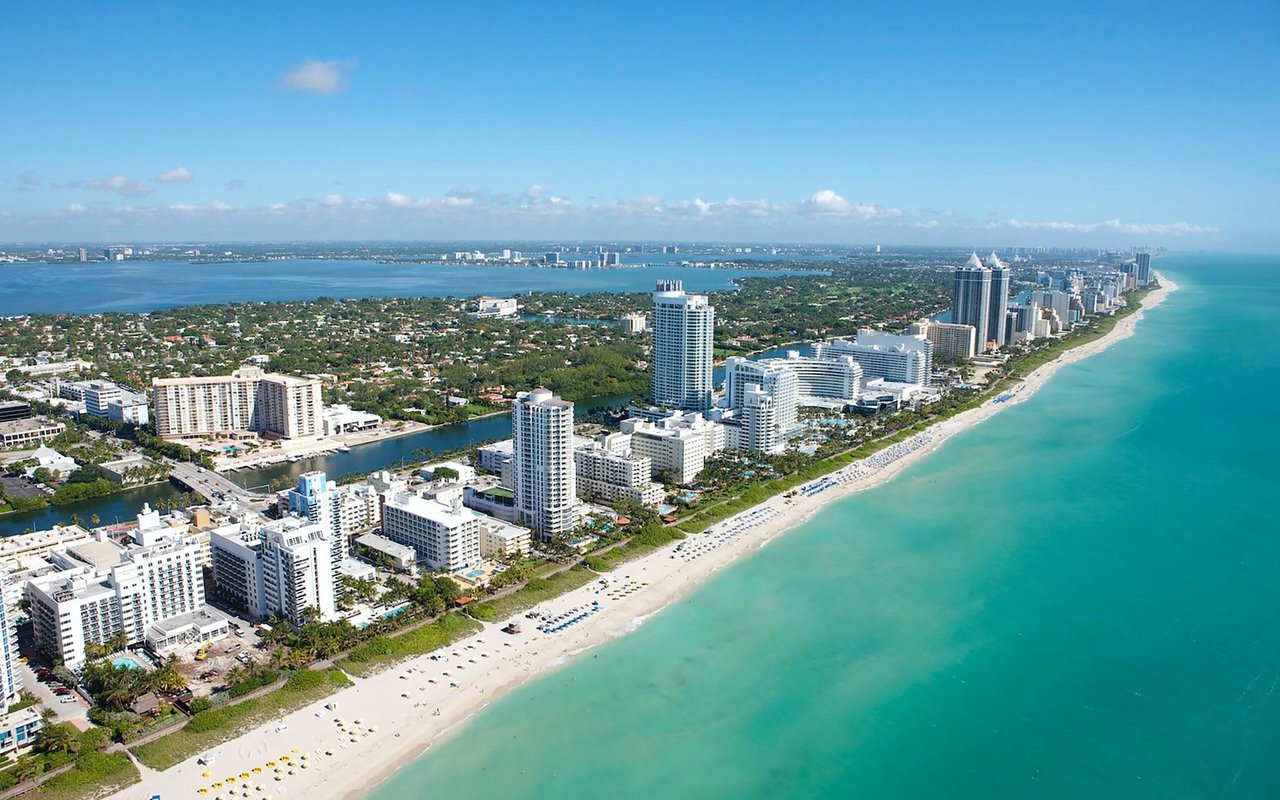
Miami and Miami Beach: The epicenter of New York-to-Florida migration. Brickell serves as the financial district with luxury high-rises, while Miami Beach offers Art Deco architecture and vibrant nightlife. The growing tech scene creates networking opportunities for business owners. Median luxury prices exceed $650,000, with waterfront properties commanding $2 million to $20 million+.
The tradeoff: density and traffic may feel too similar to what you're escaping.
Coral Gables: Tree-lined streets, Mediterranean Revival architecture, and top-ranked schools appeal to families from Manhattan's Upper West Side or Park Slope. The University of Miami anchors the area. Median home prices approach $1.2 million.
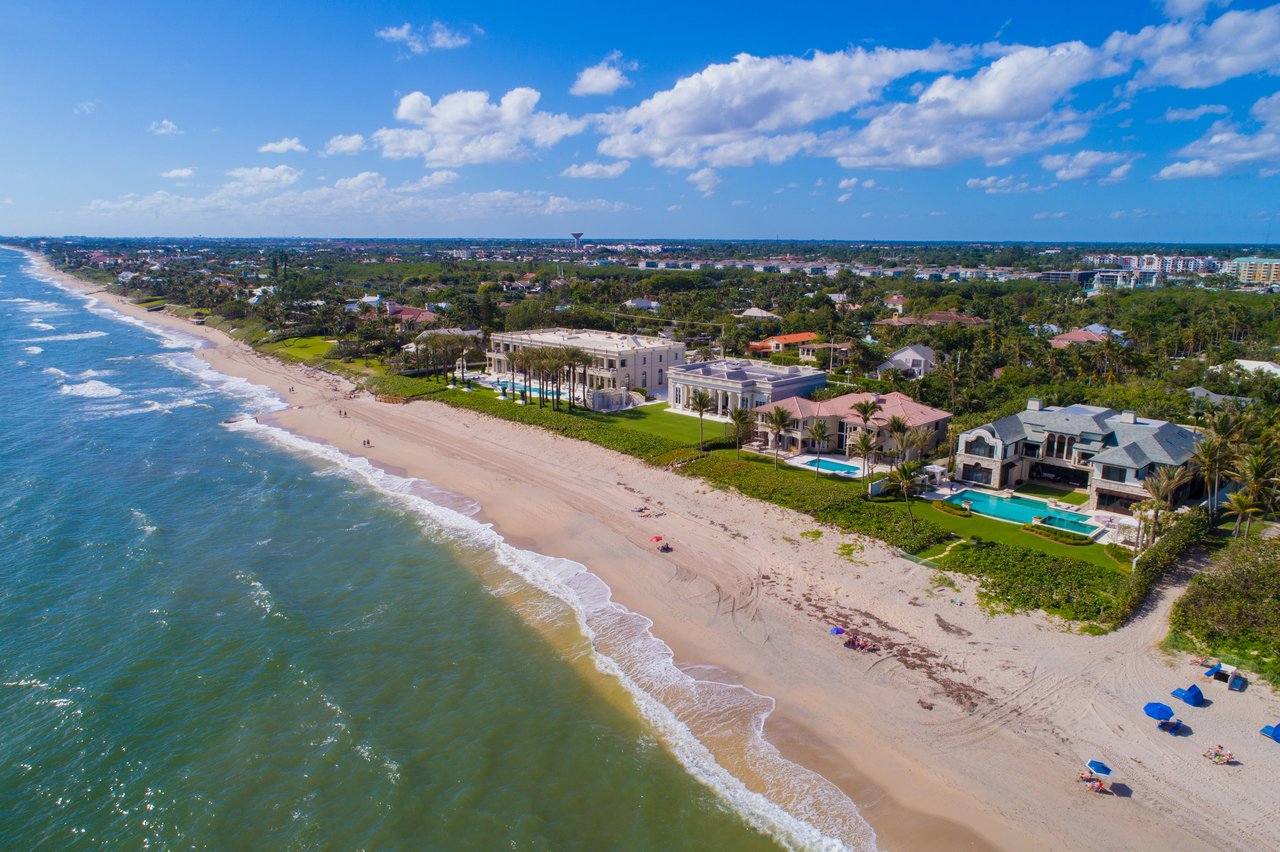
Palm Beach: Old money gravitates here—estate properties start at $3 million. Unmatched privacy, exclusivity, and access to elite social clubs. West Palm Beach provides a more accessible entry point with downtown revitalization. The Hamptons comparison fits.
Tampa and St. Petersburg: Florida's best value proposition for New Yorkers wanting urban amenities at moderate prices. Tampa's median near $425,000 provides suburban comfort. St. Petersburg's waterfront renaissance creates an arts scene reminiscent of Queens. Growing tech sector generates career opportunities.
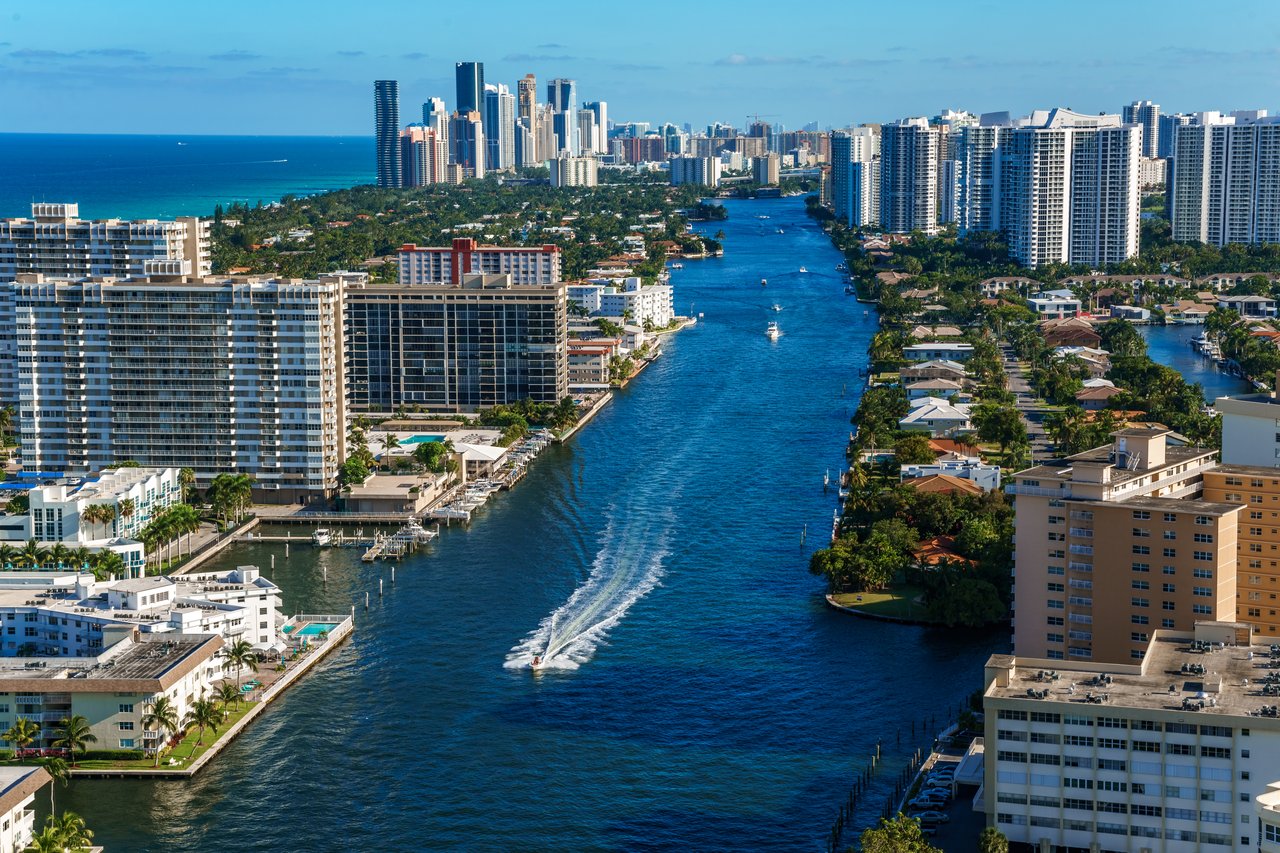
Fort Lauderdale: The "Venice of America" lifestyle with extensive waterways and yachting culture. Beach access without Miami's intensity. Median prices range from $550,000 to $1 million+ depending on waterfront access.
Naples: Southwest Florida's premier destination for retirees. Championship golf, sophisticated dining, and cultural institutions in a quieter setting. Median prices suit empty-nesters seeking resort-style retirement: $600,000+.
Florida Cities: Quick Comparison
|
City |
Best For |
Median Price |
NYC Equivalent |
|
Miami Beach |
Urban energy, nightlife |
$650,000+ |
Manhattan/Williamsburg |
|
Coral Gables |
Families, top schools |
$1.2M+ |
Upper West Side |
|
Tampa |
Value, emerging tech |
$425,000 |
Queens/Jersey City |
|
Palm Beach |
Ultra-wealthy, privacy |
$3M+ |
Hamptons |
|
Boca Raton |
Golf, suburban comfort |
$600,000 |
Long Island |
Each market serves different relocator profiles. Misalignment creates buyer's remorse.
-
Are you seeking maximum lifestyle change or familiar urban patterns?
-
Do career networks matter, or have you achieved financial independence?
-
School districts critical, or empty-nester?
Explore detailed neighborhood guides to understand micro-market differences.
How Do You Legally Establish Florida Residency?
Declaring residency verbally carries zero legal weight with New York tax authorities. The State of New York aggressively audits high-net-worth former residents who claim relocation while maintaining significant New York ties. Proper domicile establishment for New Yorkers moving to Florida requires meticulous documentation and strategic behavioral changes to legally sever the connection.
The Foundation: The 183-Day Rule and Domicile
The complexity centers on two statutory concepts: Statutory Residency and Domicile.
-
Statutory Residency (The 183-Day Rule): You must be physically present in Florida for at least 183 days during the tax year. Crucially, New York can still claim you as a statutory resident if you maintain a "permanent place of abode" in New York and spend more than 183 days there. High earners face intense scrutiny—New York's audit division specifically targets individuals claiming Florida residency who previously filed substantial New York returns.
-
Domicile (Intent): This is the single most important factor: where you intend your true home to be. Proving intent requires overwhelming documentary evidence and changes to your social, financial, and personal life.
Ironclad Documentation Checklist
Clients must create an unambiguous trail of Florida intent. Perform these core steps promptly to solidify your claim:
-
Obtain Florida driver's license within 30 days, surrender New York license
-
Register to vote in Florida, cancel New York voter registration
-
File an official Declaration of Domicile with the county clerk
-
Update address with USPS, IRS, and all financial institutions
-
Apply for the Homestead Exemption on your Florida residence
-
Update all estate planning documents for Florida jurisdiction
-
Establish Florida physician as your primary care provider and join Florida-based clubs/organizations
-
Use your Florida address on all tax returns and professional licenses
New York Audit Red Flags (Severing Ties)
New York auditors rely on key markers of residual intent. To mitigate audit risk, the following ties must be severed or reclassified:
-
Permanent Abode: Maintaining a readily available New York property (owned or leased). This must be sold or converted to a full-time, arms-length rental.
-
Physical Presence: Spending more than 183 days in New York.
-
Operational Links: Maintaining New York business addresses or offices, or having children attending New York schools.
-
Social/Personal Ties: New York gym memberships, country clubs, or leaving "near and dear" property (irreplaceable collections, heirlooms) in the state.
The Day Counting Protocol
To defend against a New York audit, maintaining contemporaneous records proving Florida physical presence is mandatory. This is a non-negotiable compliance requirement. New York auditors demand documentary proof, making every day's location a potential audit item.
-
Maintain meticulous records using spreadsheets or specialized apps to track your location daily.
-
Evidence includes: Credit card statements, E-ZPass data, airline receipts, calendar entries, and phone records.
-
Rule: Any day present in Florida for any portion counts as a Florida day.
Strategic Guidance: Consult with both New York and Florida tax attorneys plus CPAs experienced in high-stakes domicile changes before implementing your move. Professional guidance is a small investment relative to the multi-million dollar tax liability of a failed domicile claim.
Connect with our team for recommendations on Florida real estate attorneys and tax advisors experienced in high-net-worth relocations.
How Can New Yorkers Invest in Florida Real Estate Before Relocating?
Acquiring Florida property before physically establishing domicile is not merely a convenience—it is a strategic advantage that accelerates residency documentation, secures prime assets in appreciating markets, and can generate transitional income.
The Power of the Early Acquisition Strategy
Purchasing Florida real estate while still a New York resident begins the essential paper trail of Florida connections that decisively support your eventual domicile claim. Property ownership, combined with documented visits, establishes the pattern of increasing Florida presence that tax authorities expect. The property can be leveraged: serving as an initial second home, generating rental income during the transition, and seamlessly converting to your primary residence upon official relocation.
-
Financial & Logistical Positioning: Affluent buyers frequently utilize cash purchases to eliminate lending complexities, strengthen their negotiating position, and expedite closing timelines. This positions them immediately for strategic rental activity or future primary residency.
-
Property Management: Should you choose to generate income pre-relocation, establishing relationships with specialized Florida property management companies is critical. Fees for management typically range from 8-12% for long-term rentals or higher for short-term vacation opportunities.
-
Tax Coordination: Florida property ownership, even before relocation, provides a physical, documented tie. However, rental income must be reported on both New York and federal returns (if rented). Capital gains tax liability is ultimately determined by your residency status at the time of sale.
Executing the Pre-Purchase Strategy
The most effective approach is a coordinated, multi-year plan:
|
Step |
Action |
Strategic Benefit |
|
Phase 1: Acquisition |
Purchase Florida property 12-24 months before your intended relocation. |
Secures asset and initiates documented Florida presence. |
|
Phase 2: Transition |
Use the property as a second home or long-term rental, while frequently visiting and documenting Florida presence. |
Builds tax defense and potentially generates income. |
|
Phase 3: Domicile |
Convert the property to your primary residence upon official, documented relocation. |
This allows for immediate filing for the Homestead Exemption and access to Save Our Homes benefits starting January 1st, following the official establishment of your primary residency. |
This precise sequence requires sophisticated coordination between luxury real estate professionals, tax advisors, and legal counsel to ensure compliance and optimal financial outcomes.
Browse available properties and schedule consultations to discuss pre-relocation strategy.
What Are the Downsides of Relocating to Florida?
Honest assessment prevents buyer's remorse. Tax savings and lifestyle benefits come with genuine challenges that deserve serious consideration. Understanding what New Yorkers moving to Florida consistently underestimate—from hurricane insurance complexity to summer heat intensity—helps set realistic expectations.
Hurricane Season: Atlantic hurricane season runs June through November, peak activity August through October. Major hurricanes cause property damage, require evacuation, and disrupt life in ways unfamiliar to most New Yorkers. Hurricane preparedness becomes annual ritual—securing outdoor furniture, stocking supplies, installing shutters or impact glass, potentially evacuating.
Insurance ramifications are substantial. Florida homeowners insurance costs average $4,500-$6,000 annually, with coastal properties sometimes exceeding $10,000-$15,000 combining wind and flood coverage. Flood insurance adds $2,000-$5,000+ annually. Some carriers exited the Florida market entirely.
Summer Heat and Humidity: July through September feature temperatures consistently above 90°F with oppressive humidity. Air conditioning becomes non-negotiable, driving electric bills of $300-$500+ monthly for larger homes. Climate constrains outdoor recreation to early morning and evening hours during summer.
Car Dependency: Florida cities lack New York's comprehensive public transportation. You'll drive everywhere—work, groceries, dining, entertainment. Traffic congestion in Miami rivals Manhattan at peak hours. The walkable, transit-oriented lifestyle possible in New York doesn't exist in most Florida markets.
School Quality: Florida public schools generally lag behind New York's top districts. Certain counties (Palm Beach, Sarasota) maintain strong schools, but overall metrics trail New York's best suburban districts. Solution for affluent relocators: private schools costing $15,000-$35,000+ annually per child.
School Quality by Area
|
Florida Area |
Public Rating |
Notable Private Schools |
|
Miami-Dade |
B |
Ransom Everglades, Gulliver Prep |
|
Palm Beach |
B+ |
Pine Crest, Saint Andrew's |
|
Hillsborough (Tampa) |
B |
Berkeley Prep, Tampa Prep |
|
Sarasota |
A- |
Out-of-Door Academy |
Cultural Adjustments: Florida lacks New York's depth of cultural institutions, dining diversity, and concentration of world-class museums and theater. Miami offers the strongest cultural scene but doesn't match Manhattan's breadth. Social fabric differs—suburban car culture, gated communities, less spontaneous street-level interaction.
Healthcare Differences: New York provides access to premier medical centers (Mount Sinai, NYU Langone, Memorial Sloan Kettering). Florida offers strong systems (Cleveland Clinic Florida, Mayo Clinic Jacksonville, University of Miami Health), but outside major metros, specialty care requires more travel.
Political Environment: Florida's conservative political lean differs substantially from New York's progressive orientation. Practical impacts touch education policy, social services, environmental regulations, and cultural issues.
The Honest Reality
Florida summers are brutal—95°F with 80% humidity July through September. You need a car for virtually everything outside urban Miami. Homeowners insurance may cost $5,000-$15,000 annually in coastal areas. Hurricane season requires evacuation preparedness and brings genuine anxiety. Public schools generally rank below New York's best districts.
Questions to ask yourself: Can I tolerate car dependency after years of subway convenience? Will hurricane preparation and elevated insurance costs trouble me despite tax savings? Does reduced cultural density matter given my lifestyle priorities?
Most successful relocations involve clear-eyed assessment rather than romanticized visions of perpetual sunshine.
Is Florida a Good Place to Retire for New Yorkers?
Florida’s status as the premier retirement destination for New Yorkers moving to Florida is driven by an unmatched combination of financial and lifestyle factors tailored specifically for retirees.
Unmatched Tax Optimization
The financial advantages are clear and decisive:
-
Income Tax Elimination: Florida imposes zero state income tax on all retirement income—including Social Security, 401(k) distributions, IRA withdrawals, and pensions. This instantly converts taxable income into retained capital.
-
Estate Tax Advantage: Eliminating New York’s state estate tax (which can reach 16% on estates exceeding $6.94 million) ensures maximum wealth transfer to heirs. For substantial estates, this advantage alone is transformational.
Strategic Timing: To maximize tax savings, high-net-worth individuals must strategically establish Florida domicile before beginning significant retirement account distributions or triggering large pension incomes.
Lifestyle and Infrastructure
Year-round warmth enables an active, outdoor lifestyle—golf, tennis, and boating—impossible during New York winters. Furthermore:
-
Robust Healthcare: Major medical centers in South Florida, Tampa, and Jacksonville ensure comprehensive specialty care, driven by decades of investment catering to the sophisticated retiree population.
-
Active Adult Communities: Florida pioneered the luxury, age-restricted community model, offering resort-style amenities and built-in social networks that eliminate the burden of home maintenance.
Many successfully adopt the "snowbird" strategy, optimizing for climate comfort by spending summers up north while firmly maintaining their Florida residency (and the associated tax benefits).
Browse Florida properties designed for sophisticated retirees seeking premier lifestyle with tax optimization.
Will I Find Job Opportunities in Florida After Moving?
Florida's economic transformation has created substantial, high-level career opportunities, particularly within key growth sectors, though the market dynamics differ from New York's concentration.
Key Growth Sectors
The local economy is no longer purely tourism-driven. Major financial services firms, hedge funds (e.g., Citadel, Blackstone), and asset managers have established significant operations in Miami, Tampa, and Palm Beach. Technology is also a rapidly expanding sector, with Miami emerging as a major tech hub attracting venture capital and established companies. This provides ample clinical, administrative, and executive opportunities, especially when combined with the stable, demand-driven healthcare industry.
Salary Parity and Tax Strategy
While Florida salaries may initially appear to lag New York equivalents by 10-30%, the $\mathbf{0\%}$ state income tax fundamentally shifts the compensation analysis for high earners.
-
A competitive executive salary in Florida, combined with annual tax savings, often results in greater purchasing power and net take-home pay than a seemingly higher-grossing New York salary. This makes executive positions in finance, technology, and healthcare administration highly competitive.
The Remote Work Nuance
For those maintaining New York employment, residing in Florida creates an optimal financial scenario: New York compensation with Florida tax treatment. However, this demands sophisticated tax planning to navigate New York’s "convenience of the employer" rule. Proper structuring of employment contracts and meticulous documentation of the remote work necessity are non-negotiable to avoid New York attempting to tax a portion of your income.
How Much Does It Cost to Move from NY to FL?
Understanding comprehensive relocation costs extends beyond moving company fees to encompass temporary housing, travel, utility deposits, and incidental expenses that accumulate during transition.
Complete Relocation Budget (3BR Home)
|
Expense Category |
Cost Range |
|
Moving company (full-service) |
$6,000–$10,000 |
|
Temporary housing (3 weeks) |
$3,000–$5,000 |
|
Travel and transportation |
$1,500–$3,000 |
|
Utility setup and deposits |
$500–$1,000 |
|
Address changes and admin |
$500–$1,500 |
|
Miscellaneous expenses |
$1,000–$2,500 |
|
Total Estimated Cost |
$12,500–$23,000 |
Full-Service Moving: Typical ranges by home size:
-
Studio/one-bedroom: $2,500-$4,500
-
Two-bedroom: $4,000-$7,000
-
Three-bedroom: $6,000-$10,000
-
Four+ bedroom or luxury move: $10,000-$25,000+
Summer months command premium pricing. Booking during off-peak periods (October-April) may reduce costs 10-15%.
Temporary Housing: Most relocators need accommodation for 2-4 weeks while house-hunting or awaiting household goods delivery. Extended-stay hotels, short-term rentals, or Airbnb cost $3,000-$6,000 depending on location.
Transportation: Multiple house-hunting trips, final relocation travel, and vehicle transport contribute significant expenses. House-hunting trips typically run $1,000-$3,000 for 2-3 visits. Vehicle shipping costs $600-$1,200 per vehicle.
Utility Deposits: Florida utilities typically require deposits for new customers totaling $300-$1,000 for electric, water, internet, and potentially propane.
Administrative Costs: Driver's license replacement ($48), vehicle registration and title transfer ($200-$400 per vehicle), professional license transfers ($100-$500), and various address updates accumulate to $500-$1,500.
The relocation expense—even at the high end—represents a one-time cost quickly offset by annual tax savings. A household saving $50,000+ annually in state income tax recovers moving expenses within months.
What Are the Top-Rated Moving Companies for NYC to Florida Moves?
The high-volume New York-Florida corridor has produced specialized expertise among certain carriers who understand building restrictions, loading dock protocols, and route logistics.
National Full-Service Carriers:
-
United Van Lines: Established carrier with dedicated NY-FL teams, comprehensive insurance options, and tracking systems. Strong for corporate relocations. Pricing: mid-to-high range.
-
Allied Van Lines: Reliable full-service with professional packing, storage solutions, and vehicle shipping. Good balance of quality and cost.
-
North American Van Lines: Premium service with white-glove options for high-value moves. Custom crating for art, antiques, collectibles.
-
Mayflower Transit: Long-established carrier with consistent service delivery. Good for straightforward residential moves.
-
Specialized Luxury Services:
-
Arpin Van Lines: High-end specialist offering concierge-level service, custom packing, and dedicated move coordinators. Preferred by collectors.
-
Bekins Van Lines: Premium mover focusing on white-glove service and climate-controlled transport. Excels at fine art and wine collections.
Essential Questions:
-
Verify USDOT and MC licensing numbers
-
Request in-home or video survey for accurate estimates
-
Clarify insurance coverage—basic pays only $0.60 per pound; request full-value protection
-
Confirm dedicated crews versus subcontracting
-
Establish guaranteed pickup and delivery windows
-
Understand claims process
Red Flags: Large deposits or cash-only payments, lack of proper licensing, significantly underbidding competitors, refusing in-person estimates, no verifiable physical address, arriving with unmarked rental trucks, changing estimates on moving day.
Reserve reputable carriers 6-8 weeks before intended move date. Obtain written estimates from 3-4 companies. Lowest price rarely delivers best value—focus on reputation and insurance adequacy.
Insurance: Basic "released value" coverage pays only $0.60 per pound—grossly inadequate. Purchase full-value protection (replacement cost) for additional premium, typically 1-2% of declared shipment value.
See our client testimonials from New Yorkers who successfully relocated to South Florida with our guidance.
Frequently Asked Questions
If I spend 183 days in Florida but keep my Manhattan co-op, will New York still come after me for taxes?
Yes. New York considers you a statutory resident if you maintain a "permanent place of abode" in the state and spend more than 183 days there. Many successful New Yorkers moving to Florida sell their New York property or ensure it's unavailable for personal use through full-time rental agreements.
Can I establish Florida residency while my children finish their school year in New York?
This creates significant audit risk. New York views children's school enrollment as strong evidence of continued domicile. Consider delaying your official domicile change until they complete the school year, or prepare for enhanced scrutiny with extensive documentation proving Florida is your actual home base.
I'm selling my business next year for $15 million. Should I move to Florida first or after the sale?
Move first—establish Florida domicile at least 6-12 months before the sale if possible. A $15 million gain generates roughly $1.3 million in New York state tax versus zero in Florida. New York will scrutinize timing, so document everything: property purchase, driver's license, voter registration, physician visits, club memberships.
What if my employer requires me to work from the New York office 2-3 days per week?
You'll face New York's "convenience of the employer" rule, which may tax a portion of your income based on allocation formula. Some employers establish legitimate Florida offices or document business necessity for remote work. This requires careful planning with multi-state tax advisors.
Are there Florida neighborhoods where New York transplants actually cluster?
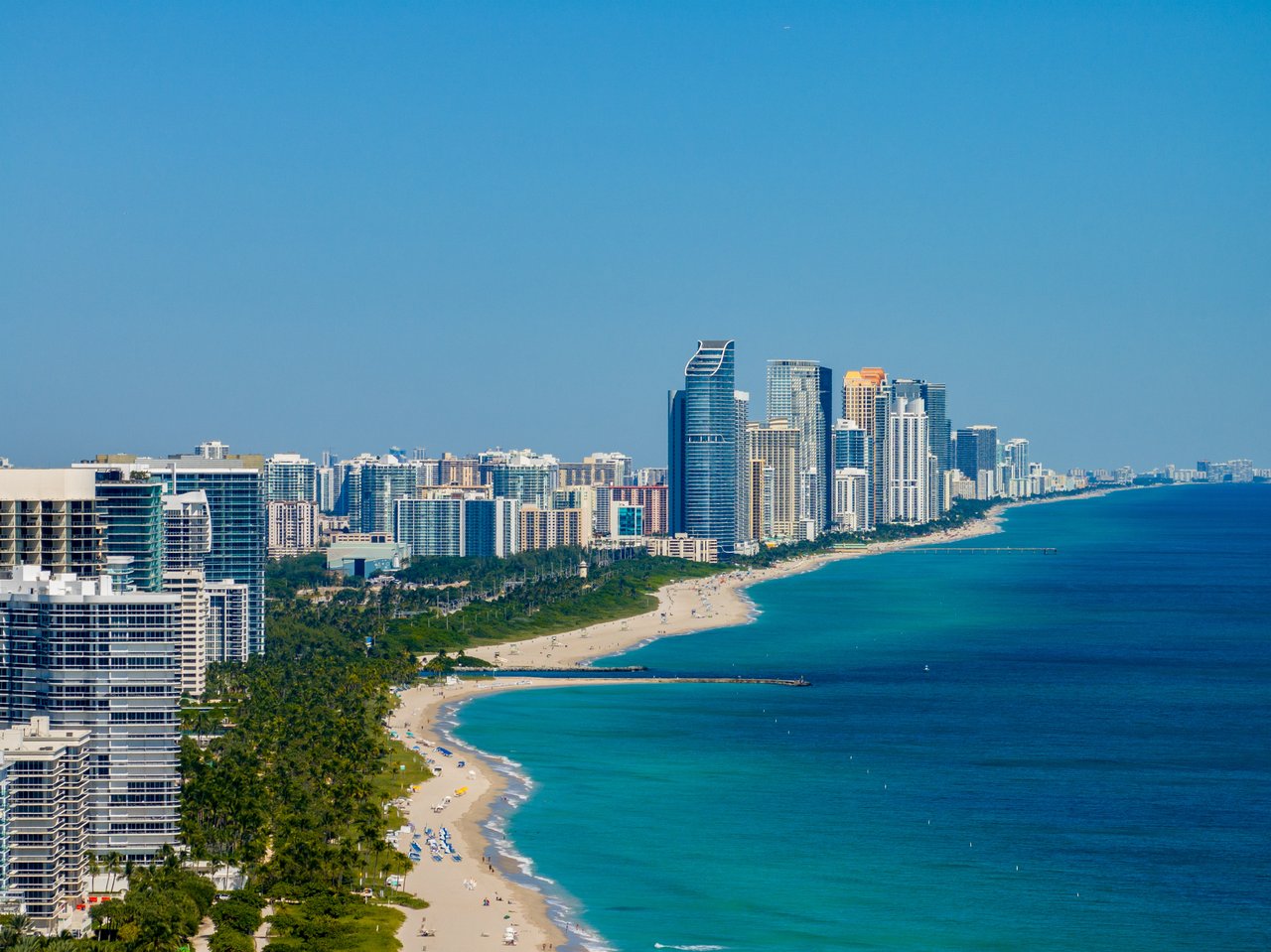
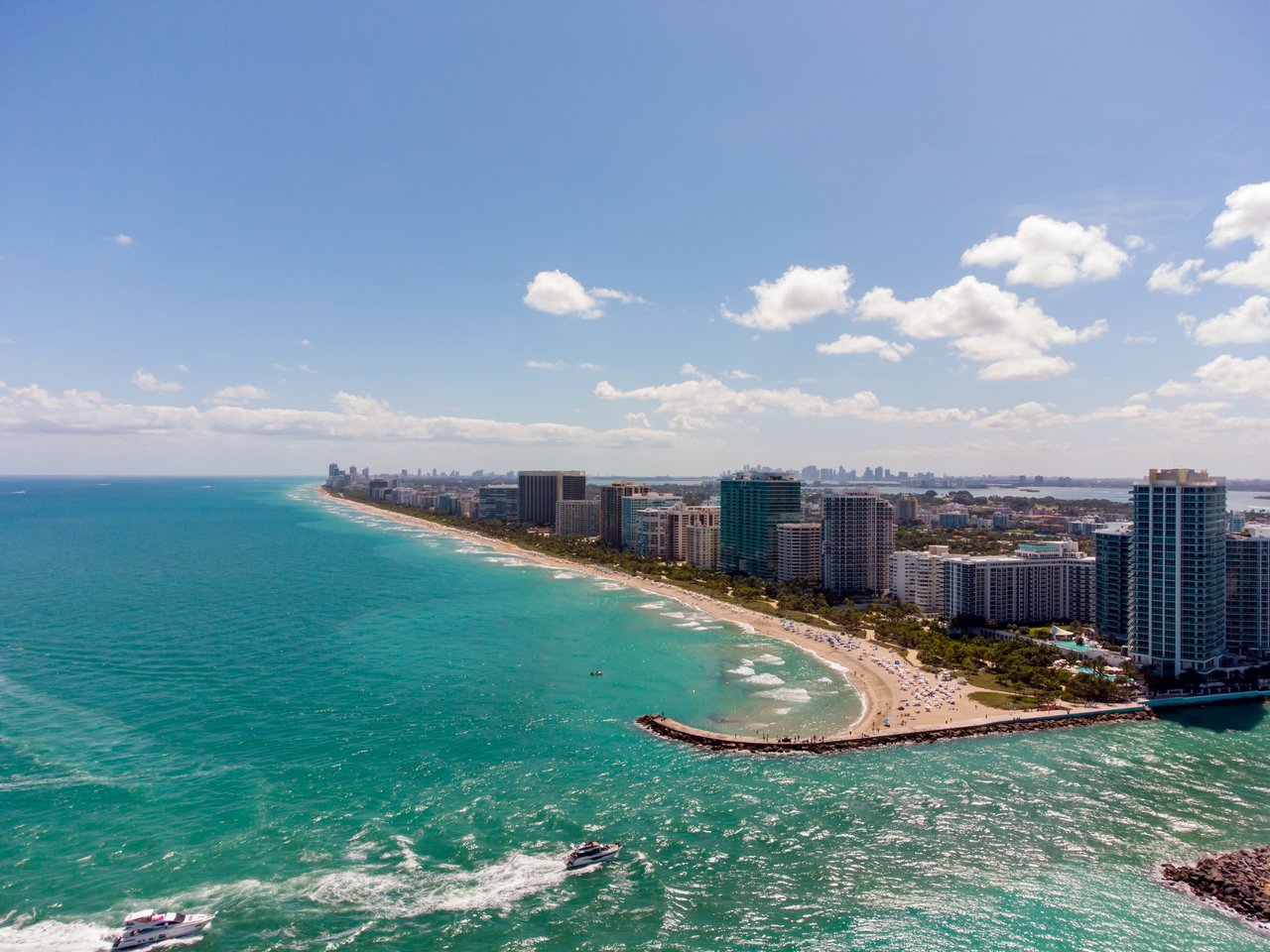
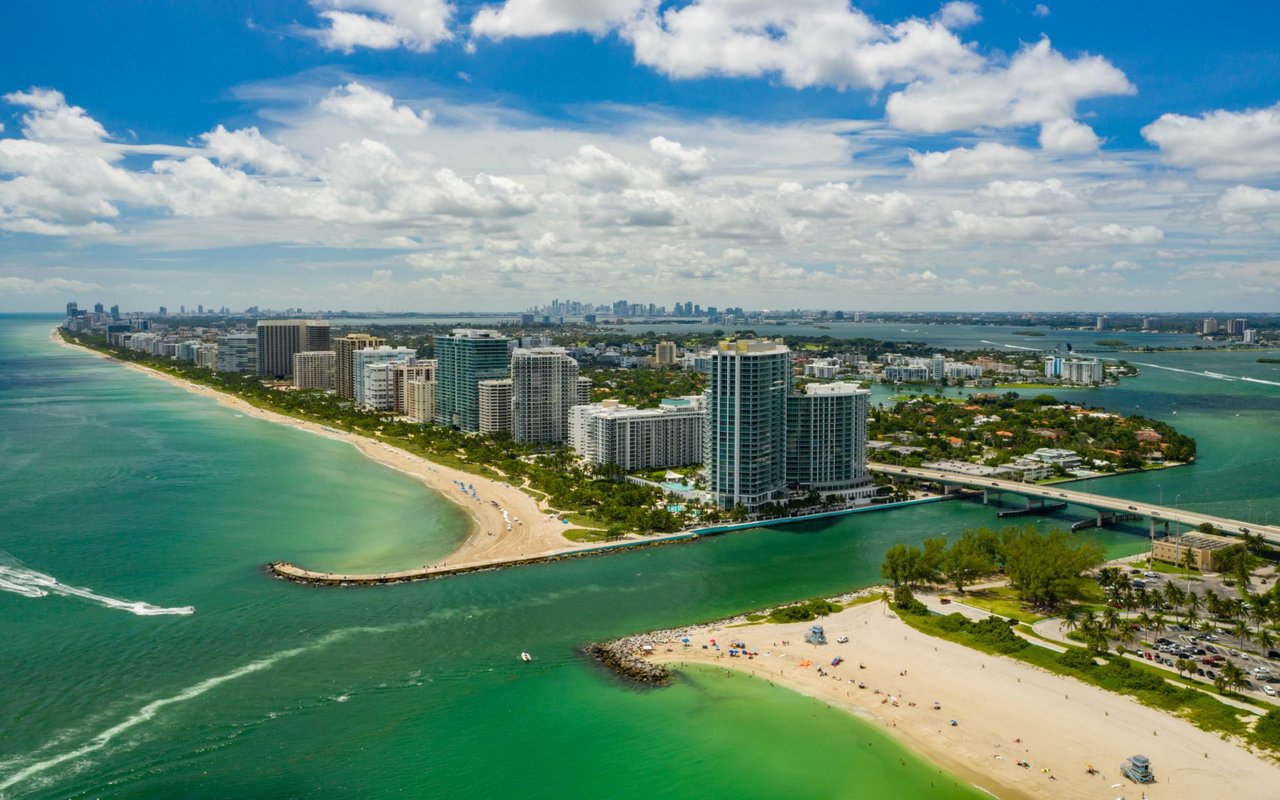
Absolutely. Aventura, Sunny Isles Beach, and Bal Harbour attract heavy concentrations of New York transplants. Boca Raton's east side has substantial New York populations, particularly Long Island and Westchester relocators. Palm Beach and West Palm Beach draw Manhattan refugees. You'll find bagels, delis, and familiar cultural touchpoints in these areas.
How do I handle the transition year when I'm partially in each state?
You'll file as part-year resident in both states, allocating income based on residency periods. Keep meticulous day-counting records: calendar entries, credit card statements, airline receipts, Amazon deliveries. Many high earners engage CPAs experienced in New York to Florida relocation for split-year returns. Assume New York will audit you and prepare accordingly.
What's the real cost of property insurance for a $2 million coastal home?
For a $2 million coastal home in Miami Beach or Palm Beach, expect $12,000-$18,000 annually combining homeowners, wind, and flood coverage. Some high-value coastal properties exceed $25,000 annually. Compare this to New York homeowners insurance of $2,000-$4,000 annually. The differential is $10,000-$15,000+ annually, but this pales compared to state income tax savings for high earners.
Can I rent my Florida property on Airbnb until I move permanently?
Yes, but verify HOA restrictions first—many Naples communities prohibit short-term rentals. You'll report rental income on both federal and New York returns. Many successful New Yorkers relocating to South Florida purchase property 12-24 months before permanent relocation, use it as vacation home initially, then convert to primary residence. This creates documented Florida ties that support your domicile claim.
My estate is $8 million. How much does Florida's estate tax advantage actually matter?
New York's estate tax can hit $400,000-$800,000 on an $8 million estate. Florida imposes zero state estate tax. For business owners with illiquid estates, this becomes critical—heirs won't need to liquidate assets to pay state estate taxes. Combined with lifetime income tax savings, estate planning makes the New York to Florida relocation one of the most powerful wealth preservation strategies available.
What happens if my spouse wants to keep our Westchester home while I move to Florida?
Split-domicile situations require sophisticated planning. If your spouse maintains the Westchester home as primary residence, New York may argue you've maintained a permanent place of abode available for your use. Some couples navigate this by having the New York-remaining spouse hold property individually with documented separation. Many ultimately relocate together or convert the New York property to full-time rental with no personal use.
Your Strategic Partner for Florida Property Success
The difference between a Florida relocation that delivers transformational wealth preservation and one that triggers costly audits, lifestyle disappointment, or buyer's remorse typically comes down to expertise you didn't know you needed. Most New Yorkers moving to Florida underestimate the complexity of executing a tax-optimized move while simultaneously navigating an unfamiliar real estate market, establishing compliant residency documentation, and making property decisions with decades-long financial implications.
The Joelle Oiknine Group specializes exclusively in guiding sophisticated New York relocators through this high-stakes transition. We don't just show properties—we coordinate with your tax advisors on domicile timing, connect you with the attorneys who handle complex residency establishments, introduce you to the private wealth managers who understand Florida's unique planning opportunities, and leverage two decades of South Florida market intelligence to position you in neighborhoods and properties that align with both your financial objectives and lifestyle expectations.
Our clients include the hedge fund managers buying oceanfront compounds in Palm Beach, the technology executives securing Brickell penthouses before their stock option exercises, and the business owners timing Naples purchases around company sales. What they share: recognition that Florida relocation represents a complex wealth management strategy, not a simple address change.
Learn more about our team and our specialized approach to high-net-worth relocations, or watch video testimonials from clients who've successfully made the transition.
The multimillion-dollar question isn't whether Florida offers compelling advantages for high-net-worth New Yorkers—the mathematics prove it does. The question is whether you'll execute the transition with the strategic precision that protects those advantages and maximizes long-term value.
Schedule Your Confidential Consultation
Explore South Florida Neighborhoods
Read Press Coverage of Our Work