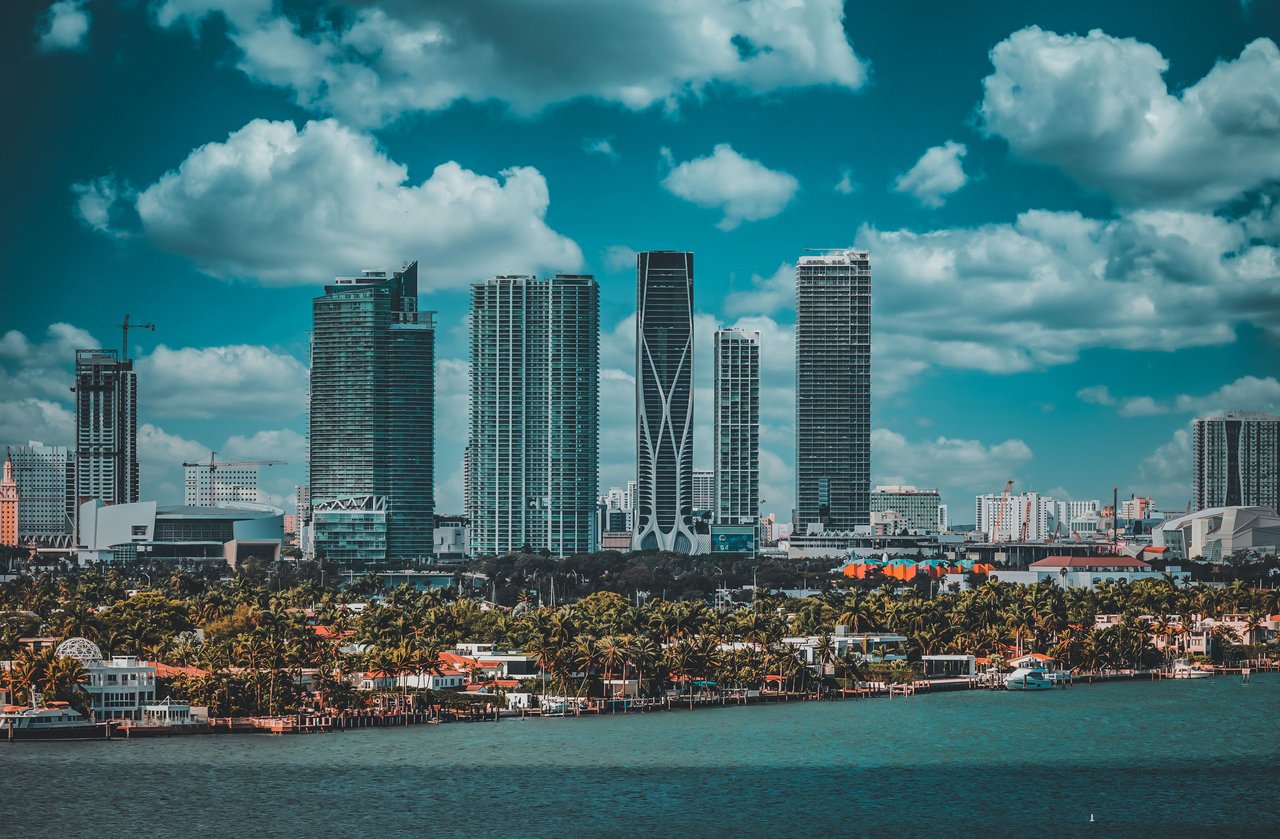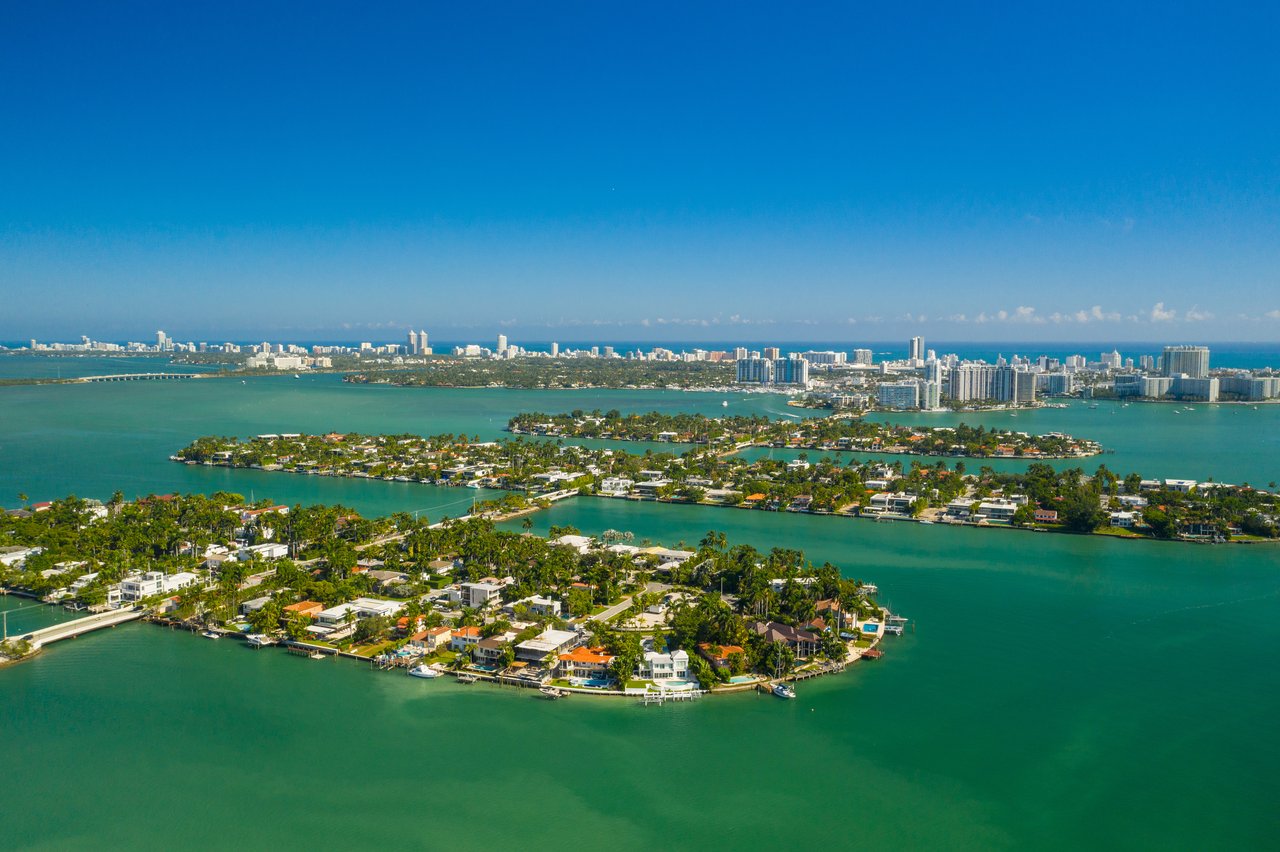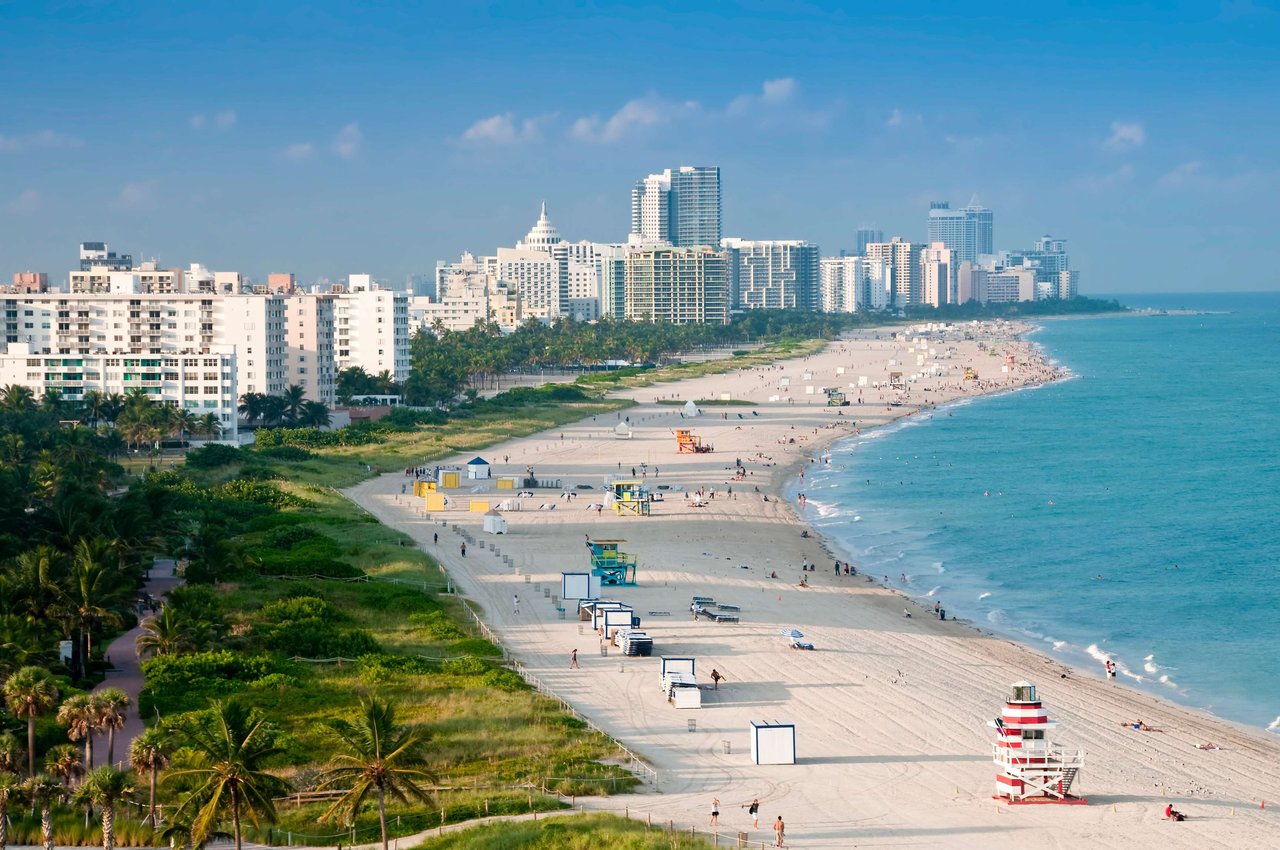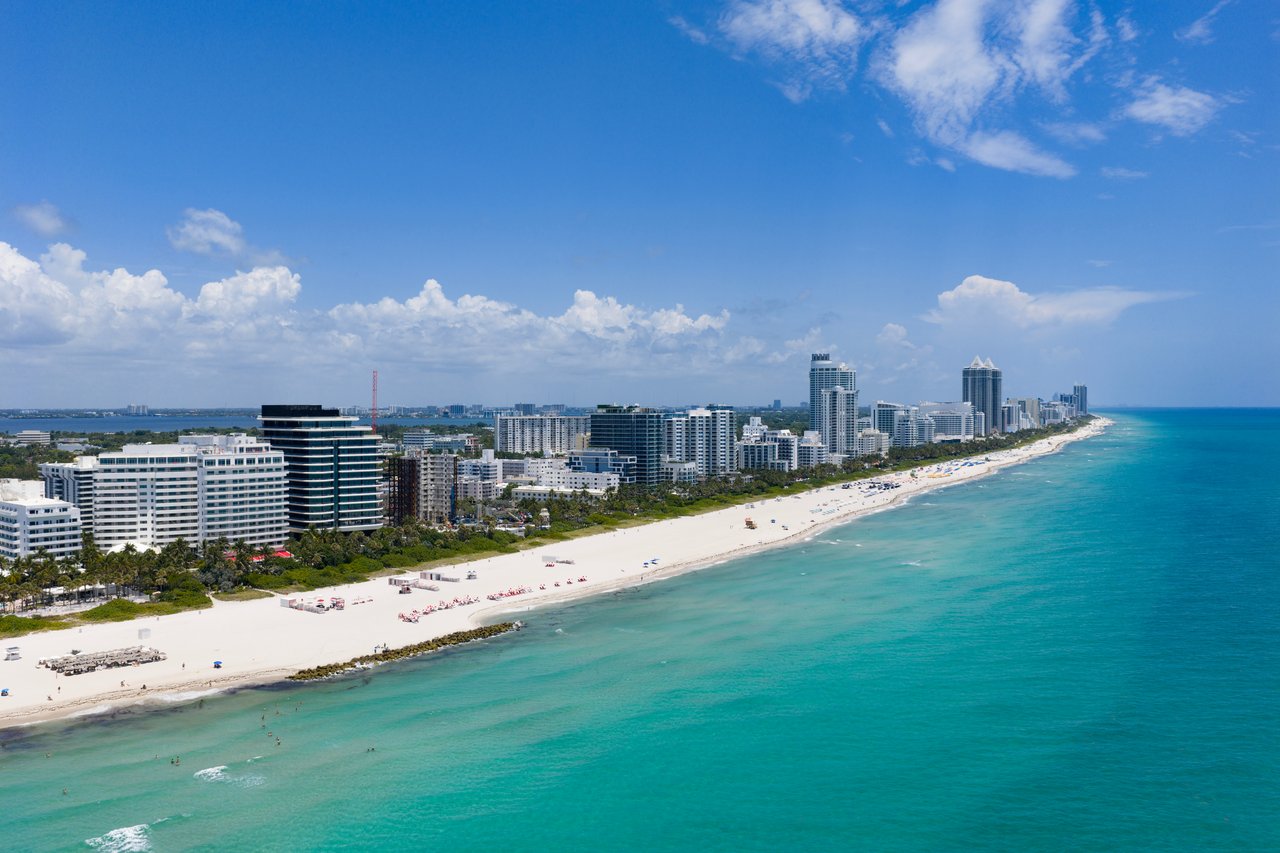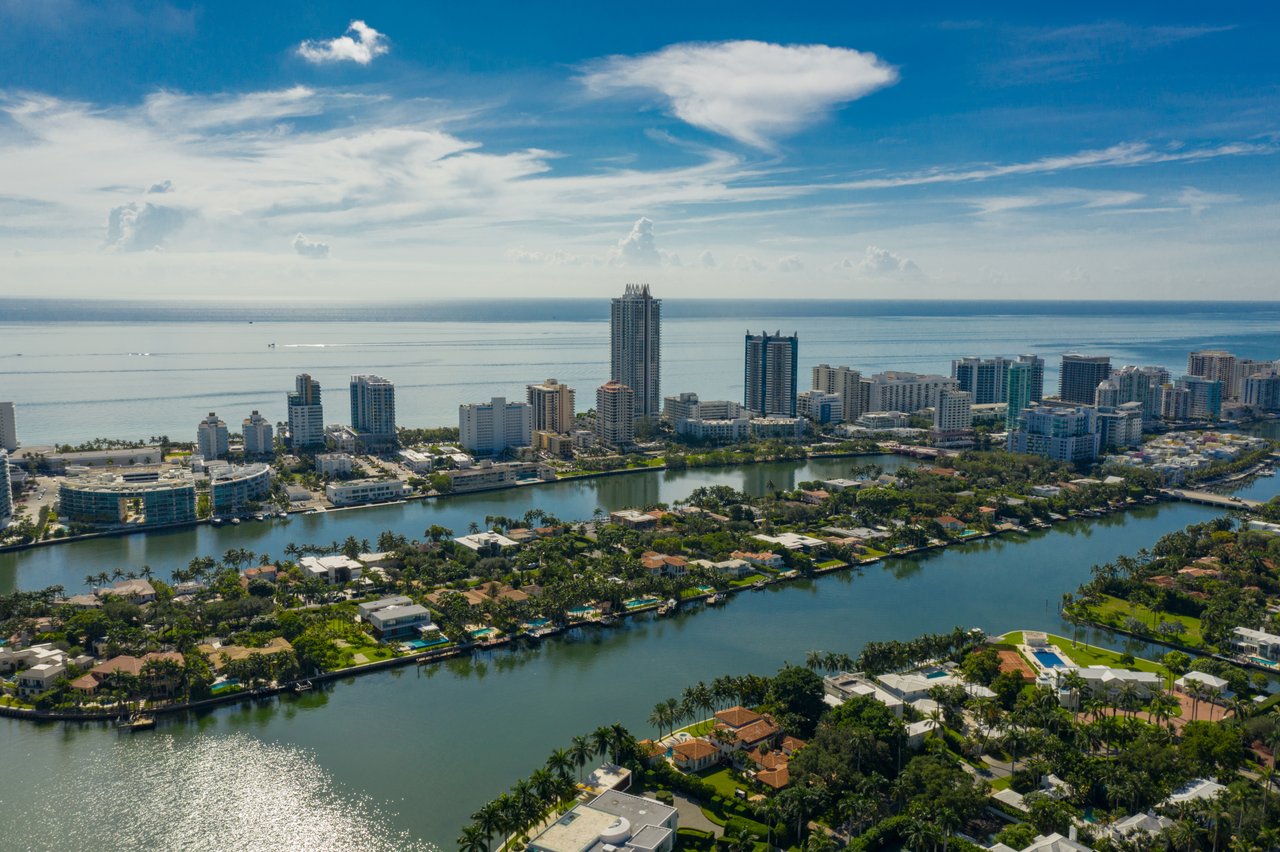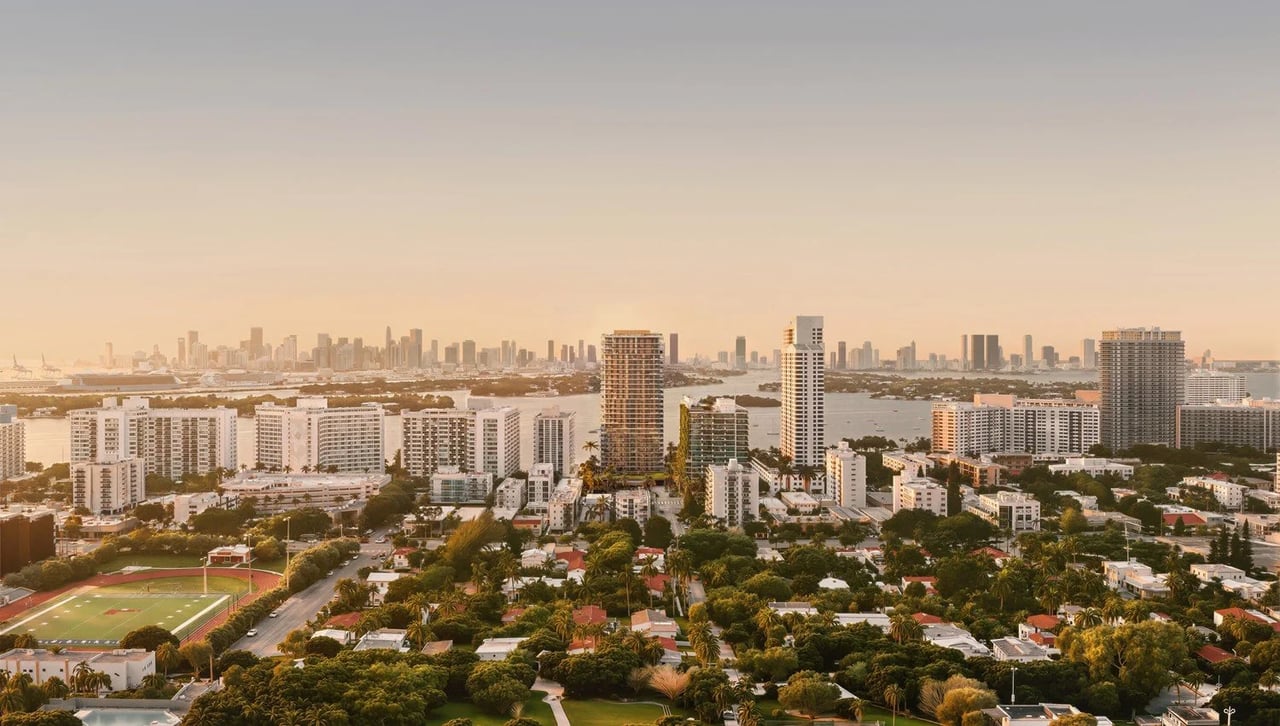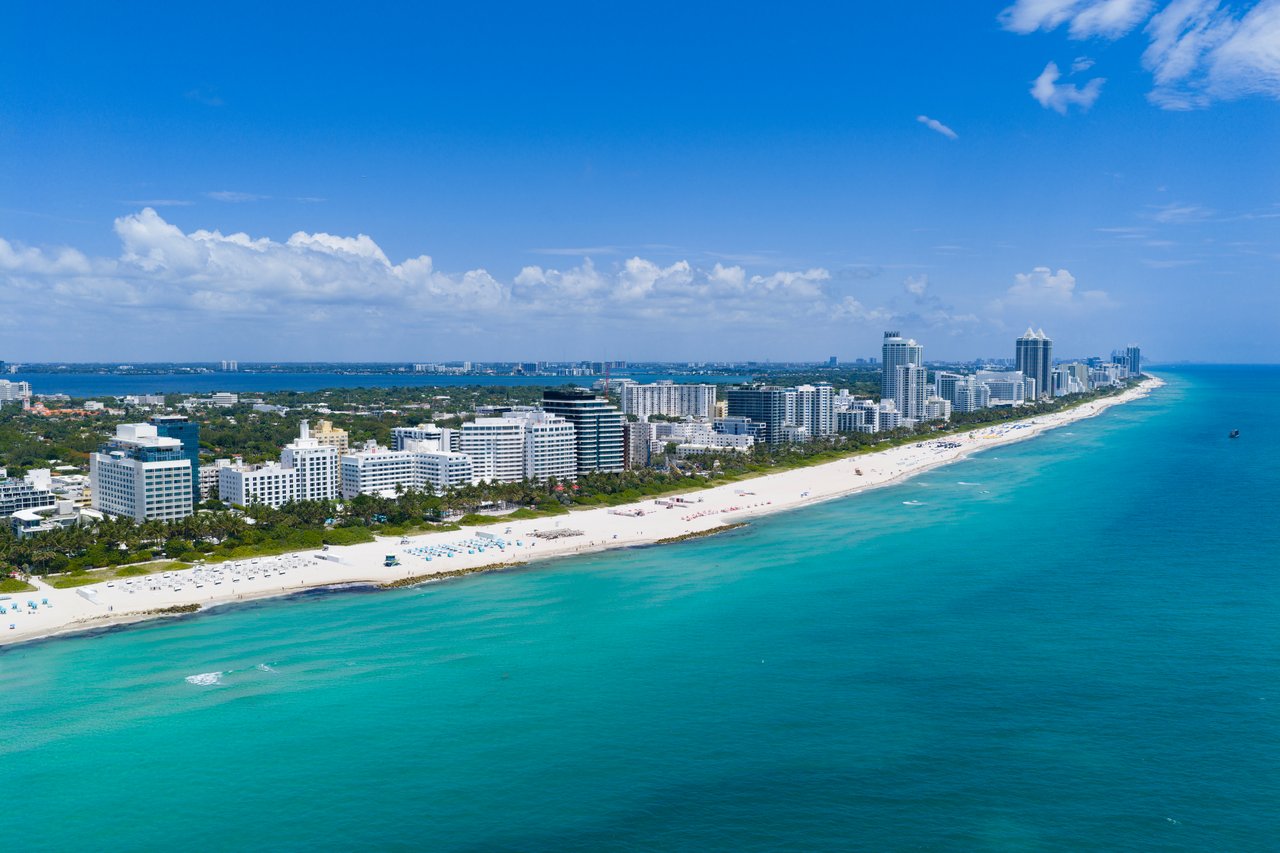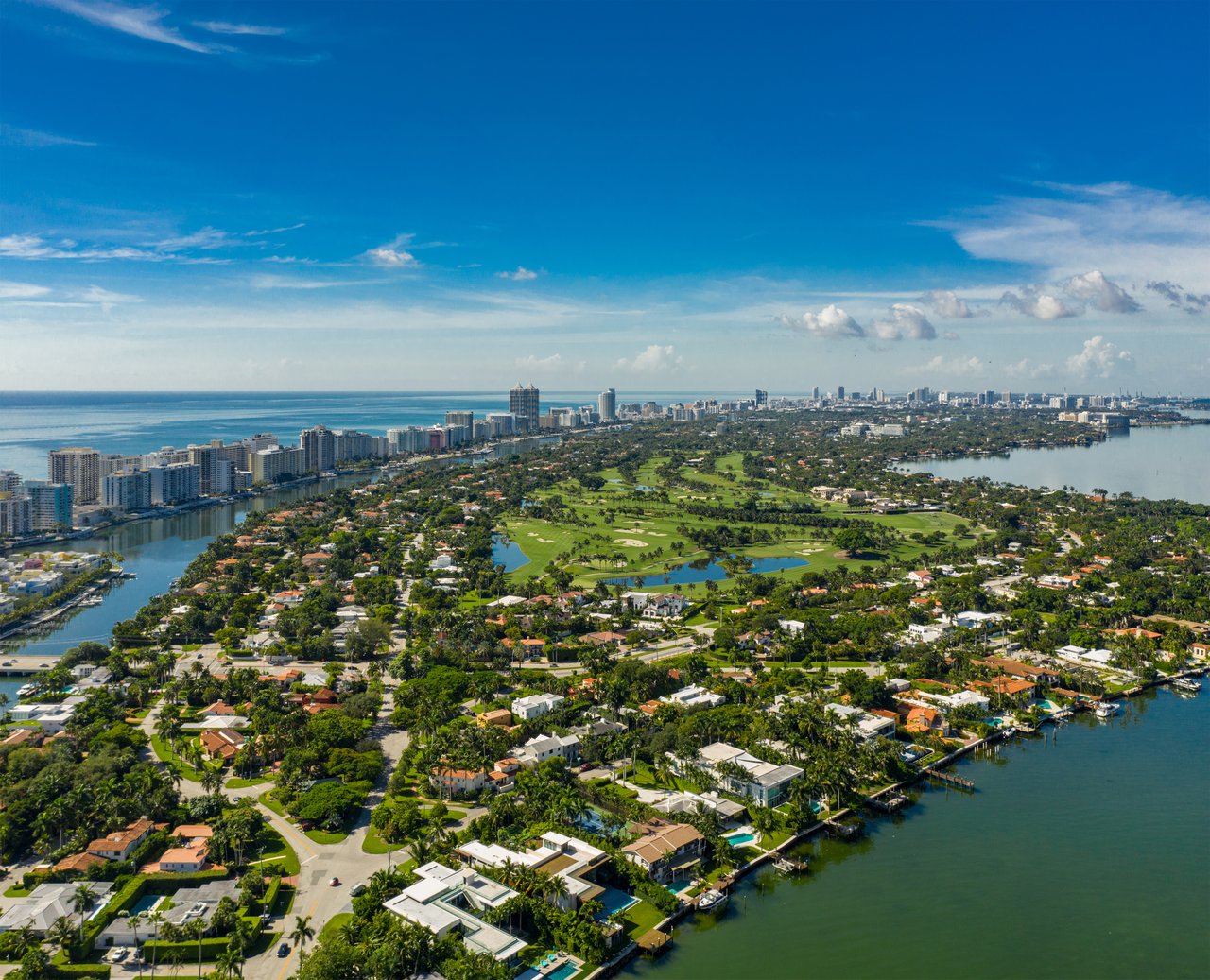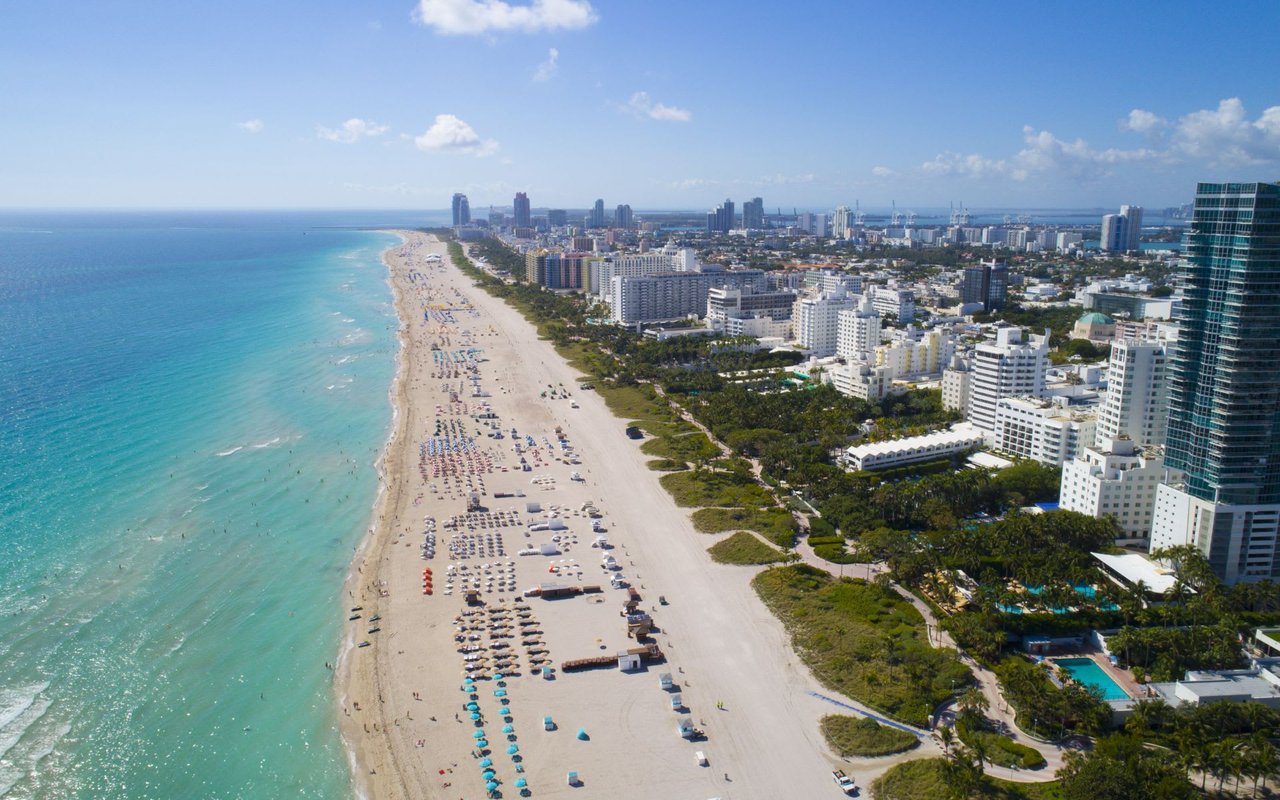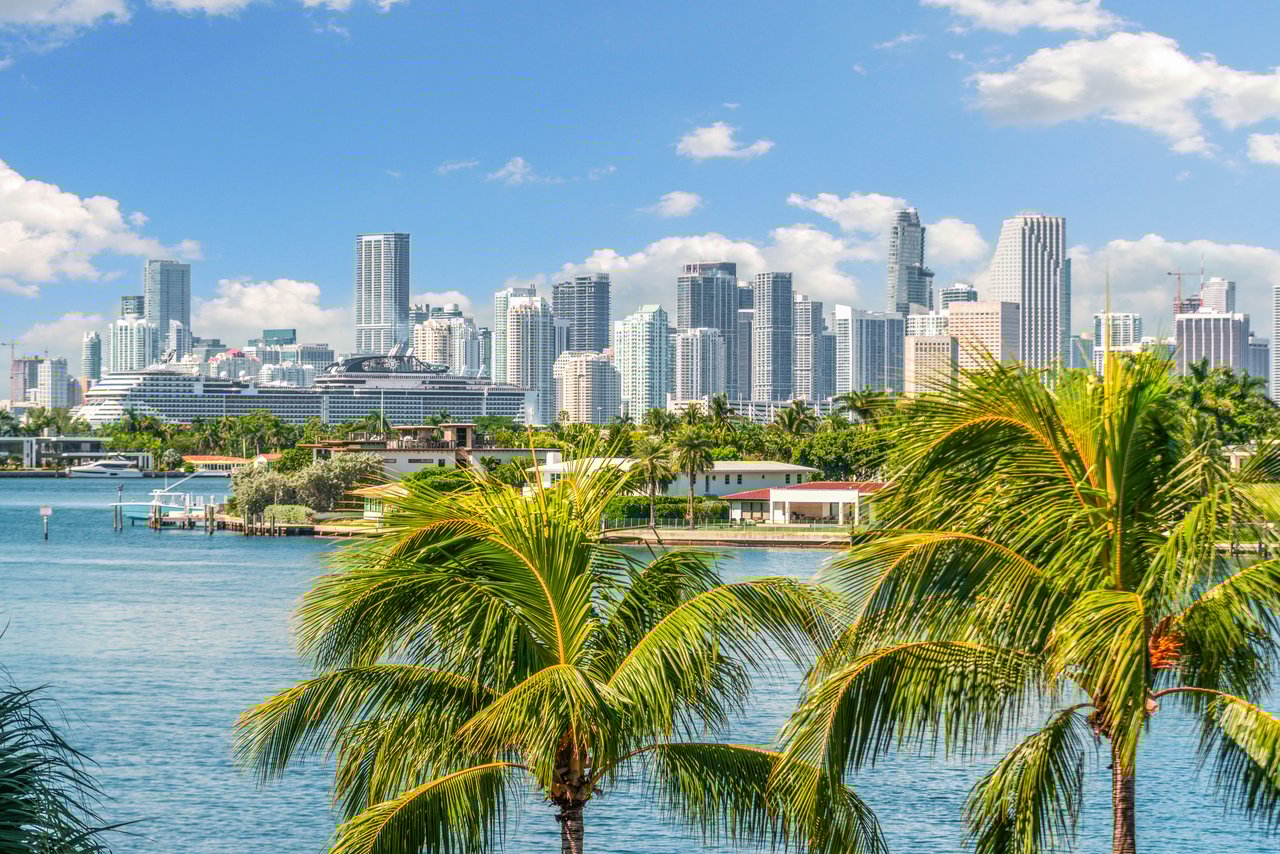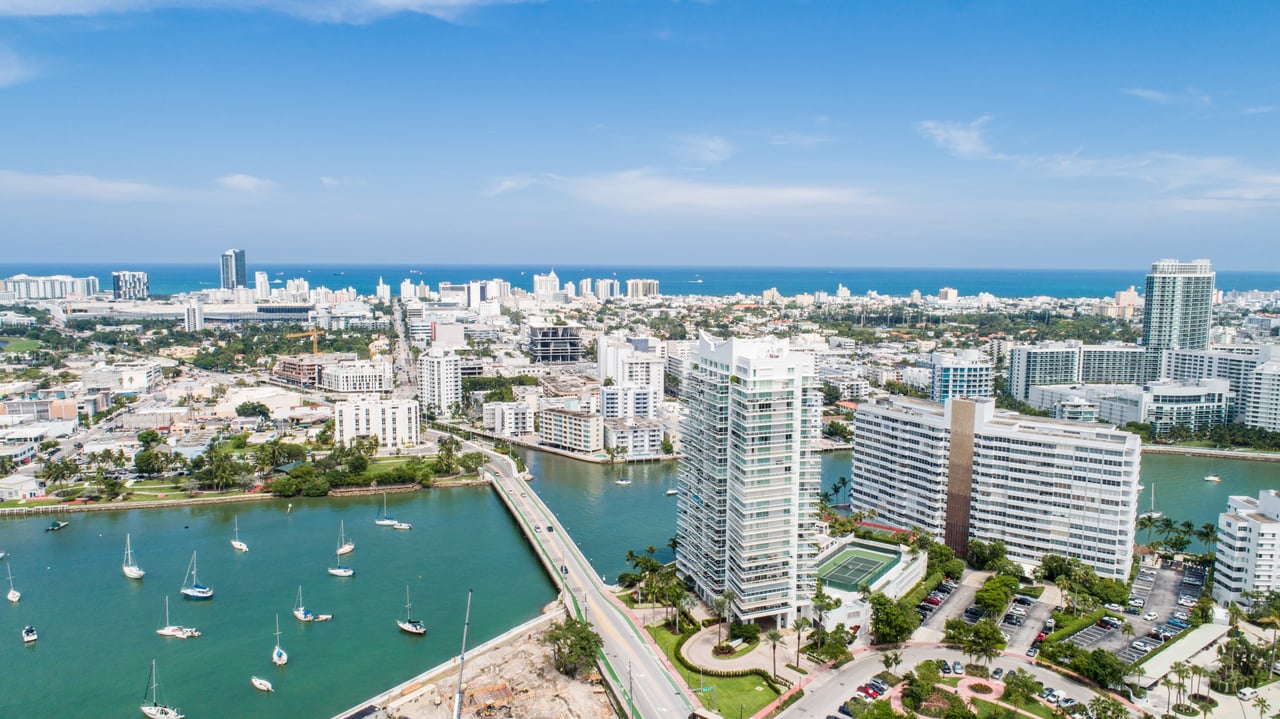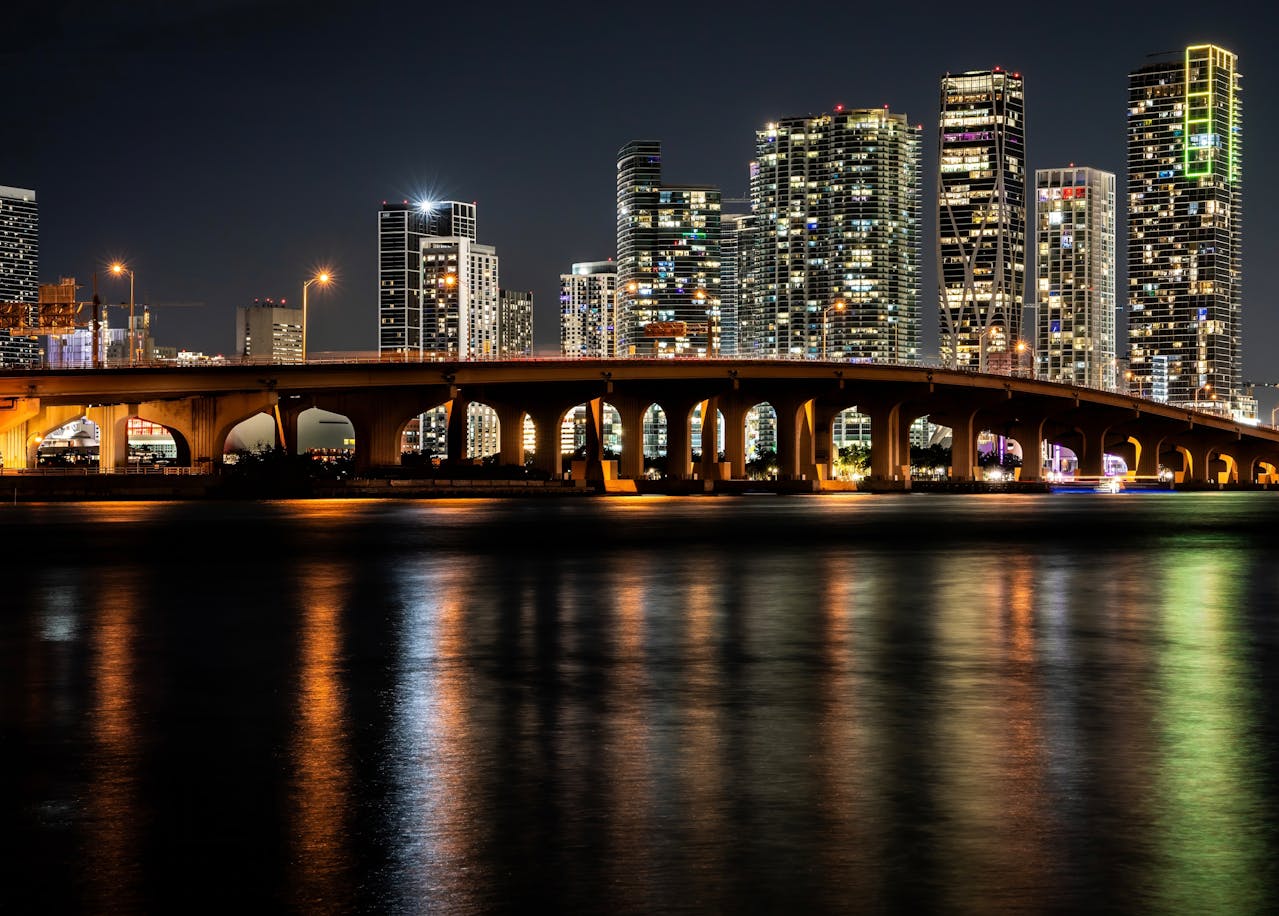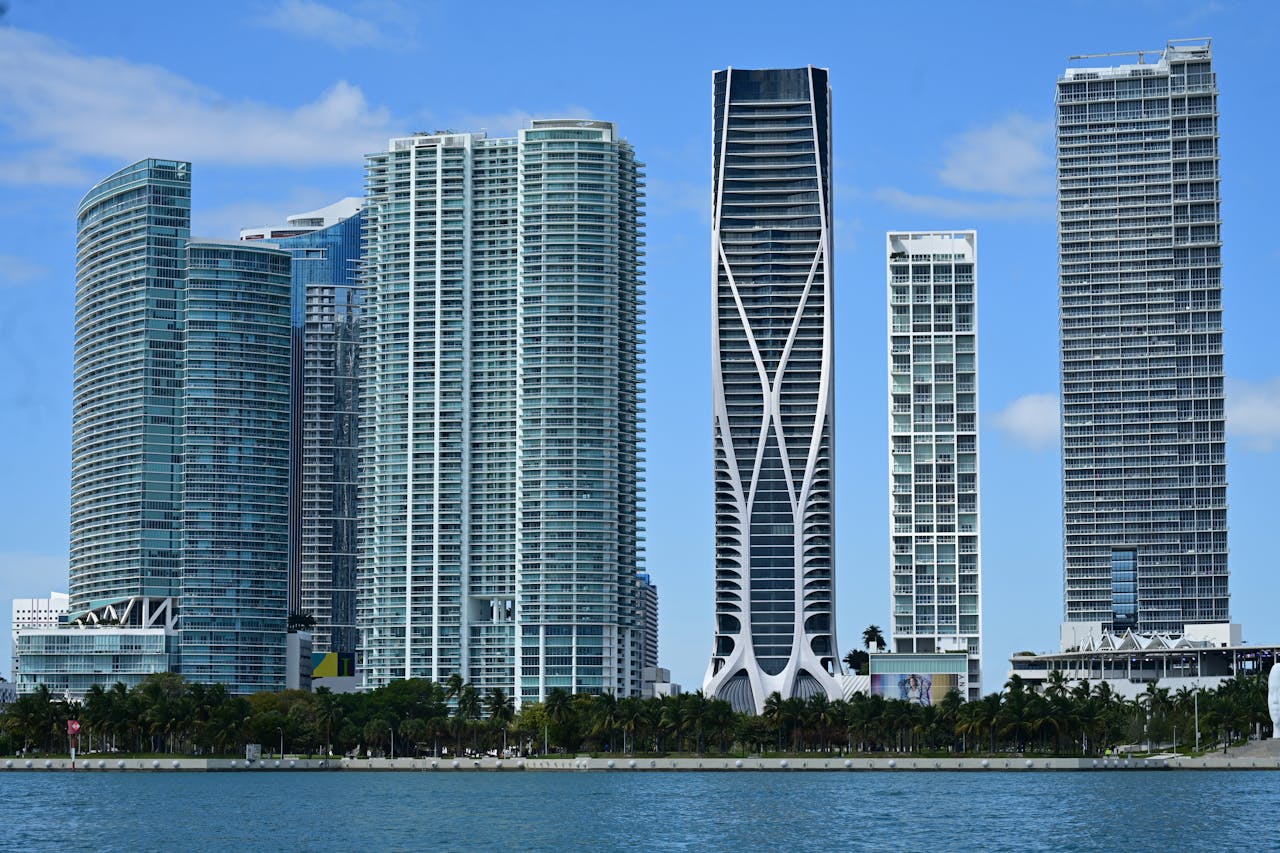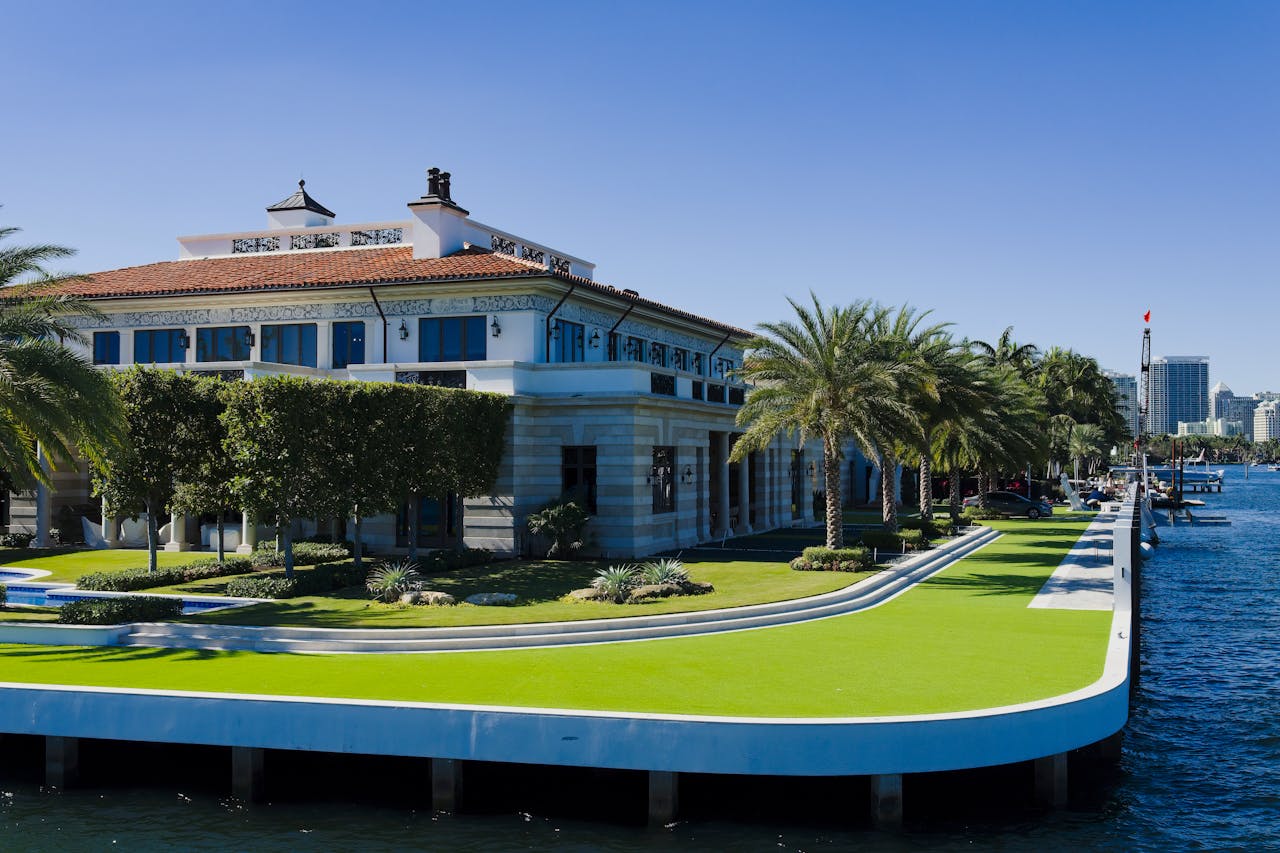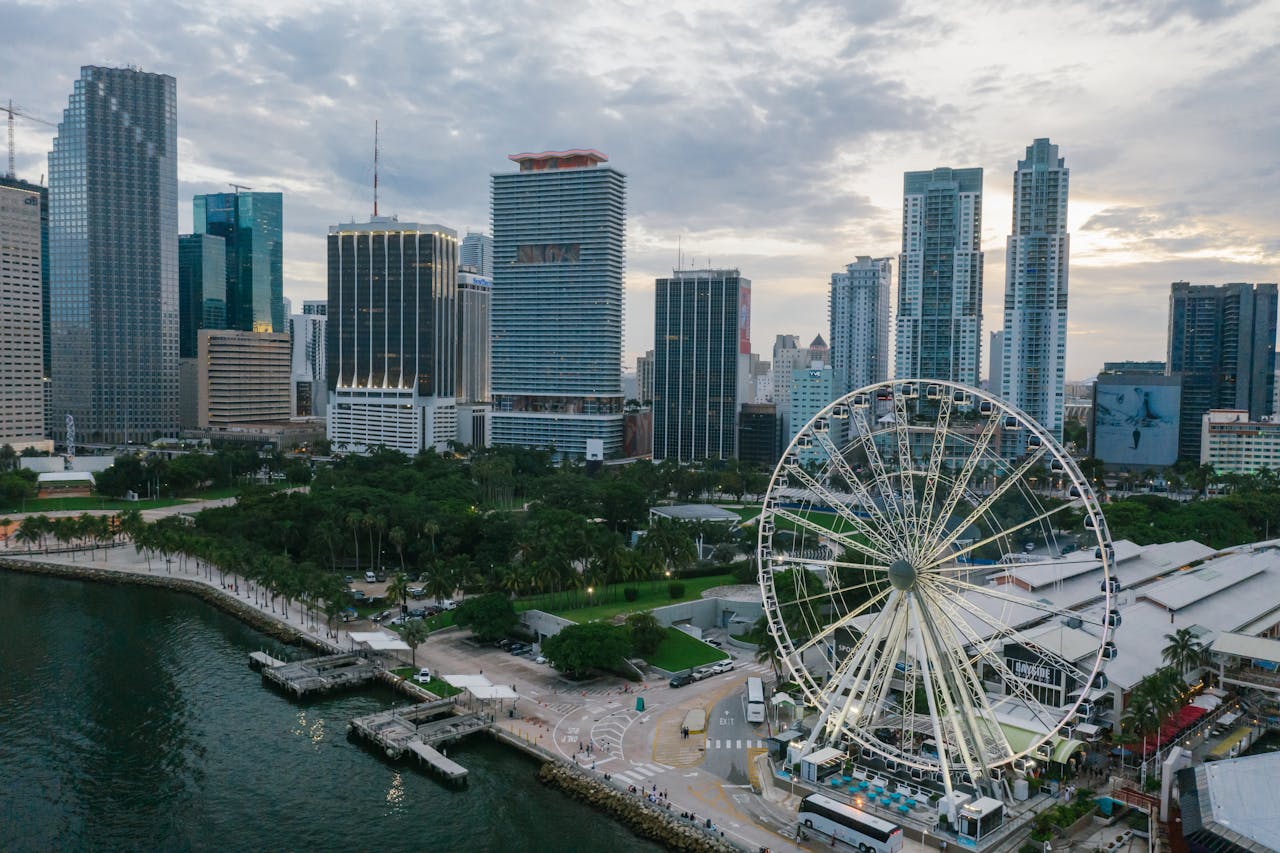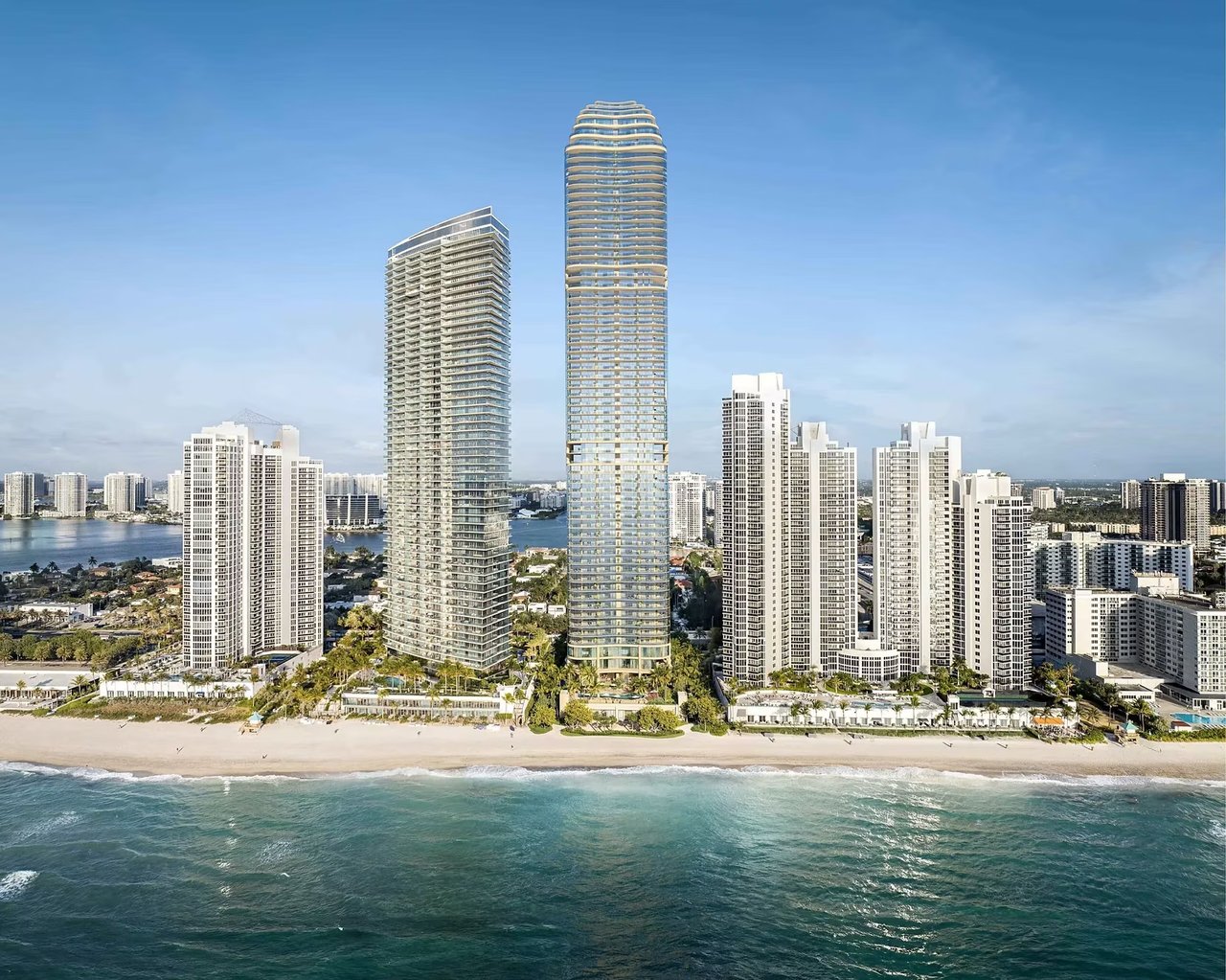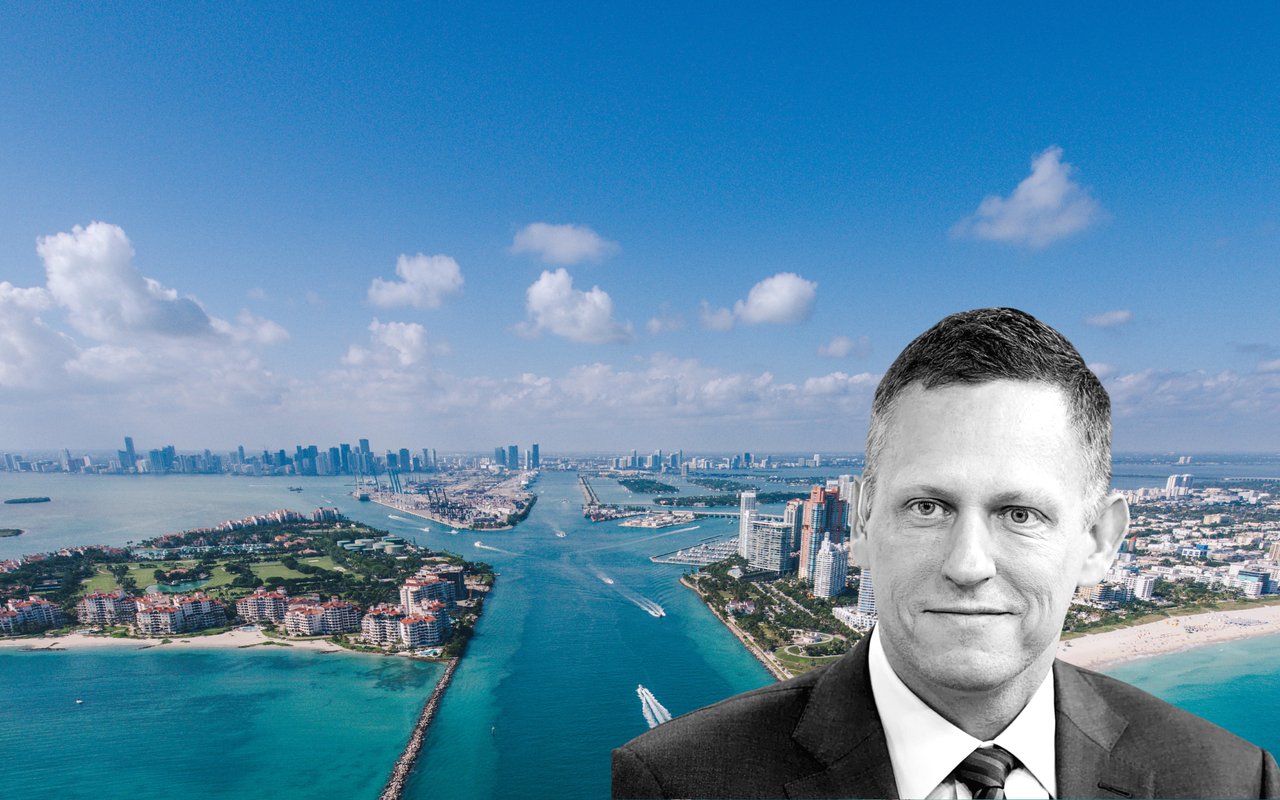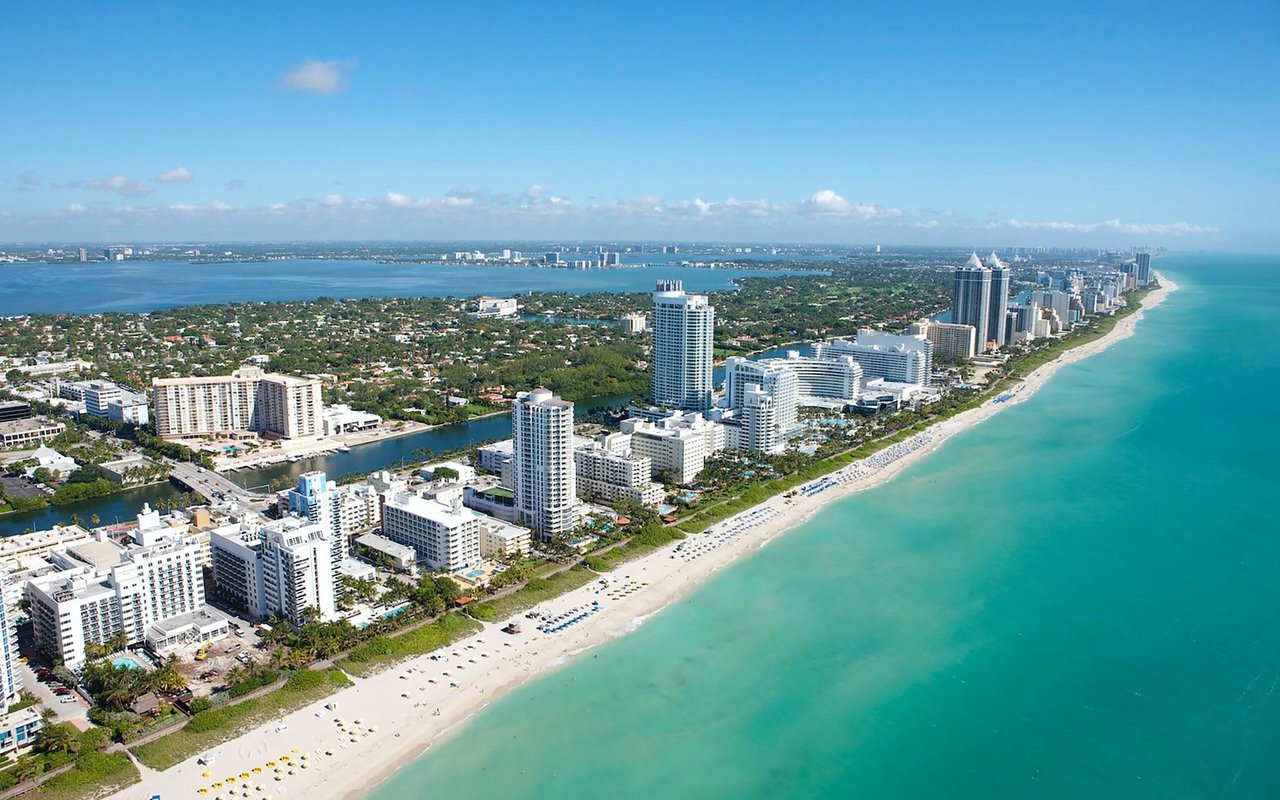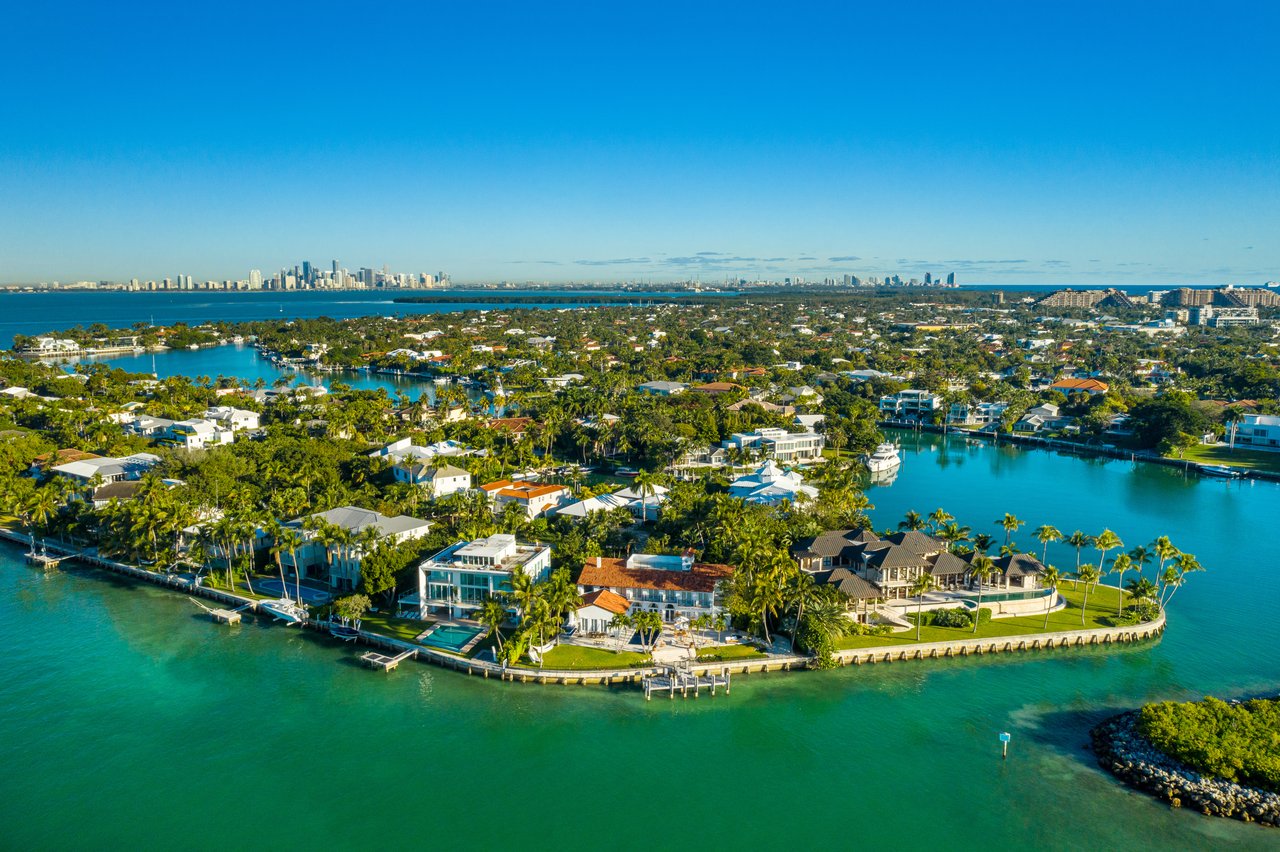
Miami has officially joined the ranks of America’s most valuable housing markets, with its total residential wealth now worth more than $1 trillion, according to the latest research from Zillow.
The U.S. housing market as a whole reached a staggering $55.1 trillion in June 2025, with nine metropolitan areas accounting for nearly one-third of that value. Alongside Miami, the list includes:
-
New York – $4.6 trillion
-
Los Angeles – $3.9 trillion
-
San Francisco – $1.9 trillion
-
Boston – $1.3 trillion
-
Washington, D.C. – $1.3 trillion
-
Chicago – $1.2 trillion
-
Seattle – $1.1 trillion
-
San Diego – $1.0 trillion
A Post-Pandemic Shift
While these powerhouse metros continue to dominate, Zillow’s findings suggest the dynamics are changing. Researchers note that smaller markets are increasingly fuelling the nation’s housing wealth gains, pointing to a gradual shift away from the traditional strongholds.
Excluding New York—which saw the most significant increase, adding $260 billion—the other $1 trillion-plus metros collectively lost $18 billion over the past year. Even with New York’s exceptional growth, the group’s overall contribution to the nation’s increase fell to 28.1%, down from 31.9% the previous year.
Miami’s Market in Focus
Despite its monumental value, Miami’s housing market declined by $25.5 billion over the past year. This contraction reflects the broader cooling trends seen nationwide as the market recalibrates after the pandemic-driven boom.
Yet, Miami’s position remains unique. With global demand, international buyers, and a reputation as both a financial hub and lifestyle destination, Miami continues to draw interest from ultra-high-net-worth individuals and investors alike.
What This Means Going Forward
While Miami’s recent decline underscores the market’s volatility, its inclusion in the trillion-dollar club cements the city’s stature as one of the most valuable and desirable real estate markets in the world. Looking ahead, analysts predict that emerging and mid-sized markets will increasingly drive U.S. housing growth—yet Miami is likely to remain a key player given its international appeal, strong luxury sector, and ongoing migration trends.