Miami’s luxury real estate market operates as a patchwork of distinct submarkets, each shaped by price, building age, and location. While industry reports cite 19 months of inventory in the luxury condo sector, this headline figure masks the realities agents encounter daily. Demand, pricing, and absorption rates vary sharply between neighborhoods, buildings, and price brackets, making broad generalizations unreliable.
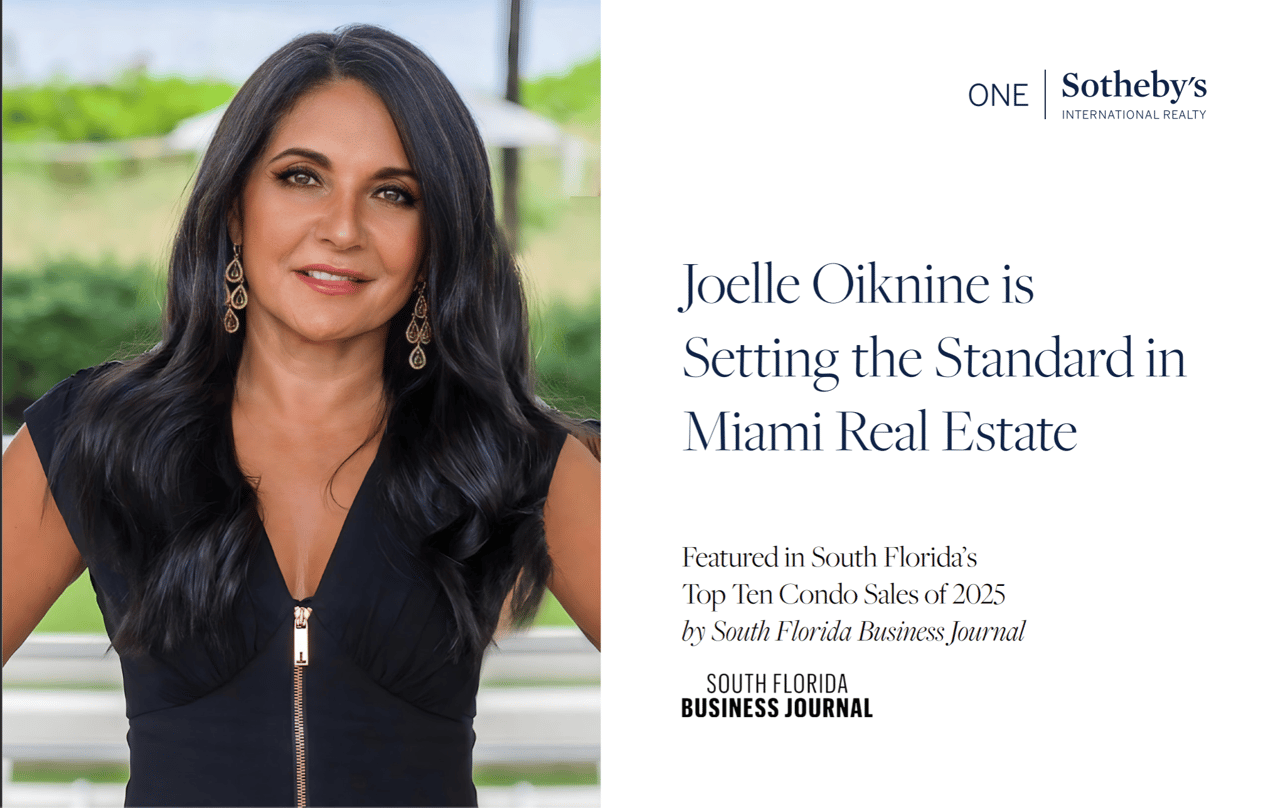
“Miami is different from the rest of the states,” says Joelle Oiknine, Senior Global Real Estate Advisor at One Sotheby’s International Realty, who has specialized in South Florida luxury property for over 20 years. “You can’t look at Miami-Dade or Broward as a whole. It’s price range specific, area specific, and in many areas, even building specific.”
Distinct Segments Define the Market
Oiknine identifies three main segments in Miami’s luxury market, each with its own set of challenges and opportunities. The $1–5 million range is currently the most challenging, with elevated inventory levels reflecting both market and regulatory pressures. This segment has been heavily impacted by post-Surfside building safety regulations, which now require extensive repairs and upgrades in older buildings.
“Since the crash, a lot of these buildings didn’t keep up,” Oiknine explains. “Now we have new rules in place that make buildings fix their pools, stucco, roofs, everything.” Mandatory assessments, often reaching $100,000 to $200,000 per unit, are forcing longtime owners – many of whom bought units decades ago for $80,000 to $100,000 – to decide between selling or absorbing steep costs. As a result, new buyers are entering at lower prices, willing to take on the expense of necessary improvements.
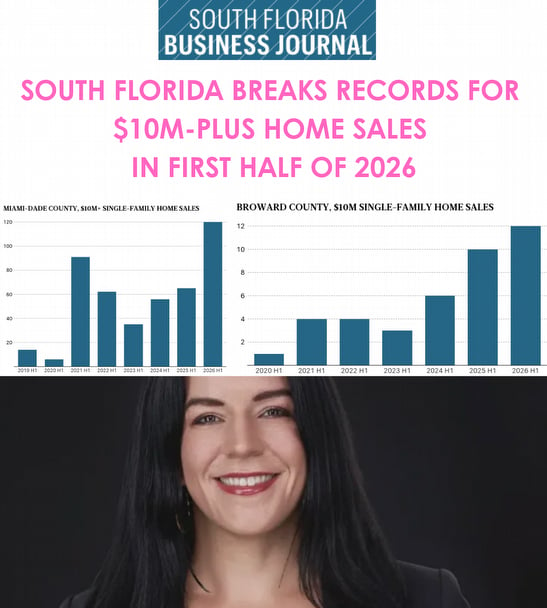
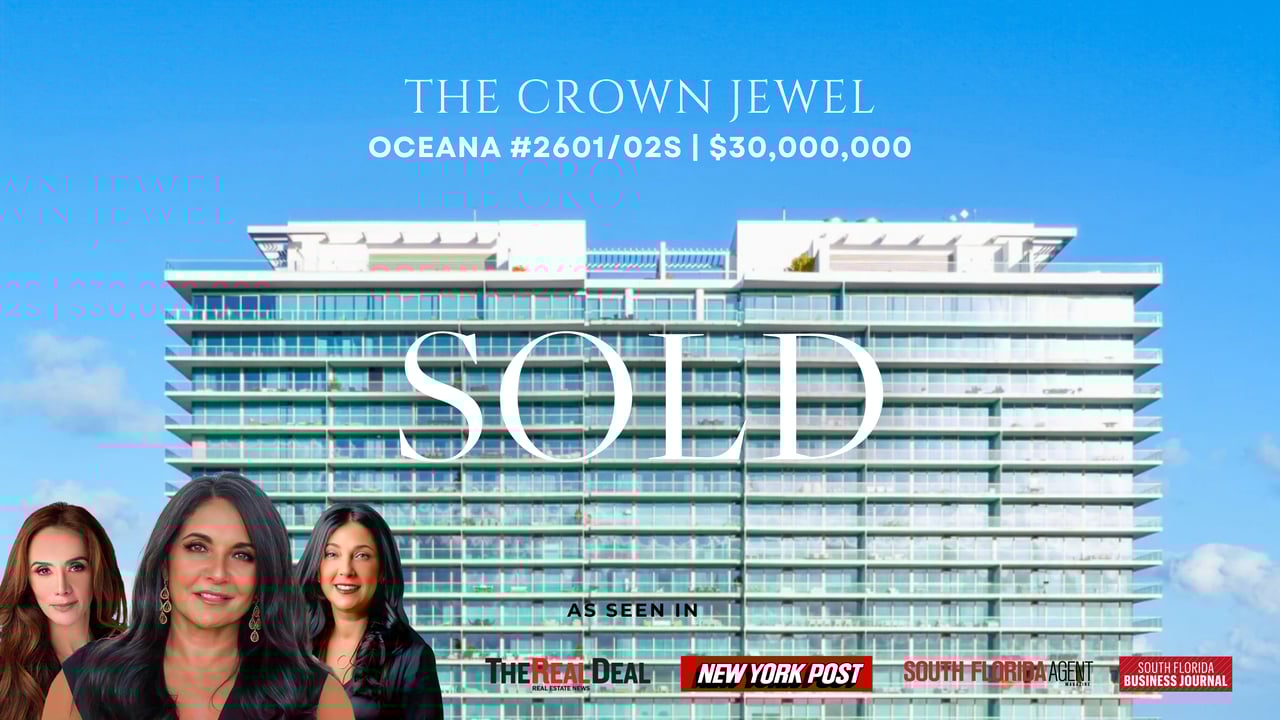
Properties priced between $5 million and $10 million show more stability but are taking longer to sell. Meanwhile, the market above $10 million continues to see steady activity. “Those are the people who own the companies,” Oiknine says. “They are not concerned if it’s $10 or $30 million – they’re buying. We just sold a $30 million unit because the buyer wanted that specific property.”
Trophy Properties Set the Pace at the Top
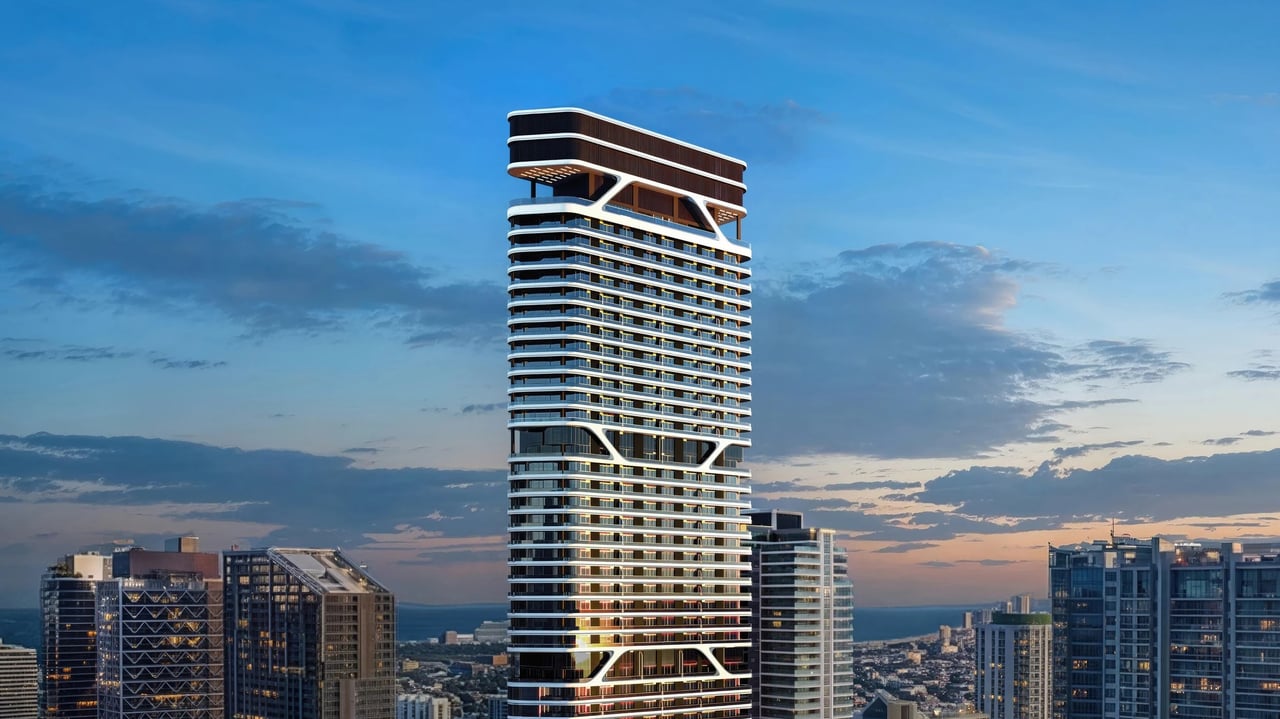
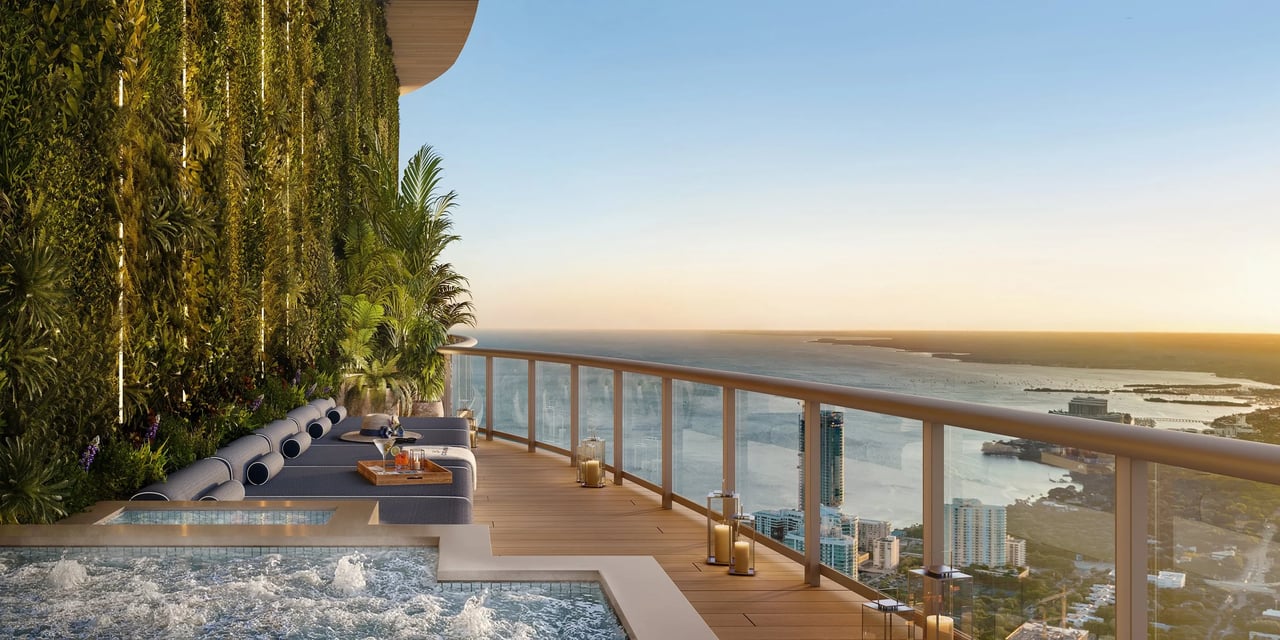
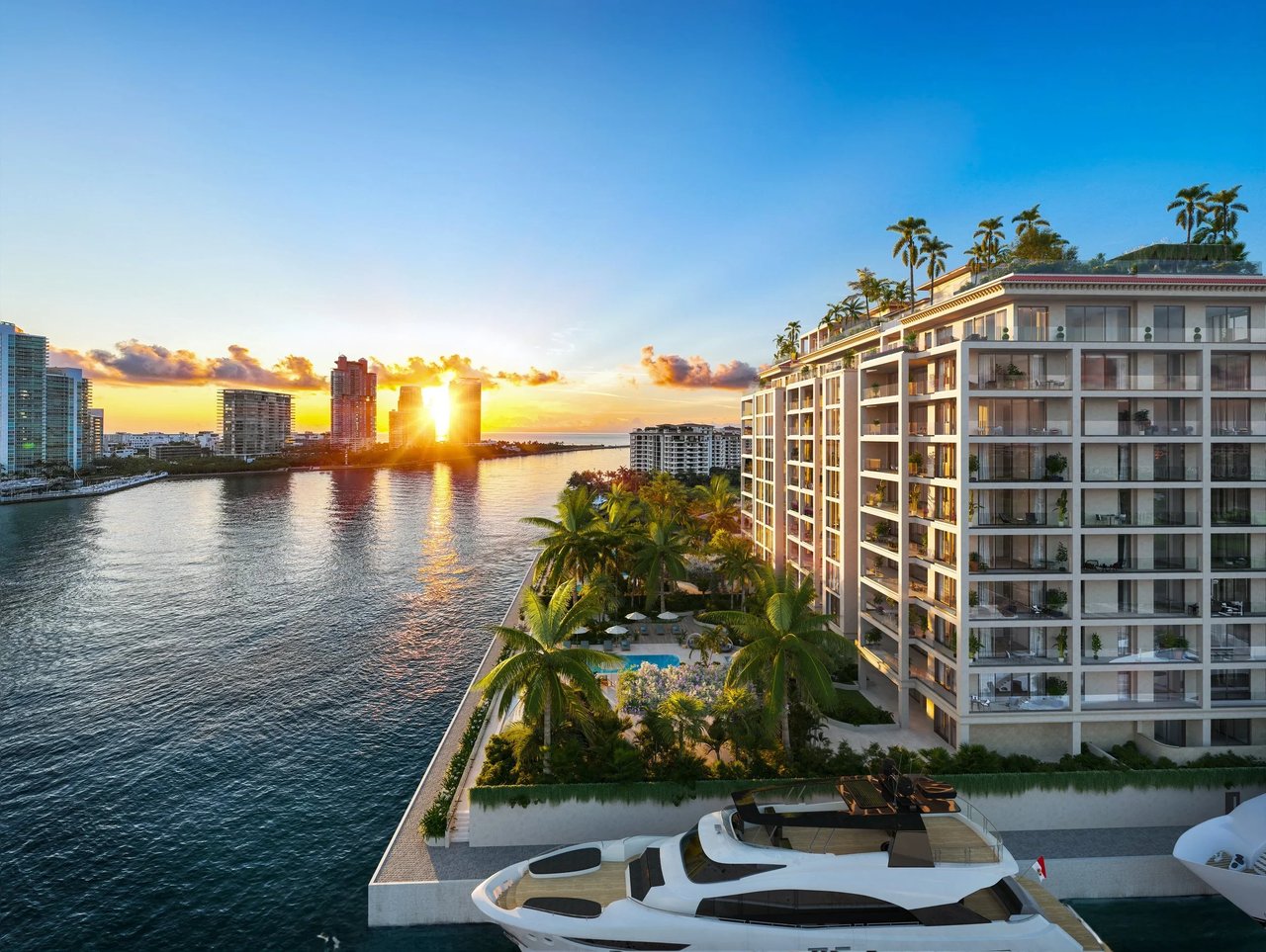
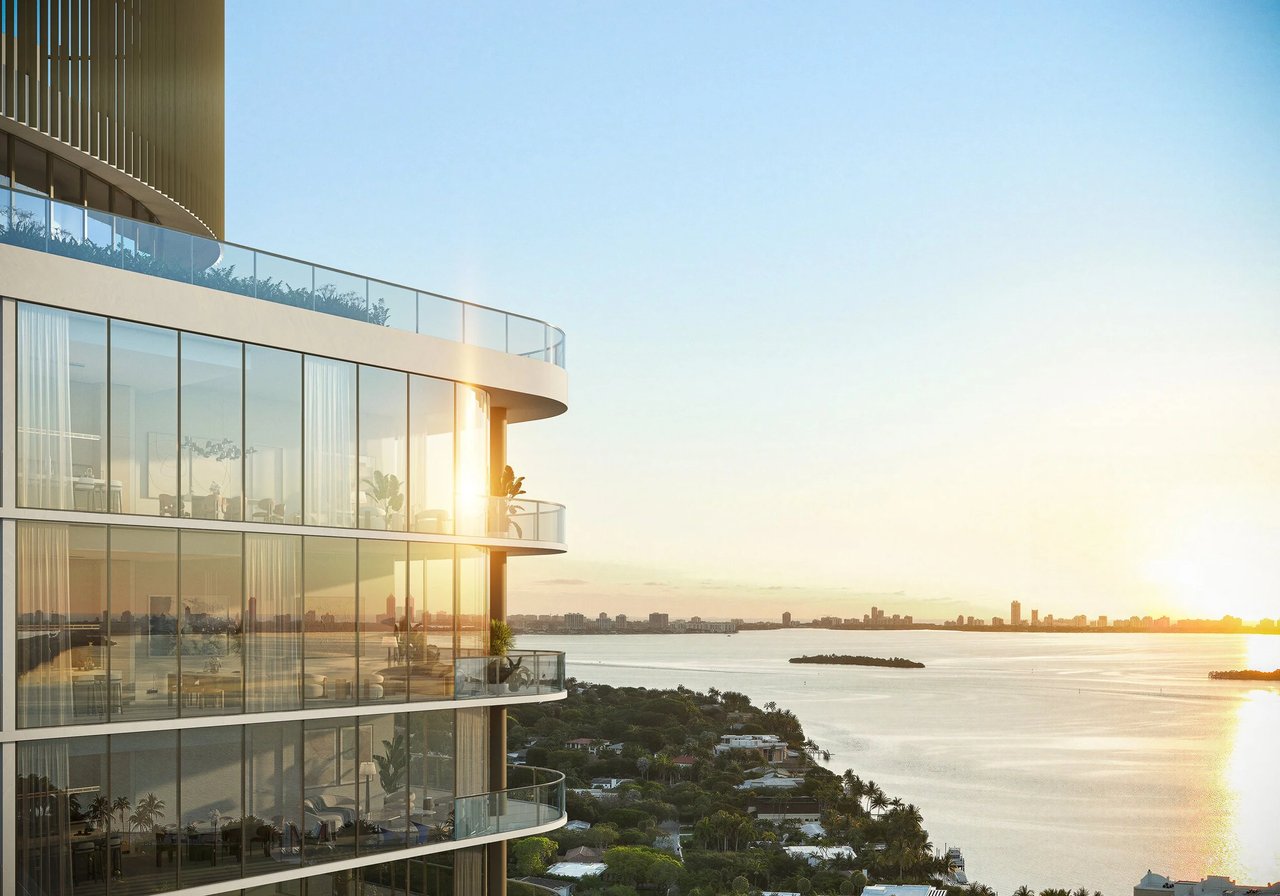
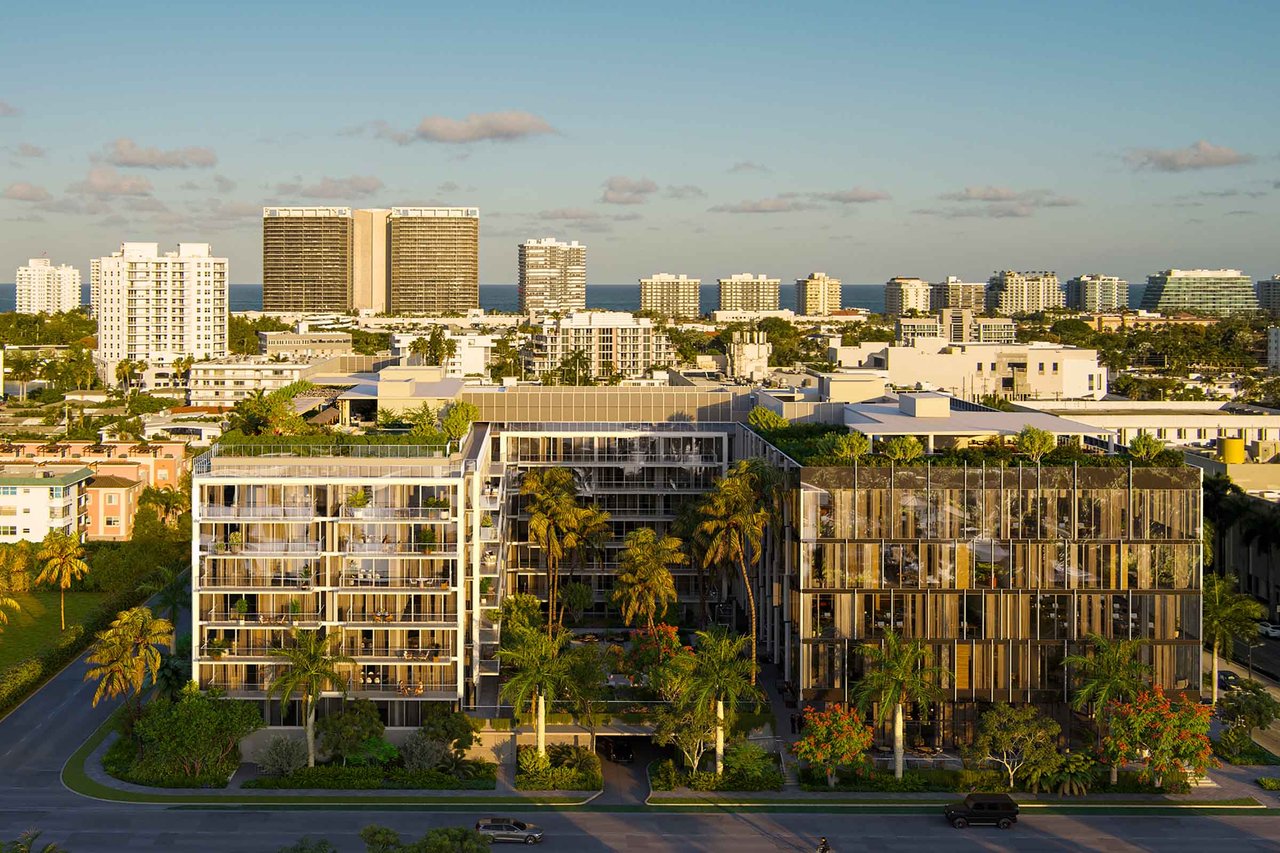
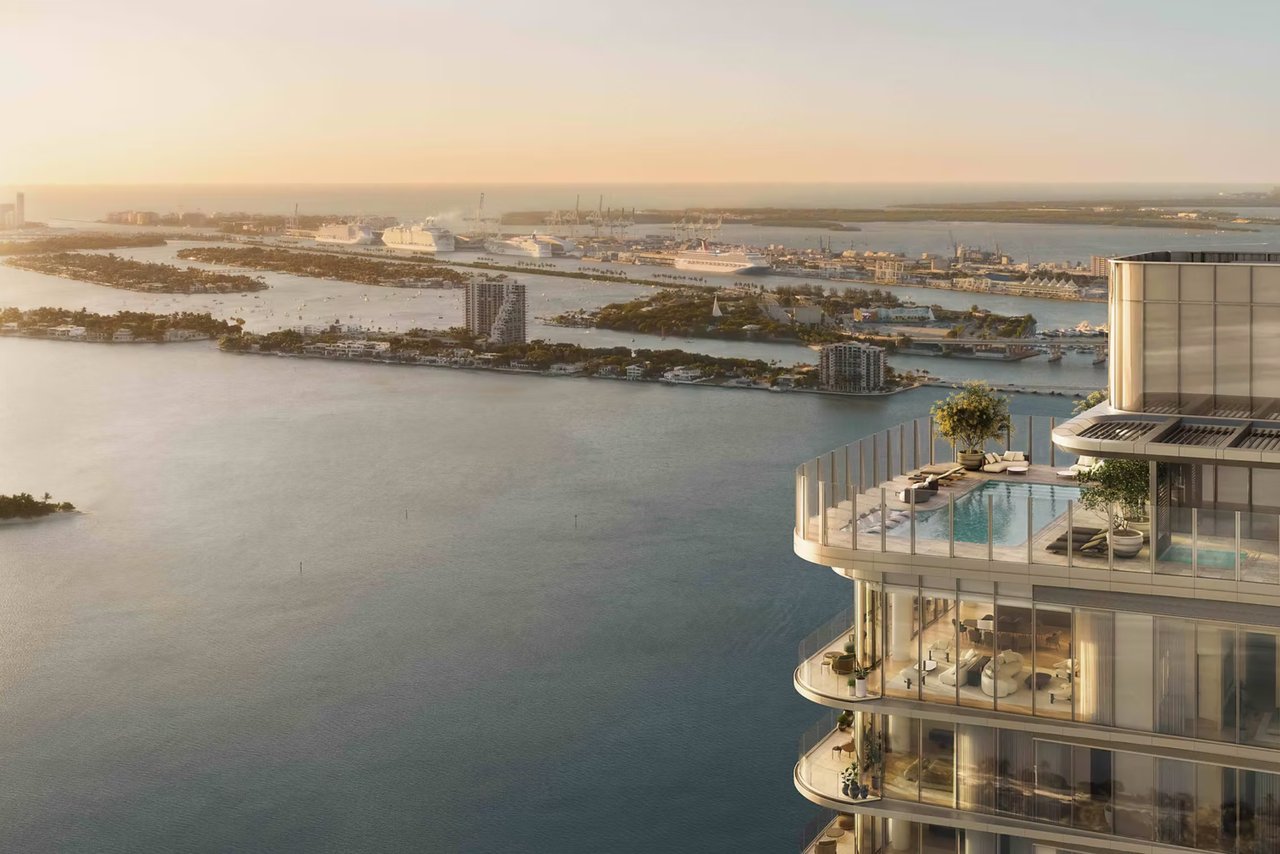
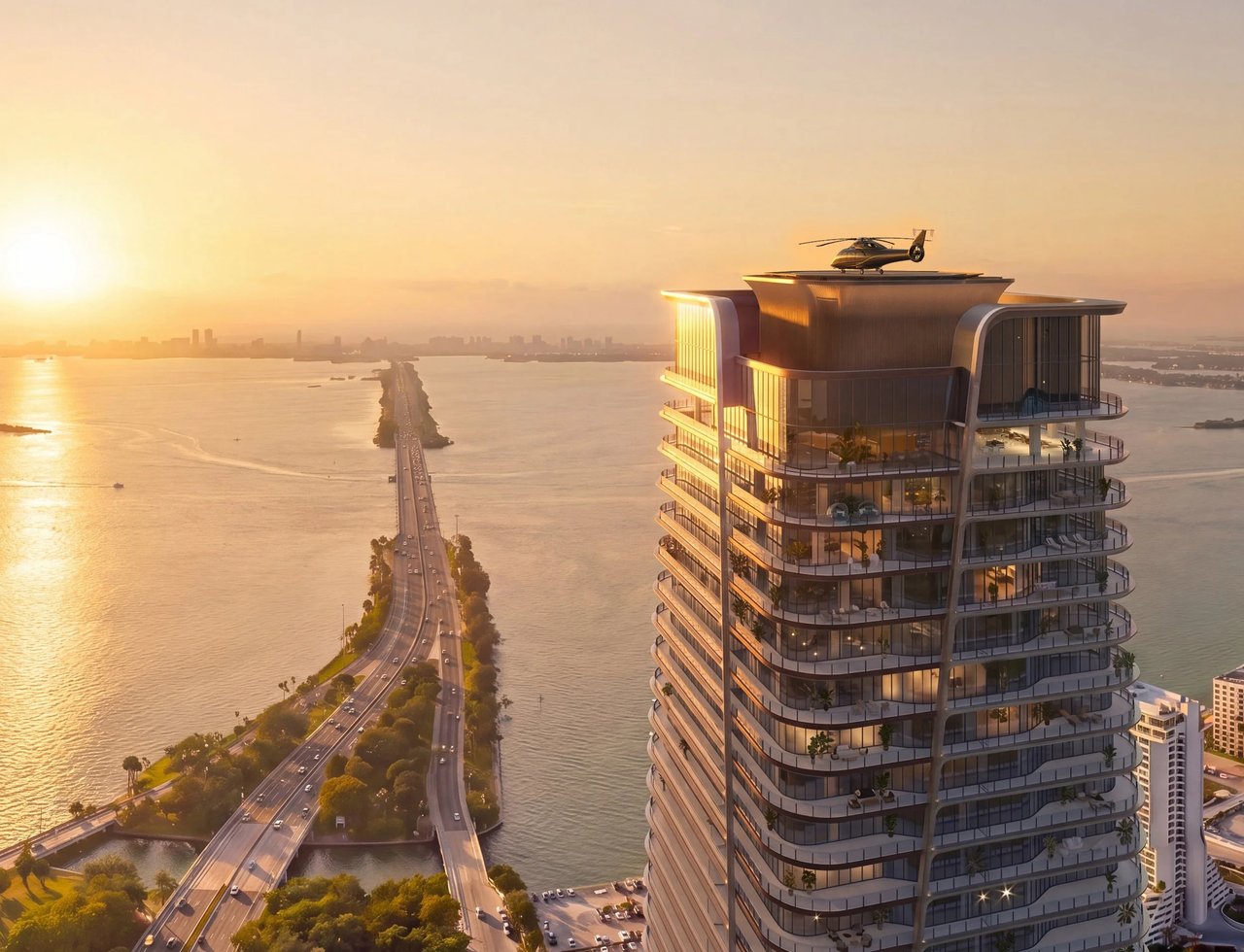
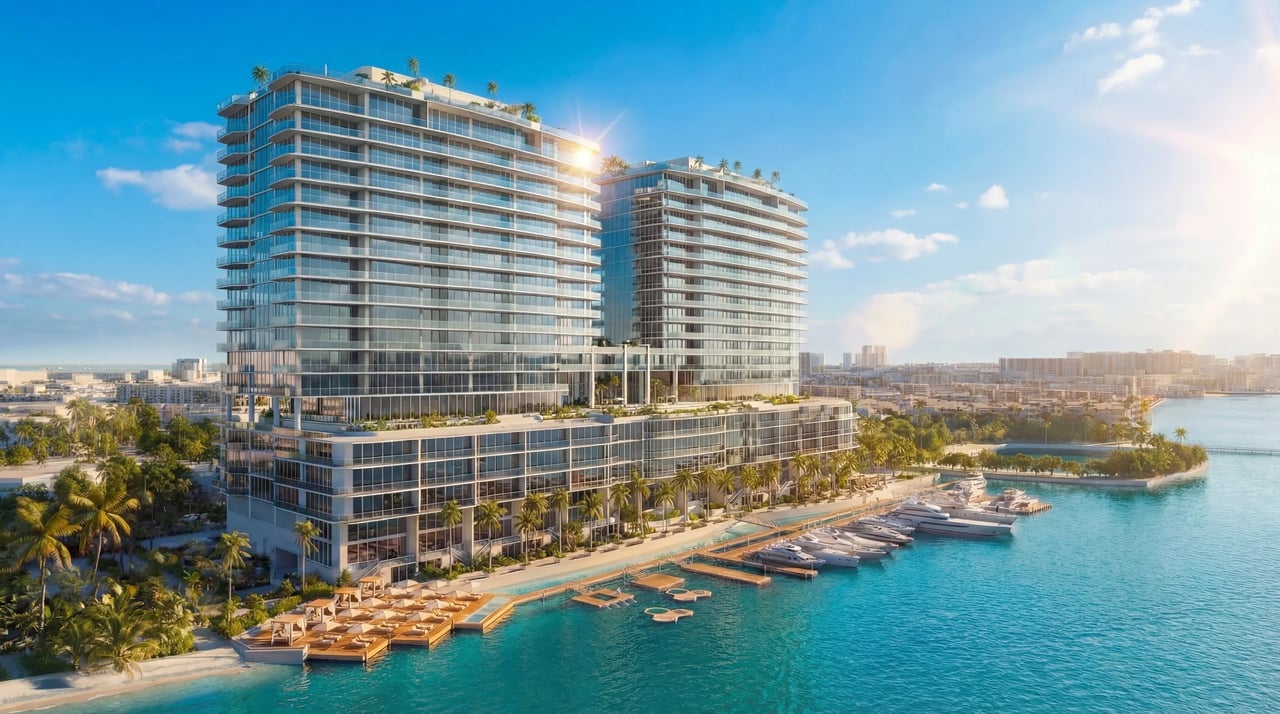
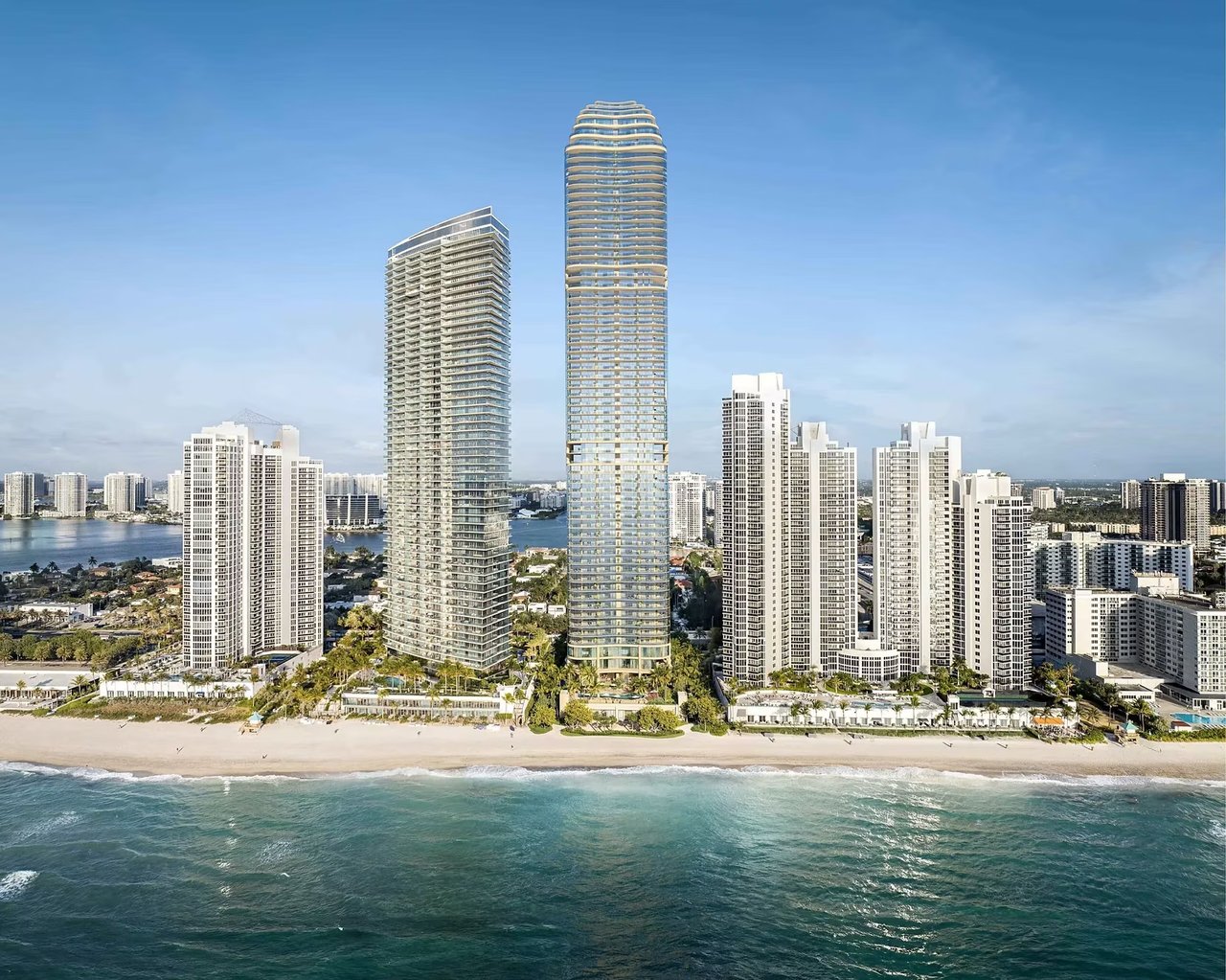
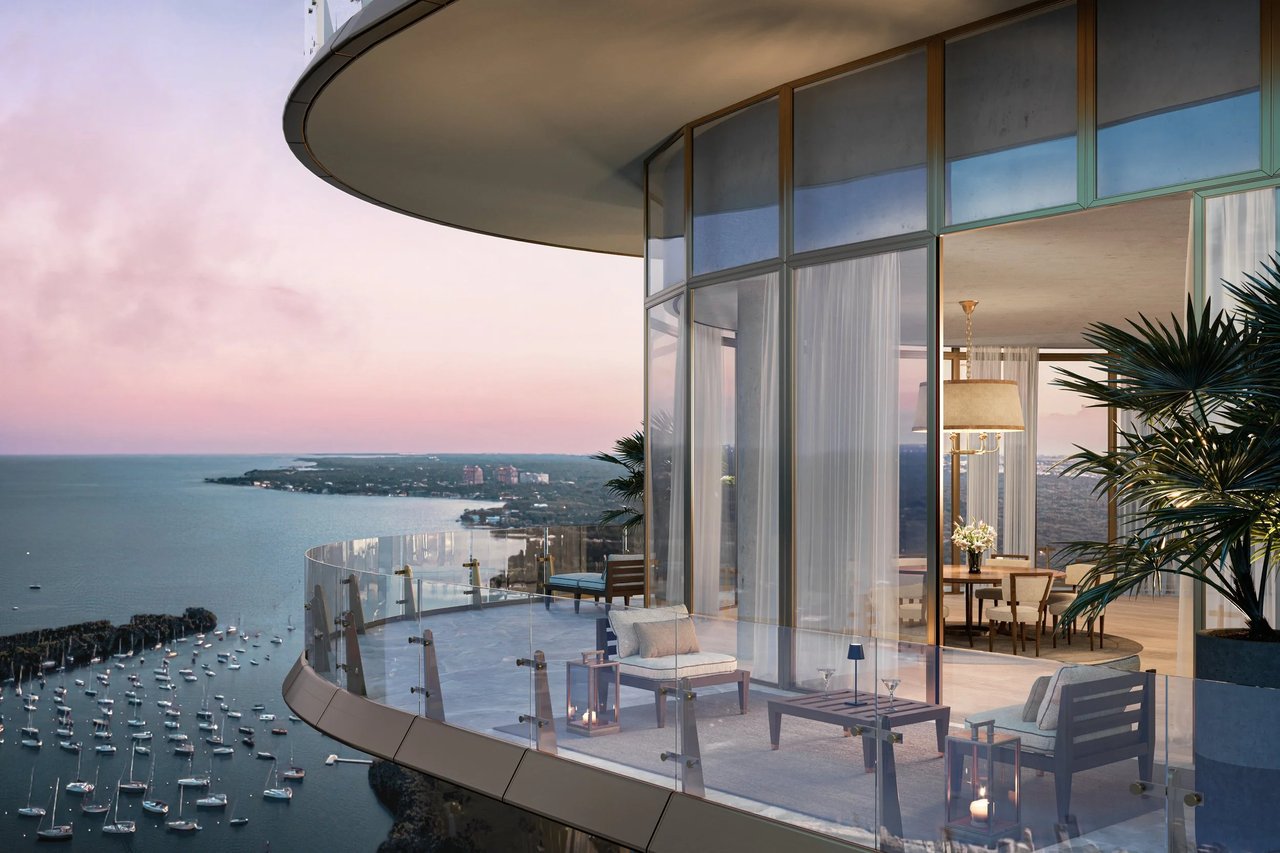
The most notable trend in Miami luxury is the performance of “trophy properties” – ultra-premium units in landmark buildings. In buildings like the Four Seasons, units are trading at $4,000 to $6,000 per square foot, far above their original pre-construction prices of about $2,400 per square foot.
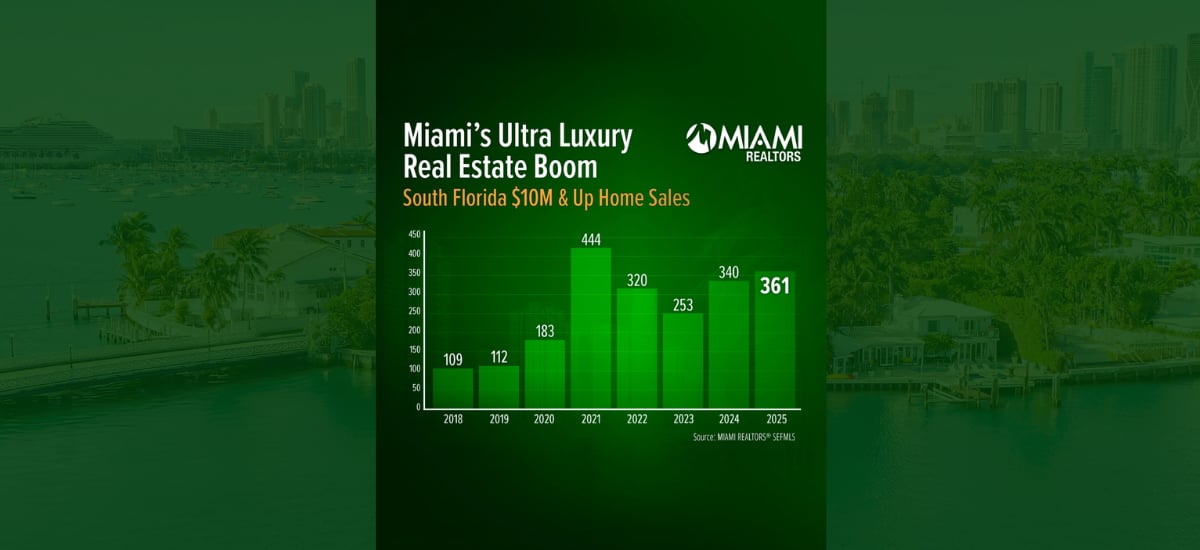
“Trophy properties are moving if they’re beautiful and have the square footage,” Oiknine says. This segment includes homes selling for $20 million to $80 million, and there is even a $200 million listing on the market, illustrating robust demand at the highest price points.
Geographic Patterns Shape Buyer Preference
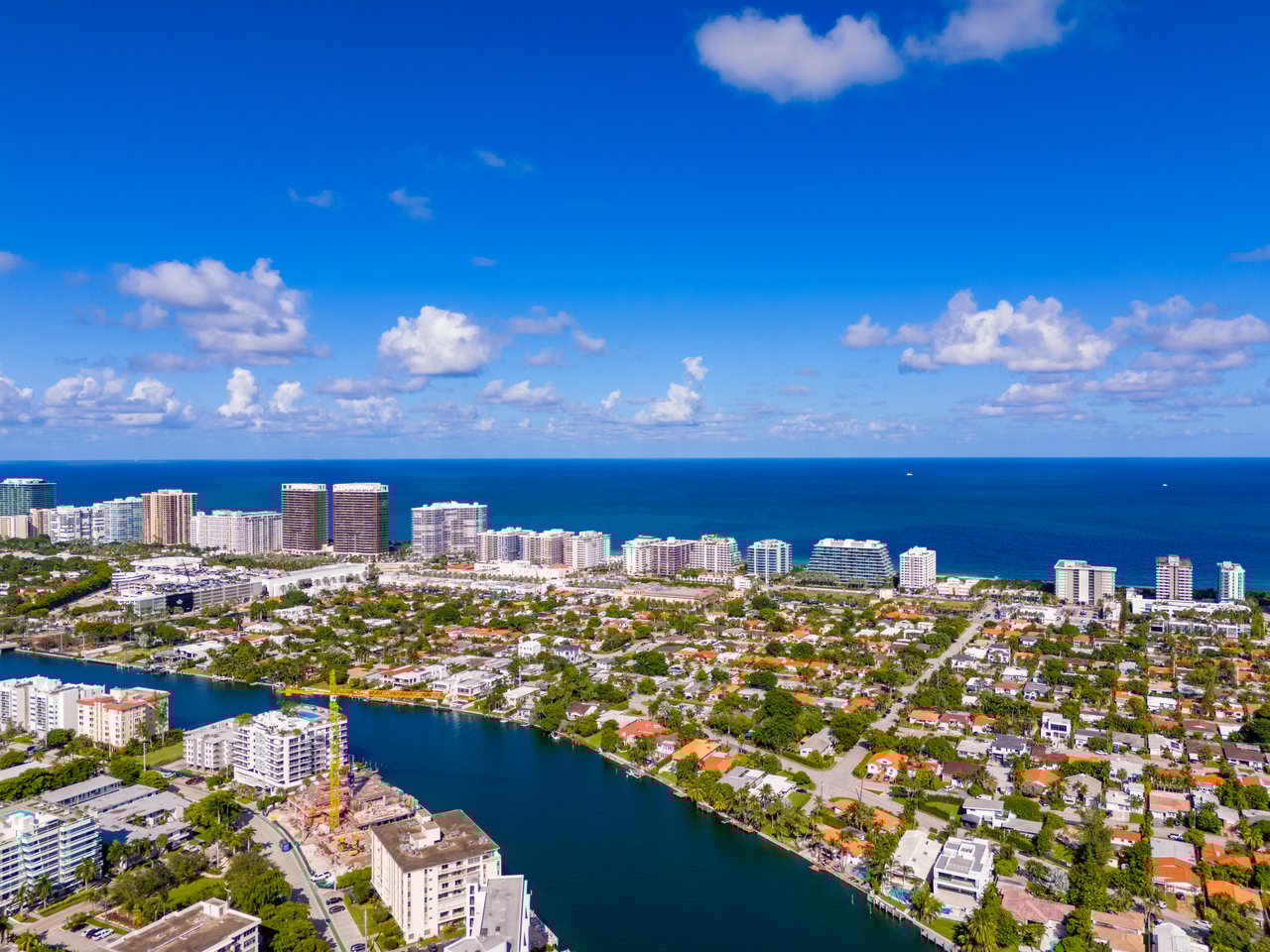
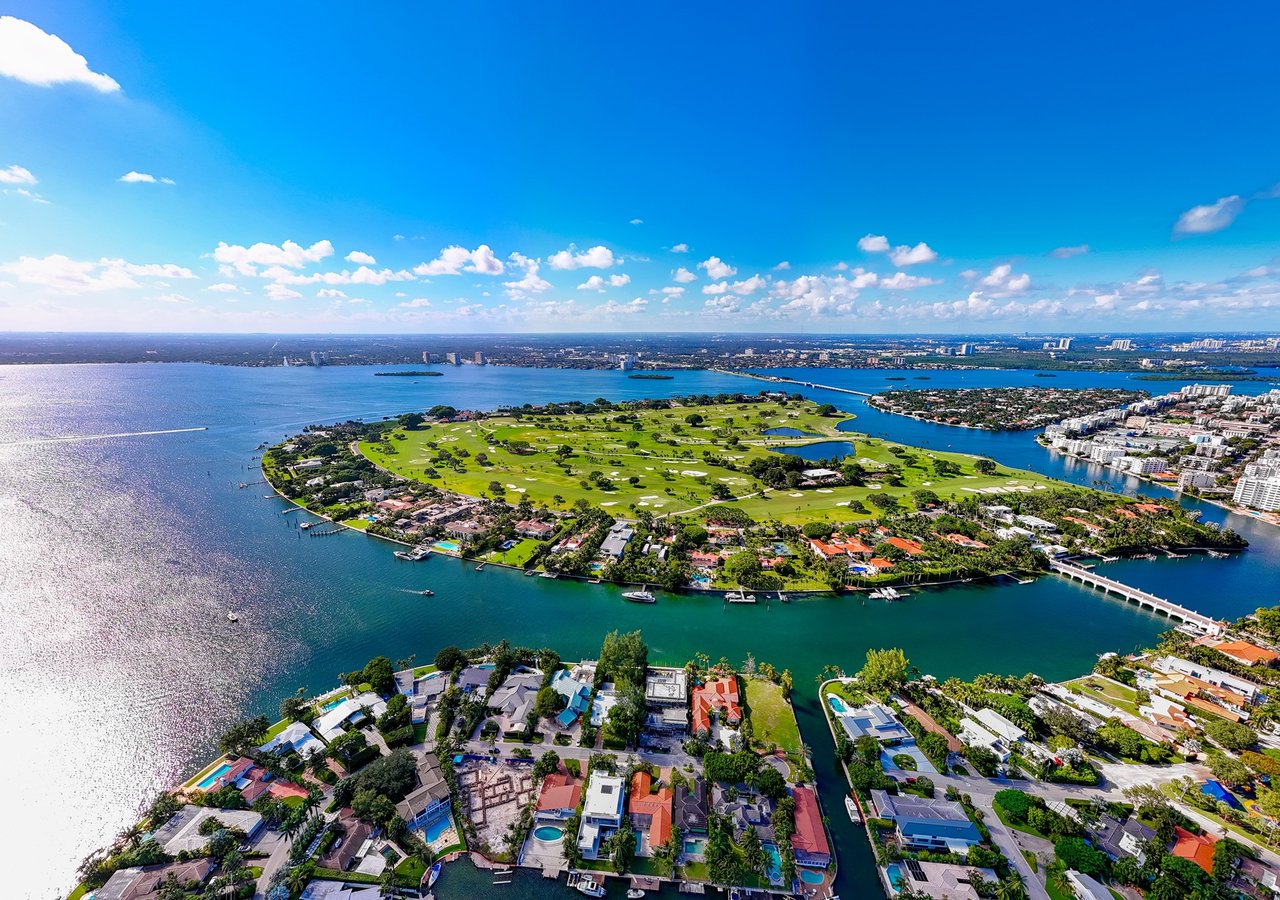
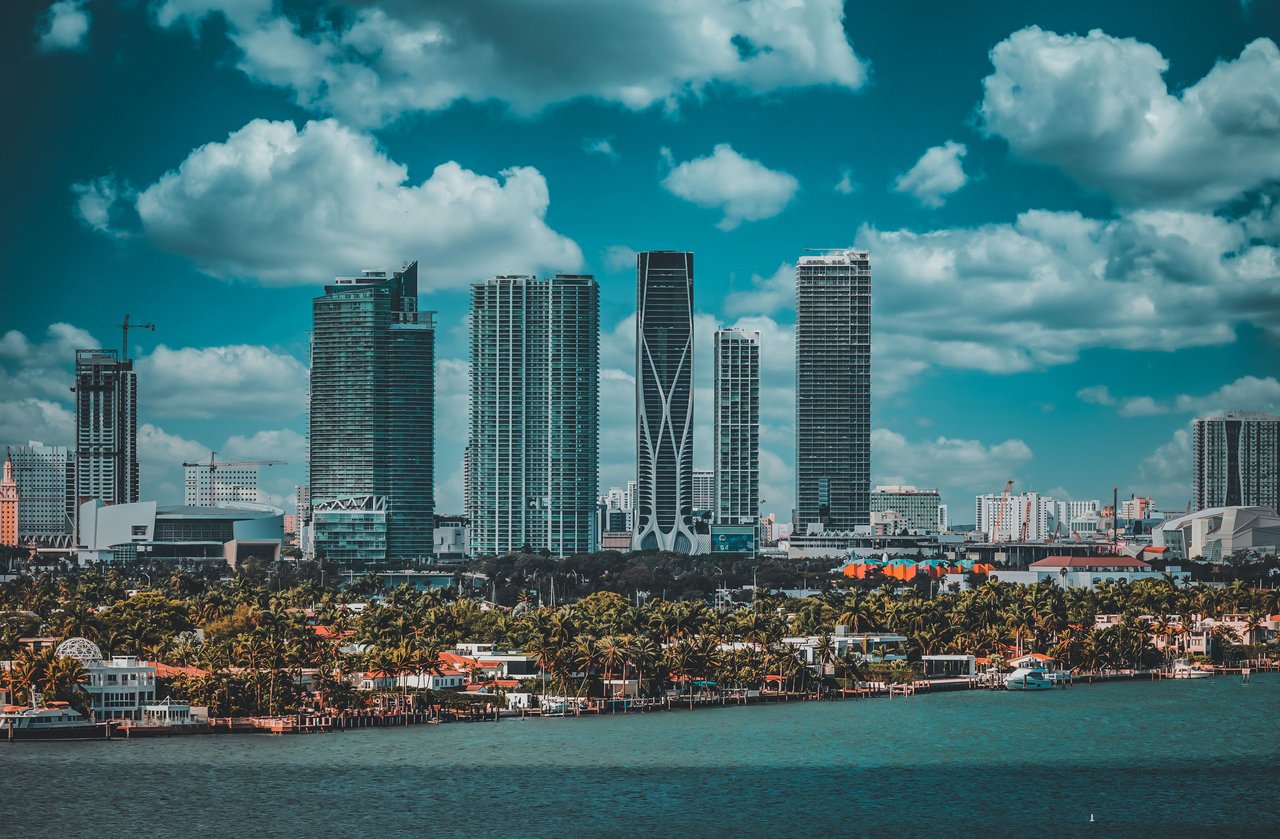
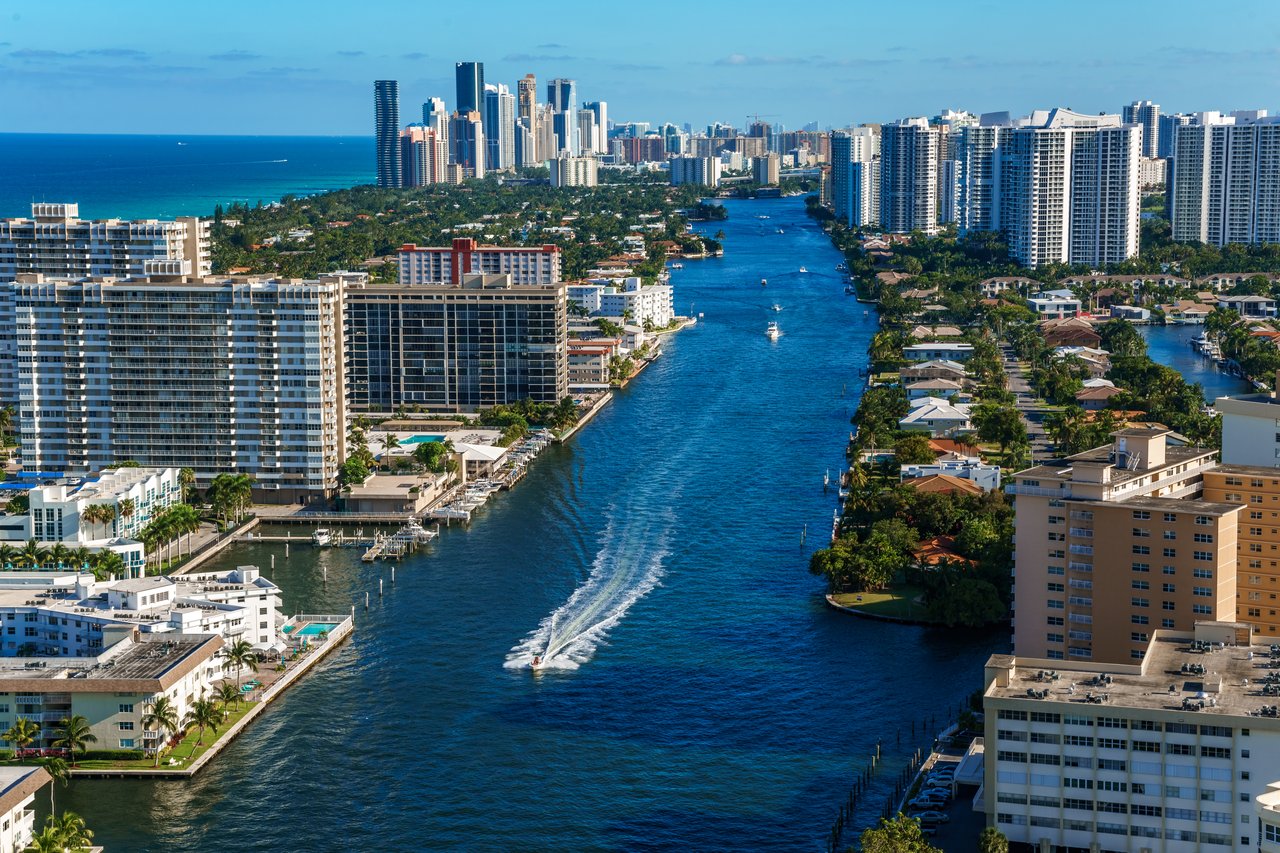
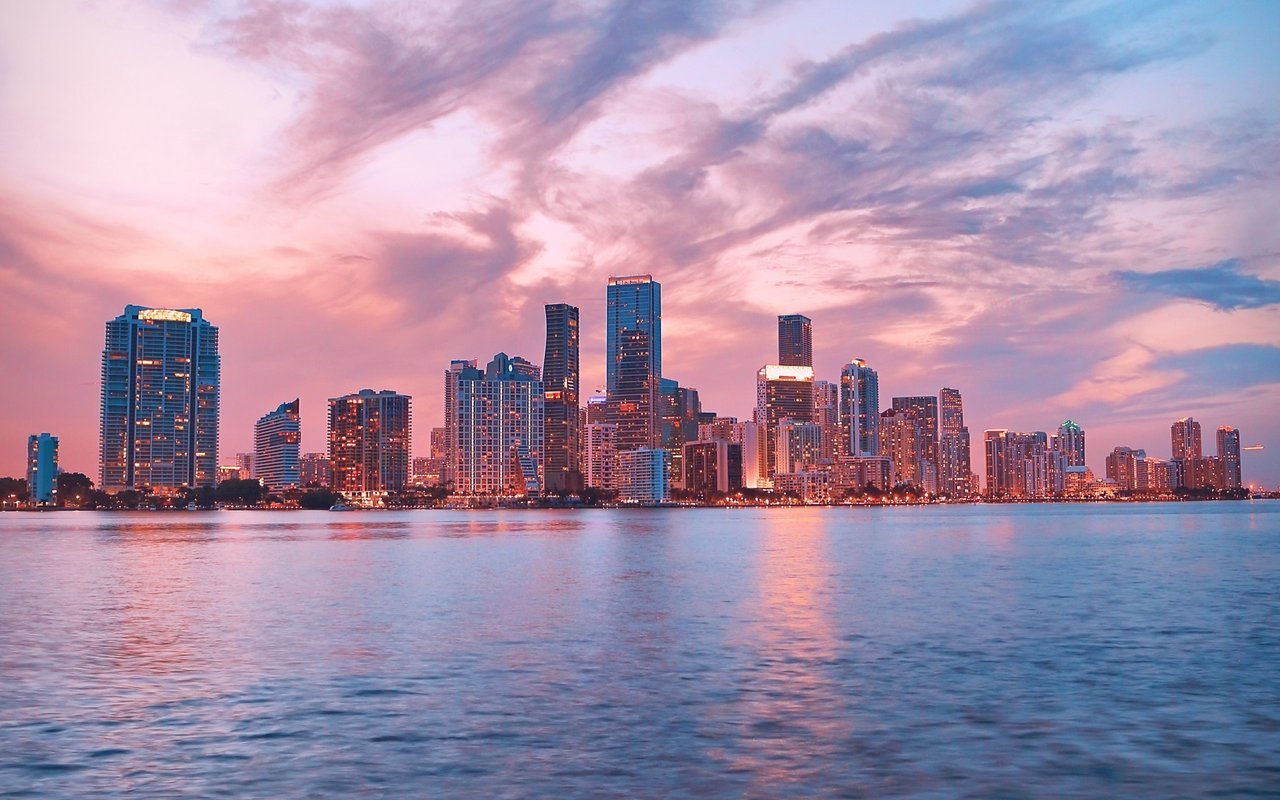
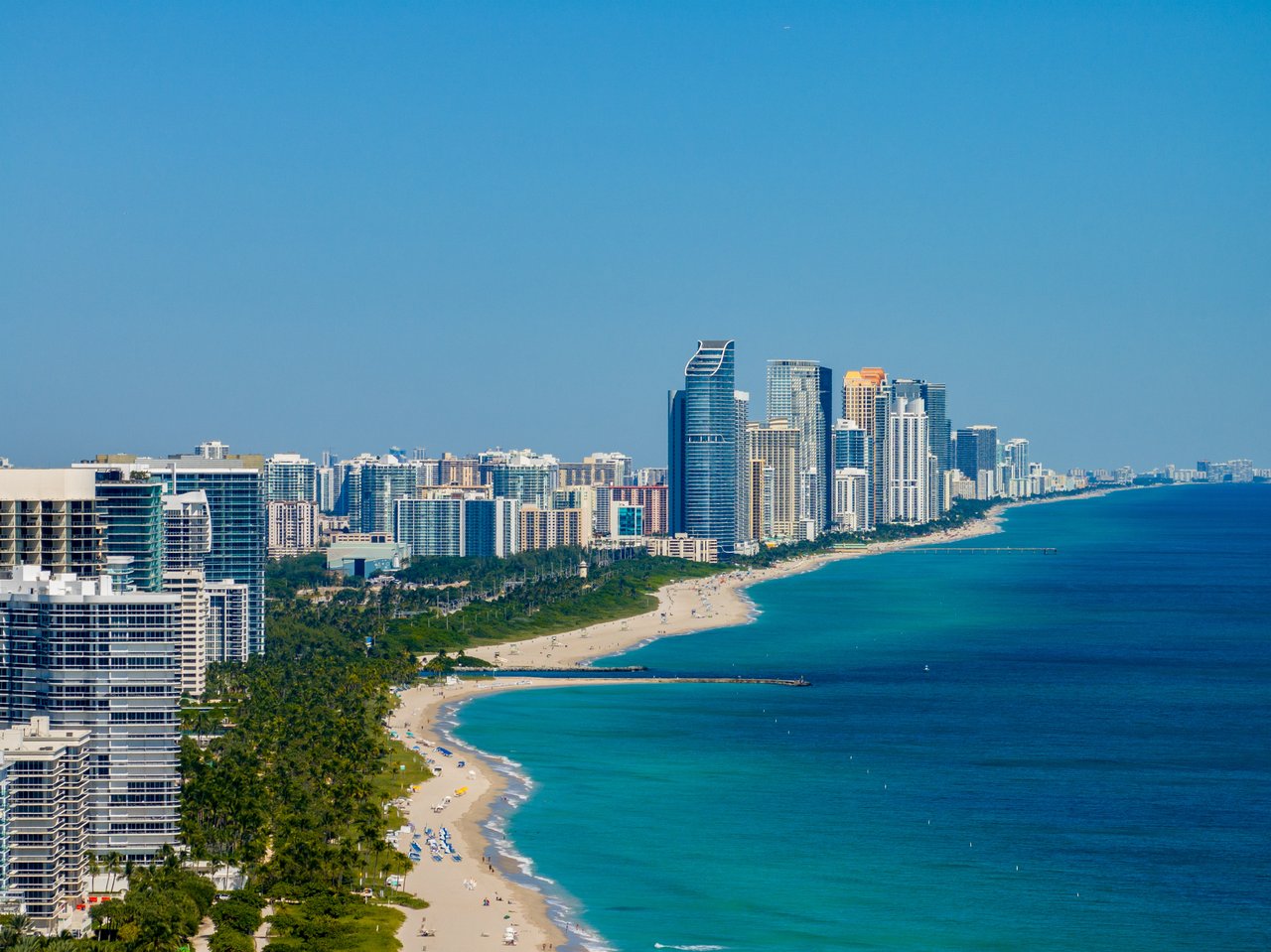
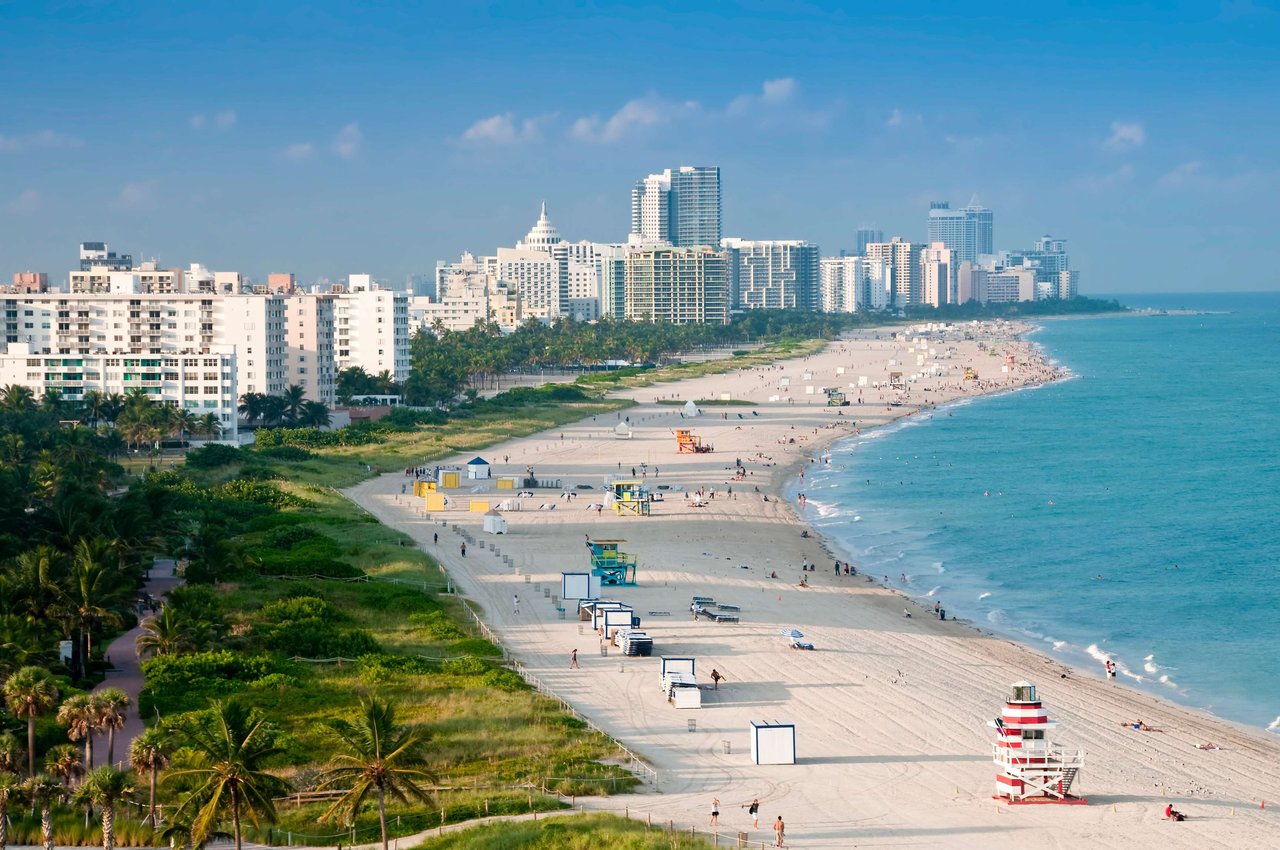
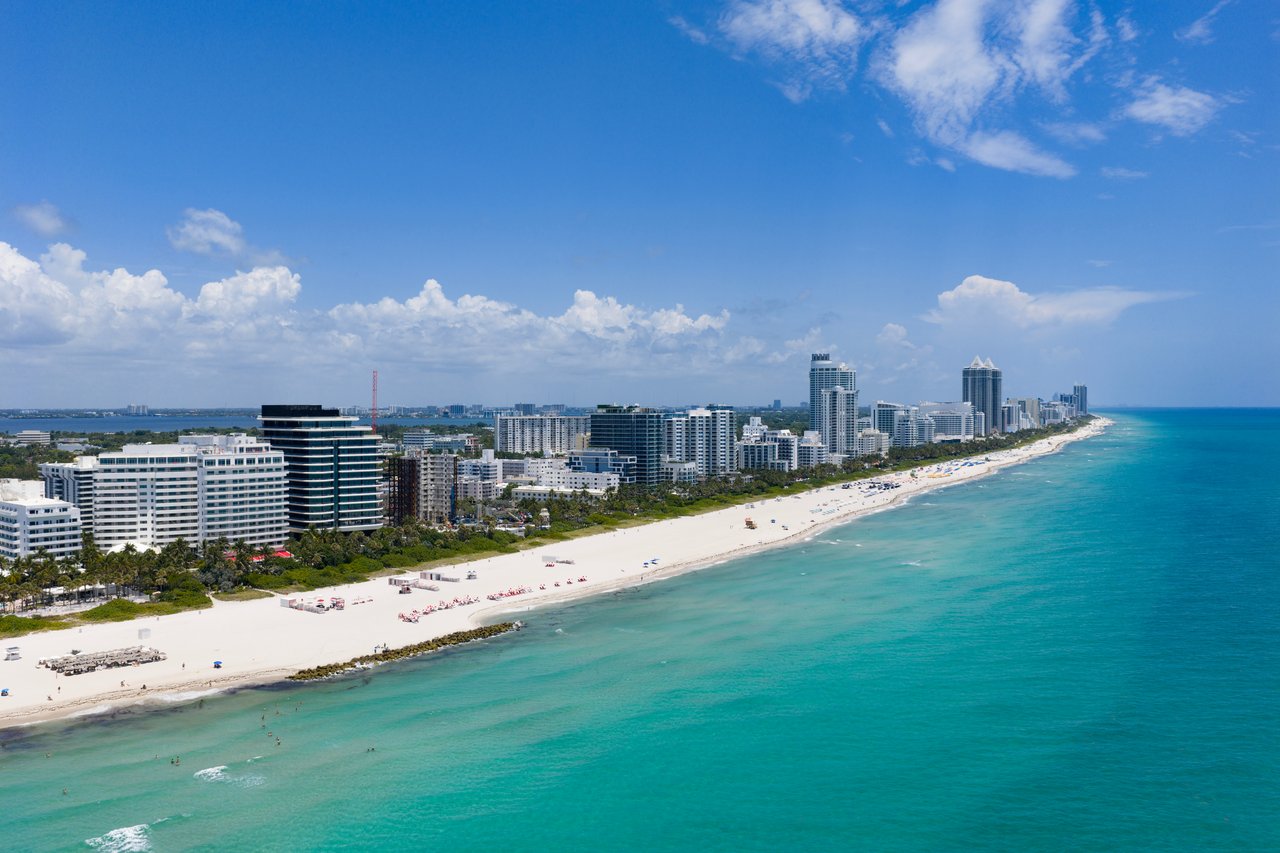
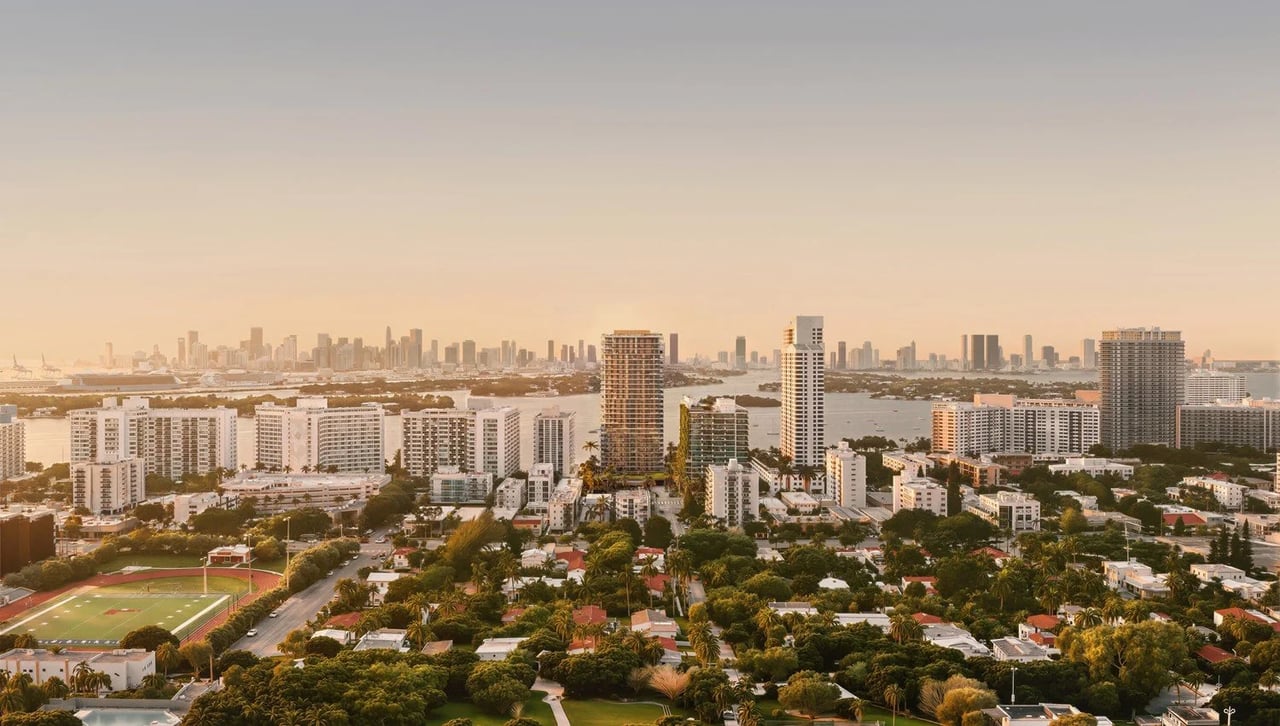
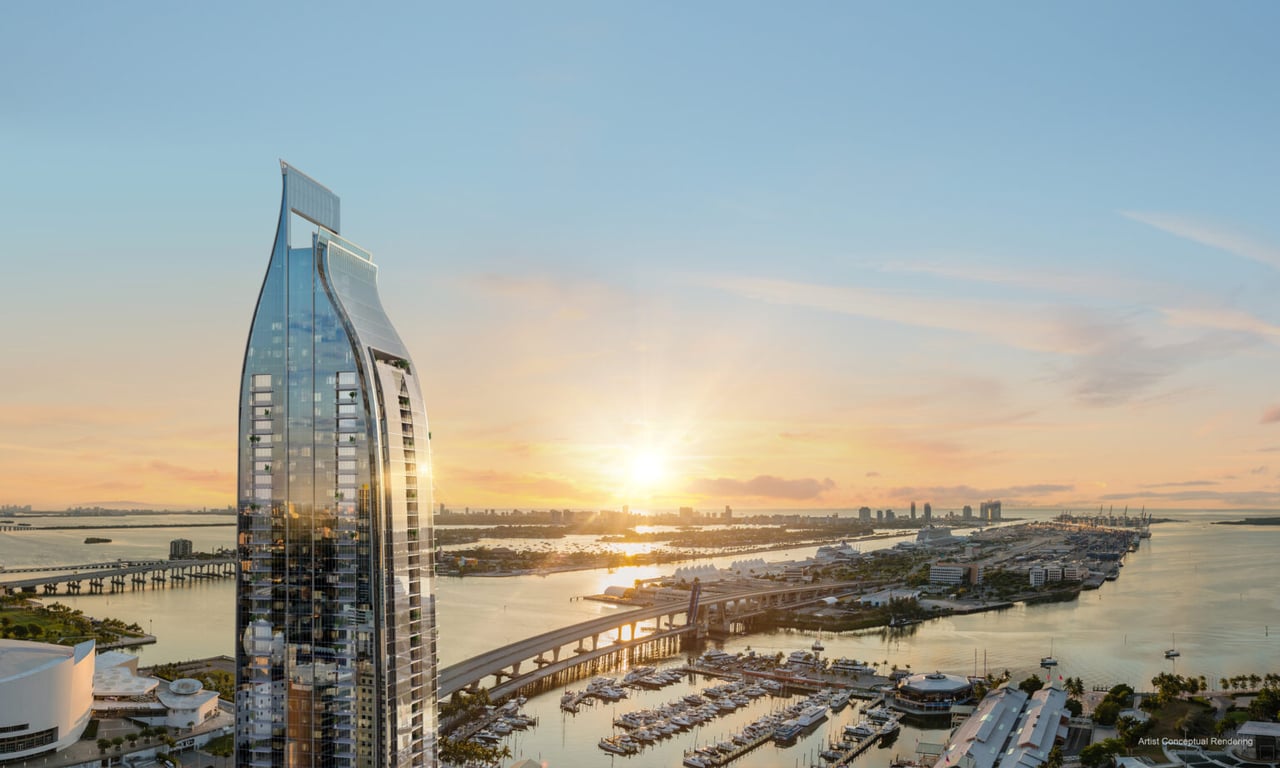
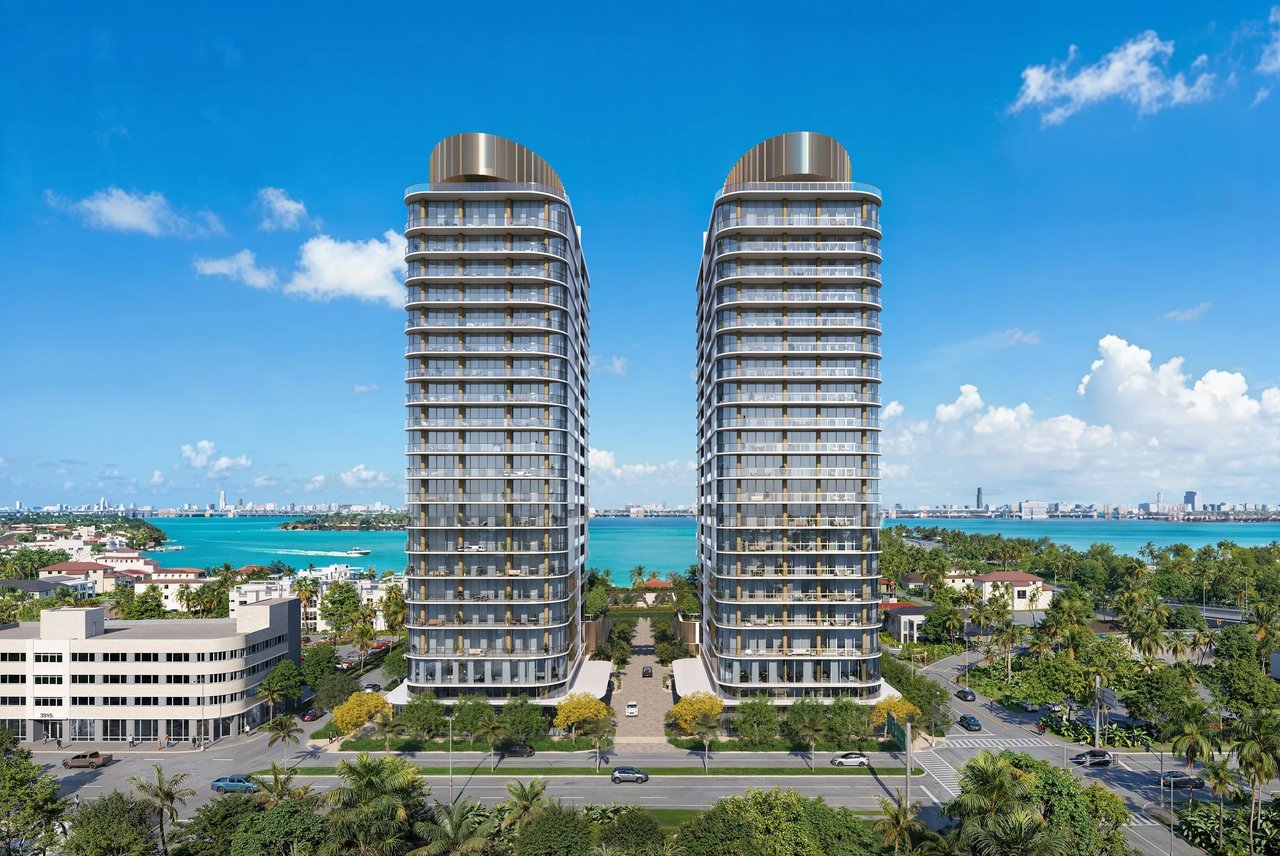
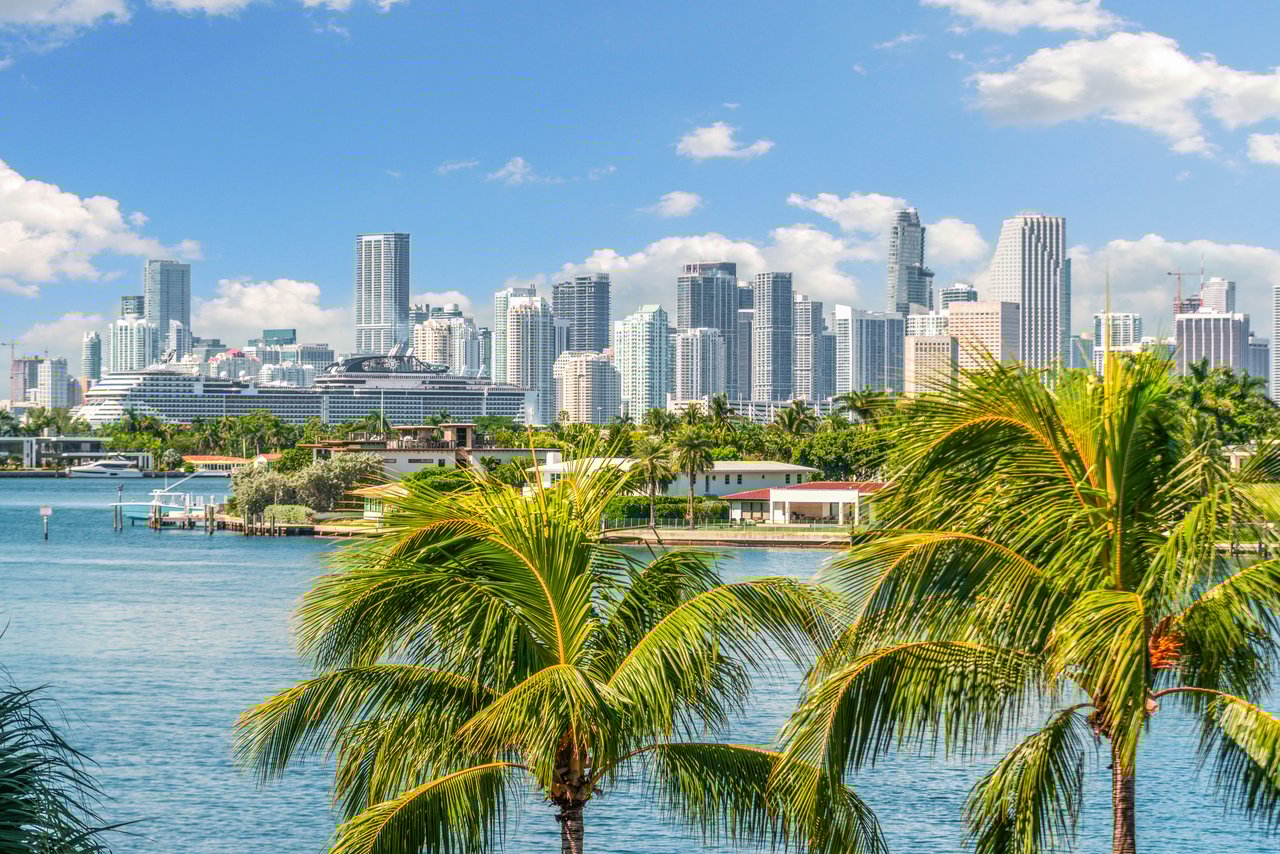
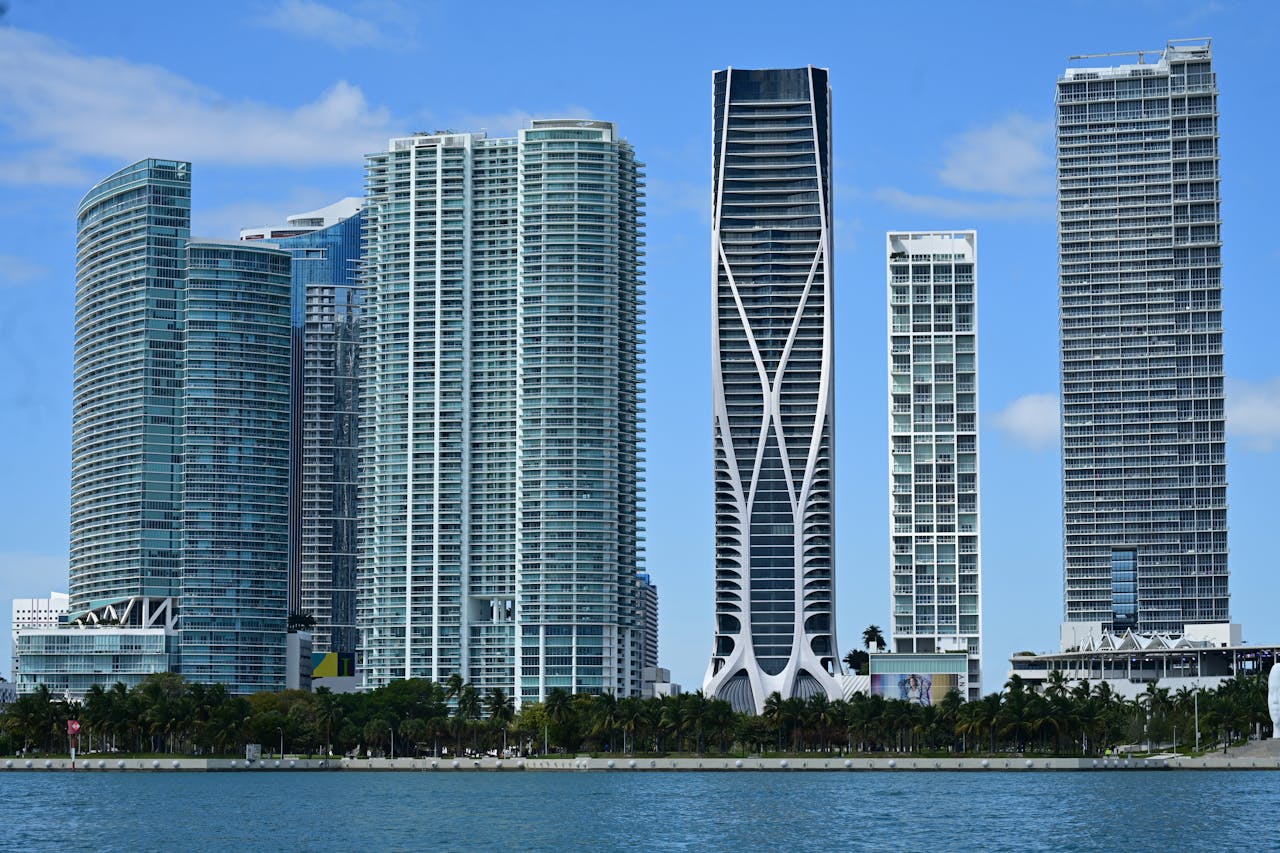
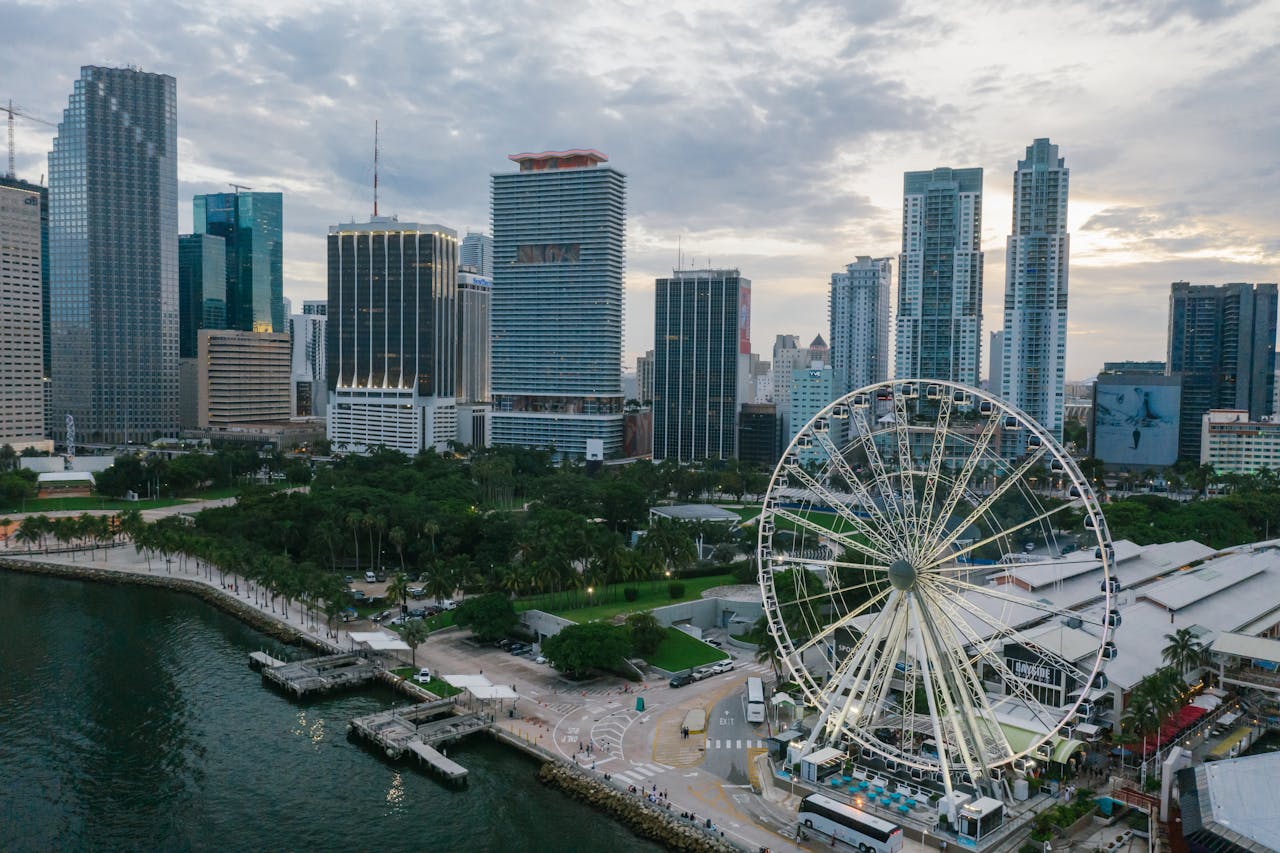
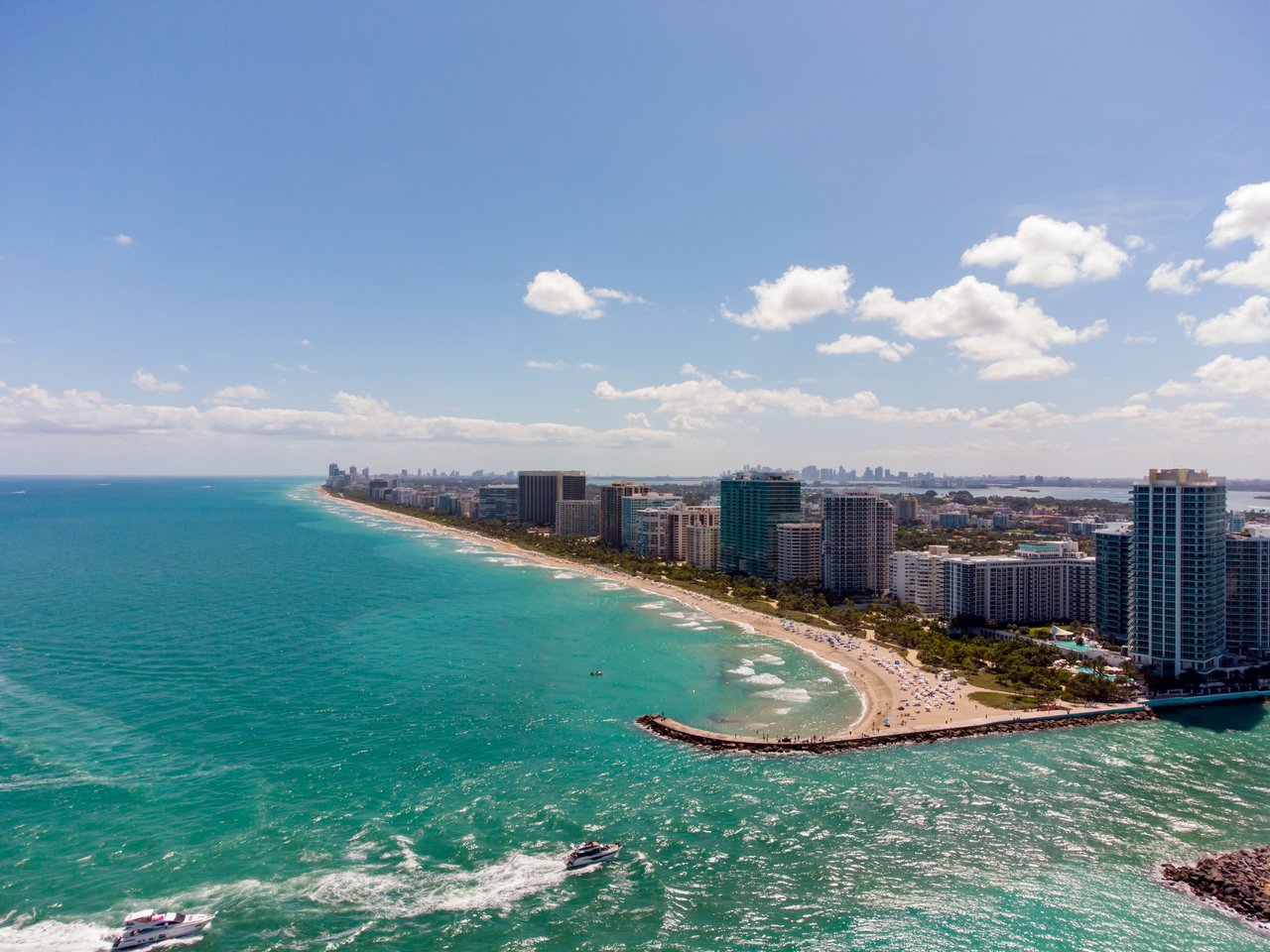
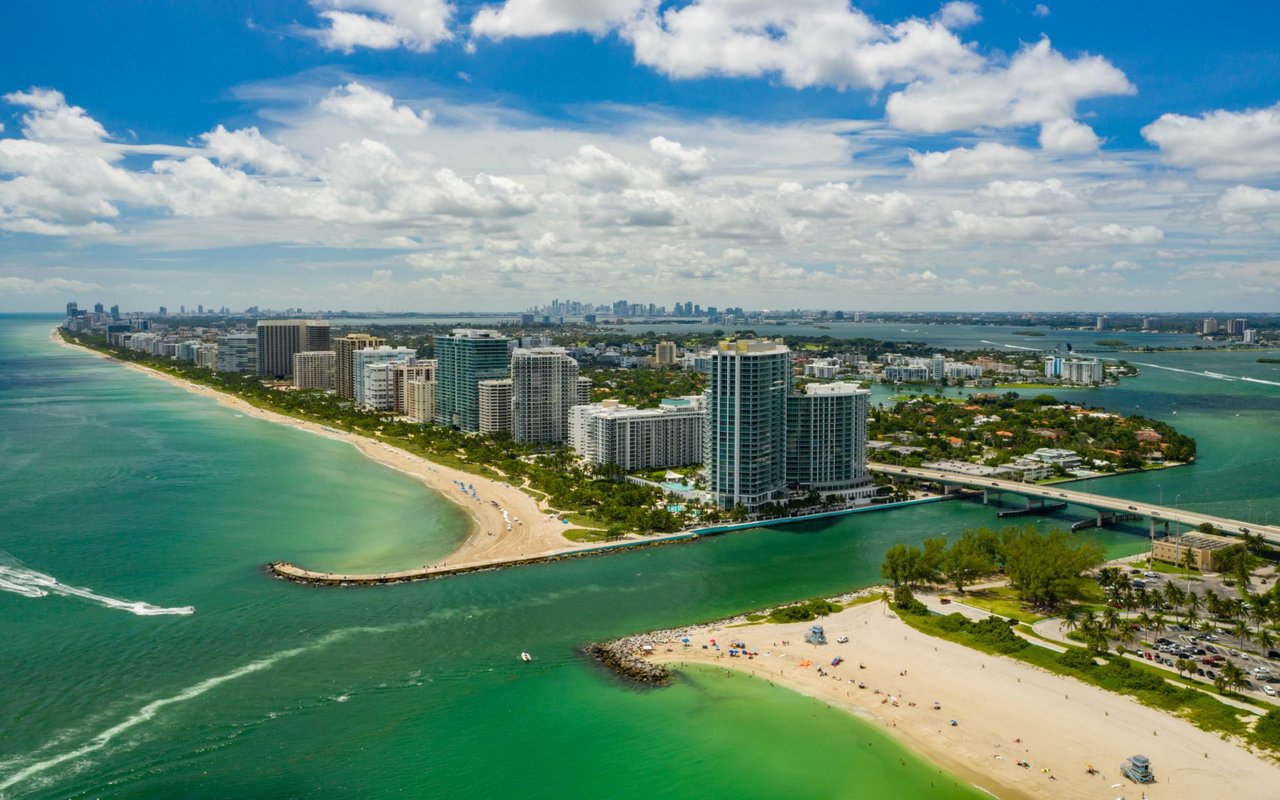
Location remains a decisive factor in Miami’s luxury market. Beyond the traditional strongholds of Miami Beach and Bal Harbour, areas like Aventura maintain consistent demand, while downtown Miami is seeing a surge in high-end development. “They used to build properties at $200,000 to $500,000, maybe up to $2 million. Now they’re building $5–15 million properties in that area,” Oiknine says, citing projects like the Zaha Hadid-designed 1000 Museum as examples of this upmarket expansion.
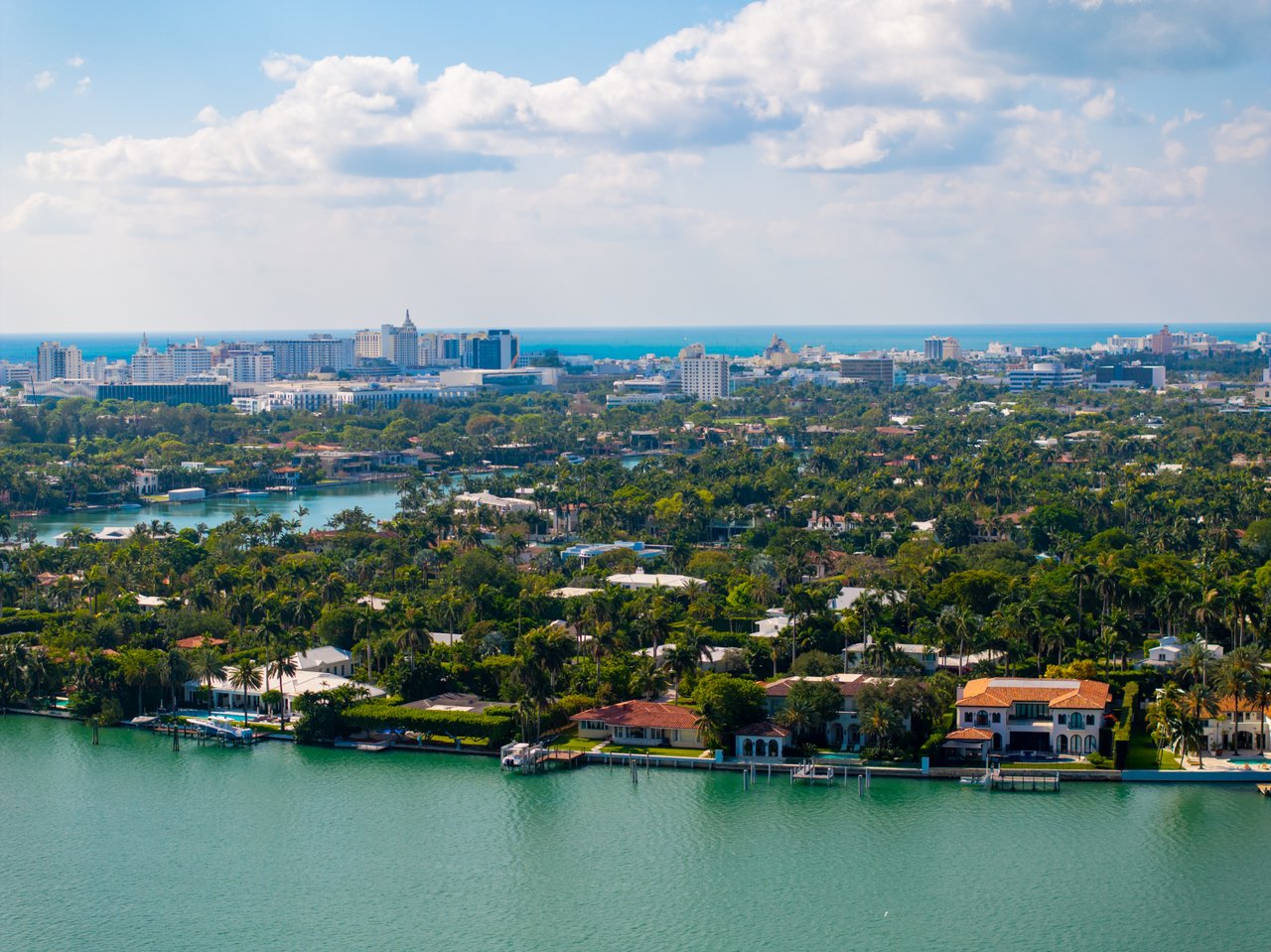
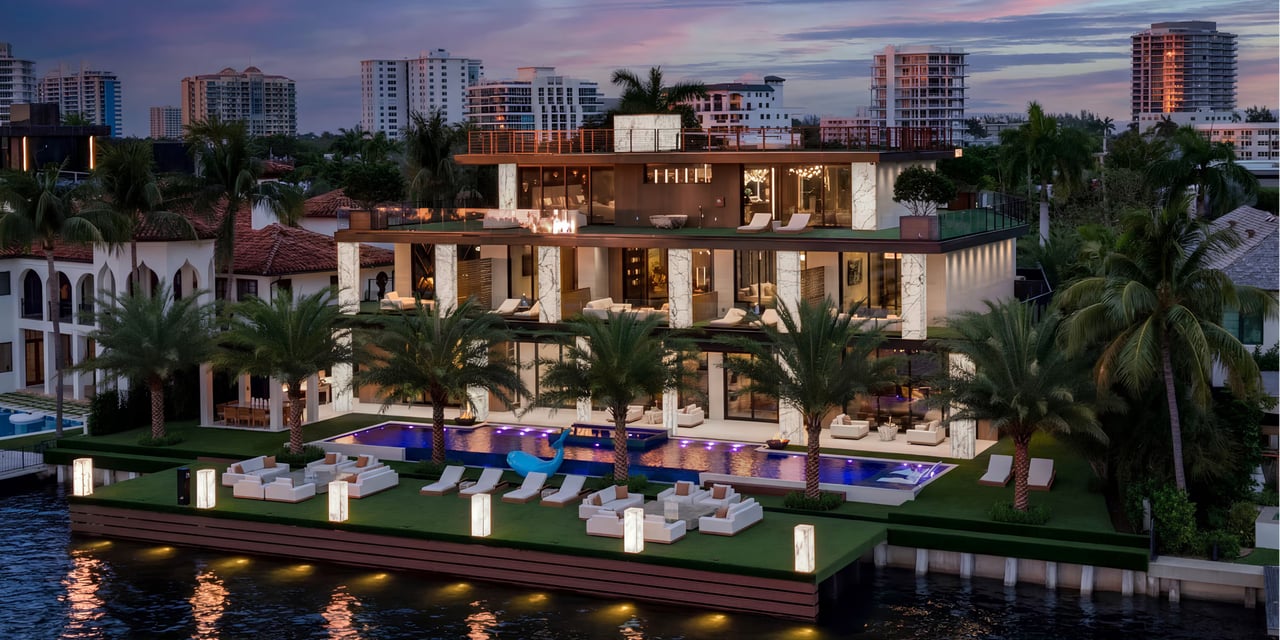
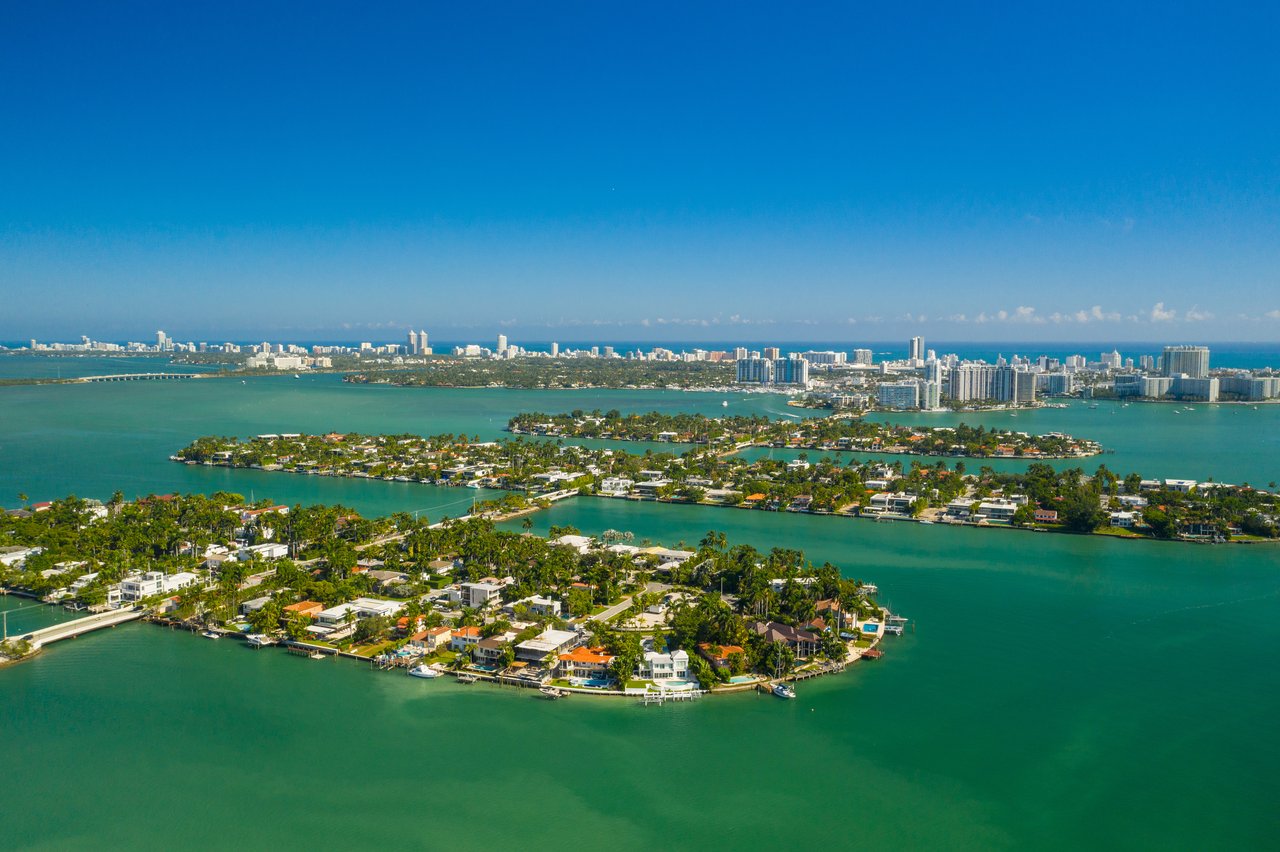
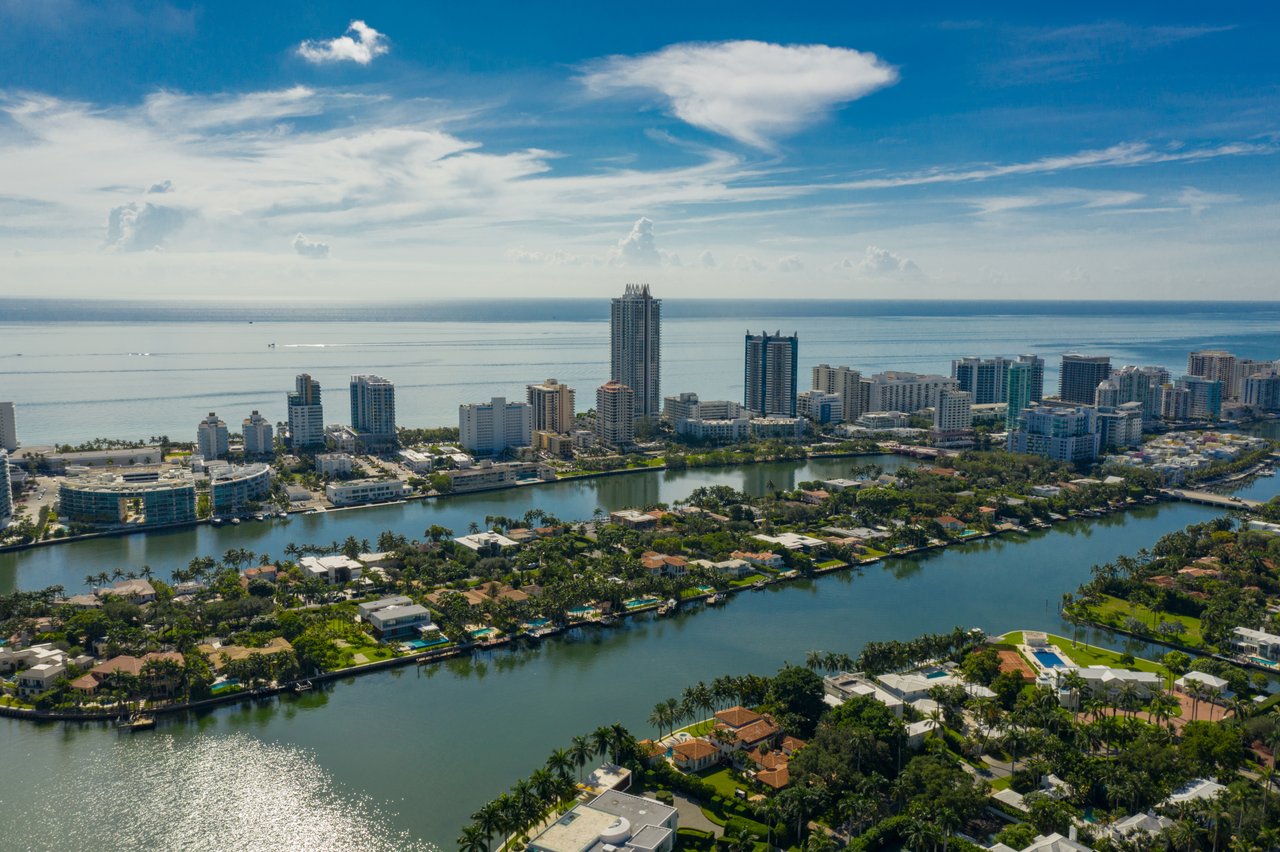
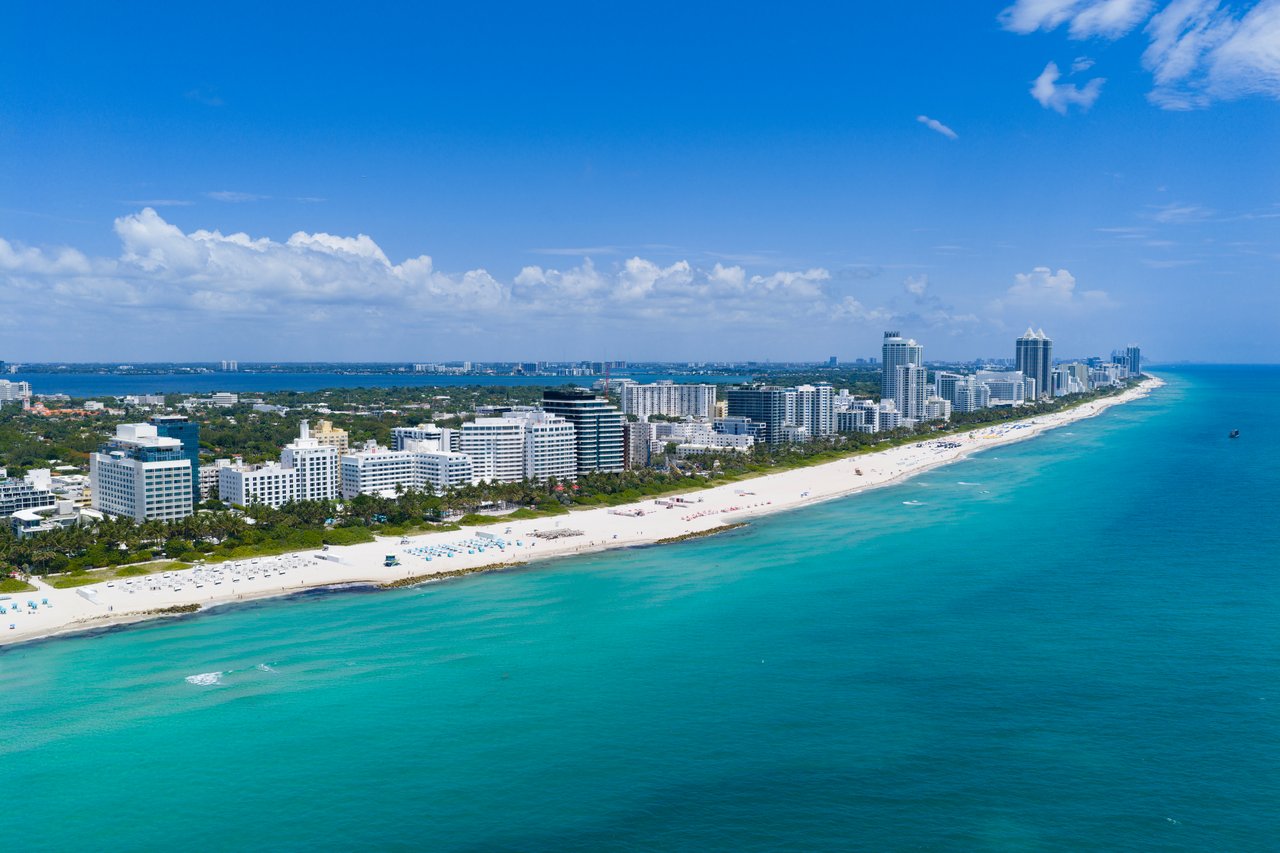
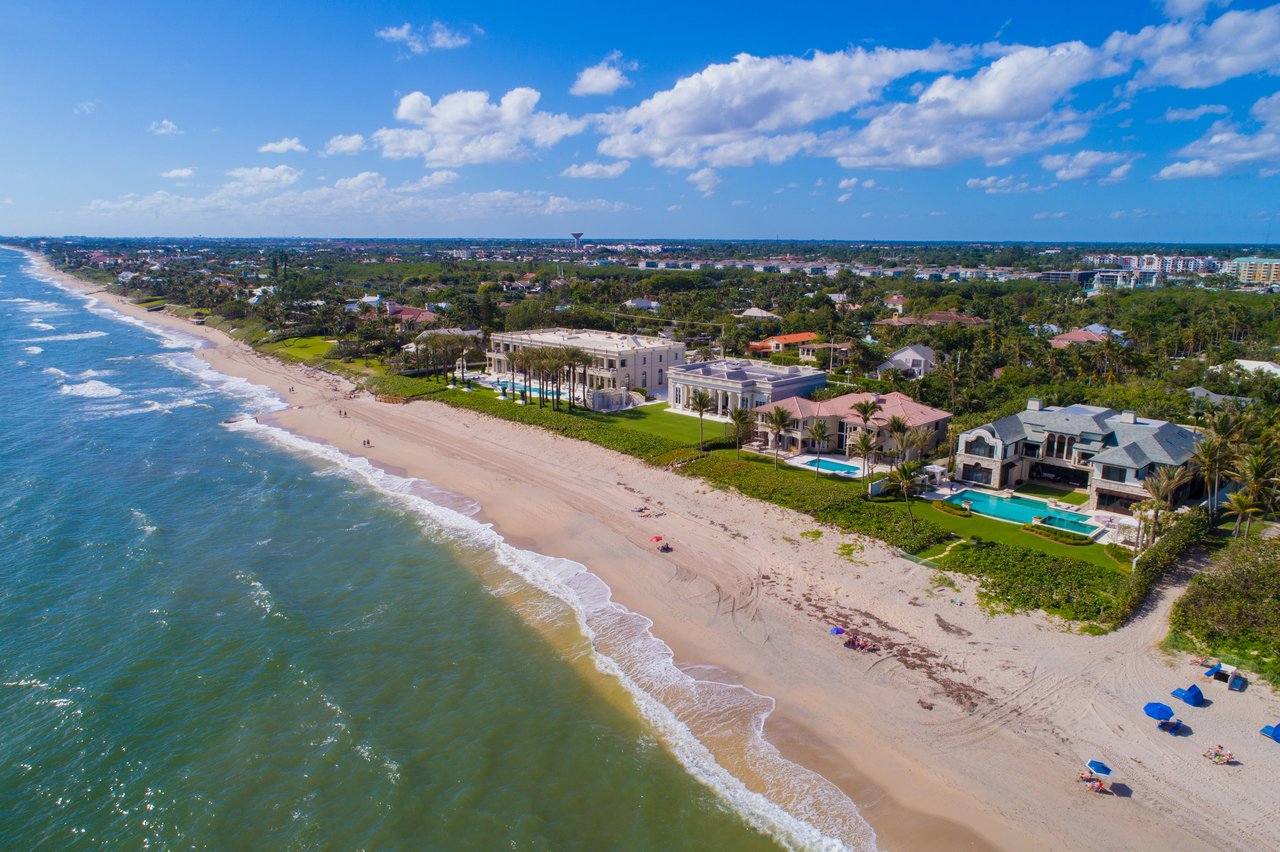
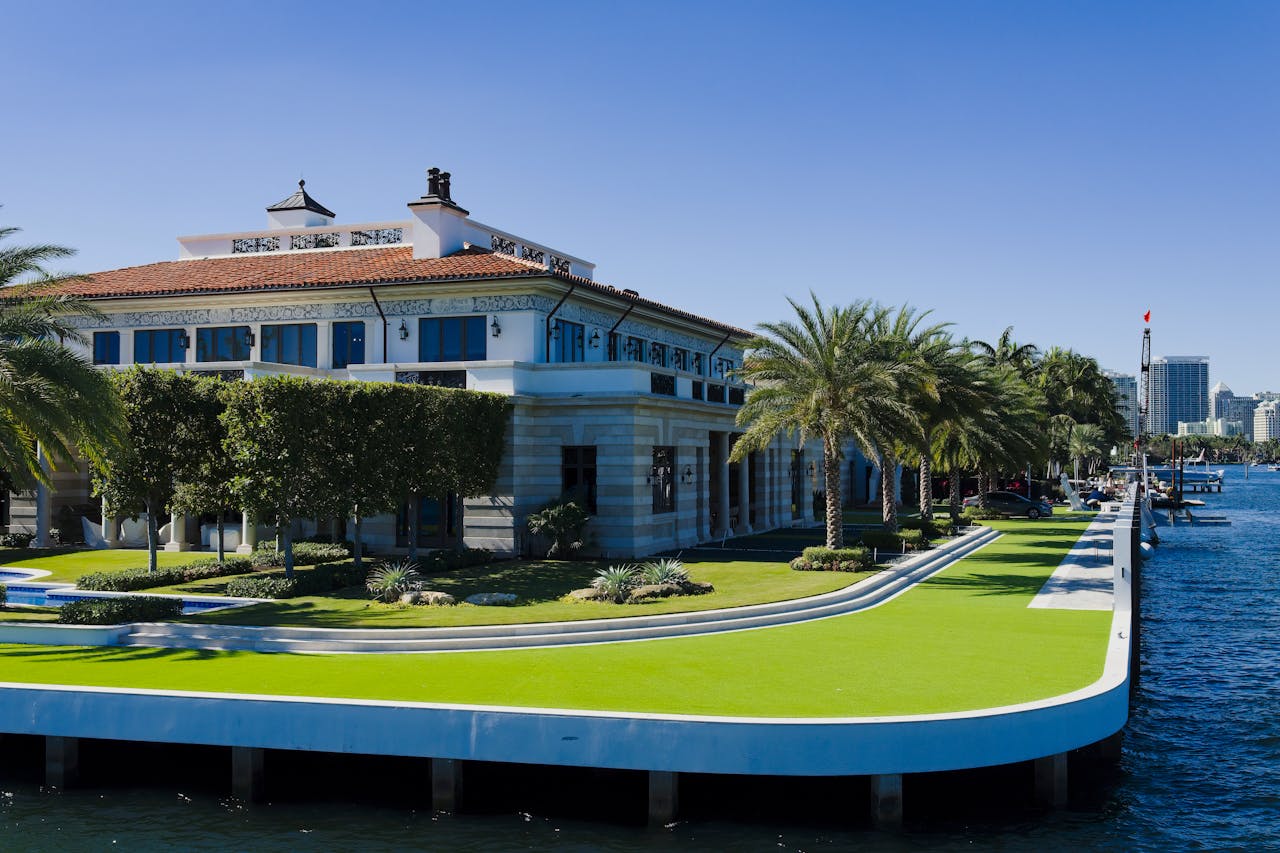
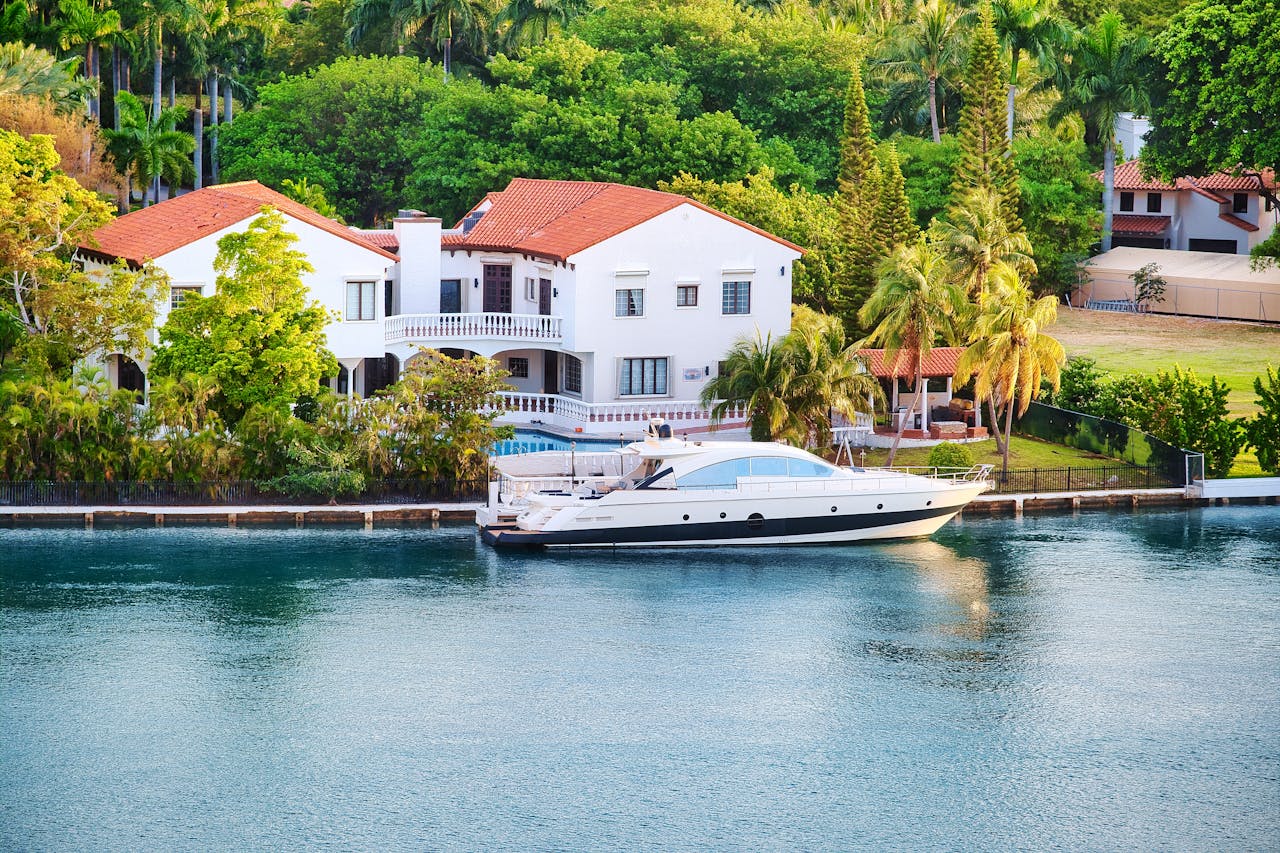
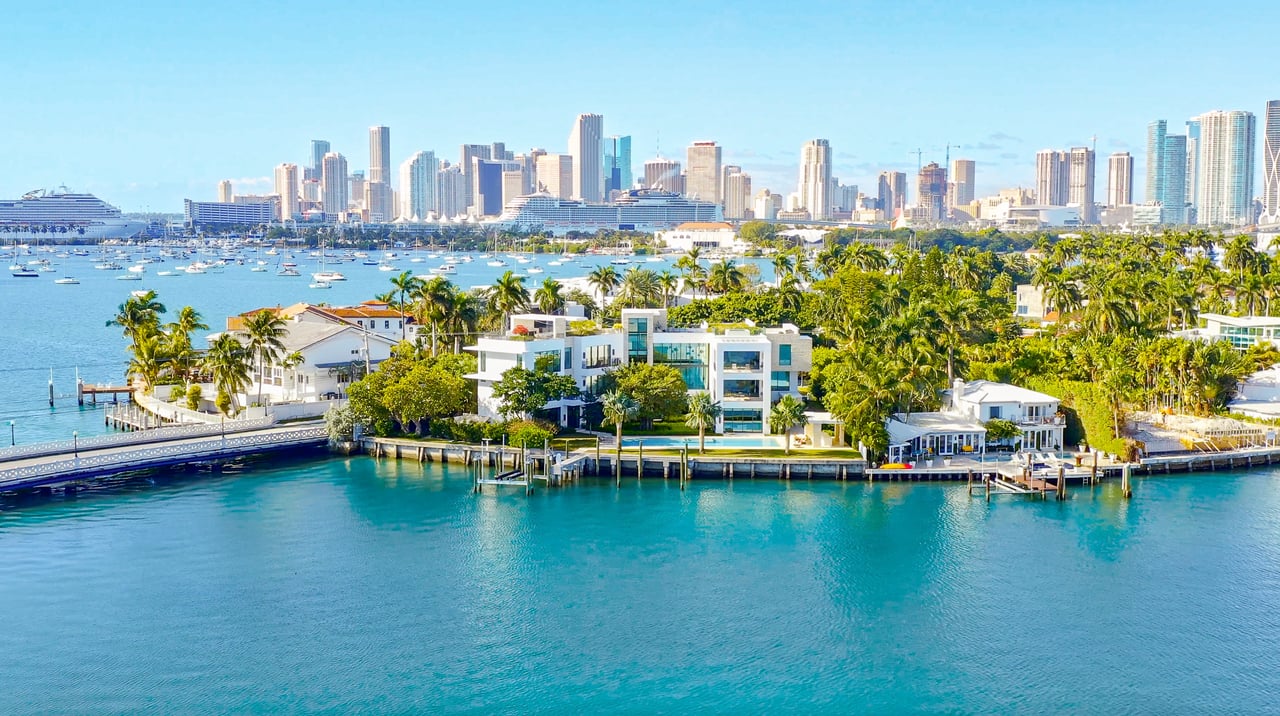
Waterfront homes, particularly in select areas of Miami Beach and Bal Harbour Village, command significant premiums and face limited supply, keeping prices high and competition intense.
International and Domestic Buyers Fuel Demand
International buyers, especially from Latin America, remain a core component of Miami’s luxury market. Their activity fluctuates with political and economic developments in their home countries. “One year it’s Mexico, another year it’s Venezuela, depending on what’s happening politically or with currency,” Oiknine explains. “But Miami is a safe place for them to park their money.”
Canadian buyers, once a reliable presence, have recently pulled back from the lower end of the market due to currency volatility and tariff concerns. However, Oiknine notes that these factors have little impact on buyers at the higher price points. “The Canadians buying higher-priced properties aren’t affected. They are not concerned.”
Domestic migration remains strong, with buyers from high-tax states like New York, California, and Massachusetts accounting for a significant share of luxury purchases. “Our big market for my team is the New Yorkers, the Californians, Washington, Boston,” Oiknine says.
Cash Transactions Dominate High-End Sales
Cash purchases are the norm at the top of Miami’s market, insulating it from rising interest rates and tightening credit conditions. “Ninety-nine percent of our deals are cash,” Oiknine says, a level of liquidity that distinguishes Miami from most other major U.S. markets.
For the minority of buyers who do seek financing, lenders now scrutinize building conditions and assessments more closely. Nathalie, a member of Oiknine’s team, notes, “Lenders are very concerned about the assessments and the state of the building. When we meet a potential seller, one of the first questions is about the building’s condition and whether there are any upcoming assessments.”
New Construction Attracts Buyers Despite Premiums
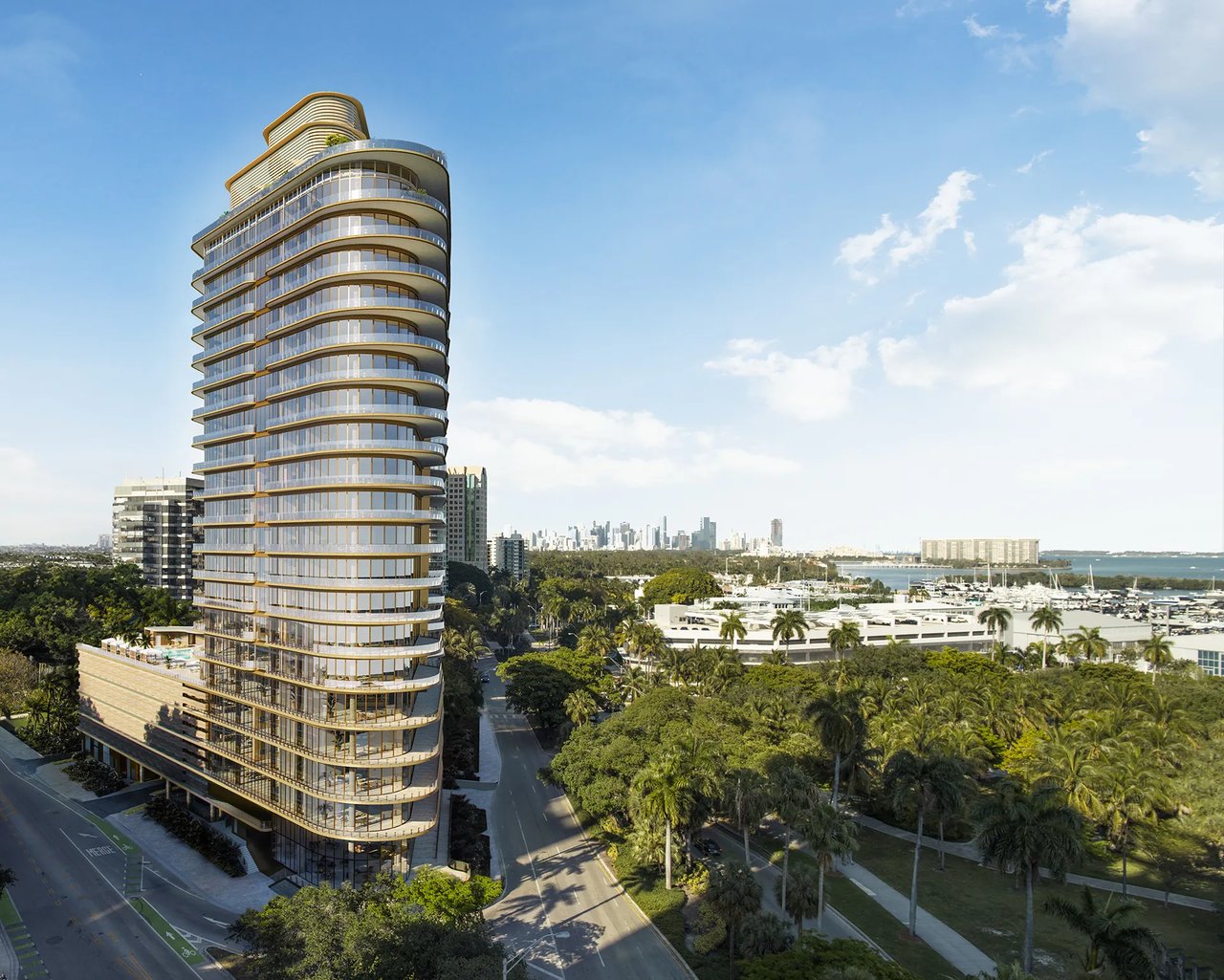
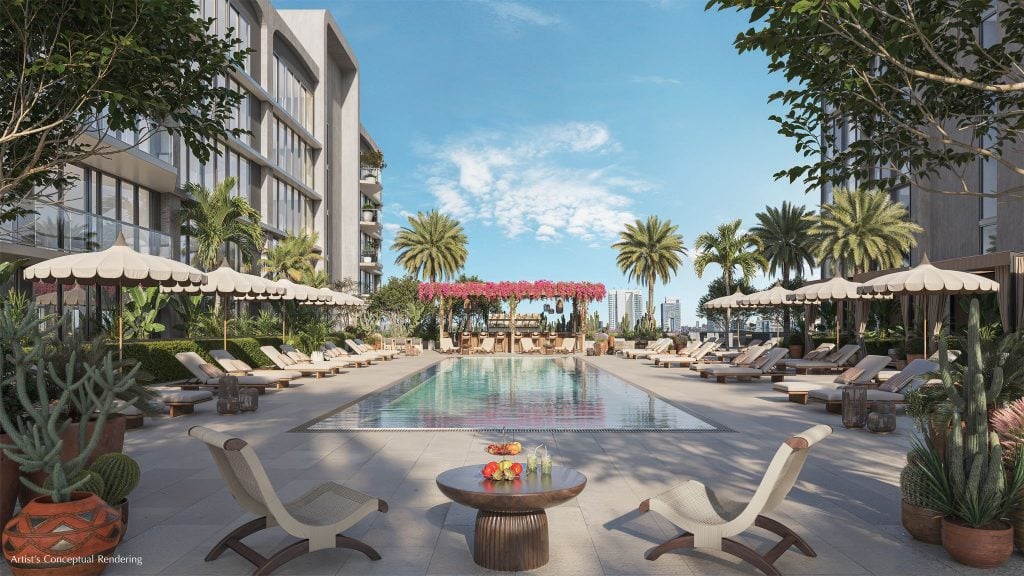
Pre-construction sales continue to attract luxury buyers, even at a premium to existing inventory. Many are willing to wait several years for completion, betting that prices will rise during the build period. “A lot of people are willing to wait because they’re getting a new property. They know their price is going to go up over the next three or four years until it’s built,” Oiknine says.
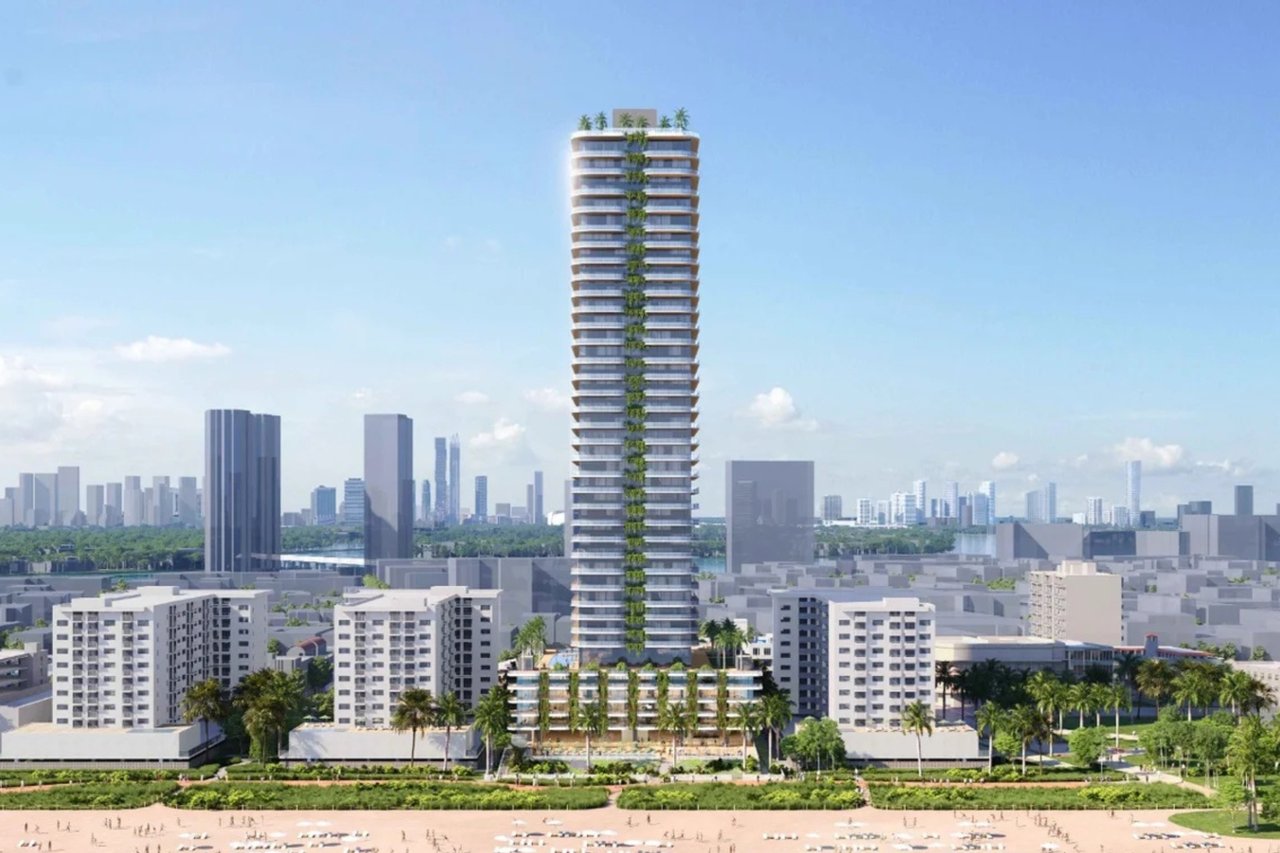
Preference for newer buildings is increasing, largely to avoid the risk of costly assessments. “We get calls from buyers looking for condos, and they’re very specific – it has to be 20 years old or less. They don’t want to deal with assessments,” says Nathalie.
Insurance Costs: Significant but Manageable
Rising insurance premiums, particularly for waterfront and flood-zone properties, have become more of a concern in recent years. Still, for buyers in the $20 million to $30 million range and above, insurance costs are not a significant obstacle. “Somebody who wants a $20–30 million property – it won’t make a difference. They are not concerned about the insurance. It’s just part of what they spend,” Oiknine says.
Market Outlook: Supply, Demand, and Buyer Preferences
Despite higher inventory in certain segments, Oiknine remains confident about Miami’s long-term prospects. She cites continued population growth, with net migration numbers indicating more people arriving than leaving each day. “There’s 200 people leaving and 1,000 coming in every day to Florida,” she says. “Even with new construction, some reports say we don’t have enough inventory to meet future demand.”
Buyer preferences are shifting toward larger properties and new construction, a trend reinforced by safety regulations and evolving lifestyle expectations. This, combined with Florida’s tax advantages and ongoing demographic changes, suggests that Miami’s luxury market will remain resilient, though navigating it requires a granular understanding of its segmented structure.
For real estate professionals and investors, success in Miami’s luxury market depends on recognizing the specific factors influencing each building, neighborhood, and buyer group. Relying on citywide or countywide averages is increasingly unhelpful in a market where the details of location, building quality, and buyer profile determine outcomes.
In summary, Miami’s luxury real estate market is defined by its complexity and segmentation. Opportunities exist at every tier, but only for those who understand the unique dynamics at play across the city’s diverse neighborhoods and high-end buildings.
Source: Keycrew Journal