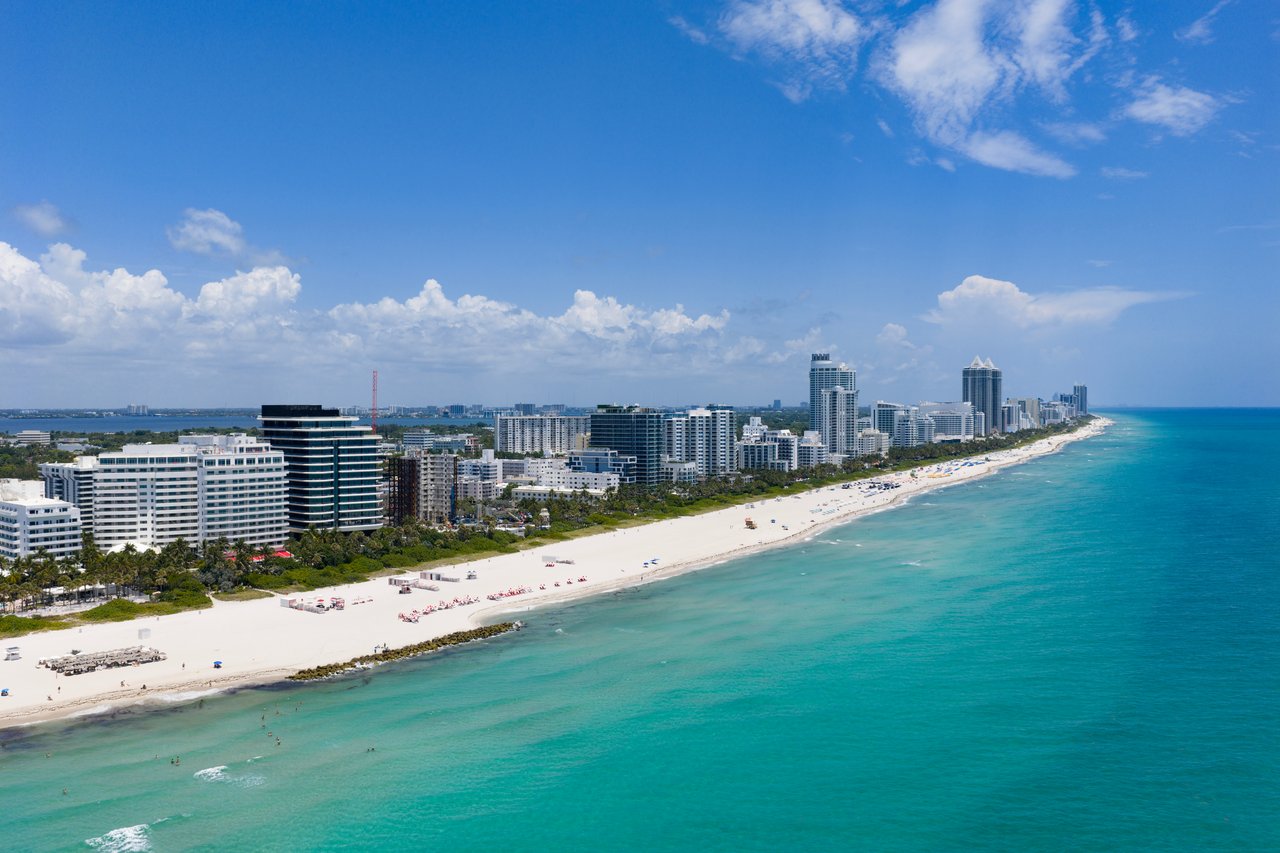
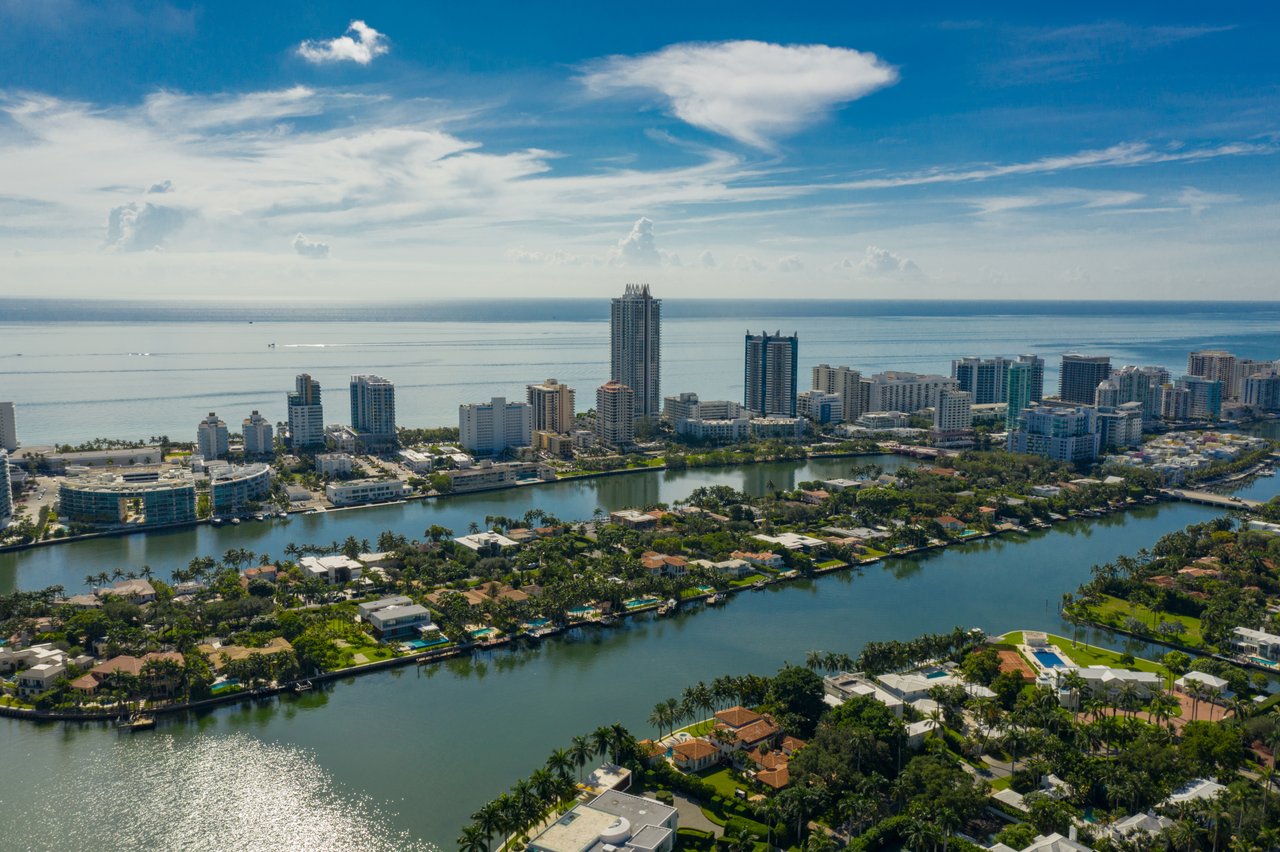
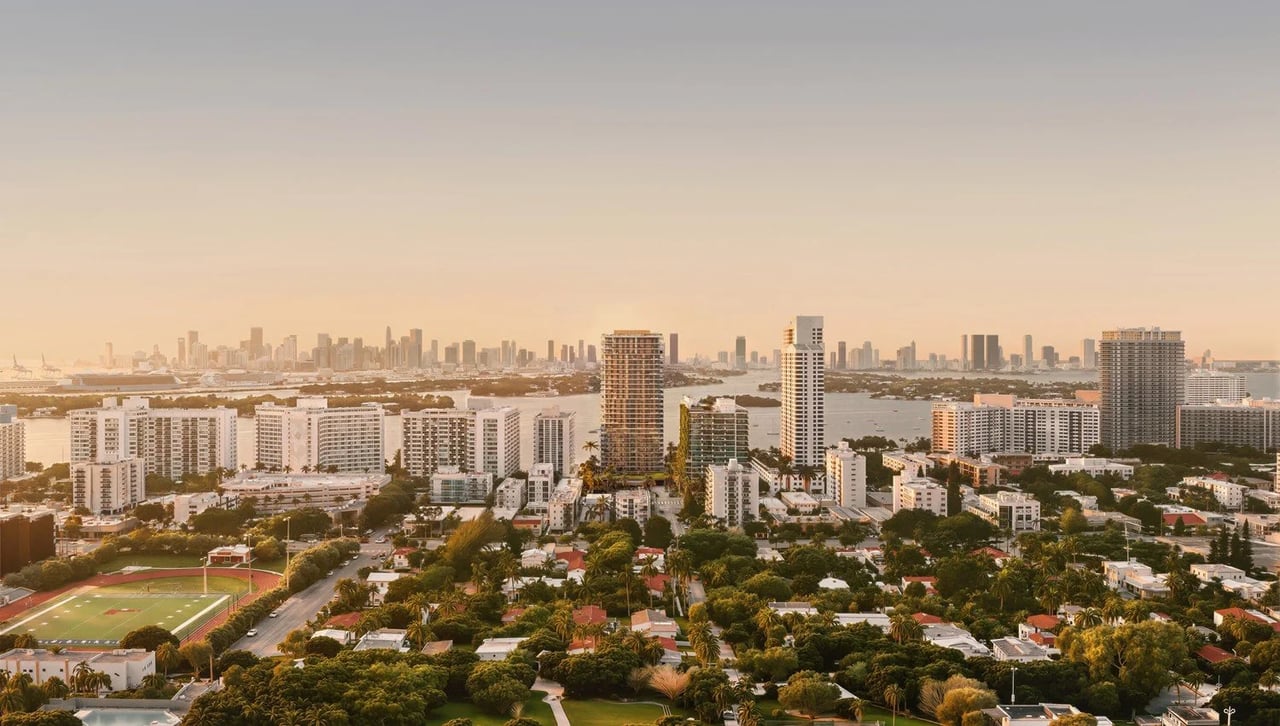
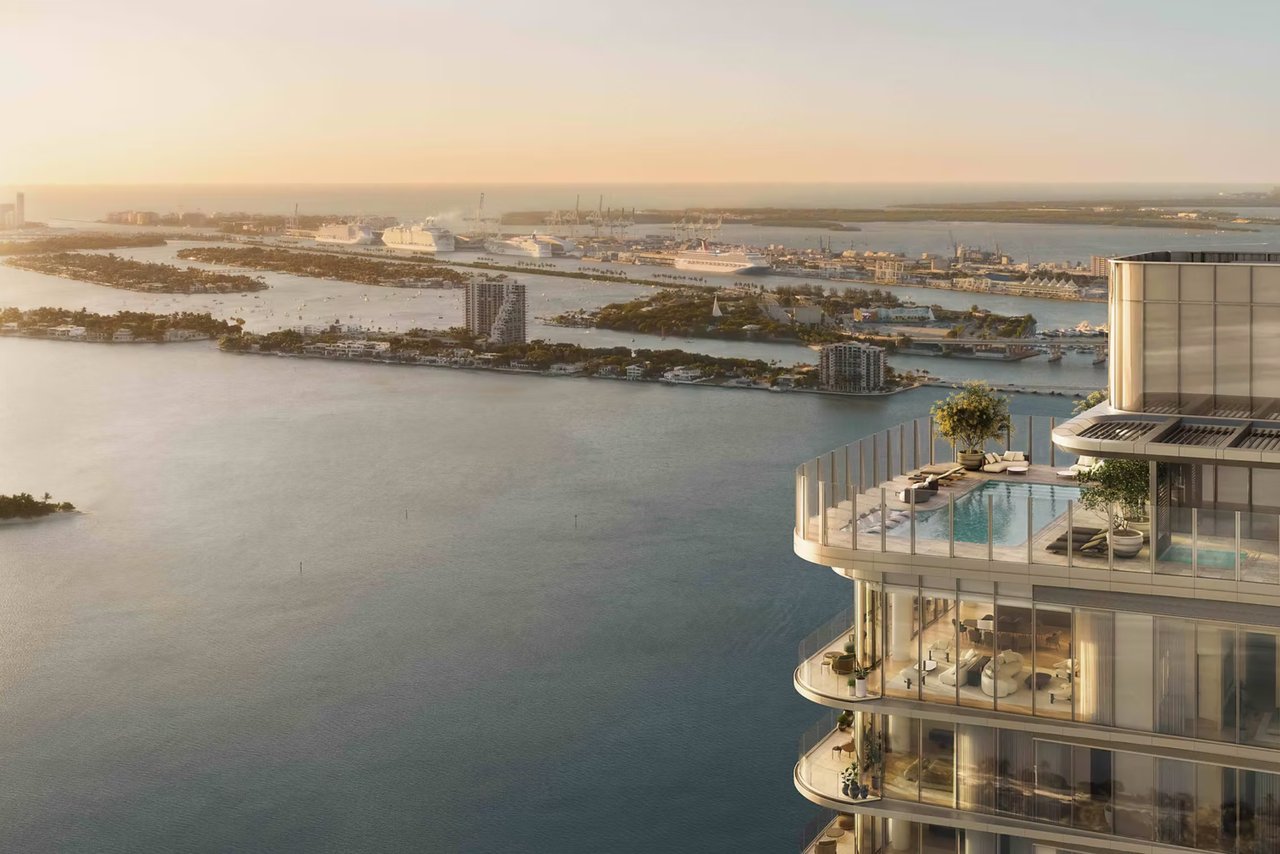
Imagine closing on a $47 million oceanfront estate, paid for entirely in cash, without ever setting foot inside. That is the new standard in the richest part of Florida. In ultra-luxury corridors like Palm Beach (33480), where sales average $12.4 million, and Fisher Island (33109), where median household incomes hit $2.2 million annually, real estate is treated as critical financial infrastructure.
This transactional intensity is fueled by a massive wealth migration: the IRS tracked $36 billion in adjusted gross income moving permanently to Florida in 2022 alone.
The core driver is a quantifiable tax advantage. A high-net-worth individual who avoids a high-tax state's capital gains on a $50 million business sale can immediately retain an extra $6.65 million. Over a decade, that single tax decision can generate a $10–$15 million wealth differential. Florida’s constitutional provision against a personal income tax is the core reason the wealthiest areas in Florida are targeted by sophisticated investors. You can learn more about Florida's tax policy and structure by visiting the Florida Department of Revenue.
The clustering of wealth in these specific wealthiest zip codes in Florida reflects sophisticated families executing multi-generational strategies where property secures capital preservation, tax elimination, and estate planning.
What You'll Learn in This Guide
-
Which specific zip codes in the richest part of Florida command $10 million+ median prices and why billionaires cluster there
-
The quantifiable tax advantages driving $36 billion in annual wealth migration to Florida's wealthiest areas
-
Investment fundamentals separating stable luxury markets from speculative high-end developments
-
Waterfront property criteria determining which $20 million estates appreciate versus stagnate
-
The infrastructure, club access, and social capital that actually define Florida's most affluent cities beyond real estate pricing
Florida Wealth Migration: The Numbers Behind Ultra-Affluent Relocation
|
Wealth Indicator |
Data Point |
Strategic Implication |
|
Adjusted Gross Income Gained |
Florida captures more wealth than any state |
|
|
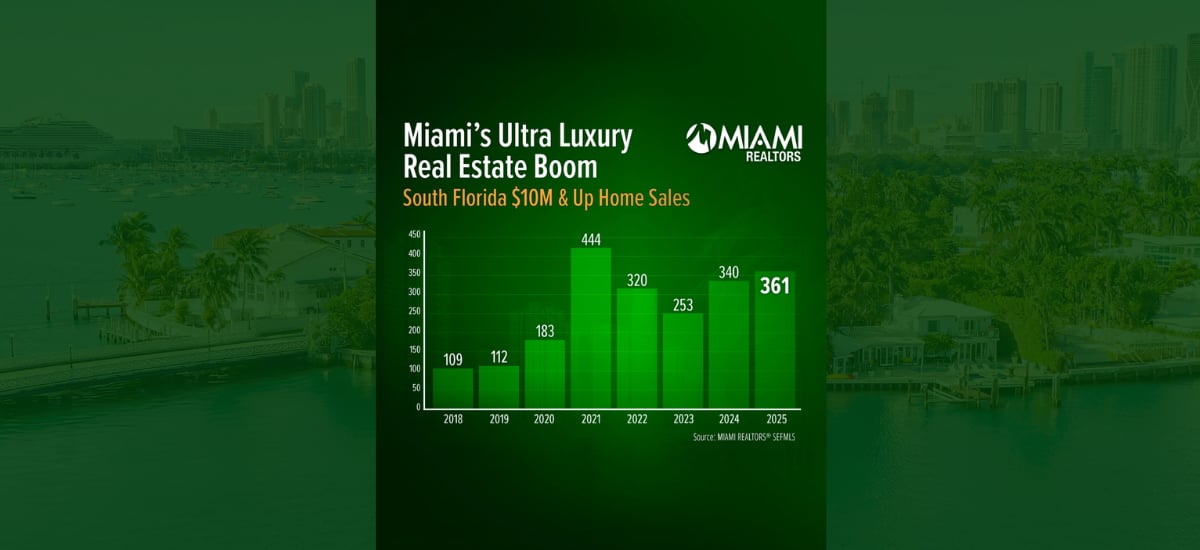
Luxury Sales Growth ($10M+) |
Ultra-high-end market outpacing all segments |
|
|
Fisher Island Median Income |
Highest per-capita income zip code in America |
|
|
Total Millionaire Households |
Critical mass creates wealth services ecosystem |
|
|
HNWI Arrivals (Miami-Dade) |
Concentrated metro growth vs. dispersed state gains |
These metrics reveal a phenomenon far beyond mere population growth. The $36 billion adjusted gross income Florida gained in 2022 represents tax-generating capacity permanently lost by high-tax states. This capital concentration is deliberate:
-
The +47% increase in $10 million+ sales in Palm Beach shows ultra-luxury real estate appreciates fastest during these wealth migration cycles.
-
Fisher Island's $2.2 million median household income—derived heavily from investment returns—confirms that the wealthiest areas in Florida are optimized for wealth preservation.
-
The massive 1.5 million millionaire households and the 10,000+ HNWI arrivals in Miami-Dade create an ecosystem of specialized services (private banking, family offices, estate planning) that reinforce these geographical wealth clusters. These individuals are capital allocators who require sophisticated infrastructure available only in established financial centers.
Explore exclusive luxury properties in Florida's wealthiest zip codes
What Are the Wealthiest Neighborhoods in Florida for High-Net-Worth Individuals Looking to Buy Property?
The richest part of Florida for HNWIs is defined by two rival coastal regions, each offering unique structural advantages over random luxury development.
|
Infrastructure Factor |
Atlantic Coast |
Gulf Coast |
|
Private Aviation |
PBI, Miami Executive |
Naples Municipal |
|
International Banking |
Miami Latin America hub |
Limited |
|
Deep-Water Access |
Intracoastal + Atlantic |
Protected Gulf canals |
|
Year-Round Climate |
Consistent tropical |
Uncomfortable Jun-Sep |
|
Primary Wealth Type |
Finance, inherited |
Entrepreneurial, retired |
Corridor Focus: Lifestyle vs. Permanence
-
Atlantic Coast (Palm Beach County through Miami-Dade): This 70-mile stretch's high volume of luxury sales is driven by same-day business travel and the infrastructure to support global capital (e.g., yacht-capable deep water, cross-border banking).
-
Gulf Coast (Naples): Naples' wealth concentration, centered on Port Royal estates ($3M-$50M), attracts buyers seeking lower social intensity and a primary residence. This is reflected in the high 93% owner-occupied ratio, contrasting the more seasonal nature of the Atlantic coast.
Infrastructure That Actually Matters
True value for generational wealth is determined by essential, non-negotiable infrastructure:
-
Business Continuity: Private aviation within 30 minutes—including Palm Beach International, Naples Municipal, and Miami Executive—enables seamless operations (TSA-free private terminals are key).
-
Family & Health: Proximity to top-rated private or charter schools is critical. Similarly, access to Level-One Trauma Centers becomes a relevant factor as wealth holders age.
-
Social Vetting: Memberships at exclusive institutions (Mar-a-Lago, Bath & Tennis Club) in Palm Beach function as wealth credentialing, enforcing social standards and maintaining property values. Naples clubs (Port Royal Club) emphasize less formality, while Jupiter's clubs prioritize golf.
Explore exclusive luxury properties in Florida's wealthiest zip codes
Where Do the Richest People Live in Florida?
Billionaire and hecto-millionaire residential patterns are highly concentrated in specific micro-markets within the wealthiest areas in Florida. Grasping these patterns helps high-net-worth buyers choose properties that benefit from proximity to extraordinary wealth rather than merely existing in expensive zip codes.
Palm Beach — Generational Wealth Capital
Palm Beach remains the historical, dense core of the richest part of Florida. It boasts the highest concentration of wealth, with approximately 70 billionaires maintaining addresses on the 14-mile barrier island.
|
Metric |
Data |
Strategic Significance |
|
Median Sale Price |
$12.4M |
Highest concentration in Florida |
|
Billionaire Count |
~70 residents |
Most dense outside Manhattan |
|
Average Lot Size |
0.25-2+ acres |
Island scarcity prevents expansion |
|
Seasonal Occupancy |
Jan-April peak |
Social calendar concentration |
|
Annual Carrying Costs |
$586K-$2.6M+ |
Excludes mortgage payments |
The Season (January-April) concentrates social programming, charity galas, and cultural events. Properties require year-round maintenance despite part-time occupancy, creating $200,000-$500,000 annual costs beyond mortgages and taxes. Approximately 70 billionaires maintain Palm Beach addresses, attracted by finance networking, inherited wealth management, and international stability.
Fisher Island — America's Wealthiest Zip Code
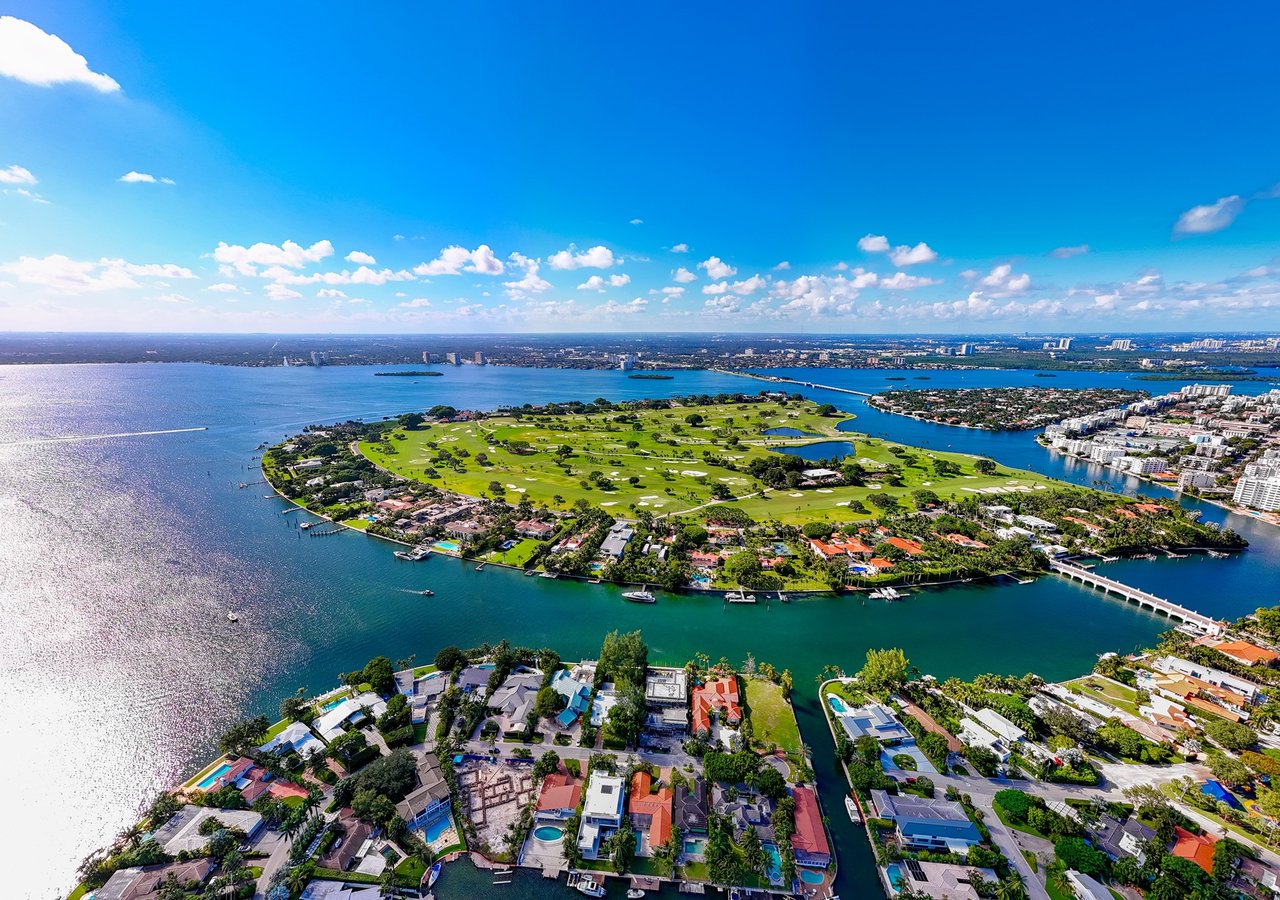
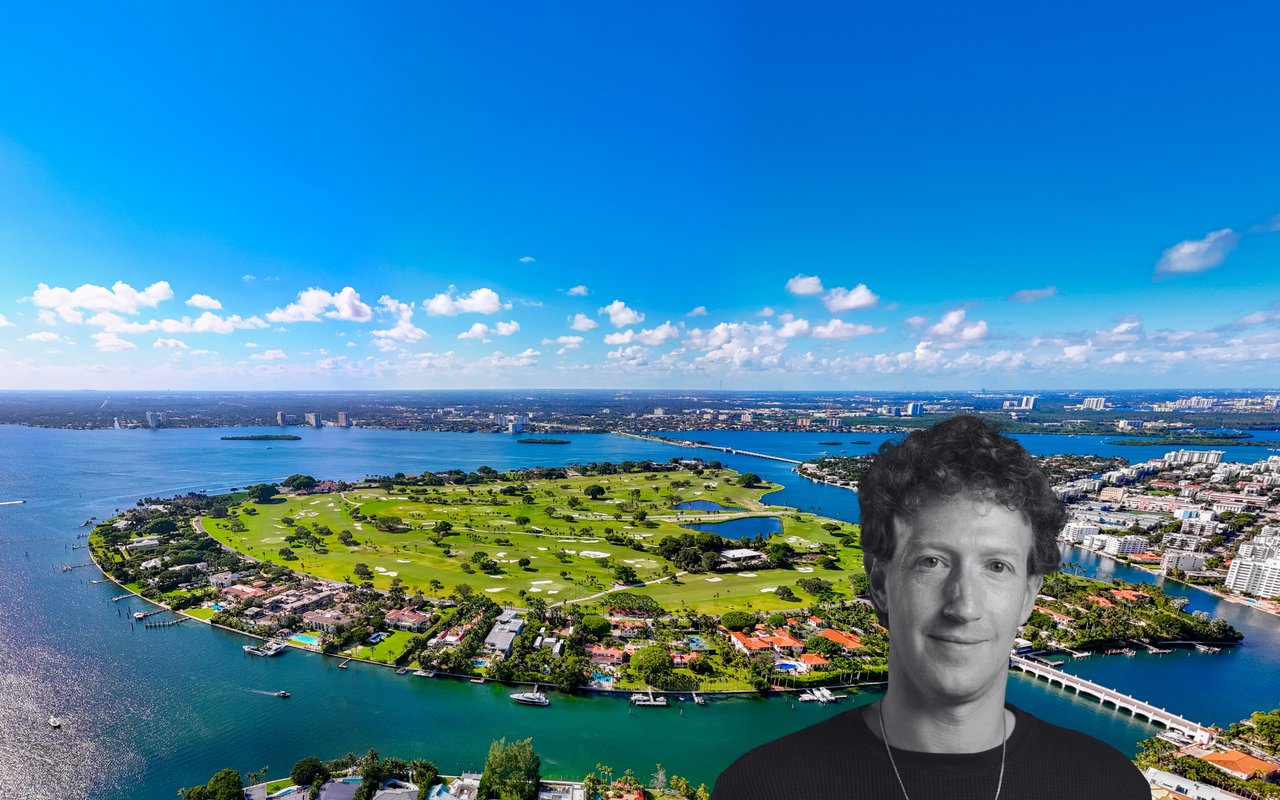
Fisher Island's 216-acre private island is the most exclusive community in America by wealth, posting a median household income of $2.2 million annually. This status is maintained by its design: Ferry-only access (no bridge connection) creates absolute entry control, appealing to wealth seeking privacy impossible on mainland communities.
The population skews international, with Latin American executives and European wealth holders among the roughly 700 resident families. Mandatory annual club fees (starting at $250,000+) fund the private beach club, Pete Dye golf course, and deep-water marina, reinforcing the resort-like, ultra-secure environment.
Indian Creek Village — The Billionaire Bunker
Indian Creek occupies a 300-acre private island defined by extreme scarcity, with only 41 residential properties. Sales, typically ranging from $50 million to $150 million, often occur only when existing owners die or divorce. This community's core value is absolute security. The village maintains its own professional Public Safety Department with a 24/7 marine patrol, rivaling government installations.
Located just minutes from Bal Harbour shopping and private terminals, Indian Creek combines maximum seclusion with essential urban access.
Jupiter Island — Old Florida Wealth
Jupiter Island's 33469 zip code offers the richest part of Florida's most understated luxury. Median prices exceed $7.5 million for large properties averaging 2–4 acres, providing highly valued Atlantic oceanfront or Intracoastal waterway views.
The area maintains its character through rigid architectural review and permanent scarcity ensured by the Hobe Sound National Wildlife Refuge which occupies the island's northern section. The demographic—corporate titans and PGA golfers—prefers Jupiter's casual, less hierarchical atmosphere compared to Palm Beach.
Which Florida Zip Codes Are the Most Expensive?
Price alone doesn't define the richest part of Florida, but median sales data reveals where ultra-luxury markets concentrate. These zip codes represent established wealth versus emerging luxury areas.
|
Rank |
Zip Code |
Location |
Median Sale Price |
Inventory Type |
Buyer Driver |
|
1 |
33480 |
Palm Beach |
$12.4M |
Oceanfront estates, lakefront compounds |
Historic prestige, club access |
|
2 |
33469 |
Jupiter Island |
$7.5M |
Low-density estates, conservation setting |
Privacy, natural beauty |
|
3 |
33154 |
Indian Creek/Bal Harbour |
$8.2M |
Ultra-secure island, luxury condos |
Maximum security, proximity |
|
4 |
33109 |
Fisher Island |
$9.8M |
Ferry-access island, comprehensive amenities |
Complete seclusion, resort living |
|
5 |
34102 |
Naples (Old Naples) |
$3.9M |
Gulf-front estates, walkable downtown |
Gulf Coast lifestyle, sophistication |
|
6 |
33139 |
Miami Beach (SoFi) |
$4.1M |
Luxury condos, boutique buildings |
Urban beach living, walkability |
|
7 |
33149 |
Key Biscayne |
$2.8M |
Island community, family-focused |
Safety, schools, beach access |
|
8 |
33156 |
Pinecrest/South Miami |
$2.4M |
Tree-lined estates, top schools |
Family orientation, Miami access |
Price vs. Value Disconnect
Indian Creek's $8.2 million median understates actual wealth—the 41 properties average $50-$100 million but infrequent sales skew data. Fisher Island's $9.8 million median combines $2 million condos with $40 million estates, creating misleading averages.
Palm Beach's $12.4 million median accurately reflects extraordinary concentration—even "starter" properties (if such exists) command $5-$8 million for dated construction on modest lots. The tear-down threshold reaches $10-$15 million for land value alone.
Investment Grade Analysis
Not all expensive zip codes offer equivalent investment fundamentals. Palm Beach, Jupiter Island, and Indian Creek demonstrate consistent appreciation through economic cycles due to absolute scarcity—no additional inventory can ever be created. These markets functionally behave like art or collectibles, not real estate.
Naples and Miami Beach luxury markets show more price sensitivity. Larger inventory and new construction possibilities create supply responses to demand, moderating appreciation. These remain premium markets but with different investment characteristics than the scarce island communities.
View available properties in Florida's most prestigious zip codes
What Is the Wealthiest City in Florida?
|
City |
Population |
Billionaires |
Millionaire Households |
Median Income |
Avg. Home Price |
|
Palm Beach |
9,200 |
~70 |
3,500+ (38% density) |
$169,000 |
$12.4M |
|
Naples |
22,000 |
~15 |
8,000+ (36% density) |
$121,000 |
$3.9M |
|
Miami (aggregate) |
450,000 |
~25 |
45,000+ |
$44,000 |
$620K |
|
Coral Gables |
50,000 |
~5 |
12,000+ |
$82,000 |
$1.2M |
Palm Beach dominates per-capita wealth: 38% millionaire density with 70 billionaires in 9,200 residents. The $169,000 median income understates actual wealth since most residents derive income from investments rather than wages.
Miami contains more absolute wealth: 45,000+ millionaire households and 25+ billionaires create ecosystem effects—private banking depth, art market sophistication, and philanthropic institutions serving the ultra-affluent.
Naples balances both measures: $121,000 median income with 36% millionaire density provides sufficient scale (22,000 population) for comprehensive luxury services while maintaining meaningful per-capita affluence.
Explore neighborhood profiles across Florida's most affluent cities
Where Are the Most Exclusive Luxury Real Estate Markets Located in Florida?
Exclusivity requires limited access, membership approval, and social vetting that money alone cannot overcome.
Invitation-Only Access
|
Community |
Entry Requirement |
Annual Costs |
Population |
|
Bath & Tennis Club (Palm Beach) |
Member sponsorship |
$250K+ initiation + $50K dues |
~200 families |
|
Indian Creek Village |
Homeowner approval |
$15M+ village security costs |
41 properties |
|
Admirals Cove (Jupiter) |
Membership committee |
$150K-$350K initiation |
300+ members |
Properties adjacent to Bath & Tennis Club command $2-5 million premiums versus comparable Palm Beach estates. Access to this social network creates tangible financial value beyond amenities.
Indian Creek operates as incorporated village with elected mayor. The 24/7 security and complete privacy attract global wealth seeking discretion. New residents require existing homeowner approval—an informal but powerful vetting process.
Private Island Premiums
|
Island |
Access |
Population |
Price Range |
Premium vs. Mainland |
|
Fisher Island |
Ferry (15-min) |
~700 families |
$2M-$40M |
+30-50% |
|
Indian Creek |
Bridge (guarded) |
41 properties |
$50M-$150M |
+40-60% |
|
Star Island |
Bridge (guarded) |
~35 estates |
$10M-$100M+ |
+35-45% |
|
Jupiter Island |
Bridges (limited) |
~600 properties |
$3M-$50M |
+25-40% |
Fisher Island condos cost $5,000-$7,000 per square foot versus Miami Beach's $2,500-$4,000. This premium purchases guaranteed privacy—no public beach access, no casual visitors, no tourism disruptions.
Schedule a confidential consultation
How Much Does It Cost to Live in Palm Beach?
|
Expense Category |
Annual Cost |
Notes |
|
Property Taxes |
$150K-$500K+ |
~1.2% rate on $12-40M values |
|
Insurance (Home/Wind/Flood) |
$65K-$275K |
Hurricane coverage mandatory |
|
Club Memberships |
$200K-$1M+ |
Initiation + $50-200K annual dues |
|
Estate Maintenance |
$100K-$500K+ |
Staff, landscaping, pool, dock |
|
Utilities |
$36K-$100K |
A/C dominates costs |
|
Total Annual |
$551K-$2.575M+ |
Excludes mortgage |
Palm Beach's 1.2% effective property tax rate generates $300,000 annually on a $25 million estate. Homestead exemption ($50,000 reduction) provides minimal relief at this price point.
Hurricane exposure requires separate wind coverage beyond standard homeowners policies. Recent storm activity (2022-2024) drove policies from $25,000 to $75,000-$150,000 for identical coverage. Some properties require surplus lines insurance at higher costs.
Exclusive club memberships gate Palm Beach society. Initiation fees ($150,000-$1 million) represent one-time costs. Annual dues ($50,000-$200,000) fund operations. These aren't optional for social integration—they provide business networking and community standing.
Estate properties require permanent staff: estate manager ($100K-$150K annually), landscaping ($50K-$150K), pool maintenance ($12K-$25K), HVAC contracts ($15K-$30K), and dock maintenance ($20K-$50K). Part-time residents add property management ($5K-$10K monthly).
Realistic Palm Beach ownership requires $5-10 million purchase minimum, $50 million net worth, and $500,000-$1 million annual income to service carrying costs comfortably.
Calculate ownership costs with our specialists
What Investment Opportunities Are Available in the Wealthiest Areas of Florida?
|
Market |
5-Yr Appreciation |
10-Yr Appreciation |
Annual Avg. |
Investment Character |
|
Palm Beach |
+52% |
+118% |
+8.1% |
Scarcity-driven |
|
Miami Beach (luxury) |
+71% |
+145% |
+9.4% |
Development-driven |
|
Naples (Port Royal) |
+45% |
+95% |
+6.9% |
Stable retiree demand |
|
Coral Gables (estates) |
+58% |
+112% |
+7.8% |
Family-focused stability |
Palm Beach, Jupiter Island, and Indian Creek cannot create additional inventory. Supply constraints drive appreciation independent of economic cycles—these markets function like collectibles rather than real estate.
International buyers treat U.S. luxury real estate as wealth preservation. Political instability in Latin America and capital controls elsewhere drive consistent foreign demand for Florida's most expensive areas regardless of domestic economic conditions.
Seasonal Rental Economics
Palm Beach and Naples luxury properties command exceptional seasonal rates (January-April):
|
Property Type |
Monthly Rate |
4-Month Season |
Annual Net Yield |
|
3-5 BR estates |
$50K-$150K |
$200K-$600K |
1.5-2% |
|
Oceanfront compounds |
$100K-$400K |
$400K-$1.6M |
1.5-2.5% |
|
Ultra-luxury (10K+ sf) |
$200K-$1M+ |
$800K-$4M+ |
2-3% |
A $10 million Palm Beach estate generating $400,000 seasonal rental produces 4% gross yield. After management (15-20%), maintenance, insurance, and taxes, net yield approaches 1.5-2%. Combined with 6-8% appreciation, total returns reach 7.5-10% annually.
Analyze investment properties in premier Florida markets
Where Can High-Net-Worth Individuals Find Luxury Waterfront Homes in Florida's Richest Communities?
Waterfront properties command the highest prices within the wealthiest areas in Florida, but not all water frontage delivers equivalent value. Understanding what creates premium waterfront properties prevents costly mistakes.
Waterfront Property Hierarchy
|
Waterfront Type |
Typical Premium |
Key Advantages |
Main Drawbacks |
|
Atlantic Oceanfront |
+150-300% vs. non-water |
Sunrise views, beach access, prestige |
Hurricane exposure, erosion risk |
|
Gulf Oceanfront |
+100-250% vs. non-water |
Sunset views, calmer water, beach |
Insurance costs, storm surge |
|
Intracoastal Waterway |
+75-150% vs. non-water |
Protected water, yacht access |
No ocean beach, bridge clearances |
|
Bay/Sound Front |
+60-120% vs. non-water |
Calm water, views |
Limited ocean access |
|
Canal/Lake Front |
+30-80% vs. non-water |
Boating, privacy |
Neighborhood density |
Ocean vs. Intracoastal Trade-offs
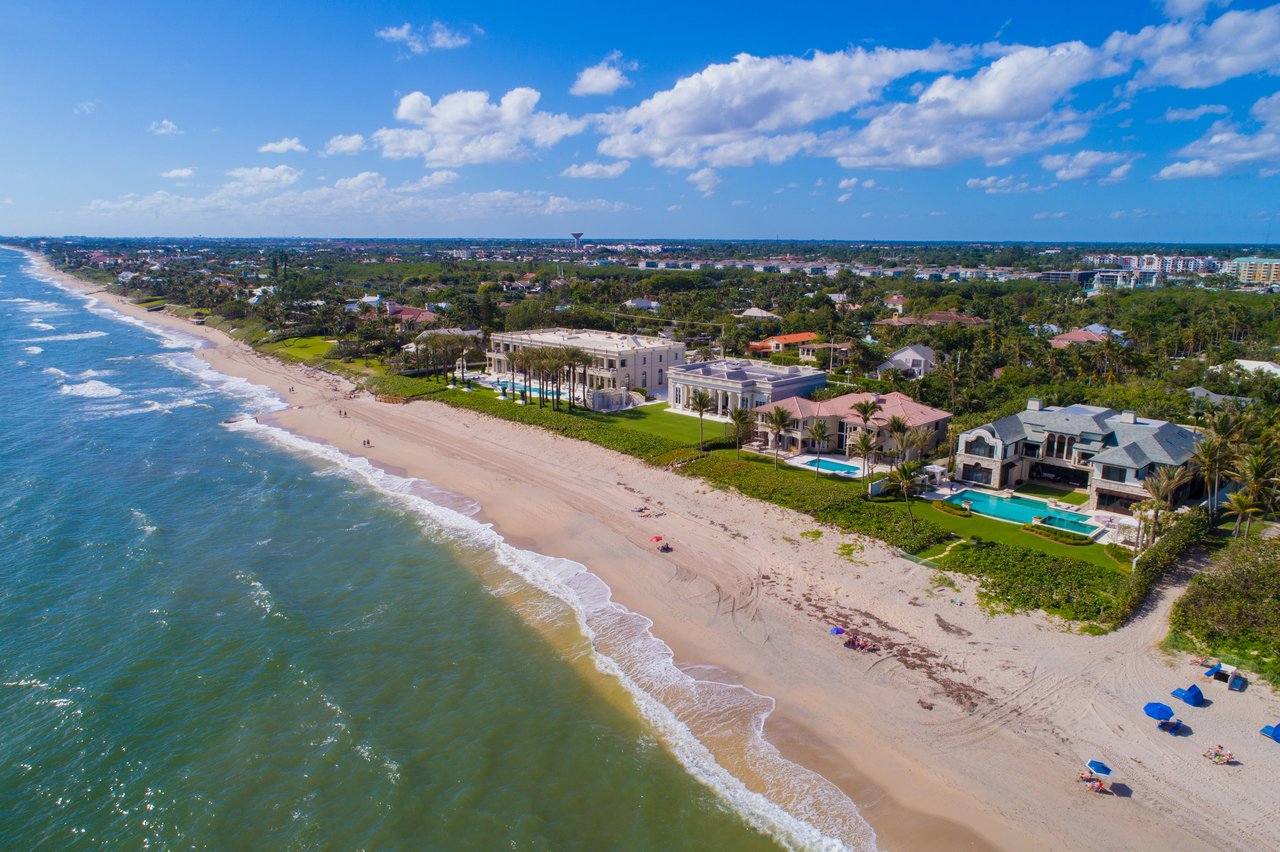
Atlantic oceanfront properties in Palm Beach command absolute premium—$25-$100 million for prime parcels. These estates offer private beach access, unobstructed sunrise views, and maximum social prestige.
The drawbacks prove substantial: Hurricane exposure requires $100,000-$200,000 annual insurance. Beach erosion demands ongoing mitigation ($50,000-$200,000 per event). Saltwater air accelerates property deterioration, increasing maintenance costs 30-50% versus inland properties.
Intracoastal properties provide protected deep-water yacht access without ocean exposure. Palm Beach's "lakefront" (Lake Worth Lagoon, the Intracoastal) estates cost $8-$30 million—significant discount versus ocean frontage. Buyers gain yacht docking at private docks without hurricane vulnerability.
Critical Waterfront Criteria
Dock and Water Depth Specifications:
-
Minimum 6-foot depth at low tide for yachts over 50 feet
-
8-10 foot depth enables 70-90 foot yachts
-
12+ foot depth required for vessels over 100 feet
-
Fixed versus floating docks affect insurance and maintenance
Seawall Condition Assessment:
-
Recent engineering inspection reports (within 2 years)
-
Cap condition and mortar integrity
-
Rebar exposure or spalling indicating structural issues
-
Estimated remaining useful life before reconstruction
Flood Zone Implications:
-
FEMA Zone AE (base flood elevation) requires flood insurance
-
Zone VE (coastal high-hazard) requires enhanced construction
-
Zone X (outside 100-year floodplain) eliminates mandate
-
Elevation certificates determine insurance costs ($5,000-$75,000 annually)
View Protection Analysis:
-
Zoning restrictions on adjacent parcels preventing obstruction
-
Building height limitations in sightlines
-
Recorded easements protecting views
-
Historical lot development preventing future construction
Protected vs. Exposed Shoreline:
-
Barrier islands or breakwaters reducing wave action
-
Natural vegetation preventing erosion
-
Artificial beach nourishment schedules
-
Historical storm damage and restoration costs
Top Waterfront Markets
Palm Beach Oceanfront: The ultimate Florida waterfront. Properties trade at $3,000-$8,000 per linear foot of ocean frontage. A 100-foot ocean-front parcel costs $300,000-$800,000 for land alone, with estate construction adding $10-$50 million.
Naples Port Royal: Gulf-front estates on deep-water canals ($8-$50 million) offer boating access plus beach proximity. The neighborhood's protected location reduces hurricane exposure versus Atlantic coast.
Miami Beach Sunset Islands: Four man-made islands connected by bridges provide bay views, yacht docking, and star Island/Fisher Island proximity. Properties range $5-$40 million with consistent appreciation.
Jupiter Island Atlantic: Barrier island location creates 100% waterfront community—every property has ocean or Intracoastal access. The conservation restrictions prevent overdevelopment, maintaining property values.
Search exclusive waterfront estates across Florida's premier coastal communities
What Taxes Do Wealthy People Avoid in Florida?
Florida's tax structure creates measurable advantages for high-net-worth individuals compared to high-tax states. Quantifying these benefits reveals why the richest part of Florida attracts sustained wealth migration.
Comprehensive Tax Comparison
|
Tax Category |
Florida |
California |
New York |
New Jersey |
Illinois |
|
State Income Tax |
0% |
Up to 13.3% |
Up to 10.9% |
Up to 10.75% |
4.95% flat |
|
Capital Gains Tax (state) |
0% |
Up to 13.3% |
Up to 10.9% |
Up to 10.75% |
4.95% |
|
Estate/Inheritance Tax |
None |
None |
Up to 16% |
Up to 16% |
None |
|
Dividend/Interest Tax (state) |
0% |
Up to 13.3% |
Up to 10.9% |
Up to 10.75% |
4.95% |
|
Homestead Exemption |
Up to $50K |
$7,000 |
Minimal |
Varies |
Limited |
The Income Tax Savings
A household earning $5 million annually pays zero Florida state income tax versus:
-
$665,000 in California (13.3% top rate)
-
$545,000 in New York (10.9% top rate)
-
$537,500 in New Jersey (10.75% top rate)
Over a decade, California resident pays $6.65 million in state income taxes that Florida resident retains. This creates compound investment advantage—the retained capital generates returns that high-tax states never capture.
Capital Gains Impact
Business owners, executives with substantial stock compensation, and investors face state capital gains taxes in high-tax jurisdictions. A $50 million business sale generates:
-
$6.65 million California state tax
-
$5.45 million New York state tax
-
Zero Florida state tax
Sophisticated sellers establish Florida residency before triggering liquidity events, capturing millions in tax savings on single transactions.
Estate Planning Advantage
New York and New Jersey impose state estate taxes with thresholds lower than federal exemption ($6.94 million NY, $1 million NJ versus $13.6 million federal). Estates exceeding these amounts face state taxes up to 16%.
Florida eliminates this burden entirely. A $50 million estate pays:
-
$6.8 million New York state estate tax
-
$8.3 million New Jersey state estate tax
-
Zero Florida state estate tax
Multi-generational wealth families relocate specifically to eliminate this transfer tax, preserving more capital for heirs.
Property Tax Considerations
Florida's property taxes aren't insignificant—effective rates approach 1-1.2% of assessed value. However, homestead exemption ($50,000 assessed value reduction) and Save Our Homes cap (3% annual assessment increase maximum for primary residences) provide meaningful savings.
The trade-off: higher property taxes offset by eliminated income taxes. For high-income households, this exchange proves dramatically favorable. A household paying $100,000 property taxes while saving $500,000 in income taxes achieves net $400,000 annual benefit.
Which Cities in Florida Are Known for Their Affluent Residents and Upscale Amenities?
Beyond wealth concentration, certain cities offer the cultural infrastructure, dining sophistication, and social calendar that affluent residents require. These elements distinguish the most affluent cities in Florida from merely expensive areas.
1. Miami Beach — The Urban Luxury Ecosystem
Miami Beach combines Atlantic beachfront with urban density, creating Florida's only true 24-hour luxury city. It attracts younger, more internationally diverse wealth (40% foreign-born), including finance professionals and tech entrepreneurs, unlike the retired focus of its northern neighbors.
-
Cultural Assets: The city boasts genuine art market depth, hosting institutions like the Pérez Art Museum Miami (ORG), which plays a pivotal role in the region's cultural landscape. The annual Art Basel Miami Beach anchors a year-round scene of galleries and auction houses.
-
Dining Sophistication: Miami Beach hosts multiple Michelin-starred and celebrity chef establishments. The robust Cuban, Argentine, and Brazilian dining scene adds an authentic international cuisine impossible elsewhere in the richest part of Florida.
2. Naples — Gulf Coast Sophistication
Naples delivers cultural refinement without Miami's urban intensity. This combination of championship golf, sophisticated dining, and cultural programming attracts successful entrepreneurs and corporate executives seeking a slower pace.
-
Lifestyle & Culture: Naples offers over 80 golf courses and features year-round programming from the Naples Philharmonic, Artis—Naples theater, and the Baker Museum. This cultural calendar is supported by significant local philanthropy.
-
Demographics: With a median age of 68, Naples attracts predominantly retired or semi-retired residents, often drawing Midwest wealth (Chicago, Detroit) rather than the Northeast concentration seen on the Atlantic coast.
3. Coral Gables — Family-Focused Affluence
Coral Gables offers a rare combination: a family-friendly environment with immediate proximity to Miami's urban financial amenities, making it a target for families building generational wealth.
-
Educational Infrastructure: The city's top-ranked public schools and prestigious private options (Gulliver Preparatory) create a comprehensive educational ecosystem, a key draw for high-net-worth families. You can explore the performance of the public schools serving this area through the Miami-Dade County Public Schools (GOV) or educational rating resources.
-
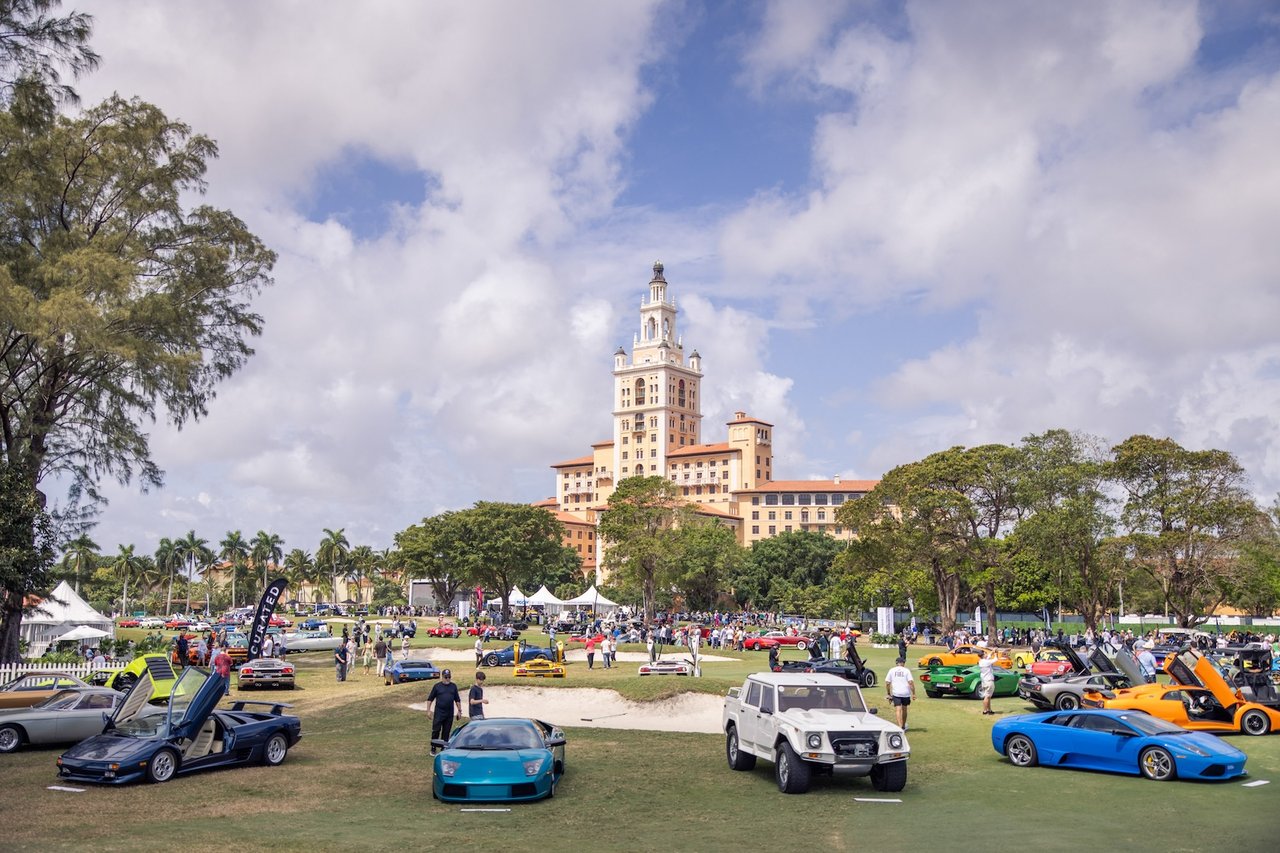
Cultural Assets: The city maintains its historic charm with landmarks like the Biltmore Hotel, a National Historic Landmark, the Venetian Pool, and a commitment to Mediterranean Revival architecture, creating an authentic cultural community versus manufactured luxury.
-
Business Proximity: A short 15-minute commute to the Brickell financial district enables professionals to maintain demanding urban careers while raising families in a high-quality suburban environment.
4. Boca Raton — Balanced Affluence
Boca Raton occupies a middle ground, attracting a diverse yet affluent population by balancing luxury amenities with a more accessible lifestyle than the ultra-exclusive island communities.
-
Lifestyle Balance: Mizner Park provides upscale shopping and dining in a walkable setting, a central amenity often planned and supported by local government efforts, visible through the City of Boca Raton Planning and Zoning (GOV) department. Multiple country clubs (Boca West, St. Andrews) offer golf and social amenities without the strict, historical exclusivity barriers of Palm Beach.
-
Value Proposition: The economic mix is broader—with a median income of $82,000—providing a strong foundation for younger professionals and pre-retirees to access the Palm Beach County lifestyle at an accessible minimum entry price (starting around $600,000 for non-club homes, versus a $5M–$10M minimum in the most expensive areas in Florida).
What Makes Certain Areas of Florida So Rich?
Understanding the extraordinary wealth concentration in Florida requires examining the historical, geographic, and economic forces that created lasting structural advantages.
History and Geography
Wealth geography was defined by the Flagler Effect: Henry Flagler’s Florida East Coast Railway (1890s) established Palm Beach as the Gilded Age’s luxury retreat, attracting Gilded Age industrialists and setting a permanent precedent for infrastructure investment and social network concentration.
This led to the current coastal dynamic:
|
Corridor |
Key Advantage |
Driving Factor |
|
Atlantic Coast (Palm Beach, Miami) |
Financial center, access to global wealth |
Proximity to Europe/Northeast U.S. wealth; Deeper banking ties |
|
Gulf Coast (Naples, Sarasota) |
Permanent, lower-intensity residence |
Calmer waters, superior sunsets, relaxed social atmosphere |
Crucially, Florida’s extensive coastline creates a false perception of abundance. Prime waterfront scarcity (yacht-capable, protected water, development-permitting) concentrates value in specific locations within the wealthiest neighborhoods in Florida.
The Tax and Network Catalysts
-
Tax Policy: Florida’s constitutional prohibition on state income tax (Article VII, Section 5) and its lack of an estate tax provide a structural financial advantage no high-tax state can replicate. The benefit compounds over time, preserving wealth during business exits and across generations.
-
Network Effects: As wealth hits critical mass, it becomes self-sustaining. The clustering of Private Banks (Bessemer, Northern Trust), Family Offices, and luxury service providers creates deal flow, sophisticated philanthropic programming, and a professional infrastructure that reinforces the state's status as a top global wealth center. Miami's emergence as the Latin American business hub is a prime example of this virtuous cycle.
Where to Buy High-End Real Estate in Florida — Strategic Acquisition Guide
Purchasing property in the richest part of Florida is a sophisticated financial maneuver requiring specialized knowledge beyond conventional real estate transactions.
I. Accessing Exclusive Inventory
Approximately 30-40% of ultra-luxury transactions ($10 million+) occur off-market through "whisper listings." Sellers choose this to ensure privacy preservation and avoid public market disclosure. Accessing this shadow inventory requires working with elite brokers who demonstrate:
-
A proven track record in high-value sales ($10M+, $20M+).
-
Direct relationships with estate attorneys, wealth managers, and family offices representing sellers.
-
The highest degree of client confidentiality and discretion.
II. Enhanced Due Diligence (D.D.)
Standard home inspections are insufficient for complex, custom estates. High-end due diligence must focus on three core risk areas:
-
Property Integrity: Require specialized structural engineering assessments and comprehensive marine surveyor reports for all seawalls and docks.
-
Financial & Legal Health: Review property tax appeal potential, confirm adequacy of HOA/condo reserves, and ensure title examination extends 60+ years to identify complex easement or dispute risks.
-
Risk Analysis: Secure comprehensive insurance and risk assessments covering replacement costs (often $800–$1,500/sq. ft.) and detailed hurricane/flood eligibility and premium projections.
III. Entity Structuring & Offer Strategy
Acquisition strategy must prioritize financial protection and liquidity. Consultation with a Florida real estate attorney and tax advisor is essential for this phase.
-
Ownership Entity: High-net-worth buyers typically use a Florida LLC or Trust for liability protection and privacy, though this often means forfeiting the Florida homestead exemption.
-
Competitive Offers: Sellers strongly prefer all-cash offers with substantial earnest money deposits (standard 10% for luxury). Buyers must be prepared to negotiate a longer 60–90 day due diligence period to complete the necessary complex property, legal, and entity structuring steps.
Connect with our luxury real estate team for confidential property search
Strategic Wealth Preservation Through Florida Real Estate
The $47 million remote closing that opened this analysis was not a fluke—it exemplified how ultra-high-net-worth families now treat Florida real estate as financial infrastructure rather than a mere lifestyle choice.
Three quantifiable forces drive wealth concentration in the richest part of Florida:
-
Absolute Scarcity: Absolute land scarcity in Palm Beach, Jupiter Island, and Indian Creek prevents supply expansion forever, ensuring core asset appreciation.
-
Tax Arbitrage: Zero state income tax compounds annually. For a household earning $5 million, this saves approximately $665,000 in California taxes or $545,000 in New York taxes every single year. Over two decades, this creates over $10 million in retained capital before investment returns. The real estate simply provides the legal mechanism for this tax arbitrage.
-
Critical Mass & Switching Costs: Established social infrastructure (private banks, family offices, exclusive clubs, philanthropy networks) creates high switching costs that lock generational wealth into specific geographies like Palm Beach. The architecture review boards, club memberships, and philanthropic networks cannot be quickly manufactured, ensuring the lasting stability of these richest neighborhoods in Florida.
For families evaluating Florida relocation, the essential variable is the wealth preservation differential; climate and beaches are secondary.
Your Partner in Florida's Ultra-Luxury Markets
Acquiring property in the richest part of Florida requires a sophisticated partner focused purely on financial strategy, not just a traditional agent.
We specialize in accessing the 30-40% of ultra-luxury properties traded off-market, leveraging direct relationships with the wealth managers and attorneys who represent the most discreet sellers.
Our expertise coordinates the enhanced due diligence—from specialized marine surveyors to 60-year title searches—that multi-million dollar estates demand. Our clients are executives, entrepreneurs, and global families who view Florida real estate as the mechanism for tax arbitrage and multi-generational wealth preservation. We manage the complexity so you can secure your legacy.
Access our network of off-market luxury properties
Review ultra-luxury transactions we've completed
Watch exclusive property tours and market analysis
Read our coverage in luxury real estate publications
Frequently Asked Questions
Where do the richest people live in Florida?
The richest people in Florida concentrate in Palm Beach (33480 zip code), Fisher Island (33109), Indian Creek Village (33154), Jupiter Island (33469), and Naples' Port Royal neighborhood based on billionaire counts and median household income.
What is the wealthiest city in Florida?
Palm Beach ranks as Florida's wealthiest city by per-capita income ($169,000 median) and billionaire concentration (approximately 70 residents), though Miami contains more absolute wealth due to larger population.
How much does it cost to live in Palm Beach?
Living in Palm Beach requires $5-10 million minimum property investment plus $586,000-$2.6 million annual carrying costs including property taxes, insurance, maintenance, club memberships, and lifestyle expenses.
Which Florida zip codes are the most expensive?
The most expensive Florida zip codes are 33480 (Palm Beach, $12.4M median), 33109 (Fisher Island, $9.8M), 33154 (Indian Creek, $8.2M), 33469 (Jupiter Island, $7.5M), and 34102 (Naples Old Naples, $3.9M).
What are the best luxury communities in Florida?
Top luxury communities include Palm Beach, Fisher Island (ferry-only access), Indian Creek Village (41 residents), Jupiter Island, Coral Gables estates, and Naples' Port Royal—each offering distinct exclusivity factors.
What taxes do wealthy people avoid in Florida?
Florida residents avoid state income tax (saving up to 13.3% versus California), state capital gains tax, state estate tax (up to 16% in New York), and benefit from homestead exemptions and Save Our Homes property tax caps.
Are there gated communities for the ultra-rich in Florida?
Yes, ultra-exclusive gated communities include Indian Creek Village (41-resident private island), Admirals Cove (Jupiter), Bath & Tennis Club access (Palm Beach), and Fisher Island (ferry-only access with comprehensive resort amenities).
Where can I buy high-end real estate in Florida?
High-end real estate concentrates in Palm Beach County (Palm Beach, Jupiter Island), Miami-Dade County (Fisher Island, Indian Creek, Coral Gables), and Collier County (Naples Port Royal, Aqualane Shores) along Florida's coastlines.
What makes certain areas of Florida so rich?
Combination of zero state income tax, historic development by Gilded Age industrialists (Flagler), absolute land scarcity (island geography), geographic advantages (waterfront access), and self-reinforcing wealth network effects create concentrated affluence.
How is wealth distributed across Florida cities?
Wealth concentrates along Atlantic coast from Palm Beach through Miami Beach (finance, international business) and Gulf coast around Naples (entrepreneurial, retiree wealth), with emerging concentrations in Tampa and Jacksonville.