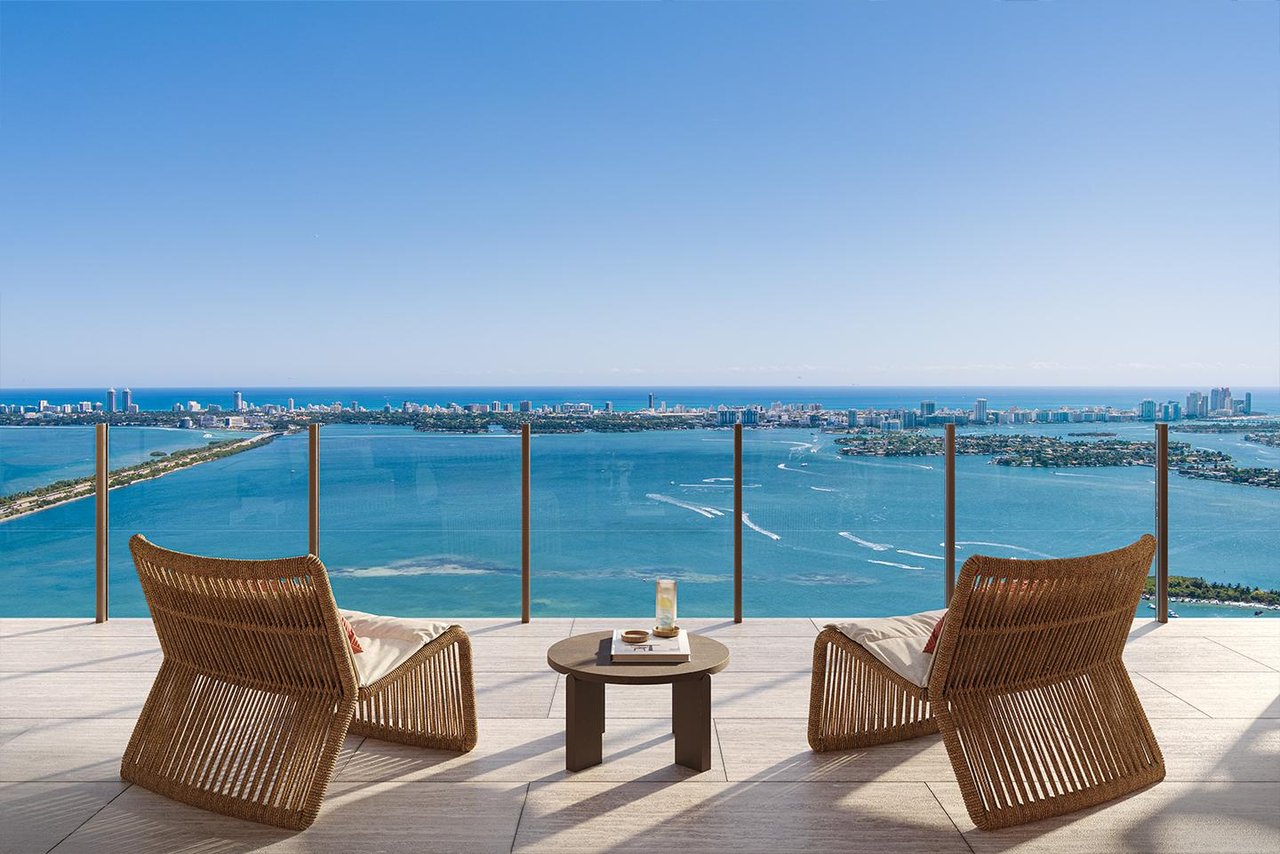
For the discerning affluent family, evaluating a Florida relocation is a prudent wealth management imperative, not simply a change of address. This strategic acquisition demands a comprehensive ecosystem that simultaneously preserves capital through favorable tax treatment, secures unparalleled family safety, and guarantees exceptional education.
Premier enclaves such as Coral Gables, Boca Raton, Winter Park, and Ponte Vedra Beach serve as the foundation for this wealth, consistently offering luxury real estate that appreciates alongside A-rated schools and bespoke, resort-style amenities that rival those of exclusive global destinations.
What You'll Learn in This Guide
-
The best cities to live in Florida combining A-rated schools, low crime, and luxury housing for families
-
How cost of living and tax advantages vary across Florida's most desirable communities
-
Which gated communities and neighborhoods offer the best investment potential
-
The pros and cons of living in different Florida cities for young professionals, retirees, and families
-
How to identify the best Florida city for your lifestyle, career, and long-term wealth preservation goals
The Figures Behind Florida's Growth
Florida welcomed over 365,000 new residents in 2023, cementing its position as the fastest-growing state in the nation. This isn't random migration—it's strategic relocation by high-net-worth individuals and families seeking specific advantages.
|
Data Point |
Statistic |
|
Migration Volume |
Florida gained over 467,347 residents between July 2023 and July 2024, ranking second only to Texas in absolute population growth. |
|
Net Domestic Migration |
Florida has ranked #1 in net migration for multiple consecutive years. |
|
Luxury Home Prices |
While the national median home price sits below $425,000, the median listing price for the one of Florida's premier luxury hubs—is approximately $700,000. |
|
Safety Premium |
The national estimated violent crime rate in 2024 was 359 reported crimes per 100,000 people. Premier Florida communities offer exceptional safety standards. |
|
Tax Savings |
Florida is one of eight states with no personal income tax at the state or local level, providing the advantage of keeping more earned income. |
These statistics reflect sophisticated decision-making by families who understand that choosing the best cities to live in Florida represents a multi-generational wealth and lifestyle strategy.
What Are the Top Cities in Florida for Families Seeking Luxury Homes and Amenities?
The most suitable cities in Florida for affluent families cluster in distinct regions, each offering unique combinations of educational excellence, safety, and refined living.
Coral Gables: This meticulously planned Miami suburb combines Mediterranean Revival architecture with top-tier schools, tree-canopied streets, and walkable village centers. The Coral Gables school district consistently earns A ratings, with several schools ranking in Florida's top 100. Median home prices exceed $1.2 million, reflecting demand from international executives and finance professionals working in downtown Miami. The city maintains its own police force and strict architectural codes that preserve property values. Residents access Miami's international airport, cultural institutions, and dining within 15 minutes while living in a family-focused environment.
Boca Raton: Positioned in northern Palm Beach County, Boca Raton offers the best balance of family amenities, luxury housing, and accessibility. The city features numerous A-rated public schools, prestigious private institutions like Pine Crest and Saint Andrew's, and master-planned communities like The Bridges and Boca West. Median prices around $600,000 provide entry to excellent amenities, though waterfront and luxury community homes reach $2-10 million. Boca's demographics skew slightly older, creating a safe, well-maintained environment that appeals to families and pre-retirees.
Winter Park: Orlando's most refined suburb delivers Spanish-Mediterranean charm, boutique shopping on Park Avenue, and proximity to excellent private schools including The Geneva School and Trinity Preparatory. The city offers more affordable luxury than South Florida—median prices near $650,000—while maintaining sophisticated cultural amenities. Families benefit from Orlando's economic diversity (tech, aerospace, hospitality) without the tourist congestion. Winter Park's lakes and moss-draped oaks create an Old Florida aesthetic that contrasts with the state's more modern developments.
Fort Lauderdale: Positioned between Miami's intensity and Palm Beach's formality, Fort Lauderdale offers beach lifestyle with major employer presence. The city's yachting industry, marine trades, and financial services create high-paying opportunities. Las Olas Boulevard provides dining and nightlife, while barrier island neighborhoods offer beachfront living. Median prices around $550,000 provide better value than Miami Beach with comparable amenities. Fort Lauderdale appeals to professionals seeking beach access without sacrificing career opportunities.
Delray Beach: Straddling Palm Beach and Broward counties, Delray Beach combines vibrant downtown culture with beach access and strong schools. Atlantic Avenue's restaurant and gallery scene creates a walkable urban core unusual in South Florida. The city attracts younger professionals and active retirees seeking culture and beach lifestyle. Median prices near $500,000 provide relative value for coastal living with urban amenities.
Ponte Vedra Beach: Located between Jacksonville and St. Augustine, this coastal enclave offers the best public schools in Florida (St. Johns County ranks #1 statewide), extremely low crime, and a more relaxed pace than South Florida. The area attracts corporate executives, professional athletes, and families prioritizing education and safety over nightlife and dining diversity. Median prices around $700,000 reflect strong demand, though beachfront properties command premiums. The community centers around golf (TPC Sawgrass, home of The Players Championship), tennis, and beach activities.
Jupiter: Northern Palm Beach County's Jupiter combines excellent schools, low crime, beautiful beaches, and a more casual vibe than its southern neighbors. The town attracts young professional families and retirees who want beach access without Boca Raton or Palm Beach formality. Communities like Admirals Cove and Loxahatchee Club offer resort amenities and marina access. Median prices near $650,000 provide value relative to communities farther south.
Parkland: Northwest Broward County's Parkland combines A+ rated schools, ultra-low crime, and family-oriented living. The city features large lots, equestrian trails, and a more suburban feel than coastal alternatives. Median prices near $700,000 reflect demand from families prioritizing top-tier education in a safe, park-like setting. The community attracts professionals willing to commute to Fort Lauderdale or Miami for superior schools and safety.
Key Biscayne: This island village off Miami's coast offers the ultimate combination of privacy, safety, and proximity to urban amenities. The community feels worlds apart from Miami despite being 15 minutes from downtown and the airport. Key Biscayne attracts international families, executives, and celebrities seeking security and exclusivity. The trade-off: limited housing inventory keeps prices elevated (median $1.5 million+) and the single causeway creates traffic constraints.
Top Florida Cities: Quick Comparison
|
City |
Median Home Price |
School Rating |
Crime Index |
Best For |
|
Naples |
$650,000 |
A-/B+ |
Very Low |
Retirees, remote workers |
|
Coral Gables |
$1.2M+ |
A |
Low |
International executives |
|
Boca Raton |
$600,000 |
A |
Very Low |
Families, pre-retirees |
|
Winter Park |
$650,000 |
A- |
Low |
Families, affordability |
|
Ponte Vedra Beach |
$700,000 |
A+ |
Very Low |
School-focused families |
|
Jupiter |
$650,000 |
A- |
Low |
Beach lifestyle, families |
|
Key Biscayne |
$1.5M+ |
A |
Very Low |
Privacy, international |
Explore luxury properties in Florida's most desirable cities
Which Florida Cities Offer the Best Balance of Lifestyle, Schools, and Investment Opportunities?
The intersection of quality of life and return on investment requires analyzing not just current amenities but future appreciation potential, rental yields, and economic resilience.
Best Florida Cities for Families
School District Excellence: The best cities to live in Florida for families cluster around specific school districts that consistently deliver exceptional outcomes.
|
School District |
Location |
Key Metrics |
Notable Features |
|
St. Johns County |
Ponte Vedra Beach |
#1 in Florida, 95%+ graduation rate |
Extensive AP offerings, $10K per-pupil spending |
|
Sarasota County |
Sarasota |
Top 5% nationally |
Strong arts programs, robust gifted education |
|
Seminole County |
Winter Park |
92% graduation rate |
Consistent strong test scores, well-funded |
|
Miami-Dade Magnets |
Coral Gables |
National recognition |
STEM excellence, IB programs |
Family-Friendly Infrastructure: Beyond schools, the best cities in Florida for families offer comprehensive recreational and community amenities. Boca Raton's extensive park system and youth sports leagues create built-in social networks. Winter Park's chain of lakes offers kayaking and waterfront parks. Jupiter's beach access and nature preserves provide outdoor education opportunities.
Investment Appreciation: Historical data reveals which Florida cities deliver consistent appreciation. Naples real estate appreciated 6-8% annually over the past decade, significantly outpacing inflation. Coral Gables maintains stable values even during market corrections due to limited inventory and international buyer demand. Ponte Vedra Beach shows steady 4-6% annual appreciation driven by excellent schools and constrained supply.
Rental Potential: For families considering investment properties or future rental income, Tampa and Orlando offer the strongest yields due to lower purchase prices and steady tenant demand. Luxury markets like Naples and Boca Raton generate lower rental yields but stronger appreciation and more stable tenant quality.
Which Florida Cities Have the Best Schools?
Public school quality varies dramatically across Florida, making district research essential for families choosing the best cities to live in Florida.
Top-Tier Public School Districts:
|
District |
Location |
State Rank |
Graduation Rate |
Notable Schools |
|
St. Johns County |
Ponte Vedra Beach |
#1 |
95%+ |
Nease High, Ponte Vedra High (Top 50 FL) |
|
Sarasota County |
Sarasota |
Top 5% |
90%+ |
Riverview High, Pine View School for Gifted |
|
Seminole County |
Winter Park |
Top 10% |
92%+ |
Winter Park High (Top 100 FL) |
|
Miami-Dade Magnets |
Coral Gables |
Top 15% |
88%+ |
Coral Gables Senior, DASH, IB programs |
Private School Options: For families requiring private education, South Florida offers the densest concentration of prestigious institutions. Coral Gables area schools include Ransom Everglades (top 5 in Florida), Gulliver Preparatory, and Christopher Columbus High School. Boca Raton features Pine Crest School and Saint Andrew's School, both with strong college placement. Naples offers Community School of Naples and Seacrest Country Day School.
Discover neighborhoods with top-rated schools
Which Florida Cities Combine Luxury Living with Appealing Tax Advantages?
Florida's zero state income tax creates immediate savings for high earners, but property tax rates and local fees vary significantly across municipalities. Understanding the complete tax picture helps identify the best cities to live in Florida for wealth preservation.
Property Tax Comparison
|
City |
Property Tax Rate |
State Income Tax |
Estate Tax |
Annual Tax on $1M Home |
|
Naples |
0.87% |
0% |
None |
$8,700 |
|
Coral Gables |
1.02% |
0% |
None |
$10,200 |
|
Boca Raton |
0.95% |
0% |
None |
$9,500 |
|
Winter Park |
0.89% |
0% |
None |
$8,900 |
|
Jupiter |
0.91% |
0% |
None |
$9,100 |
|
Tampa |
0.98% |
0% |
None |
$9,800 |
|
Jacksonville |
1.08% |
0% |
None |
$10,800 |
Property Tax Nuances: While rates appear similar, actual bills depend on assessed value and exemptions. Florida's Homestead Exemption provides up to $50,000 in assessed value reduction for primary residences, with the first $25,000 applying to all taxes and the second $25,000 applying to non-school taxes. The Save Our Homes amendment caps annual assessment increases at 3% or CPI (whichever is lower) for homesteaded properties, creating significant long-term savings.
Income Tax Advantage: For a household earning $500,000 annually, Florida's zero state income tax saves approximately $38,000 per year compared to high-tax states. Over a decade, that's $380,000+ in retained capital. For business owners, executives with substantial bonuses, or families experiencing liquidity events, these savings multiply dramatically.
Estate Planning Benefits: Florida imposes no state estate tax, simplifying wealth transfer and ensuring maximum inheritance for heirs. This advantage particularly benefits families with estates exceeding $10 million who would face substantial state estate taxes in jurisdictions like New York.
Schedule a consultation to discuss tax-advantaged Florida living
Where to Find the Best Gated Communities in Florida for Purchasing a Home?
The best cities to live in Florida for affluent families often centers around master-planned gated communities that provide security, amenities, and built-in social networks.
Pelican Bay, Naples: This 2,100-acre beachfront community epitomizes Naples luxury with private beach access, two beach clubs, championship golf, tennis facilities, and fitness centers. The community maintains strict architectural standards and 24/7 security. Condos start around $500,000, single-family homes range from $1.5-$10 million+. Residents skew toward retirees and empty-nesters, creating a quieter, more refined atmosphere.
Cocoplum, Coral Gables: This ultra-exclusive guard-gated enclave on Biscayne Bay offers 300 waterfront estates on large lots with direct ocean access. The community attracts international executives, celebrities, and business owners seeking maximum privacy minutes from downtown Miami. Homes start at $3 million and reach $20 million+ for bayfront estates. Strict security protocols and limited access make this one of South Florida's most secure communities.
The Bridges, Boca Raton: A family-focused golf community offering strong schools (A-rated elementary school on-site), resort-style amenities, and a wide range of housing from condos ($300,000+) to estate homes ($2-5 million). The community's family orientation, youth programs, and social calendar appeal to relocating professionals with children. Tennis, fitness facilities, and multiple pools accommodate active families.
Isleworth, Windermere (Orlando area): This celebrity-studded enclave near Winter Park offers championship golf designed by Arnold Palmer, mansion-scale estates, and Lake Butler waterfront properties. The community provides maximum privacy and security while remaining close to Orlando's amenities and private schools. Homes start at $2 million and exceed $10 million for lakefront estates.
Admirals Cove, Jupiter: Combining deep-water marina access with resort amenities, this community appeals to boating enthusiasts and families seeking Jupiter's excellent schools and beaches. The community features 45 holes of golf, tennis center, fitness facilities, and multiple dining venues. Condos start around $400,000, estate homes range from $1.5-$8 million. The community attracts a slightly younger demographic than Naples equivalents.
Old Palm Golf Club, Palm Beach Gardens: For golf purists, this Raymond Floyd-designed community offers one of Florida's finest courses plus understated luxury and privacy. Homes range from $1.5-$6 million, attracting executives and entrepreneurs who prioritize golf and prefer low-key elegance over flashy amenities.
What Are the Safest Cities in Florida to Live In?
Safety concerns drive many families to evaluate crime statistics carefully when choosing the best cities to live in Florida.
|
City |
Violent Crime Rate* |
Notable Safety Features |
Median Home Price |
|
Marco Island |
4.2 |
Island location, single bridge access |
$600,000 |
|
Weston |
5.8 |
Master-planned, 24/7 security |
$650,000 |
|
Parkland |
6.1 |
Community policing, A-rated schools |
$700,000 |
|
Coral Gables |
8.3 |
Dedicated police force, historic preservation |
$1.2M+ |
|
Wellington |
9.0 |
Equestrian community, family-focused |
$600,000 |
*Per 100,000 residents (Florida average: ~380; National average: ~370)
These cities report crime rates 95-98% below state and national averages, representing genuinely exceptional safety standards that appeal to affluent families.
What Are the Best Florida Cities for Professionals Seeking Work-Life Balance and Upscale Housing?
Young professionals and executives relocating for career advancement need cities offering both opportunity and quality of life. The best cities to live in Florida for young professionals balance career prospects with lifestyle amenities.
Best Cities in Florida for Young Professionals
Miami Beach: The epicenter of Florida's young professional scene offers unmatched nightlife, networking events, startup culture, and international business opportunities. Art Basel, Miami Tech Week, and numerous industry conferences create constant professional connection opportunities. The trade-offs: higher cost of living (median $650,000), traffic congestion, and parking challenges. Miami Beach attracts finance professionals, entrepreneurs, and creatives who prioritize career networking and social opportunities.
Tampa: Emerging as Florida's most promising market for young professionals, Tampa combines growing tech sector, Fortune 500 corporate presence, and affordable luxury housing. Median home prices near $425,000 provide significantly better value than South Florida while offering similar climate and amenities. Neighborhoods like Hyde Park and Channelside attract young professionals with walkable dining, nightlife, and waterfront living. Tampa's combination of career growth and livability makes it the best cities to live in Florida for millennials seeking affordability.
Fort Lauderdale: Positioned between Miami's intensity and Palm Beach's formality, Fort Lauderdale offers beach lifestyle with major employer presence. The city's yachting industry, marine trades, and financial services create high-paying opportunities. Las Olas Boulevard provides dining and nightlife, while barrier island neighborhoods offer beachfront living. Median prices around $550,000 provide better value than Miami Beach with comparable amenities.
St. Petersburg: The Tampa Bay area's arts and culture hub attracts young professionals seeking creativity and community. The city's downtown renaissance, craft brewery scene, and waterfront parks appeal to millennials and Gen Z relocators. Median prices near $400,000 offer exceptional value for coastal living.
Which Florida Cities Offer the Best Job Opportunities?
Career opportunities vary significantly across Florida's metros, making employment prospects a critical factor in choosing the best cities to live in Florida.
|
Metro Area |
Key Industries |
Major Employers |
Avg. Professional Salary |
Best For |
|
Miami |
Finance, international trade, healthcare, tech |
Baptist Health, UM, Royal Caribbean, hedge funds |
$85K-$120K |
International business, finance |
|
Orlando |
Tech, aerospace, tourism |
Lockheed Martin, Disney, Universal, UCF |
$70K-$95K |
Tech, simulation, hospitality |
|
Tampa Bay |
Financial services, biotech, Fortune 500 |
Raymond James, Tech Data, WellCare |
$75K-$105K |
Corporate careers, biotech |
|
Jacksonville |
Financial services, logistics, healthcare |
Bank of America, Fidelity, Baptist Health, Mayo |
$70K-$100K |
Finance, logistics, healthcare |
Miami offers 10-15% higher salaries than Florida averages, though cost of living offsets some advantage. Tampa and Jacksonville provide better salary-to-cost-of-living ratios for young professionals.
Relocating for work? Explore properties near major employment centers
What Are the Pros and Cons of Living in Different Florida Cities?
Transparent analysis of each city's trade-offs helps families choose the best cities to live in Florida for their specific priorities.
Comprehensive City Comparison
|
City |
Pros |
Cons |
|
Miami/Coral Gables |
International culture, career opportunities, world-class dining, cultural institutions |
Higher cost of living, traffic congestion, hurricane exposure, parking challenges |
|
Naples |
Pristine beaches, ultra-low crime, excellent restaurants, championship golf |
Limited nightlife, fewer young professionals, high home prices, summer heat |
|
Tampa |
Affordable luxury, job growth, sports culture, diverse dining |
Humidity, hurricane exposure, sprawl, limited walkability |
|
Orlando/Winter Park |
Theme park access, diverse economy, family amenities, affordable housing |
Tourist crowds, traffic on I-4, sprawl, summer heat |
|
Jacksonville |
Most affordable metro, large city amenities, beaches, growing economy |
Less cosmopolitan, very spread out, longer commutes, limited public transit |
|
Boca Raton |
Excellent schools, low crime, beaches, golf |
Skews older demographically, higher prices, less nightlife |
|
Fort Lauderdale |
Beach lifestyle, boating culture, dining scene, airport access |
Traffic congestion, hurricane exposure, rising costs |
Climate Considerations: All Florida cities share subtropical climate with hot, humid summers. However, important distinctions exist:
Southeast Florida (Miami, Fort Lauderdale, Boca Raton): Moderate-high hurricane risk, year-round warm temperatures (rarely below 60°F in winter), high humidity. Summer highs consistently reach 90°F with heat index often exceeding 100°F.
Southwest Florida (Naples, Fort Myers): Moderate hurricane risk, slightly cooler winter mornings, less humidity than east coast. Better Gulf breezes can make summers more bearable.
Central Florida (Orlando, Winter Park): Lower hurricane risk (storms weaken inland), more temperature variation (occasional 40s in winter), high summer humidity. Afternoon thunderstorms are daily occurrences June-September.
Northeast Florida (Jacksonville, Ponte Vedra Beach): Lower hurricane risk, most seasonal variation (30s possible in winter, though rare), moderate humidity. Feels less tropical than South Florida.
Still deciding which city fits your lifestyle? Let's discuss your priorities
Where Is the Best Place to Retire in Florida?
Retirees seek different attributes than families with children, making specific cities the best cities to live in Florida for different age demographics.
Best Places to Retire in Florida on a Budget
|
Community |
Median Home Price |
Key Features |
Best For |
|
The Villages |
$200K-$500K |
50+ golf courses, 3,000+ clubs, age-restricted (55+) |
Active lifestyle, extensive amenities |
|
Ocala |
$275,000 |
Horse country charm, low taxes, slower pace |
Affordability, rural setting |
|
Sarasota |
$475,000 |
World-class arts, beaches, healthcare |
Culture, beach access |
The Villages: This massive active adult community offers affordable retirement with comprehensive amenities. The community features 50+ golf courses and 3,000+ clubs. The trade-off: completely age-restricted, manufactured housing in many areas, and insular community feel.
Ocala: Marion County offers horse country charm and low cost of living. The area attracts retirees seeking affordability without tourist crowds. Healthcare access through regional medical centers supports aging populations. The trade-off: no beach access and limited cultural amenities.
Sarasota: Balancing affordability with culture, Sarasota offers world-class arts (opera, theater, ballet) and beautiful beaches at mid-range pricing. The city attracts culturally sophisticated retirees who want intellectual stimulation alongside beach access.
Best Florida Cities for Retirees
Naples: The #1 retirement destination for affluent retirees combines pristine Gulf beaches, championship golf, sophisticated dining, and low crime. The city's extensive cultural offerings (Naples Philharmonic, numerous galleries, theaters) appeal to educated, well-traveled retirees. Healthcare facilities rank among Florida's best. The city's demographic profile (median age 65+) creates a genuinely retiree-focused environment. The trade-off: limited career opportunities make this less suitable for pre-retirees still working.
Palm Beach: Old-money elegance defines this barrier island community offering ultimate privacy, exclusive clubs, and cultural institutions. Worth Avenue shopping, The Breakers resort, and Society of the Four Arts create a refined lifestyle. The community attracts families with generational wealth. Homes start at $2 million and routinely exceed $20 million. The demographic leans heavily retiree but maintains some younger residents through family estates.
Vero Beach: Positioning itself as a quieter alternative to Palm Beach, Vero Beach offers sophisticated retirement without Palm Beach's formality. The community attracts educated professionals seeking beach access, cultural amenities (riverside theater, numerous galleries), and excellent healthcare. Median prices around $500,000 provide good value for oceanfront access.
Explore retirement properties in Florida's premier destinations
How Does Cost of Living Compare Across Florida Cities?
Knowing more about the total cost of living besides home prices can help you find the best Florida cities for your budget.
Cost of Living Index Comparison
|
City |
Overall Index |
Housing |
Healthcare |
Utilities |
Groceries |
|
Naples |
118 |
145 |
95 |
103 |
108 |
|
Miami |
123 |
155 |
102 |
108 |
111 |
|
Boca Raton |
114 |
138 |
98 |
105 |
107 |
|
Tampa |
98 |
105 |
94 |
101 |
99 |
|
Jacksonville |
94 |
89 |
92 |
99 |
97 |
|
Orlando |
100 |
108 |
96 |
104 |
101 |
(100 = National Average)
Hidden Cost Factors: Beyond basic living expenses, Florida-specific costs affect budgets:
Insurance: Florida homeowners insurance averages 3x the national rate. Coastal properties require wind and flood coverage, potentially reaching $10,000-$15,000 annually for luxury homes. This expense particularly impacts retirees on fixed incomes.
Utilities: Air conditioning runs continuously May-October, driving electric bills to $200-$400+ monthly for larger homes. Water costs also run high in many areas.
Transportation: With limited public transit, most families need two vehicles, increasing insurance, fuel, and maintenance costs. Florida's car insurance rates run 20-30% above national averages.
HOA Fees: Many desirable communities charge $200-$1,000+ monthly for amenity maintenance. Luxury high-rises may charge $1,000-$3,000+ monthly for building services and amenities.
What Is the Most Affordable Place to Live in Florida?
For buyers seeking value without sacrificing urban amenities, several Florida cities offer the best cities to live in Florida for affordability.
Jacksonville: Florida's largest city by area offers the lowest cost of living among major metros. Median home prices around $325,000 provide substantial space, and property taxes remain reasonable despite slightly higher rates. The city's size allows multiple neighborhoods at various price points. Young families and professionals find Jacksonville offers the best bang for the buck.
Lakeland: Positioned between Tampa and Orlando, Lakeland offers small-town charm with access to both metros. Median home prices near $275,000 and low overall costs appeal to families and retirees on tighter budgets. The trade-off: fewer amenities and longer commutes to major employment centers.
Gainesville: Home to the University of Florida, Gainesville combines college-town culture with affordable living. Median prices around $285,000 and lower overall costs make this appealing for young professionals and retirees who prioritize intellectual stimulation over beach access.
Find homes matching your budget across Florida's best cities
What Florida Cities Have Low Crime Rates?
Safety consistently ranks among top priorities when families research the best cities to live in Florida.
Florida's Lowest Crime Cities
|
City |
Violent Crime Rate* |
Context |
Demographics |
|
Marco Island |
4.2 |
98% below FL average |
Island community, retirees |
|
Weston |
5.8 |
97% below FL average |
Master-planned, families |
|
Parkland |
6.1 |
97% below FL average |
Affluent families, A-schools |
|
Coral Gables |
8.3 |
95% below FL average |
Historic, professionals |
|
Wellington |
9.0 |
95% below FL average |
Equestrian, families |
*Per 100,000 residents (Florida average: ~380; National average: ~370)
How Do Weather Patterns Vary Between Florida Cities?
Climate differences across Florida affect daily life more than many relocators anticipate, making weather an important factor in choosing the best cities to live in Florida.
Regional Climate Comparison
|
Region |
Hurricane Risk |
Avg. Summer High |
Humidity Level |
Winter Lows |
|
Southeast (Miami) |
Moderate-High |
91°F |
High |
65°F |
|
Southwest (Naples) |
Moderate |
92°F |
Moderate |
62°F |
|
Central (Orlando) |
Lower |
92°F |
High |
50°F |
|
Northeast (Jacksonville) |
Lower |
91°F |
Moderate |
45°F |
|
Panhandle |
Moderate |
90°F |
Moderate |
42°F |
Hurricane Preparedness: All coastal Florida faces hurricane risk, but probability and typical storm strength vary. Southeast Florida (Miami through West Palm Beach) faces higher frequency of strong hurricanes due to Bahamas proximity. Southwest Florida (Naples, Fort Myers) experiences major hurricanes less frequently but faces significant exposure. Northeast Florida (Jacksonville, Ponte Vedra) benefits from Georgia/South Carolina coastline protection and cooler waters that weaken storms. Central Florida cities like Orlando face hurricane impacts but storms weaken substantially inland.
Summer Comfort: The often-cited "nine months of summer" applies statewide, but coastal cities benefit from ocean breezes that make heat more bearable. Inland cities like Orlando experience stagnant summer air and daily afternoon thunderstorms. Southwest Florida's Gulf breezes can make summers marginally more comfortable than Southeast Florida's humidity.
Winter Appeal: Florida's primary appeal—warm winters—varies by latitude. Miami rarely drops below 60°F even overnight. Jacksonville and the Panhandle can experience 30s and even occasional 20s, though briefly. Central Florida sits in between with periodic frosts that can damage tropical landscaping.
Best Florida Cities for Singles and Millennials
|
City |
Best For |
Key Features |
Median Price |
Lifestyle Focus |
|
Miami Beach |
Singles |
Nightlife, international culture, startup scene |
$650,000 |
Networking, dating |
|
Tampa |
Millennials |
Tech jobs, affordable luxury, sports |
$425,000 |
Career growth |
|
St. Petersburg |
Singles |
Arts scene, craft breweries, waterfront |
$400,000 |
Creative community |
|
Fort Lauderdale |
Singles |
Beach bars, yachting, upscale dining |
$550,000 |
Sophisticated social |
|
Orlando |
Millennials |
Tech sector, diversity, affordability |
$400,000 |
Career opportunities |
For Singles: Miami Beach offers unmatched nightlife and international culture but comes with high costs and competitive social dynamics. St. Petersburg provides a more relaxed arts-focused environment. Fort Lauderdale appeals to professionals wanting sophisticated options without Miami's intensity.
For Millennials: Tampa's combination of growing tech sector, affordable housing, and sports culture makes it increasingly popular. Orlando's diversity and tech job growth appeal to millennials seeking career advancement. Miami attracts ambitious millennials willing to pay premiums for opportunity.
Connect with us to find your ideal Florida home
Making Your Decision: Choosing the Best City to Live in Florida
Selecting among the best cities to live in Florida requires honest assessment of priorities: schools versus social life, career opportunities versus retirement tranquility, beach access versus affordability, cosmopolitan culture versus small-town safety.
Affluent families with school-age children typically gravitate toward Coral Gables, Boca Raton, Winter Park, or Ponte Vedra Beach—cities offering exceptional schools, low crime, and strong property values. Young professionals seeking career advancement and social opportunities cluster in Miami, Tampa, or Fort Lauderdale. Retirees prioritizing safety, healthcare, and resort amenities choose Naples, Sarasota, or communities like The Villages.
The substantial tax advantages—zero state income tax saving high earners $50,000-$200,000+ annually—apply regardless of which Florida city you choose. The decision centers on lifestyle preferences, climate tolerance, and community culture.
Florida's diversity means the perfect city exists for virtually any preference. The key: partnering with local experts who understand micro-market differences, school boundary nuances, community cultures, and investment potential across regions.
Your Partner in Finding Florida's Perfect City
The Joelle Oiknine Group specializes in guiding sophisticated relocators through Florida's complex market landscape. We don't simply show homes—we conduct comprehensive lifestyle assessments, arrange school tours, facilitate community introductions, and provide multi-generational planning guidance.
Our clients include executives relocating from high-tax states, international families seeking stable U.S. investments, and multi-generational wealth holders optimizing estate planning through strategic Florida residency. What unites them: recognition that choosing the right Florida city represents a complex lifestyle and financial strategy requiring expert guidance.
Learn more about our team's approach to luxury relocation
Watch client testimonials from successful Florida relocators
View our recent sales across Florida's premier cities
Read press coverage of our market expertise
In one of these exceptional cities, you can live your ideal Florida lifestyle. The question is not whether Florida has advantages; the data show it does. The question is which city best suits your family's unique priorities, timeline, and wealth preservation goals.
Frequently Asked Questions
What are the safest cities in Florida to live in?
Weston, Parkland, Marco Island, and Coral Gables consistently rank as Florida's safest cities with crime rates 60-70% below national averages.
Which Florida cities are best for families?
Coral Gables, Boca Raton, Winter Park, and Wellington offer the best combination of A-rated schools, low crime rates, and family-focused amenities.
What is the most affordable place to live in Florida?
Jacksonville, Lakeland, and Gainesville offer the lowest cost of living among Florida's major metropolitan areas with median home prices under $325,000.
Which Florida cities offer the best job opportunities?
Miami leads in finance and international trade, Tampa excels in Fortune 500 corporate presence, Orlando dominates in tech and aerospace, and Jacksonville offers strong financial services and logistics sectors.
What are the pros and cons of living in different Florida cities?
Each Florida city offers unique trade-offs between cost of living, career opportunities, climate conditions, cultural amenities, and lifestyle options based on your specific priorities.
Where is the best place to retire in Florida?
Naples ranks as the premier retirement destination for affluent retirees seeking beaches, golf, cultural amenities, and luxury living, while The Villages offers budget-friendly active adult living.
How does cost of living compare across Florida cities?
Jacksonville and Tampa offer below-average costs (94-98 index) while Miami and Naples exceed national averages (118-123 index), with housing being the primary variable.
Which Florida cities have the best schools?
St. Johns County (Ponte Vedra Beach), Sarasota County, and Seminole County (Winter Park) contain Florida's highest-ranked public school districts with A ratings and 90%+ graduation rates.
What Florida cities have low crime rates?
Marco Island, Weston, Parkland, Coral Gables, and Wellington report the lowest crime rates in Florida with violent crime 90-95% below national averages.
How do weather patterns vary between Florida cities?
Southeast Florida experiences higher hurricane risk and humidity, while Central and Northeast Florida have more seasonal variation, lower storm frequency, and slightly milder summer conditions.